

For any feedback please reach out to info@festivalinside.com
Picture this: a musician unleashes a sound so radical it baffles crowds in the moment, only for the world to catch up generations later. These visionaries didn’t chase trends. They forged paths others would follow decades on.
From electrified guitars to proto-rap anthems, their experiments reshaped music’s landscape. Honestly, it’s humbling how foresight like theirs gets overlooked at first. Ready to meet them? Let’s jump in.[1]
Charlie Christian: Pioneering the Electric Jazz Guitar
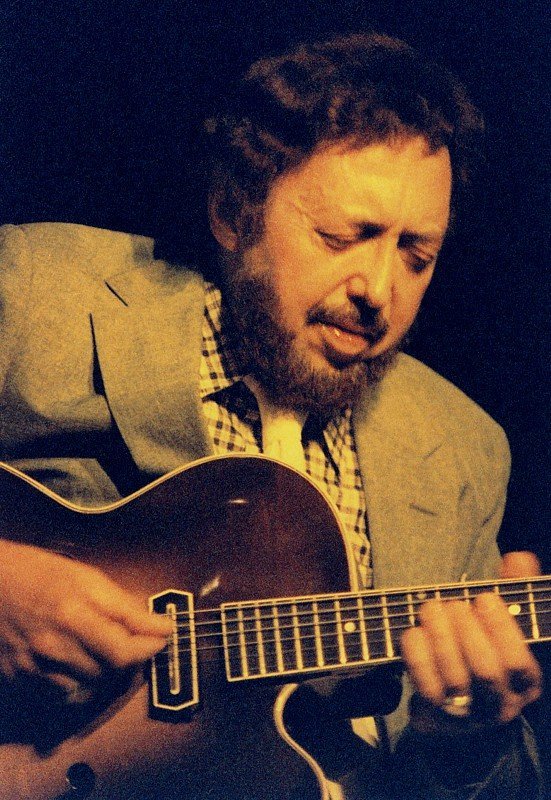
Charlie Christian hit the scene in the late 1930s, wielding an electric guitar in jazz bands when acoustic ruled supreme. Band leaders like Benny Goodman resisted at first, yet his horn-like single-note runs and fluid swing turned heads. Tracks like “Rose Room” showcased the guitar as a lead voice, rivaling saxophones with bold improvisation. He treated amplification not as a gimmick, but a revolution for jazz expression.
His innovations laid groundwork for electric instruments dominating jazz and beyond. Future guitar heroes drew from his swing-era solos, blending them into bebop and rock. Though tuberculosis claimed him young at 25, Christian’s legacy electrified generations.[1]
John Fahey: Architect of American Primitive Guitar
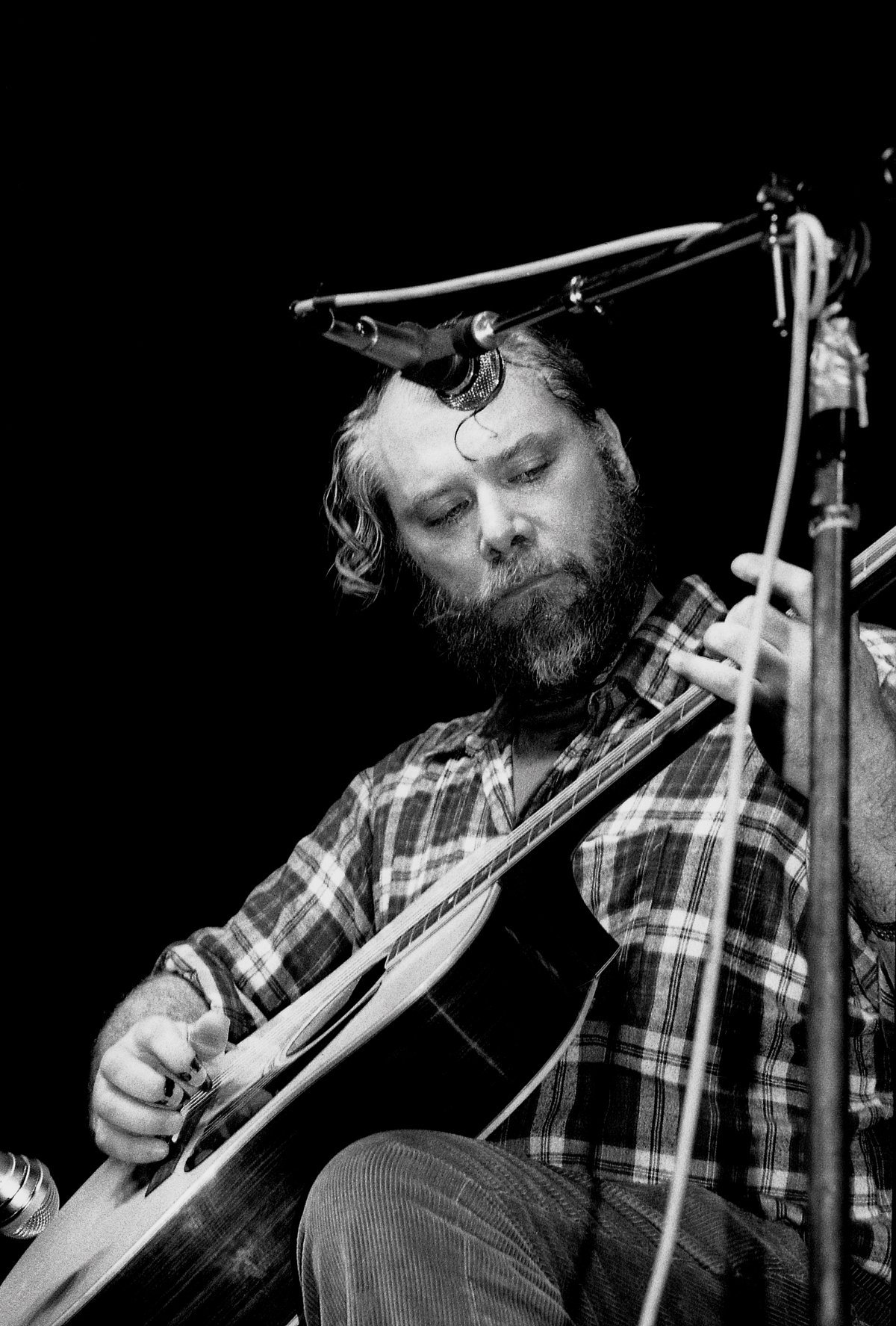
John Fahey crafted intricate acoustic worlds in the 1950s, fusing folk, blues, Eastern ragas, and psychedelia into unaccompanied solos. His minimalist pieces brimmed with complex improvisations, evoking spiritual depths under the alias Blind Joe Death. Far from simple strumming, Fahey layered psychological tension with oxymoronic simplicity. This approach birthed what became known as American Primitive guitar.
New Age music and fusion genres owe him a nod for those hypnotic, genre-bending flows. Artists exploring ambient folk later echoed his Eastern influences and raw introspection. Fahey’s sound stayed fresh, proving complexity thrives in sparseness.[1]
James Jamerson: Motown’s Melodic Bass Master
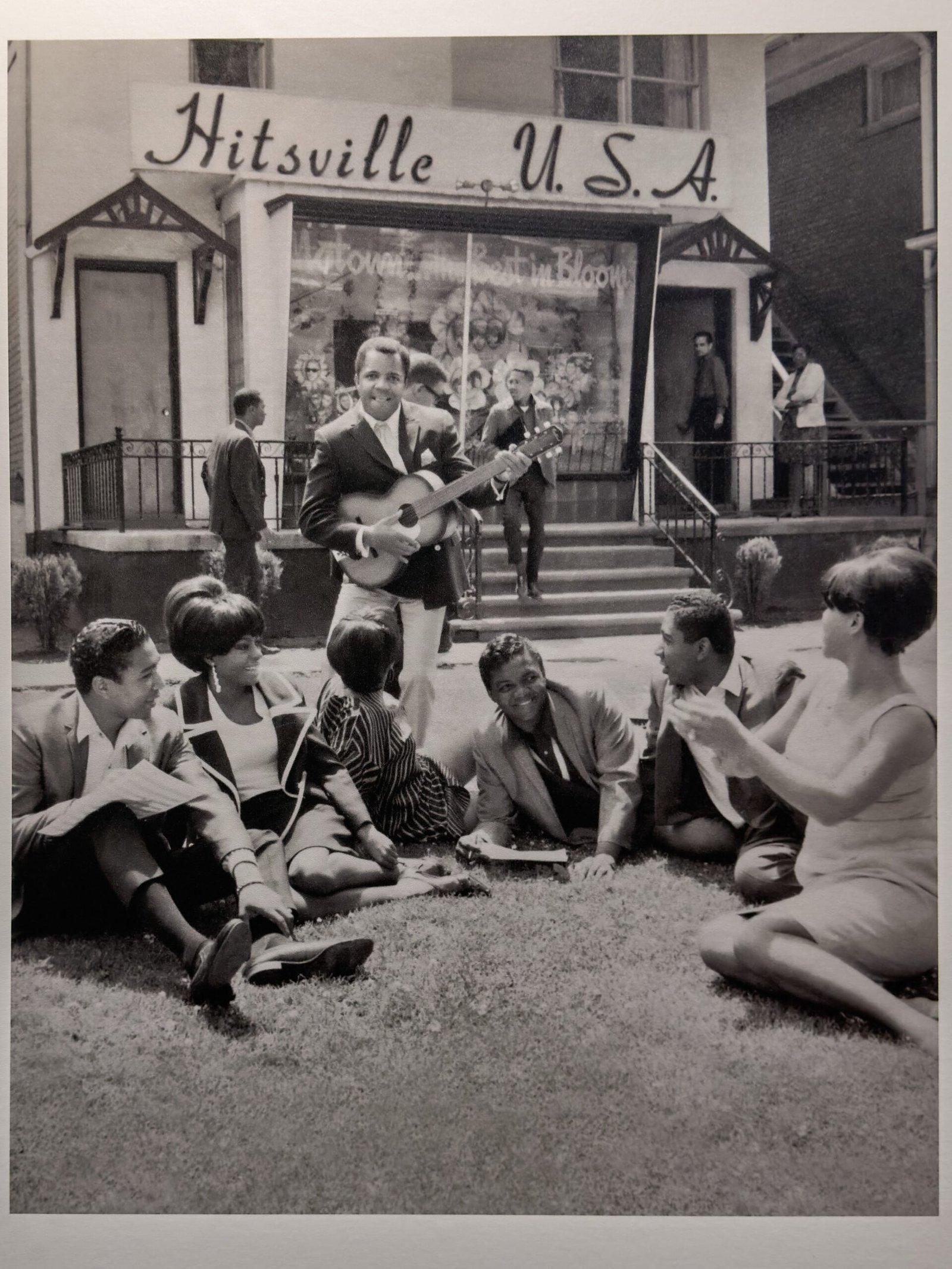
James Jamerson powered Motown hits in the 1960s with a punchy, jazz-flecked bass style that danced beyond basic roots. On classics like “You Can’t Hurry Love” and “My Girl,” he wove adventurous harmonics into counterpoint with vocals. Nicknamed “The Hook,” his plucky lines elevated bass from rhythm keeper to melodic star. He played on more number ones than many headline acts combined.
Pop and R&B production shifted thanks to his foreground flair, inspiring bass-forward grooves everywhere. Modern producers still chase that Motown pocket he defined. Jamerson showed the low end could steal the show.[1]
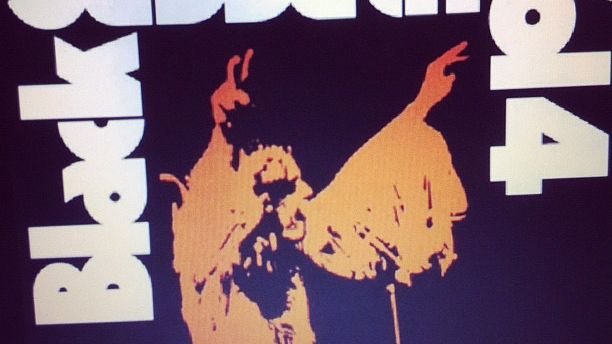
Black Sabbath: Forging Heavy Metal’s Dark Blueprint
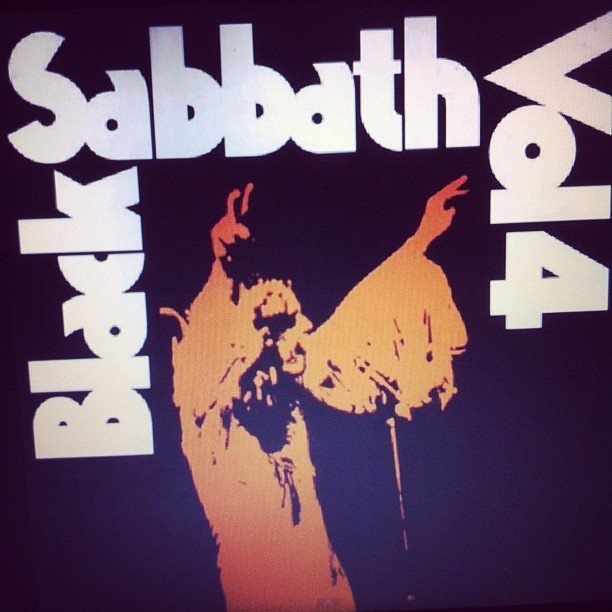
Black Sabbath roared into 1970 with down-tuned riffs, Ozzy Osbourne’s wail, and anti-war fury on their debut and Paranoid. Critics slammed the discord, yet “Iron Man” and “War Pigs” crystallized heavy metal’s core. Deep guitars and brooding themes cut through disco’s rise. They commercialized the heavy sound amid backlash.
Metal’s global empire traces back to their template, influencing thrash, doom, and beyond. Bands worldwide built empires on Sabbath’s ominous foundation. True pioneers turn noise into anthems.[1]
Kraftwerk: Electronic Music’s Robotic Visionaries
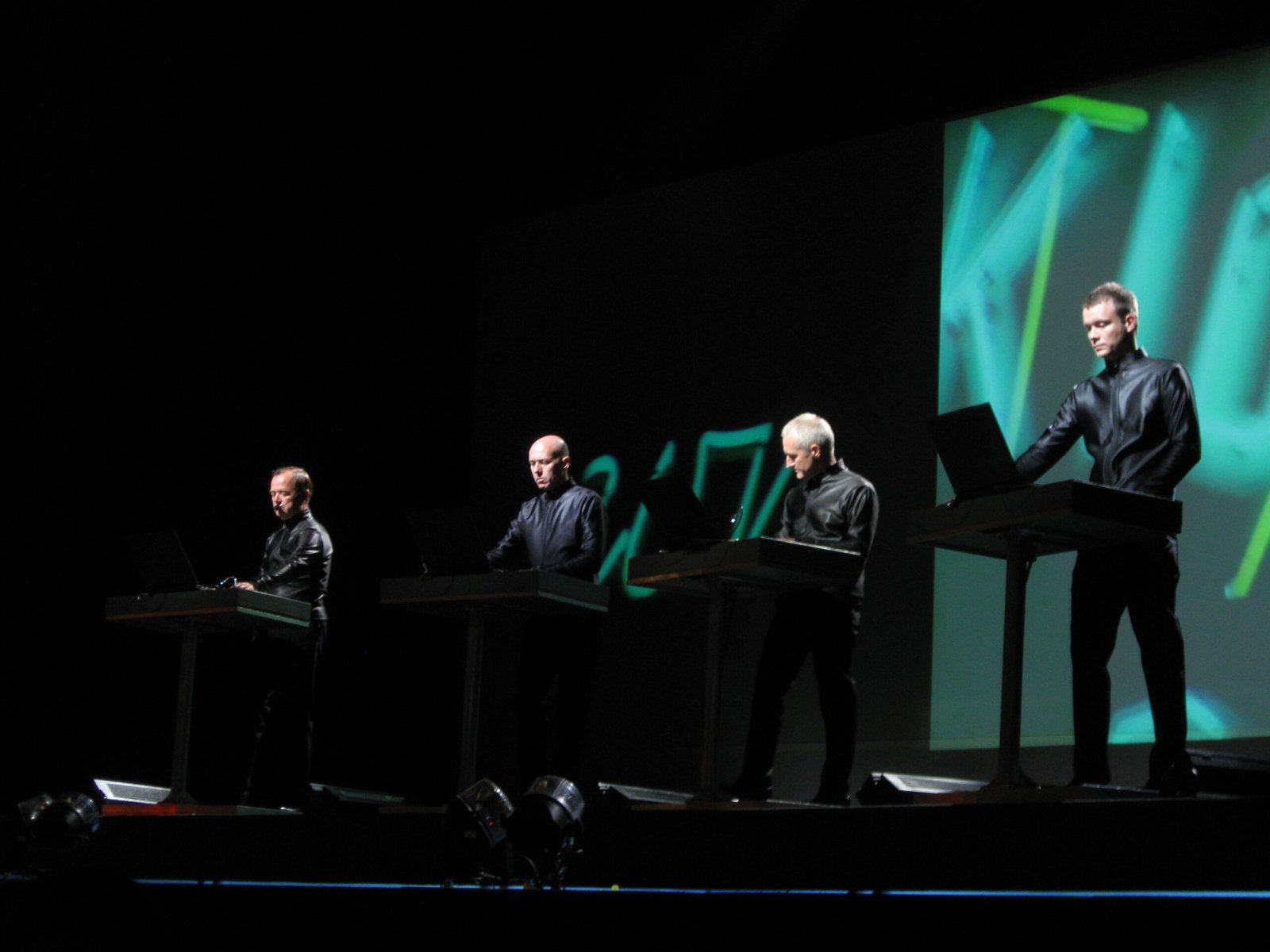
In the 1970s punk and disco swirl, Kraftwerk dialed up synthesizers for “Die Roboter,” sketching 1980s synth-pop years early. Robotic vocals and machine rhythms previewed electronic dance’s pulse. Their German precision crafted futuristic hooks when raw energy ruled. It felt otherworldly then, prophetic now.
Synth-pop, techno, and EDM all stem from their blueprint, with acts from Depeche Mode to Daft Punk nodding back. They humanized machines, shaping pop’s digital heart. Kraftwerk proved electronics could groove eternally.[1]
Blondie: Bridging Punk to Hip-Hop
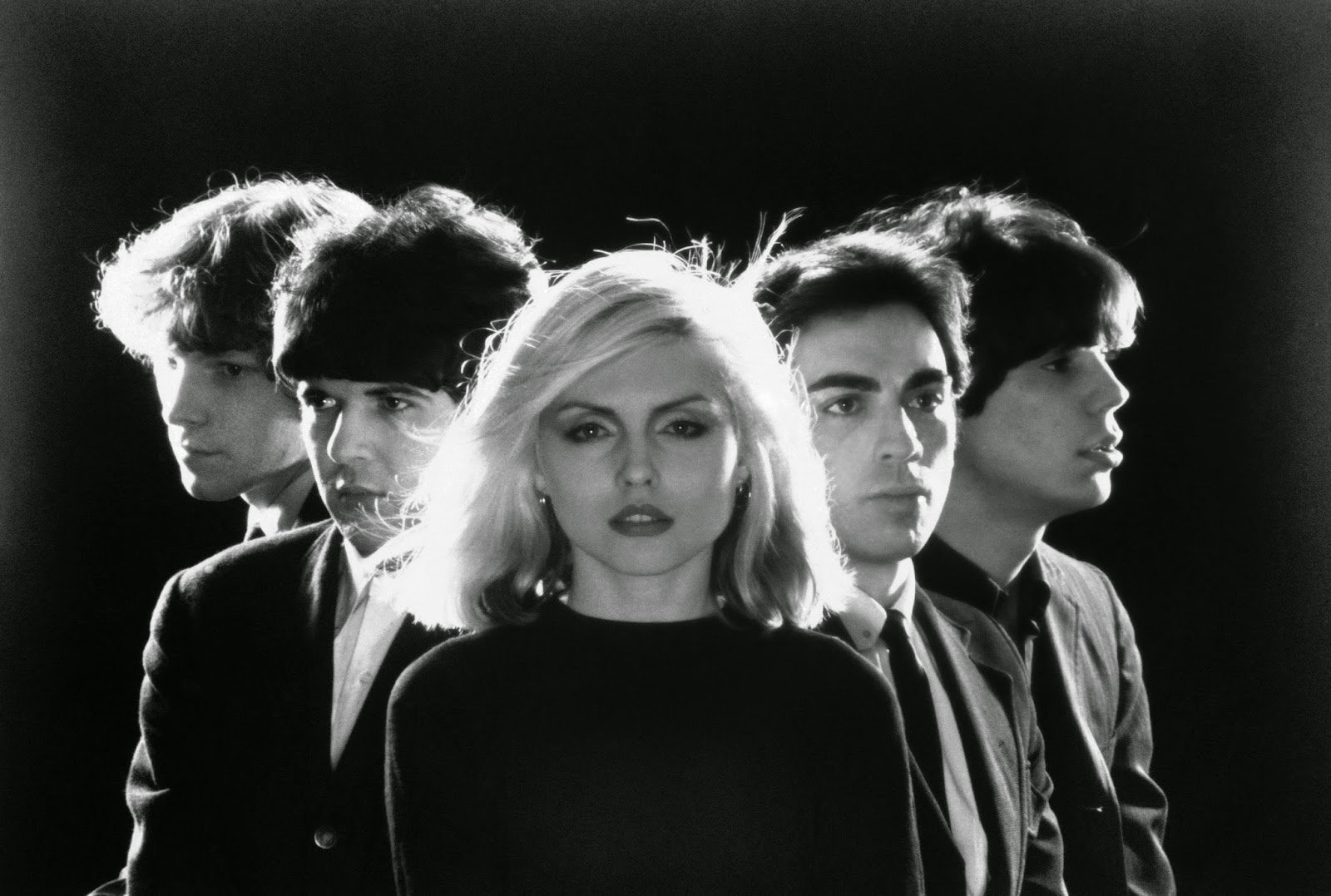
photo front
photo back
photo front, Public domain)
Debbie Harry and Blondie dropped “Rapture” in 1979, a number-one smash blending punk-new wave with original rap verses. No samples, just Harry’s playful rhymes over disco-funk, drawn from street scenes. It marked rap’s mainstream debut in rock. Amid guitar-driven eras, this fusion stunned.
Genre mashups exploded post-Rapture, paving rap-rock’s rise and hip-hop’s pop crossover. Future stars fused styles in Blondie’s wake. They made the leap feel inevitable.[1]
Schoolly D: Gangsta Rap’s Street Chronicler
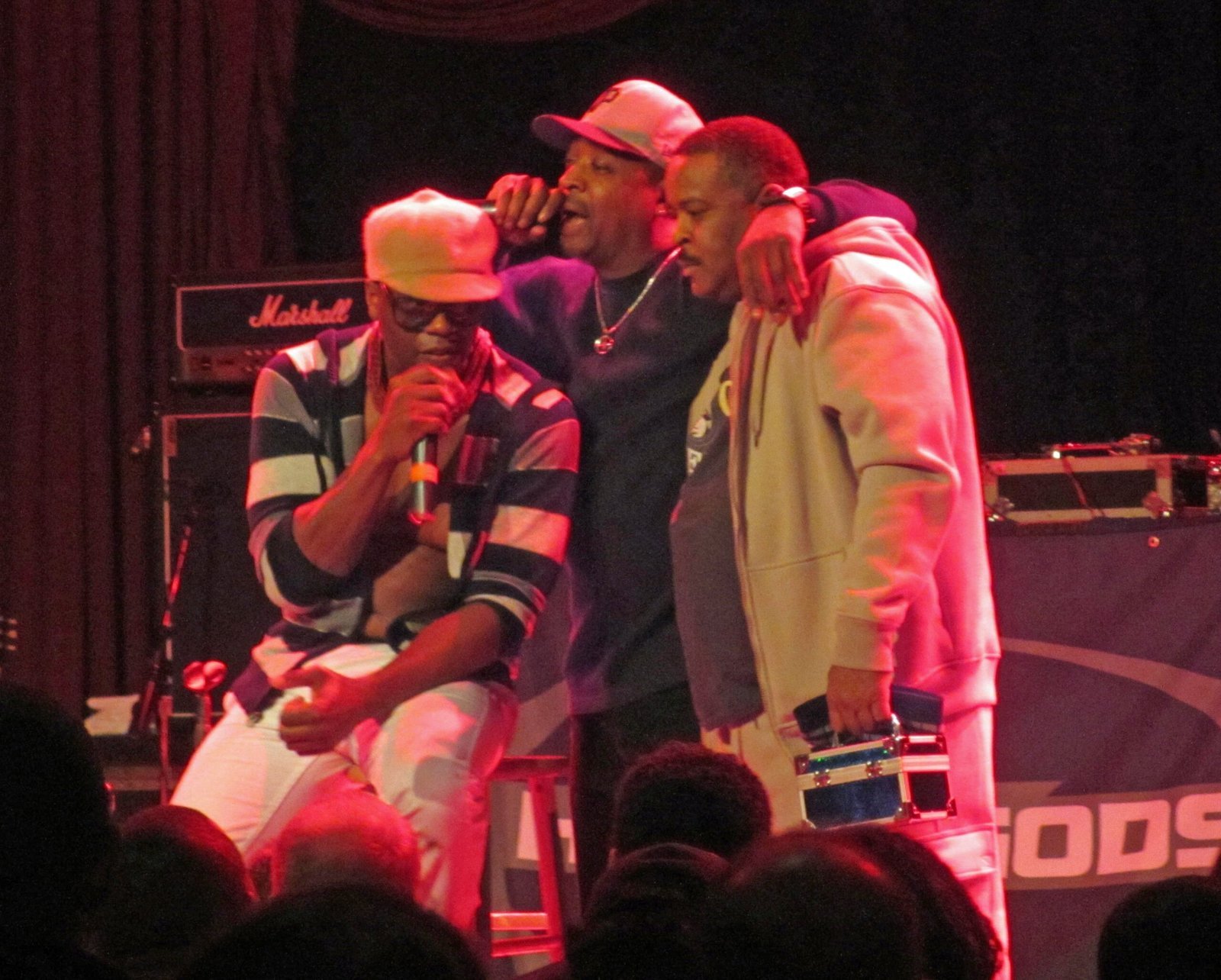
Philadelphia’s Schoolly D unleashed “P.S.K. What Does It Mean?” in 1985, raw tales of violence and bravado over clunky beats. This birthed gangsta rap’s gritty realism, predating West Coast gloss. Simple rhymes captured urban truth for minorities. His debut album set the narrative fire.
Ice-T, N.W.A., and Public Enemy amplified his template into a genre behemoth. Gangsta’s cultural force reshaped hip-hop forever. Schoolly D voiced the streets first.[1]
Rage Against the Machine: Rap-Rock Revolutionaries
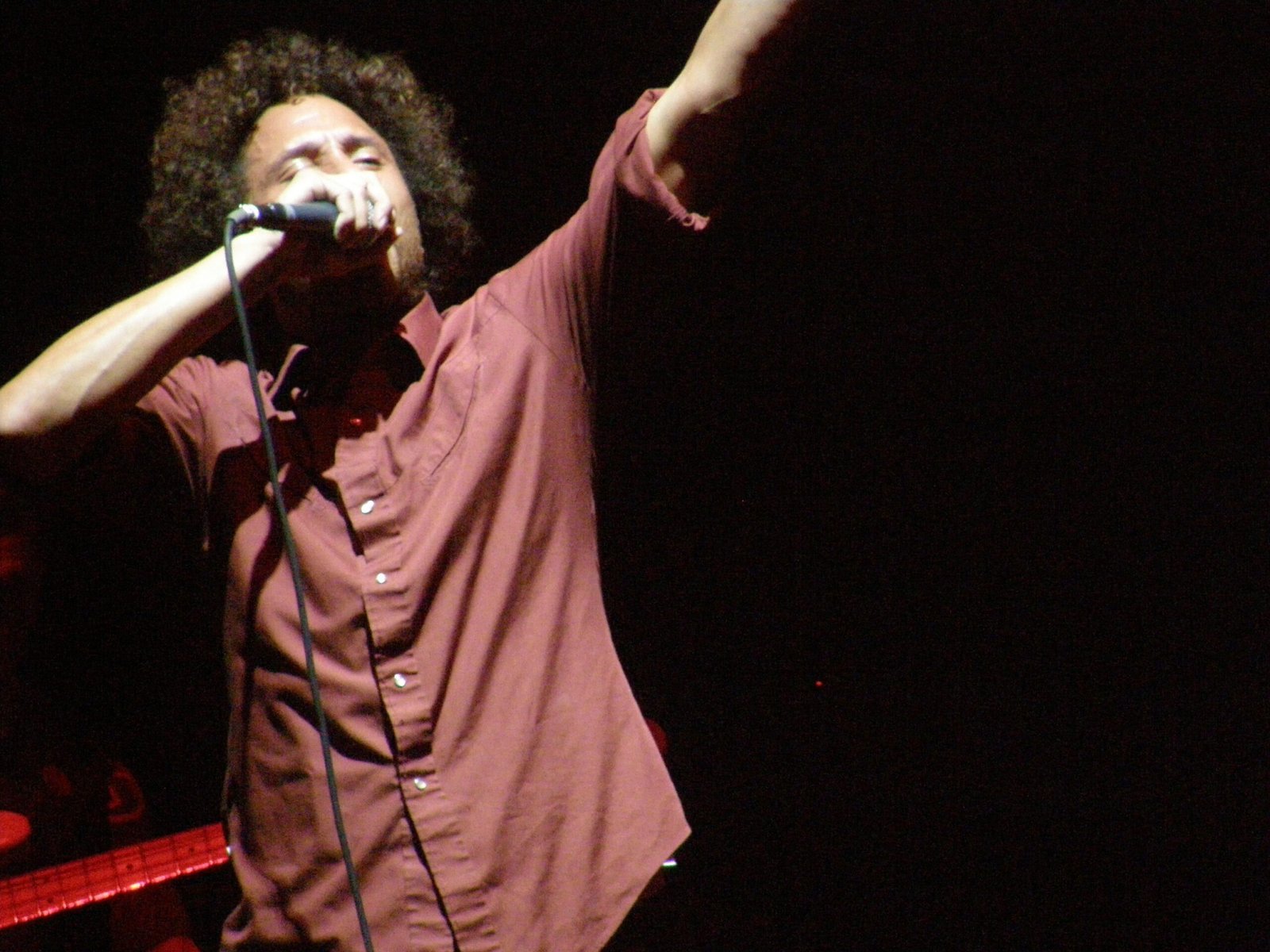
Rage Against the Machine stormed 1992 with hip-hop beats, funk grooves, Tom Morello’s wild guitar, and Zack de la Rocha’s fiery raps against power. “Killing in the Name” topped charts amid grunge. They fused rap’s urgency with rock’s rage innovatively. Political edge cut deep.
Nu metal and rap-rock surged in their shadow, from Korn to Linkin Park. Activist anthems became staple. Rage ignited the hybrid firestorm.[1]
The Lasting Echo of True Innovation
True innovation simmers quietly before it boils over. These eight souls prove audiences often lag behind genius. Their sounds, once dismissed, now anchor entire genres. Patience rewards the bold.
Think about it: what unheard trailblazer waits in today’s noise? Spot them early, and you’re ahead too. What innovator blows your mind most?[1]

Christian Wiedeck, all the way from Germany, loves music festivals, especially in the USA. His articles bring the excitement of these events to readers worldwide.
For any feedback please reach out to info@festivalinside.com
