
For any feedback please reach out to info@festivalinside.com
Music festivals pulse with the heartbeat of their times, turning fields into forums for rebellion, unity, and raw expression. They capture cultural waves, from anti-war chants amid Vietnam’s shadow to the grunge roar against conformity. These gatherings didn’t just play tunes; they reshaped how we connect through sound and shared chaos.
Picture half a million souls defying rain for peace symbols and guitar solos. That’s the magic that lingers. Ready to trace eight legends and spot their echoes in today’s crowds? Let’s dive in.[1][2]
Monterey Pop Festival
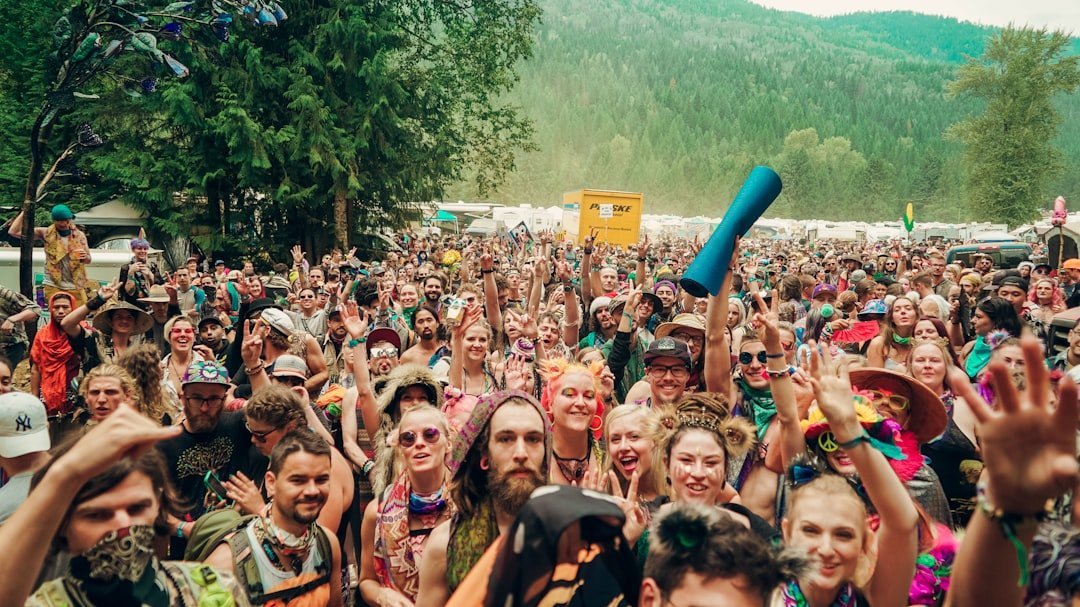
The 1967 Monterey Pop Festival ignited the Summer of Love in California, drawing crowds to witness Jimi Hendrix torch his guitar and The Who smash theirs in explosive sets. It marked rock’s breakout from clubs to massive outdoor spectacles, blending psychedelic vibes with soulful breakthroughs like Otis Redding’s performance. This event set the blueprint for festivals as cultural explosions, far beyond mere music.[1][2]
Today’s Coachella channels that innovative spirit with art installations and genre-mixing lineups that push boundaries. Indie fests like Bonnaroo nod to Monterey’s free-spirited experimentation, keeping the flame of discovery alive. Honestly, without Monterey, our weekends might still be stuck in smoky venues.[3]
Woodstock Music & Art Fair
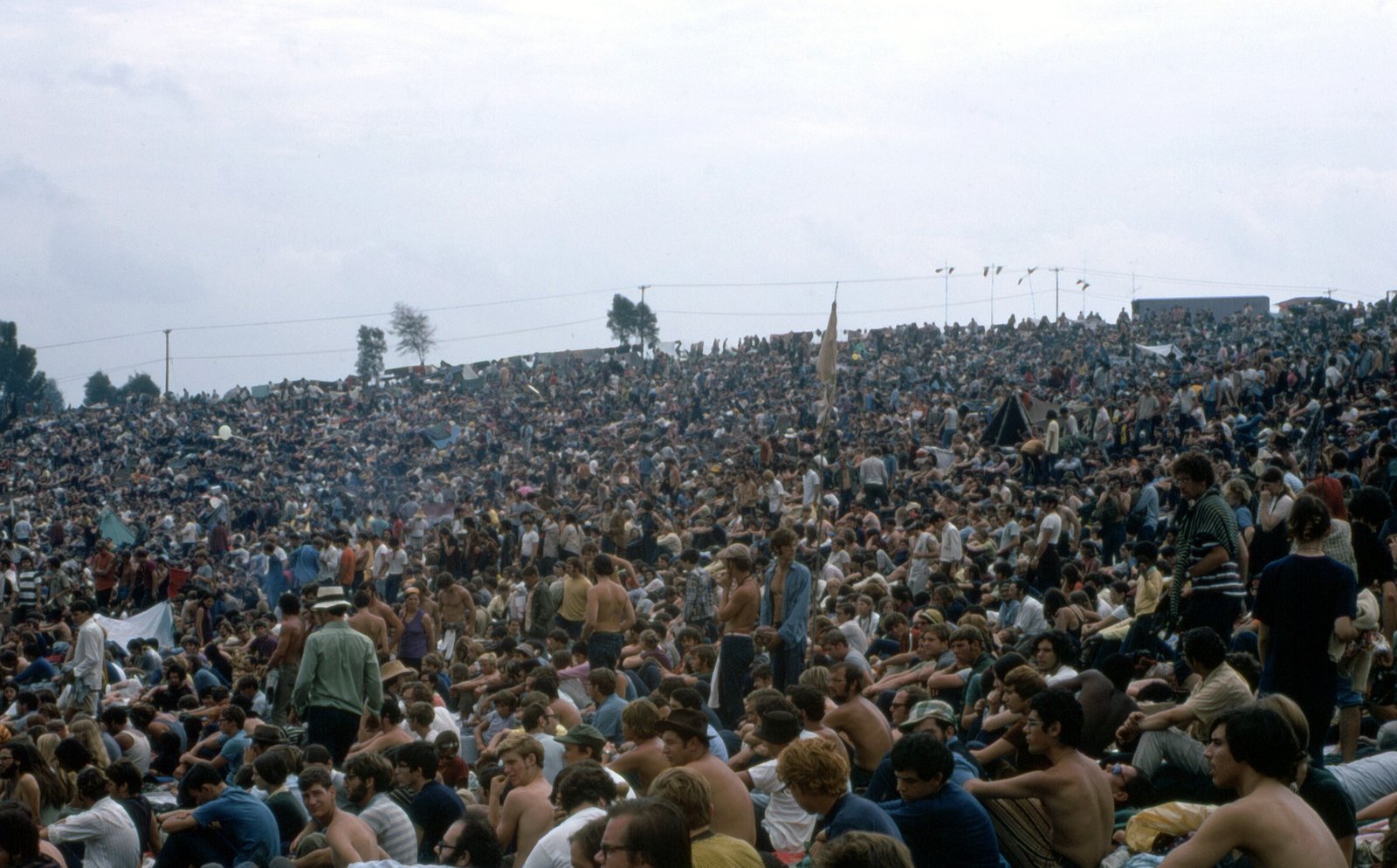
Woodstock in 1969 drew nearly half a million to a muddy New York farm, embodying hippie ideals of peace and love amid Vietnam protests. Acts like Jimi Hendrix, Janis Joplin, and The Who turned traffic jams and rain into symbols of communal triumph. It defined the counterculture era, proving music could unite generations in defiance.[1][4]
Glastonbury carries Woodstock’s muddy, inclusive soul with its pyramid stage and diverse crowds chasing that same euphoria. Modern revivals and eco-focused events like Burning Man echo the free-expression legacy. Let’s be real, Woodstock’s vibe still draws dreamers to fields worldwide.[3]
Glastonbury Festival
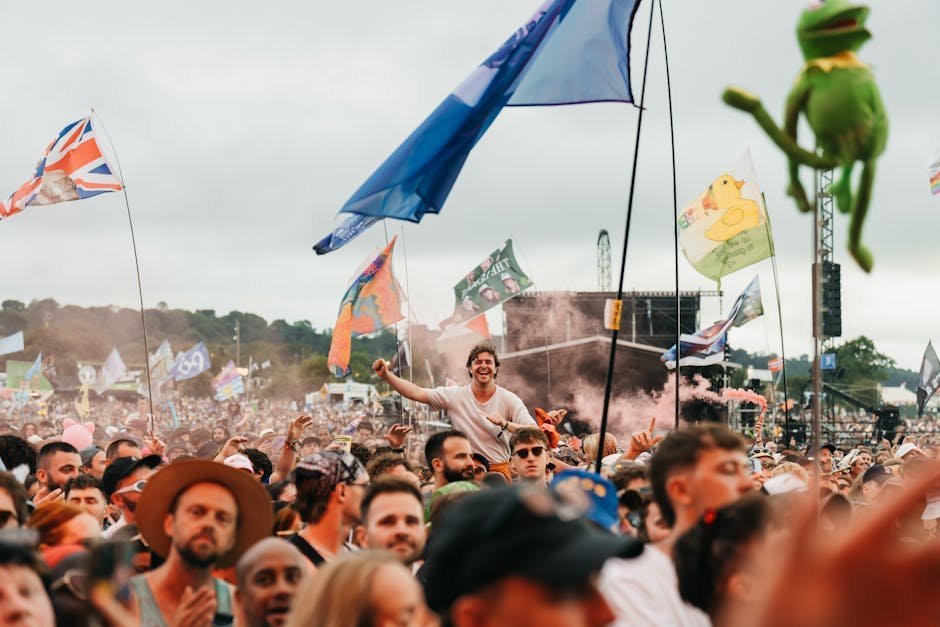
Launching in 1970 on a UK farm, Glastonbury fused folk roots with rock rebellion, offering free milk and acts like David Bowie in its early days. It grew into a mecca for musical diversity, mirroring Britain’s evolving youth culture through decades of punk, rave, and indie waves. This festival cemented the idea of fests as temporary utopias.[1][3]
As an annual powerhouse, Glastonbury itself keeps the spirit thriving, selling out in minutes with eclectic bills. It inspires global siblings like Australia’s Splendour in the Grass, blending activism and art. I think its endurance shows festivals can age like fine wine, not fade away.
Isle of Wight Festival
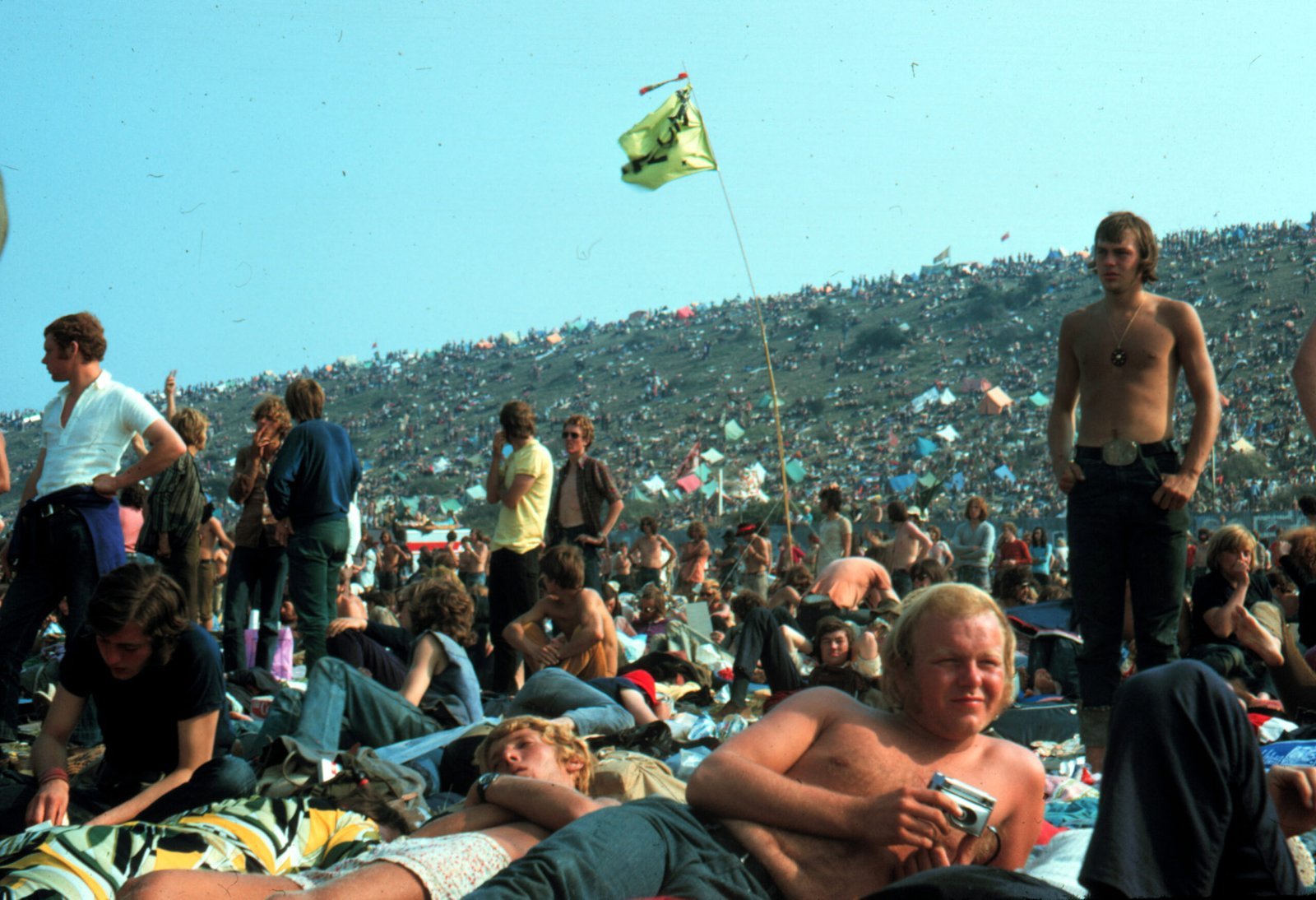
The 1970 Isle of Wight pulled 600,000 to a British island for The Who, Jimi Hendrix’s final major show, and Joni Mitchell amid gate-crashing chaos. It capped the 1960s festival boom, highlighting tensions between free access and organization in the peace movement. This massive gathering defined the era’s unruly optimism.[1][4]
Revived since 2002, it lives on with rock legends and younger acts, preserving that island escape feel. Events like Denmark’s Roskilde echo its scale and nonprofit ethos. Though smaller now, its wild heart beats in any fest that lets fans crash the party.
US Festival
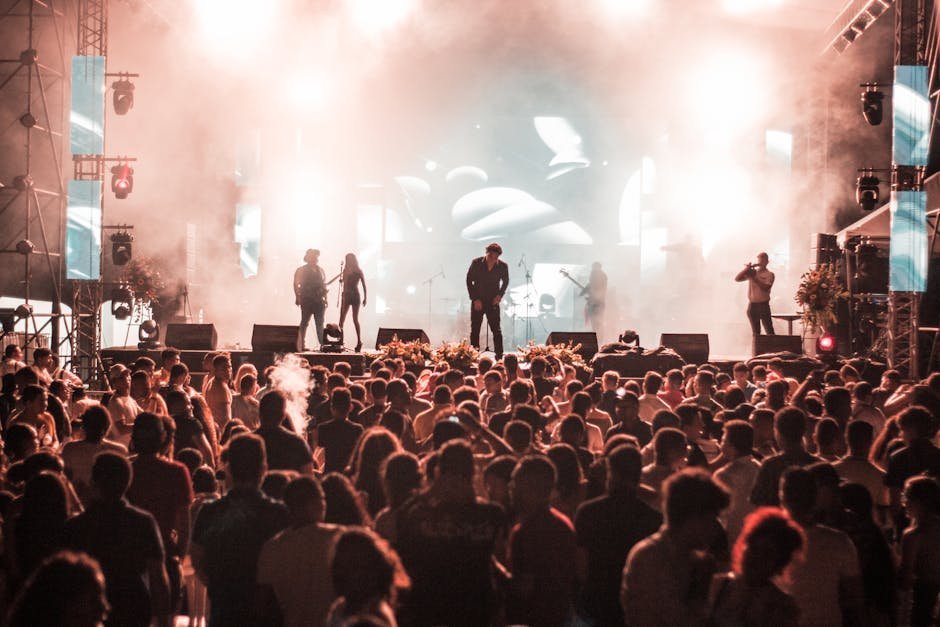
Steve Wozniak’s 1983 US Festival in California aimed to be the “Woodstock of the 80s,” blending new wave, metal, and punk with The Clash, Van Halen, and Ozzy Osbourne over two weekends. It captured synth-pop’s rise and tech optimism, drawing huge crowds to a high-tech setup. This event bridged hippie roots with MTV’s glossy era.[1]
Lollapalooza’s traveling format owes a debt to US Fest’s ambition, evolving into multi-city alt-rock havens. Modern tech-infused raves like EDC carry the spectacle forward. Here’s the thing: it showed festivals could go big and corporate without losing edge.
Lollapalooza
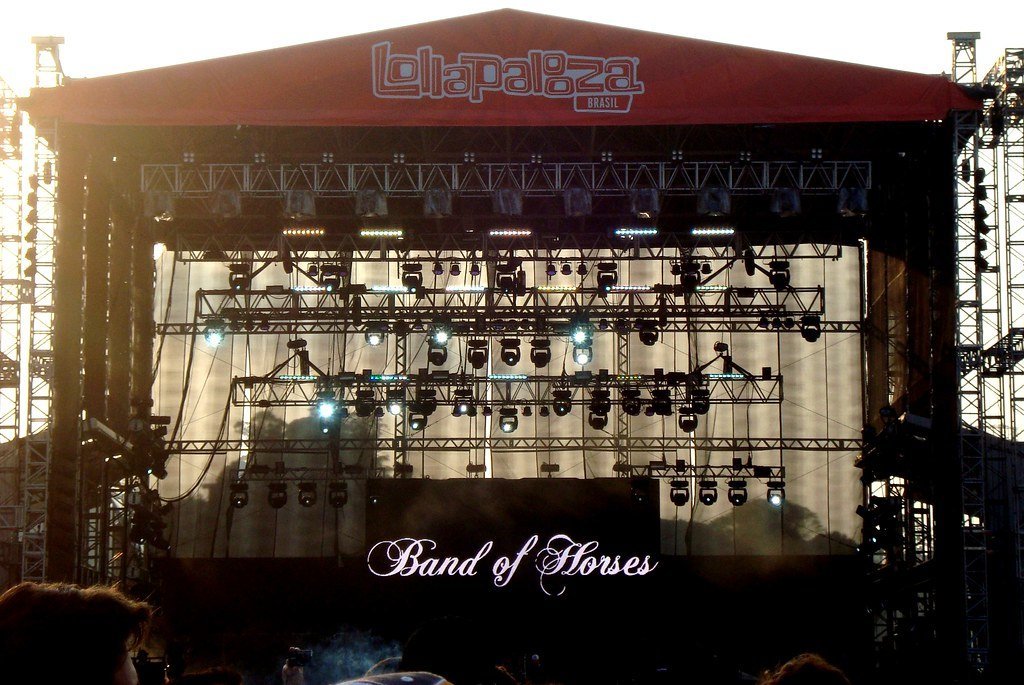
Debuting in 1991 as Perry Farrell’s Jane’s Addiction farewell, Lollapalooza toured with Nine Inch Nails, Ice-T, and grunge pioneers, fueling alternative rock’s mainstream surge. It championed activism booths and raw energy against hair metal’s excess. This mobile beast defined 90s youth angst.[1][2]
Now a Chicago staple since 2005, it expands globally to Brazil and Europe, mixing hip-hop and EDM. Warped Tour and similar tours keep the road-warrior spirit rolling. I know it sounds crazy, but Lolla made festivals feel like revolutions on wheels.
Coachella Valley Music and Arts Festival
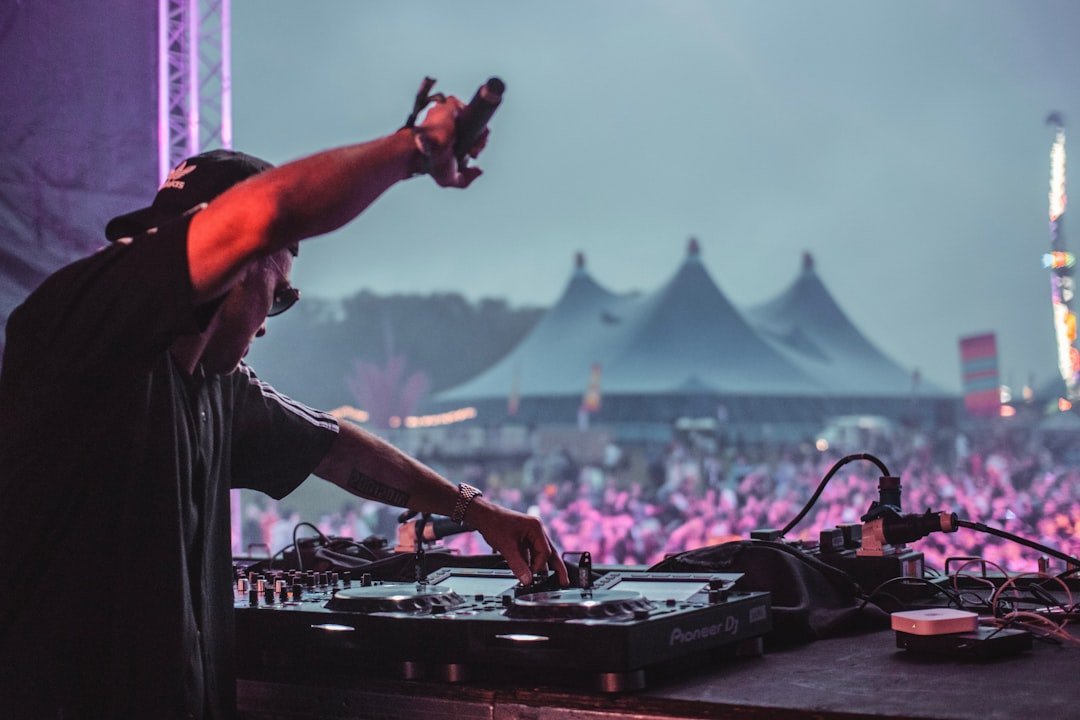
Starting in 1999, Coachella blended indie, hip-hop, and art in California’s desert, launching stars like Daft Punk’s pyramid set into legend. It shifted festivals toward luxury glamour and influencer culture, defining 2000s tastemaking. This event turned weekends into fashion statements.[3][2]
Its influence ripples in bottle-service raves and Instagram-ready stages worldwide. Fests like Governors Ball mimic the celeb allure. Yet, it proves even polished events crave that communal high.
Bonnaroo Music and Arts Festival
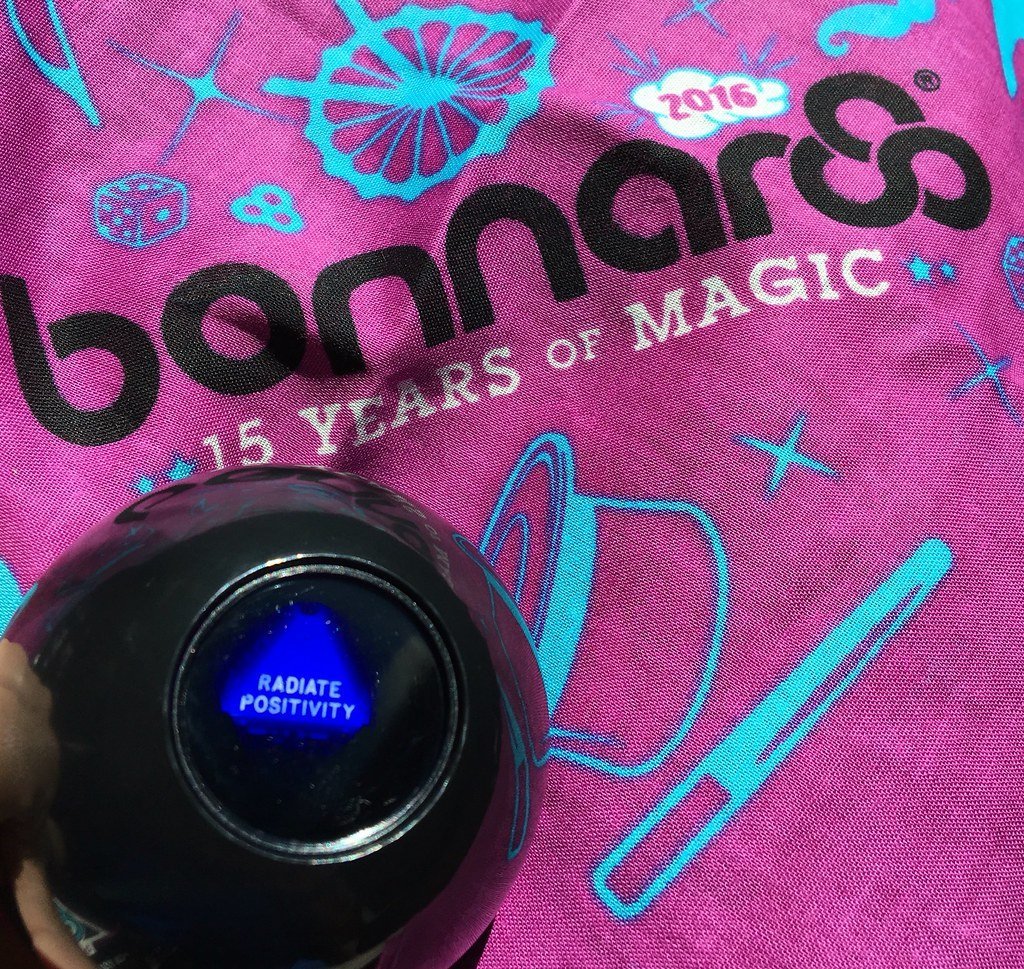
Bonnaroo hit Tennessee in 2002 with jam bands, hip-hop, and SuperJams, creating a nonstop party that rivaled Woodstock’s endurance tests. It revived communal camping amid post-9/11 healing, emphasizing sustainability early on. This fest nailed 2000s eclectic escapism.[3]
Still thriving with eco-villages, it inspires green initiatives at events like Lightning in a Bottle. The endless-set tradition lives in multi-day marathons everywhere. Bonnaroo reminds us festivals heal as much as they hype.
The Enduring Evolution of Festival Culture
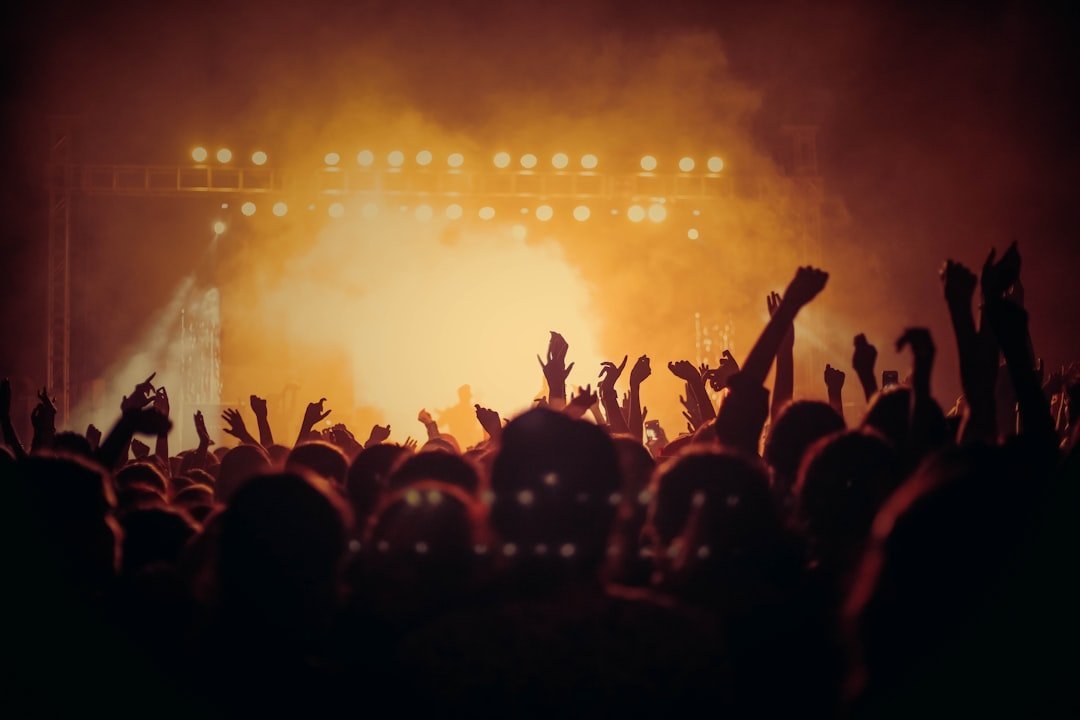
Festivals have morphed from muddy peace rallies to sleek desert mirages, yet their core – unity through beats – holds firm. We’ve traded tie-dye for neon, but the urge to lose ourselves in crowds persists. In 2026, they’re greener, techier, but no less soul-stirring.[4]
These eight prove eras fade, spirits don’t. What’s your festival memory that still gives you chills? Share below and keep the vibe alive.

Christian Wiedeck, all the way from Germany, loves music festivals, especially in the USA. His articles bring the excitement of these events to readers worldwide.
For any feedback please reach out to info@festivalinside.com
