

For any feedback please reach out to info@festivalinside.com
- 12 Iconic Musicians Who Vanished From the Spotlight – And Where They Are Now - March 24, 2026
- 8 Music Festivals From the Past That Defined a Generation - March 24, 2026
- Billboard’s Top 10 Greatest Pop Stars of the 21st Century - March 24, 2026
There is something almost impossible to explain about a music festival that truly captures a moment in time. It is more than the lineup, more than the ticket price, more than the field of strangers standing shoulder to shoulder in the rain. The greatest festivals in history became mirrors of entire generations, reflecting the politics, the fears, the rebellions, and the joys of young people who had nowhere else to put all that energy. They were social movements disguised as concerts.
Think about it this way: every generation needs a shared experience, a kind of collective memory that says “we were there, and we felt the same thing at the same time.” For some, it was watching the moon landing. For others, it was one specific weekend in a muddy field with 400,000 strangers. Music festivals, at their best, became exactly that. So let’s dive into eight festivals that didn’t just entertain their generations. They helped shape them entirely.
1. The Newport Folk Festival (1959 Onward): Where Folk Music Found Its Soul
The Newport Folk Festival began in Newport, Rhode Island in 1959 and served as the epicenter for the rise of popular folk music in America. George Wein established the festival in response to the 1958 Folk Revival movement, wanting upcoming artists to have a central stage to display their talents. Honestly, what started as a relatively modest gathering became one of the most consequential events in American music history.
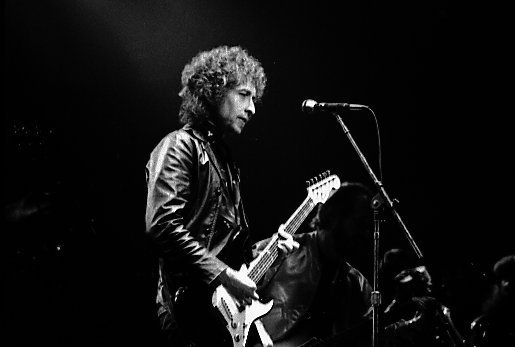
The festival’s most explosive moment came in 1965, and it wasn’t quiet at all. In the time it took Bob Dylan and his hastily assembled band to play four songs, the course of popular music was changed forever. Dylan, the folk bard, revealed his rock and roll roots in full. Any barriers that had existed between the genres, as well as the generations that embraced them, were obliterated. What rock and roll could become and the risks an artist could take became limitless in a single stroke.
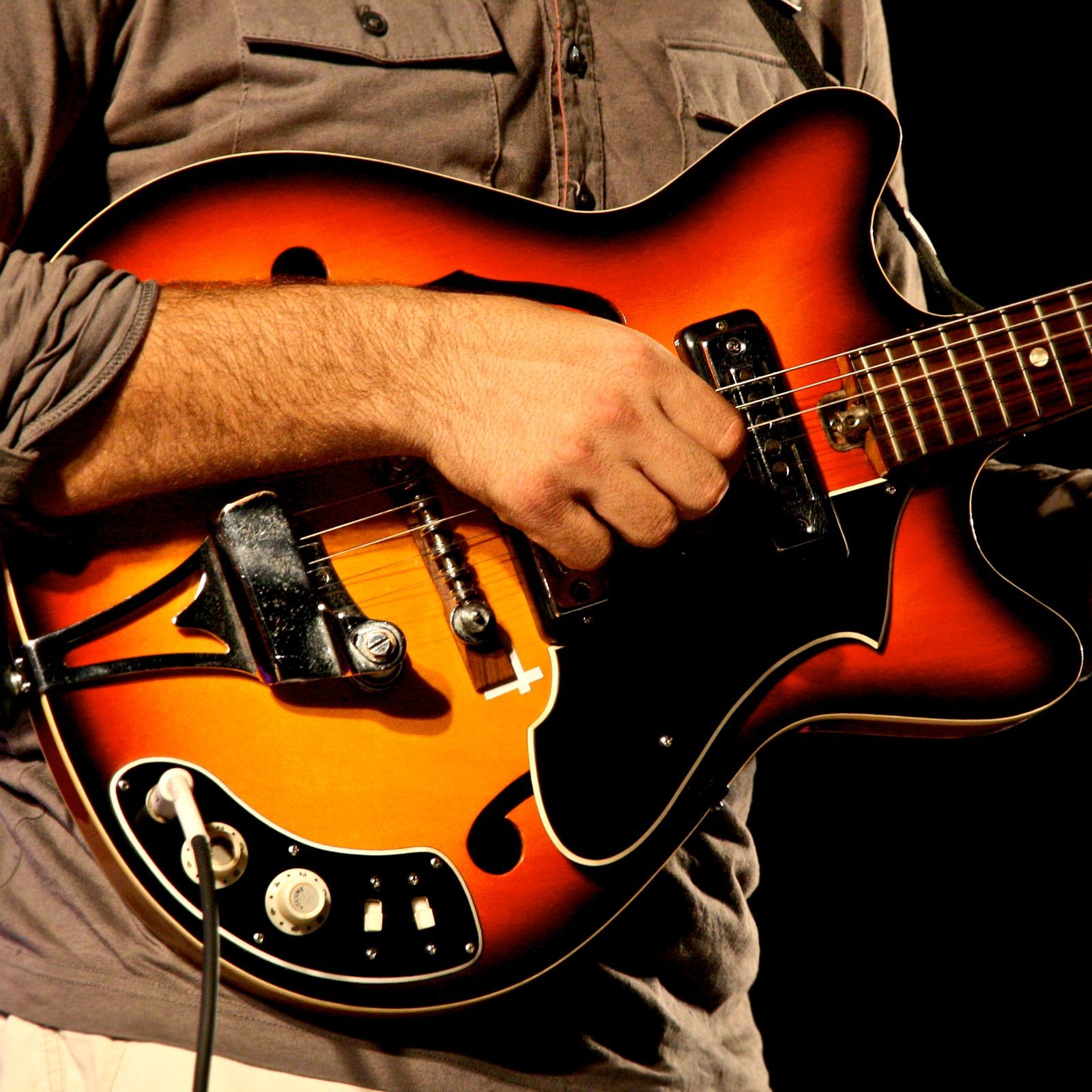
Dylan had gained a reputation as a flag-bearer for politically-charged acoustic folk music, but by the time he was scheduled to hit the stage at the 1965 Newport Folk Festival, he was experimenting with something far more controversial. Dylan’s 1965 album “Bringing It All Back Home” featured one disc backed by electric guitars and a full band, and that should have primed the audience for what they were going to hear. Sure enough, Dylan came out on stage with a 1964 Sunburst Fender Stratocaster and a backing band. The audience responded by roundly booing the troubadour, and Dylan left the stage after just a handful of songs. Some called it a betrayal. History called it a turning point.
2. The Monterey Pop Festival (1967): The Summer of Love Gets a Soundtrack
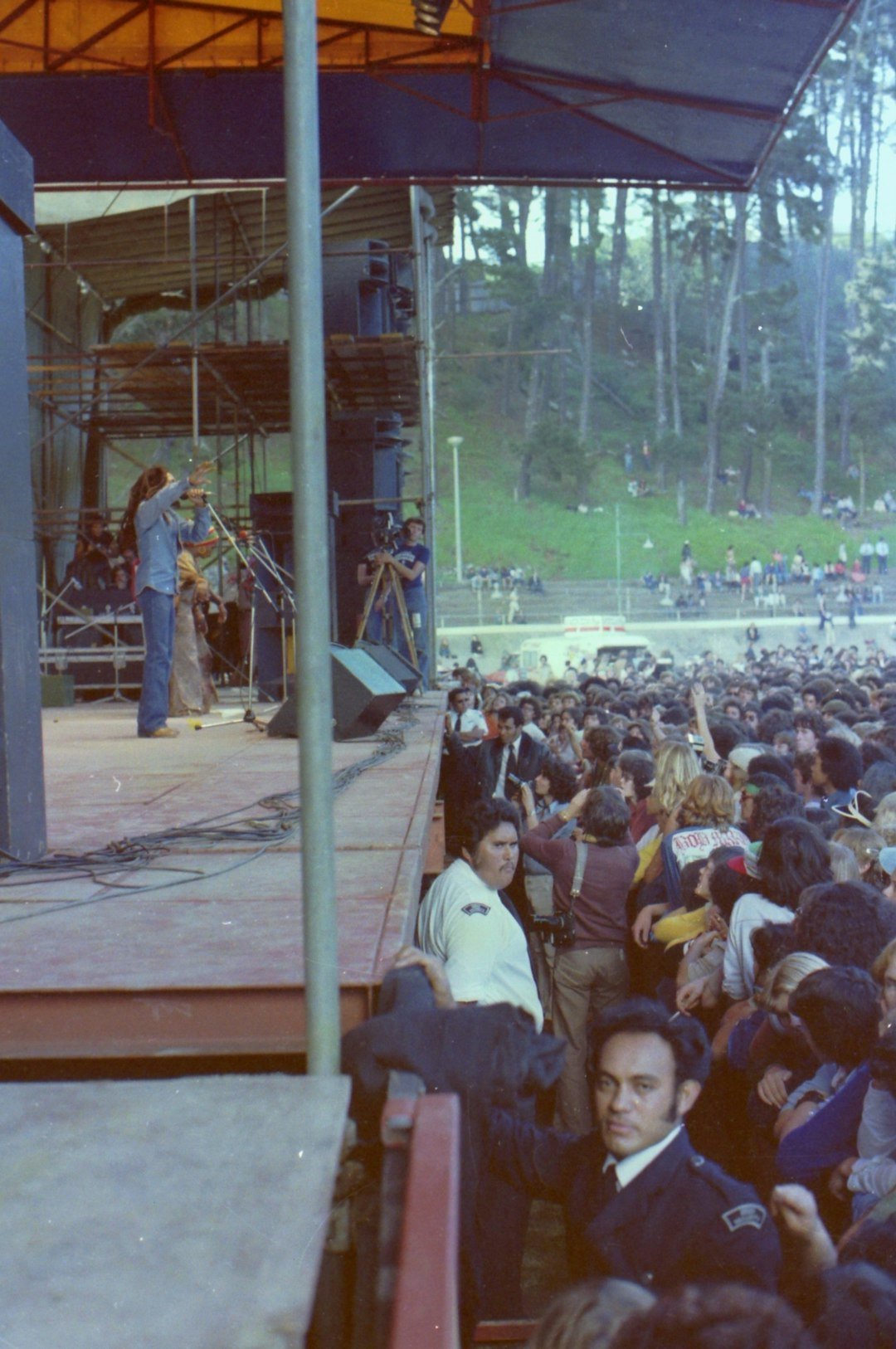
The Monterey Pop Festival in June 1967 launched the “Summer of Love” and introduced American audiences to psychedelic rock as a mainstream force. It produced career-making performances by Jimi Hendrix, Janis Joplin, and The Who, bringing previously underground acts to national attention. It also served as a blueprint for future festivals, establishing the multi-day, multi-stage format that Woodstock and others would follow.
Here’s the thing, Monterey didn’t just put new artists on a stage. It transformed the entire way the world perceived live music. The 1968 documentary film that recorded the event reached a wide audience and introduced many fans to exciting new talent, notably Jimi Hendrix who created a sensation. As a showcase for San Francisco talent including Janis Joplin, Country Joe and the Fish, and Jefferson Airplane, Monterey captured the key symbols of the emerging counterculture in the idyllic Summer of Love.
The Who’s Pete Townshend was known as the forefather of smashing guitars, but Jimi Hendrix was known for his antics with the axe as well. When Townshend destroyed his instrument while appearing before Hendrix, the one-upmanship was on. Hendrix turned in a searing set that he capped by pouring lighter fluid over his guitar and setting it afire. Hendrix then took the flaming axe and bashed it to pieces. The image of him kneeling over the open flames is one of the most compelling in rock history. You simply cannot make that up.
3. Woodstock (1969): The Festival That Became a Symbol
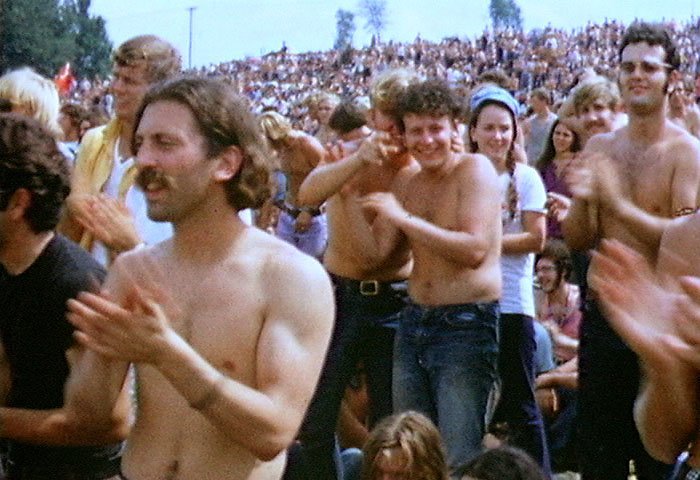
The Woodstock Music Festival, held in August 1969 in Bethel, New York, is often regarded as the pinnacle of 1960s youth culture, symbolizing a generation’s quest for freedom, peace, and social change amidst a backdrop of political upheaval. I think it’s nearly impossible to overstate what Woodstock meant, not just as a festival, but as a cultural declaration.
The Woodstock Music and Art Fair was held from August 15 to 18, 1969, on Max Yasgur’s dairy farm in Bethel, New York. Billed as “an Aquarian Exposition: 3 Days of Peace and Music,” it attracted an audience of more than 460,000. Thirty-two acts performed outdoors despite overcast skies and sporadic rain. What began as a ticketed event quickly spiraled beyond all control, and somehow, beautifully, it worked.
Woodstock left an indelible impression on not only the artists and attendees but also on the minds of millions of young Americans who experienced it secondhand, through news media accounts, a widely seen documentary film, and the consumer products that soon followed. The festival has become widely regarded as a pivotal moment in popular music history, as well as a defining event for the silent and early baby boomer generations. That’s the rare kind of legacy that most events can only dream about.
4. The Isle of Wight Festival (1970): Britain’s Answer to Woodstock
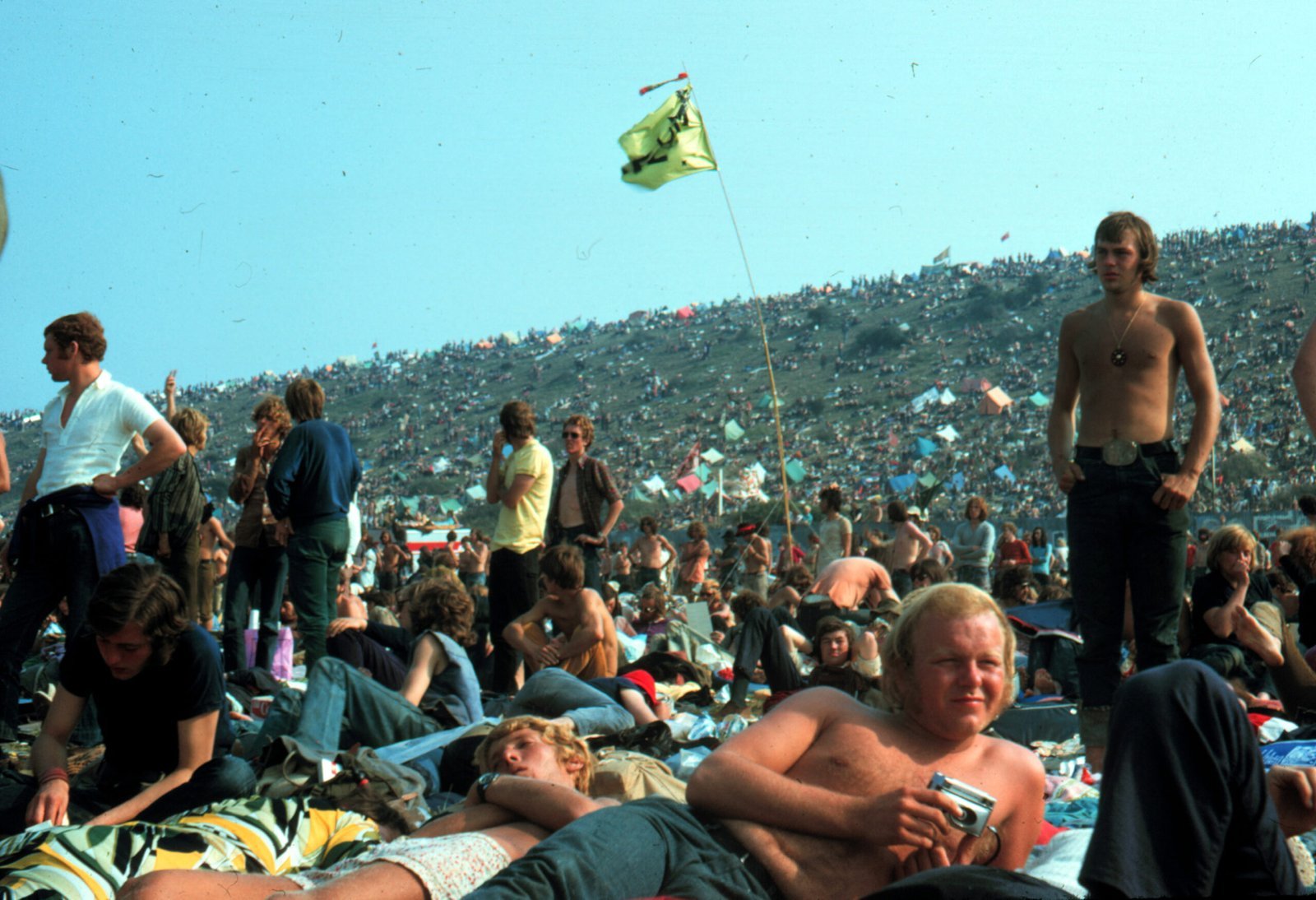
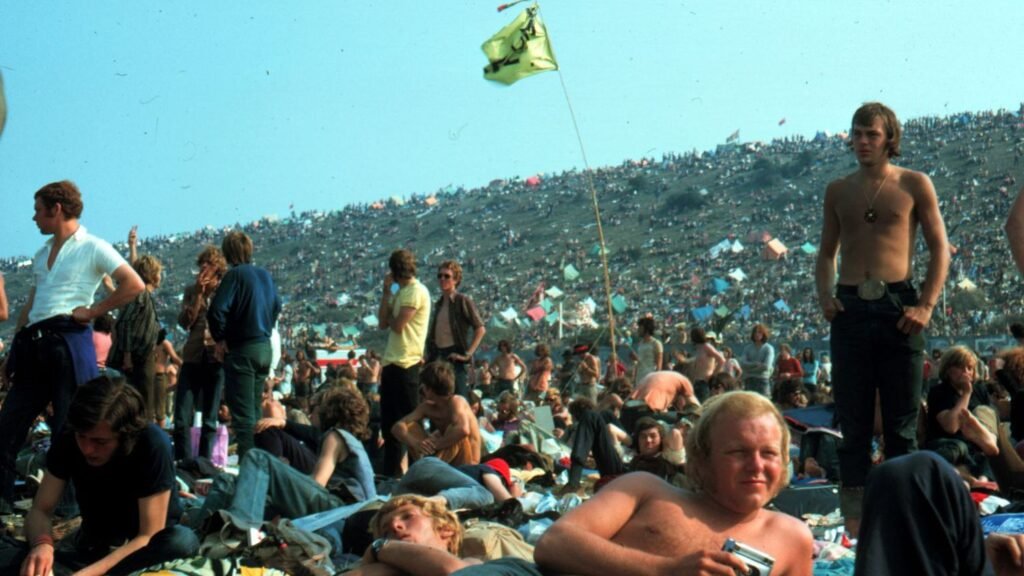
The Isle of Wight Festival began with a series of festivals between 1968 and 1970, widely acknowledged as Europe’s equivalent of Woodstock. The 1970 edition, though, was something else entirely. Something bigger and, some might argue, even more wild.
It was the last of three consecutive music festivals to take place on the island between 1968 and 1970 and is often acknowledged as the largest musical event of its time, with a larger attendance than Woodstock. Although estimates vary, Guinness World Records estimated 600,000 to 700,000 people attended. That is a staggering number of human beings packed onto a small island off the southern coast of England.
Jimi Hendrix headlined the event, delivering one of his final live performances before his untimely death. Other notable acts included The Doors, The Who, The Moody Blues, Joni Mitchell, Miles Davis, and Ten Years After. Incredibly, The Doors, led by Jim Morrison, gave one of their final performances as a band before Morrison’s death in 1971. In retrospect, the 1970 Isle of Wight Festival feels like the last great gathering before so many of rock’s brightest flames went out.
5. Glastonbury Festival (1970 Onward): The One That Never Stopped Evolving
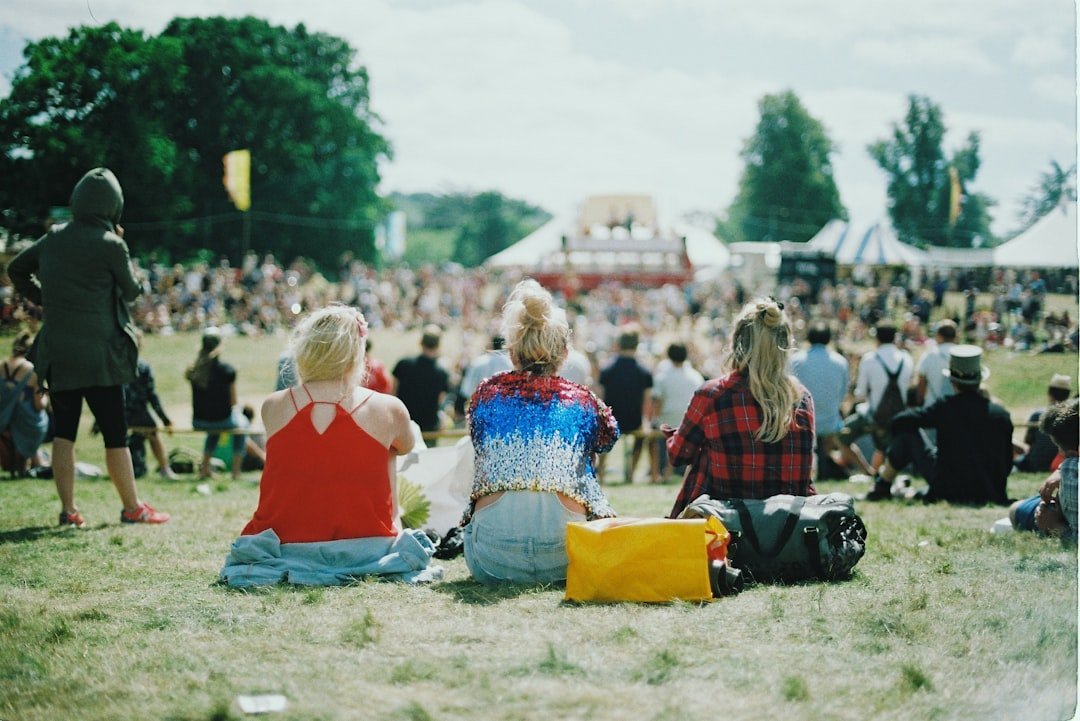
Michael and Jean Eavis, festival co-founders, had been inspired by the Bath Festival of Blues and Progressive Music in Shepton Mallet, Somerset and by the success of the Isle of Wight Festival and Woodstock in the US the previous year, and decided to host a festival at the Eavis family dairy farm. What started as pure inspiration from other events grew into something that outlasted and outgrew them all.
Personal accounts, maps and documents trace the origins of the Festival, and document how it has grown from an audience of 1,500 in 1970 to over 200,000 in 2019, with millions of others watching live on the BBC or streaming performances online. That growth is extraordinary. Think of it like a seed planted in Somerset mud that eventually became a forest.
The festival is known for its commitment to sustainability and social causes, often incorporating environmental initiatives into its programming. Glastonbury has become a rite of passage for music lovers and a platform for emerging artists. Its rich history and cultural significance make it one of the most iconic music festivals in the world. The festival began to gather real momentum in the 1980s under Michael Eavis’s guidance, establishing itself as a powerful voice for social and political change and for raising money for good causes. In 1981, proceeds went to the Campaign for Nuclear Disarmament, a partnership that continued up until the end of the Cold War.
6. Live Aid (1985): When Music Tried to Save the World
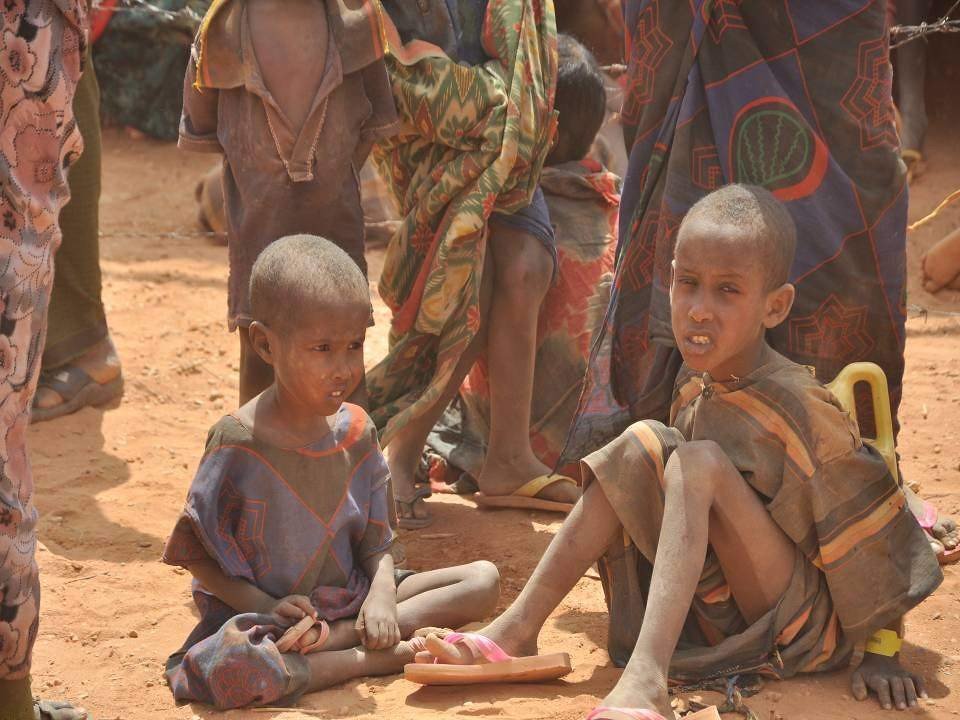
Live Aid, which took place on July 13, 1985, for a global audience of 1.9 billion people, was a massive, bicontinental pop concert created to raise money for Ethiopian famine relief. Nothing quite like it had ever been attempted before. A charity concert for two billion viewers. The sheer scale of the ambition still makes you stop and think.
The event was organised by Bob Geldof and Midge Ure to raise further funds for relief of the 1983 to 1985 famine in Ethiopia, a movement that started with the release of the successful charity single “Do They Know It’s Christmas?” in December 1984. Using industry connections, persuasion, and a little bit of trickery, Geldof was able to book more than 50 of the music industry’s biggest names, including Queen, David Bowie, Elton John, Paul McCartney, The Who, Bob Dylan, U2, and Madonna.
A less-argued point is that Queen’s performance at Live Aid stole the show. Freddie Mercury’s commanding stage presence and the band’s impeccable musicianship blew away stadium audiences in London and Philadelphia and the global television audience of two billion. Even the superstars performing that day, from Elton John to The Who, acknowledged Queen’s performance dominated Live Aid. It remains, in many people’s minds, the single greatest live performance in the history of popular music. Hard to argue with that.
7. Lollapalooza (1991): The Festival That Defined Generation X
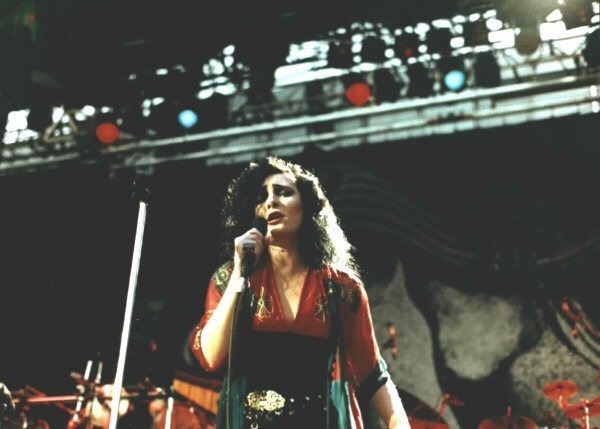
Never a man known for understatement, Jane’s Addiction frontman Perry Farrell founded Lollapalooza to give his band a proper send-off. The first Lollapalooza, in 1991, doubled as the farewell tour for the band. It sounds like a strange origin story for something that became a cultural institution, but that’s exactly how it happened.
While Lollapalooza became synonymous with “alternative” culture in the 90s, the definition was inclusive. There was always a metal band, a rap act, and usually a trailblazing punk act, including the Ramones, who delayed their break-up for a few months so they could do Lollapalooza in 1996. That kind of genre-blending was genuinely radical for its time, when radio stations still kept musical worlds very firmly separated.
Lollapalooza wasn’t just about the music. Farrell was sharp enough to recognize a certain edgy Generation X aesthetic, and worked out how to both reflect and market toward it. Lollapalooza was one of the first places where concertgoers discovered virtual-reality games. The producers also had progressive social causes set up with tables at every show, and a smaller stage where local indie bands got their first breaks. Honestly, that combination of music, activism, and emerging tech feels surprisingly modern even from our vantage point in 2026.
8. The Harlem Cultural Festival (1969): The History the World Almost Forgot
Over six weekends in the summer of 1969, nearly 300,000 Black people gathered in Harlem’s Mount Morris Park for the Harlem Cultural Festival, a series of concerts celebrating Black music. A star-studded roster of artists appeared, representing Black sounds from West Africa to Motown and beyond. This festival ran at the same time as Woodstock. Yet for decades, almost no one talked about it.
The Harlem Cultural Festival demonstrates the centrality of Black popular music as both an expression and active part of the Civil Rights and Black Power era. Though filmed by Hal Tulchin, much of the Harlem footage was unseen for fifty years, even as the Woodstock film mythologized that festival and the hippie era in cultural memory. As Woodstock became a touchstone, remembered and often romanticized in the popular imagination, the Harlem Cultural Festival faded from view even as it remained potent for those who were there.
These performances are documented in the Oscar-winning 2021 documentary “Summer of Soul.” As that film shows, the Harlem Cultural Festival also affirmed the larger project of Black culture and politics in a period marked by both breakthrough and backlash. The rediscovery of this festival through that documentary is one of the most important cultural corrections of the last decade. It’s a reminder that history has always had blind spots, and some of the most defining moments belong to those who were never given the spotlight they deserved.
A Closing Thought on Music, Memory, and the Crowds That Made History
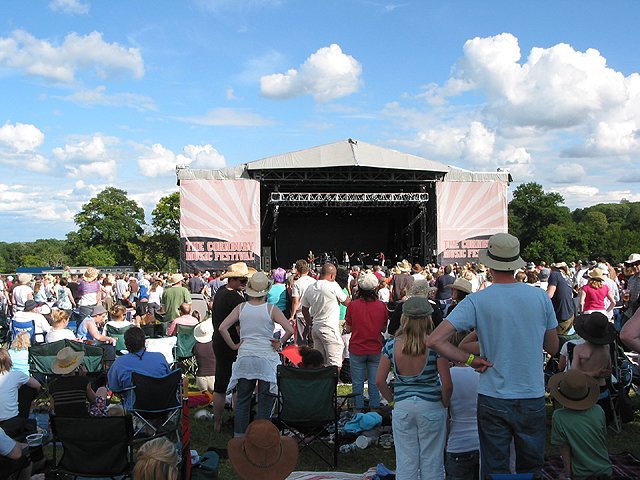
These events channeled anti-war sentiment, civil rights energy, and generational rebellion into communal musical experiences. That is the thread connecting all eight of these festivals, from the muddy fields of Bethel to the stages of Wembley. Music alone doesn’t change a generation. But music plus shared presence, shared risk, shared feeling? That has changed the world more than once.
Beyond their musical significance, these iconic festivals left an indelible mark on the cultural landscape. These events shaped a generation from fashion trends influenced by festival attire to the undeniable impact on societal norms and attitudes toward artistry. Every single festival that exists today, every wristband scanned, every main stage headliner announced, owes something to the events listed above.
The most remarkable thing about all of these moments is how human they were. Chaotic, imperfect, overwhelmingly alive. They remind us that the best experiences don’t happen in boardrooms or on screens. They happen in fields, in the dark, with strangers who feel like family for three days. Which of these festivals do you wish you could have attended? Tell us in the comments.

Christian Wiedeck, all the way from Germany, loves music festivals, especially in the USA. His articles bring the excitement of these events to readers worldwide.
For any feedback please reach out to info@festivalinside.com
