

For any feedback please reach out to info@festivalinside.com
- 10 Michael Jackson Performances That Defined an Era of Pop Music - March 31, 2026
- 15 Mind-Boggling Facts About Taylor Swift’s Career You Never Knew - March 31, 2026
- 12 Literary Feuds So Intense, They Changed the Course of Literature - March 31, 2026
History is full of wars, empires, and revolutions. But tucked between the big, documented facts are moments so strangely connected, so eerily precise, that they stop you cold. These aren’t myths or folklore. These are real, verifiable events that historians, archivists, and academics have puzzled over for generations.
Some of them will make you laugh nervously. Others will genuinely make you pause and stare at the wall for a moment. Ready to feel a little unsettled? Let’s dive in.
1. Lincoln and Kennedy: History’s Most Haunting Echo
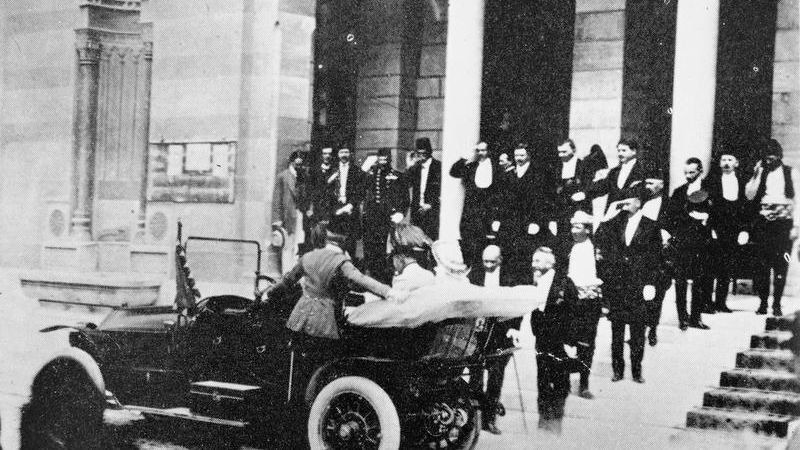
Honestly, this one never gets old no matter how many times you hear it. Both Lincoln and Kennedy were elected to Congress in ’46, and rose to the presidency in ’60, precisely one hundred years apart. Both presidents were shot in the head on a Friday and in the presence of their wives. Both were elected to Congress in 1846 and 1946 respectively, and both assassins, John Wilkes Booth and Lee Harvey Oswald, were known by their three names, composed of fifteen letters. Booth shot Lincoln in a theatre and fled to a warehouse, while Oswald shot Kennedy from a warehouse and fled to a theatre.
2. The License Plate That Predicted the End of World War I
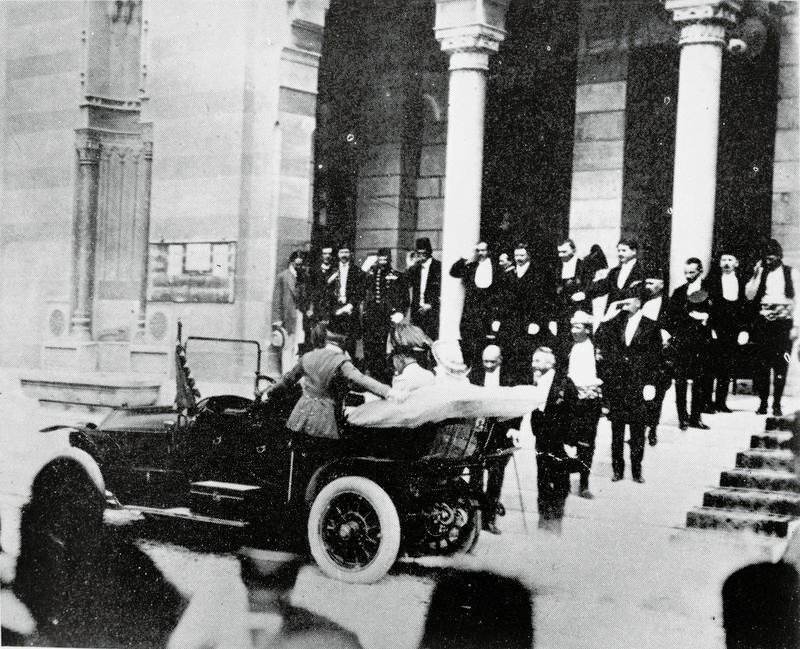
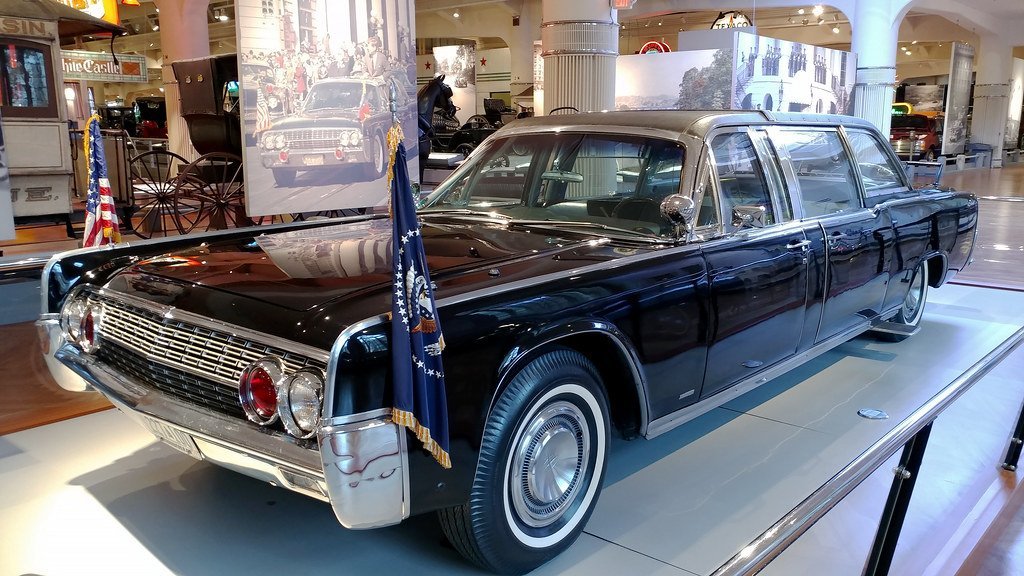
Here is a detail so quietly bizarre it went unnoticed for the better part of a century. Franz Ferdinand, his wife, and two other officials rode in a 1911 Gräf and Stift convertible automobile with license plate number AIII118. Ironically, that license plate reads “A III 118,” which can be read as “Armistice, 11/11/1918,” the date the hostilities between Germany and the Entente allies ceased. This tiny piece of history went completely unremarked on for the best part of a century, until a British visitor named Brian Presland called at Vienna’s Heeresgeschichtliches Museum, where the vehicle is now on display, and was apparently the first to draw the staff’s attention to the remarkable detail. The car that carried the man whose murder started World War I was silently displaying the date it would end. Think about that.
3. Edgar Allan Poe Named the Victim Before the Crime Happened
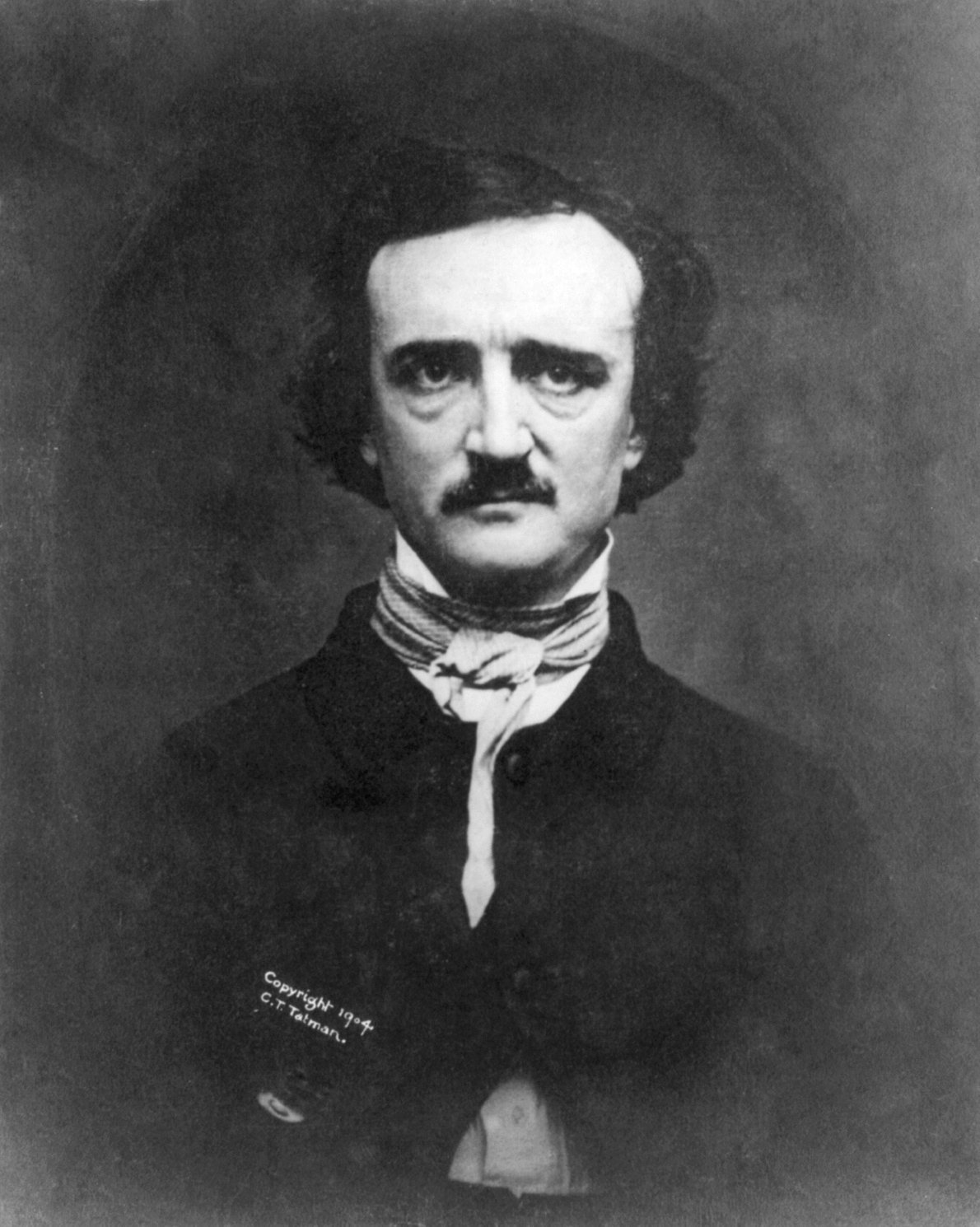
Poe’s only complete novel, “The Narrative of Arthur Gordon Pym of Nantucket,” written and published in 1838, relates the tale of a young man who stows away aboard a whaler, with various adventures and misadventures including shipwreck, mutiny, and cannibalism. In Poe’s dark fictional tale, survivors on a lifeboat draw straws, and the unlucky victim chosen for cannibalism is a character named Richard Parker. In 1884, the yacht Mignonette sank, with four men cast adrift. After weeks without food, they decided that one of them should be sacrificed as food for the other three, just as in Poe’s novel, and the victim was a young cabin boy named Richard Parker, coincidentally the same name as Poe’s fictional character. As noted by Grunge, there were several prominent shipwrecks in the 19th century that ended in cannibalism, and the case of the Mignonette was the only one that happened to contain a victim named Richard Parker.
4. The Founding Fathers Who Died on the Same Symbolic Day
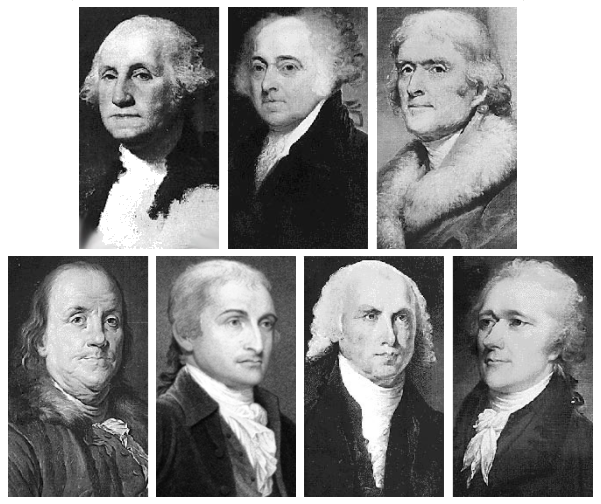
It is hard to say for sure whether the universe was being poetic or just indifferent here, but the timing is almost too perfect to believe. Thomas Jefferson and John Adams, both pivotal Founding Fathers and former political rivals, died on July 4, 1826, a date that marked the 50th anniversary of the Declaration of Independence, a document they both helped shape. Alternately close friends and bitter rivals across their intertwined political careers, the two men died on the same day, and at around 6 p.m. on that fateful day, Adams, unaware that Jefferson had died just after noon, uttered his final words: “Thomas Jefferson survives.” He was wrong. Jefferson had been gone for hours. Two architects of a nation, exiting on its golden anniversary, within hours of each other.
5. Mark Twain and Halley’s Comet: A Self-Fulfilling Prophecy
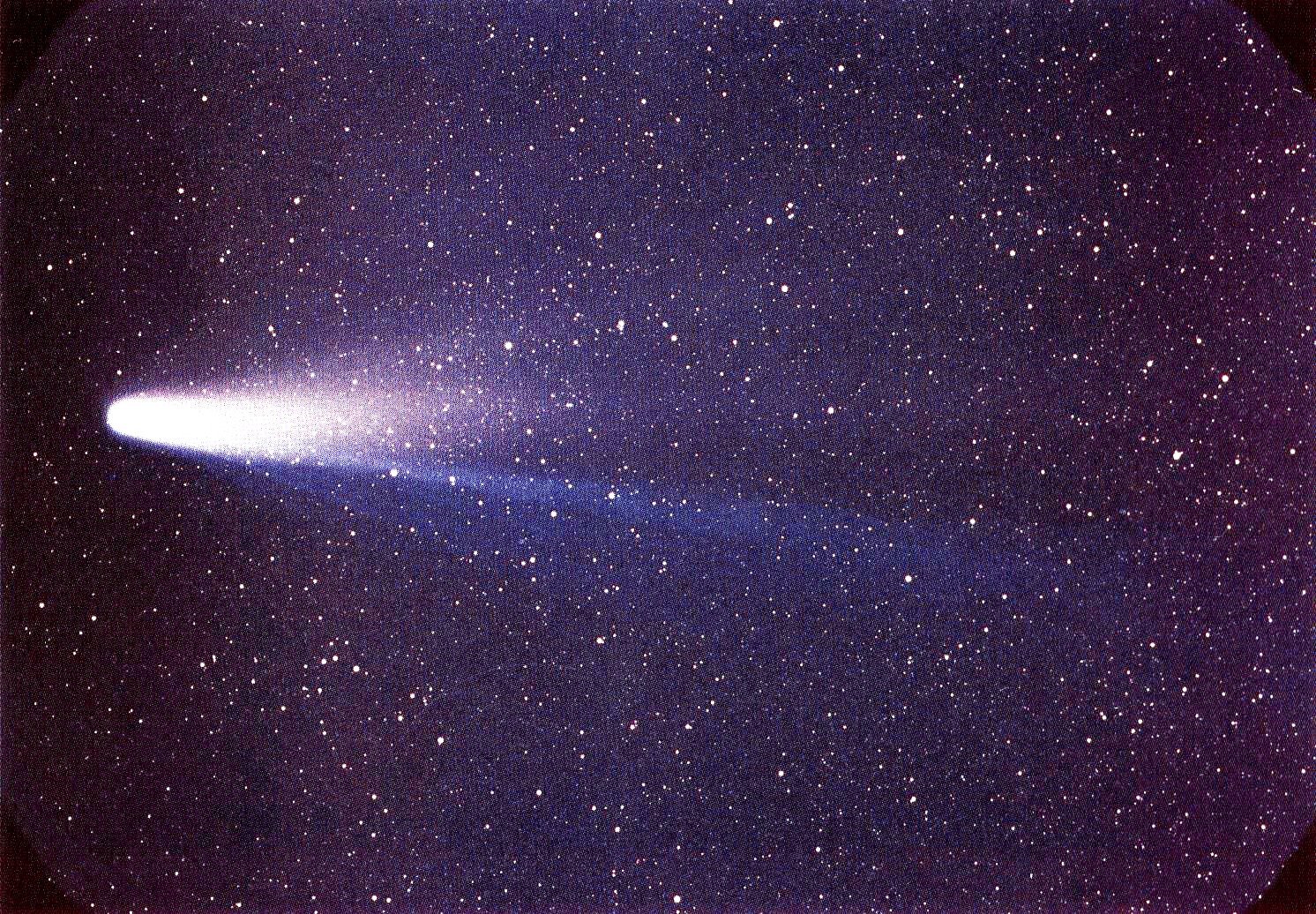
Most people predict things that never come true. Mark Twain was different. Author Mark Twain was born in 1835, a year that Halley’s Comet was visible from Earth, a phenomenon that occurs just once every 76 years, and the day after the comet’s next appearance in 1910, Twain died. Perhaps this alone is not a huge coincidence, but the year before his death, Twain had actually predicted and hoped for this very outcome. Twain famously predicted that he would “go out with the comet” upon its next return, and remarkably, he died on April 21, 1910, just one day after the comet’s next closest approach, fulfilling his prophetic statement. A man who joked his life was bookended by a celestial visitor turned out to be absolutely right.
6. Robert Todd Lincoln: The Most Unlucky Witness in Presidential History
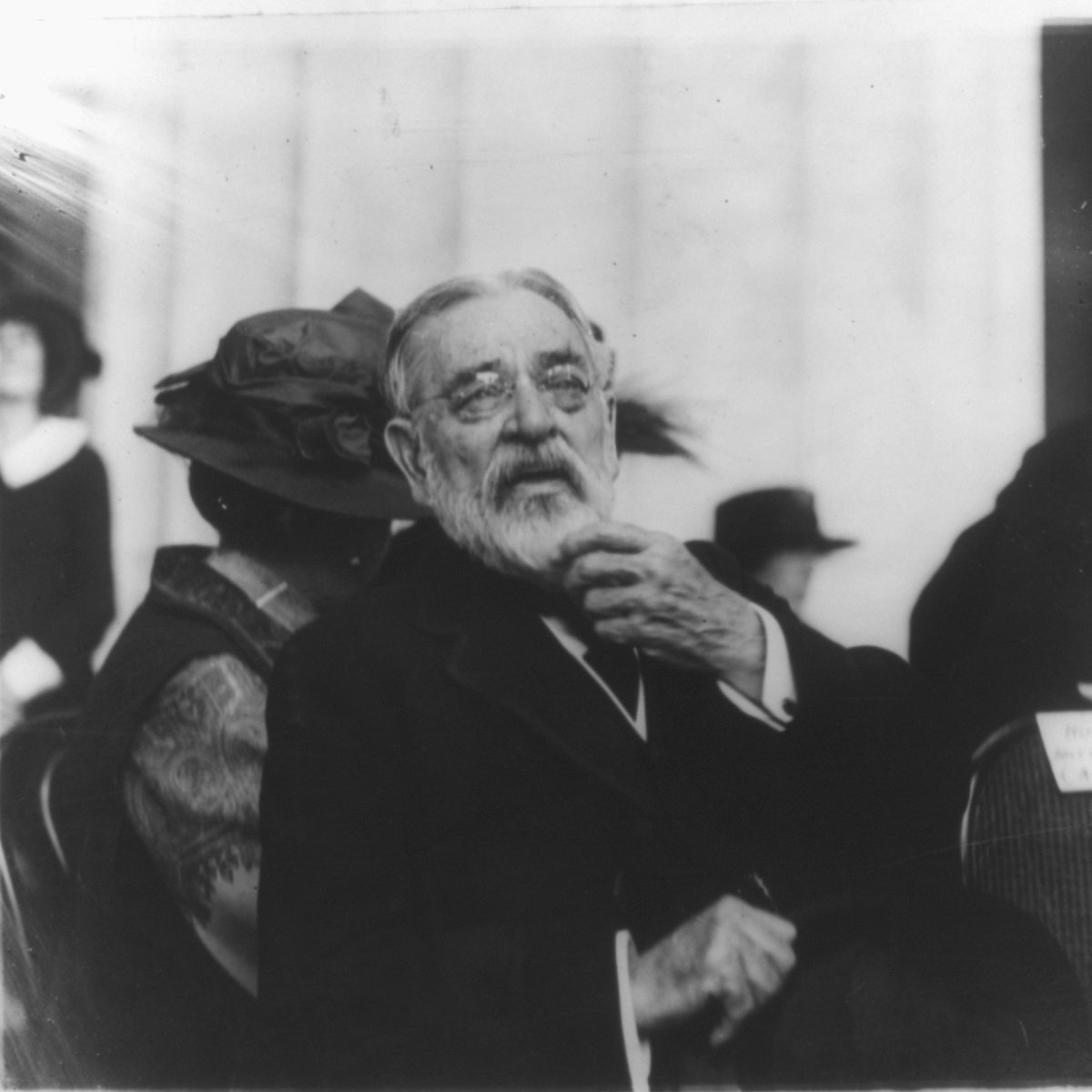
Imagine being so closely connected to presidential tragedy that people eventually stop inviting you to official events. That was the strange fate of Robert Todd Lincoln. Abraham Lincoln’s son, Robert, was not present for three presidential assassinations, but his connection to the three tragedies was close enough to raise a few eyebrows. On the night of his father’s assassination in 1865, Robert declined an invitation to Ford’s Theatre, but was with the President when he passed away the next morning. In 1864, Robert Todd Lincoln tumbled off of a train platform and was rescued by a man named Edwin Booth. Because, yes, mere months later Abraham would be assassinated by John Wilkes Booth, the brother of the man who had saved his son’s life. Robert reportedly began declining public invitations later in life, fearing he brought disaster with him.
7. Germany’s “Day of Fate” That Kept Repeating Itself
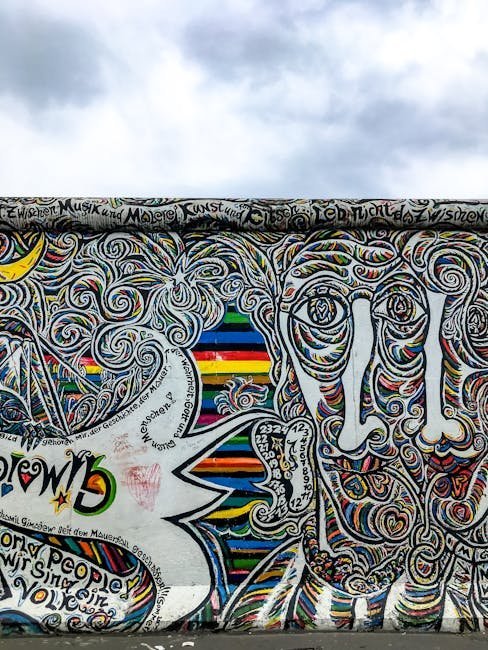
Some countries have unlucky years. Germany seems to have an unlucky date. A number of famous and infamous events in German history have fallen on November 9, from the announcement of Kaiser Wilhelm II’s abdication of the throne in 1918, which put an end to the German monarchy, to the horrors of Kristallnacht in 1938, and in 1989, the Berlin Wall fell on November 9, cementing the day’s standing in the German public consciousness. Germans even have a word for it: Schicksalstag, or “The Day of Fate.” The fall of a monarchy, the night of broken glass, and the fall of the Wall, all on the same calendar date across seven decades. If a nation could have a cursed anniversary, Germany has one.
8. The Novel That Predicted the Titanic, Down to the Details
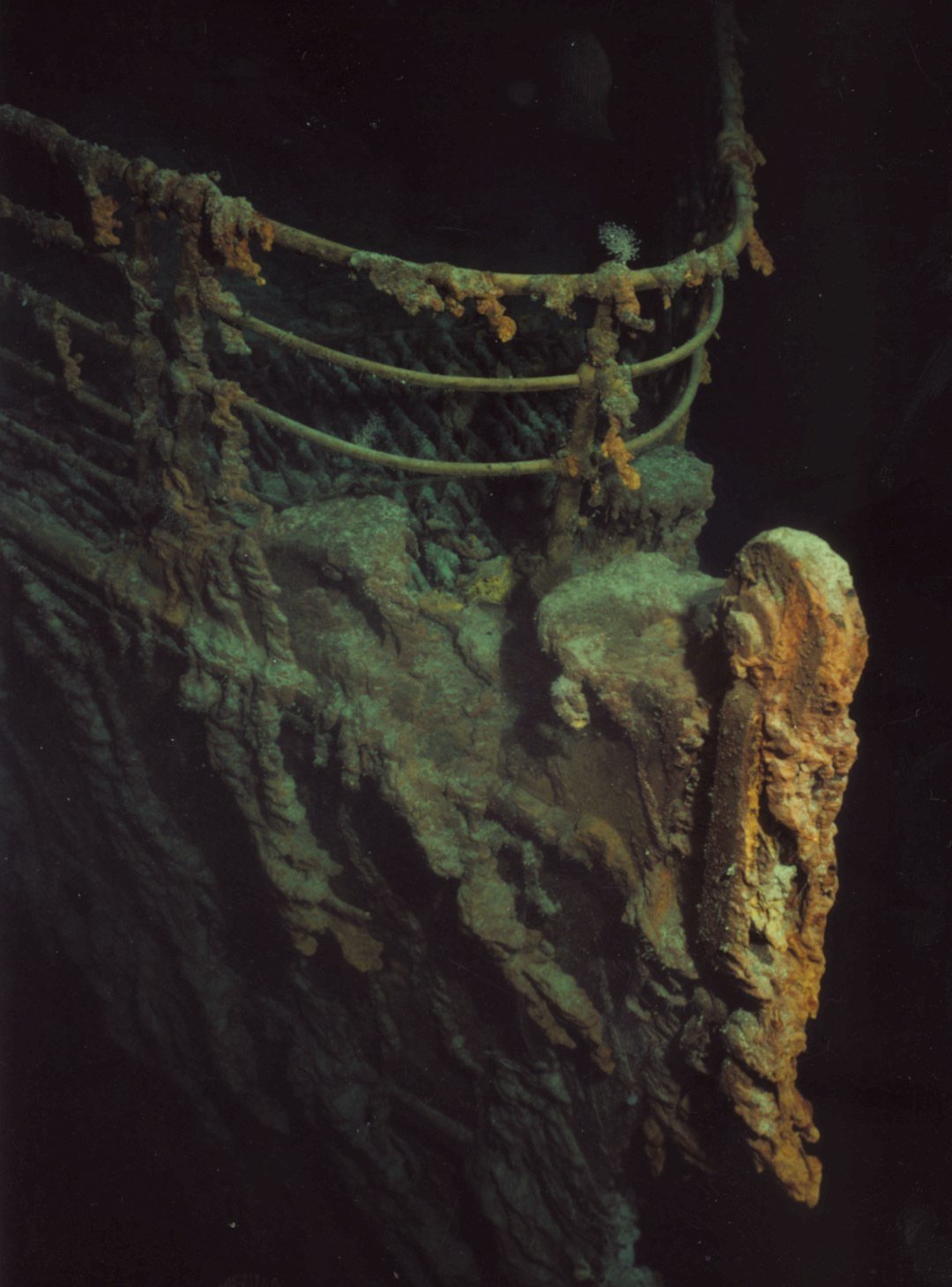
We end here because this one is genuinely hard to shake. Published in 1898, Morgan Robertson’s novella “Futility” imagined the sinking of a British ocean liner named Titan. Like the Titanic, it hit an iceberg in April, was considered “unsinkable,” and lacked lifeboats. The Titanic’s real sinking occurred 14 years later. Like the real Titanic, the fictional Titan was described as unsinkable, and both had insufficient lifeboats and collided with icebergs in the North Atlantic. Robertson wrote his story over a decade before the Titanic was even designed. The similarities were so disturbing that historians and Titanic researchers have discussed them for well over a century, per records covered extensively by Smithsonian Magazine. It is one thing to write a story about a ship sinking. It is another thing entirely to get the name almost exactly right.
History, as it turns out, is not always a straight line of cause and effect. Sometimes it doubles back, rhymes with itself, and leaves behind these strange little knots of coincidence that no one can fully explain. Were these moments pure chance? A product of the sheer volume of human events across centuries? Or something else? That part, honestly, is up to you. What do you think about it? Tell us in the comments.

Christian Wiedeck, all the way from Germany, loves music festivals, especially in the USA. His articles bring the excitement of these events to readers worldwide.
For any feedback please reach out to info@festivalinside.com
