

- 10 Most Romantic Glamping Getaways In America - April 4, 2026
- These 12 Musical Genres Defined Generations, But Are Now Rarely Heard - April 4, 2026
- These 8 Abandoned Historical Sites Hold More Secrets Than Modern Cities. - April 4, 2026
There is something quietly magical about planting something once and watching it return, year after year, more confident and lush than the season before. For many of us, that is the real dream of gardening. Not the endless replanting, the frantic weekends of weeding, or the constant worry about what’s dying. Just beauty. Reliable, effortless beauty.
Perennial plants come back reliably from year to year, providing long-lasting texture, color, and structure to beds, borders, and containers. Think of them as the foundation of a garden, the quiet workhorses that hold everything together while annuals come and go like summer guests. Whether you’re a novice or experienced gardener, plants that are easy to care for save on time, money, and maintenance, and are virtually foolproof to grow.
The eight plants on this list are not just low-maintenance. They are genuinely spectacular. Each one has earned its place in gardens across generations. Let’s dive in.
1. Coneflower (Echinacea)
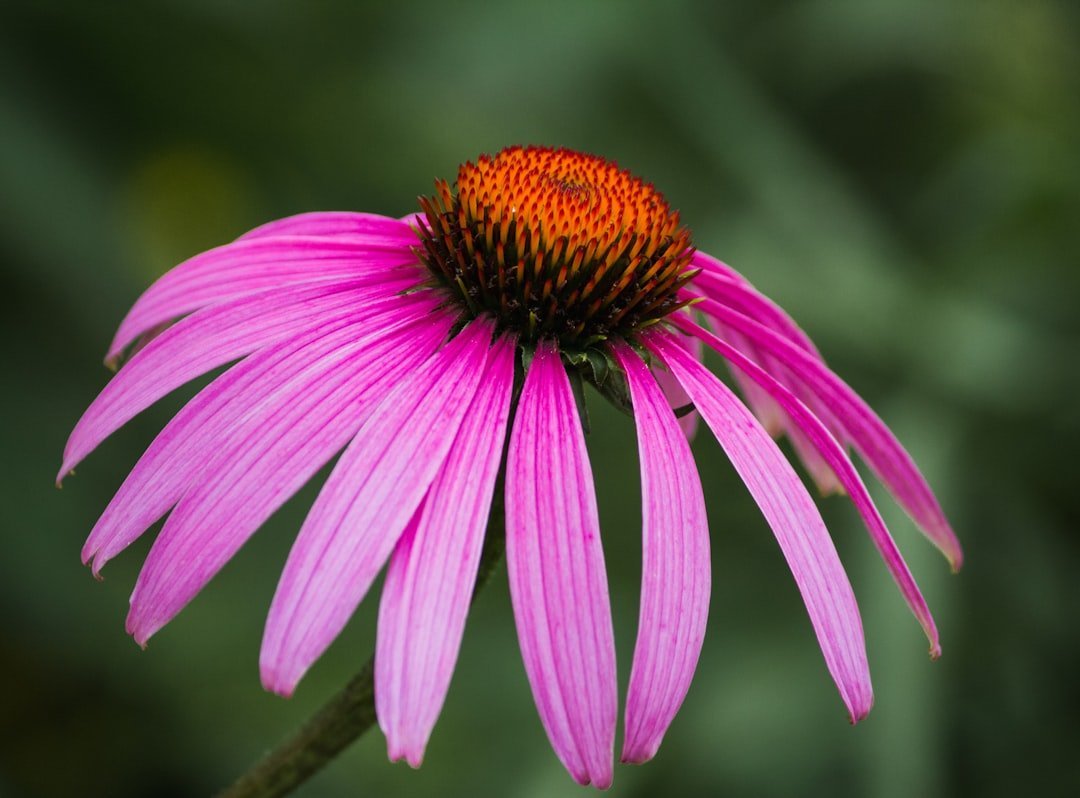
If there is one plant that deserves the title of “garden superstar,” it just might be the coneflower. Native to North American prairies and meadows, Echinacea grows from two to five feet tall and blooms from mid-summer to fall, with cone-shaped centers surrounded by oval petals in shades of purple, white, or pink. It looks like something that belongs on a wildflower meadow, and honestly, that relaxed wildness is exactly what makes it so irresistible.
This hardy perennial is tolerant of heat, drought, and poor soils, is deer resistant, and requires minimal care once established. Once your coneflowers settle in, they are practically unstoppable. Coneflowers need to be watered often at the start, but after they’ve been established, they tend to be pretty drought-tolerant. Leave the seed heads standing in autumn and watch the birds flock to your garden like it’s a free buffet.
2. Hosta
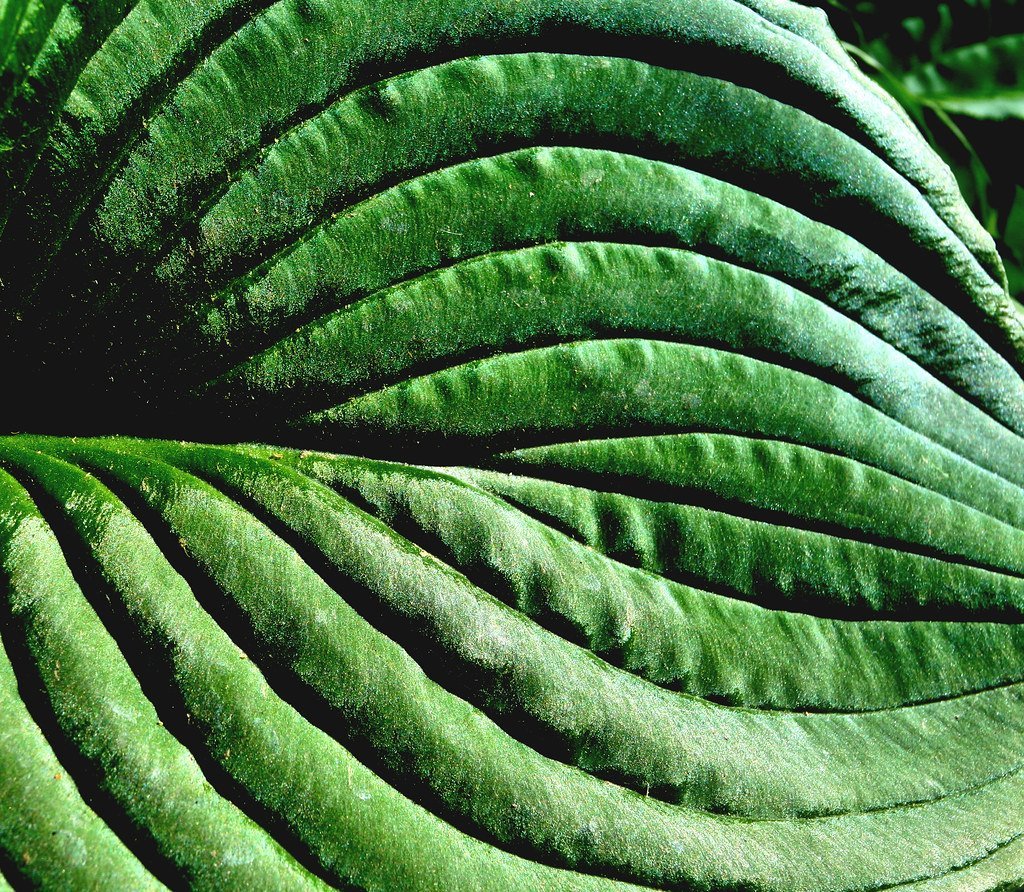
Here’s the thing about hostas: people often overlook them because they don’t burst into dramatic bloom. That is their secret weapon. Their timeless look isn’t about flowers, but instead about their absolutely legendary foliage. Hostas come in a wide variety of shapes and sizes, with leaves in every shade of green, blue, gold, or streaked in creamy white. They create a lush, textured carpet that instantly makes a garden look established and expensive.
Best of all, they are incredibly long-lived. A single plant can easily thrive for 30 years or more, getting bigger and better each season. Successfully caring for hosta plants doesn’t take much effort, but they are divas about one thing: shade. While a little gentle morning sun is fine, their big, beautiful leaves will scorch and burn in the hot afternoon sun, so keeping them protected is key. Plant them under trees, along a shaded fence, or beside a north-facing wall and watch them quietly take over in the best possible way.
3. Lavender (Lavandula)
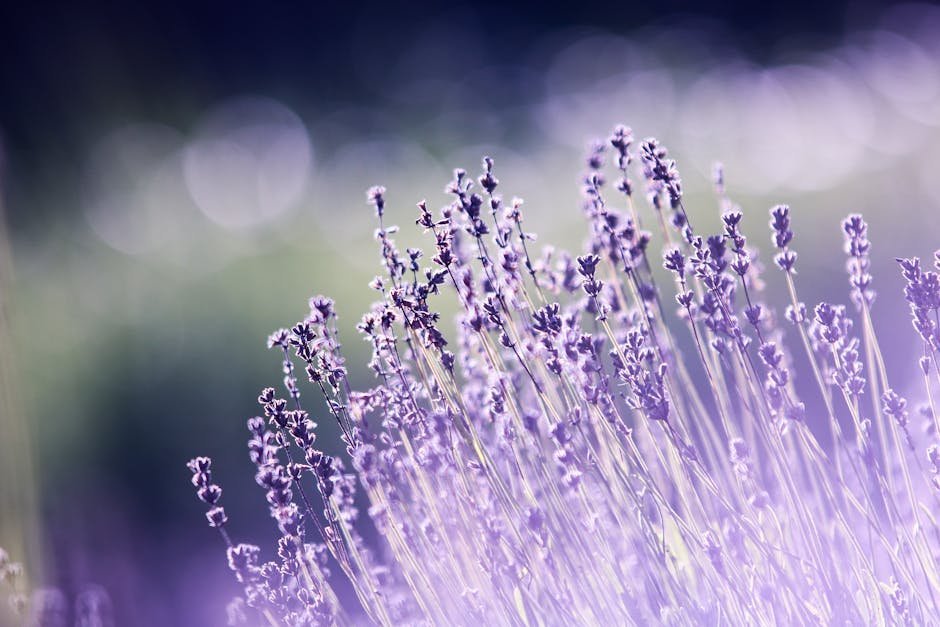
Lavender is one of those plants you walk past and immediately feel calmer. I know it sounds a little dramatic, but there is real science behind it. Lavender thrives in just about any climate, offering an easy-care option for homeowners looking to add color and fragrance to their gardens. This hardy perennial demands full sun and well-drained soil, making it a superb choice for drought-prone areas. With its silvery-green foliage and vibrant purple blooms, lavender beautifies your landscape and attracts pollinators like bees and butterflies.
Lavender thrives in dry, well-drained soil and requires little watering once established. This makes it a near-perfect plant for gardeners who travel, forget to water, or simply want to enjoy their weekend instead of babysitting their beds. Prune it lightly after flowering each year to keep it tidy and encourage fresh, abundant growth the following season. It’s the kind of plant that rewards neglect almost as much as it rewards attention.
4. Black-Eyed Susan (Rudbeckia)
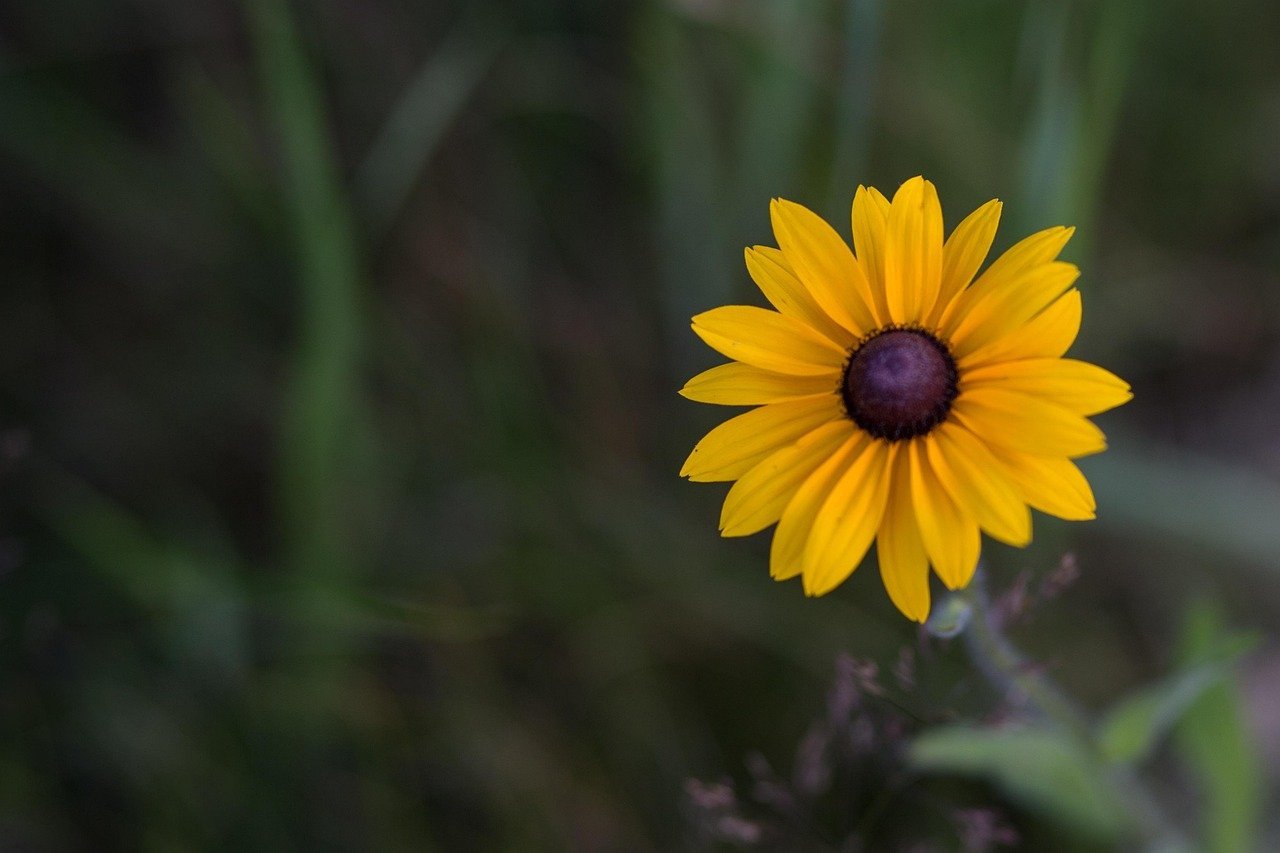
Few flowers carry the same cheerful, golden energy as the Black-Eyed Susan. It is like having a patch of permanent sunshine in your garden, even on overcast days. Black-Eyed Susans are a popular native flower and a staple in gardens for a very long time. Sturdy stems bear cheerful golden daisy-like flowers with a black cone-like center. They bloom from summer to fall, bridging that awkward gap when spring flowers have faded but autumn colors haven’t yet arrived.
Daisy-like rays of petals occur in summer and fall in rich tones of gold, bronze and brown. Plants are tolerant of poor soil, have few pests or diseases, and need little or no maintenance except for deadheading. These resilient plants grow in various soil types, often self-seeding and requiring little maintenance, which makes them a favorite among garden enthusiasts. In other words, they may just multiply and fill your garden on their own. Is that a problem? Absolutely not.
5. Russian Sage (Perovskia atriplicifolia)
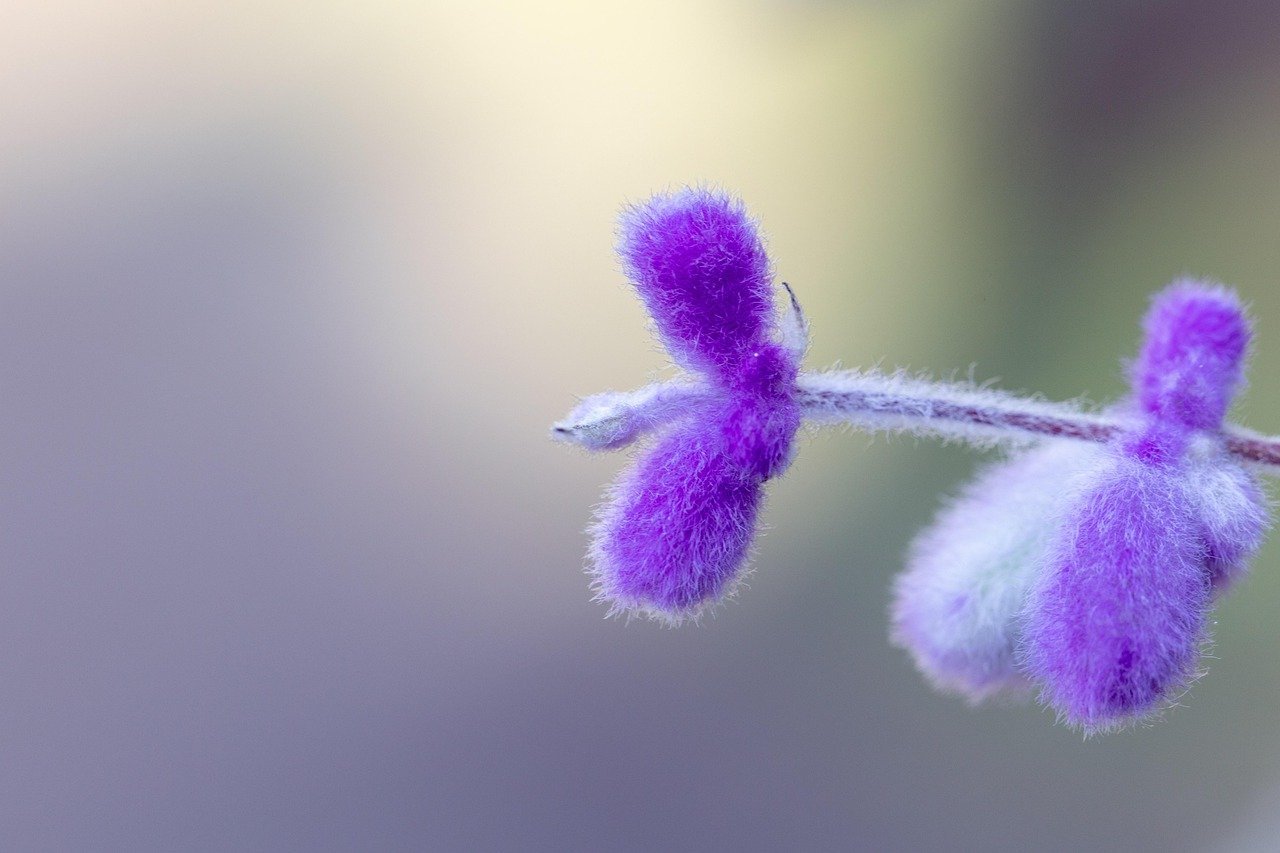
Russian sage is one of those plants that makes you stop and stare. It has a dreamy, almost ethereal quality. Russian sage produces silvery green foliage and long lasting lavender-blue flower spikes from late summer into fall. Think of it as the garden equivalent of a watercolor painting. Soft, hazy, with a blue-purple haze that drifts beautifully in the breeze.
Russian Sage features silvery foliage and tall spikes of blue flowers for a stunning visual impact. This drought-resistant plant is a great choice for busy gardeners because they thrive in full sun and require minimal pruning. This undemanding woody perennial prefers leaner soil and needs little or no supplemental fertilizer. It is also deer resistant and pollinators adore it. Honestly, it is hard to find a reason not to plant this one.
6. Daylily (Hemerocallis)
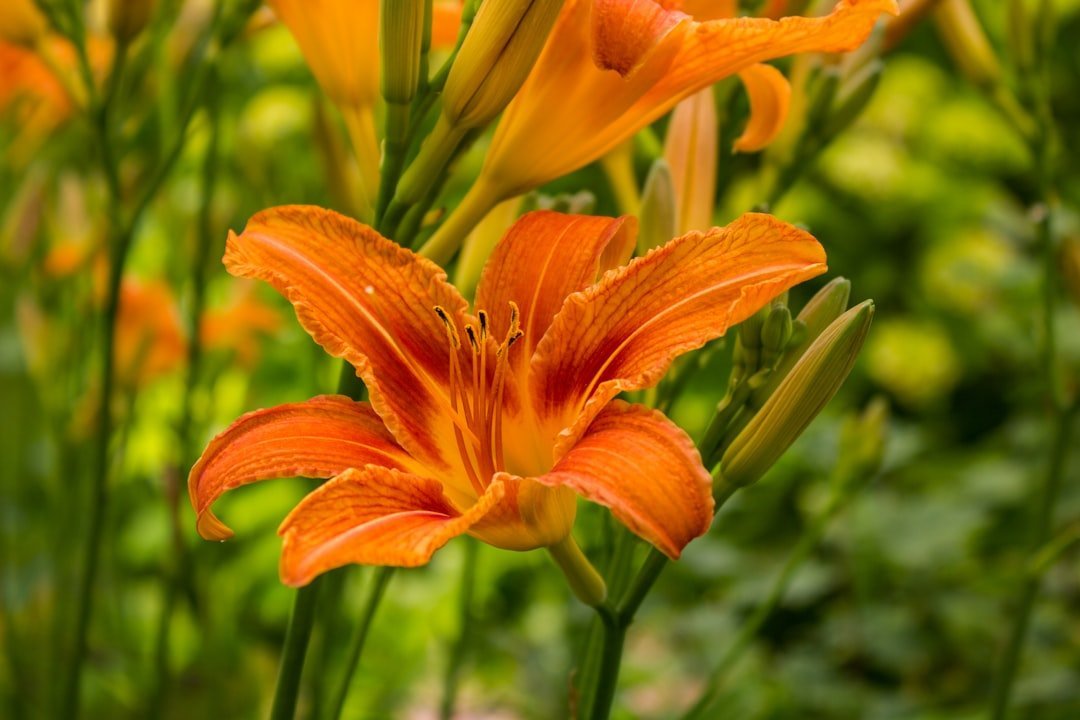
The daylily might just be the most resilient plant on this entire list. Its individual flowers only last a single day, which sounds heartbreaking at first. Then you realize that a mature, established plant sends up dozens of blooms in rapid succession, essentially creating a non-stop flower show across the summer months.
Though the individual blooms of daylilies only last a day, collectively these hardy, low-maintenance perennials provide a sea of color for weeks or months, sending up bloom after bloom throughout the summer. Once settled into the garden, daylilies can last for decades, often outliving the gardener who planted them. Daylily is grown for the strappy green foliage and trumpet-shaped flowers that come in a wide range of colors and patterns. Plants are exceptionally hardy, long-lived, and virtually carefree once established. Divide clumps every few years to keep them vigorous, and they’ll reward you with even more blooms.
7. Sedum (Stonecrop)
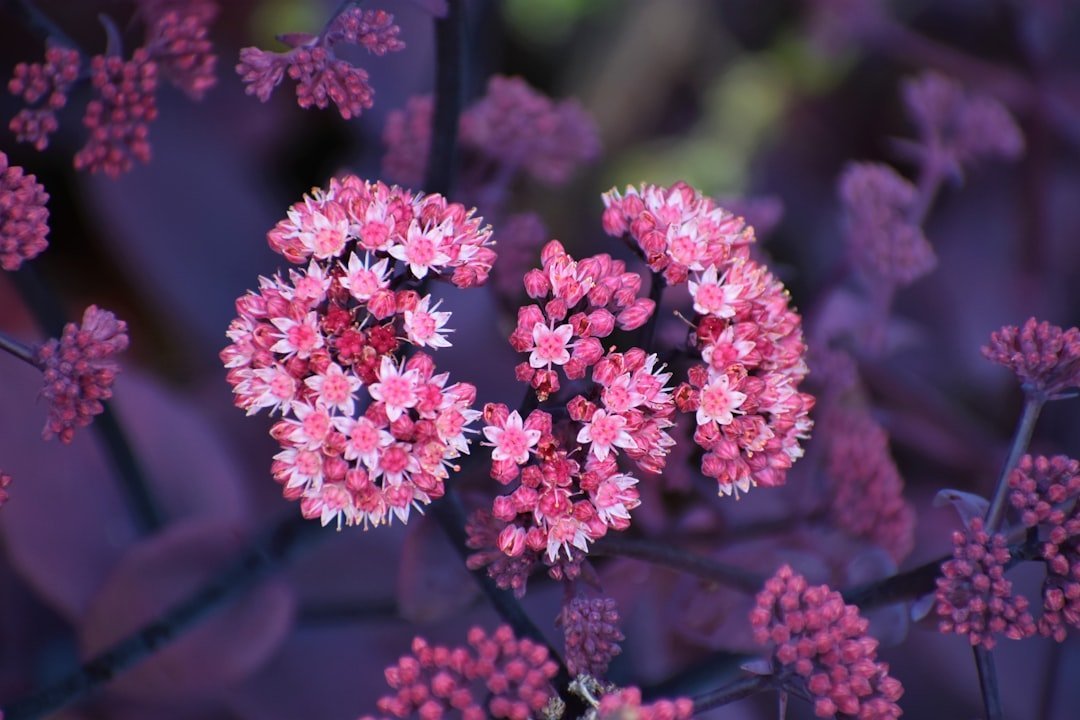
Sedum is the quiet achiever. It doesn’t shout for attention the way some flashy bloomers do. Instead, it does its job all season long, looking handsome and structured, and then in late summer it erupts into clusters of star-shaped flowers that bring the whole garden together. Sedum is a hardy succulent known for its fleshy leaves and star-shaped flowers. This drought-tolerant plant thrives in poor soil, making it an ideal choice for low-maintenance gardens.
A sturdy succulent with large, pink flower heads that attract pollinators, Autumn Joy Sedum is another fantastic low-maintenance option. It requires little watering and is tolerant of poor soil, so you can enjoy a lush garden without extensive care. Sedum also offers exceptional winter interest. Its dried flower heads look stunning when dusted with frost, making it one of the few perennials that earns its place in the garden even after the growing season has officially ended.
8. Catmint (Nepeta)
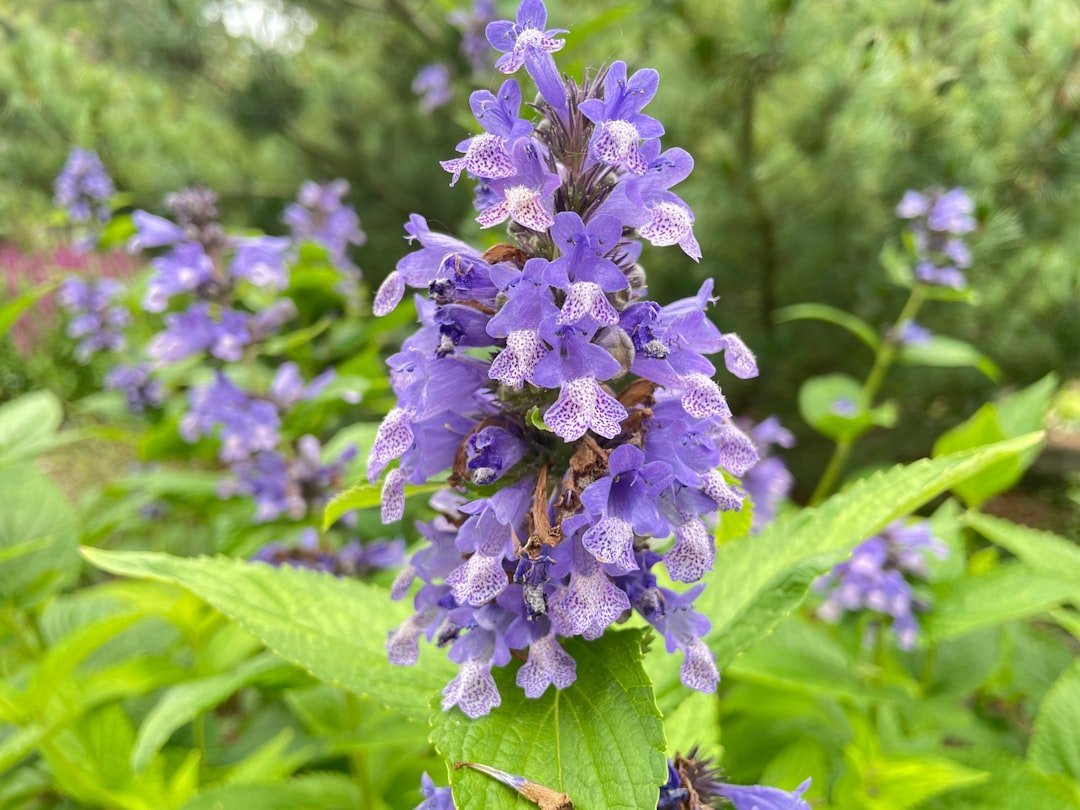
Catmint is the kind of plant that experienced gardeners keep going back to, and for good reason. It blooms in a way that feels almost generously abundant. Clouds of soft lavender-blue flowers, aromatic gray-green foliage, and an overall soft, romantic look that works beautifully in cottage gardens, borders, and even containers. Catmint’s lush, gray-green foliage and lavender-blue flowers add a splash of color and attract pollinators like bees and butterflies. These plants thrive in full sun to partial shade and stand resilient against drought once established.
The ‘Walker’s Low’ variety won Perennial Plant of the Year in 2007, and the species from which it was developed has also won the Royal Horticultural Society’s Award of Garden Merit. Hardy enough to handle periods of both drought and cold, it can be grown in zones 3 through 8. With no pruning or shearing required, all ‘Walker’s Low’ needs is some well-drained soil, and your garden will be full of blooms for up to five months. Shear it back by about half after the first flush of flowers and it will rebloom with fresh enthusiasm. A truly exceptional plant.
How to Build a Garden That Lasts for Decades
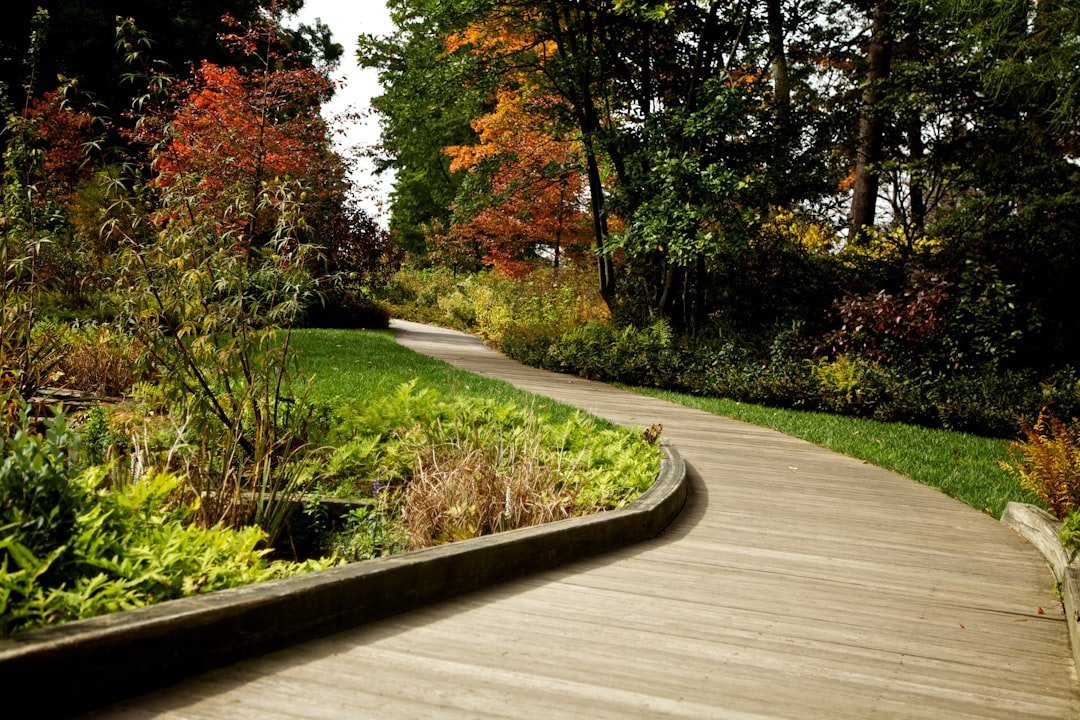
Choosing the right plants is only half the battle. Placing them well is what separates a garden that thrives from one that merely survives. When choosing low-maintenance perennials for your yard, make sure they are hardy in your growing zone. Choose perennials that are native to your region, as they have adapted to local climate and growing conditions. Site plants where they are most likely to thrive and provide adequate light, water, and a healthy soil medium.
Mix early, mid-, and late-season bloomers for color all season long. Think of your garden like a good playlist: you want variety, rhythm, and something interesting at every stage. Perennials can attract a wider variety of pollinators like butterflies, bees, and hummingbirds, compared to traditional lawns. This is because they often have longer bloom times and offer a wider range of flower shapes, colors, and fragrances. Over time, a well-chosen perennial garden practically designs itself, maturing, spreading, and becoming more beautiful with every passing year.
Conclusion: The Garden That Grows With You
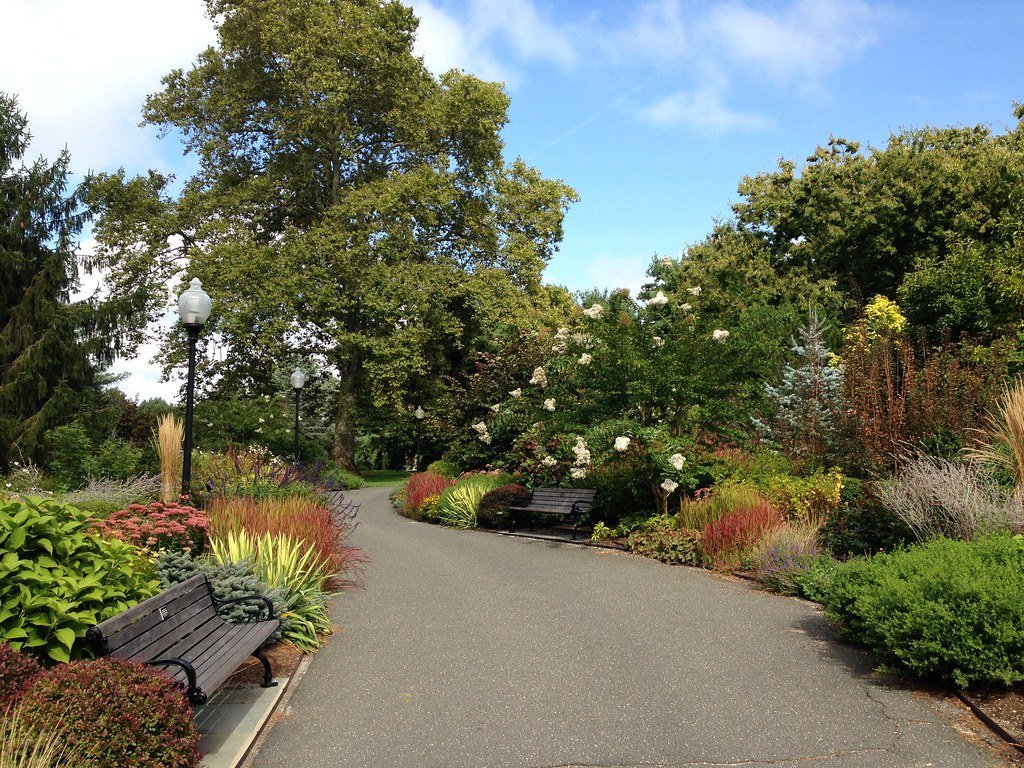
There is a deeply satisfying philosophy behind choosing perennial plants. You are not just planting for this season. You are planting for the next decade, the decade after that, and possibly even for whoever tends the garden long after you’ve moved on. With the right low-maintenance plants, the yard is a place of relaxation, not another source of chores.
The eight plants in this article have proven themselves across climates, seasons, and generations of gardeners. They are forgiving to beginners, rewarding to the experienced, and generous to the pollinators and wildlife that depend on them. Start with just one or two, get a feel for how they grow in your space, and build from there. A garden is never truly finished, and that is precisely what makes it wonderful.
Which of these perennials will find its home in your garden first?
CEO-Co-Founder
