

There is something almost magical about the way a single object, crafted from wood, metal, or bone, can reach through time and rewrite the rules of human expression. Instruments are not just tools for making sound. They are cultural bridges, technological leaps, and emotional megaphones all rolled into one.
Think about it – every musical era, every genre revolution, every cultural movement you can name was driven, at least in part, by a new or reinvented instrument. From prehistoric caves to modern recording studios, the story of music is inseparable from the story of the instruments that gave it life. Get ready, because a few of these might genuinely surprise you. Let’s dive in.
1. The Drum: The Heartbeat of Civilization
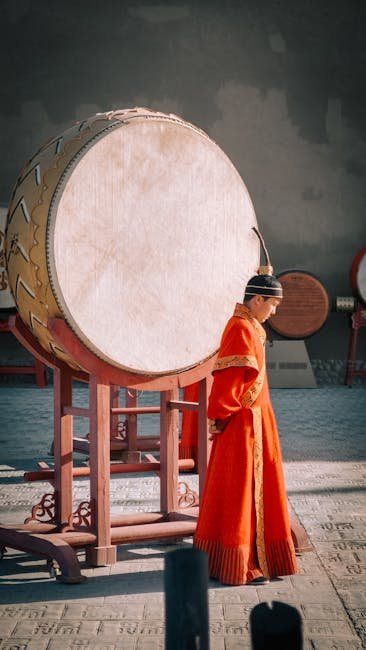
If you had to pick the most ancient instrument on Earth, the drum would win without much contest. The drum is one of the oldest musical instruments ever used by mankind, coming into its modern form some 7,000 years ago when Neolithic cultures from China started discovering new uses for alligator skins. That’s not a typo. People were making drums thousands of years before the invention of writing.
These ancient drums served multifaceted roles within their respective societies. Beyond their musical functions, they were integral to religious ceremonies where rhythmic beats infused rituals with spiritual energy. In communal gatherings, drums acted as catalysts for collective expression, and they also played a crucial role in communication, serving as vital tools for conveying messages between communities. That’s a staggering range of purpose for what is essentially a stretched skin over a hollow shell.
William Ludwig, an American drum maker, innovated with the creation of the bass drum pedal in 1909, enabling drummers to play multiple drums simultaneously. The drum kit became a staple in rock, jazz, and pop music, driving the rhythm in countless songs. Honestly, modern music as we know it would simply not exist without this one invention.
2. The Flute: Humanity’s First Voice in Wood and Bone
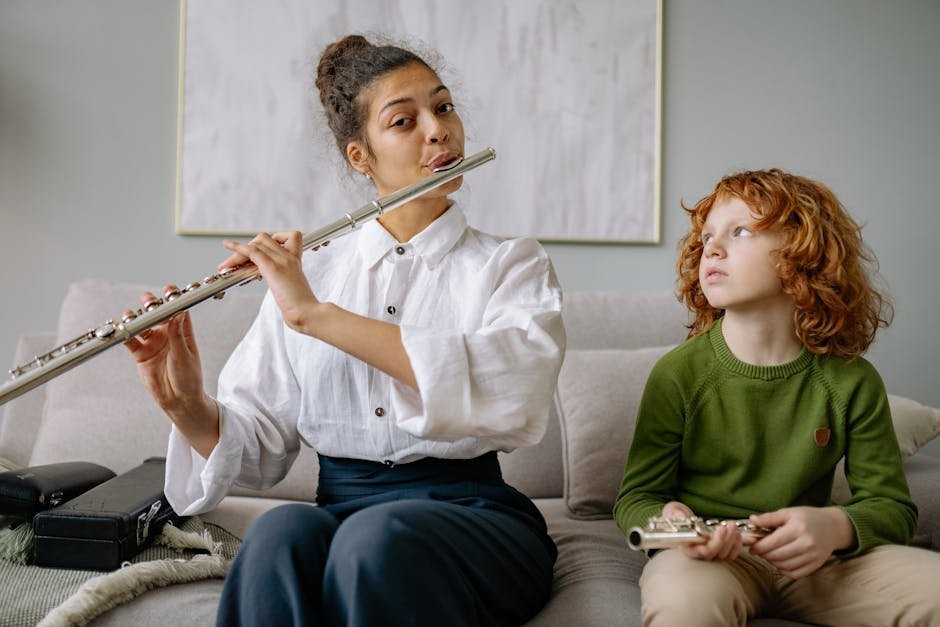
Here is a fact that genuinely stops people in their tracks: the oldest object identified by scholars as a musical instrument is a simple flute, dated back 50,000 to 60,000 years, with many scholars dating early flutes to about 40,000 years ago. Long before agriculture, long before cities, there was already someone putting a bone to their lips and playing a melody.
The most ancient human-made musical instrument is a set of prehistoric flutes discovered in southern Germany. Found in a cave, the flutes were made using bird bone and mammoth ivory, reportedly 40,000 years old, and they are open-ended and feature finger holes. That level of sophistication – deliberate finger holes, crafted from rare materials – tells us that early humans were far more musically sensitive than we often assume.
Bone flutes from Neanderthal caves had finger holes, and recent archaeological finds in China included bone flutes from 7000 BC that not only have seven finger holes but an additional aperture that may have been drilled to correct a poorly placed hole. The flute didn’t just entertain. It helped shape entire tonal systems, paving the way for all melodic music that followed. That’s an extraordinary legacy for a hollow piece of bone.
3. The Oud: The Ancestor That Built the Modern Guitar
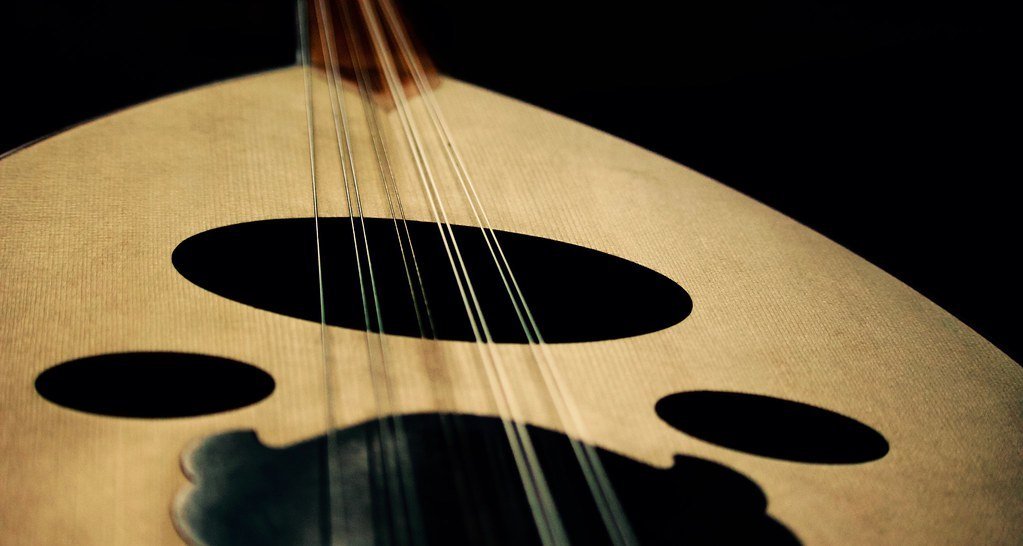
Most people have never even heard of the oud, and that is a tragedy of musical literacy. Popular in the Middle East, Mediterranean, and parts of Africa, the oud’s origins are ancient and widespread, with archaeological finds pointing to its earliest lute-like ancestors in Mesopotamia over 5,000 years ago, with key developments in ancient Egypt and Persia. It is the quiet giant of music history.
Let’s be real about just how influential this instrument is. Over centuries, especially during the Islamic Golden Age, the oud not only improved in form and playing style but also spread westward, and this journey greatly influenced the European lute and, later, the modern guitar. Every time someone picks up a guitar today, they are, in a very real sense, holding a descendant of the ancient oud.
The lute was the most important instrument for secular music in the Renaissance, and during the Baroque era it was used as one of the instruments that played the basso continuo accompaniment parts. The thread from that ancient Mesopotamian instrument to a guitar in a modern pop song is long but unbroken. It’s almost dizzying to think about.
4. The Piano: The Instrument That Conquered Classical Music
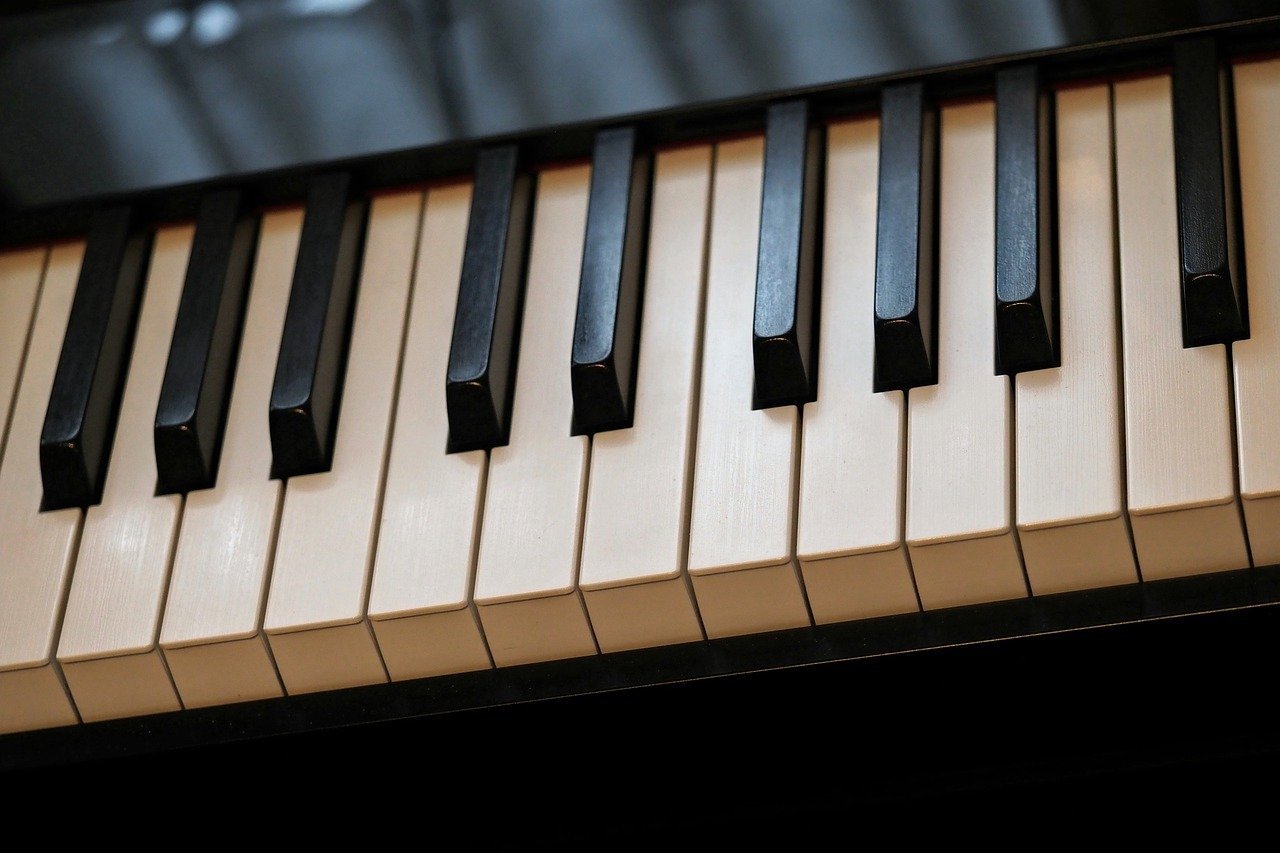
Few instruments command a room quite like a grand piano. There is a reason it became the centerpiece of concert halls and living rooms alike. Bartolomeo Cristofori, an Italian instrument maker, invented the piano around 1700. He sought to create a keyboard instrument capable of both soft and loud dynamics, unlike the harpsichord. Cristofori’s invention featured hammers striking strings, allowing for varied expression. That seemingly small innovation – control over dynamics – changed everything.
Think of it like this: the harpsichord was a car with no gas pedal. The piano gave musicians a full engine with every gear available. Early pianos, or “fortepianos,” were smaller and lighter than today’s models. Over time, innovations improved their range and sound quality. By the 19th century, the piano had become central to Western classical music and home entertainment.
The piano combines stringed and percussion methods of music into one. Melodies in a piano are produced thanks to the vibrations of the strings, but those vibrations are caused by the action of hammers striking the strings. This unique blend of string-style and percussion musical production gives the piano its unique nature. It remains, in 2026, one of the most studied and performed instruments on the planet.
5. The Violin: The Voice That Moved Orchestras
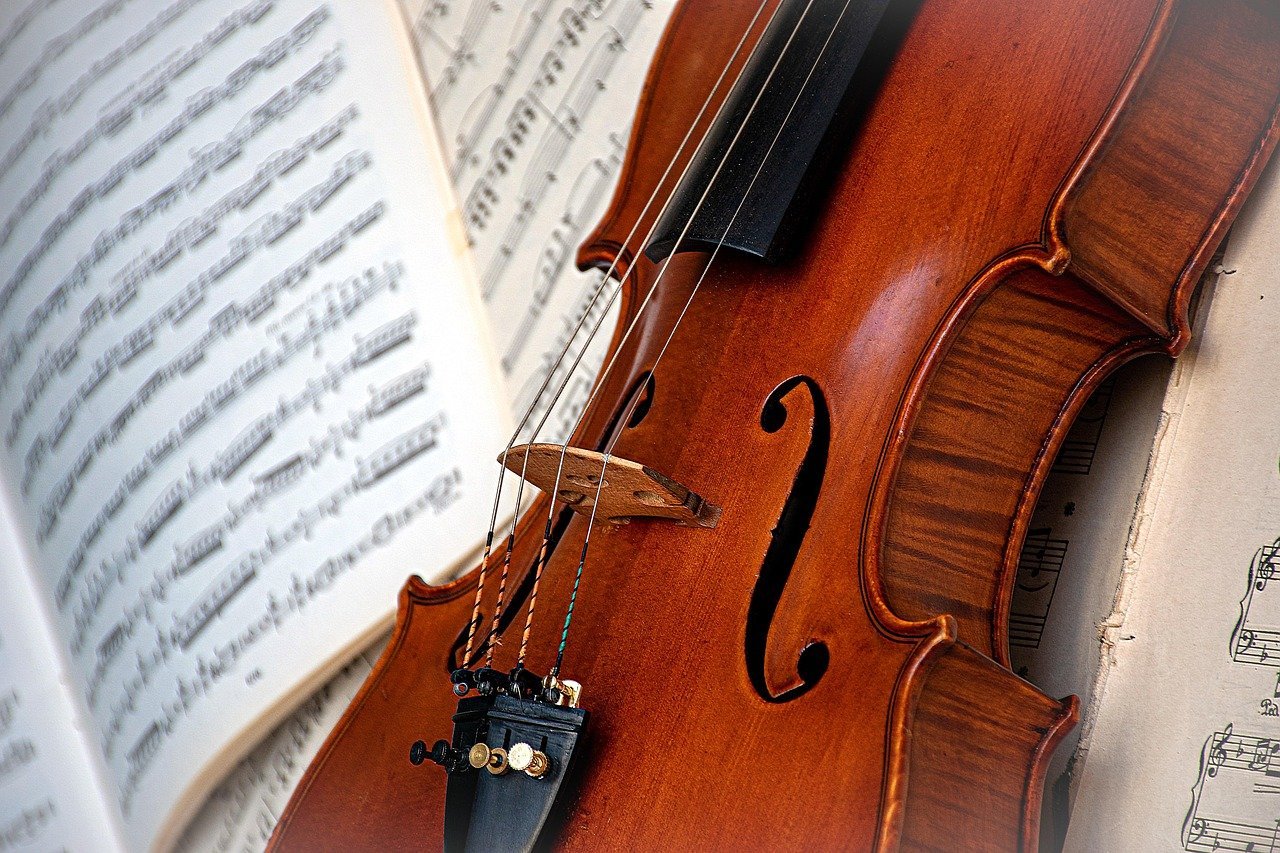
If the piano is commanding, the violin is heartbreaking. It has a range of emotional expression that is almost unfair. The inspiration for the violin goes back to the 15th century. Arabia, Spain, and France had diverse landscapes that set the stage for its development. In these areas, artists were using stringed instruments like the rabab and the rebec, and as they tinkered, they discovered a new design and tonality while exploring different ways to use a bow across the strings.
Around 1550, the world witnessed the development of the modern violin, an instrument with a distinct shape, size, and sound that were balanced to give the right mix of volume, tonality, and playability. The craftsmen who refined it were extraordinary. Andre Amati and Gasparo di Bertolotti are among the leaders who crafted violins that looked like art but also had robust sound and perfect tonality, laying the base for future violin makers.
These newer instruments were louder, easier to play, and produced a timbre that matched the emerging styles of music and audience taste better than viols. Over the next 100 years, they slowly replaced other bowed stringed instruments. In the second half of the 17th century, violins were firmly established in the standard large-scale ensemble of royal courts, the Baroque orchestra. To this day, the violin remains the emotional core of the orchestra.
6. The Trumpet: From Battlefield to Concert Hall
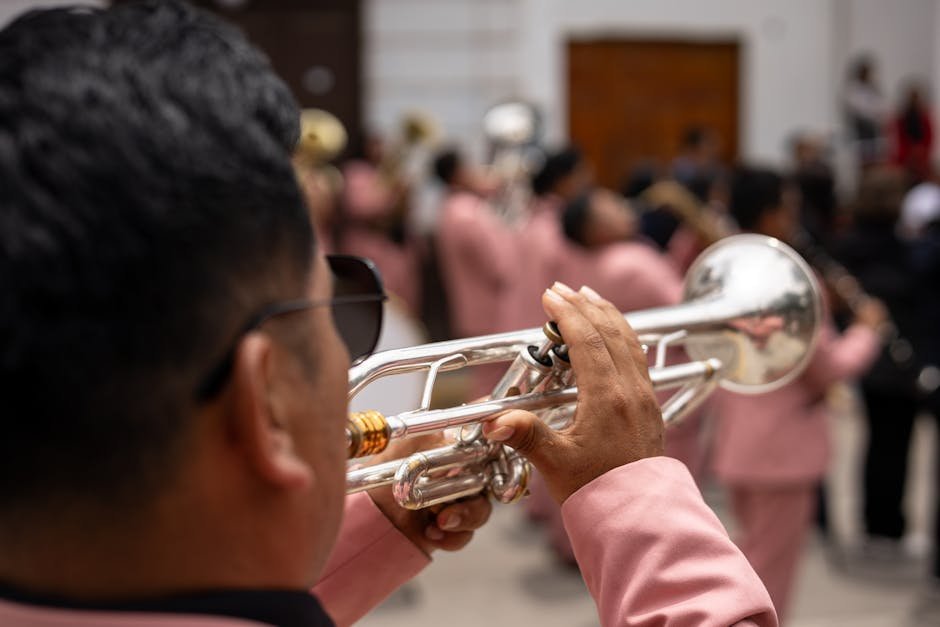
The trumpet has one of the most dramatic origin stories of any instrument alive. Ancient tribes used predecessors of the modern trumpet for thousands of years, but the ancient trumpets were used more in warfare and hunting activities than for musical performances. The earliest examples can be traced to 1500 BC or so, with materials like conch shells and animal horns used before metals were introduced. This was an instrument of command, not concert.
Its journey from the battlefield to the concert hall is a remarkable arc. From the 15th century, its use in musical events shot up dramatically. The addition of valves in the 19th century was the real turning point, allowing players to hit any note with precision. During the Classical and Romantic periods, lasting from roughly 1750 to 1900, many musical instruments capable of producing new timbres and higher volume were developed and introduced into popular music, with design changes that allowed instruments to produce a wider variety of expression.
The trumpet became essential to jazz, too, which I think is one of the most compelling pivots in instrument history. From calling soldiers to charge across a battlefield, to summoning a crowd in a jazz club in New Orleans – the trumpet covered that entire distance across centuries, and somehow never lost its power to thrill.
7. The Organ: The Colossus of Sacred Music
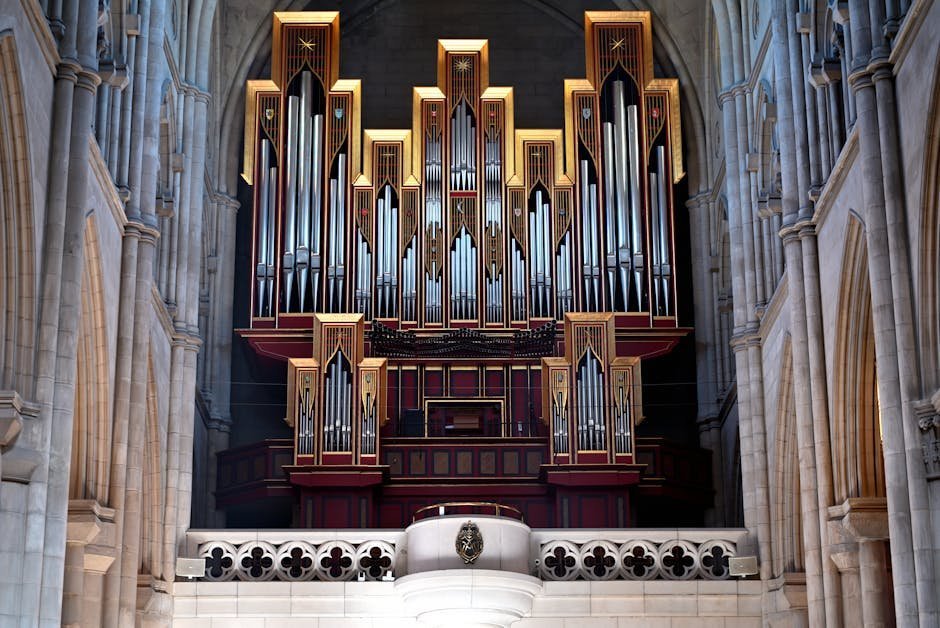
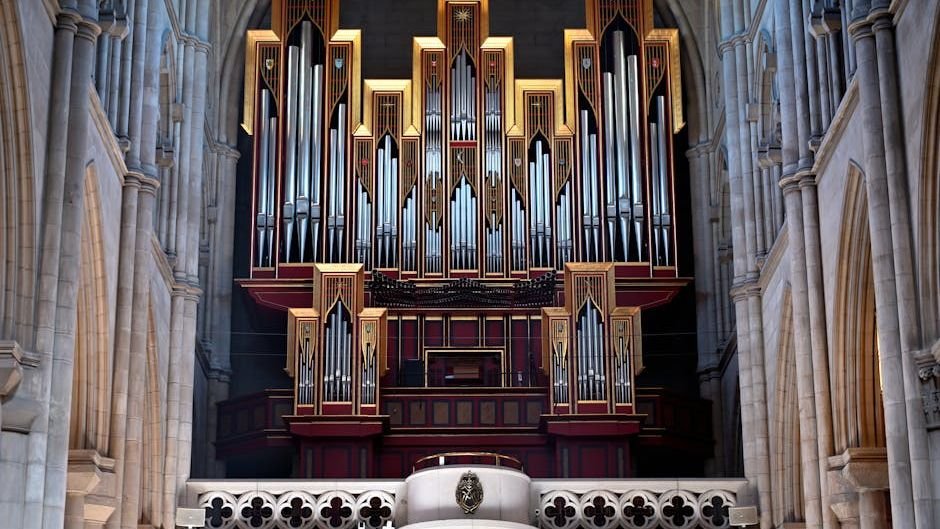
It sounds like a cathedral embodied as an instrument, which is essentially what it was designed to be. The Middle Ages, spanning from 500 to 1400 CE, witnessed the rise of sacred music within churches, leading to the development of specialized instruments like the organ, one of the largest and most powerful instruments of its time. Nothing else in a church could fill that volume of stone and air.
In church music, the organ was approaching its most influential period, as organ-builders in France, Germany, and the Low Countries were developing and refining stops and mixtures, increasing the number of tone colors on offer. The growing practice of equipping organs with pedal-boards allowed organ music to be written in more parts and enable more ambitious music to be written. The organ essentially invented the idea of a single musician controlling an entire sonic landscape.
The organ remained the king of church music and with the compositions of Bach reached the height of its influence. It’s hard to overstate that. The greatest composer who ever lived built much of his legacy around this instrument. The organ didn’t just change music – it gave birth to the very concept of musical architecture.
8. The Synthesizer: The Instrument That Reinvented Sound Itself
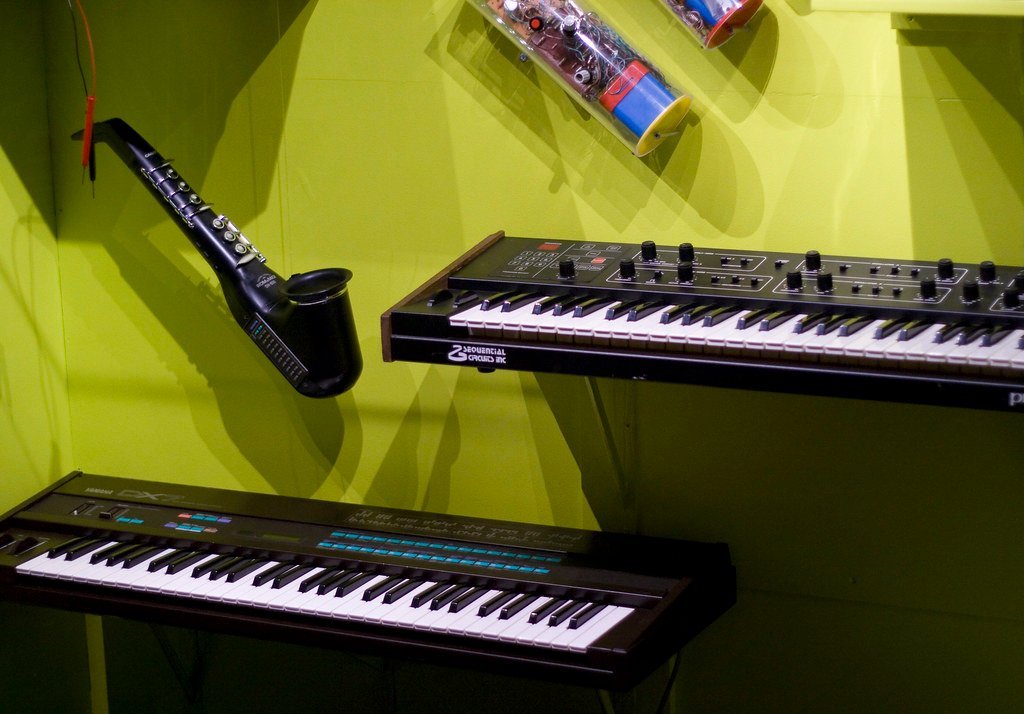
If every instrument on this list changed music, the synthesizer arguably changed what music even is. Today, the synthesizer is used in nearly every genre and is considered one of the most important instruments in the music industry, described by some as being as important and as ubiquitous in modern music as the human voice. That is a staggering statement, and honestly, it holds up.
Synthesizers were initially viewed as avant-garde, valued by the 1960s psychedelic and countercultural scenes but with little perceived commercial potential. The album “Switched-On Bach” in 1968, a bestselling album of Bach compositions arranged for synthesizer, took synthesizers to the mainstream. They were then adopted by electronic acts and pop and rock groups through the 1960s and 1970s and were widely used in 1980s music.
The rise of the synthesizer led to major changes in the music industry, including job displacement comparable to the 1920s arrival of sound in film. With its ability to imitate instruments such as strings and horns, the synthesizer threatened the jobs of session musicians by allowing one keyboardist or music programmer to produce the same range of sounds as an entire orchestra. That’s not just a musical revolution. That is an economic and cultural earthquake. Synthesizers expanded beyond traditional music into film scoring, video game soundtracks, and advertising, and they also democratized music production, enabling solo artists to create complex compositions without needing large ensembles.
The Instruments Behind Everything We Feel
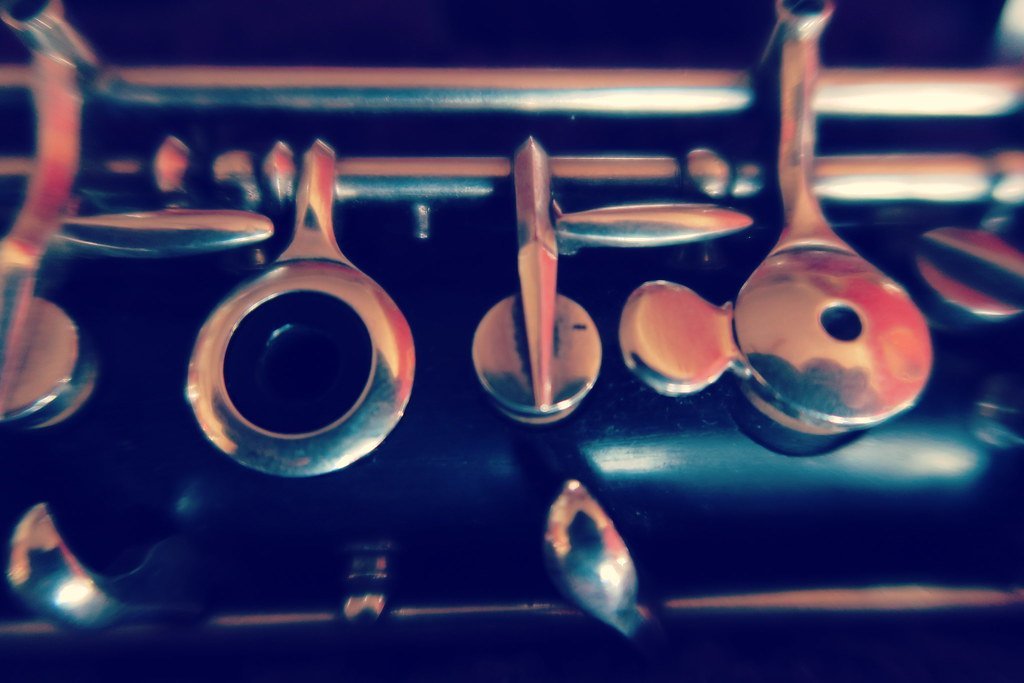
Beyond their mechanical and sonic evolution, musical instruments have always carried deep cultural, spiritual, and emotional significance. In many societies, certain instruments are associated with ceremonies, identity, and storytelling. That is the thread connecting all eight instruments on this list. They are not just devices. They are repositories of human meaning.
Each one arrived at a moment when humanity needed a new way to express something it couldn’t yet put into words. The drum gave prehistoric communities a shared pulse. The flute gave individuals a private voice. The oud carried culture across empires. The piano unlocked dynamic emotion. The violin moved orchestras and audiences to tears. The trumpet commanded both armies and jazz halls. The organ built the sonic architecture of faith. The synthesizer shattered every limit that came before it.
As technology evolves and cultures continue to interact, the story of musical instruments is far from over. Each new invention builds on thousands of years of experimentation and passion, reminding us that music is not just an art form but a reflection of who we are and how we live. When you listen to your favorite song today, know that you are hearing the echo of every one of these instruments, layered into something that belongs to all of us.
Which of these eight surprised you the most? Tell us in the comments.
CEO-Co-Founder
