
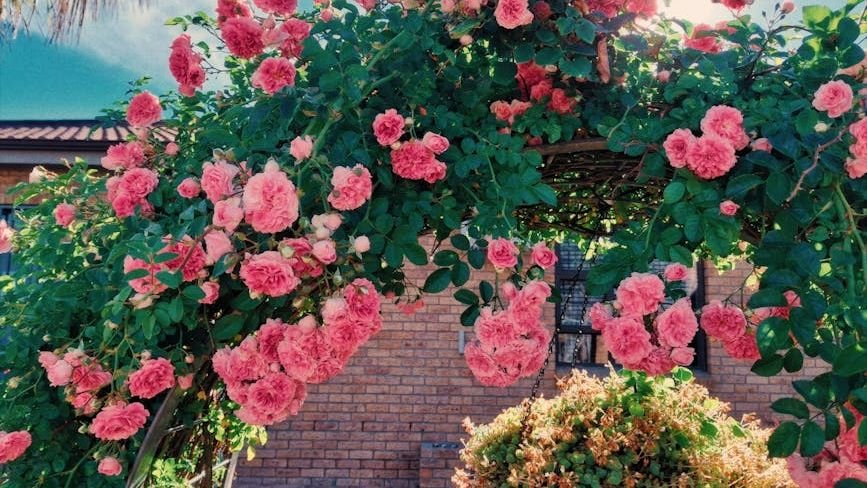

Few flowers have captured the human heart quite the way the rose has. For thousands of years, across wildly different cultures, continents, and centuries, people have planted, painted, and written poetry about roses. There’s something almost unreasonable about how persistent this love affair is. Walk past a flowering rose on a summer morning and you’ll understand it instantly.
What makes roses so enduringly special isn’t just their beauty – it’s the combination of beauty, scent, history, and sheer variety all wrapped up in one spectacular plant. Over the centuries, roses have graced the gardens of royalty and found their way into art, literature, and poetry, from Shakespearean sonnets to classic paintings. That legacy doesn’t fade. It deepens.
Heirloom roses are timeless treasures cultivated before 1867, cherished for their rich fragrance, large blooms, and historical significance – bringing unmatched elegance and romance to any garden. If you’re thinking about adding some classic character to your outdoor space, these eight varieties are a wonderful place to start. Let’s dive in.
1. The Damask Rose: The Queen of Fragrance
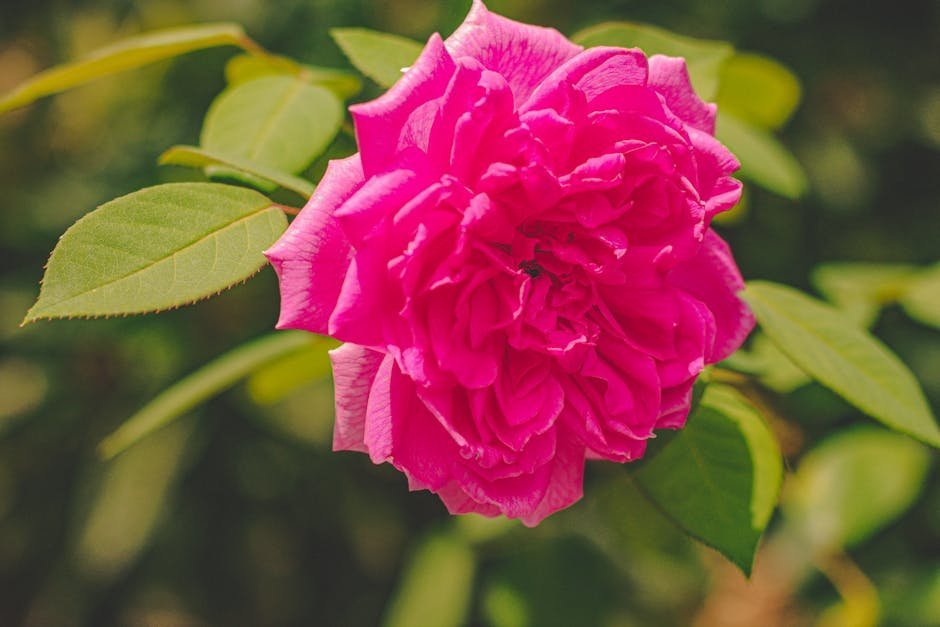
If there’s one rose variety that truly earns the phrase “legendary,” it’s the Damask rose. Musk and Gallica roses were crossed to produce the powerfully fragrant Damask Rose (Rosa × damascena), which is still the predominant rose scent you will find in perfumery, rose oil, and rose water production. Think about that for a moment. Essentially every classic perfume carrying a “rose” note traces its lineage back to this single ancient variety.
Damasks are thousands of years old, and it’s said they were brought to Europe from the Middle East by the Crusaders. Famous for its intense fragrance and delicate pink-to-white blooms, it has been cultivated for centuries for rose oil, culinary use, and perfume. In the garden, Damask roses thrive in full sun with well-drained, slightly acidic soil, and they reward that care generously.
Within Damask roses there are two further categories: summer Damasks, which are larger and have flowers once a year, and autumn Damasks that have more compact growth and flowers that repeat through the season. Damask roses are prized for their intense perfume and have long been used to produce rose oil. For any gardener who wants a rose that truly fills the air, this is it.
2. The Gallica Rose: Ancient Beauty with Bold Color
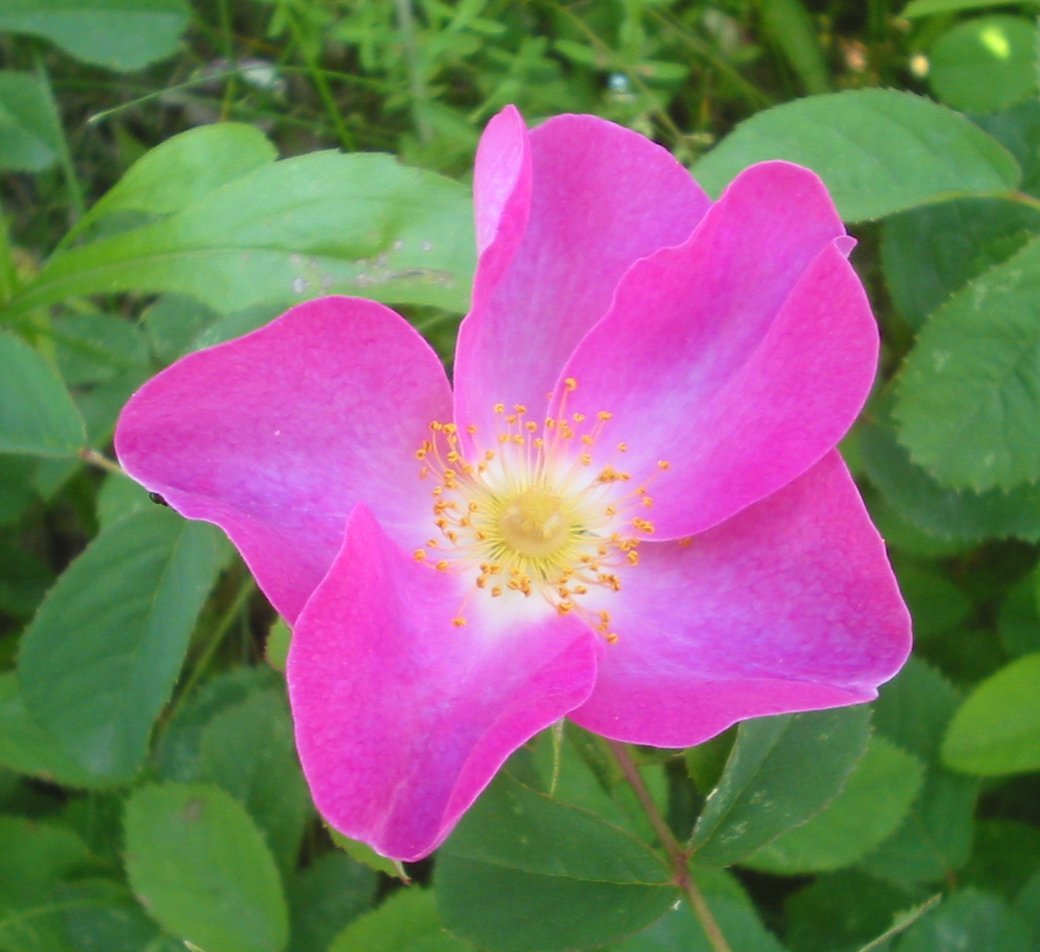
Honestly, very few plants on earth have the pedigree of the Gallica rose. Gallicas are the oldest roses, grown by the Greeks and Romans and later bred by the Dutch and French. They have a great color range that includes striped blooms, and some are intensely fragrant. There is something deeply compelling about planting a rose that ancient civilizations already considered magnificent.
Gallica roses’ unique petals have been used for antibacterial, astringent, and tonic medicinal purposes. They are found in many shades, such as pinks, reds, purples, and even with a two-tone white stripe. Sadly, their beautifully layered, tightly clustered blooms can only be seen once during the summer. A hardier variety, Gallicas are tolerant of shady areas and colder climates. That shade tolerance alone makes them more versatile than many gardeners realize.
They are compact in size but they sucker profusely and spread by underground runners, which means they can fill in an area quickly. Their foliage is dark green and roughly textured. For cottage gardens and informal borders, the Gallica rose has an almost wildly romantic quality that modern varieties simply can’t replicate.
3. The Alba Rose: Grace Under Pressure
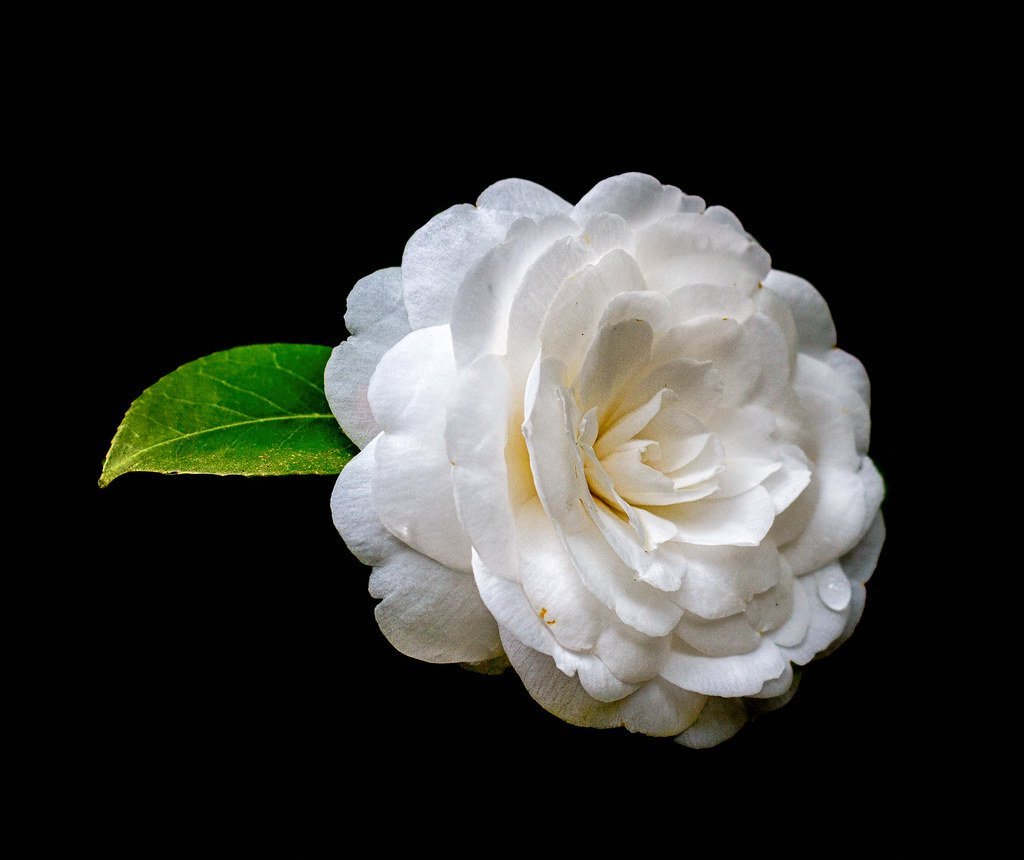
As one of the oldest garden roses dating back to 100 A.D., Alba roses are a hybrid style that offers tall, graceful bushes with cool-tone blue-green foliage. There’s a quiet dignity to Alba roses that I find genuinely striking. They don’t shout for attention. They earn it.
Albas are known for their pale, pastel-colored flowers, typically white or light pink, and a strong fragrance. They are exceptionally hardy and disease-resistant, making them suitable for various climates. That disease resistance is a huge practical bonus for gardeners who’d rather spend time enjoying their garden than spraying it with chemicals.
These robust plants reach 6-8 feet tall with distinctive blue-green leaves that provide elegant contrast against their delicate flowers. Classic varieties like Semi Plena and Maiden’s Blush showcase the collection’s understated beauty and resilience. Gentle petals cluster in soft formations, creating romantic garden scenes that feel effortlessly charming. Landscape designers prize these roses for their low-maintenance nature and ability to flourish in less sunny locations.
4. The Centifolia Rose: Layers Upon Layers of Perfumed Petals
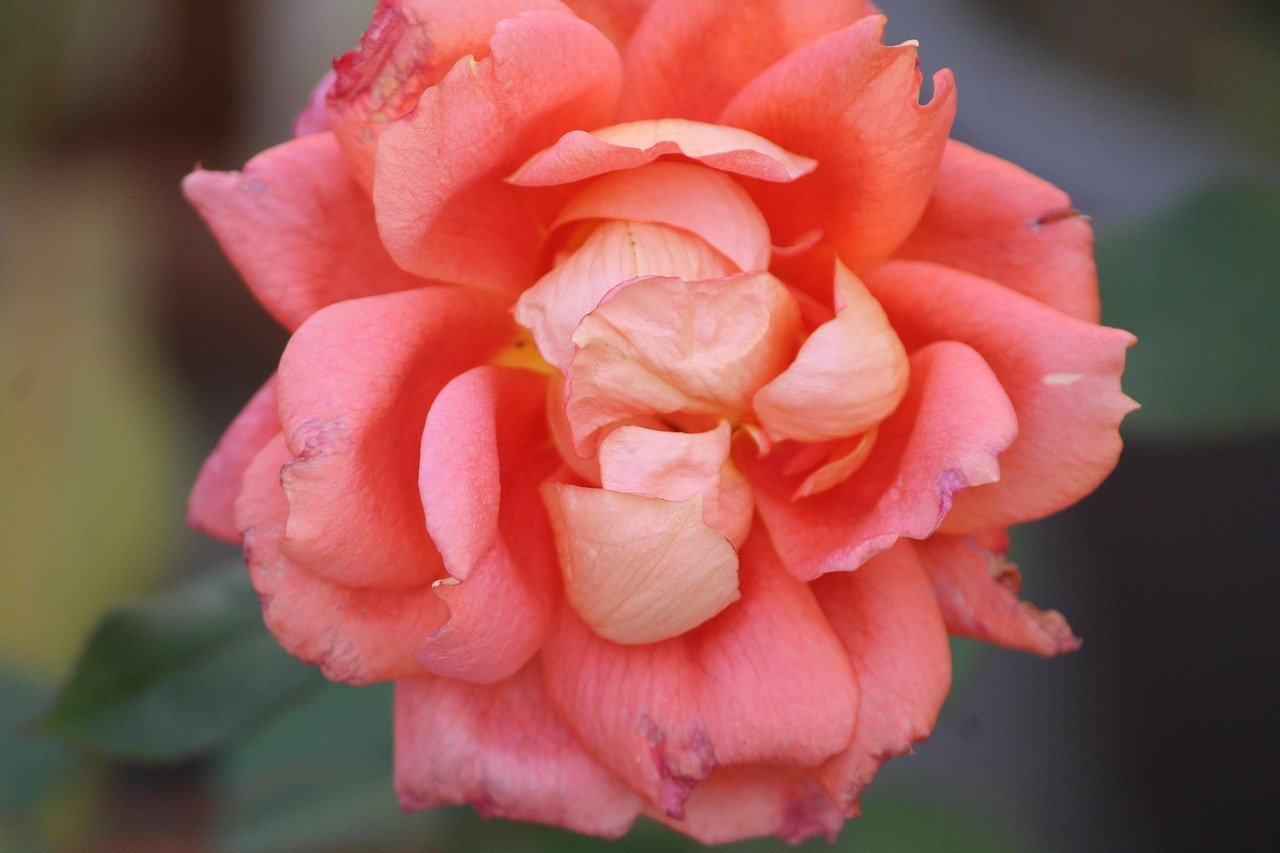
Sometimes called the Cabbage Rose or Provence Rose, the Centifolia is almost absurdly beautiful. Centifolia roses – sometimes called “cabbage roses” – are admired for their many-layered petals and rich scent. Imagine a bloom so heavy with petals it literally nods its head downward under its own weight. That’s the Centifolia in full flower.
Also known as the cabbage rose, the flowers of this type have overlapping petals that make it resemble the vegetable. This hybrid was created by Dutch breeders between the 17th and 19th centuries. Centifolia roses are once-flowering, and the blooms sometimes have a nodding effect, due to the weightiness of the flowers. The single blooming period is the only real trade-off, and honestly, for a flower this spectacular, most gardeners consider it a very fair deal.
With an exceptionally lovely scent, this rose variety is often used as an essential oil in perfumes and fragrances. However, enjoy it while it lasts because it only blooms once in early summer. Plant it where you’ll walk past it daily during that brief summer window, and it will be one of the highlights of your entire gardening year.
5. The Bourbon Rose: Romance Bottled in a Bloom
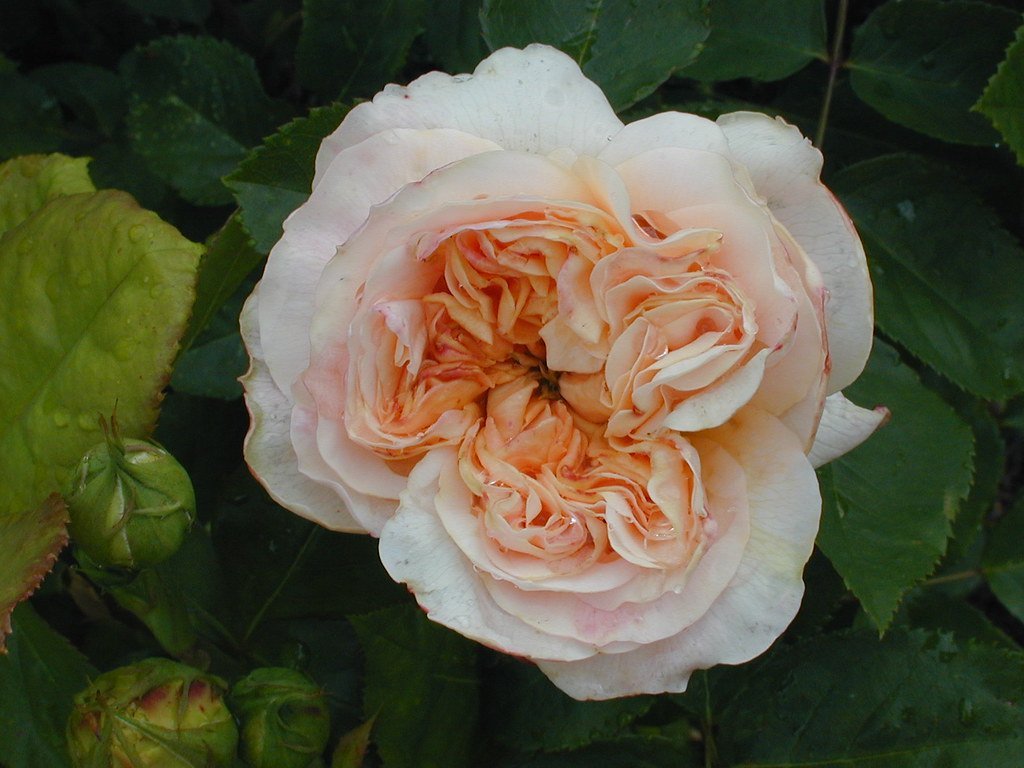
Here’s the thing about Bourbon roses: they manage to feel simultaneously old-fashioned and wonderfully lush. In 1817, a natural hybridization between a form of Autumn Damask and the Old Blush China rose occurred on the Île de Bourbon (now Réunion) in the Indian Ocean. This led to the development of the Bourbon roses, which combined the fragrance of Damask roses with the repeat-flowering trait of China roses.
Known for their repeat blooming and intensely fragrant, large blooms, Bourbon roses combine the hardiness of Damask roses with the remontant (repeat-flowering) nature of China roses. That repeat-blooming quality is a genuine game-changer for gardeners who want summer-long color rather than a single spectacular flush. Bourbon blooms lend a strong, heady fragrance; you can grow a Bourbon rose bush near a trellis and train it to climb and adorn the space with repeated blooms all season long.
The old Bourbon climbing rose Zéphirine Drouhin has few to no thorns and an outstanding fragrance. Bourbon roses are old French hybrids of China roses that have unmatched spicy, fruity fragrances. If you have a pergola, an archway, or a garden fence that needs dressing up, a Bourbon climber is one of the most elegant solutions imaginable.
6. The Hybrid Tea Rose: The Classic Garden Showstopper
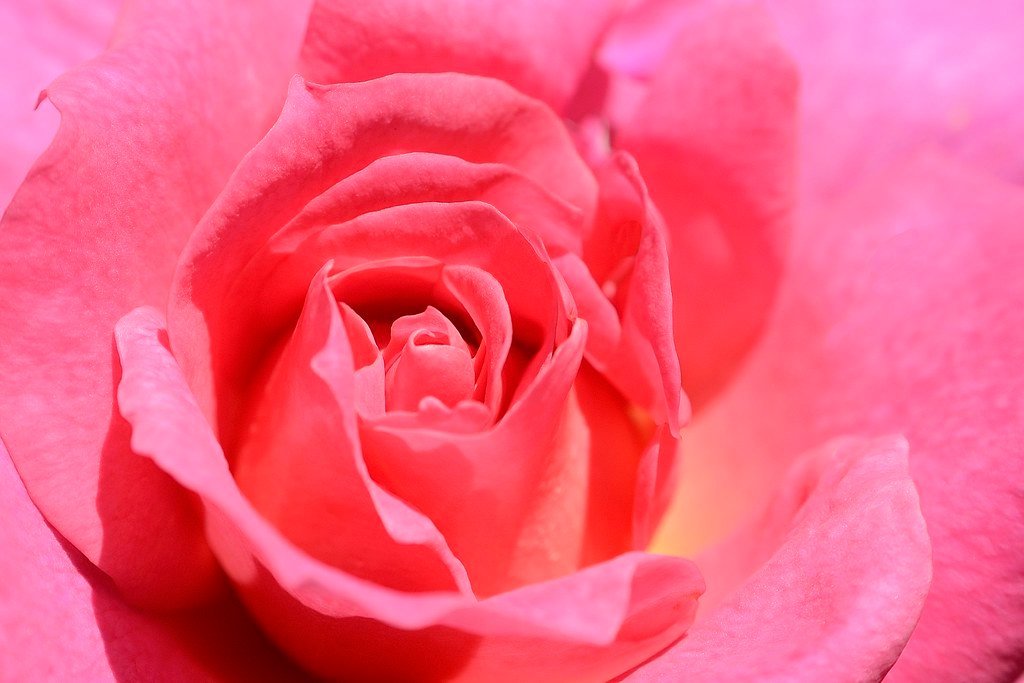
When most people picture “a rose,” they’re almost certainly imagining a Hybrid Tea. Hybrid Tea roses are one of the most popular classes of roses, and it’s not hard to understand why. With bountiful, ornate blooms that sprout from long stems and reach anywhere from 30 to 50 petals, the Hybrid Tea rose creates a dazzling display in any garden.
This type was created by crossing vigorous-growing Hybrid Perpetuals with longer-flowering Tea roses. From this, the Hybrid Tea rose was created, delivering straight stems and large flowers. They tend to be repeat-flowerers, with mostly fragranced blooms. The structure is the thing here. Each bloom looks almost architectural in its precision, which is why florists adore them and why they’ve dominated cut flower markets for generations.
It’s worth noting that Hybrid Teas do need a bit more attention than some old garden roses. Hybrid roses require regular fungicide applications since they are susceptible to black spot and powdery mildew. When properly cared for, however, Hybrid roses can last for decades. That longevity is the reward for your patience, and it makes every bloom feel well earned.
7. The Moss Rose: Textured, Fragrant, and Gloriously Unusual
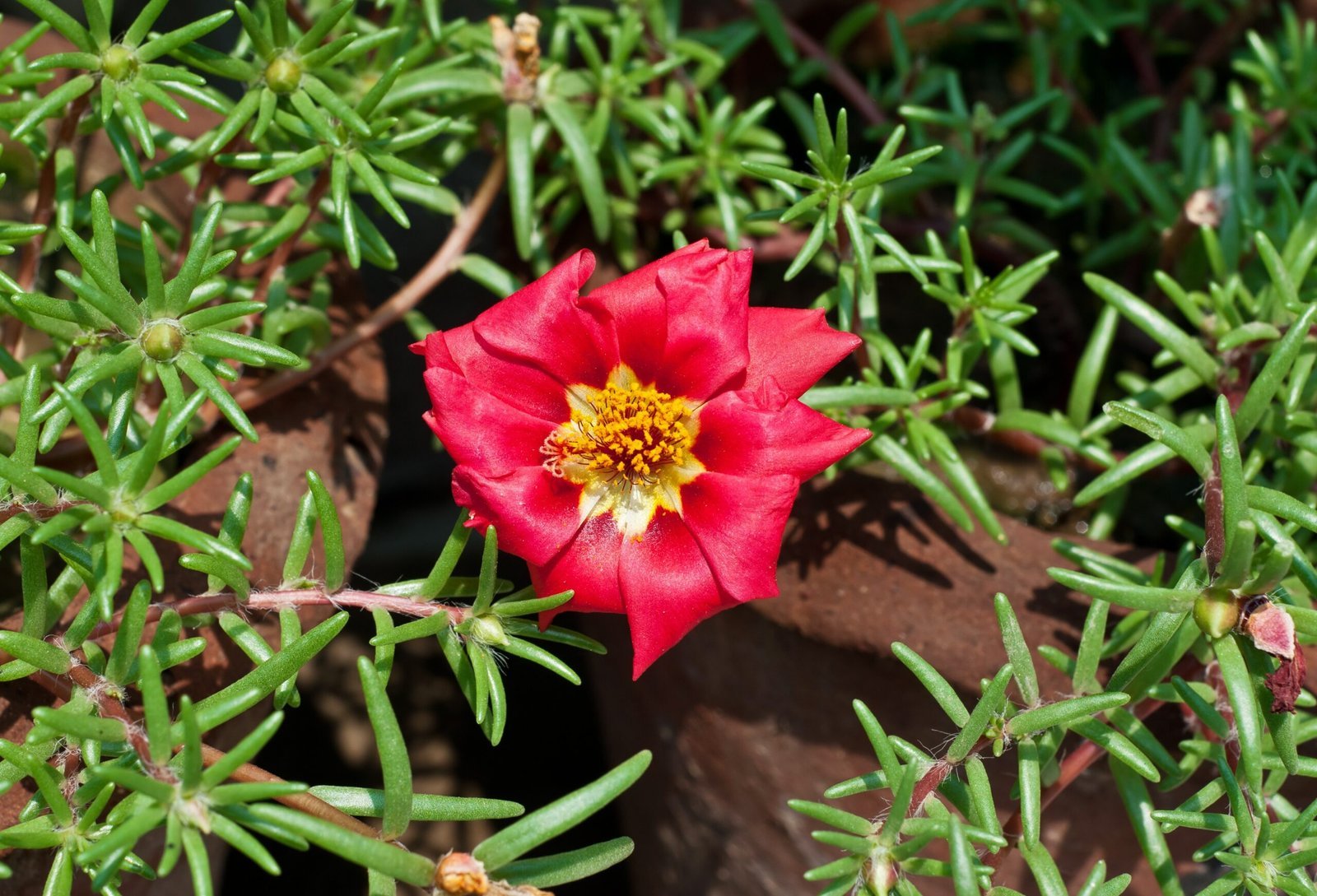
I know it sounds a little unusual, but stay with me on this one. Moss roses are unlike anything else in the rose world. Moss roses from the Rosa genus are antique roses that stand out because of the hairy, greenish-brown growth that forms on their leaf stalks, calyces, flower stalks, and stems. This “hair” is incredibly soft and excretes a sticky substance that has a strong scent that smells like a cross between a Damask, a pine tree, and an apple.
Moss roses are a mutation of the Centifolia rose, first appearing in the 17th century. They feature a unique moss-like growth on the sepals and stems, exuding a resinous fragrance. Moss roses are known for their strong fragrance and textured appearance. Running your fingers along the mossy stems and releasing that unexpected scent is one of those small garden pleasures that’s genuinely hard to forget.
Beyond the stunning smell, the frilly blossoms come in deep, vibrant fuchsia, crimson red, pastel pink, and even pink stripes. Most are hardy in Zones 4 to 9. They gained enormous popularity in the 1800s, and gardeners who discover them today often wonder how they ever overlooked something so wonderfully different.
8. The Climbing Rose: Vertical Drama at Its Finest
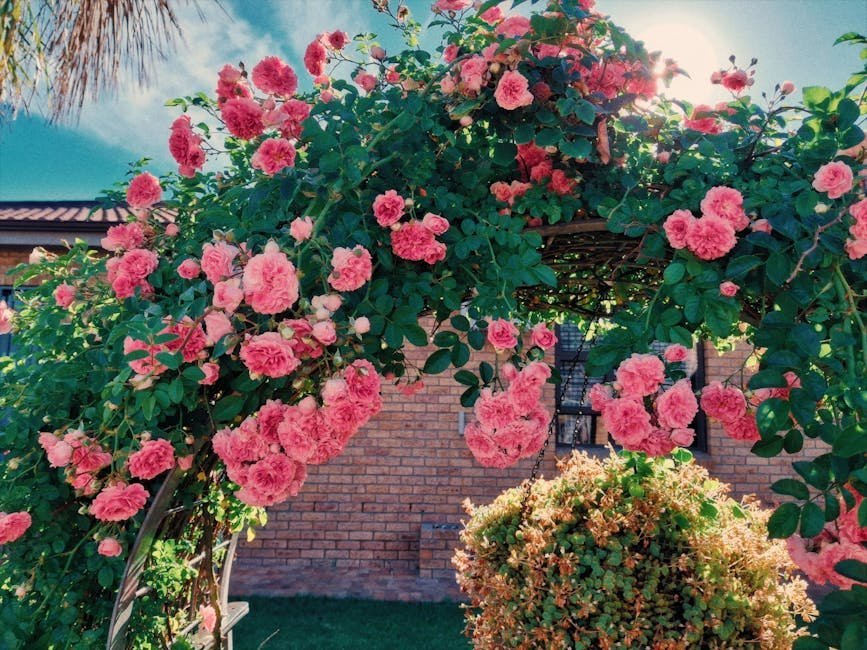
No classic rose garden feels truly complete without at least one climber sweeping up a wall or spilling over an arch. Climbing roses provide stunning vertical garden solutions with dramatic floral displays across walls, fences, and architectural structures. Varieties like Fourth of July and Eden produce abundant clusters of colorful blooms throughout summer months. Strong upright canes allow these plants to gracefully scale trellises, pergolas, and arches with remarkable ease.
Mature climbing roses typically reach impressive heights between 8 and 16 feet, making them perfect for adding vertical drama to garden designs. Experienced gardeners train these roses carefully to encourage continuous blooming and robust growth patterns. Strategic pruning and support systems help climbing roses develop beautiful, cascading flower displays. Think of them less as plants and more as living architecture.
Climbing roses, or rambling roses, produce long, sturdy canes that require support. They don’t literally “climb,” but they can be trained onto vertical supports like fences, trellises, or pergolas. They must be tied to the vertical structure to grow upwards, otherwise they will grow outwards. A little patience during training pays dividends for years, sometimes even decades, as established climbers become breathtaking garden landmarks.
Bringing It All Together: Why Classic Roses Still Belong in Every Garden
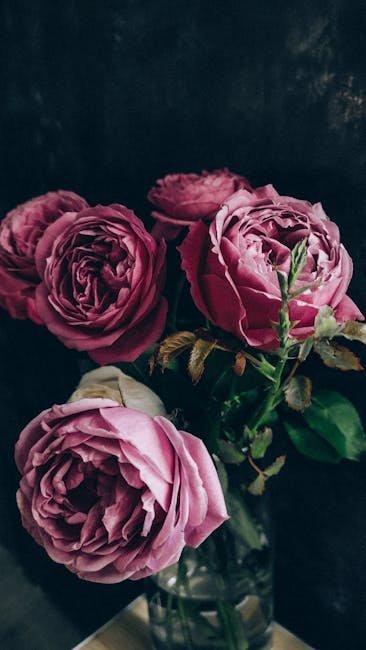
There is genuinely no shortage of beautiful plants in the world. Gardeners in 2026 have access to more variety than ever before. Yet roses, particularly these classic varieties, keep drawing people back. With old-fashioned flower shapes and soft, romantic colors, heirloom roses add historical character and elegance to gardens. Their intense fragrance, renowned for rich, complex scents, often surpasses that of modern varieties, evoking timeless charm.
These hardy, historic shrubs are generally long-lived, adaptable, and often easier to grow than their more modern cousins. That combination of low-maintenance toughness with extraordinary beauty is rare, and it goes a long way toward explaining why gardeners keep coming back to them generation after generation. Many varieties have natural resistance to common rose diseases due to centuries of adaptation, making them less dependent on chemical treatments. Heirloom roses are hardy and can thrive in harsher conditions, often requiring fewer chemical interventions in comparison to modern hybrids.
Whether you have a large country garden or just a modest urban plot, even a single well-chosen classic rose can transform a space entirely. Plant one near a path where you’ll brush against its petals. Train one up your garden wall. Let its fragrance drift through an open window on a June morning. Growing heirloom roses connects gardeners to centuries of horticultural tradition and history. That connection, to something ancient, beautiful, and alive, is something no modern hybrid can quite replicate. Which of these eight classic varieties will you be planting first?

Besides founding Festivaltopia, Luca is the co founder of trib, an art and fashion collectiv you find on several regional events and online. Also he is part of the management board at HORiZONTE, a group travel provider in Germany.
