


There is something almost magical about a well-chosen garden fence. It does not just mark where your property ends. It speaks to the character of the home behind it, sets the mood of the entire landscape, and quietly signals how much care and thought has gone into the outdoor space. Fences have served this dual purpose for centuries – practical boundary markers by day, quiet works of art by their very nature.
Honestly, walk down any old neighborhood street and you will immediately feel the difference between a garden with a thoughtful fence and one without. The right style can transform even a modest plot into something that feels loved, curated, and welcoming. Whether you lean toward romantic cottage gardens or stately, formal landscapes, there is a classic fence design that has been doing exactly this kind of work for generations.
From iron scrollwork steeped in Victorian history to the humble handcrafted charm of woven willow, these eight timeless fence styles have earned their place in garden design – and they are not going anywhere. Let’s dive in.
1. The White Picket Fence: An Enduring American Icon

Few things in garden design carry as much cultural weight as the classic white picket fence. The picket fence traces its heritage to colonial America of the 1600s, where these structures first served to contain livestock within family yards. By the Victorian era, picket fences had evolved into symbols of domestic prosperity and the emerging American Dream, eventually becoming the iconic representation of suburban idealism throughout the 20th century. That is a remarkable run for what is, at its core, just a row of pointed wooden boards.
The classic picket fence features evenly spaced vertical slats – typically painted white – to outline property lines with a charming, cottage-style appeal. Its low height delineates boundaries and invites openness rather than total enclosure. That openness is really the magic of it. Think of it less like a wall and more like a polite handshake with your neighbors. The picket fence is ideal for front yards, gardens, and pathways. It enhances curb appeal without obstructing the view and offers a welcoming feel. Pair it with climbing roses or a low box hedge border and you have a front garden scene straight out of a countryside postcard.
2. Split Rail Fence: The Spirit of the Open Countryside
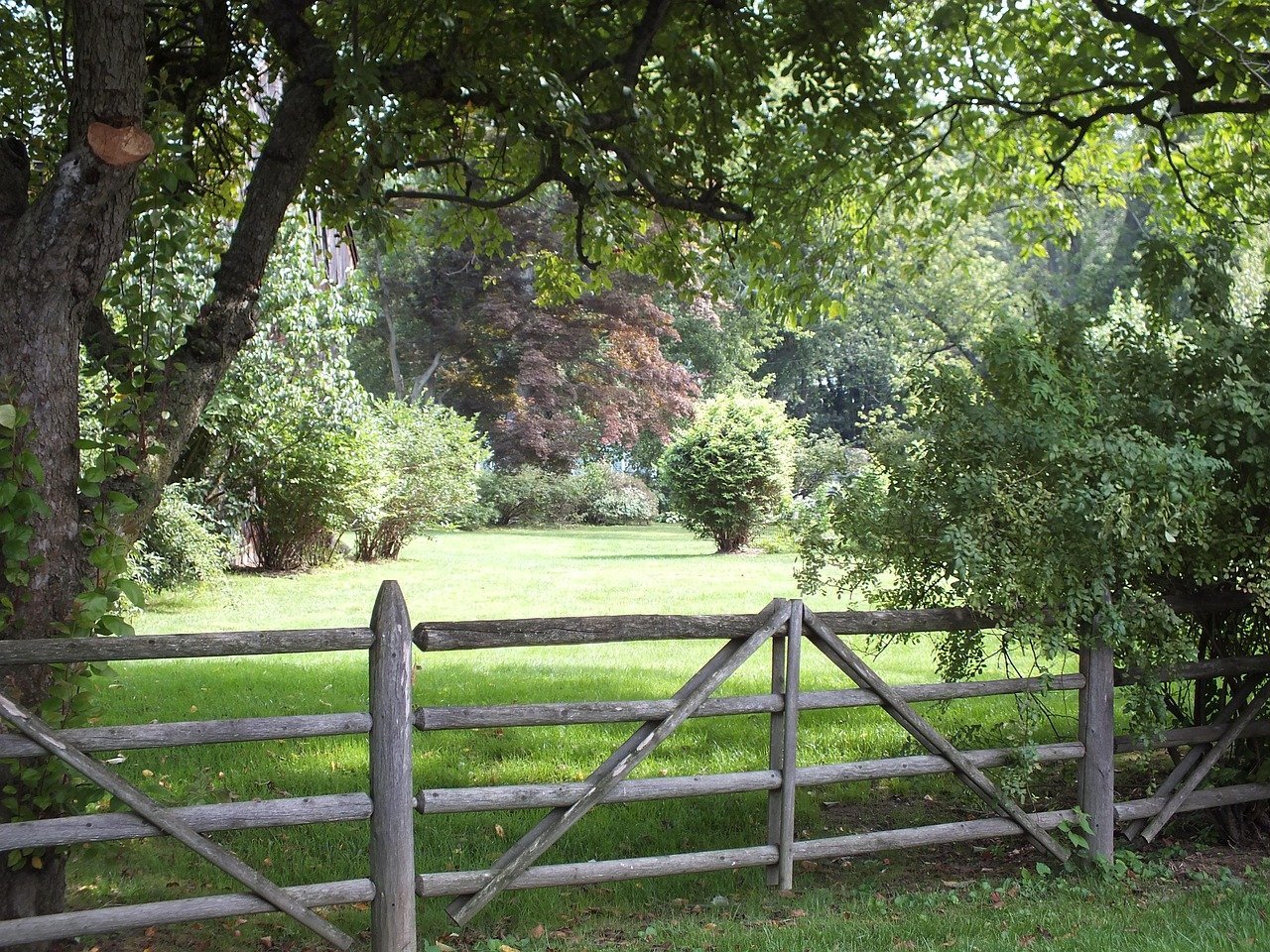
If the picket fence is the suburban dream, the split rail fence is its rural, free-spirited cousin. Split-rail fencing represents one of America’s first fence styles, essential to colonial settlements where cleared land and available timber made this construction practical and necessary. Three-rail fences became synonymous with horse country and rural estates, embodying the pastoral traditions of New England farming heritage that continue to inspire landscape design today. There is something deeply grounding about a fence with that kind of history.
A split rail fence offers a charming, rustic appeal that is perfect for creating a welcoming boundary without closing off your front yard. This design features horizontal rails fitted into vertical posts, giving it a classic, open look that works beautifully with country-style homes and larger properties. Because it does not create a solid wall, a split rail fence defines your space while preserving sightlines and allowing for plenty of airflow. Plant wildflowers or climbing vines along its length and it stops being just a fence – it becomes a living part of the garden itself. While traditionally made of wood, you can also find vinyl options that provide a similar aesthetic with less maintenance, making it a practical and stylish choice for many homeowners.
3. Wrought Iron Fence: Timeless Elegance With Real Authority
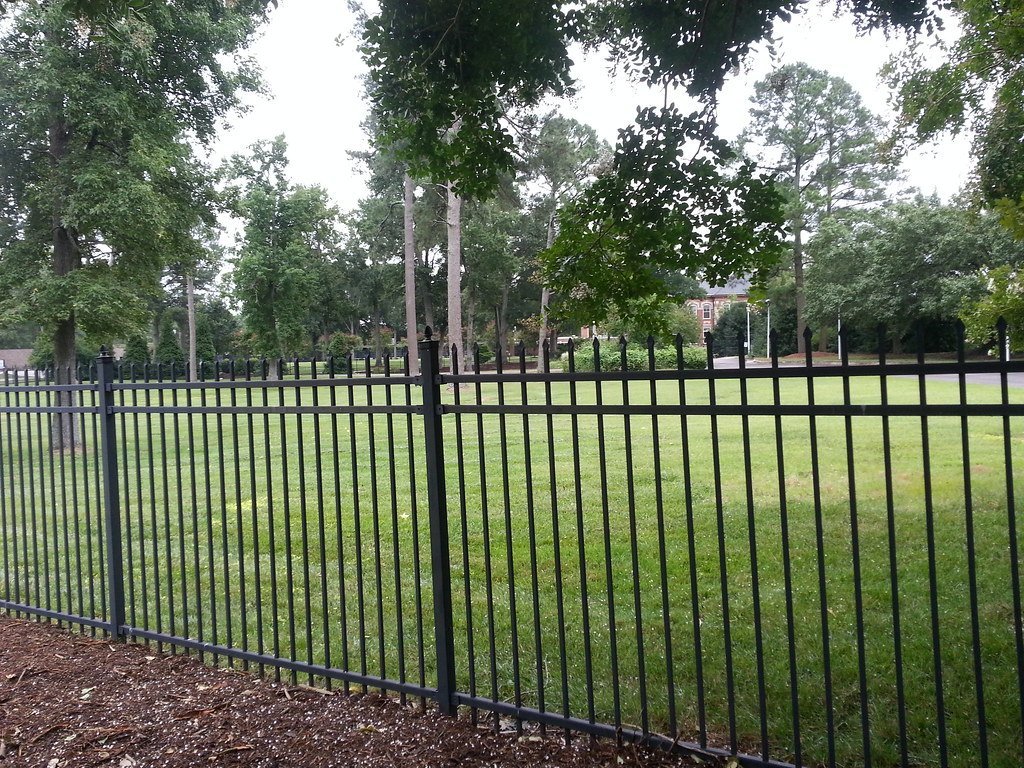
Here is a fence style that never whispers. Wrought iron commands attention, and it has been doing so for a very long time. During the colonial period, ornamental iron fences were rare in America. They were imported from England, and only churches, public buildings, and affluent colonists could afford them. By the early 19th century, domestic blacksmith shops began producing architectural iron that could compete with imports in both quality and design, making this ironwork more accessible to less wealthy property owners.
Victorian fences are renowned for their detailed, ornamental designs. Whether in wrought iron or wood, the craftsmanship is evident in the delicate scrollwork, floral patterns, and Gothic-inspired shapes. In a garden context, this translates to a fence that doubles as sculpture. Wrought iron fences are known for their timeless beauty. They can make any property look more elegant and well-cared-for. The dark color of the iron stands out nicely against green lawns or colorful gardens. Honestly, there is no better backdrop for a rose garden than fine black ironwork – the contrast is simply breathtaking. One of the biggest advantages of wrought iron fences is how long they last. These fences are incredibly strong and can stand up to harsh weather, including strong winds and heavy snow. Unlike wood, wrought iron does not rot or warp.
4. Lattice-Top Fence: Where Function Meets Delicate Beauty
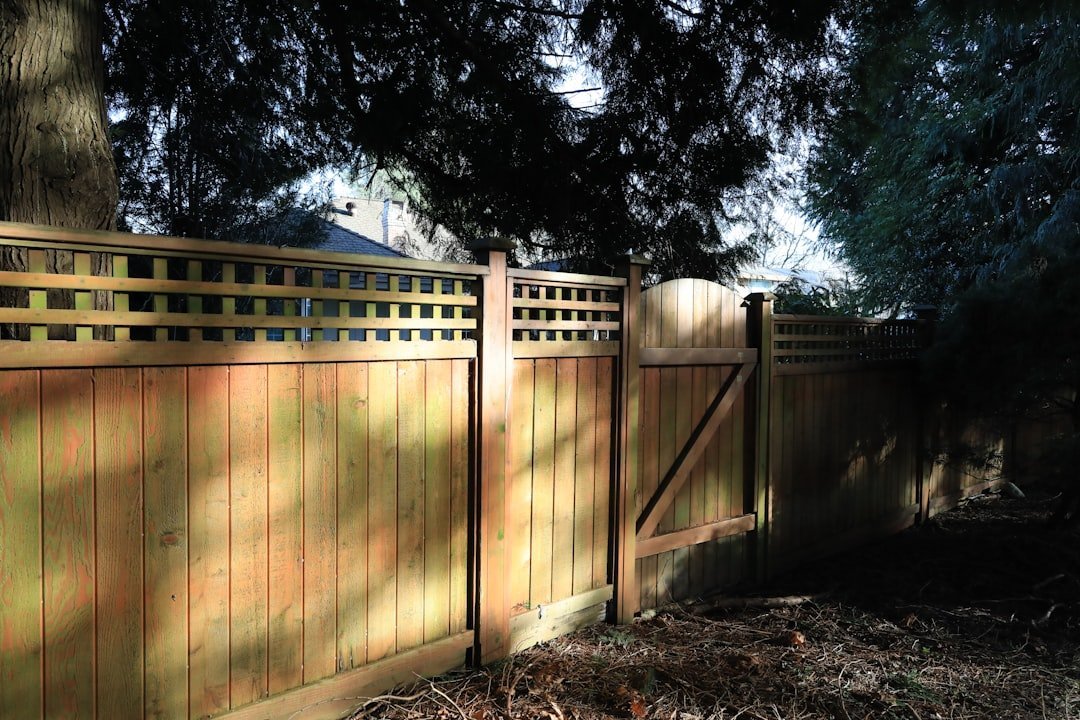
The lattice-top fence is the style for gardeners who want it all – privacy at the bottom, decorative airiness at the top, and a surface that practically begs climbing plants to make themselves at home. Lattice work traces its distinguished heritage to ancient Roman and Persian gardens, where intricate patterns served both decorative and functional purposes. Victorian garden designers embraced lattice to create intimate garden rooms, while the Arts and Crafts movement of the early 1900s elevated handcrafted lattice as both a functional element and artistic expression. That is a heritage most fence styles simply cannot match.
A lattice-top fence combines traditional and decorative styles. It has a solid wood design at the bottom and a crisscross pattern on top. This design allows airflow and light while maintaining security. From a planting perspective, it is genius. Its intersecting pattern creates an airy feel while offering the strength and containment needed to protect delicate plantings. You can use the lattice to create garden rooms, screen off utility areas, or support climbing plants in style. Think wisteria or clematis cascading across that crisscross pattern on a summer afternoon – it is one of those garden moments you never quite forget.
5. Post and Rail Fence: Simple Lines, Understated Elegance
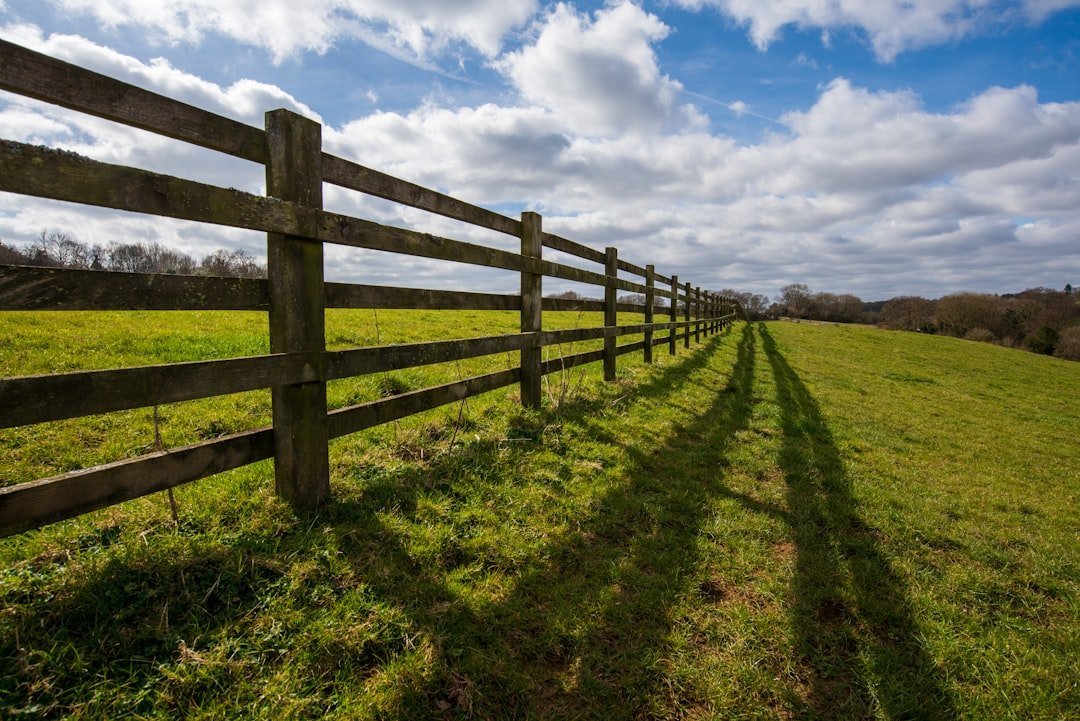
The post and rail fence is one of those designs that works precisely because of its restraint. It does not try too hard. It simply frames a landscape and lets the garden do the talking. A white post and rail wood fence provides some pleasant structure to an outdoor area without distracting from the gorgeous lawn and surroundings. It is the architectural equivalent of a good supporting actor – essential, reliable, never stealing the show.
A split rail fence is perfect for large properties, farms, or areas where you want to maintain an open, rustic aesthetic. This design uses long horizontal rails set into notched posts. Builders often construct it with pressure-treated or red cedar wood, ensuring it withstands weather and time. Its charm lies in its minimalism and function – great for marking property lines without creating a solid barrier. It pairs exceptionally well with traditional perennial borders and natural meadow plantings. Where other fences impose themselves on a garden, the post and rail simply belongs. Wood fences are used in every style, easy to install, and typically cheaper than fences built from other materials. The softness of wood relative to metal also projects a more homey, approachable feel, particularly with traditional fence styles.
6. Dog-Ear Board Fence: The Dependable Classic
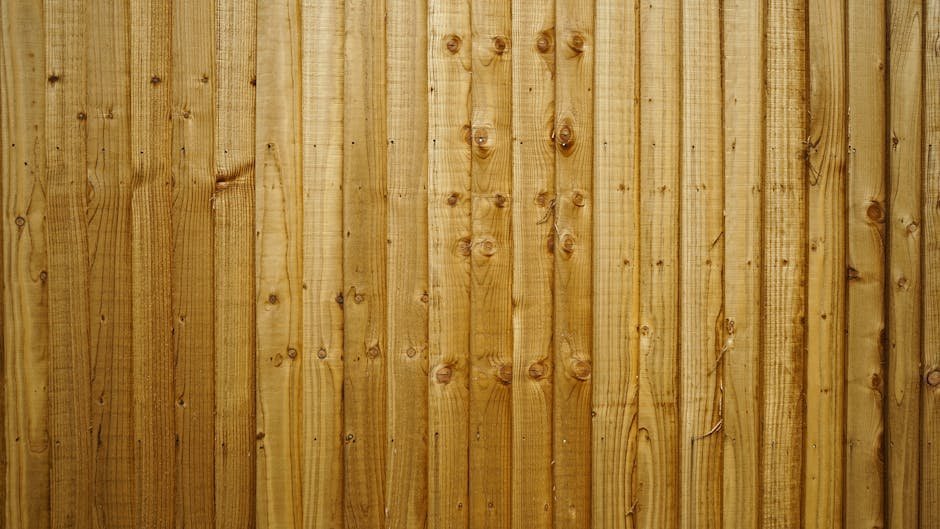
Do not underestimate the dog-ear board fence. It is perhaps the most quietly hardworking style on this entire list. The dog ear style is a type of solid privacy fence. In this style, someone cuts the top of each board at an angle. This gives the fence the look of a dog’s ear. This slight change in design adds character and softens the hard lines of a typical vertical board fence. It is a small detail, but it makes an enormous difference in how a fence feels. Sharp squared-off tops read as utilitarian. A gentle angled cut reads as considered and classic.
Manufacturers often make dog ear fences from wood like pine or red cedar. You can build them with or without metal posts for extra strength. This fence style is popular in suburban areas because of its balance of privacy and aesthetics. The dog-ear board fence is also remarkably versatile when it comes to color and finish. It makes a great canvas for staining or painting, allowing you to match your home’s exterior. Whether left to silver naturally in the sun or painted in a deep heritage green that sets off summer flowers perfectly, this fence style ages with genuine grace.
7. Woven Willow Fence: Ancient Craft, Modern Garden Appeal
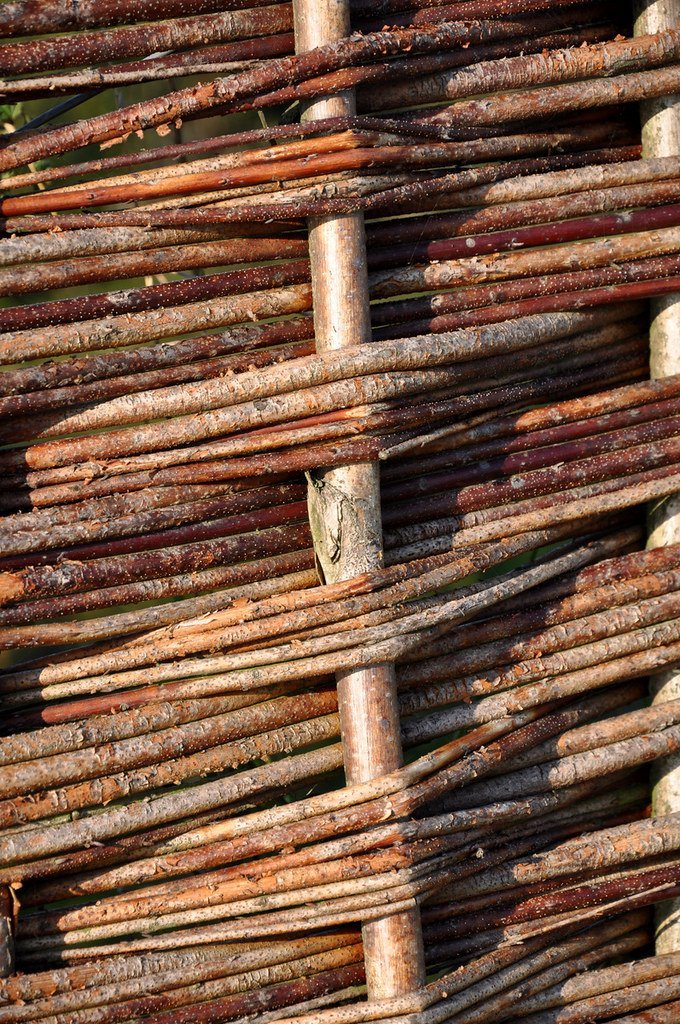
If you want a fence that genuinely feels alive, the woven willow is in a category of its own. This is not a fence you merely install. It is one you cultivate. Quick-growing, flexible hazel and willow trees offer stems to weave into fences, screens, supports for climbing plants, and more. Not only do they look stunning but they also help to filter wind instead of deflecting it, avoiding the damaging eddies found along solid walls.
In a rural location, you might prefer a more rustic style that blends with the landscape or your garden ideas. A woven willow fence is a charming choice. This style can either be used on its own, or as a topper on a low brick wall, if you want to create more privacy or security. Living willow designs take this concept even further. Willow is one of the earliest plants to produce catkins in the spring, providing a vital nectar source for bees emerging from hibernation. The dense, woven structure of a mature fedge offers nesting sites for small birds and a corridor for beneficial insects. I think that is one of the most compelling reasons to consider this style – your fence becomes a small ecosystem. A boundary that actively gives back to the garden rather than simply dividing it.
8. Stone Wall Fence: Permanent, Proud, and Impossibly Charming
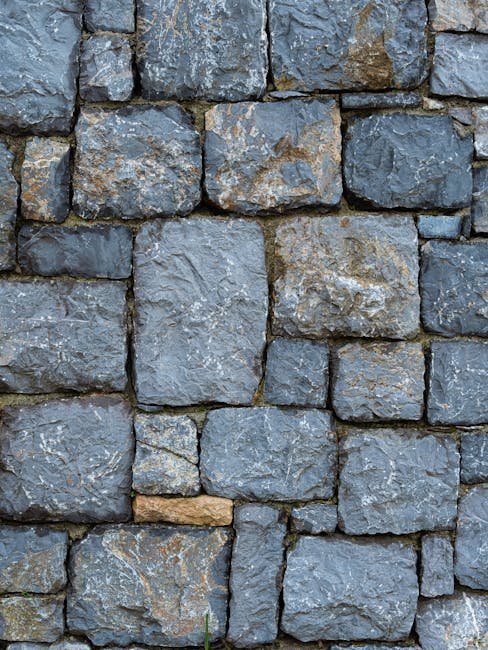
For sheer permanence and visual weight, nothing in garden design rivals the dry stone wall. It carries centuries of tradition in every carefully placed stone, and it brings an almost geological sense of time to even the most recently planted garden. Most early American fences were built from natural materials like brush, logs, stone, and living plants. Today, many gardeners and homeowners are rediscovering these traditional fence styles for their durability, sustainability, and rustic charm.
A stone wall offers a rustic and durable option that blends beautifully with cottage gardens. It is a classic choice that never goes out of style. The wonderful thing about stone is how generously it accepts planting. Creeping thyme, stonecrop sedums, and alpine plants colonize the gaps with almost no encouragement, turning a boundary wall into a vertical garden in its own right. Today, homeowners embrace the beauty and permanence of stone walls to create stunning fences that enhance the overall aesthetics of their properties. In modern adaptations, stone walls are often constructed using a combination of natural stone and other materials. For example, incorporating metal elements, such as ornamental gates or decorative accents, can provide a contemporary twist to the traditional stone wall. It is the rare fence that actually improves with age.
A Final Word on Choosing the Right Classic Style

The beauty of classic garden fences is not just in how they look. It is in what they say about the spaces they surround. Garden fences do more than define space – they protect plantings, enhance architectural beauty, and create focal points within the landscape. Each of the eight styles explored here has proven its worth across generations and climates, and each one brings something genuinely distinct to a garden.
A traditional fence is one of the best ways to add charm and character to a property. These fences do more than just define boundaries – they offer security, privacy, and aesthetic value. The choice ultimately comes down to your home’s character, your garden’s mood, and how much life you want woven into the structure itself. Whether you fall for the grandeur of wrought iron, the warmth of split rail timber, or the living poetry of woven willow, one thing is certain – a thoughtfully chosen classic fence will still be turning heads long after the latest design trend has come and gone.
So take a walk around your garden with fresh eyes. What does your boundary say right now, and what could it say? The answer might just be one fence post away.

Besides founding Festivaltopia, Luca is the co founder of trib, an art and fashion collectiv you find on several regional events and online. Also he is part of the management board at HORiZONTE, a group travel provider in Germany.
