

For any feedback please reach out to info@festivalinside.com
There is something almost inexplicable about the way a great Broadway musical burrows into your soul and refuses to leave. You could walk out of the theatre humming a tune you’d never heard before, and twenty years later, that same melody hits you like a freight train on a random Tuesday afternoon. That’s not a coincidence. That’s craft. That’s the power of storytelling set to music.
Some shows simply capture a moment in time so perfectly that they transcend it. They absorb the fears, dreams, and contradictions of their era, then somehow grow larger with every passing decade. The eight musicals in this article did exactly that. They didn’t just entertain. They changed the conversation. Let’s dive in.
Oklahoma! (1943): The Show That Invented Modern Musical Theatre
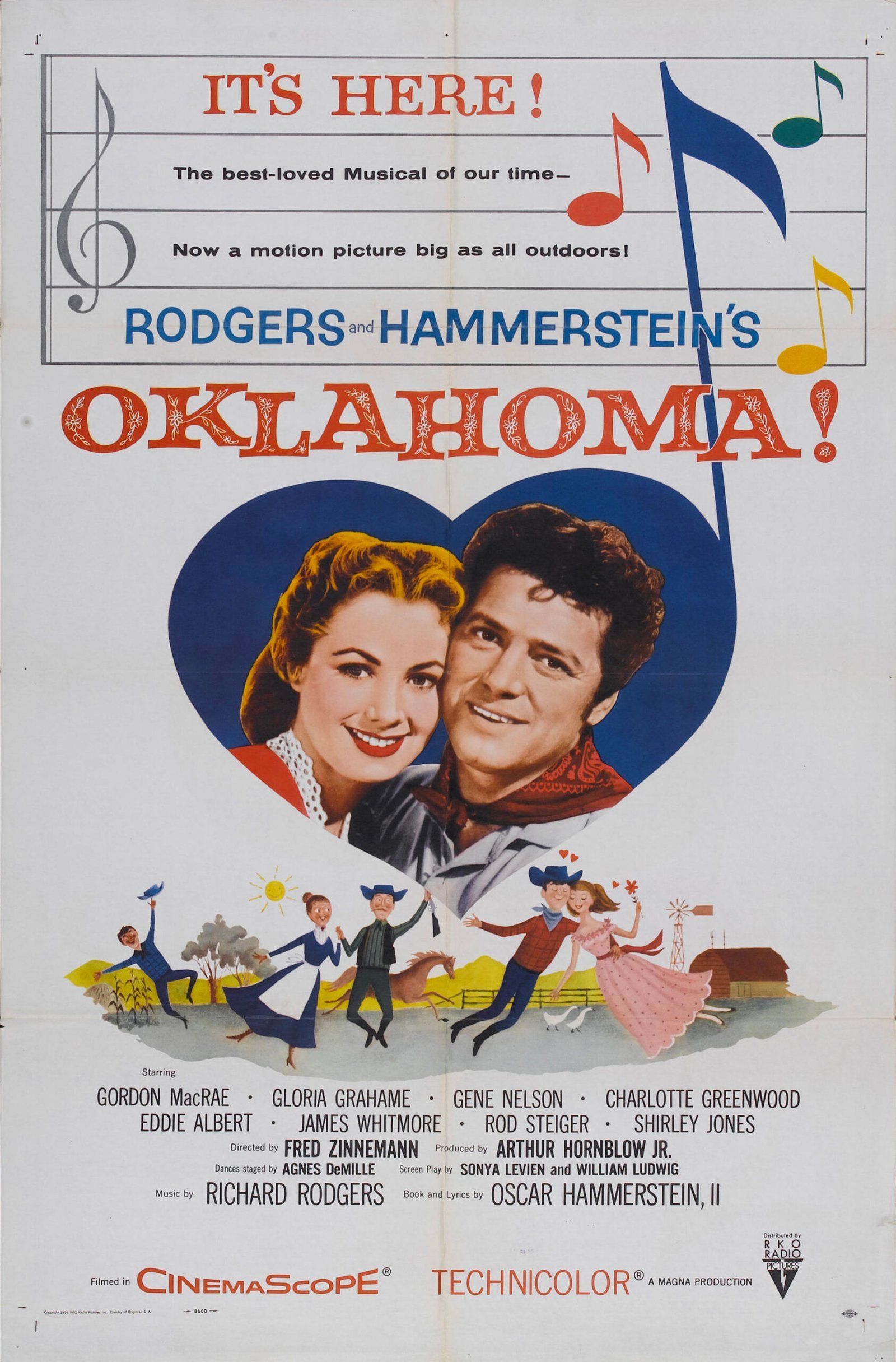
Honestly, it’s almost impossible to overstate what Oklahoma! did to Broadway. Before it arrived, shows were loosely strung-together entertainments, basically glorified variety acts with catchy tunes and not much else. The tradition that Rodgers and Hammerstein inherited was largely a non-narrative one, built on revues and loosely constructed vehicles for singers, dancers, and comedians. Oklahoma! blew that model apart completely.
Oklahoma! marked a revolution in musical drama. Although not the first musical to tell a story of emotional depth and psychological complexity, it introduced a number of new storytelling elements and techniques, including its use of song and dance to convey and advance both plot and character, rather than act as a diversion from the story, and the firm integration of every song into the plot-line. Think about what that means. Every single song now had to earn its place. No more filler.
One of the most groundbreaking elements of Oklahoma! was its extensive use of dance as a storytelling tool. The fifteen-minute “dream ballet” sequence explores Laurey’s romantic feelings far more succinctly than any singing or dialogue alone could hope to achieve. This use of dance as an equally valid storytelling medium as song and acting forever altered the Broadway musical. It was a seismic shift. Audiences and creators alike had never seen anything like it, and the entire industry felt the reverb for decades.
Oklahoma! played on Broadway for 2,248 performances, breaking all Broadway box office records for shows until that time. It also won the Pulitzer Prize for drama in 1944, which changed the face of stage musicals. In 2026, nearly a century after its premiere, revivals continue to fill theatres around the world. The template it established, story first, music in service of character, remains the gold standard of the form.
West Side Story (1957): Romeo and Juliet Gets a Razor-Sharp New Edge
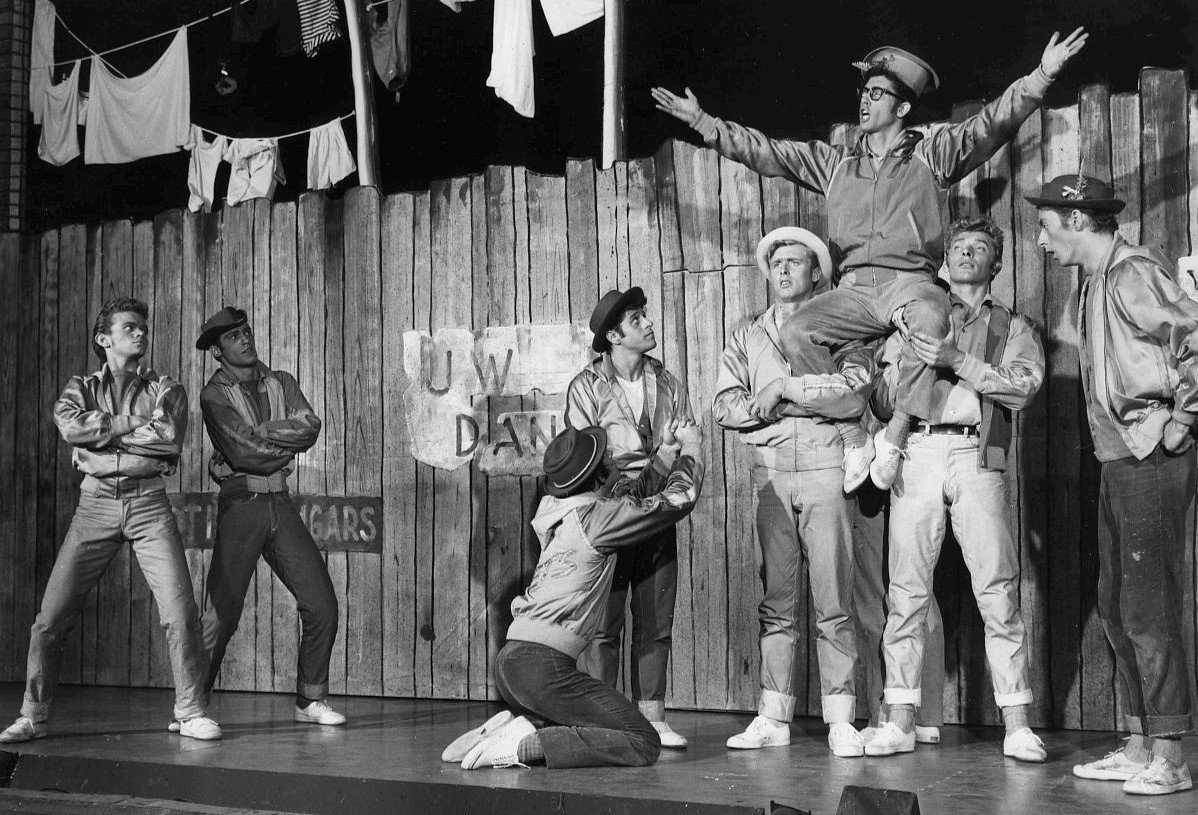
photo front
photo back, Public domain)
In 1957, West Side Story reimagined Shakespeare’s Romeo and Juliet as a tale of rival gangs in 1950s New York City. That pitch sounds simple enough. In execution, it was explosive. The creative team assembled for this show is arguably the greatest in Broadway history, full stop.
The show’s many miracles began with its creators, as formidable a team as any musical-theater production has ever seen. Leonard Bernstein composed the music, Arthur Laurents wrote the book, and Jerome Robbins served as director and choreographer, all having already triumphed on Broadway before. Stephen Sondheim, then only 25 years old, wrote the lyrics, working on his first Broadway show. I think what makes this combination so staggering is that every single element pushed the others forward, like gears in a machine that actually worked.
Combining the musical genius of Leonard Bernstein and Stephen Sondheim, the show presented topical themes on immigration and cultural identity and featured performers who required training in classical techniques to meet the dynamic ranges and vocal demands mandated by the score. The demands placed on every cast member were extraordinary, and that ambition shows. The choreography fused naturalism with ballet and jazz in a way that still looks stunning today.
Renowned opera and theater director Francesca Zambello has discussed the distressing relevance of West Side Story and her hope for change. That’s the thing about this show. Its themes of prejudice, belonging, and the cruelty of tribalism feel just as urgent now as they did decades ago. Every generation finds its own version of the Jets and the Sharks, which is precisely why the musical never stops being revived.
Chicago (1975): The Satire That Never Gets Old
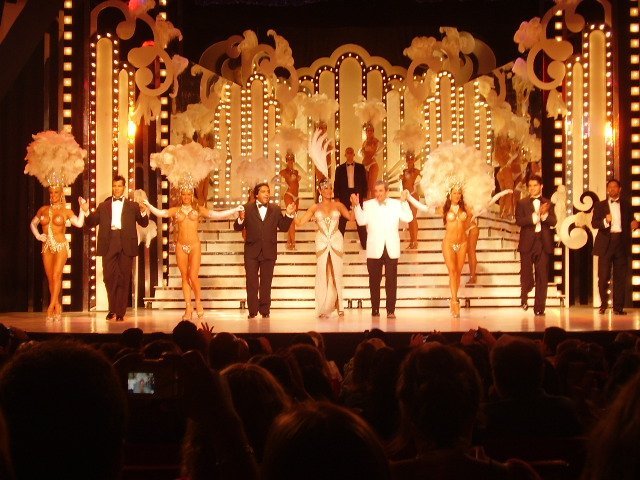
Chicago is based on the 1926 play by Maurine Dallas Watkins, itself inspired by the real-life trials of women accused of murder in Chicago in the 1920s. The musical captures the essence of the jazz age and the way audiences were fascinated by sensational criminal cases, often rooted in the social and cultural changes of the time. The genius of Kander, Ebb, and director Bob Fosse was transforming all that into something thrillingly theatrical.
The show uses the vaudevillian revue format to present a biting satire of the way the press and the justice system treat criminals as celebrities. The theatrical performance proved incredibly popular, highlighting the public’s obsession with judicial spectacle rather than justice itself. Here’s the thing. That critique is sharper in 2026 than it probably was in 1975. The intersection of crime, celebrity, and media has only grown more grotesque with time, which makes Chicago feel less like a period piece and more like a prophecy.
John Kander and Fred Ebb’s Chicago satirised corruption in the criminal justice system during a time when crime was rampant in New York City. The show’s winking, fourth-wall-aware staging puts the audience in a deliciously uncomfortable position. You’re laughing. You’re also complicit. That ambiguity is what makes great satire stick.
Since its premiere, Chicago has enjoyed enduring success, becoming one of Broadway’s most performed musicals, and has been hailed for its acerbic critique of corruption and celebrity. Chicago winning Best Picture at the Academy Awards in 2002 certainly helped cement its global legacy. Its combination of razor-sharp wit, iconic choreography, and eerily timeless themes keep audiences returning season after season.
A Chorus Line (1975): Every Dancer’s Quiet Terror, Made Visible
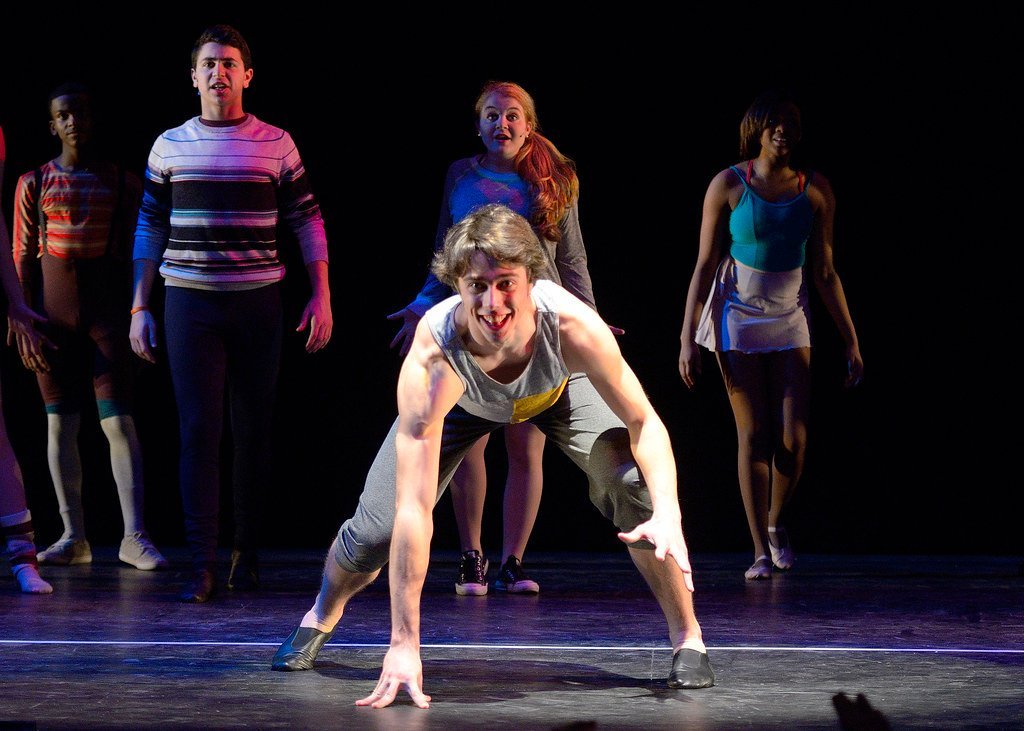
The 1975 musical A Chorus Line seemed to speak to everyone, conveying the vulnerability we each feel when interviewing for a job. Michael Bennett directed and co-choreographed a show about dancers vying for a spot in a Broadway chorus, each revealing their hopes, dreams, and secrets. Strip away the Broadway setting and what you have is a deeply human story about being judged, being dismissed, and quietly begging to be seen. We’ve all been in that room.
A Chorus Line was pioneering in bringing authentic storytelling from a diverse cast of characters, including those from the LGBT community and racial minorities. For 1975, that was genuinely radical. These were real stories drawn from real performers’ lives, and the rawness of that honesty is something you can feel even watching a revival today.
The show ran for over 6,000 performances on Broadway, a record that stood for years. Its structure is almost deceptively simple. No scenery to speak of. A bare stage, a line of dancers, and the terrifying intimacy of confessional storytelling. In many ways, A Chorus Line proved that Broadway didn’t need spectacle to leave a permanent mark. It just needed truth.
What makes it endure is that the anxiety at its core, the fear of not being enough, never goes away. Every new generation of performers, of job seekers, of anyone who has ever waited nervously for an answer, finds themselves somewhere in this show. It’s hard to say for sure, but I think that universality is rarer than any amount of flashy staging.
Les Misérables (1987): The Barricade That Never Falls
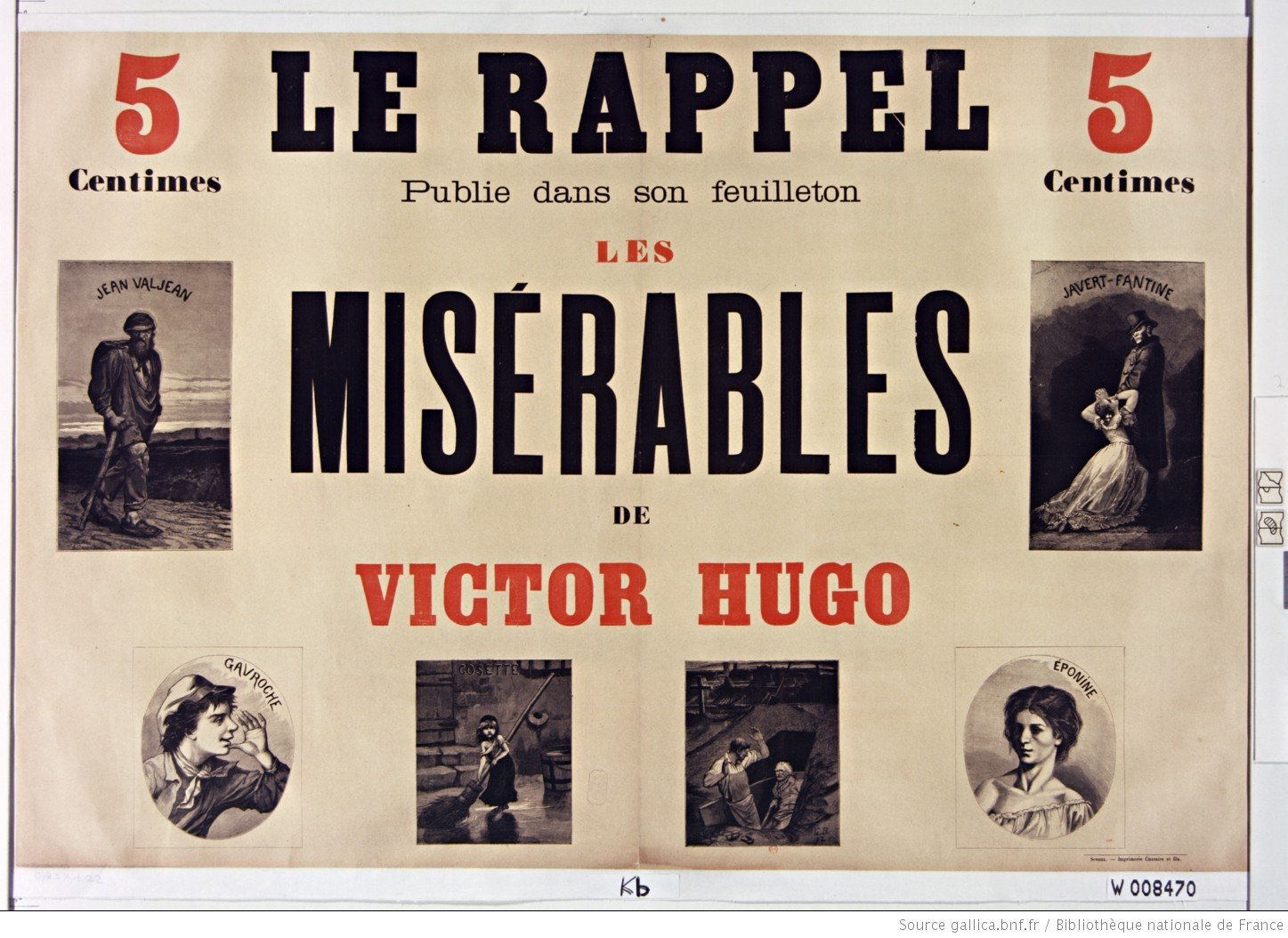
Les Misérables, adapted from Victor Hugo’s 1862 novel, was first presented as a concept album in French in 1980, before conquering the Parisian stage and becoming a worldwide phenomenon. The English-language adaptation, initiated by producer Cameron Mackintosh and directed by Trevor Nunn and John Caird, made its London debut in 1985, laying the foundations for what would become the West End’s most enduring show. That 1985 version transferred to Broadway in 1987.
Through the trials of Jean Valjean, a former convict seeking redemption, Les Misérables explores universal themes such as justice, love, and the struggle against oppression. These aren’t simply dramatic plot points. They’re the raw materials of every generation’s political and moral imagination. Whether audiences in the 1980s saw Cold War allegory or modern viewers see something closer to home, the show absorbs whatever lens you bring to it.
Much focus was given to producing innovative, larger-than-life sets, with gargantuan barricades of toppled tables and wardrobes fortifying the back alleys of revolution-era Paris. The personified settings of 1980s megamusicals were just as much a part of the story as the songs and characters themselves. Les Misérables was the fullest expression of this era’s theatrical ambition, and it remains staggering in scope even by today’s standards.
This cultural imprint underlines how certain works transcend their original format to touch various aspects of culture and entertainment around the world. Les Misérables is much more than a musical; it’s a powerful testament to theater’s ability to touch the heart and mind, inviting audiences to reflect on issues of morality, justice, and humanity. There aren’t many shows that radically improve as a property and theatrical experience over the decades, but Les Misérables has achieved that.
The Phantom of the Opera (1988): Gothic Romance on an Impossible Scale
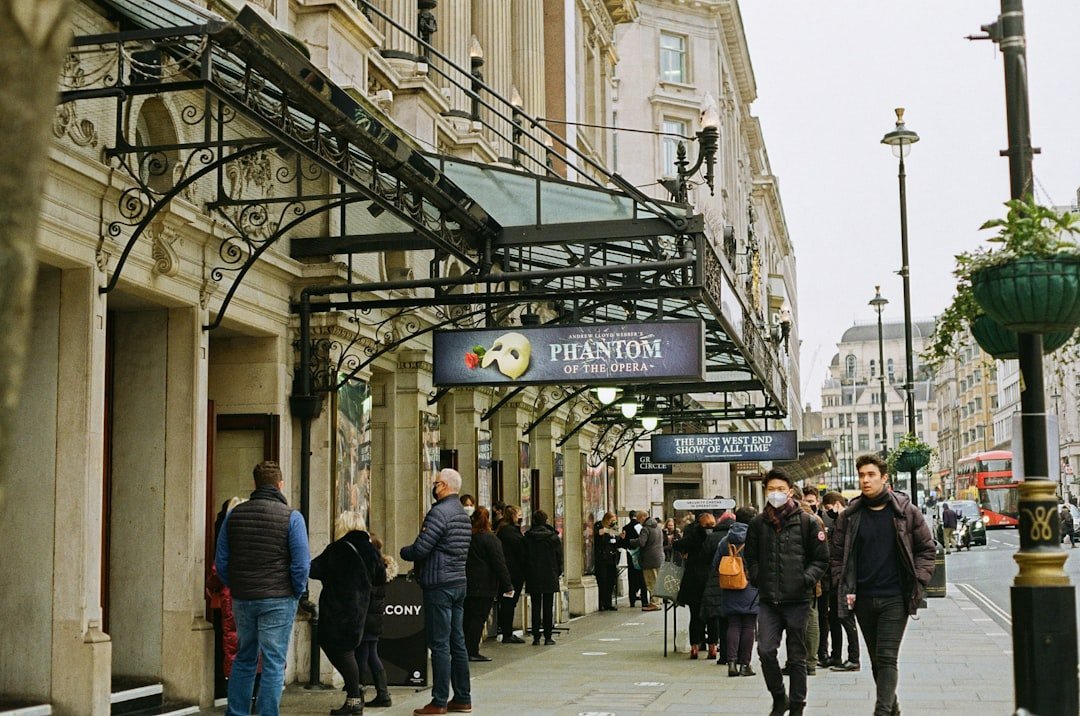
The Phantom of the Opera, composed by Andrew Lloyd Webber, established itself as a mainstay of modern musical theater as soon as it premiered in London in 1986, before landing on Broadway in 1988. What followed was a run of nearly 35 years on Broadway, making it the longest-running show in Broadway history. Let that sink in for a moment. Nearly four decades in one theatre.
The 1980s ushered in the dawn of the “megamusical” spearheaded by British composer Andrew Lloyd Webber, who enjoyed massive success with his musicals Cats (1981), Starlight Express (1984), and The Phantom of the Opera (1986). Phantom was the apex of that movement. The falling chandelier alone became one of the most iconic theatrical images of the 20th century.
The story of a disfigured musical genius haunting the Paris Opera House to control and possess the soprano he loves is not a comfortable one. It’s obsessive, dark, and tragic. Yet audiences have consistently packed houses to experience it, which says something fascinating about the human appetite for operatic romance tinged with danger. The music, sweeping and relentless, overwhelms the senses in the best possible way.
Off the stage, promotional efforts to boost ticket sales to these big-budget shows helped secure their lasting legacy in Western pop culture. Trademarked memorabilia became instantly recognizable to even the most tepid musical consumer. That haunting white mask is one of the most recognizable symbols in all of entertainment, recognized by people who have never set foot in a theatre. That’s cultural reach that most art forms can only dream of achieving.
Rent (1996): A Generation’s Grief, Set to Rock
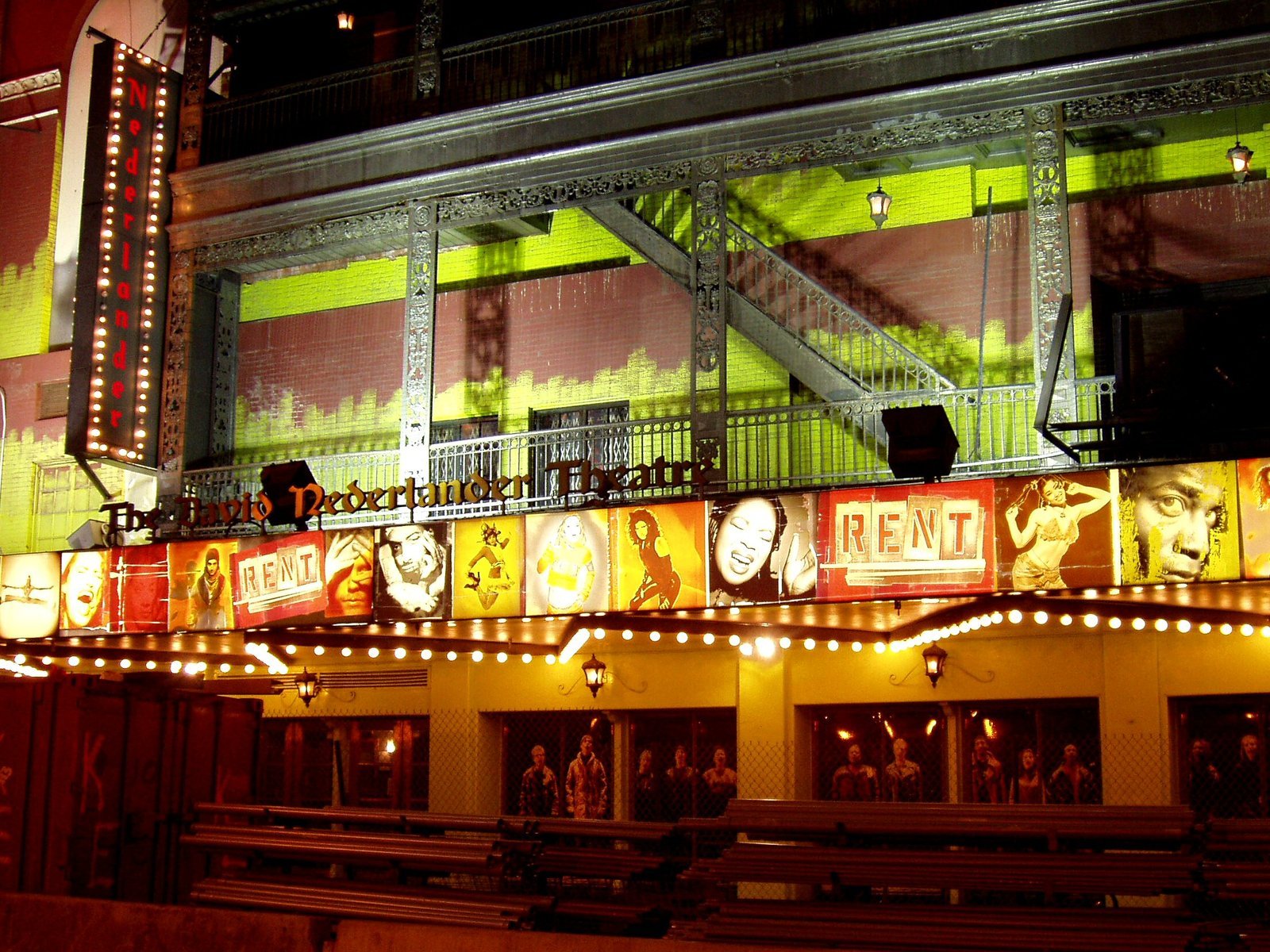
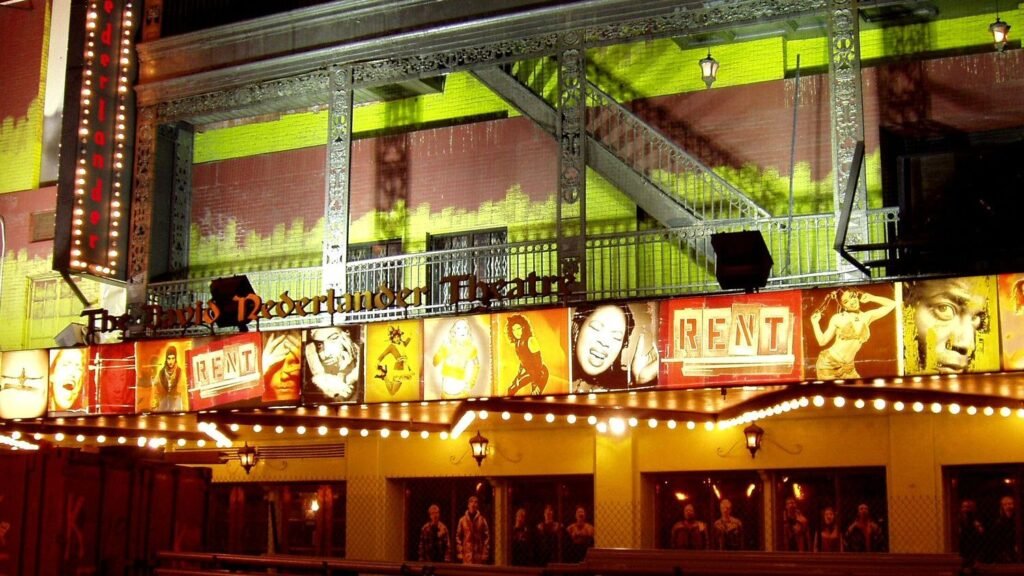
Rent was more than just an iconic musical: it was an international phenomenon that reframed the cultural and social relevance of musical theater. Jonathan Larson’s 1996 work about a community of struggling bohemian artists living in Manhattan’s Alphabet City under the specter of HIV struck a powerful chord with an entire generation. It arrived at a cultural moment when an entire community had been grieving for years, largely in silence. Rent gave that grief a voice.
Inspired by Puccini’s La Bohème, the musical tells the story of young artists navigating life, love, and loss during the AIDS crisis in New York City. Jonathan Larson’s rock-infused score connected deeply with audiences. Tragically, Larson passed away the night before Rent’s first performance, adding an emotional weight to the show’s legacy. That layer of real-world tragedy made the show almost unbearably poignant, and it still does.
Rent reaffirmed there was an audience for musicals that explored more contemporary sounds and subject matter. Until Rent, Broadway had largely kept rock music at arm’s length. Larson demolished that hesitation. His score pulled from rock, pop, and gospel in ways that felt completely organic to the story, and suddenly a whole new audience realized that Broadway wasn’t just for show tunes.
Rent proved that theatrical musicals could tackle difficult and timely subjects, resonating with audiences on a deeply personal level. Its central argument, that the measure of a life is love and not time, lands with full force every single time. In 2026, with its themes of community, belonging, and standing up for the marginalized more relevant than ever, Rent continues to inspire new generations of performers and theatregoers alike.
Hamilton (2015): The Revolution Was Televised After All
When the historical musical Hamilton premiered on Broadway on August 6, 2015, it almost immediately revolutionized Broadway. That’s not an overstatement. Within weeks, it had become something genuinely unprecedented: a piece of musical theatre that crossed every cultural boundary imaginable and entered the mainstream conversation on a level not seen since the Golden Age.
Hamilton is a sung-and-rapped-through biographical musical with music, lyrics, and a book by Lin-Manuel Miranda. Based on Ron Chernow’s 2004 biography, the musical covers the life of American Founding Father Alexander Hamilton and his involvement in the American Revolution and the political history of the early United States. The music draws heavily from hip hop, as well as R&B, pop, soul, and traditional-style show tunes. The sheer ambition of that musical vocabulary is staggering.
Diversity and representation were central to Hamilton’s impact. Actors of color playing white historical figures stimulated an important dialogue on race and representation in American history, enriching the theatrical experience and offering a new perspective on traditional historical narratives. Hamilton set records as the most Tony-nominated musical, earning 16 nominations and winning 11 awards in 2016, including Best Musical. Additionally, it won a Grammy for Best Musical Theater Album and the Pulitzer Prize for Drama.
The show has grossed a billion dollars during its decade-long run, making it the fourth highest-grossing show of all time. The Disney+ release brought it into millions of homes, amplifying its relevance and cementing its place in the cultural conversation. More than entertainment, Hamilton has become a reference point for how art, politics, and history collide. I think what Hamilton ultimately proves is that the musical form is still capable of genuine revolution, still capable of making the whole world stop and pay attention.
Why Great Theatre Keeps Finding New Audiences
There’s a pattern running through every musical on this list. Each one arrived at a moment of cultural tension and named that tension out loud. Oklahoma! arrived during wartime and made Americans feel rooted and proud. West Side Story arrived as immigration and gang violence fractured cities. Rent arrived during a crisis that polite society wanted to ignore. Hamilton arrived when questions of identity and who gets to tell America’s story felt desperately urgent. None of this is a coincidence.
These musicals don’t just entertain; they transform audiences, inspire performers, and define cultural moments. Certain musicals stand out because they go beyond the stage, redefining what is possible in theatre and leaving a lasting legacy. These landmark productions have shaped the evolution of Broadway, showing how musicals can be vehicles for both artistic expression and social commentary. That dual function is precisely what makes them immortal.
The legacy of the Broadway book musical promises to continue influencing theater for generations to come, remaining a vital part of the American cultural fabric. The best of these shows don’t just reflect their era. They outlive it. They keep finding new relevance because the human experiences at their cores, the hunger for justice, for love, for belonging, for a voice, never expire.
So here’s a question worth sitting with: in a world saturated with streaming content, social media noise, and endless distraction, why do people still cry in theatres? The answer, I suspect, is the same now as it was in 1943. Because nothing else quite does what a great musical does. Nothing else holds the mirror quite so close. What do you think? Which of these shows has stayed with you the longest, and why?

Christian Wiedeck, all the way from Germany, loves music festivals, especially in the USA. His articles bring the excitement of these events to readers worldwide.
For any feedback please reach out to info@festivalinside.com
