

- Great Literature Offers Windows into Worlds We Might Never Otherwise See - March 23, 2026
- Uncovering a Lost Book Is Like Discovering a Treasure From the Past - March 23, 2026
- The Most Profound Coincidences Often Reveal Hidden Patterns in Life - March 23, 2026
History, on the surface, feels like a long chain of serious dates, wars, treaties, and political declarations. Textbooks certainly frame it that way. Yet tucked inside that official record are stories so bizarre, so genuinely jaw-dropping, that most people’s first reaction is to assume somebody made them up. A flood of molasses sweeping through a city. A dead pope sitting on trial. A war won by a corpse with a fake briefcase.
These things actually happened. Every single one of them is documented, verified, and completely real. Some changed the course of civilization. Others were just wonderfully, magnificently strange. Either way, they prove one undeniable truth: reality will always out-weird fiction if you give it enough time. Let’s dive in.
The Great Molasses Flood: A Sticky Nightmare in Boston
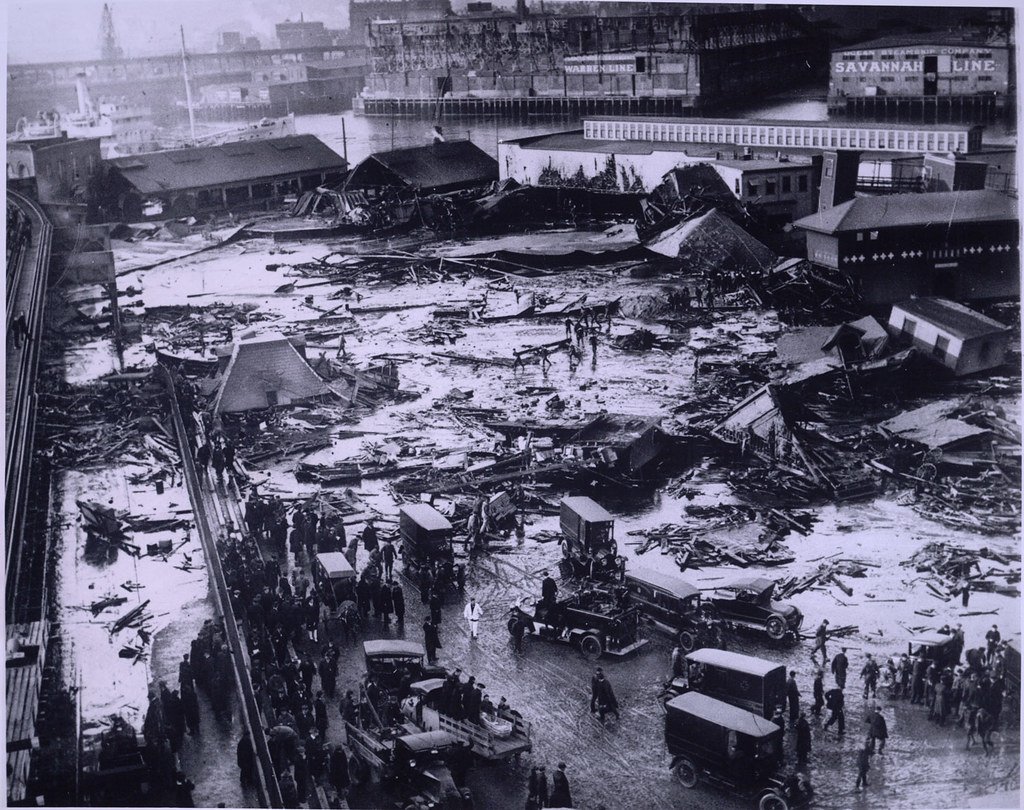
Picture this: it’s a mild January afternoon in Boston, workers are heading to lunch, children are playing outside, and then without warning, a 50-foot wall of dark, sweet liquid comes crashing through the streets at the speed of a highway car. A large storage tank filled with 2.3 million gallons of molasses weighing approximately 13,000 short tons burst, and the resultant wave rushed through the streets at an estimated 35 miles per hour, killing 21 and injuring 150 people. It sounds almost cartoonish. It was anything but.
The tank measured more than 50 feet high and 90 feet in diameter, and it was problematic from the start, leaking and often emitting rumbling noises. The company owning it, when locals complained they could see molasses seeping out at the tank’s seams, simply painted the tank brown to disguise the oozing. Structural engineers later reported the tank’s walls were far too thin to hold the heavy molasses, and the chemical composition of the walls made them vulnerable to cracking.
A Harvard study concluded that the molasses cooled and thickened quickly as it rushed through the streets, hampering efforts to free victims before they suffocated. The cleanup took weeks, workers using saltwater pumped from the harbor to break down the syrup. The event entered local folklore, and residents reported for decades afterwards that the area still smelled of molasses on hot summer days. Honestly, I think that detail alone makes this story unforgettable.
The Cadaver Synod: A Dead Pope Put on Trial
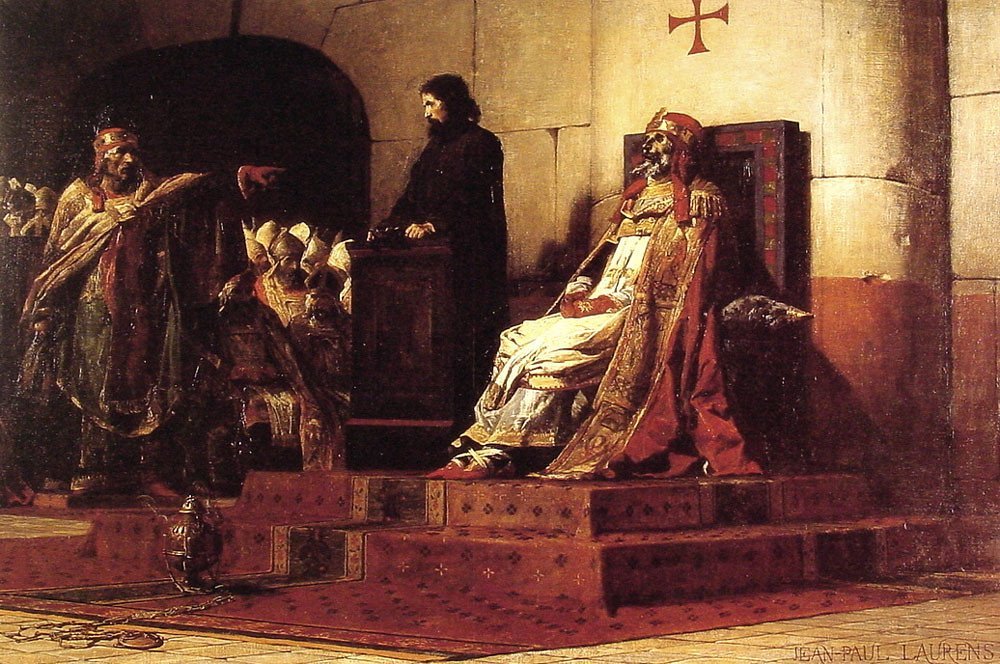
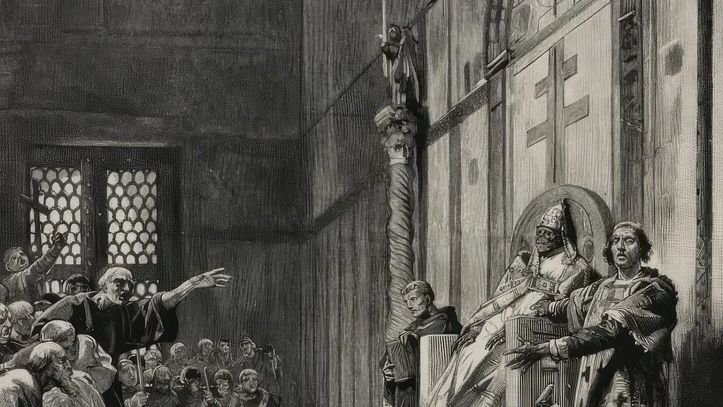
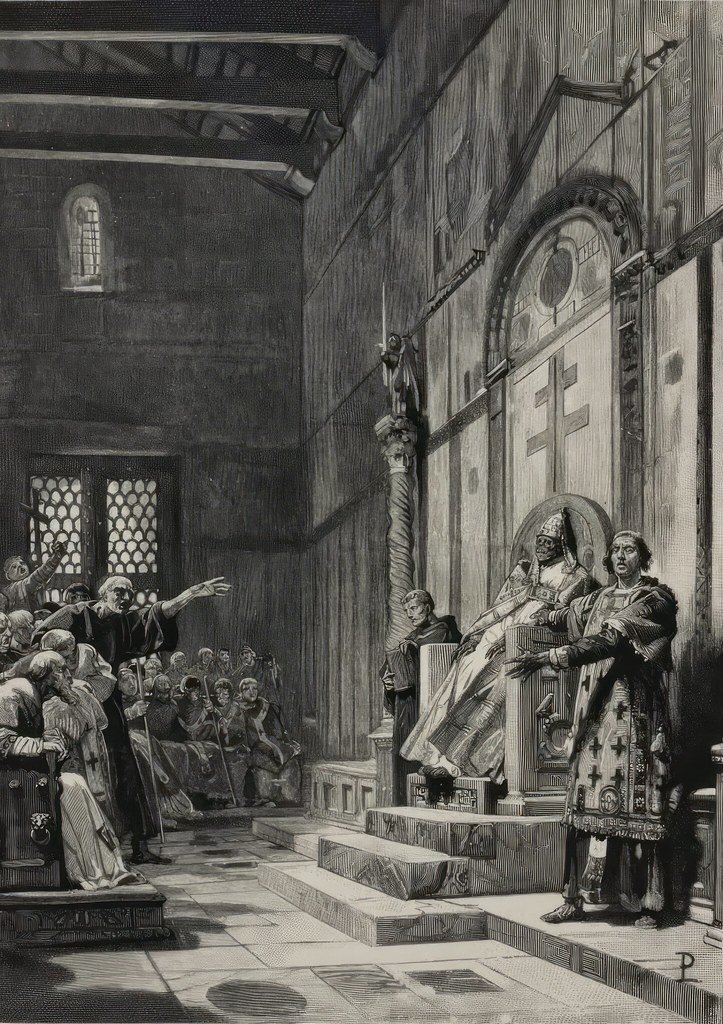
Here’s the thing about medieval church politics: they make modern political scandals look almost quaint. In 897 AD, the Cadaver Synod, also called the Synodus Horrenda, was the name given to the ecclesiastical trial of Pope Formosus, who had been dead for about nine months. The trial was conducted by Pope Stephen VI, who had Formosus’s corpse exhumed and brought to the papal court for judgment.
The decaying body was propped up on a throne, and a trial was held with Pope Stephen acting as prosecutor. Meanwhile, a young deacon was given the responsibility of defending Formosus, while a stunned audience watched the grotesque spectacle. The outcome, as you might guess, was never in doubt. Formosus was found guilty. His body was stripped of its papal vestments, and three fingers were cut from his right hand, those he used to bless people. Finally, the body was tossed into the Tiber River.
The aftermath is almost equally wild. The macabre spectacle excited a tumult and turned public opinion in Rome against Stephen. Formosus’s body washed up on the banks of the Tiber, and rumor had it that his waterlogged rotting corpse was still performing miracles. A public uprising deposed and imprisoned Stephen, and he was strangled in prison in July or August 897. So much for winning. Two years later, Pope John IX reinstated Pope Formosus and banned further trials for dead popes. It’s safe to say that was a rule nobody ever expected to need.
Operation Mincemeat: Winning a Battle With a Corpse and a Briefcase
World War II produced extraordinary acts of deception, but none quite as audacious as Operation Mincemeat. Operation Mincemeat was a successful British deception operation to disguise the 1943 Allied invasion of Sicily. Two members of British intelligence obtained the body of Glyndwr Michael, a tramp who died from eating rat poison, and dressed him as an officer of the Royal Marines. They gave him a fake name, a fake identity, a fake girlfriend, and a fake briefcase full of fake military secrets.
The British disinformation campaign convinced Hitler and the top brass in Germany that the Allies were planning to invade Greece and Sardinia, Italy. German reinforcements were shifted to Greece and Sardinia, and Sicily was left vulnerable for the July 1943 Battle of Sicily. Think about what that means: an entire military strategy, affecting hundreds of thousands of soldiers, was redirected because of a dead man with a borrowed overcoat and a clever lie.
After creating an elaborate fake identity and backstory for “William Martin,” the intelligence officers got Charles Fraser-Smith, thought to be the model for Q in the James Bond novels written by former British naval intelligence officer Ian Fleming, to design a special container to preserve the body during its time in the water. The James Bond connection is almost too perfect. The British intelligence services’ bizarre deception plan created by a spy novelist, a lawyer, and an RAF officer proved successful beyond expectations.
The Dancing Plague of 1518: When an Entire Town Could Not Stop Dancing
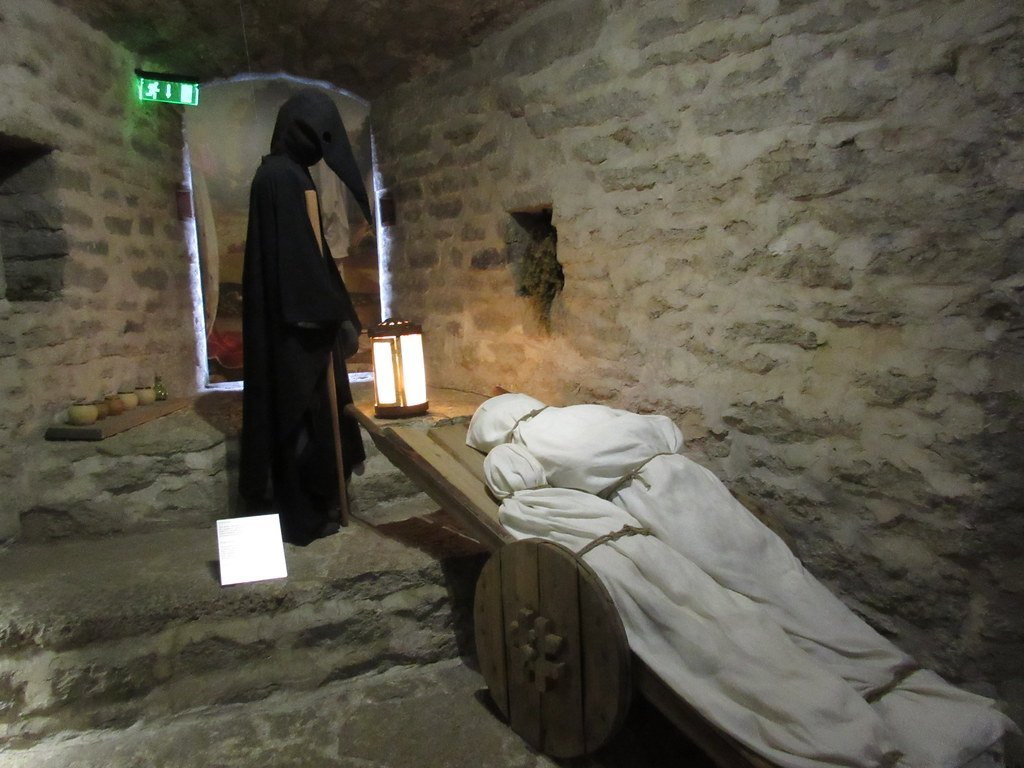
Mass hysteria is strange enough on its own. Now imagine it manifesting as uncontrollable dancing. In July 1518, the residents of Strasbourg were gripped by an inexplicable and deadly phenomenon known as the Dancing Plague. It began with a woman named Frau Troffea, who started dancing fervently in the streets. Within a week, dozens more joined her, unable to stop their compulsive movement. This bizarre epidemic continued for over a month, with many dancers collapsing from exhaustion or dying from heart attacks and strokes.
What makes this story truly surreal is what the authorities decided to do about it. The leaders thought the solution would be to organize guildhalls for the dancers to gather in, and essentially dance it out. However, this “solution” had the opposite effect and simply made the behavior worse, as 400 individuals were now engrossed in the dancing. Many of them perished as a result of the physical strain on their bodies.
The Dancing Plague remains one of the most mysterious events in medical history. Scholars have suggested various causes, from ergot poisoning, a hallucinogenic mold, to mass hysteria brought on by stress and famine. It’s hard to say for sure which explanation is correct, and honestly, neither option makes the event feel any less strange. The idea of hundreds of people literally dancing themselves to death in a European city is the sort of thing you’d expect in a dark fantasy novel, not a historical chronicle.
The Soviet Union Traded Warships for Pepsi
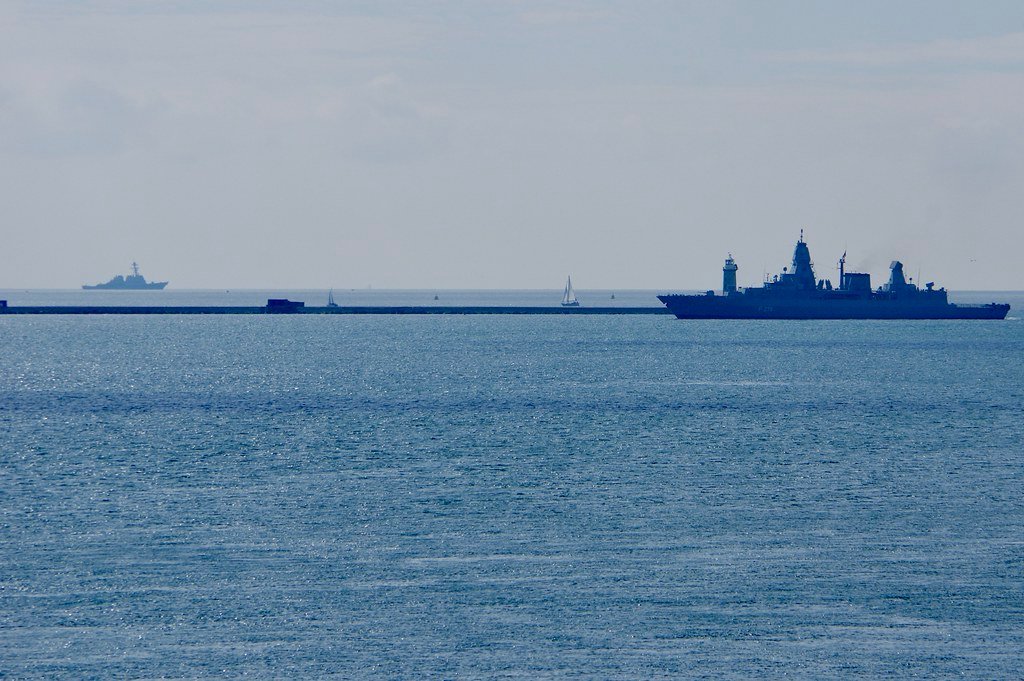
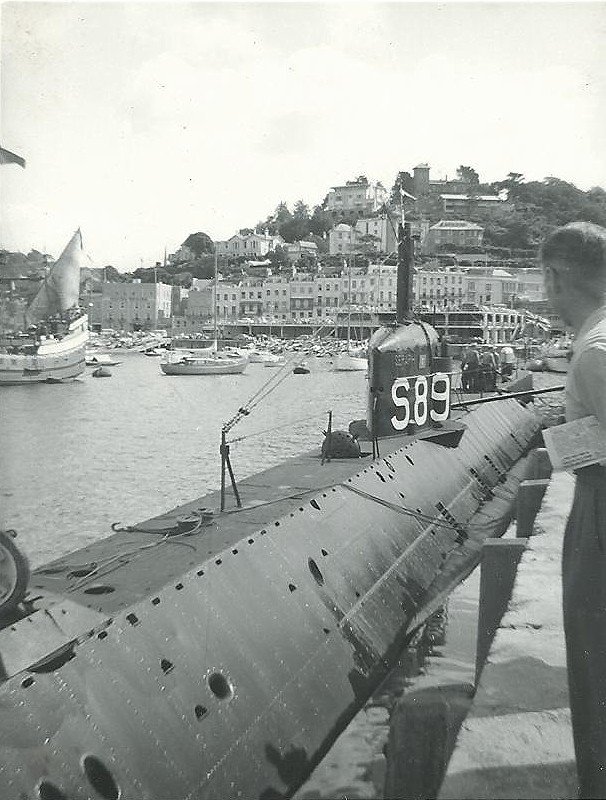
You truly cannot make this one up. During the Cold War, the Soviet Union had developed a deep love for Pepsi. During the late 1980s, the Soviet Union’s love of Pepsi proved problematic for those in charge. Their initial agreement with the American company had expired, and their currency wouldn’t be accepted. So, they did a trade: 17 submarines and several other large naval vessels in exchange for 3 billion dollars’ worth of Pepsi.
While Pepsi soon sold their newfound fleet to a Swedish company who scrapped it, for a brief window, Pepsi had more military might than all but five countries on Earth. They could have turned their Cola Wars with Coca-Cola into a literal war. Let that sink in for a moment. A soft drink company, briefly, had a more powerful navy than almost every nation on the planet. The audacity of that transaction is genuinely breathtaking.
Think of this like a barter deal at a garage sale, except the “garage” is a superpower and the items being traded include nuclear-capable submarines. The Cold War was already one of history’s strangest periods, but this single transaction might be its most absurd footnote. It also tells you everything you need to know about how dysfunctional Soviet currency had become by the late 1980s.
The Man Who Survived Both Atomic Bombs
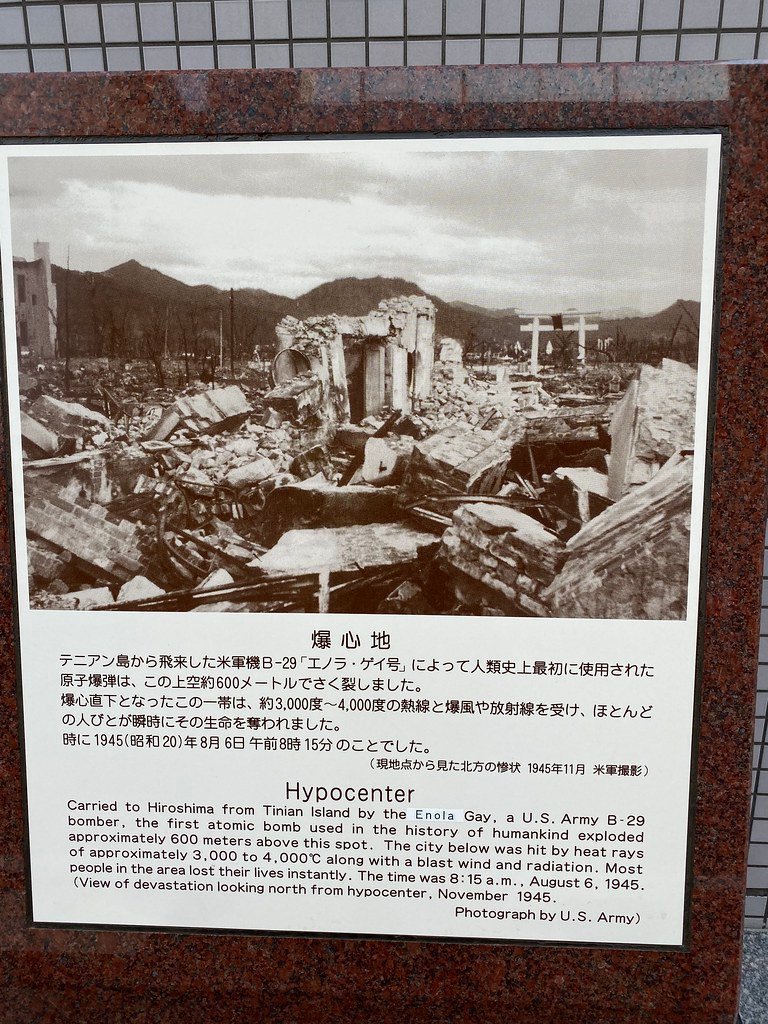
There are coincidences, and then there are events so improbable that your brain simply refuses to accept them. Tsutomu Yamaguchi was in Hiroshima on business when the first atomic bomb exploded, suffering severe burns but surviving the blast. Incredibly, he returned to his home in Nagasaki just in time to experience the second atomic bombing three days later. Yamaguchi survived both nuclear attacks and lived until 2010, reaching age 93.
The story gets even more unbelievable. At work, he was immediately taken in to see the Director of Mitsubishi to tell him what happened. The Director straight up didn’t believe Yamaguchi, thinking he’d gone mad from his experience. That’s when Yamaguchi saw the flash of light, exactly like the one in Hiroshima. He was mid-conversation, describing the most catastrophic weapon in history, when the second bomb detonated outside the very window he was standing near.
Yamaguchi’s story is almost impossibly dramatic, yet it is completely documented. The Japanese government officially recognized him as a survivor of both bombings in 2009, the only person ever to receive that dual designation. His endurance feels less like a war story and more like a test of what one human being can absorb and still keep walking forward. It leaves you speechless, and I think it should.
The 1904 Olympic Marathon: The Most Disastrous Race in Sports History
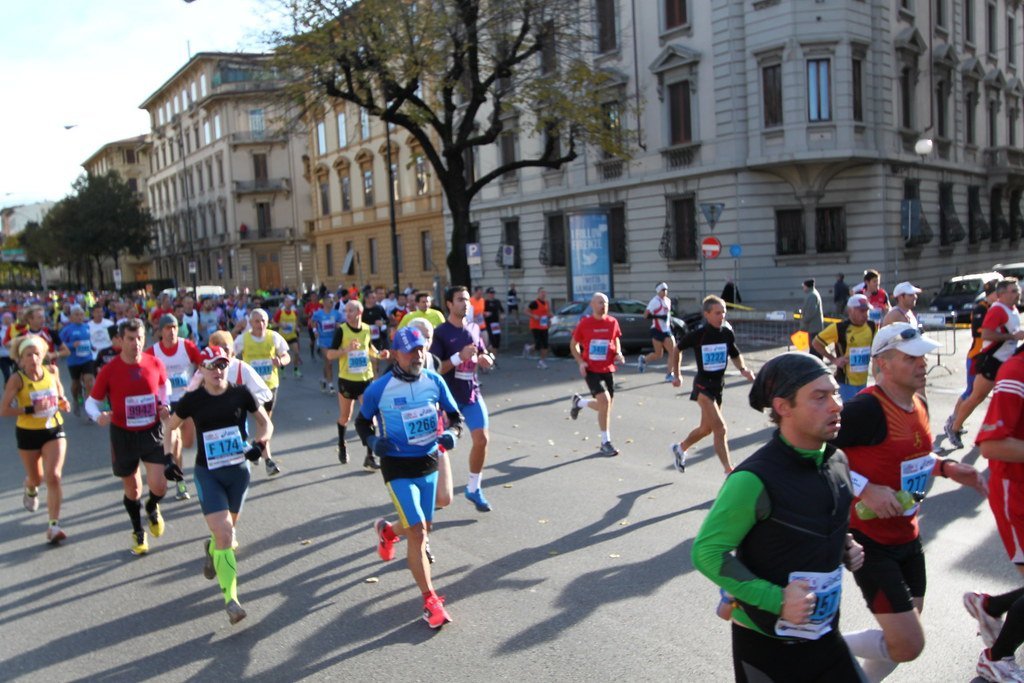
Modern sporting events have their fair share of controversies. But nothing in the last century comes close to the sheer spectacular chaos of the 1904 Olympic Marathon in St. Louis. The 1904 Olympic Marathon in St. Louis is infamous for being one of the most disorganized and bizarre races in Olympic history. The marathon course featured only one water station, creating severe dehydration risks for the runners. In the August Missouri heat. Somehow, organizers thought this was acceptable.
The winner, Fred Lorz, was disqualified after it was discovered he had ridden part of the course in a car. The eventual winner, Thomas Hicks, completed the race with the help of strychnine and brandy, substances used by his trainers to keep him going despite the dangerous conditions. So the actual winner crossed the finish line having been administered rat poison as a stimulant. He had to be helped across the line, barely conscious. Of the 32 competitors, only 14 finished.
The chaos of the 1904 marathon didn’t stop there. Many runners resorted to stealing food from spectators and even taking naps along the course to endure the sweltering heat and dusty roads. One runner, Félix Carvajal from Cuba, stopped to eat apples from an orchard on the course and got food poisoning. The race has become a legendary cautionary tale about what happens when ambition wildly outstrips preparation, and honestly, it deserves its own film more than most things in history.
Conclusion: History Is Weirder Than Any Story You Could Invent
There’s something deeply reassuring about stories like these. They remind us that human beings have always been creative, chaotic, and gloriously unpredictable. A tsunami of molasses, a decomposing pope on trial, a dead man who won a battle, an entire town lost in a fatal dance, a cola company that briefly outgunned nations. These are not myths or legends. They are history.
The more closely you look at the past, the more you realize that every era had its moments of absurdity, its breathtaking coincidences, and its decisions that made later generations shake their heads in disbelief. Yamaguchi surviving two atomic bombs tells us something profound about luck and resilience. The Cadaver Synod tells us something equally profound about power and its capacity to drive people to madness. Every single event on this list says something true about human nature.
History is not just a sequence of events. It is proof that the universe has a very dark, very strange, and occasionally very funny sense of humor. The next time someone tells you that a story sounds too weird to be true, remember: reality has never once felt the need to stay within believable limits. What was the entry that surprised you most? Drop it in the comments.

Besides founding Festivaltopia, Luca is the co founder of trib, an art and fashion collectiv you find on several regional events and online. Also he is part of the management board at HORiZONTE, a group travel provider in Germany.
