


- 9 Historical Mysteries That Still Baffle Experts to This Very Day - April 5, 2026
- 15 Legendary Authors Whose Personal Lives Were as Gripping as Their Novels - April 5, 2026
- Top Tips to Experience the 2026 California Superbloom - April 5, 2026
There was a time when music was purely something you heard. You closed your eyes, let it wash over you, and the images existed only in your imagination. Then something shifted. Gradually, powerfully, and sometimes quite violently, the visual dimension of music exploded into culture with a force that nobody could have predicted. Music videos didn’t just accompany songs. They became the song, shaping how we felt about the music, the artist, and even ourselves.
Think about it this way: hearing a track you love is one thing, but seeing the world a director and artist built around it? That’s an entirely different emotional experience. From the gritty high school gyms of Seattle to the polished black-and-white minimalism of New York, some music videos didn’t just sell a song. They redefined an entire medium. So let’s dive into the seven that truly, irreversibly changed everything.
1. Michael Jackson – “Thriller” (1983): When a Video Became a Short Film
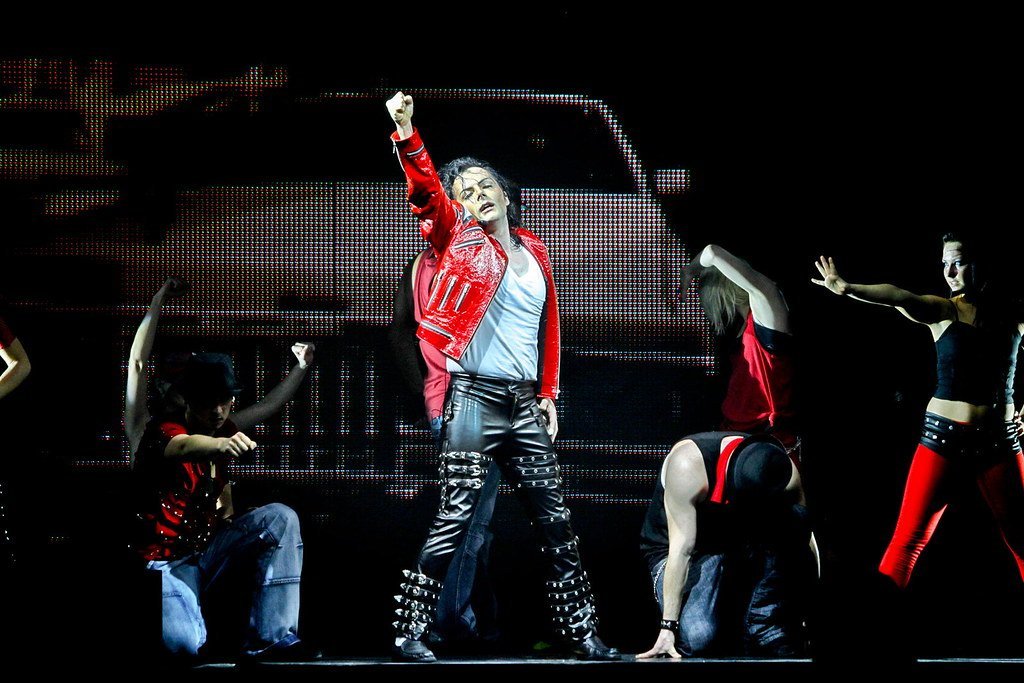
Honestly, there’s no list like this that doesn’t begin here. Directed by John Landis, the 14-minute video was more than just a visual for Jackson’s hit song – it was a short film that combined horror, dance, and a compelling storyline. Nothing like it had existed before. Before “Thriller,” music videos were promotional tools, roughly on the level of a magazine ad with a backing track. After “Thriller,” they were cinema.
It is credited for transforming music videos into a serious art form, breaking down racial barriers in popular entertainment, popularizing the making-of documentary format, and driving home video sales. The ripple effects of that single release are almost impossible to overstate. When the 14-minute-long “Thriller” video aired, MTV ran it twice an hour to meet demand. That kind of cultural hunger was unprecedented.
In 2009, Michael Jackson’s “Thriller” became the first music video inducted into the US National Film Registry by the Library of Congress, which described it as the most famous music video of all time. It also broke racial barriers in ways the music industry was reluctant to address. His music videos, including those for “Beat It,” “Billie Jean,” and “Thriller,” are credited with breaking racial barriers and transforming the medium into an art form and promotional tool. Every artist who has ever crafted an ambitious, narrative-driven video owes a debt to what happened in that Los Angeles theater in December 1983.
2. Queen – “Bohemian Rhapsody” (1975): The Blueprint Nobody Knew They Needed
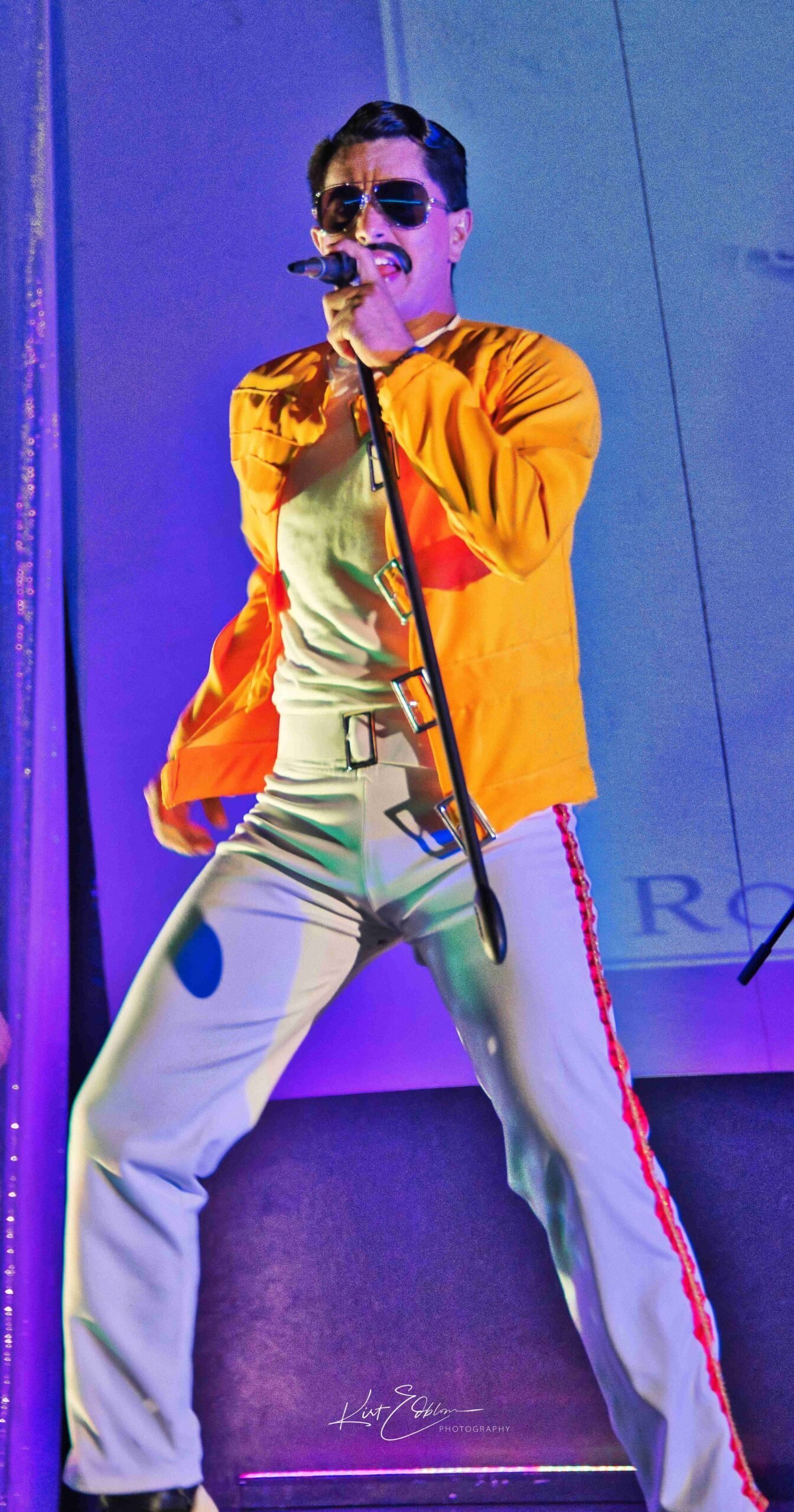
Before MTV. Before the concept of a “music video” was even properly established. Queen walked into a studio with a budget of barely over four thousand pounds and accidentally invented the template that an entire industry would follow. The video for Queen’s “Bohemian Rhapsody” was shot in just four hours and cost the band only £4,500, and they created it because they knew the song was a spectacular achievement that needed to be heard by the entire world, but they’d look ridiculous pretending to play it live.
The genius here wasn’t the budget. It was the ambition dressed up in simplicity. Along the way, viewers see a “little silhouetto” of Freddie Mercury and an innovative honeycomb effect that presents multiple images of the band at once. For 1975, this was genuinely mind-bending stuff. The video helped make the song an enormous international hit, inspiring many other groups to follow their lead and make their own videos.
I think what makes this one so remarkable is the sheer accidental nature of its influence. Queen didn’t set out to change an industry. They set out to promote a song they couldn’t perform live. Yet this video’s layered visuals and operatic drama showed how music videos could be artistic expressions in their own right, and it remains a foundational piece of the art form’s history. A four-hour shoot that shaped decades. You really can’t make that up.
3. A-ha – “Take On Me” (1985): Drawing the Future by Hand

Few videos in history have managed to be simultaneously technically groundbreaking and emotionally affecting. A-ha’s “Take On Me” broke new ground with its innovative blend of live-action and pencil-sketch animation. Directed by Steve Barron, the video follows a romantic storyline that moves seamlessly between animation and reality, a visual style that had never been seen before. It looked like nothing else on television. It still does, honestly.
The technology behind the rotoscope animation was groundbreaking at the time and helped make the video an instant classic, and “Take On Me” became a defining music video of the 80s and is still regarded as one of the most creative uses of animation in music. The technique of rotoscoping – tracing real-life footage frame by painstaking frame – gave the video a quality that felt handmade and human, even while being technically demanding. Think of it like the difference between a photograph and a painted portrait. Both capture something real, but only one carries the unmistakable mark of human hands.
It won six awards at the 1986 MTV Video Music Awards and reportedly has surpassed 1 billion views on YouTube. For a Norwegian band to achieve that kind of reach with a video that relied on a pencil-and-paper aesthetic rather than flash or spectacle? That says everything about how powerful genuine creative originality can be. It proved that the most effective visual language doesn’t always need a massive budget. Sometimes, it just needs a great idea.
4. Peter Gabriel – “Sledgehammer” (1986): Stop-Motion Madness That Won Everything
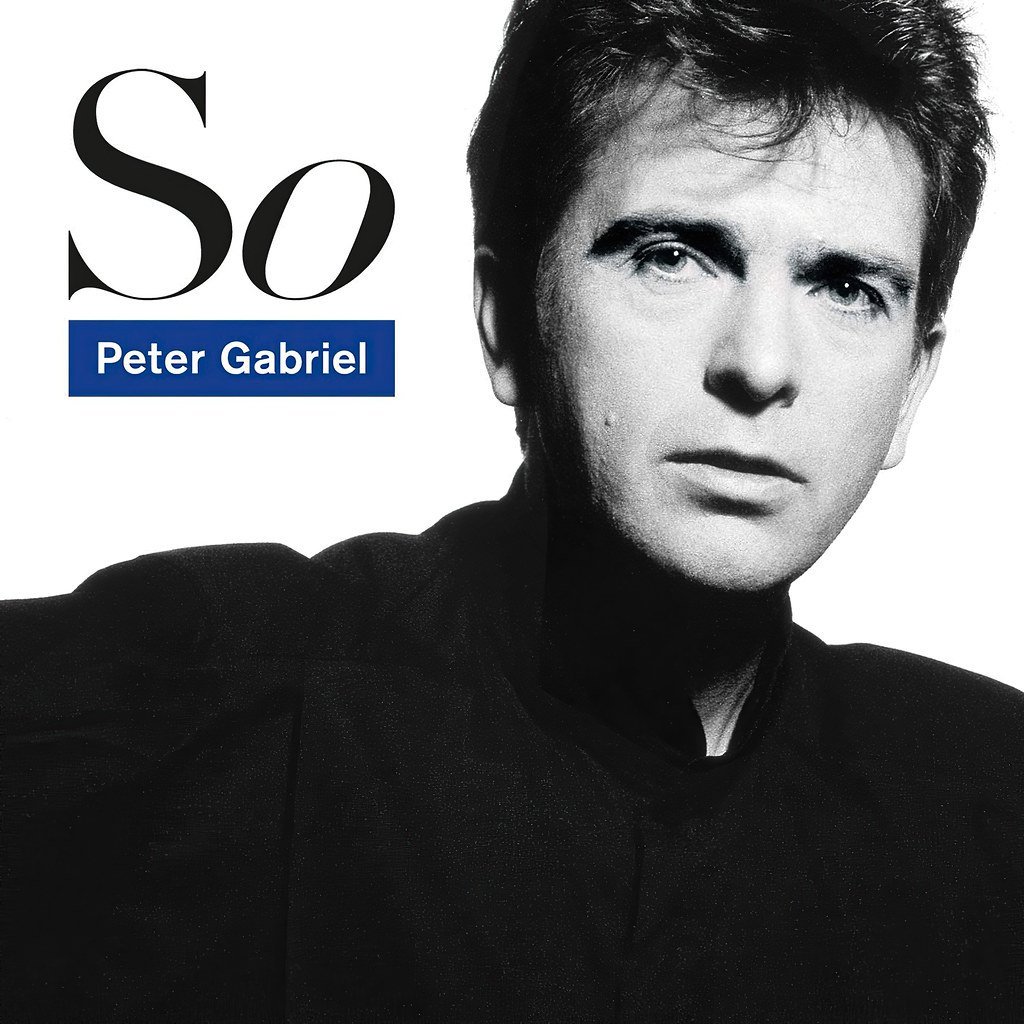
If “Take On Me” was elegantly handcrafted, “Sledgehammer” was a full-blown visual explosion. Using stop motion animation, pixilation, and claymation, “Sledgehammer” remains one of the true great moments in music video history. It’s the kind of video that makes you feel slightly dizzy the first time you watch it – fruit flying, Gabriel’s face morphing, trains, fish, dancing chickens – and yet it coheres into something surprisingly joyful.
The production process was as extraordinary as the result. Apparently, filming took a wild 100 hours, with every single second made up of 25 different Gabriel poses. That’s commitment bordering on madness. Aardman Animations, the “Wallace and Gromit” team, helped bring the magic to life, while Gabriel himself spent 16 hours lying under glass to capture the shots.
The recognition that followed was historic. “Sledgehammer” ended up winning nine VMAs, which set the record for the most wins for a single video, and it’s also said to be MTV’s most-played video of all time. Still to this day. Think about how many thousands of videos have aired on that network, and a stop-motion piece featuring a man lying under glass holds the record. That tells you something profound about how originality outlasts everything.
5. Nirvana – “Smells Like Teen Spirit” (1991): The Sound of Gloss Getting Smashed
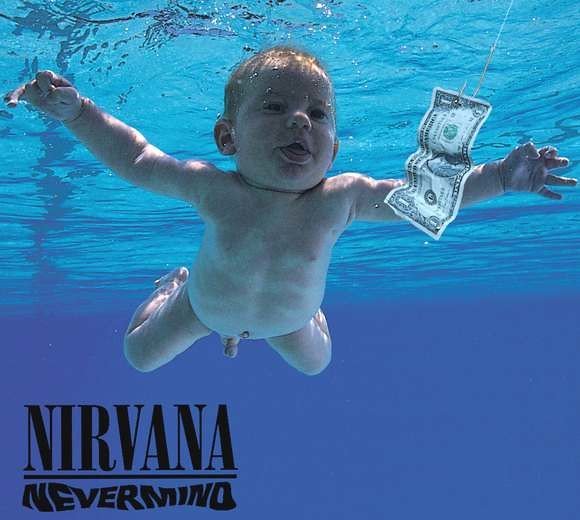
The late ’80s were a glossy, hair-sprayed, neon-lit era of music videos. Everything was polished, staged, expensive-looking. Then came a gymnasium in Los Angeles, a mosh pit of extras, and a band from Seattle that didn’t even want to make a good video. When Nirvana was looking to make the music video for “Smells Like Teen Spirit,” the idea was to make something bad on purpose. It was a testament to their punk sensibilities that they wanted something that would kind of look like garbage.
The result was anything but garbage. The video’s visual style, characterized by its gritty, desaturated color palette and handheld camera work, became tremendously influential in 1990s music video aesthetics. Cobain was heavily involved in the editing process, requesting specific cuts and pacing to match his vision for the song. In trying to look anti-commercial, they accidentally created one of the most commercially powerful videos ever made.
VH1 placed the debut of the “Teen Spirit” video at number eighteen on its 2000 list of “100 Greatest Rock & Roll Moments on TV,” noting that it made alternative rock “a commercial and pop culture force.” The debut of the “Smells Like Teen Spirit” video in 1991 marked a turning point in music history. The video encapsulated the spirit of the grunge movement and ushered in a new era of authenticity in the music industry. Authenticity. That’s the word. In a world of manufactured shine, seeing a band tear apart a school gym felt like someone finally telling the truth.
6. Beyoncé – “Single Ladies (Put a Ring on It)” (2008): Less Was Infinitely More
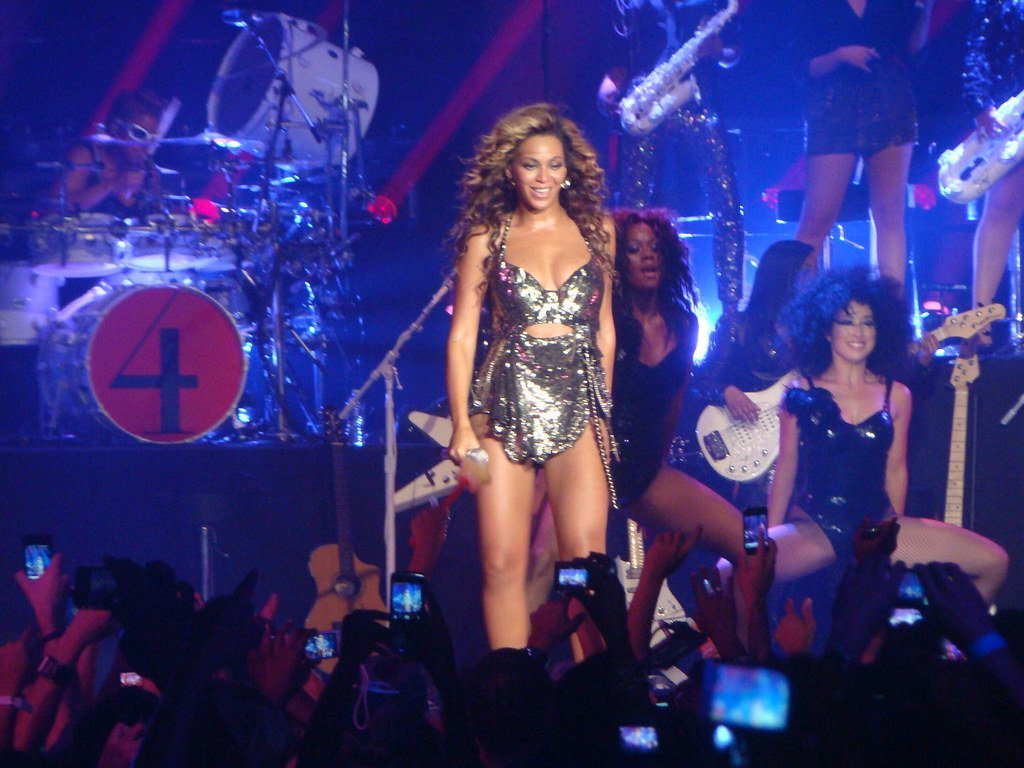
Here’s the thing about this video that still blows my mind: it’s essentially three women dancing in front of a white background. No elaborate sets. No cinematic storyline. No explosions. Yet “Single Ladies” managed to become a global sensation with a simple black-and-white set, a trio of dancers, and no props. Its viral choreography and raw performance energy proved that less can sometimes be more. Beyoncé essentially dared the world to look away. Nobody could.
Directed by Jake Nava, the video features Beyoncé and her backup dancers performing an intricate dance routine against a plain black backdrop, and this minimalist approach was a deliberate choice, allowing the choreography and Beyoncé’s performance to take center stage. The choreography itself drew on an unexpected lineage. Long before Beyoncé slipped on an asymmetrical leotard, Broadway’s Bob Fosse choreographed the dance for his wife Gwen Verdon’s “Mexican Breakfast.” Choreographers Frank Gaston and JaQuel Knight took Fosse’s moves, sped them up, and added J-Setting to them for the “Single Ladies” music video.
The cultural aftermath was seismic. “The phrase ‘put a ring on it’ entered the pop lexicon as a shorthand for demanding commitment, and the song’s dance became the first major internet dance craze of its kind, preceding the viral video explosion of the 2010s. ‘Single Ladies’ is arguably the song that resurrected the music video as a vital, high-art form in the digital age.” “Single Ladies” was an early example of what’s now practically mandatory in the music industry: creating a video that’ll thrive in a meme-obsessed world. Beyoncé didn’t just make a video. She created a template for the entire digital era of music promotion.
7. Psy – “Gangnam Style” (2012): The Video That Broke the Internet Literally

There’s a strong case to be made that no music video in history has done more to reshape how artists think about global reach and online virality than this one. With its catchy beat, humorous visuals, and signature dance moves, the video became the first YouTube video to reach 1 billion views, cementing its place in digital history. Directed by Cho Soo-hyun, the video’s satirical take on South Korean pop culture resonated globally, making it a viral phenomenon.
The scale of what happened was so enormous that it actually broke YouTube’s counting system. Psy’s “Gangnam Style” blew past the algorithm’s known limits, confusing the system so badly that it flipped to negative numbers. YouTube admitted it never thought a video would be watched in numbers greater than a 32-bit integer. That’s not a metaphor for massive popularity. That literally happened. A music video broke the internet’s math.
“Gangnam Style” didn’t just break records – it changed the way artists approached online content, proving that viral success could launch a global hit. Before “Gangnam Style,” the idea that a non-English language video from South Korea could dominate global pop culture would have seemed absurd to most of the music industry. It proved that geography and language were no longer barriers in a world with a play button and a share option. The implications of that are still unfolding today.
The Lasting Legacy of the Music Video as Art

Looking at these seven videos together, a clear thread emerges. Each one arrived at a moment when the rules of visual music seemed settled, and each one gleefully ignored those rules. Music videos have always been more than just promotional tools. Over the decades, they’ve defined pop culture moments, launched style trends, sparked global conversations, and even shifted the course of the music industry. They became something nobody initially planned for them to be: a genuine art form.
As the decades rolled on, music videos themselves turned into an art form, with pioneers like Michael Jackson and Björk pushing the format’s visual limit. Music videos, if done right, can become nothing short of pop culture events, and the most high-profile directors would take their clout in the MTV world and transition into proper film careers. Icons like David Fincher and Spike Jonze are just two names who made that exact journey.
We are now in an era where visual albums, chapter-based video releases, and immersive streaming experiences have taken the music video concept further than any of these seven artists could have imagined. Still, none of that would exist without these foundational moments. From a four-hour Queen shoot to Beyoncé rewriting the rules of minimalism, each video on this list reminds us of something simple and profound: a song reaches your ears, but the right image reaches your soul.
Which of these seven do you think genuinely had the biggest impact on how we listen to and watch music today? Tell us in the comments.
CEO-Co-Founder
