

- 10 Most Romantic Glamping Getaways In America - April 4, 2026
- These 12 Musical Genres Defined Generations, But Are Now Rarely Heard - April 4, 2026
- These 8 Abandoned Historical Sites Hold More Secrets Than Modern Cities. - April 4, 2026
Before streaming, before TikTok, before YouTube rabbit holes at 2 a.m., there was a moment when a song could completely transform the moment you saw it. Not just heard it. Saw it. Music videos didn’t just promote songs. At their best, they created entire worlds, sparked movements, and sometimes even made history. The idea that a three to fourteen minute visual could shape fashion, politics, dance culture, and the careers of artists sounds almost absurd, until you actually think about the videos that did exactly that.
From a zombie dance that redefined an entire medium to a black-and-white clip that launched the internet age of music, the stories behind these iconic visuals are wild, surprising, and deeply human. You might think you already know these videos inside out. Stick around. Let’s dive in.
Queen – “Bohemian Rhapsody” (1975): The Video That Started It All
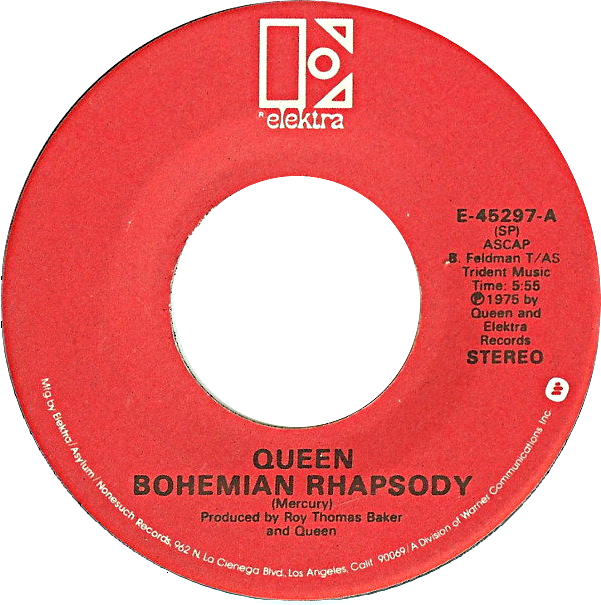
Here’s the thing about “Bohemian Rhapsody.” The promo clip didn’t just play a huge part in propelling the song to the top of the British charts. It almost single-handedly established the video as the essential marketing tool in promoting a record, both nationally and internationally. That is a staggering legacy for a video that, honestly, cost almost nothing by today’s standards.
Brian May stated that the chief objective was to give the band a promotional device that avoided them having to mime the complex song on Top of the Pops. The film was made in a mere four hours, with five more to edit, at a total reported cost of £4,500. Just let that sink in. Four hours. Less than five thousand pounds. Yet the ripple effect was enormous.
Rock historian Paul Fowles stated that the song is “widely credited as the first global hit single for which an accompanying video was central to the marketing strategy.” Before this moment, the idea of building a promotional campaign around a visual was virtually unheard of at this scale. “Bohemian Rhapsody” was groundbreaking because it showed that a music video could be more than just a visual accompaniment to a song. The use of innovative visual effects and the video’s mysterious, operatic aesthetic set the stage for future music videos to explore entirely new creative possibilities. Every director who ever laid a dramatic lighting filter over a rock band owes a quiet nod to this clip.
Michael Jackson – “Thriller” (1983): The Short Film That Rewrote the Rules
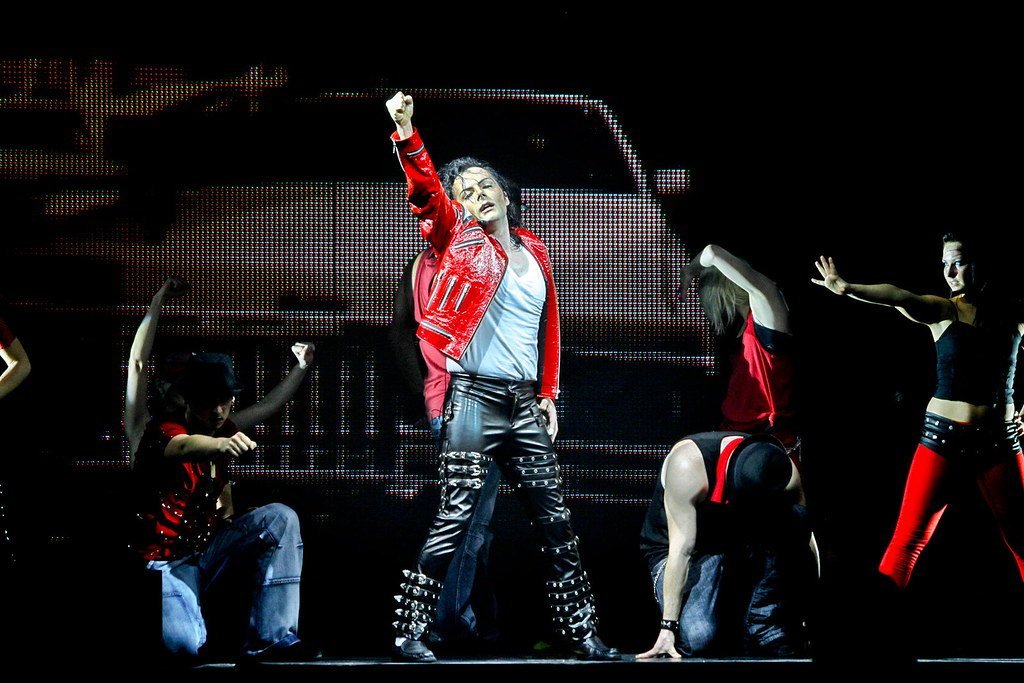
Honestly, calling “Thriller” a music video almost feels like an insult. Directed by John Landis, the 14-minute video was more than just a visual for Jackson’s hit song. It was a short film that combined horror, dance, and a compelling storyline, shifting music videos from simple promotional tools into cinematic events. Nothing like it had ever been seen before, and to this day nothing has truly matched it.
There is no arguing that “Thriller” was the first long-form video with a complex storyline. Before Jackson, the majority of music videos featured artists standing in front of the camera performing their songs, some even exclusively featuring concert footage. Jackson was among the first artists to introduce fully developed storylines into his videos, especially with “Thriller.”
It is credited for transforming music videos into a serious art form, breaking down racial barriers in popular entertainment, and popularizing the making-of documentary format. Many elements had a lasting impact on popular culture, such as the zombie dance and Jackson’s Thriller jacket. The zombie dance, choreographed by Michael Peters, is re-enacted worldwide by fans and remains popular on YouTube. Then came the history books. In 2009, Michael Jackson’s “Thriller” became the first music video inducted into the US National Film Registry by the Library of Congress, which described it as the most famous music video of all time. There is nothing left to add to that sentence, really.
A-ha – “Take On Me” (1985): Animation Meets Real Life

Think about how many times you have seen a music video blend animation with live action footage since 1985. Almost every time, whether the director knew it or not, the ghost of “Take On Me” was somewhere in the room. The video for A-ha’s “Take On Me” is one of the most visually distinctive music videos ever made. Directed by Steve Barron, the video combined live-action footage with rotoscoping animation, creating a unique and memorable visual style.
Rotoscoping, for those unfamiliar, is a meticulous technique where real footage is traced frame by frame to create animation. The video became famous for blending sketch animation with live action, achieved through rotoscoping, an animation technique where real-life footage is traced frame by frame. The result looks almost effortless on screen, which is precisely what makes it so deceptive. It was anything but effortless.
“Take On Me” was revolutionary in its use of technology. The seamless blend of animation and live-action was a technical marvel at the time and opened the door for future music videos to explore more ambitious visual effects. The video’s success helped make “Take On Me” a global hit and demonstrated how a music video could elevate a song to new heights of popularity. I think it is one of those rare cases where the video genuinely made the song. Without those visuals, the tune might have just been another catchy synth-pop hit. With them, it became immortal.
Madonna – “Like a Prayer” (1989): When Pop Music Became a Battlefield
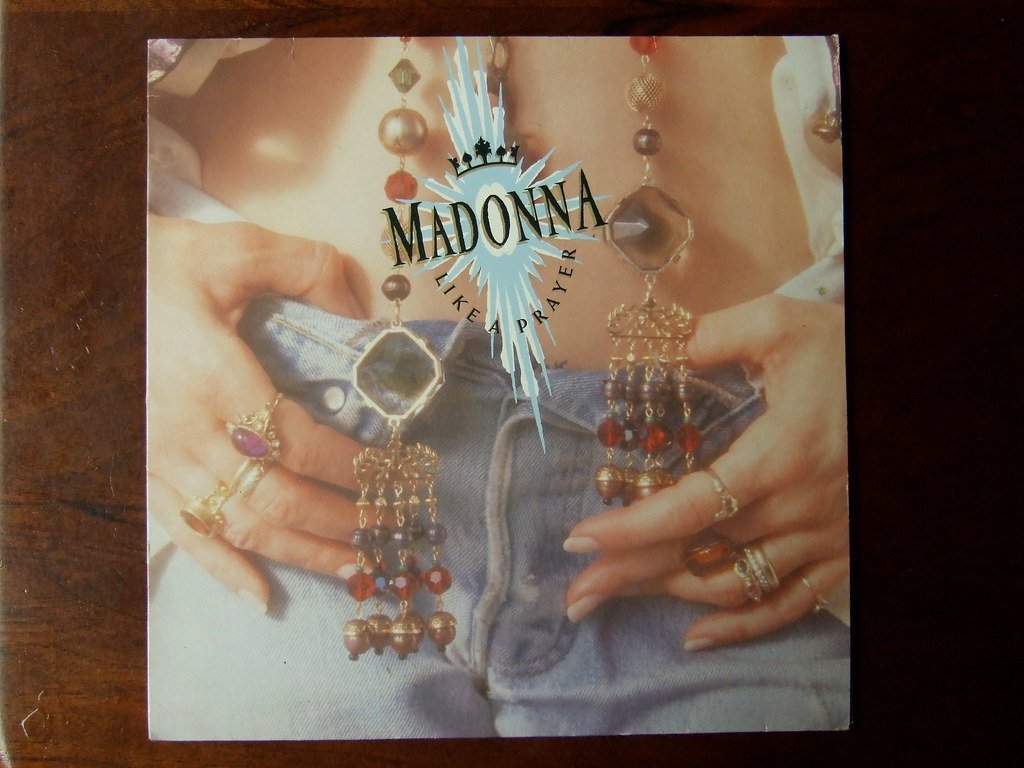
Madonna has always had a gift for provocation, but “Like a Prayer” was something else entirely. Madonna has always been known for pushing boundaries, and her video for “Like a Prayer” was no exception. Directed by Mary Lambert, the video was controversial for its provocative imagery, including scenes with religious symbols, burning crosses, and depictions of stigmata. The controversy only increased the video’s visibility, proving that music videos could be a form of social and political commentary.
The fallout was immediate and massive. When the video aired in March of 1989, religious groups called for a boycott and Pope John Paul II spoke out against it due to the “blasphemous religious images.” In the end, the video won a nomination for MTV’s “Video of the Year,” but Pepsi was forced to cancel a deal with Madonna, calling the fiasco “one of the worst advertising blunders ever.” That’s the kind of cultural shockwave most artists only dream of creating.
Madonna’s “Like a Prayer” is a bold and controversial video that blends religious imagery with themes of racial justice. This visually stunning piece was powerful enough to spark outrage and was condemned by the Vatican. The video showcases Madonna’s fearlessness in addressing taboo topics, sending shockwaves through both the music industry and society. It proved, once and for all, that a pop video was not just entertainment. It could be a political statement. Future artists from Childish Gambino to Beyoncé owe a real debt to that courage.
Nirvana – “Smells Like Teen Spirit” (1991): Grunge Crashes the Party
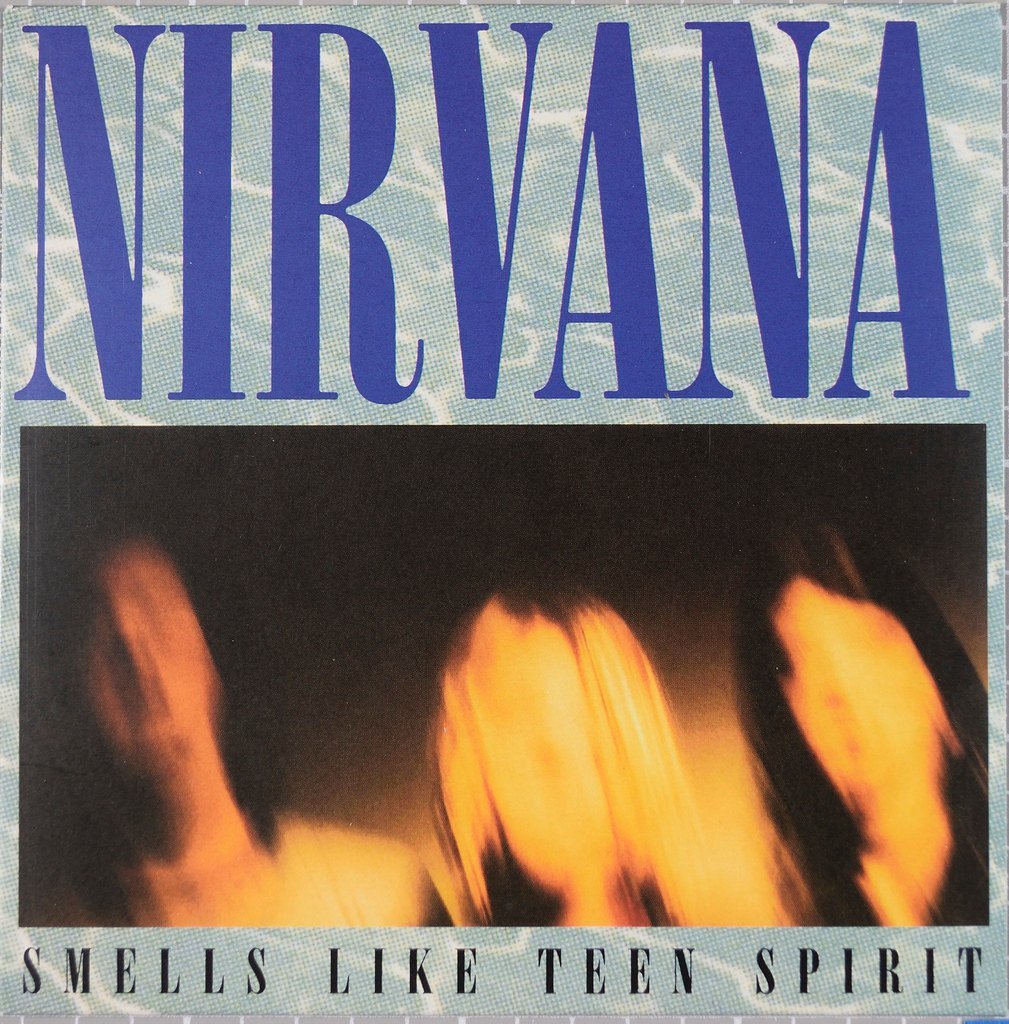
There is a specific kind of chaos in this video that feels completely intentional, even though parts of it were improvised on the day. With its hazy, washed-out color palette, what “Smells Like Teen Spirit” captures best is less an optical representation of the song and more of the attitude of an entire generation. The spandex-clad stars of hair metal meant nothing to a disaffected generation seeing dudes in button-down shirts and Kurt Cobain in his striped sweatshirt. This was a band that looked authentic, and when coupled with a rock number as catchy as “Teen Spirit,” the song became a disruptive force, instantly making the entire hair metal industry look like a joke.
The music video, which featured many of the band’s real-life fans as the high school kid extras, made its world premiere on MTV in 1991. Kurt Cobain was reportedly not happy with the director’s final cut, and it was his idea to add in shots of extras destroying the set in order to give it an edgier feel. That instinct was correct. The destruction is the whole point. It’s a generation tearing something down.
Much like the song itself, the video became instantly iconic, with the band and extras’ fashion all becoming the new go-to in the newly rising grunge movement. Even the guitar Cobain played in the video hangs up at the Museum of Pop Culture in Seattle, Washington. A guitar in a museum. A cultural revolution compressed into a few minutes of sweat, feedback, and torn jeans. It’s hard to say for sure whether any other rock video has ever hit quite so hard, so fast, and so permanently.
Peter Gabriel – “Sledgehammer” (1986): Stop-Motion Surrealism at Its Peak
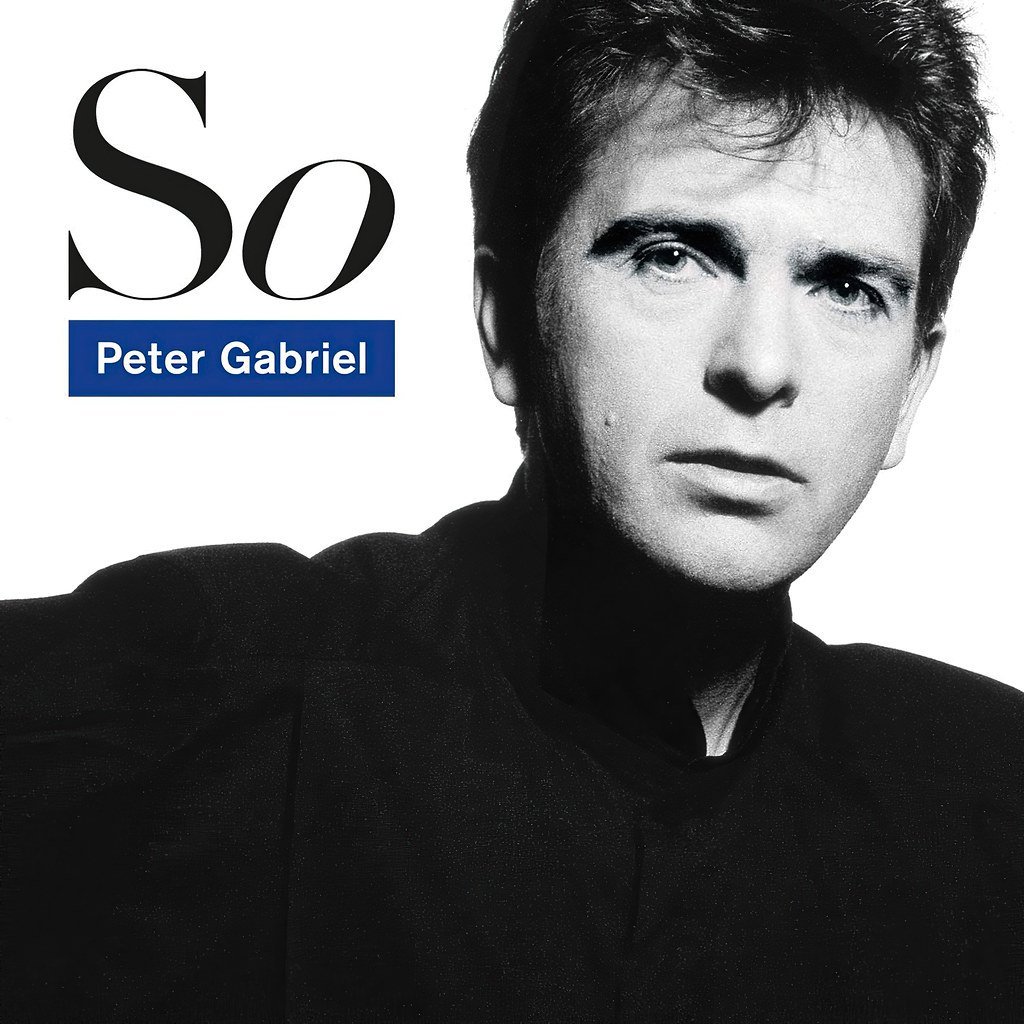
If “Thriller” was a blockbuster movie, “Sledgehammer” was contemporary art hanging in a gallery. The difference? This one had a groove you couldn’t ignore. Combining claymation, stop-motion, and other animation techniques to surreal effect, Peter Gabriel’s “Sledgehammer” won a record-setting nine MTV Video Music Awards, including Video of the Year, in 1987. Nine. Nine awards. That record still stands.
Its unique blend of claymation, pixelation, and live-action sequences was revolutionary for its time, pushing the boundaries of what music videos could achieve visually. “Sledgehammer” not only helped make Peter Gabriel a household name but also remains one of the most visually innovative videos in music history. The sheer patience required to create stop-motion at this level is mind-boggling. It is, essentially, a magic trick performed one painstaking frame at a time.
What makes the video genuinely remarkable is how it matched surreal, almost psychedelic imagery to a very earthy, funky sound. Groundbreaking in its use of stop-motion animation and claymation, “Sledgehammer” set a new standard for artistic expression in the genre. Countless directors, animators, and artists cite it as a formative influence. It expanded what audiences were willing to accept as a music video, and in doing so, it expanded the art form itself. Let’s be real: there is still nothing quite like it.
Beyoncé – “Single Ladies (Put a Ring on It)” (2008): The Video That Invented the Viral Era
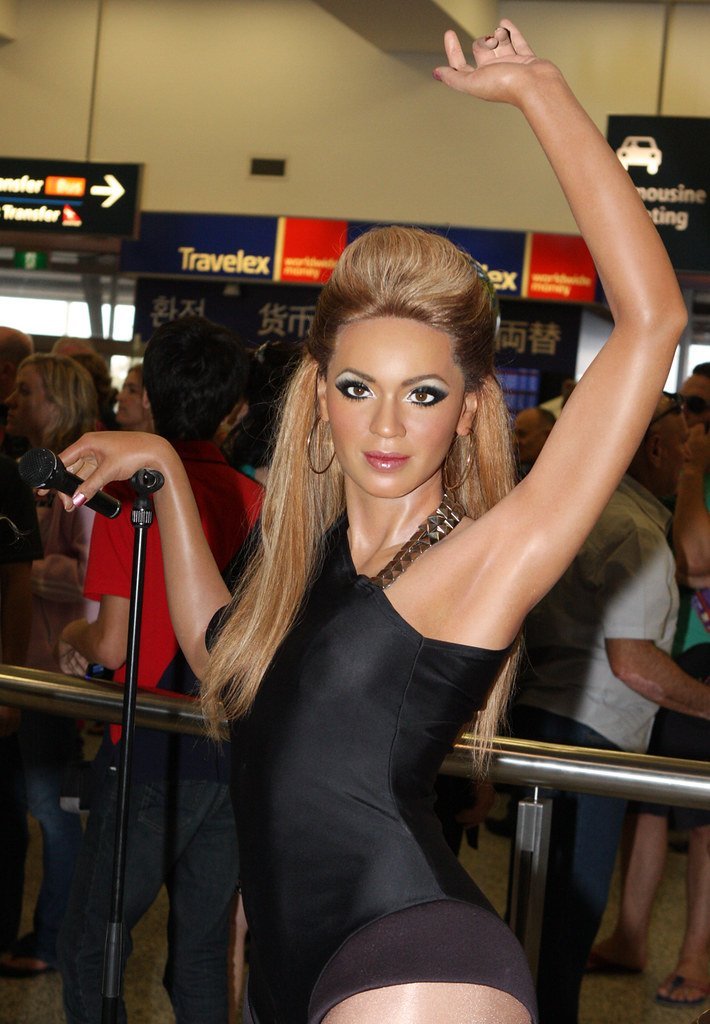
You might not expect a black-and-white clip shot in a single take with a bare-bones set to become one of the most talked-about music videos in history. Exactly. That is the twist. With its black-and-white aesthetic, bare-bones set, and mesmerizing, complex choreography by JaQuel Knight, the video was a radical act. It eschewed the typical hyper-gloss and costume changes of the era, putting the focus entirely on the dance.
In the months following the debut of “Single Ladies,” the music video grew into a cultural juggernaut: people all over the world were recording themselves trying their best to drop it low like Beyoncé, Everett, and Williams, including the President of the United States. The President. Of the United States. Attempting the “Single Ladies” dance. That is genuinely a sentence that happened in real life.
“Single Ladies” is arguably the song that resurrected the music video as a vital, high-art form in the digital age, a concept Beyoncé would later perfect with her visual albums. It made the video an intrinsic part of the music’s format, not just an accompaniment. Meanwhile, it was an early example of what’s now practically mandatory in the music industry: creating a video that thrives in a meme-obsessed world. The template Beyoncé built here, minimal visuals, maximum impact, copyable choreography, pre-internet virality, became the blueprint that almost every major pop artist followed for the next decade and beyond.
Conclusion: The Screen Changed Everything
When you trace a line from Queen’s four-hour shoot in 1975 to Beyoncé’s cultural domination in 2008, something becomes very clear. Visual storytelling in music was never a side dish. It was always, for the best artists, the main course.
From the early days of MTV to the digital age of YouTube, music videos have come a long way. They have not only changed how we experience music but have also become a powerful tool for artistic expression and cultural commentary. A great song tells you how to feel. A great music video tells you where to stand while you feel it.
These seven videos didn’t just promote music. They challenged governments, created dance crazes, redefined filmmaking, sparked boycotts, broke racial barriers, and turned artists into cultural forces. Today, with TikTok clips and YouTube premieres driving the conversation, the format keeps evolving. The medium changed. The ambition never did.
Which of these seven iconic videos do you think had the biggest lasting impact? Tell us in the comments.
CEO-Co-Founder
