

- 9 Historical Mysteries That Still Baffle Experts to This Very Day - April 5, 2026
- 15 Legendary Authors Whose Personal Lives Were as Gripping as Their Novels - April 5, 2026
- Top Tips to Experience the 2026 California Superbloom - April 5, 2026
There’s something almost magical about the idea that a seed you plant today might be the same variety your great-grandmother pressed into the soil a century ago. Seeds are not just a source of food – they are a record of human history, intrinsically connected to culture, health, technology, and the human experience. In an age of supermarket shelves stacked with watery, uniform tomatoes and beans bred for shelf life rather than soul, that connection feels more precious than ever.
An heirloom plant is an old cultivar of a plant used for food that is grown and maintained by gardeners and farmers, particularly in isolated communities. Before World War II, the majority of produce grown in the United States was heirlooms. Then came industrialization, hybrid seeds, and the slow erasure of an incredible horticultural legacy. Honestly, it’s a quiet tragedy most people never think about. So let’s fix that. Here are seven remarkable heirloom plants your grandparents likely knew – and why they absolutely deserve a comeback in your garden.
Brandywine Tomato: The King of the Heirloom Garden
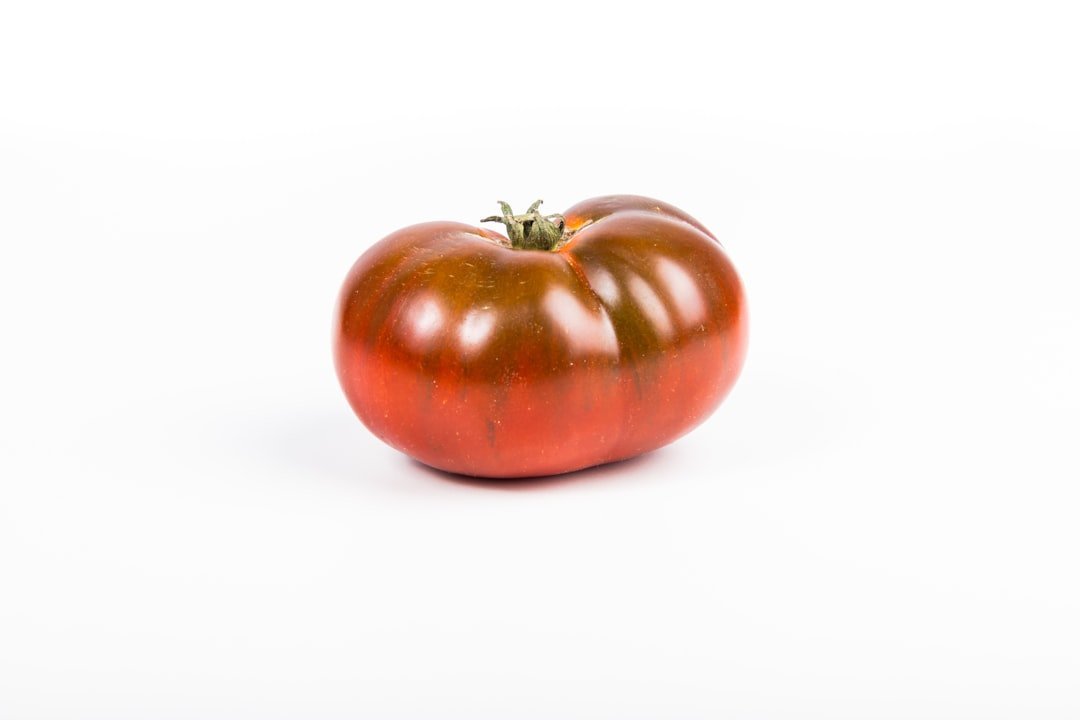
If there’s one heirloom that reigns supreme in gardening conversations, it’s the Brandywine tomato. Its rosy red hue and distinctive ribbed appearance make it a garden favorite, and it has been a staple in American gardens since the 1880s, appreciated for its adaptability and resilience. The name alone evokes something beautiful and old-fashioned, like a recipe card tucked inside a wooden box.
Many heirloom tomatoes like the Brandywine are sweeter and lack a genetic mutation that gives tomatoes a uniform red color at the cost of the fruit’s taste – varieties bearing that mutation, favored by industry since the 1940s, feature fruits with lower levels of carotenoids and a decreased ability to make sugar. In plain terms: supermarket tomatoes taste like cardboard because they were literally engineered to look good, not taste good.
Many heirlooms don’t yield as well as hybrids, but that’s partly why they have better flavor, since lower-yielding plants have more leaves per fruit. Think of it like a vine pouring every ounce of its energy into just a few fruits, making each one extraordinary. If you have never bitten into a warm, freshly picked Brandywine straight from the vine, put it on your bucket list.
Mortgage Lifter Tomato: The One With the Legendary Story
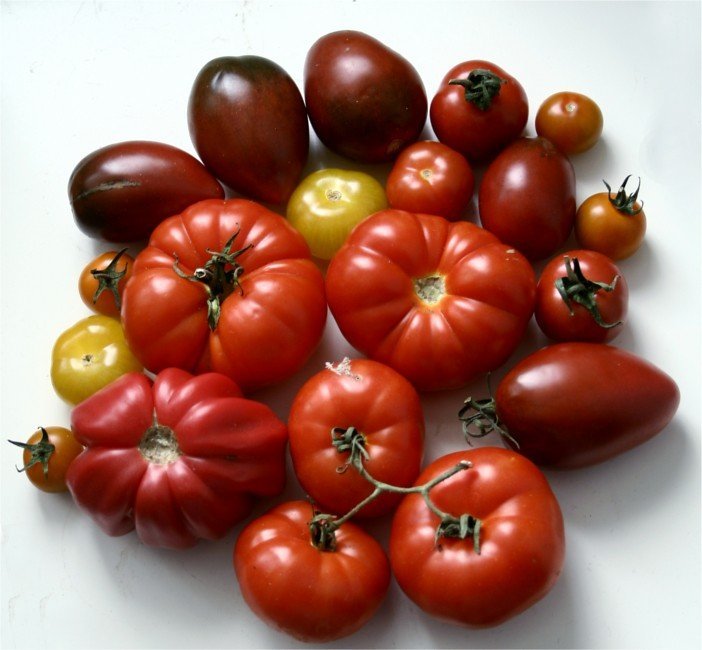
Here’s the thing – heirloom plants often come with the most extraordinary backstories. The Mortgage Lifter tomato is proof of that. This gigantic tomato was developed in the 1930s by Charlie Byles, who kept a radiator repair shop in West Virginia. Byles repeatedly crossed four of the biggest tomatoes he could find, and when he had a stable variety, he sold transplants for a dollar apiece and in six years paid off his mortgage.
Mortgage Lifter develops massive one to two pound fruits with a meaty texture after about 85 days. Those are not typos. One to two pounds. Per tomato. You could genuinely feed a family from a single plant on a good day. It’s the kind of productive, flavorful variety that old-time gardeners swore by because their dinner table depended on it.
What makes this variety so compelling today is not just its size but what it represents. Heirlooms have benefits beyond the practical. Each seed holds a story – a connection to those who have gardened before and who lovingly preserved and tended each unique variety. The Mortgage Lifter is practically a living folk tale, and growing it feels like honoring that tradition.
Kentucky Wonder Pole Bean: America’s Climbing Classic
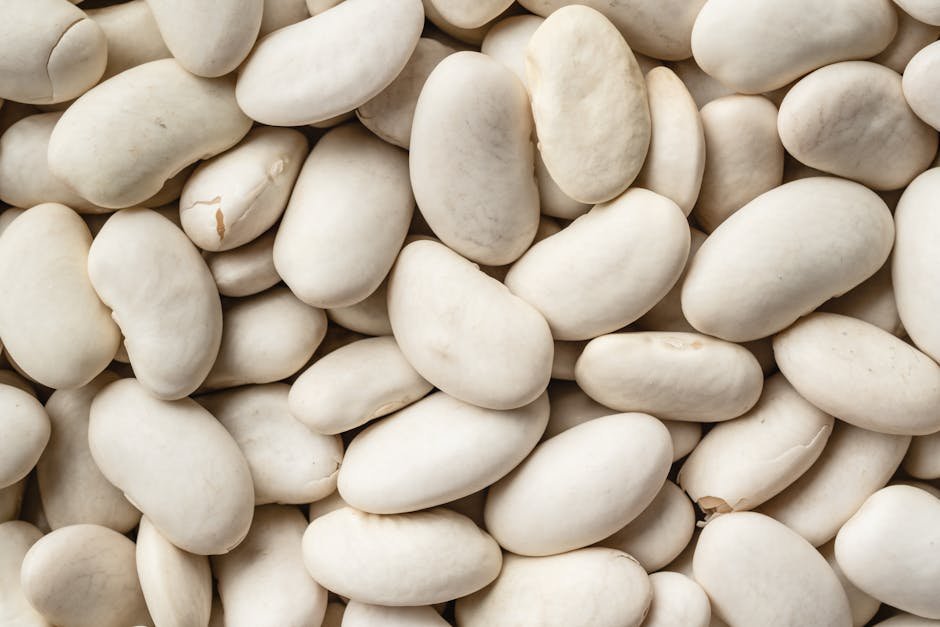
I’d argue that no heirloom vegetable is more deeply woven into American gardening culture than the Kentucky Wonder pole bean. This popular variety was grown throughout the South by the 1850s and first mentioned in publication in an 1864 edition of “Country Gentleman” magazine under the name “Texas Pole.” It was introduced as Kentucky Wonder by James J.H. Gregory & Sons in 1877 and has been popular ever since.
Pioneers depended on the harvest from this six to eight foot tall variety, and generations of children have snapped the flat, straight, silvery green pods. That image alone is enough to make you want to put up a trellis. The six to eight inch green pods are tender when cooked and have great flavor.
The Kentucky Wonder is very reliable, early maturing, and productive – an old favorite enjoyed fresh, canned, frozen, or dried, with seeds that can also be used dry as an excellent baking bean. It’s basically three vegetables in one. Snap bean in summer, shelling bean in fall, and dried baking bean for winter soups. Your grandparents knew exactly what they were doing.
Chioggia Beet: The Candy-Striped Italian Stunner
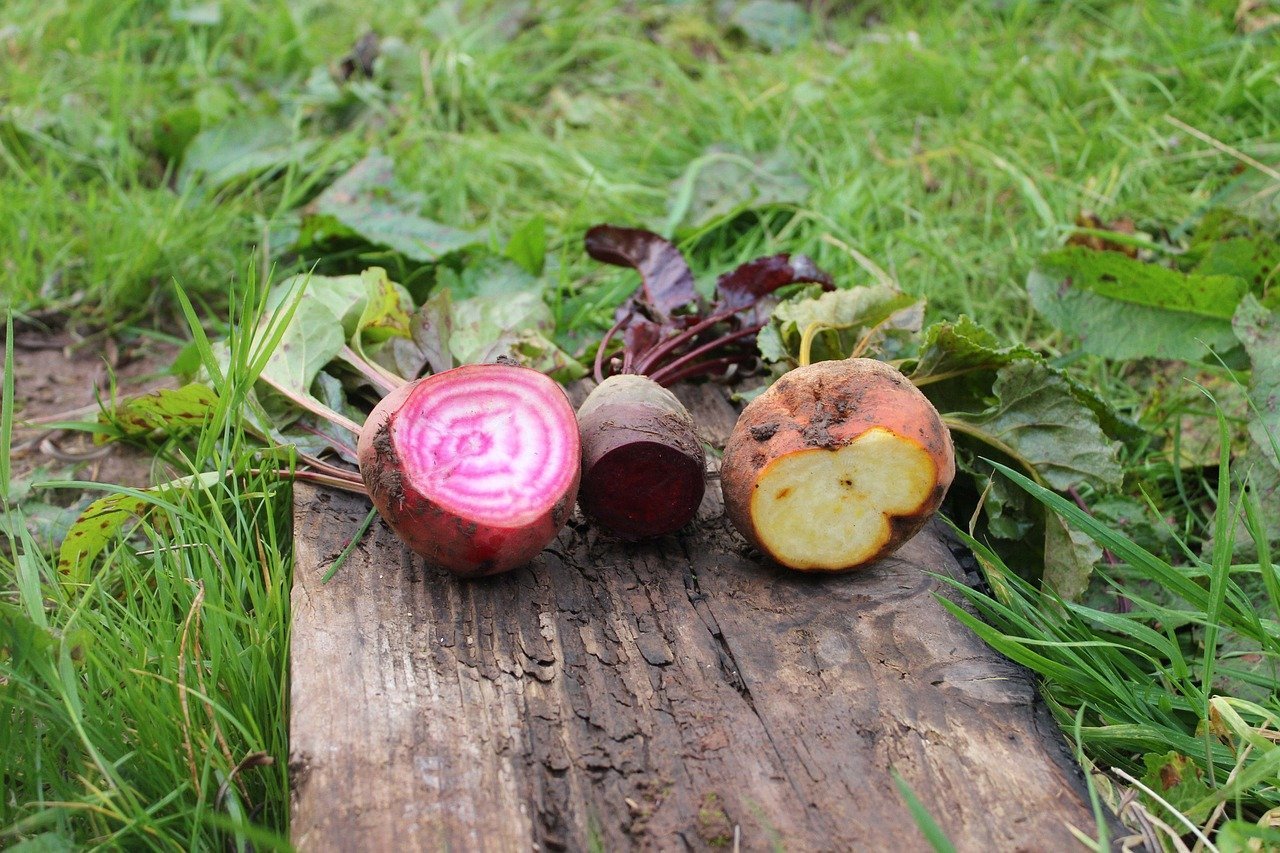
Most people think of beets as that dark, staining, earthy root vegetable they either love or deeply avoid. The Chioggia beet asks you to reconsider completely. Chioggia is a striking and colorful Italian heirloom beet variety that has been grown in home gardens since at least the 1840s, with colorful interior rings of alternating pink and white. Slice one open and it looks less like a vegetable and more like a piece of vintage tile work from a Mediterranean kitchen.
The Chioggia beet is an Italian heirloom variety native to Chioggia, Italy, first discovered in 1840, which then spread to the rest of Europe and was introduced to the United States in the 1860s. Dubbed “Little Venice” for its canals and ancient charm, the locals know Chioggia as the town to visit for authentic family-style food, with a strong reputation among Italians for retaining food traditions and quality cuisine.
The candy-cane striped roots have a crisp crunch when eaten raw in salads, and those averse to that signature earthy beet flavor will appreciate this variety, as the flavor is remarkably mellow. Chioggia beets are an excellent source of manganese, folate, vitamin C, magnesium, potassium, and fiber. If you have been beet-curious but put off by the flavor, this is the one to start with.
Scarlet Runner Bean: The One That Feeds You and Stuns Your Neighbors
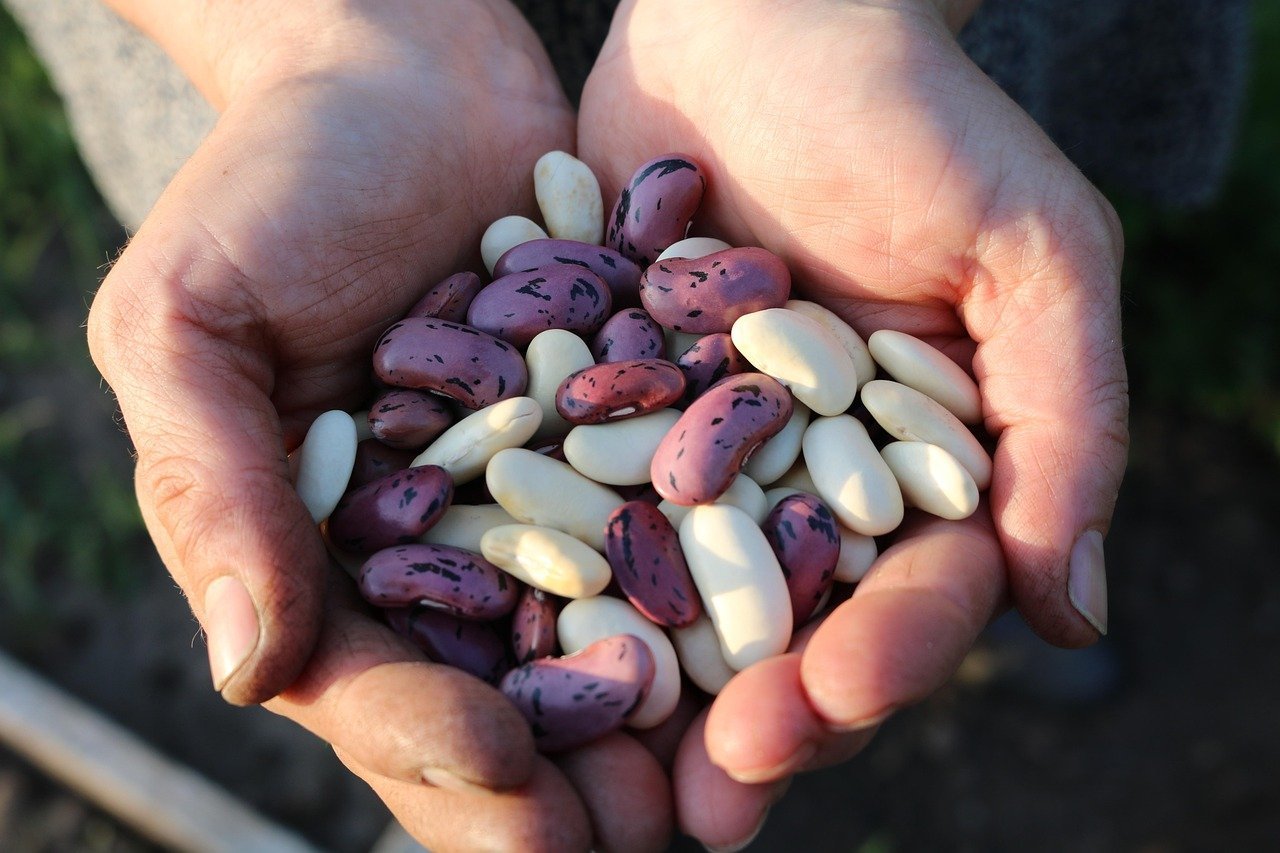
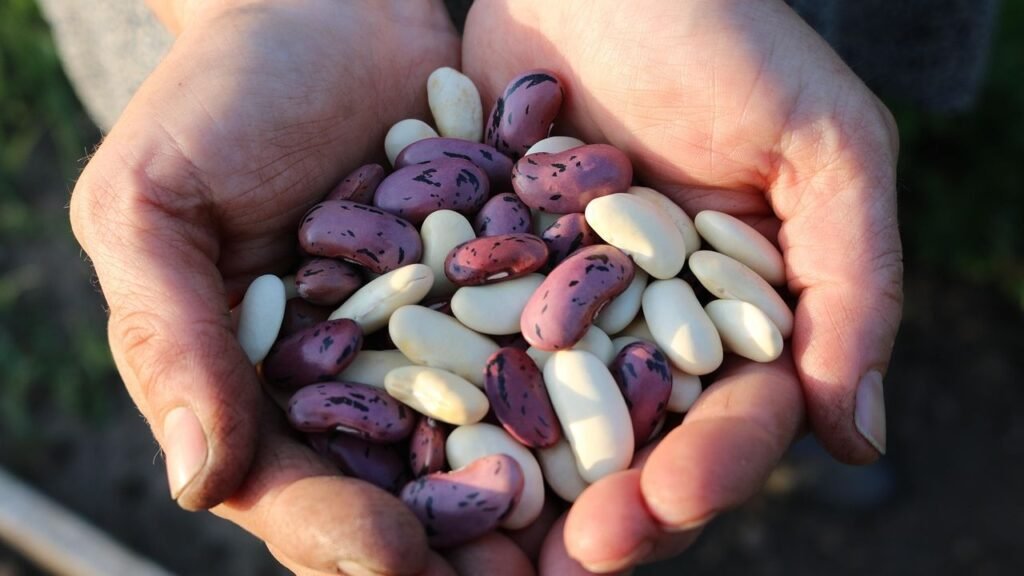
Most vegetables have exactly one job. The Scarlet Runner bean has three: it’s a food crop, a pollinator magnet, and one of the most ornamental vines you can grow in a kitchen garden. The Scarlet Runner bean produces stunning orange flowers that attract hummingbirds, grows to eight feet tall, and offers beans that are flavorful both fresh and dried. It’s rare to find a plant that ticks every single box like that.
Native to Central America and cultivated for centuries, Scarlet Runner beans were a staple in cottage gardens across Europe and America long before hybrid varieties pushed them out of fashion. The Scarlet Runner was used by Native Americans and is known for its attractive scarlet flowers. It was one of those plants people grew partly for beauty and partly for survival, which is exactly the dual purpose a small garden demands.
In the modern garden, this bean deserves a prominent spot on any trellis or fence. The vivid red-orange blooms last for weeks, drawing in bees and hummingbirds like a magnet. Heirloom vegetables like this one offer superior flavor depth, richer colors, and unique shapes that many hybrid varieties simply lack. Plant it once, save the seeds in autumn, and you’ll never need to buy it again.
Golden Bantam Corn: The Sweet Corn That Changed Everything
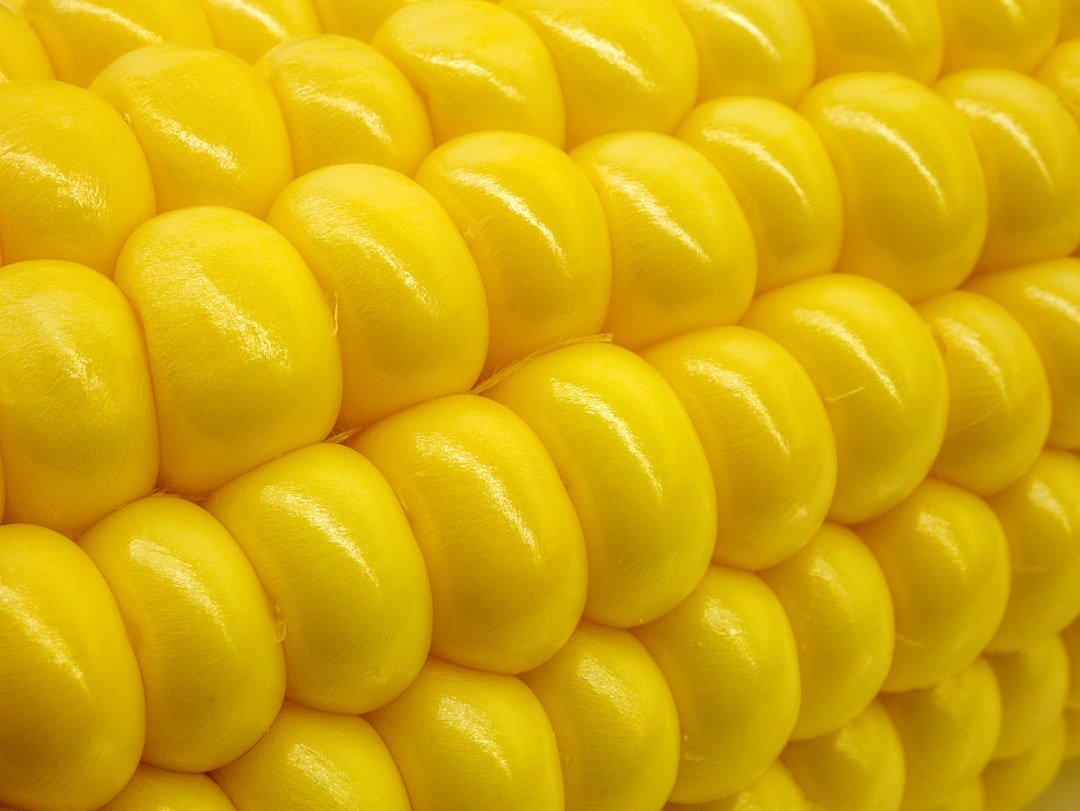
Before the age of super-sweet hybrid corn, there was Golden Bantam – and gardeners absolutely adored it. Golden Bantam is an early producing variety with old-fashioned flavor and compact plants, dating back to 1902. It was the first widely grown yellow sweet corn in America and was considered revolutionary when it arrived, because most corn at the time was white. Grandparents who grew it never forgot the taste.
The small ears fit perfectly on your plate, are yellow and juicy, and do well even in cool soil. It is an excellent source of protein and is high in vitamin B6, iron, and magnesium. It’s not a giant, sprawling corn that demands acres of space. It’s a sensible, beautifully flavored variety perfectly designed for the home garden.
Growing Golden Bantam Corn helps preserve a piece of agricultural history while enjoying a reliable and delicious crop, a nod to the innovation that shaped modern gardening practices and taste preferences. Let’s be real – a lot of modern sweet corn has been bred so sweet it tastes like candy rather than corn. Golden Bantam gives you that authentic, balanced sweetness that actually tastes like corn is supposed to taste.
Cherokee Purple Tomato: Ancient Origins, Modern Obsession
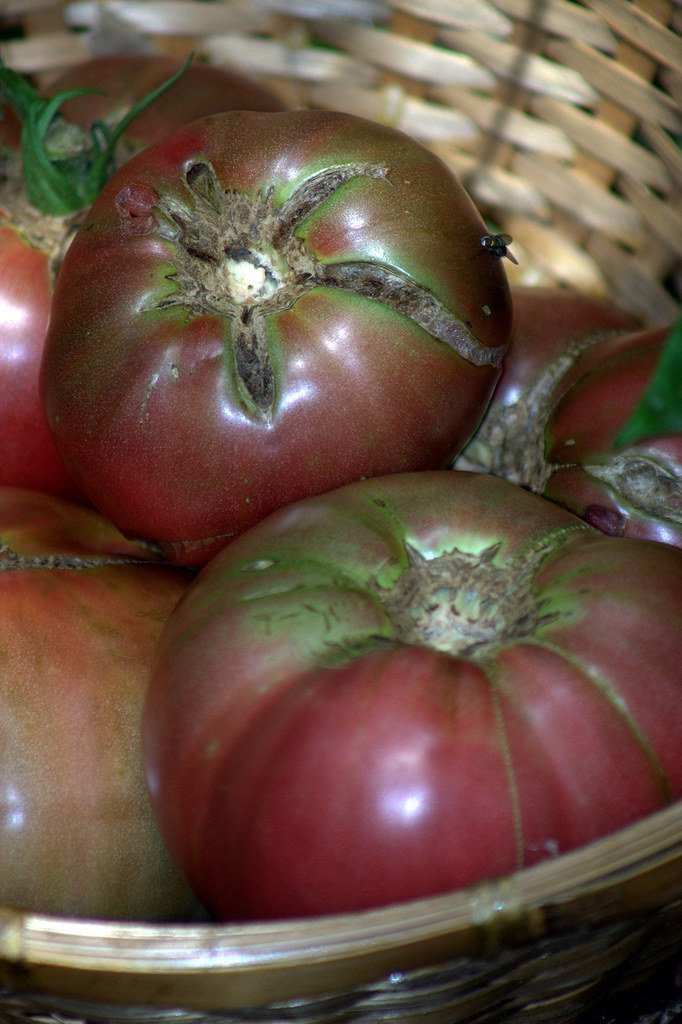
Of all the heirloom tomatoes out there, few have as fascinating an origin story as the Cherokee Purple. Cherokee Purple tomatoes showcase dusky purple-red fruits with deep green shoulders, weighing up to twelve ounces each. These pre-1890 Native American heirlooms offer a rich sweet-smoky flavor that many gardeners consider the best-tasting tomato variety. That flavor profile is unlike anything in a supermarket – complex, deep, and slightly smoky in a way that is genuinely hard to describe until you’ve tasted it yourself.
These tomatoes carry a green shoulder across the top and have a tendency for the seeds to be surrounded by a green gel. The variety was shared by the Cherokee Indians with a gardener over 100 years ago in Tennessee and came onto the market in 1991. That journey – from an indigenous community to a modern seed catalog spanning more than a century – is the kind of story that reminds you that seeds are far more than just planting material.
Cherokee Purple delivers dusky rose fruits with a rich, sweet taste in around 80 days. It’s productive, visually stunning in the garden, and produces fruit that will make you genuinely emotional the first time you taste one warm from the vine. It’s hard to say for sure whether any other tomato has converted more hybrid-only gardeners into committed heirloom growers, but I’d bet on Cherokee Purple every time.
Why Every Garden Deserves an Heirloom Corner
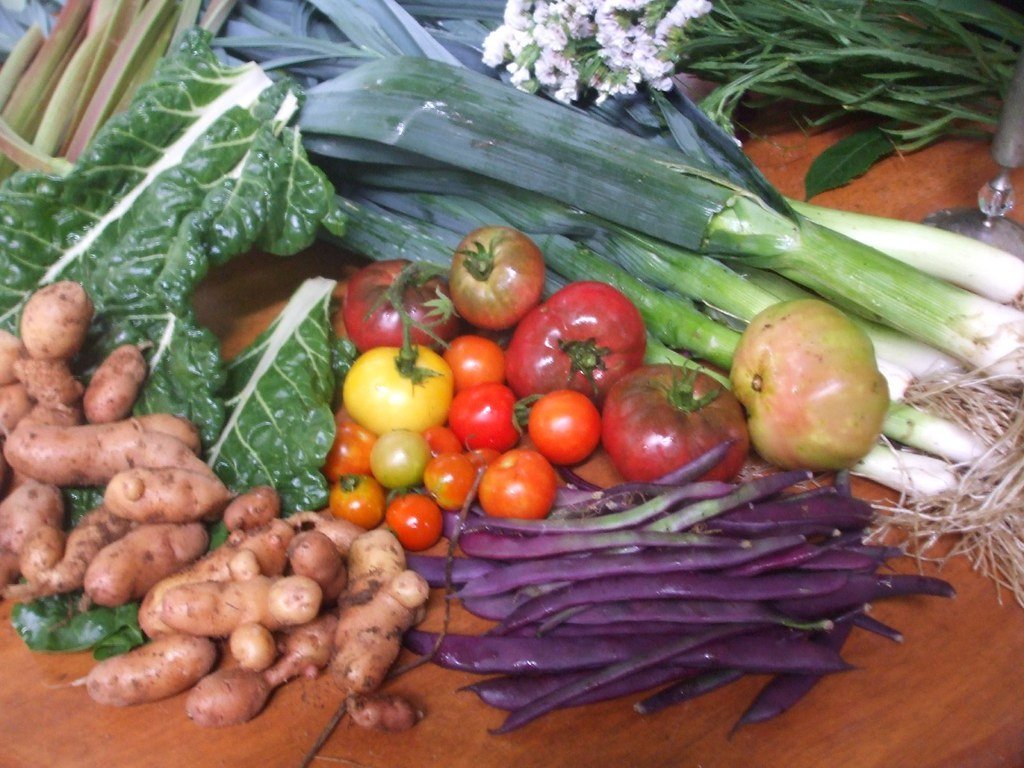
Growing any one of these seven plants is not just an act of gardening. It’s an act of preservation. Modern large-scale agriculture has led to a dramatic drop in crop genetic diversity. Without older heirloom varieties being preserved, the size of the gene pool is likely to decrease over time. Every seed you save and every plant you grow is a small but real contribution to preventing that loss.
Heirloom plant varieties introduce new crop diversity into gardens, but they also give gardeners a broader view of history and the lives of their ancestors. There’s a warmth in that connection that no hybrid cultivar can offer. Exceptional flavor is a main reason that gardeners save heirloom seeds, and outstanding taste is typical of most heirloom vegetables – each generation grown from saved seeds should taste as great as the parent plant, which is very different from modern hybrid vegetables, purposefully bred for resilience and durability, often at the expense of flavor.
Start with just one or two of these varieties this season. Save the seeds at the end of summer. Pass them to a neighbor, a friend, a child. Your garden can become a living museum of agricultural heritage where each plant tells a unique story. The plants your grandparents grew carried their own histories across generations – and now it’s your turn to carry them forward. What would you have guessed was still out there waiting for you to grow?
CEO-Co-Founder
