

For any feedback please reach out to info@festivalinside.com
- 10 Historical Battles Hollywood Got Completely Wrong - March 28, 2026
- 7 Books That Were Banned for the Strangest Reasons Imaginable - March 28, 2026
- 10 Dark Secrets Hidden Inside Some of the World’s Most Loved Novels - March 28, 2026
Throughout history, the act of banning a book has rarely been a clean, rational exercise. It tends to say more about the people doing the banning than about the books themselves. Authors throughout history have struggled to tell their stories in the face of religious dogma and political and social repression, and in many parts of the world, this is still very much the case. What’s fascinating, honestly, is how often the fears driving a ban are so spectacularly out of proportion to what’s actually on the page.
The practice of banning books is a form of censorship, driven by political, legal, religious, moral, or commercial motives. Some bans are rooted in genuine moral panic. Others feel like someone in power had a very bad day and took it out on a bookshelf. The seven books below fall somewhere between laughable and jaw-dropping. Let’s dive in.
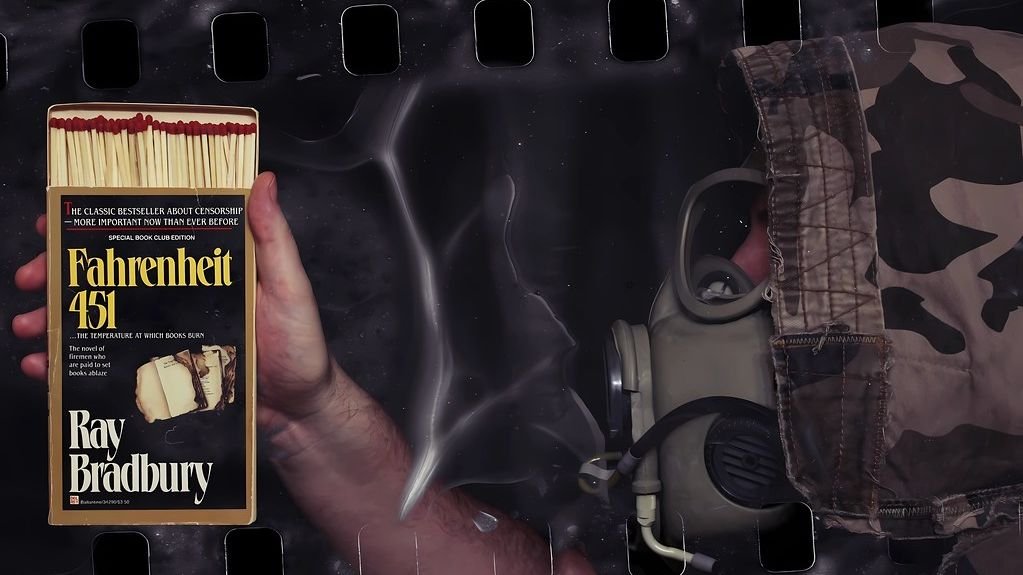
1. Fahrenheit 451 by Ray Bradbury – Censored for Being Too Vulgar (A Book About Book Burning)
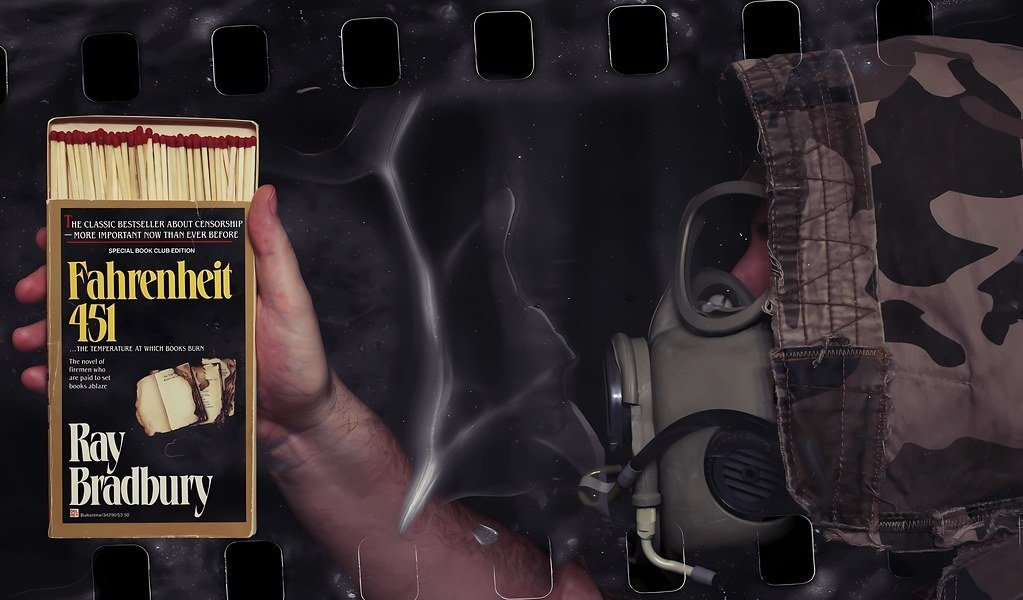
Here’s the thing about irony: it rarely hits this hard. Ironic as it may seem given the role that book burning plays in the novel itself, Fahrenheit 451 has faced multiple censorship and banning attempts throughout the years, primarily for vulgarity and discussions about drugs. In 1967, an edition known as the “Bal-Hi edition” censored swear words. The very novel that warned the world about the dangers of burning books was quietly being gutted from the inside.
Fahrenheit 451, an indictment of censorship, was itself censored by its publisher for thirteen years before Bradbury himself became aware of it. In 1967, Ballantine published an expurgated version of the novel to be used in high schools. Such words as “hell,” “damn,” and “abortion” were eliminated. In a novel of approximately one hundred and fifty pages, seventy-five passages were modified. In 1979, one of Bradbury’s friends showed him an expurgated copy, and Bradbury demanded that Ballantine Books withdraw that version and replace it with the original.
In 2006, parents of a 10th-grade high school student in Montgomery County, Texas, demanded the book be banned from their daughter’s English class reading list. Their daughter was assigned the book during Banned Books Week but stopped reading several pages in due to what she considered the offensive language and description of the burning of the Bible. The parents also protested the violence, portrayal of Christians, and depictions of firemen in the novel.
As a result of attempts to ban the book, as is the result with most attempts to ban a book, the popularity of Fahrenheit 451 soared, and the irony of each situation brought the discussion of censorship to light. Fahrenheit 451 remains a popular, important book to this day, and it’s used in classrooms across the world to discuss censorship and the necessity of writing and reading.
2. Alice’s Adventures in Wonderland by Lewis Carroll – Animals Should Not Speak
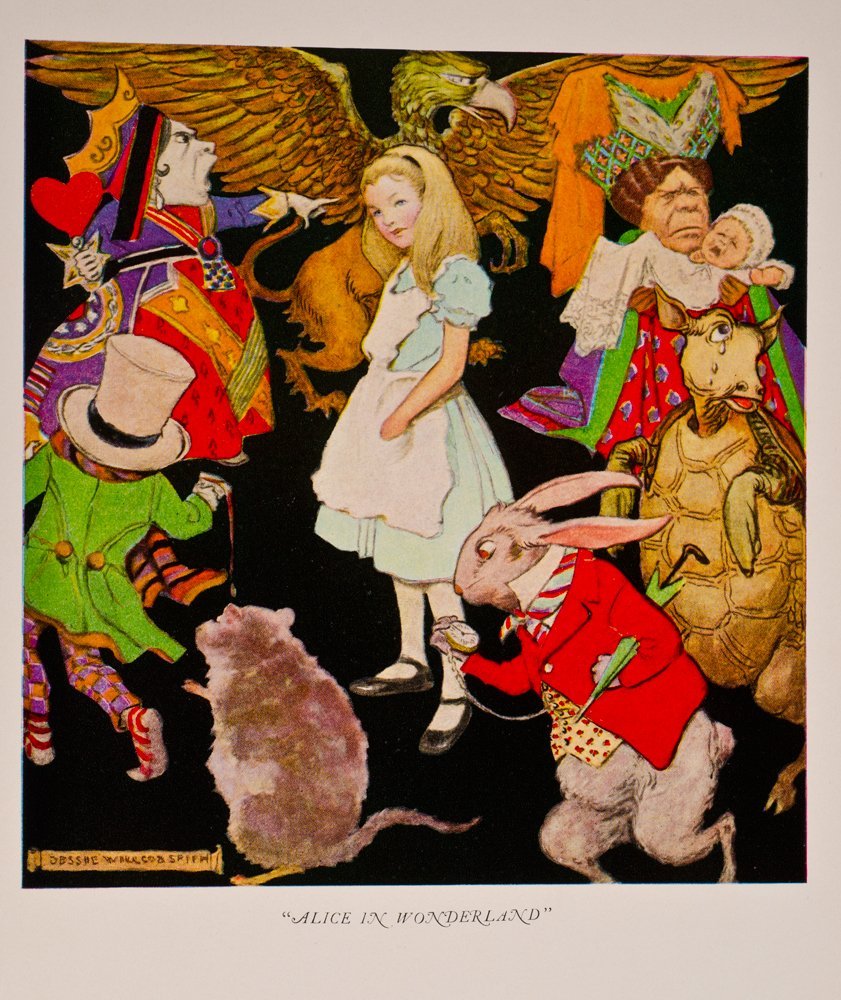
I know it sounds crazy, but a province in China once decided that a children’s novel needed to be shut down because the animals in it could talk. As it has been hailed by scholars as the epitome of the literary nonsense genre and by children for its vivid imagery and comical whimsy, some may be surprised to find Alice’s Adventures in Wonderland by Lewis Carroll on a list of banned books. The children’s book has been attacked and banned at various times and for several different reasons.
Some bans came from the depiction of talking animals. Most notably, the novel was banned in China’s Hunan Province in 1931. The governor of the province went on record, stating that “animals should not use human language… it was disastrous to put animals and human beings on the same level.” Think about that. A provincial leader looked at the Mad Hatter’s tea party and saw a genuine threat to social order.
In 1900, a U.S. school prohibited the book from its curriculum, claiming that it expressed expletives and alluded to masturbation and other sexual fantasies, as well as diminished, in the eyes of children, the statures of certain authority figures. In the 1960s, multiple institutions in the United States also banned the book, believing the caterpillar and his hookah promoted the use of hallucinogenic drugs. Today, of course, the book is considered one of the greatest works of English literature, which makes the whole talking-animal panic seem even more bewildering.
3. The Wizard of Oz by L. Frank Baum – Good Witches Cannot Exist
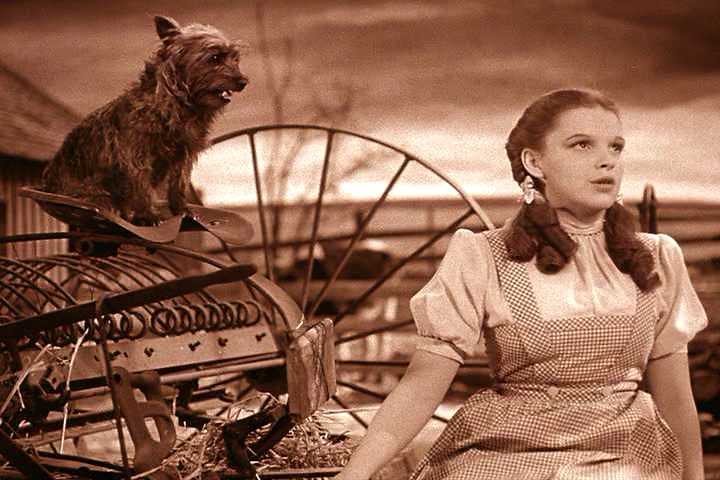
The Wizard of Oz is one of those stories that feels so warmly American it should practically come wrapped in a flag. Yet it has had a surprisingly turbulent relationship with censors across the United States. Throughout the twentieth century and across various US states, the book was banned for its strong female characters, use of magic, promotion of socialist values, and attribution of human characteristics to animals. That’s quite a list of grievances for a book about a girl, a dog, and a pair of ruby slippers.
The reason that really takes the biscuit is labeled “theologically impossible.” In 1986, seven families in Tennessee opposed the novel’s inclusion in the public school syllabus. They argued that all witches are bad, therefore it is “theologically impossible” for good witches like Glinda the Good Witch to exist. It’s hard to argue with that kind of logic, mostly because the argument itself defies logic. The book, now a universally celebrated classic, was ultimately reassessed as a harmless and imaginative work of fantasy that has continued to enchant children and adults alike for well over a century.
4. Green Eggs and Ham by Dr. Seuss – A Children’s Book About Breakfast, Seen as Political Propaganda
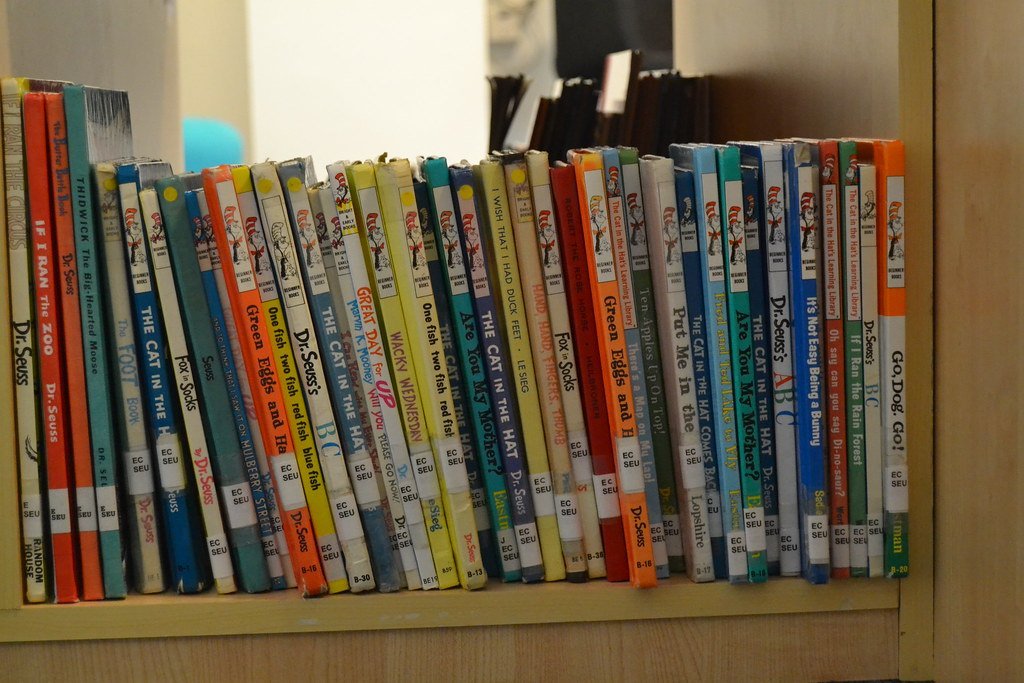
Let’s be real: no one reading about Sam-I-Am cheerfully offering a plate of green eggs and ham is thinking about geopolitics. It has been reported that the book was banned in China from 1965 to 1991 because it supposedly contained themes of “early Marxism,” that is to say, Soviet-style socialism, which was at odds with Chinese socialism. Allegedly, the breakfast was interpreted as a metaphor for Soviet socialism, with many initially rejecting it but eventually coming to enjoy it after “trying” it.
Beginning in 1965, it was forbidden to read Green Eggs and Ham in Maoist China because of its “portrayal of early Marxism,” and the ban was not lifted until author Theodor Seuss Geisel’s death in 1991. It’s worth noting that the evidence for this ban is not universally verified by documentary sources, and some scholars have questioned its authenticity. Still, whether fully confirmed or wrapped partly in legend, the story perfectly captures the absurdity that political censorship can reach. Whether or not this book is actually communist propaganda, banning children’s books that can be weakly tethered to socialist theory is not only ridiculous but also a little bit scary.
5. A Farewell to Arms by Ernest Hemingway – Banned for Describing a Real Military Defeat
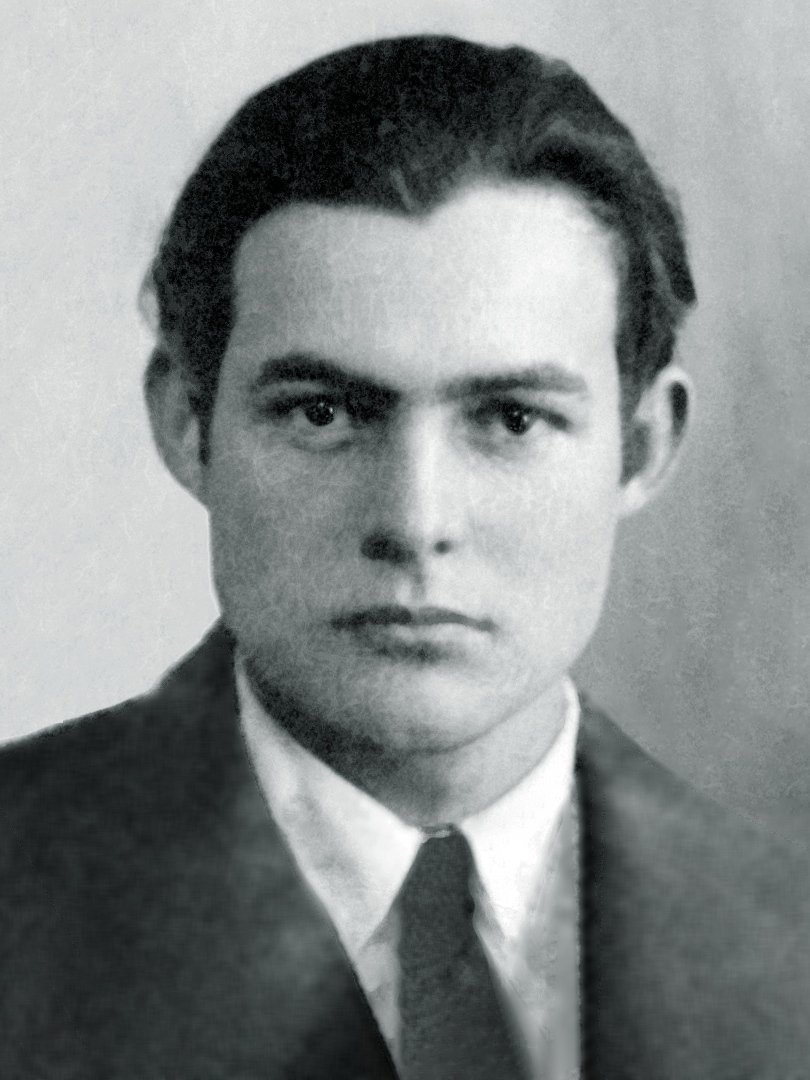
Hemingway’s masterpiece is a love story set against the catastrophic violence of World War I. It’s also one of the most decorated novels in American literary history. Ernest Hemingway’s 1929 novel, based on his experiences as an ambulance driver on the Italian front during World War I, was banned by Italy’s fascist regime for nearly 20 years because of its depiction of the country’s terrible defeat at the Battle of Caporetto, as well as its anti-militarism theme that led to its burning by the Nazis in 1933 as a “corrupting foreign influence.”
The book was also banned from entering the Boston newsstands upon publication in 1929, as it was deemed pornographic, despite containing no scenes of a sexual nature. It was additionally challenged by parents in US school districts in 1974 and 1980. Pornographic? A book about war, grief, and love written in Hemingway’s famously stripped-down prose? The disconnect between the accusation and the actual content is almost comical. Over time, the novel has reclaimed its rightful place as one of the greatest war novels ever written, studied in schools and universities across the globe.
6. Charlotte’s Web by E.B. White – Because Spiders Cannot Lick Their Lips
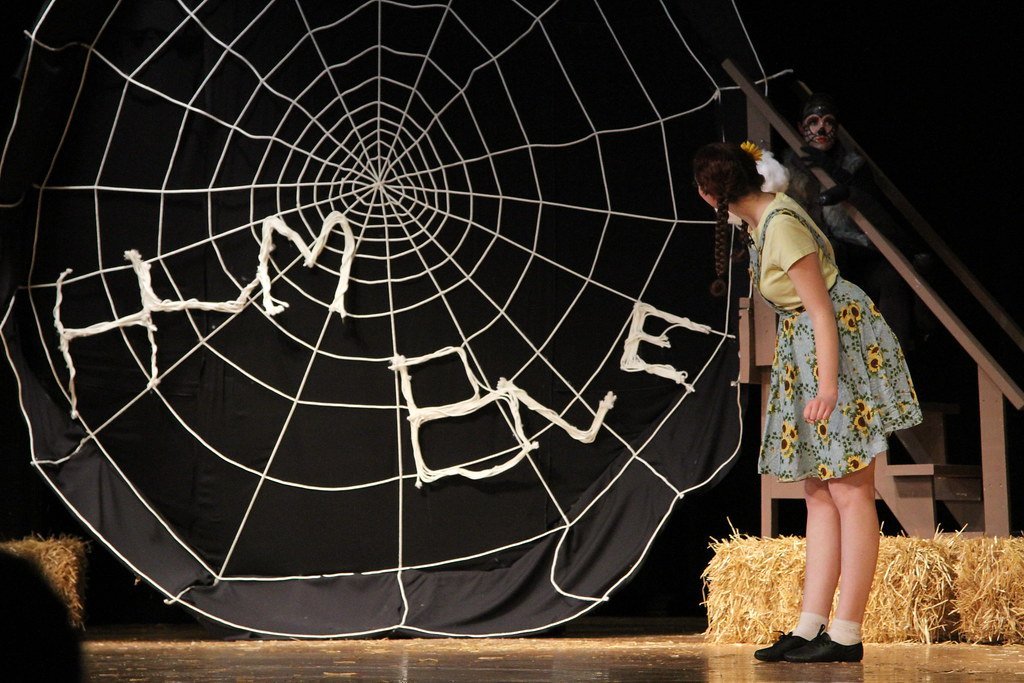
Charlotte’s Web is the kind of book that makes grown adults cry on public transport. It is one of the most beloved children’s novels ever written. Yet it was banned in Kansas in 2006, and the reason involves talking animals and theology. Charlotte’s Web was banned in Kansas in 2006 because it features talking animals, which in some parts of the United States is considered an “insult to God.”
In 1986, a Wisconsin town also banned the book because of a scene featuring the spider licking her lips. Religious groups in the town argued that this scene could be “taken in two ways, including sexual.” NOTE: Spiders do not have tongues and cannot lick their lips. That last line might be the most important editorial note in the entire history of book censorship debates. Today, the spider who wrote words in her web to save a pig is considered a timeless symbol of friendship, loyalty, and loss. The bans, meanwhile, have been almost entirely reversed.
7. The Metamorphosis by Franz Kafka – Banned for Being Too Depressing
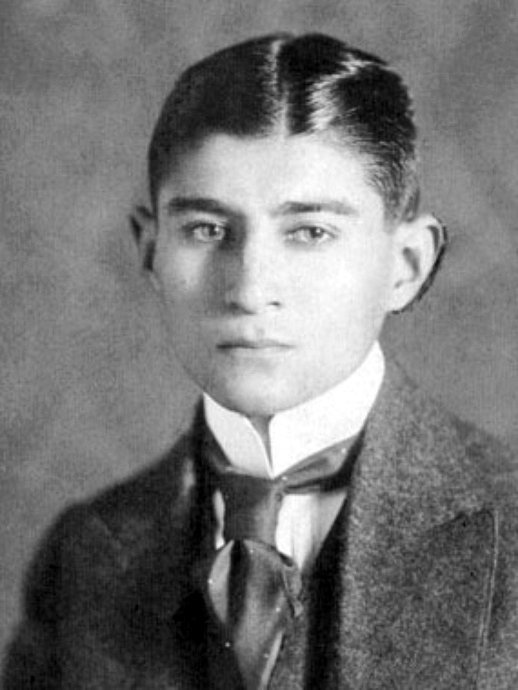
Kafka Bildarchiv. Photographer not identified.
According to the Geni page of Otto Schlosser, he opened the atelier Schlosser & Wenisch together with Max Wenisch (1876–?) in 1909, but there is no evidence that Max Wenisch took photographs., Public domain)
Kafka’s short masterpiece tells the story of a man who wakes up one morning transformed into a giant insect. It is unsettling, yes. It is also one of the most insightful and profound works of 20th-century literature. Franz Kafka’s The Metamorphosis was banned by both the Nazis and the Soviets. Being a Jewish author, the Nazis burned Kafka’s books on their “sauberen” (cleansing) pyres. In the Soviet Union, his books were banned as “decadent and despairing.”
This was clearly a judgment made by officials without much knowledge of the history of the novel, where so many titles are filled with human despair. Without these, we would not get the contrasting light of decadent writers like Oscar Wilde and JK Huysmans. Think of it this way: banning a book for being “too sad” is like closing a museum because the paintings are too beautiful. It misses the entire point. Today, Kafka’s work is taught in universities across the world, celebrated precisely for its power to name the alienation and helplessness that so many people feel. The Soviet censors, it turns out, were more afraid of honest literature than of a man turning into a bug.
The Right to Read: Why These Bans Matter More Than Ever
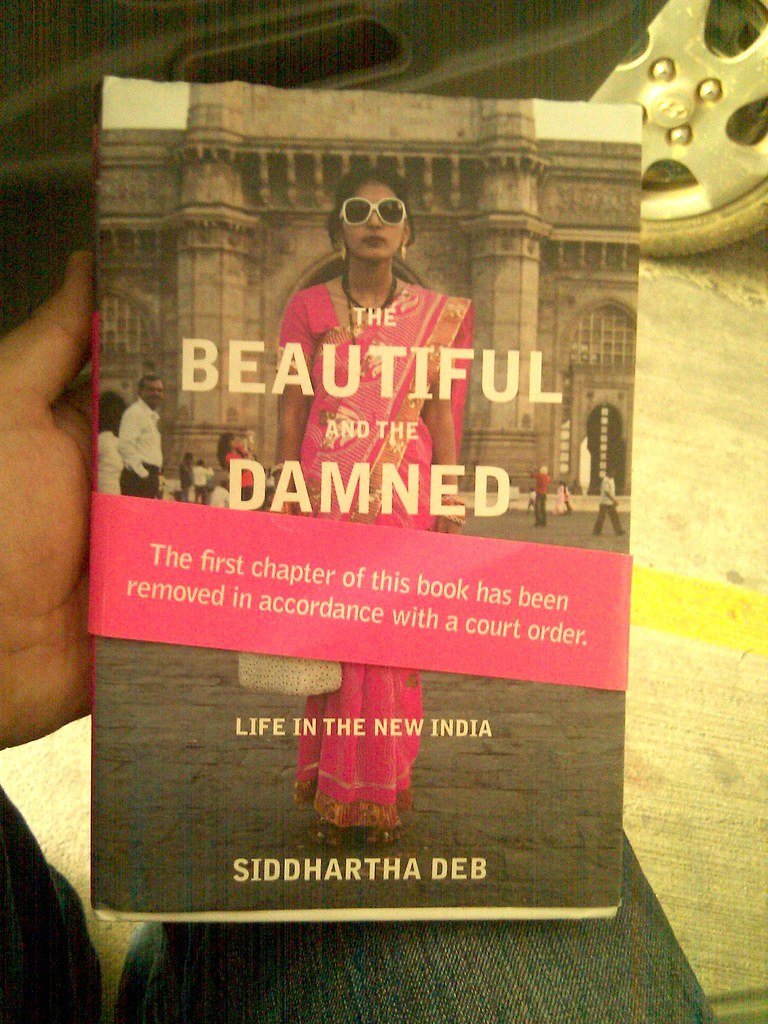
It would be easy to laugh off these stories as curiosities from a stranger, more anxious past. Some of them are genuinely funny. Yet underneath the absurdity lies a consistent and troubling pattern. Book bans are nothing new. From ancient scrolls to modern YA novels, stories have always had the power to unsettle, offend, or spark rebellion. While some bans were tied to revolutions and moral panics, others happened for reasons so odd they feel like satire.
The American Library Association documented 821 attempts to censor materials and services at libraries, schools, and universities in 2024. The most common reasons for challenges were false claims of illegal obscenity for minors, inclusion of LGBTQIA+ characters or themes, and dealing with topics of race, racism, inclusivity, equity, and social justice. The faces of censorship change, but the impulse does not. Whether it’s a Wisconsin town afraid of a spider or a Soviet regime afraid of despair, someone is always convinced that a book is more dangerous than a closed mind.
Freedom of expression is not a given. It is fragile, easily eroded, and almost always attacked first through books, because books are where ideas live longest. The strangest bans in history remind us that the instinct to silence a story rarely comes from wisdom. It almost always comes from fear. And that, more than anything, is the lesson worth carrying forward. What do you think is the most baffling book ban you’ve ever heard of? Share it in the comments below.

Christian Wiedeck, all the way from Germany, loves music festivals, especially in the USA. His articles bring the excitement of these events to readers worldwide.
For any feedback please reach out to info@festivalinside.com
