

- 9 Historical Mysteries That Still Baffle Experts to This Very Day - April 5, 2026
- 15 Legendary Authors Whose Personal Lives Were as Gripping as Their Novels - April 5, 2026
- Top Tips to Experience the 2026 California Superbloom - April 5, 2026
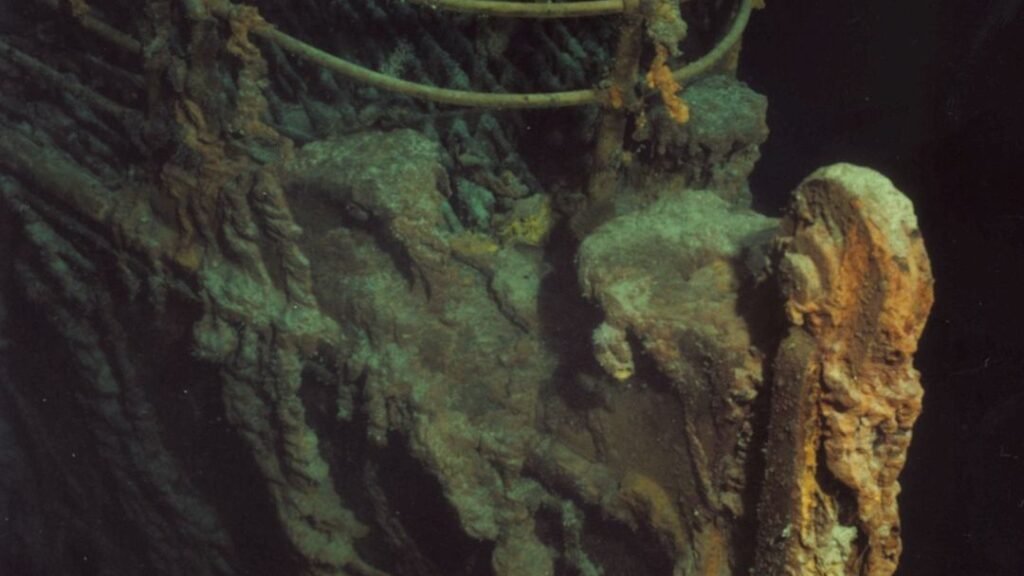
Few disasters in history have wrapped themselves so tightly in layers of eerie foreshadowing, strange timing, and almost unbearable irony as the sinking of the RMS Titanic. More than a century later, the ship continues to fascinate not just because of its scale of tragedy, but because the story around it seems almost too strange to have been written by chance. Some of these coincidences are so precise, so uncanny, that it takes a moment to remind yourself that none of it was scripted.
These are not myths or conspiracy theories. Each of the following coincidences is drawn from documented historical records, maritime archives, and academic research. Let’s dive in.
A Novelist Who Wrote the Disaster 14 Years Before It Happened
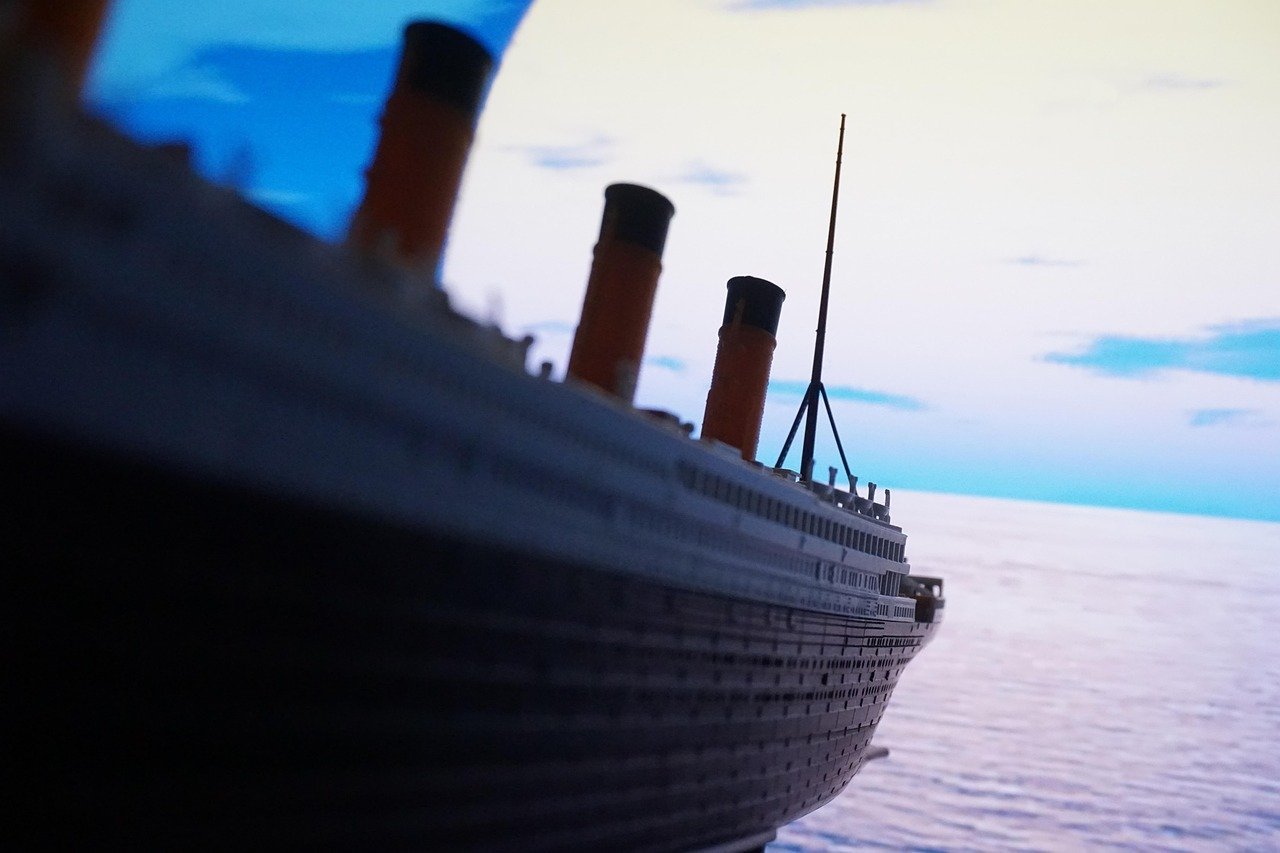
Honestly, if you read this as a movie pitch, someone would tell you to tone it down. Fourteen years before the RMS Titanic was built, American author Morgan Robertson wrote a novel called “Futility or The Wreck of the Titan” that prefigured the real ship’s destiny with remarkable precision. The parallels are not vague. The Titanic and the Titan were both triple-screwed British passenger liners with a capacity of 3,000 and a top speed of 24 knots, both deemed unsinkable, both carrying too few lifeboats, and both sank in April in the North Atlantic after colliding with an iceberg on the forward starboard side.
As the Royal Museums Greenwich noted in their analysis of the novel, Robertson accurately predicted the largest vessel afloat carrying the minimum number of lifeboats required under current regulations, and the Titan also had a fatal encounter with an iceberg, claiming the lives of nearly all of the 3,000 on board. Robertson was a former sailor, and scholars at institutions like Wilfrid Laurier University have since argued that his maritime expertise made a catastrophe of this kind plausible to imagine. Still, the specific details that matched, from the month to the direction of impact, remain startling. The horrifying parallels of the fiction to the actual events of 15 April 1912 saw the resulting reprint gaining a wider circulation than the first edition.
The Journalist Who Wrote His Own Death Twice
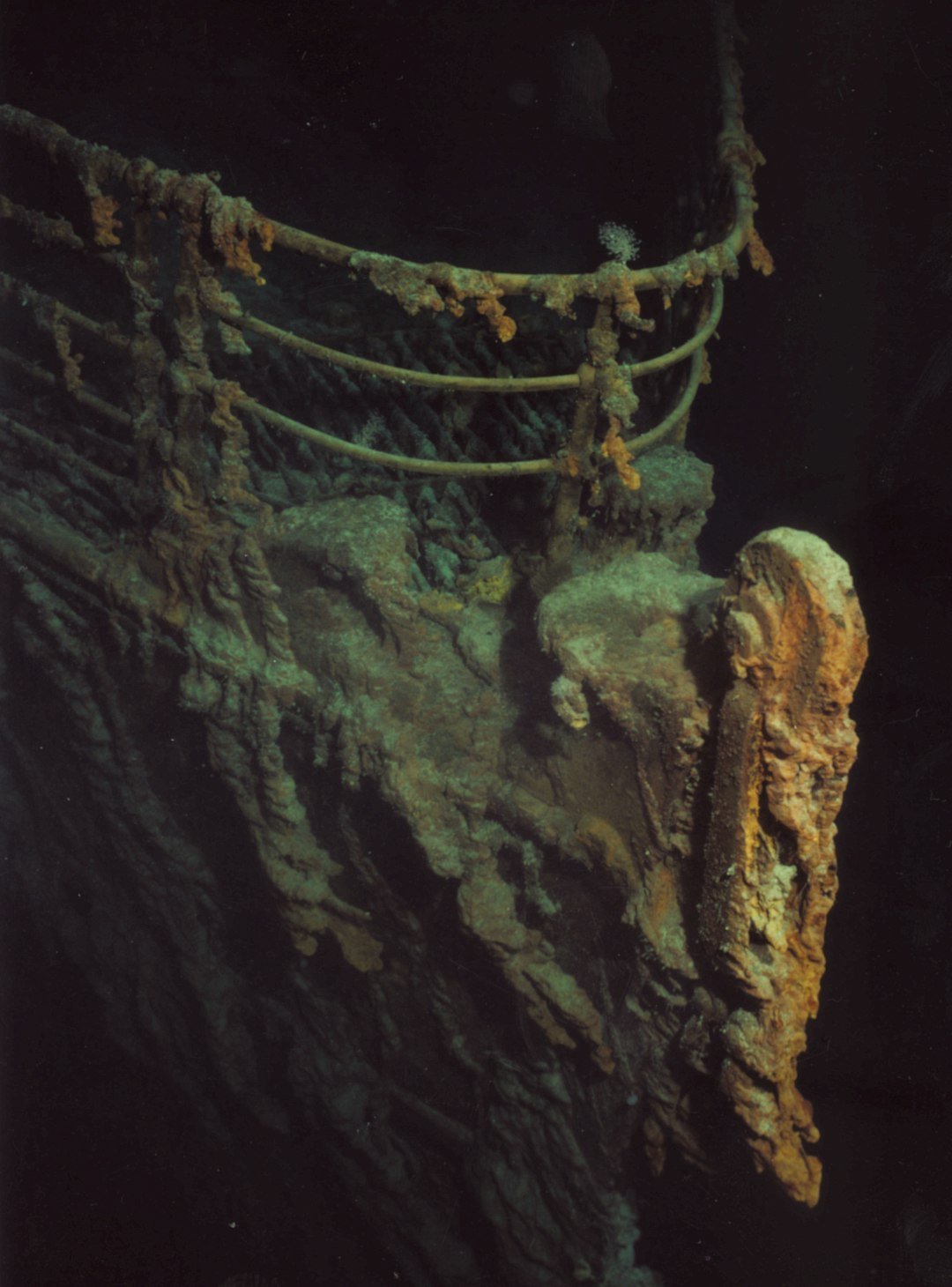
William Thomas Stead was one of the most famous journalists of his age, a pioneering British editor who seemingly had a literary premonition about his own fate. He had published two pieces that gained greater significance in light of his fate on the Titanic. On 22 March 1886, he published an article titled “How the Mail Steamer Went Down in Mid Atlantic by a Survivor,” wherein a steamer collides with another ship, resulting in a high loss of life due to an insufficient ratio of lifeboats to passengers, and added: “This is exactly what might take place and will take place if liners are sent to sea short of boats.”
That alone would be remarkable. Then consider what came six years later. In 1892, Stead published a story titled “From the Old World to the New,” in which a vessel, the Majestic, rescues survivors of another ship that collided with an iceberg. The detail that stops you cold? In his 1892 novel, the passenger ship called the Majestic was captained by an Edward J. Smith. Stead himself drowned in April 1912, a victim of the sinking of the Titanic, captained by Edward J. Smith. He had written not just the type of disaster, not just the mechanism, but the actual captain’s name. Stead died in the sinking of the RMS Titanic. Reality had already been written. Nobody had listened.
The Ship That Watched and Did Nothing
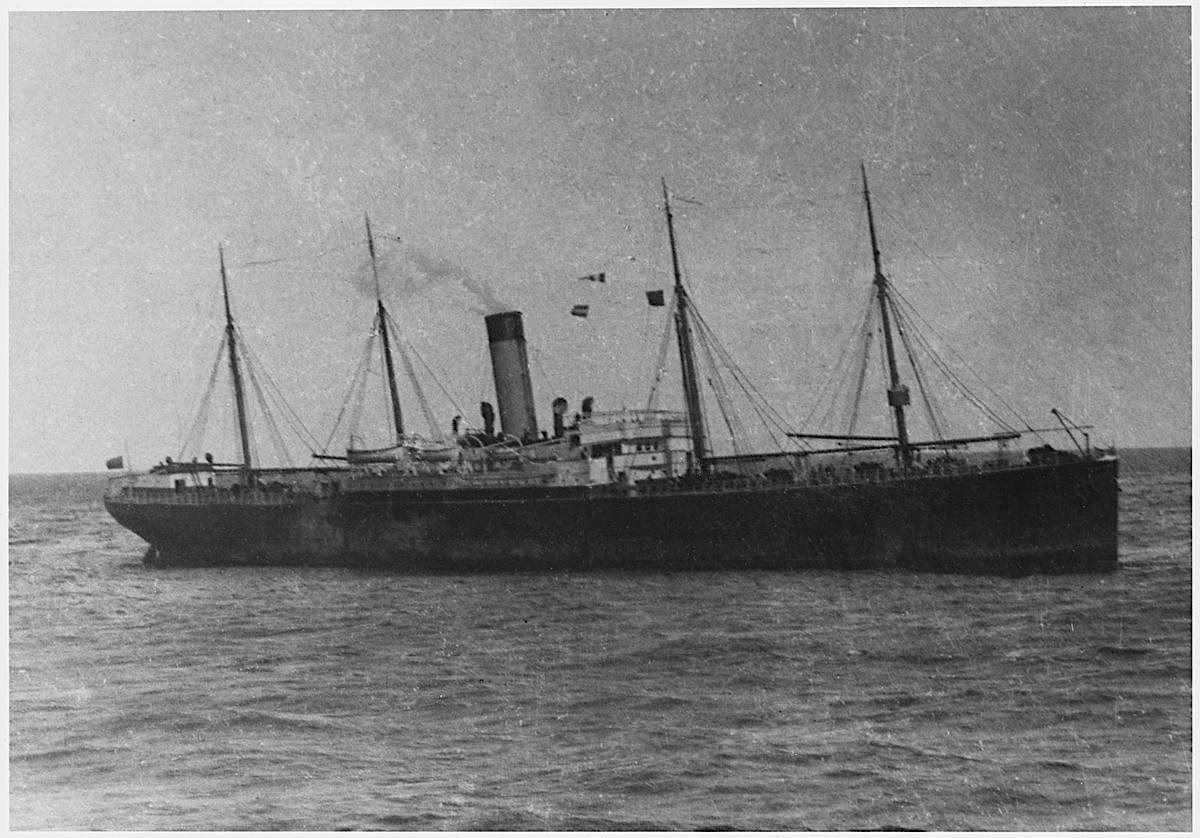
Here is a coincidence that tips into pure tragedy. On the night the Titanic sank, the nearest ship to her was the SS Californian, a steamship of the British Leyland Line. Despite her close proximity and the distress signals Titanic raised, the Californian took no action. The timing is what makes this so painful. At 23:30, just 10 minutes before the Titanic hit the iceberg, the Californian’s sole radio operator, Cyril Evans, shut his set down for the night and went to bed.
Ten minutes. That’s all it was. Had Evans stayed at his post a fraction longer, he would have heard the distress calls going out across the North Atlantic. Between 12:45 AM and 2:00 AM, the Californian’s crew observed at least eight white rockets fired into the sky. While these were standard maritime distress signals, Captain Lord was not awakened to investigate them fully. Both the United States Senate and the British Wreck Commissioner’s inquiries drew the same conclusion. Both concluded that many or all of the lives lost could have been saved, had the Californian responded promptly to the Titanic’s distress rockets. The U.S. Senate inquiry was particularly critical of the vessel’s captain, Stanley Lord, calling his inaction “reprehensible.” A ship close enough to see the rockets. A radio operator who had gone to sleep ten minutes too soon. It’s hard to read this without feeling something shift in your chest.
The Woman Who Survived All Three Sister Ships

If fate keeps sending you the same message and you survive it three times, you earn a place in history. Violet Jessop survived the sinking of both RMS Titanic in 1912 and sister ship HMHS Britannic in 1916, as well as having been aboard the eldest of the three ships of that class, RMS Olympic, when it collided with the British warship HMS Hawke in 1911. Three ships. Three disasters. One woman walked away from all of them.
Jessop boarded Titanic as a stewardess on 10 April 1912, at age 24. Four days later, on 14 April, it struck an iceberg in the North Atlantic and sank about two hours and forty minutes after the collision. She made it out alive. Then, years later, she was on the Britannic. On the Britannic’s fourth trip out on 16th November 1916, she struck a mine. The blast caused the ship to flood and list to one side as it sank. Jessop survived that too, though barely, jumping from a lifeboat that was being pulled toward the ship’s spinning propellers. Remarkably, Violet wasn’t the only one to survive the Titanic, the Britannic, and the Olympic. Stoker Arthur Priest was also onboard all three ships and not only lived to tell the tale but also survived the sinking of the SS Donegal during the war and two further major collisions. It’s almost enough to make you believe in something beyond luck.
J.P. Morgan’s Cancelled Suite and the Art That Never Sailed
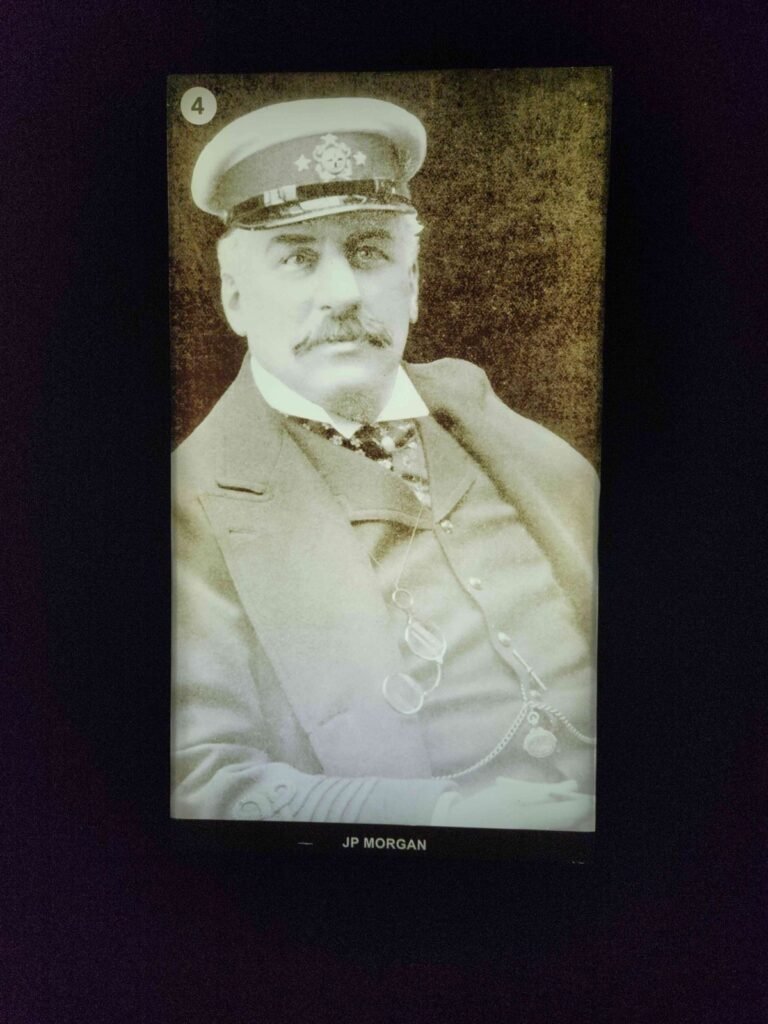
There is perhaps no single coincidence surrounding the Titanic more discussed and more debated than this one. J.P. Morgan, who had attended the Titanic’s launching in 1911, had booked a personal suite aboard the ship with his own private promenade deck and a bath equipped with specially designed cigar holders. He was reportedly booked on the ship’s maiden voyage but instead cancelled the trip and remained at the French resort of Aix-les-Bains. The man who owned the White Star Line, the company that built the Titanic, did not sail on it.
It’s hard to say for sure whether the reasons behind his cancellation were purely mundane, but historians have investigated this thoroughly. There is no evidence to suggest Morgan deliberately missed the trip because he knew the ship would sink. Historians have debated several reasons for his cancellation, but none is related to the Federal Reserve. According to research cited by Reuters, Don Lynch, a historian at the Titanic Historical Society, pointed to a possible reason involving French laws on the export of art, suggesting Morgan travelled to Paris to secure his purchases before new regulations took effect. Morgan nixed his booking for the maiden voyage and pulled a collection of his fine art from her cargo only days before she struck an iceberg and sank roughly 370 miles southeast of Newfoundland. The conspiracy theories have never been proven. The coincidence, however, remains entirely documented and entirely real.
Conclusion
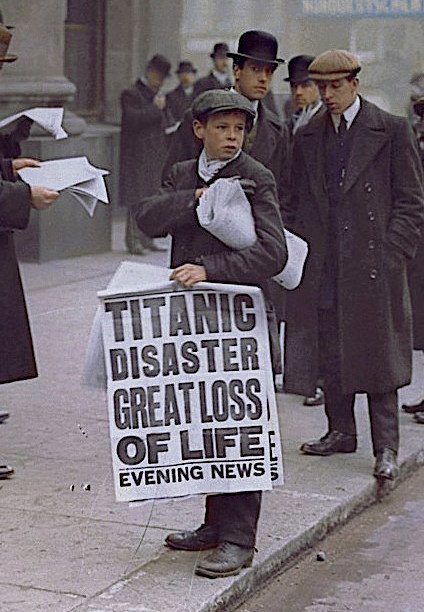
Taken one at a time, each of these coincidences might be explained away. A novelist with maritime expertise imagining a plausible disaster. A radio operator following his normal schedule. A journalist who wrote fictional cautionary tales. Take them all together and a strange portrait emerges, one of a disaster that seemed to have been quietly announced long before it arrived.
What makes the Titanic so enduring isn’t only the scale of the loss, it’s this uncomfortable sense that the warnings were there, in fiction, in journalism, in human decisions made minutes before impact. Reality, it turns out, doesn’t always wait to be believed before it unfolds. What would you have made of these signs, had you known them at the time? Tell us in the comments.
CEO-Co-Founder
