

- 10 Unexpected Travel Destinations That Will Transport You Back in Time - March 10, 2026
- 15 Hidden Gems Across America Perfect for a Nostalgic Road Trip Adventure - March 10, 2026
- 12 Most Life-Changing Novels Written by Women - March 10, 2026
Death rarely stops the literary world from recognizing greatness. Sometimes the most profound recognition comes only after the final page of an author’s life has been turned. When a writer’s voice has been silenced, their words can still echo through the halls of academia and prestigious award ceremonies, capturing honors they never lived to see.
The literary landscape is filled with stories of posthumous prizes, where committees and judges discover or rediscover works that may have been overlooked during their creator’s lifetime. These awards serve as both tributes to departed talent and reminders that true literary merit often transcends the boundaries of mortality.
John Kennedy Toole’s Pulitzer Prize Triumph
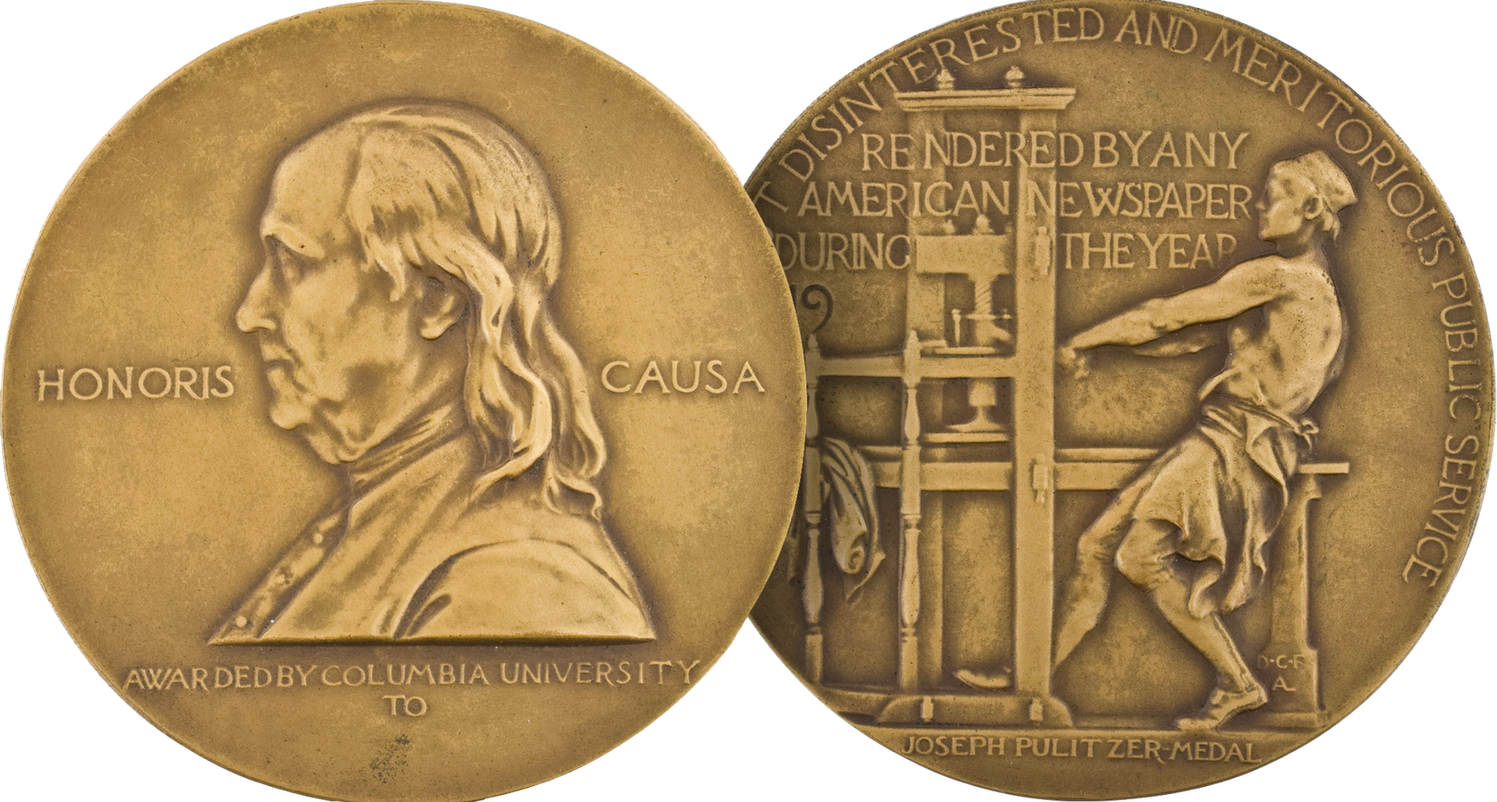
The story of John Kennedy Toole might be one of the most heartbreaking yet triumphant tales in American literature. The American author is known for one major book, A Confederacy of Dunces, which won the Pulitzer Prize in 1981, though when the book was published in 1980 with the help of his mother, it won the Pulitzer Prize. He committed suicide at 31 after his book was repeatedly rejected by publishers.
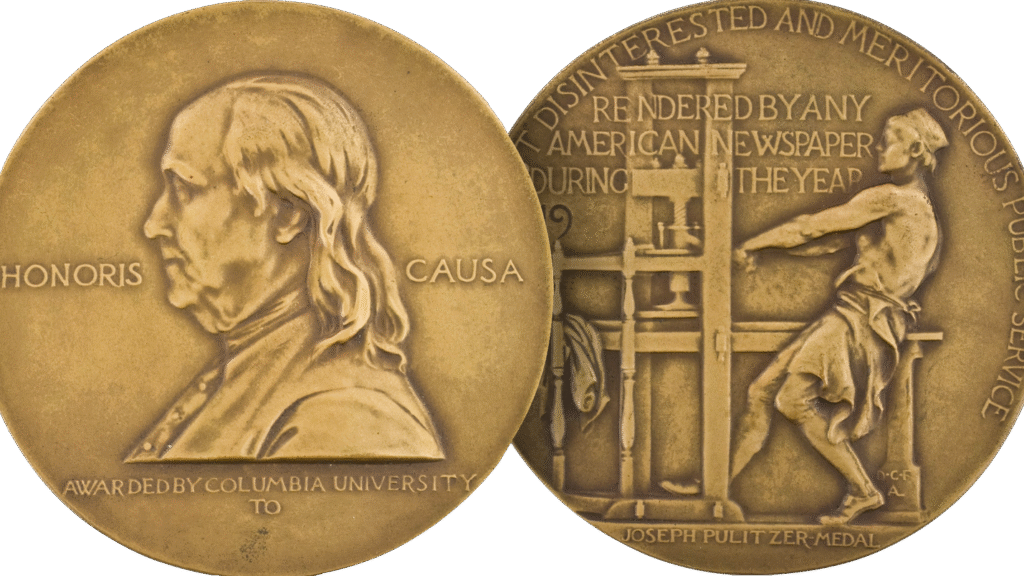
Three authors have won the Pulitzer Prize for Fiction posthumously: James Agee (1958), William Faulkner (1963) and John Kennedy Toole (1981), with the first two winning within a year or two of their deaths, but Toole won his 12 years after his death. This unprecedented delay makes Toole’s recognition particularly remarkable. His mother Thelma fought tirelessly to get her son’s manuscript published, refusing to let his literary genius die with him.
It is now considered an American classic. The novel’s protagonist, Ignatius J. Reilly, became an iconic character in Southern literature, representing a brilliant but tormented mind that resonated with readers long after Toole’s tragic end.
James Agee’s Literary Legacy
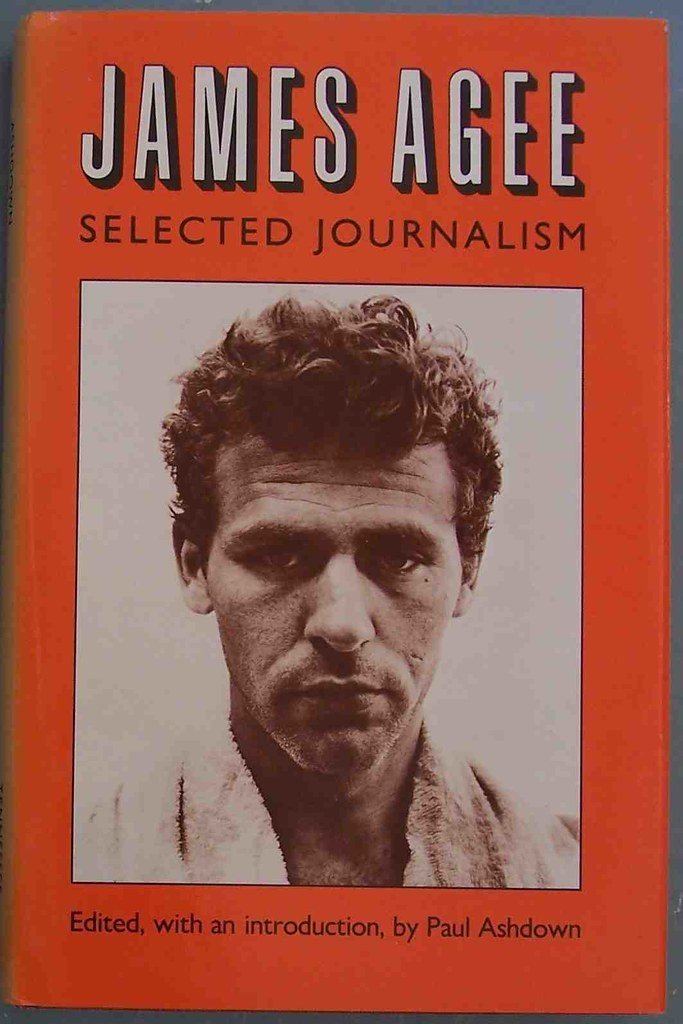
In 1957, his novel A Death in the Family (based on the events surrounding his father’s death) was published posthumously and in 1958 won the Pulitzer Prize for fiction, earning the author a posthumous 1958 Pulitzer Prize. He began writing it in 1948, but it was not quite complete when he died in 1955.
During his lifetime, Agee enjoyed only modest public recognition, though since his death, his literary reputation has grown. The autobiographical novel drew from the profound trauma of losing his father in a car accident when Agee was just six years old. This personal tragedy became the foundation for a work that would ultimately define his literary legacy.
Let Us Now Praise Famous Men has grown to be considered Agee’s masterpiece, though ignored on its original publication in 1941, the book has been placed among the greatest literary works of the 20th century by the New York University School of Journalism and the New York Public Library.
Erik Axel Karlfeldt’s Nobel Recognition
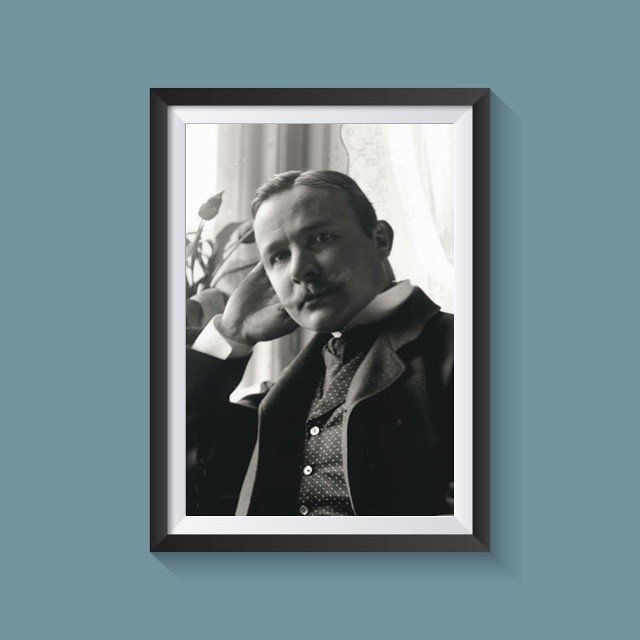
The Nobel Prize in Literature has been awarded posthumously once, to Erik Axel Karlfeldt in 1931, and Karlfeldt was awarded posthumously. What makes this award particularly fascinating is that three writers have declined the prize, with Erik Axel Karlfeldt declining it in 1919.
Karlfeldt had actually refused the Nobel Prize during his lifetime, demonstrating remarkable humility and perhaps uncertainty about his own worthiness. His posthumous acceptance marked a rare instance where the Swedish Academy chose to honor someone who had previously declined their highest literary recognition. The posthumous prize to Karlfeldt in 1931 was awarded by the Swedish Academy to its own member.
From 1974, the Statutes of the Nobel Foundation stipulate that a Nobel Prize cannot be awarded posthumously, unless death has occurred after the announcement of the Nobel Prize. This rule change makes Karlfeldt’s recognition even more historically significant, as he remains the only posthumous winner of this prestigious award.
Sylvia Plath’s Poetic Immortality
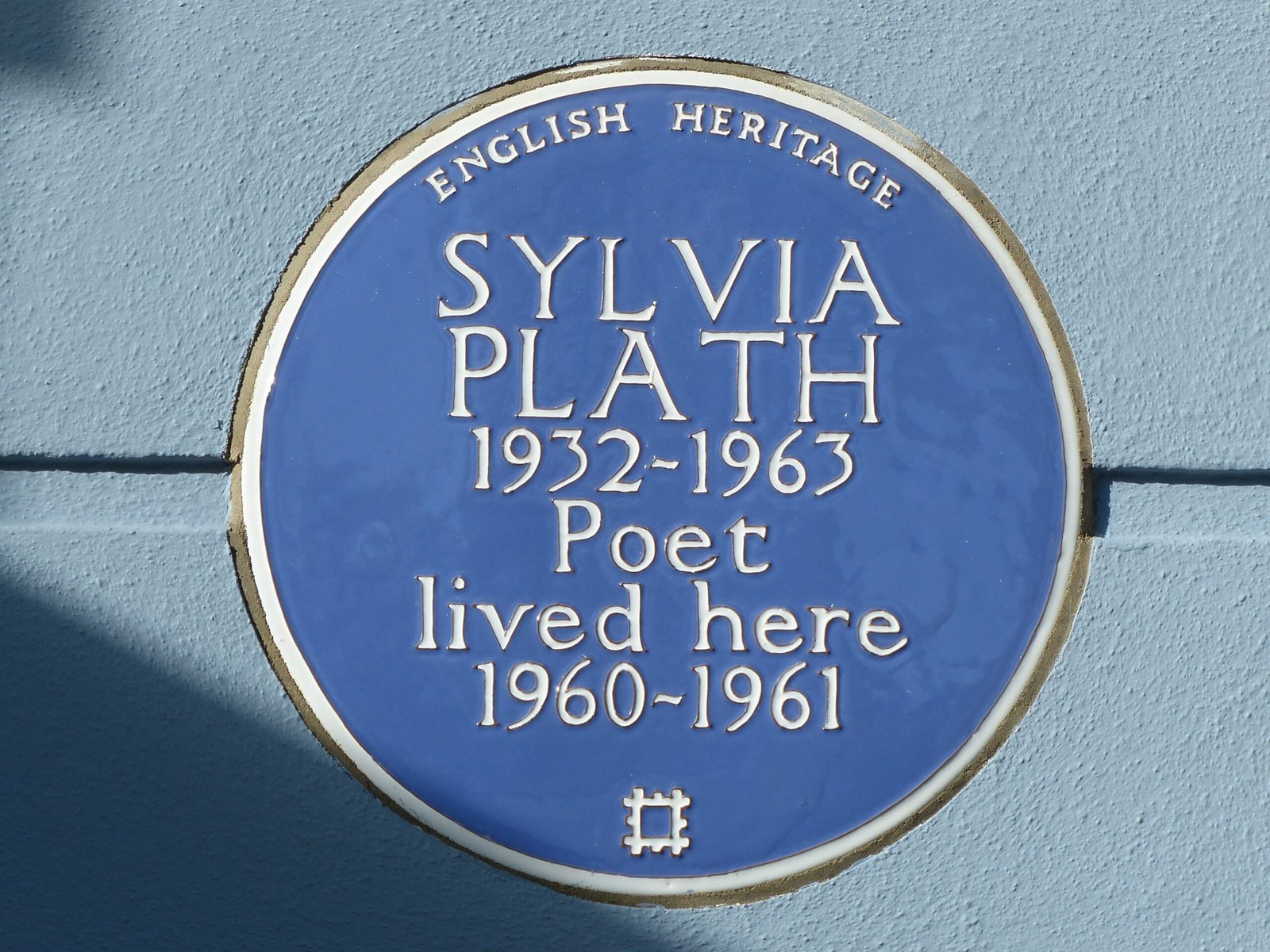
The Bell Jar was published during Plath’s life, but poetry was Plath’s real area of brilliance, and Ariel, despite Ted Hughes’s meddling, is a nearly perfect book, with Ariel being only the first of seven volumes of poetry to be published after Plath’s death; in 1982, she won a posthumous Pulitzer prize for her Collected Poems.
Plath was clinically depressed throughout most of her adult life and, in 1963, just a month after she published a semi-autobiographical novel, The Bell Jar, she wrote a note to her downstairs neighbour instructing him to call the doctor, then committed suicide using her gas oven, and she won a posthumous Pulitzer Prize for The Collected Poems and is considered one of the US’s greatest writers.
The Collected Poems was published in 1981, and contained many previously unpublished poems, and it won the Pulitzer Prize for poetry in 1982. Her raw, confessional style and unflinching exploration of mental illness, motherhood, and identity created a body of work that continues to influence poets decades after her death.
C.M. Kornbluth’s Hugo Award Victory
C.M. Kornbluth, born 1923, gets a full credit for his short story “The Meeting”, which won a 1973 Hugo, although it was co-authored (finished) by Frederik Pohl, it shared the Hugo with “Eurema’s Dam” by R.A. Lafferty, and Kornbluth himself had died in 1958, with the only other author who won a posthumous award being Isaac Asimov for “Gold” in 1995.
Kornbluth’s situation presents a unique case in posthumous literary recognition. His unfinished work was completed by his collaborator Frederik Pohl, raising questions about authorship and creative legacy. The fact that the story shared the Hugo Award demonstrates that even incomplete works can achieve the highest honors when they contain sufficient brilliance to warrant recognition.
The Hugo Award, being science fiction’s most prestigious honor, rarely sees posthumous winners, making Kornbluth’s recognition particularly noteworthy. Ursula K. Le Guin won a Hugo for No Time to Spare: Thinking About What Matters (which was awarded to her after her death), and she’s posthumously nominated in two categories.
Death may silence the pen, but it cannot diminish the power of words already written. These five literary prizes serve as powerful reminders that true greatness in writing transcends the mortal boundaries of their creators. From Toole’s darkly comic masterpiece to Plath’s searing poetry, these posthumous awards validate not just the works themselves, but the enduring human need to recognize and celebrate artistic achievement, regardless of when that recognition arrives. What do you think about the timing of literary recognition? Tell us in the comments.
CEO-Co-Founder
