

- Celebrities With Surprisingly Impressive Academic Backgrounds - December 9, 2025
- The Surprising Origins of Your Favorite Childhood Nursery Rhymes - December 9, 2025
- Forgotten Pop Culture Trends That Deserve a Comeback - December 9, 2025
In Search of Lost Time: The Ultimate Literary Marathon
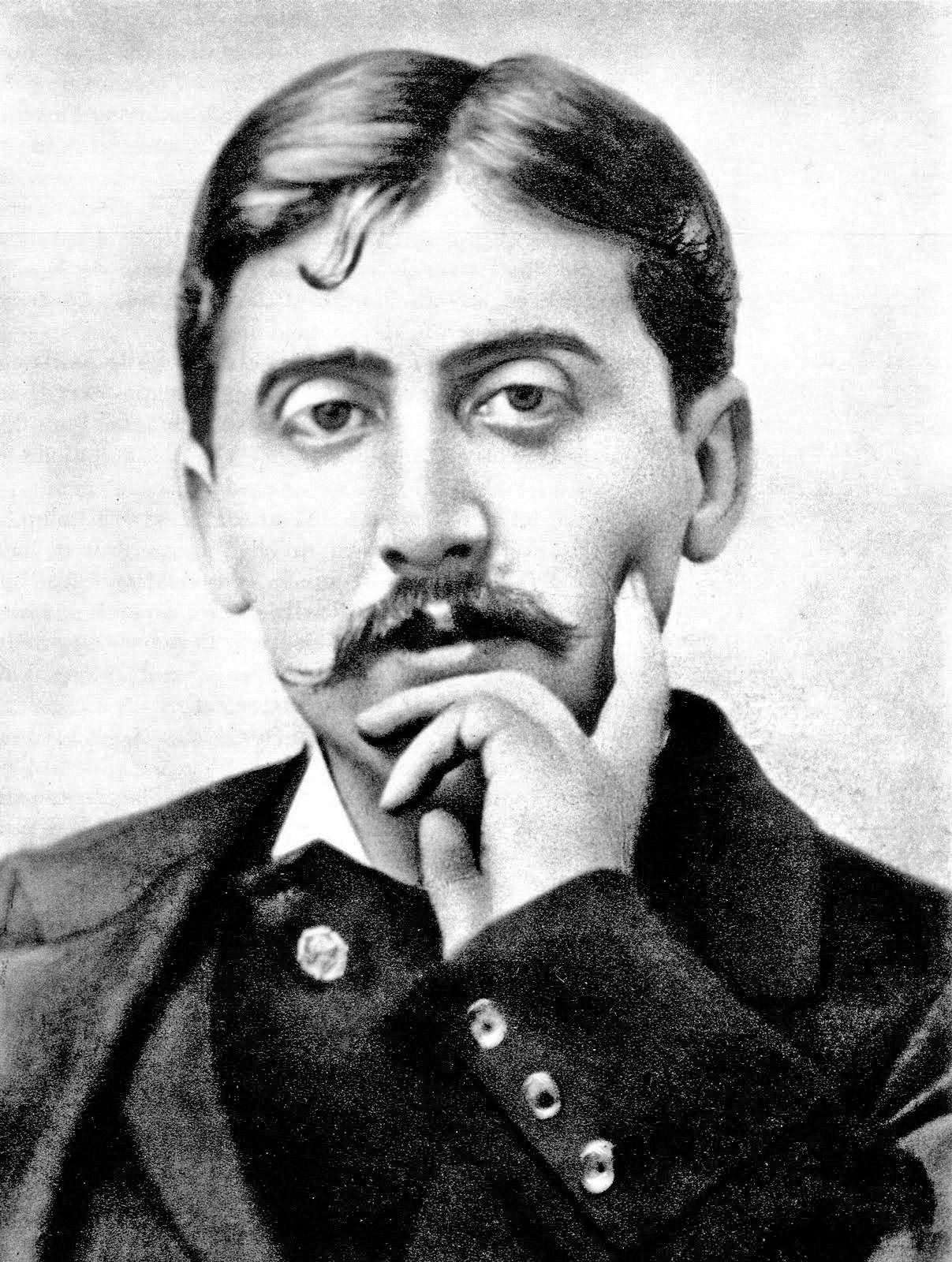
Marcel Proust’s “In Search of Lost Time” holds the Guinness World Record as the longest novel ever written, clocking in at 1.3 million words and 9,609,000 characters. Published between 1913 and 1927, it had a profound influence on many works that were to follow in the 20th century. The novel spans 13 volumes and follows the narrator’s journey through involuntary memory, exploring themes of time, loss, and human consciousness.
In some editions, the total page count is over 3000. Obviously, a book of 7,000 pages or even more is inconvenient to read in paper form. Many readers find themselves overwhelmed by the sheer volume, though literary scholars consider it one of the most important works of the 20th century.
War and Peace: Tolstoy’s Epic Canvas of Russian History
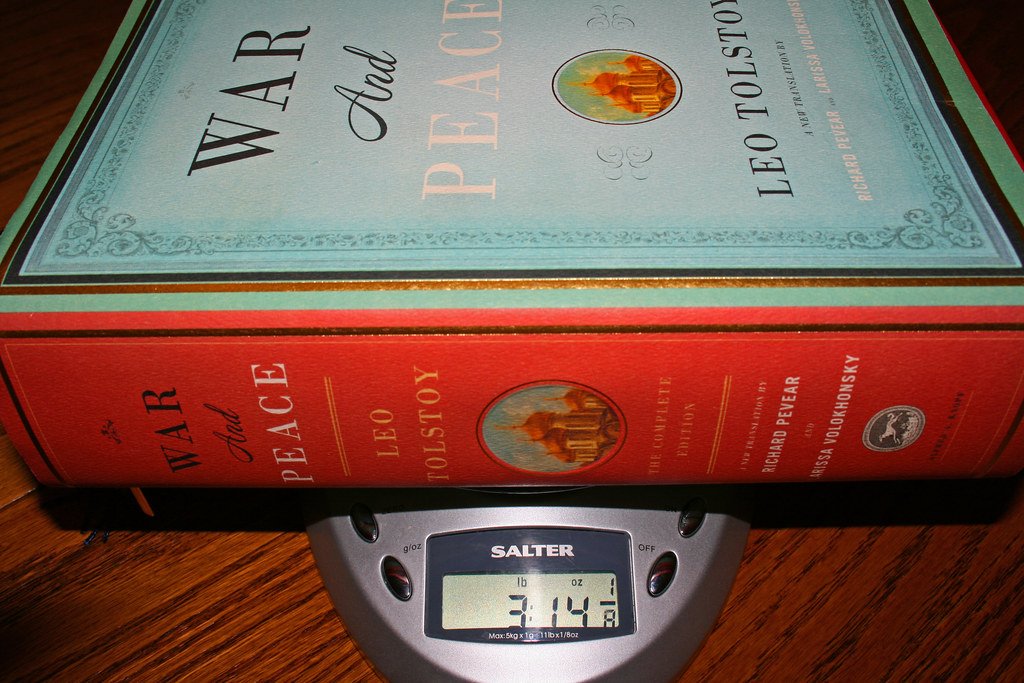
Leo Tolstoy first published War & Peace in 1869 as a Russian-language novel, chronicling Napoleon’s invasion of Russia and its impact on Tsarist society. Over its course, the reader learns about the stories of five aristocratic families, with Tolstoy dividing the book into five sections, many of which are not told in a traditional format. The novel alternates between intimate personal stories and sweeping historical analysis.
Large sections of the book are not conveyed as a narrative, but instead read as philosophical discussions. Tolstoy’s prose, even in translation, is transparent, and the author recedes into the background as his language magically transports you into Russia in the early 19th century. Despite its length, readers often find themselves completely immersed in the vivid world Tolstoy creates.
Les Misérables: Victor Hugo’s Social Commentary Epic
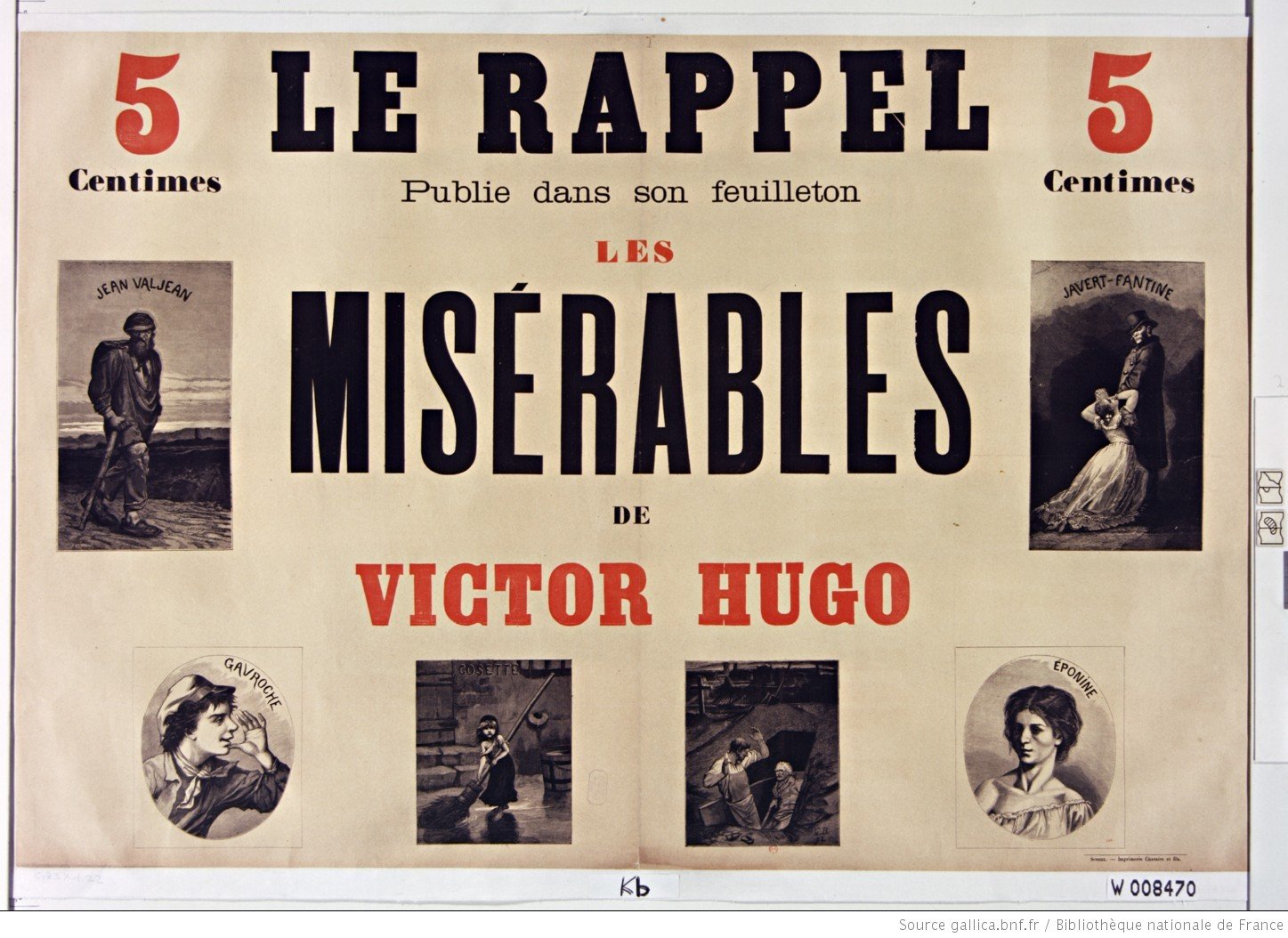
Victor Hugo’s “Les Misérables” stands as one of the most ambitious novels of the 19th century, weighing in at approximately 1,400 pages of dense social commentary wrapped in gripping narrative. The novel follows Jean Valjean’s journey from convict to redemption against the backdrop of revolutionary France. Hugo’s meticulous attention to historical detail and social conditions creates a panoramic view of French society.
The book’s length comes partly from Hugo’s tendency to include extensive digressions on topics ranging from the Battle of Waterloo to the Paris sewers. These sections, while historically fascinating, can test readers’ patience as they temporarily halt the main narrative. Many readers find themselves skipping these informational passages to return to the compelling character-driven story.
Anna Karenina: Tolstoy’s Masterpiece of Human Emotion
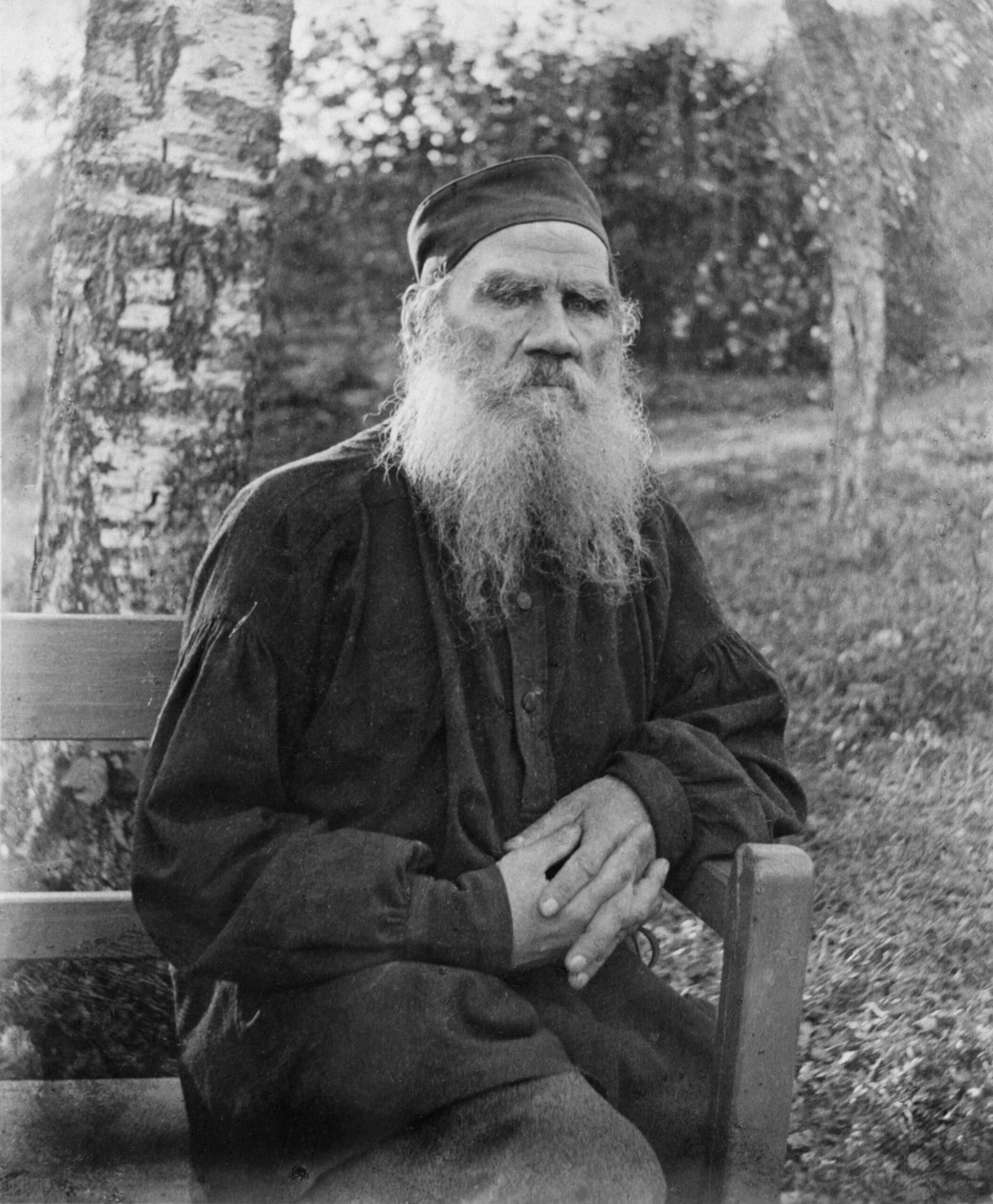
Leo Tolstoy’s “Anna Karenina” may be shorter than “War and Peace” at around 800 pages, but its emotional intensity and complex parallel storylines make it equally challenging to complete. The novel interweaves the tragic story of Anna’s affair with Count Vronsky and the spiritual journey of Konstantin Levin. Tolstoy’s psychological insight into his characters creates a deeply immersive but emotionally demanding reading experience.
The novel’s famous opening line, “Happy families are all alike; every unhappy family is unhappy in its own way,” sets the tone for a work that explores the depths of human relationships and moral complexity. Many readers find themselves emotionally drained by Anna’s tragic trajectory, making it difficult to maintain the reading momentum needed to complete such a substantial work.
Don Quixote: Cervantes’ Pioneering Novel
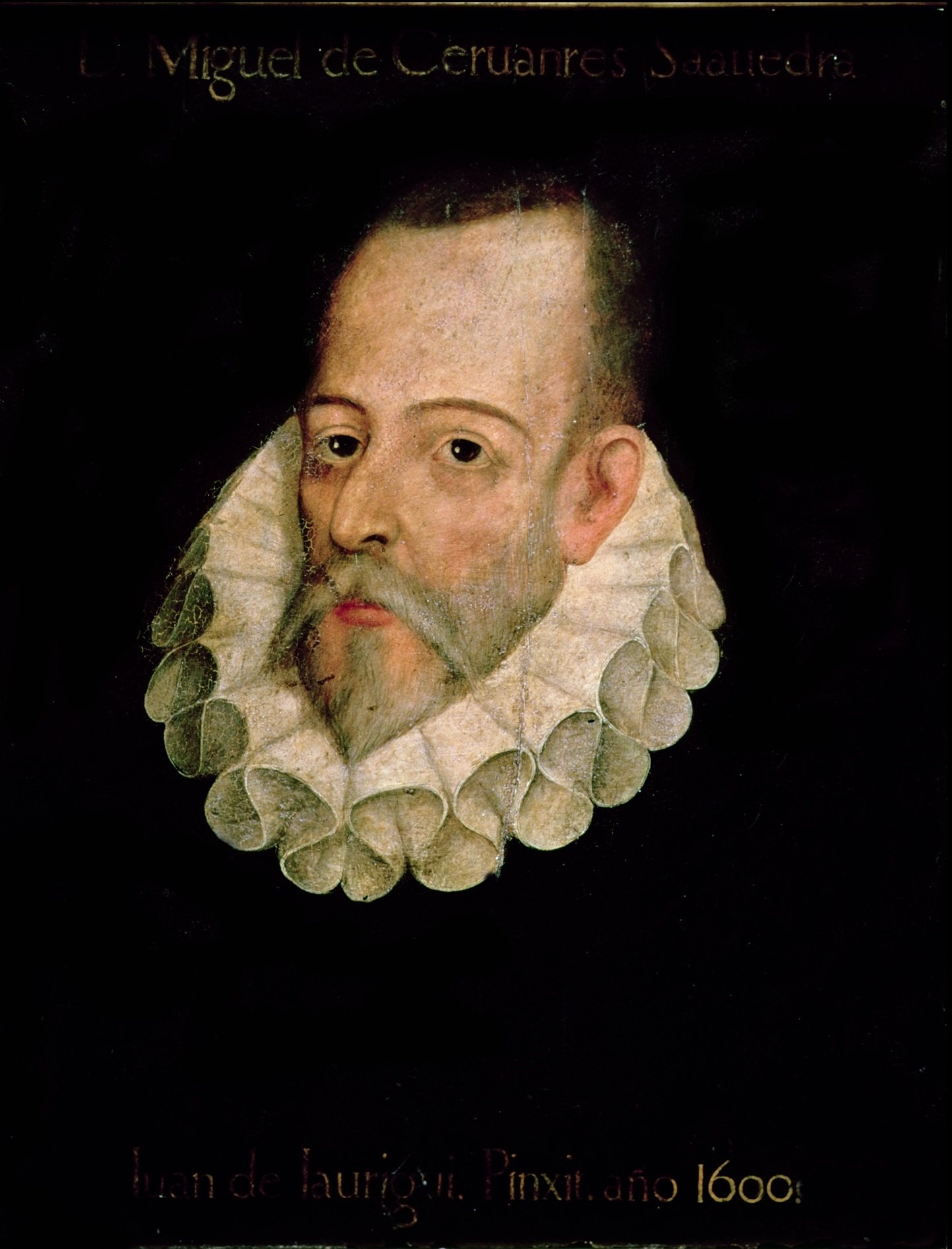
Miguel de Cervantes’ “Don Quixote,” published in two parts between 1605 and 1615, spans approximately 1,000 pages and is often considered the first modern novel. The story of the deluded knight-errant and his faithful squire Sancho Panza established many conventions of the novel form. However, its episodic structure and 17th-century prose style can challenge modern readers accustomed to tighter narrative construction.
The novel’s length comes from its picaresque structure, with numerous adventures and encounters that sometimes feel repetitive to contemporary readers. Cervantes’ satirical take on chivalric romances was groundbreaking for its time, but the cultural references and literary jokes may be lost on modern audiences. Many readers start with enthusiasm but find their interest waning as the adventures multiply without clear resolution.
The Count of Monte Cristo: Dumas’ Revenge Epic
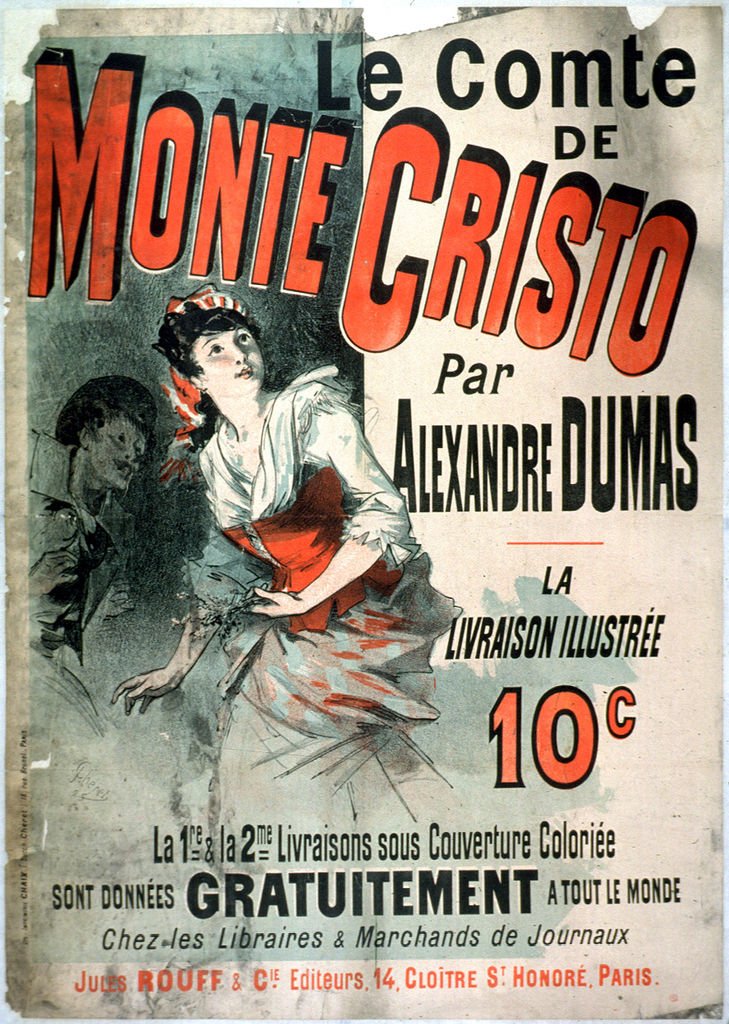
Alexandre Dumas’ “The Count of Monte Cristo” delivers approximately 1,200 pages of intricate plotting, revenge, and adventure. Originally published as a serial, the novel follows Edmond Dantès’ transformation from innocent sailor to vengeful count. The complex web of characters and multiple storylines creates a rich tapestry that can overwhelm readers trying to track all the connections.
Dumas’ serialized writing style means the novel contains numerous subplots and character diversions that served to maintain reader interest in the original magazine format. While this creates a richly detailed world, modern readers may find the pacing uneven and the numerous secondary characters difficult to follow. The novel’s length is both its strength and weakness – providing epic scope while testing reader endurance.
Middlemarch: George Eliot’s Provincial Epic

George Eliot’s “Middlemarch” presents nearly 900 pages of detailed psychological realism set in a fictional English town. The novel follows multiple interconnected storylines, primarily focusing on Dorothea Brooke’s idealistic nature and her unfortunate marriage to the pedantic scholar Casaubon. Eliot’s penetrating analysis of human motivation and social dynamics creates a dense, rewarding but challenging reading experience.
The novel’s subtitle, “A Study of Provincial Life,” accurately describes its comprehensive examination of 19th-century English society. Eliot’s philosophical approach to character development means that every action and decision is explored in detail, creating a slow-paced but deeply satisfying narrative. Many readers find themselves inspired by Eliot’s insights but exhausted by the constant psychological analysis.
Bleak House: Dickens’ Social Reform Novel
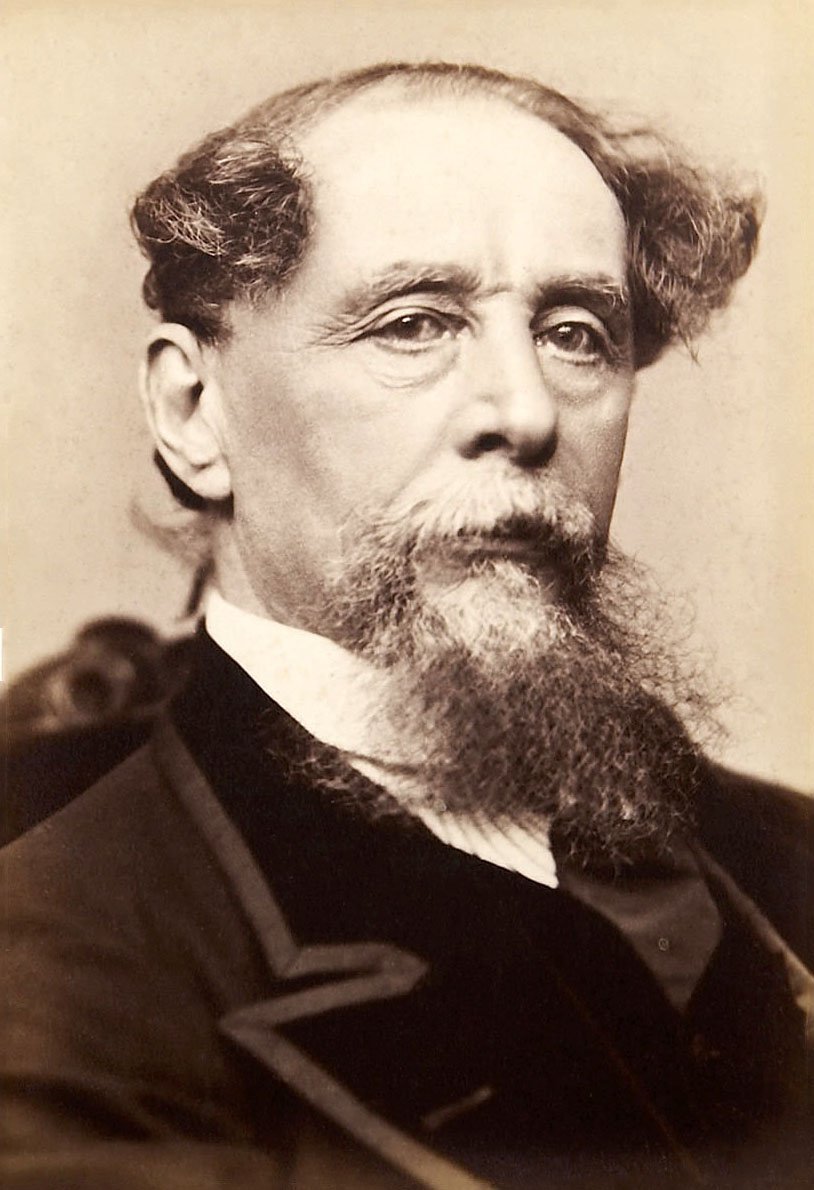
Charles Dickens’ “Bleak House” stretches across approximately 900 pages of Victorian social criticism wrapped in a compelling mystery. The novel attacks the British legal system through the endless case of Jarndyce and Jarndyce while following the stories of Esther Summerson and other characters caught in the web of legal bureaucracy. Dickens’ dual narrative structure, alternating between first and third person, adds complexity to an already dense plot.
Originally published in serial form, the novel contains the episodic structure typical of Dickens’ work, with numerous characters and subplots that can confuse readers. The author’s passion for social reform drives the narrative, but his tendency to include lengthy descriptions and satirical asides can slow the reading pace. Many readers find themselves lost in the labyrinthine legal proceedings that mirror the novel’s own complexity.
Ulysses: Joyce’s Modernist Masterpiece
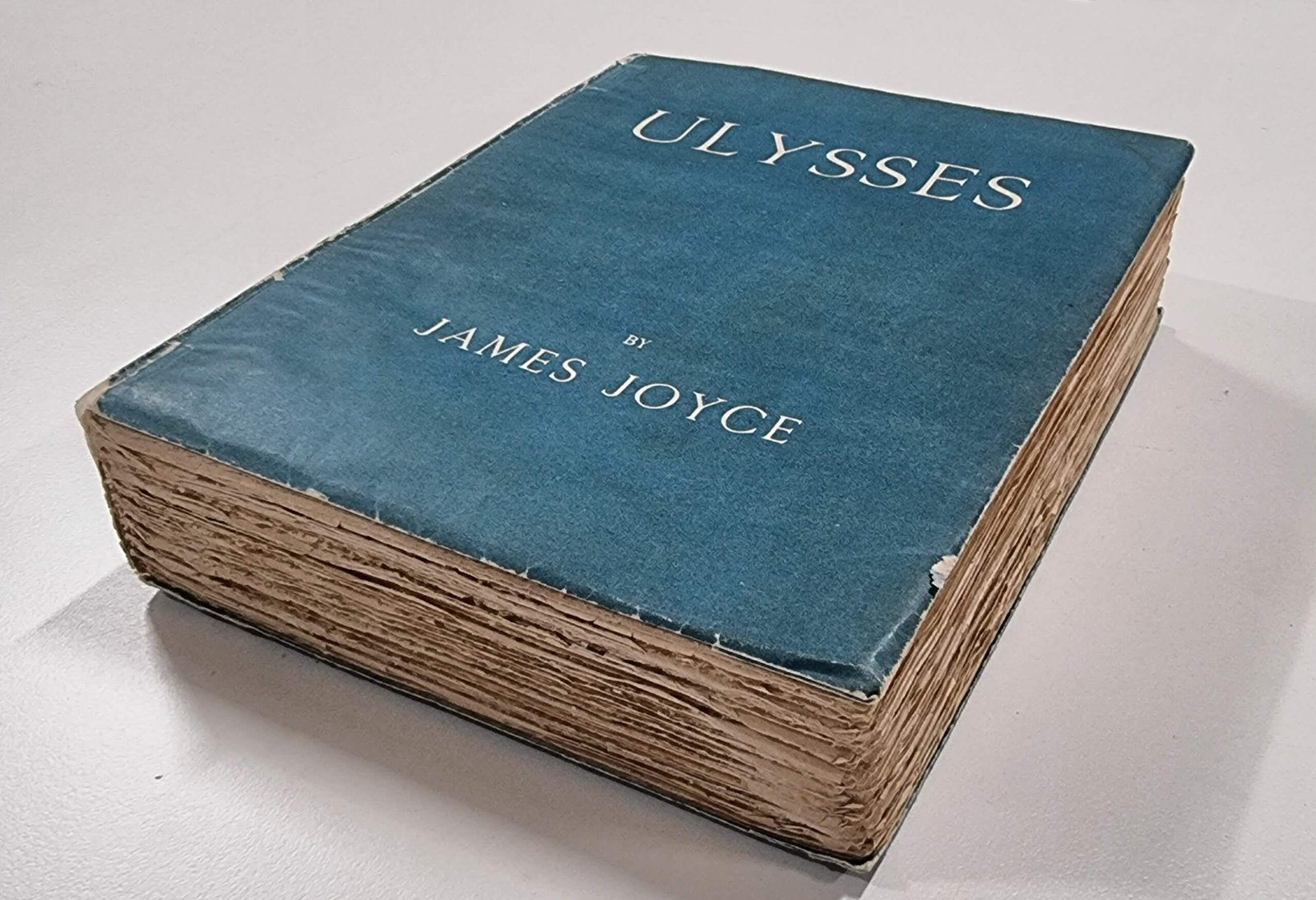
Joyce’s “Ulysses” presents unique challenges with its experimental narrative techniques and dense literary allusions. The prose magically transports readers into Dublin in the early 20th century, creating uncannily real, three-dimensional places and people. The novel follows Leopold Bloom through a single day in Dublin, using stream-of-consciousness techniques that mirror the workings of human thought.
Each chapter employs different narrative styles and literary techniques, from newspaper headlines to musical arrangements. The famous final chapter, Molly Bloom’s soliloquy, consists of unpunctuated stream-of-consciousness that challenges readers to follow her thoughts. Many readers find themselves consulting guides and annotations to understand Joyce’s complex literary references and experimental techniques.
Moby-Dick: Melville’s American Epic
![Moby-Dick: Melville's American Epic (image credits: [1], Public domain, https://commons.wikimedia.org/w/index.php?curid=64669)](https://festivaltopia.com/wp-content/uploads/2025/07/1752503932888_Herman_melville.jpg)
Herman Melville’s “Moby-Dick” combines adventure narrative with encyclopedic information about whaling, creating a unique but challenging reading experience. The novel alternates between thrilling action sequences and detailed technical chapters about whale anatomy and whaling practices. Captain Ahab’s obsessive quest for the white whale provides the driving narrative, but Melville’s digressions into whaling lore can test readers’ patience.
The novel’s famous opening, “Call me Ishmael,” promises a straightforward adventure story, but readers soon discover Melville’s philosophical ambitions and scientific interests. Entire chapters are devoted to whale classification and whaling procedures, creating a comprehensive but potentially overwhelming portrait of 19th-century whaling culture. Many readers find themselves skipping these technical sections to return to the compelling human drama.
Infinite Jest: Wallace’s Postmodern Challenge
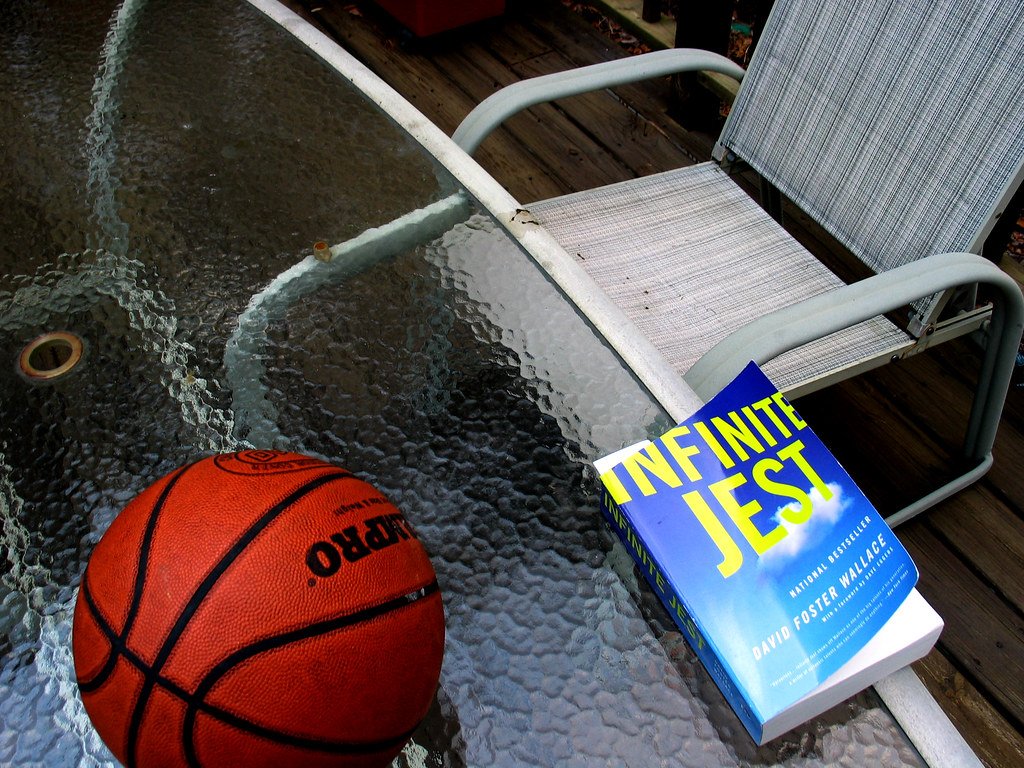
Infinite Jest is typically regarded as difficult reading, due partly to its narrative structure, but mostly because of its length at 1,079 pages. The novel has an unconventional narrative structure and includes hundreds of extensive endnotes, some with footnotes of their own, yet it became a literary fiction bestseller after selling 44,000 hardcover copies in its first year. The book requires readers to navigate between the main text and extensive footnotes, creating a unique but challenging reading experience.
The secret is that it’s not really that difficult, but like Ulysses, this book has a big reputation for eating people alive and being impossible to read. There’s a lot of French and Latin, along with scientific, sporting, pharmacological and geographical knowledge. Many readers find themselves struggling past the halfway point, with some questioning whether they have the stamina to continue.
Atlas Shrugged: Rand’s Philosophical Epic
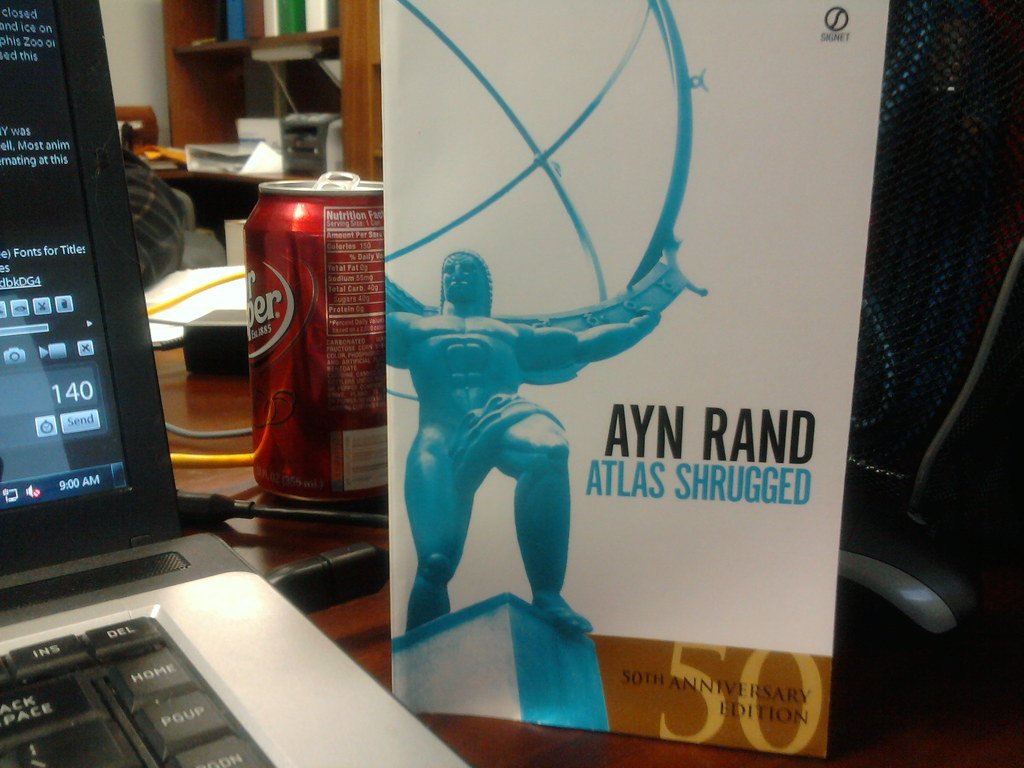
Ayn Rand’s “Atlas Shrugged” presents approximately 1,200 pages of philosophical argument disguised as a dystopian novel. The story follows Dagny Taggart and other industrialists as they struggle against increasing government regulation and social decay. Rand’s objectivist philosophy drives the narrative, but her tendency to include lengthy philosophical speeches can challenge readers’ patience.
The novel’s most famous section, John Galt’s radio speech, runs for nearly 100 pages of uninterrupted philosophical exposition. While Rand’s admirers find these passages inspiring, many readers find themselves overwhelmed by the repetitive arguments and cardboard characters. The novel’s length serves Rand’s didactic purposes but can exhaust readers who came for the story rather than the philosophy.
Gravity’s Rainbow: Pynchon’s Postmodern Puzzle
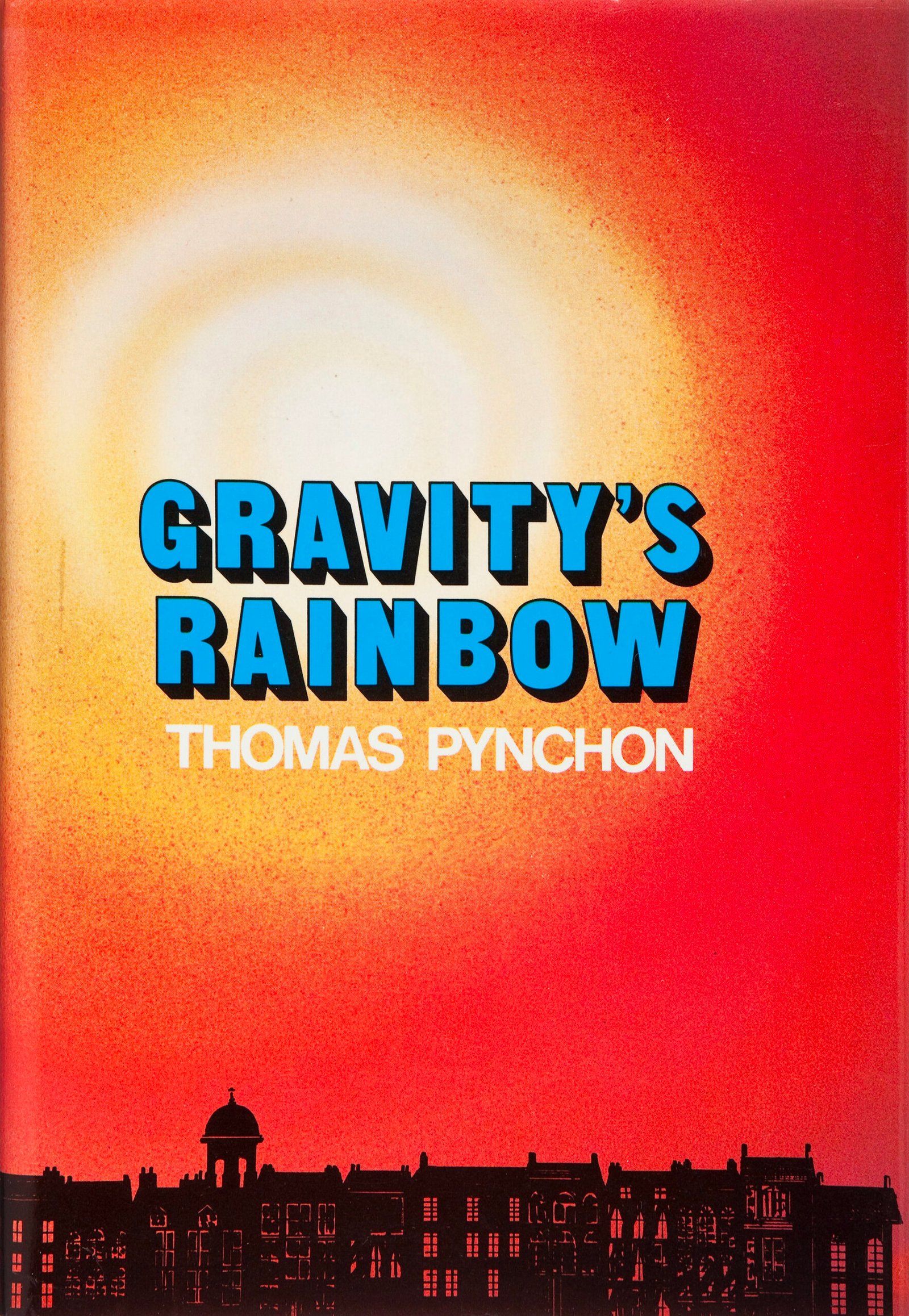
Thomas Pynchon’s “Gravity’s Rainbow” spans approximately 800 pages of dense, allusive prose that challenges readers with its complex structure and encyclopedic references. The novel follows multiple characters through World War II and its aftermath, weaving together themes of paranoia, technology, and entropy. Pynchon’s paranoid style and obsession with conspiracy theories create a disorienting reading experience.
The novel’s fragmented structure and obscure references make it difficult to follow a clear narrative thread. Pynchon includes references to everything from rocket science to pop culture, creating a demanding intellectual puzzle. Many readers find themselves consulting guides and annotations to understand the novel’s complex web of allusions and symbolic meanings.
The Recognitions: Gaddis’ Ambitious Debut

William Gaddis’ “The Recognitions” presents nearly 900 pages of densely allusive prose that explores themes of authenticity and forgery in modern culture. The novel follows multiple characters through the art world and beyond, examining how authenticity becomes increasingly difficult to determine in contemporary society. Gaddis’ fragmented narrative style and extensive cultural references create a challenging but rewarding reading experience.
The novel’s length comes from Gaddis’ comprehensive examination of cultural decay and artistic authenticity. His characters engage in lengthy philosophical discussions about art, religion, and modern life, creating a dense intellectual atmosphere. Many readers find themselves overwhelmed by the novel’s academic tone and extensive literary allusions, despite its reputation as a masterpiece of American literature.
2666: Bolaño’s Sprawling Testament

Roberto Bolaño’s “2666” presents approximately 900 pages divided into five interconnected parts that explore violence, literature, and human nature. The novel follows academics searching for a mysterious German writer, eventually leading to the horrific femicides in a fictional Mexican border town. Bolaño’s unflinching examination of violence and cultural decay creates a disturbing but compelling reading experience.
The novel’s structure allows each section to function as a separate novella while contributing to the overall narrative. Bolaño’s matter-of-fact presentation of extreme violence can be emotionally exhausting for readers, while his literary references and philosophical meditations add intellectual complexity. Many readers find themselves struggling with the novel’s dark subject matter and demanding length.
Underworld: DeLillo’s American Epic

David Foster Wallace’s Infinite Jest (1996) and Don DeLillo’s Underworld (1996) are each a great writer’s take on the state of American culture at the end of the 20th Century. DeLillo’s novel spans approximately 800 pages of fragmented storytelling that traces American culture from the 1950s to the 1990s. The novel begins with a famous baseball game and expands into a comprehensive examination of Cold War America.
DeLillo’s fragmented narrative style and obsession with popular culture create a challenging reading experience. The novel jumps between different time periods and characters, requiring readers to piece together the connections between various storylines. Many readers find themselves lost in DeLillo’s postmodern techniques and extensive cultural commentary, despite the novel’s critical acclaim.
Jerusalem: Moore’s Experimental Epic

Alan Moore’s “Jerusalem” presents approximately 1,200 pages of experimental narrative that blends fantasy, history, and autobiography. The novel follows multiple generations of Moore’s family and neighbors in Northampton, England, using various narrative techniques from different time periods. Moore’s ambitious scope and experimental style create a unique but challenging reading experience.
The novel’s experimental structure includes sections written in different historical periods’ styles, from medieval to modern. Moore’s tendency to include lengthy philosophical meditations and supernatural elements can confuse readers expecting a conventional narrative. Many readers find themselves overwhelmed by the novel’s ambitious scope and experimental techniques, despite Moore’s reputation as a master storyteller.
The Man Without Qualities: Musil’s Unfinished Monument

Robert Musil’s “The Man Without Qualities” presents approximately 1,700 pages of philosophical meditation disguised as a novel about pre-World War I Austria. The unfinished work follows Ulrich, a man without qualities, as he navigates Viennese society and contemplates the nature of modern existence. Musil’s intellectual approach and satirical tone create a demanding but rewarding reading experience.
The novel’s unfinished state adds to its challenge, as Musil died before completing his ambitious project. His tendency to include lengthy philosophical discussions and satirical observations can slow the reading pace to a crawl. Many readers find themselves fascinated by Musil’s insights but exhausted by the novel’s intellectual demands and lack of conventional plot development.
The Books of Jacob: Tokarczuk’s Historical Epic

Olga Tokarczuk’s “The Books of Jacob” spans approximately 900 pages of historical fiction that follows the controversial 18th-century Jewish mystic Jacob Frank. The novel examines religious and cultural conflicts in 18th-century Poland through multiple perspectives and narrative techniques. Tokarczuk’s ambitious scope and complex characterization create a rich but challenging reading experience.
The novel’s multiple narrators and historical complexity require readers to navigate different religious and cultural perspectives. Tokarczuk’s detailed historical research and philosophical approach can overwhelm readers unfamiliar with 18th-century European history. Many readers find themselves consulting historical references to understand the novel’s complex religious and political conflicts.
The Lord of the Rings: Tolkien’s Fantasy Epic
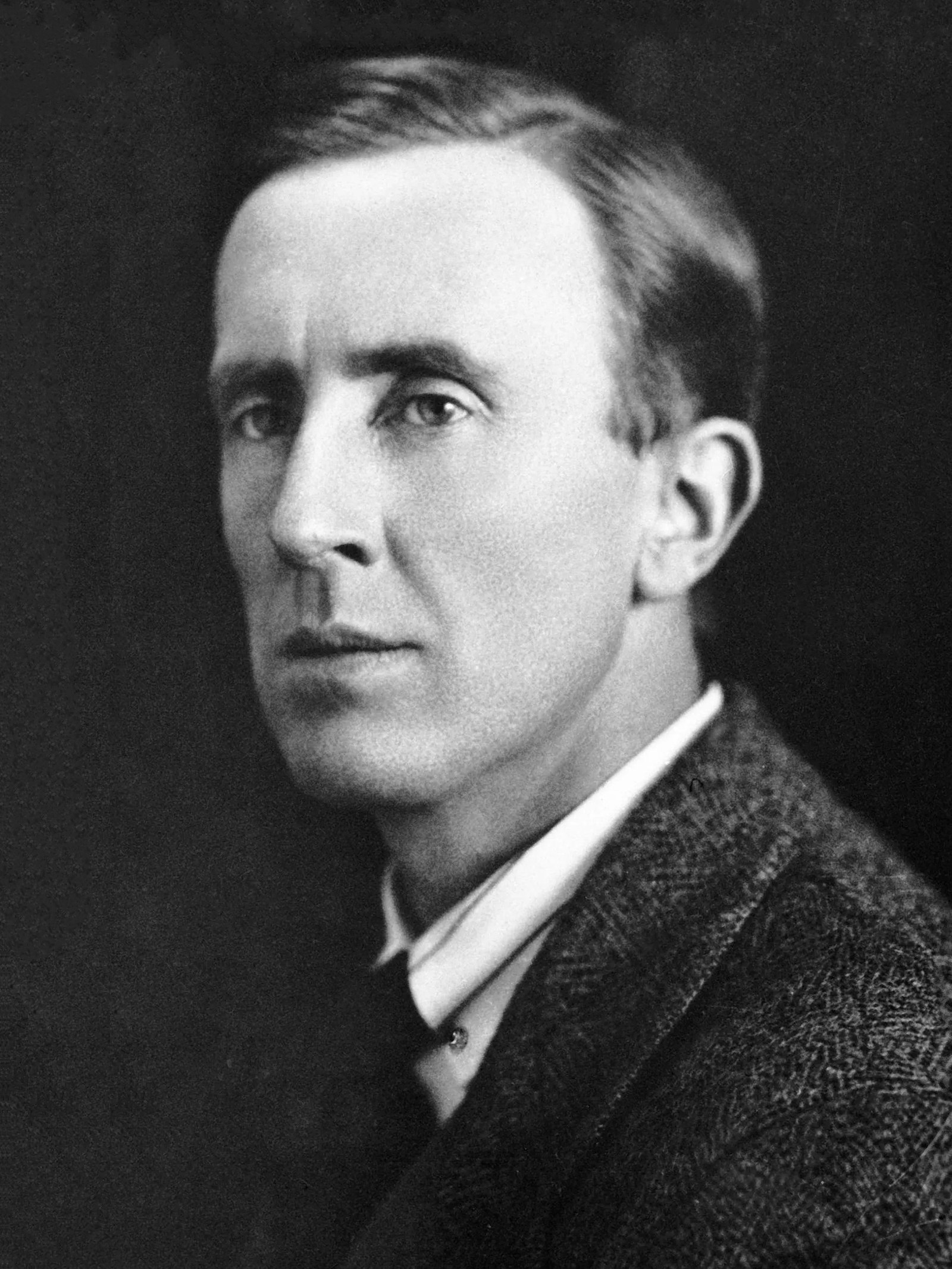
The Lord of the Rings by J.R.R. Tolkien combines to 576,459 words, while the Harry Potter series by J.K. Rowling totals 1,084,170 words. Tolkien’s epic fantasy follows Frodo’s quest to destroy the One Ring, creating a comprehensive secondary world with its own languages, histories, and cultures. The novel’s detailed world-building and epic scope create an immersive but demanding reading experience.
Tolkien’s academic background in linguistics and medieval literature influences his detailed approach to fantasy world-building. The novel includes extensive appendices covering languages, genealogies, and historical timelines that can overwhelm casual readers. Many readers find themselves lost in Tolkien’s detailed descriptions and lengthy exposition, despite the compelling adventure story.
The Wheel of Time: Jordan’s Fantasy Marathon
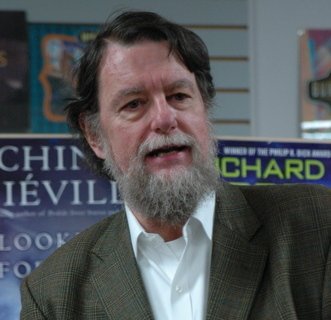
The Wheel of Time series by Robert Jordan contains approximately 4.4 million words total. The epic fantasy series follows multiple characters through a world where magic exists and prophesied events shape destiny. Jordan’s detailed world-building and complex political intrigue create an immersive but overwhelming reading experience across 14 main volumes.
The series’ length comes from Jordan’s comprehensive approach to fantasy world-building, including detailed descriptions of cultures, politics, and magical systems. His tendency to include multiple plot threads and extensive character development can challenge readers’ ability to track the various storylines. Many readers find themselves overwhelmed by the series’ scope and complexity, despite its passionate fanbase.
Malazan Book of the Fallen: Erikson’s Complex Fantasy

The Malazan Book of the Fallen series by Steven Erikson contains approximately 3.3 million words. The ten-book series presents a complex fantasy world with multiple converging storylines and extensive cast of characters. Erikson’s military background and anthropological training create a realistic but challenging approach to fantasy literature.
The series’ complexity comes from Erikson’s tendency to begin stories in medias res without extensive exposition, requiring readers to piece together the world’s history and mythology. His realistic approach to war and violence can be emotionally challenging, while the extensive cast of characters can overwhelm readers. Many readers find themselves consulting fan wikis and guides to understand the complex mythology and character relationships.
The Stand: King’s Post-Apocalyptic Epic
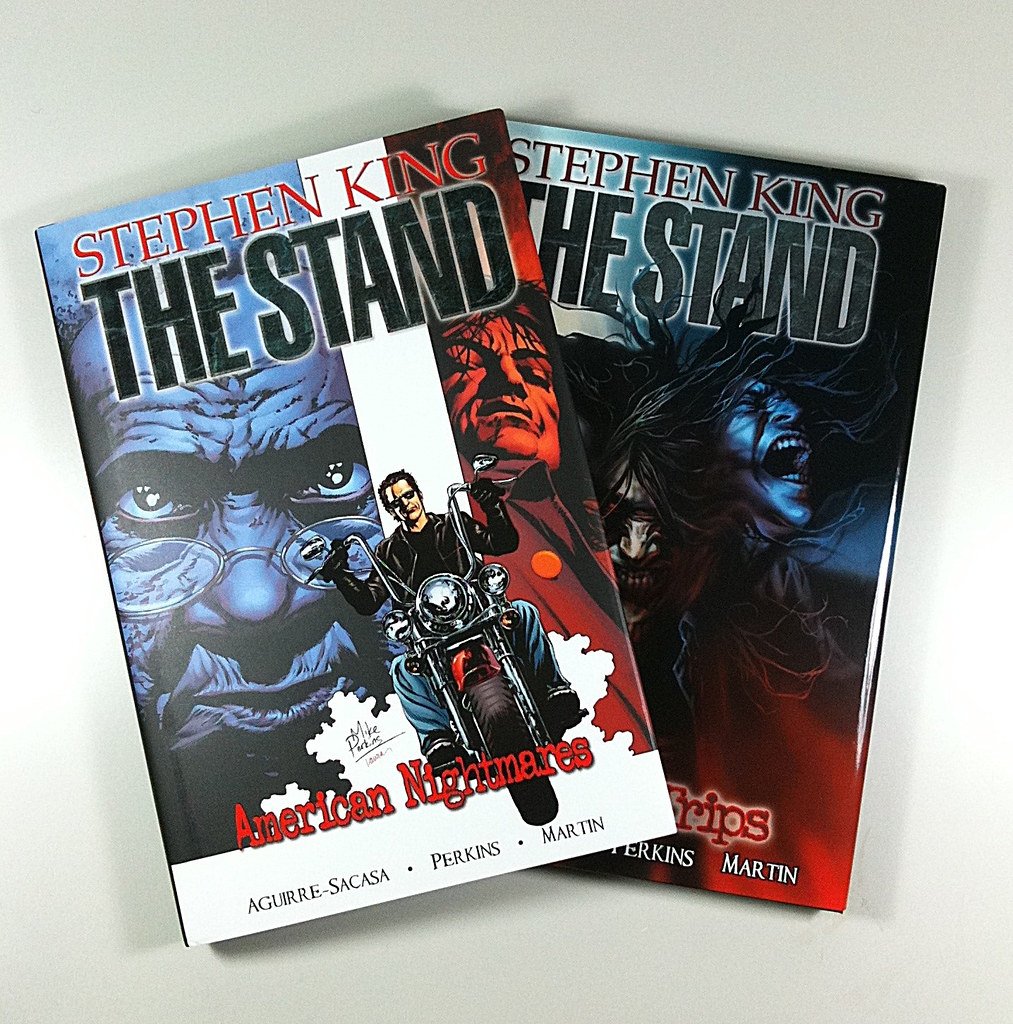
Stephen King’s “The Stand” (Uncut Edition) presents approximately 1,150 pages of post-apocalyptic horror that follows survivors of a devastating plague. The novel combines horror, fantasy, and social commentary in King’s characteristic style. The extended version includes additional character development and plot details that enhance but also complicate the reading experience.
King’s tendency to include extensive character backstories and multiple plot threads can slow the novel’s pacing. His detailed approach to character development creates compelling individuals but can overwhelm readers with information. Many readers find themselves attached to characters who may not survive the novel’s apocalyptic events, creating emotional investment that makes the lengthy reading experience both rewarding and challenging.
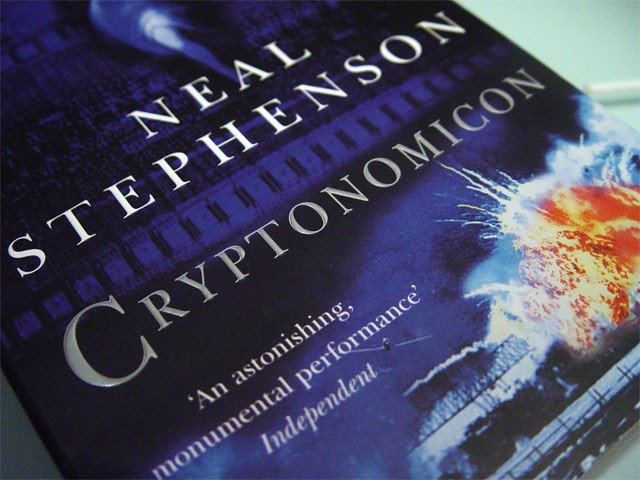
Cryptonomicon: Stephenson’s Technical Epic
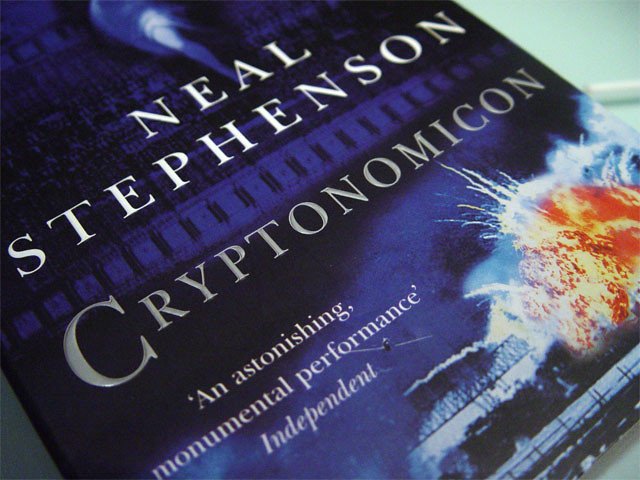
Neal Stephenson’s “Cryptonomicon” presents approximately 900 pages of technical detail combined with historical fiction and contemporary thriller elements. The novel alternates between World War II codebreakers and modern-day computer programmers, exploring themes of cryptography, technology, and information. Stephenson’s technical expertise creates an intellectually demanding reading experience.
The novel’s length comes from Stephenson’s detailed explanations of cryptographic techniques and computer programming concepts. His tendency to include extensive technical exposition can overwhelm readers without scientific

Besides founding Festivaltopia, Luca is the co founder of trib, an art and fashion collectiv you find on several regional events and online. Also he is part of the management board at HORiZONTE, a group travel provider in Germany.
