

For any feedback please reach out to info@festivalinside.com
Some events are exactly what they look like on the poster. Then there are the ones that got so out of hand, so unexpectedly beautiful, or so catastrophically wrong, that the entire festival world had to stop and recalibrate. These are the moments that became case studies, cautionary tales, and cultural turning points all at once. Some of them you think you know. But there are details buried in the archives and investigation reports that most people never heard about. Let’s dive in.
1. Woodstock 1969: 400,000 Strangers Share Three Days of Mud and Music
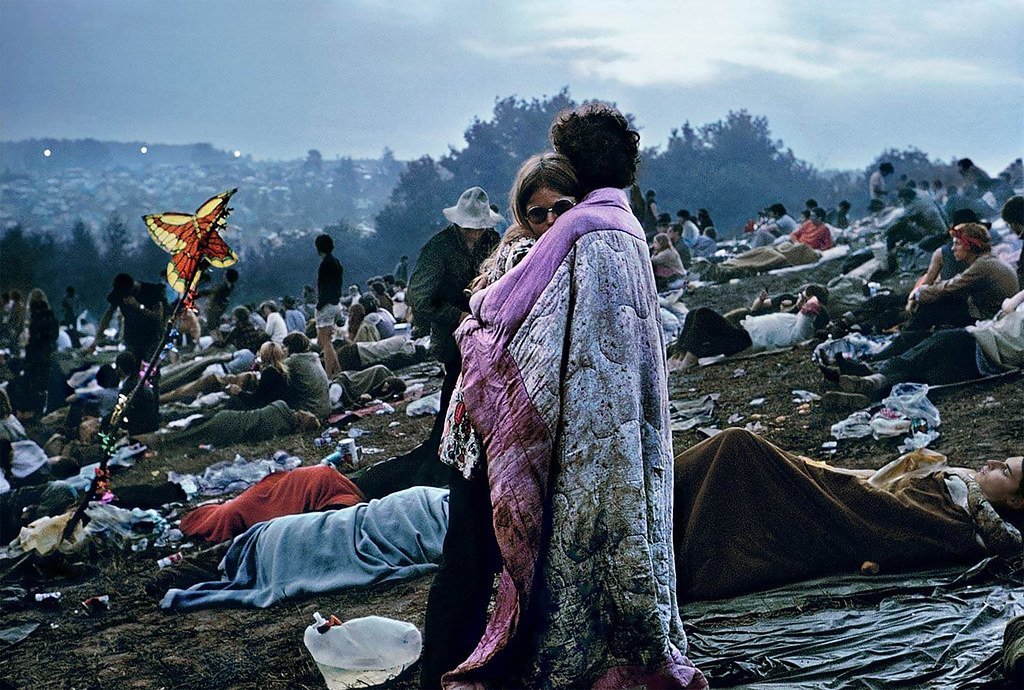
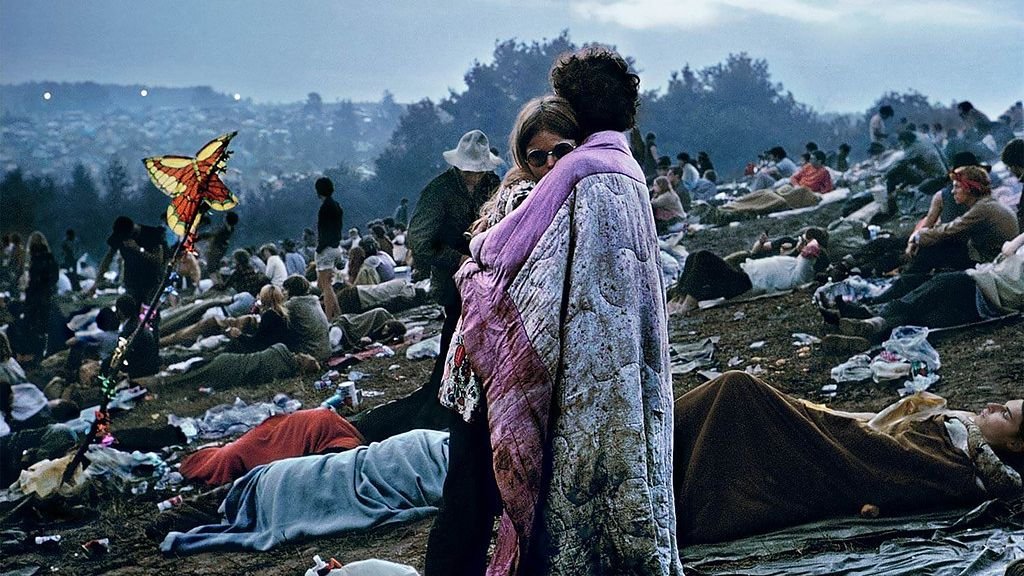
The Woodstock Music Festival, held in August 1969 in Bethel, New York, attracted an estimated 400,000 attendees, far exceeding initial expectations. Though fondly viewed through the prism of history as a creative flowering of love and peace, the festival was declared a disaster area at the time by New York Governor Nelson Rockefeller. Organizers failed to construct fencing and ticket booths in time, roads became impassable for miles around, and food and water quickly ran out, forcing the Army to airlift in supplies. Jimi Hendrix closed the festival with a now-iconic electric rendition of the “Star-Spangled Banner,” played to a fraction of the original crowd but later seen as a radical statement. Janis Joplin delivered raw, soulful vocals that reinforced her reputation as a powerhouse despite rain and fatigue, and Santana stunned listeners with Latin-tinged blues-rock, with their set helping launch the band into mainstream recognition.
2. Altamont Free Concert 1969: The Night the 1960s Died
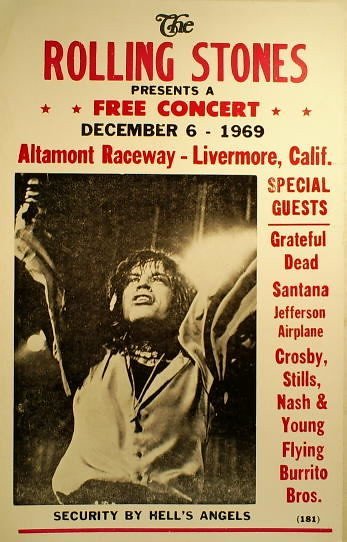
On December 6, 1969, more than 300,000 people gathered at the Altamont Speedway in Livermore, California, for an all-day festival billed as “The West Coast Woodstock.” It was supposed to be an extension of the “peace and music” mantra marketed by Woodstock four months earlier, but the trouble began early and would not abate. The Rolling Stones and the Grateful Dead had hired the Hell’s Angels to perform security for the show and paid the motorcycle gang with $500 worth of beer – a foolish, tragic mistake. Four people died at Altamont: one from drowning, two from a hit-and-run driver, and the most notorious fatality was 18-year-old Meredith Hunter, whose death overshadowed the others. Altamont has since gone down in history as “the end of the 1960s,” meaning that the decade’s association with positive change had been an illusion.
3. Jimi Hendrix Closes Woodstock Playing to a Skeleton Crowd
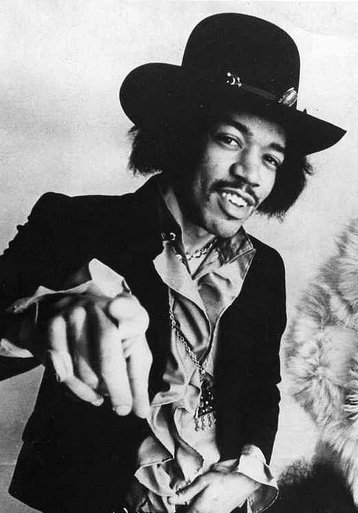
Heavy traffic, stage setbacks, and storms pushed many acts into odd hours and longer-than-planned runs, with organizers repeatedly revising the running order. Some performers started before full light, while others played into the early morning, meaning artists like Richie Havens opened for far larger crowds than expected, turning his improvised, extended set into an emblematic moment. Deep into his set, Hendrix played his iconic version of the “Star-Spangled Banner,” ending three and a half days of music with one of the most enduring and iconic images of the 1960s. The music’s legacy grew through recordings and film, which captured the raw, uneven, and transcendent nature of many sets, with the documentary footage amplifying performances and cementing specific sets as cultural touchstones.
4. Live Aid 1985: One Concert, One Billion Viewers, and One Planet Changed
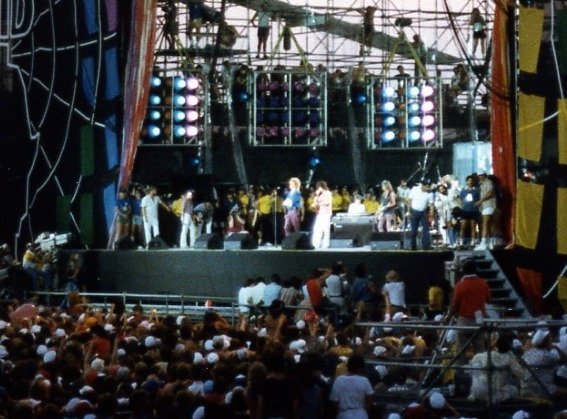
On July 13, 1985, at Wembley Stadium in London, Prince Charles and Princess Diana officially opened Live Aid, continued at JFK Stadium in Philadelphia. The 16-hour “superconcert” was globally linked by satellite to more than a billion viewers in 110 nations and, in a triumph of technology and goodwill, raised more than $100 million in famine relief for Africa. Freddie Mercury powered through a condensed set of Queen’s greatest hits, displaying a combination of superb vocal range, multi-instrumental mastery, and remarkable stage presence – a performance so iconic it was re-created down to Mercury’s mannerisms for the 2018 film “Bohemian Rhapsody.” Phil Collins performed at both Wembley Stadium and JFK, travelling from Wembley by helicopter to London Heathrow Airport, then took a British Airways Concorde flight to New York City, before taking another helicopter to Philadelphia, where he also played the piano for Sting in London and drums for Eric Clapton.
5. Bono Jumps Into the Wembley Crowd During “Bad” at Live Aid
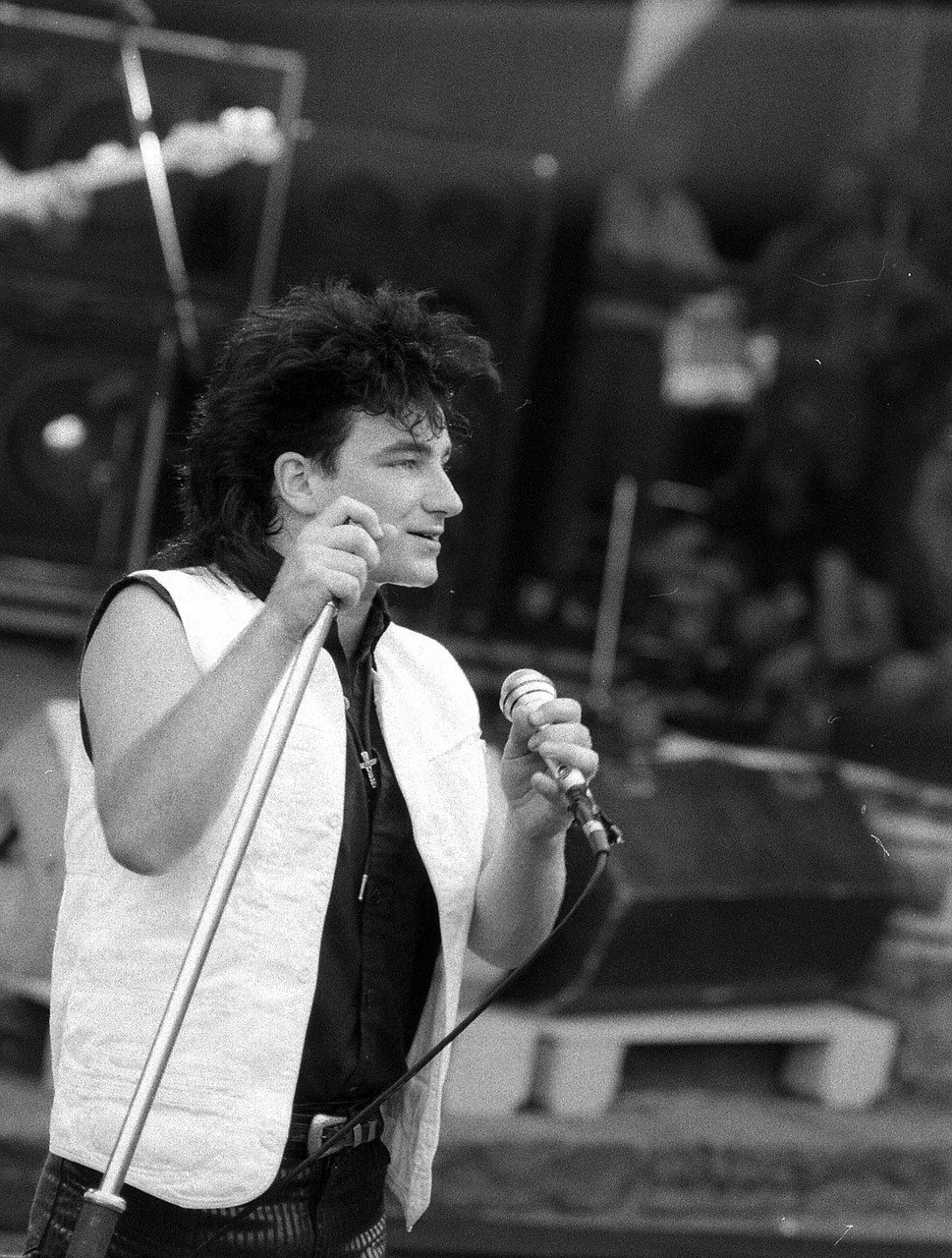
U2 devoted 12 minutes of its allotted time to its anthem “Bad,” and lead singer Bono spent much of that time directly interacting with the Wembley crowd. During the song, Bono climbed out into the crowd and wrapped his arms around a female fan, creating a sense of intimacy in a massive audience, both in the stadium and those watching around the world – an act that cemented U2’s image as a band that could make the big dramatic stadium gesture that feels personal. Live Aid had a profound impact on the music industry and popular culture, not only raising over £125 million for famine relief but also serving as a catalyst for subsequent benefit concerts and charity initiatives.
6. The Who Concert Tragedy in Cincinnati, 1979
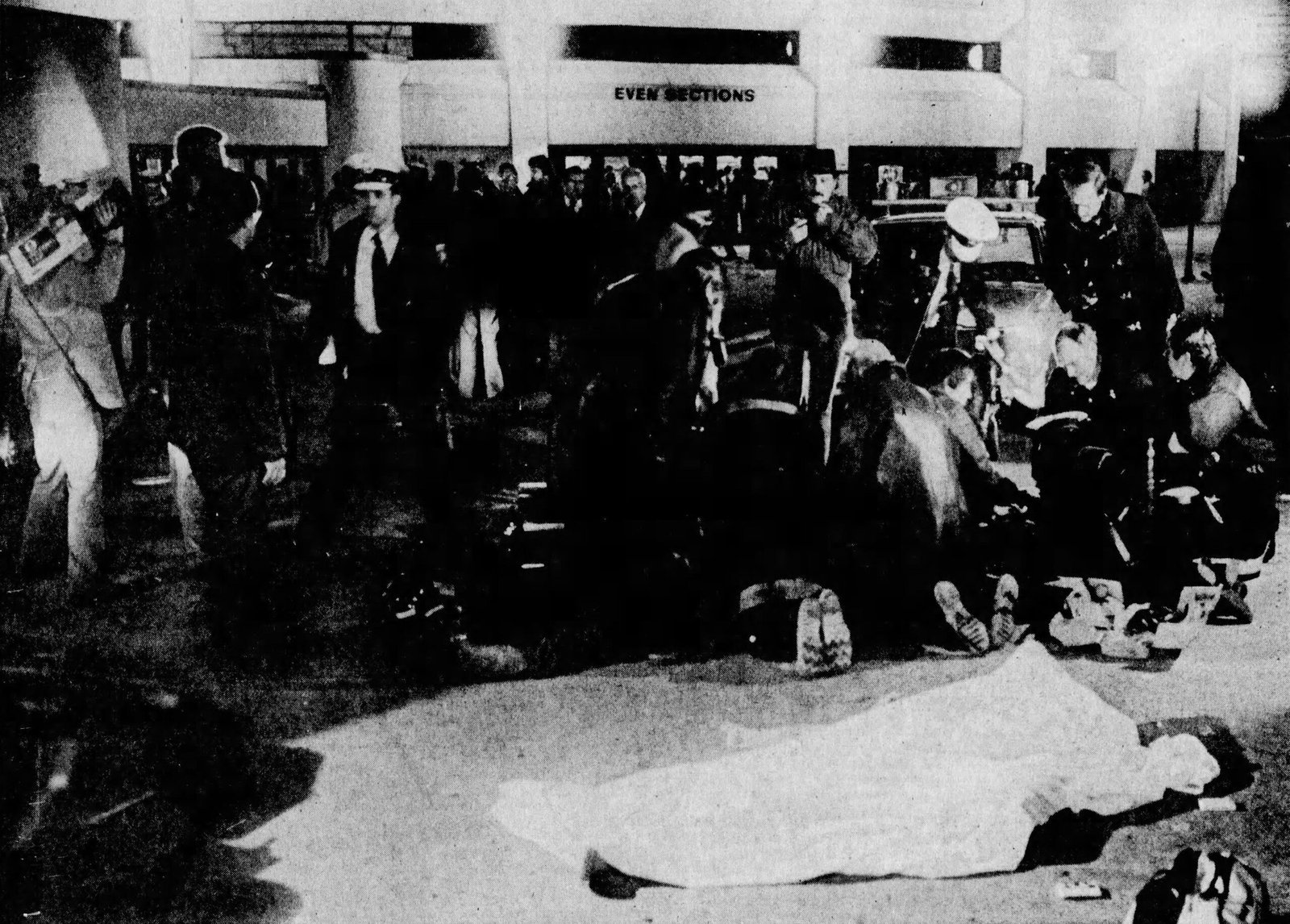
During the US leg of their 1979 world tour, The Who played to a sold-out crowd at Riverfront Coliseum in Cincinnati on December 3. A swell of would-be concertgoers outside the venue’s entry doors, only two of which were open early, resulted in a crowd crush that killed 11 people, several of whom were teenagers, and injured at least 26 others. The following night, news anchor Walter Cronkite led a lengthy segment on the CBS Evening News about violence at rock concerts, making the tragedy a national conversation overnight. Cincinnati didn’t even allow a general-admission floor event for decades afterward, until a 2002 Bruce Springsteen concert.
7. Roskilde Festival 2000: Nine Fans Die During Pearl Jam’s Set
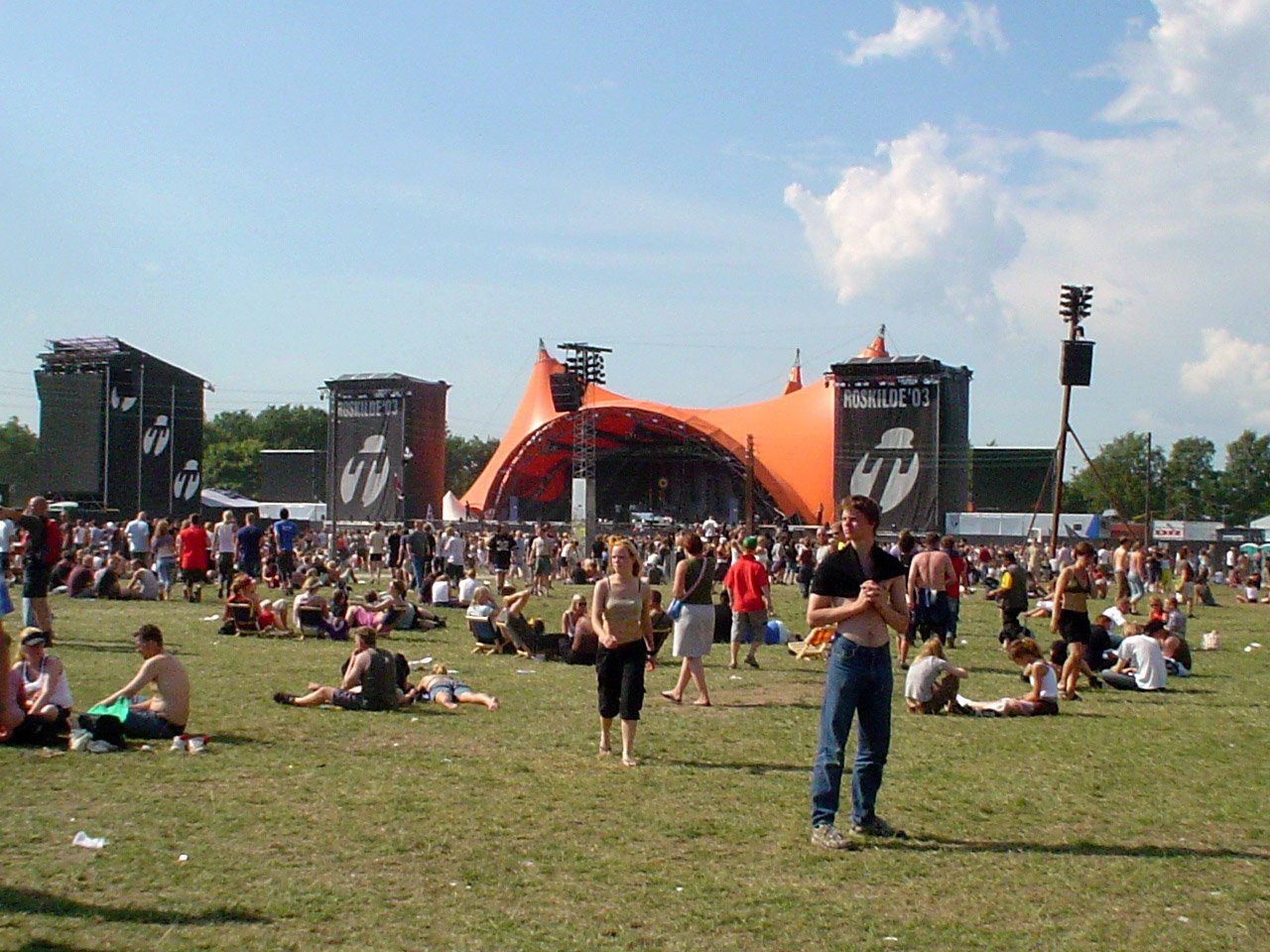
During Pearl Jam’s concert at the Orange Stage on June 30, 2000, a crowd crush occurred. Nine people died and twenty-six were injured, three of them seriously. About half an hour after the concert began, many people fell at one place, primarily due to a series of wave-like motions in the audience from some trying to get closer to the stage, and crowd surfers fell into the compressed space. The band was devastated by the tragedy, with lead singer Eddie Vedder breaking down on stage when he realized what was happening, and they immediately stopped their performance and helped coordinate rescue efforts. In the aftermath, a safety network of European festivals and concerts called the “YES Group” was started, and crowd surfing was subsequently forbidden at many festivals in Europe.
8. Woodstock ’99: Peace, Love, and Literal Arson
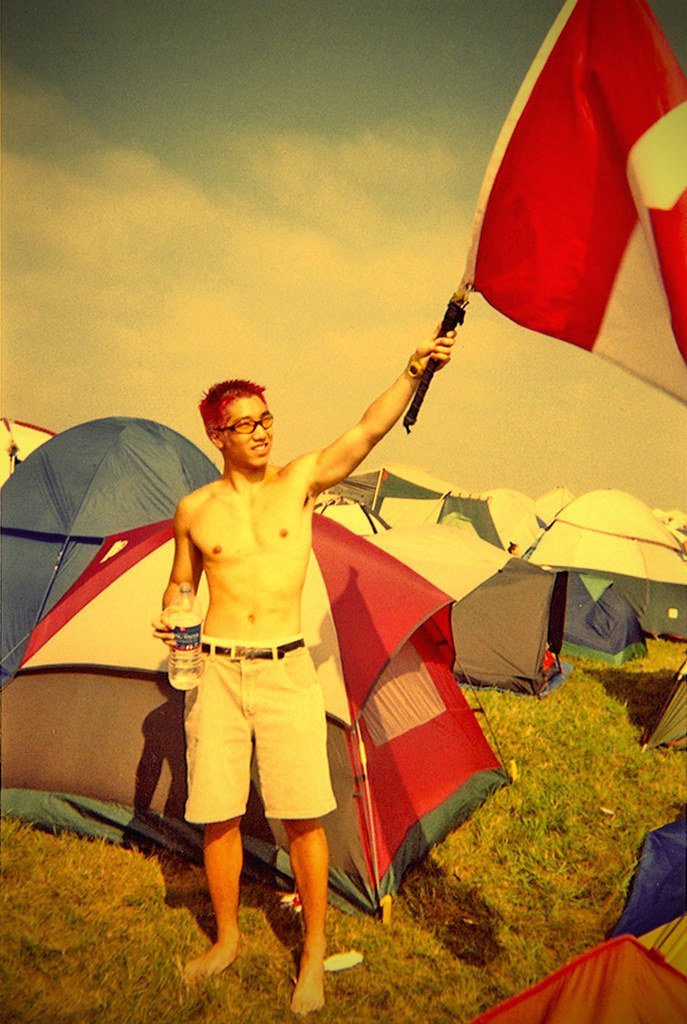
In 1999, a music festival in upstate New York became a social experiment, with riots, looting, and numerous assaults, all set to a soundtrack of the era’s most aggressive rock bands – incredibly, this was the third iteration of Woodstock, a festival originally known for peace, love, and hippie idealism. On the final night, as the Red Hot Chili Peppers played Jimi Hendrix’s “Fire,” attendees set fires all around the festival grounds. It wasn’t just a bonfire here and there – people were burning vendor tents, ATMs, and anything they could find, and the chaos quickly spiraled into looting and violence, with reports of sexual assaults and serious injuries. The three-day event in Rome, New York, was a horror show that culminated in a riot and fires on the final evening, and the organizers were hit with a flood of lawsuits in the weeks and months after the event.
9. Fyre Festival 2017: The Con That Became a Cultural Reckoning
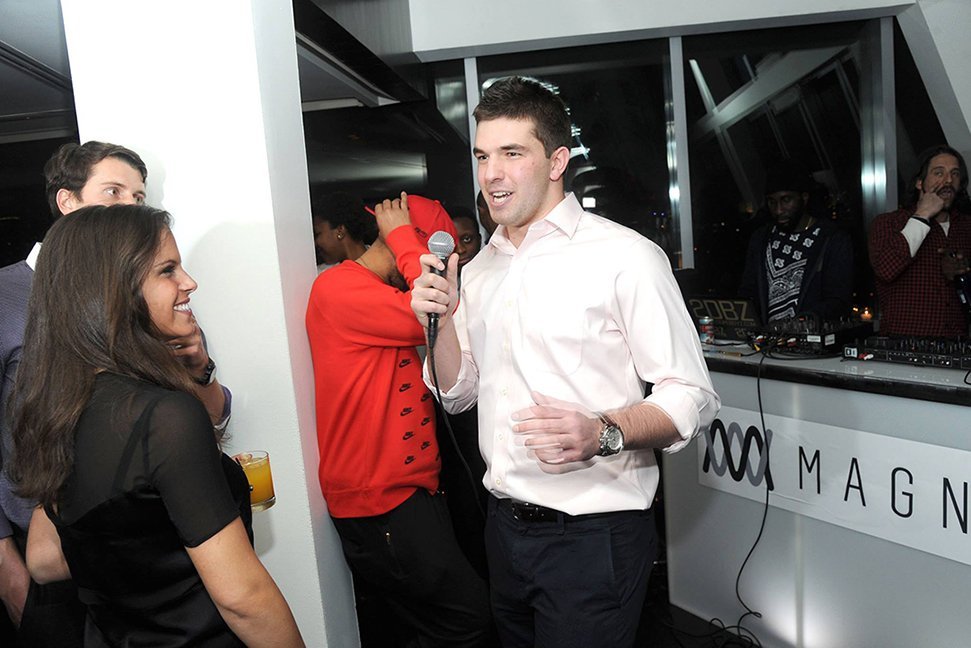
The festival was scheduled to take place on April 28–30 and May 5–7, 2017, on the Bahamian island of Great Exuma, and was promoted on Instagram by social media influencers, actors, reality TV stars, and models including Kendall Jenner, Bella Hadid, Hailey Baldwin, and Emily Ratajkowski, many of whom did not initially disclose they had been paid to do so. When festival-goers arrived, they were greeted by FEMA tents instead of luxury villas and cheese sandwiches instead of gourmet meals, with no music in sight. According to court records, Billy McFarland was convicted of financial crimes related to Fyre Festival, having defrauded investors of $27.4 million. After pleading guilty to two counts of wire fraud in March 2018, he was sentenced to six years in federal prison.
10. Billy McFarland Commits Fraud Again While on Bail
While on bail awaiting trial for the Fyre Festival, McFarland committed further fraud with a scheme selling tickets to events that had either not been announced or for which tickets were unavailable for public purchase, including the Met Gala. For nearly a year, the company received approximately $150,000 from 30 victims, who either never received the tickets they were promised or received tickets different from what they paid for. Per the U.S. Department of Justice, McFarland pled guilty to wire fraud in connection with a scheme to defraud over 80 investors in Fyre Media and Fyre Festival LLC of over $24 million. He later announced a Fyre Festival II for May 2025, with tickets going for as high as $1.1 million each, but an investigation by The New York Times found multiple irregularities and the event was later postponed indefinitely.
11. Altamont Security Arrangement: Hells Angels for $500 Worth of Beer
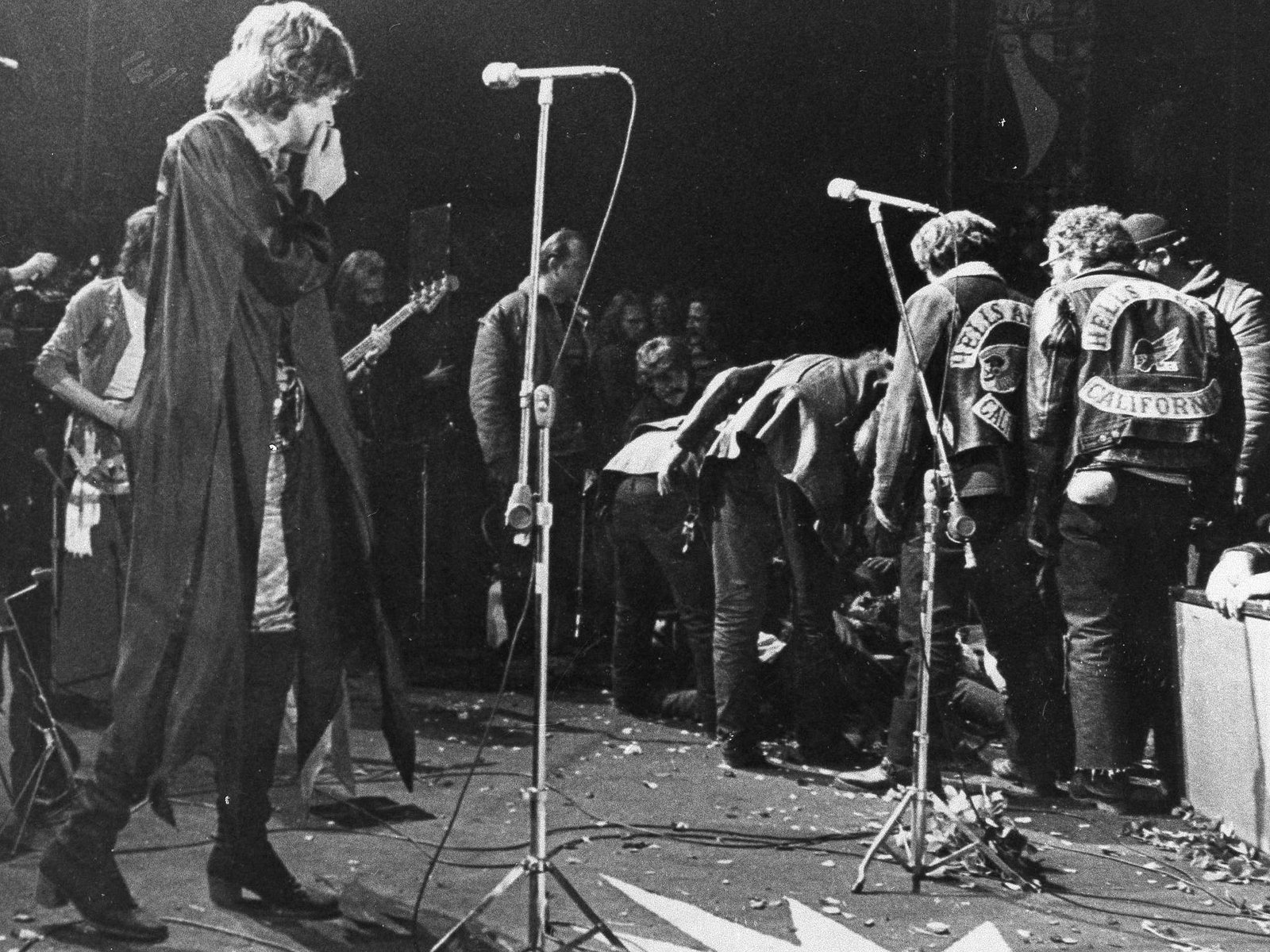
Rather than hire a traditional police force, the Rolling Stones decided that they’d bring in the local chapter of the Hells Angels to provide security, though the extent of the bikers’ responsibilities as security is still disputed. The Stones’ manager bought the bikers $500 worth of beer and told them to keep people off the stage. Amid space, toilet, and temper shortages, members of the Hell’s Angels knifed to death a Black man who had drawn a gun, and when the lead singer of the Jefferson Airplane tried to halt the beating of another man, he was assaulted on stage. After Altamont, the media substituted a vision of human evil and the need for traditional order in place of the peace-and-love narrative.
12. Astroworld Festival 2021: A Security Contractor’s Warning Nobody Heeded
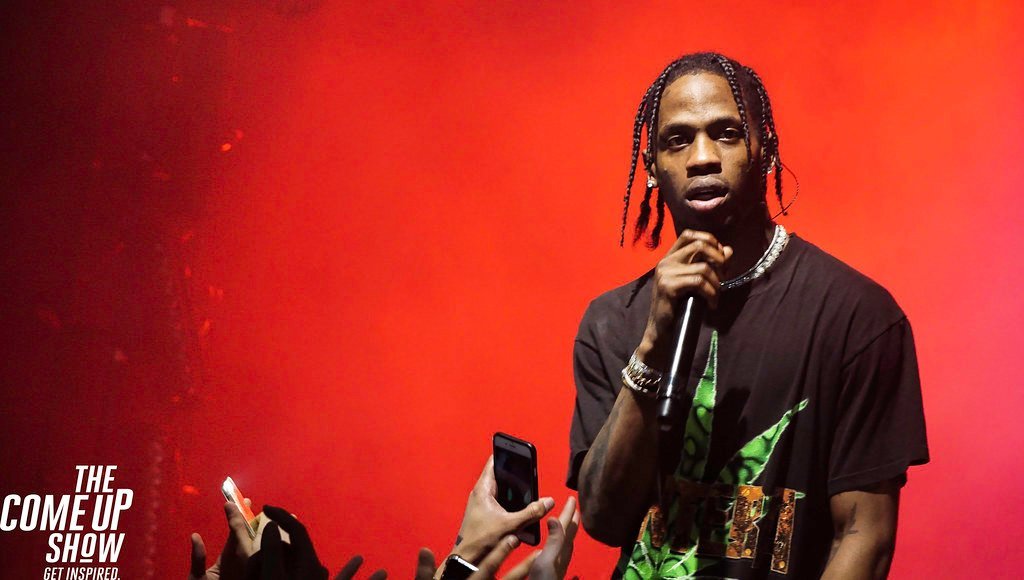
The Houston Police Department released findings of its investigative report into the 2021 tragedy at the Astroworld Festival, where 10 people died while attending an outdoor concert by event headliner Travis Scott. Wheeler texted Shawna Boardman, the festival’s exterior manager of security, a minute before Scott took the stage: “There’s panic in people’s eyes. This could get worse quickly,” and watched in horror over the next hour as no one stopped the concert. During the concert, Wheeler messaged that the stage right of the main area was getting crushed and that he had already pulled “tons” of unconscious concertgoers out of the crowd, writing: “I know they’ll try to fight through it but I would want it on the record that I didn’t advise this to continue.” The Harris County medical examiner’s office declared the cause of death to be compressive asphyxiation while the manner of death was ruled an accident.
13. Astroworld: The Youngest Victim and the Aftermath
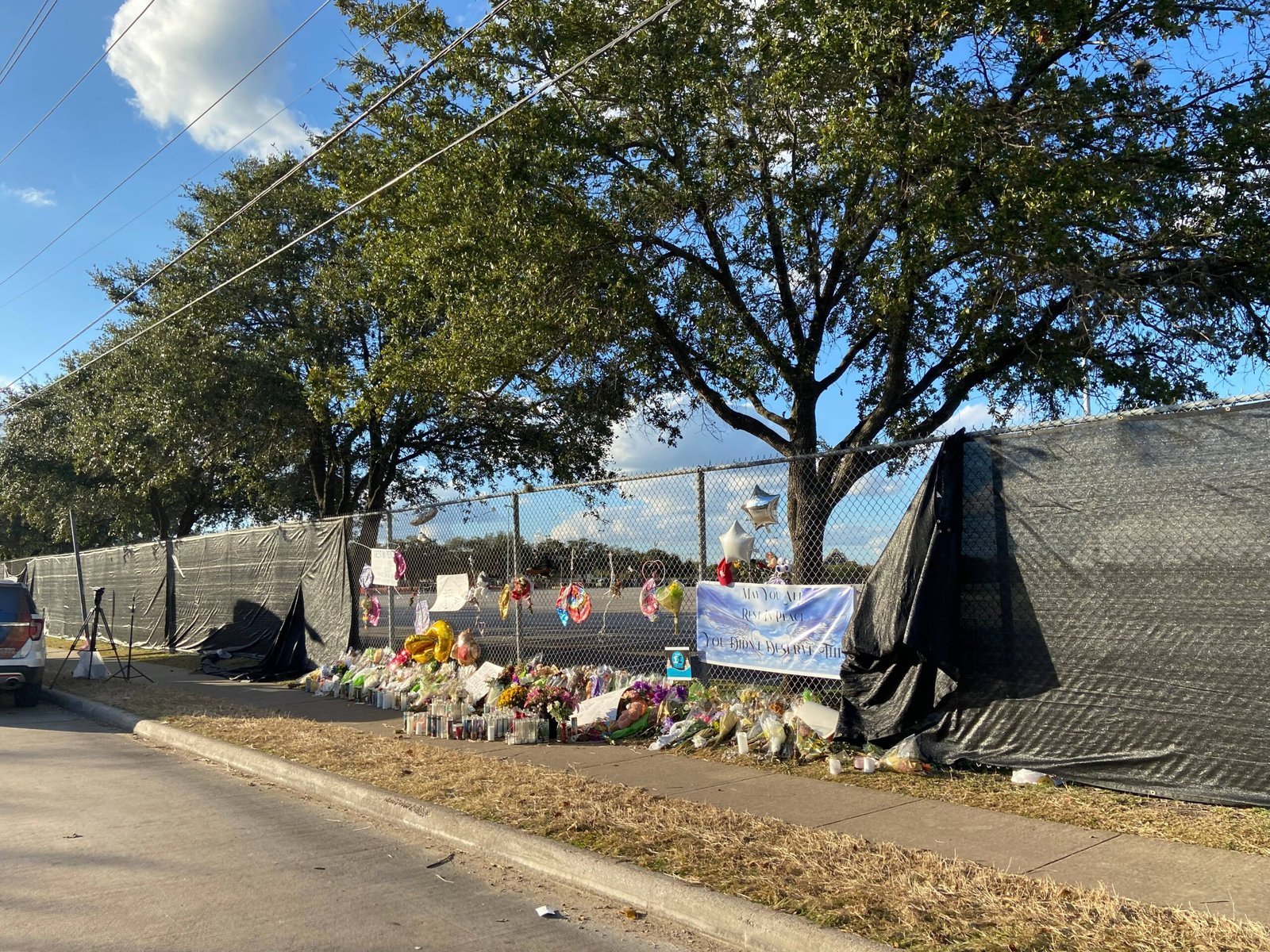
The crowd surge at the November 5, 2021, outdoor festival in Houston killed 10 attendees who ranged in age from 9 to 27, and the official cause of death was compression asphyxia, which an expert likened to being crushed by a car. Nine-year-old Ezra Blount, who died, was atop his father’s shoulders after the Scott concert began just after 9 p.m., according to a video that the family’s attorney confirmed shows him. Despite visible signs of distress and calls for help, the concert continued for more than 30 minutes after the Houston Police Department declared the situation a mass casualty event. A Texas grand jury later declined to press criminal charges against rapper Travis Scott and five others over the crowd crush.
14. Astroworld’s Overcrowding Was Known Before Anyone Arrived
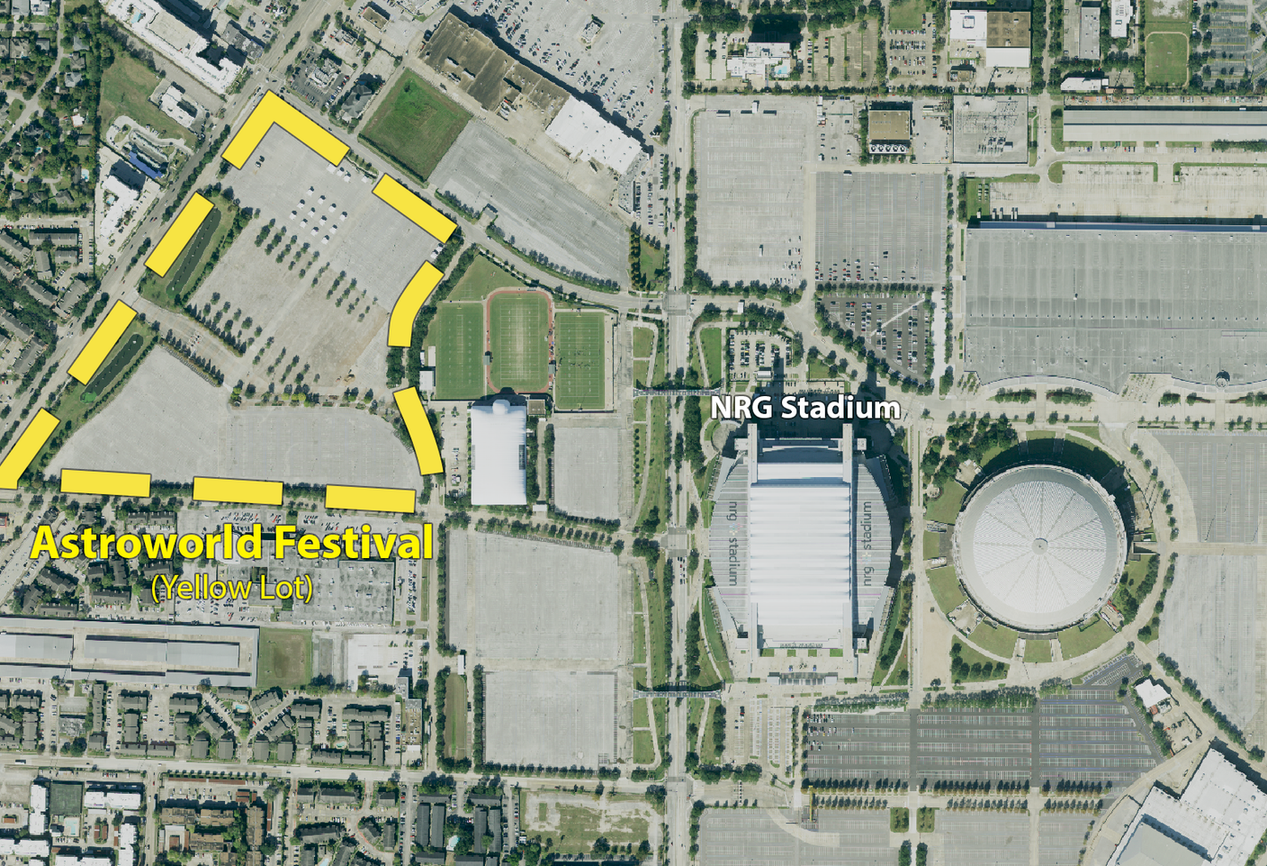
A review of court records by the Houston Landing showed that concert organizers used an incorrect calculation to try to accommodate 50,000 fans at the 2021 Astroworld festival. One expert hired by plaintiff’s attorneys found that the Travis Scott concert only had room for roughly 34,500 fans, about 15,000 short of ticketed attendance. Organizers feared there was no way to find room for everyone, with one person writing before the deadly concert: “I feel like there is no way we are going to fit 50k in front of that stage.” The Governor’s Task Force on Concert Safety, formed after the incident, issued its final report recommending clearly outlined triggers for pausing or canceling shows and greater prioritization of resources and training in risk management for staff and promoters in future events.
15. Love Parade Duisburg 2010: A Tunnel Becomes a Death Trap
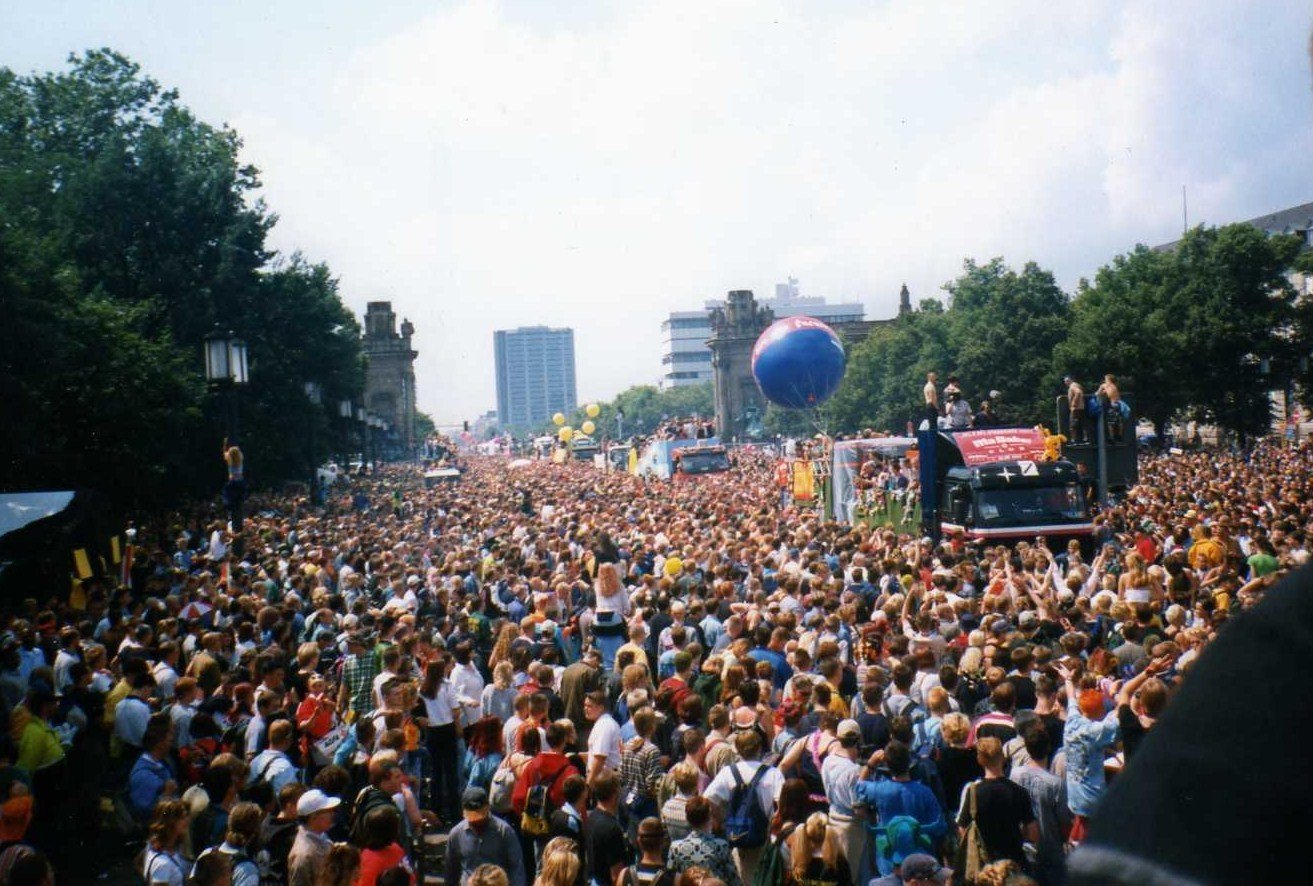
From 1989 to 2010, Love Parade was one of the biggest yearly events on the German music calendar, but the EDM festival ended after tens of thousands of fans crammed into a 260-yard tunnel that was the only way to access the grounds, and chaos broke out, resulting in 21 people dying. Festival organizers and city officials faced trial for “negligent manslaughter and bodily harm” for the incident in 2017, but because of Germany’s statute of limitations, the trial was discontinued in 2020, with no one held accountable. The Love Parade had once drawn over a million attendees to Berlin in earlier years, making its final edition in Duisburg – and the deaths that followed – all the more jarring to a generation of electronic music fans across Europe.
16. The Station Nightclub Fire, 2003: Pyrotechnics and 100 Deaths
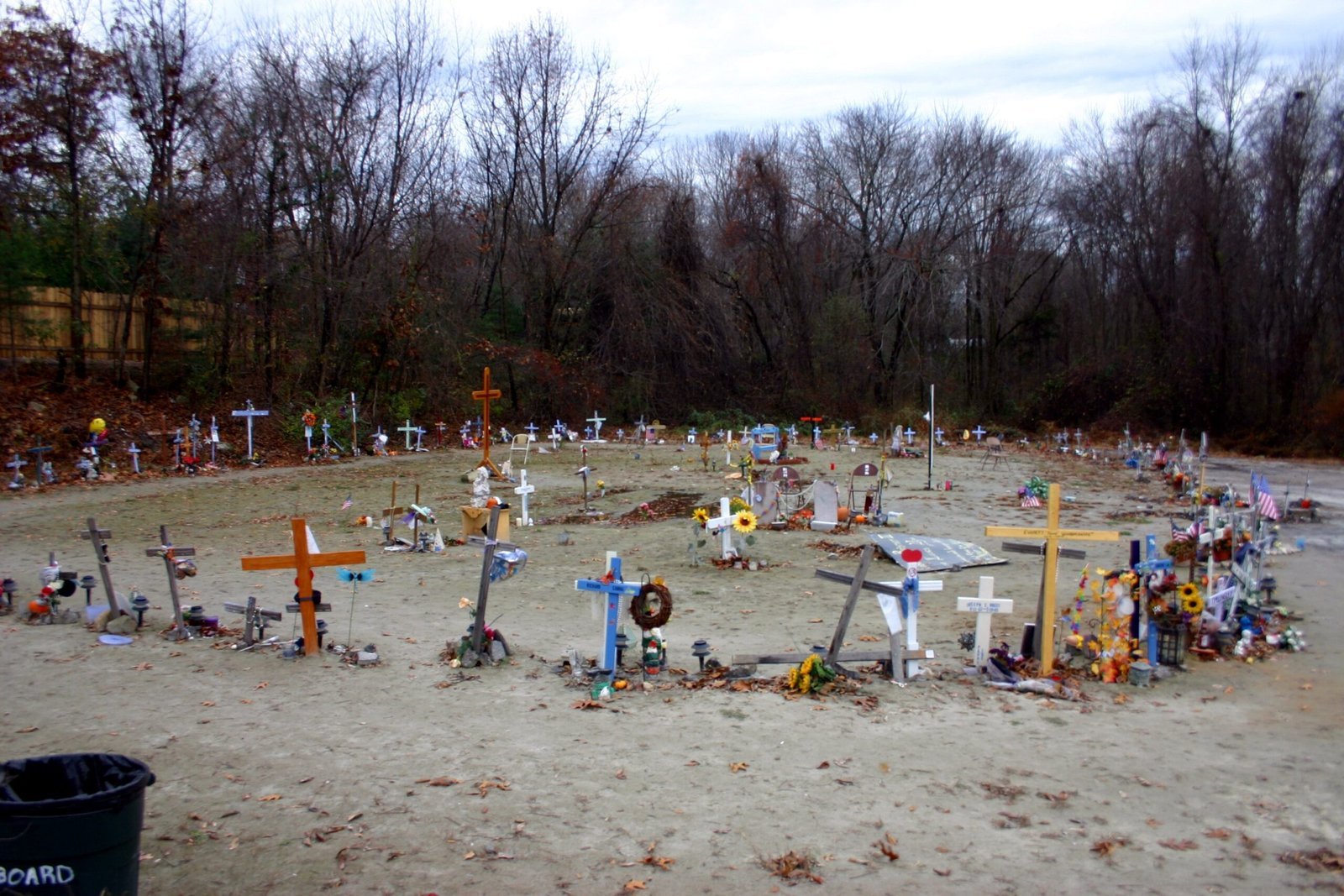
Great White were just seconds into their opening song at the Station nightclub in Rhode Island when their pyrotechnics ignited acoustic foam near the stage. In less than a minute, the tiny club was consumed by flames, and fans rushed towards the back doors to escape, but 100 didn’t make it out alive. The tragedy, widely reported in the years following, became one of the most referenced examples in the live events industry of what can happen when pyrotechnics, flammable materials, and overcrowding combine without proper safety oversight. It led directly to stricter fire code enforcement at live venues across the United States.
17. Electric Daisy Carnival 2010: A 15-Year-Old’s Death Forces a Festival to Move
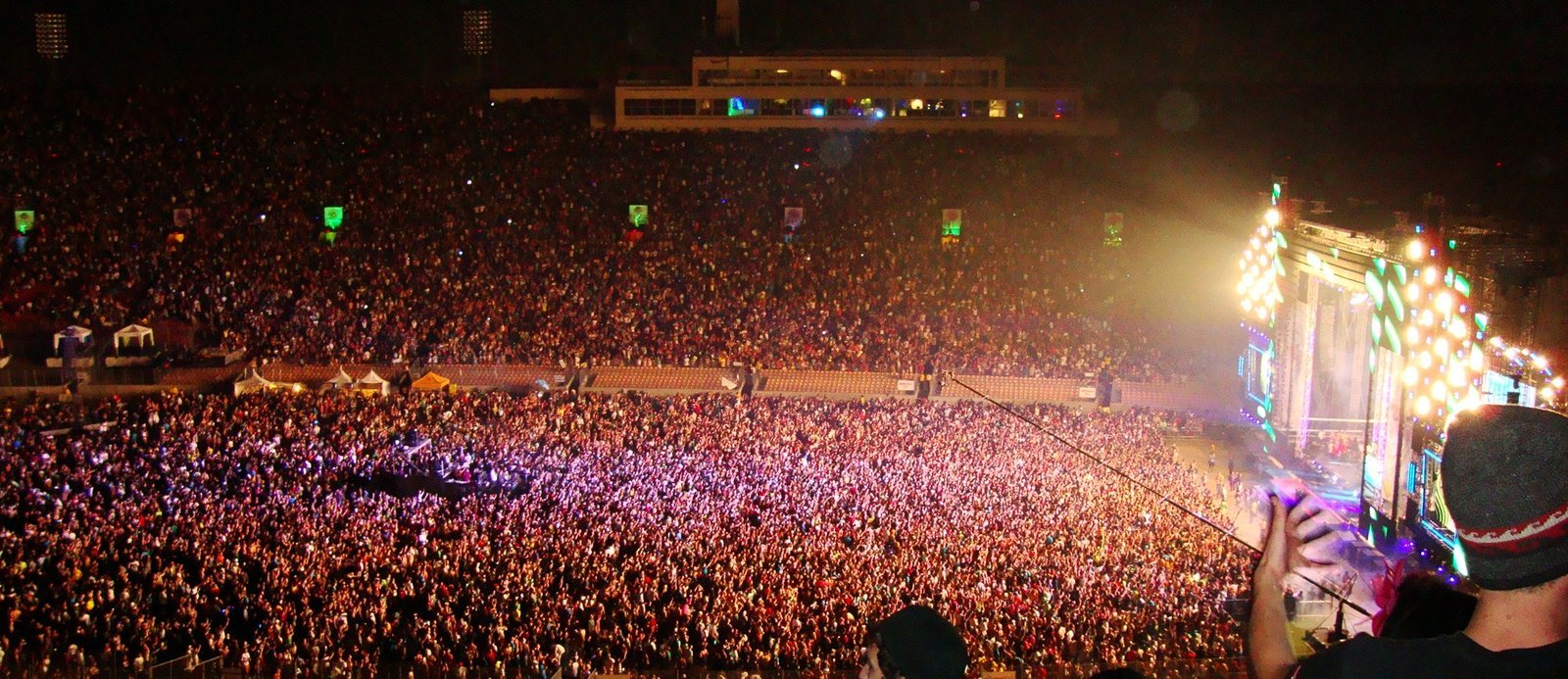
Electric Daisy Carnival received criticism for years due to high levels of drug use in the crowd, but the 2010 edition was particularly egregious due to lacking security and negligent ID-checking. Hundreds of minors were admitted into the main area, and multiple injuries were reported due to overcrowding. A 15-year-old lost her life, resulting in several lawsuits and heavier scrutiny on festival organizers to crack down on drug use and the admission of minors. The event subsequently relocated from Los Angeles to Las Vegas, a move festival organizers confirmed was tied in part to the regulatory and legal pressure that followed the 2010 tragedy.
18. Indiana State Fair Stage Collapse, 2011: The Show That Shouldn’t Have Gone On
When high winds threatened the 2011 Indiana State Fair, organizers decided the show must go on since multiple acts were ready to perform. Just minutes before country duo Sugarland was scheduled to hit the stage, severe winds collapsed the roof of the outdoor stage, crushing spectators and resulting in seven deaths. Multiple lawsuits followed, at least one of which was settled in 2014. The collapse became a primary example in the event industry of what happens when meteorological risk assessments are ignored or deprioritized in favor of schedule. It contributed to much wider adoption of formal wind-load protocols and pre-show evacuation procedures at outdoor festivals in North America.
19. Roskilde’s Aftermath Cancels Glastonbury 2001
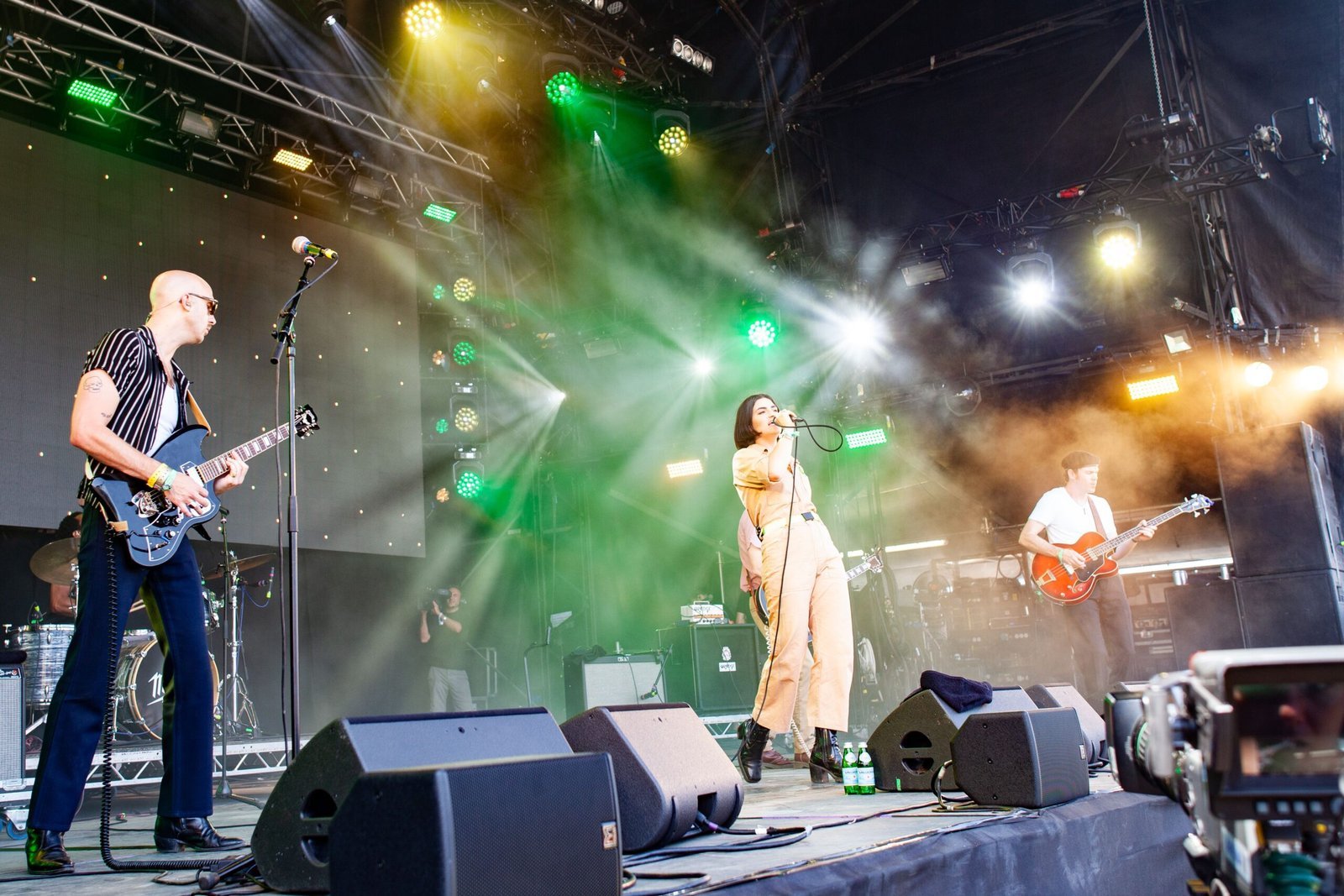
In part because of the accident at Roskilde, Glastonbury Festival in the United Kingdom was cancelled in 2001 to implement extra safety measures. This was a significant and rarely discussed consequence of the 2000 tragedy – the ripple effect reaching all the way to Somerset, England, and shutting down one of the world’s most famous festivals for a full year. A safety network of European festivals and concerts, along with experts, was started – the “YES Group” – and many of the measures introduced in Roskilde have later been added elsewhere. Prior to the opening of the 2001 festival, a memorial to those killed in 2000, containing a stone with the inscription “How fragile we are,” surrounded by nine trees, had been made.
20. Glastonbury 1990: New Age Travellers and 235 Arrests
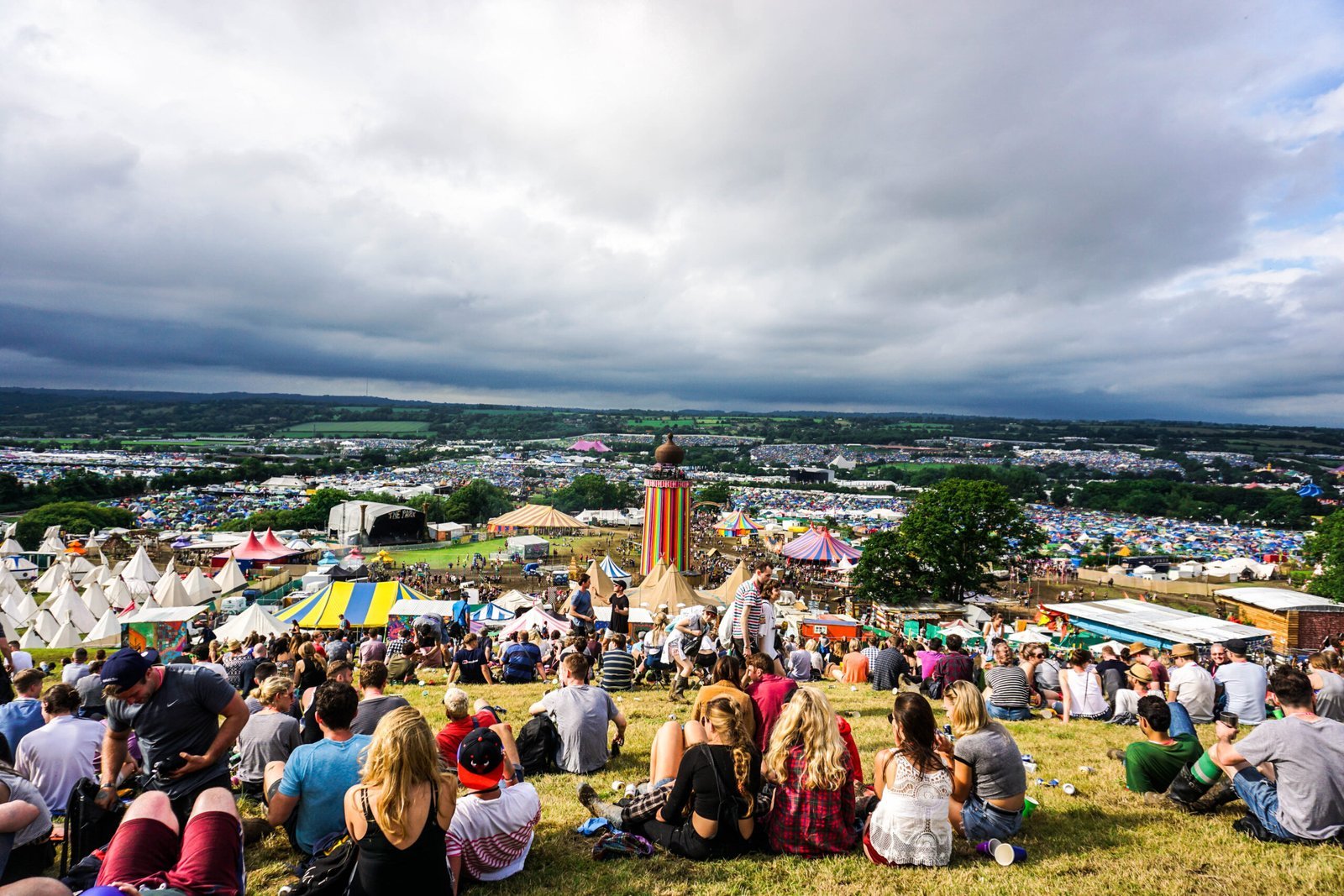
A festival with a near-20-year history of successful incident-free editions, Glastonbury’s 1990 edition was going as planned until the end. A group of counterculturists called the New Age Travellers, who had permission to set up camp in an adjacent field, quickly clashed with Glastonbury Festival security, leading to tens of thousands of dollars in damage and 235 arrests. The confrontation at Glastonbury’s perimeter that year marked a pivotal shift in how the festival would manage access and security going forward. Glastonbury subsequently invested in the famous “super-fence” that now encircles the entire site, a structure that became as iconic as the stages themselves and fundamentally changed how major UK outdoor events were secured.
21. Woodstock 1969 Being Declared a Federal Disaster Area
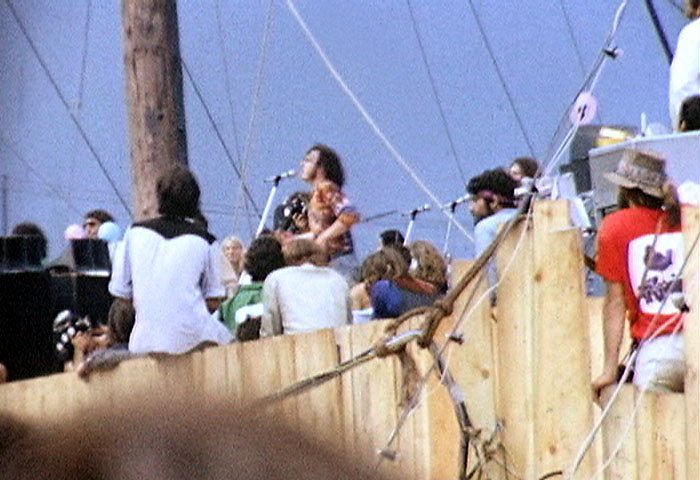
Though fondly viewed through the prism of history as a creative flowering of love and peace, the 1969 Woodstock festival was declared a disaster area at the time by New York Governor Nelson Rockefeller. Two people died: one of a drug overdose, the other run over by a tractor. There were 5,162 medical incidents reported, including eight miscarriages. Despite challenges such as food shortages, poor weather, and a lack of adequate facilities, the crowd managed to coexist peacefully, marking the festival as a significant cultural moment – a detail that still feels almost impossible given the scale of the logistical failure surrounding it.
22. Live Aid’s Phil Collins Crosses the Atlantic in a Single Day
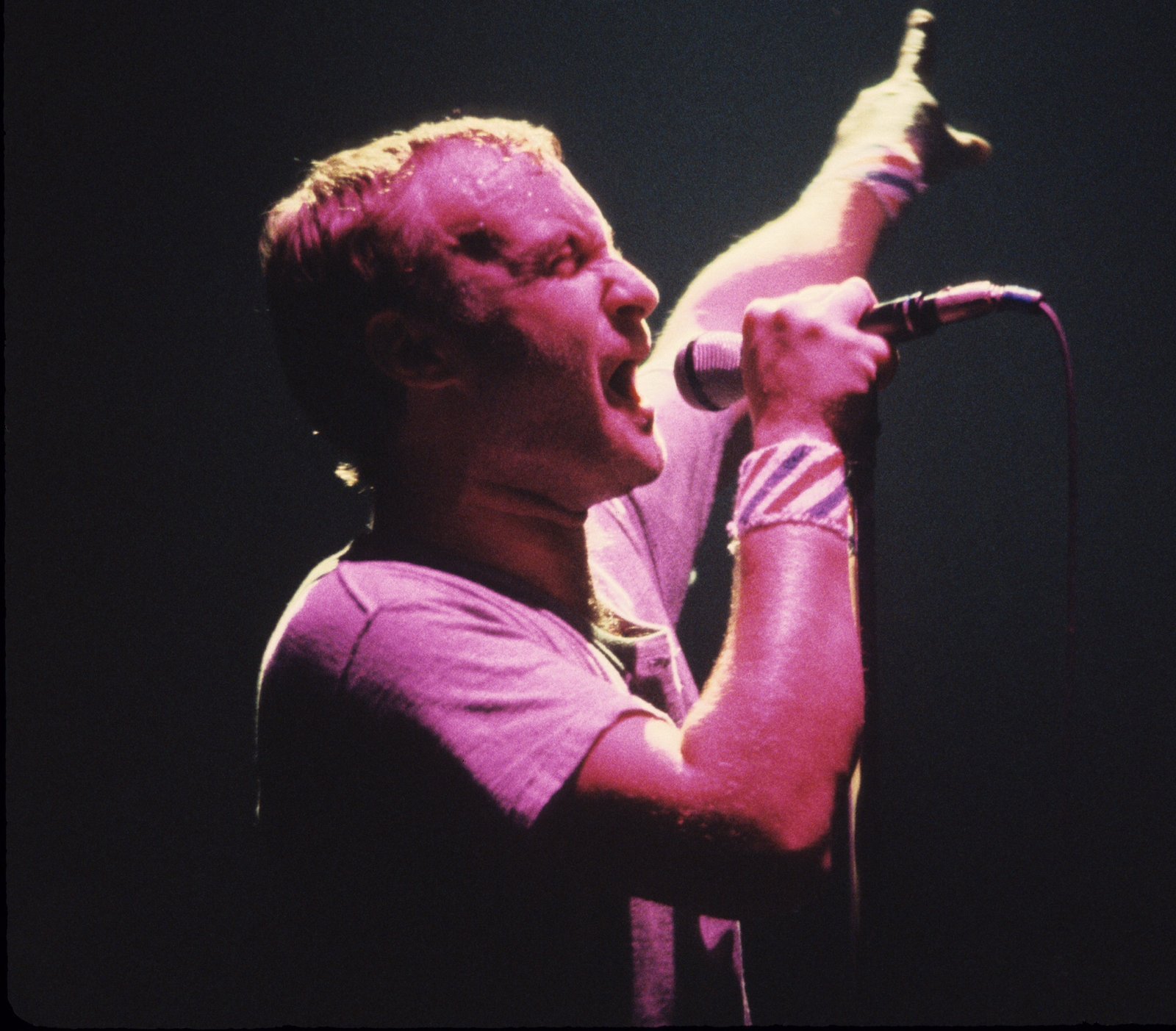
Phil Collins performed at both Wembley Stadium and JFK, travelling from Wembley by helicopter (piloted by UK television personality Noel Edmonds) to London Heathrow Airport, then took a British Airways Concorde flight to New York City, before taking another helicopter to Philadelphia. As well as his own set at both venues, he also played the piano for Sting in London, then drums for Eric Clapton, and played with the reuniting surviving members of Led Zeppelin at JFK. It remains one of the most logistically audacious single-day performances in concert history, and it happened purely in service of a charity event that Bob Geldof reportedly organized in under ten weeks. Led Zeppelin and The Who were among the bands that reunited for Live Aid, giving Collins’ transatlantic day an almost unreal quality in hindsight.
23. Queen’s 21-Minute Set Becomes the Most Celebrated Festival Performance in History
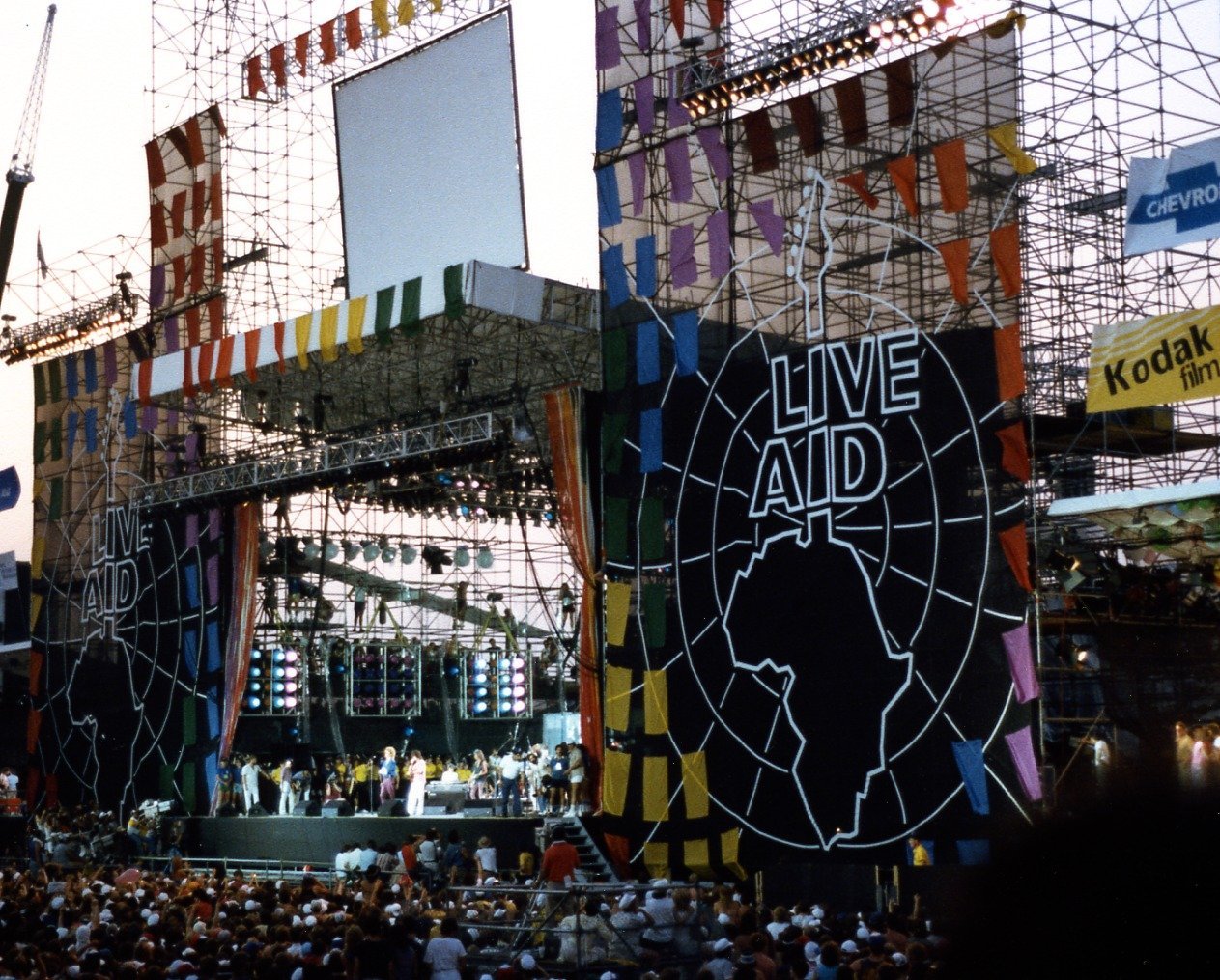
Queen, with Freddie Mercury’s commanding presence, played a 21-minute set at Live Aid, which is often said to be one of the greatest live performances in rock history. The performance by Queen, particularly frontman Freddie Mercury, was described as unexpected – the group had been losing momentum going into the early 1980s after a career of multiple hits, yet they offered the crowd an unforgettable performance. Queen’s electrifying performance, culminating in Freddie Mercury’s legendary call-and-response with the audience during “Radio Ga Ga,” is often hailed as one of the greatest live performances in rock history. Decades of subsequent polls and music journalism, including coverage by Britannica and Rolling Stone, consistently rank it at the top of any list of all-time festival performances.
24. Woodstock ’99’s Fires Were Lit During a Jimi Hendrix Tribute
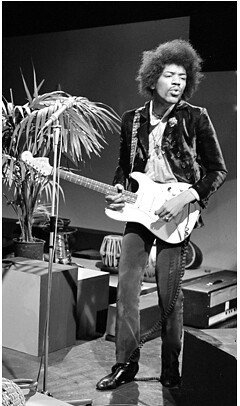
On the final night of Woodstock ’99, as the Red Hot Chili Peppers played Jimi Hendrix’s “Fire,” attendees set fires all around the festival grounds. It wasn’t just a bonfire here and there – people were burning vendor tents, ATMs, and anything they could find. As a picture of what went wrong at the festival emerged, the media made Woodstock ’99 a cultural bellwether, seen as an end-of-an-era moment similar to what Altamont signified at the end of the ’60s. The organizers were hit with a flood of lawsuits in the weeks and months after the event, and there was simply no recovering from the Woodstock ’99 fiasco – a planned Woodstock 50 in 2019 failed to even get off the ground.
25. Fyre Festival II Collapses Before It Even Begins, and McFarland Tries Again Under a New Name
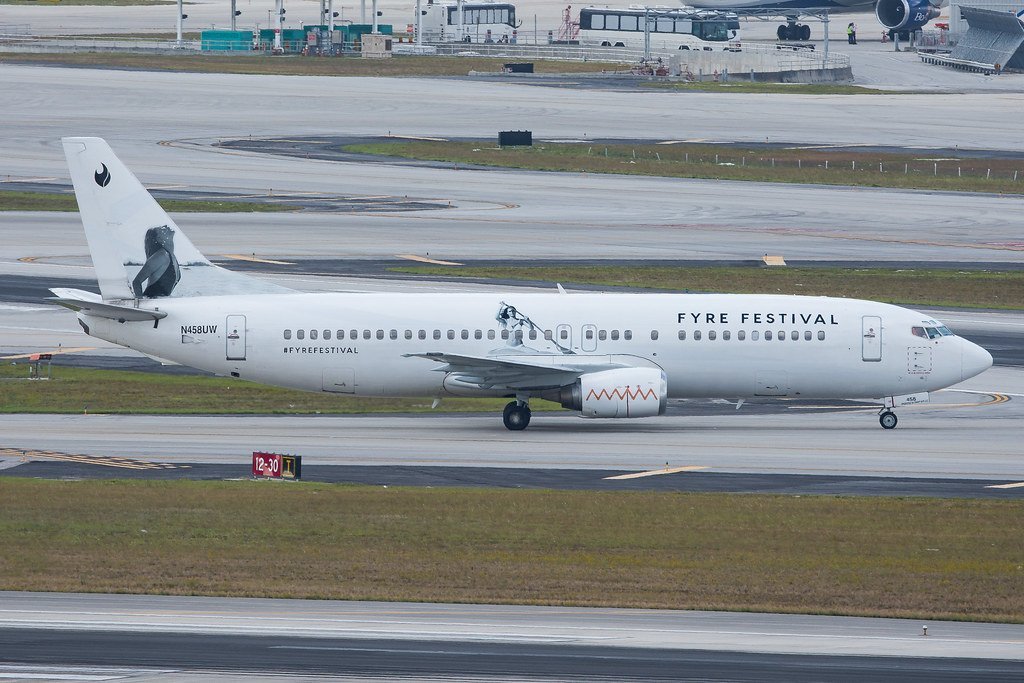
McFarland announced a Fyre Festival II for May 2025, with tickets going for as high as $1.1 million each, but an investigation by The New York Times found multiple irregularities and the event was later postponed indefinitely. Fyre Festival II was announced for May 2025 in Mexico but collapsed when venues denied permits and GPS coordinates pointed to open ocean. McFarland sold the Fyre brand on eBay for $245,300 to LimeWire in July 2025 and rebranded as PHNX Festival, scheduled for December 2025 in Honduras with French Montana headlining. PHNX Festival took place on December 6, 2025, in Honduras. Unlike Fyre Festival, it actually happened – French Montana, Bobby Shmurda, and Slim Jxmmi performed. The entire arc of the Fyre story, from Instagram fantasy to federal conviction to a real-if-modest show in Honduras, stands as perhaps the most absurd and revealing chapter the modern festival world has ever produced.

Christian Wiedeck, all the way from Germany, loves music festivals, especially in the USA. His articles bring the excitement of these events to readers worldwide.
For any feedback please reach out to info@festivalinside.com
