Nobody walks onto a set for the first time as the director the world will later remember. The first feature is the rough draft, usually smaller, stranger, and made with borrowed money and favors. The film that defines a career can look like a different artist’s work, or like the same obsession with a bigger budget.
Here are 25 first features set beside the films that made each name famous, with the year gap and what changed in between. Some directors made the leap in two years. One took 35. A few started with films they would rather forget, and one shot his debut on weekends over years. The surprise is which fingerprints survive the jump, and some of them are already visible in the very first reel.
#25 – Christopher Nolan: From Following (1998) to Inception (2010)
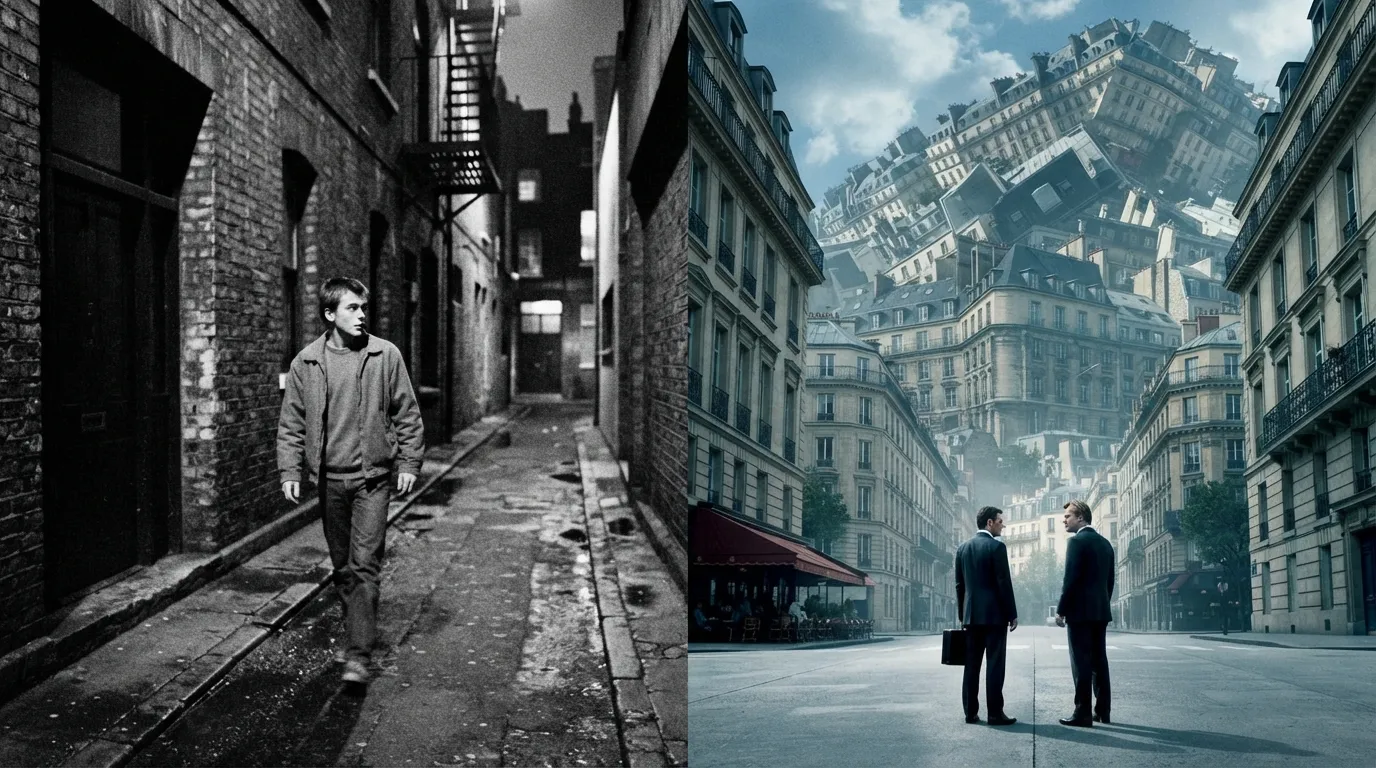
Nolan shot his debut feature Following on weekends with a handheld camera and a cast of non-actors for roughly $6,000. The black-and-white neo-noir follows a writer who tails strangers and gets tangled up in a crime. It already had his signature non-linear structure and his talent for stretching a tiny budget.
He had made shorts before it, including Doodlebug. By Inception, twelve years later, he had studio resources for a dream-heist epic that scaled those puzzle-box instincts to blockbuster size.
The stalker premise of Following and the layered dream architecture of Inception are the same fascination with time and perception, just on very different budgets.
#24 – Ridley Scott: From The Duellists (1977) to Alien (1979)
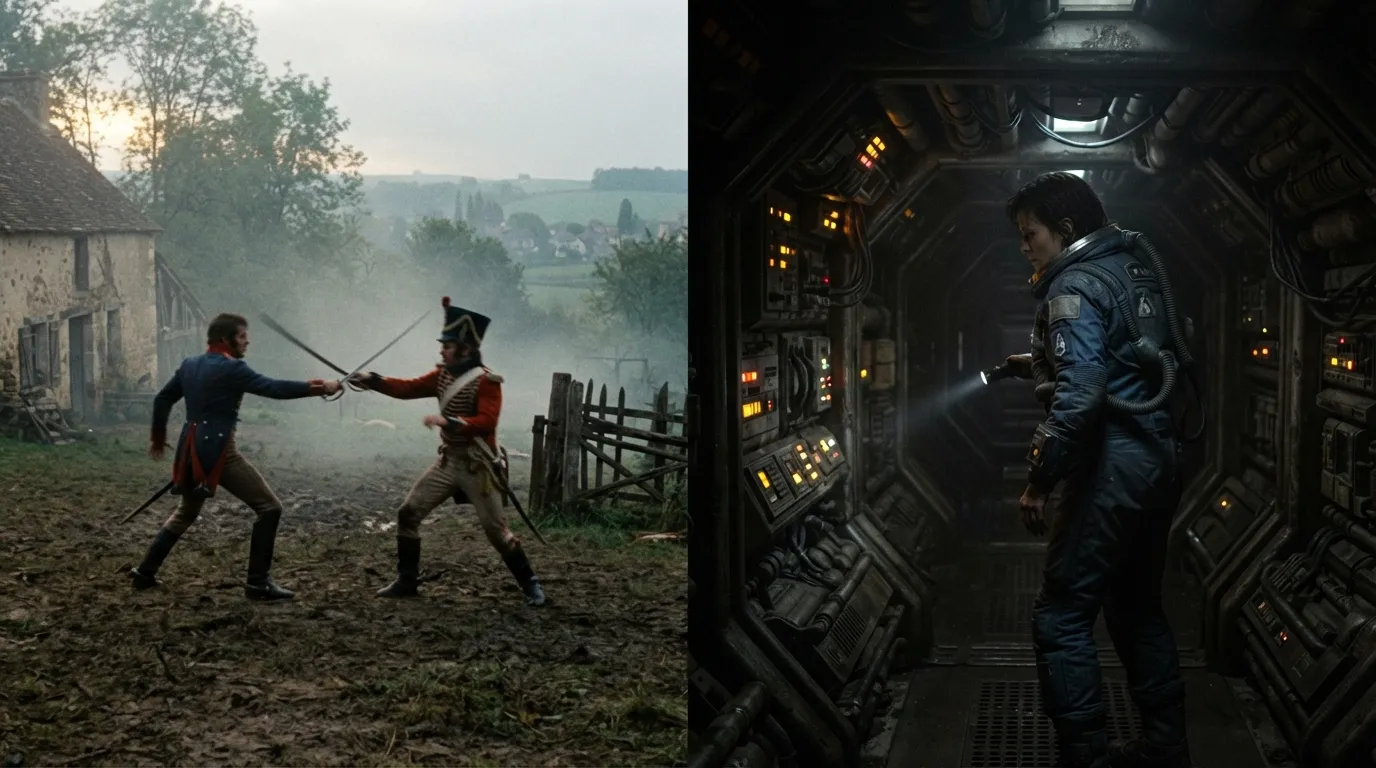
Scott’s feature debut, The Duellists, adapted a Joseph Conrad story about two Napoleonic-era officers locked in a feud that lasts for years. It was shot in France on a modest budget, and it looked like a stack of oil paintings in motion.
Before it he had spent years directing television commercials and had made the short Boy and Bicycle. Just two years later, Alien dropped him into science-fiction horror with a much bigger studio behind him.
The setting moved from candlelit duels to a dark spaceship, but the method barely changed. Both films rely on precise framing and slow-burn dread. Scott’s ad-world eye for composition carried straight into both.
#23 – Tim Burton: From Pee-wee’s Big Adventure (1985) to Edward Scissorhands (1990)
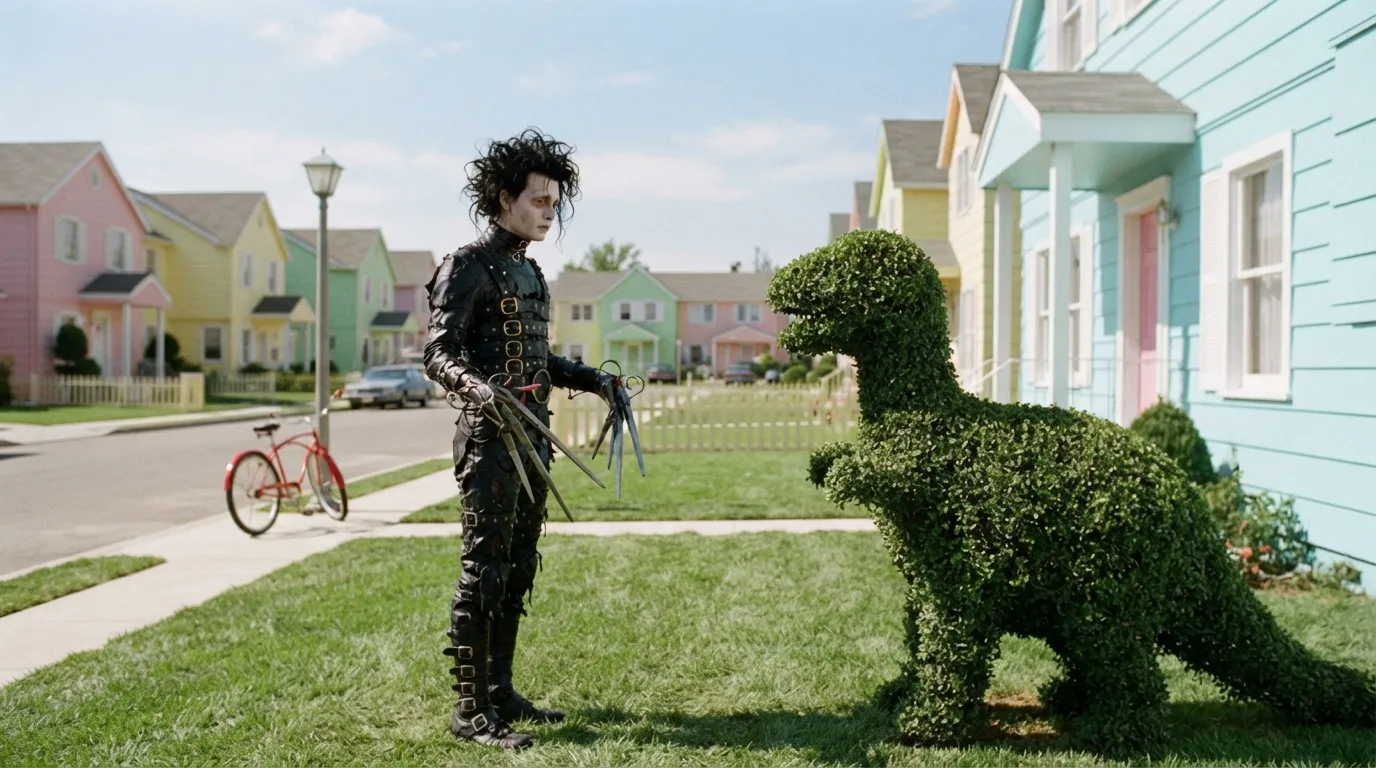
Burton came to Pee-wee’s Big Adventure straight from Disney, where he had made the shorts Vincent and Frankenweenie. The comedy follows Pee-wee Herman’s cross-country hunt for his stolen bicycle. It put Burton’s gothic whimsy in front of a mainstream audience for the first time.
Five years later came Edward Scissorhands, the film most people name first when they think of him. It swapped the comic road trip for a melancholy fairy tale about an outsider with blades for hands, set in a pastel suburb.
The outsider stayed. The jokes got quieter and the heartbreak got louder.
#22 – Wes Anderson: From Bottle Rocket (1996) to The Royal Tenenbaums (2001)
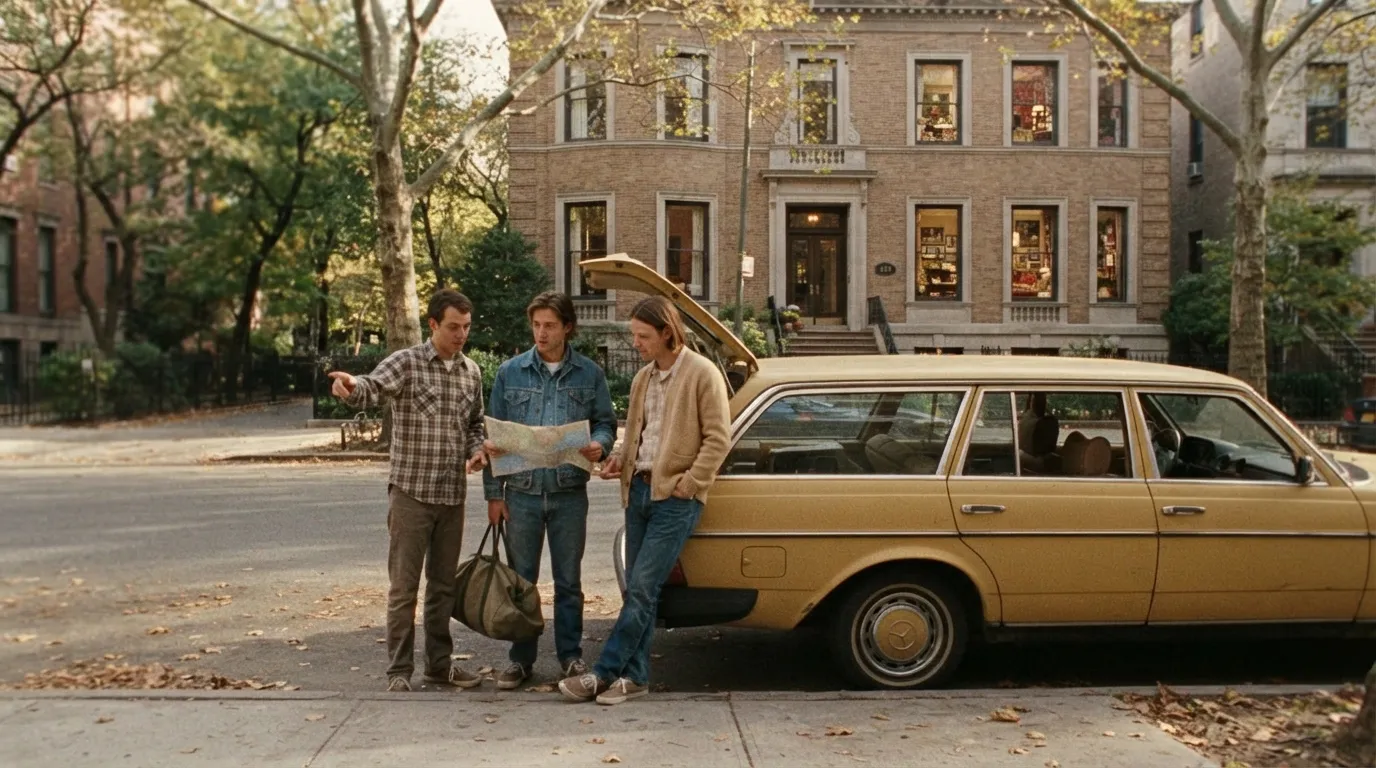
Anderson’s debut, Bottle Rocket, was a low-key heist comedy about three friends who can’t quite pull off a robbery. It was made on a small budget with future collaborators, and the deadpan dialogue and tidy framing were already there. It grew out of a short of the same name he had made earlier.
Five years later, The Royal Tenenbaums turned that small-time friendship into a full ensemble about a gifted, miserable family. Every shelf and costume was now designed down to the last detail.
The same affection for eccentric people grew from a trio of would-be crooks into a whole dysfunctional household.
#21 – Sofia Coppola: From The Virgin Suicides (1999) to Lost in Translation (2003)
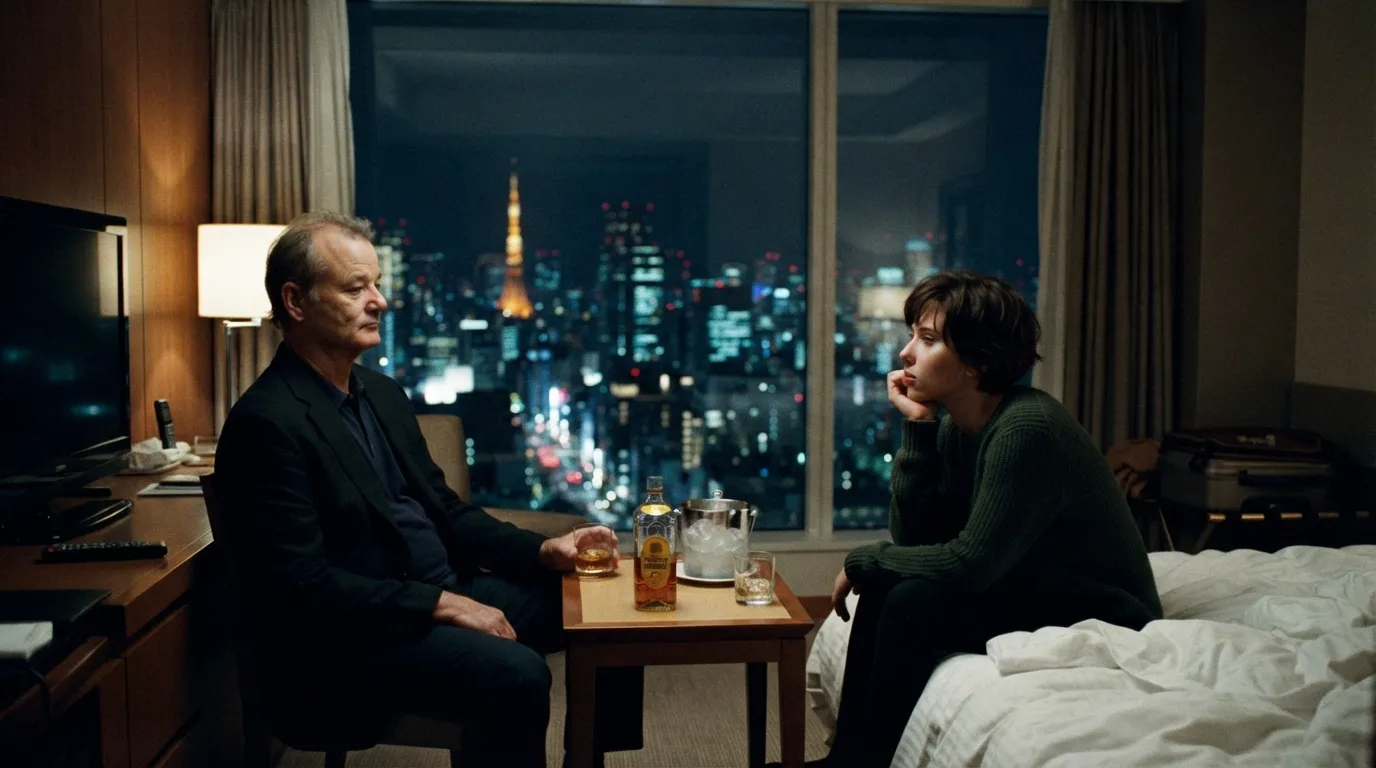
Coppola’s debut adapted Jeffrey Eugenides’s novel about five sisters in a Michigan suburb, seen through the eyes of the neighborhood boys who obsess over them. She had already directed the short Lick the Star in 1998. The film announced her taste for dreamy, aching atmosphere.
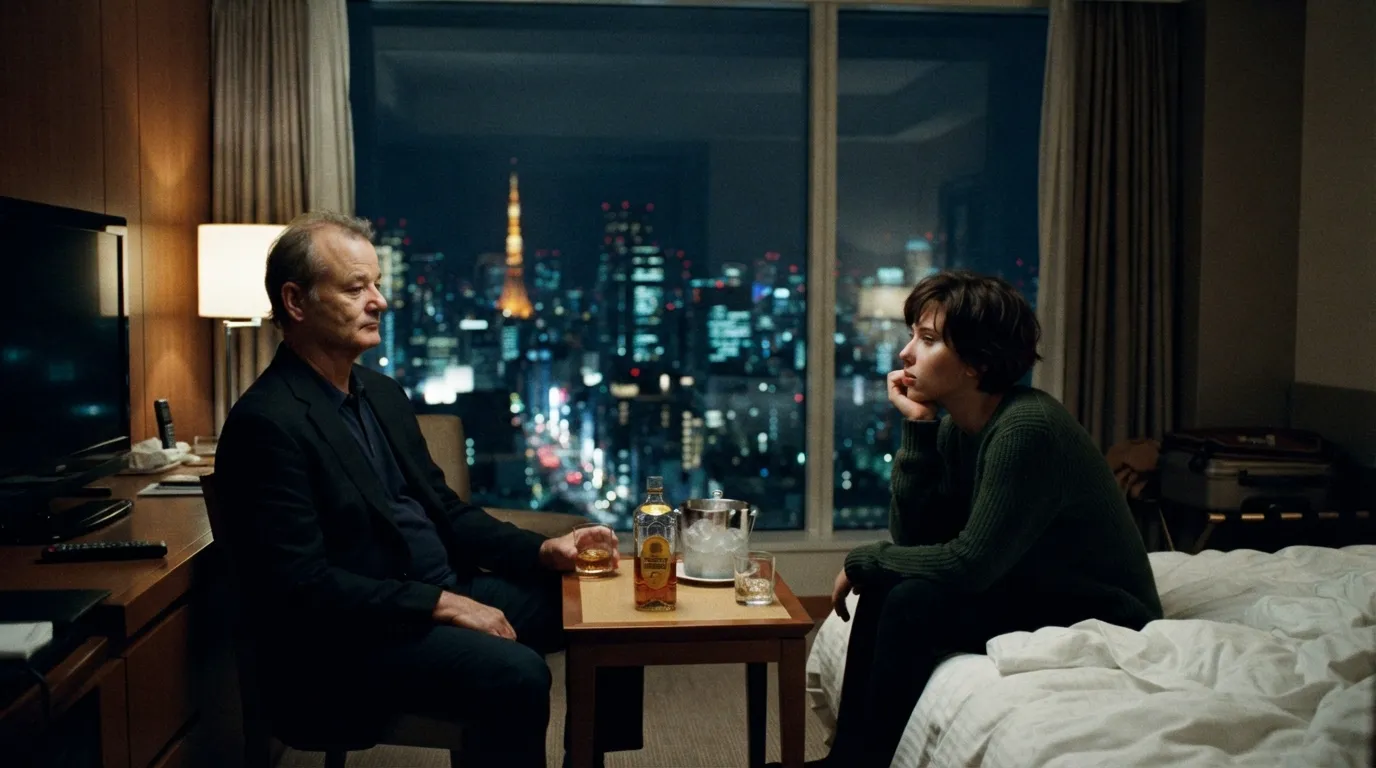
Four years later, Lost in Translation put two jet-lagged strangers, played by Bill Murray and Scarlett Johansson, in a Tokyo hotel. It won her the Oscar for Best Original Screenplay.
The early film watched lonely people from the outside. The later one finally let two of them find each other.
#20 – Spike Lee: From She’s Gotta Have It (1986) to Do the Right Thing (1989)
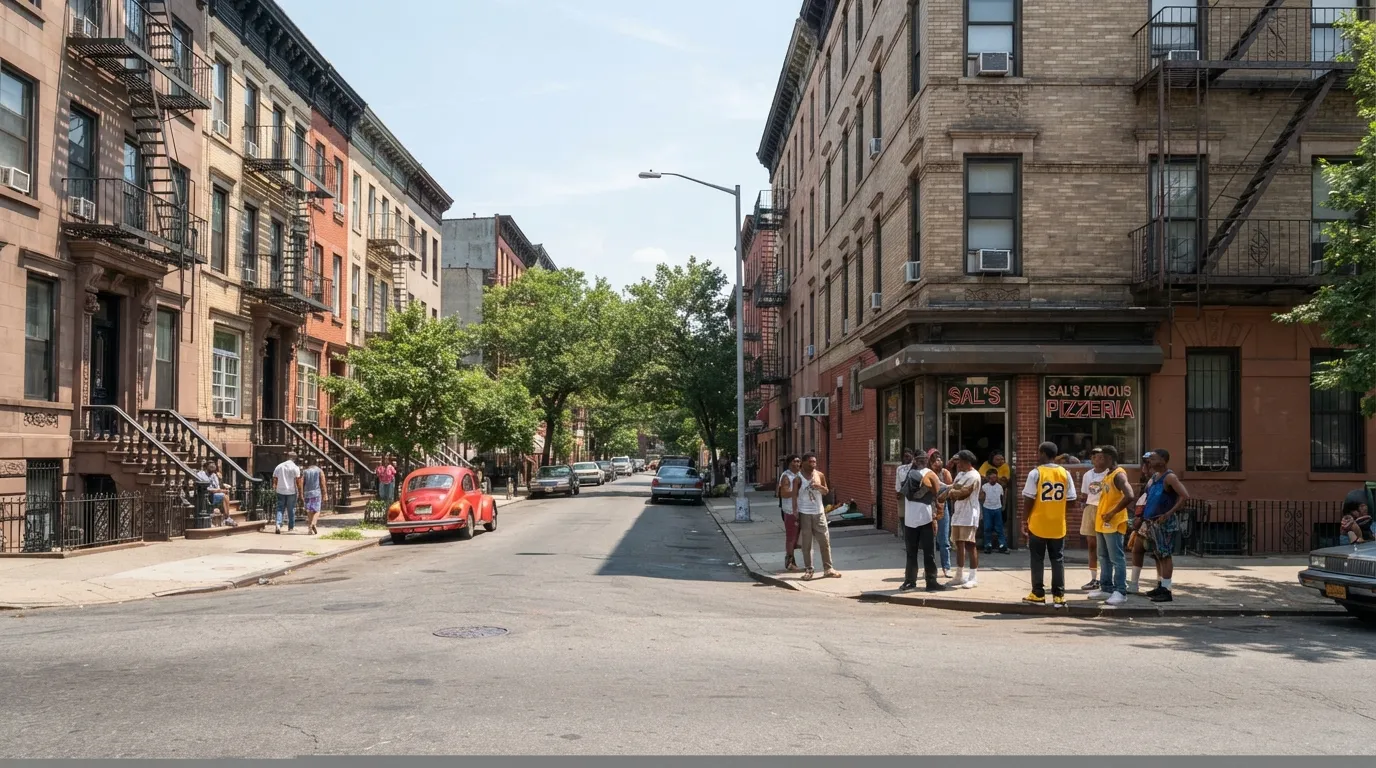
Before his debut, Lee made the NYU thesis film Joe’s Bed-Stuy Barbershop: We Cut Heads, which won a Student Academy Award. She’s Gotta Have It followed in 1986, a mostly black-and-white comedy about a Brooklyn woman juggling three suitors, shot in about 12 days on a shoestring.
Three years later, Do the Right Thing took a bigger look at his home borough. It follows one scorching day in Bedford-Stuyvesant as small frictions build toward an explosion.
He went from a bedroom-sized story about one woman to a whole block with a fuse burning.
Fast Facts
- Debut: She’s Gotta Have It (1986)
- Signature film: Do the Right Thing (1989)
- Year gap: three years
- Before the debut: an NYU thesis short that earned a Student Academy Award
#19 – Quentin Tarantino: From Reservoir Dogs (1992) to Pulp Fiction (1994)
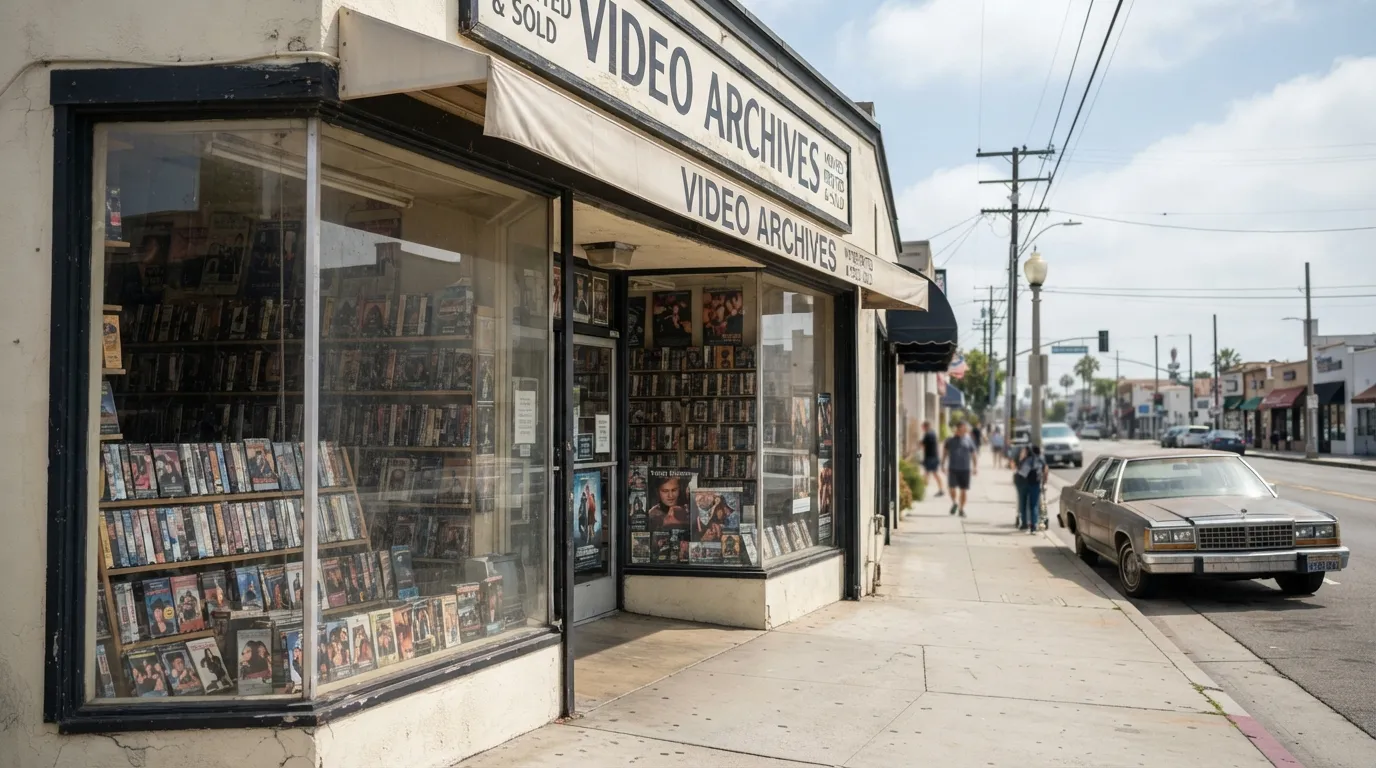
Before directing, Tarantino worked at a Manhattan Beach video store, Video Archives, soaking up movies. Reservoir Dogs was his feature debut. It is a jewel heist told almost entirely in the aftermath, and much of it plays out inside a single warehouse.
Only two years later, Pulp Fiction broke the structure wide open. It tangled several crime stories out of order, won the Palme d’Or at Cannes, and earned an Oscar for its screenplay.
The warehouse became a city, but the crackling dialogue came along for the ride.
#18 – Ryan Coogler: From Fruitvale Station (2013) to Black Panther (2018)

Coogler made short films as a student at USC before his debut. Fruitvale Station recounts the final day of Oscar Grant, a young man killed by a transit police officer in the Bay Area. It won both the Grand Jury Prize and the Audience Award at Sundance.
Five years later, he directed Black Panther, a superhero film with a global budget. In between came Creed in 2015.
The scale is wildly different, yet both films center on a young man carrying the weight of his community’s expectations. Coogler kept the human story and added a kingdom around it.
#17 – Damien Chazelle: From Guy and Madeline on a Park Bench (2009) to La La Land (2016)
Chazelle’s debut was a black-and-white jazz musical about two young people in Boston, made while he was a student at Harvard. It was a scrappy, intimate film, with very little money and a lot of music in it.
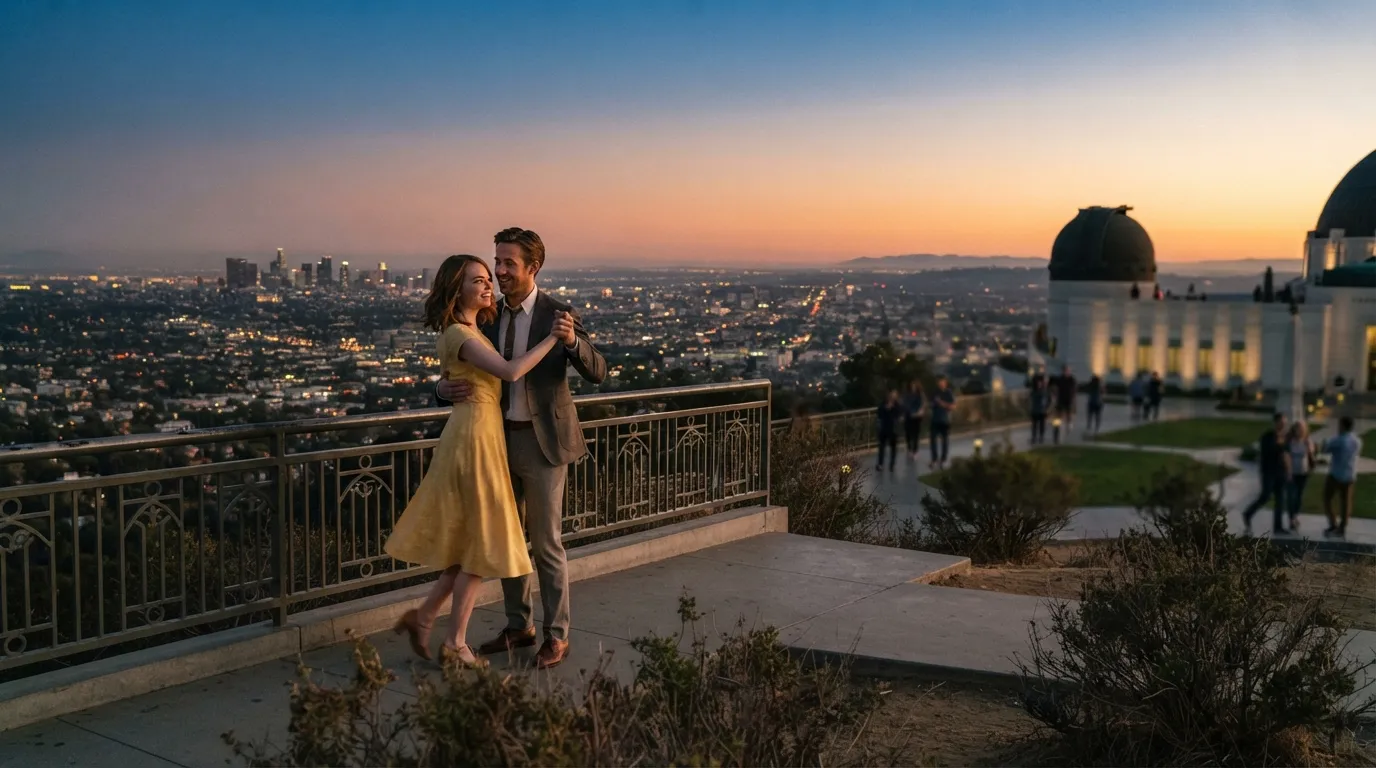
He went on to make the short and then the feature version of Whiplash. In 2016, seven years after the debut, La La Land arrived, a full-color musical valentine to Los Angeles. It made him, at 32, the youngest person to win the Best Director Oscar.
The same dream of a modern musical went from a park bench to the Hollywood Hills.
#16 – George Lucas: From THX 1138 (1971) to Star Wars (1977)
Lucas’s first feature grew out of his own USC student short, Electronic Labyrinth: THX 1138 4EB. The feature is a cold, stripped-down vision of a future where emotion is policed and citizens are numbered. It is austere and unsettling, a long way from anything cheerful.
He then made the nostalgic American Graffiti in 1973. Six years after his debut came Star Wars, a bright space adventure that carried the same invented worlds and the same mistrust of oppressive systems.
The dystopia stayed, but this time there were heroes, a sense of fun, and a rebellion to cheer for.
#15 – David Fincher: From Alien 3 (1992) to Fight Club (1999)
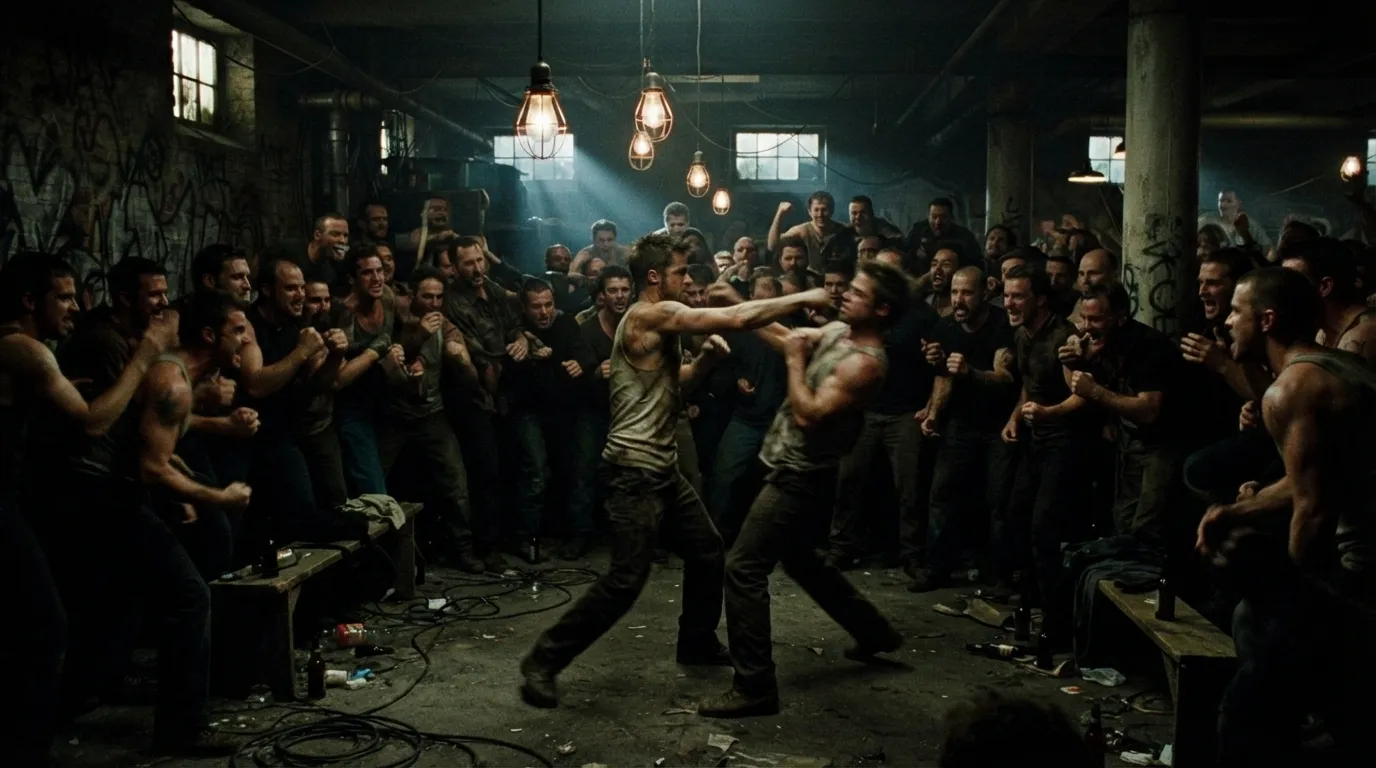
Fincher had made his name directing music videos and commercials, including videos for Madonna. His feature debut, Alien 3, was a famously troubled production that left him frustrated with the finished film. It was a rough way to begin.
He came back with Se7en in 1995. In 1999, seven years after the debut, Fight Club gave him a film that was unmistakably his, cold, stylish, and darkly funny about modern male anxiety.
The hired gun on someone else’s franchise became the director with total command of his own nightmare.
#14 – Jane Campion: From Sweetie (1989) to The Piano (1993)
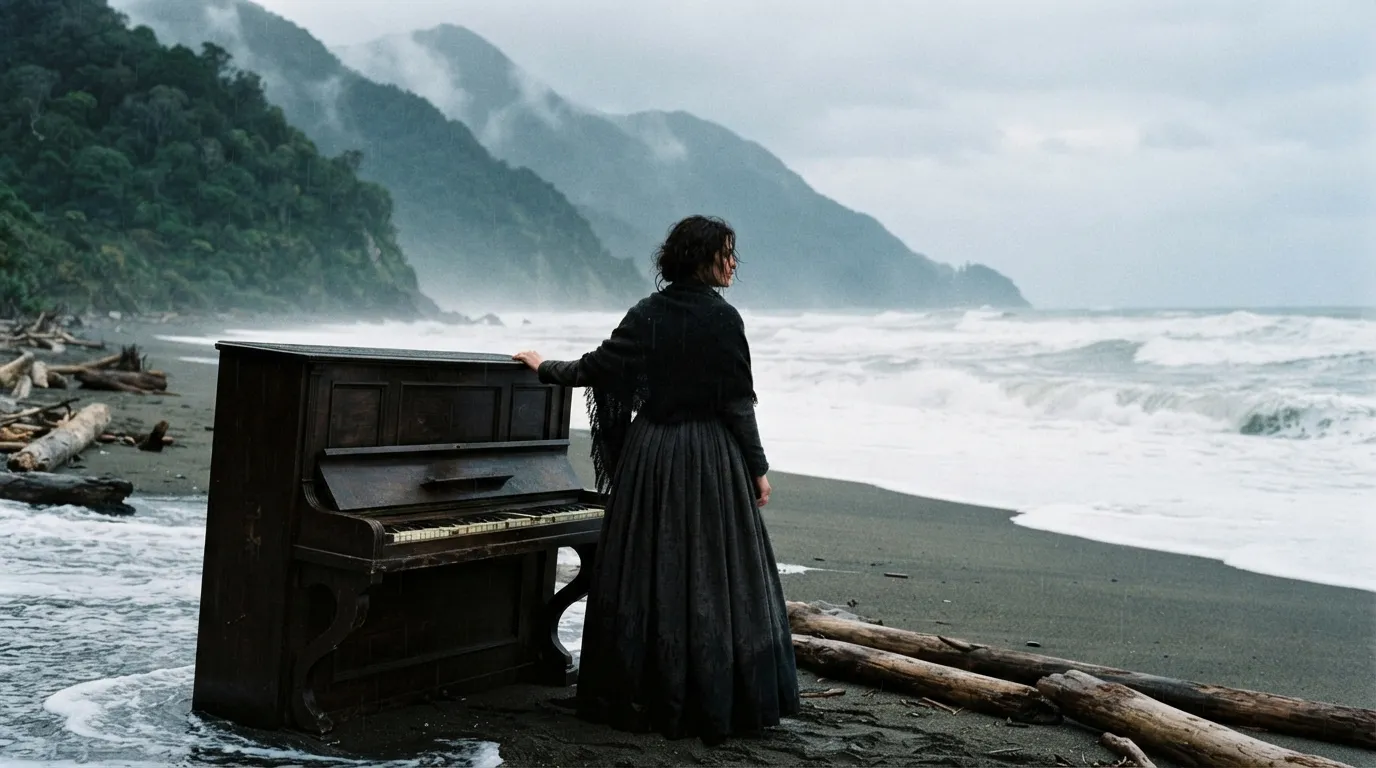
Campion first made the short films Peel and A Girl’s Own Story and the television film Two Friends. Her first theatrical feature was Sweetie in 1989, a prickly, off-kilter family portrait set in suburban Australia.
Four years later she made The Piano, about a mute pianist sent to 19th-century New Zealand for an arranged marriage. It won the Palme d’Or at Cannes, making Campion the first woman to receive the prize.
The oddball domestic tension of the debut became something wild, romantic, and unforgettable.
#13 – Barry Jenkins: From Medicine for Melancholy (2008) to Moonlight (2016)
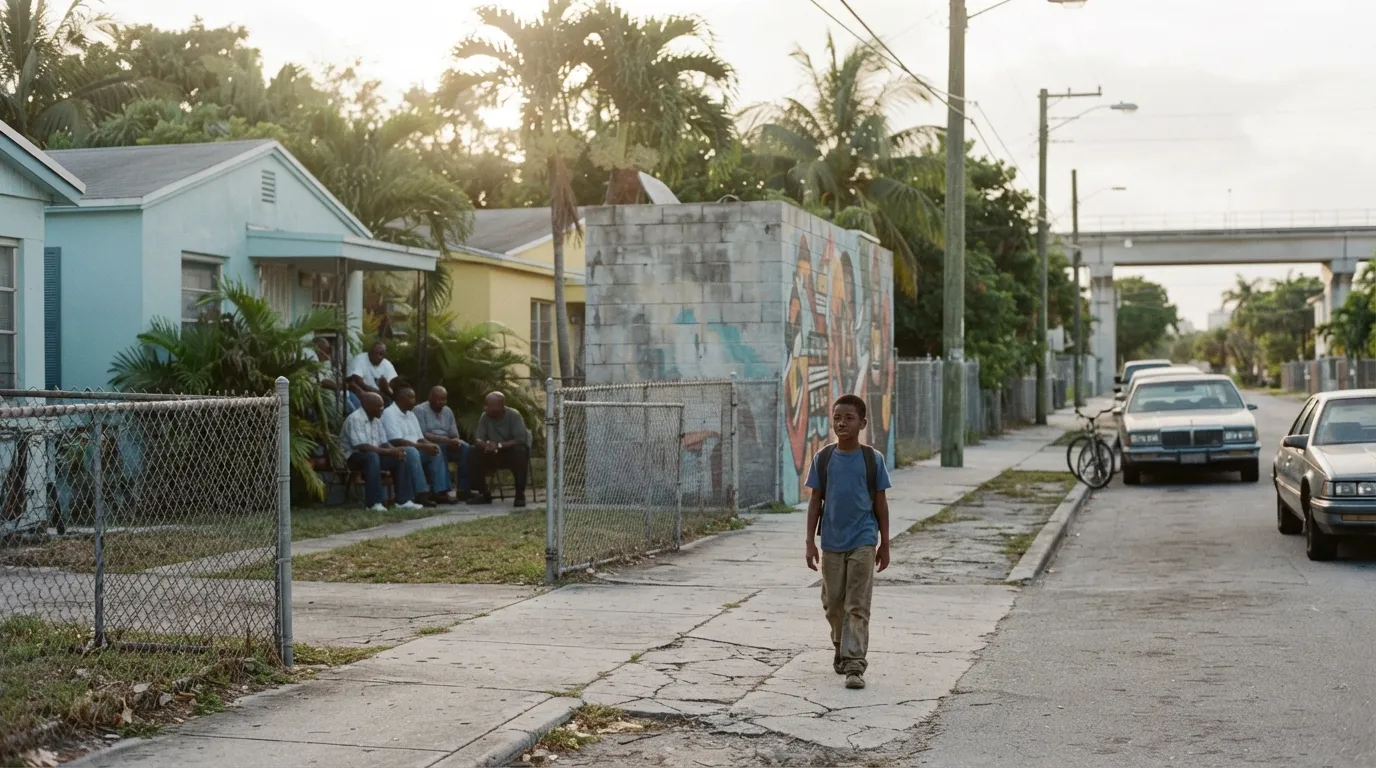
Jenkins started with short films, then made Medicine for Melancholy, a quiet San Francisco story about two strangers who spend the day together after a one-night stand. It was tiny, intimate, and fascinated by the city and the people in it.
Eight years later came Moonlight, which follows one man’s life in three chapters. It won the Oscar for Best Picture, in a ceremony that included one of the most chaotic envelope mix-ups in Oscar history.
He moved from one day of conversation to a whole life told in three chapters, with the same patient gaze.
Worth Knowing
- Moonlight is set in Miami, a long way from the San Francisco streets of his debut.
- It grew out of an unproduced play by Tarell Alvin McCraney.
- Jenkins and McCraney shared the Oscar for Best Adapted Screenplay.
- Both films treat place as a character, and both let silences do the talking.
#12 – Wong Kar-wai: From As Tears Go By (1988) to In the Mood for Love (2000)
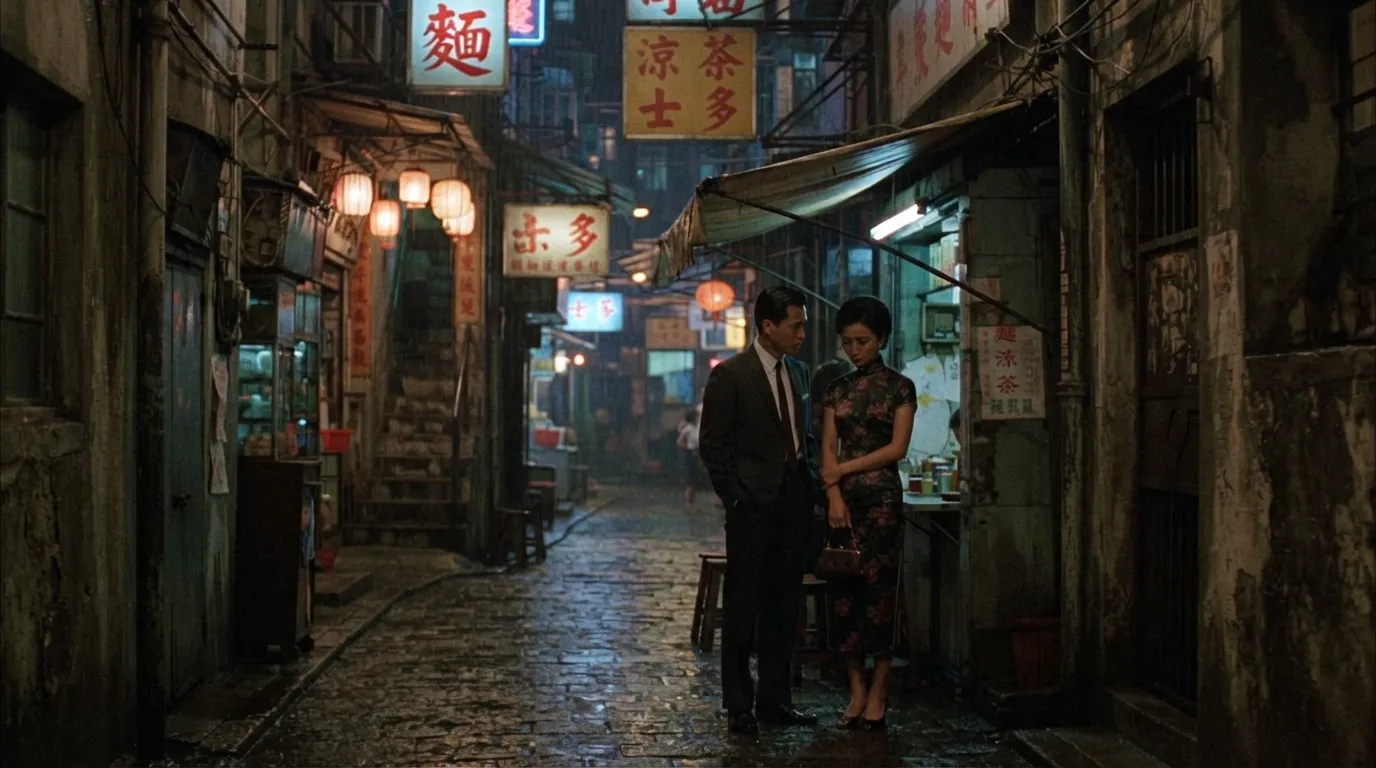
Wong worked as a screenwriter before directing. As Tears Go By, his debut, was a Hong Kong gangster drama with a lovesick undercurrent. The genre was conventional, but his eye for mood was not.
By 2000, twelve years later, he had made films like Chungking Express and arrived at In the Mood for Love. Two neighbors in 1960s Hong Kong fall for each other and never act on it.
The street fighting disappeared, but the longing only grew louder.
#11 – Steven Spielberg: From The Sugarland Express (1974) to Jaws (1975)
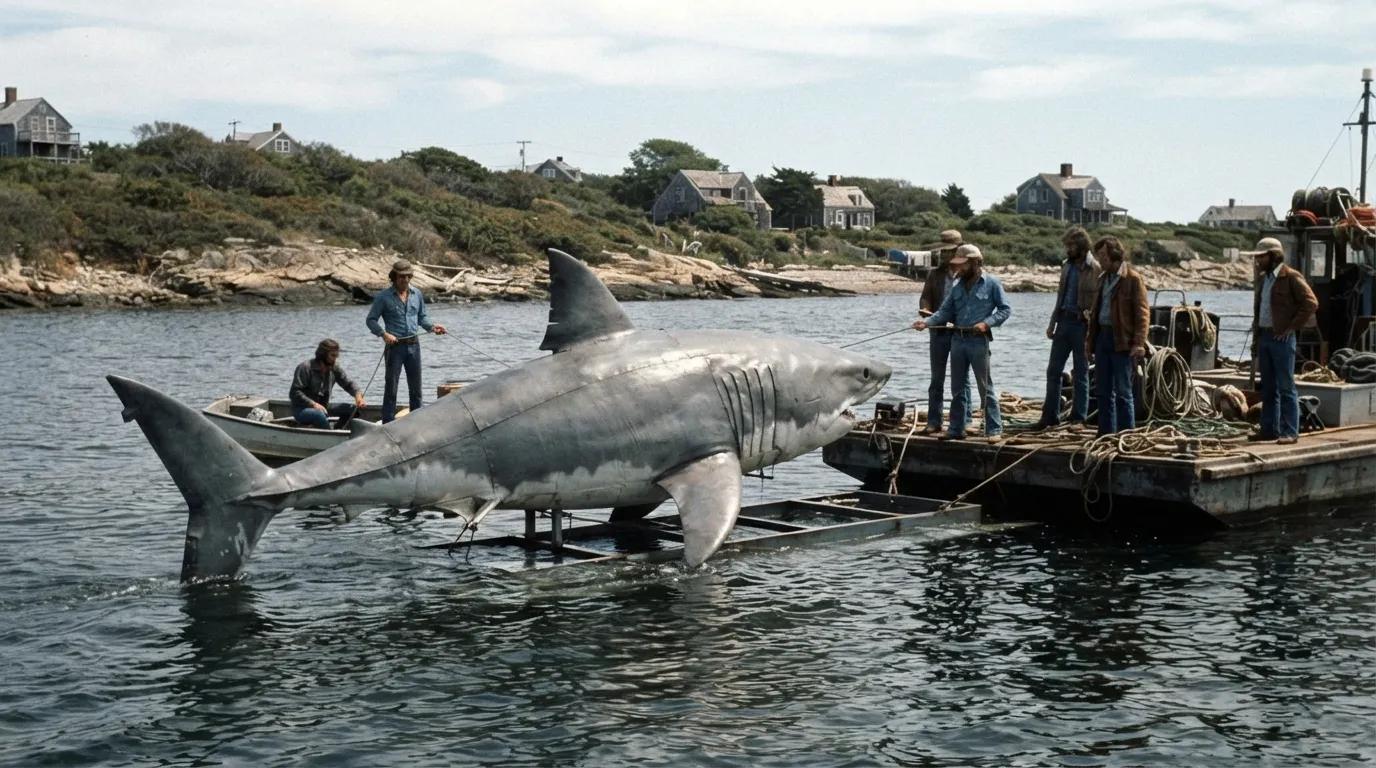
Spielberg had been busy long before his first theatrical feature. He made amateur films as a teenager, the short Amblin’, and television work including episodes of Night Gallery and Columbo, plus the TV movie Duel.
The Sugarland Express was a road-chase drama starring Goldie Hawn. Just one year later came Jaws, the shark thriller often credited with creating the summer blockbuster.
The shortest gap on this list produced one of its biggest leaps in public attention.
#10 – James Cameron: From Piranha II: The Spawning (1982) to Titanic (1997)
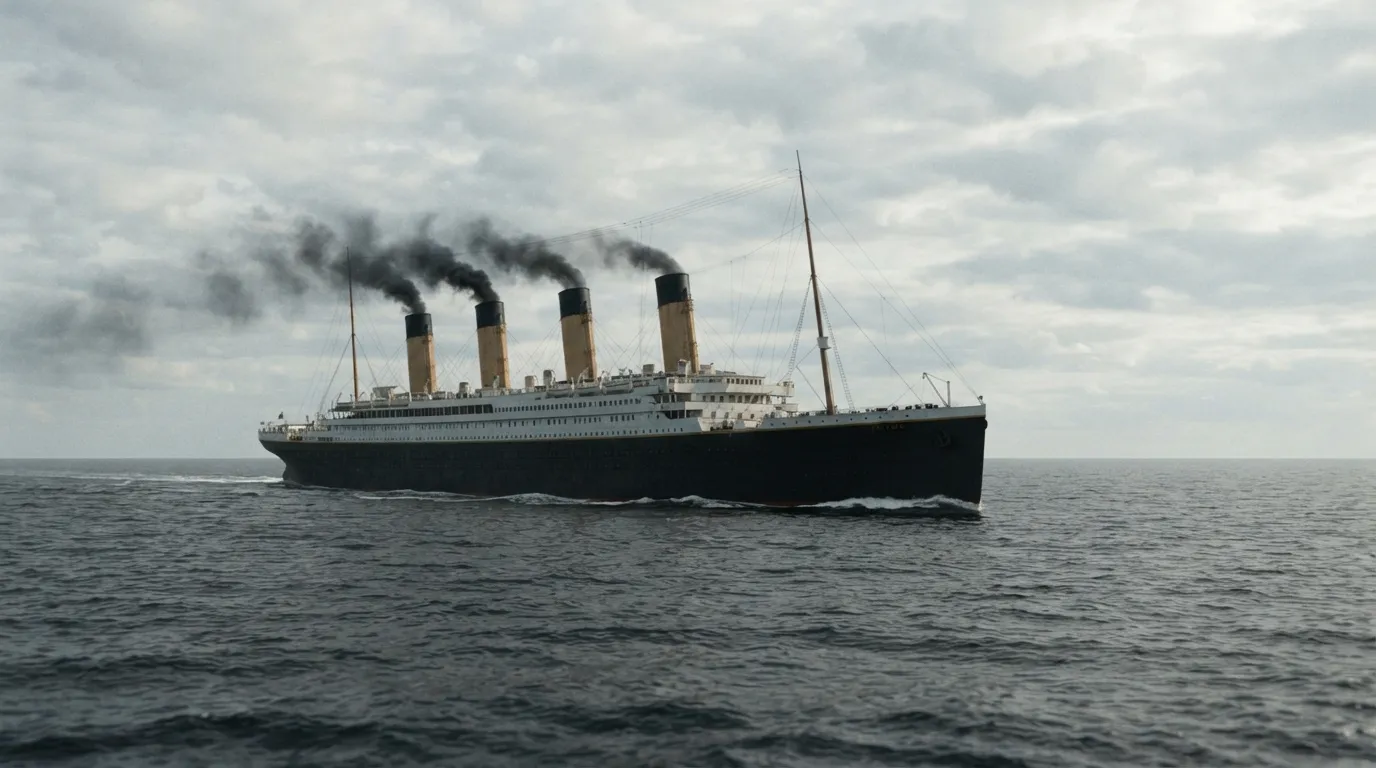
Cameron made the short Xenogenesis in 1978 and worked on effects and design for Roger Corman’s New World Pictures. His credited directing debut was Piranha II: The Spawning, a B-movie about flying killer fish.
He moved on to The Terminator and Aliens. In 1997, fifteen years after his debut, he released Titanic, a disaster romance on a huge scale that won 11 Academy Awards.
A film about piranha with wings led, eventually, to a love story on the most famous ship in history.
Quick Compare
- Then: Piranha II: The Spawning (1982), a B-movie creature feature
- Between: The Terminator (1984) and Aliens (1986)
- Now: Titanic (1997), a disaster romance with 11 Oscar wins
- Gap: 15 years
#9 – David Lynch: From Eraserhead (1977) to Blue Velvet (1986)
Lynch made shorts such as Six Men Getting Sick and The Grandmother before his feature debut. Eraserhead is a black-and-white nightmare of industrial dread and a deformed baby that took years to finish.
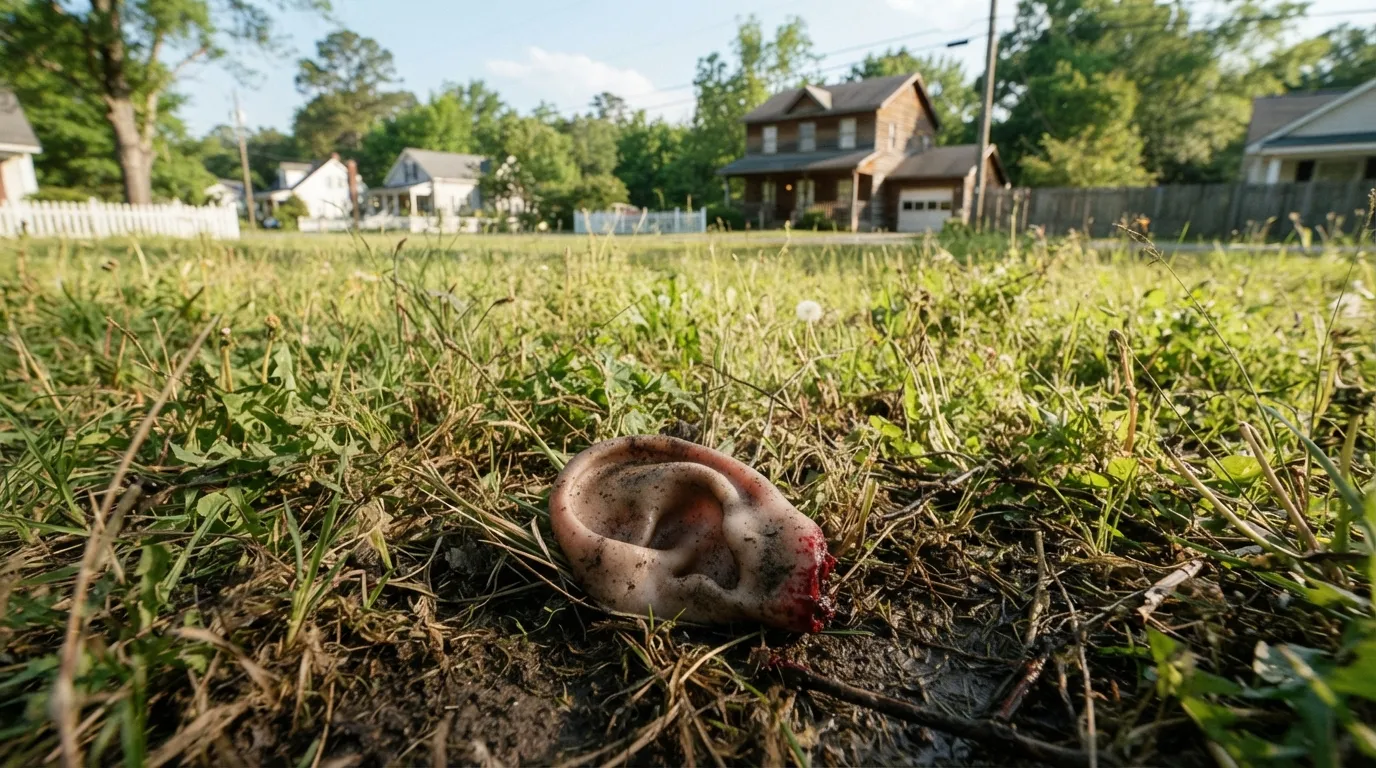
After The Elephant Man and Dune, he made Blue Velvet in 1986, nine years after his debut. A young man finds a severed ear in a field and is pulled into the dark side of a perfect small town.
The weirdness stopped hiding in an apartment and moved into the neighborhood.
#8 – Guillermo del Toro: From Cronos (1993) to Pan’s Labyrinth (2006)
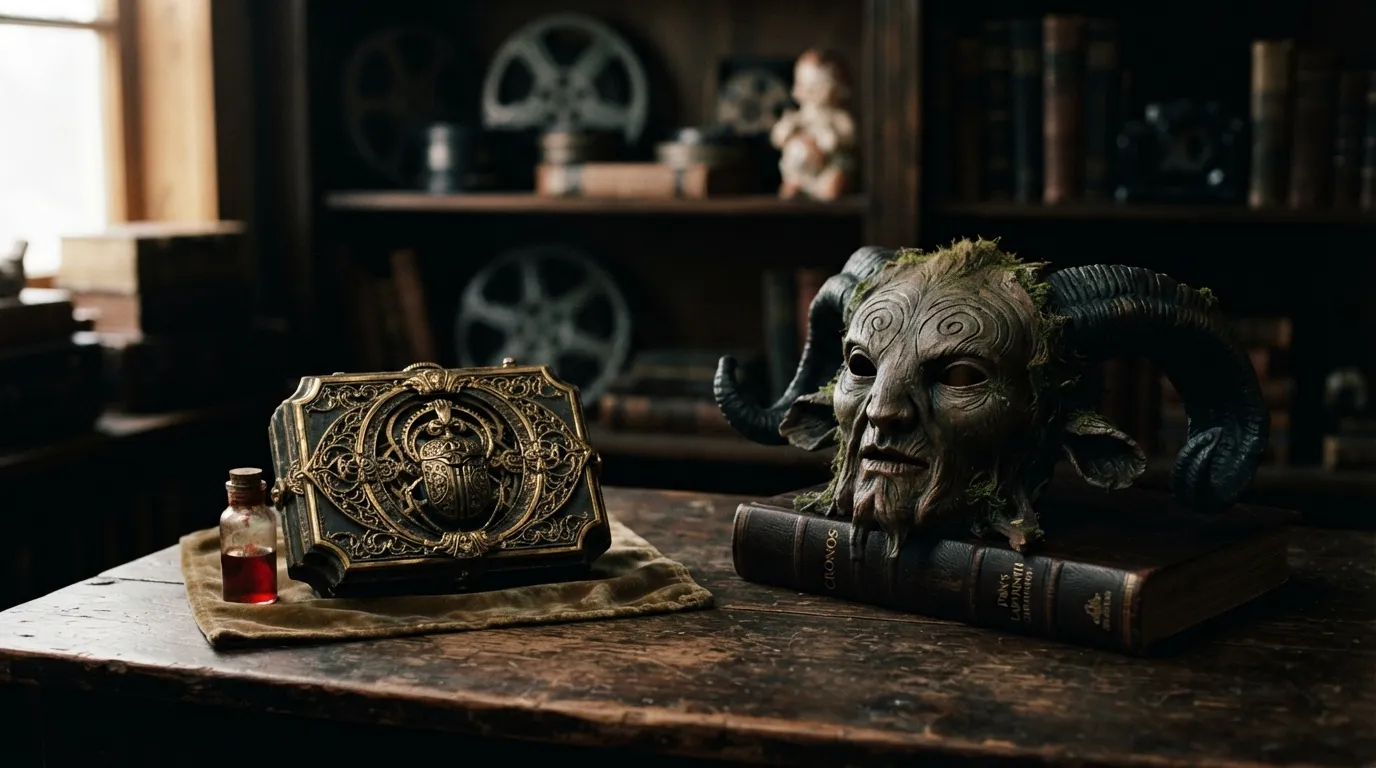
Del Toro made the shorts Doña Lupe and Geometria and worked in Mexican television on the series La Hora Marcada. His feature debut, Cronos, is a strange vampire tale about an antique device and an old shopkeeper.
Thirteen years later, Pan’s Labyrinth placed a girl between a fairy-tale underworld and the brutality of Franco’s Spain. It won three Oscars.
The monsters grew more beautiful and more frightening, and the real-world cruelty grew harder to look away from.
#7 – Martin Scorsese: From Who’s That Knocking at My Door (1967) to Taxi Driver (1976)
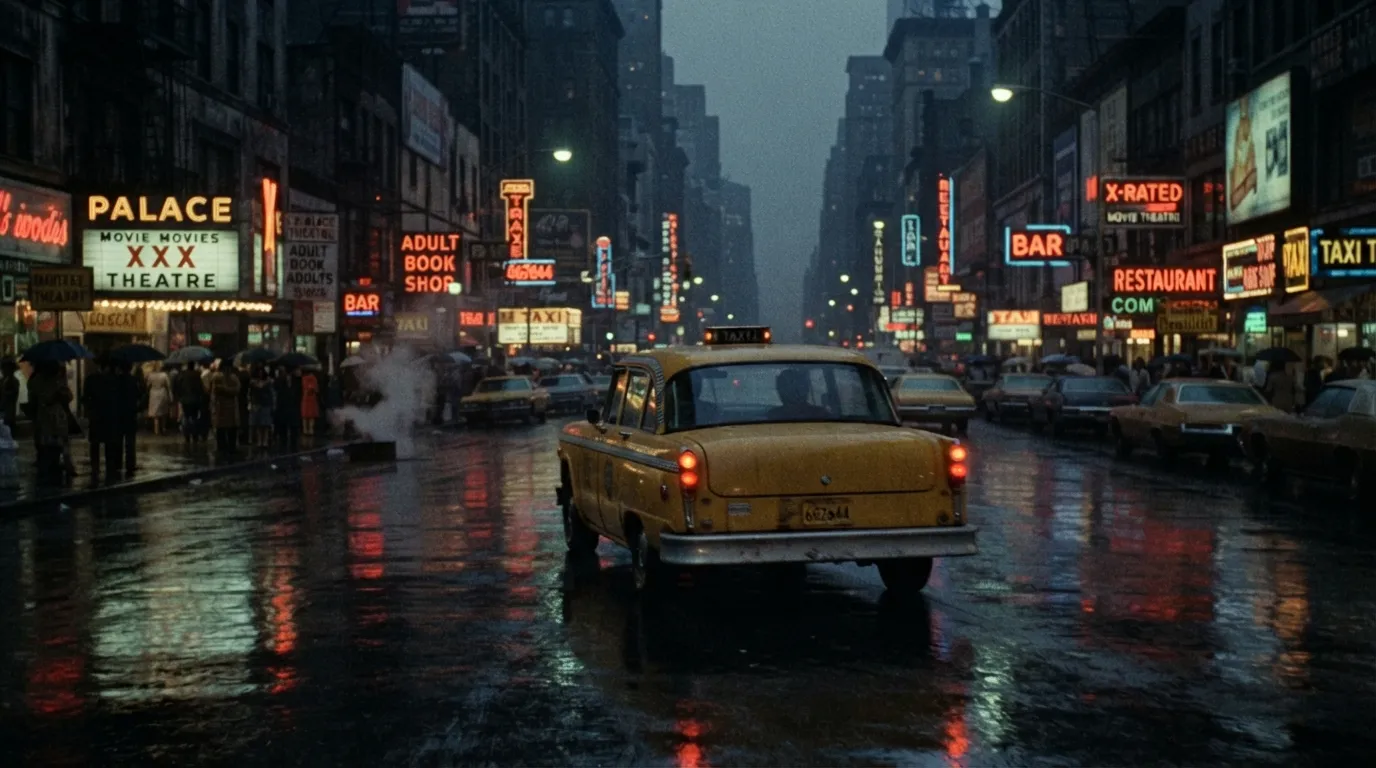
Scorsese made student shorts at NYU, including The Big Shave, before his debut. Who’s That Knocking at My Door starred Harvey Keitel as a young Italian-American man struggling to reconcile love with his upbringing.
He sharpened his urban voice in Mean Streets. Nine years after his debut, Taxi Driver sent a lonely, unraveling cabbie through nighttime New York and won the Palme d’Or.
The confused young man in a neighborhood grew into a man alone in a whole city.
#6 – Akira Kurosawa: From Sanshiro Sugata (1943) to Seven Samurai (1954)
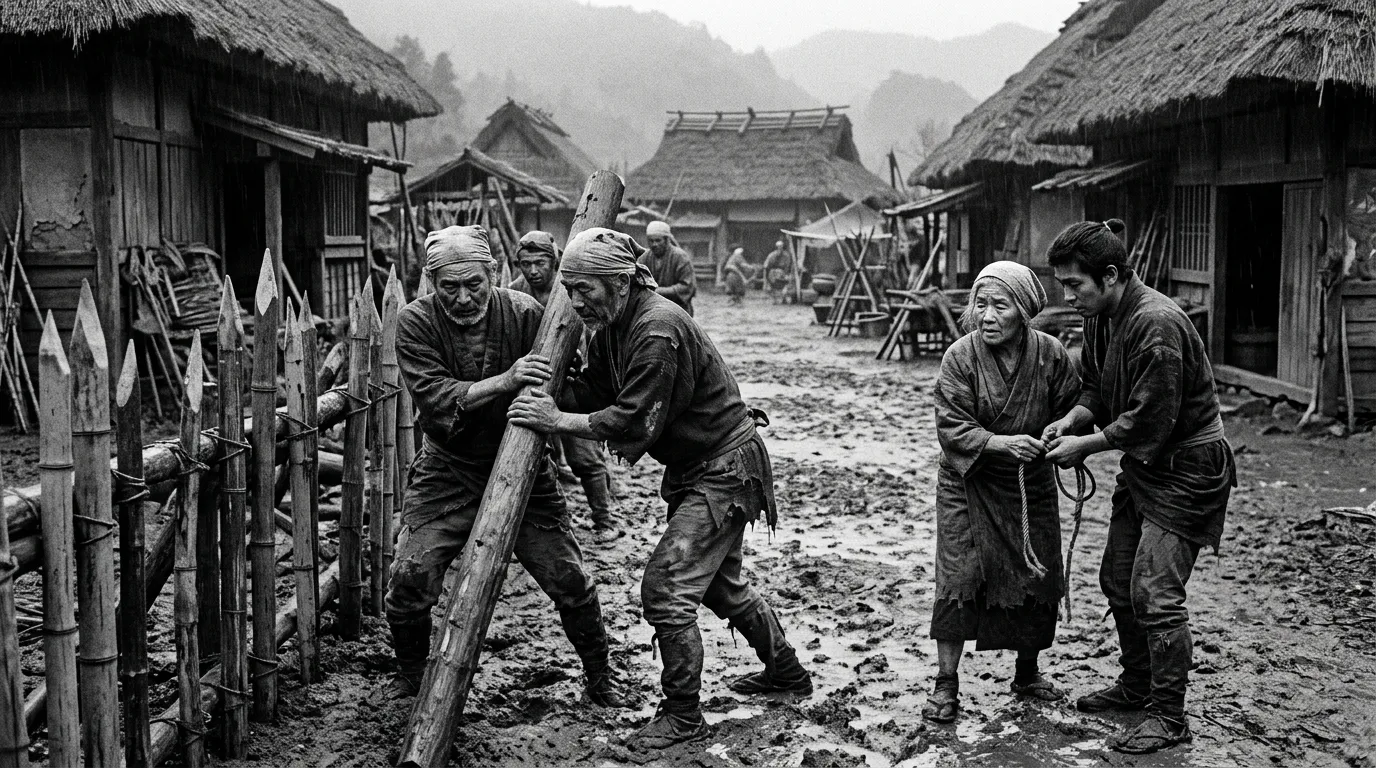
Kurosawa first worked as an assistant director and screenwriter at the studio that became Toho. Sanshiro Sugata, his debut, was a judo drama made during wartime.
In 1950 he made Rashomon, which won the Golden Lion at Venice. Eleven years after his debut came Seven Samurai, in which villagers hire warriors to defend them. It is among the most influential action films ever made.
He went from one young fighter’s training to a whole village’s fight for survival.
#5 – Peter Jackson: From Bad Taste (1987) to The Fellowship of the Ring (2001)
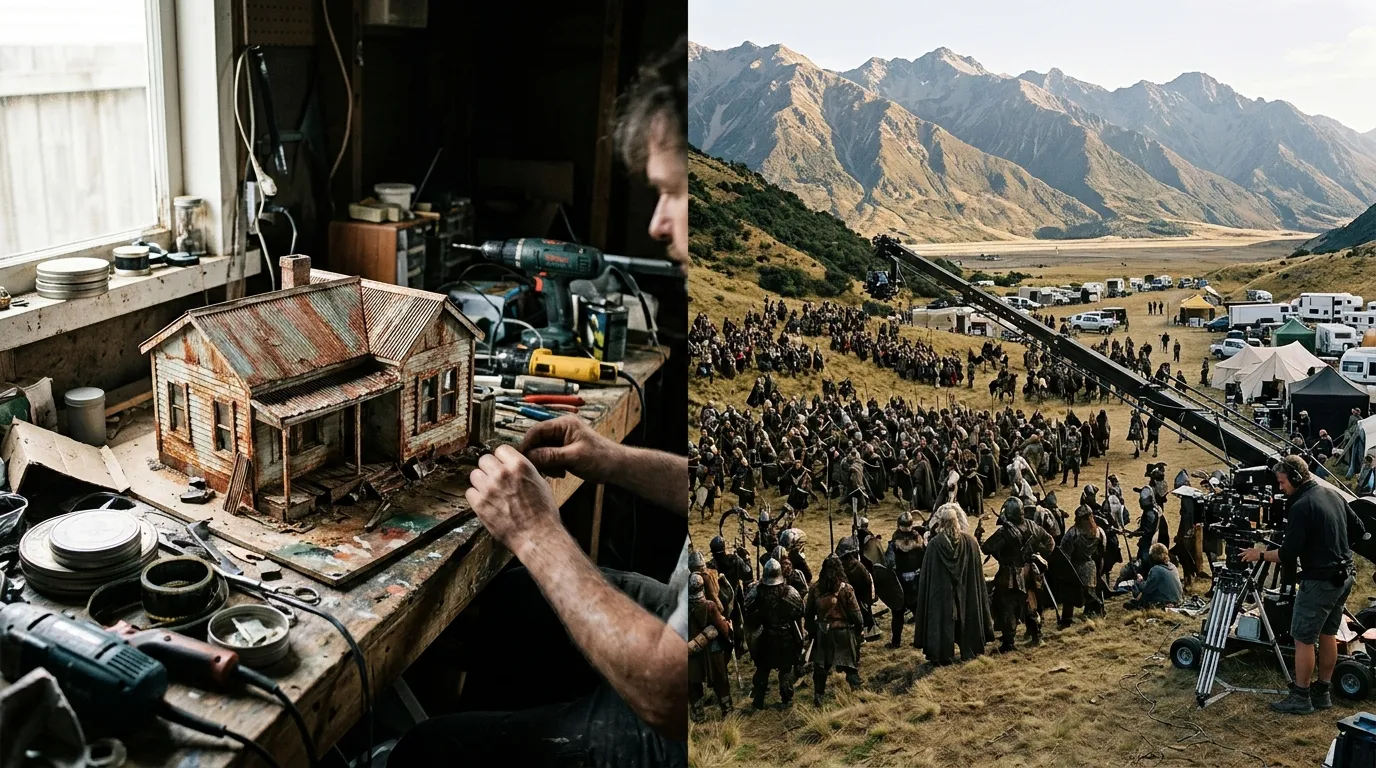
Jackson made Bad Taste on weekends over roughly four years while holding a day job at a Wellington newspaper. It is a gory comedy about aliens who want to turn humans into fast food, and he played multiple roles in it himself.
He went on to make Braindead and Heavenly Creatures. Fourteen years after his debut, he released The Fellowship of the Ring, the first of the Lord of the Rings films, shot in his home country on an enormous scale.
The backyard splatter movie grew up into one of the largest productions ever made.
#4 – Stanley Kubrick: From Fear and Desire (1953) to 2001: A Space Odyssey (1968)
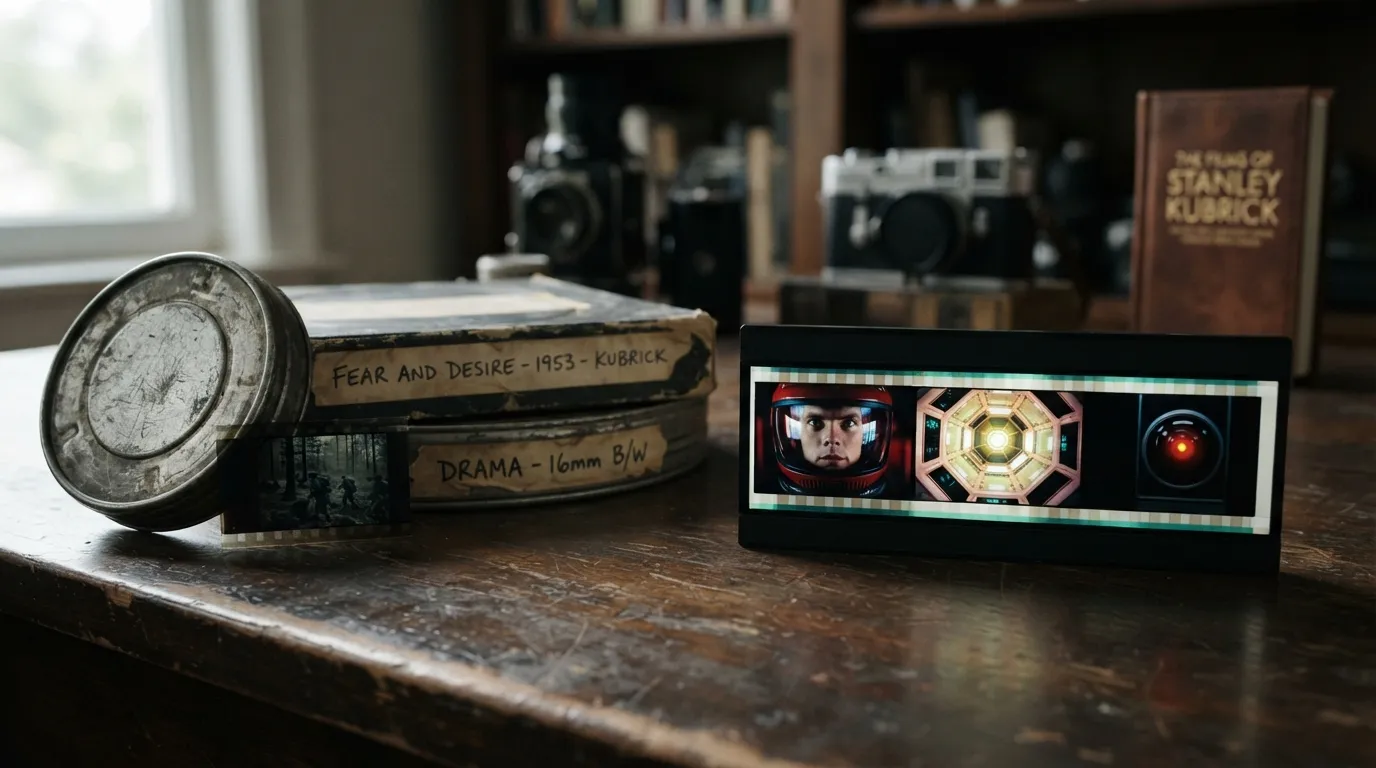
Before his debut, Kubrick was a photographer at Look magazine. He then made the shorts Day of the Fight, Flying Padre, and The Seafarers.
Fear and Desire followed in 1953, a war drama about soldiers stranded behind enemy lines. He reportedly disowned it.
Fifteen years later came 2001: A Space Odyssey, a visually daring epic about humanity and a murderous computer. It was a long way from a film he reportedly wanted forgotten to one that redefined what cinema could do.
#3 – Bong Joon-ho: From Barking Dogs Never Bite (2000) to Parasite (2019)
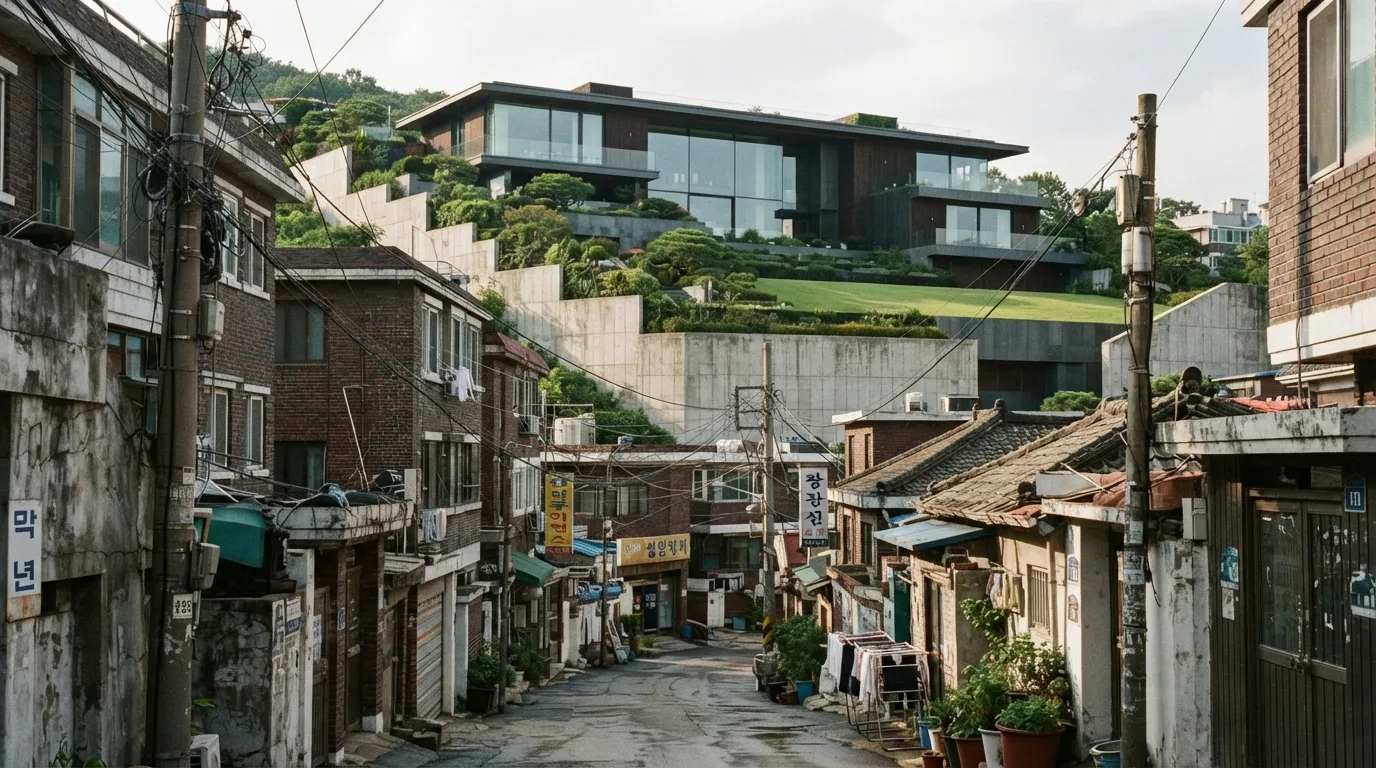
Bong made student shorts before his debut. Barking Dogs Never Bite is a black comedy about a man annoyed by a neighbor’s dog in an apartment block. It is small, quirky, and already full of class tension.
He followed it with Memories of Murder in 2003. Nineteen years after his debut came Parasite, which won the Palme d’Or and the Oscar for Best Picture, the first non-English-language film to take the top prize.
The apartment block became a mansion, and the dark joke became a global conversation.
At a Glance
- Debut: Barking Dogs Never Bite (2000)
- Breakout step: Memories of Murder (2003)
- Signature film: Parasite (2019)
- Year gap: 19 years, with class tension the common thread
#2 – Hayao Miyazaki: From The Castle of Cagliostro (1979) to Spirited Away (2001)
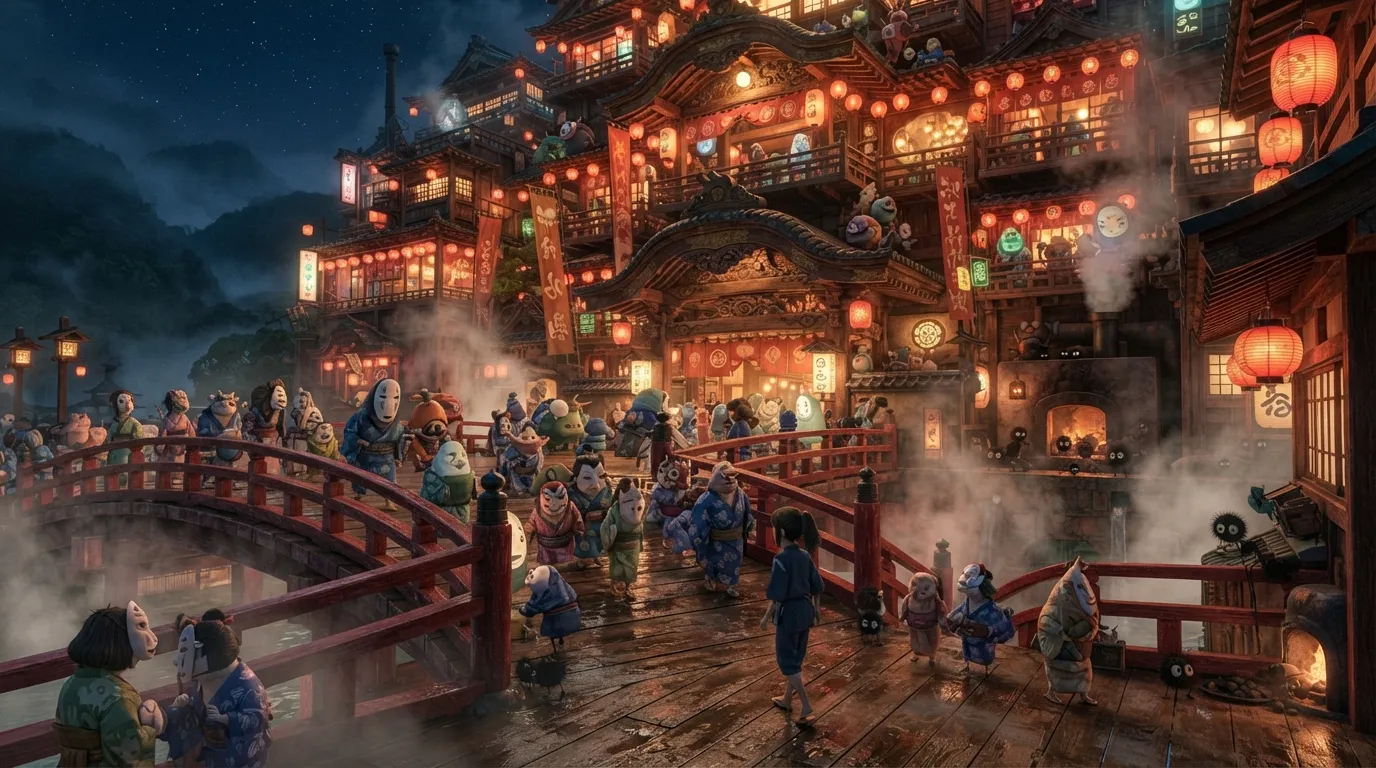
Miyazaki directed episodes of the TV series Lupin III and the series Future Boy Conan before his feature debut. The Castle of Cagliostro is a breezy caper with a gentleman thief, full of chases and tricks.
In between came Nausicaä, My Neighbor Totoro, Kiki’s Delivery Service, and Princess Mononoke. Twenty-two years after his debut, Spirited Away sent a girl into a spirit world and won the Oscar for Best Animated Feature.
He went from a rollicking adventure to a dreamlike fable that felt entirely his own.
#1 – Alfred Hitchcock: From The Pleasure Garden (1925) to Psycho (1960)
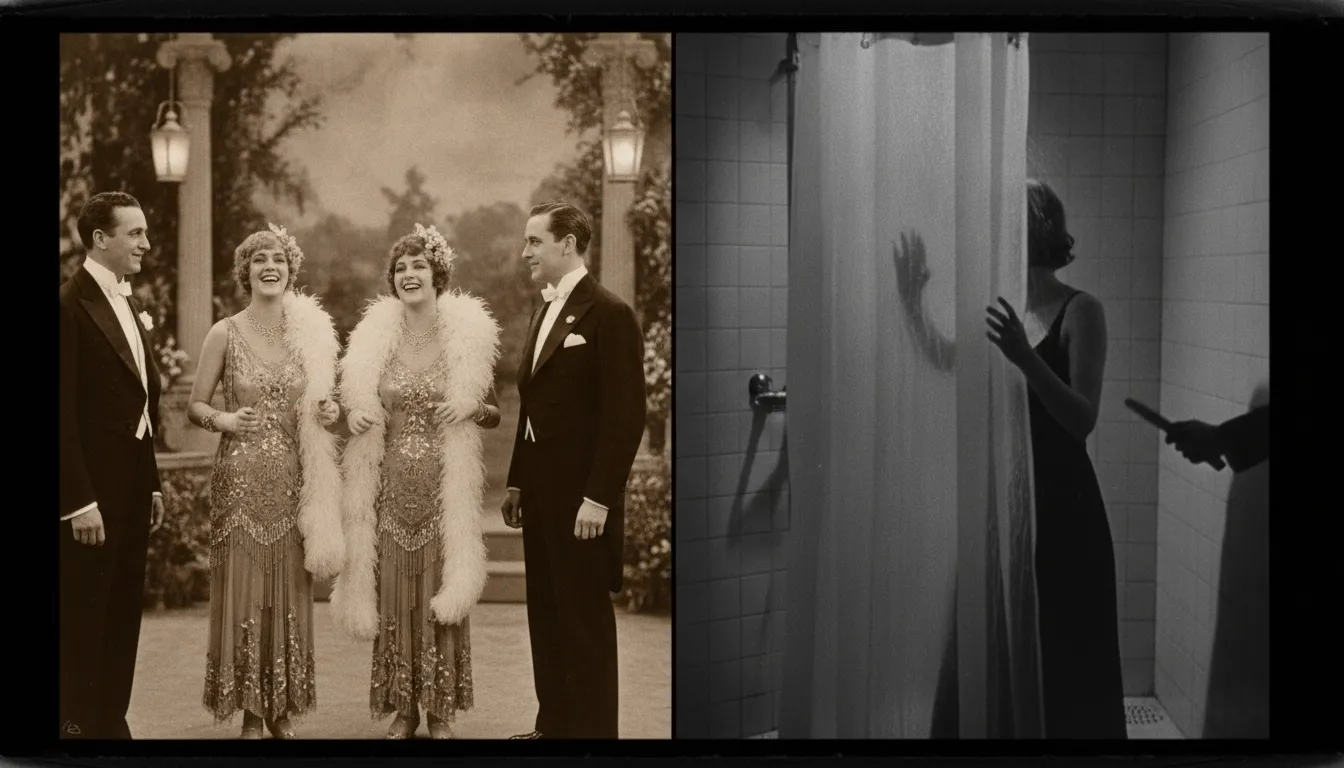
Hitchcock began in the London studio of Famous Players-Lasky, designing title cards, then worked his way up to assistant director. The Pleasure Garden, the first feature he completed, was a silent melodrama about showgirls and their lovers.
Two years later The Lodger became his breakthrough. In 1960, a staggering 35 years after his debut, he made Psycho in black and white, with a crew drawn from his television series.
He made a silent melodrama in the 1920s and then, decades later, a shower scene that still gets talked about.
Across 25 directors the gaps run from one year to 35, and the debuts are rarely what you would predict. Some were tiny weekend projects, some were troubled studio jobs, and some were films their makers wanted to forget.
What lasts is the obsession. The stalker became a dream thief, the outsider moved from a road trip to a suburb, and a yearning in Hong Kong stayed a yearning. A great director’s first film may not be their best, but it often shows what they were already trying to say.