
- The 20 Impossible 60s–70s Music Quiz for Hardcore Fans - December 21, 2025
- 14 Songs That Were Almost Never Released – And Changed Everything - December 21, 2025
- 20 Epic Coming-of-Age Books You Wish You Read Sooner - December 21, 2025
Go Ask Alice by Anonymous
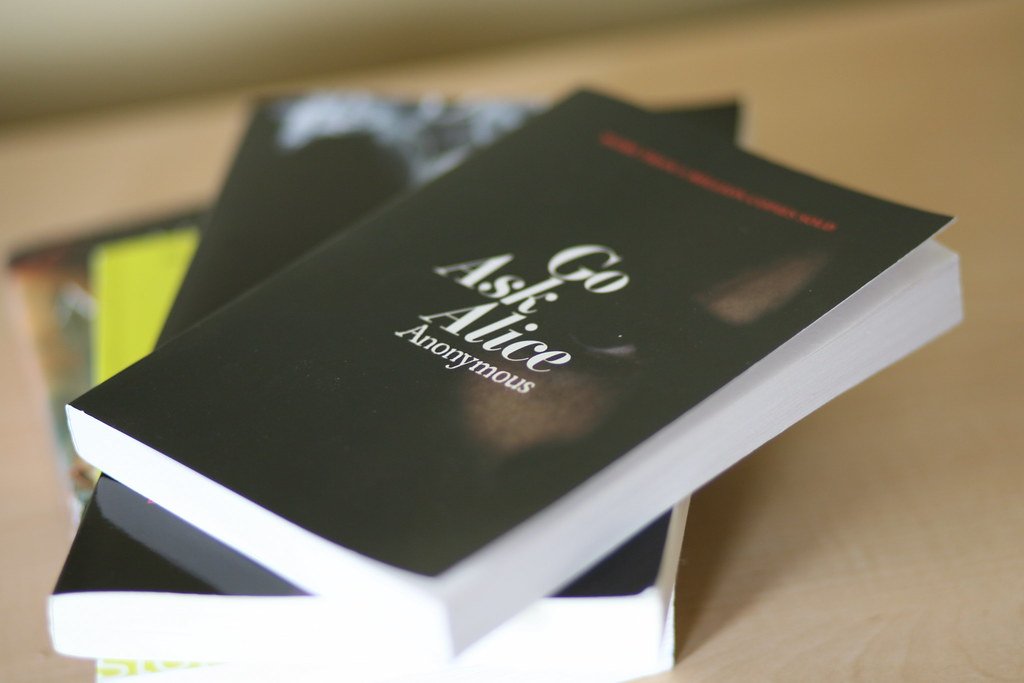
Few books have rattled parents and librarians quite like “Go Ask Alice.” Published in 1971, this so-called diary of a teenage girl’s descent into addiction first appeared to be a real-life cautionary tale. The book’s raw descriptions of drugs, sex, and runaway life led to it being banned in schools and libraries across the U.S. Research later revealed it was written by Beatrice Sparks, a therapist, not a teenager, but the controversy over its explicit content kept it in the censorship spotlight for decades. In the 1990s, it ranked among the American Library Association’s most challenged books. Its candid look at youth drug culture made people both fearful and fascinated, cementing its place in banned book history.
Persepolis by Marjane Satrapi
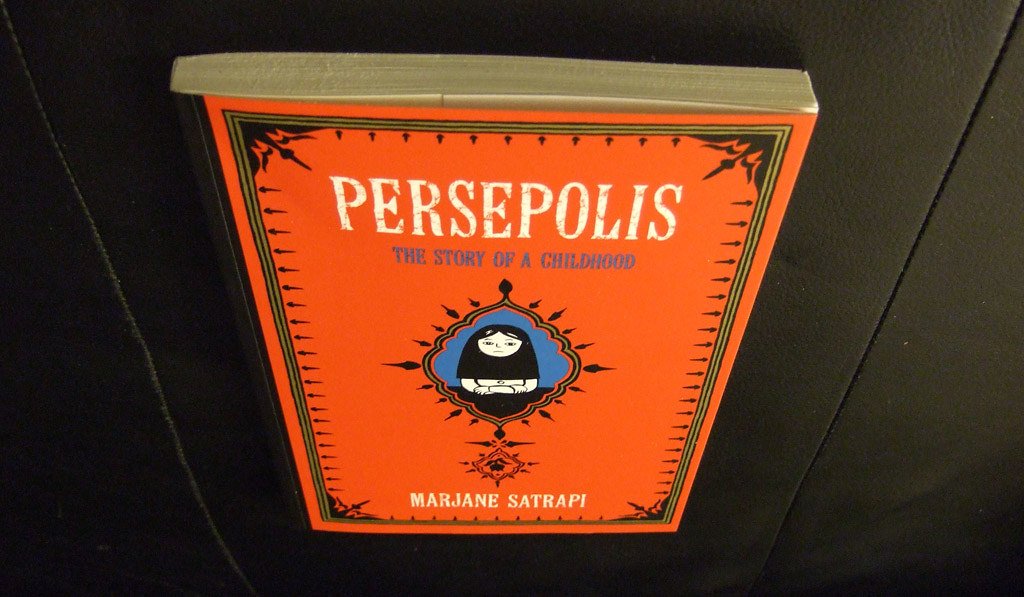
Marjane Satrapi’s graphic memoir “Persepolis” tells the story of growing up during the Iranian Revolution, blending stark black-and-white artwork with blunt political commentary. When the Chicago Public Schools pulled it from classrooms in 2013, the move sparked a heated national debate. School officials cited its depictions of torture and violence, yet many teachers and students argued these were exactly the truths that needed exposure. The book has repeatedly landed on the American Library Association’s Most Challenged list, especially in conservative areas, because of its political themes and mature content.
I Know Why the Caged Bird Sings by Maya Angelou
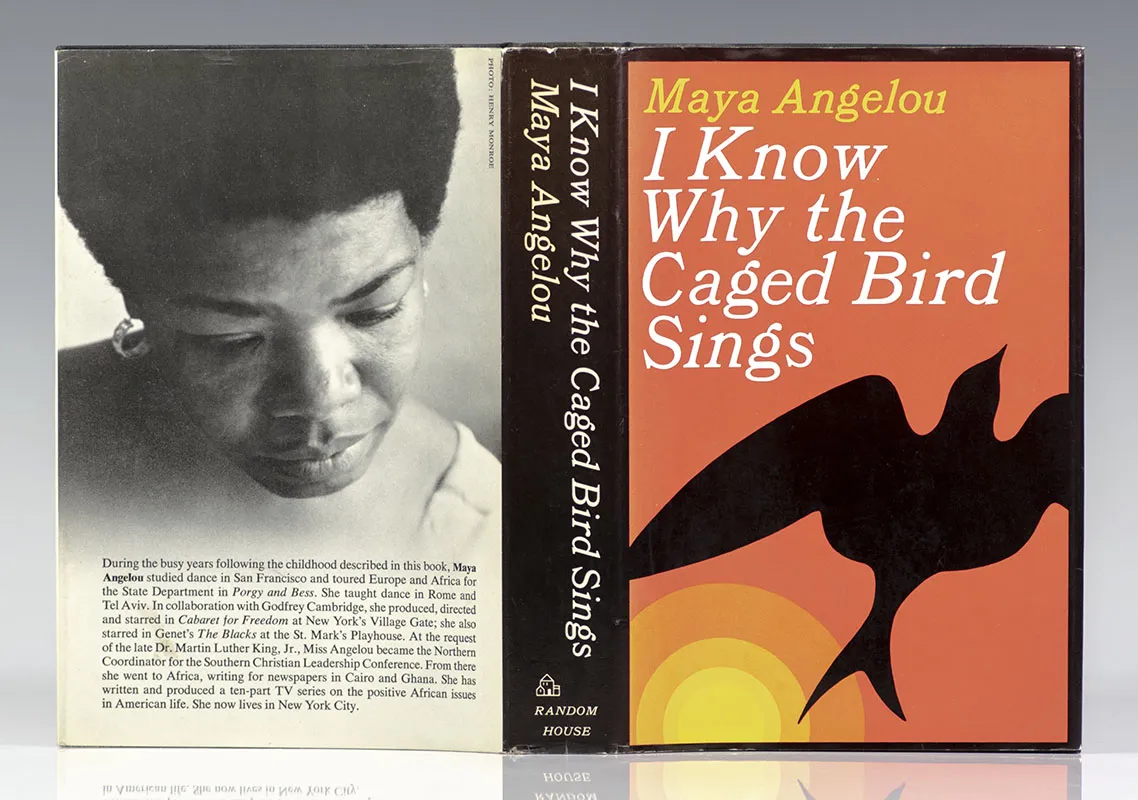
Maya Angelou’s groundbreaking memoir has been a lightning rod for controversy since its 1969 release. The book’s harrowing portrayal of sexual abuse, racism, and trauma led to more than 50 challenges and bans across U.S. schools, according to the ALA. In 2022, Texas was among several states to reconsider its place in school libraries. Angelou’s honest voice, however, is credited by many for giving hope to survivors and opening eyes to systemic injustice—an impact that has made the book both beloved and feared.
Fun Home by Alison Bechdel
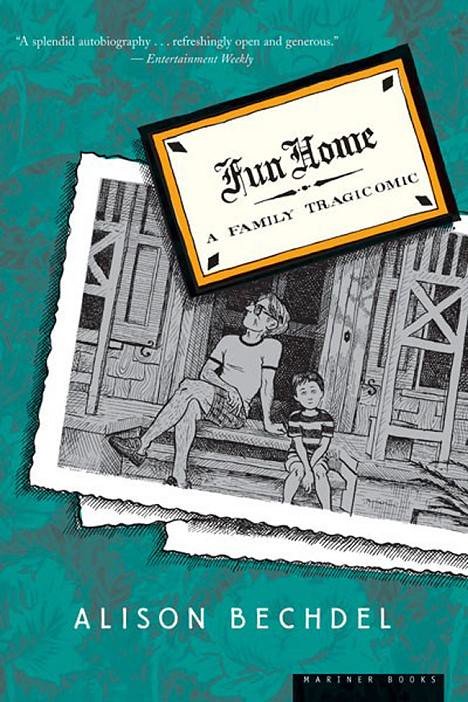
Alison Bechdel’s “Fun Home” broke new ground as a graphic memoir about family, sexuality, and coming of age. Its frank discussions of lesbian identity and suicide, paired with stark illustrations, drew swift backlash. In 2015, Duke University incoming freshmen debated whether it was appropriate as required reading, with some students refusing to read it. Several school districts have since removed it from shelves, citing “graphic images” and “sexual situations,” while others have praised it for sparking crucial conversations about mental health and LGBTQ+ issues.
Running with Scissors by Augusten Burroughs
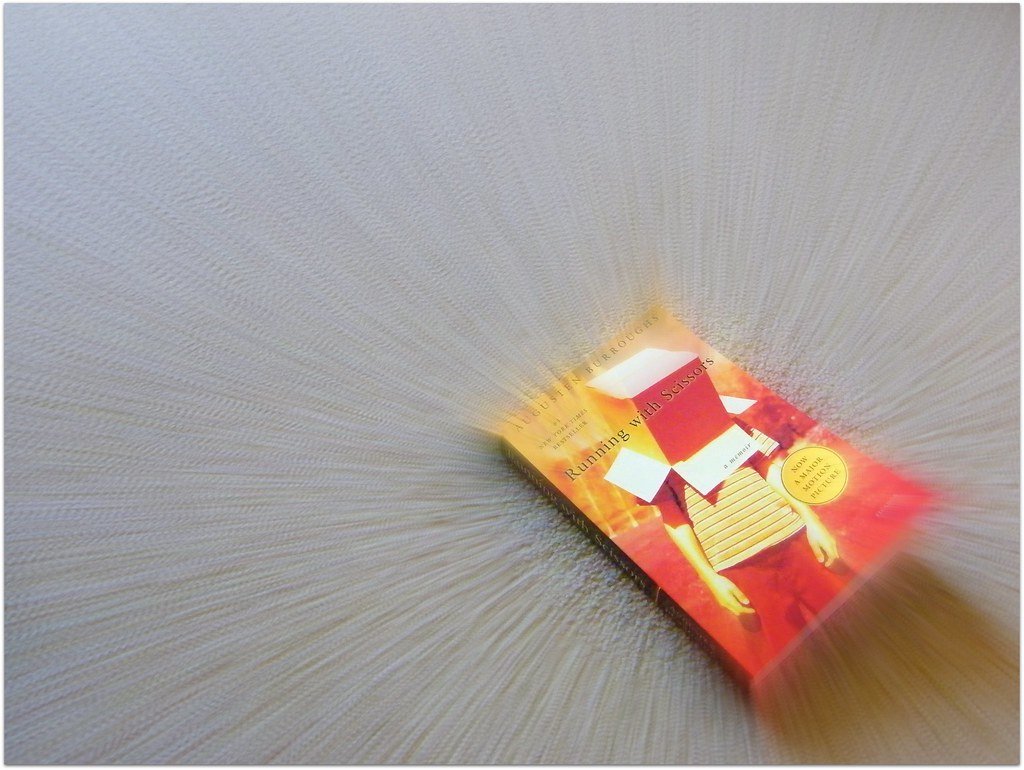
Augusten Burroughs’ darkly comic account of his unconventional childhood—marked by neglect, mental illness, and bizarre therapy—quickly became a bestseller but was met with outrage in some circles. In 2007, the memoir was challenged in Massachusetts schools due to language and sexual content. Some readers were shocked by the author’s candid descriptions of trauma and dysfunction, with critics insisting it was too “disturbing” for teens. Burroughs’ unapologetic honesty, however, earned him both devoted fans and fierce detractors.
The Color Purple by Alice Walker
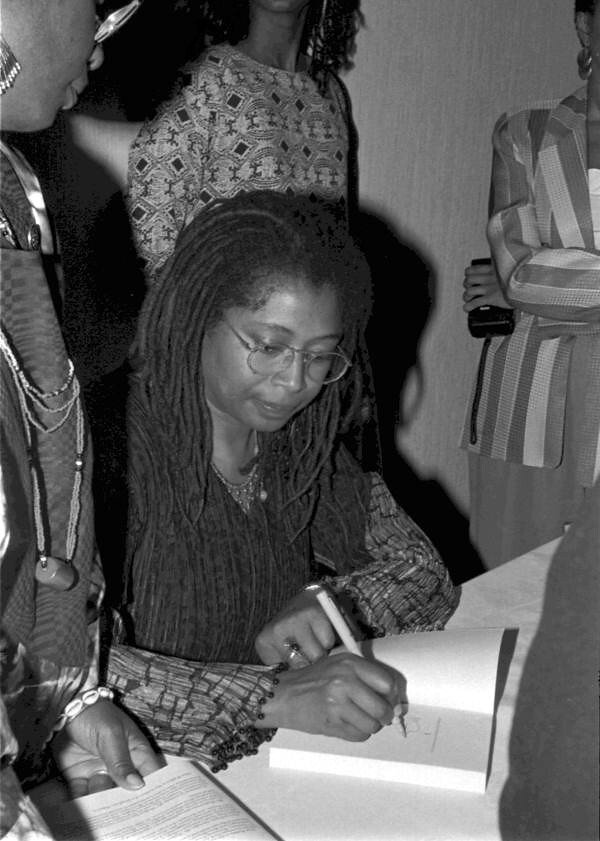
Alice Walker’s Pulitzer Prize-winning novel, which draws heavily on her own life and those of women she knew, was first published in 1982. It has been one of the most frequently banned or challenged books in the United States, according to the ALA. The memoir-like novel contains explicit depictions of sexual abuse, violence, and lesbian relationships. In 2022, it was removed from several school districts in Florida and Texas, fueling debates about parental rights and book censorship. Its emotional depth and raw storytelling continue to provoke strong reactions.
My Friend Dahmer by Derf Backderf
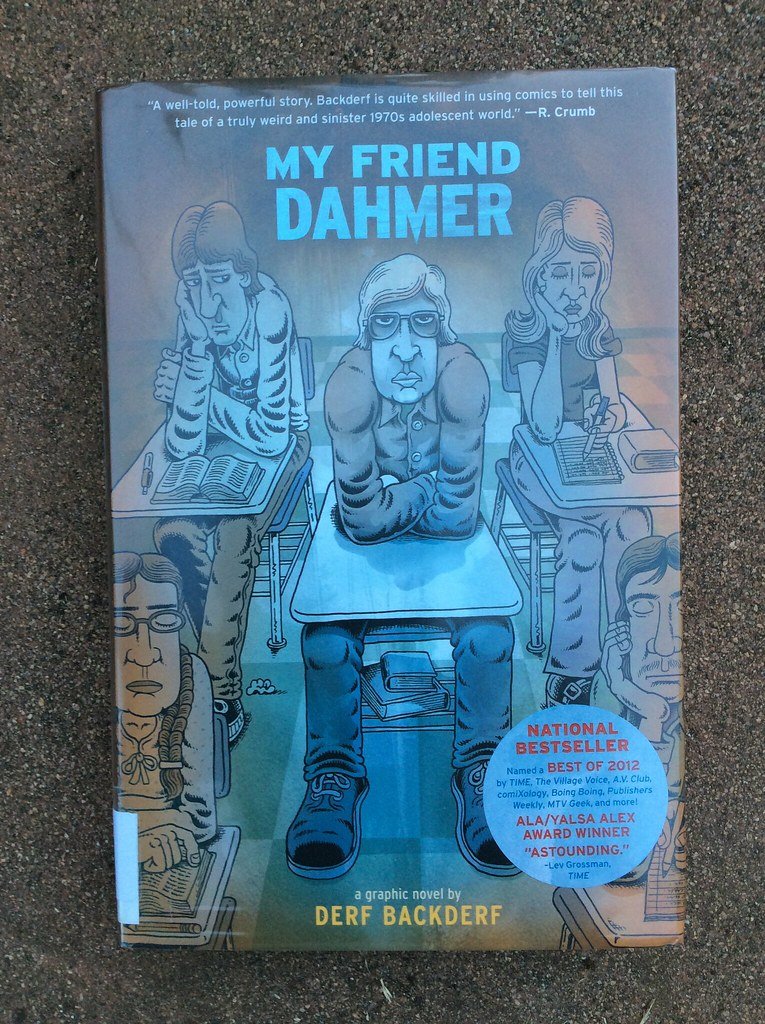
“My Friend Dahmer” is a chilling graphic memoir by Derf Backderf, who knew infamous serial killer Jeffrey Dahmer as a teenager. This memoir exposes Dahmer’s troubled youth and the warning signs many missed. In 2018, Utah parents called for its removal from school libraries, citing its disturbing content and graphic images. Yet, educators argue that it provides an important psychological profile and a warning about missed opportunities for intervention. The book’s blend of true crime and personal recollection makes it both compelling and controversial.
Gender Queer by Maia Kobabe
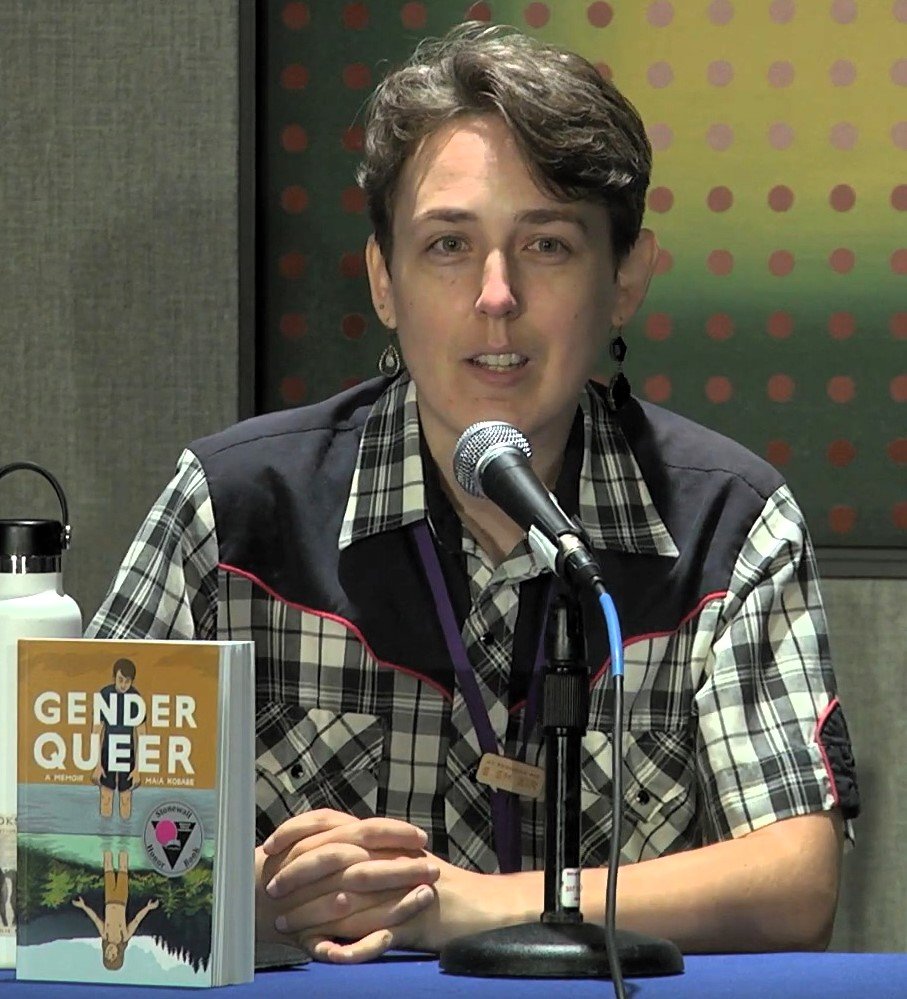
Maia Kobabe’s “Gender Queer” exploded onto the national stage in 2021 as one of the most banned books in America. This graphic memoir details the author’s journey with gender identity and sexuality, featuring explicit illustrations and frank discussion of self-discovery. According to PEN America, it was the most challenged book in the U.S. in 2022 and 2023. School districts from Virginia to Texas cited “pornographic” content, while LGBTQ+ advocates defend it as a lifeline for questioning teens.
Night by Elie Wiesel
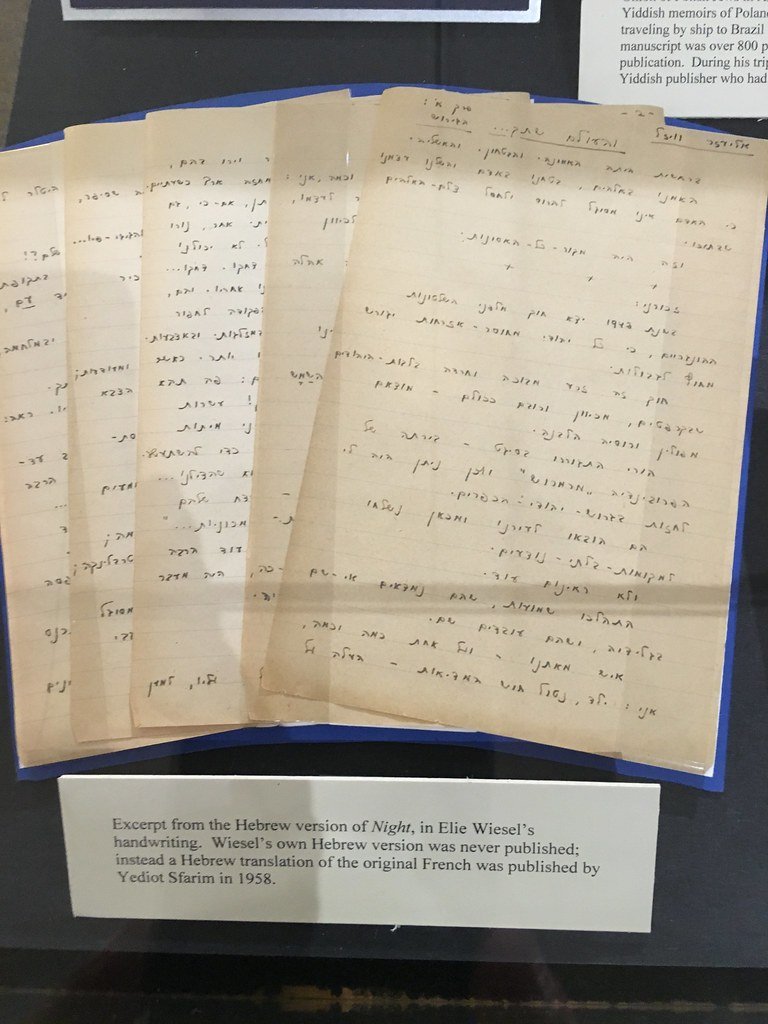
Elie Wiesel’s “Night” is a memoir of Holocaust survival that has devastated and educated millions. Despite its historical significance, the book has faced bans and challenges, especially in Texas and California, where some parents claimed the content was too graphic for high school students. Wiesel’s unflinching descriptions of death camps and loss are haunting, but many educators insist the book is essential for understanding history and empathy. Its removal often sparks outrage from those who believe in confronting hard truths.
Born a Crime by Trevor Noah
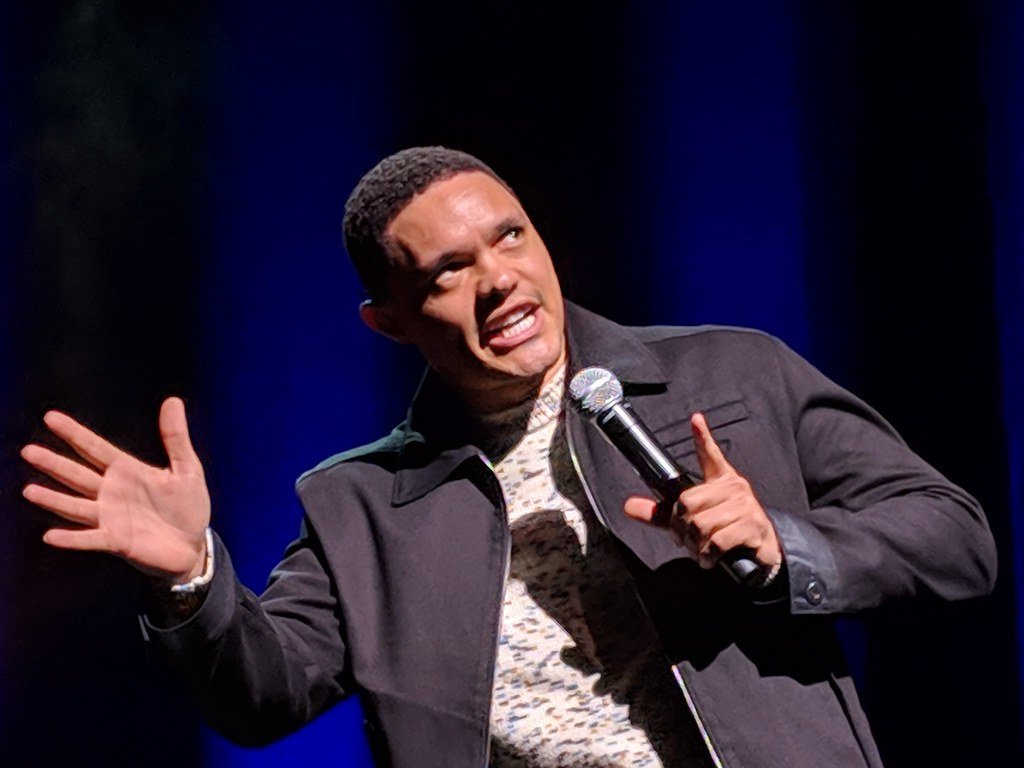
Trevor Noah’s memoir, “Born a Crime,” recounts his childhood under apartheid in South Africa with humor and heartbreak. In 2022, schools in Texas and Florida challenged the book for its depictions of racism, violence, and adult language. Critics claim it’s too mature for younger readers, while supporters argue that its honest portrayal of injustice can teach important lessons about resilience and hope. Noah’s witty, conversational style makes the tough subject matter accessible but no less controversial.
The Diary of a Young Girl by Anne Frank
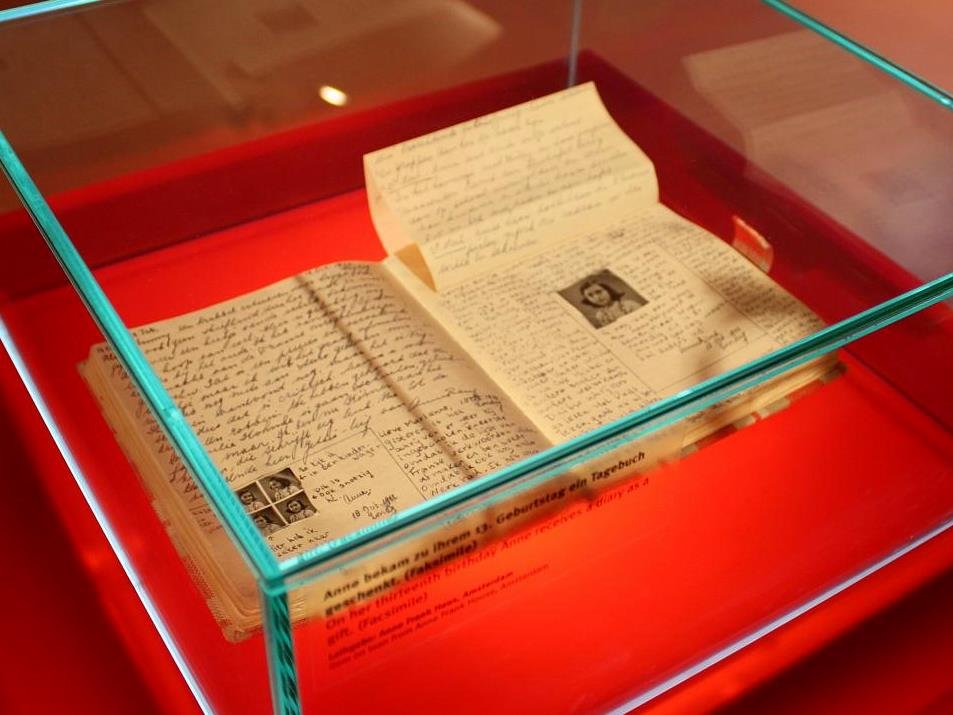
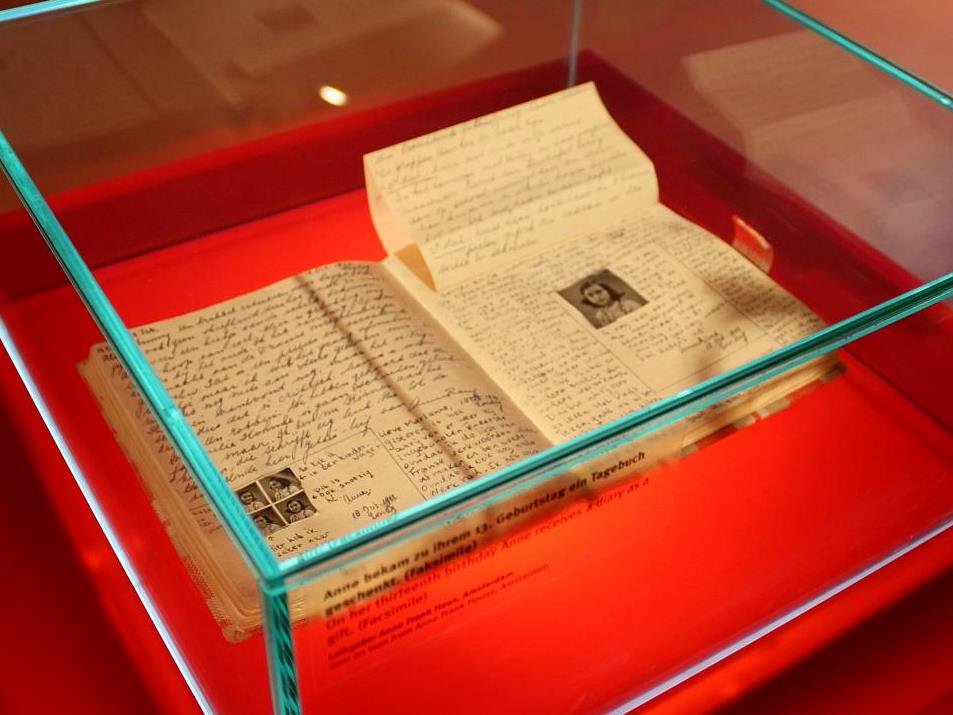
Anne Frank’s diary remains one of the most important firsthand accounts of the Holocaust. Yet, this historical memoir has been banned in several countries and frequently challenged in U.S. schools. In 2023, a Texas school district temporarily removed it for “sexual content” after complaints about passages discussing puberty and sexuality. Many educators and historians denounced the ban, arguing the diary’s power lies in its honesty and vulnerability. The book’s removals often ignite fierce debates about history and censorship.
Push by Sapphire
Sapphire’s “Push,” later adapted into the film “Precious,” is a brutal memoir-like novel about an abused teenage girl in Harlem. Its graphic depictions of incest, violence, and poverty have led to numerous bans, particularly in Southern states. In 2022, a Florida school district pulled it from shelves, citing “obscene” content. Advocates say the book gives voice to the voiceless and brings attention to cycles of abuse, while critics argue it is too explicit for young readers.
Just Mercy by Bryan Stevenson
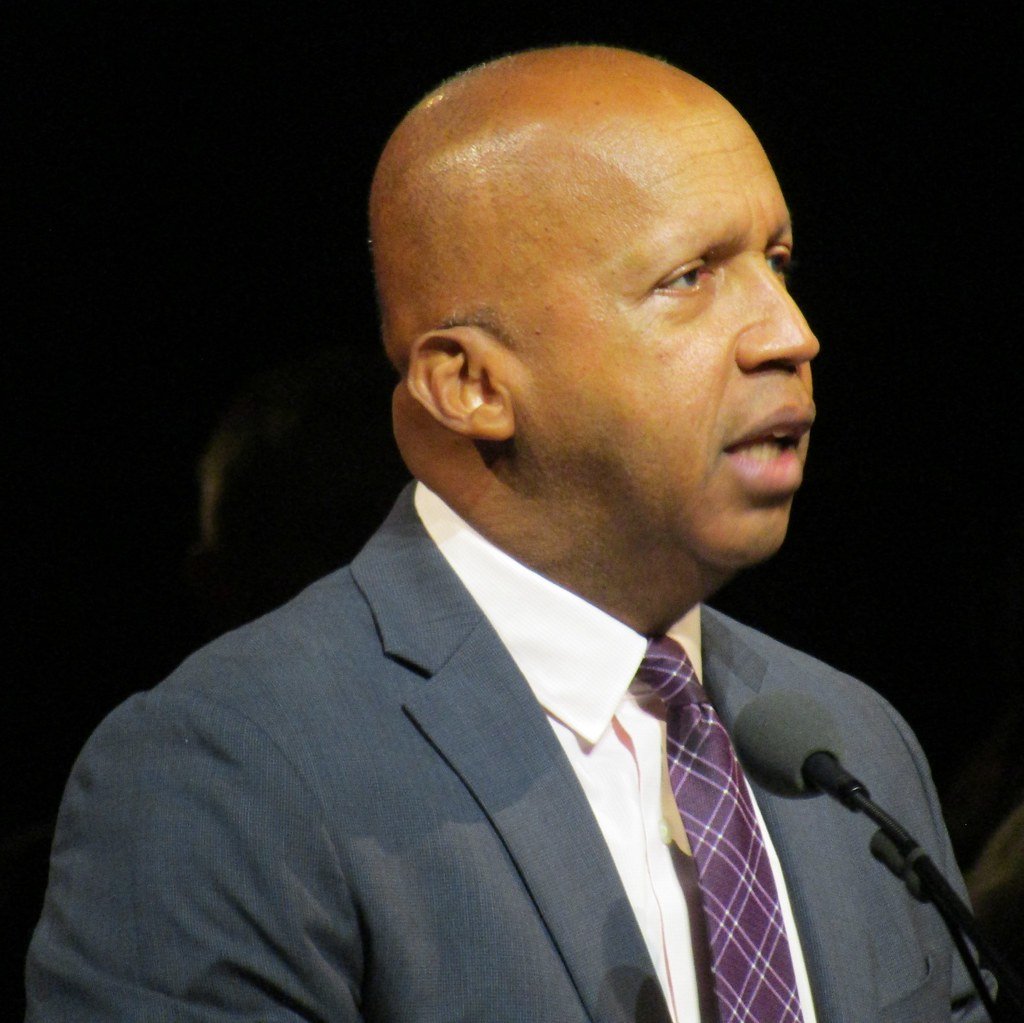
Bryan Stevenson’s “Just Mercy” is a powerful memoir about fighting wrongful convictions and racial injustice in America’s legal system. Since 2020, it’s been challenged in several states—including Alabama and Georgia—for its “divisive” discussions on race and police violence. Some parents allege it promotes anti-police sentiment, while teachers argue it’s a critical tool for understanding systemic racism. Stevenson’s real-life cases provoke strong reactions and ongoing debate about justice and truth.
The Glass Castle by Jeannette Walls
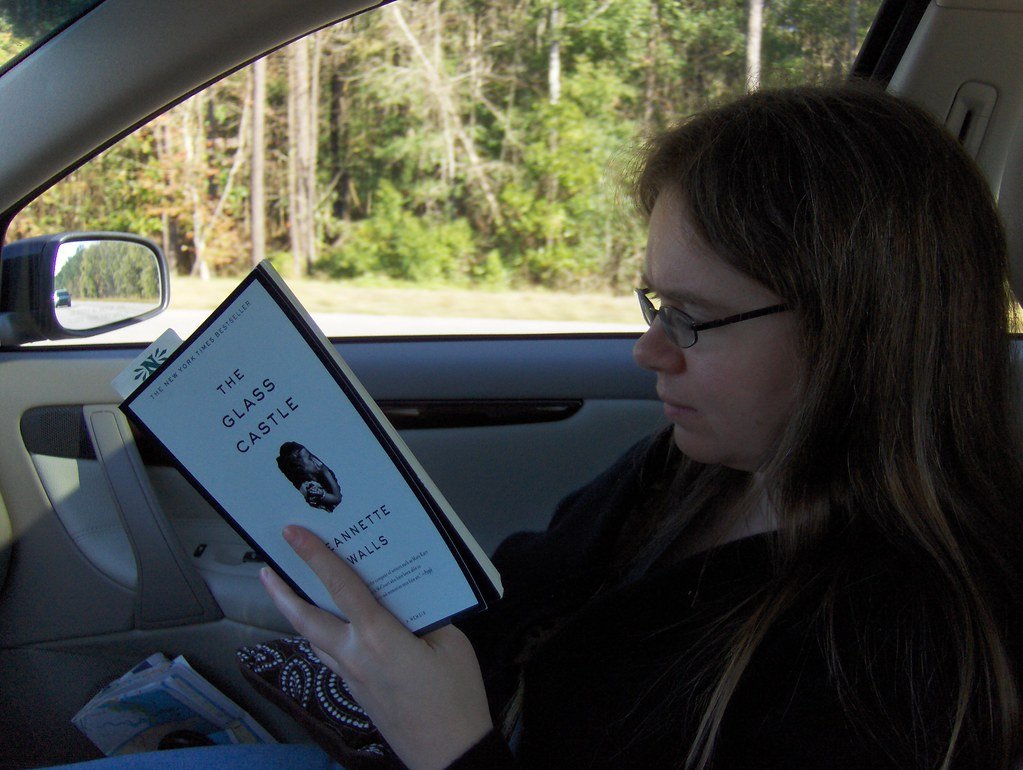
Jeannette Walls’ “The Glass Castle” details her chaotic, poverty-stricken upbringing with shocking honesty. In 2017, it was challenged in West Virginia and Missouri schools for “explicit language” and “sexual situations.” Walls’ memoir resonates with readers for its resilience and hope, but its depiction of child neglect and abuse has led some parents to demand removal from reading lists. The book’s popularity ensures it remains a frequent target of censorship debates.
The Absolutely True Diary of a Part-Time Indian by Sherman Alexie
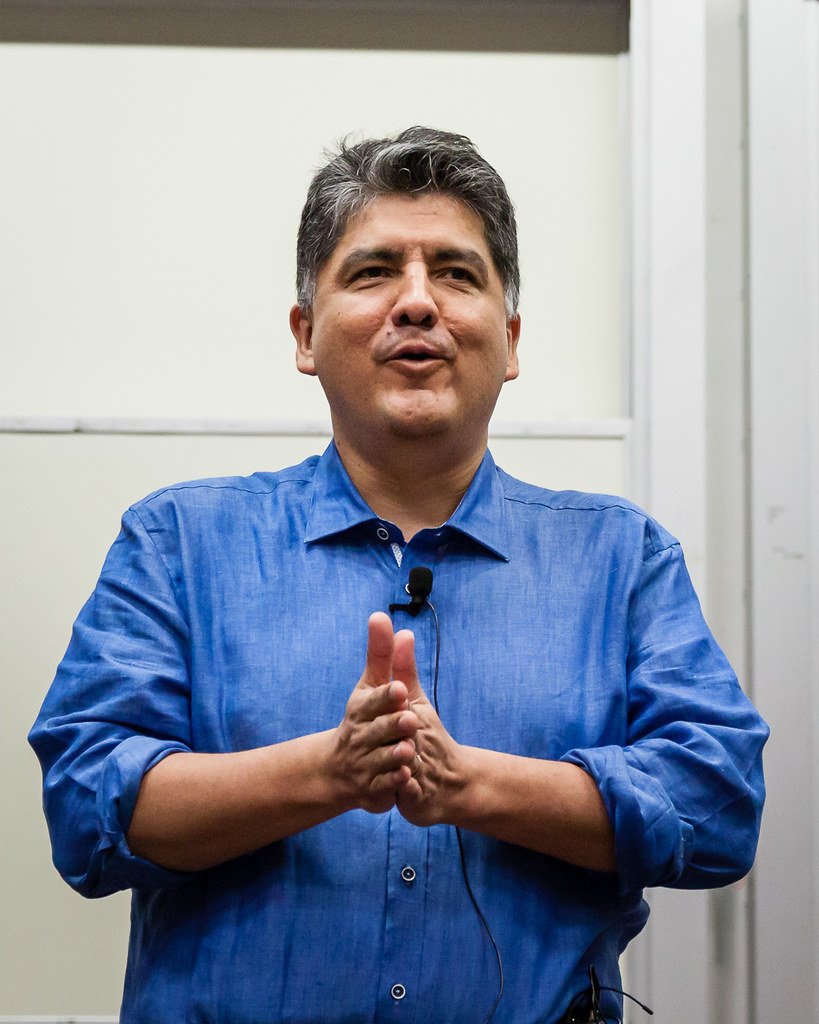
Sherman Alexie’s semi-autobiographical memoir has faced bans and challenges almost every year since its 2007 release. Its candid discussions of racism, poverty, masturbation, and bullying have landed it on the ALA’s Top Ten Most Challenged Books list multiple times, most recently in 2023. In Idaho, parents argued it was inappropriate for teens, but many Native American advocates say it’s essential reading for understanding marginalized perspectives.
All Boys Aren’t Blue by George M. Johnson
George M. Johnson’s memoir-manifesto explores growing up Black and queer in America. Since its 2020 debut, it has faced bans in more than 20 states, according to PEN America, mainly for graphic descriptions of sexual experiences. Johnson argues the explicitness is necessary to tell the truth about identity and trauma. The memoir’s removal from school libraries in Florida, Texas, and Virginia has fueled a larger conversation about representation and censorship.
Sold by Patricia McCormick
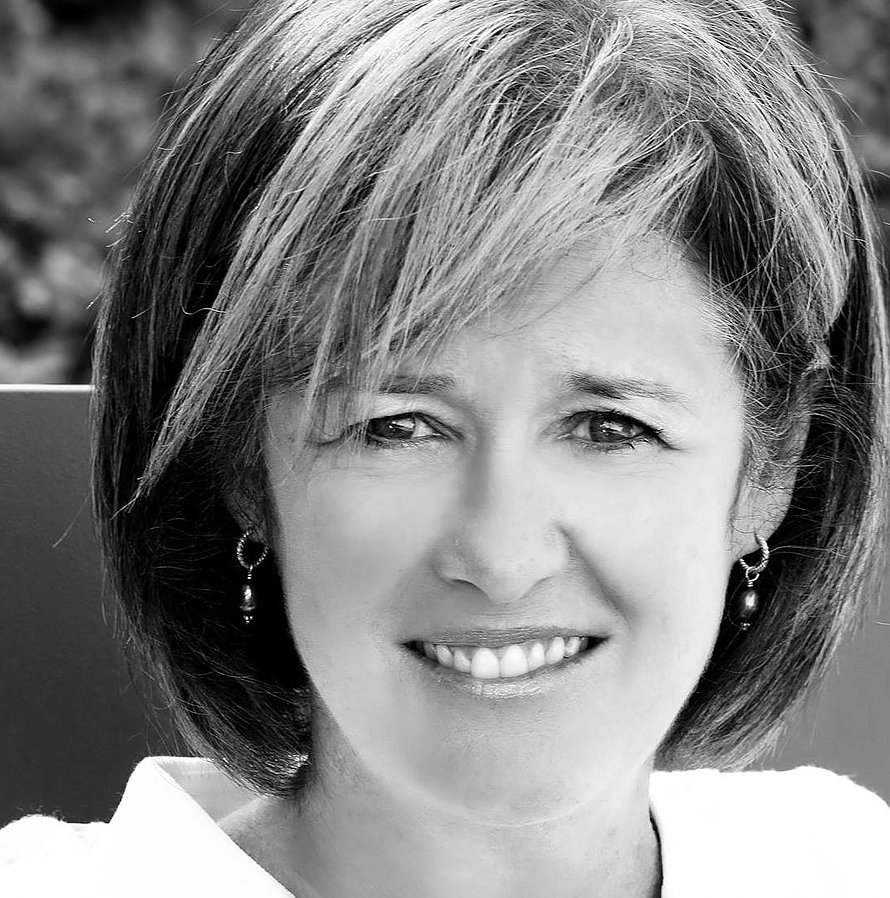
“Sold” is a harrowing, memoir-inspired novel about a young girl trafficked into sexual slavery in Nepal. Its realistic portrayal of exploitation and abuse led to bans in several U.S. school districts, including in Pennsylvania and California, in 2022. Critics say the content is too graphic for teens, while supporters argue it brings critical awareness to global human trafficking. The book’s impact is undeniable, sparking empathy and action but also intense controversy.
Reading Lolita in Tehran by Azar Nafisi
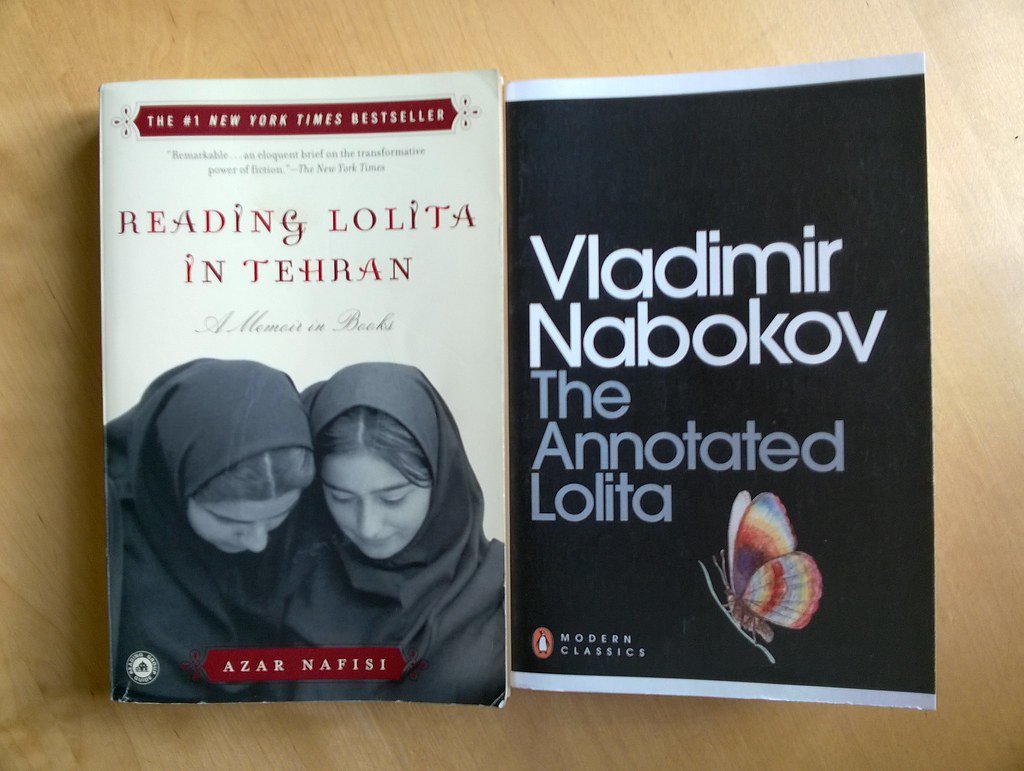
Azar Nafisi’s memoir chronicling her secret literature class for women in Iran has been both celebrated and banned. In Iran, the book is strictly prohibited due to its criticism of the regime and advocacy for women’s rights. In the U.S., it has occasionally been removed from courses for supposedly “anti-Islamic” content. Nafisi’s story is a powerful example of literature’s ability to challenge authority and inspire change.
A Child Called ‘It’ by Dave Pelzer
Dave Pelzer’s memoir of severe childhood abuse has been one of the most banned non-fiction books in the U.S. Its graphic descriptions of violence and neglect have led to challenges in more than 15 states over the last decade, according to the ALA. Some schools argue it is traumatizing for students, while others believe it’s vital for raising awareness about child abuse. Its stark honesty continues to divide parents and educators.
Bad Boy by Walter Dean Myers
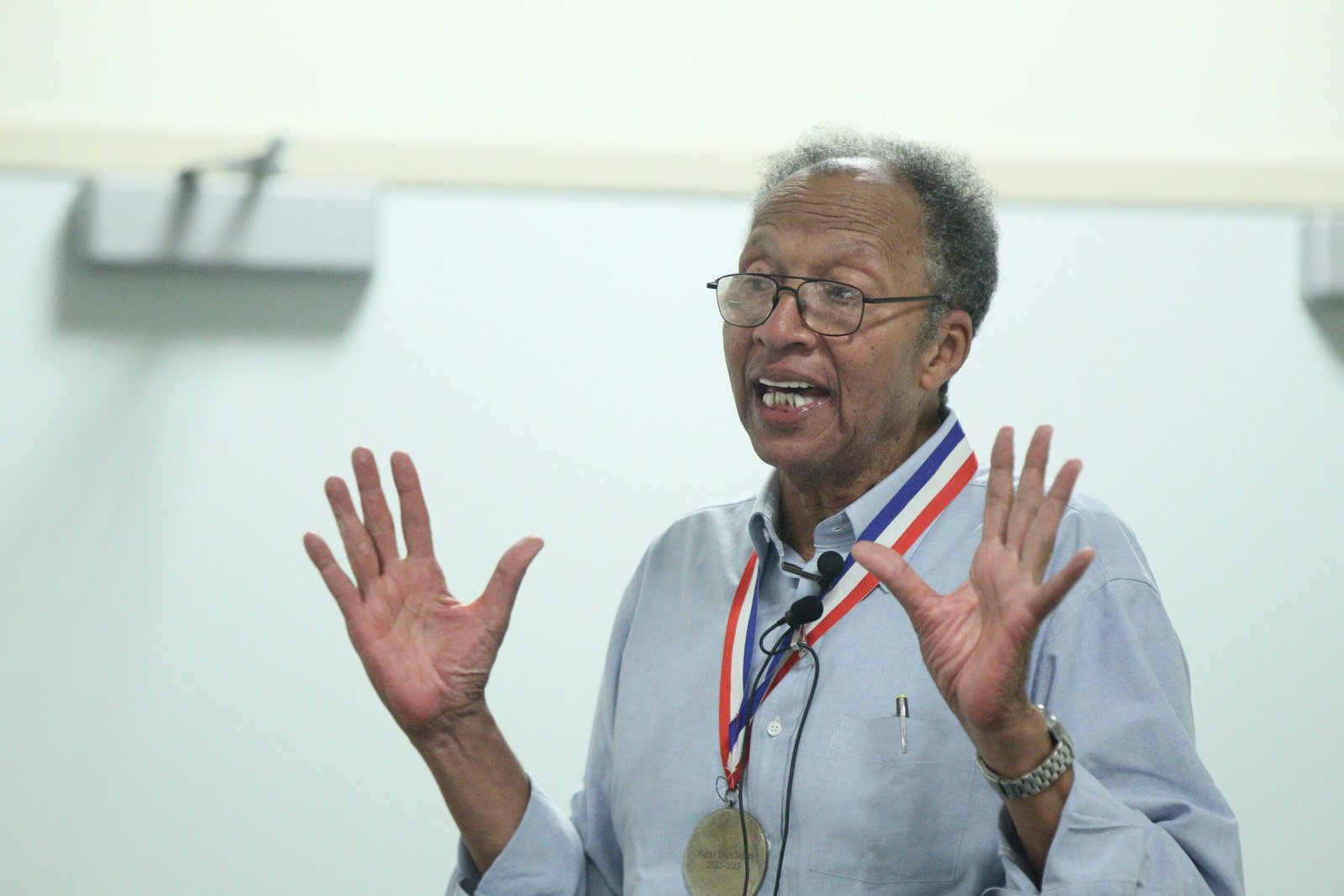
Walter Dean Myers’ memoir recounts his turbulent youth in Harlem, tackling racism, violence, and identity. In 2022, the book was challenged in North Carolina and Mississippi schools for language and mature themes. Critics say the book is too “harsh” for younger readers, yet many teachers argue it offers a rare, honest glimpse into the struggles faced by Black youth. Myers’ candid voice continues to spark debate about what stories kids need to hear.
Lucky by Alice Sebold
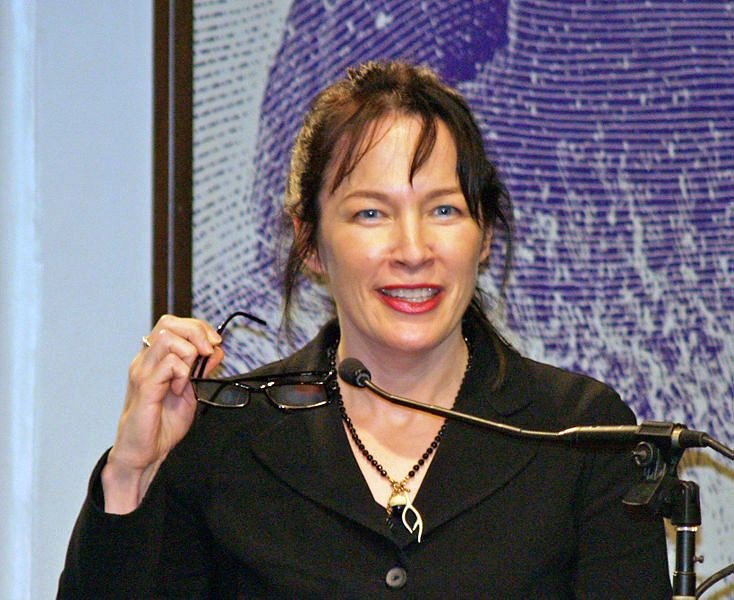
Alice Sebold’s “Lucky” is a searing memoir about her rape as a college student and its aftermath. Its raw depiction of sexual assault and trauma led to bans in several states, including Missouri and California, in 2023. Some parents and administrators argue the book is triggering and inappropriate, while survivors and advocates say Sebold’s story is crucial for understanding the realities of sexual violence. The memoir’s controversial status has only increased as conversations around #MeToo continue to evolve.
End.

Besides founding Festivaltopia, Luca is the co founder of trib, an art and fashion collectiv you find on several regional events and online. Also he is part of the management board at HORiZONTE, a group travel provider in Germany.
