

- Anticipated Album Releases of 2025: A Musical Journey Awaits - February 22, 2026
- New York City’s Star-Studded Line-Up: 2025’s Must-See Performances - February 22, 2026
- 25 Times Tech Meets Style: The Best Wearable Gear for 2024 - February 22, 2026
1. Upton Sinclair

Upton Sinclair shook America with his 1906 novel “The Jungle,” exposing the appalling conditions in Chicago’s meatpacking industry. His writing wasn’t just literature—it was a wake-up call that led to the Pure Food and Drug Act. Sinclair was relentless in his support for workers, often citing real testimonies and statistics in his books and journalism. Even decades later, labor historians point to his research-based narratives for influencing labor reform. In interviews, Sinclair insisted that his work was meant to “hit America in the heart,” but he famously said, “I aimed for the public’s heart, and by accident I hit it in the stomach.” His activism extended beyond writing; Sinclair ran for California governor in 1934 on an end-poverty platform, championing labor unions and minimum wage laws. His legacy remains a testament to the written word’s power in sparking real, lasting change.
2. John Steinbeck
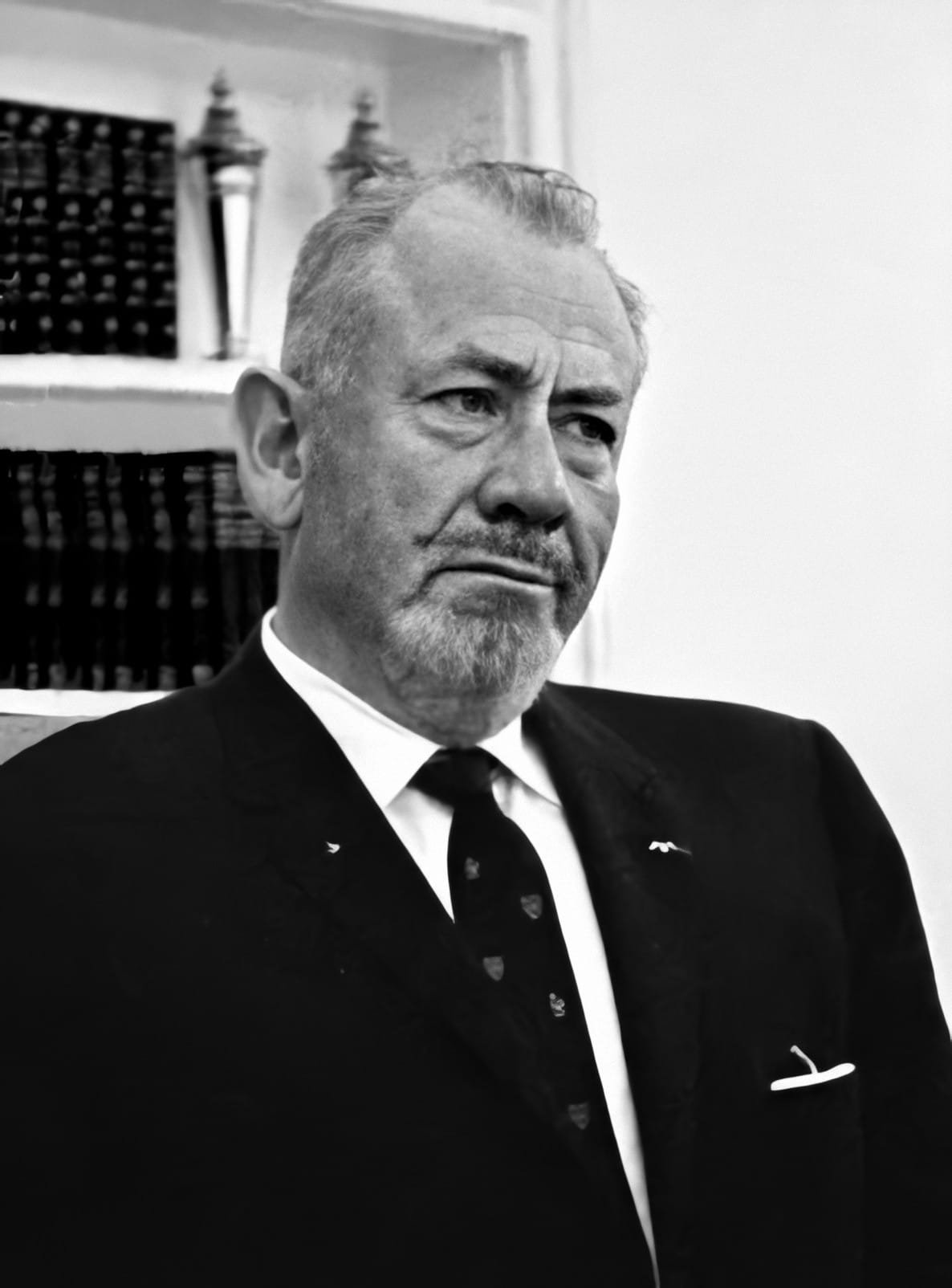
derivative work: Homonihilis (talk), Public domain, https://commons.wikimedia.org/w/index.php?curid=6314036)
John Steinbeck’s novels, especially “The Grapes of Wrath,” are some of the most searing portraits of American labor struggle ever written. He didn’t just make up characters—he traveled with migrant workers, collecting their stories and statistics. Published in 1939, “The Grapes of Wrath” was based on actual events during the Dust Bowl migration and relied on reports from the Farm Security Administration. Steinbeck’s depiction of poverty, labor camps, and the fight for decent wages brought national attention to workers’ rights. His work led to Congressional hearings and reforms in California’s farm labor system. Steinbeck’s empathy and first-hand research gave his fiction a raw, undeniable truth that still resonates today.
3. Dorothy Day

Dorothy Day’s activism wasn’t just limited to her writing, but her columns in The Catholic Worker newspaper reached millions. Day used statistics from government reports and firsthand interviews to highlight the struggles of laborers during the Great Depression. She publicly supported strikes and union organizing, often referencing Department of Labor data to make her case. Day’s commitment to the working poor helped push Catholic social teaching toward supporting labor justice. Her legacy persists, with the Catholic Worker movement still championing labor rights decades after her death. Day’s blend of faith, facts, and fierce advocacy made her a unique and influential voice.
4. Langston Hughes
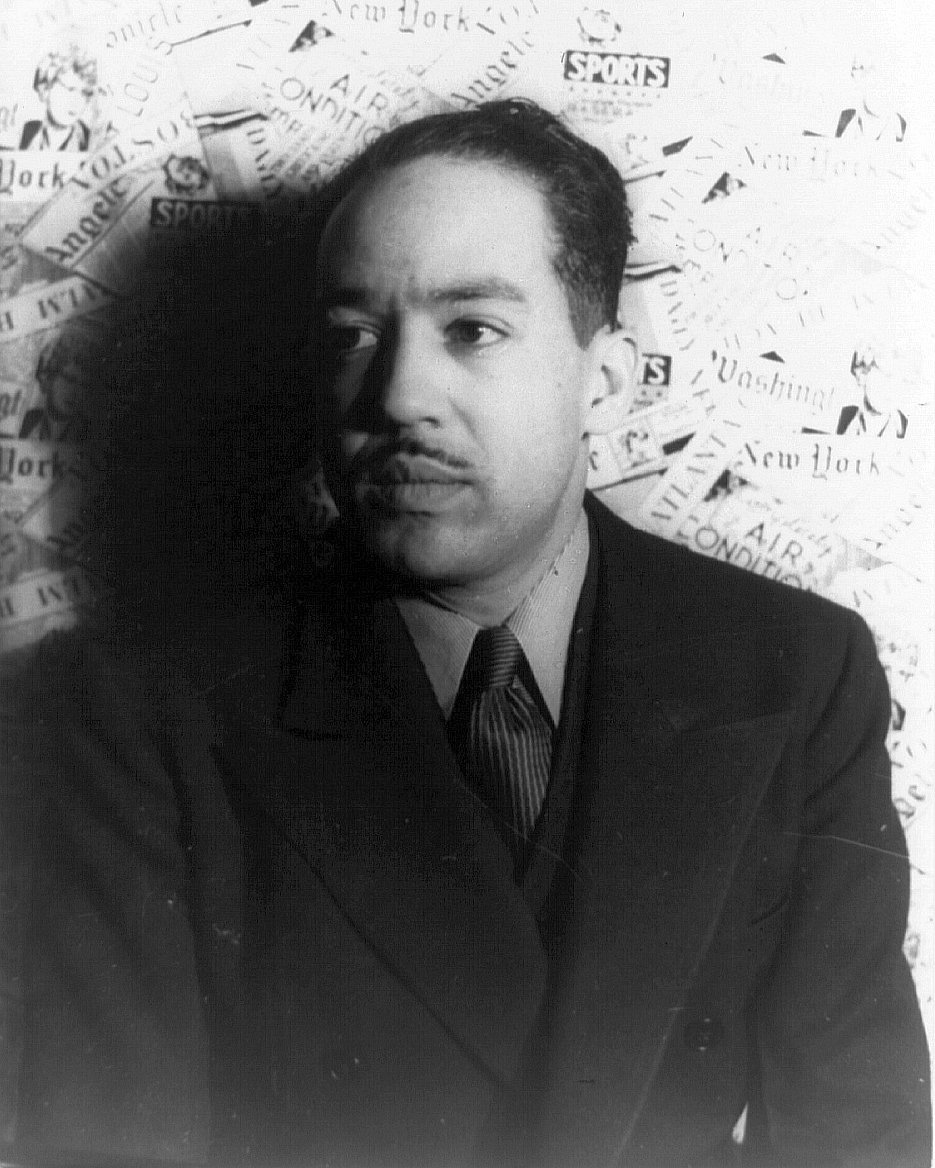
Langston Hughes, a key figure of the Harlem Renaissance, gave voice to Black laborers in poems, essays, and plays. His 1931 poem “Ballad of the Landlord” and essays for the National Urban League’s “Opportunity” magazine spotlighted tenant strikes and poor wages. Hughes used data from the NAACP and government labor statistics to document wage disparities and employment discrimination. His writing inspired both Black and white workers to demand fair pay and dignity. Hughes traveled to steel towns and cotton fields, collecting workers’ stories to inform his poetry. His honest, evocative style made labor issues a central part of American culture.
5. Jack London
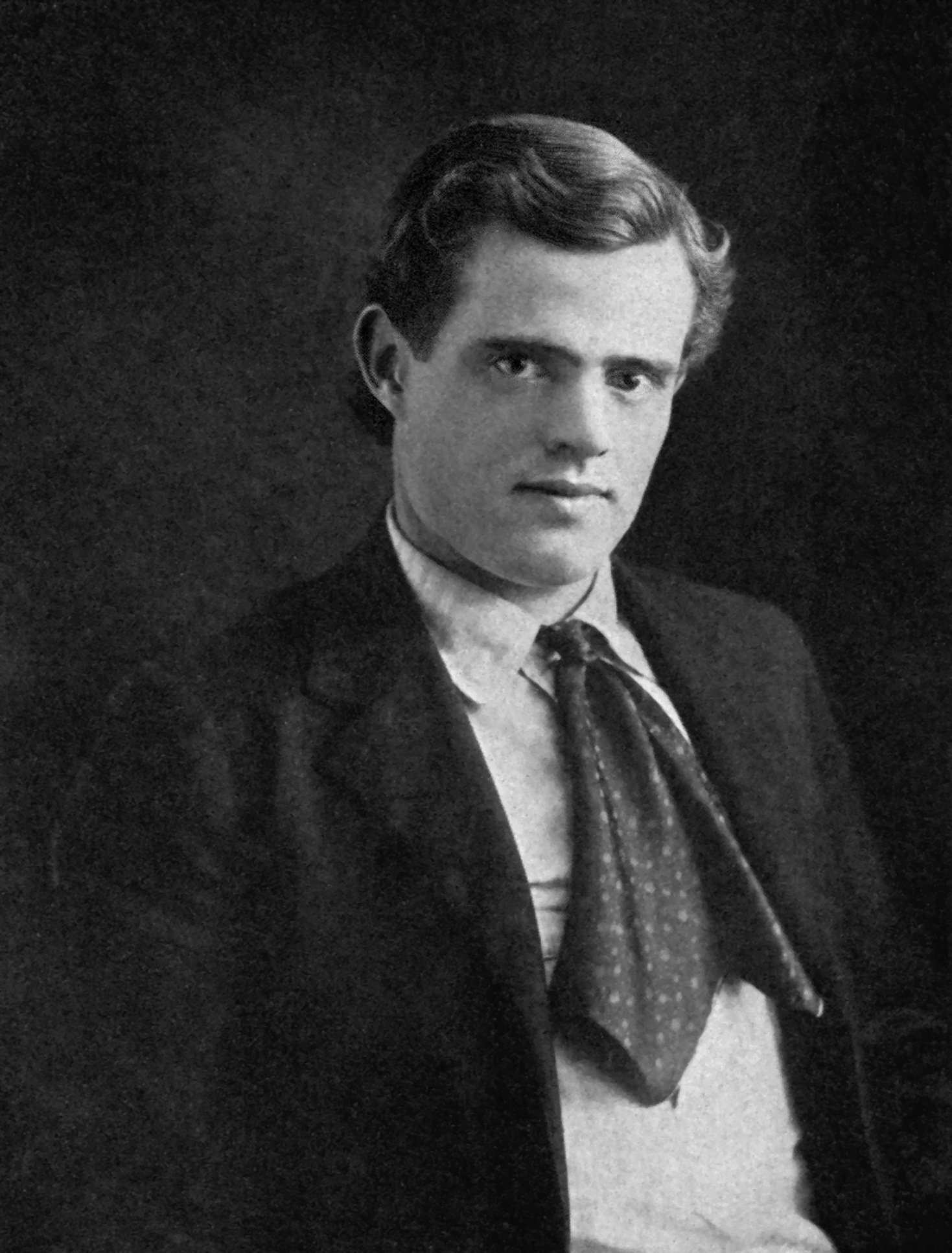
Jack London wasn’t just a novelist—he was a laborer himself before he became famous. London’s time working in factories and as a sailor informed his books like “The Iron Heel” and essays for “The Appeal to Reason,” a socialist newspaper with a circulation of over 500,000 at its peak. He supported the Industrial Workers of the World (IWW) and chronicled their struggles, often citing membership numbers and strike statistics in his journalism. London’s raw prose and personal experience made his calls for better wages and working conditions impossible to ignore. His influence is still seen in labor literature and activism today.
6. Emma Goldman
![6. Emma Goldman (image credits: Library of Congress[1], Public domain, https://commons.wikimedia.org/w/index.php?curid=5465320)](https://festivaltopia.com/wp-content/uploads/2025/07/1751758742166_Emma_Goldman_seated.jpg)
Emma Goldman was more than an essayist—she was a firebrand for workers’ rights. Her speeches and pamphlets, including “Anarchism and Other Essays,” referenced Bureau of Labor Statistics data to highlight exploitation in factories and sweatshops. Goldman personally organized strikes and was arrested for her activism, further amplifying her message. She wrote about labor leaders and the need for unionization, inspiring generations of activists. Even after being deported from the United States, Goldman continued to write articles supporting workers in Europe and Russia. Her fearlessness and reliance on facts set her apart in the fight for labor rights.
7. Studs Terkel
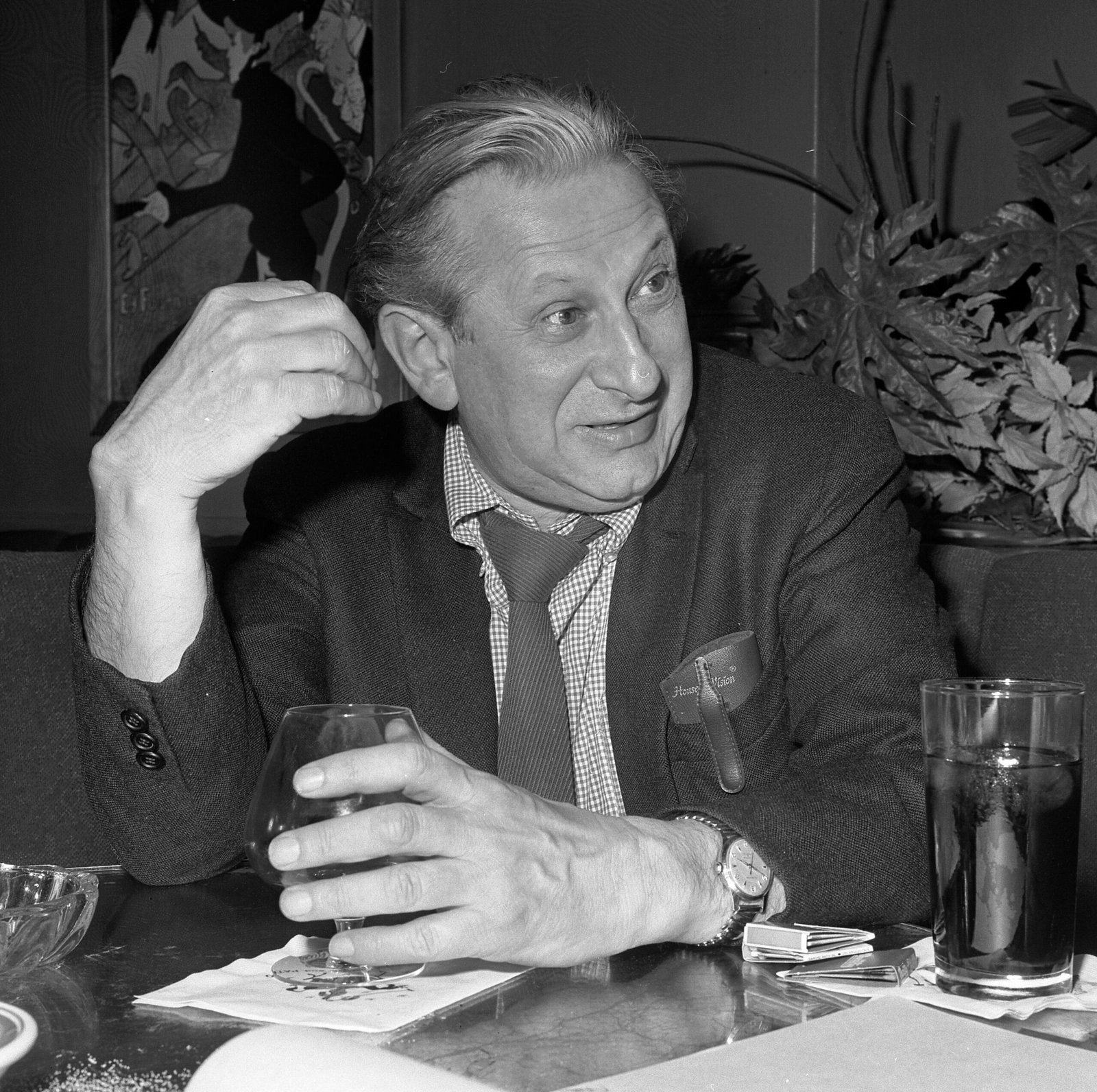
Studs Terkel’s groundbreaking oral history book, “Working,” published in 1974, collected the real stories of hundreds of American workers. He spent years interviewing people from all walks of life, from steelworkers to waitresses, capturing their dreams and frustrations. Terkel’s radio programs and books relied on direct testimony, making his work a treasure trove for labor historians. “Working” revealed the statistics behind wage gaps and job insecurity—data that was later cited in studies on workplace satisfaction. Terkel’s writing made the invisible lives of workers visible, and his influence continues in today’s labor reporting.
8. Howard Zinn

Howard Zinn, best known for “A People’s History of the United States,” put workers at the center of American history. Zinn’s chapters on labor strikes, including the 1912 Lawrence textile strike and the 1934 West Coast Longshore Strike, included detailed statistics and eyewitness accounts. He was a union member himself and participated in civil rights and anti-war protests alongside labor activists. Zinn’s use of primary sources, such as union newsletters and Department of Labor records, made his work a trusted resource for students and activists. His writing inspired renewed interest in labor history and continues to shape classroom discussions nationwide.
9. Grace Paley
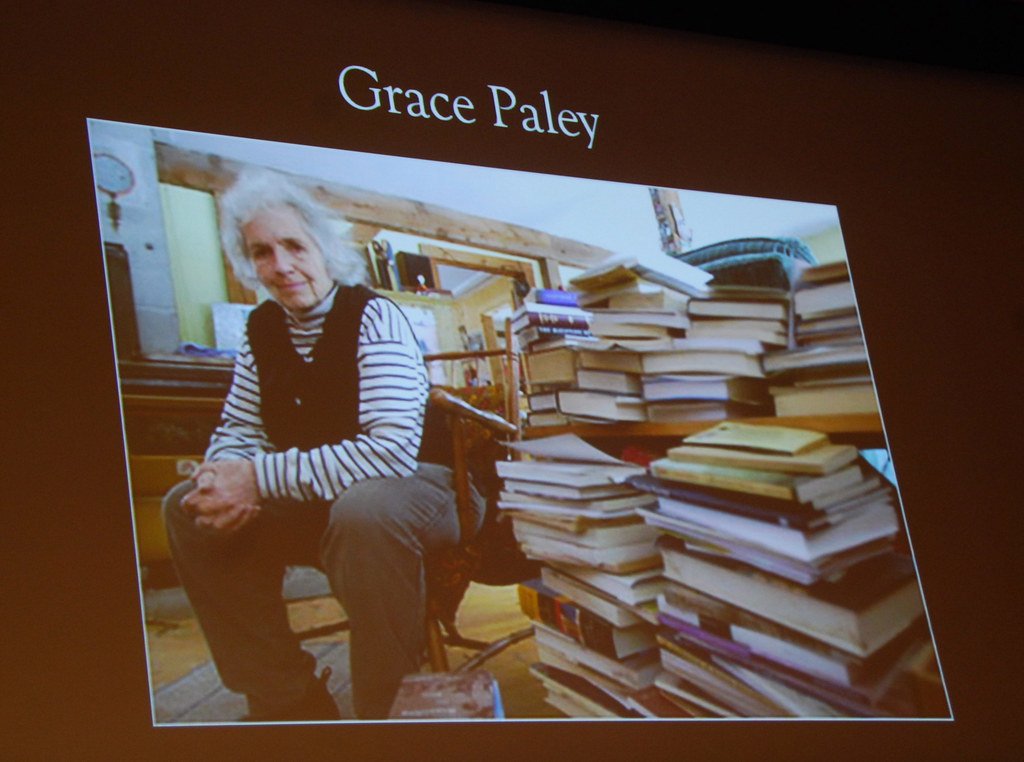
Grace Paley’s short stories and essays are small but mighty weapons for social justice. She wrote about working-class women, often referencing real cases and wage statistics. Paley was an activist, joining picket lines and supporting teachers’ and hospital workers’ strikes in New York City. Her work often cited research from labor unions and women’s rights organizations. Paley’s writing style—direct, honest, and sometimes humorous—helped readers connect emotionally with labor issues. She brought a human face to statistics, showing how labor struggles shaped everyday life.
10. Richard Wright
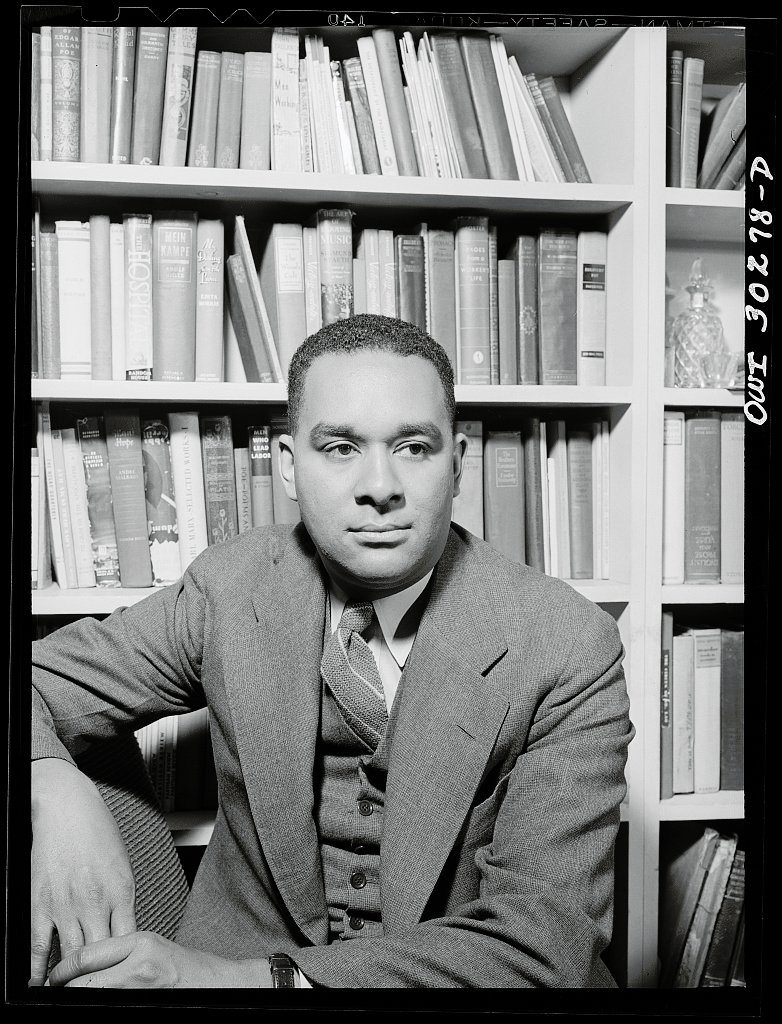
Richard Wright’s novels “Native Son” and “Black Boy” were built on his own experience with low-wage jobs and union organizing. Wright wrote powerful essays for the Daily Worker, the newspaper of the Communist Party USA, using current labor statistics to highlight racial inequalities. He covered the 1934 Chicago stockyard strikes and described the impact of the Great Migration on Black laborers. Wright’s fearless reporting and fiction made him a target for government surveillance, but he continued to write about workers’ rights until his death. His legacy is visible in today’s conversations about race, labor, and justice.
11. Nelson Algren
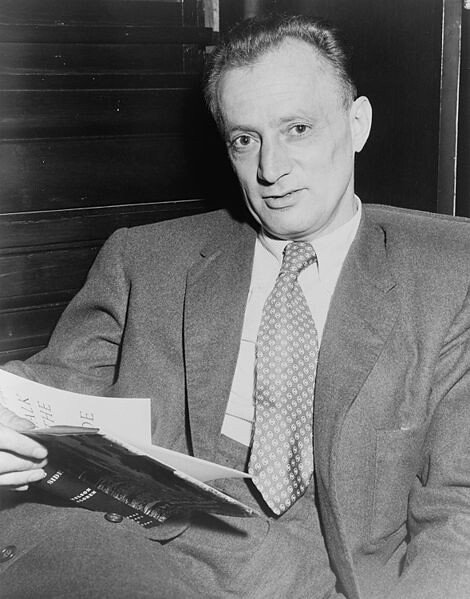
Nelson Algren’s gritty novels, including “The Man with the Golden Arm,” highlighted the struggles of Chicago’s working poor. Algren based his characters on real people he met in neighborhoods hit hard by factory closures and unemployment. In essays and articles, he cited unemployment rates and union membership statistics, painting a vivid picture of labor’s decline in mid-20th-century America. Algren’s empathy for workers was matched by his sharp critique of bosses and politicians who ignored their struggles. His work still resonates in cities grappling with economic inequality.
12. Mary Heaton Vorse
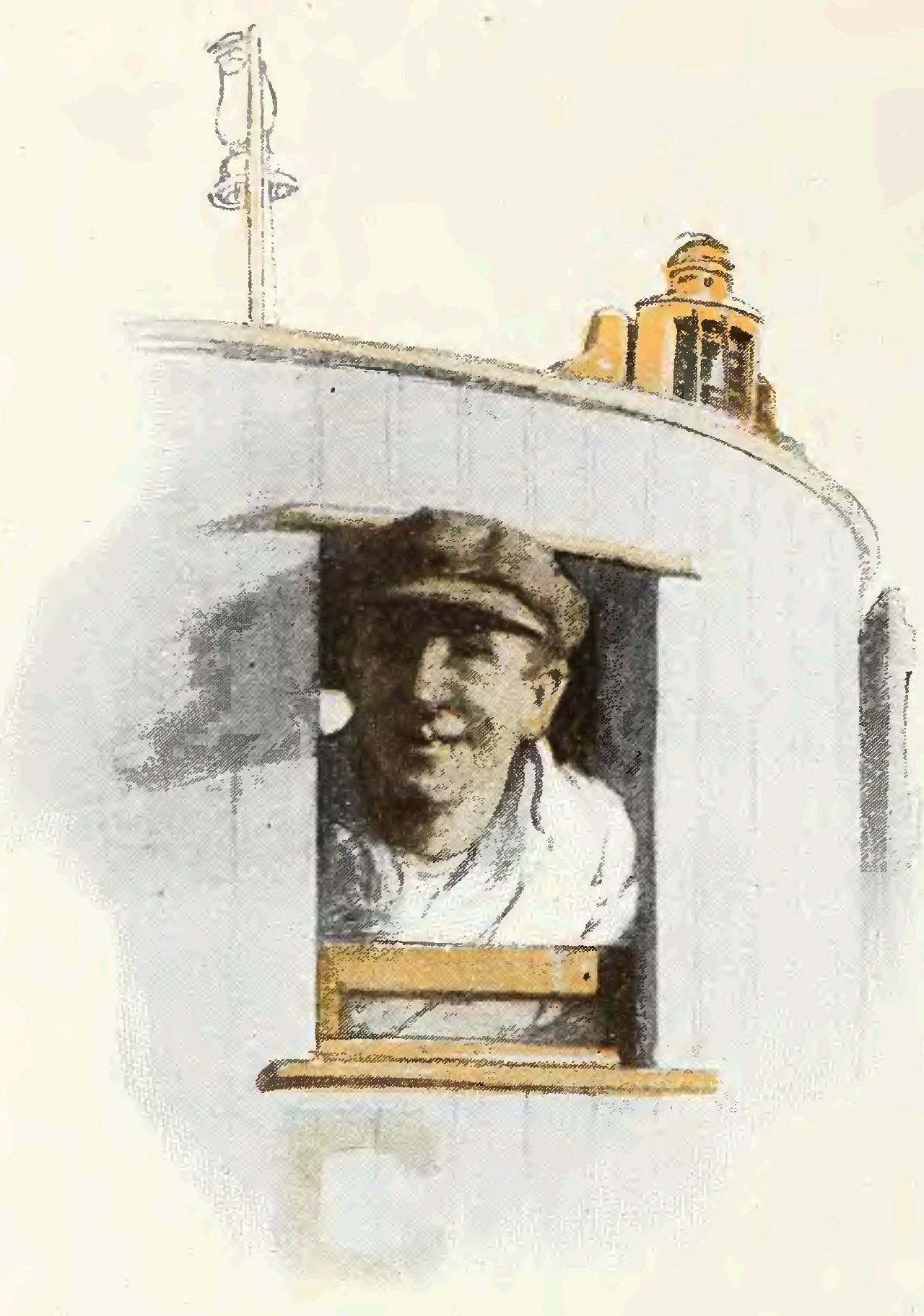
Mary Heaton Vorse was a fearless labor journalist who covered strikes, picket lines, and union negotiations from the early 1900s into the 1950s. She wrote for “The Masses” and “The New Republic,” providing detailed accounts of events like the 1912 Lawrence textile strike. Vorse’s reporting included interviews, wage data, and descriptions of working conditions, making her stories vital historical evidence. She was often the only woman covering dangerous strikes, and her bravery earned her respect among workers and union leaders. Vorse’s writing helped galvanize public support for labor causes.
13. Michael Gold
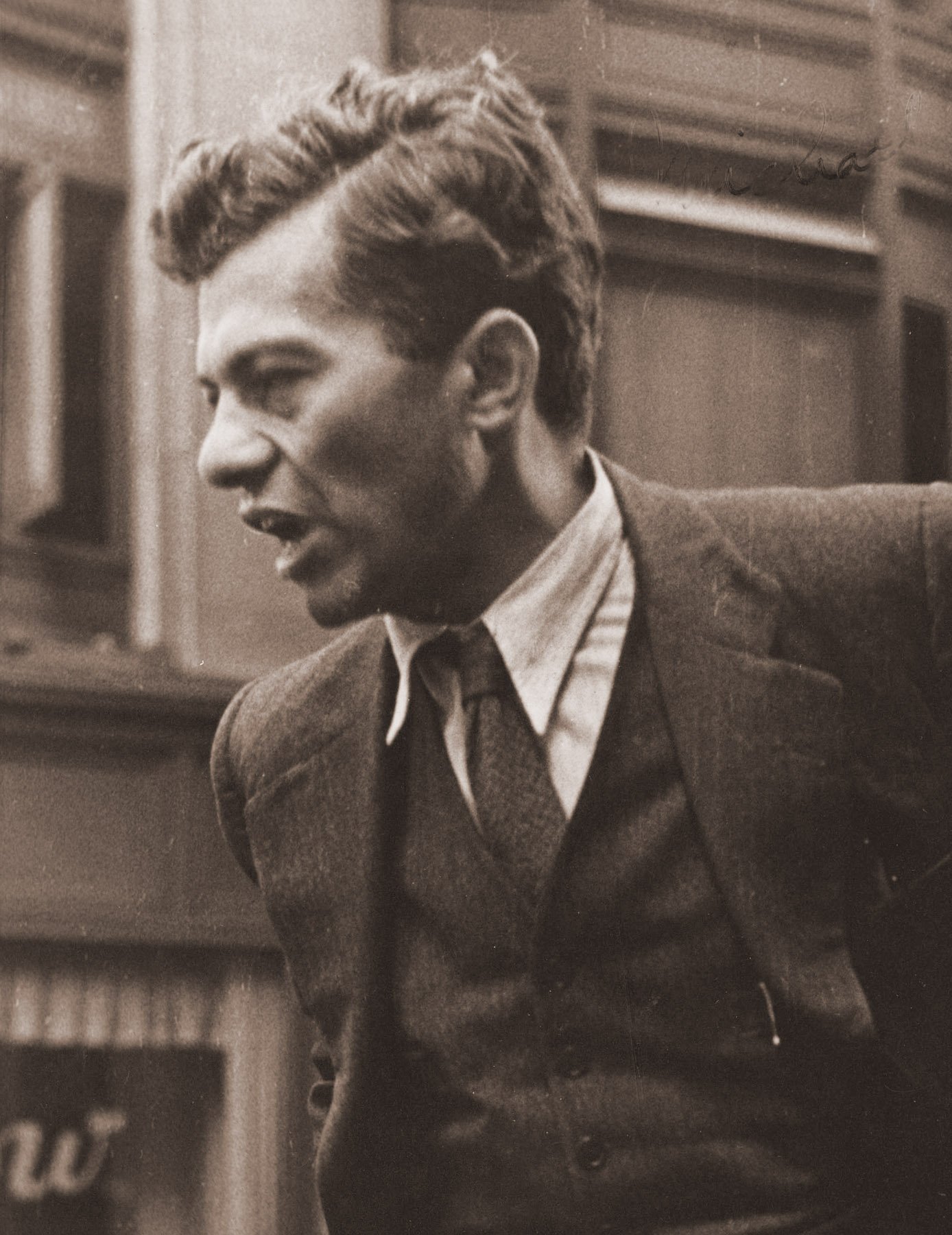
Additional digital editing by Tim Davenport for Wikipedia, CC BY-SA 3.0, https://commons.wikimedia.org/w/index.php?curid=20579123)
Michael Gold’s novel “Jews Without Money” and essays for the New Masses magazine painted a raw, honest picture of working-class life in New York City. Gold was a member of the Communist Party and used data from labor unions to argue for better wages and conditions. His reporting on strikes and tenant protests included statistics about rent, poverty, and joblessness. Gold believed that literature should be an “axe for the frozen sea inside us,” a metaphor he used to describe the power of words to break through indifference. His work influenced a generation of radical writers and activists.
14. Barbara Ehrenreich
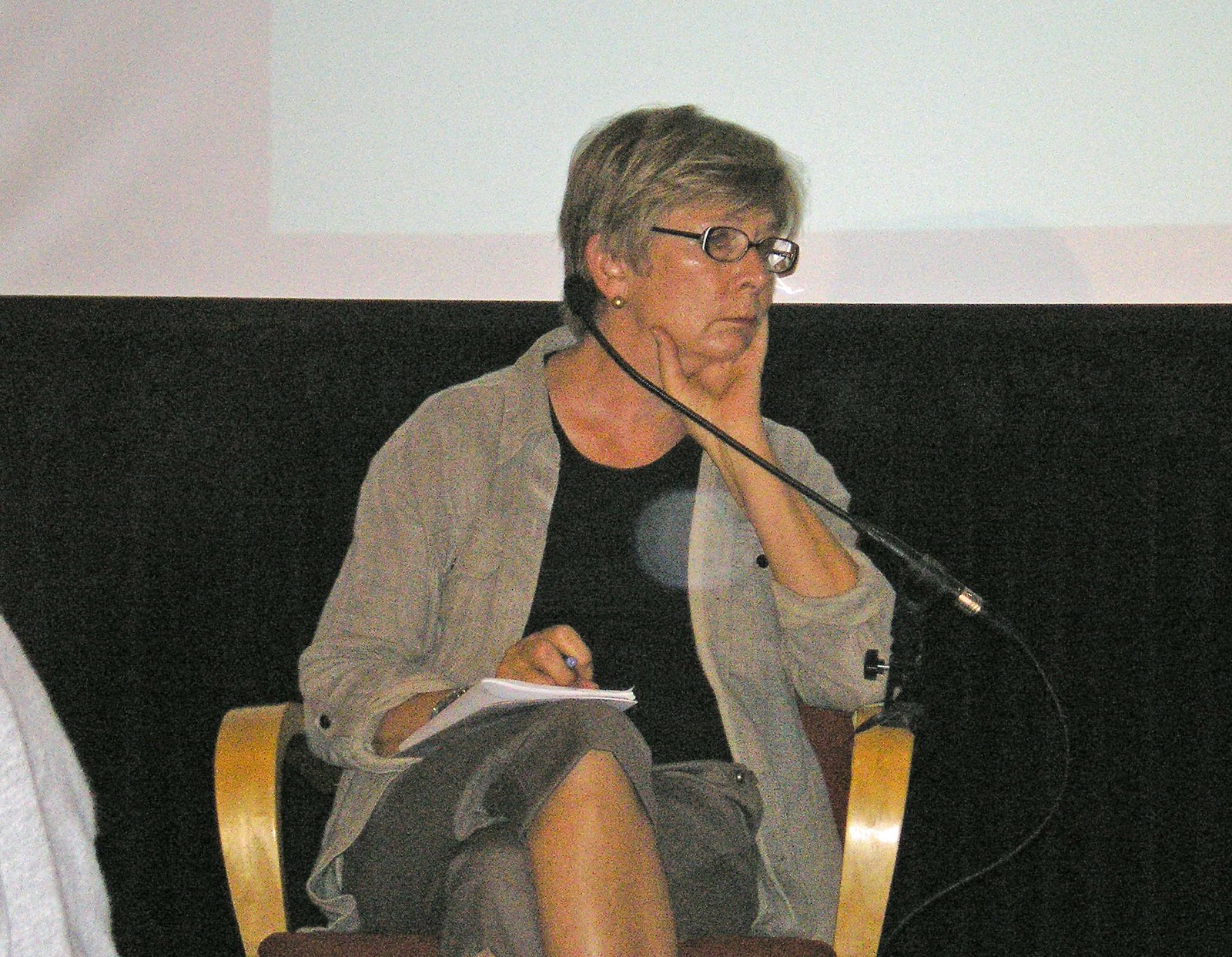
Barbara Ehrenreich’s 2001 book “Nickel and Dimed” sent shockwaves through America by revealing the struggles of low-wage workers. Ehrenreich went undercover, working as a waitress and cleaning woman, and used real wage data and cost-of-living statistics to show how hard it was to survive on minimum wage. Her investigative journalism was rooted in the latest research from economic think tanks and labor organizations. “Nickel and Dimed” was cited in Congressional debates about raising the minimum wage and remains a touchstone for discussions about economic inequality. Ehrenreich’s blend of personal experience and data-driven reporting made her work both moving and persuasive.
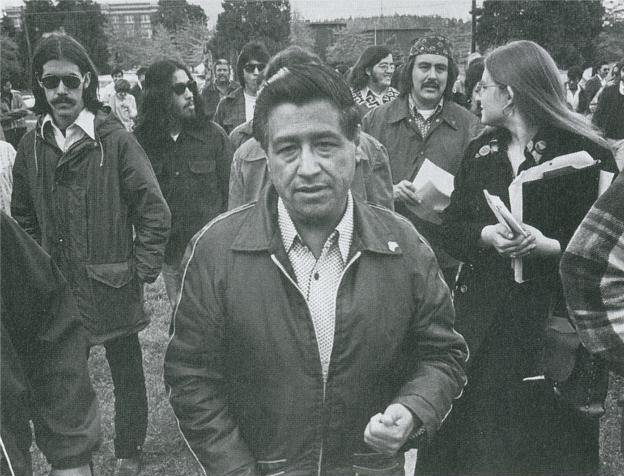
15. César Chávez
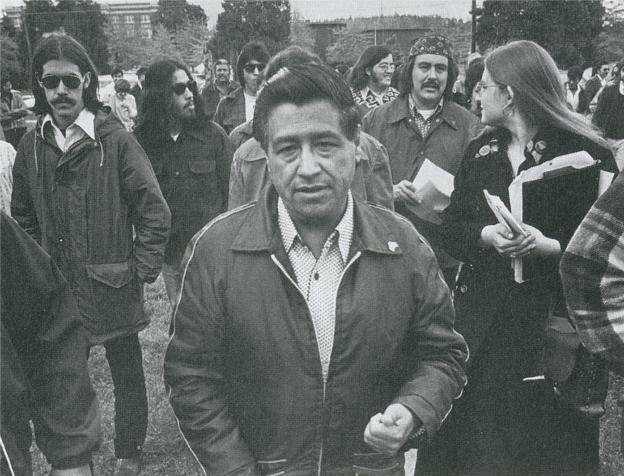
César Chávez wasn’t just a labor leader—he was a prolific writer who used pamphlets, speeches, and articles to mobilize farmworkers. Chávez’s writing drew on statistics from the United Farm Workers union, detailing pesticide exposure, wage theft, and lack of healthcare among agricultural workers. His articles and newsletters were distributed to thousands, often in both English and Spanish, to inform and unite workers. Chávez’s storytelling ability helped build solidarity and pressure lawmakers into passing labor-friendly laws, including the California Agricultural Labor Relations Act of 1975. His words are still quoted by activists today.
16. Alice Walker
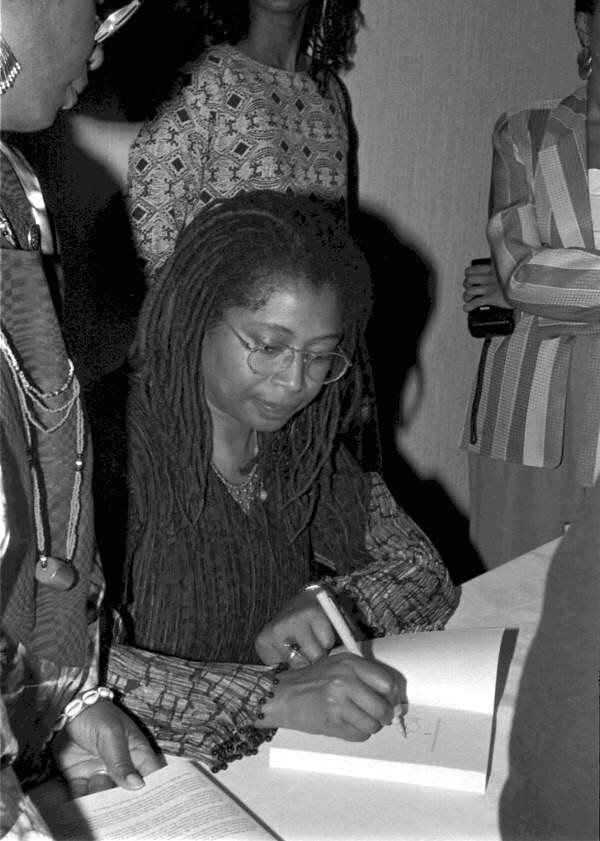
Alice Walker, author of “The Color Purple,” has consistently written about the intersection of race, gender, and labor. Walker’s essays and poems often cite real-life examples and statistics from labor studies, especially around Black women’s work. She’s supported campaigns for farmworker rights, referencing Department of Labor reports on wage gaps and workplace discrimination. Walker’s activism extends beyond the page—she’s joined protests and used her platform to amplify workers’ voices. Her lyrical, deeply personal style brings humanity to the numbers, inspiring empathy and action.
17. Tom Paine

As such, use of this image in the jurisdiction of the claimant or other countries may be regarded as copyright infringement. Please see Commons:When to use the PD-Art tag for more information., Public domain, https://commons.wikimedia.org/w/index.php?curid=6370903)
Tom Paine’s pamphlet “Common Sense” is often credited with igniting the American Revolution, but his later works like “Agrarian Justice” laid out arguments for social welfare and the rights of workers. Paine used census records and economic data from the late 18th century to justify policies like guaranteed income and public pensions. His radical proposals influenced later labor movements, and historians still reference his use of statistics to make moral arguments. Paine’s legacy is a reminder that the fight for labor rights is as old as democracy itself.
18. Joe Hill
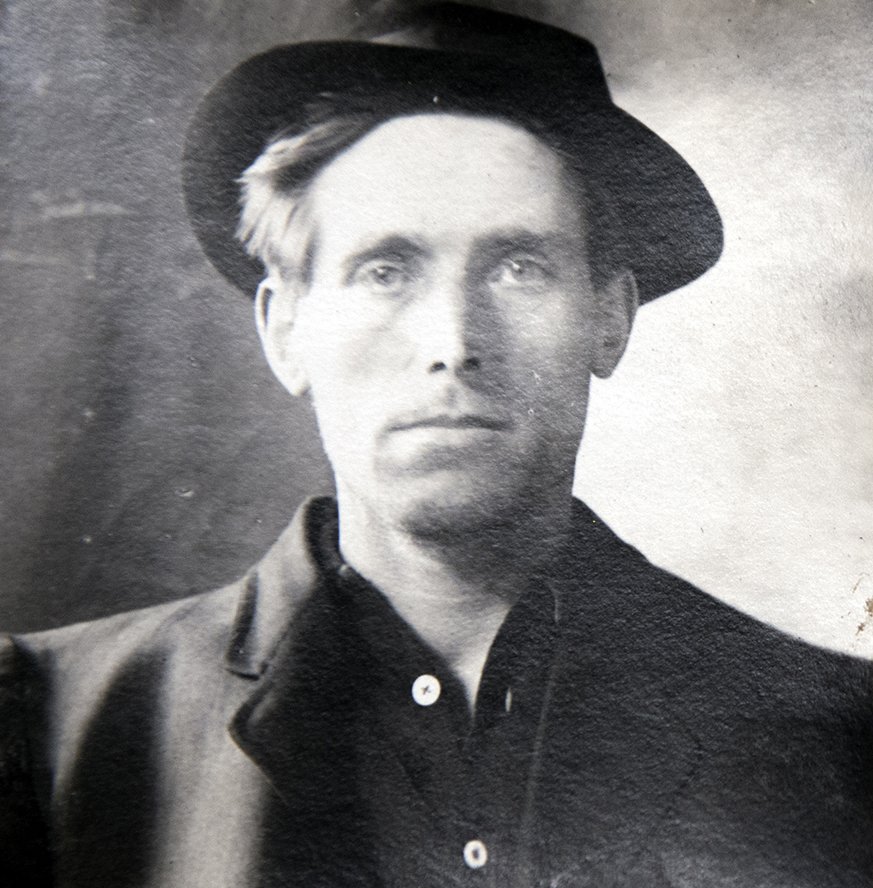
Joe Hill, a Swedish-American labor activist, wrote hundreds of songs, poems, and articles for the IWW’s “Industrial Worker” newspaper. His lyrics often referenced real strikes, unemployment rates, and the dangers faced by miners and factory workers. Hill’s writings were widely reprinted, and union organizers used his songs to rally support during strikes. After his execution in 1915, his words became anthems for labor rights worldwide. Hill’s ability to turn data and events into catchy, unforgettable songs made him a legend in labor history.
19. Rebecca Harding Davis
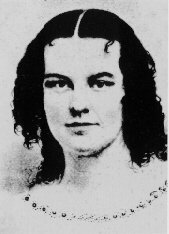
Rebecca Harding Davis’s 1861 novella “Life in the Iron Mills” was among the first works of American literature to focus on industrial workers. Davis used real reports from factory inspectors and census data to describe the misery of mill workers in the pre-Civil War South. Her vivid descriptions were so shocking that they spurred social reformers to investigate working conditions. Davis’s blend of journalism and fiction influenced later writers and is still studied in classrooms today as an early example of labor advocacy.
20. Eduardo Galeano
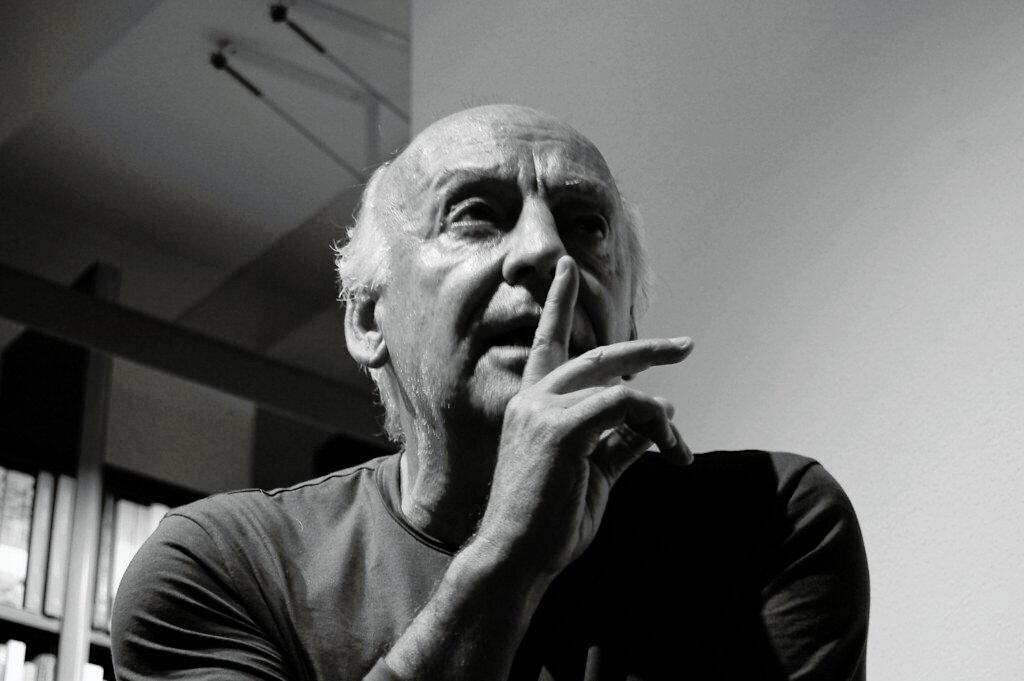
Eduardo Galeano, the Uruguayan writer behind “Open Veins of Latin America,” chronicled the exploitation of workers across the continent. Galeano’s essays and books are packed with statistics from UN labor reports and interviews with miners, farmworkers, and factory employees. He used storytelling and hard facts to expose the links between colonialism, corporate greed, and labor abuse. Galeano’s work inspired labor movements from Argentina to Mexico, and his influence is cited by activists fighting for workers’ rights today. His writing style—poetic, passionate, and grounded in research—made labor issues impossible to ignore.
End.

Besides founding Festivaltopia, Luca is the co founder of trib, an art and fashion collectiv you find on several regional events and online. Also he is part of the management board at HORiZONTE, a group travel provider in Germany.
