
- Celebrities With Surprisingly Impressive Academic Backgrounds - December 9, 2025
- The Surprising Origins of Your Favorite Childhood Nursery Rhymes - December 9, 2025
- Forgotten Pop Culture Trends That Deserve a Comeback - December 9, 2025
1. Michelle Alexander
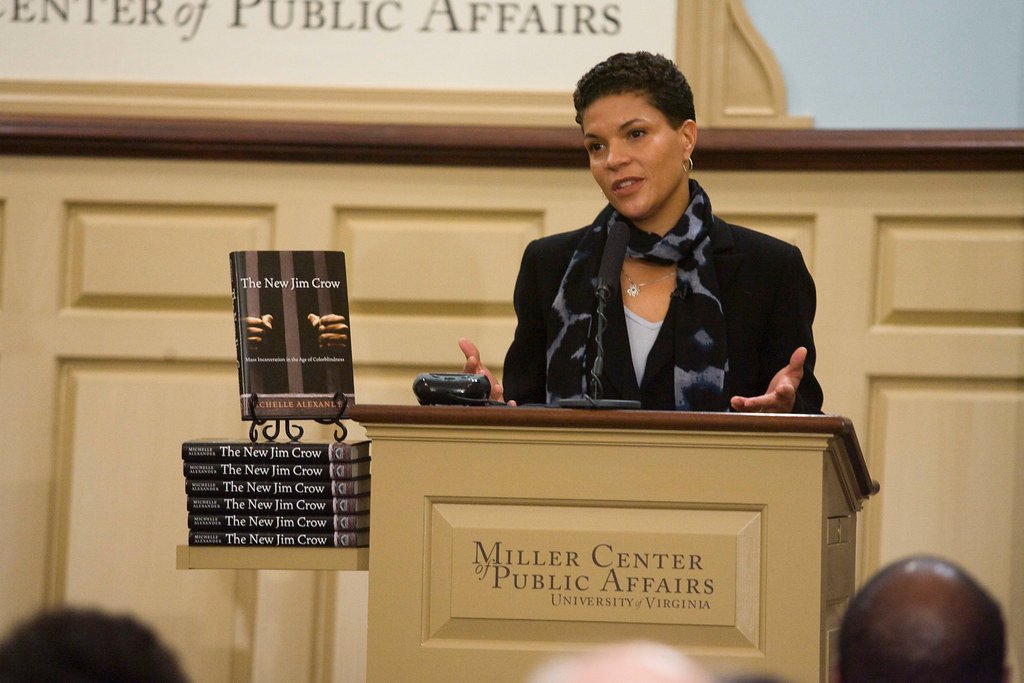
Michelle Alexander made waves with her book “The New Jim Crow,” which has sold over a million copies since its release. She argues that mass incarceration in the U.S. functions as a modern-day system of racial control, especially for Black Americans. Drawing on data from the Bureau of Justice Statistics, Alexander details how the U.S. prison population exploded from around 500,000 in 1980 to over 2.3 million by 2020. Her research points out that Black men are six times more likely to be incarcerated than white men. News outlets like NPR and The New York Times have highlighted how her work influenced activists, policymakers, and even lawmakers. What makes Alexander’s writing stand out is her ability to weave personal stories with hard evidence, making the reader feel the weight of systemic injustice. She continues to speak out about ongoing legislative reforms and the collateral consequences of incarceration for millions of Americans.
2. Piper Kerman
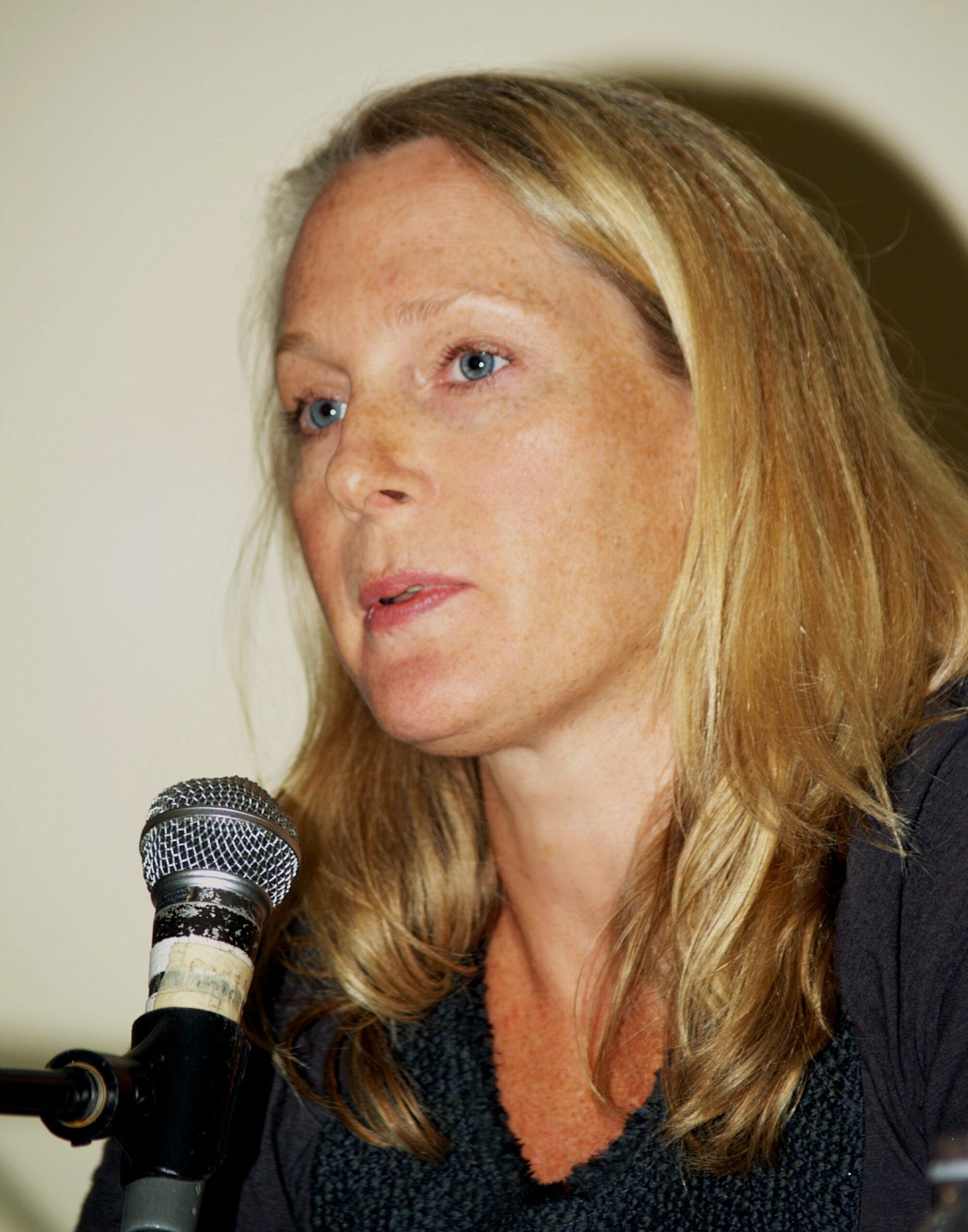
Piper Kerman’s memoir, “Orange Is the New Black,” helped Americans see the stark realities of women’s prisons. After serving 13 months in a federal correctional facility, she wrote about the emotional toll, friendships, and institutional challenges she faced. The book became a cultural phenomenon and inspired the acclaimed Netflix series. According to the Sentencing Project, the number of women in U.S. prisons increased by over 700% between 1980 and 2020, a fact Kerman explores through her own lens. She uses her platform to advocate for better prison conditions, rehabilitation, and sentencing reform. Kerman’s firsthand experience gives her writing an authenticity that resonates with readers, and her ongoing activism has been featured in TIME and The Washington Post.
3. Bryan Stevenson
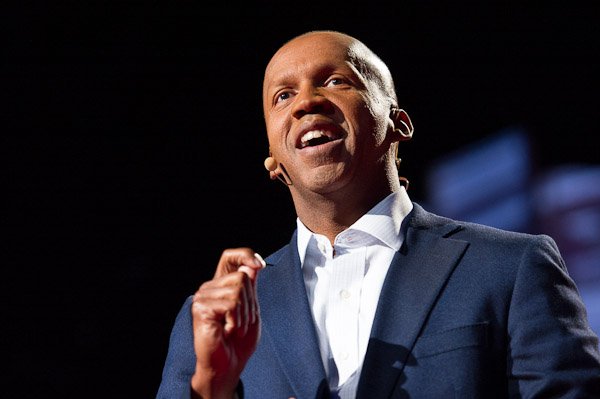
Bryan Stevenson is a lawyer and founder of the Equal Justice Initiative. His book “Just Mercy” recounts his fight to free wrongfully convicted prisoners, focusing particularly on racial injustice and the death penalty. Stevenson’s work has helped overturn dozens of wrongful convictions, and he’s argued cases before the Supreme Court. He draws on Department of Justice data showing that roughly 1 in 9 people sentenced to death in the U.S. has later been exonerated or had their sentence reduced, highlighting systemic flaws. Stevenson’s writing is deeply personal, often sharing emotional stories of the people he’s defended, making the criminal justice system’s failures impossible to ignore. His TED Talks and interviews on CBS News have further amplified his message nationwide.
4. Angela Davis
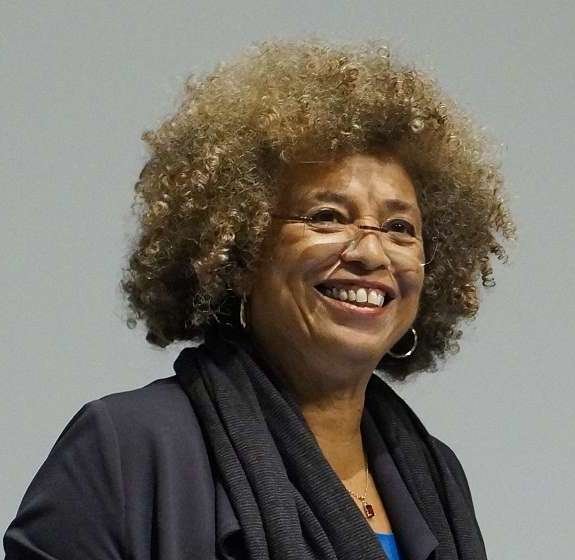
Angela Davis is a longtime activist and scholar whose book “Are Prisons Obsolete?” questions the very existence of prisons. She argues that the prison-industrial complex is rooted in racism and profit, drawing on historical and sociological research. Davis’s work is cited in academic journals and has been referenced by outlets like The Guardian and The Atlantic, especially in light of recent protests against police brutality. She brings in international comparisons, noting that the U.S. has the highest incarceration rate in the world, with 629 per 100,000 people incarcerated as of 2024. Davis’s writing is both analytical and passionate, pushing readers to imagine alternatives to mass incarceration.
5. Reginald Dwayne Betts
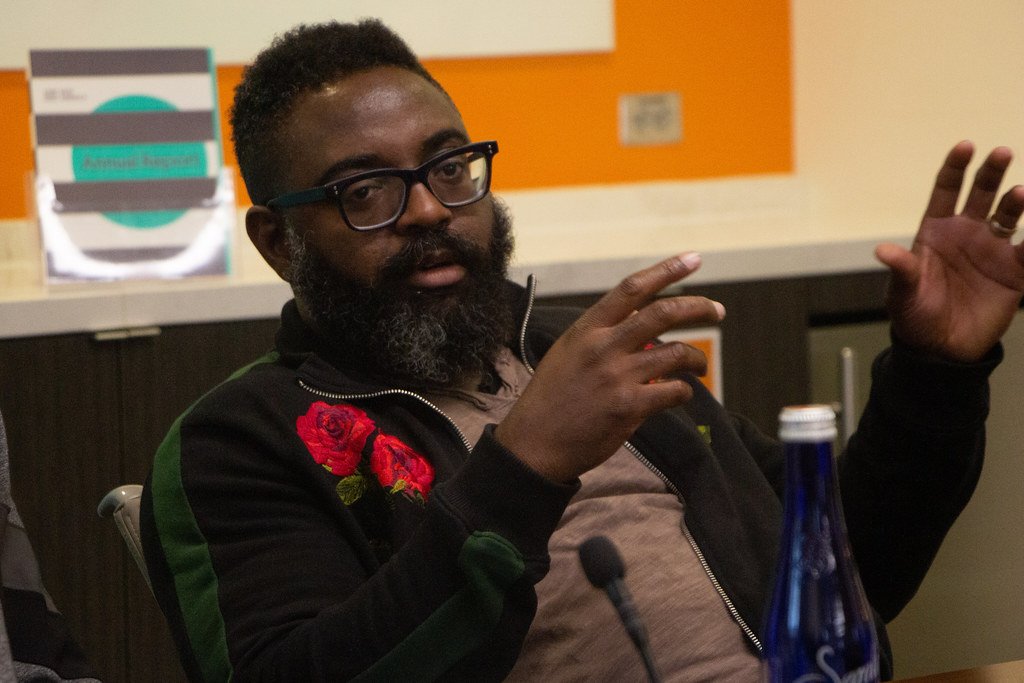
Reginald Dwayne Betts, once incarcerated himself, writes poetry and memoirs about the realities of prison life. His books, including “Felon” and “A Question of Freedom,” explore trauma, dignity, and hope behind bars. Betts uses his own experiences—he was sentenced to nine years in prison at age 16—to highlight the challenges of reentry and the stigma faced by former prisoners. According to the Prison Policy Initiative, nearly 600,000 people are released from state and federal prisons each year, many facing barriers similar to Betts’s. He’s been profiled in The New Yorker and NPR, and his work is used in classrooms to educate about incarceration’s human cost.
6. James Forman Jr.
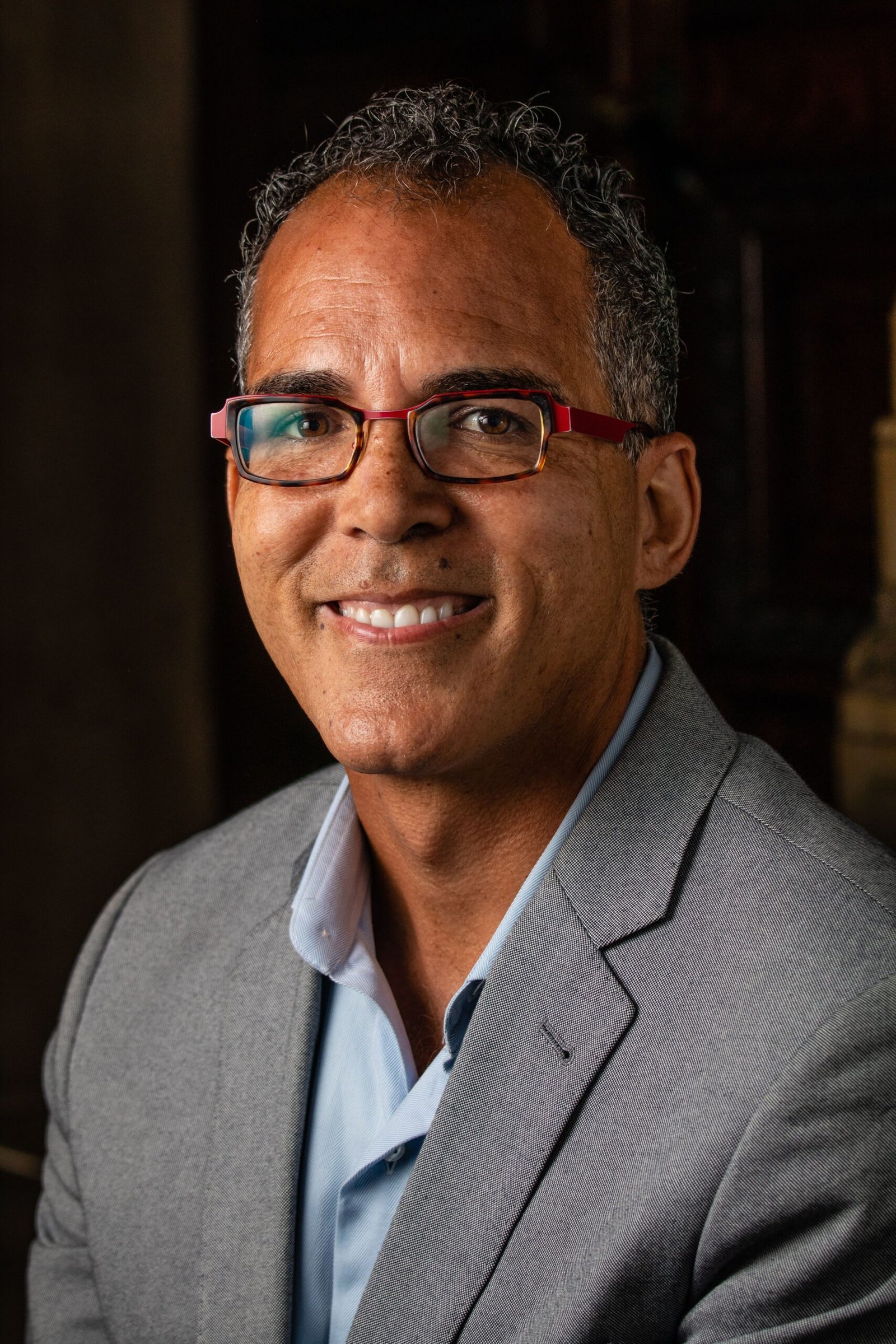
James Forman Jr. is a Yale law professor and author of “Locking Up Our Own.” He explores how Black leaders in Washington, D.C., during the crack epidemic of the 1980s and 1990s supported tough-on-crime policies. Using archival research and interviews, Forman shows how these policies contributed to mass incarceration, even as they aimed to reduce crime. His book won the Pulitzer Prize for Nonfiction and has been praised in The New York Times and The Atlantic. Forman’s nuanced analysis helps readers understand the complex, sometimes contradictory, roles that communities of color have played in shaping criminal justice policy.
7. Heather Ann Thompson
Heather Ann Thompson won the Pulitzer Prize for her book “Blood in the Water,” which details the 1971 Attica prison uprising. Thompson spent over a decade researching court transcripts, government documents, and interviews with survivors. She reveals the brutal conditions that led to the rebellion and the government’s violent response, which left 43 people dead. Her research uncovered new evidence about the cover-up of abuses, which sparked renewed calls for prison reform. Recent anniversaries of Attica, covered by outlets like NPR and The New York Times, have drawn on her work to frame current debates about prison violence and transparency.
8. Jarvis Jay Masters
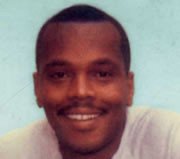
Jarvis Jay Masters is a death row inmate at San Quentin State Prison who writes about his life inside. His memoir, “That Bird Has My Wings,” describes the challenges of growing up in foster care, falling into crime, and surviving the harsh realities of California’s prison system. Masters’s writing, praised by figures like Oprah Winfrey, offers a rare, firsthand look at the psychological toll of solitary confinement and the struggle for redemption. Reports from the Vera Institute of Justice show that California has one of the largest prison populations in the U.S., with over 95,000 incarcerated as of 2024. Masters’s work has inspired countless readers to rethink the meaning of justice.
9. John Edgar Wideman

John Edgar Wideman’s books, like “Brothers and Keepers,” explore the impact of incarceration on families. He writes about his brother’s imprisonment for robbery and murder, using their story to discuss race, poverty, and the generational cycle of incarceration. Wideman’s narrative is both deeply personal and sharply critical of the criminal justice system. According to the Pew Research Center, nearly half of U.S. adults have had an immediate family member incarcerated, making Wideman’s reflections especially resonant. His essays and fiction have appeared in The New Yorker and The Paris Review, bringing literary attention to the reality of mass imprisonment.
10. Shaka Senghor
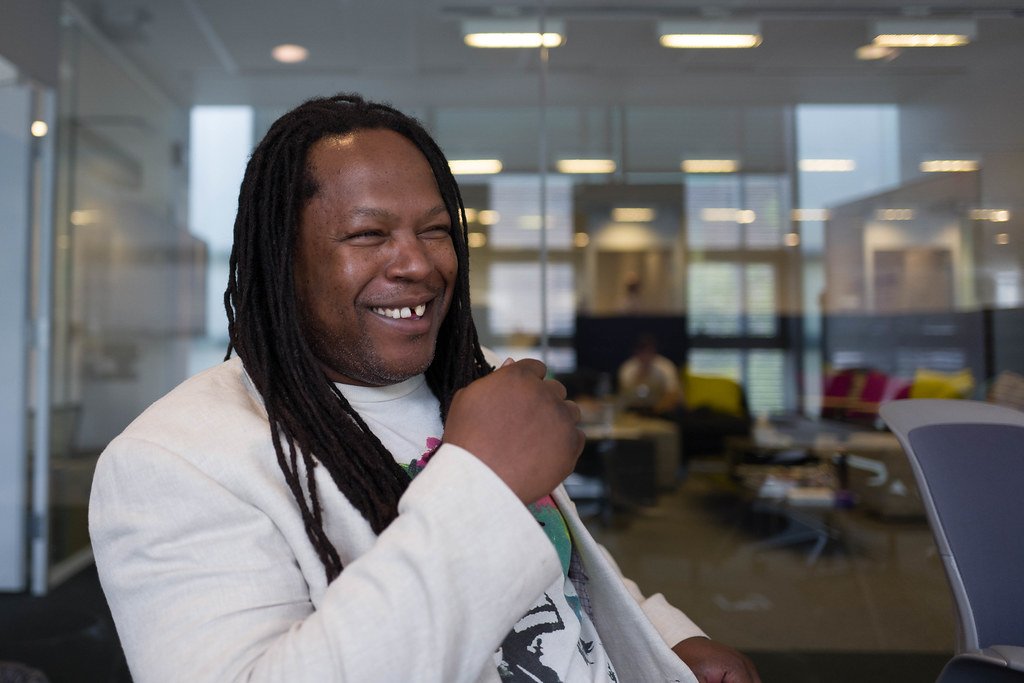
Shaka Senghor’s memoir “Writing My Wrongs” chronicles his 19 years in prison, including seven in solitary confinement. He shares how reading, writing, and reflection led to his transformation and eventual release. Senghor is now a leading advocate for criminal justice reform, speaking at conferences and universities nationwide. According to the Bureau of Justice Statistics, roughly 80,000 people are held in solitary confinement on any given day in the U.S. Senghor’s story, featured in The New York Times, illustrates the potential for rehabilitation and the psychological costs of extreme punishment. His writing gives hope that change is possible, both inside and outside prison walls.
11. Keri Blakinger

Keri Blakinger is a journalist who spent nearly two years incarcerated in Texas before becoming a reporter for The Marshall Project. Her memoir, “Corrections in Ink,” highlights the everyday indignities and dangers faced by women in prison, including lack of medical care and rampant abuse. Blakinger’s investigative reporting draws on her own experiences to expose systemic problems, such as overcrowding and understaffing, that have been documented by the Texas Department of Criminal Justice. Her articles are regularly cited by outlets like The Washington Post and NPR, making her a trusted voice on prison reform.
12. Wilbert Rideau
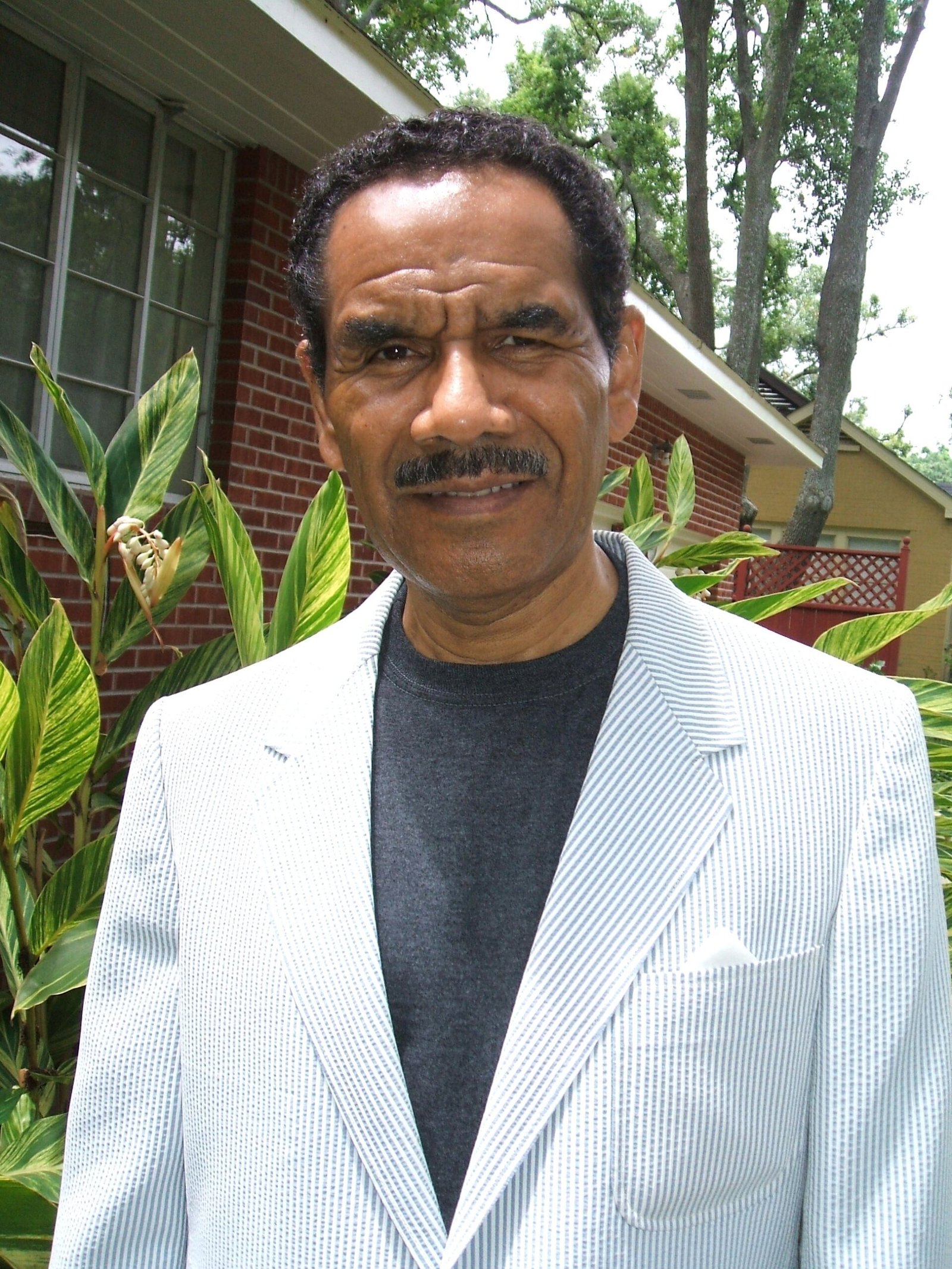
Wilbert Rideau spent 44 years in Louisiana’s Angola Prison, where he became the editor of The Angolite, a nationally acclaimed prison magazine. His memoir, “In the Place of Justice,” recounts wrongful convictions, prison violence, and the struggle for dignity behind bars. Rideau’s work has appeared in The New York Times and Newsweek, and he’s won awards for investigative journalism. His reporting helped expose Angola’s brutal conditions, which have been the subject of lawsuits and Department of Justice investigations. As of 2024, Angola remains one of the largest maximum-security prisons in the U.S., holding over 5,000 inmates.
13. Jimmy Santiago Baca
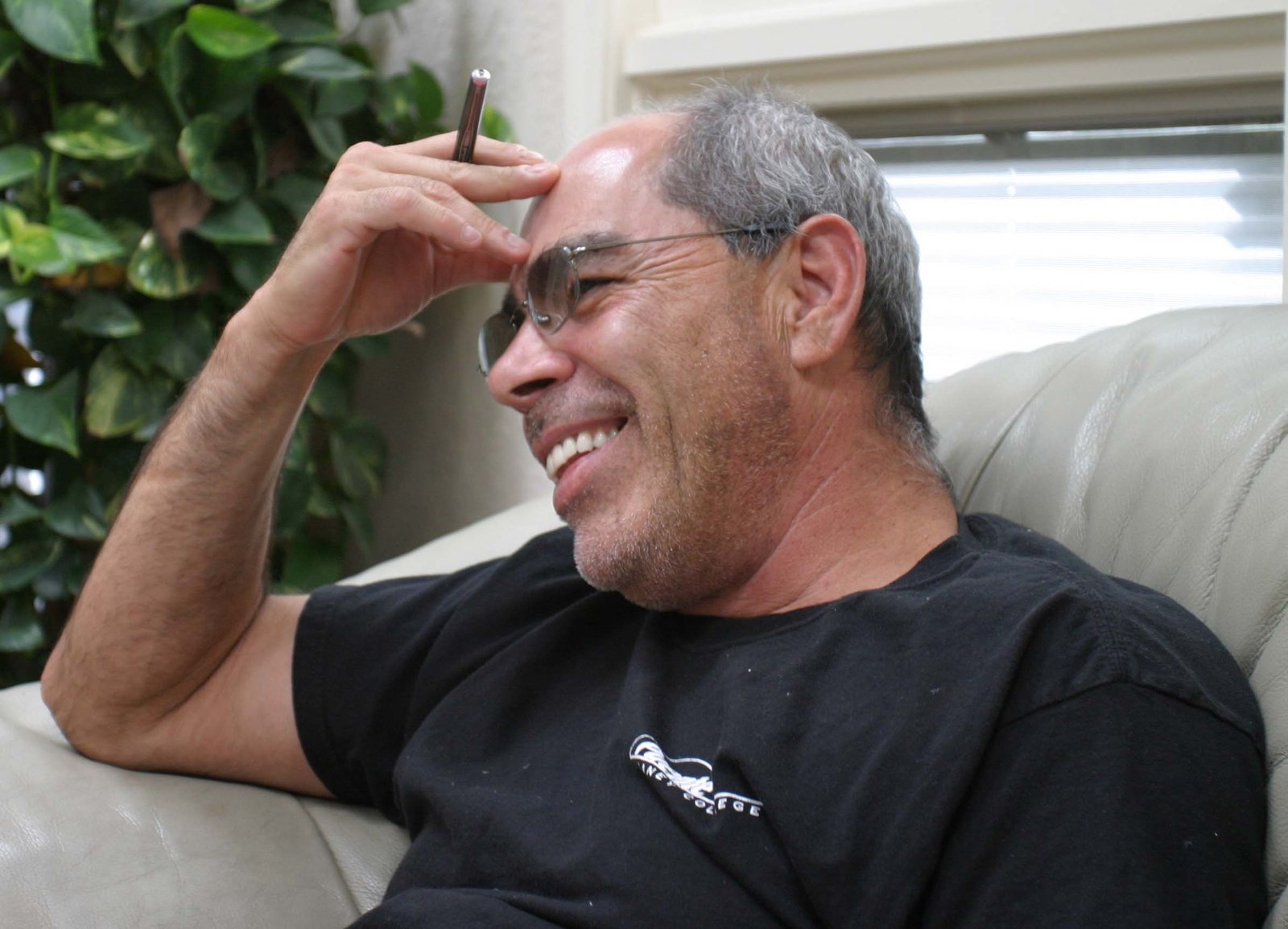
Jimmy Santiago Baca began writing poetry while serving time in an Arizona prison for drug charges. His collection “A Place to Stand” and other works explore survival, hope, and the transformative power of writing. Baca’s story is cited in educational programs that use literature to help incarcerated people find their voice—a method supported by research from the RAND Corporation, which shows that prison education reduces recidivism by 43%. Baca’s poetry has been published in The New Yorker and is taught in classrooms across the nation, inspiring new generations to see the human potential behind prison walls.
14. Shane Bauer
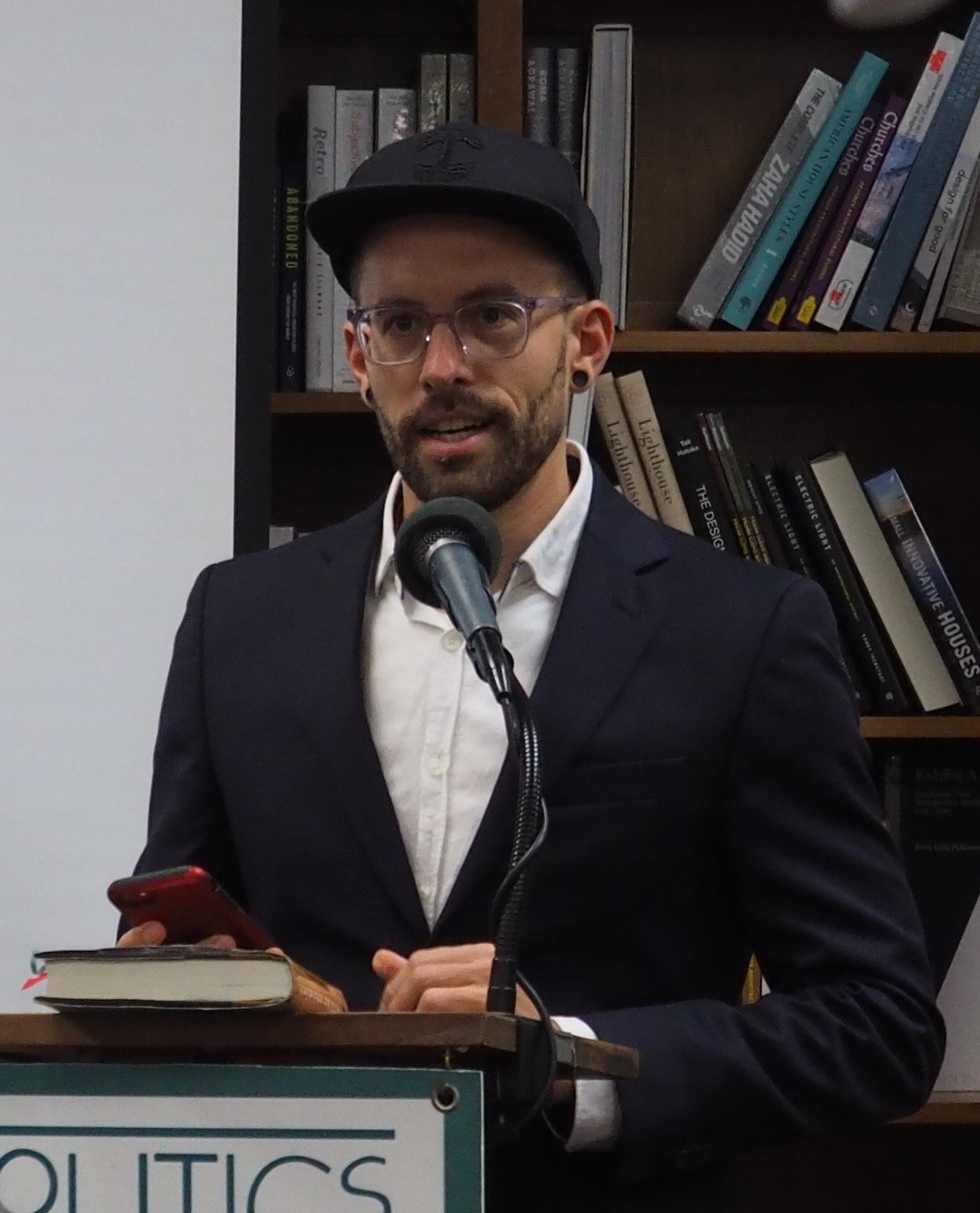
Shane Bauer, an investigative journalist, went undercover as a prison guard in Louisiana’s Winn Correctional Center. His book “American Prison” reveals abuses, neglect, and corruption in the for-profit prison industry. Bauer’s reporting is grounded in interviews, hidden recordings, and state records, exposing how cost-cutting measures endanger both inmates and staff. The U.S. has over 100,000 people in private prisons as of 2024, according to the Bureau of Justice Statistics. His work, featured in Mother Jones and The New York Times, has sparked debate over the future of private incarceration in America.
15. Emily Bazelon
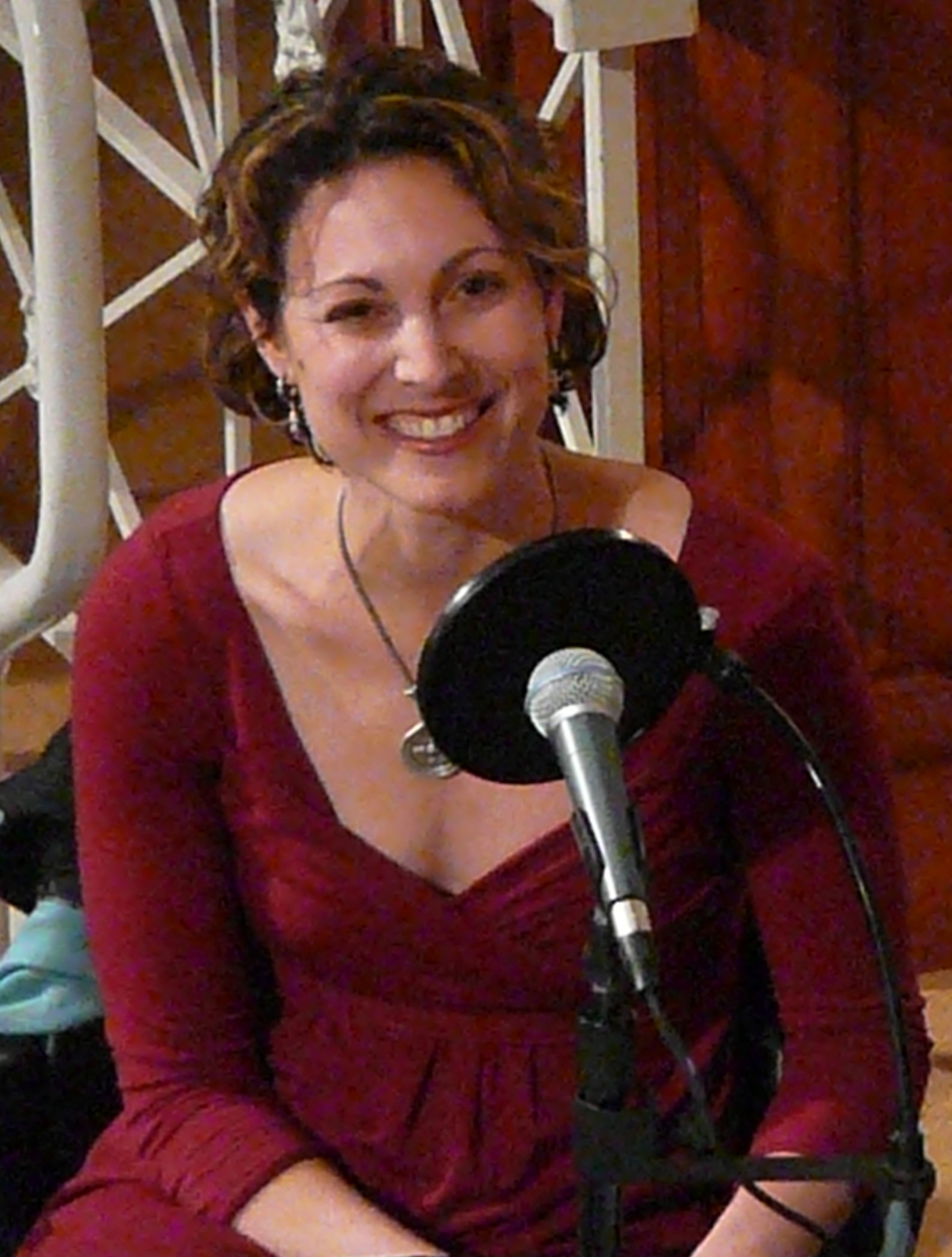
Emily Bazelon is a journalist and author of “Charged,” which examines how prosecutors wield immense power in the criminal justice system. She argues that prosecutorial discretion—decisions about who gets charged, with what, and for how long—drives mass incarceration. Bazelon’s reporting draws on real court cases and interviews with prosecutors, defense attorneys, and defendants. The National Registry of Exonerations reports that misconduct by prosecutors is a leading cause of wrongful convictions. Bazelon’s articles in The New York Times Magazine have brought national attention to calls for greater accountability and reform among America’s prosecutors.
16. Paul Butler
Paul Butler, a former federal prosecutor, is the author of “Chokehold: Policing Black Men.” He uses his personal experience and legal expertise to examine how policing and the courts target people of color. Butler cites data from the Sentencing Project showing that Black Americans represent 33% of the U.S. prison population despite making up only 12% of the total population. His writing, featured in The Washington Post and MSNBC, challenges readers to confront uncomfortable truths about bias, power, and the need for systemic change. Butler’s work is regularly cited in debates over policing and sentencing reform.
17. Victoria Law

Victoria Law is a journalist and activist who writes about women and marginalized groups in prison. Her books “Resistance Behind Bars” and “Prisons Make Us Safer” document how incarcerated women organize for better conditions, health care, and safety. Law’s reporting is grounded in interviews, surveys, and official prison records, revealing that women in prison are more likely than men to be victims of sexual abuse and mental health problems, according to the Bureau of Justice Statistics. Her work has appeared in The Nation and Truthout, giving voice to people often overlooked in criminal justice debates.
18. Chris Hedges
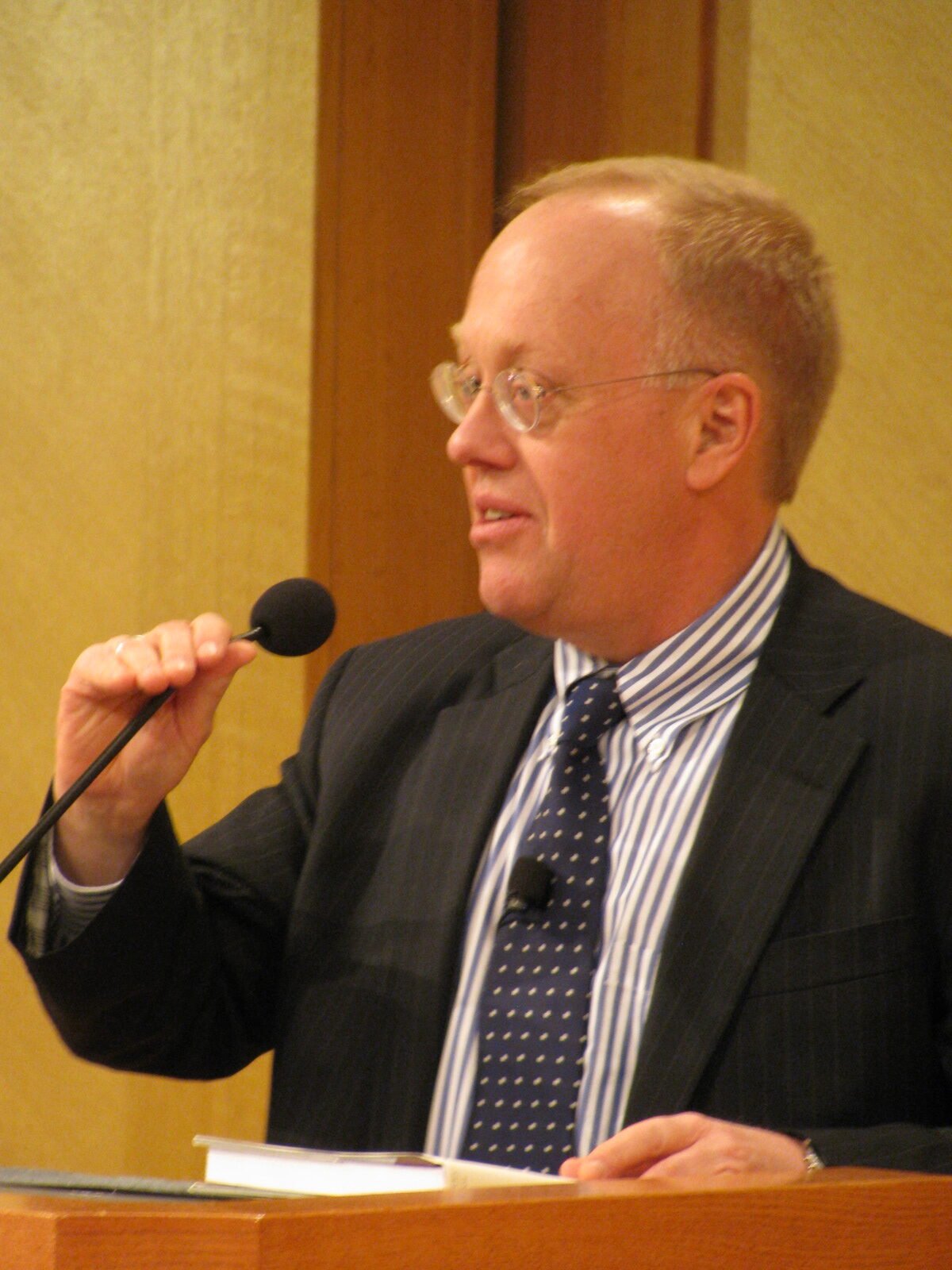
Chris Hedges is a Pulitzer Prize-winning journalist whose book “Our Class” chronicles his experience teaching college courses in a New Jersey prison. Hedges shares stories of his students’ resilience, creativity, and struggle for redemption. He cites research from the Prison Policy Initiative showing that access to higher education in prison significantly reduces recidivism and improves reentry outcomes. Hedges’s writing, published in Salon and The Intercept, challenges readers to see incarcerated people as more than their convictions and to support educational programs behind bars.
19. Anthony Ray Hinton
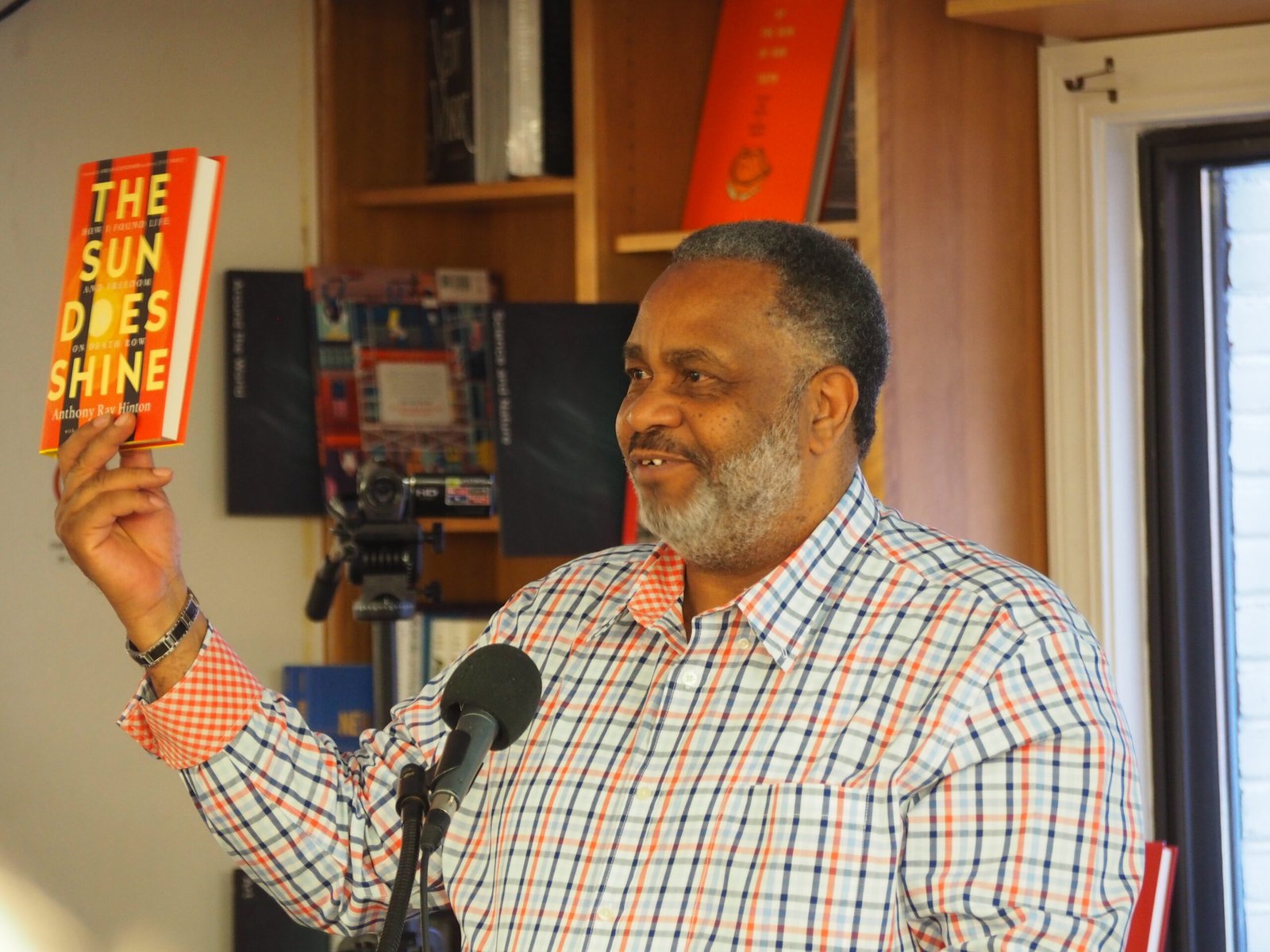
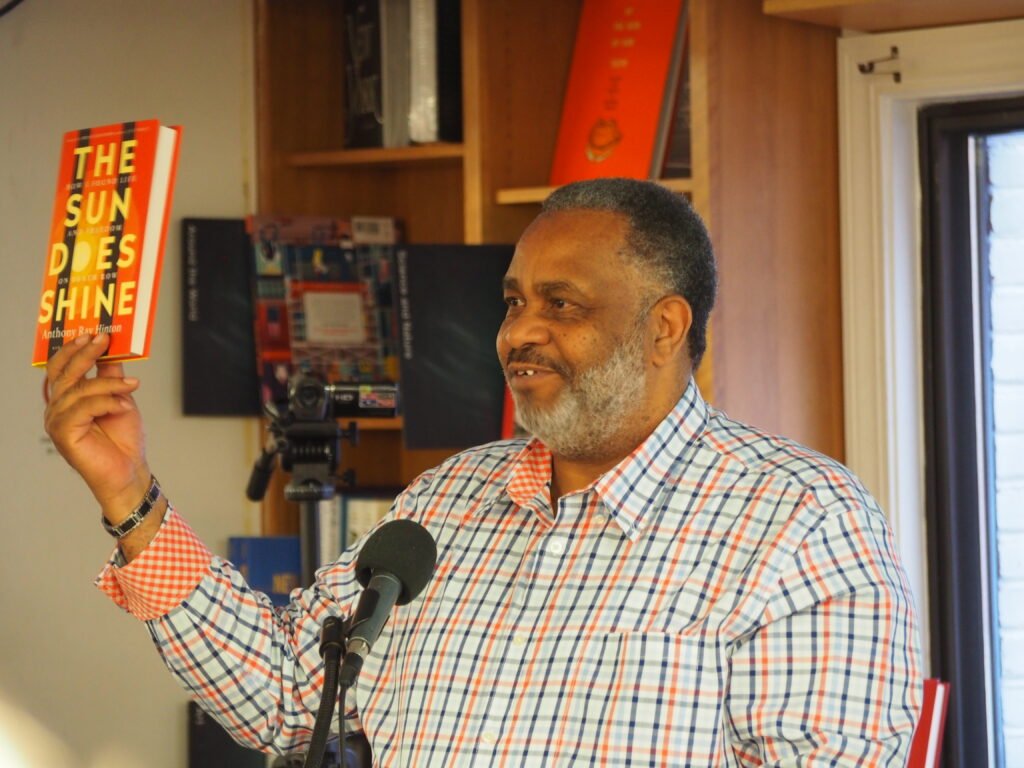
Anthony Ray Hinton spent nearly 30 years on Alabama’s death row for a crime he did not commit. His memoir, “The Sun Does Shine,” recounts his trial, conviction, and eventual exoneration thanks to the efforts of the Equal Justice Initiative. According to the Death Penalty Information Center, over 190 people have been exonerated from death row in the U.S. since 1973. Hinton’s story, featured on CBS News and in The Guardian, has inspired renewed efforts to review old convictions and reform death penalty laws. His writing offers hope and a powerful critique of wrongful imprisonment.
20. Rachel Aviv

Rachel Aviv is a staff writer for The New Yorker who has reported extensively on mental health and incarceration. Her articles uncover how the prison system often fails people with psychiatric disorders, relying on solitary confinement instead of treatment. Aviv’s reporting, supported by data from the Treatment Advocacy Center, shows that as many as 20% of people in jails and 15% in prisons have a serious mental illness. Her investigative stories highlight the urgent need for reform and have influenced discussions on mental health policy in state legislatures across the country.

Besides founding Festivaltopia, Luca is the co founder of trib, an art and fashion collectiv you find on several regional events and online. Also he is part of the management board at HORiZONTE, a group travel provider in Germany.
