


- The 20 Impossible 60s–70s Music Quiz for Hardcore Fans - December 21, 2025
- 14 Songs That Were Almost Never Released – And Changed Everything - December 21, 2025
- 20 Epic Coming-of-Age Books You Wish You Read Sooner - December 21, 2025
The Swedish New-Wave Revival That Never Got Its Due
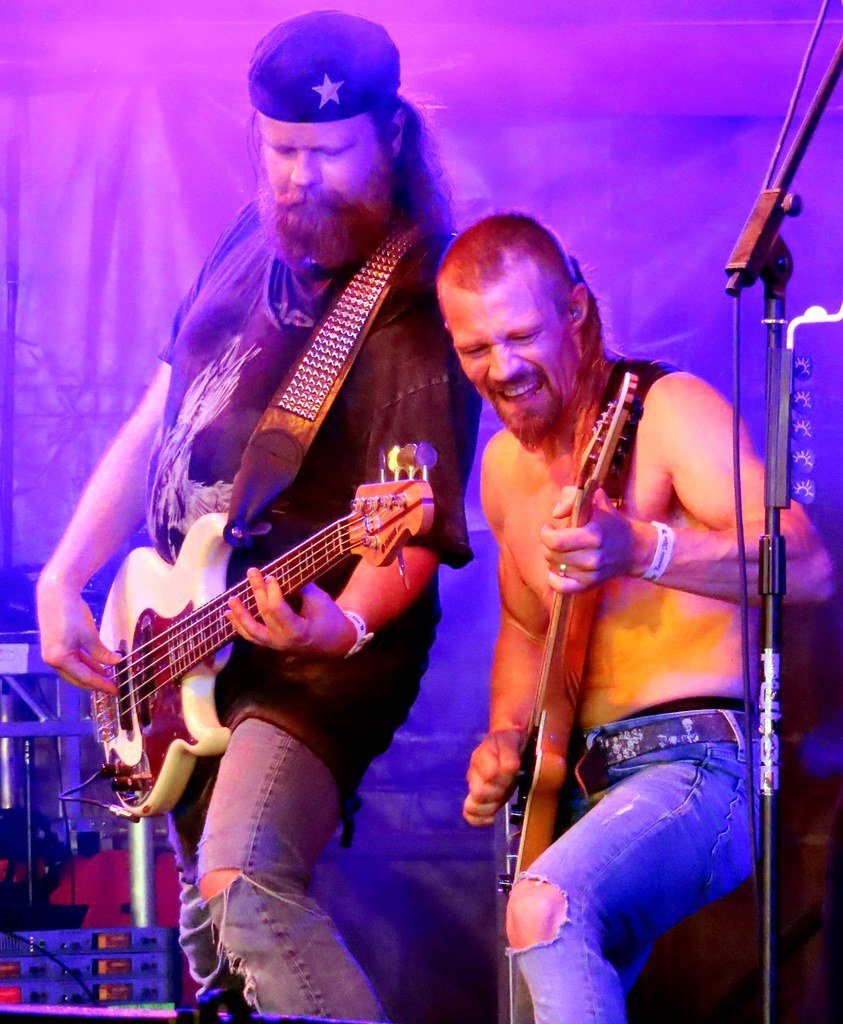
Picture this: it’s 2002, and while everyone’s obsessing over The Strokes and The White Stripes, a Swedish band called The Sounds dropped something that should’ve been played at every house party for the next decade. “Living in America” reached number three on the Swedish Singles Chart, but somehow slipped through the cracks everywhere else. The song captures that perfect new-wave energy that made the 80s so addictive, but with a modern twist that feels urgent and immediate.
What makes this track so special isn’t just the infectious guitar riff or Maja Ivarsson’s powerful vocals – it’s the way it bridges decades of rock history without feeling like a museum piece. The International Federation of the Phonographic Industry awarded the album a platinum certification in 2003, denoting sales in excess of 40,000 copies, which sounds modest by today’s standards but was significant for a Swedish band breaking into international markets.
Freezepop’s Synth-Pop Perfection That Flew Under the Radar
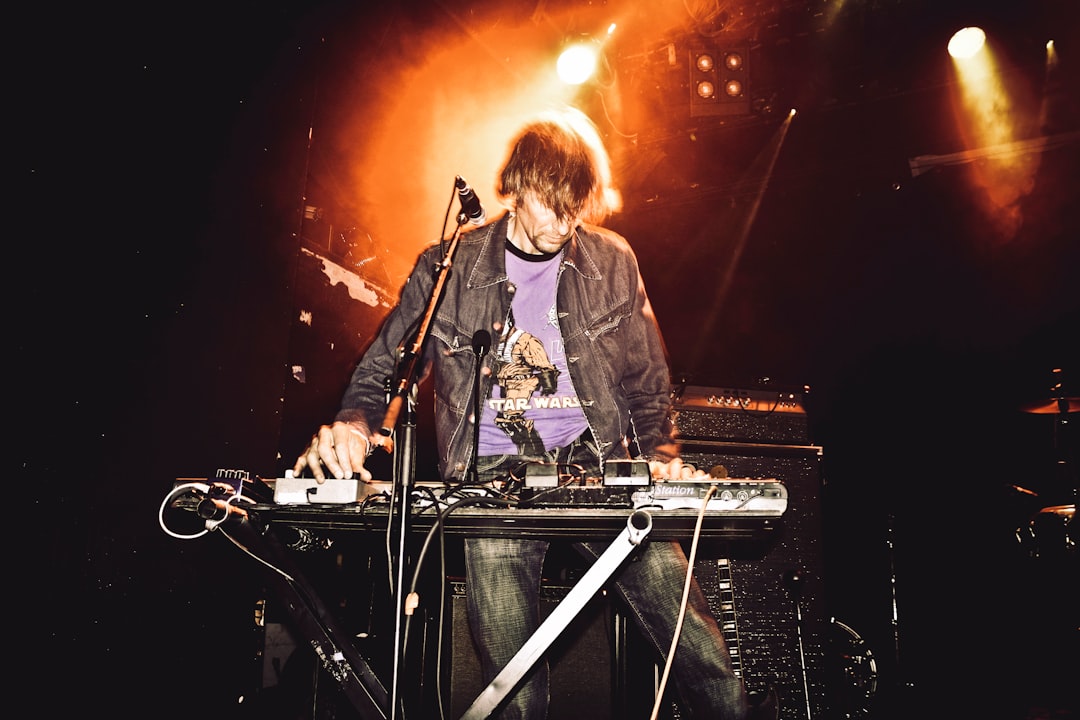
If you think you’ve heard every great synth-pop track from the mid-2000s, think again. Freezepop’s “Less Talk More Rokk” from 2004 is the kind of song that makes you wonder how it didn’t become a massive hit. This Boston-based trio had everything: catchy melodies, clever lyrics, and that unmistakable early-2000s electronic sound that defined a generation of dance floors.
The track embodies everything that made the electroclash movement so exciting – it’s playful, energetic, and completely unapologetic about its synthetic nature. While other bands were trying to sound “organic,” Freezepop embraced the machine, creating something that feels both futuristic and nostalgic at the same time.
The Raveonettes’ Shoegaze-Rockabilly Fusion
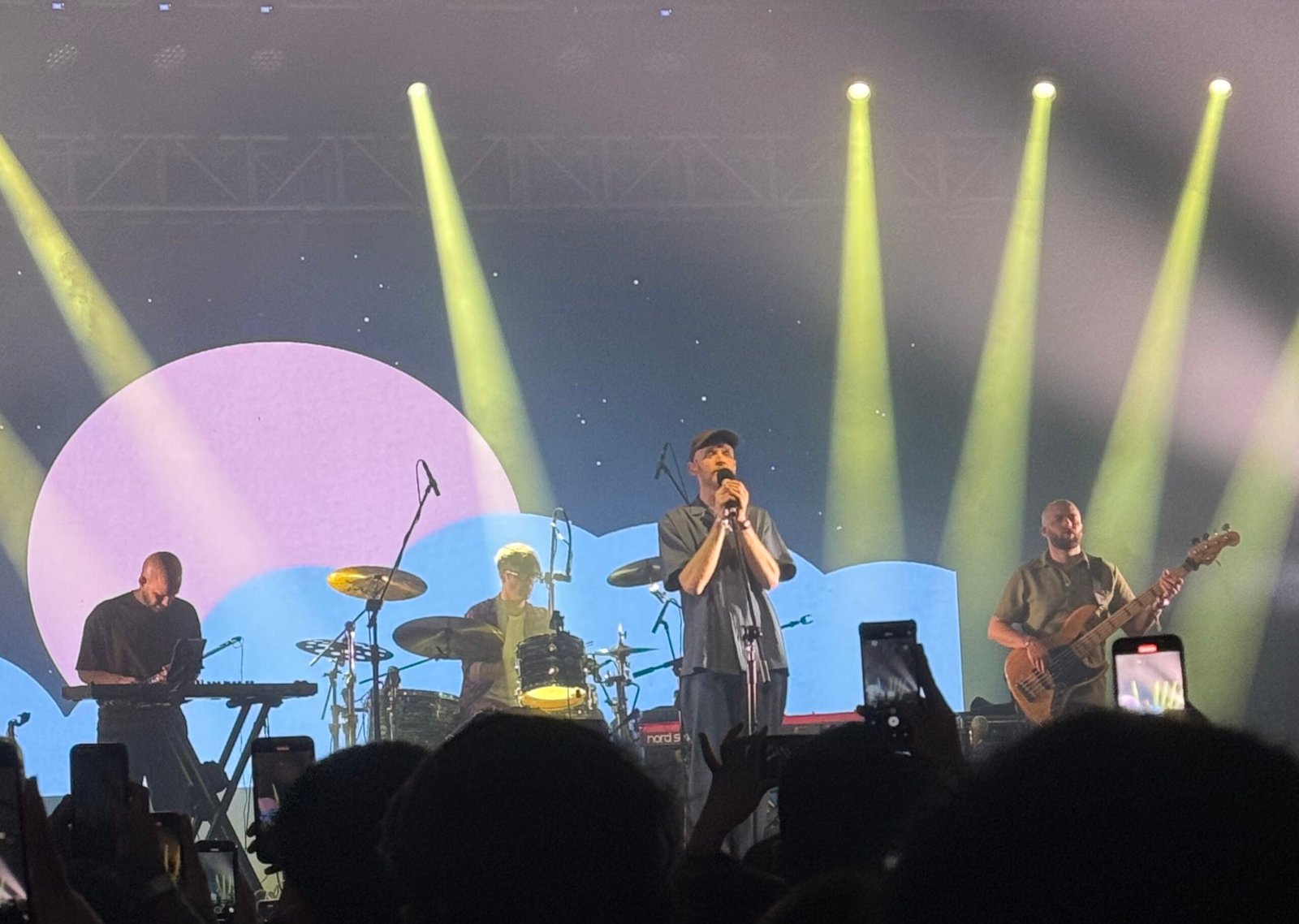
“That Great Love Sound” from 2003 represents one of the most unique sonic experiments of the decade. The Danish duo The Raveonettes managed to blend the dreamy, effects-heavy sound of shoegaze with the raw energy of rockabilly, creating something that shouldn’t work but absolutely does. The result is a track that feels like it was recorded in both the 1950s and the 2050s simultaneously.
This song showcases how the 2000s were a time of fearless genre-blending, where artists weren’t afraid to combine seemingly incompatible styles. The Raveonettes proved that great music doesn’t need to fit into neat categories – sometimes the best songs come from the spaces between genres.
Peaches’ Ahead-of-Its-Time Electroclash
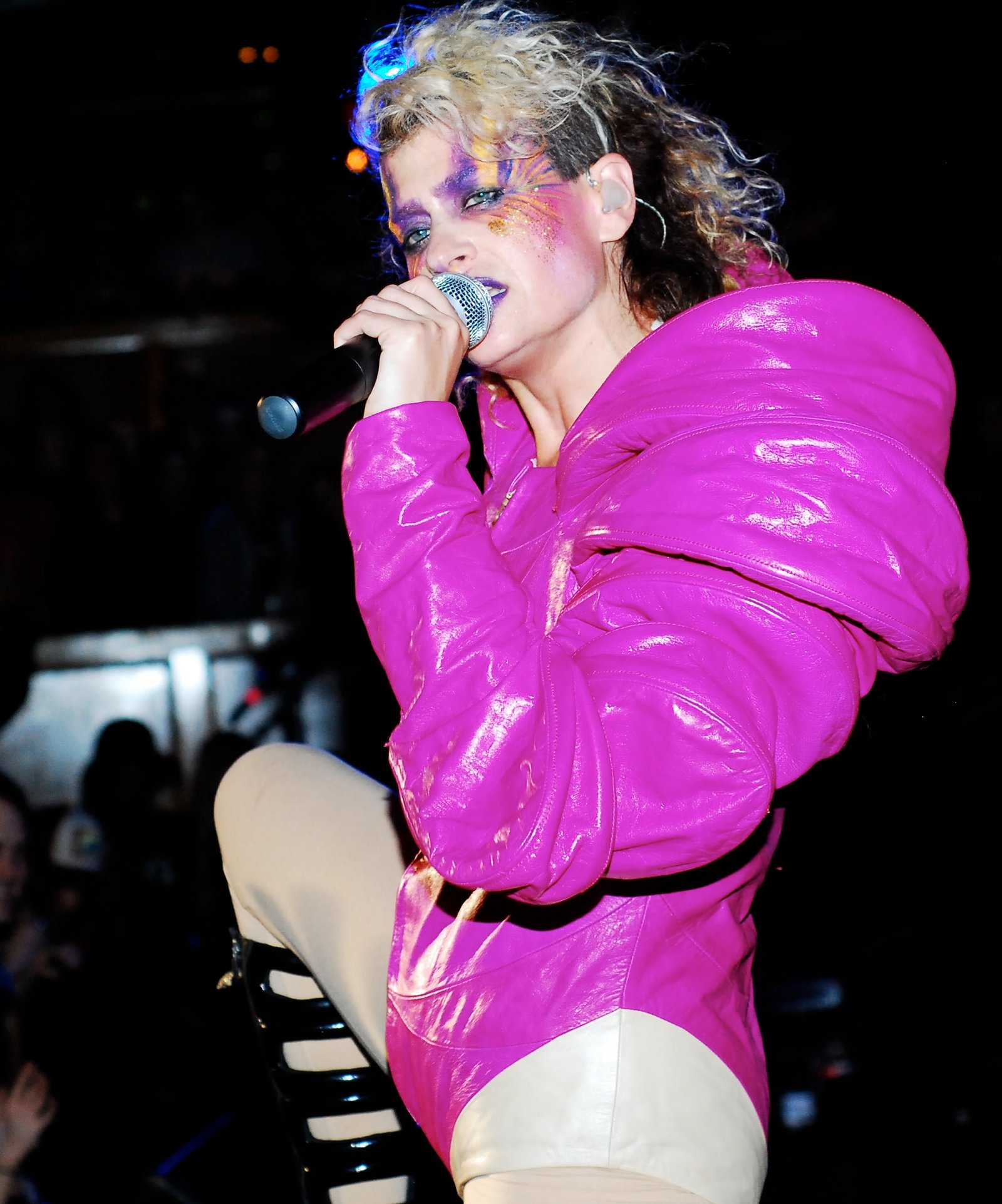
Merrill Nisker, known professionally as Peaches, was making music in 2003 that still sounds radical today. “Operate” is a perfect example of how the electroclash movement pushed boundaries in ways that mainstream music is only now catching up to. The track’s confrontational energy and unapologetic sexuality were shocking at the time, but now feel prophetic.
What’s remarkable about this song is how it predicted so much of what would later become commonplace in pop music. The aggressive electronic production, the provocative lyrics, and the gender-bending aesthetic all feel like they could have been released yesterday. Peaches was essentially creating the blueprint for what pop music would become two decades later.
The Knife’s Original “Heartbeats” Masterpiece

Before José González’s acoustic cover became a commercial sensation, The Knife’s original “Heartbeats” from 2003 was a haunting piece of electronic minimalism. The Swedish sibling duo created something that was both deeply personal and universally relatable, with Karin Dreijer’s ethereal vocals floating over a stark, pulsing electronic backdrop.
The irony is that while González’s version gained widespread recognition, The Knife’s original captures something more complex and emotionally nuanced. The electronic elements don’t just support the melody – they become part of the emotional landscape, creating a sense of isolation and intimacy that the acoustic version, beautiful as it is, can’t quite match.
LCD Soundsystem’s Beatles-Influenced Deep Cut
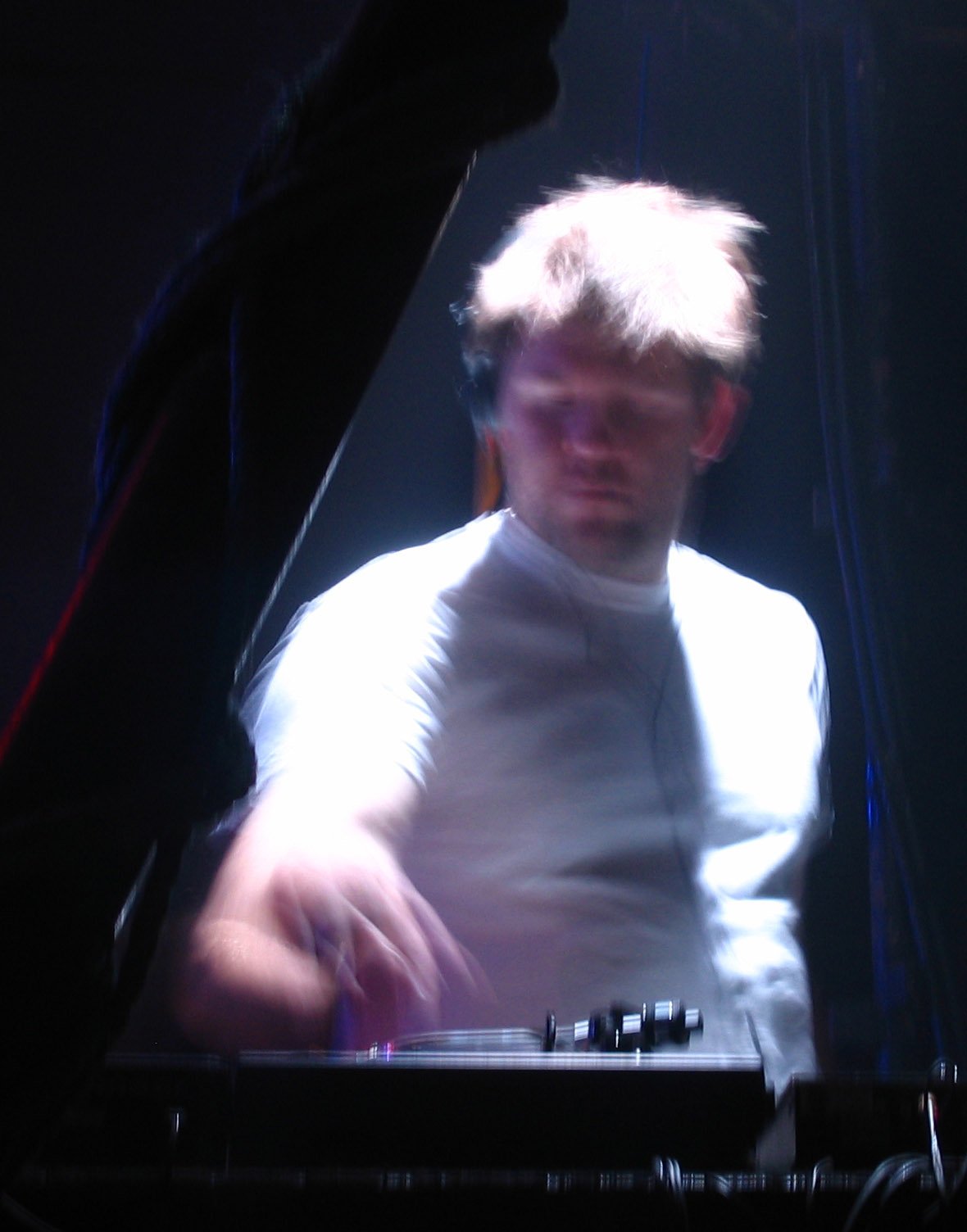
James Murphy has always been known for his ability to reference music history while creating something entirely new, and “Never as Tired as When I’m Waking Up” from 2005 is a perfect example. The track is maybe one of their most overlooked compared to the mega-hits on the same album like “Disco Infiltrator,” or “Daft Punk Is Playing At My House”, but it deserves just as much attention.
The song’s Beatles influence is undeniable – fans have noted similarities to “Dear Prudence” – but Murphy transforms the reference into something that feels completely contemporary. The album was critically acclaimed upon release and was nominated for the 2006 Grammy Award for Best Electronic/Dance Album, yet this particular track never received the recognition it deserved.
Annie’s Norwegian Pop Perfection

Norwegian artist Annie’s “Heartbeat” from 2004 represents everything that was great about mid-2000s pop music that flew under the radar. The song combines the best elements of 80s synth-pop with modern production techniques, creating something that feels both nostalgic and forward-thinking. Annie’s voice has a sweet vulnerability that contrasts beautifully with the song’s pulsing electronic backdrop.
What makes this track so special is how it captures the essence of great pop music – it’s immediately catchy but reveals new layers with each listen. The production is crisp and modern, but the songwriting has that timeless quality that makes it feel like it could have been a hit in any decade.
M.I.A.’s Globalized Chaos

While “Paper Planes” became M.I.A.’s breakthrough hit, “10 Dollar” from her 2007 album Kala represents her at her most experimental and exciting. The track is a perfect example of how the 2000s saw music becoming truly global, with artists like M.I.A. incorporating sounds from around the world into their work in ways that felt natural rather than forced.
The song’s chaotic energy and genre-blending approach predicted so much of what would later become standard in pop music. M.I.A. was essentially creating the template for the globalized pop sound that would dominate the 2010s, but “10 Dollar” does it with a rawness and authenticity that many later attempts would lack.
The Go! Team’s Sample-Pop Euphoria
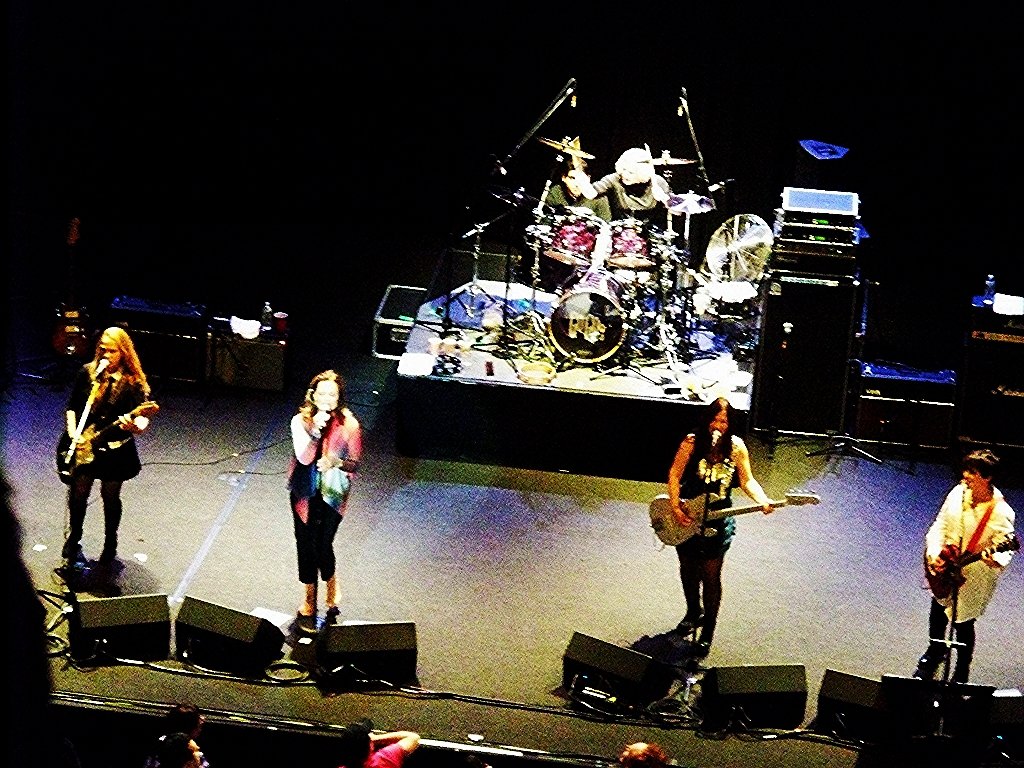
Brighton-based collective The Go! Team created something truly unique with “Ladyflash” from 2004. The track is a perfect example of how the 2000s saw artists pushing the boundaries of what pop music could be, incorporating everything from hip-hop beats to marching band samples into a coherent whole that somehow works perfectly.
The song’s joyful energy is infectious, but what makes it special is how it achieves that euphoria through complexity rather than simplicity. Every element – from the horn samples to the vocal snippets – serves the overall vision, creating something that feels both carefully constructed and spontaneously energetic.
Hot Chip’s Wistful Electronic Masterpiece
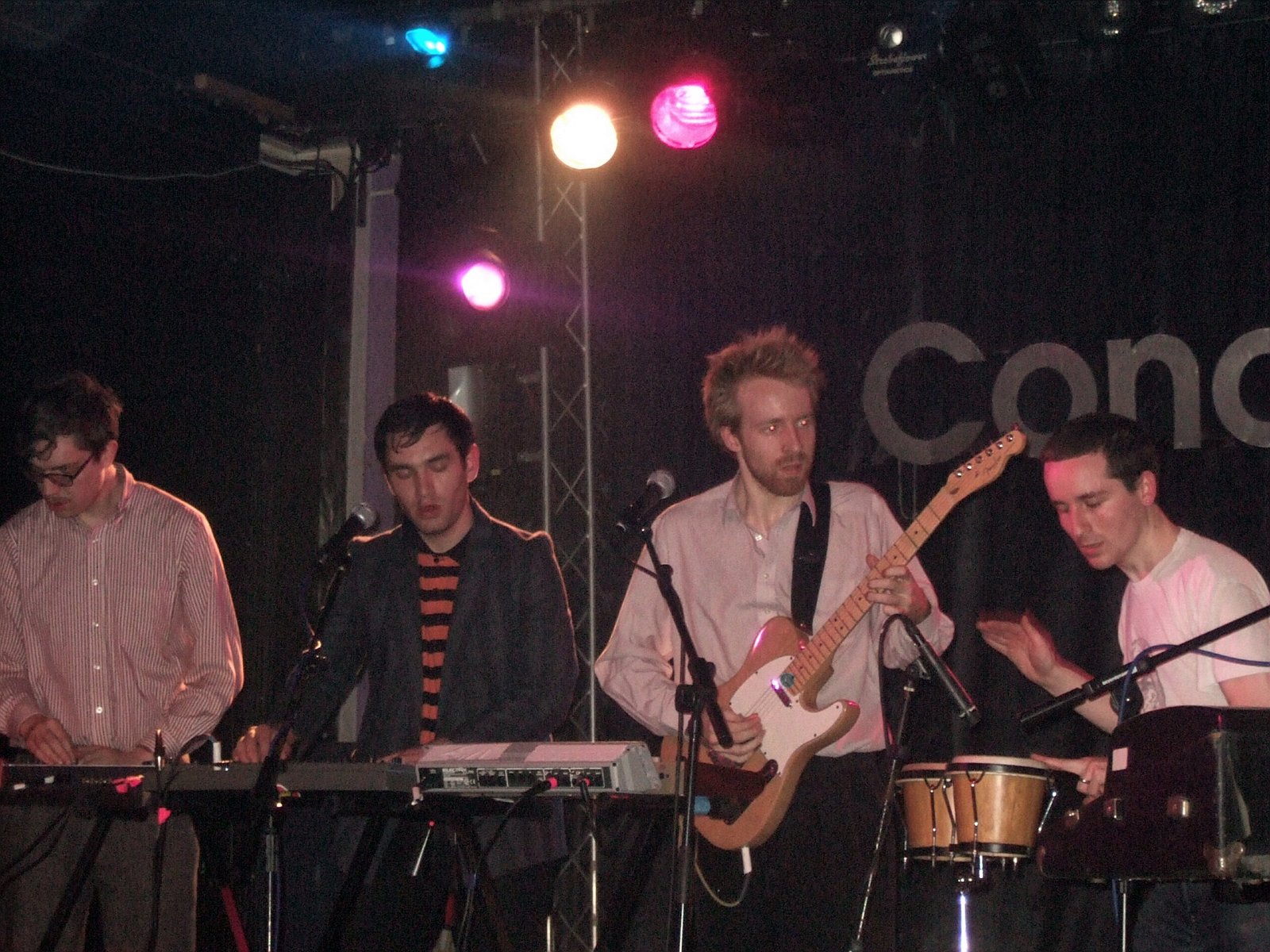
Hot Chip’s “And I Was a Boy from School” from 2006 represents the more introspective side of the electronic music that was flourishing in the mid-2000s. The track combines the group’s signature electronic sound with deeply personal lyrics about growing up and changing relationships, creating something that feels both danceable and emotionally resonant.
What makes this song so effective is how it uses electronic elements to enhance rather than mask the emotional content. The synths don’t just provide a backdrop – they become part of the storytelling, creating a sense of nostalgia and longing that perfectly complements the lyrics.
Santigold’s Alt-Pop Blueprint

Before artists like Billie Eilish and Lorde were defining what alternative pop could sound like, Santi White (as Santigold) was laying the groundwork with tracks like “L.E.S. Artistes” from 2008. The song perfectly captures the restless energy of late-2000s New York, combining punk attitude with pop sensibilities in a way that felt completely fresh.
The track’s influence can be heard in so much of the music that followed – its combination of organic and electronic elements, its genre-blending approach, and its confrontational yet accessible lyrics all became templates for the alternative pop that would dominate the 2010s.
Fever Ray’s Dark Electronic Hypnosis
derivative work: Aleksd, CC BY 2.0, https://commons.wikimedia.org/w/index.php?curid=40729960)
Karin Dreijer’s solo project Fever Ray produced some of the most haunting electronic music of the late 2000s, and “If I Had a Heart” from 2009 is a perfect example of how dark and atmospheric electronic music could be. The track creates an entire world through sound – it’s hypnotic, unsettling, and beautiful all at once.
What makes this song so compelling is how it uses minimalism to create maximum impact. Every element feels essential, from the pulsing bass to the ethereal vocals, and the result is something that feels both ancient and futuristic.
Little Boots’ Synth-Pop Perfection

derivative work: Funkfried333 (talk), CC BY 2.0, https://commons.wikimedia.org/w/index.php?curid=8680630)
Victoria Hesketh’s Little Boots project represented the best of the late-2000s synth-pop revival, and “Meddle” from 2009 should have been as big as any Lady Gaga track from the same period. The song combines retro synth sounds with modern production techniques, creating something that feels both nostalgic and contemporary.
The track’s pop sensibilities are undeniable – it’s catchy, danceable, and emotionally engaging – but it also has a sophistication that sets it apart from more straightforward pop music. Little Boots proved that you could make intelligent dance music that was also incredibly fun.
The Big Pink’s Shoegaze-Electronic Fusion
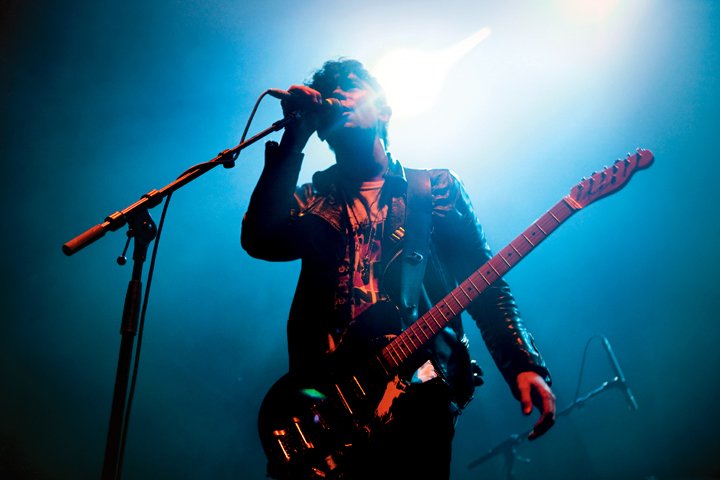
London duo The Big Pink created something special with “Dominos” from 2009, combining the dreamy textures of shoegaze with the rhythmic drive of electronic music. The song feels like it was built for both headphones and dance floors, with layers of sound that reveal new details with each listen.
The track’s approach to combining organic and electronic elements feels prescient – it predicted so much of what would later become standard in indie and alternative music. The Big Pink showed that you could be both atmospheric and rhythmic, both dreamy and driving.
La Roux’s Synth-Pop Deep Cut
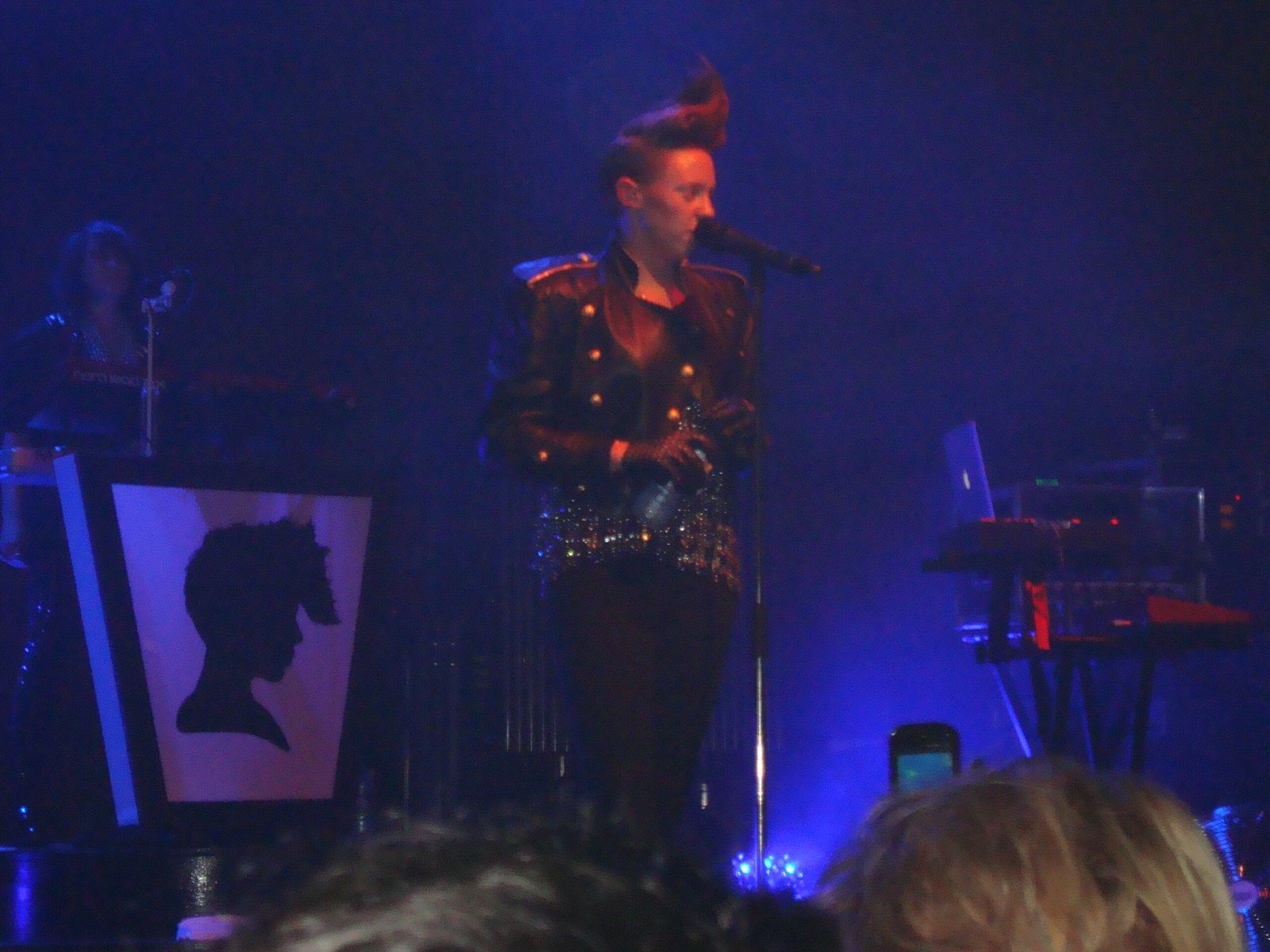
While “Bulletproof” became La Roux’s signature hit, “Tigerlily” from the same 2009 album represents the project at its most creatively ambitious. The track showcases Elly Jackson’s ability to create complex emotional landscapes using relatively simple electronic elements, resulting in something that feels both accessible and artistically satisfying.
The song’s synth work is particularly impressive – it creates a sense of space and atmosphere that perfectly complements Jackson’s distinctive vocals. “Tigerlily” proves that great electronic pop doesn’t need to be complicated to be effective.
Yeah Yeah Yeahs’ Dreamy Alternative
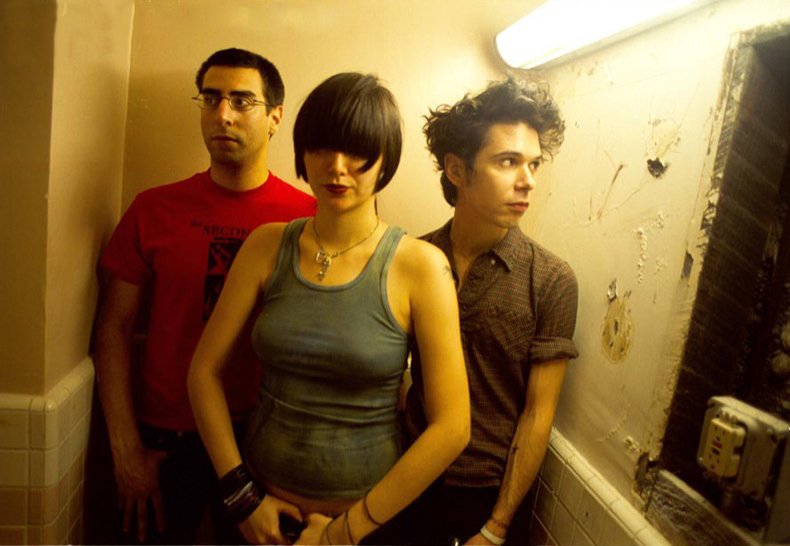
While Yeah Yeah Yeahs were known for their more aggressive tracks, “Turn Into” from 2006’s “Show Your Bones” showcases the band’s gentler side without sacrificing any of their distinctive edge. The song combines Karen O’s unique vocal style with more melodic instrumentation, creating something that feels both accessible and artistically uncompromising.
The track represents how the band evolved from their early garage rock sound into something more sophisticated and emotionally complex. It’s a perfect example of how great artists can expand their sound while maintaining their essential identity.
Bloc Party’s Emotional Intensity
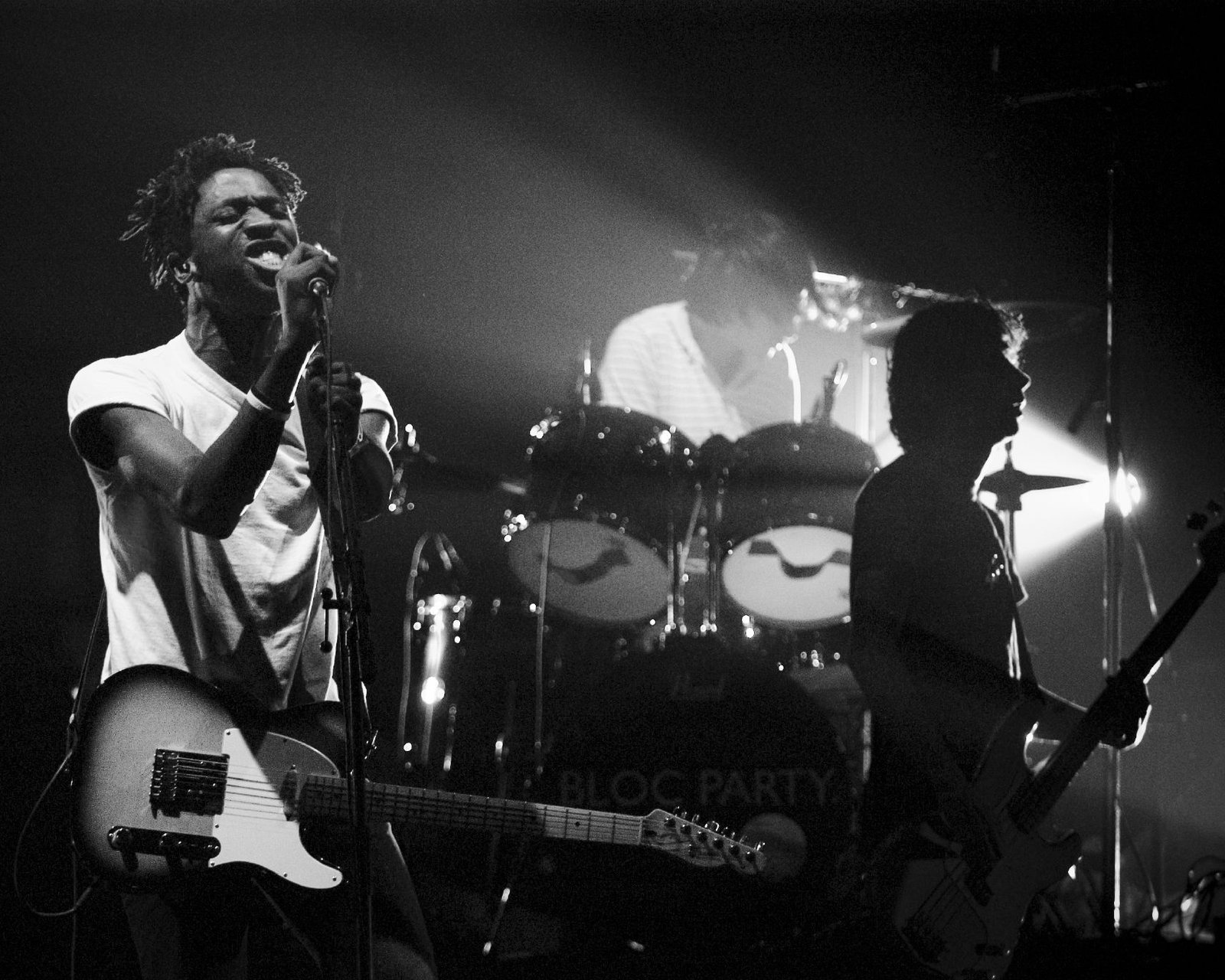
Bloc Party’s “This Modern Love” from 2005 captures the emotional intensity that made the band so compelling during their peak years. The song combines Kele Okereke’s vulnerable vocals with the band’s signature rhythmic complexity, creating something that feels both intimate and anthemic.
What makes this track so powerful is how it uses the band’s post-punk influences to create something that feels emotionally direct rather than intellectually distant. The result is a song that works both as a dance track and as a deeply personal statement.
Interpol’s Cinematic Post-Punk
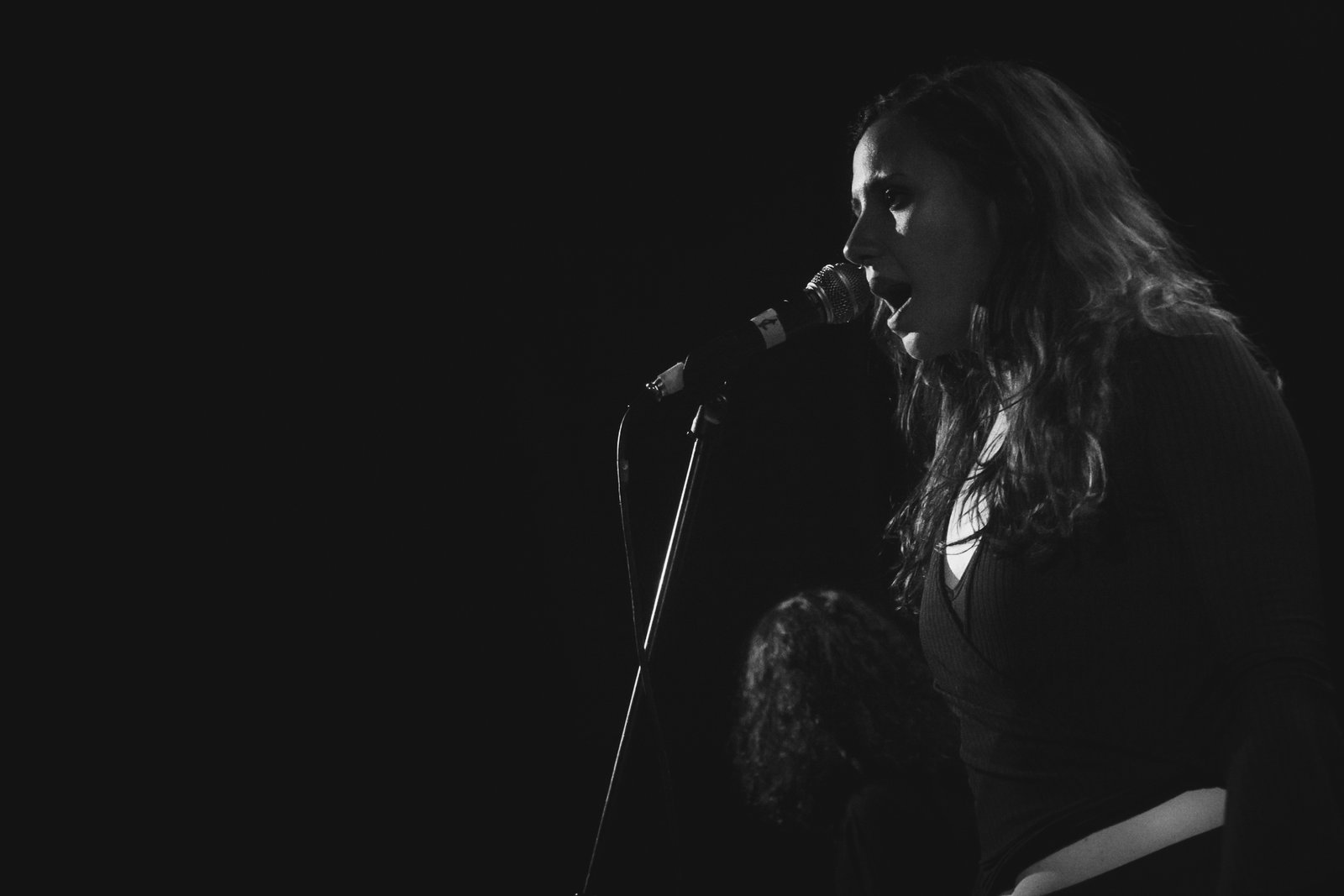
Interpol’s “Pioneer to the Falls” from 2007 represents the band at their most cinematic, creating a soundscape that feels like it could soundtrack a film noir set in modern New York. The track combines Paul Banks’ distinctive baritone vocals with the band’s atmospheric instrumentation, resulting in something that feels both immediate and timeless.
The song showcases how post-punk could be both intellectual and emotional, both rhythmic and atmospheric. Interpol proved that you could make music that was both danceable and deeply thoughtful.
TV on the Radio’s Frenetic Rock Energy
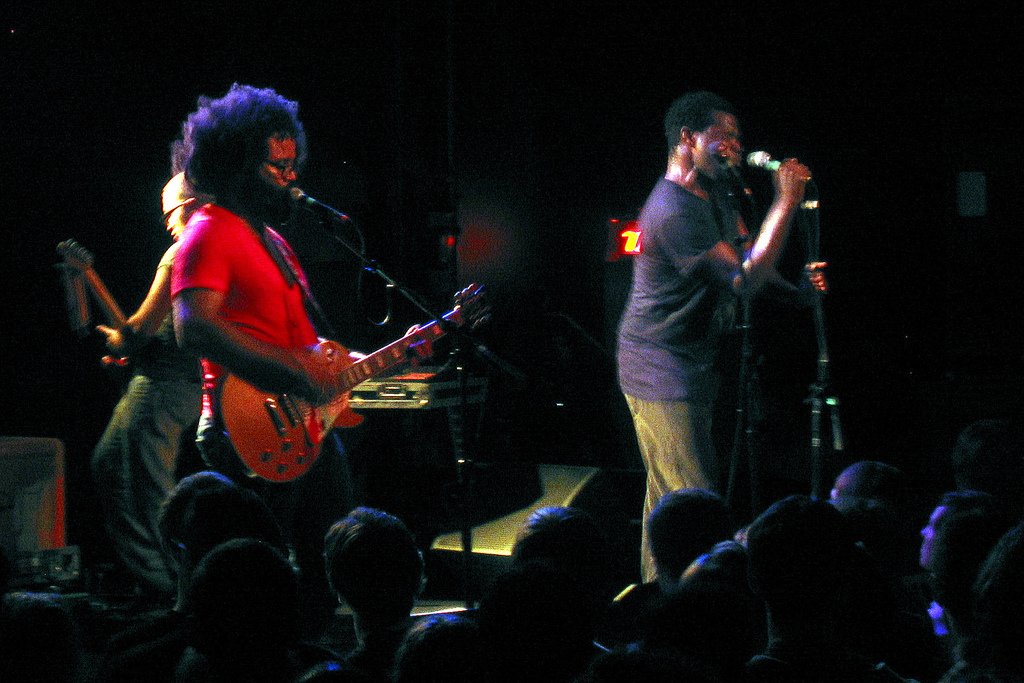
Brooklyn’s TV on the Radio created something truly unique with “Wolf Like Me” from 2006, combining elements of rock, electronic music, and R&B into something that defies easy categorization. The track’s frenetic energy and complex arrangements showcase the band’s ability to make experimental music that still feels accessible and exciting.
What makes this song so compelling is how it uses its complexity to create rather than obscure emotional impact. Every element serves the overall vision, resulting in a track that feels both intellectually satisfying and viscerally exciting.
The Walkmen’s Post-Punk Urgency
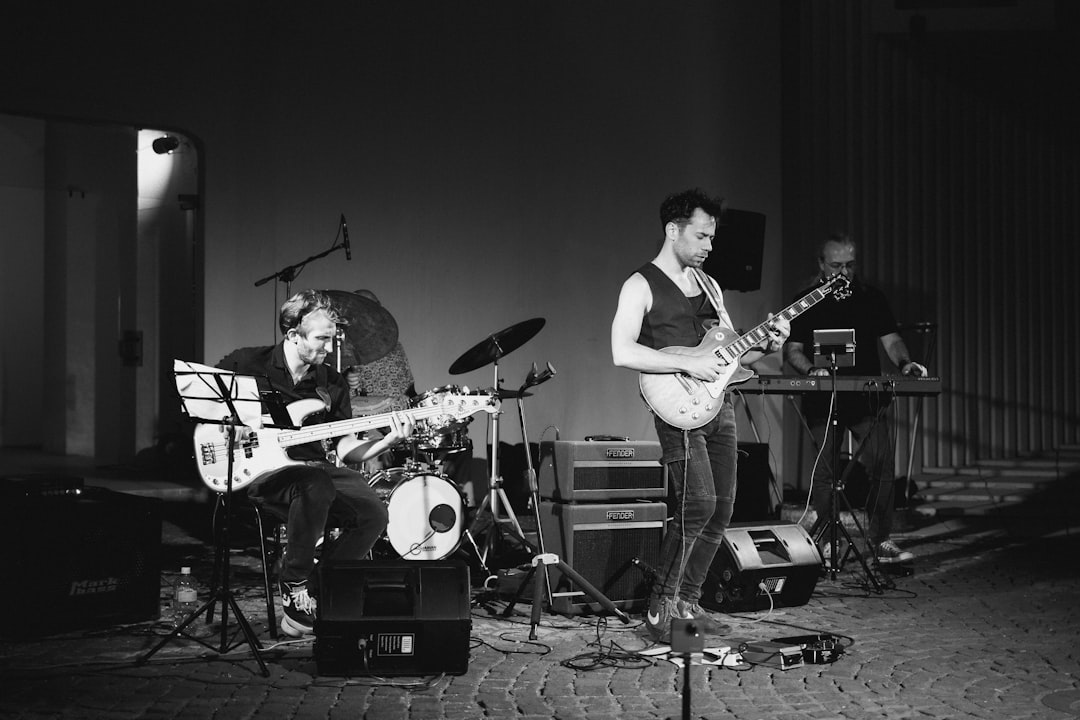
The Walkmen’s “The Rat” from 2004 captures the urgency and intensity that made the post-punk revival so exciting. Hamilton Leithauser’s distinctive vocals and the band’s dynamic instrumentation create a sense of controlled chaos that feels both nostalgic and contemporary.
The track represents everything that was great about the early 2000s indie rock scene – it’s emotionally direct, rhythmically complex, and unafraid to wear its influences on its sleeve while still creating something that feels entirely fresh and original.
The Streaming Revolution That Left These Gems Behind
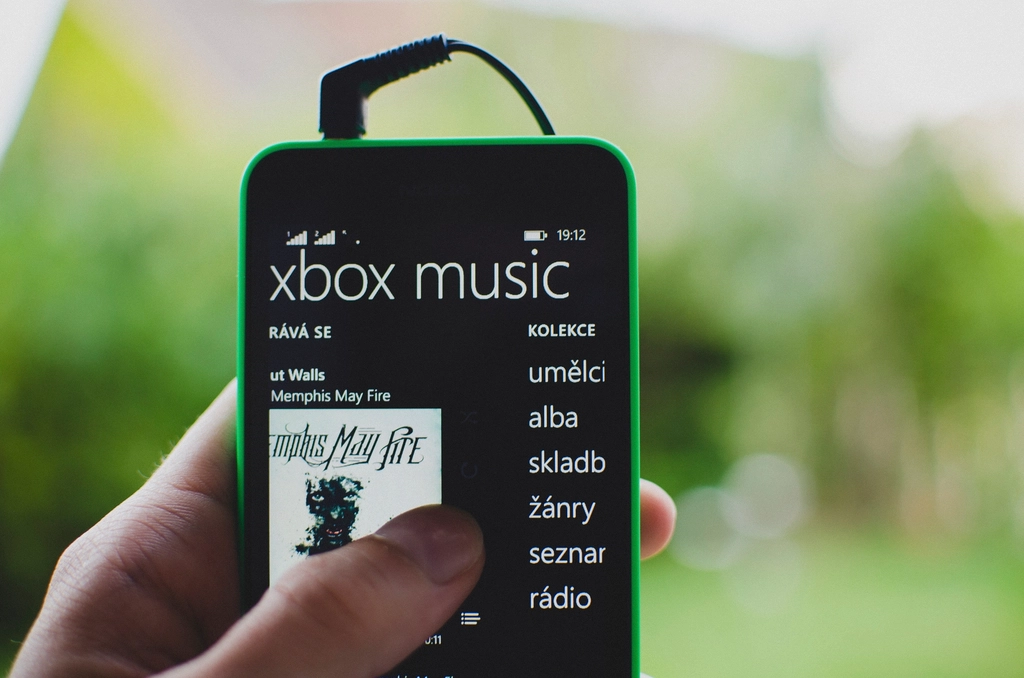
Today’s music landscape is dominated by streaming, where nearly half (93.2 million) of the 202 million tracks available on streaming services in 2024 were played no more than 10 times each last year. This staggering statistic reveals how easy it is for great music to get lost in the endless shuffle of digital consumption. Over 4.1 trillion songs were streamed last year in 2023, yet many of these 2000s gems remain largely undiscovered by new generations of listeners.
The irony is that while we have access to more music than ever before, the algorithms that guide our listening habits often favor the familiar over the adventurous. Apple Music’s playlist of the 200 most enduringly popular songs from the 2000s captures the boundless optimism of the decade, but even that comprehensive list barely scratches the surface of what the era had to offer.
These twenty tracks represent just a fraction of the incredible music from the 2000s that deserves to be rediscovered. In an era where Americans stream on average 75 minutes of music per day, there’s never been a better time to dig deeper into the catalog of a decade that fundamentally changed how we think about music. Sometimes the best discoveries are the ones that were hiding in plain sight all along. What would you have guessed about the decade that gave us both MySpace and the iPod?

Besides founding Festivaltopia, Luca is the co founder of trib, an art and fashion collectiv you find on several regional events and online. Also he is part of the management board at HORiZONTE, a group travel provider in Germany.
