


For any feedback please reach out to info@festivalinside.com
- Senator Hawley Targets Minnesota AG Keith Ellison in Explosive Somali Fraud Exposé - February 26, 2026
- Bill Gates Comes Clean: Rare Apology for Epstein Ties and Extramarital Affairs Shocks the World - February 26, 2026
- Ohio Home Health Firm Draws Fire Over $1.2 Million PPP Windfall With No Digital Trail - February 26, 2026
Power Symbol (⏻)
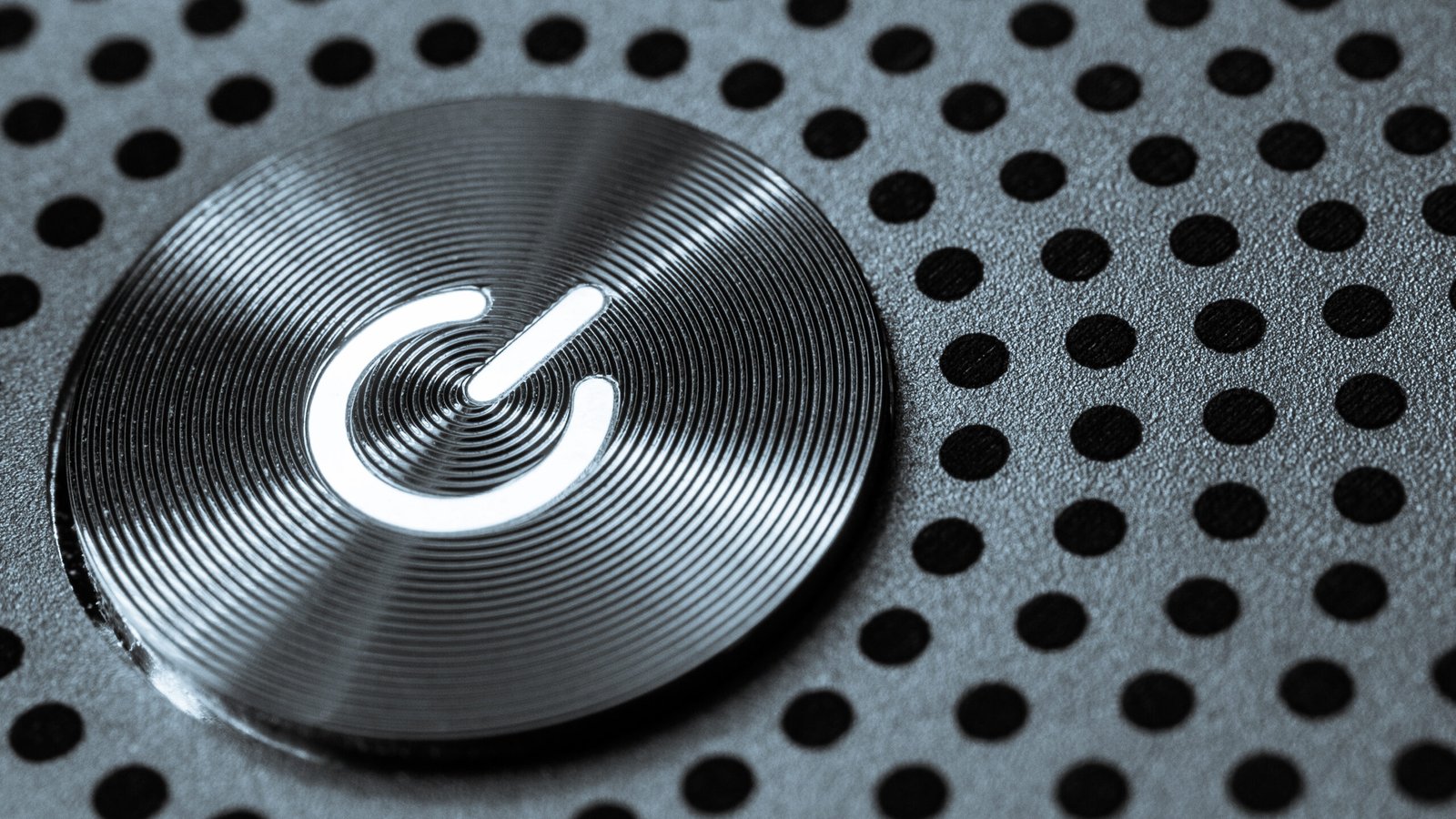
Every time you flick on your TV or press the button on your laptop, you’re looking at a symbol with a secret life. The power symbol, a line within a circle, is more than just a doodle—it’s rooted in the language of computers. That single line stands for “1,” meaning “on,” and the circle means “0,” or “off,” directly borrowed from binary code. This visual shorthand was officially standardized in the 1970s by the International Electrotechnical Commission, making it a global language for powering up and down. It’s incredible to think how a symbol that looks so simple can represent the very core of digital logic. You’ll find it everywhere, from home appliances to hospital equipment, silently guiding users everywhere. It’s a clever, compact reminder of the invisible world of ones and zeros powering our lives.
Bluetooth Symbol (ᛒ)

If you’ve ever paired your phone with headphones or your car, you’ve seen the Bluetooth symbol—a design that hides a Viking king’s initials. The symbol is actually a combination of two Nordic runes: Hagall (ᚼ) and Bjarkan (ᛒ), which stand for H and B. These were the initials of Harald “Bluetooth” Gormsson, the 10th-century king credited with uniting Denmark and Norway. The creators of Bluetooth technology chose this name because their invention links devices together just as King Harald united people. Introduced in 1998, Bluetooth has become a quiet hero of modern convenience, connecting everything from smartwatches to speakers. It’s kind of poetic to think your phone is speaking the language of ancient runes every time you listen to music wirelessly. The next time you see that angular “B,” remember you’re part of a modern saga.
@ Symbol
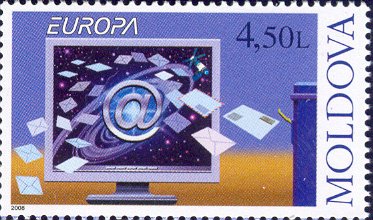
The @ symbol is everywhere, but its journey started long before email. Back in the Middle Ages, scribes used it as shorthand for “at the rate of”—think of a merchant noting “7 barrels @ $2 each.” It wasn’t until 1971 that Ray Tomlinson, the inventor of email, picked it to separate usernames from computer hosts, giving “user@domain.com” its now-iconic form. This clever choice made sense because the symbol wasn’t widely used in programming, reducing confusion. Since then, @ has exploded in popularity, especially on social media, where it’s used to tag people, topics, and brands. It’s funny to imagine medieval accountants unwittingly inventing a future digital superstar. The symbol’s journey from dusty ledgers to digital fame is a testament to how old ideas can find new life in unexpected ways.
Heart Symbol (♥)
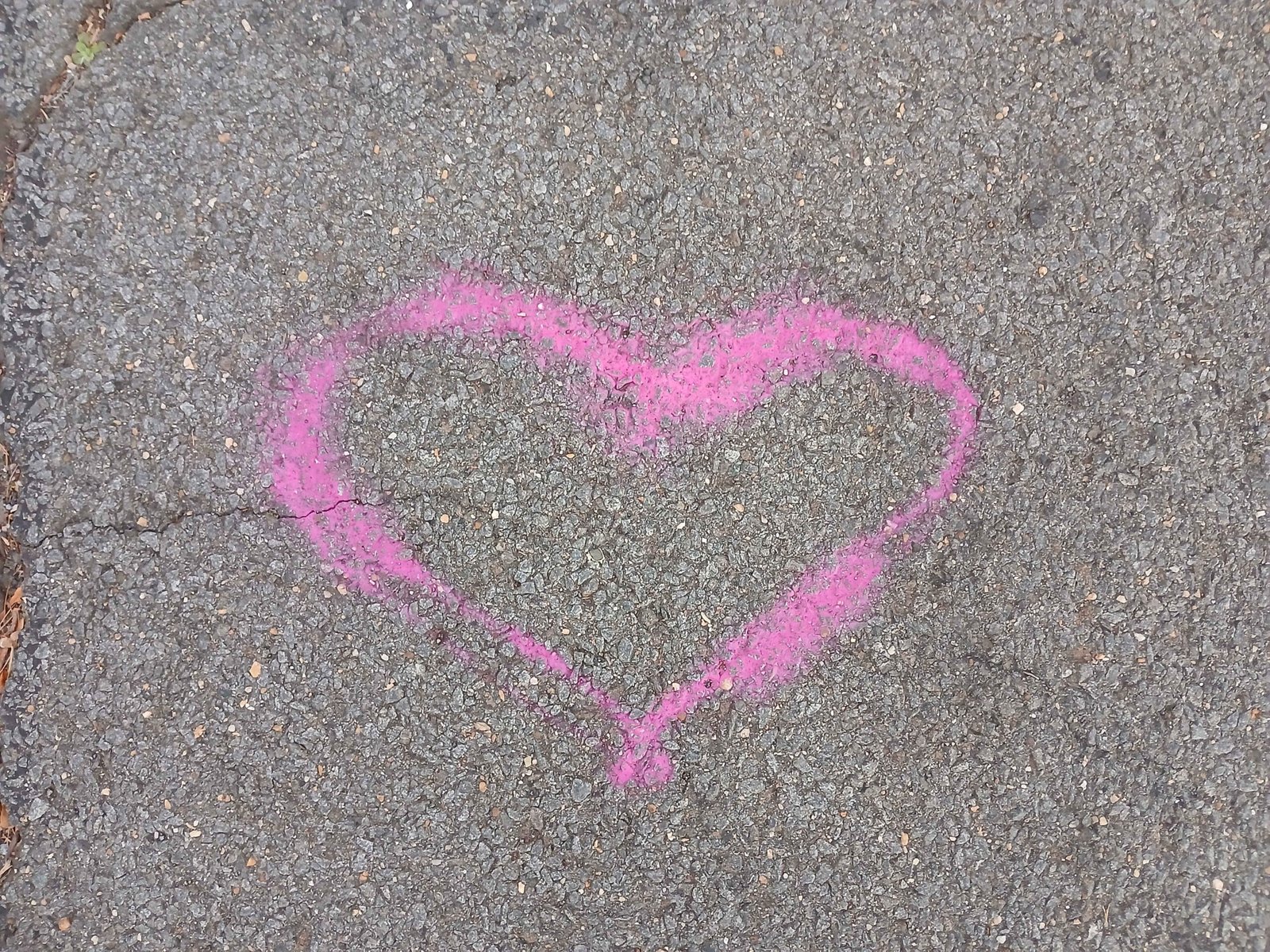
We draw it on notes, use it in texts, and see it in Valentine’s Day decorations everywhere—the heart symbol is an unquestioned emblem of love. But here’s the twist: it doesn’t look anything like a real human heart. Historians believe its shape might have been inspired by the silphium seed, from a now-extinct plant used as ancient birth control in Cyrene, North Africa. This association with romance and fertility helped cement the symbol as shorthand for affection. Over centuries, the heart’s smooth curves became a staple in art, jewelry, and pop culture, even before emojis turned it into the ultimate sign of digital love. Its true origins are a mix of botanical mystery and ancient medicine, making it far more intriguing than the simple “I <3 you” it represents today.
Peace Symbol (☮)
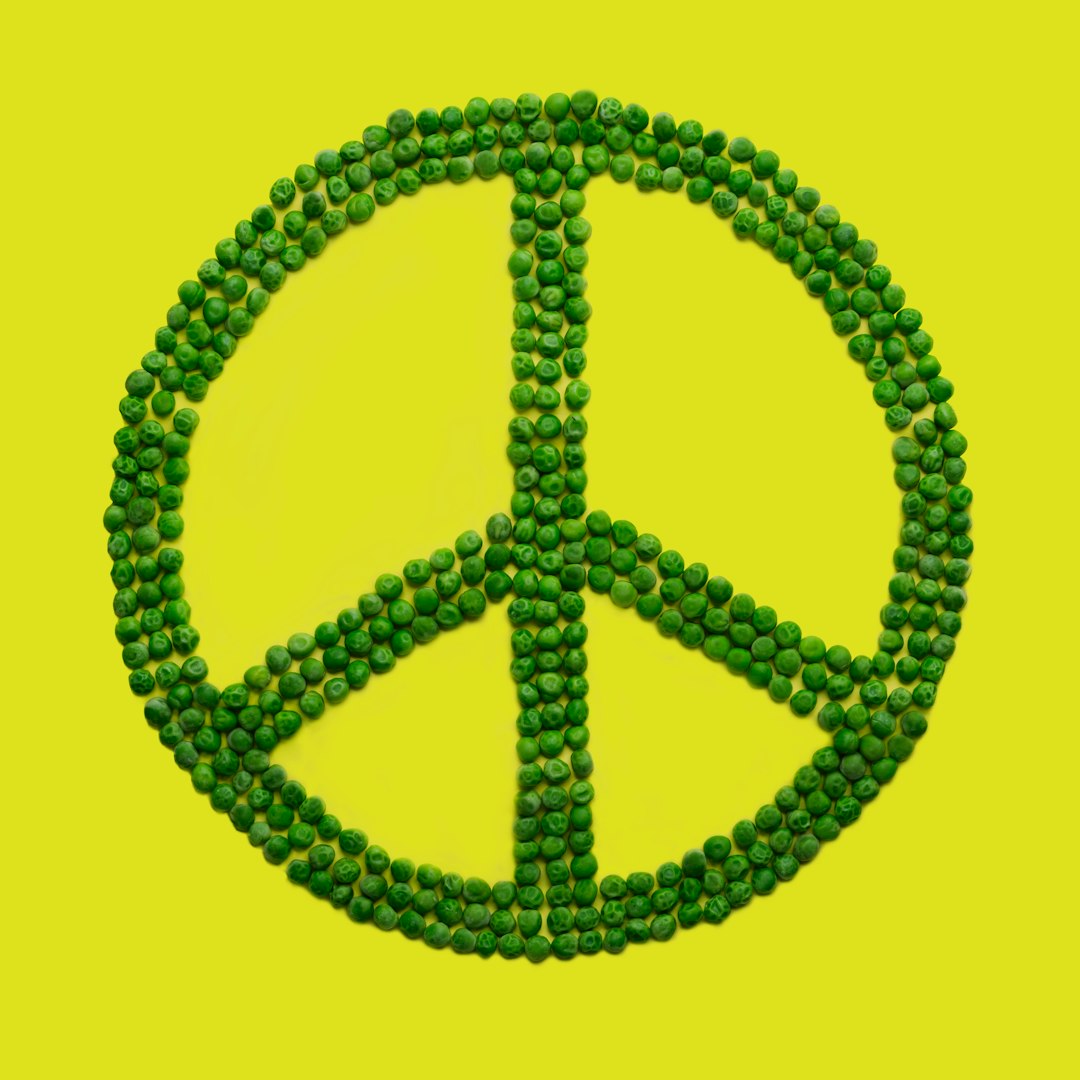
The peace symbol is instantly recognizable, but its design is a code in itself. Created in 1958 for the British nuclear disarmament movement, it cleverly merges the semaphore signals for “N” and “D”—standing for Nuclear Disarmament. Artist Gerald Holtom sketched it for a protest march, never expecting it to become a global icon. It quickly spread during the 1960s, carried by anti-war activists and hippies alike. Today, it stands for more than just anti-nuclear sentiment—it’s a universal call for peace and social justice. The simplicity of its three lines in a circle makes it powerful and easy to reproduce, perfect for posters, jewelry, and protest banners. Behind its quiet grace is a history of resistance and hope.
Recycling Symbol (♻️)

That trio of chasing arrows on your soda can is more than a reminder to be eco-friendly—it’s a winner from a 1970 design contest. Gary Anderson, a 23-year-old college student, created the recycling symbol for the first Earth Day. Each arrow stands for a step in the recycling loop: reduce, reuse, recycle. The triangle shape also echoes the Möbius strip, a mathematical symbol for infinity, representing the endless potential of recycling. Since its debut, the symbol has gone global, appearing on packaging, bins, and even products themselves. Its presence has helped fuel the worldwide recycling movement, reminding us daily to make more sustainable choices. Without saying a word, those arrows have sparked a revolution in how we think about waste.
Pause Button (⏸)
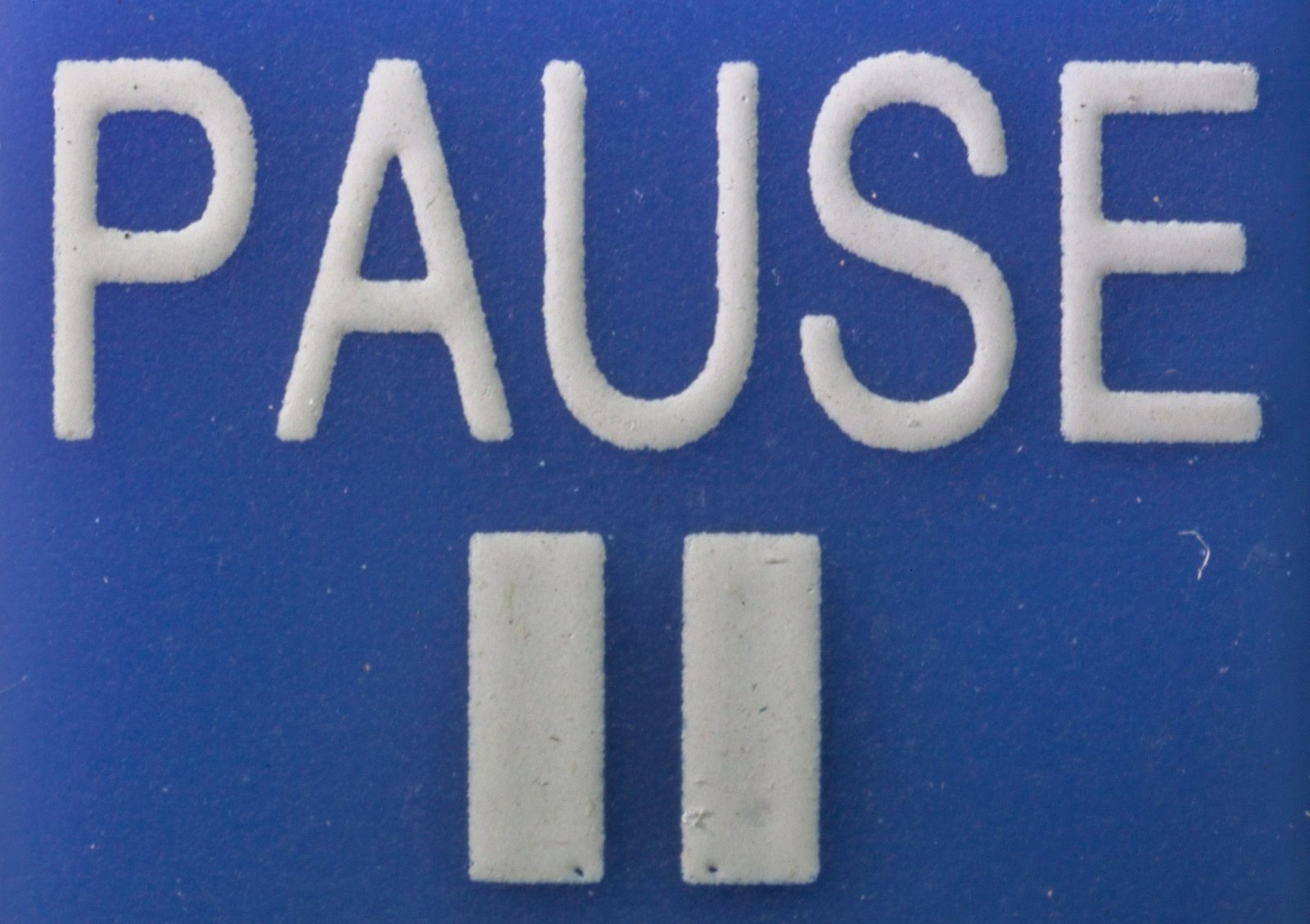
The pause button is so familiar we barely notice it, but its roots are in music, not machines. The two vertical bars are borrowed from musical notation, where they represent a “caesura”—a brief, silent pause in performance. When media players were invented, designers needed a simple, intuitive symbol, so they borrowed this musical shorthand. Now, the pause button is a staple on everything from remote controls to streaming apps, giving us a universal way to freeze the action. Its design is elegant and instantly clear, even to children. As our digital lives get busier, the pause button has become almost philosophical—a reminder it’s okay to stop and take a breath. It’s music’s quiet gift to technology.
Ampersand (&)
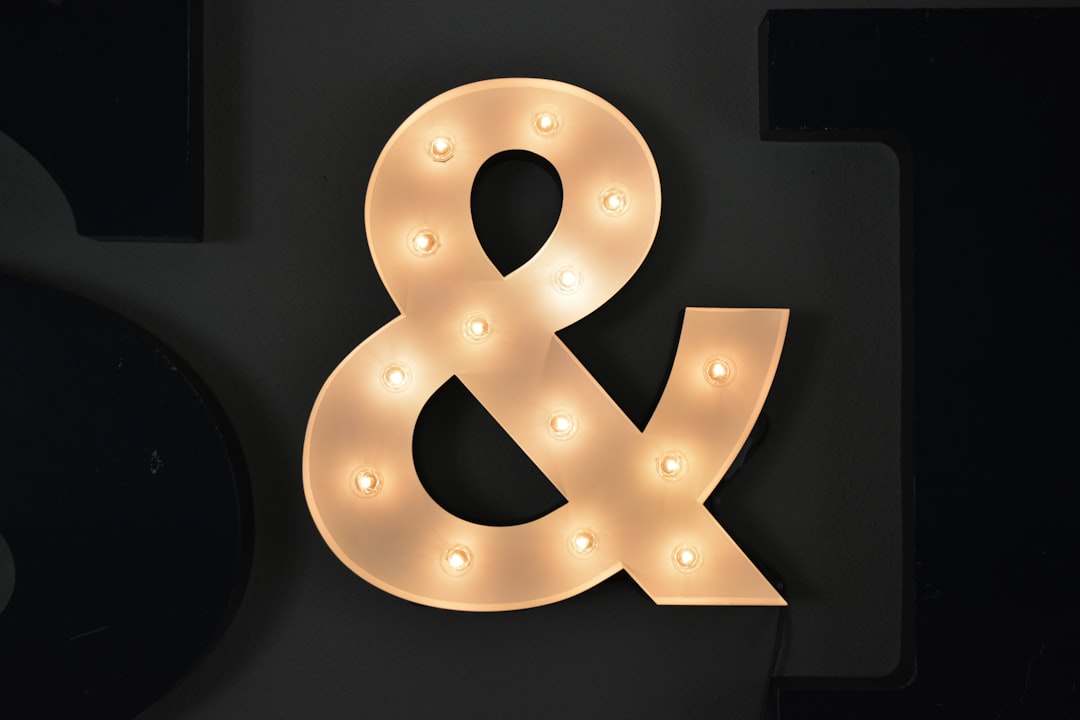
The ampersand is a symbol with flair, but it began as a practical scribble. It’s actually a ligature—a joining—of the Latin letters “e” and “t,” spelling “et,” which means “and.” Roman scribes started blending these two letters as early as the first century, and over centuries, the symbol evolved into the curly shape we recognize today. By the 19th century, the ampersand was taught as the 27th letter of the English alphabet, often recited as “and per se and.” Today, it’s a favorite in branding, design, and even tattoos, symbolizing connection and partnership. The ampersand’s journey from Latin ligature to modern icon shows how a little creativity can make even everyday words stylish.
USB Symbol (🔌)
When you spot the USB symbol—a trident with a circle, square, and triangle at its tips—you’re seeing a nod to Roman mythology. Its design is based on Neptune’s trident, embodying the idea of power and versatility. Each shape at the end of the trident represents the many types of devices USB can connect. Introduced in the late 1990s, the Universal Serial Bus was designed to make connecting devices as easy as possible, and its logo reflects that universality. The symbol appears on billions of gadgets, from flash drives to game consoles. It’s a tiny reminder of how something simple can bring order to chaos—just like Neptune calming the seas.
Infinity Symbol (∞)
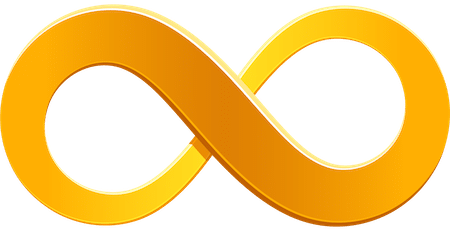
The infinity symbol is mesmerizing, looping endlessly in a shape that has captivated mathematicians and dreamers alike. It first appeared in mathematics thanks to John Wallis in 1655, who may have drawn inspiration from the Roman numeral for 1,000 (CIƆ) or the ancient ouroboros—a snake eating its tail. In math, it represents a value without limit, but it’s also found a place in jewelry, tattoos, and art as a sign of eternal love or endless possibilities. The symbol’s elegance lies in its simplicity, capturing an idea so big it can’t be measured. Whether in equations or on a necklace, the infinity symbol whispers that some things never end.
Yin-Yang (☯)

The yin-yang symbol is more than just a trendy tattoo—it’s a window into ancient Chinese philosophy. Its swirling black and white halves represent the idea that opposite forces are interconnected, each containing a seed of the other. This concept, called “dualism,” is central to Taoism and underpins everything from nature to personal well-being. The yin-yang shows up in art, medicine, and even martial arts, teaching that balance is the key to harmony. Its design is visually striking and universally understood, making it a global symbol for balance. Every time you see it, it’s a gentle reminder that life is about finding equilibrium, not extremes.
Hashtag (#)
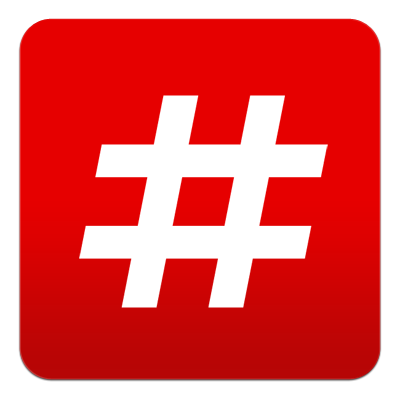
Once just called the “number sign” or “pound,” the hashtag’s story took a turn with the rise of Twitter in 2007. Originally named “octothorpe”—with “thorpe” meaning “village” in Old English—the symbol was adopted by software developer Chris Messina to group topics on social media. It quickly became a digital staple, transforming the way people interact online. Hashtags now drive movements, organize information, and even spark revolutions. They’re everywhere: in marketing, activism, and everyday chats. What was once a humble keyboard character has become a cornerstone of digital culture, uniting voices around the world.
Percent Sign (%)
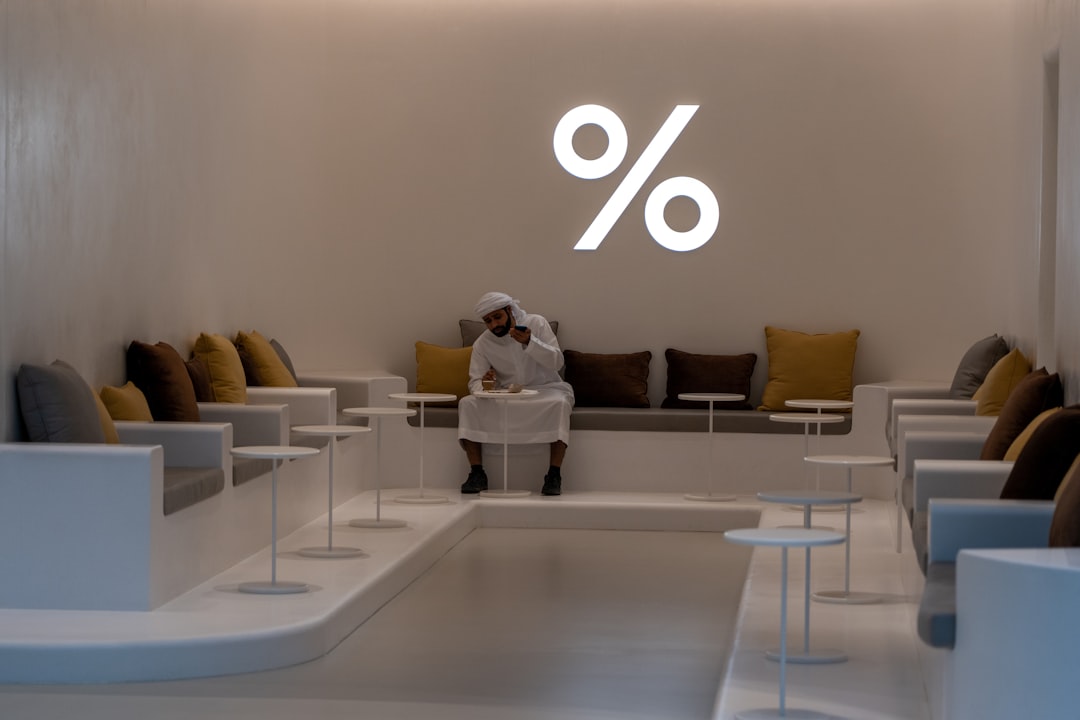
That little percent sign is a relic of Renaissance Italy, originally short for “per cento” or “for a hundred.” Early financial documents abbreviated the phrase as “pc,” which gradually transformed into the slashed symbol we use today. The percent sign is now essential in everything from math homework to sales tags, making it easier to understand ratios and discounts. It’s a tiny but mighty tool for showing change, growth, or savings. In data-driven times, the percent sign helps make sense of the numbers swirling around us. It’s proof that even the smallest symbols can make a big difference.
Dollar Sign ($)
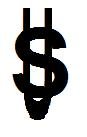
The dollar sign’s origins are tangled in trade and history. Most experts believe it comes from the abbreviation for Spanish pesos—written as “Ps”—which slowly morphed into a single “S” with a vertical line through it. As trade spread across the Americas, the symbol was adopted for U.S. dollars and eventually by other currencies. Today, the dollar sign is a global shorthand for money, wealth, and financial power. You’ll find it on banknotes, spreadsheets, and even in pop culture. Its straightforward design makes it instantly recognizable, turning a simple letter into a symbol of economic might.
Question Mark (?)
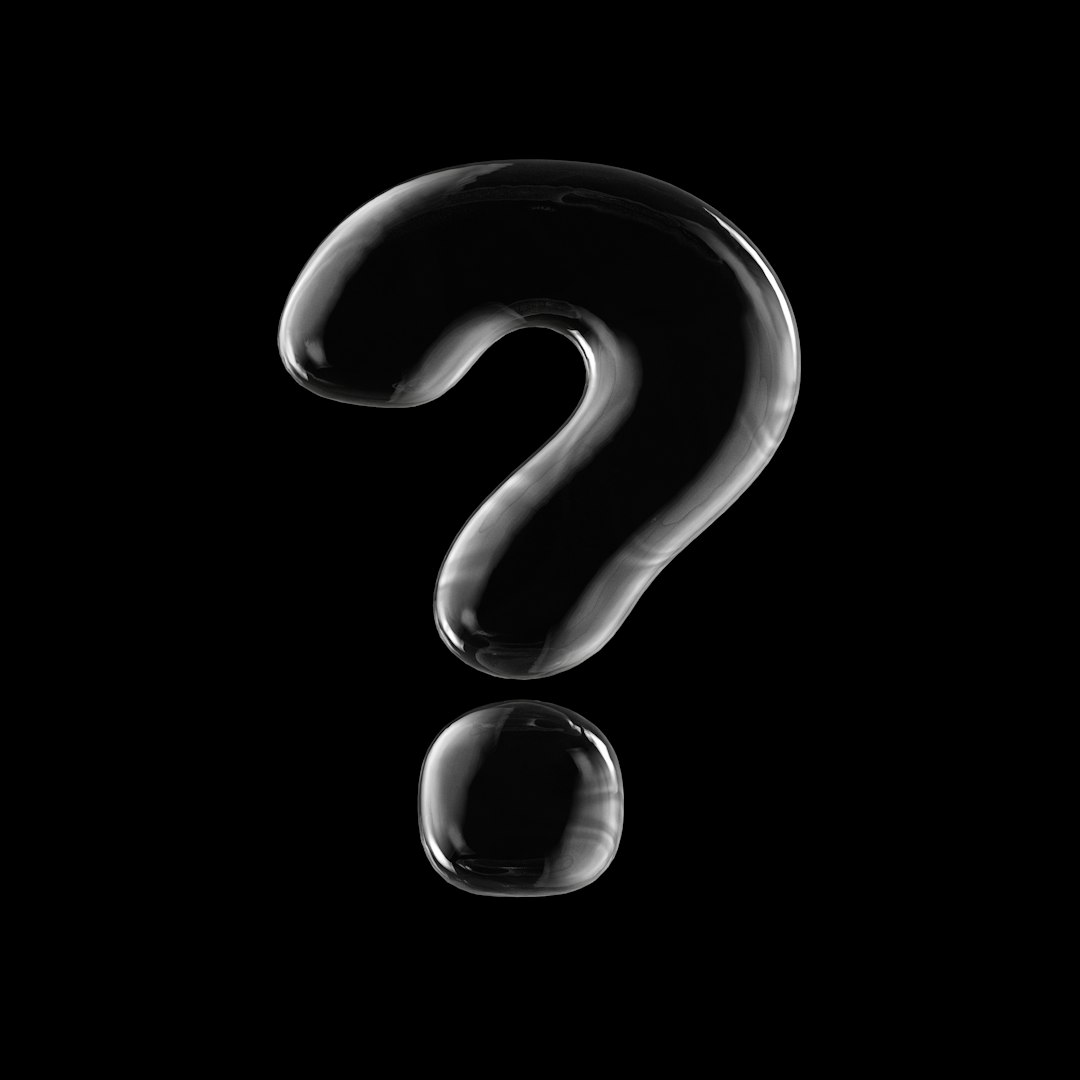
The question mark is the written world’s way of raising its eyebrows. Its roots go back to the Latin word “quaestio,” meaning “question.” Medieval scribes abbreviated this as “Qo,” with the “Q” eventually morphing into a curve and the “o” dropping below it, creating the modern symbol. Used to signal curiosity, uncertainty, or inquiry, the question mark is a crucial part of communication. It’s a tiny hook that draws people in, inviting them to wonder and respond. Whether in books, texts, or emails, it keeps conversations open and minds engaged.
Exclamation Point (!)
The exclamation point packs a punch, but it started as a joyful shout. Scholars think it comes from the Latin “io,” an exclamation of happiness. Writers would stack the “i” over the “o,” which over time merged into the vertical line and dot we use today. Now, the exclamation point signals excitement, surprise, or urgency in everything from novels to memes. It’s a favorite for adding emphasis, even if some think it’s overused in digital communication. Wherever you see it, the exclamation point adds a jolt of energy to the written word.
Check Mark (✔)

The check mark’s story begins with the Latin word “veritas,” meaning “truth.” Scribes would mark a “V” next to items to show they were true or correct, and over centuries, this evolved into the familiar swoosh we use today. The check mark is now a universal symbol for approval, completion, or accuracy. It appears on to-do lists, forms, and even voting ballots, offering a satisfying sense of accomplishment. Its simplicity is its strength, making it one of the most reassuring symbols we encounter every day.
X (as in “XOXO” or signatures)
The letter “X” is loaded with meaning, especially when it comes to signatures and affection. In medieval times, people who couldn’t write their names would sign with an “X”—a symbol of honesty and sincerity. They’d often kiss the mark as a show of good faith. This tradition lives on in “XOXO,” representing hugs and kisses. The “X” is also used in math for the unknown and on maps for “the spot.” Its versatility and history give it a mysterious allure, making it a symbol that’s both personal and universal.
Red Cross Symbol (✚)
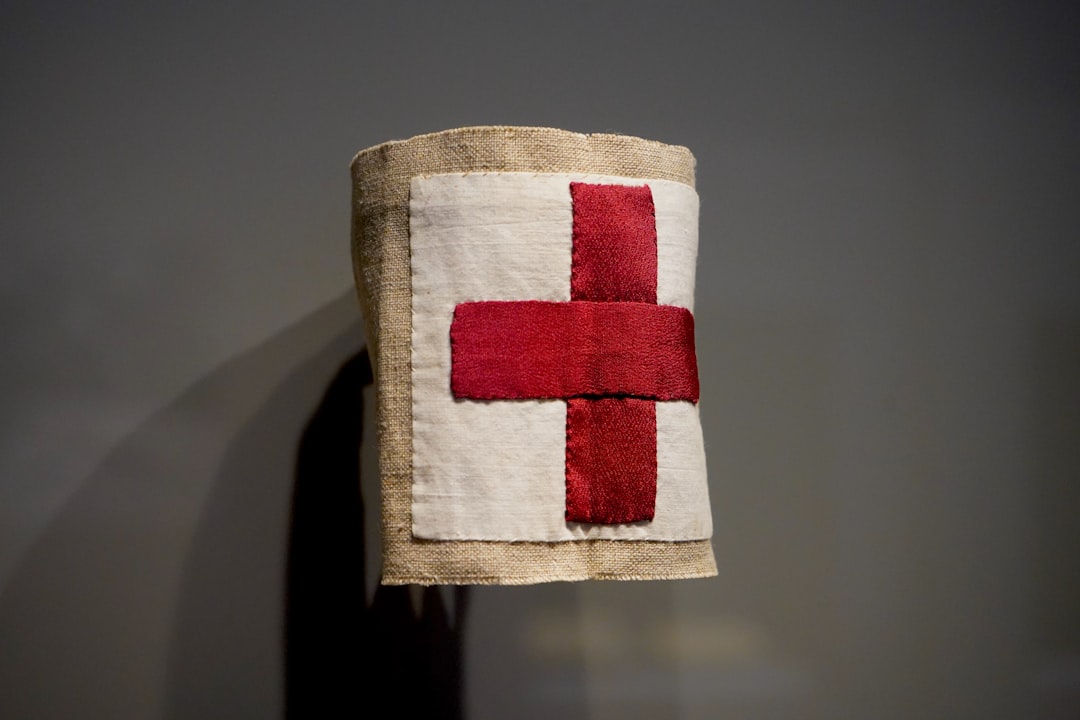
The Red Cross symbol—a bold, red cross on a white background—was created in 1863 to honor the Swiss founder of the International Red Cross, Henry Dunant. The design is a reversal of the Swiss flag and was chosen to represent neutrality and humanitarian aid. Today, it’s recognized around the world as a sign of medical help and compassion. The Red Cross is protected under international law, symbolizing safety and assistance in times of crisis. Whether on ambulances or disaster relief tents, it offers hope and reassurance to millions.
Wi-Fi Symbol (📶)
Those radiating curves on your device mean you’re connected to a world without wires. The Wi-Fi symbol represents radio waves, but the story behind its name is unexpected. Contrary to popular belief, “Wi-Fi” doesn’t stand for “Wireless Fidelity”—it was simply a catchy branding term created by the Wi-Fi Alliance in 1999. The symbol’s design is simple but effective, instantly signaling connectivity and access. Today, finding the Wi-Fi symbol is like discovering a modern-day oasis, promising a gateway to information, entertainment, and connection—no cables required.

Christian Wiedeck, all the way from Germany, loves music festivals, especially in the USA. His articles bring the excitement of these events to readers worldwide.
For any feedback please reach out to info@festivalinside.com
