


- The 20 Impossible 60s–70s Music Quiz for Hardcore Fans - December 21, 2025
- 14 Songs That Were Almost Never Released – And Changed Everything - December 21, 2025
- 20 Epic Coming-of-Age Books You Wish You Read Sooner - December 21, 2025
Weird Al Yankovic’s Eat It

It’s impossible to talk about parody songs without mentioning “Eat It.” This 1984 classic from Weird Al Yankovic spoofed Michael Jackson’s “Beat It,” and did so with such flair that it became a hit in its own right. The song reached number 12 on the Billboard Hot 100. Michael Jackson himself reportedly gave his blessing, and even lent Weird Al his original set for the music video. “Eat It” is proof that parody, when done with wit and musical skill, can rival the popularity of the original. To this day, “Eat It” is played at parties, on radio, and even in classrooms as an example of clever satire. The music video closely mimics Jackson’s, down to the choreography, making it a visual treat. Even decades later, the song is instantly recognizable to most music fans.
Ray Stevens’ The Streak
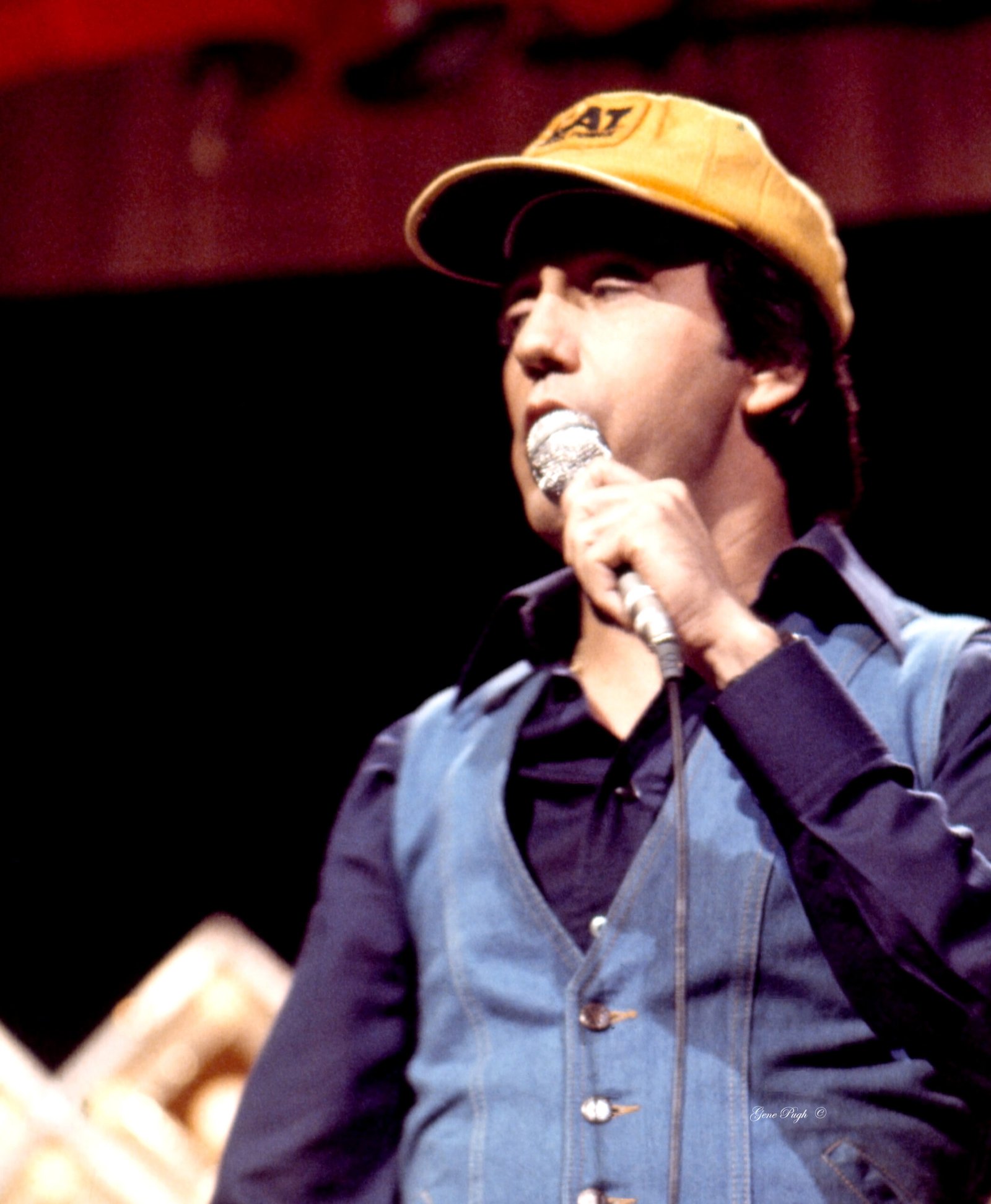
Ray Stevens’ “The Streak” is a hilarious time capsule from 1974, poking fun at the streaking craze that swept across America that year. The song sold over five million copies and even reached number one on the Billboard Hot 100 and the UK Singles Chart. With its catchy chorus and zany sound effects, Stevens captured the absurdity of the fad in a way that’s still funny today. He used news-style commentary and slapstick humor, making the song feel like a comedy sketch set to music. “The Streak” cemented Stevens’ role as a musical comedian, and the song remains his most famous work. It’s often cited in articles and documentaries about 1970s pop culture. Many people who weren’t even alive during the streaking craze know the song by heart.
Allan Sherman’s Hello Muddah, Hello Fadduh
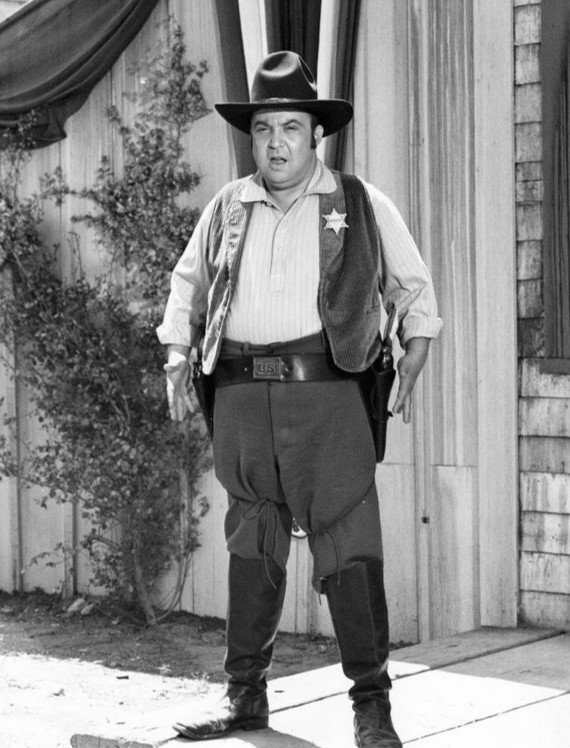
photo front
photo back, Public domain, https://commons.wikimedia.org/w/index.php?curid=17289799)
Allan Sherman’s “Hello Muddah, Hello Fadduh” is a playful parody of the classical dance “Dance of the Hours.” Released in 1963, it tells the story of a homesick kid writing to his parents from summer camp. The song reached number two on the Billboard Hot 100 and went on to win a Grammy Award for Best Comedy Performance. Sherman’s clever wordplay and relatable humor made this parody a classic that’s still sung at summer camps everywhere. The comedic lyrics, set against the dramatic classical melody, make for a hilarious contrast. Sherman’s deadpan delivery only adds to the charm. It’s a song that makes both kids and adults laugh, showing just how universal the parody format can be.
Weird Al Yankovic’s Amish Paradise

“Amish Paradise” is another Weird Al masterpiece, lampooning Coolio’s “Gangsta’s Paradise” in 1996. Weird Al’s version swaps urban grit for Amish simplicity, poking fun at modern life and pop culture. The song famously caused a stir when Coolio initially objected to the parody, but later said he appreciated the humor. “Amish Paradise” charted in several countries, and its video, with Al in full Amish garb, became iconic on MTV. Fans often cite this song as one of Weird Al’s sharpest satires. Even today, it gets millions of streams per year on music platforms. It’s also frequently used in memes and TikTok videos, proving its lasting appeal.
Flight of the Conchords’ Business Time

New Zealand’s Flight of the Conchords are masters at blending parody and original songwriting. “Business Time” is their send-up of the stereotypical “romantic” slow jam, and it became a hit after appearing on their HBO show in 2008. The song’s deadpan delivery and mundane subject matter (Wednesday night romance) make it hysterically relatable. “Business Time” has racked up millions of views on YouTube and is a favorite at comedy clubs. The duo’s ability to mimic musical styles while delivering sharp, understated jokes set them apart. “Business Time” has also been covered by other comedians and included in lists of the best comedy songs of the 21st century. It’s a parody that feels almost too real for anyone in a long-term relationship.
Lonely Island’s I’m On a Boat

The Lonely Island’s “I’m On a Boat” is a parody of hip-hop braggadocio, turning the simple act of being on a boat into a full-blown anthem. Featuring T-Pain, the song debuted on Saturday Night Live in 2009 and went viral almost overnight. It was nominated for a Grammy and reached platinum status, with over 100 million views on YouTube. The exaggerated swagger and absurd lyrics make it a go-to party song. “I’m On a Boat” lampoons rap videos’ obsession with luxury, but it’s also a genuinely catchy track that gets stuck in your head. It’s frequently referenced in pop culture and social media posts, showing its ongoing popularity. Many fans consider it the ultimate SNL digital short.
Weird Al Yankovic’s White & Nerdy

“Weird Al” strikes again with “White & Nerdy,” a 2006 parody of Chamillionaire’s “Ridin’.” This song playfully mocks nerd stereotypes, with Al rapping about his love for Star Wars, Wikipedia, and Dungeons & Dragons. The song reached number nine on the Billboard Hot 100, making it Al’s highest-charting single. Its viral video, packed with nerd culture references, helped cement the song as a modern classic. Chamillionaire himself praised the parody, saying it helped his own song’s popularity. “White & Nerdy” is performed at comic conventions and has become a geek culture anthem. The song’s clever lyrics and rapid-fire delivery showcase Weird Al’s rapping chops, surprising fans and critics alike.
Tenacious D’s Tribute

“Tribute” by Tenacious D is a comedic take on the “epic rock ballad” genre, with Jack Black and Kyle Gass singing about playing the greatest song in the world – but forgetting how it went. Released in 2001, the song became a cult classic, earning gold status in several countries. The music video is a surreal, hilarious journey that parodies the seriousness of classic rock. “Tribute” is often cited as one of the greatest comedy rock songs ever, and it’s a staple at karaoke nights. Jack Black’s over-the-top vocals and the band’s tight musicianship make it more than just a joke song. Fans debate endlessly about which “greatest song” the band is referencing, adding to its legendary status. The song’s popularity helped propel Tenacious D’s career and led to a movie.
Monty Python’s Always Look on the Bright Side of Life

Originally written for the film “Life of Brian,” “Always Look on the Bright Side of Life” is a satirical anthem that pokes fun at British stoicism and optimism in the face of disaster. Released in 1979, it became a surprise hit in the UK, reaching number three on the charts over a decade later. The song is played at funerals, sporting events, and even political rallies, becoming a cultural touchstone. Eric Idle’s tongue-in-cheek delivery and the whistling chorus make it instantly memorable. The song’s use in the film’s crucifixion scene is both shocking and hilarious, making it one of the most subversive parodies ever. It’s now regarded as one of the funniest songs in British music history.
Spinal Tap’s Big Bottom
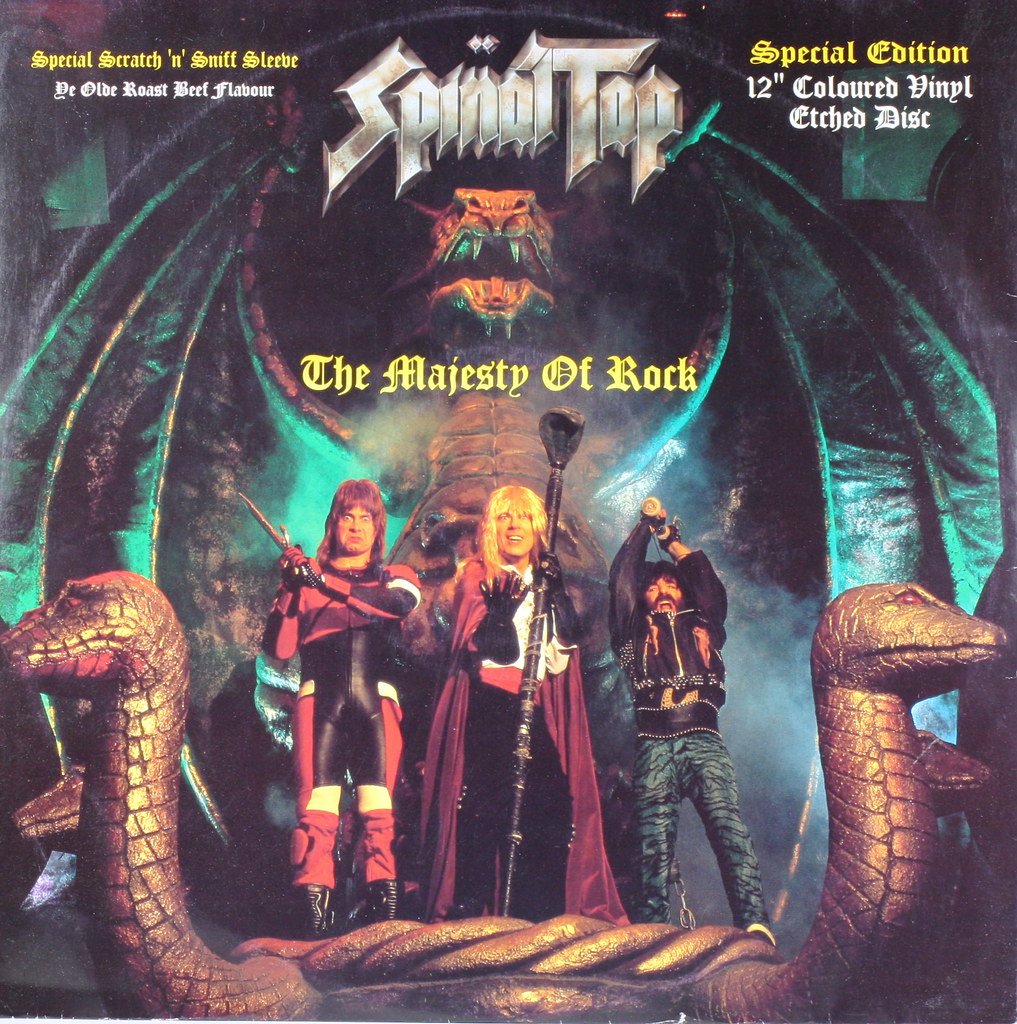
Spinal Tap, a fictional band from the 1984 mockumentary “This Is Spinal Tap,” created “Big Bottom” as a send-up of heavy metal’s obsession with excess and innuendo. The song’s tongue-in-cheek lyrics and over-the-top bass lines lampoon bands like Led Zeppelin and Black Sabbath. Despite being a parody, “Big Bottom” is beloved by both comedy fans and real musicians. The film and its soundtrack have been cited in Rolling Stone’s lists of top comedy albums. “Big Bottom” is often covered by tribute bands and played at rock festivals, showing its staying power. The movie’s portrayal of Spinal Tap has influenced real bands, who often quote the film’s lines on tour. The song and the band have become legendary symbols of both parody and rock culture.
Frank Zappa’s Valley Girl
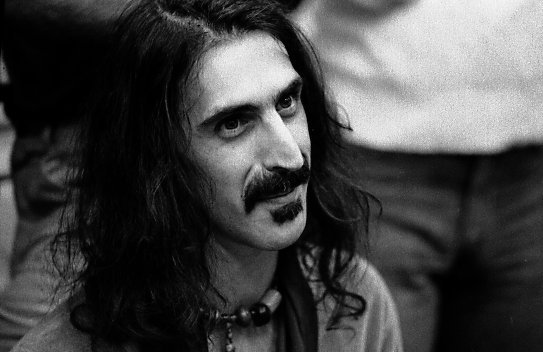
Frank Zappa’s “Valley Girl” was a satirical attack on the vapid “Valley Speak” culture of early 1980s Los Angeles. Featuring vocals from his daughter Moon Unit Zappa, the song became Zappa’s biggest chart hit, peaking at number 32 on the Billboard Hot 100. The song’s exaggerated slang and mocking tone made it an anthem for a generation—and a parody that actually influenced real speech patterns. “Valley Girl” was nominated for a Grammy and is studied by linguists as an example of musical parody affecting language. The song’s popularity caught Zappa off guard, as he never intended it to be a mainstream success. It remains a quirky, hilarious snapshot of a cultural moment.
Weird Al Yankovic’s Like a Surgeon

Weird Al’s “Like a Surgeon” is a surgical send-up of Madonna’s “Like a Virgin.” Released in 1985, it became one of Al’s most recognizable hits, charting on the Billboard Hot 100. Madonna herself reportedly suggested the idea, and the result is a comical take on the medical profession. The lyrics are packed with puns and clever wordplay, making it a favorite among fans and medical workers alike. The music video, featuring Al in scrubs, is a spot-on parody of Madonna’s visual style. The song is still played in hospitals and medical school events as a lighthearted anthem. Its enduring popularity proves that parody can have surprising longevity.
Weird Al Yankovic’s Smells Like Nirvana

In “Smells Like Nirvana,” Weird Al lampoons Nirvana’s “Smells Like Teen Spirit” and the grunge movement’s unintelligible lyrics. Released in 1992, the song was praised by Kurt Cobain himself, who called it a sign that Nirvana had “made it.” The parody climbed the charts and brought Weird Al back into the spotlight. The music video, which meticulously recreates Nirvana’s original, is often cited as one of the best parody videos ever. “Smells Like Nirvana” is credited with introducing a new generation to Weird Al’s work and parody music in general. The song is studied in music and media courses as an example of musical satire. It has millions of views and streams to this day.
Lonely Island’s Dick in a Box
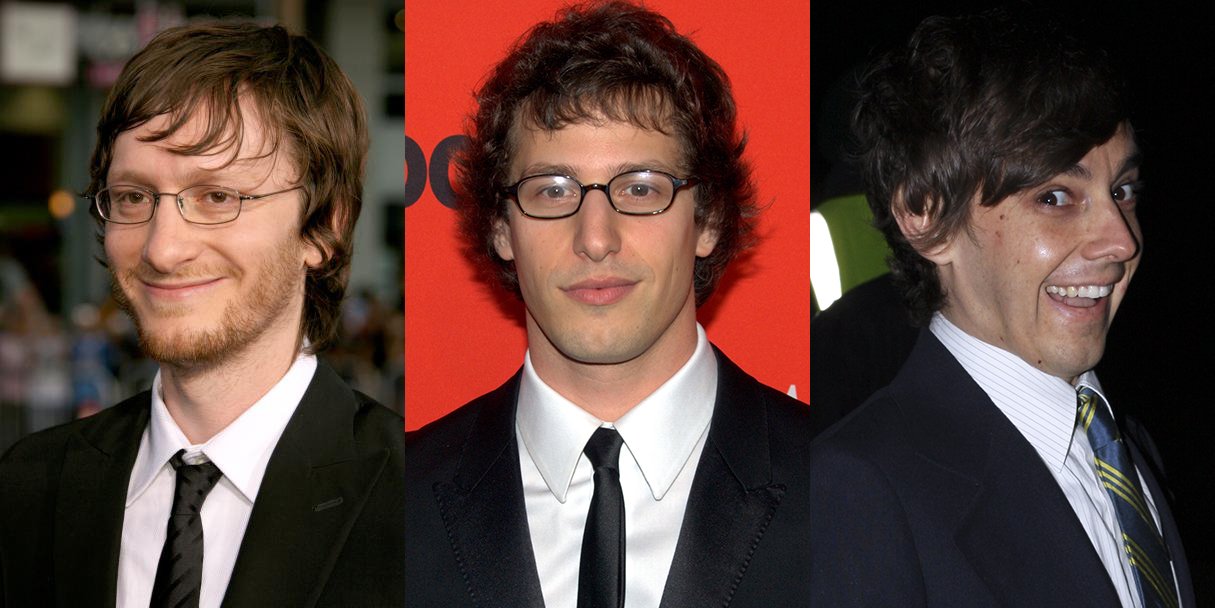
File:Andy Samberg by David Shankbone.jpg (Andy Samberg)
File:Jorma taccone snl writer photo by christopher peterson.jpg (Jorma Taccone), CC BY-SA 3.0, https://commons.wikimedia.org/w/index.php?curid=34651750)
“Dick in a Box” by The Lonely Island, featuring Justin Timberlake, took the world by storm after its 2006 Saturday Night Live debut. This parody of 90s R&B slow jams was so shocking and hilarious that it won an Emmy Award. The video went viral, accumulating over 100 million views online. Its explicit humor pushed the boundaries of network TV, sparking debates about comedy and censorship. “Dick in a Box” has been referenced in countless TV shows and movies since. The song is seen as a game-changer for digital shorts and musical parody. It’s still one of the most memorable SNL moments of the 21st century.
Jonathan Coulton’s Code Monkey

Jonathan Coulton’s “Code Monkey” is a loving parody of nerd and office culture, released in 2006. The song’s catchy melody and relatable lyrics made it an anthem for software developers and IT workers. “Code Monkey” became a viral hit on early YouTube and was featured in the game “Rock Band.” Coulton’s ability to mix parody with genuine emotion makes the song stand out. It’s played at tech conferences and used as a theme for developer podcasts. The song’s ongoing popularity led to a comic series and a cult following among geeks. Coulton’s work is often cited in academic studies on internet culture.
Weird Al Yankovic’s Fat

“Fat,” Weird Al’s parody of Michael Jackson’s “Bad,” took the concept of the original song and flipped it into a comedic anthem about overeating. Released in 1988, the song’s video, with Al in a giant fat suit, won a Grammy Award for Best Concept Music Video. “Fat” was praised for its elaborate choreography and spot-on imitation of Jackson’s style. The song charted worldwide and became a staple of Al’s live shows. It’s still played at parties, on radio, and in comedy clubs. Michael Jackson again supported the parody, allowing Al to film on his original sets. The song remains one of Weird Al’s most beloved and successful works.
Rucka Rucka Ali’s Go Cops!

Rucka Rucka Ali is known for pushing the boundaries of parody. “Go Cops!” is a send-up of the theme from the TV show “COPS,” and it satirizes police reality shows and internet meme culture. The song went viral on YouTube, amassing millions of views. Rucka’s edgy humor has drawn both praise and criticism, sparking debates about what’s acceptable in parody. “Go Cops!” is often used in memes and reaction videos online. Despite controversy, the song’s popularity shows the enduring appeal of musical satire. Rucka Rucka Ali’s approach is sometimes controversial, but his fan base continues to grow.
Eric Idle’s The Galaxy Song

Eric Idle’s “The Galaxy Song,” from Monty Python’s “The Meaning of Life,” is a whimsical parody of educational science songs. Idle combines astronomical facts with absurd humor, making the complexities of the universe both funny and memorable. First released in 1983, the song was later updated with more accurate scientific data in live performances. “The Galaxy Song” is used in classrooms and science lectures as a light-hearted way to teach astronomy. It’s one of the most beloved Monty Python numbers and is regularly performed at science festivals. The song blends parody with genuine curiosity about the universe, making it stand out in the comedy music genre.
Weird Al Yankovic’s Perform This Way

“Perform This Way” is Weird Al’s parody of Lady Gaga’s “Born This Way,” poking fun at Gaga’s outlandish fashion and stage antics. Released in 2011, the song was approved by Lady Gaga herself after an initial misunderstanding. The video, featuring Al’s head superimposed on various bizarre bodies, became a viral sensation. “Perform This Way” was nominated for a Grammy and is praised for its clever take on pop culture excess. The song is a favorite among Gaga fans and parody lovers alike. It’s frequently played at costume parties and drag shows. The parody’s success highlights Weird Al’s ongoing relevance in the music industry.
Pinkard & Bowden’s Mama, She’s Lazy
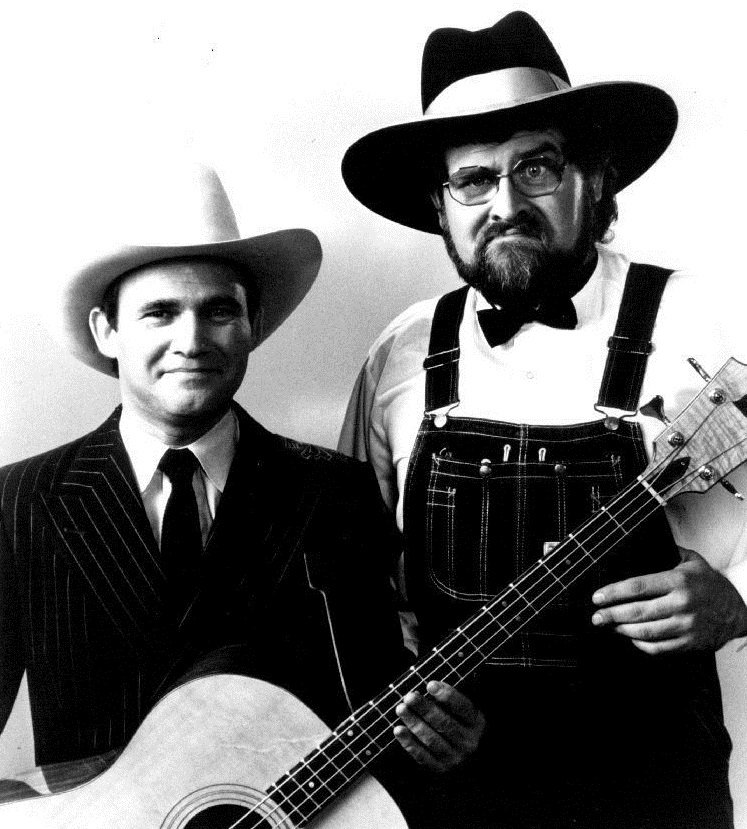
Pinkard & Bowden are a country comedy duo known for their sharp parodies. “Mama, She’s Lazy” is a spoof of The Judds’ “Mama He’s Crazy,” flipping the original’s sentiment with hilarious results. Released in 1984, the song became a hit on country radio and comedy stations. Pinkard & Bowden’s irreverent style has influenced many modern musical comedians. “Mama, She’s Lazy” is still played at novelty music events and in comedy clubs. The duo’s success showed that parody could thrive in country music as well as pop and rock. Their work is included in collections of the best country comedy songs.

Besides founding Festivaltopia, Luca is the co founder of trib, an art and fashion collectiv you find on several regional events and online. Also he is part of the management board at HORiZONTE, a group travel provider in Germany.
