

For any feedback please reach out to info@festivalinside.com
- From Productivity to Happiness: The 17 Best Self-Help Books to Inspire You - December 21, 2025
- The Greatest One-Man Shows of All Time—Solo Performances That Left Audiences in Awe - December 21, 2025
- The Greatest Icons in Human History—Who Left the Biggest Legacy? - December 21, 2025
Yesterday by The Beatles
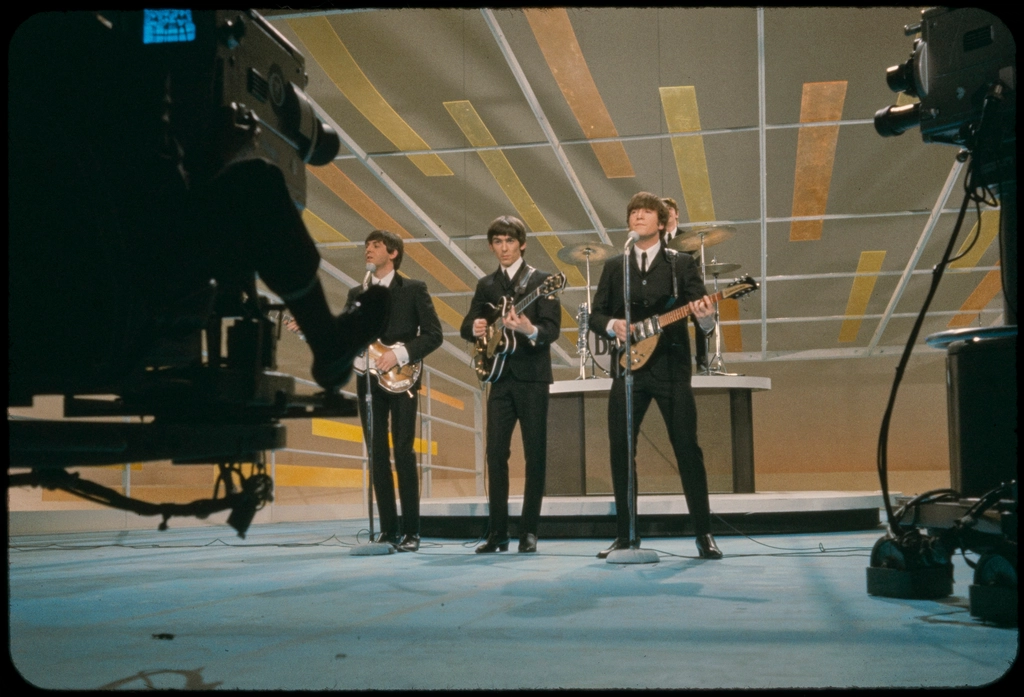
It’s wild to imagine that “Yesterday,” one of the most covered songs in history, almost didn’t make it onto The Beatles’ “Help!” album. Paul McCartney composed the melody in a dream and initially called it “Scrambled Eggs.” John Lennon and George Martin were hesitant to include a solo ballad on a Beatles record, thinking it didn’t fit their style at the time. But after much debate, the song was recorded with just McCartney and a string quartet. Released in 1965, “Yesterday” went on to top charts around the world and is still a staple in pop culture today. According to the Guinness Book of World Records, more than 2,200 cover versions have been recorded, making it a true phenomenon. The risk paid off, but for a while, it seemed this classic might never see the light of day.
Billie Jean by Michael Jackson
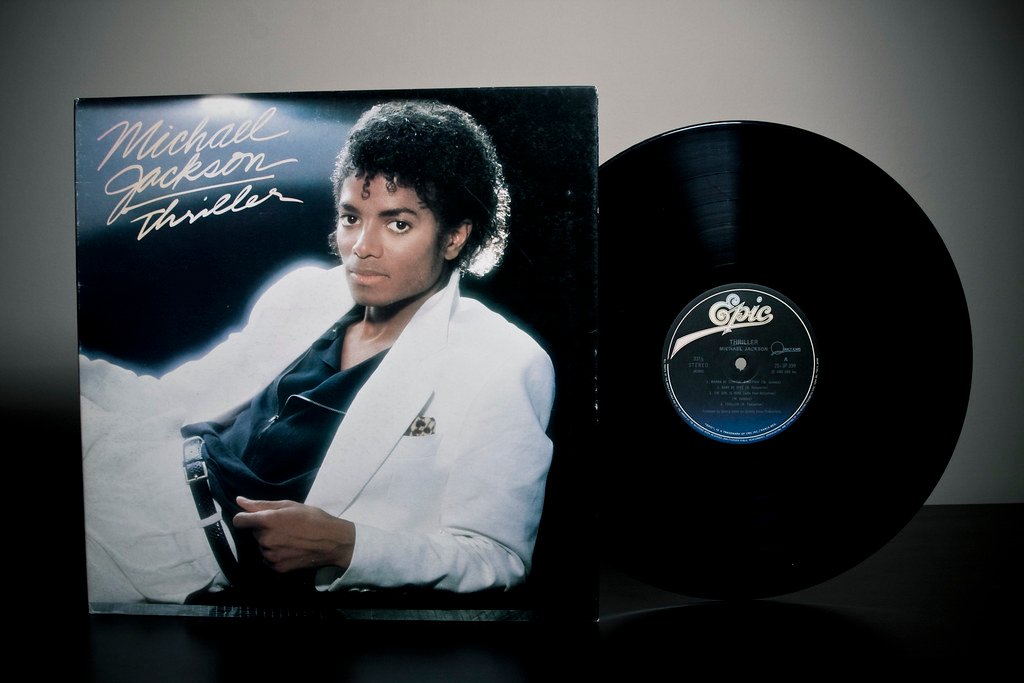
It’s almost impossible to picture “Thriller” without “Billie Jean,” but Michael Jackson faced stiff resistance from producer Quincy Jones, who thought the bassline was too simple and the song too long. Jones even tried to convince Jackson to change the title, worried it would be confused with tennis star Billie Jean King. But Jackson held his ground, and the track became the second single from “Thriller” in 1983. The song catapulted Jackson to superstardom, topped the Billboard Hot 100 for seven weeks, and is credited with breaking racial barriers on MTV. Its signature bassline and haunting lyrics are now instantly recognizable, but it was nearly left off the biggest-selling album of all time.
Smells Like Teen Spirit by Nirvana
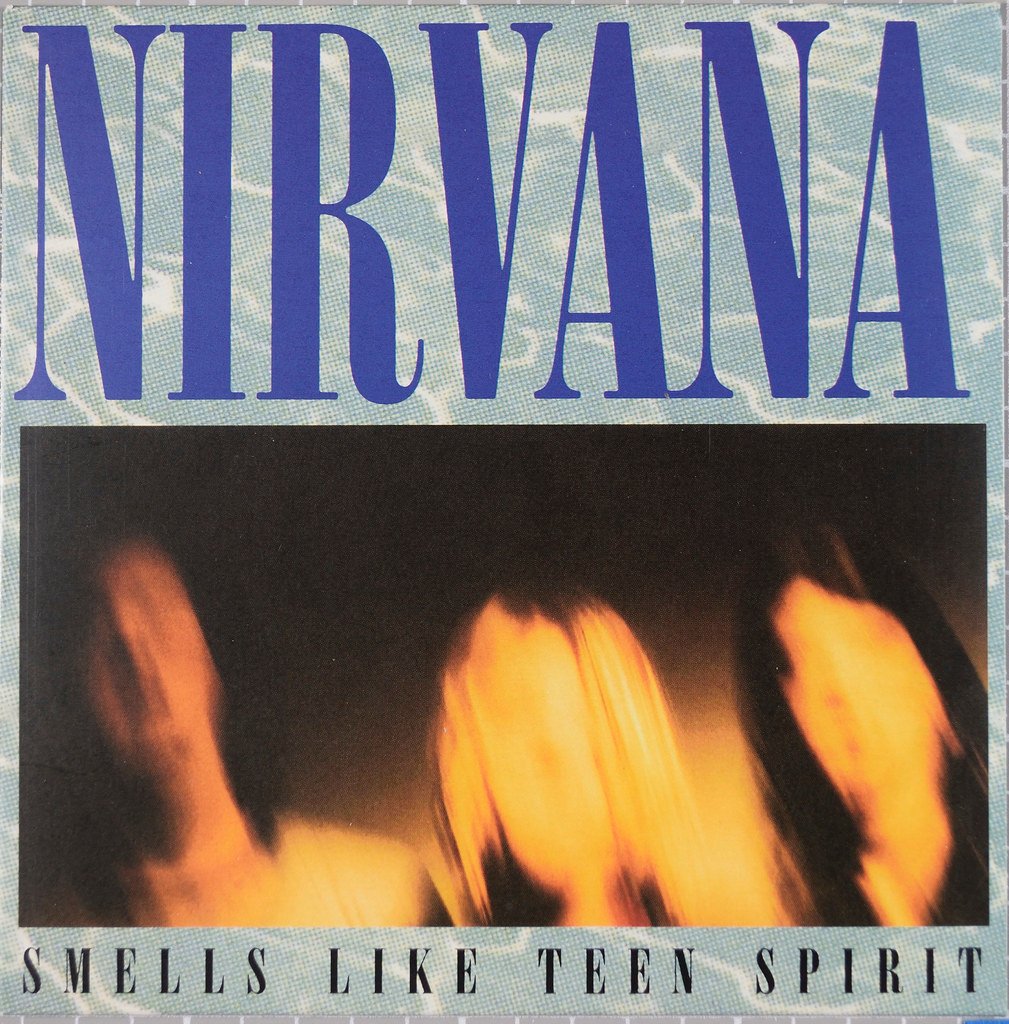
Nirvana’s “Smells Like Teen Spirit” nearly didn’t make the cut for their album “Nevermind.” Producer Butch Vig recalled that the band was unsure about the song’s potential and almost left it unfinished. The lyrics were scribbled at the last minute, and the group feared it sounded too much like a Pixies rip-off. But once the track was finalized, it redefined the sound of the ’90s. Released in 1991, the song became a generational anthem, peaking at number six on the Billboard Hot 100 and launching grunge into the mainstream. According to Rolling Stone, the success of “Smells Like Teen Spirit” shocked even the band, who hadn’t expected it to resonate so deeply.
Purple Rain by Prince
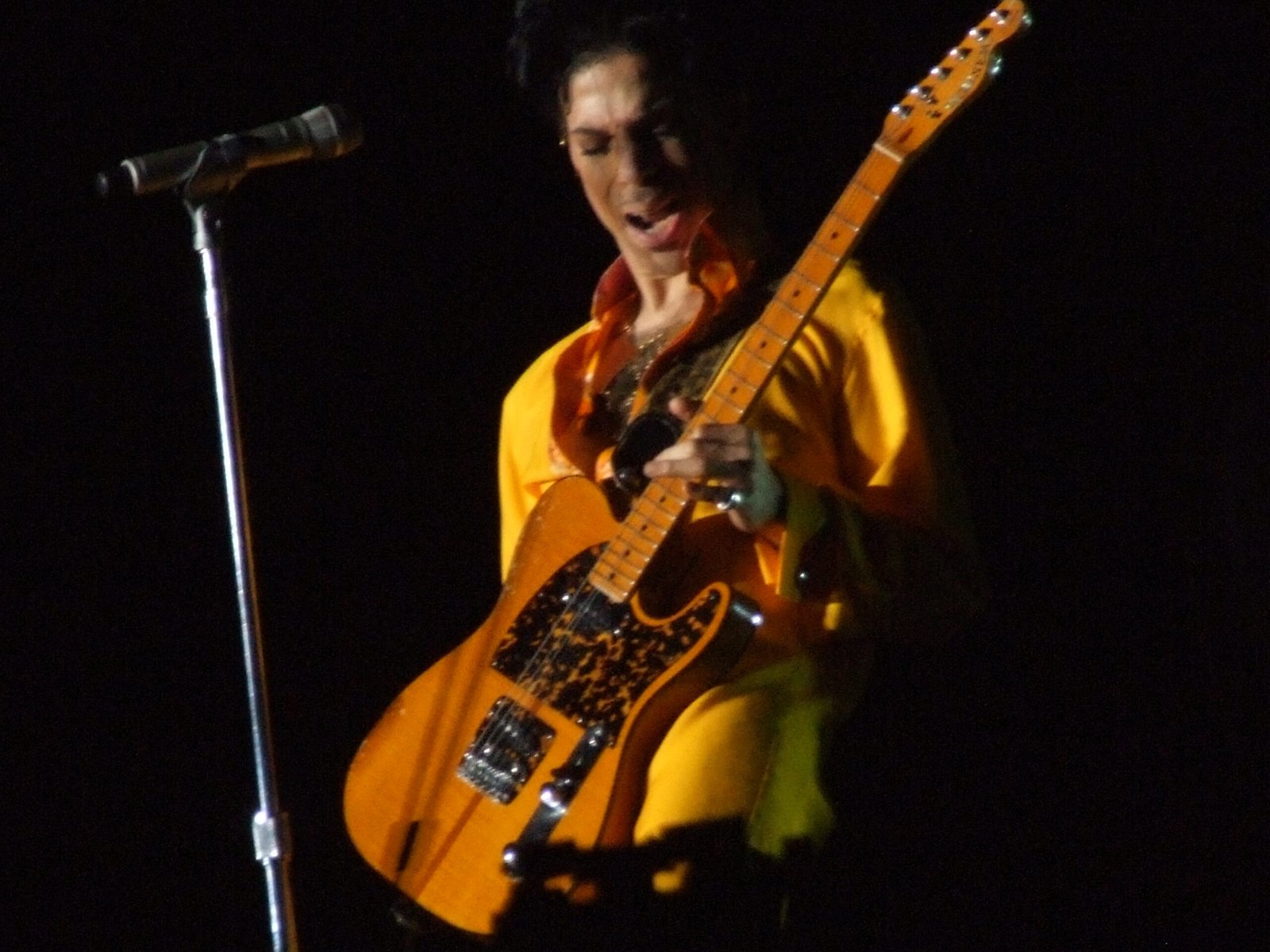
“Purple Rain” is the title track that defined Prince’s career, but it was almost scrapped from the 1984 album. The original version clocked in at over 11 minutes, and some in Prince’s camp worried it was too long for radio. Even Prince himself questioned whether the gospel-inspired ballad fit the rest of the album’s vibe. But after a legendary live performance at First Avenue in Minneapolis, the decision was made to keep it. The song went on to win an Academy Award and two Grammys. As Billboard reports, “Purple Rain” remains one of the most iconic power ballads ever recorded.
Sweet Child O’ Mine by Guns N’ Roses
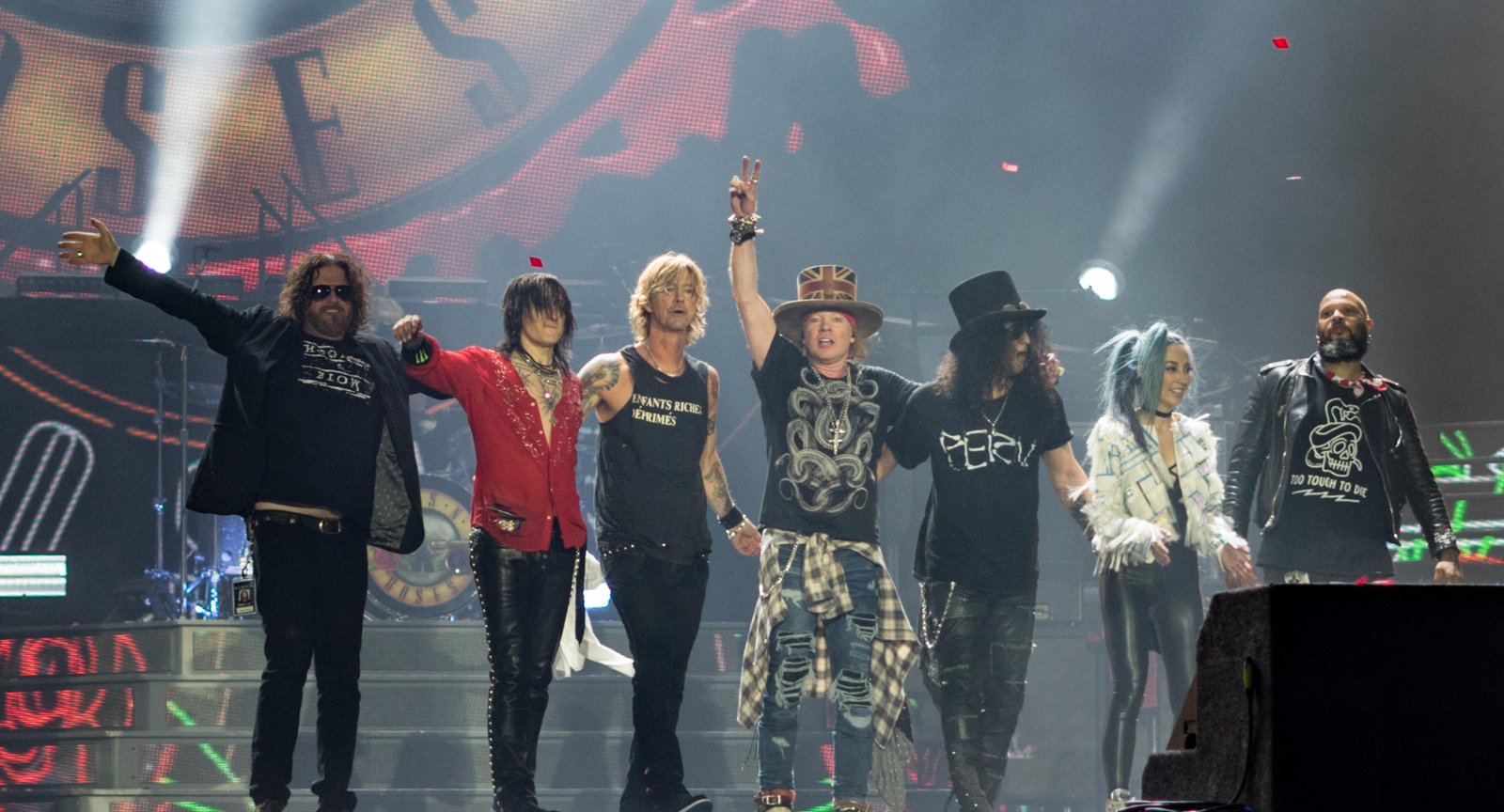
“Sweet Child O’ Mine” almost missed inclusion on “Appetite for Destruction.” Slash’s opening riff was meant to be a joke, and the band considered it too “circus-like” for their hard rock image. Axl Rose, however, pushed for its inclusion after writing heartfelt lyrics inspired by his girlfriend, Erin Everly. The song’s infectious melody became a chart-topping hit, reaching number one on the Billboard Hot 100 in 1988. According to interviews in Classic Rock Magazine, the track was nearly abandoned multiple times during recording sessions, proving that sometimes the biggest hits come from unlikely beginnings.
Wonderwall by Oasis
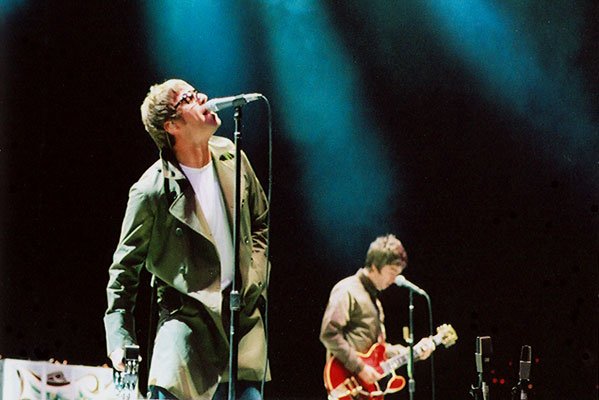
Oasis almost left “Wonderwall” off their landmark album “(What’s the Story) Morning Glory?” because of internal band tensions. Noel Gallagher originally wrote the song for his girlfriend, but Liam Gallagher’s vocal style clashed with Noel’s vision. The song was almost shelved in favor of other tracks. Despite the drama, “Wonderwall” became Oasis’s most recognizable song and an international hit. As reported by NME, it has racked up over 1.8 billion streams on Spotify and is a singalong favorite at pubs, stadiums, and parties worldwide.
Every Breath You Take by The Police
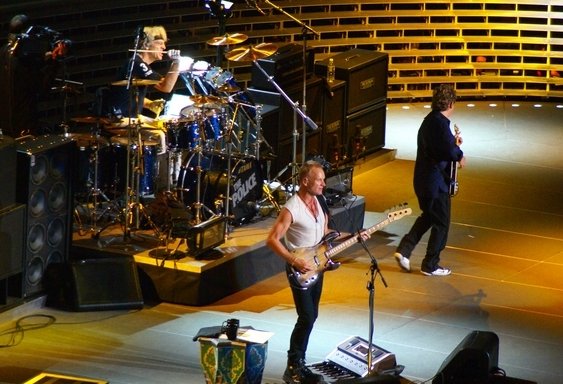
“Every Breath You Take” is the most-played song in radio history, according to BMI, but Sting was the only band member who believed in its potential. The Police were going through internal strife while making “Synchronicity,” and guitarist Andy Summers thought the song was too simplistic. The band almost excluded it, but Sting’s persistence paid off. Released in 1983, it topped the Billboard Hot 100 for eight weeks and won Song of the Year at the Grammys. Its haunting melody and ambiguous lyrics have made it a pop culture staple, despite its rocky road to release.
Losing My Religion by R.E.M.
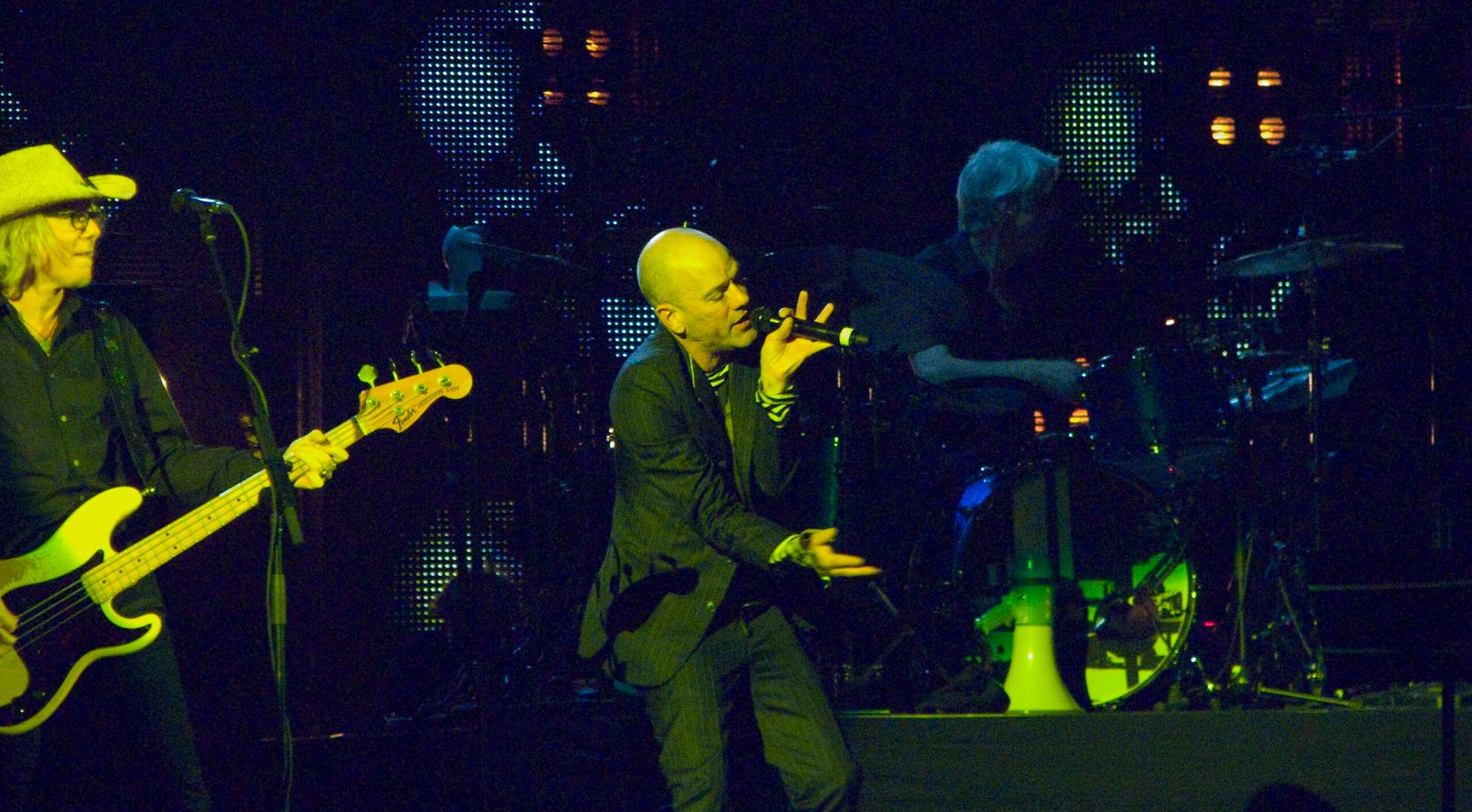
R.E.M.’s “Losing My Religion” almost didn’t make it onto “Out of Time” because the band feared its mandolin-led sound was too unconventional for mainstream radio. Michael Stipe struggled with the lyrics, feeling they were too personal and obscure. Producer Scott Litt encouraged the band to take a risk, and the gamble paid off. Released in 1991, the song became R.E.M.’s highest-charting hit in the U.S., peaking at number four on the Billboard Hot 100. According to Billboard, it revitalized the band’s career and redefined alternative rock for the decade.
Like a Rolling Stone by Bob Dylan
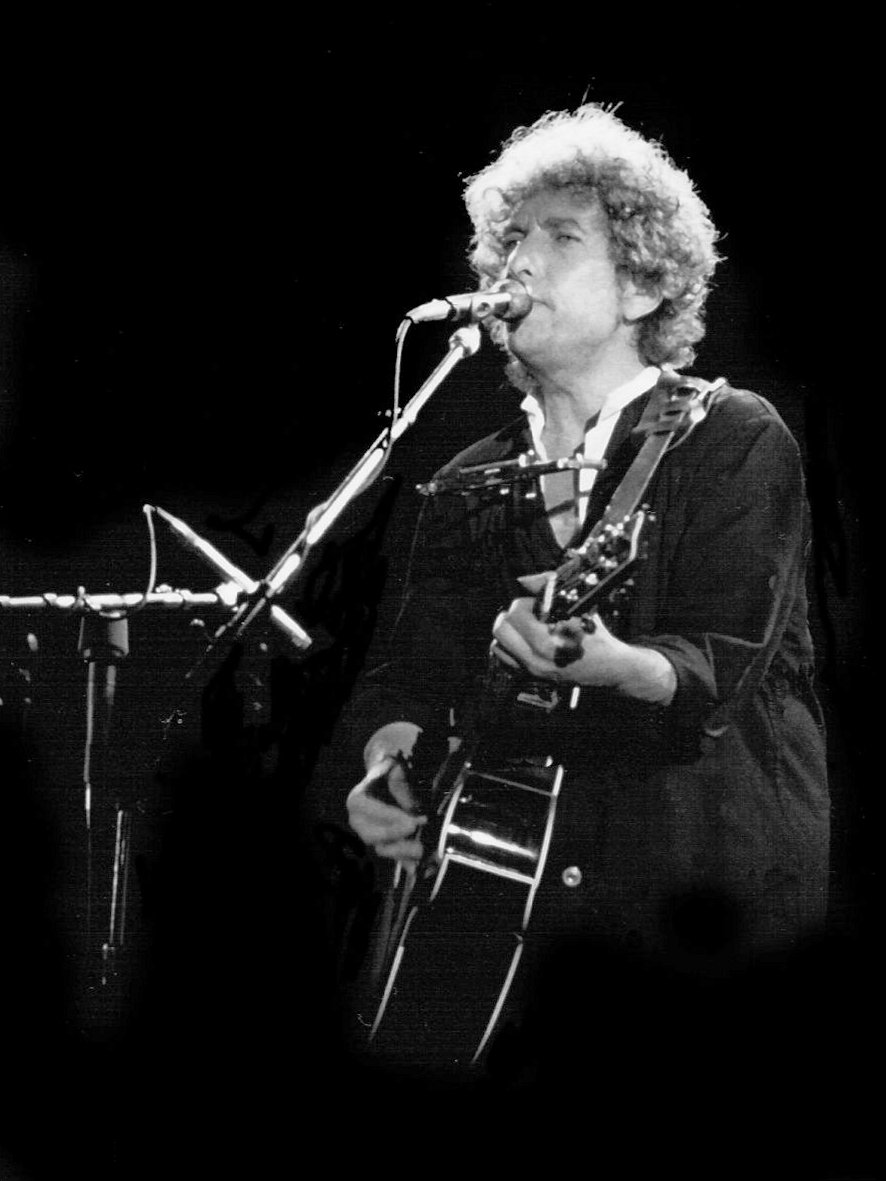
Bob Dylan’s “Like a Rolling Stone” was nearly cut from “Highway 61 Revisited” due to its length and unconventional structure. At over six minutes, Columbia Records executives thought it was too long for radio. Dylan himself was unsure about the song, as it was born from a 10-page rant he almost threw away. But producer Tom Wilson saw its potential, and the final version made history. Released in 1965, it reached number two on the Billboard Hot 100 and is routinely cited as one of the greatest songs ever written by Rolling Stone magazine.
Bohemian Rhapsody by Queen
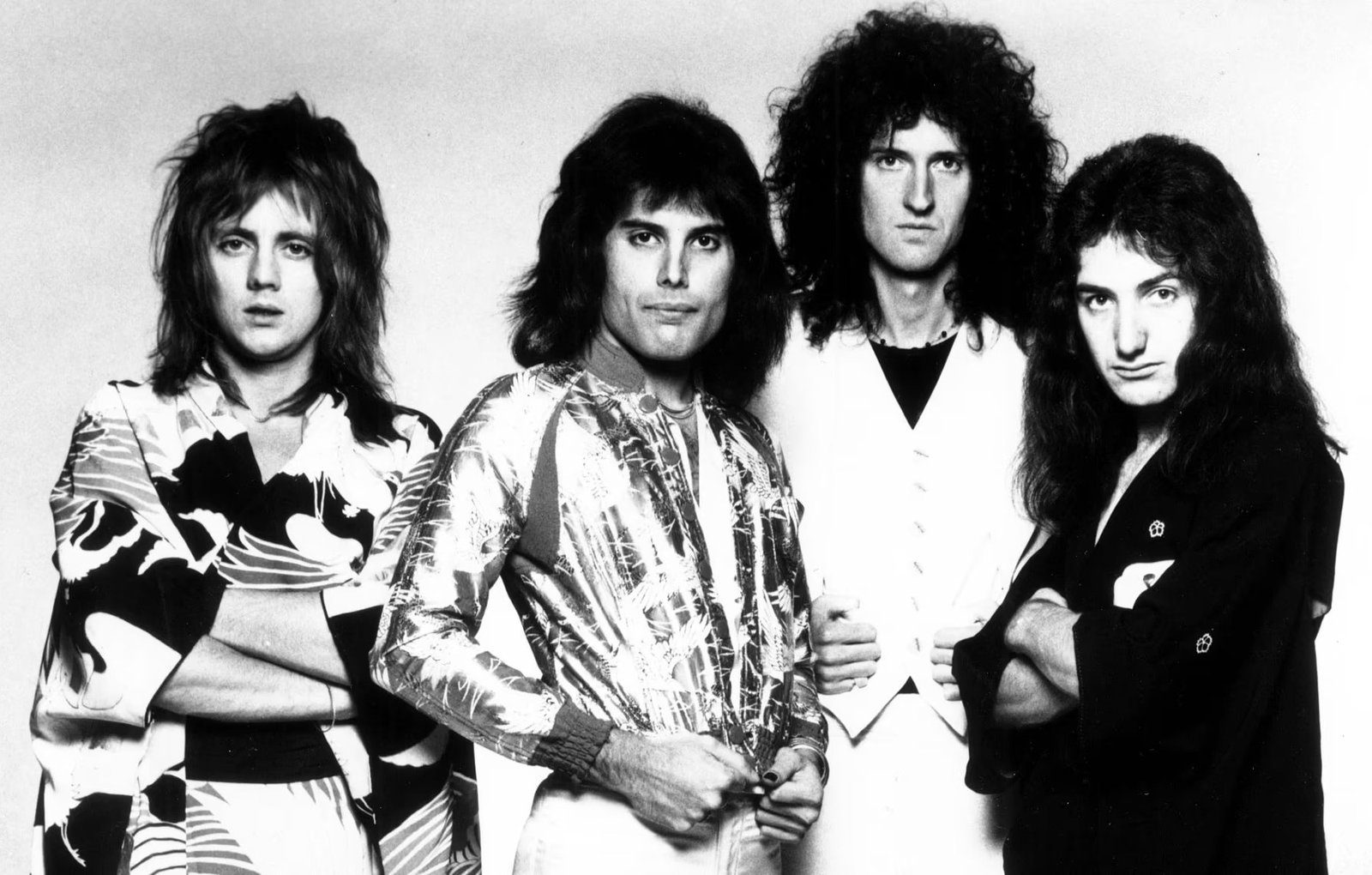
Queen’s “Bohemian Rhapsody” was nearly left off “A Night at the Opera” because executives at EMI thought its six-minute runtime and operatic sections would never get radio airplay. The band faced skepticism from their label, and even producer Roy Thomas Baker recalled the struggle to convince them. Freddie Mercury insisted on keeping the song intact, refusing to cut it down. When released in 1975, it became a massive hit, topping the UK charts for nine weeks. In 2018, the song surpassed 1.6 billion streams globally, showing that sometimes the boldest moves are the best ones.
Black Dog by Led Zeppelin
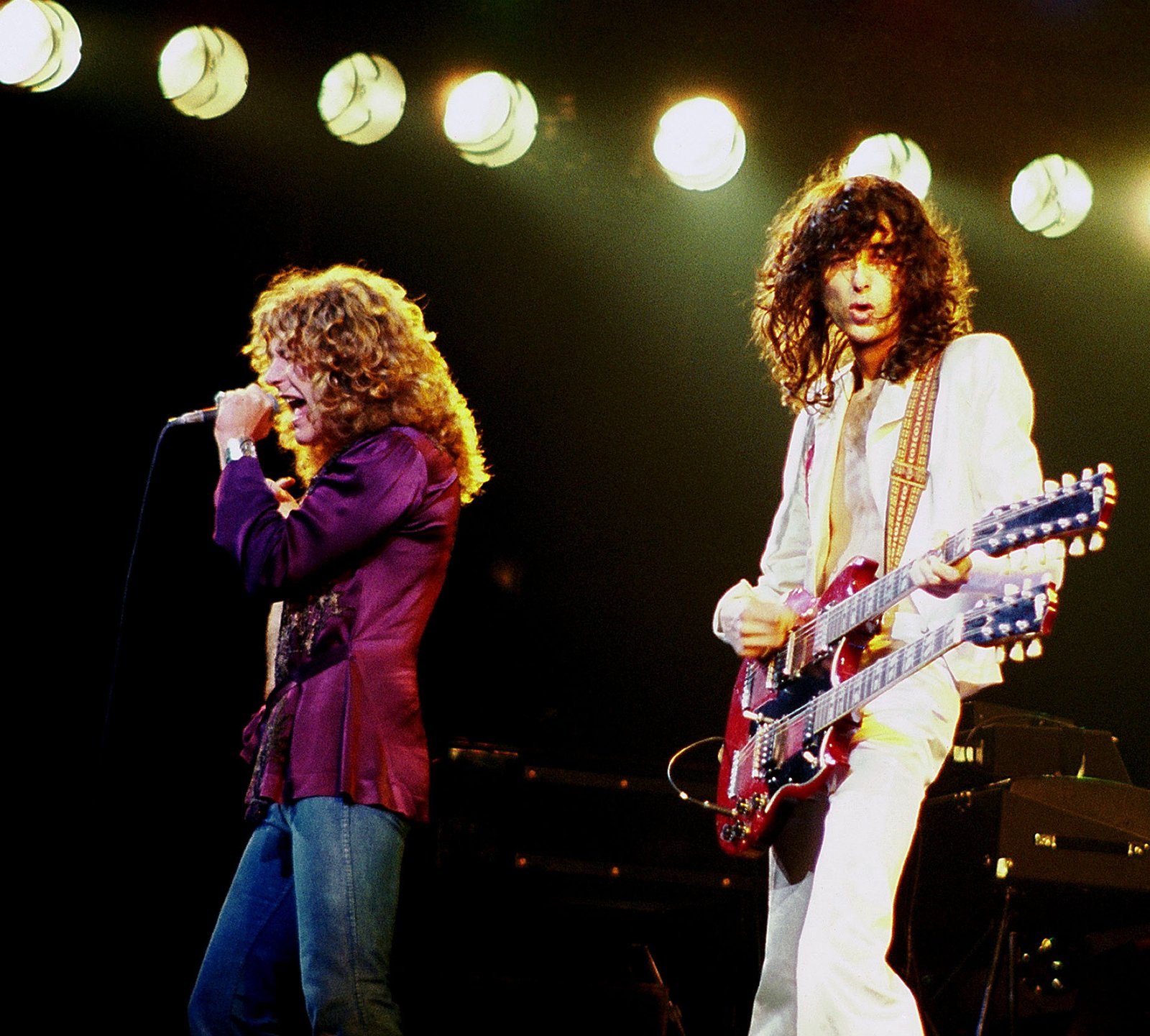
Led Zeppelin’s “Black Dog” almost didn’t make it onto “Led Zeppelin IV.” The band was experimenting with complex time signatures and worried the song wouldn’t connect with audiences. Jimmy Page and Robert Plant debated whether its unconventional structure would fit the album’s flow. The group ultimately decided to include it, and “Black Dog” became one of their most enduring tracks, opening their 1971 album and peaking at number 15 on the Billboard Hot 100. Its call-and-response vocals and heavy riff have influenced countless rock bands since.
Good Vibrations by The Beach Boys
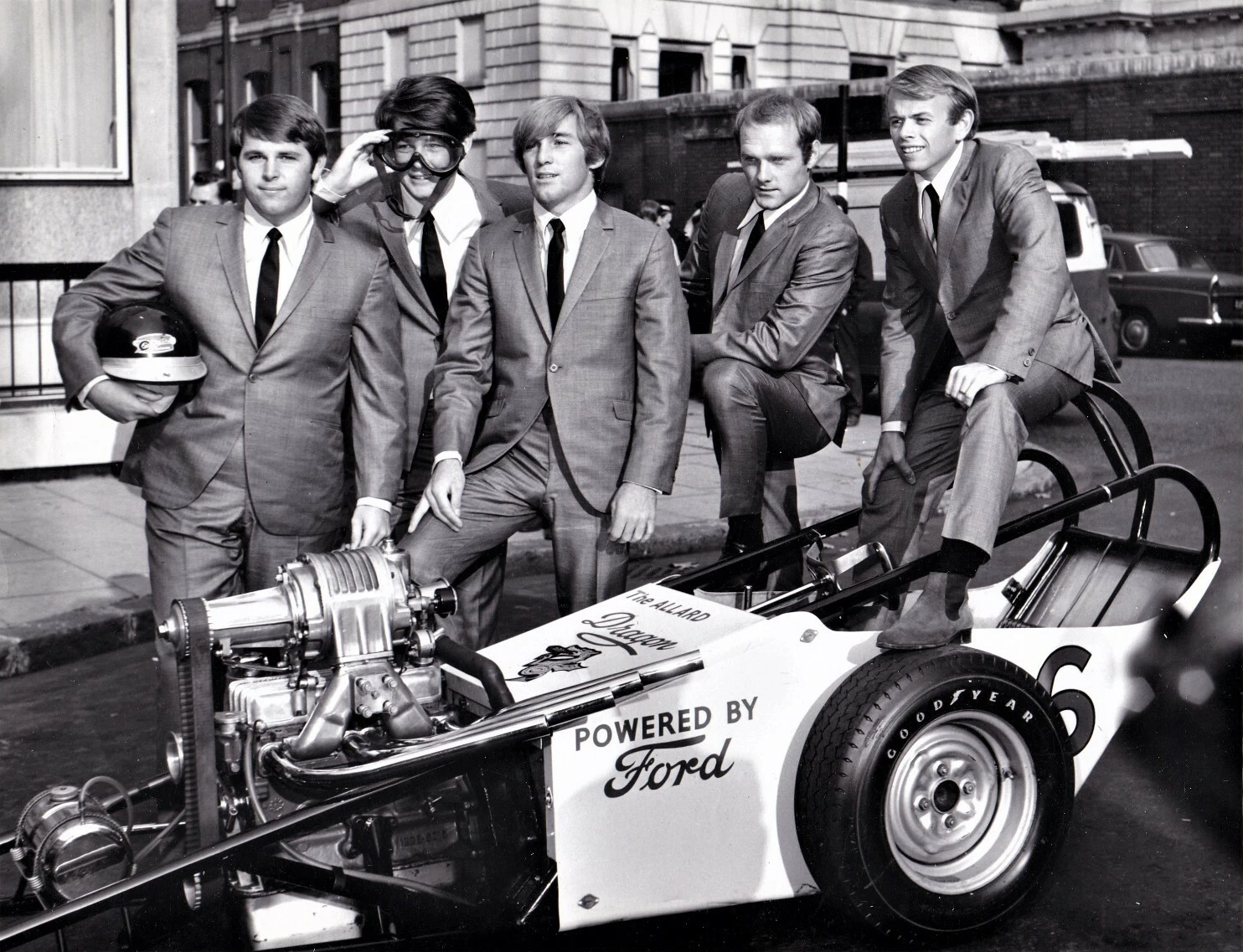
“Good Vibrations” was initially cut from The Beach Boys’ “Pet Sounds” due to time constraints and Brian Wilson’s perfectionism. Wilson spent over $50,000 (a massive sum in the 1960s) and recorded the song in multiple studios, piecing it together like a musical jigsaw puzzle. The band almost gave up on the song, but Wilson’s vision eventually prevailed. Released as a single in 1966, “Good Vibrations” became one of the most innovative songs in pop history, topping charts worldwide and ranking high on lists of all-time great singles.
November Rain by Guns N’ Roses
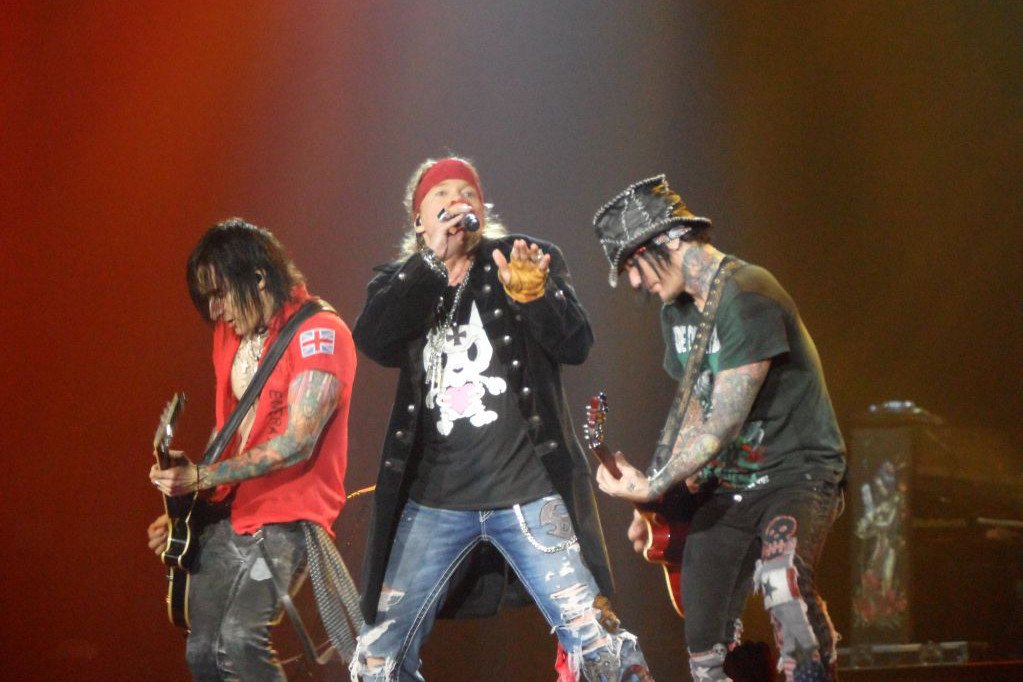
“November Rain” almost didn’t appear on “Use Your Illusion I” because Axl Rose feared its epic length and orchestration would alienate fans. The song was originally written in 1983 but remained unfinished for nearly a decade. Band members hesitated to include it, but Rose’s persistence led to its inclusion. Released in 1991, the song peaked at number three on the Billboard Hot 100 and became famous for its dramatic music video. According to Billboard, the video surpassed 2 billion views on YouTube in 2022, making it one of the most-watched rock videos ever.
With or Without You by U2
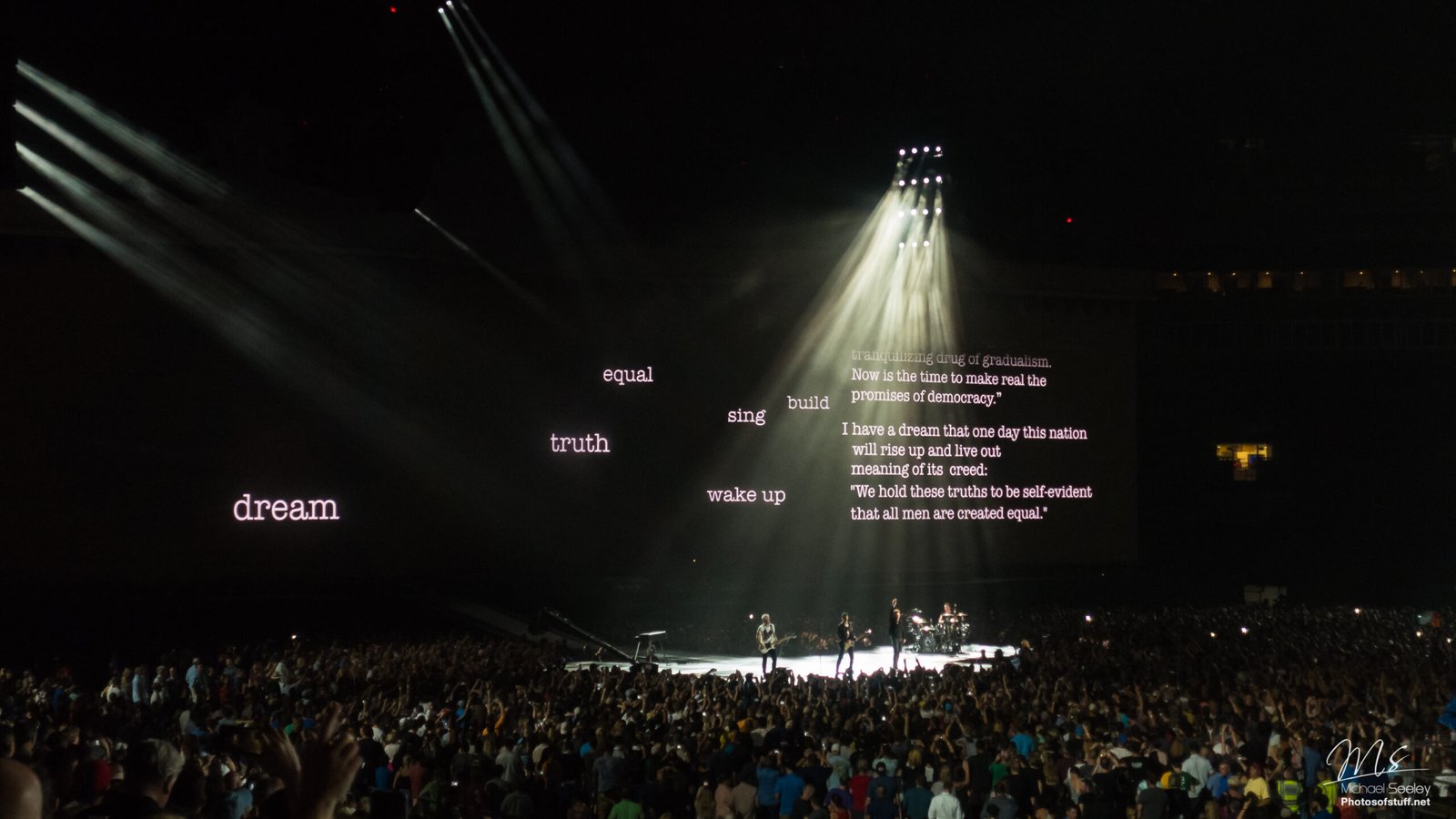
U2’s “With or Without You” almost didn’t make it onto “The Joshua Tree.” The band struggled with the song’s arrangement for months, and Bono feared it was too repetitive. Producer Daniel Lanois experimented with different sounds, eventually introducing The Edge’s signature Infinite Guitar effect. The breakthrough came late in the recording process, and the song was added at the last minute. Released in 1987, it became U2’s first number one single in the U.S. and remains a staple of their live shows.
Dream On by Aerosmith
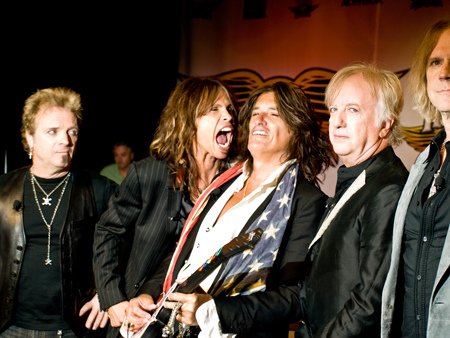
“Dream On,” the song that put Aerosmith on the map, was nearly left off their debut album. Columbia Records executives doubted its commercial potential, believing Steven Tyler’s ballad didn’t fit the band’s rock image. The song was originally released in 1973 and only became a hit after being reissued in 1976, eventually reaching number six on the Billboard Hot 100. Rolling Stone recently listed “Dream On” as one of the greatest songs of all time, and it’s now considered Aerosmith’s signature track.
Hurt by Nine Inch Nails
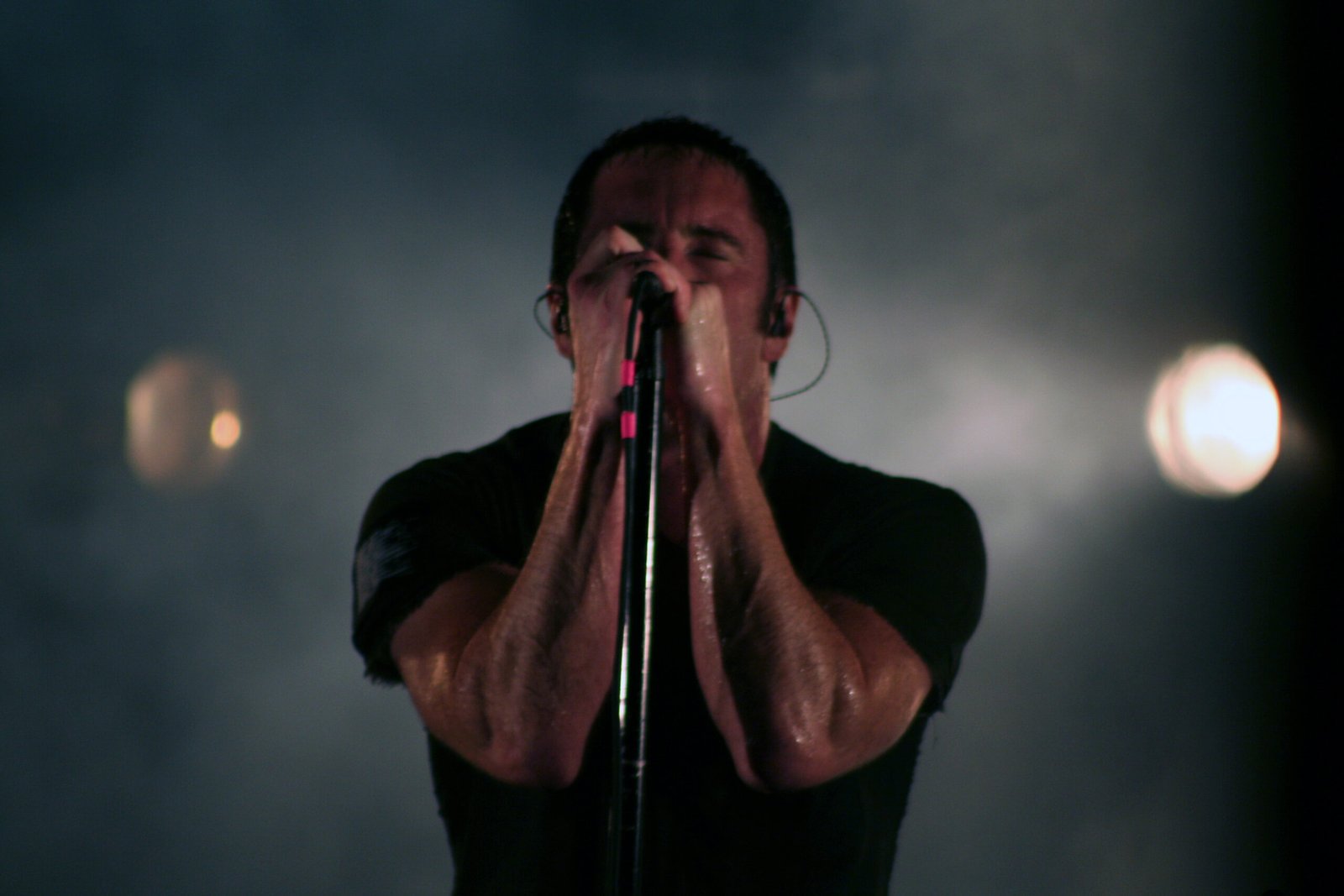
Trent Reznor almost left “Hurt” off Nine Inch Nails’ “The Downward Spiral” because he thought it was too personal and raw for public release. The song’s bleak lyrics and sparse production made him question its fit with the rest of the industrial rock album. In the end, he included it, and “Hurt” became a fan favorite. Johnny Cash’s 2002 cover, praised by Reznor himself, brought the song to a new audience and earned a Grammy nomination. According to the Recording Academy, Cash’s version is one of the most acclaimed covers in modern music.
Superstition by Stevie Wonder
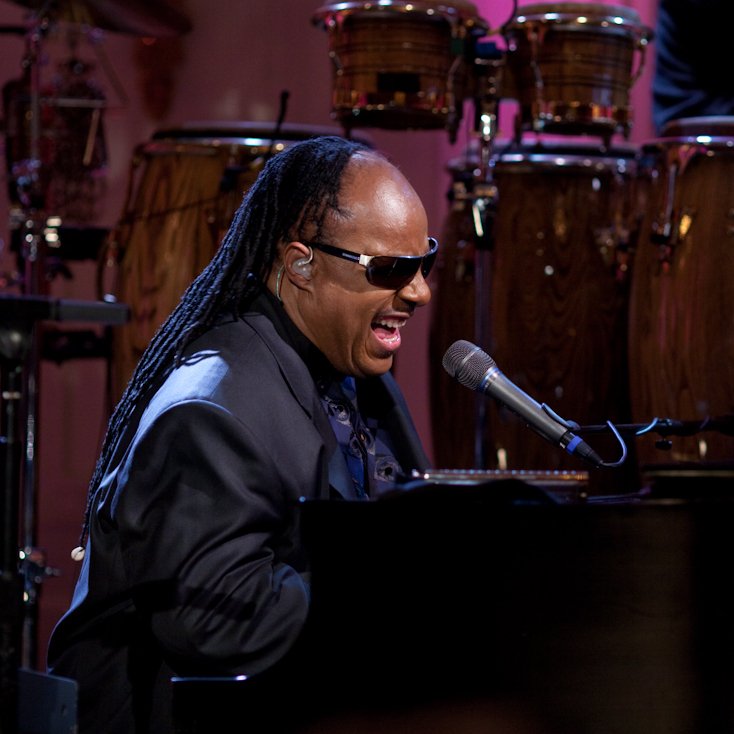
“Superstition” was almost given away by Stevie Wonder to guitarist Jeff Beck, who helped develop the song’s iconic riff during a jam session. Wonder was working on “Talking Book” and considered letting Beck record it first, but Motown executives convinced him to keep it. Released in 1972, “Superstition” became a number one hit on the Billboard Hot 100 and established Wonder as a musical innovator. The song’s funky groove is instantly recognizable and continues to influence artists across genres.
Rolling in the Deep by Adele
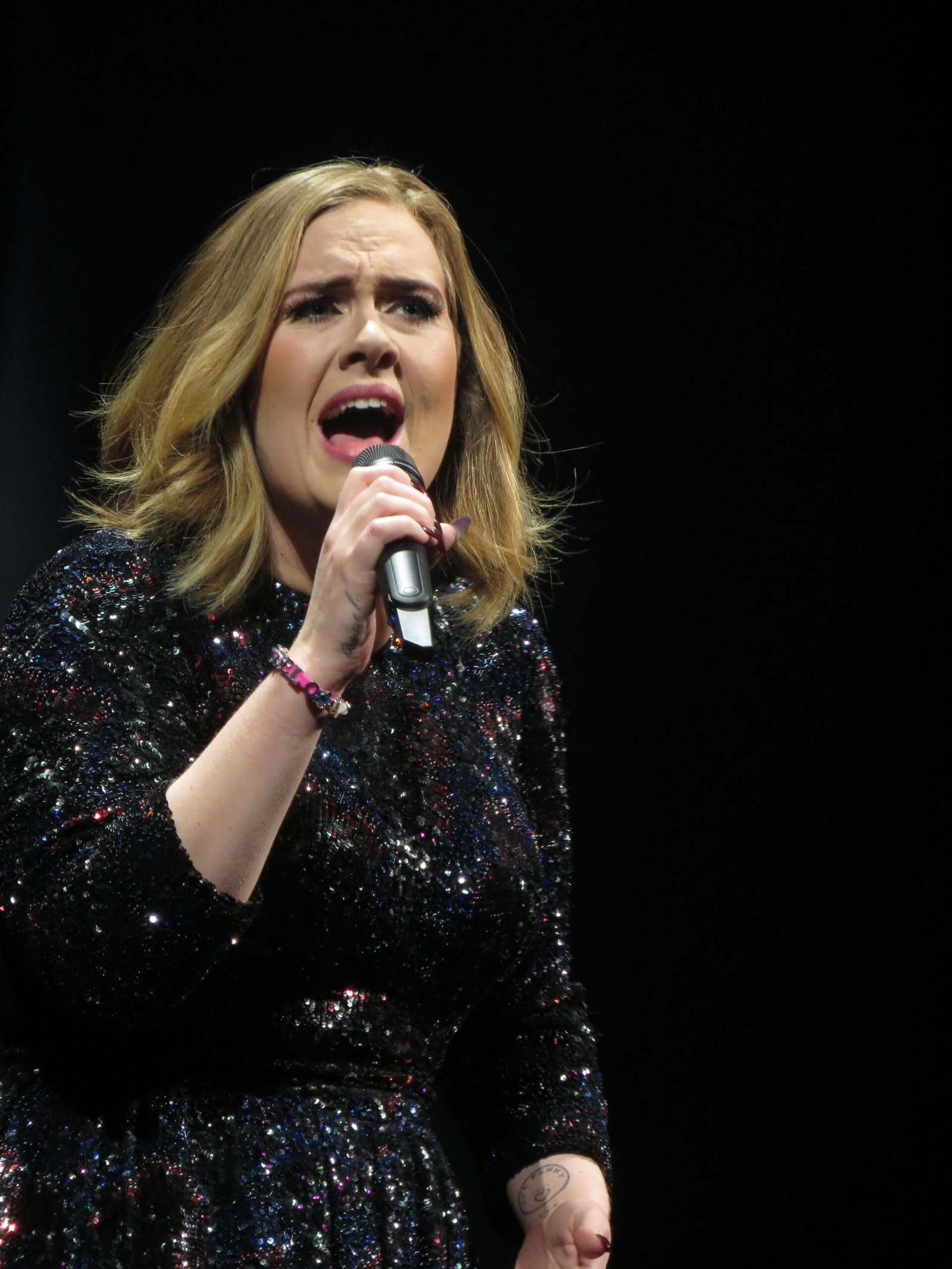
Adele almost excluded “Rolling in the Deep” from her sophomore album “21” because she felt it was too angry and different from her previous work. Producer Paul Epworth persuaded her to record the track, capturing her raw emotion after a breakup. The song became Adele’s breakthrough hit, topping charts in more than 20 countries and winning three Grammy Awards. According to IFPI, “Rolling in the Deep” sold over 20 million copies worldwide, making it one of the best-selling digital singles of all time.
Stairway to Heaven by Led Zeppelin
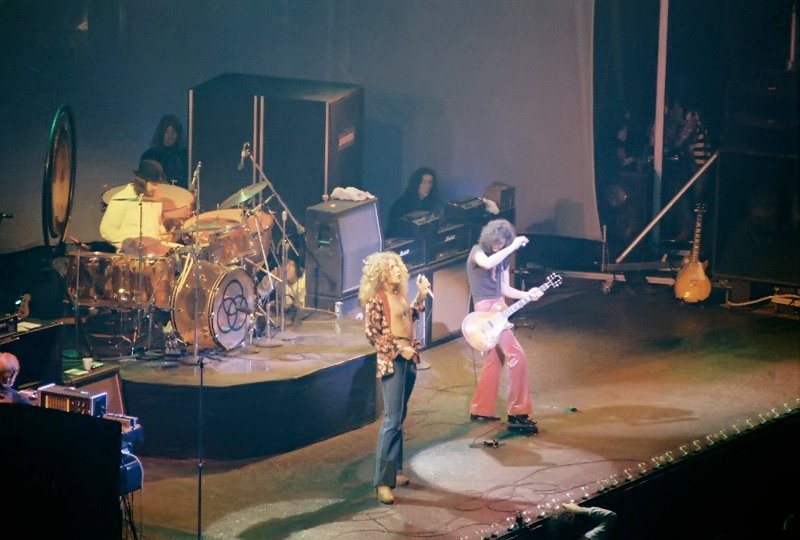
“Stairway to Heaven” might seem like an obvious choice for “Led Zeppelin IV,” but the band considered leaving it off due to its length and evolving structure. Jimmy Page and Robert Plant worked on the song for over a year, and it was only completed during the final recording sessions. The eight-minute epic became a radio staple, even though it was never released as a single. Rolling Stone places it consistently in the top ten of their “Greatest Songs of All Time” lists, showing its lasting impact.
Hey Ya! by OutKast
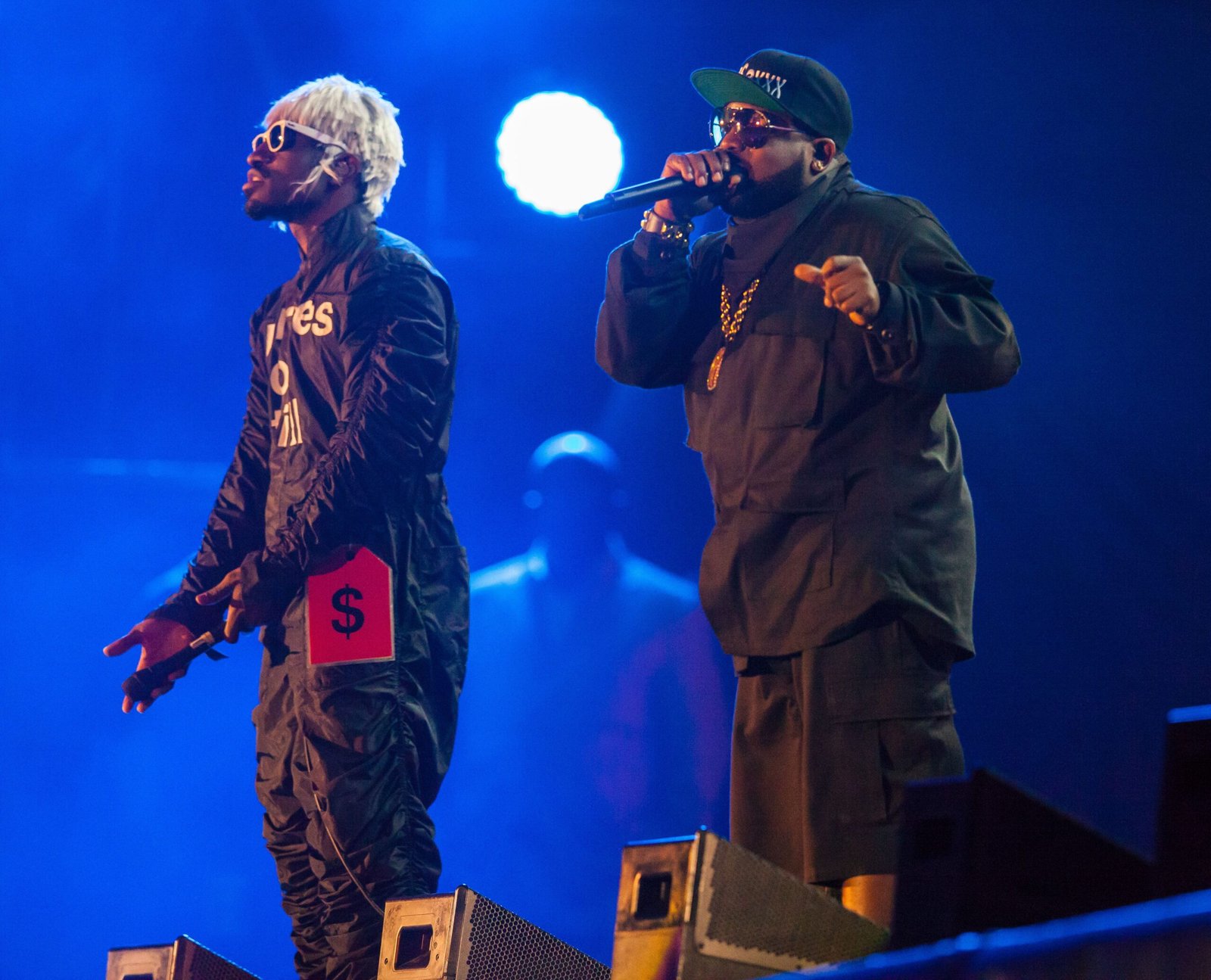
“Hey Ya!” was almost left off OutKast’s “Speakerboxxx/The Love Below” because André 3000 worried it was too experimental and might confuse fans. The song’s unique blend of funk, pop, and rock was a departure from the group’s hip-hop roots. Label executives were also unsure about its commercial appeal. Despite these concerns, “Hey Ya!” became a cultural phenomenon after its release in 2003, topping the Billboard Hot 100 for nine weeks. According to Nielsen Music, it remains one of the most streamed songs of the 2000s, proving that taking risks can pay off in unexpected ways.
End.

Christian Wiedeck, all the way from Germany, loves music festivals, especially in the USA. His articles bring the excitement of these events to readers worldwide.
For any feedback please reach out to info@festivalinside.com
