

- The 20 Impossible 60s–70s Music Quiz for Hardcore Fans - December 21, 2025
- 14 Songs That Were Almost Never Released – And Changed Everything - December 21, 2025
- 20 Epic Coming-of-Age Books You Wish You Read Sooner - December 21, 2025
Pumped Up Kicks by Foster the People
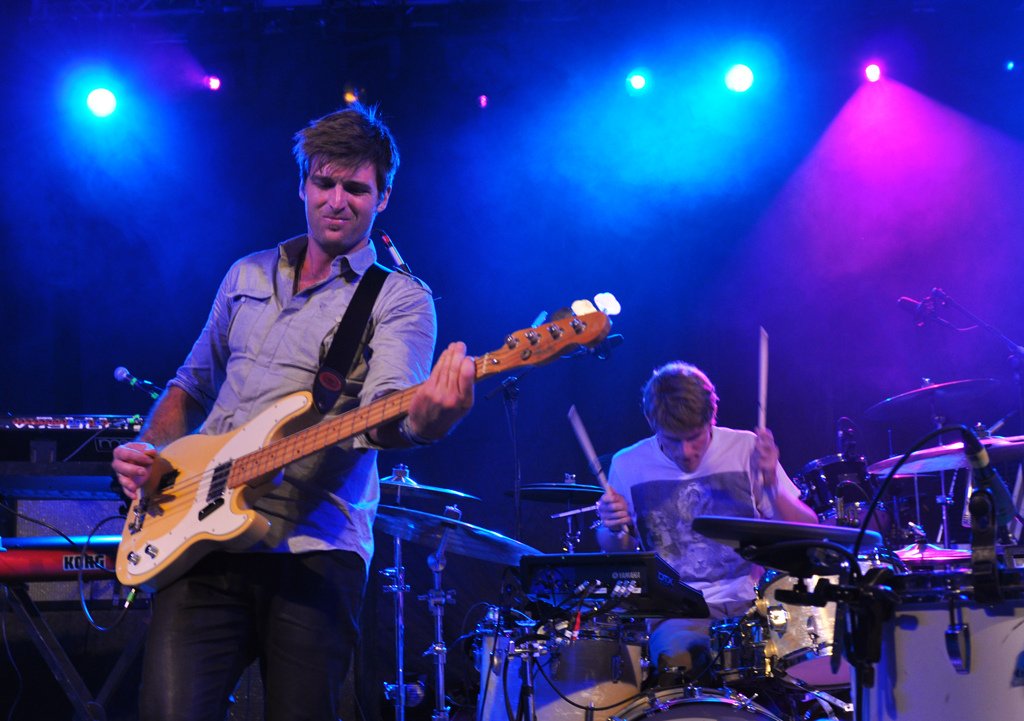
When you first hear Pumped Up Kicks, it feels like a breezy indie anthem with an infectious whistling hook and a toe-tapping beat. But behind the jangly guitars and singalong chorus lies a chilling narrative. The song, released in 2010, is actually about a troubled youth contemplating a school shooting. Mark Foster, the lead singer, wrote it to raise awareness about mental health and gun violence in the US. The stark contrast between the upbeat melody and the subject matter shocked many listeners when they learned the truth. The song topped charts and was streamed millions of times, proving how a catchy sound can mask a haunting story. News outlets and music analysts often use this track as an example of deceptive pop lyrics, especially given the rise of similar storytelling in modern music.
Hey Ya! by OutKast

Hey Ya! is the definition of a dancefloor smash. Its infectious rhythm practically forces you to move, and it’s hard not to smile when it comes on. But if you really listen to the lyrics, André 3000 is actually singing about the breakdown of a romantic relationship and the inevitability of love fading away. The song is sprinkled with self-doubt and even a hint of cynicism about monogamy and lasting happiness. Despite being a party staple since its release in 2003, Hey Ya! is about heartbreak and disillusionment. According to Billboard, it dominated charts worldwide for months, but many fans admitted in interviews that they only realized its meaning years later.
Every Breath You Take by The Police

Often called one of the greatest love songs of the 1980s, Every Breath You Take is actually more about obsession than affection. Sting wrote these lyrics during the breakup of his first marriage, and the words paint the picture of a possessive lover stalking someone. The melody is smooth and almost lullaby-like, which has led to its frequent use at weddings—something Sting himself has called “disturbing.” Music historians frequently cite this as one of the most misunderstood hits of all time. As of 2025, the song remains one of the most played tracks at romantic events, showing how sound can truly deceive.
Semi-Charmed Life by Third Eye Blind
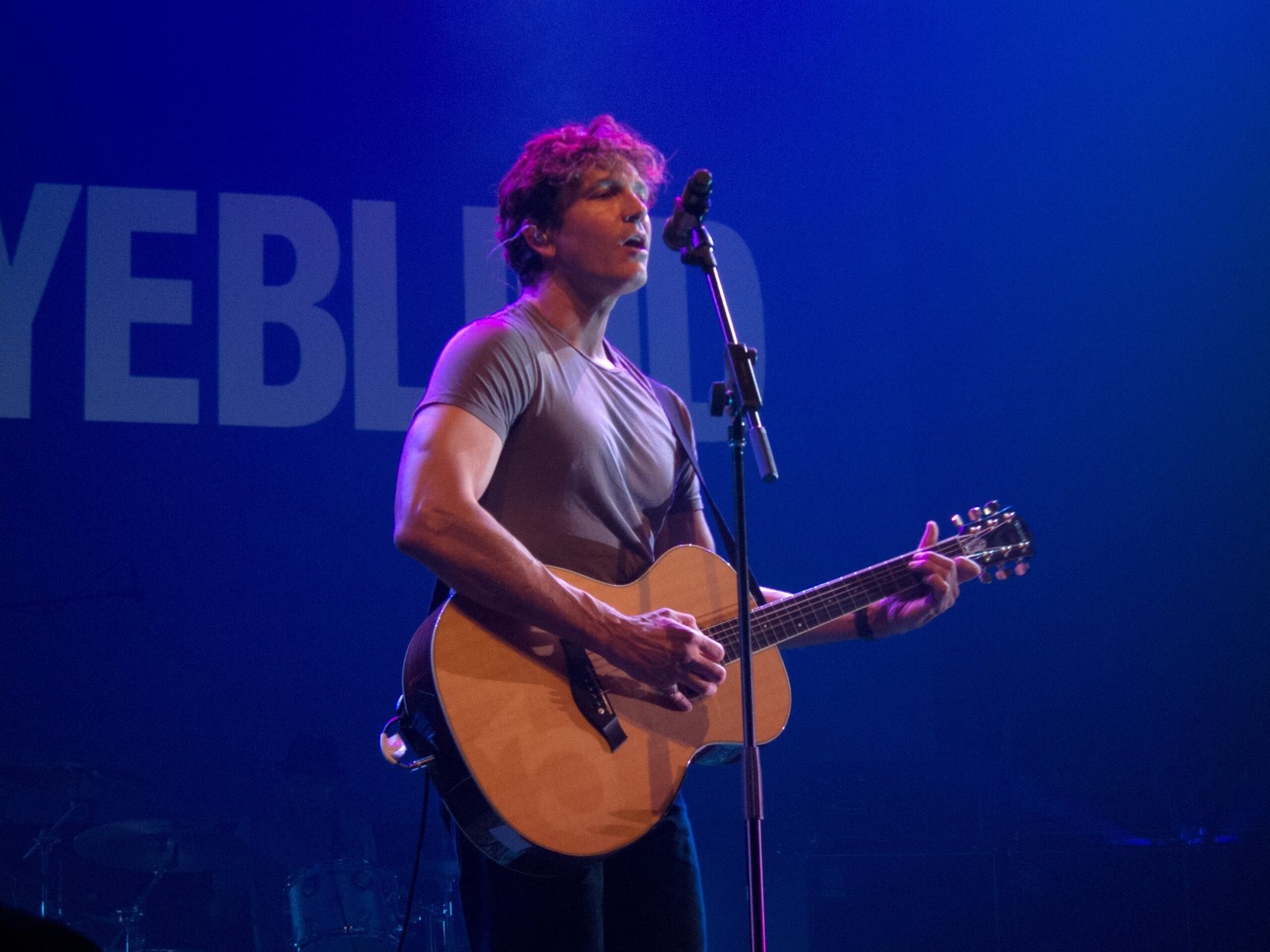
The catchy, almost sunny melody of Semi-Charmed Life made it a late-90s radio staple. But behind the hooks and singalong chorus is a raw depiction of drug addiction, particularly crystal meth abuse. Stephen Jenkins, the band’s frontman, has spoken openly about the song’s true meaning. The fast tempo and bright sound were intentionally used to contrast the serious subject matter. This juxtaposition has made it a classic example in pop culture studies on how musical tone can mislead casual listeners. In 2022, Spotify analytics showed that the song still appears on feel-good playlists, even as its meaning remains dark.
Electric Avenue by Eddy Grant
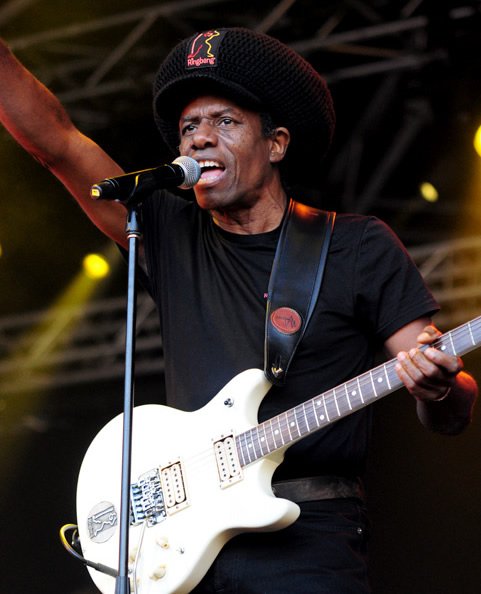
derivative work: Austin512 (talk), CC BY 2.0, https://commons.wikimedia.org/w/index.php?curid=7371235)
Electric Avenue’s infectious reggae-inspired beat might make you want to get up and dance, but its origins are rooted in social unrest. The song was inspired by the 1981 Brixton riots in London, which were sparked by racial tensions and economic hardship. Grant’s lyrics talk about people struggling to make ends meet and the anger simmering beneath the surface. The contrast between the upbeat music and the riotous inspiration is striking. In interviews, Grant has said he wanted the song to bring attention to injustice, even as people danced to it. It’s a powerful reminder of how easily a serious message can be camouflaged by a catchy beat.
Jump by Van Halen
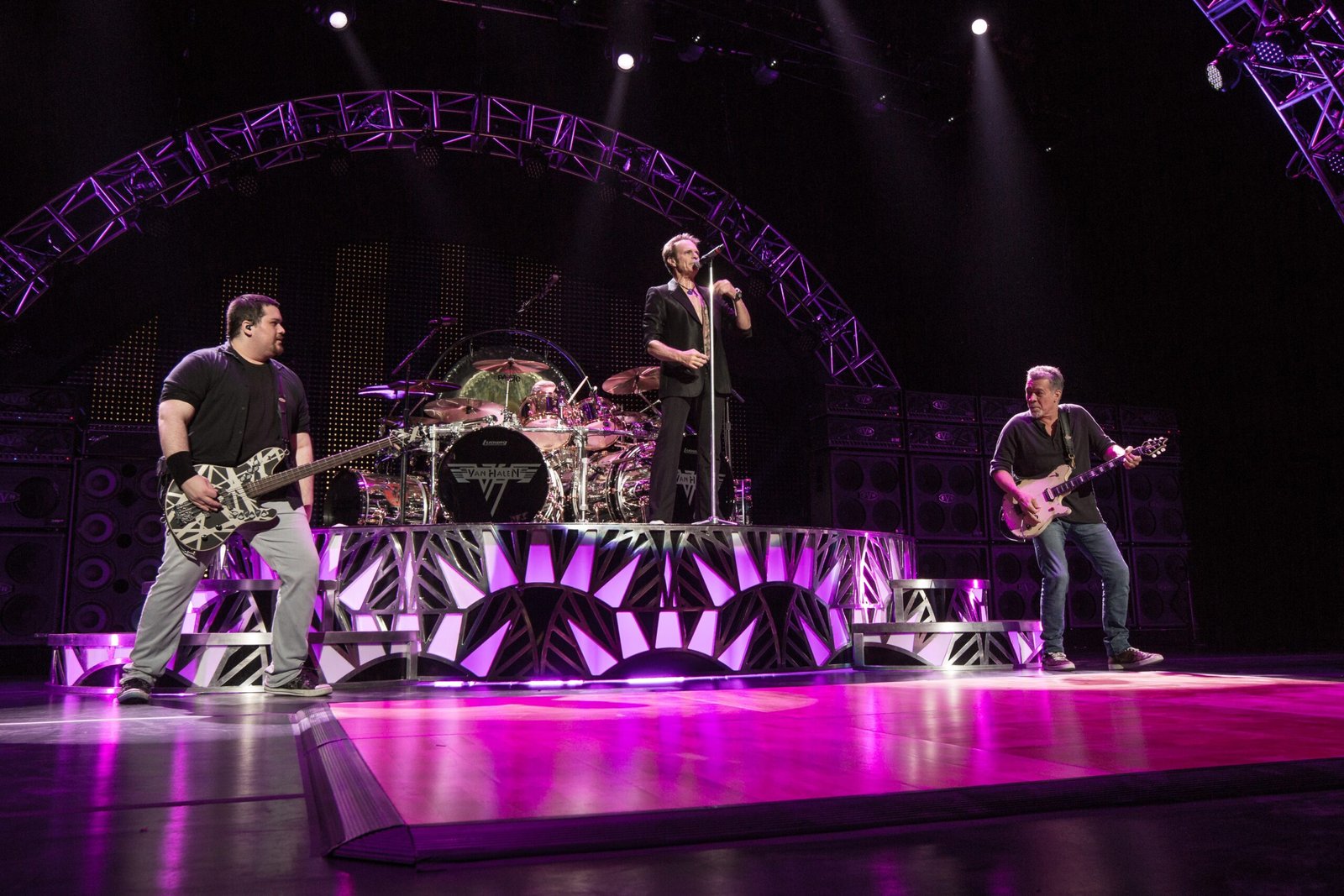
Jump is a rock classic with upbeat synths and a chorus that feels like pure celebration. However, the inspiration behind the lyrics is far more somber. David Lee Roth reportedly wrote the song after reading about a man preparing to jump off a building. The song’s “go ahead and jump” refrain is a dark play on words, urging action but referencing a desperate situation. While the energy of the track makes it a stadium favorite, the context adds a layer of melancholy. Fans and music critics have debated the meaning for decades, with Roth confirming the story in interviews.
99 Luftballons by Nena

99 Luftballons (or 99 Red Balloons) is a pop hit from Germany that feels whimsical and fun, but it’s actually a protest song about nuclear war. Nena was inspired by the Cold War tensions of the 1980s, and the song tells a story of balloons mistaken for enemy weapons, leading to world destruction. The upbeat tempo and playful melody are a stark contrast to the apocalyptic narrative. The song became an international hit, especially as tensions between global superpowers remained high. Political scientists and historians often use this track as an example of pop music as protest.
Brown Sugar by The Rolling Stones
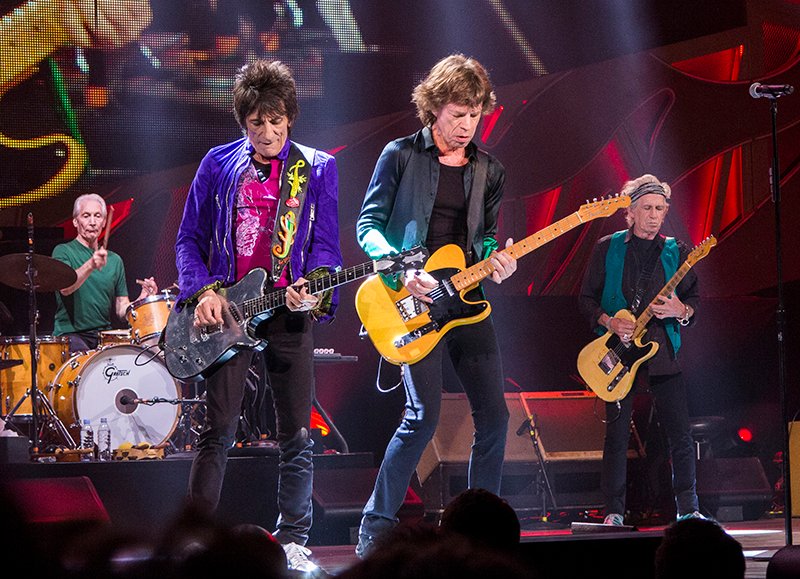
At first listen, Brown Sugar is a rollicking rock song with an irresistible groove. But the lyrics reference slavery, sexual exploitation, and violence. Mick Jagger has admitted the lyrics were intentionally provocative and written in a rush. Over the years, the song has sparked debates about its appropriateness and meaning, especially as society’s views on these topics have evolved. In 2021, the Stones stopped playing it at some concerts after public criticism. Despite the controversy, it remains one of their most recognized hits, demonstrating how wild energy can mask a disturbing core.
Blurred Lines by Robin Thicke

Blurred Lines topped global charts in 2013 and became a summer anthem. Its upbeat, funky sound and memorable hook made it nearly inescapable. But the lyrics have been criticized for promoting ambiguous consent and toxic masculinity, with many listeners and advocacy groups calling it problematic. Thicke and his collaborators have defended the song, but it has been banned from some university campuses and radio stations. Media commentators still debate whether the song is playful or dangerous, making it one of pop’s most controversial hits in recent memory.
Macarena by Los Del Rio

Macarena remains a staple at weddings, parties, and sporting events. Its lively beat and easy-to-learn dance propelled it to international fame in the 1990s. However, if you translate the Spanish lyrics, you’ll find that the song is about a woman named Macarena cheating on her boyfriend while he’s being drafted into the army. The cheerful sound disguises the story of infidelity and carefree betrayal. Cultural critics point out that few English-speaking fans realize what they’re singing and dancing to, proving how music can easily hide uncomfortable truths.
Summertime Sadness by Lana Del Rey
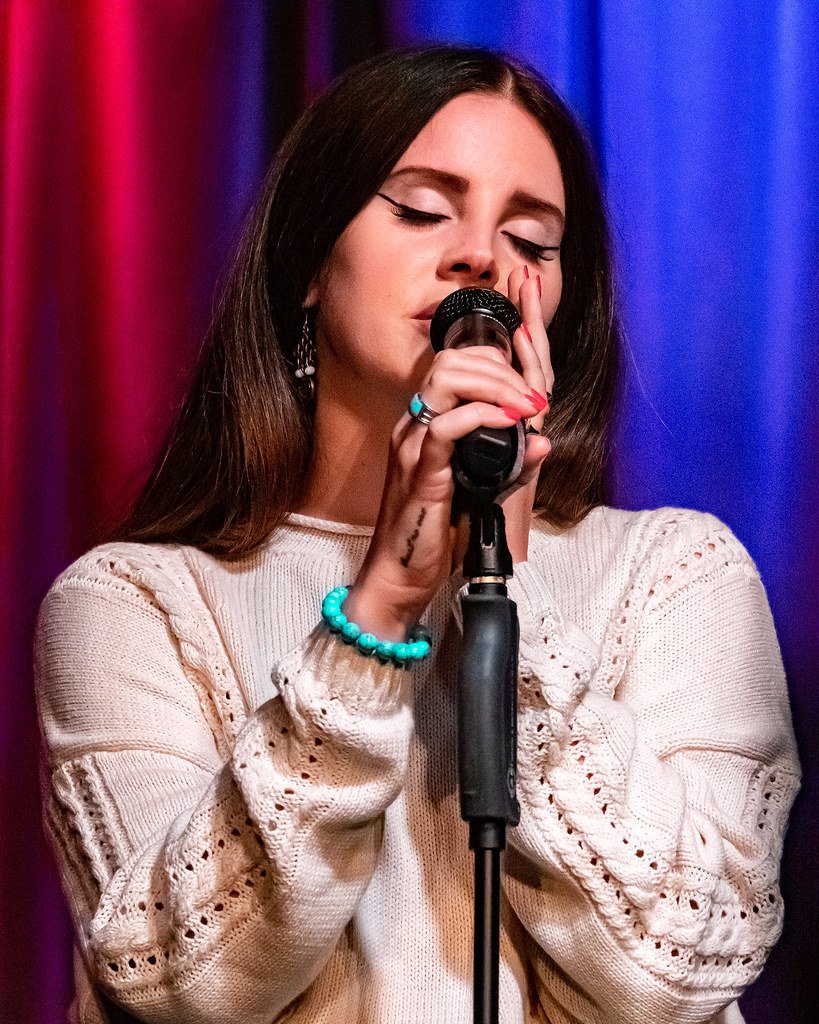
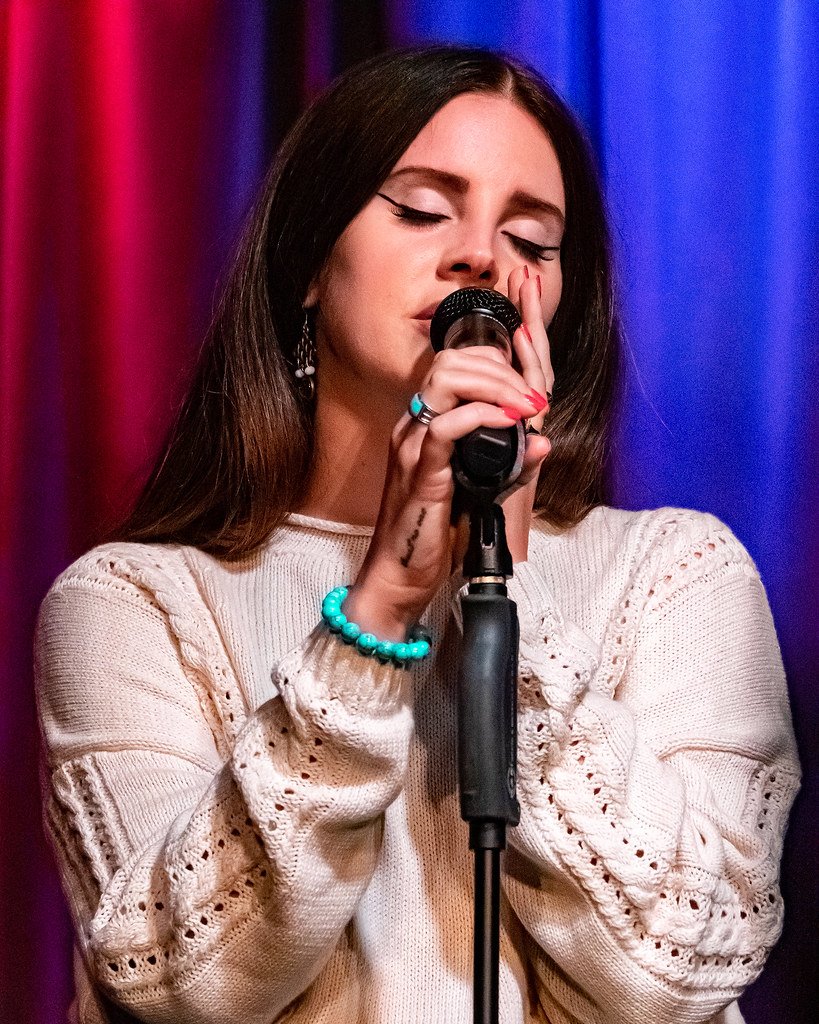
Summertime Sadness feels dreamy and ethereal, with Lana Del Rey’s vocals floating over lush production. The song is often played as a summer anthem, but its lyrics are filled with references to loss and longing. Del Rey has said the song is about the pain of losing someone and the emotional numbness that can follow. Despite its melancholic subject, the melody remains uplifting and danceable, especially in the popular remix version. Fans often connect with the song’s bittersweet undertones, making it a unique addition to this list.
Slide by Goo Goo Dolls
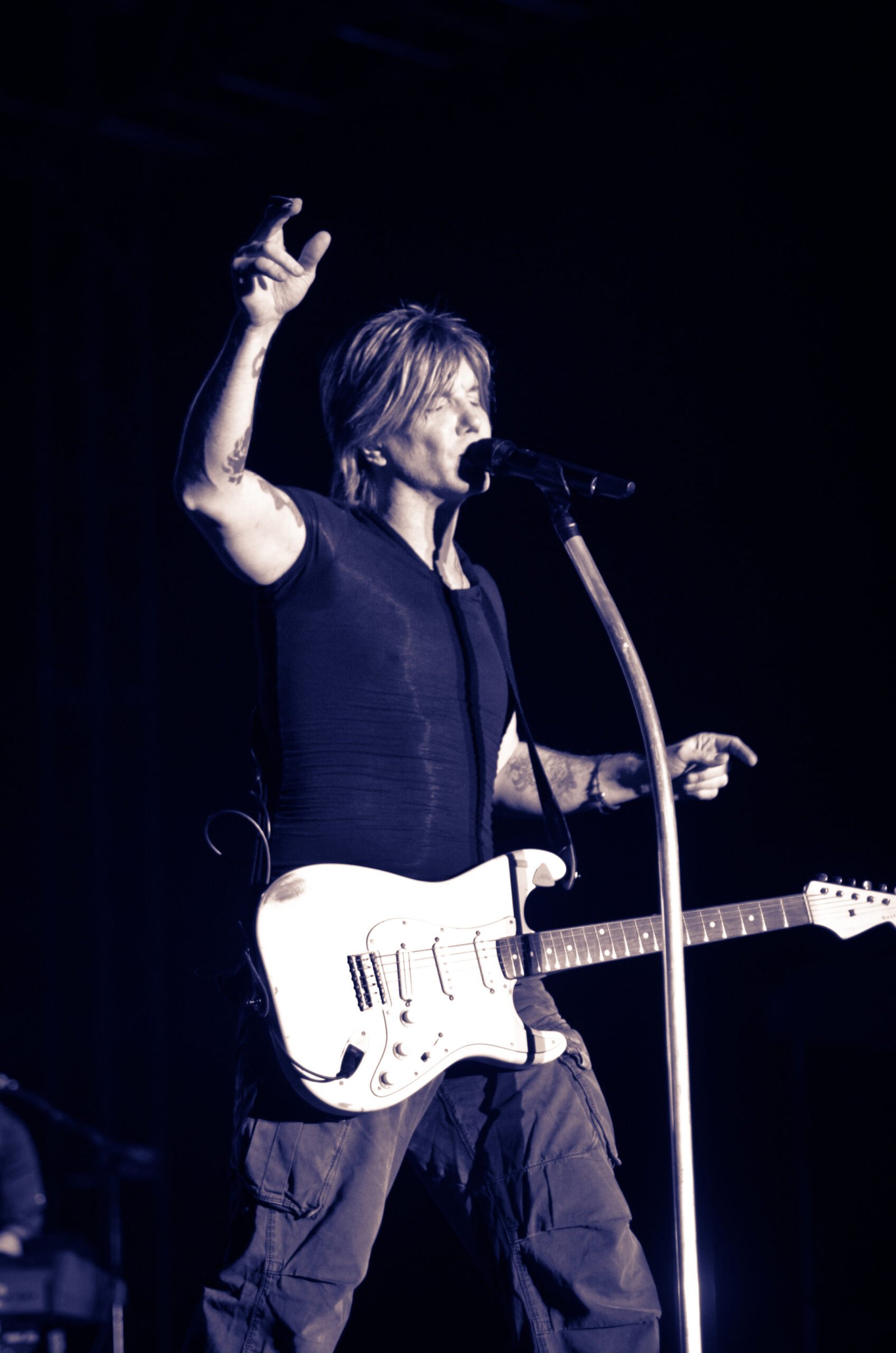
Slide is a 90s alternative classic with a sunny guitar riff and heartfelt vocals. But the lyrics dive into the story of a young couple grappling with the decision to have an abortion. Johnny Rzeznik, the band’s frontman, has confirmed the theme in several interviews. The song’s upbeat sound has led many listeners to assume it’s a simple love song, but the underlying message is about tough choices and uncertainty. It’s a perfect example of how a radio-friendly tune can mask a much deeper dilemma.
Stacy’s Mom by Fountains of Wayne
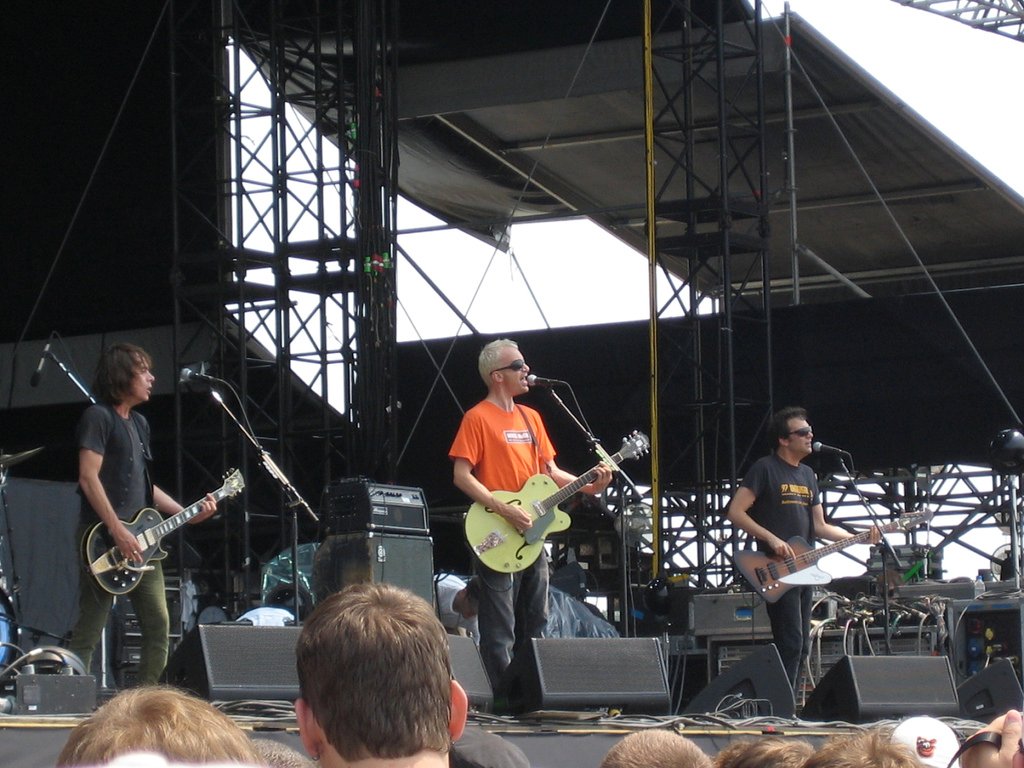
Stacy’s Mom is known for its playful melody and tongue-in-cheek lyrics. The song became an early 2000s pop-punk anthem, but it’s ultimately about an adolescent’s inappropriate obsession. The band intended the lyrics as a parody of teenage fantasies and suburban boredom. While the song sounds harmless, its story is a little uncomfortable on closer inspection. Cultural commentators have noted how the catchy chorus and humorous delivery make listeners overlook its awkwardness, cementing its place as a deceptively lighthearted track.
Goodbye Earl by The Chicks
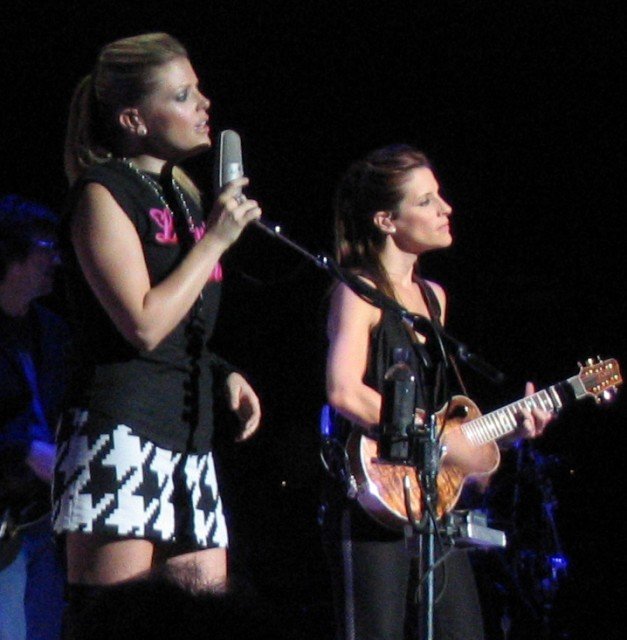
Goodbye Earl has a bouncy, country-pop sound that invites singalongs, but the lyrics tell a much darker tale. The song narrates the story of two women who murder an abusive husband. The playful tone and catchy tune contrast sharply with the theme of domestic violence and revenge. The Chicks (formerly Dixie Chicks) have said they wanted to spark conversation about abuse, but the song’s delivery has led to debates about whether it trivializes serious issues. It remains a staple in their live shows, showing the enduring power of a catchy melody.
Last Friday Night (T.G.I.F.) by Katy Perry

Last Friday Night (T.G.I.F.) is the ultimate party anthem, with a driving beat and Perry’s energetic vocals. But the lyrics detail a night of excess, regret, and questionable decisions, including blackouts and run-ins with the law. Perry has described the song as autobiographical, capturing the wildness and recklessness of youth. The upbeat sound makes the chaotic events sound fun rather than alarming, which has led to some criticism about glamorizing risky behavior. The song continues to be a favorite at celebrations, even as its message remains complicated.
Young Folks by Peter Bjorn and John
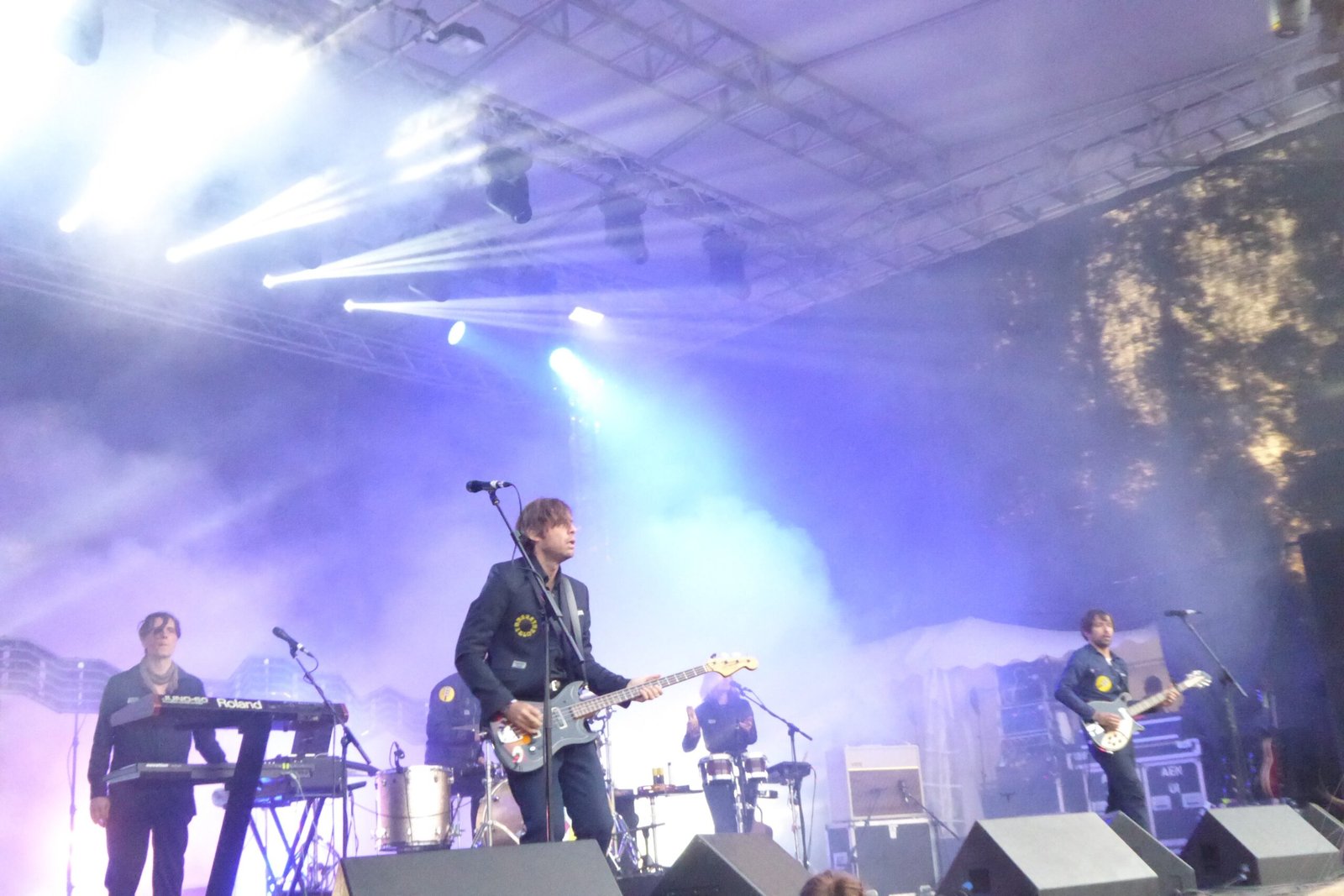
Young Folks is famous for its whistled hook and laid-back vibe, often appearing in TV shows and commercials. Yet, the lyrics hint at social alienation, uncertainty, and the struggle to connect meaningfully. The band has explained that the song is about how people are often afraid to show their true selves and the loneliness that can result. The breezy instrumentation masks this sense of isolation, making it a go-to background track for happy scenes despite its underlying sadness.
Paper Planes by M.I.A.

Paper Planes is instantly recognizable for its catchy beat and chorus of cash registers and gunshots. While it’s often played at parties, the lyrics deal with the struggles of immigration, stereotypes, and violence. M.I.A. wrote the song as a satire of how immigrants are perceived, using dark humor and irony. The upbeat sound and playful delivery make it easy to miss the pointed social commentary. The song has become a cultural touchstone, appearing in films and political discussions, showing how music can address serious topics in unexpected ways.
Lovefool by The Cardigans
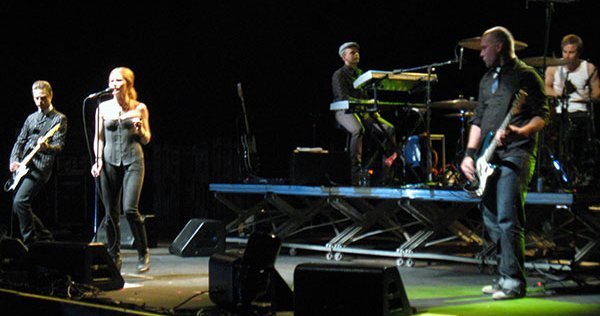
Lovefool is a bubbly pop song with a chorus that begs for love and validation. Released in the late 90s, it quickly became a global hit. However, the lyrics reveal a desperate plea for affection, even if it’s fake. The song is about self-deception and the pain of unrequited love, wrapped in a sugar-coated melody. Band members have said they wanted to capture the feeling of hopeless infatuation. The song’s enduring popularity shows how easily a catchy tune can overshadow emotional turmoil.
Chandelier by Sia

Chandelier is known for its soaring vocals and energetic production, making it a favorite on radio and streaming platforms. But Sia wrote the song about her struggles with addiction and self-destruction. The lyrics describe the highs and lows of using alcohol to escape pain, with the “chandelier” symbolizing reckless abandon. Sia has been candid about her mental health battles, and the song has resonated with many who face similar challenges. The upbeat sound has led some listeners to miss the dark message, but for others, it’s a raw and honest anthem.
Some Nights by fun.
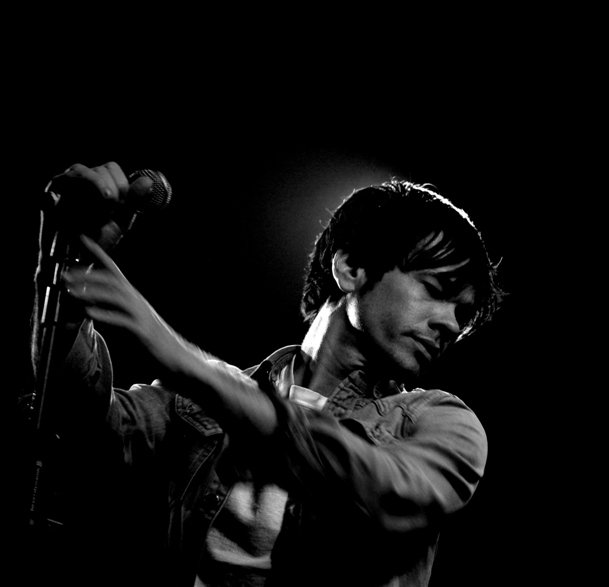
Some Nights is an anthem of self-doubt and existential crisis, dressed up in a jubilant, marching-band style. The lyrics question the meaning of life and the sacrifices people make for success. Lead singer Nate Ruess has described it as a reflection on personal struggles and uncertainty about the future. The triumphant sound and singalong chorus can make it feel uplifting, but the words tell a story of confusion and searching for purpose. The song became an international hit, proving once again how music can make difficult emotions feel strangely celebratory.

Besides founding Festivaltopia, Luca is the co founder of trib, an art and fashion collectiv you find on several regional events and online. Also he is part of the management board at HORiZONTE, a group travel provider in Germany.
