


- Celebrities With Surprisingly Impressive Academic Backgrounds - December 9, 2025
- The Surprising Origins of Your Favorite Childhood Nursery Rhymes - December 9, 2025
- Forgotten Pop Culture Trends That Deserve a Comeback - December 9, 2025
1. Billie Eilish – “All the Good Girls Go to Hell”

Billie Eilish shocked the world with her haunting song “All the Good Girls Go to Hell,” released in 2019. The track uses biblical imagery to highlight the devastating effects of climate change, directly referencing California wildfires and rising sea levels. Eilish has been outspoken about climate action, and her lyrics make pointed references to government inaction. According to NASA, California experienced its worst wildfire season on record in 2020, burning over 4.2 million acres. Eilish’s music video further amplifies the message, showing her wading through oily water and burning landscapes. This song is a cry for help, echoing the fears of a generation growing up in a world of environmental uncertainty. It’s become an anthem for climate activists, especially among young Americans. The track’s reach on social media, with millions of views, demonstrates how music can be a powerful tool in raising climate awareness.
2. Childish Gambino – “Feels Like Summer”

Childish Gambino’s “Feels Like Summer” disguises a serious warning inside a laid-back groove. The lyrics mention melting glaciers and animals disappearing, painting a picture of a warming planet. According to NOAA, the average summer temperature in the United States has increased by almost 2°F since 1970, resulting in more frequent and severe heatwaves. Gambino’s song quietly laments these changes, with a music video featuring surreal images of melting and transformation. The song’s understated tone makes its message even more chilling, reminding listeners that the climate crisis is creeping up on us even when we aren’t paying attention. The emotional impact is real; it feels both nostalgic and unsettling, mirroring the strange familiarity of our changing world.
3. Joni Mitchell – “Big Yellow Taxi”

Joni Mitchell’s “Big Yellow Taxi” is a classic, first released in 1970, but its message feels more urgent than ever. The iconic line “They paved paradise and put up a parking lot” captures the ongoing tension between nature and development. In the U.S., the rate of land development has quadrupled since the song’s release, according to the U.S. Geological Survey. Mitchell’s lyrics tackle deforestation, pesticide use, and the loss of green spaces—issues now exacerbated by climate change. The song’s bright melody contrasts with its sobering reality, making it both catchy and thought-provoking. Recent covers by artists like Counting Crows have kept the song relevant, introducing its message to new generations. “Big Yellow Taxi” remains a rallying cry against the destruction of America’s natural beauty.
4. Lil Dicky – “Earth”

Lil Dicky’s 2019 single “Earth” brought together dozens of celebrities to deliver a playful yet powerful message about saving the planet. The song features statistics about pollution, animal extinction, and climate change, all wrapped up in a catchy, animated video. According to the EPA, methane emissions from agriculture and landfills are a major contributor to global warming, and the song calls attention to these issues. “Earth” has been used in classrooms and environmental campaigns to engage younger audiences. The track’s humorous tone doesn’t diminish its serious message; instead, it invites listeners to care about the planet by making the crisis feel personal and urgent. The song’s wide reach—over 400 million views on YouTube—shows how pop culture can amplify climate awareness.
5. Neil Young – “After the Gold Rush”

Neil Young’s “After the Gold Rush,” released in 1970, is a prophetic meditation on environmental destruction. The lyrics imagine a future where humanity must leave Earth due to its ruined state. According to the Intergovernmental Panel on Climate Change (IPCC), the window to avoid catastrophic warming is rapidly closing. Young’s references to “silver spaceships” and “mother nature on the run” have only become more poignant with time. The song has been covered by artists like Dolly Parton and Thom Yorke, each bringing new urgency to its message. Young’s activism hasn’t slowed—he continues to speak out about climate justice and clean energy. “After the Gold Rush” stands as a haunting reminder that our choices today shape the world of tomorrow.
6. Maggie Rogers – “Fallingwater”

Maggie Rogers’s “Fallingwater” uses water as a metaphor for emotional and environmental upheaval. Released in 2018, the song arrived as the U.S. faced historic floods and hurricanes, some intensified by climate change. According to the National Oceanic and Atmospheric Administration (NOAA), the U.S. experienced 22 separate billion-dollar weather disasters in 2020 alone, many involving floods and storms. Rogers’s lyrics evoke both the beauty and the danger of water, capturing the tension Americans feel as weather grows more unpredictable. The song’s swelling chorus feels like a rainstorm—overwhelming and unstoppable. Rogers has spoken about her love for nature, and “Fallingwater” is a tribute to both its power and fragility. The track resonates with anyone who has watched their landscape change before their eyes.
7. Lana Del Rey – “The Greatest”

Lana Del Rey’s “The Greatest” is a wistful reflection on a world in decline. The song references California’s wildfires and the pervasive sense of loss felt by many Americans. According to Cal Fire, wildfires in California have become more frequent and severe since 2015, with billions in damages and thousands displaced. Del Rey’s lyrics mourn the loss of innocence and environmental stability, blending personal nostalgia with public tragedy. The song’s dreamy production belies the seriousness of its subject, creating a sense of longing for a safer, greener past. Del Rey’s voice captures the exhaustion and resignation many feel as climate disasters become routine. The track feels like a slow-burning elegy for the American West.
8. Tracy Chapman – “The Rape of the World”

Tracy Chapman’s “The Rape of the World” is a powerful indictment of environmental exploitation. The song addresses pollution, deforestation, and the poisoning of the earth—issues that have only intensified since its release. According to a 2023 EPA report, air and water pollution remain persistent problems in many U.S. regions, disproportionately affecting marginalized communities. Chapman’s lyrics are direct and uncompromising, holding humanity accountable for the damage caused. The song’s somber tone matches the gravity of its message, urging listeners to consider the consequences of inaction. Chapman’s voice is both mournful and urgent, calling for a fundamental shift in how we treat the planet.
9. X Ambassadors – “Boom”

X Ambassadors’ “Boom” isn’t explicitly about climate change, but its driving beat and explosive imagery have been adopted by environmental campaigns. The song’s use in climate protests underscores the sense of urgency and upheaval in the fight for the planet. According to the Yale Program on Climate Change Communication, two-thirds of Americans now say they are worried about global warming. The relentless energy of “Boom” mirrors the momentum of grassroots climate movements across the country. Its repetitive chorus—“Boom, boom, boom”—feels like a rallying cry, echoing the drumbeat of protest and the ticking clock of climate deadlines. The song’s adaptability has made it a favorite for activists and organizers.
10. Marvin Gaye – “Mercy Mercy Me (The Ecology)”
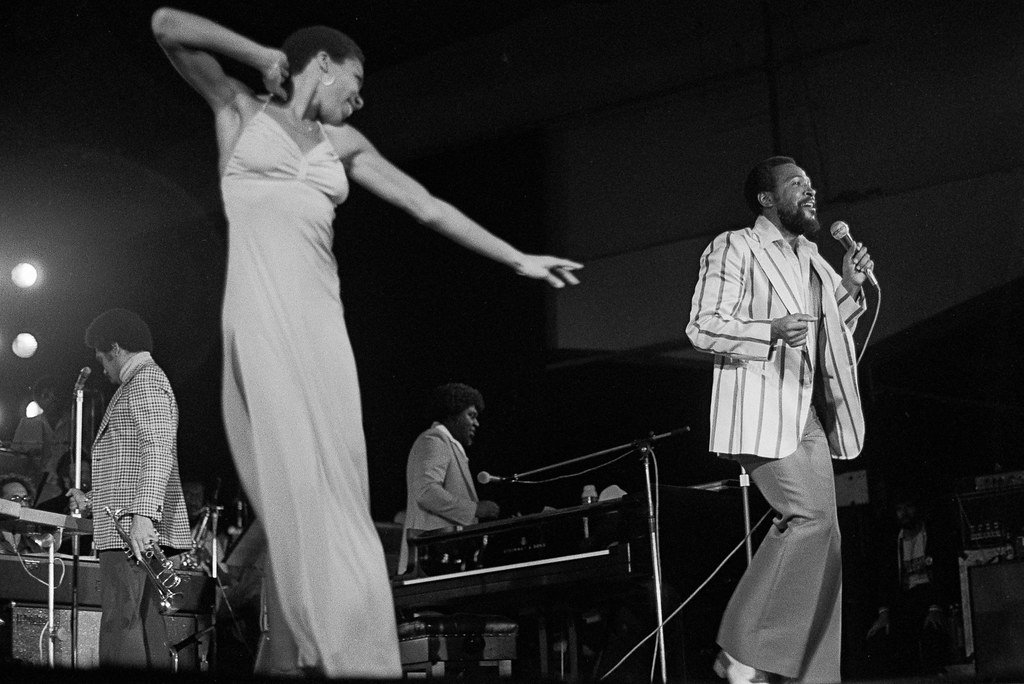
Marvin Gaye’s soulful classic “Mercy Mercy Me (The Ecology)” was released in 1971, at the dawn of the modern environmental movement. The song laments air pollution, oil spills, and toxic waste—issues that still plague America today. According to the EPA, over 70 million Americans live in counties with unhealthy air quality as of 2024. Gaye’s smooth voice and heartfelt lyrics make the song both beautiful and heartbreaking. His concern for the planet was ahead of its time, and the song has become a touchstone for environmental justice. The track’s enduring popularity is a testament to its relevance, as new generations discover its urgent message.
11. Hozier – “Jackie and Wilson”

Hozier’s “Jackie and Wilson” doesn’t focus solely on climate change, but it contains pointed references to environmental collapse and the hope for renewal. Released in 2014, the song’s lyrics touch on rising tides and the need to “raise a little hell”—a nod to the activism sweeping the U.S. Hozier often weaves themes of nature and resistance into his work, reflecting a broader cultural anxiety about the future. According to a 2024 Pew Research poll, climate change ranks among the top concerns for Americans under 30. The song’s upbeat melody contrasts with its underlying seriousness, making it both enjoyable and thought-provoking. Hozier’s music encourages listeners to fight for a better world, even when the odds seem daunting.
12. Pearl Jam – “Quick Escape”

Pearl Jam’s “Quick Escape” is a hard-hitting rock song that imagines a world so damaged by climate change that escape seems the only option. Released in 2020, the track comes at a time when climate-driven disasters are pushing people from their homes at record rates. According to the Internal Displacement Monitoring Centre, over 1.7 million Americans were displaced by weather disasters in 2023. Pearl Jam’s urgent sound and apocalyptic lyrics channel the anxiety many feel about the future. The song is both a warning and a call to action, urging listeners to confront the crisis before there’s nowhere left to run. Pearl Jam has long been involved in environmental advocacy, donating to clean energy and conservation efforts.
13. Sufjan Stevens – “The Only Thing”

Sufjan Stevens’s “The Only Thing” is a quiet, contemplative song that reflects the personal side of living in a world threatened by climate change. The lyrics mention “signs and wonders,” hinting at the strange weather and natural disasters Americans now face regularly. According to the U.S. Global Change Research Program, the frequency and intensity of extreme weather events have increased significantly in the past decade. Stevens’s gentle vocals and introspective songwriting capture the uncertainty and vulnerability many feel. The song’s understated beauty makes its message all the more powerful, inviting listeners to find meaning and hope even in difficult times. Stevens’s work often explores the intersection of nature and spirituality.
14. John Mayer – “Waiting on the World to Change”

John Mayer’s hit “Waiting on the World to Change” has become an accidental anthem for a generation frustrated by inaction on climate and other issues. Released in 2006, the song’s lyrics express a sense of powerlessness that resonates with many Americans watching the slow pace of climate policy. According to a 2024 Gallup poll, just 27% of Americans are satisfied with government efforts to address climate change. Mayer’s mellow sound and relatable message make the song both comforting and challenging. The track encourages listeners to stay hopeful and engaged, even when change feels out of reach. Its popularity endures, serving as a reminder that waiting is not enough.
15. Phoebe Bridgers – “I Know the End”

Phoebe Bridgers’s “I Know the End” captures the apocalyptic mood hanging over much of America as climate disasters multiply. The song’s imagery of highways, storms, and sirens is eerily reminiscent of real-life evacuations and extreme weather events. According to FEMA, climate-related disasters caused over $165 billion in damages in the U.S. in 2023. Bridgers’s lyrics blend personal and collective anxiety, creating a sense of impending doom that feels all too familiar. The song’s explosive finale channels the chaos and fear of a nation on the brink. Bridgers’s raw honesty has made her a voice for young people grappling with climate grief and uncertainty.
16. Bon Iver – “Holocene”

Bon Iver’s “Holocene” takes its name from the current geological epoch, one now threatened by human-driven climate change. The song’s ethereal soundscape and introspective lyrics evoke the beauty and fragility of the natural world. According to the National Climate Assessment, the U.S. has lost millions of acres of forest and wetland in the past decade. Bon Iver’s music encourages listeners to reflect on their place in the world and their responsibility to protect it. The song’s gentle melancholy mirrors the sorrow many feel as familiar landscapes disappear. “Holocene” has been used in environmental documentaries and campaigns, highlighting its resonance with climate themes.
17. The 1975 – “The 1975 (feat. Greta Thunberg)”

The 1975’s self-titled track featuring activist Greta Thunberg is a spoken-word call to arms. Released in 2019, the song features Thunberg urging listeners to “wake up” and take immediate action on climate. According to the United Nations, the next five years are likely to be the warmest on record, with global temperatures expected to rise by 1.5°C above pre-industrial levels. The song’s stark message and atmospheric sound create a sense of urgency unmatched by most pop music. The 1975 has used its platform to support climate strikes and environmental organizations. Thunberg’s words are a rallying cry for Americans and others to demand change from their leaders.
18. Bruce Springsteen – “57 Channels (And Nothin’ On)”
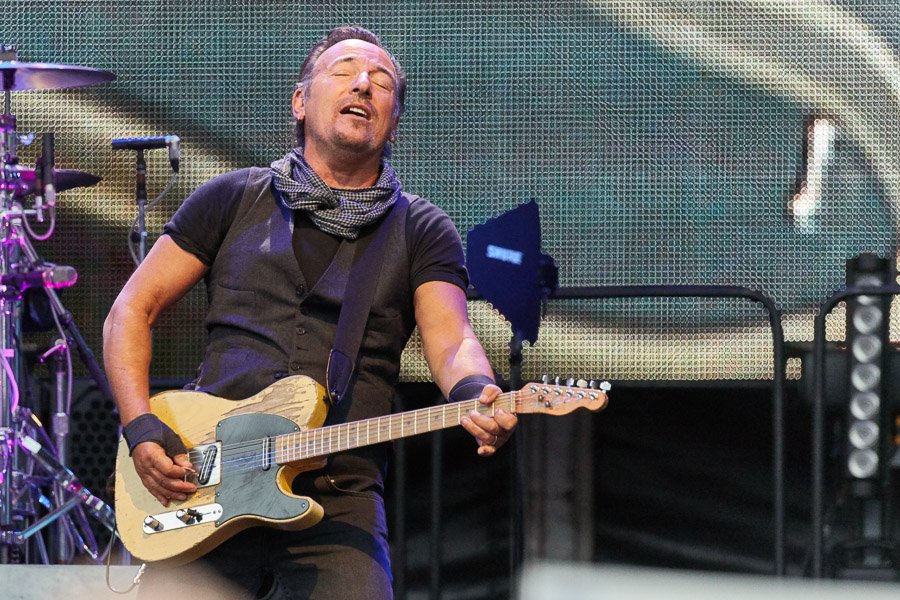
Bruce Springsteen’s “57 Channels (And Nothin’ On)” is a critique of modern American life, including its environmental consequences. The song’s reference to “nothing on” can be read as a metaphor for society’s distraction while the climate crisis worsens. According to a 2024 Nielsen report, Americans spend an average of 4 hours a day watching screens, often at the expense of engaging with real-world issues. Springsteen’s dry humor and driving beat highlight the disconnect between media saturation and meaningful action. The song reminds listeners that awareness is not enough; real change requires turning off the screens and getting involved.
19. Imagine Dragons – “Thunder”

Imagine Dragons’ “Thunder” has been adopted by climate activists for its explosive energy and message of resilience. While not written specifically about the climate crisis, its lyrics about facing adversity and breaking free have been used in climate marches and campaigns. According to the Union of Concerned Scientists, 2024 saw record-breaking numbers of extreme weather events in the U.S., including hurricanes and wildfires. The song’s pounding beat and uplifting chorus make it a favorite for protest playlists. “Thunder” captures the determination of Americans fighting for a safer, more sustainable future. Its popularity on streaming platforms has helped keep the conversation about climate alive.
20. Michael Jackson – “Earth Song”
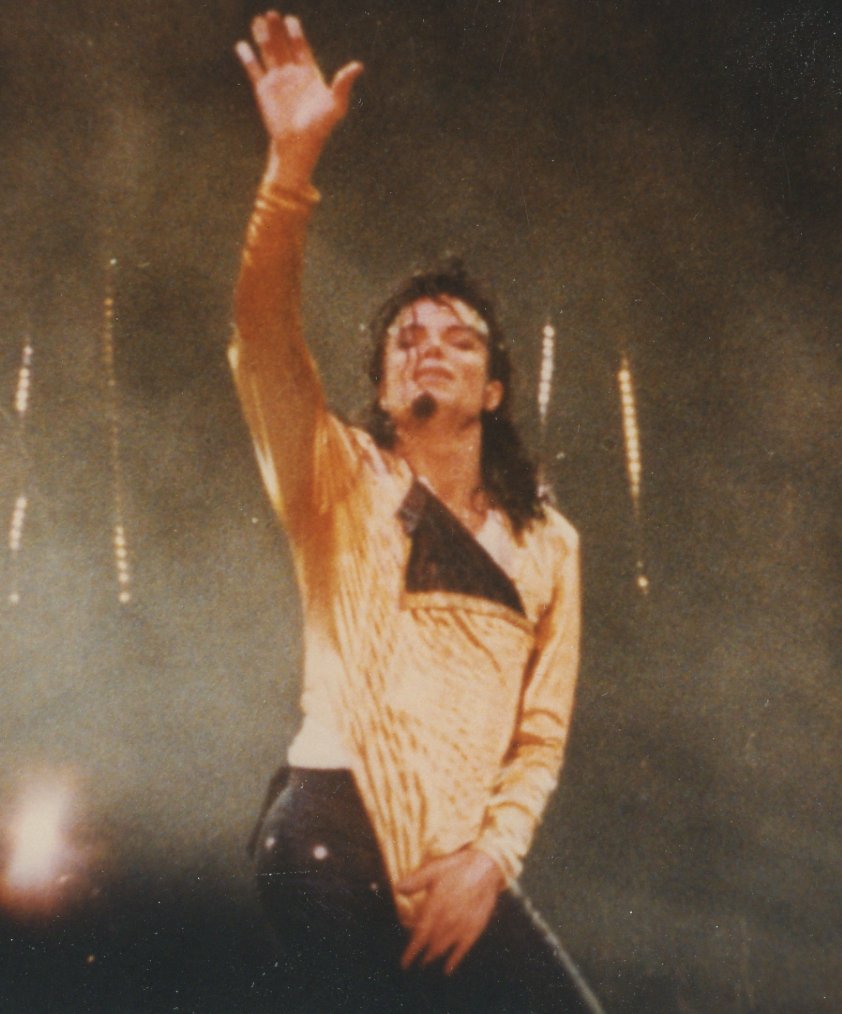
Michael Jackson’s “Earth Song” is a sweeping ballad that asks, “What about us?”—a plea for attention to the planet’s suffering. The song addresses deforestation, pollution, and animal extinction, issues that remain urgent in the U.S. and around the world. According to the World Wildlife Fund, America has lost over 3 billion birds since 1970, largely due to habitat loss and climate change. Jackson’s passionate vocals and dramatic arrangement make the song unforgettable. “Earth Song” has been performed at numerous benefit concerts and remains a staple of environmental campaigns. Its message is simple: the time to act is now.

Besides founding Festivaltopia, Luca is the co founder of trib, an art and fashion collectiv you find on several regional events and online. Also he is part of the management board at HORiZONTE, a group travel provider in Germany.
