

- The 20 Impossible 60s–70s Music Quiz for Hardcore Fans - December 21, 2025
- 14 Songs That Were Almost Never Released – And Changed Everything - December 21, 2025
- 20 Epic Coming-of-Age Books You Wish You Read Sooner - December 21, 2025
1. “I Will Survive” by Gloria Gaynor (1978)
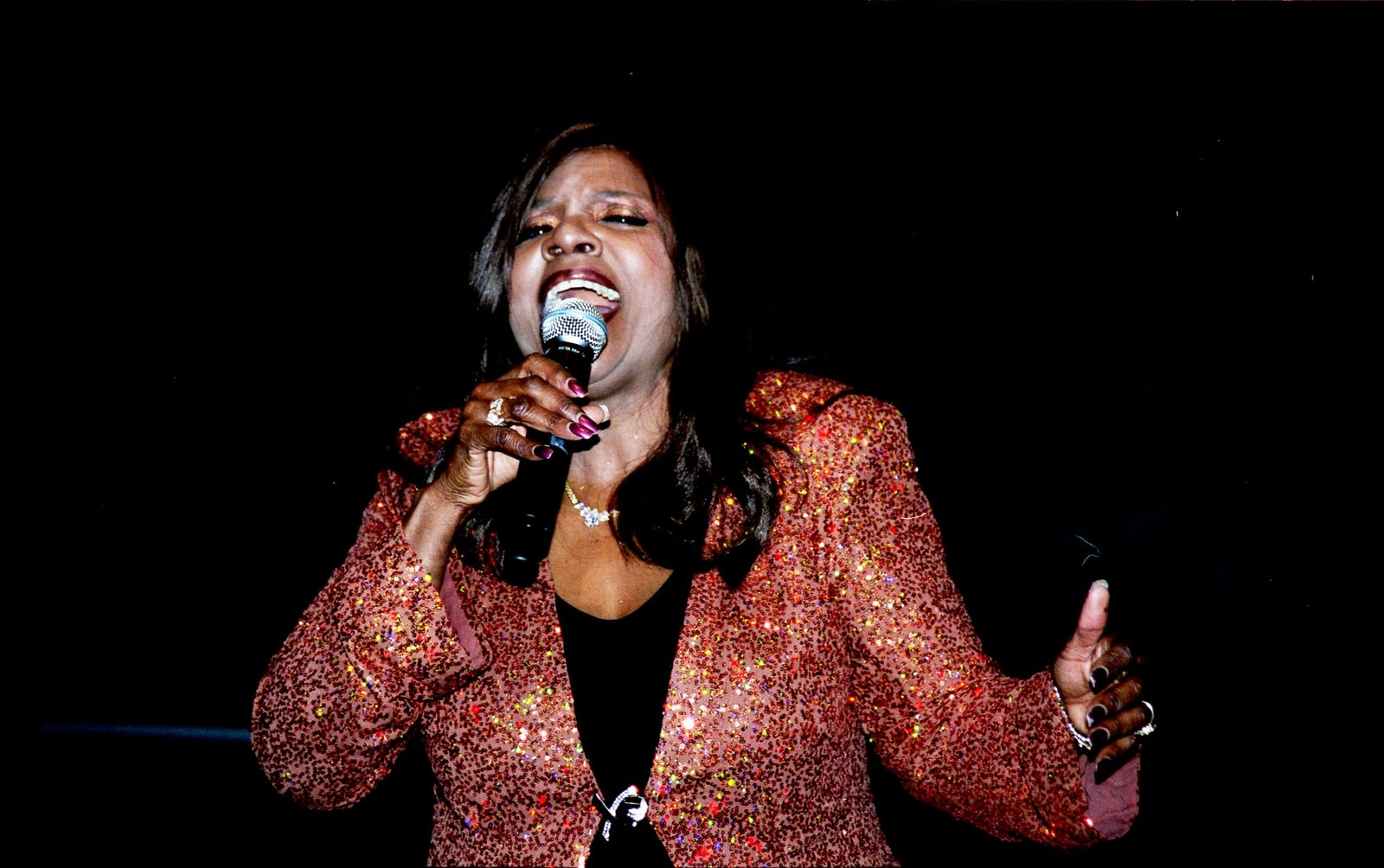
Uploaded by tm, CC BY 2.0, https://commons.wikimedia.org/w/index.php?curid=24146040)
Few songs have become as synonymous with resilience as “I Will Survive.” Released in 1978, this disco anthem quickly found a special place in LGBTQ+ clubs and pride parades. The lyrics, filled with strength and independence, resonated with many queer Americans facing discrimination and adversity. According to Billboard, the song’s popularity soared during the AIDS crisis, serving as a rallying cry for those fighting for their lives and their rights. It remains a staple at pride events, where its message of hope still rings true for new generations. Many credit “I Will Survive” with helping to shape the soundtrack of LGBTQ+ liberation, and it’s frequently listed in polls as one of the most important queer anthems of all time.
2. “Born This Way” by Lady Gaga (2011)
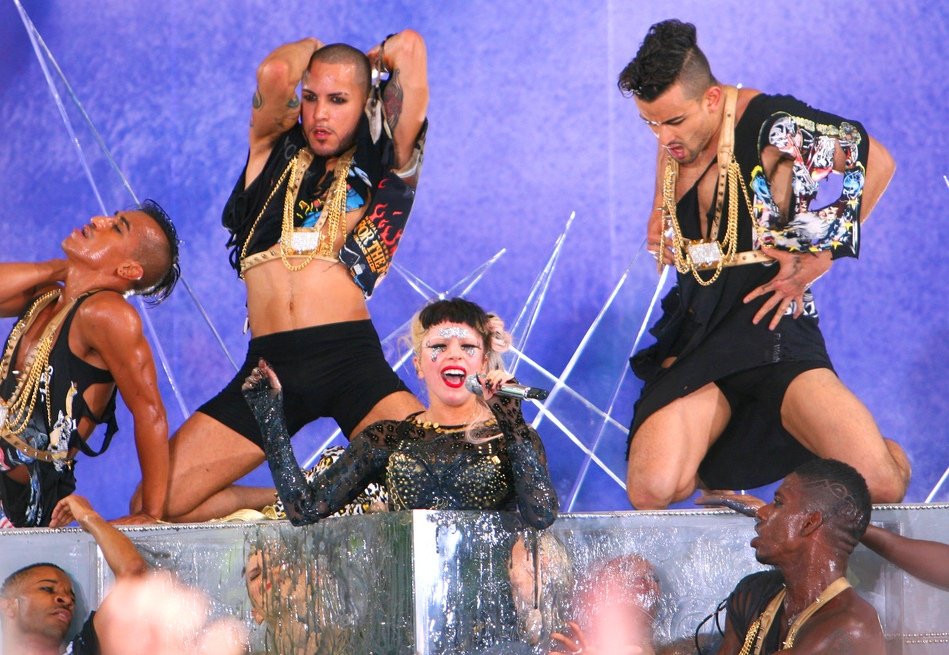
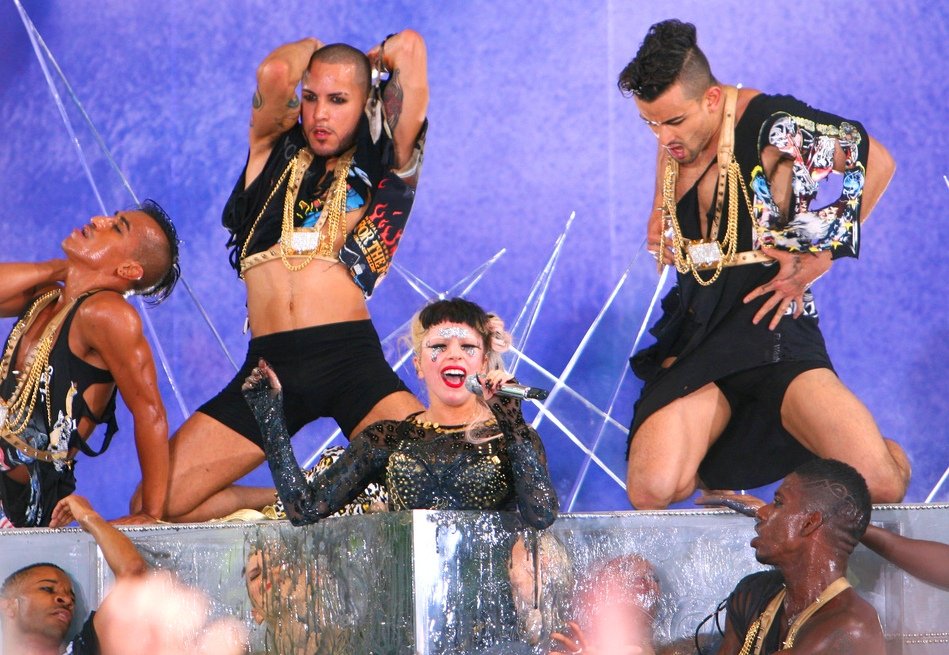
Lady Gaga’s “Born This Way” was a watershed moment for LGBTQ+ visibility in mainstream pop. Released in 2011, the song immediately sparked conversation with its unapologetic celebration of self-acceptance, no matter one’s sexual orientation or gender identity. It reached number one on the Billboard Hot 100 and was embraced by activists as a modern gay anthem, even inspiring the Born This Way Foundation to combat bullying. The lyrics, “No matter gay, straight, or bi, lesbian, transgender life,” directly address and empower LGBTQ+ listeners. By 2024, “Born This Way” was still being cited in research on music’s impact on queer youth, with many young people reporting that it made them feel seen and supported.
3. “True Colors” by Cyndi Lauper (1986)

When “True Colors” was released in 1986, it was quickly adopted as an anthem for authenticity and acceptance. Cyndi Lauper’s gentle vocal delivery and the heartfelt lyrics struck a chord with LGBTQ+ listeners, especially during the height of the AIDS epidemic. Lauper herself has been an outspoken ally, founding the True Colors Fund to support homeless LGBTQ+ youth. Surveys conducted over the years have shown that “True Colors” continues to be played at pride events and LGBTQ+ memorials, showing the enduring impact of the song’s message. Its legacy lives on, with many citing it as a source of comfort and courage during difficult times.
4. “YMCA” by Village People (1978)
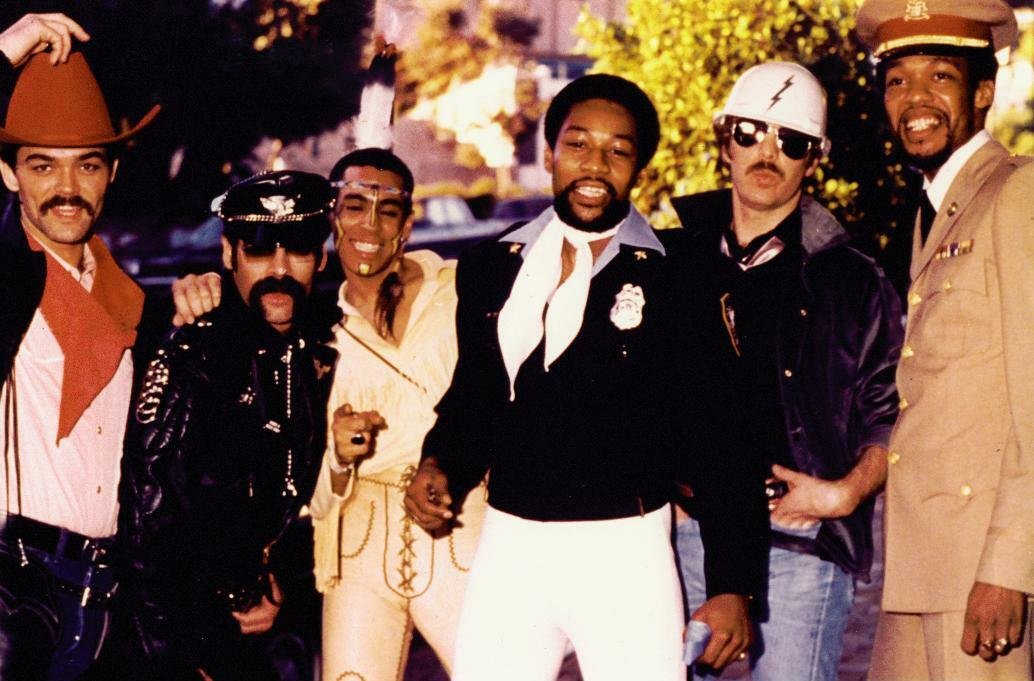
Few songs have had the cross-generational appeal of “YMCA.” Back in 1978, the Village People’s campy, infectious hit was already a staple in gay clubs, but it quickly crossed over to mainstream success. The lyrics, which reference a popular gathering spot for gay men, are delivered with a knowing wink, making it both a coded message and a celebration. In recent years, “YMCA” has been inducted into the Library of Congress’s National Recording Registry, citing its cultural and social significance. It’s still a must-play at LGBTQ+ celebrations, where crowds eagerly spell out the chorus with their arms.
5. “Freedom! ’90” by George Michael (1990)
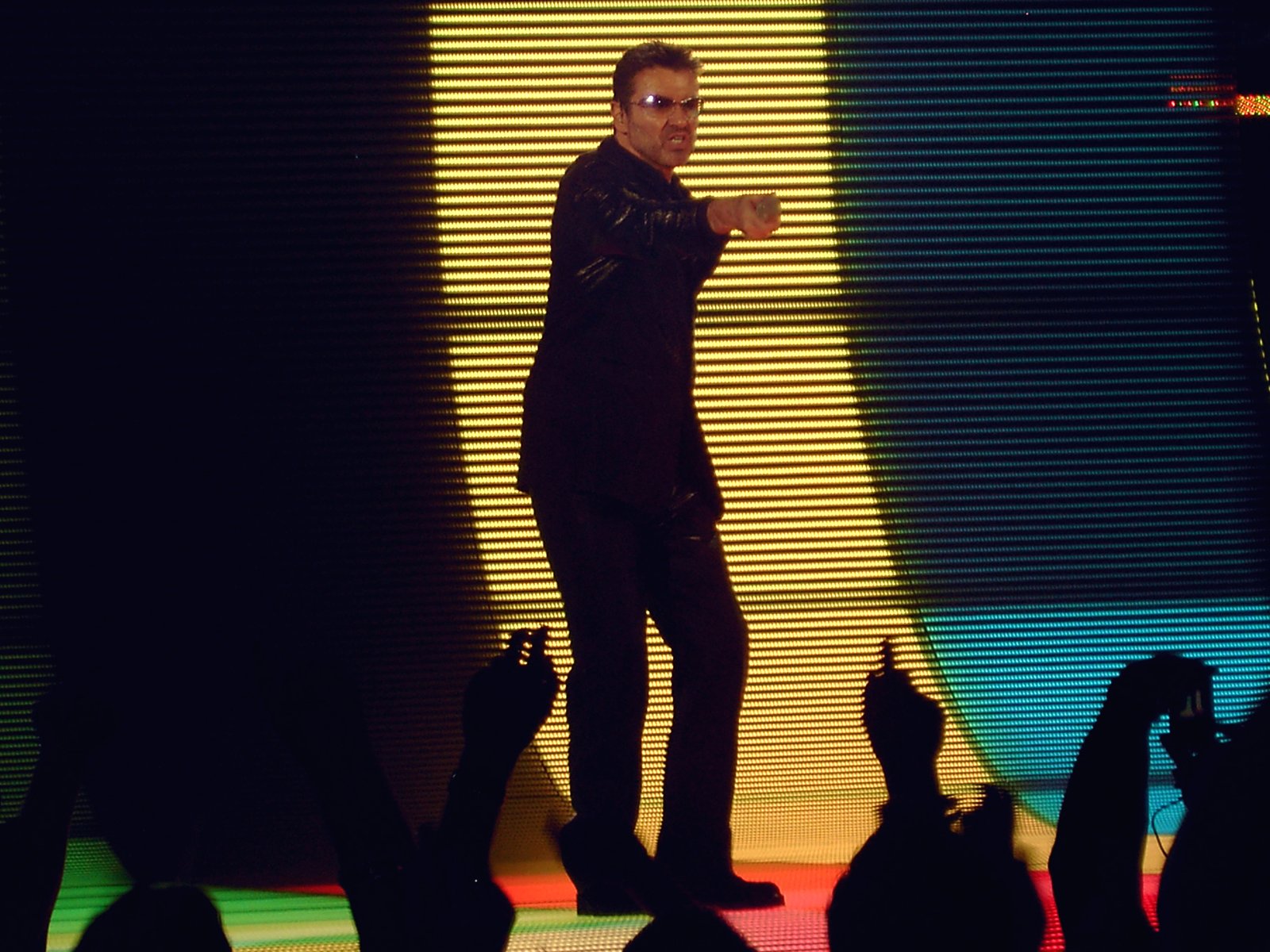
George Michael’s “Freedom! ’90” became an LGBTQ+ anthem even before Michael publicly came out. The song’s lyrics about liberation and breaking free from expectations struck a chord with queer audiences, especially those feeling pressure to hide their true selves. After Michael’s coming out in 1998, the song took on even more significance, with Rolling Stone calling it “a declaration of pride and self-love.” Data from Spotify in 2023 showed a spike in streams of “Freedom! ’90” each June, as pride celebrations ramp up across the United States.
6. “I’m Coming Out” by Diana Ross (1980)
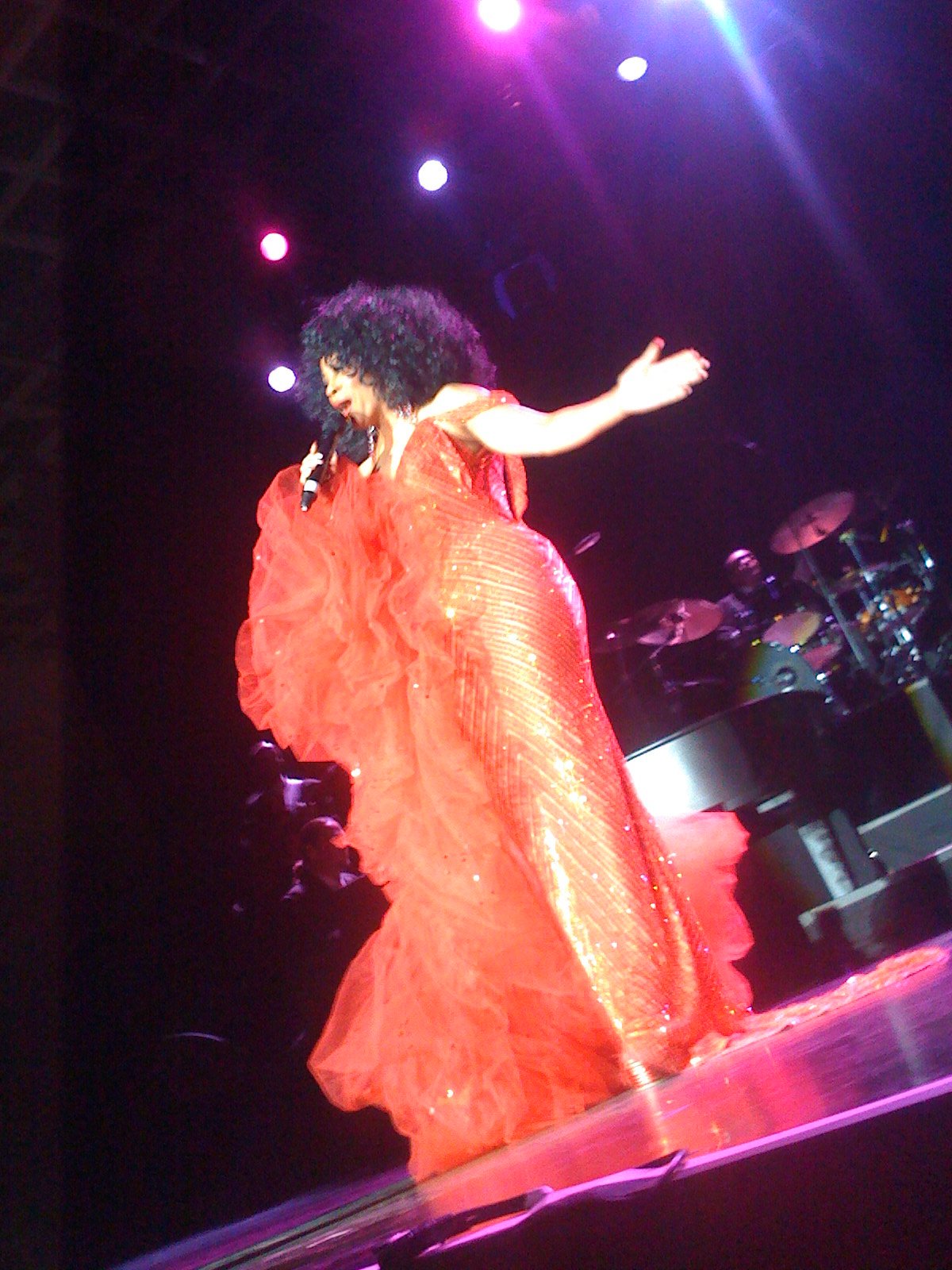
“I’m Coming Out” is one of Diana Ross’s most beloved hits, and its message has only grown more powerful over the decades. Written by Nile Rodgers and Bernard Edwards of Chic, the song was inspired by drag queens imitating Ross at a New York club. Its infectious beat and straightforward lyrics made it an instant classic, especially within the LGBTQ+ community. Over time, “I’m Coming Out” has become almost synonymous with the process of coming out, and it’s regularly played at pride events and on National Coming Out Day. According to NPR, it’s one of the most-requested songs at LGBTQ+ weddings and celebrations.
7. “Over the Rainbow” by Judy Garland (1939)
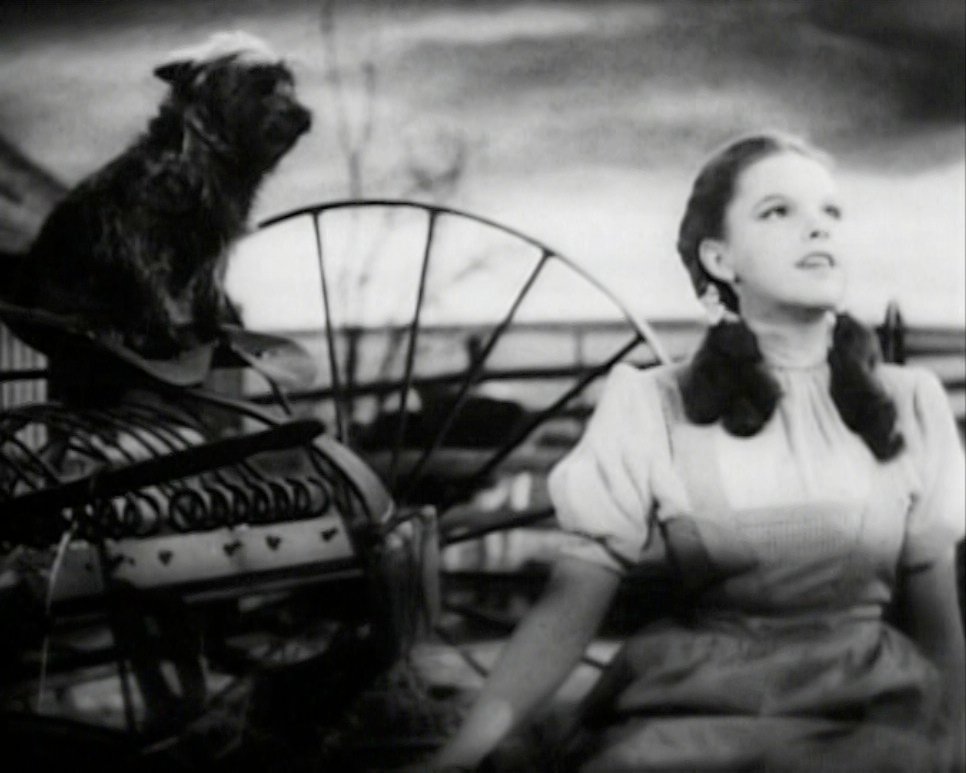
“Over the Rainbow” from The Wizard of Oz has a unique place in LGBTQ+ history. Judy Garland, widely considered a gay icon, performed the song in 1939, and it became a symbol of hope for many struggling with their identities. During the 1960s, the phrase “friend of Dorothy” became a code word for gay men, referencing Garland’s role as Dorothy. The rainbow, now the symbol of LGBTQ+ pride, was partly inspired by the song’s imagery. Even today, “Over the Rainbow” is sung at pride events and memorials, and it remains a touchstone for those seeking hope in difficult times.
8. “Vogue” by Madonna (1990)
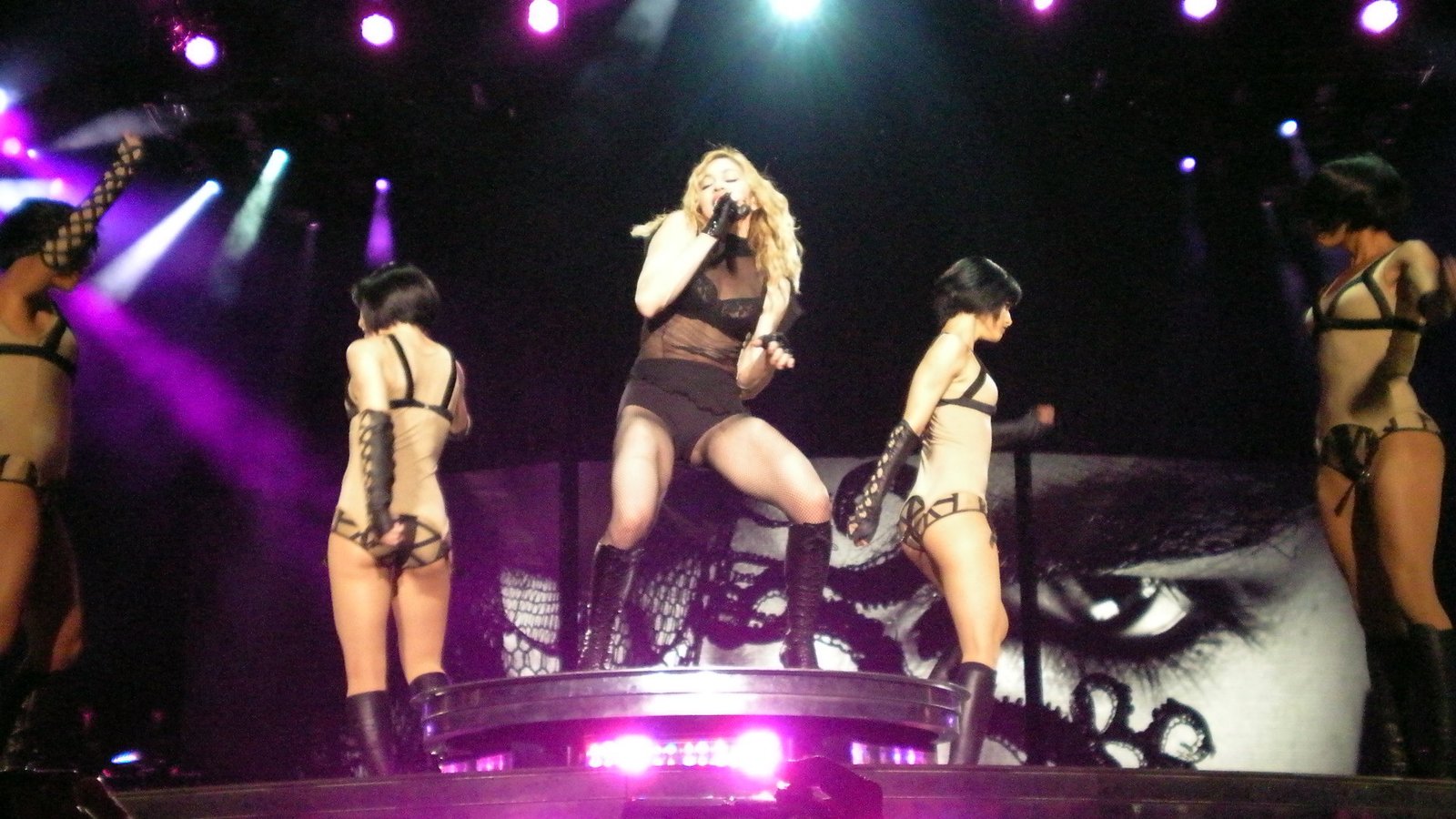
Madonna’s “Vogue” introduced the world to ballroom culture, a subculture created by Black and Latinx LGBTQ+ communities in New York. The song and its iconic video brought voguing to mainstream audiences, and Madonna has often credited the community for inspiring her. “Vogue” not only became a dance craze, but it also helped shine a light on marginalized queer artists. According to a 2021 study from the University of Southern California, the song’s global reach led to a significant increase in awareness and acceptance of ballroom culture. “Vogue” is now seen as a celebration of self-expression and queer artistry.
9. “Smalltown Boy” by Bronski Beat (1984)
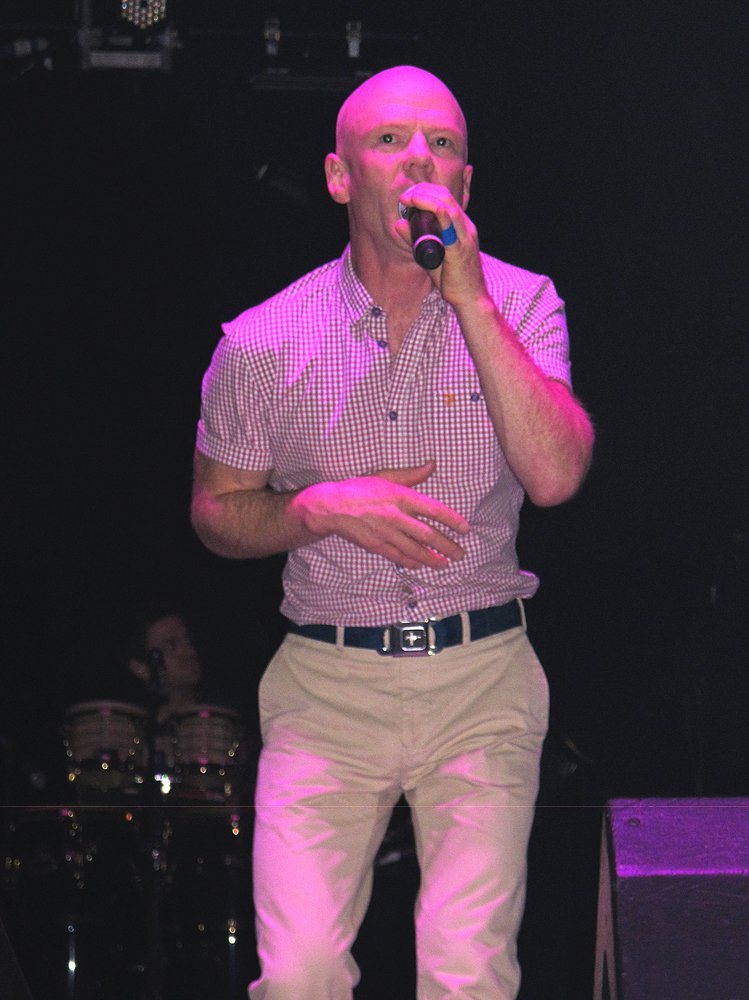
Released in 1984, “Smalltown Boy” was groundbreaking for its open depiction of homophobia and the struggles of a young gay man. The synth-pop track, written and performed by openly gay singer Jimmy Somerville, was a chart success in Europe and the US. The music video, showing the protagonist fleeing his hometown for a more accepting city, mirrored the real-life experiences of many LGBTQ+ Americans. In recent years, the song has enjoyed a resurgence as younger generations discover its powerful message. According to LGBTQ+ youth surveys, “Smalltown Boy” remains a source of solace for those feeling isolated or misunderstood.
10. “We Are Family” by Sister Sledge (1979)
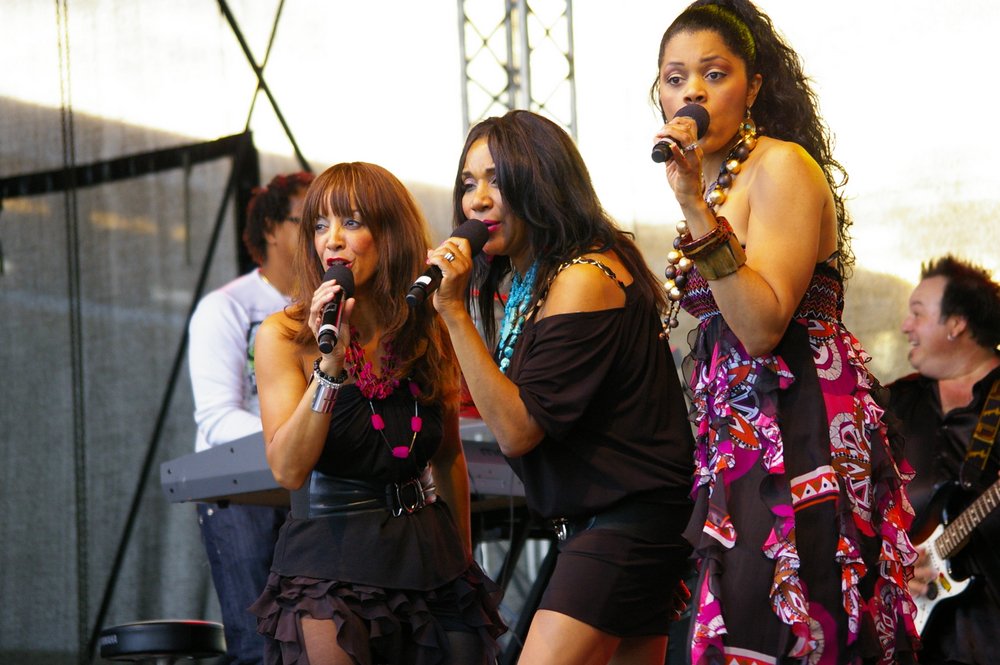
Sister Sledge’s “We Are Family” became a disco staple almost immediately after its release, and its upbeat message of unity resonated deeply with the LGBTQ+ community. The song’s lyrics about sticking together and supporting each other have made it a mainstay at pride parades and queer weddings. According to a 2023 report by NPR, “We Are Family” was one of the top five songs played at pride events across the United States. Many credit its message of chosen family for helping to foster a sense of belonging during times when LGBTQ+ people faced rejection from their biological relatives.
11. “Take Me to Church” by Hozier (2013)
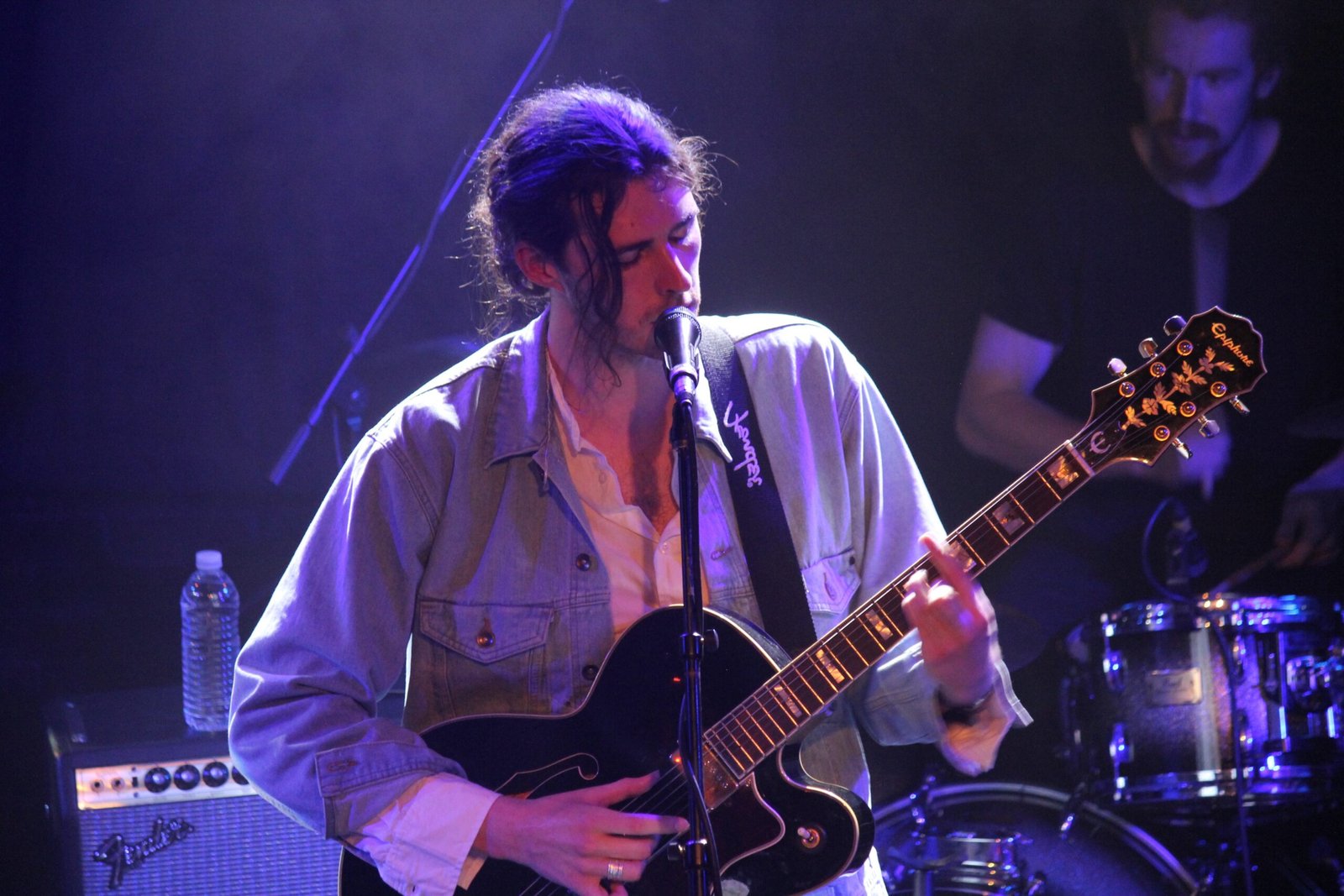
When Hozier released “Take Me to Church” in 2013, the song’s searing critique of religious homophobia struck a deep chord. Its music video, depicting a same-sex relationship facing violence and discrimination, went viral and sparked conversations about LGBTQ+ rights worldwide. The song was nominated for a Grammy and has been used in various advocacy campaigns. In a 2024 Pew Research Center survey, many LGBTQ+ Americans cited “Take Me to Church” as a song that helped them process religious trauma and find solidarity. Its bold lyrics and haunting melody have made it a modern queer classic.
12. “I Want to Break Free” by Queen (1984)
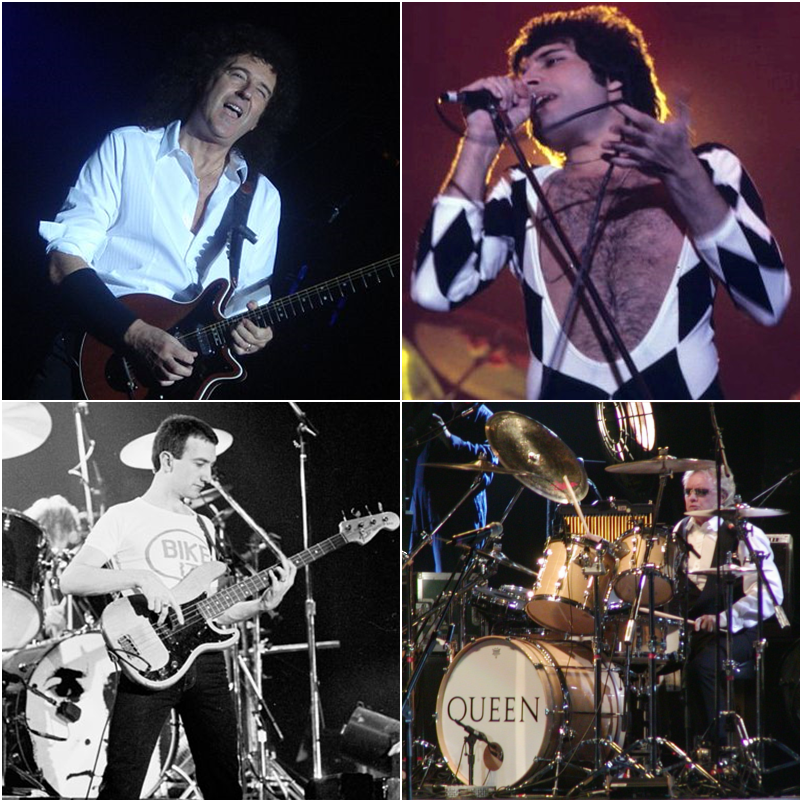
{{Cc-by-sa-2.5}} by Thomas Steffan
{{PD-self}} by Compadre Edua’h
{{Cc-by-sa-3.0}} by Carl Lender
{{Cc-by-sa-4.0}} by Fronteira, CC BY-SA 4.0, https://commons.wikimedia.org/w/index.php?curid=49368871)
Queen’s “I Want to Break Free” is remembered for its catchy chorus and the band’s cheeky cross-dressing music video. Released in 1984, the song quickly became a favorite in LGBTQ+ spaces, where its lyrics about liberation and self-acceptance resonated strongly. Freddie Mercury, the band’s iconic frontman, later became one of the most celebrated queer performers in rock history. “I Want to Break Free” has been featured in pride celebrations, drag performances, and even political protests. According to the BBC, the song has seen a resurgence in popularity in the 2020s as new generations embrace its empowering message.
13. “Beautiful” by Christina Aguilera (2002)
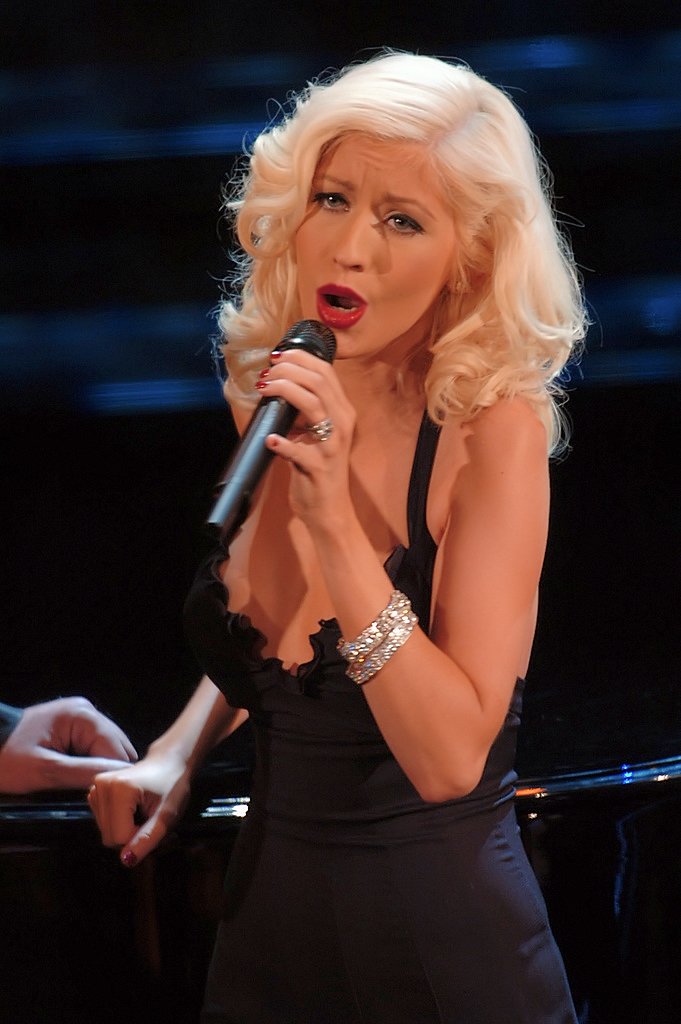
“Beautiful” struck a nerve when it debuted in 2002, offering a message of self-love that resonated across the LGBTQ+ spectrum. The music video, featuring scenes of queer couples and a transgender woman, won a GLAAD Media Award for its positive representation. Many LGBTQ+ advocacy groups have used the song in anti-bullying campaigns, and recent statistics from The Trevor Project show that “Beautiful” is still one of the most-streamed songs in LGBTQ+ youth playlists. Its message, “You are beautiful, no matter what they say,” continues to comfort those struggling with acceptance.
14. “Same Love” by Macklemore & Ryan Lewis feat. Mary Lambert (2012)
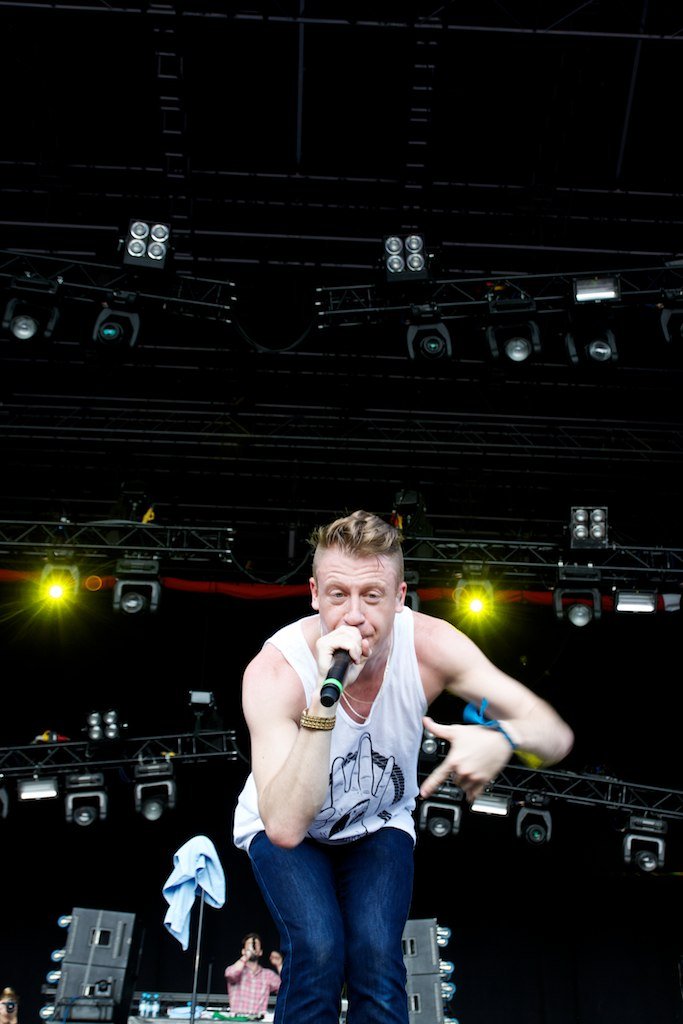
Released in 2012, “Same Love” became one of the first hip-hop songs to openly advocate for marriage equality and LGBTQ+ acceptance. The song was inspired by the push for legal same-sex marriage in Washington state and features a moving chorus sung by Mary Lambert, who is openly lesbian. “Same Love” was performed at the 2014 Grammys, where dozens of same-sex couples were married on live TV. According to Billboard, the song played a crucial role in shifting public opinion during the marriage equality debates of the 2010s.
15. “It’s Raining Men” by The Weather Girls (1982)
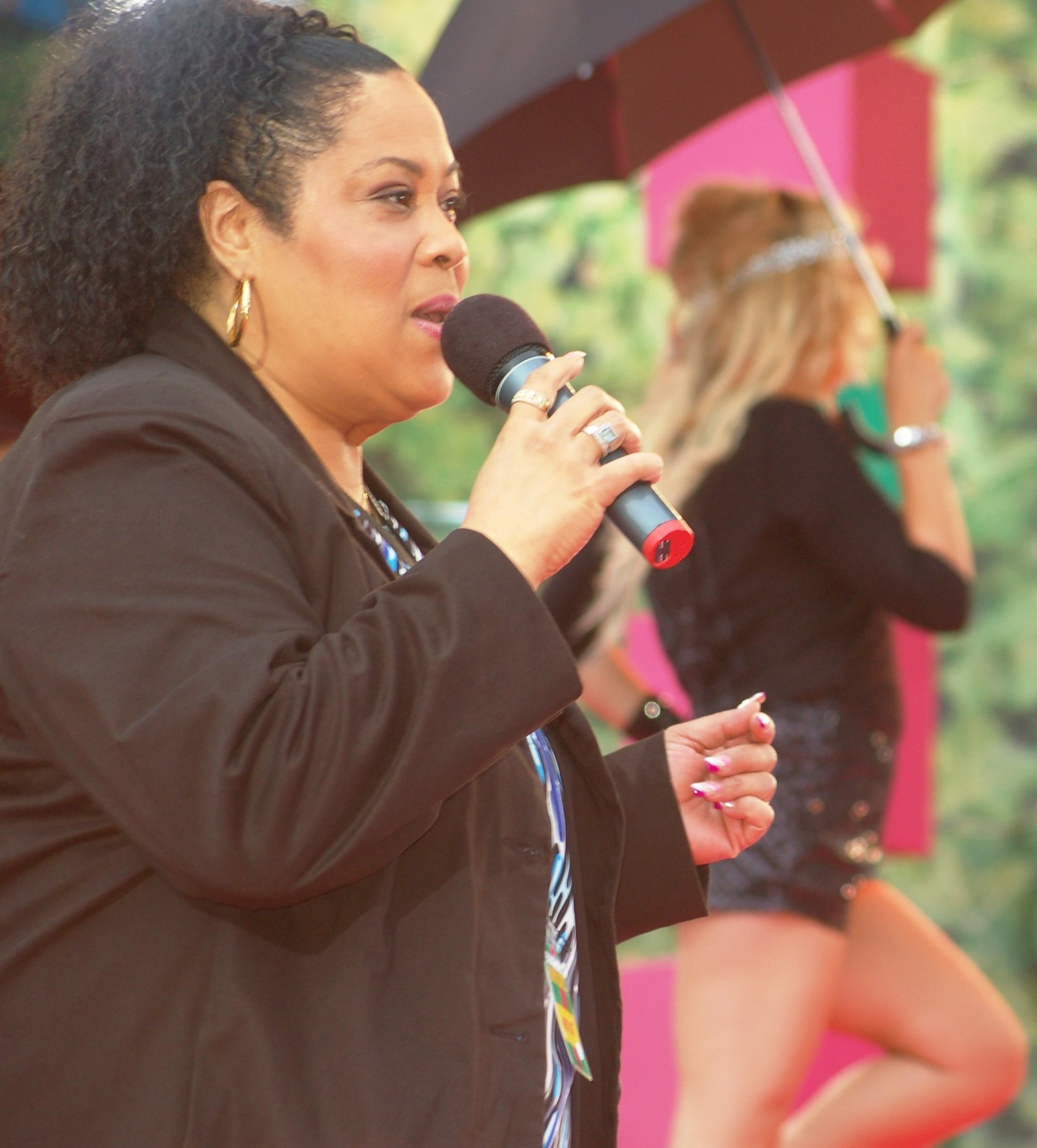
“It’s Raining Men” might be campy, but its exuberant celebration of male beauty quickly made it a gay club classic. Released in 1982, the song’s infectious energy and over-the-top lyrics have made it a favorite at pride events and drag shows. According to a 2022 poll by Out Magazine, “It’s Raining Men” is consistently ranked among the top dance songs in LGBTQ+ venues. Its influence is still felt today, with new remixes and covers keeping it fresh for each generation.
16. “Closer to Fine” by Indigo Girls (1989)
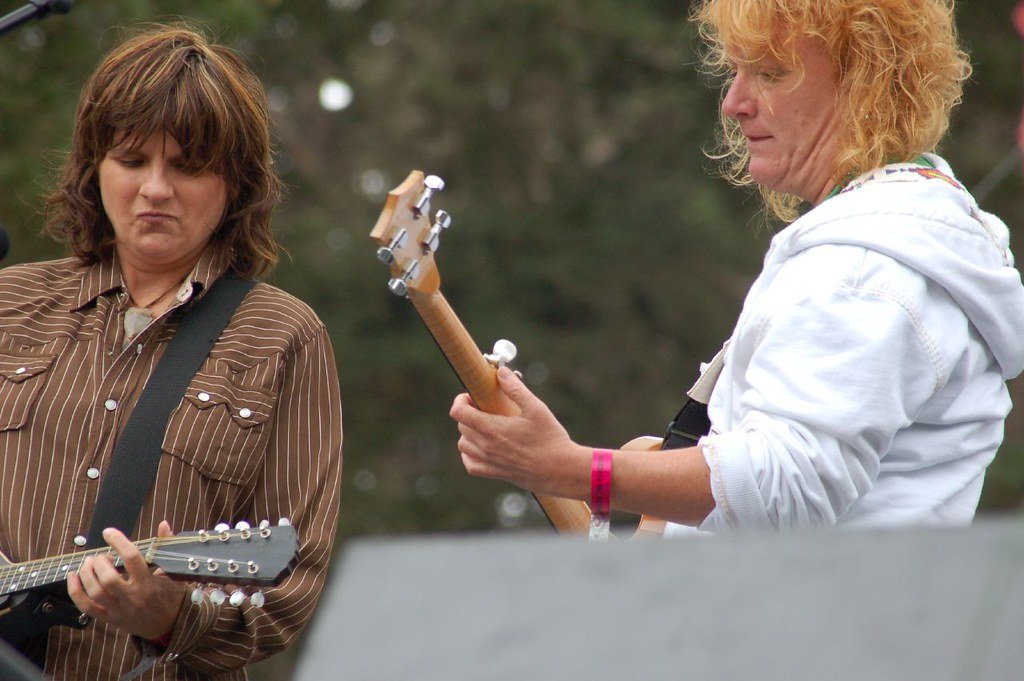
The Indigo Girls’ “Closer to Fine” became an anthem for self-discovery and acceptance, especially among lesbian and queer women. Released in 1989, the folk-rock duo—composed of Amy Ray and Emily Saliers, both openly gay—used their music to address issues of identity and belonging. The song’s lyrics about questioning and seeking understanding have resonated in LGBTQ+ circles for decades. According to a 2023 Rolling Stone feature, “Closer to Fine” remains a favorite singalong at pride festivals and queer gatherings around the country.
17. “Girls Like Girls” by Hayley Kiyoko (2015)
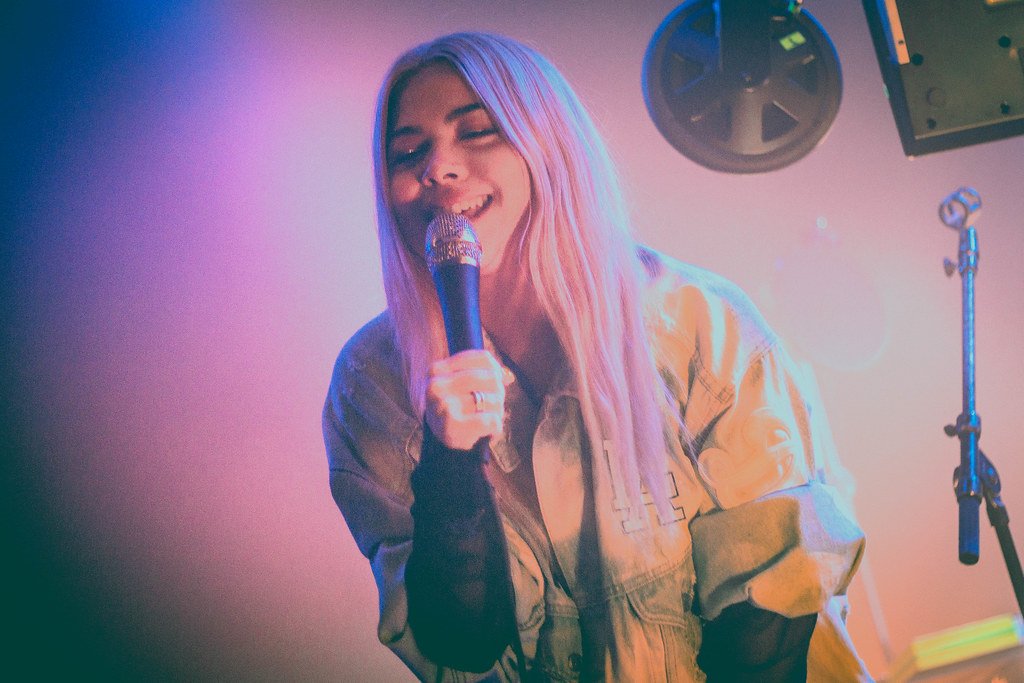
Hayley Kiyoko, often dubbed “Lesbian Jesus” by her fans, burst onto the scene with “Girls Like Girls” in 2015. The song and its accompanying video, which depicts a teenage same-sex romance, provided much-needed representation for queer girls. Kiyoko’s straightforward lyrics and pop hooks resonated with LGBTQ+ youth, and the song has been credited in interviews and surveys for helping young people feel seen. By 2024, “Girls Like Girls” had become a TikTok anthem, with millions of videos using its audio to share coming-out stories and celebrate queer love.
18. “Go West” by Pet Shop Boys (1993)
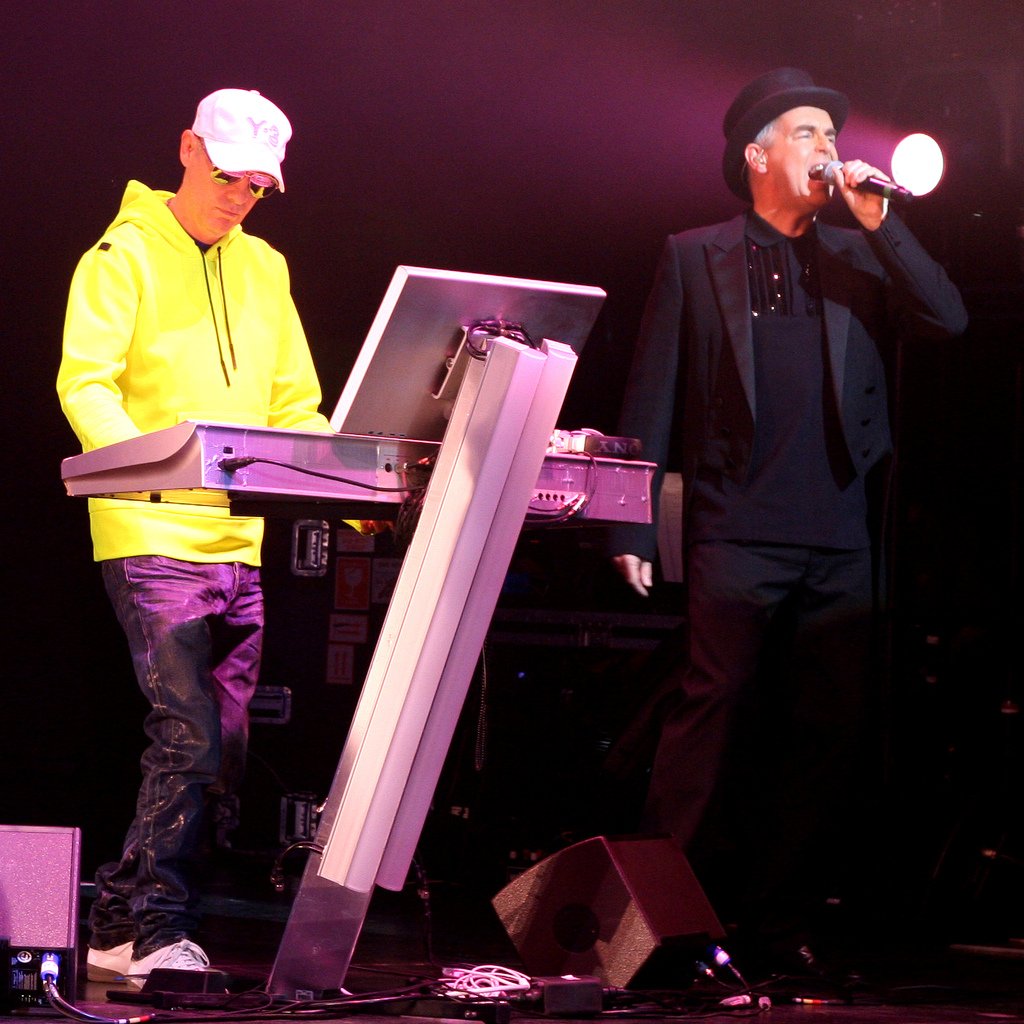
“Go West” by Pet Shop Boys is a cover of a Village People song, but the 1993 version became closely associated with the fight for LGBTQ+ rights, especially in the post-Cold War era. The song’s choir-backed chorus and hopeful message made it a popular choice at pride parades, particularly in the 1990s and early 2000s. The Pet Shop Boys, both openly gay, dedicated the song to the memory of friends lost to AIDS. In 2022, “Go West” was still being featured at major pride celebrations, a testament to its enduring spirit of optimism and unity.
19. “Montero (Call Me By Your Name)” by Lil Nas X (2021)
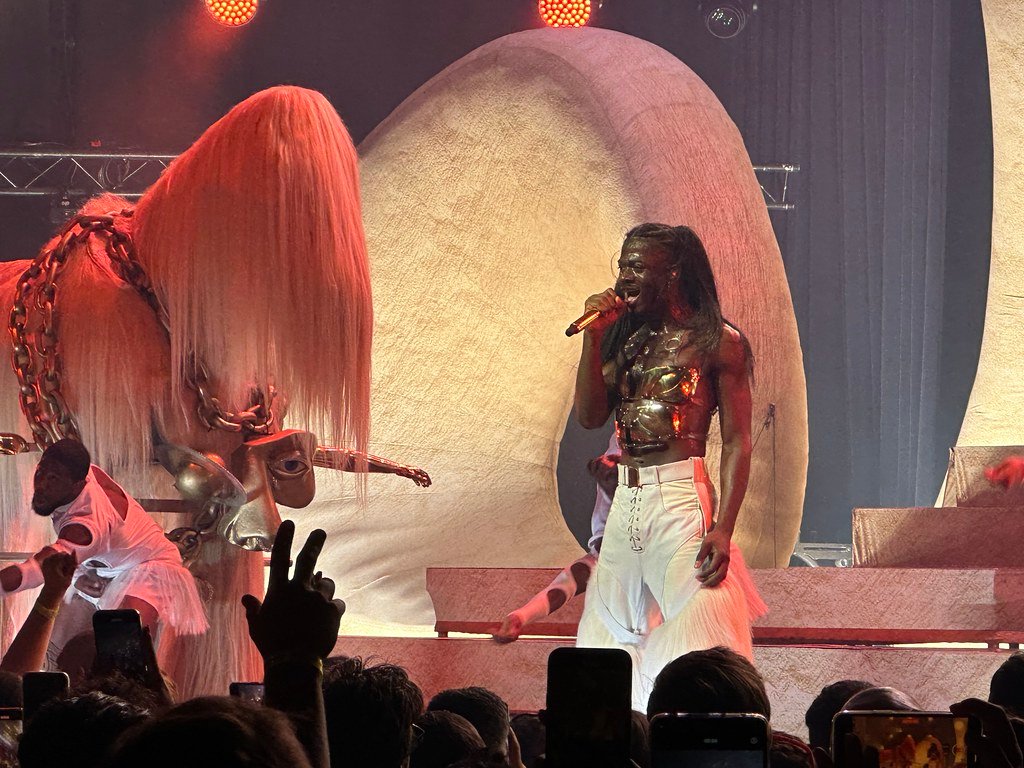
Lil Nas X shook up the music world with “Montero (Call Me By Your Name)” in 2021. The song and its provocative music video, featuring unapologetic queer imagery, sparked heated debates but also received widespread acclaim. It debuted at number one on the Billboard Hot 100 and was hailed by GLAAD for its fearless representation of Black queer sexuality. Lil Nas X has since become a leading voice for LGBTQ+ youth, with “Montero” being used in campaigns for acceptance and visibility. The track’s impact on popular culture and LGBTQ+ representation remains significant.
20. “Raise Your Glass” by P!nk (2010)
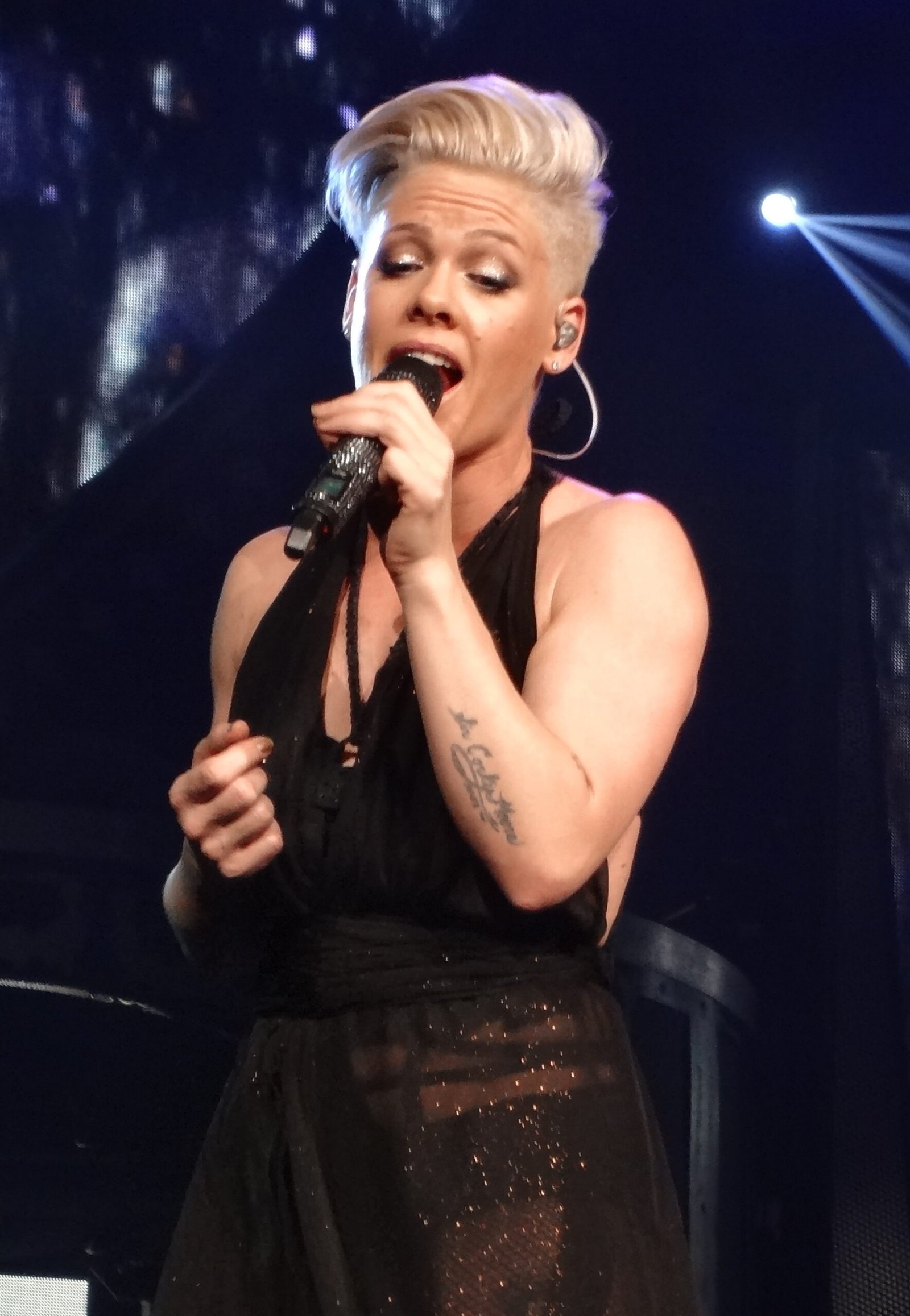
P!nk’s “Raise Your Glass” is a raucous celebration of outsiders, misfits, and anyone who’s ever felt different. Released in 2010, the song quickly became a pride anthem thanks to its inclusive lyrics and energetic beat. P!nk has long been an ally to the LGBTQ+ community, and “Raise Your Glass” is regularly played at pride festivals and queer events. According to a 2023 Spotify report, it is one of the most-added tracks to LGBTQ+ pride playlists. The song’s call to “raise your glass if you are wrong in all the right ways” continues to unite people celebrating authenticity and diversity.

Besides founding Festivaltopia, Luca is the co founder of trib, an art and fashion collectiv you find on several regional events and online. Also he is part of the management board at HORiZONTE, a group travel provider in Germany.
