
- Anticipated Album Releases of 2025: A Musical Journey Awaits - February 22, 2026
- New York City’s Star-Studded Line-Up: 2025’s Must-See Performances - February 22, 2026
- 25 Times Tech Meets Style: The Best Wearable Gear for 2024 - February 22, 2026
The Freemasons: Architects of the Republic
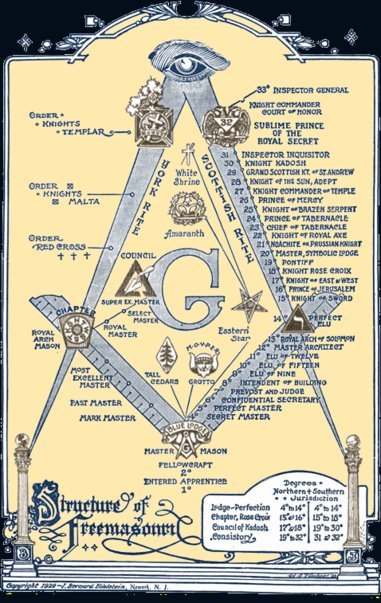
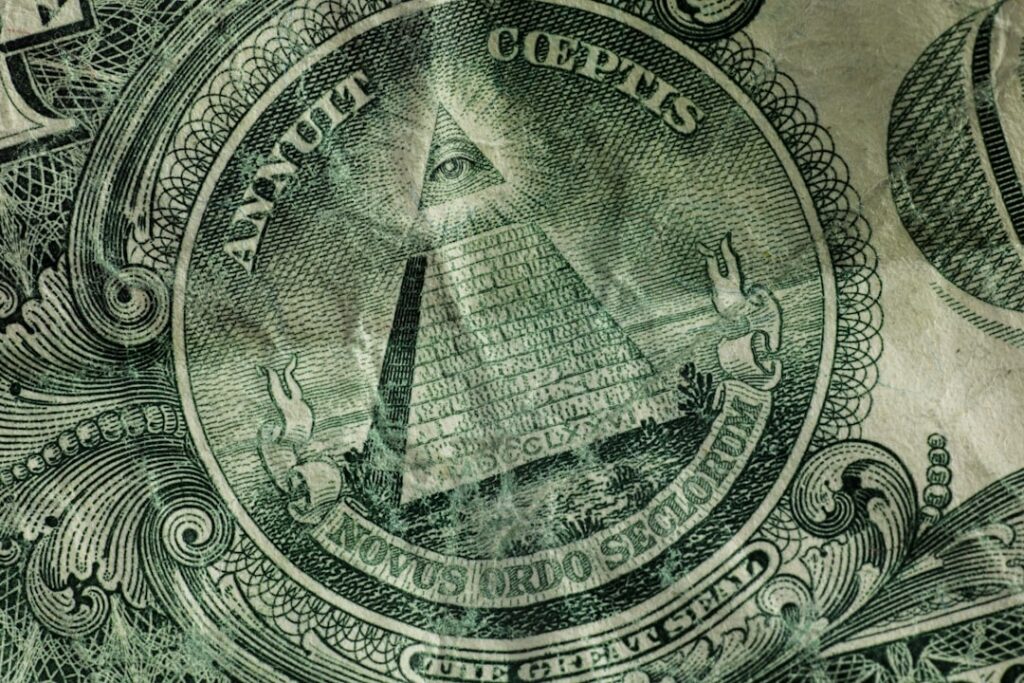
The Freemasons are perhaps the most famous secret society linked to the founding of the United States. Many of the Founding Fathers, including George Washington and Benjamin Franklin, were active Masons. Their influence is clear: symbols like the all-seeing eye and unfinished pyramid on the dollar bill trace back to Masonic imagery. Some historians estimate that at least nine signers of the Declaration of Independence were Masons. Their guiding principles—brotherhood, secrecy, and moral development—helped shape the early ethos of American democracy. Masonic lodges doubled as meeting places for key political discussions during the Revolution. The group’s rituals and codes have inspired conspiracy theories for centuries, but their fingerprints on history remain undeniable.
The Skull and Bones Society: Power at Yale
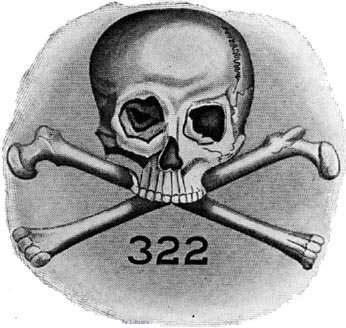
Founded in 1832 at Yale University, the Skull and Bones Society has reportedly counted presidents, Supreme Court justices, and business titans among its ranks. Both George H.W. Bush and his son George W. Bush were “Bonesmen,” as were influential figures like Secretary of State John Kerry. Members are often tapped during their junior year and participate in mysterious rituals inside the society’s “Tomb” headquarters. The group is known for fostering deep loyalty among its members, who frequently rise to elite positions in government and finance. Rumors persist that Skull and Bones has shaped key events, from CIA operations to presidential elections. While some claims are exaggerated, the society’s alumni network is undeniably powerful.
The Knights of the Golden Circle: Civil War Shadows
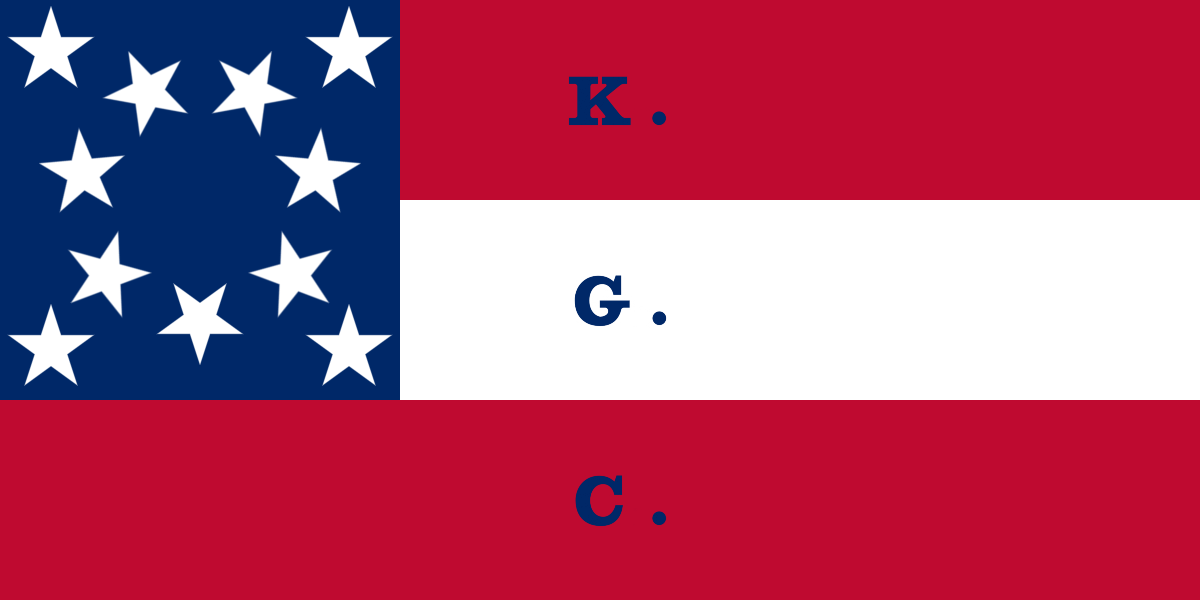
During the mid-1800s, the Knights of the Golden Circle (KGC) advanced a secret agenda to expand slavery in the U.S. and create a new empire encompassing the Southern states, Mexico, and the Caribbean. The KGC’s influence reportedly reached into the highest levels of Confederate leadership. Some researchers believe that John Wilkes Booth, Abraham Lincoln’s assassin, was connected to KGC plots. The society’s clandestine meetings and coded messages left a trail of suspicion and fear throughout the Civil War. Their ambitions ultimately failed, but whispers of buried gold and secret plans linger in American folklore.
The Bohemian Club: Where Power Vacations
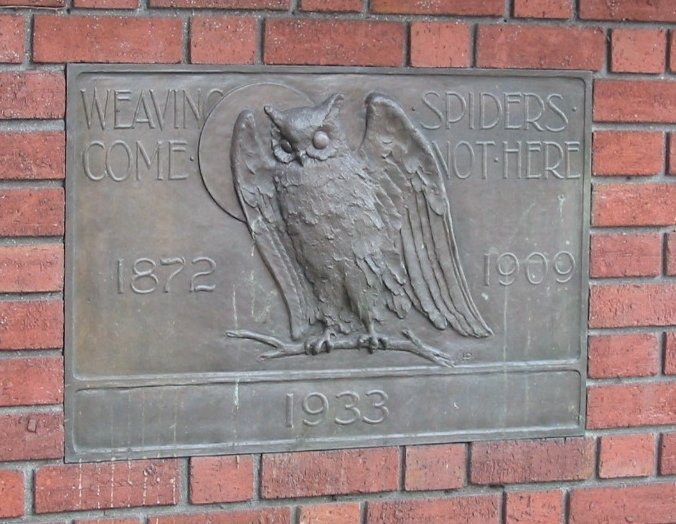
Each summer, some of America’s wealthiest men retreat to the Bohemian Grove, a private redwood forest in California. Founded in 1872, the Bohemian Club is known for its elaborate rituals, theatrical performances, and odd ceremonies—like the famous “Cremation of Care.” Political heavyweights, including Ronald Reagan and Richard Nixon, have attended these secret gatherings. The club’s motto, “Weaving spiders come not here,” signals that business deals are discouraged, but many believe real powerbrokering happens in the shadows. Journalists who have tried to infiltrate the Grove faced swift expulsion, fueling speculation about the club’s true influence.
The Bilderberg Group: Global Plots or Policy Talks?

Although not strictly American, the Bilderberg Group’s annual meetings include many top U.S. policymakers, CEOs, and military brass. Since 1954, the group has met behind closed doors to discuss world affairs, sparking endless rumors about secret world government plans. Attendees swear secrecy, and no official records are released, intensifying the aura of mystery. Notable Americans like Bill Clinton and Henry Kissinger have attended. Some critics argue that the group’s secrecy undermines democracy, while defenders say it encourages frank, informal dialogue. The truth likely lies somewhere in between.
The Order of the Nine Angles: Extremism on the Fringe
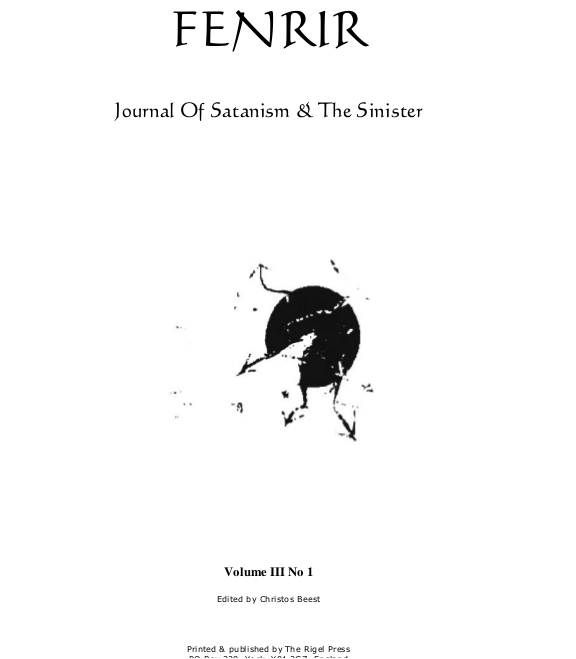
While not as deeply rooted in American tradition, the Order of the Nine Angles (ONA) has gained notoriety for its ties to far-right extremism and alleged connections to violent groups. Founded in Britain, its influence has crept into the U.S. through online forums and underground cells. Law enforcement agencies have linked ONA ideology to domestic terror plots in recent years. Though their numbers are small, the ONA’s secretive recruitment and radical teachings have alarmed authorities, making them a focus of recent counter-terrorism efforts.
The Rosicrucians: Mystics of the New World
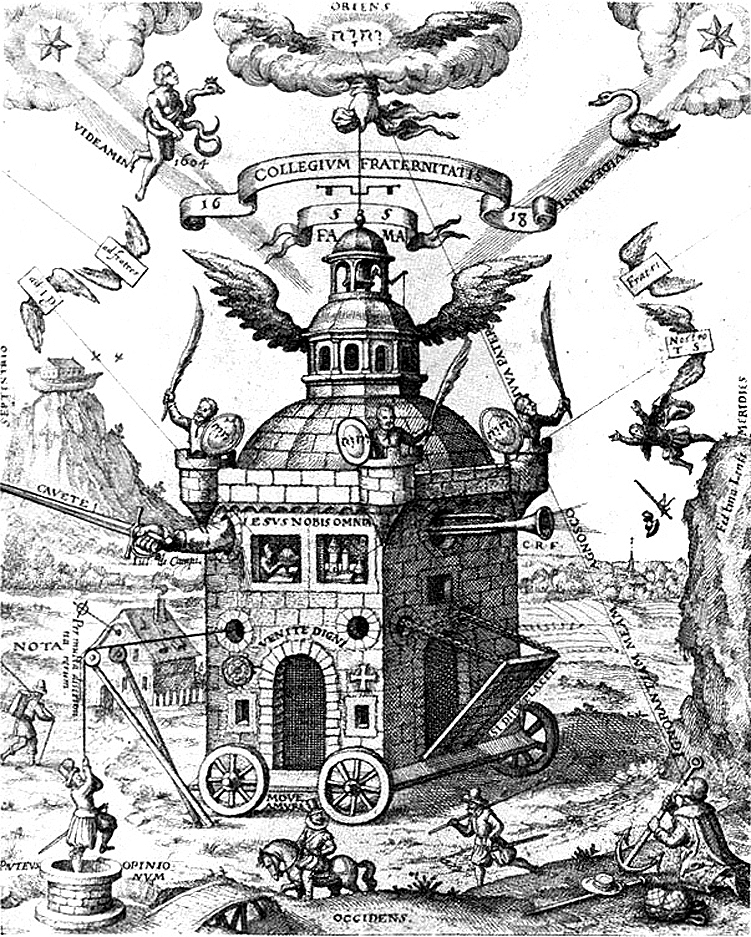
The Rosicrucian Order, claiming roots in 17th-century Europe, found fertile ground in early America. Rosicrucian lodges attracted inventors, intellectuals, and some political figures—Benjamin Franklin was reportedly fascinated by their teachings. The group blended mysticism, science, and secret codes, influencing the era’s intellectual climate. Their emphasis on enlightenment and human progress seeped into the philosophies that shaped the American Revolution. Modern Rosicrucian groups continue to operate quietly in the U.S., holding meditation sessions and secret ceremonies.
The Illuminati: The Everlasting Myth
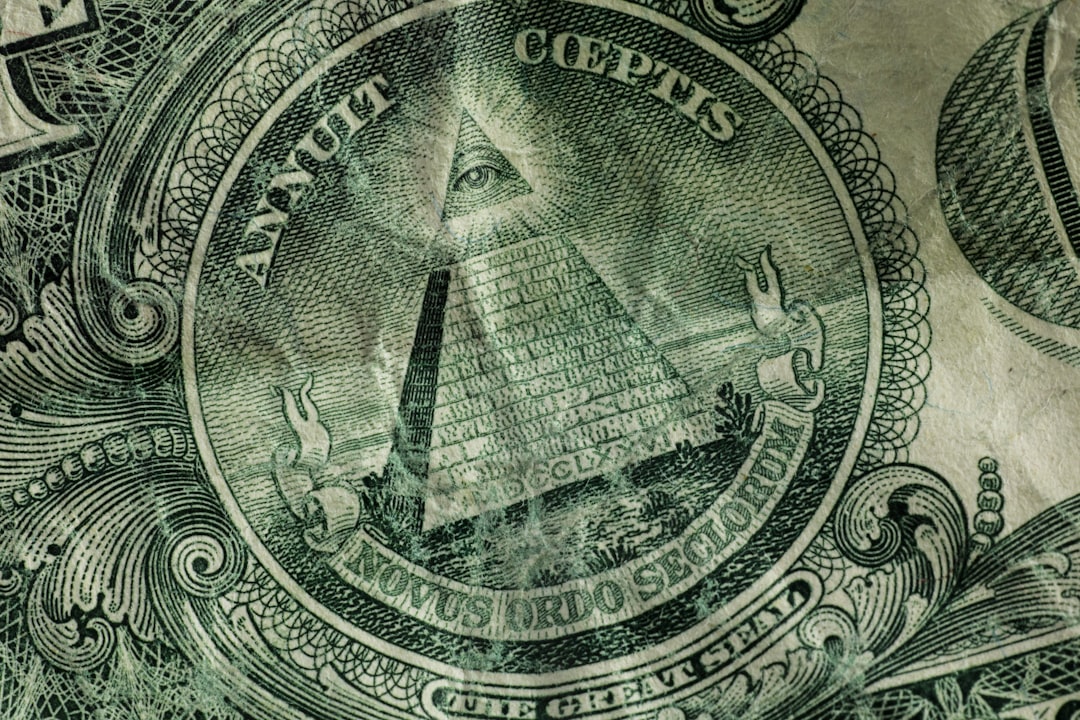
No secret society has sparked as much speculation as the Illuminati. Founded in Bavaria in 1776, the group was quickly outlawed, yet stories of its survival and hidden influence persist. In the U.S., the Illuminati has become a catch-all explanation for unexplained events or the rise of powerful figures. While there’s no credible evidence that the original Illuminati exists today, pop culture and conspiracy theorists keep the legend alive. The society’s supposed control over banks, pop stars, and presidents remains a favorite topic in internet forums and late-night TV.
The Knights Templar: Echoes in American Lodges
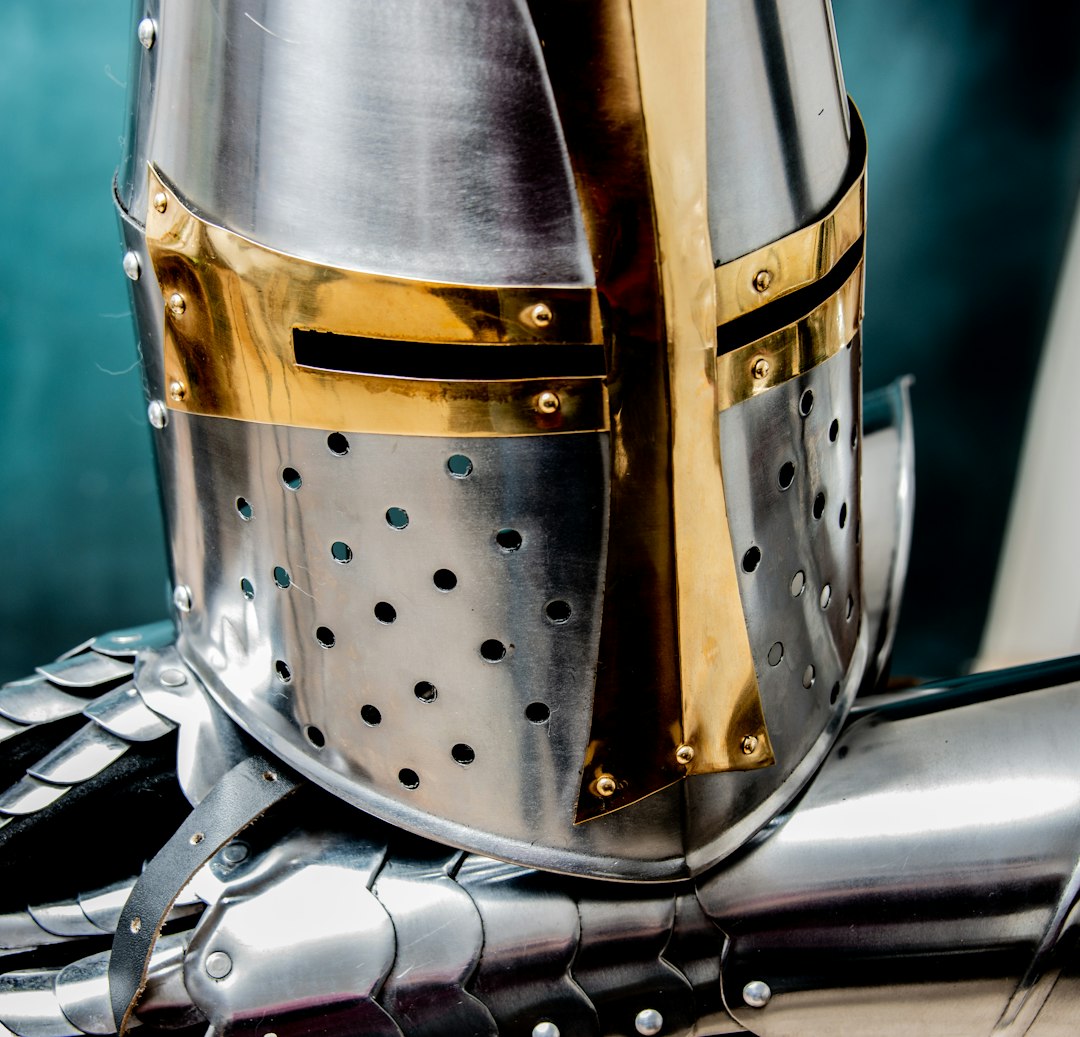
Although the medieval Knights Templar disbanded centuries before America’s founding, many secret societies in the U.S. claim Templar lineage. The most notable is the Templar branch within Freemasonry, which conducts elaborate rituals and confers titles like “Sir Knight.” Some historians argue that the Templar mystique inspired the design of early American symbols and influenced Masonic philosophy. The connection is more symbolic than direct, but Templar lore continues to color the traditions of U.S. fraternal orders.
The Odd Fellows: Brotherhood for the Common Man
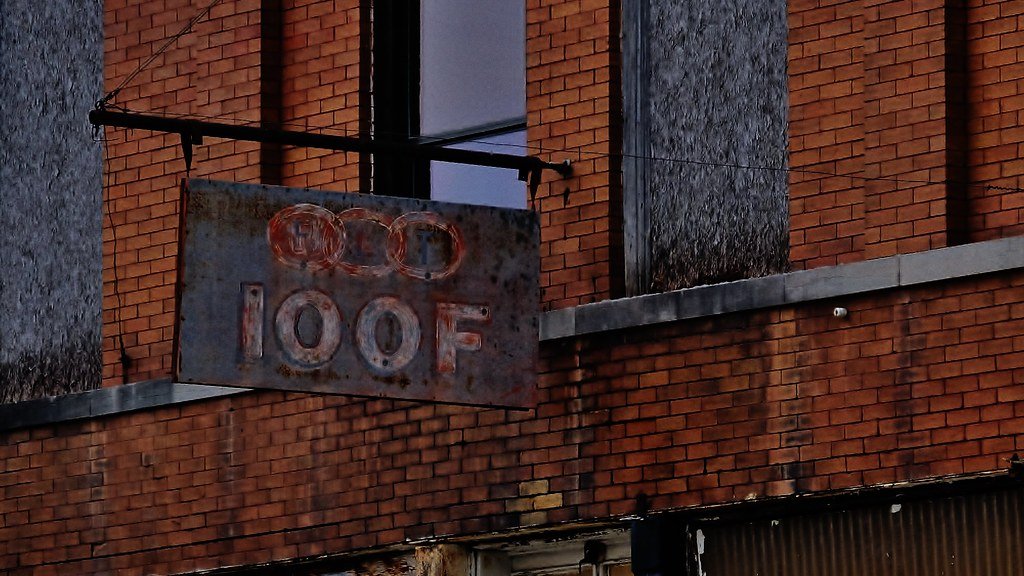
Founded in England but flourishing in 19th-century America, the Independent Order of Odd Fellows aimed to help orphans, widows, and the needy. Their lodges spread rapidly, and by 1889, the U.S. branch had more than 600,000 members. Odd Fellows used secret passwords, handshakes, and rituals to foster trust among members. Their influence extended into civic life, with many local leaders counting themselves among the ranks. Today, the society operates quietly, focusing on community service rather than political intrigue.
The Council on Foreign Relations: Policy from the Shadows
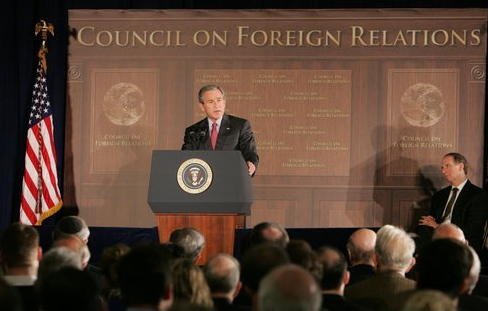
Formed in 1921, the Council on Foreign Relations (CFR) is not strictly a secret society, but its closed-door meetings and elite membership provoke suspicion. CFR’s roster includes presidents, diplomats, and media moguls. Critics claim that the CFR shapes foreign policy away from public scrutiny. The council’s influence became especially clear during the Cold War, when its members helped craft major U.S. strategies. While many of its reports are public, the real decisions often happen in private discussions.
The Knights of Columbus: Catholic Influence in Politics
Founded in 1882, the Knights of Columbus operates as a Catholic fraternal organization with a reputation for secrecy and influence. The group’s rituals and hierarchies are closely guarded, and its charitable efforts often intersect with political lobbying. The Knights played a significant role in supporting Catholic candidates, including John F. Kennedy. Their behind-the-scenes activity in social issues and religious policy continues to spark debate, especially as they mobilize voters on conservative causes.
The Ancient Order of Hibernians: Irish Roots and Political Clout

The Ancient Order of Hibernians began as a secret society to protect Irish Catholics from persecution. In the U.S., it became a powerful force in cities with large Irish populations. The group organized St. Patrick’s Day parades and built networks that influenced local politics. Members shared secret oaths and codes, ensuring loyalty and mutual support. Their influence waned with assimilation, but the Hibernians remain a symbol of Irish-American heritage.
The Molly Maguires: Miners’ Secret Army
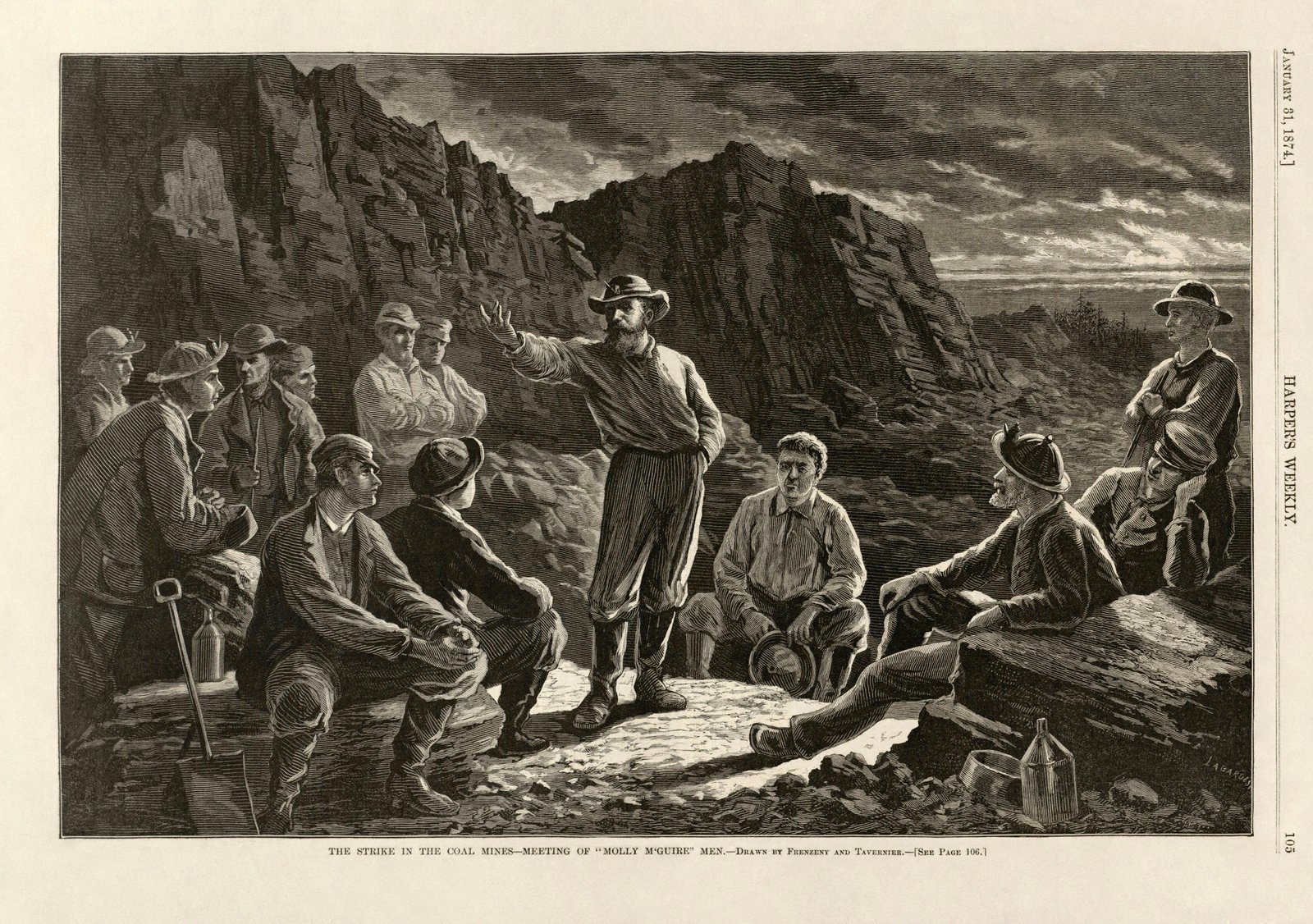
In the 19th century, the Molly Maguires emerged among Irish coal miners in Pennsylvania. Facing brutal working conditions, they banded together in secrecy to fight for labor rights. The Mollies used coded signals and covert meetings to avoid detection by mine owners and lawmen. Eventually, Pinkerton detectives infiltrated the group, leading to arrests and hangings. The Mollies’ story is a dramatic chapter in American labor history, highlighting how secrecy became a tool for survival.
The Sons of Liberty: Patriots in Disguise
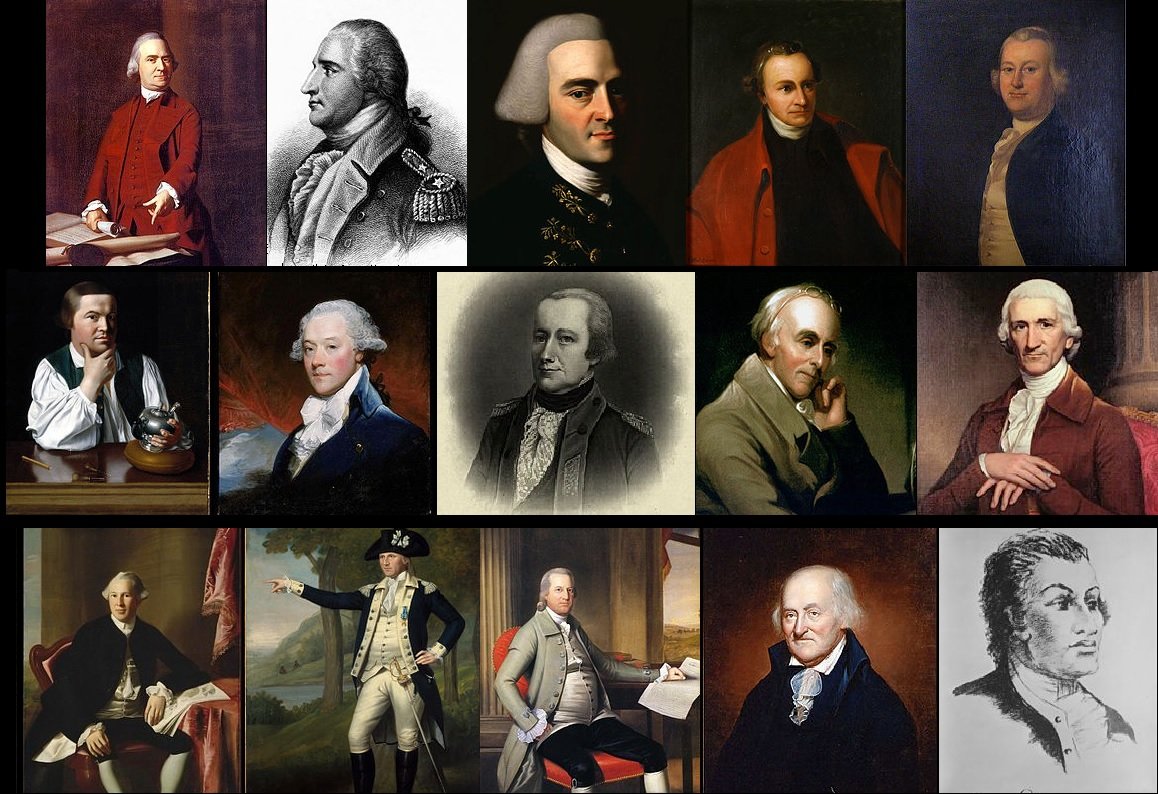
Before the American Revolution, the Sons of Liberty organized resistance against British rule. Members included Samuel Adams and Paul Revere, who used coded messages, secret meetings, and disguises to plan protests like the Boston Tea Party. Their tactics inspired later underground movements. The Sons’ blend of secrecy and rebellion turned them into folk heroes, and their legacy is still celebrated every July 4th.
The Hermetic Order of the Golden Dawn: Occult in American Culture
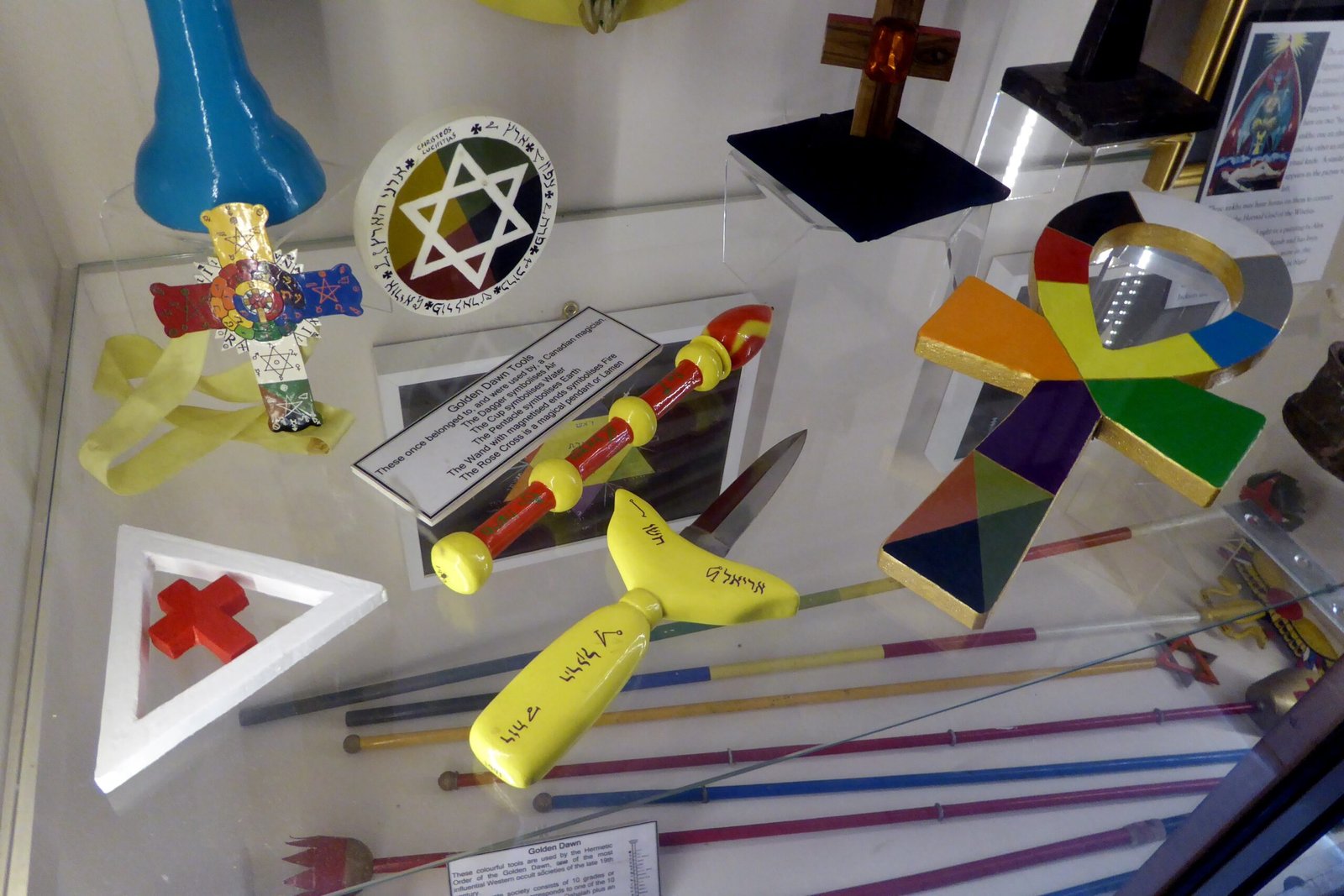
The Golden Dawn originated in England but attracted American intellectuals and writers by the early 20th century. Focused on mysticism, tarot, and ceremonial magic, the society included prominent figures like poet W.B. Yeats. In the U.S., Golden Dawn offshoots influenced the rise of New Age spirituality and occult literature. Their rituals and teachings remain shrouded in secrecy, appealing to seekers of hidden knowledge.
The JASON Society: Scientists Behind the Curtain

Since the late 1950s, the JASON Society—sometimes called “the JASON Group”—has quietly advised the U.S. government on scientific and military issues. The group consists of elite scientists who tackle problems ranging from nuclear weapons to climate change. Meetings and membership are secret, and the group’s recommendations have shaped national security policy for decades. The JASONs operate out of public view, but leaked documents have confirmed their key role in government decision-making.
The Sovereign Military Order of Malta: Knights with Diplomatic Power
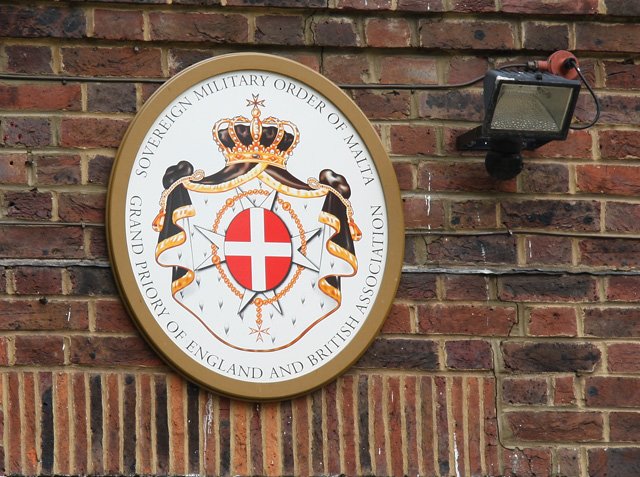
The Order of Malta is a Catholic lay religious order with a unique status: it holds diplomatic relations with over 100 countries, including the U.S. Members—often drawn from elite families—operate hospitals and disaster relief missions worldwide. In the U.S., the Order’s influence is subtle but significant, with connections to politicians, military leaders, and the Vatican. Their secretive recruitment and ceremonies keep much of their activity out of the spotlight.
The Priory of Sion: Fact or Fiction?
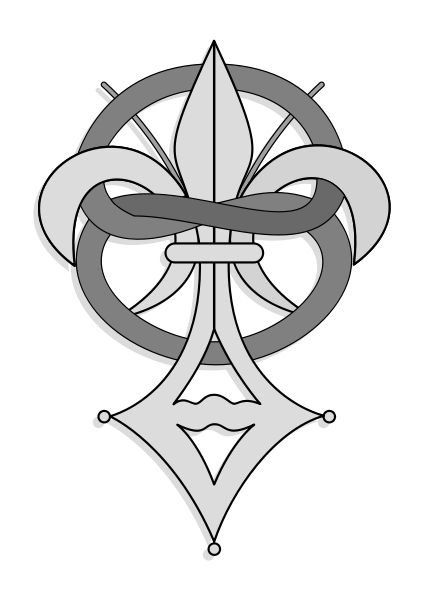
The Priory of Sion burst into public consciousness with the publication of “The Da Vinci Code,” but rumors of its existence date back to the 1950s. Allegedly, the Priory guards ancient secrets and has links to powerful families in Europe and America. Most historians dismiss the group as a hoax, but some conspiracy theorists continue to search for evidence of its role in world events. The Priory’s blend of myth and reality makes it a lasting fixture in American secret society lore.

Besides founding Festivaltopia, Luca is the co founder of trib, an art and fashion collectiv you find on several regional events and online. Also he is part of the management board at HORiZONTE, a group travel provider in Germany.
