
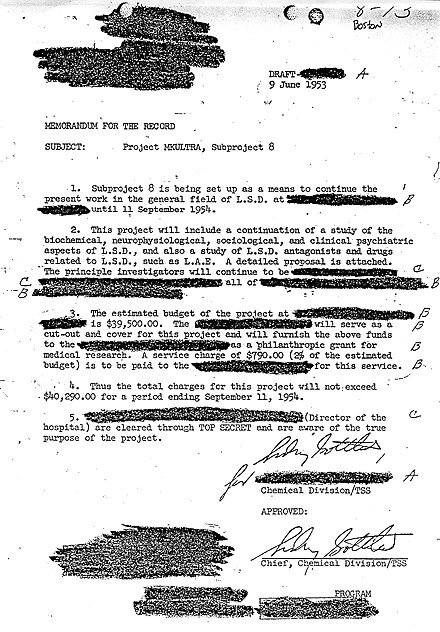

Project MK-Ultra
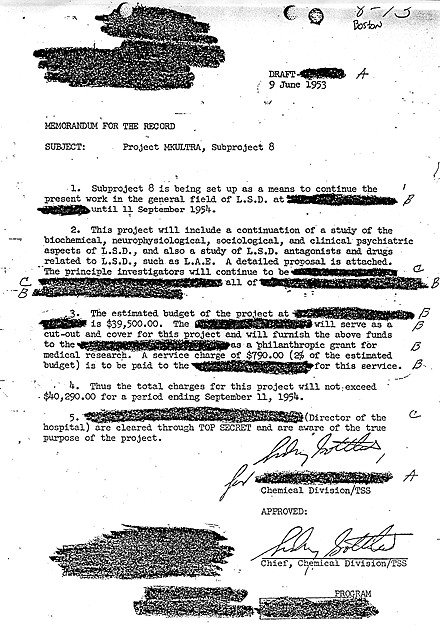
Few government operations have gripped the public imagination like MK-Ultra. This CIA-led series of experiments in the 1950s and 60s aimed to explore mind control through drugs, hypnosis, and sensory deprivation. LSD was tested on unsuspecting citizens, sparking outrage when details emerged in the 1970s. The project’s shadowy legacy inspired countless movies and books, including the Netflix hit “Stranger Things.” The shocking truth about MK-Ultra comes straight from declassified CIA files released in 1977, proving that sometimes, reality is stranger than fiction.
Area 51 and UFO Studies

Hidden deep in the Nevada desert, Area 51 has become the epicenter of alien conspiracies. While officially a U.S. Air Force facility focusing on experimental aircraft, its true activities remain shrouded in secrecy. Declassified documents reveal that Area 51 hosted projects like the U-2 and SR-71 spy planes. The government’s admission in 2013 that Area 51 exists only fueled more speculation, helping inspire blockbusters like “Independence Day” and “The X-Files.” Recent Pentagon reports on unidentified aerial phenomena continue to stoke public fascination.
Operation Paperclip
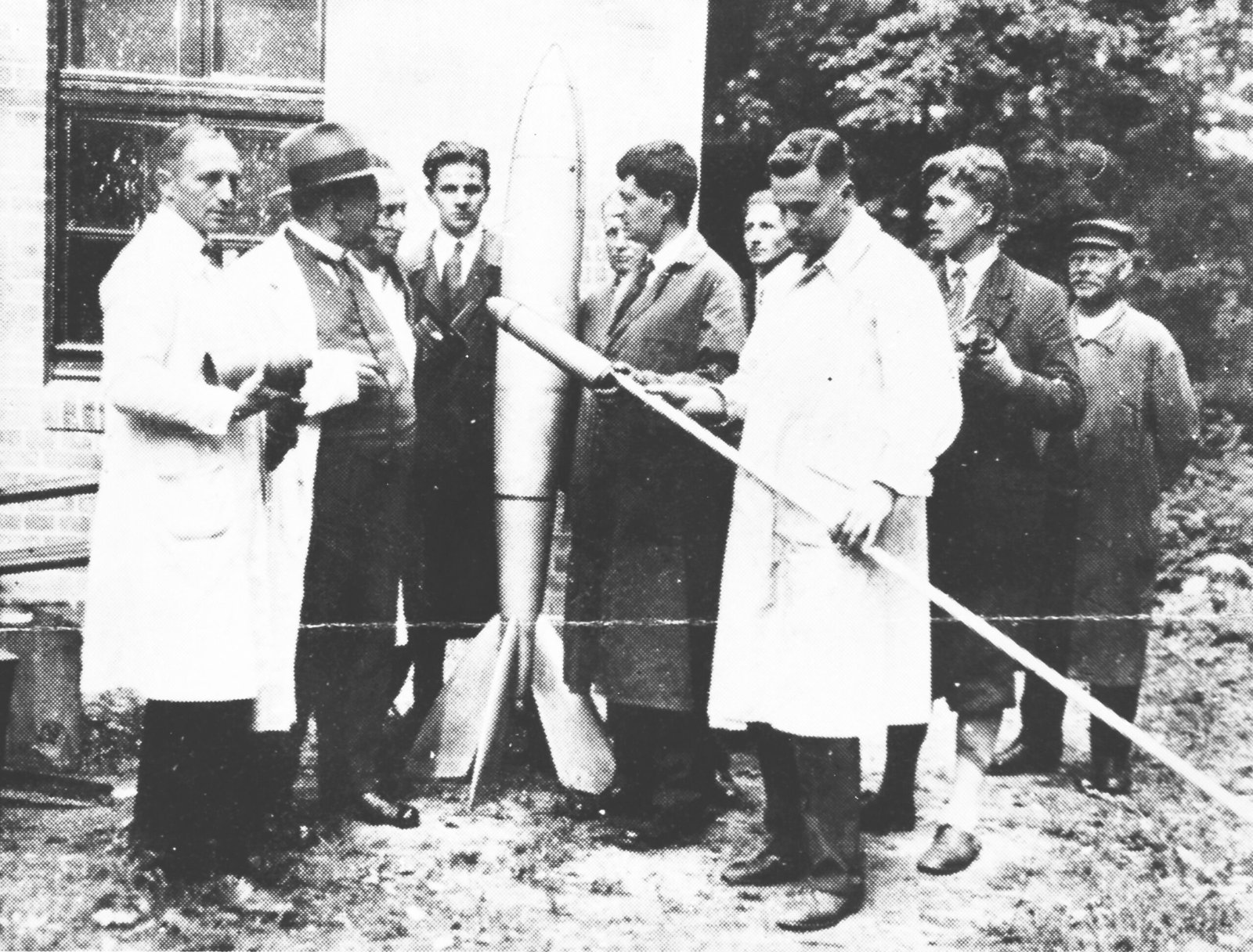
After World War II, the U.S. secretly relocated over 1,600 German scientists through Operation Paperclip. Many, including Wernher von Braun, played key roles in America’s space and missile programs. This ethically complex operation was first exposed in the 1970s and later depicted in TV series like “Hunters.” Official government records confirm these scientists’ involvement in NASA and military research, challenging the narrative of postwar justice and inspiring stories of hidden agendas.
Manhattan Project
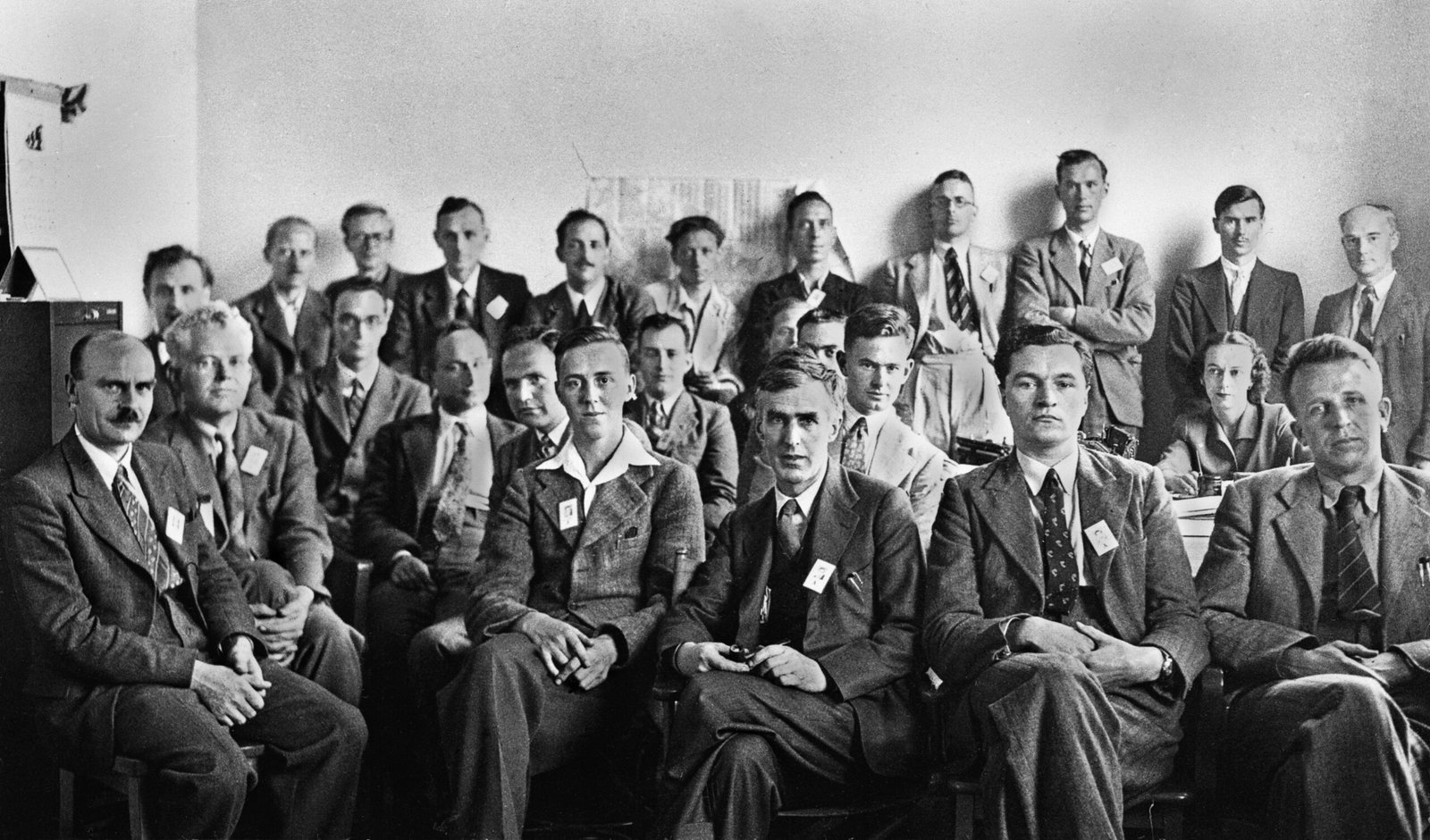
The Manhattan Project was not just a scientific milestone but a masterclass in secrecy. Conceived during World War II, this project united brilliant minds to develop the atomic bomb. Its top-secret nature, sprawling underground labs, and race against Nazi Germany inspired films like “Fat Man and Little Boy” and Christopher Nolan’s “Oppenheimer.” The project’s impact is well-documented, with the National Archives holding thousands of detailed files on its operations and legacy.
Project Blue Book
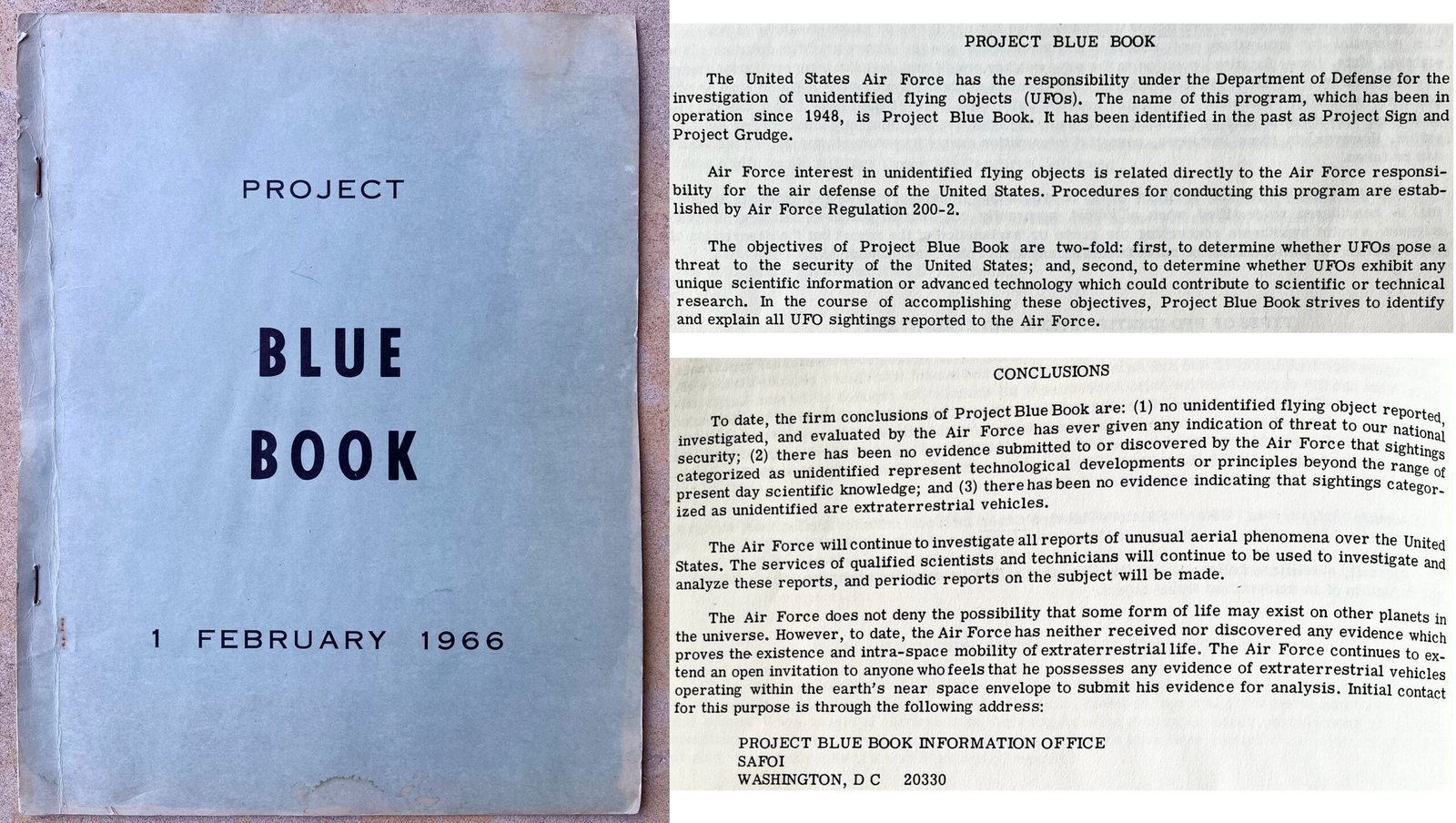
Between 1952 and 1969, the U.S. Air Force ran Project Blue Book to investigate UFO sightings. Over 12,000 reports were analyzed, with most dismissed as weather phenomena or hoaxes. Still, a handful of unexplained cases captured the public’s imagination. Declassified reports and the 2019 TV series “Project Blue Book” keep the mystery alive, blending fact and fiction into one of America’s most enduring legends.
Operation Northwoods
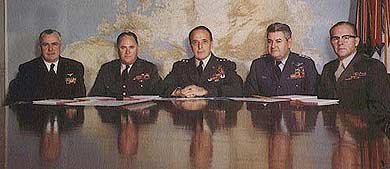
In the early 1960s, the U.S. Department of Defense proposed Operation Northwoods, a shocking set of plans to stage false flag attacks and justify military action against Cuba. The operation was ultimately rejected by President Kennedy, but the recently declassified documents reveal just how far officials were willing to go. Its story has inspired numerous political thrillers, demonstrating how real government plans can outdo even the wildest fictional schemes.
Stargate Project

From the 1970s to the 1990s, the Stargate Project explored psychic phenomena for military use. The CIA and Army funded experiments in “remote viewing,” hoping to use psychic spies during the Cold War. The project was declassified in 1995, and research papers are now publicly available. Its bizarre premise inspired movies like “The Men Who Stare at Goats” and TV series with psychic soldiers, showing how the truth can be both hilarious and unsettling.
Project 1794
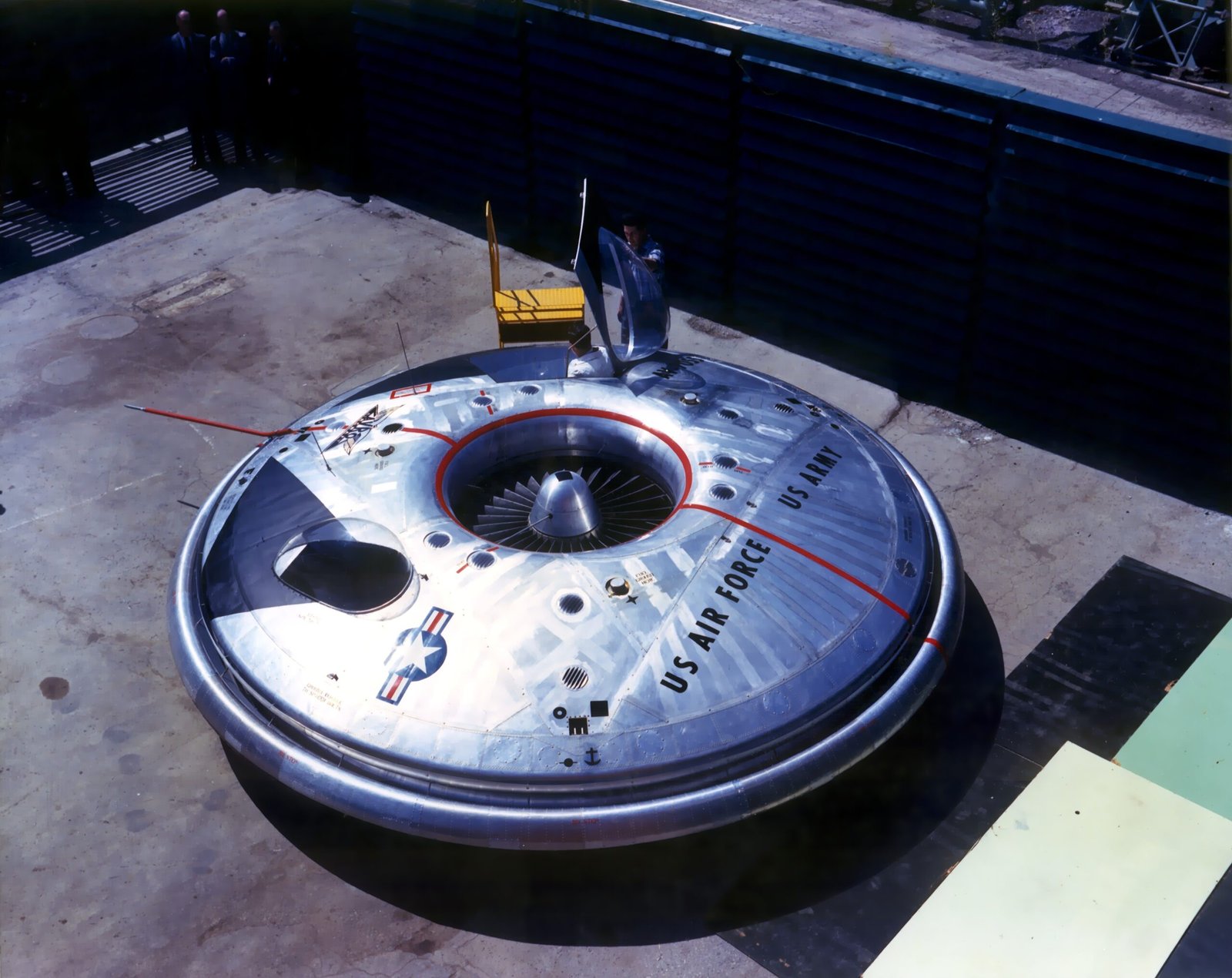
Project 1794 was a secret Air Force program in the 1950s aiming to build a supersonic flying saucer. Declassified schematics and progress reports reveal a disc-shaped craft that could reach Mach 4. Although it failed, this real-life attempt at UFO technology inspired generations of sci-fi writers and filmmakers. The project’s existence was confirmed by the National Archives in 2012, proving that the government really did try to build flying saucers.
Operation CHAOS

From: Series: Motion Picture Films and Video Recordings, ca. 1936 – ca. 1985
Record Group 65: Records of the Federal Bureau of Investigation, 1896 – 2008, Public domain, https://commons.wikimedia.org/w/index.php?curid=66746642)
During the 1960s, the CIA launched Operation CHAOS to monitor antiwar activists and suspected subversives within the U.S. Over 7,000 Americans were investigated, often without legal grounds. Details emerged during the 1975 Church Committee hearings, leading to public outrage and reforms. The paranoia and surveillance culture of this era inspired movies like “Enemy of the State,” blurring the line between government oversight and overreach.
Montauk Project
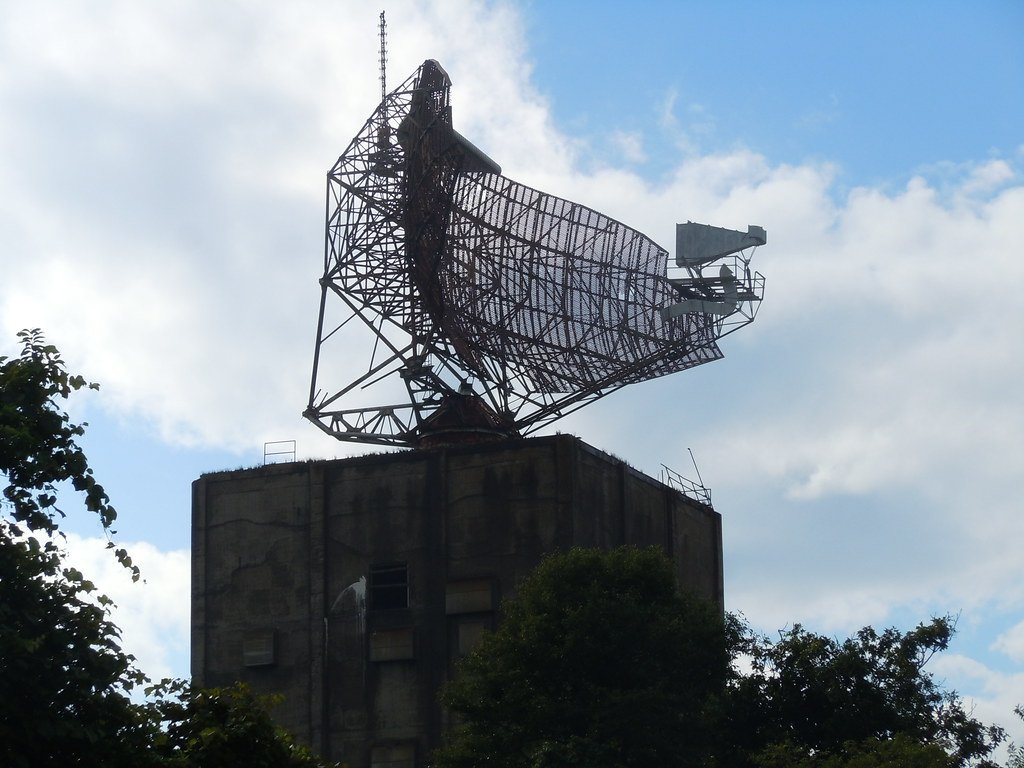
The Montauk Project is a mix of fact and urban legend, but it began with real military radar experiments at Camp Hero, New York, in the 1970s and 80s. Allegations of mind control and time travel experiments surfaced in the 1990s, inspiring books and the Netflix series “Stranger Things.” While the wildest claims remain unproven, declassified military documents confirm that secret research took place at the site, giving a kernel of truth to the fiction.
Project Grudge
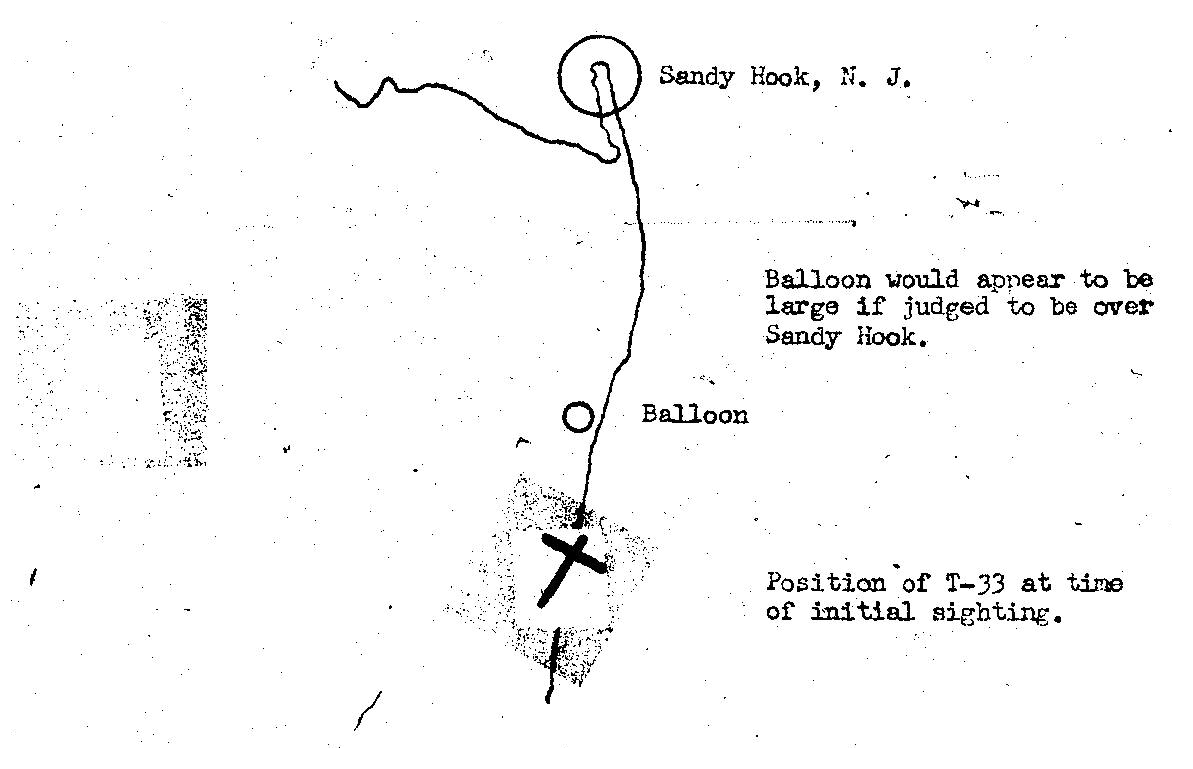
Project Grudge was an Air Force effort from 1949 to 1951 to analyze UFO sightings following the wave of postwar reports. Although officially skeptical, investigators catalogued hundreds of incidents. Some cases were inexplicable, fueling speculation in books, TV, and movies. The project’s official reports, now public, form the backbone of UFO lore, showing how even government skepticism couldn’t explain away every mystery.
Operation Ivy Bells
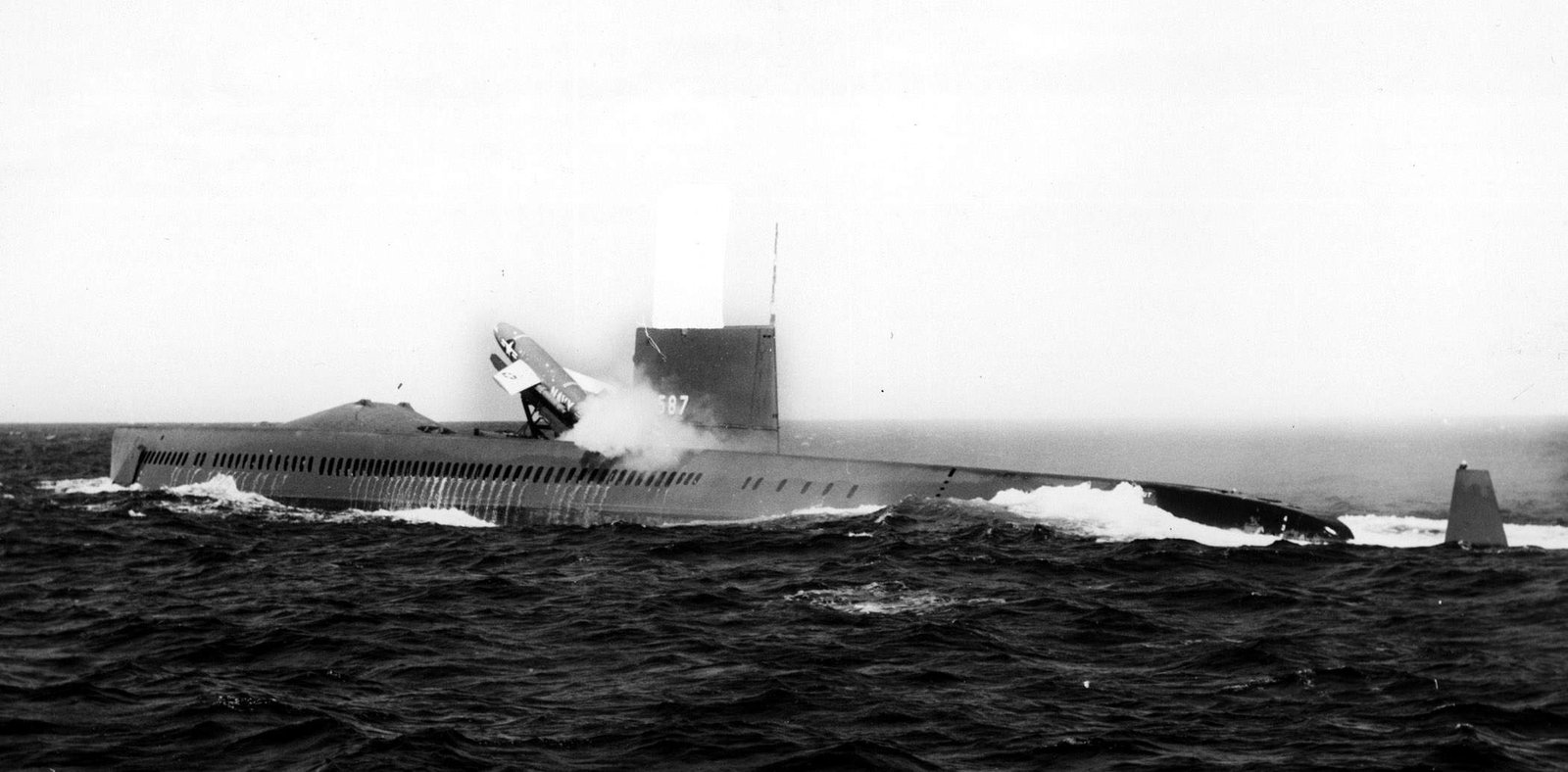
During the Cold War, the U.S. Navy and NSA launched Operation Ivy Bells, a top-secret mission to tap Soviet underwater communication cables in the Sea of Okhotsk. The operation involved deploying submarines and divers at great risk. Details emerged in the 1990s, inspiring scenes in Tom Clancy’s “The Hunt for Red October.” Declassified NSA documents confirm the operation’s daring scope and technical achievement.
Project Thor (Rods from God)

Project Thor explored the feasibility of orbital weapons — tungsten rods dropped from space to hit targets on Earth with kinetic energy. While never deployed, real Pentagon studies from the 1990s and 2000s explored the concept. The idea inspired science fiction and video games alike, with “rods from God” turning up in everything from Call of Duty to “G.I. Joe: Retaliation.” The official acknowledgment of research into these weapons adds credibility to their fictional counterparts.
Operation Gladio

Operation Gladio was a real NATO “stay-behind” project during the Cold War, preparing secret armies across Europe in case of Soviet invasion. The existence of these clandestine networks was revealed in the 1990s through Italian government investigations. The idea of hidden resistance fighters has since inspired dozens of spy novels and conspiracy thrillers, showing how truth can be stranger than fiction.
Project Acoustic Kitty

In the 1960s, the CIA attempted to use cats fitted with listening devices to spy on Soviet embassies. The bizarre “Acoustic Kitty” project cost millions but failed after the first cat was run over by a taxi. While it sounds like pure satire, declassified CIA reports confirm every odd detail. This outlandish experiment inspired parodies in cartoons and movies, a reminder that reality can be as absurd as any comedy.
Operation Mockingbird
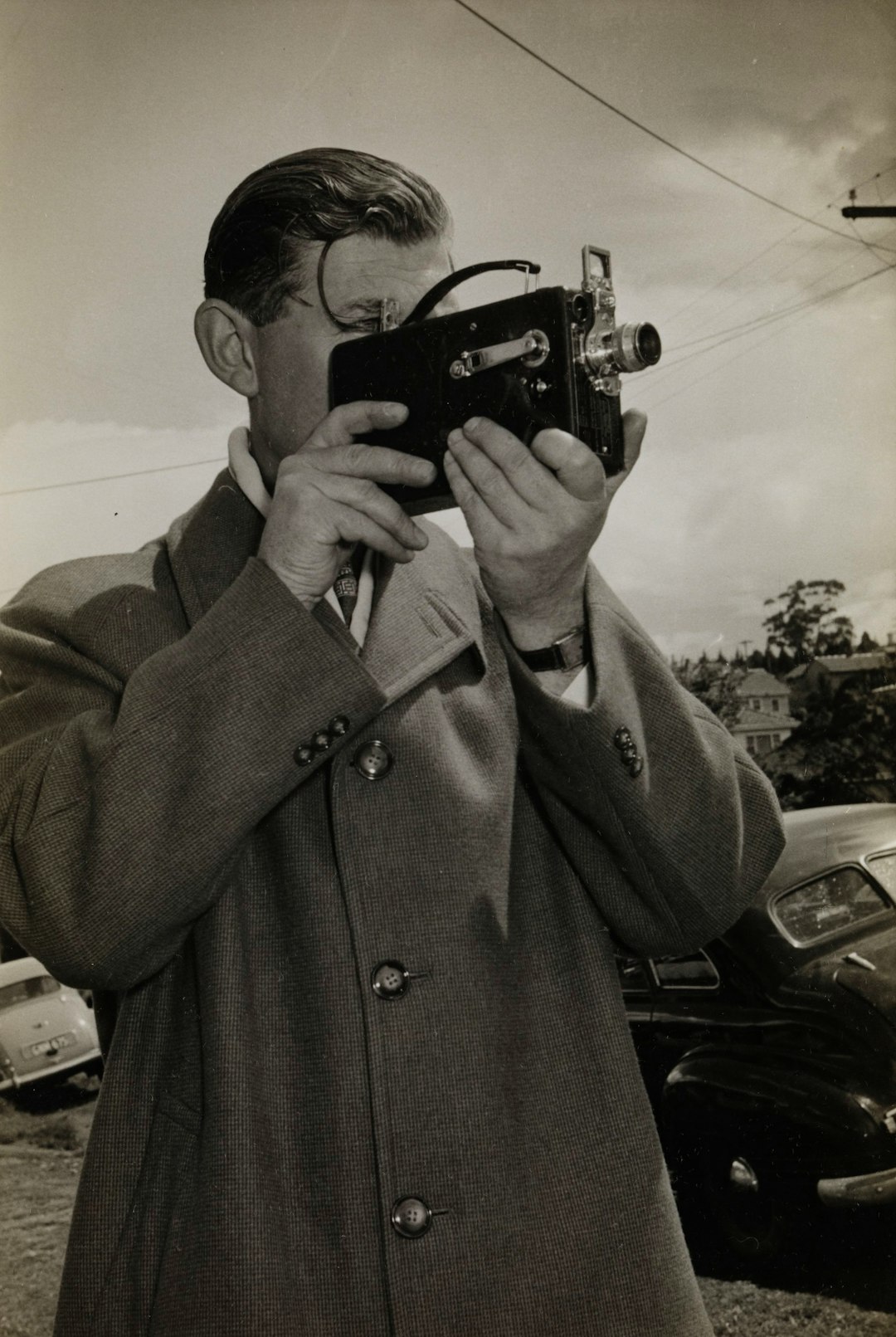
Allegedly begun in the late 1940s, Operation Mockingbird was the CIA’s effort to influence media both at home and abroad. Congressional testimony and former agency officials have confirmed the recruitment of journalists to spread propaganda. This real-life manipulation has inspired movies and shows about media control, like “The Parallax View” and “Three Days of the Condor.” It raises questions about where the line between news and fiction is drawn.
Project Bluebird/Artichoke
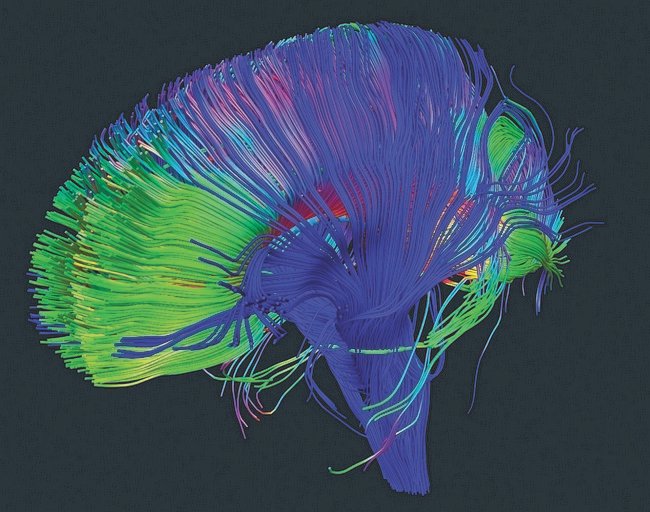
Preceding MK-Ultra, Project Bluebird (later Artichoke) sought ways to manipulate memory, extract confessions, and control behavior through drugs and psychological tricks. Started in 1950, these programs are documented in declassified files released in the 1970s. Their disturbing methods and ethical gray areas inspired chilling stories like “The Manchurian Candidate,” leaving a lasting mark on pop culture.
Operation Plowshare
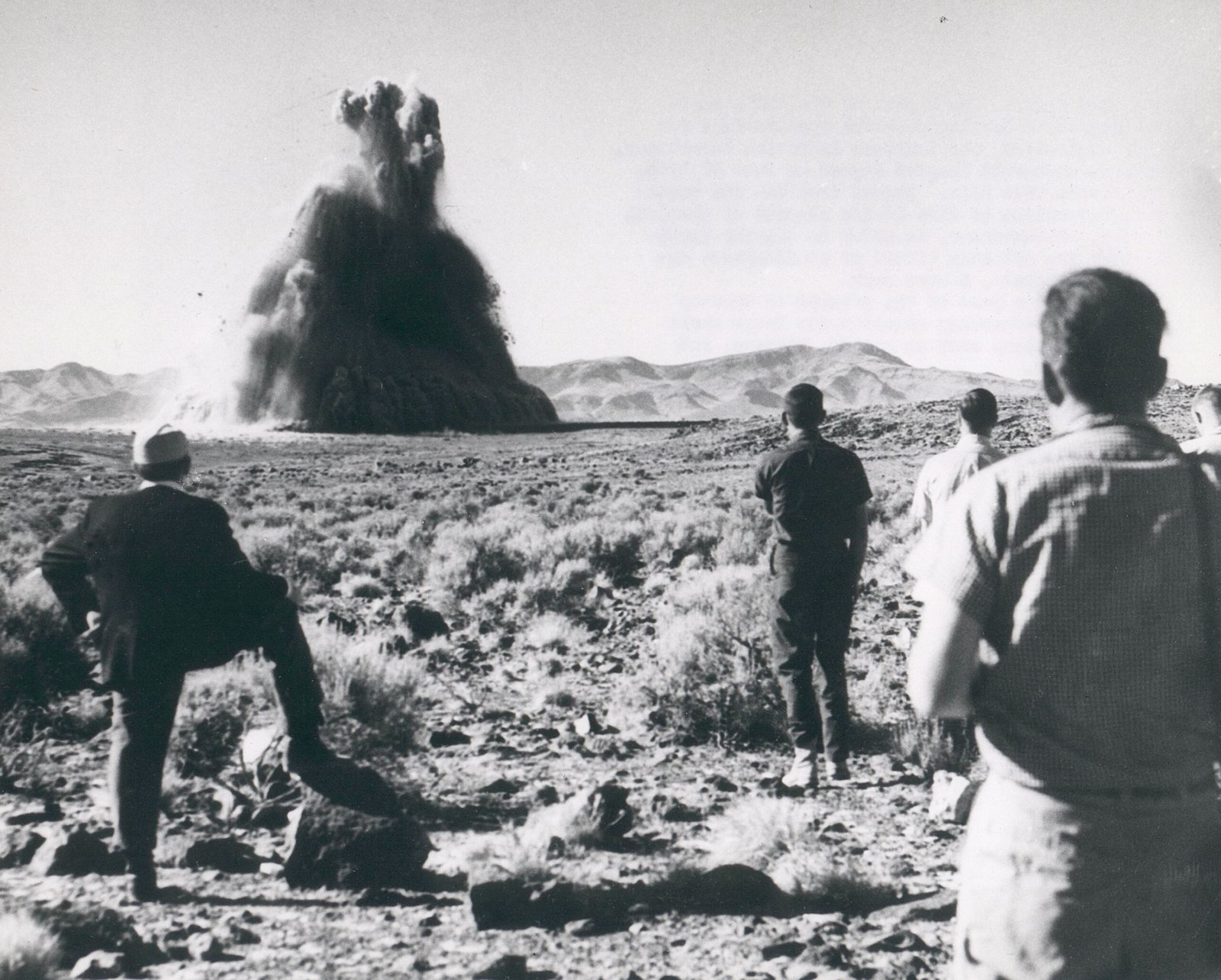
Beginning in the late 1950s, Operation Plowshare was the U.S. program to find peaceful uses for nuclear explosives, such as creating harbors or mining. Tests like Project Gasbuggy detonated nuclear devices underground to release natural gas. Declassified Department of Energy reports detail these experiments, which ultimately proved too dangerous. The idea of using nuclear bombs for construction inspired stories like “Dr. Strangelove” and dystopian fiction.
Project Moon Dust

Project Moon Dust began in the 1950s as a U.S. Air Force initiative to recover foreign space debris, including Soviet satellites and mysterious “unidentified flying objects.” Declassified documents show teams were dispatched globally to scoop up crashed spacecraft. The project inspired stories of secret government retrieval teams in shows like “The X-Files,” blurring the line between national security and science fiction.
Operation Sunshine
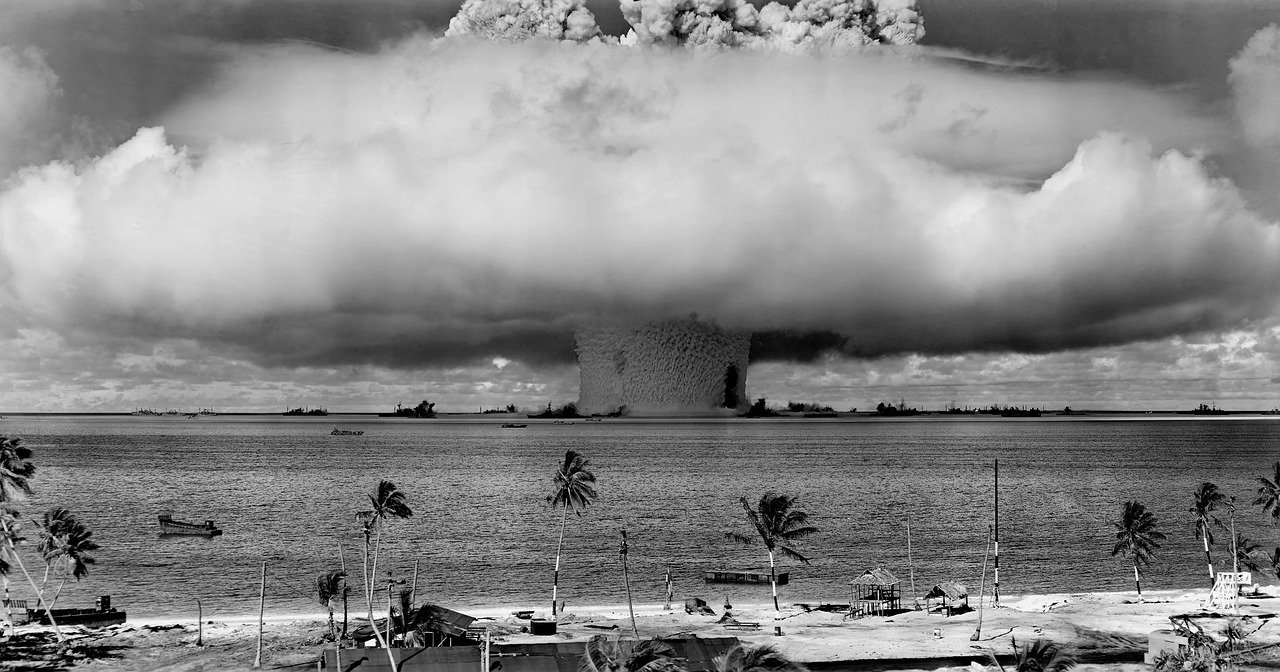
Launched in the 1950s, Operation Sunshine involved the secret collection of human bones from around the world to study the effects of nuclear fallout. The project was revealed in the 1990s, shocking the public with its use of unwitting civilians, especially children. Department of Energy documents confirm the extent of the operation. This dark chapter inspired plots about government overreach in novels and films, reminding us of the cost of scientific progress.
Project Chatter

Project Chatter was a U.S. Navy program that sought “truth drugs” for interrogations, running from 1947 to 1953. Investigators experimented with scopolamine and other substances to make subjects more talkative. Declassified Navy reports detail these efforts, which were abandoned due to limited success and ethical issues. The project inspired spy thrillers and interrogation scenes in countless movies, a testament to the real-world search for mind-bending tools.
End.
CEO-Co-Founder
