

- Anticipated Album Releases of 2025: A Musical Journey Awaits - February 22, 2026
- New York City’s Star-Studded Line-Up: 2025’s Must-See Performances - February 22, 2026
- 25 Times Tech Meets Style: The Best Wearable Gear for 2024 - February 22, 2026
1. Rage Against the Machine – “Killing in the Name”
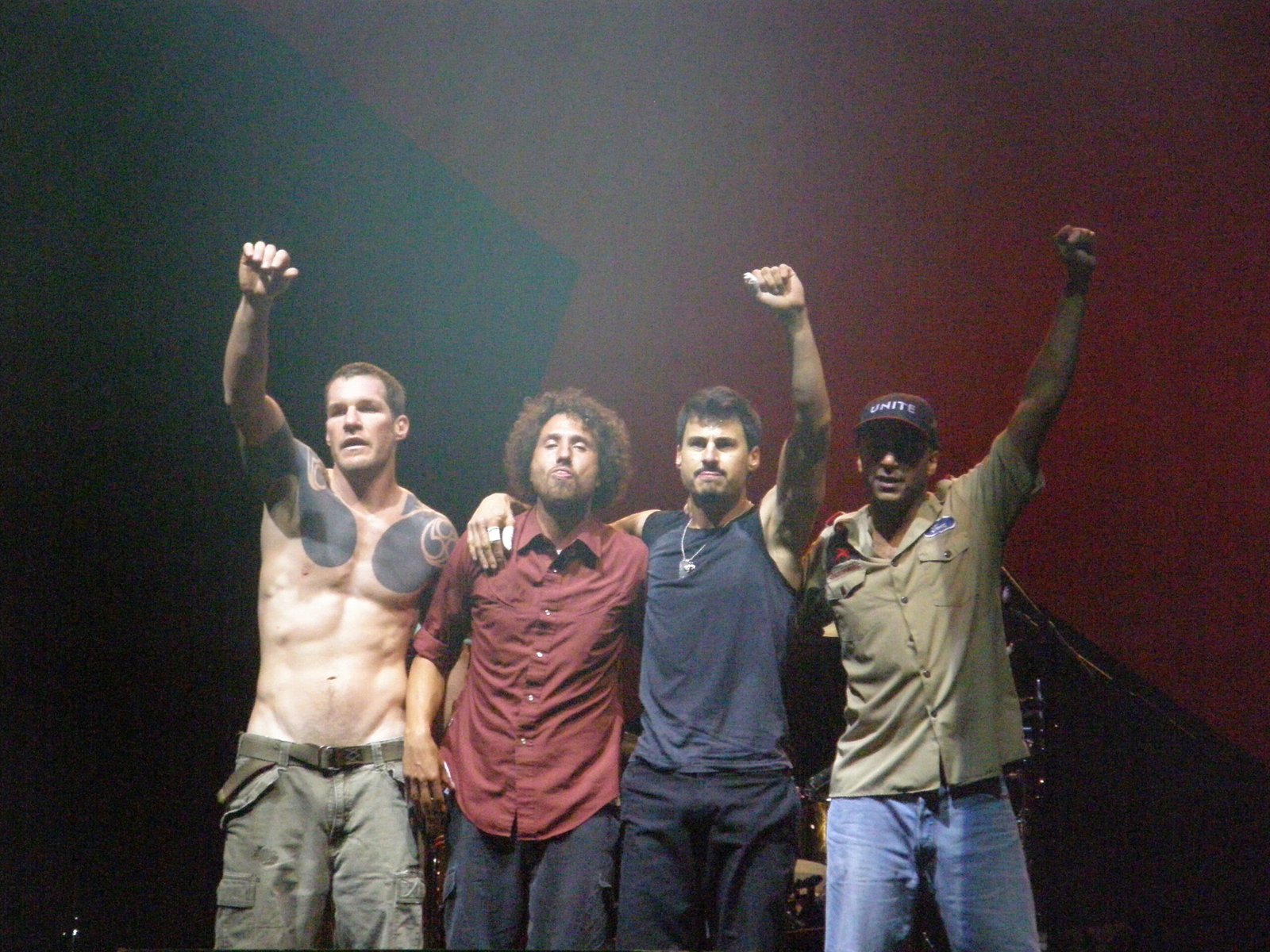
Few songs have rattled the establishment quite like “Killing in the Name.” Released in 1992, this track became synonymous with protests against police brutality and racism. The band’s fierce delivery and explicit lyrics, including the unforgettable “F— you, I won’t do what you tell me,” turned it into a rallying cry for civil disobedience worldwide. In 2020, after the George Floyd protests erupted, streams of the song spiked by over 165% on Spotify, showing its continued relevance. Rage Against the Machine has always been open about their anti-authoritarian stance, and this song remains a go-to anthem at rallies, marches, and demonstrations. In the UK, it famously beat out pop competitors for the Christmas No. 1 spot in 2009 as part of a grassroots campaign against reality TV dominance, showing its power as a protest tool. The band’s guitarist, Tom Morello, often speaks about how the song was inspired by real events, including the Rodney King case in Los Angeles. It’s a piece of music history that still shakes the ground wherever it’s played.
2. John Lennon – “Imagine”

“Imagine” might sound gentle, but its impact has been seismic. Released in 1971, Lennon’s call for peace and unity quickly became a political statement, challenging listeners to envision a world without borders, religion, or possessions. The song was banned in some places for its anti-religious and anti-nationalist themes, but that only fueled its popularity. During the Vietnam War, protesters adopted it as a hopeful anthem. After 9/11, “Imagine” saw a 300% increase in radio plays, according to Nielsen data, as people sought solace and a vision for a better world. It has been performed at countless political rallies, Olympic ceremonies, and even in front of the United Nations. Lennon once said the song was “virtually the Communist Manifesto,” a point that’s sparked endless debate but also made clear its revolutionary intent. “Imagine” endures as a gentle but powerful nudge toward a more compassionate society.
3. Bruce Springsteen – “Born in the U.S.A.”
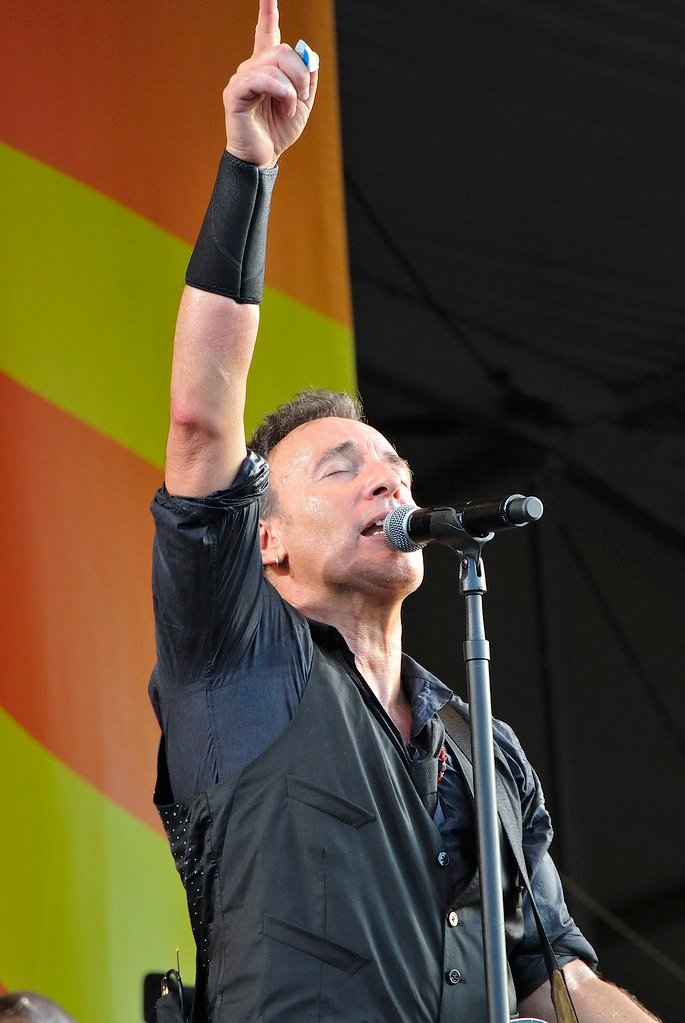
At first listen, “Born in the U.S.A.” sounds like a patriotic rocker, but its core is pure protest. Springsteen’s gravelly voice and anthemic chorus mask lyrics about a Vietnam veteran’s struggles. Released in 1984, the song was quickly co-opted by politicians who misunderstood its message. Ronald Reagan’s campaign tried to use it, only for Springsteen to publicly correct them. The track critiques America’s treatment of its veterans, highlighting the gap between political rhetoric and reality. Over 15 million copies of the album have been sold, making it one of the best-selling records ever. In 2022, Springsteen revisited the song, emphasizing its anti-war message during interviews and concerts. The misunderstood chorus has made it a fascinating study in how protest songs can be misinterpreted but still hit home. Even today, “Born in the U.S.A.” is sung at both patriotic gatherings and anti-war protests—a testament to its layered message.
4. Green Day – “American Idiot”
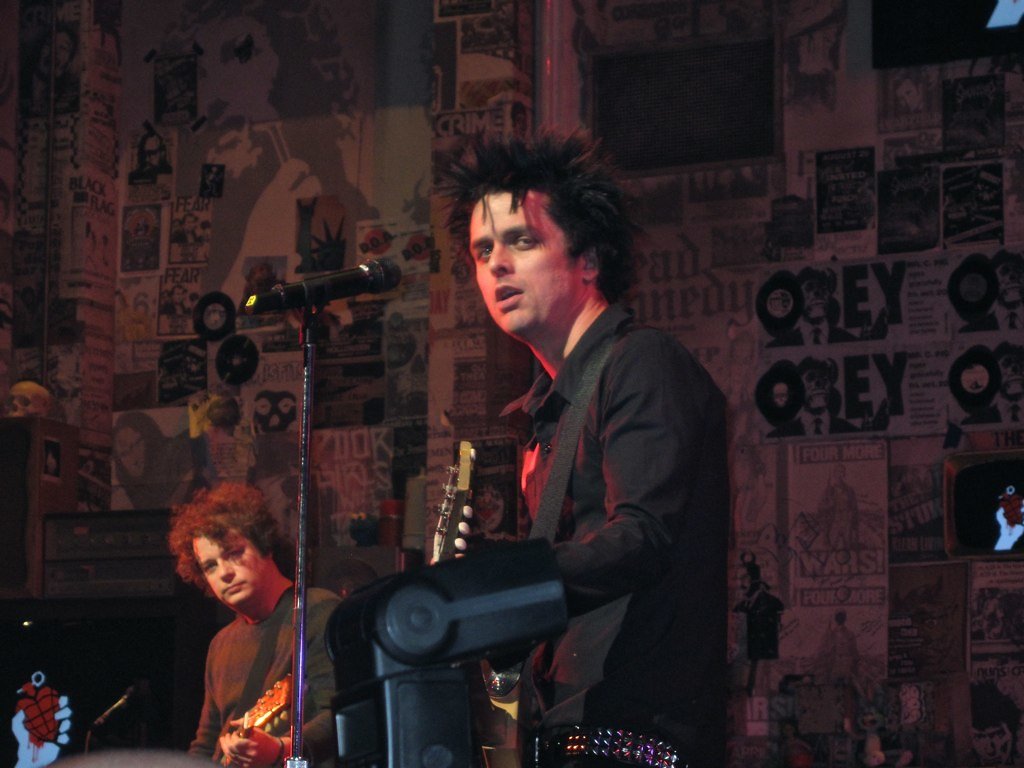
When Green Day released “American Idiot” in 2004, it was a direct response to the political climate of the post-9/11 United States. The song lambasts the media and the Bush administration, with Billie Joe Armstrong calling it a “protest against the mass hysteria of American media.” The album debuted at No. 1 on the Billboard 200 and has sold over 16 million copies globally. During the 2016 and 2020 U.S. elections, “American Idiot” surged in popularity as a protest song, with activists even launching a campaign to get it to No. 1 in the UK during President Trump’s state visit. The band performed it at events like the iHeartRadio Music Festival with explicit anti-Trump messages, cementing its place as a modern protest anthem. Its raw energy and catchy melody made politics accessible to a new generation of listeners. The song’s legacy is not just in its sales, but in how it’s become a symbol of youthful rebellion against political complacency.
5. U2 – “Sunday Bloody Sunday”

Released in 1983, “Sunday Bloody Sunday” addresses the tragic events of January 30, 1972, when British troops shot unarmed civil rights protesters in Northern Ireland. Bono’s intense vocals and The Edge’s military-style drumming made the song instantly iconic. U2 has performed the song at nearly every concert since its release, often updating the lyrics to reference contemporary conflicts. The track was banned by the BBC for a time due to its political content, but this only increased its allure. According to Rolling Stone, the song frequently appears in lists of the greatest protest anthems. In 2017, Bono performed it in Paris, referencing terrorist attacks and once again connecting the song’s message to current events. The track remains a central part of discussions about art and political activism. Its direct, haunting lyrics continue to resonate in regions experiencing conflict and calls for justice.
6. Bob Dylan – “The Times They Are A-Changin’”

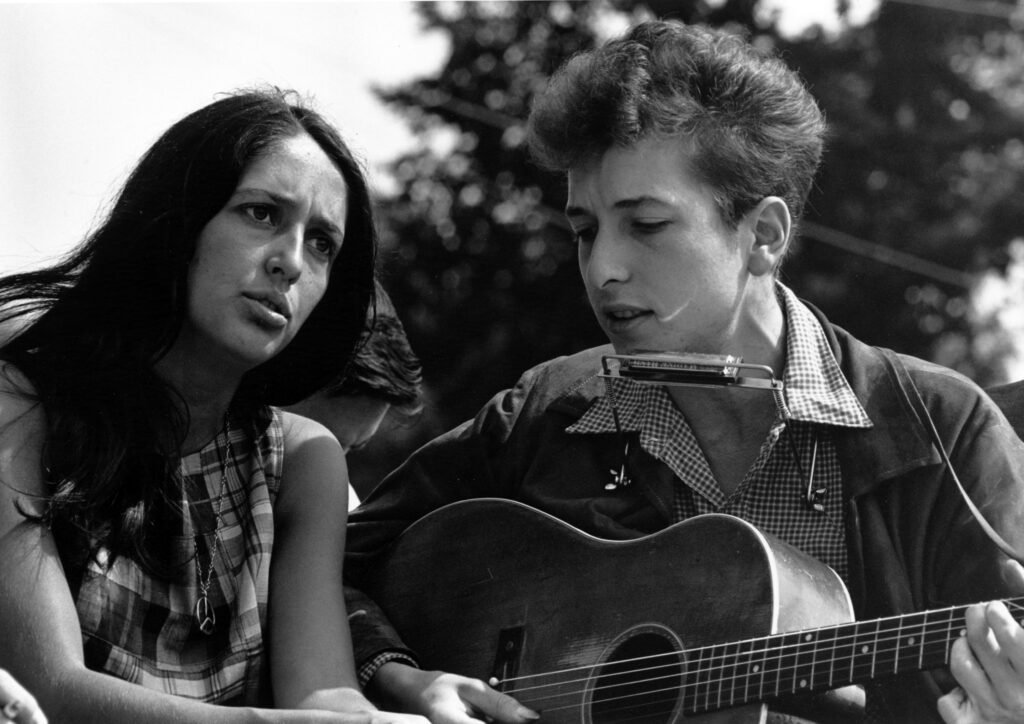
Bob Dylan wrote “The Times They Are A-Changin’” in the early 1960s, and its message feels just as relevant decades later. The song quickly became an anthem for the civil rights and anti-war movements. In 2020, as global protests erupted over racial injustice, the track saw a 70% spike on streaming platforms according to Spotify data. Politicians and activists have quoted its lyrics in speeches, from Barack Obama to Bernie Sanders. Dylan himself has performed it at major events, including the March on Washington anniversary. The Library of Congress added the song to the National Recording Registry, highlighting its cultural significance. Its timeless message reminds listeners that, as history shifts, so do the voices demanding change. Even now, it’s a favorite at rallies and marches, uniting generations under its call for progress.
7. The Clash – “London Calling”
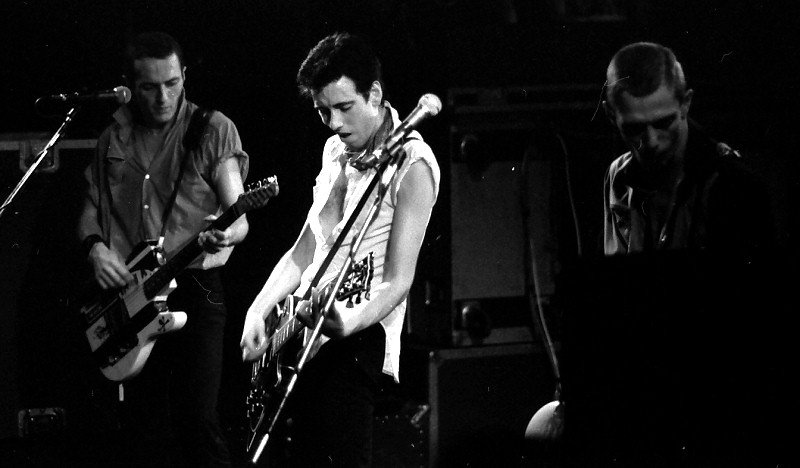
“London Calling” isn’t just about the city—it’s a warning about global crises. Released in 1979, the song touches on topics like nuclear disasters, police brutality, and social decay. The band was responding to real fears: the Three Mile Island nuclear accident, rising unemployment, and racial tensions in the UK. The track has been used in documentaries about climate change and political unrest, and its stark lyrics—“London is drowning, and I live by the river”—feel eerily current as cities face environmental challenges. The album has sold over five million copies worldwide, cementing The Clash as one of punk’s most politically-charged bands. In 2022, the band’s surviving members performed “London Calling” at a climate protest in London, showing its continued relevance. The song remains a touchstone for those who see rock as a means to challenge the status quo.
8. Neil Young – “Ohio”
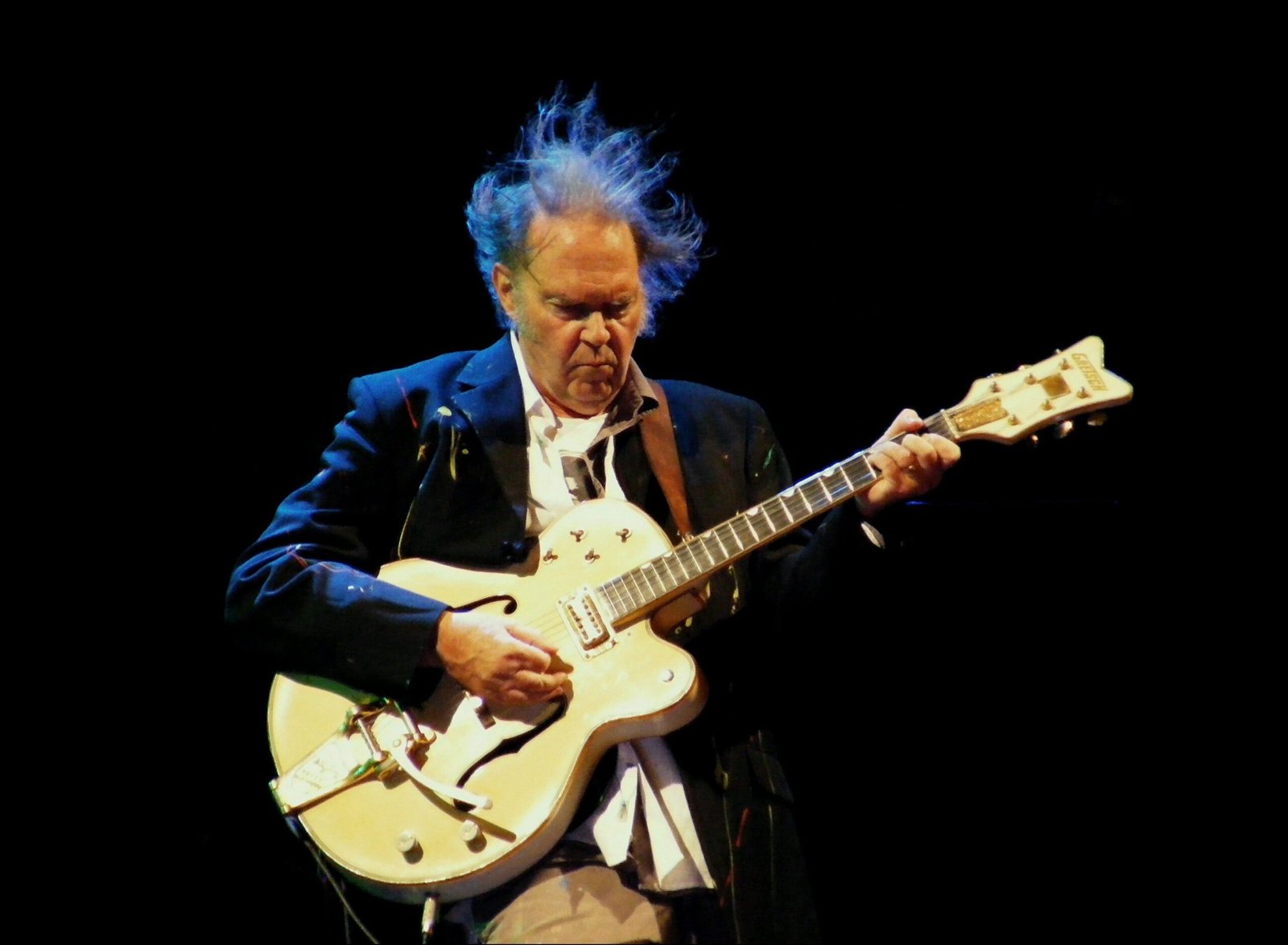
Neil Young wrote “Ohio” after seeing the shocking news photos of the Kent State shootings, where national guardsmen killed four students protesting the Vietnam War in 1970. The song was recorded and released within weeks, capturing national outrage and sorrow. Radio stations in conservative states banned it, but that only boosted its underground appeal. The lyrics, “Tin soldiers and Nixon coming,” directly call out President Nixon’s administration, a bold move at the time. In 2020, as universities revisited the Kent State tragedy on its 50th anniversary, “Ohio” saw renewed interest and was covered by multiple artists in tribute concerts. The song is part of the Rock & Roll Hall of Fame’s permanent collection, anchoring Young’s reputation as a fearless voice for dissent. It’s a raw, emotional snapshot of a country in turmoil.
9. Public Enemy – “Fight the Power” (with Anthrax version)
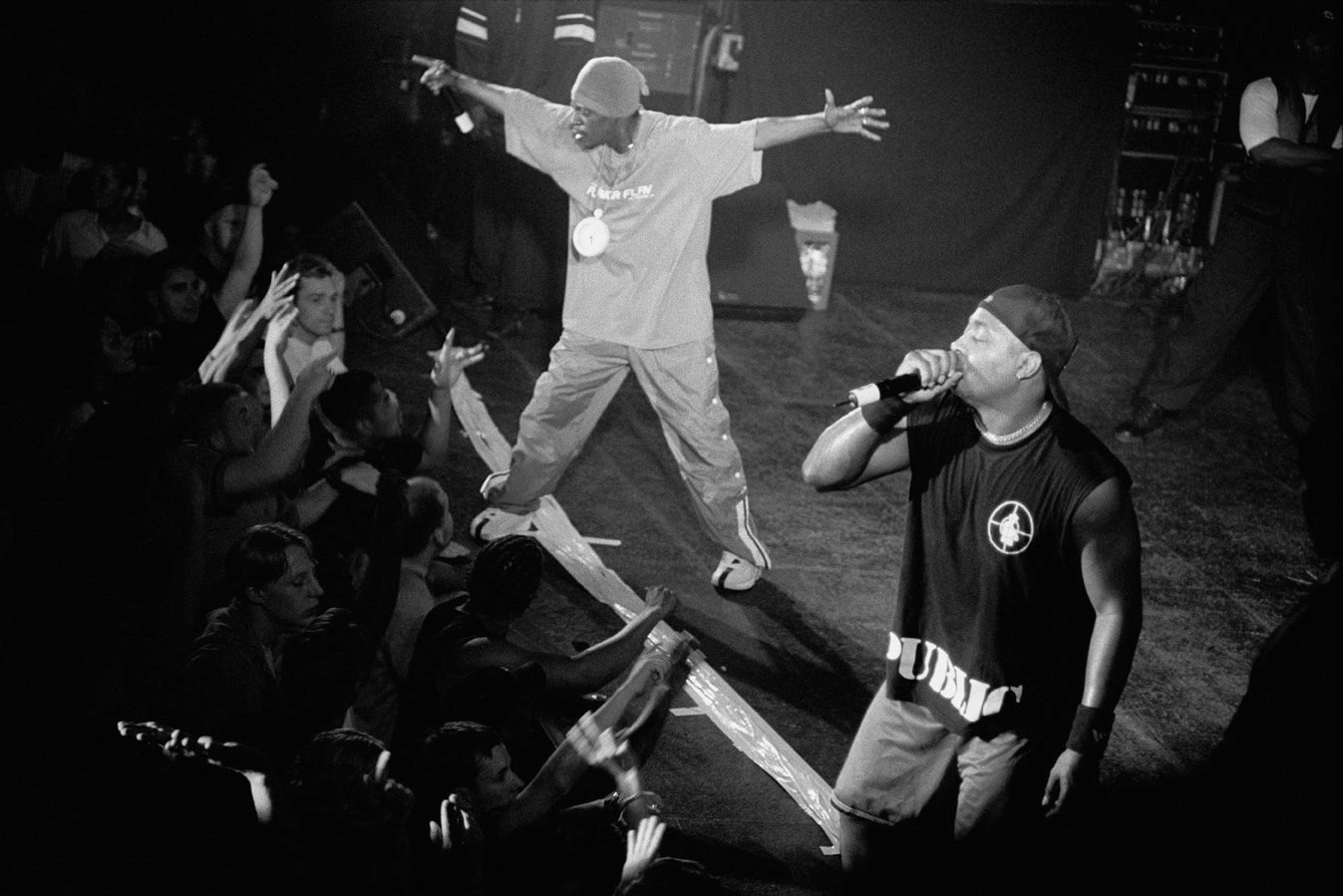
Though rooted in hip-hop, “Fight the Power” became a rock anthem when Public Enemy teamed up with Anthrax in 1991, blending rap and metal in a way that electrified protest music. Originally created for Spike Lee’s “Do the Right Thing,” the song became synonymous with resistance to systemic racism and police brutality. During the 2020 Black Lives Matter protests, the track was streamed millions of times—Spotify reported a 272% increase over the summer alone. Its lyrics, “Elvis was a hero to most, but he never meant s— to me,” challenged cultural icons and sparked debates about race and representation. The version with Anthrax pushed boundaries, bringing diverse audiences together and making loud, aggressive music a tool for protest. The track is frequently cited in academic research on protest music, highlighting its cross-genre influence.
10. Pink Floyd – “Another Brick in the Wall, Part II”
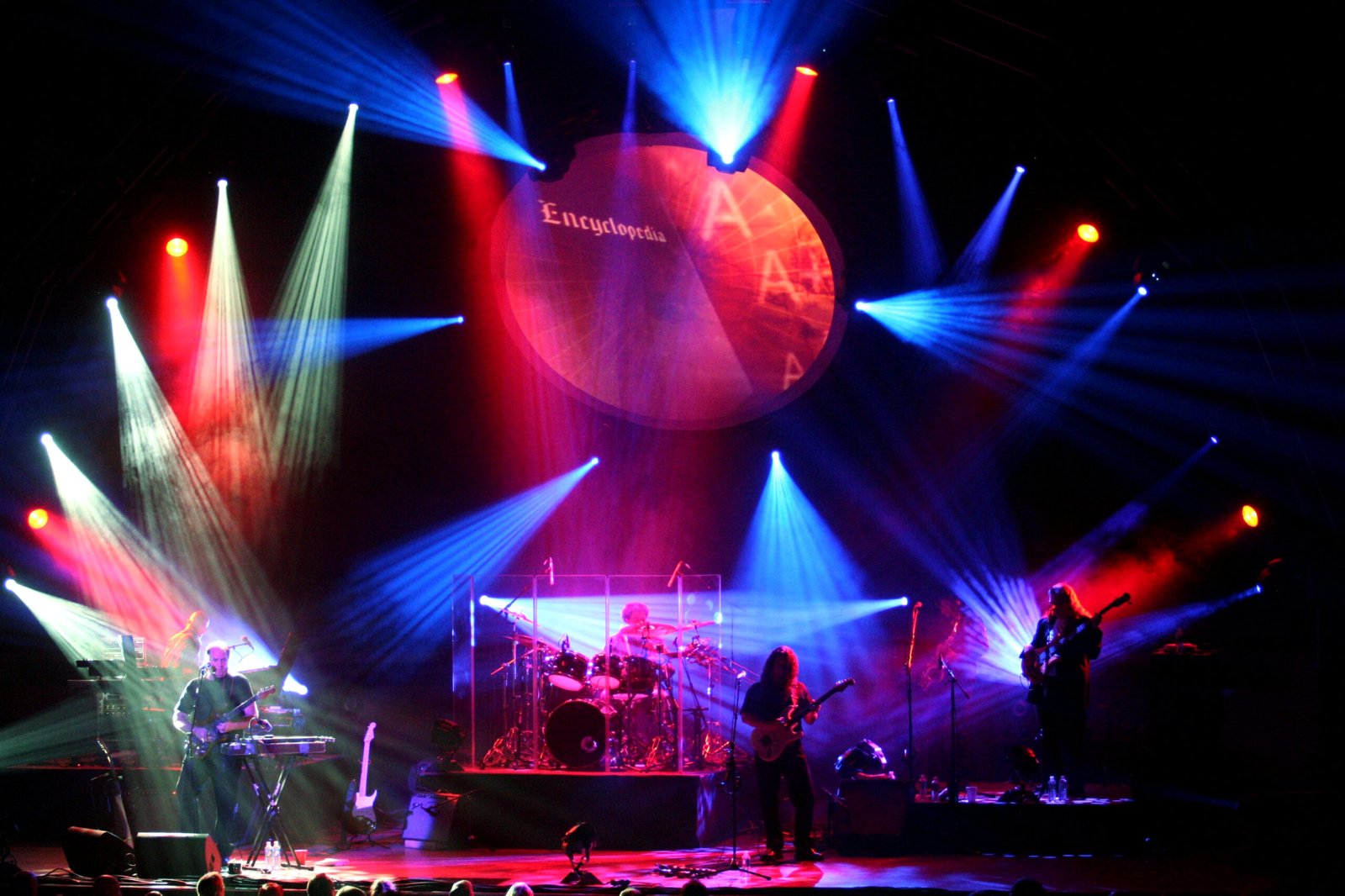
“Hey, teacher, leave them kids alone!” became a chant for generations of students fed up with oppressive education systems. Released in 1979, “Another Brick in the Wall, Part II” was banned in South Africa in the 1980s after it was adopted by black schoolchildren protesting apartheid. According to the BBC, the South African government considered the song “subversive.” The album “The Wall” has sold over 30 million copies, making it one of the best sellers in history. In 2022, the song was used in online campaigns against standardized testing in the US and UK, showing its message still hits home. Pink Floyd’s Roger Waters has often used live performances to highlight political issues, including recent references to Palestine and education reform. The song’s enduring legacy is its ability to turn youthful frustration into a powerful call for change.
11. Pearl Jam – “Jeremy”
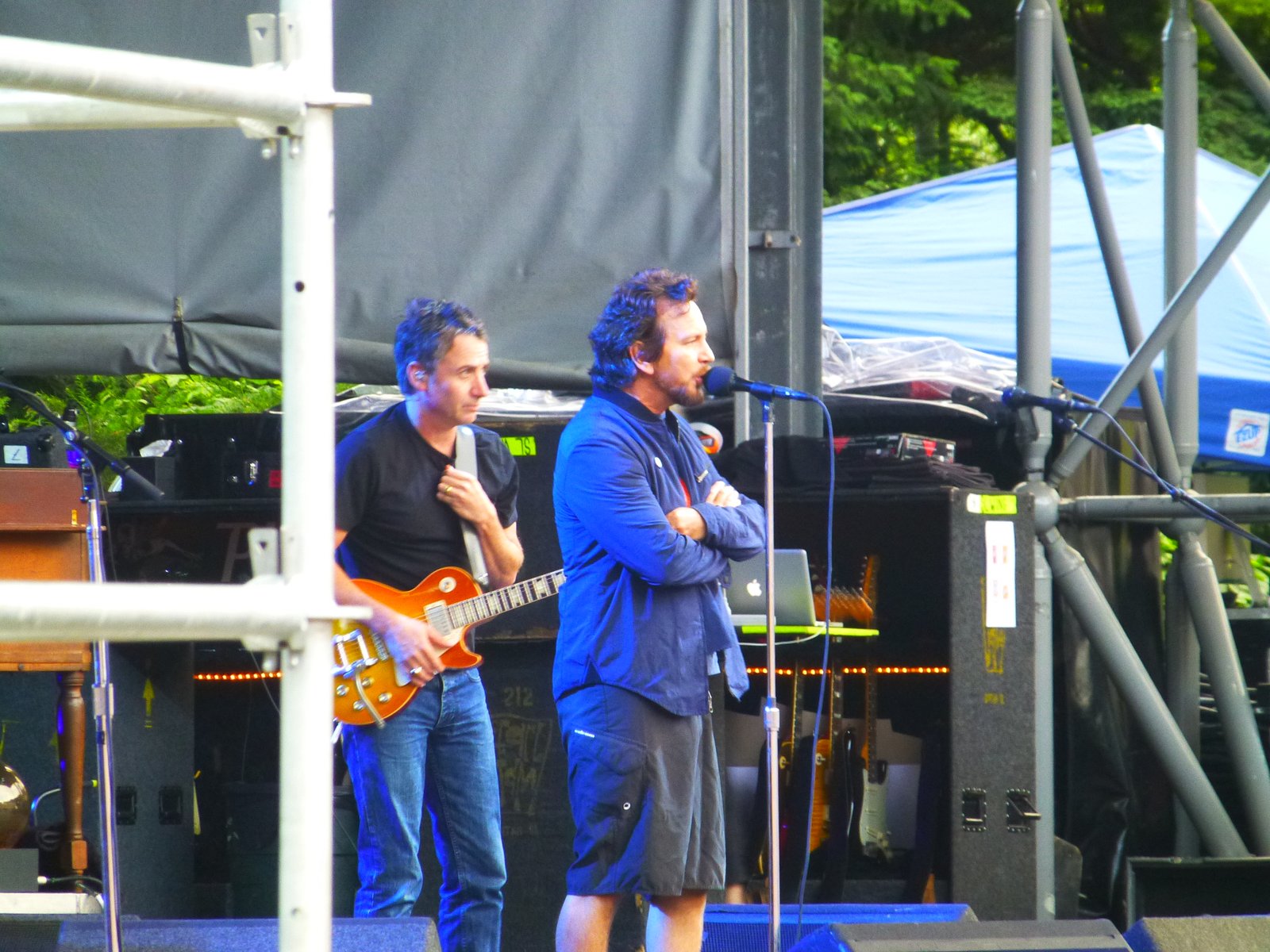
While “Jeremy” is often remembered for its haunting video and tragic story of a bullied boy, it’s also a sharp critique of American society. Released in 1991, the song was inspired by a real-life shooting in a Texas classroom. It brought national attention to issues of gun violence, bullying, and mental health. In the wake of school shootings in the 2010s and 2020s, “Jeremy” was referenced in debates about gun reform and youth mental health policy. According to Nielsen, the song saw a resurgence in streams after major incidents, as listeners sought music that addressed real pain and frustration. Pearl Jam frontman Eddie Vedder has spoken out about the need for gun control, using the song’s platform to push for legislative change. “Jeremy” stands as a chilling reminder of the consequences of silence and inaction.
12. Tracy Chapman – “Talkin’ Bout a Revolution”

Chapman’s debut single from 1988 quietly became an anthem for the downtrodden and disenfranchised. With lines like, “Poor people gonna rise up and get their share,” Chapman’s soulful voice captured the spirit of economic justice movements. The song was played during the 2011 Occupy Wall Street protests and, more recently, at Black Lives Matter rallies. In 2020, it saw a spike in downloads after being referenced by Alexandria Ocasio-Cortez in a speech about economic inequality. The track’s stripped-down arrangement makes its message all the more powerful, and Chapman’s performances at Nelson Mandela’s 70th birthday concert cemented its place as a political touchstone. It’s a quiet, persistent reminder that real change starts from the ground up.
13. The Cranberries – “Zombie”
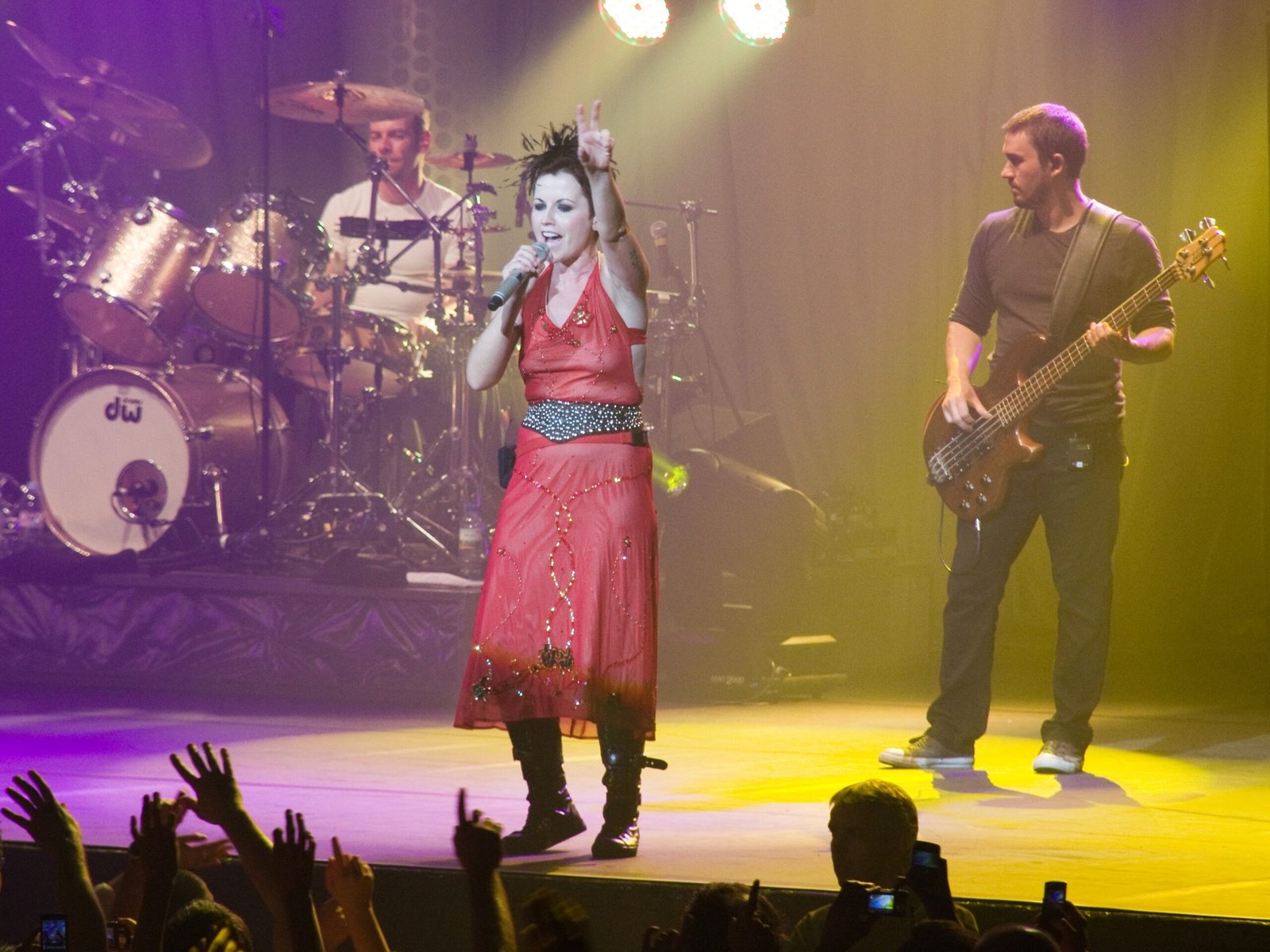
“Zombie,” released in 1994, was written in response to the IRA bombings in Warrington, England, which killed two children. The song’s raw energy and Dolores O’Riordan’s piercing vocals made it an instant anthem. It topped charts in over ten countries and was banned in some radio stations for its political content. After O’Riordan’s death in 2018, “Zombie” experienced a massive resurgence, reentering global charts and being covered by dozens of artists. The track was used at peace rallies in Ireland and the UK and has been cited in studies about music’s role in conflict resolution. In 2022, the band donated proceeds from a new mix of the song to victims of political violence, underscoring its enduring message. The song’s unforgettable chorus continues to echo in times of unrest.
14. System of a Down – “B.Y.O.B.”
Released in 2005, “B.Y.O.B.” (Bring Your Own Bombs) is a ferocious critique of the Iraq War and the hypocrisy of political leaders. The song asks, “Why do they always send the poor?”—a line that became a social media hashtag during anti-war marches in the 2010s and 2020s. The track won a Grammy for Best Hard Rock Performance and has been used in documentaries about the war’s impact on soldiers and civilians. System of a Down’s Armenian-American heritage also infuses their music with a deep sense of injustice, represented in their activism for Armenian causes. In 2021, the band released new music to raise funds for victims of conflict, showing their commitment to political action. The song’s rapid-fire delivery and chaotic shifts mirror the confusion and anger of wartime. It’s a relentless reminder of the costs of war.
15. Patti Smith – “People Have the Power”
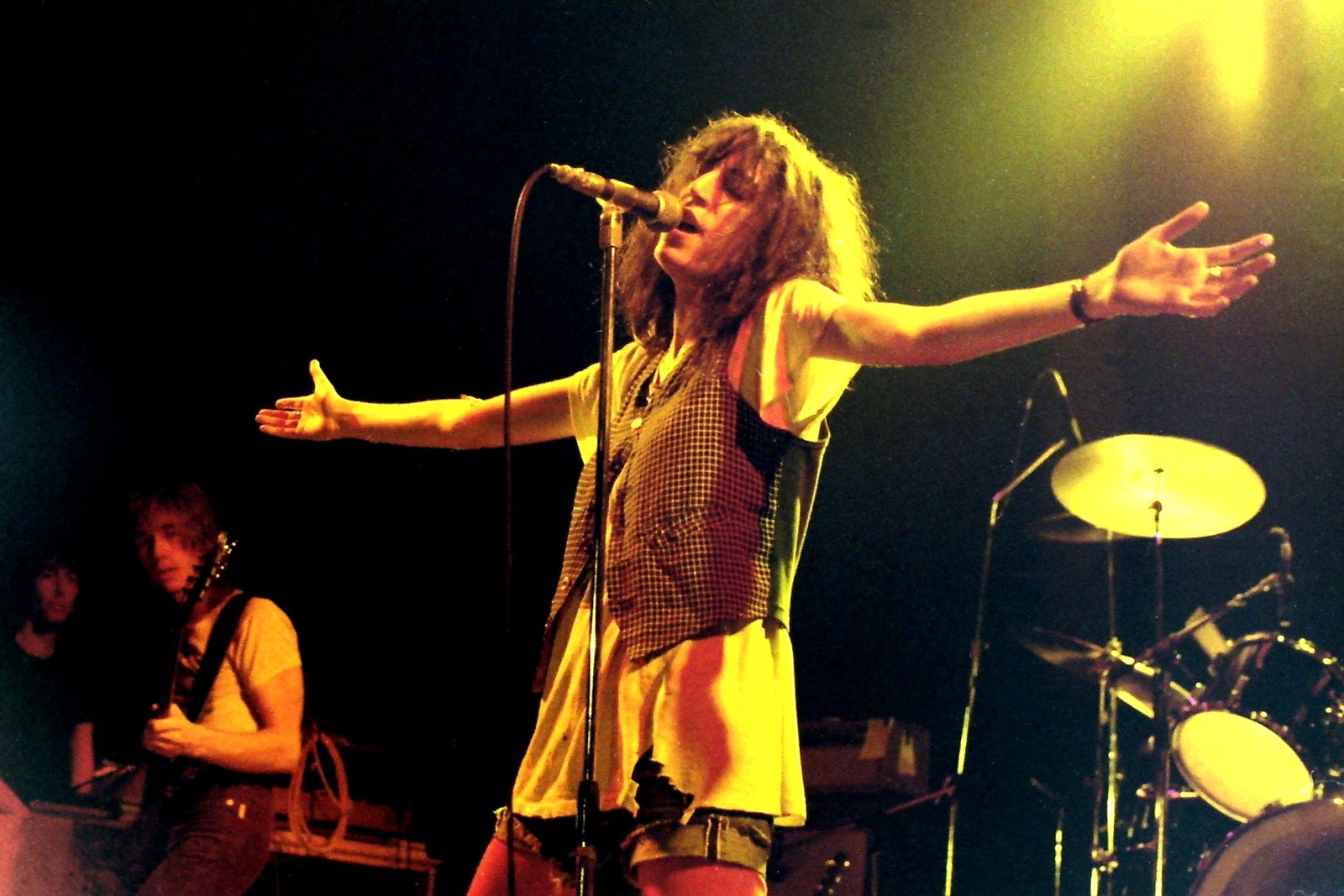
First released in 1988, “People Have the Power” is an unapologetic anthem of hope and resistance. Patti Smith wrote it with her late husband, Fred “Sonic” Smith, inspired by grassroots movements for change. The song was a fixture at Occupy Wall Street protests and has been used at climate marches and women’s rights rallies worldwide. In 2021, Smith performed it at the United Nations Climate Change Conference, with activists singing along in multiple languages. The track has been cited in academic studies as a “protest ritual,” helping people build solidarity. Smith’s powerful, poetic delivery makes the song feel like a shared secret among those fighting for justice. It’s a hopeful reminder that collective action can move mountains.
16. Midnight Oil – “Beds Are Burning”
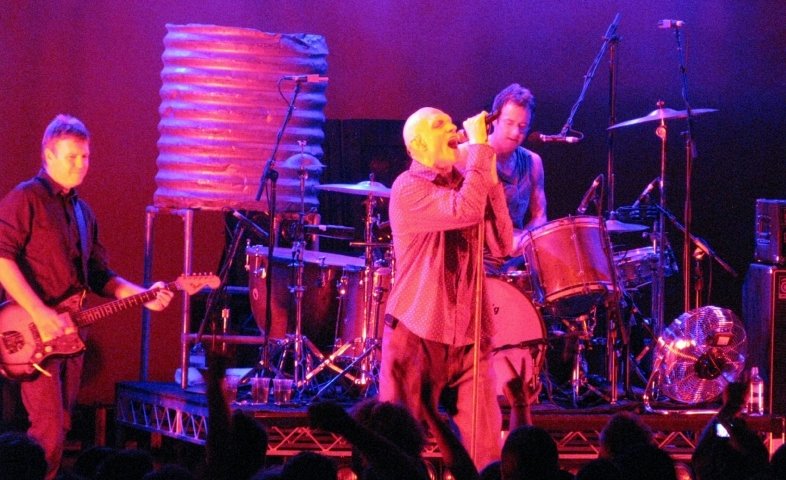
Australian band Midnight Oil released “Beds Are Burning” in 1987 as a protest against the mistreatment of Indigenous Australians and the continuing effects of colonialism. The song asks a direct question—“How can we dance when our earth is turning?”—which became a catchphrase for environmental and social justice campaigns. The band performed it at the closing ceremony of the 2000 Sydney Olympics, watched by over two billion people. In 2020, the track was revived by climate activists, with new covers produced for Earth Day events. The song has been translated into multiple languages for campaigns about land rights and environmental protection. Midnight Oil’s lead singer, Peter Garrett, later served in the Australian Parliament, bringing the band’s message full circle. The song’s pulsing beat and urgent lyrics continue to inspire action.
17. Bob Marley & The Wailers – “Get Up, Stand Up”
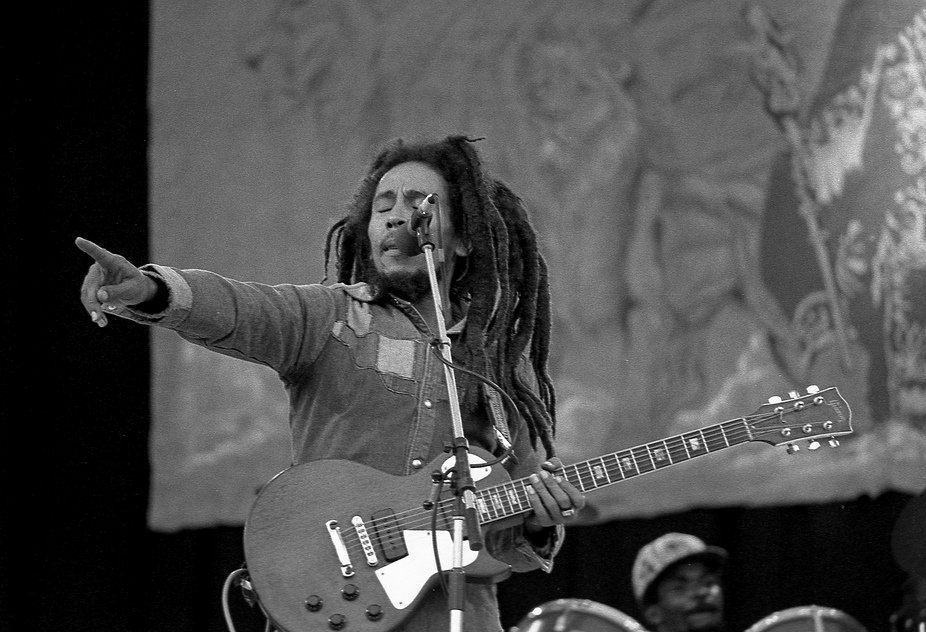
“Get Up, Stand Up,” released in 1973, is one of reggae’s most enduring protest songs. Bob Marley and Peter Tosh wrote it after visiting Haiti and witnessing extreme poverty and oppression. The track became a favorite at civil rights rallies and Amnesty International events. According to the World Economic Forum, the song was played at more than 50 major international protests in 2020 alone. Marley performed it at the Zimbabwe Independence celebrations in 1980, connecting its message to anti-colonial struggles. The lyrics have been quoted by politicians and activists worldwide, making it a universal call to action. Even decades later, “Get Up, Stand Up” remains a powerful soundtrack for resistance.
18. The Rolling Stones – “Street Fighting Man”
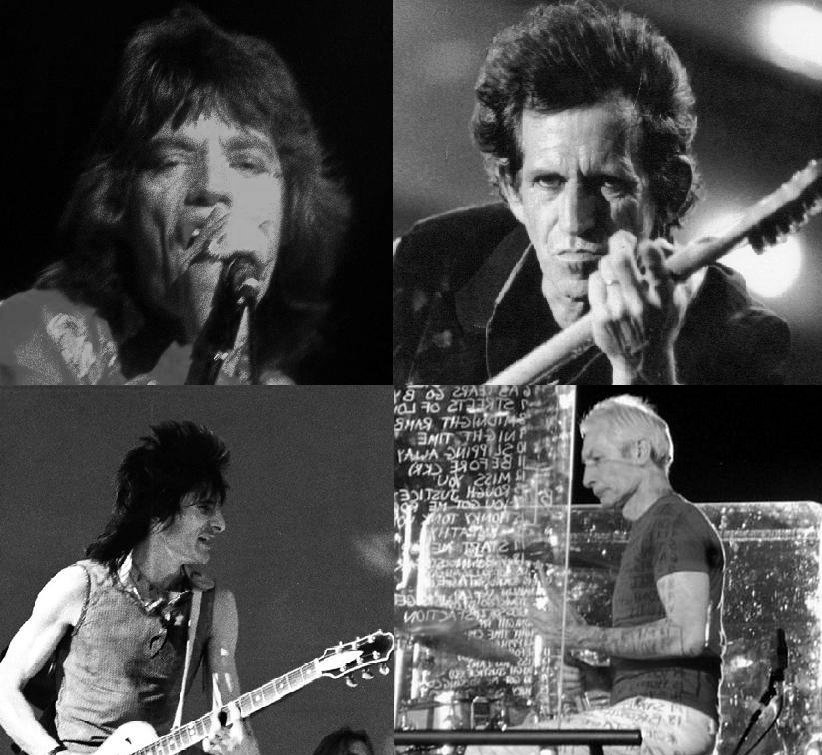
“Street Fighting Man,” released in 1968, was inspired by protests in Paris and anti-war demonstrations in the US. The track’s driving rhythm and urgent lyrics captured the chaos of the late 1960s. Some US radio stations banned the song, fearing it would incite riots, as reported by the New York Times at the time. Mick Jagger said the song was about the “impossibility of real change,” yet it became a staple at protest rallies across the globe. In 2020, the track was used in documentaries about the Black Lives Matter movement, connecting its old-school energy to new waves of activism. The Stones’ rebellious streak is on full display here, making the song a go-to for anyone feeling the urge to take to the streets.
19. The White Stripes – “Icky Thump”
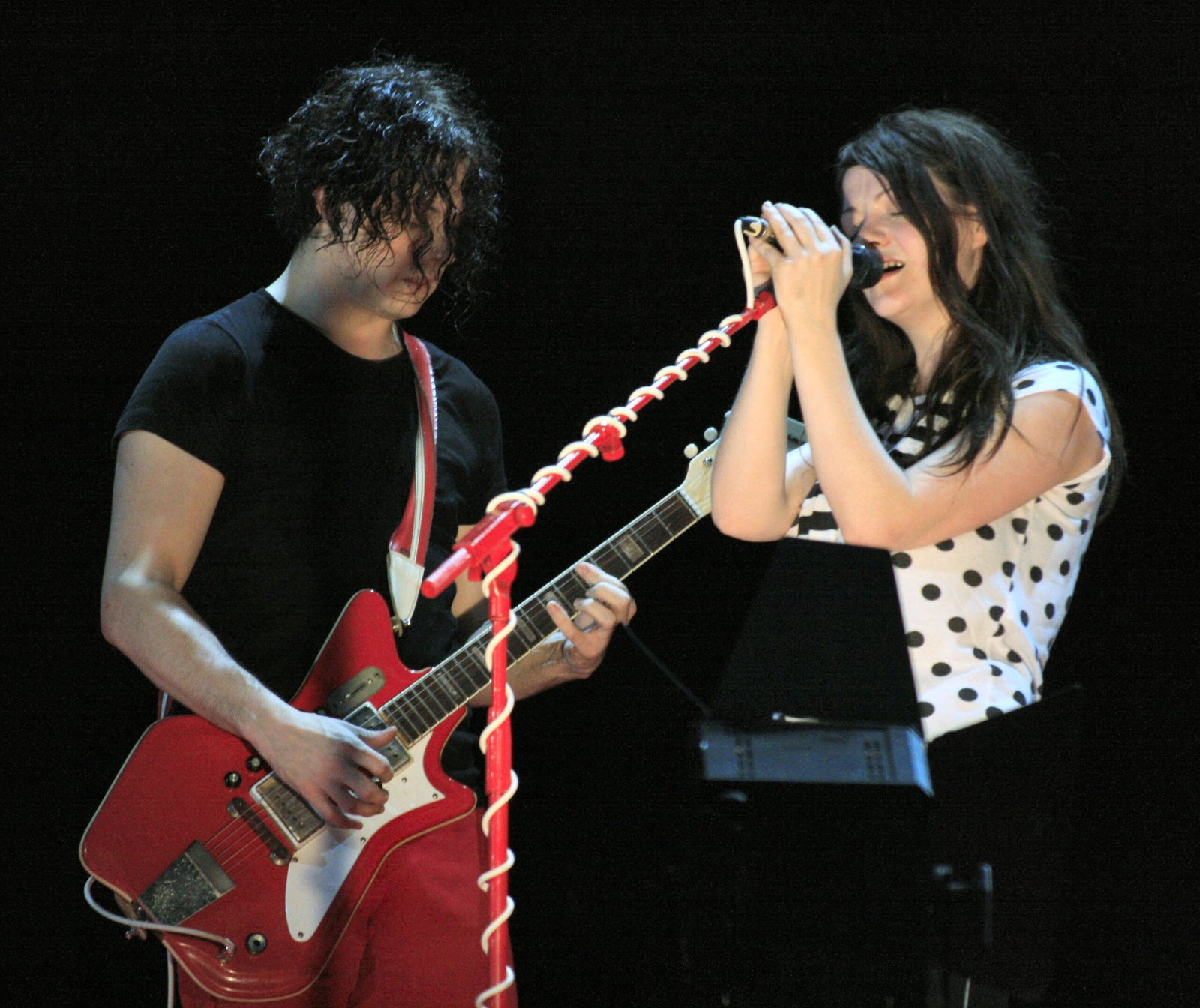
“Icky Thump,” released in 2007, is a biting critique of US immigration policy. The song’s lyrics, “Why don’t you kick yourself out, you’re an immigrant too,” challenge the hypocrisy surrounding immigration debates. After the 2016 US presidential election, the song was referenced in editorials and protest signs addressing anti-immigrant rhetoric. It charted in the top 10 in both the US and UK, proving its mainstream appeal despite its pointed message. Jack White’s snarling vocals and the song’s raw blues guitar made it a standout in political commentary through rock. In 2023, the track was used in social media campaigns supporting immigrant rights, showing its continued relevance. The White Stripes’ approach to politics is blunt but effective, making listeners confront uncomfortable truths.
20. Billie Holiday – “Strange Fruit” (covered by rock artists)

Though originally a jazz song, “Strange Fruit” has been covered by numerous rock artists, including Jeff Buckley and Siouxsie and the Banshees, turning it into a rock protest staple. The song, first recorded in 1939, describes the lynching of Black Americans in the South. It was banned on many radio stations, but Time magazine called it “a declaration of war” on racism. In recent years, “Strange Fruit” has been used in documentaries about the Black Lives Matter movement, and rock versions of the song were performed at major protests in 2020 and 2021. According to Billboard, the track’s streaming numbers doubled during key protests over racial injustice. Its haunting imagery and emotional delivery remain as powerful—and necessary—as ever.
End.

Besides founding Festivaltopia, Luca is the co founder of trib, an art and fashion collectiv you find on several regional events and online. Also he is part of the management board at HORiZONTE, a group travel provider in Germany.
