

- Anticipated Album Releases of 2025: A Musical Journey Awaits - February 22, 2026
- New York City’s Star-Studded Line-Up: 2025’s Must-See Performances - February 22, 2026
- 25 Times Tech Meets Style: The Best Wearable Gear for 2024 - February 22, 2026
1. Brown v. Board of Education and Desegregation Protests
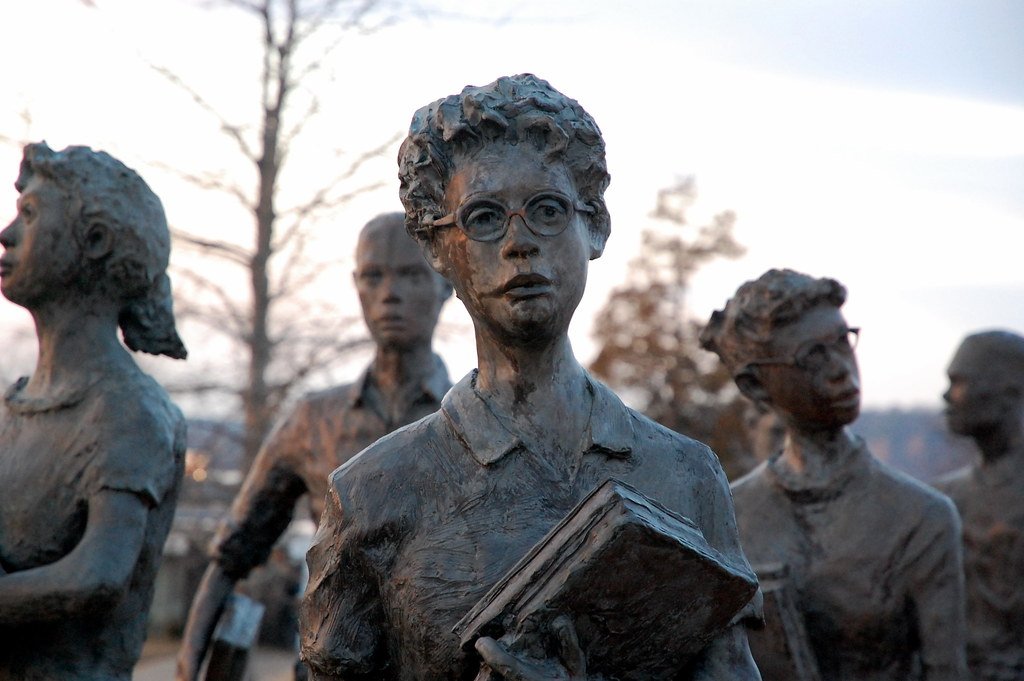
In 1954, the Supreme Court’s Brown v. Board of Education decision declared school segregation unconstitutional. But the ruling didn’t magically erase the deeply rooted barriers overnight. All across the South, brave students and parents protested segregated schools, often facing violence and threats. In Little Rock, Arkansas, nine Black students—later called the “Little Rock Nine”—endured mobs and military intervention just to attend classes. These protests forced national attention, highlighting the hypocrisy of “separate but equal.” Desegregation protests inspired similar actions in other cities, pushing the federal government to enforce civil rights laws. The courage and persistence of these early protesters set the stage for future fights for equality in education.
2. The 1968 East Los Angeles Walkouts
Thousands of Mexican American students in East Los Angeles staged massive walkouts in 1968, demanding better educational opportunities. Frustrated by overcrowded classrooms, racist teachers, and a lack of resources, these students—often called “Chicanos”—left their schools in a historic show of unity. Their main demands included more bilingual education, Mexican American history courses, and the hiring of Latino teachers and principals. The walkouts, also known as the “Blowouts,” drew national headlines and forced school officials to listen. Over 13,000 students participated, showing the power of collective action. The movement inspired future Latino activism and left a permanent mark on curriculum reforms.
3. The Free Speech Movement at UC Berkeley
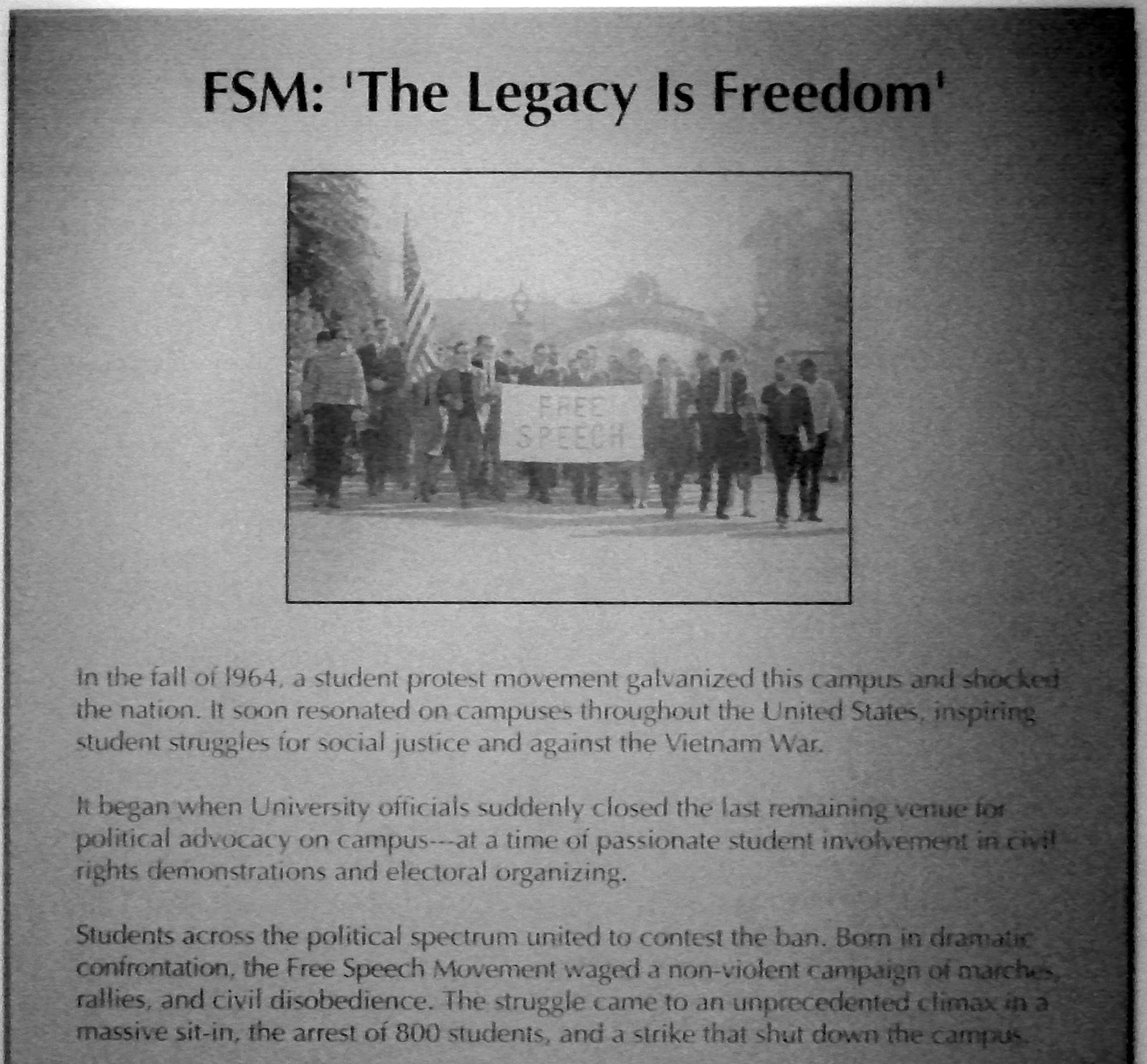
In 1964, the University of California, Berkeley became the epicenter of the Free Speech Movement. Students, frustrated by restrictions on political activity and speech on campus, protested by organizing sit-ins and rallies. Mario Savio, a philosophy student, emerged as a charismatic leader, famously declaring, “You can’t negotiate with the machine.” The protests led to mass arrests but eventually forced the university to change its policies. The movement sparked similar activism at colleges nationwide, making freedom of expression a core value in American higher education. This protest also paved the way for later antiwar and civil rights activism on campuses.
4. Anti-Vietnam War Campus Protests
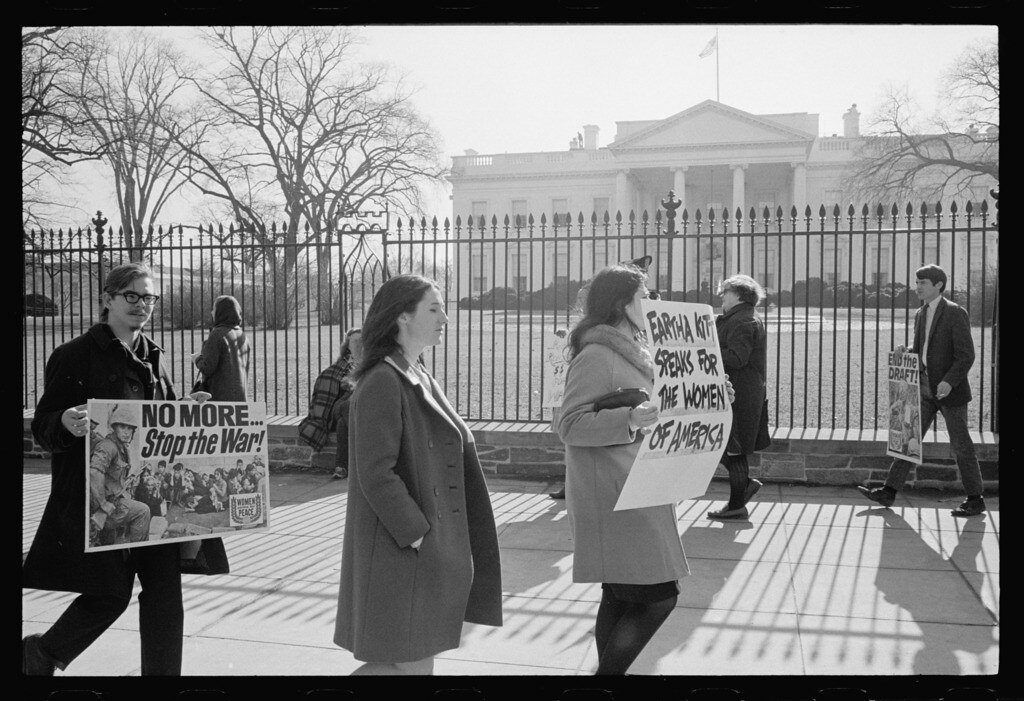
As the Vietnam War escalated in the late 1960s and early 1970s, college campuses erupted in protest. Students at Kent State University made headlines in 1970 when National Guardsmen shot and killed four protesters, shocking the nation. The antiwar movement on campuses was massive—hundreds of thousands of students participated in strikes, sit-ins, and teach-ins. Protesters demanded that universities cut ties with military research and ROTC programs. These demonstrations forced administrators to listen and resulted in real policy changes. Many historians credit the student antiwar movement with helping to end the draft and influencing public opinion about the war.
5. The 1972 Title IX Protests
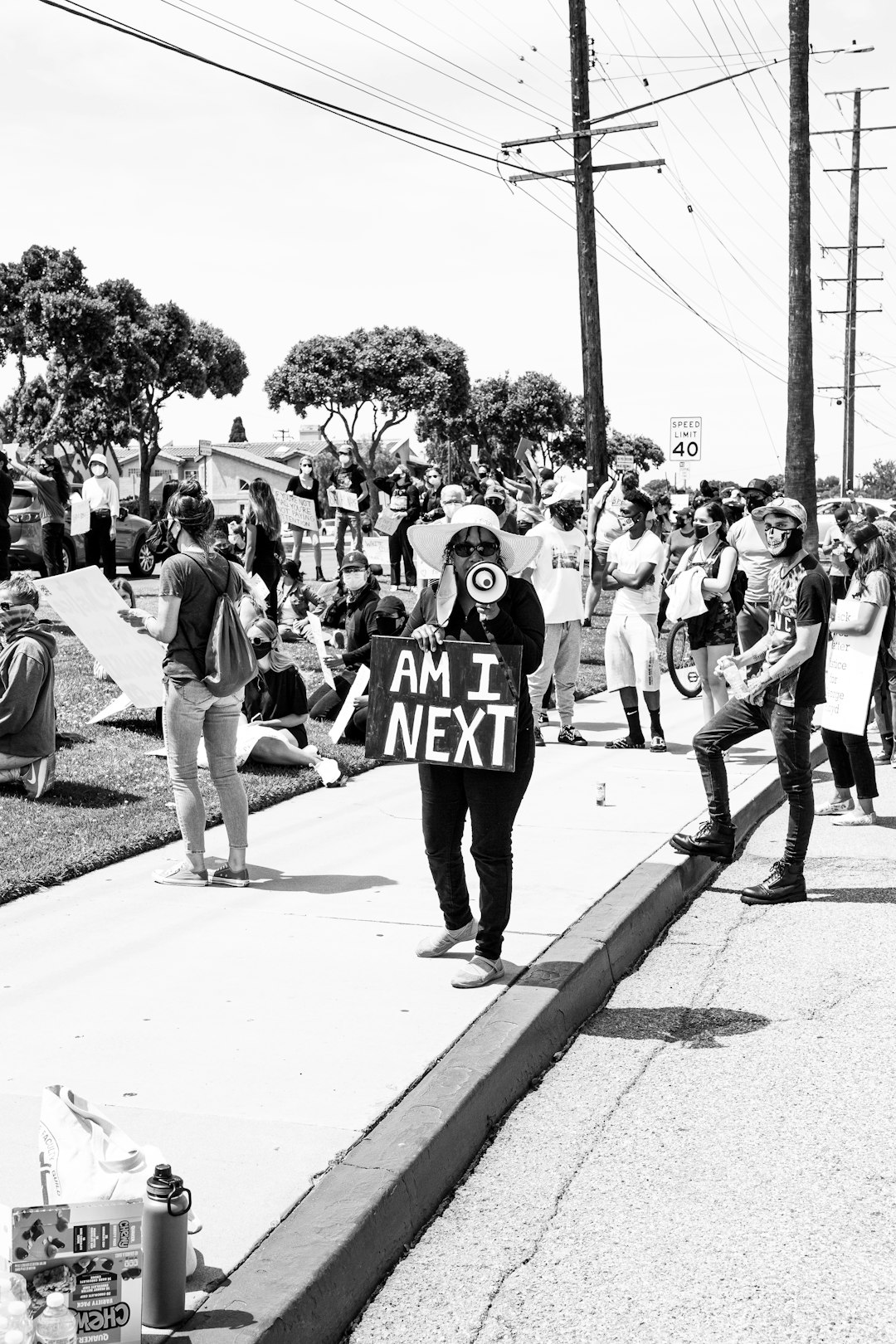
Title IX of the Education Amendments Act, passed in 1972, promised equal treatment for women in education. But it didn’t happen without a fight. Female athletes and students protested for better funding, facilities, and opportunities. They faced ridicule and resistance from male counterparts and administrators. Their persistence paid off—schools were eventually forced to create girls’ sports teams and offer scholarships. According to the Women’s Sports Foundation, female participation in high school sports jumped from 1 in 27 to 1 in 2.5 girls after Title IX. These protests didn’t just change athletics; they set standards for gender equality in all aspects of education.
6. The 1989 New York City Teachers’ Strike
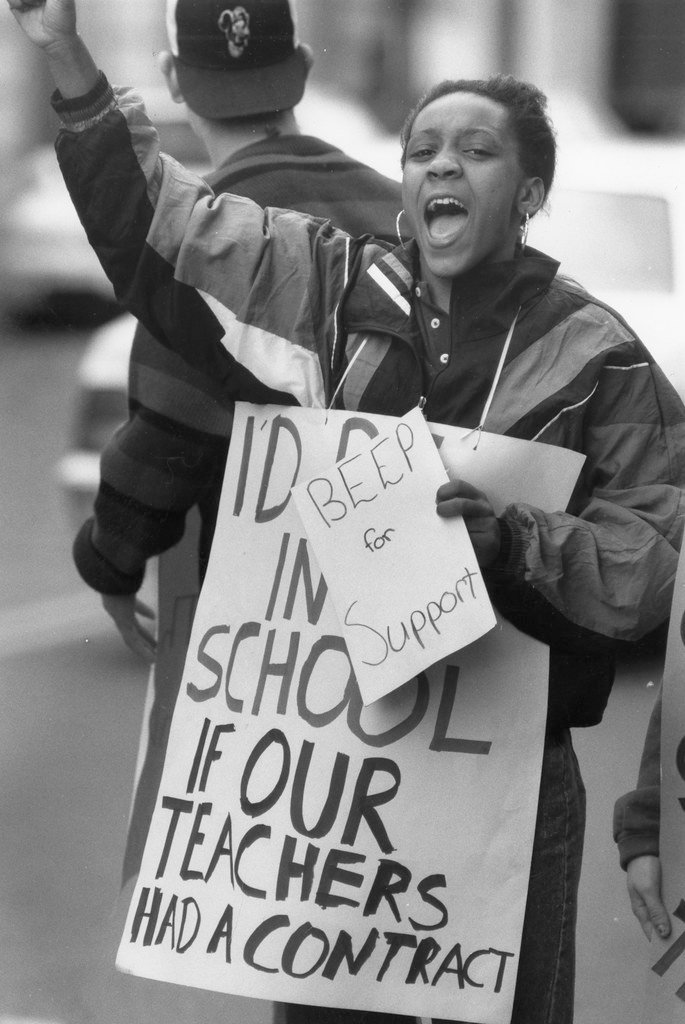
In 1989, New York City teachers went on strike, disrupting the nation’s largest school system for nearly two weeks. Led by the United Federation of Teachers, the strikers demanded better pay, smaller class sizes, and more classroom resources. The strike highlighted deep tensions over education funding and working conditions. With over a million students affected, parents and city officials were forced to pay attention. The strike resulted in significant wage increases and also led to discussions about broader education reform. This protest underscored how educators’ working conditions directly impact student learning environments.
7. The 1995 Oakland Unified School District’s Ebonics Resolution Protests
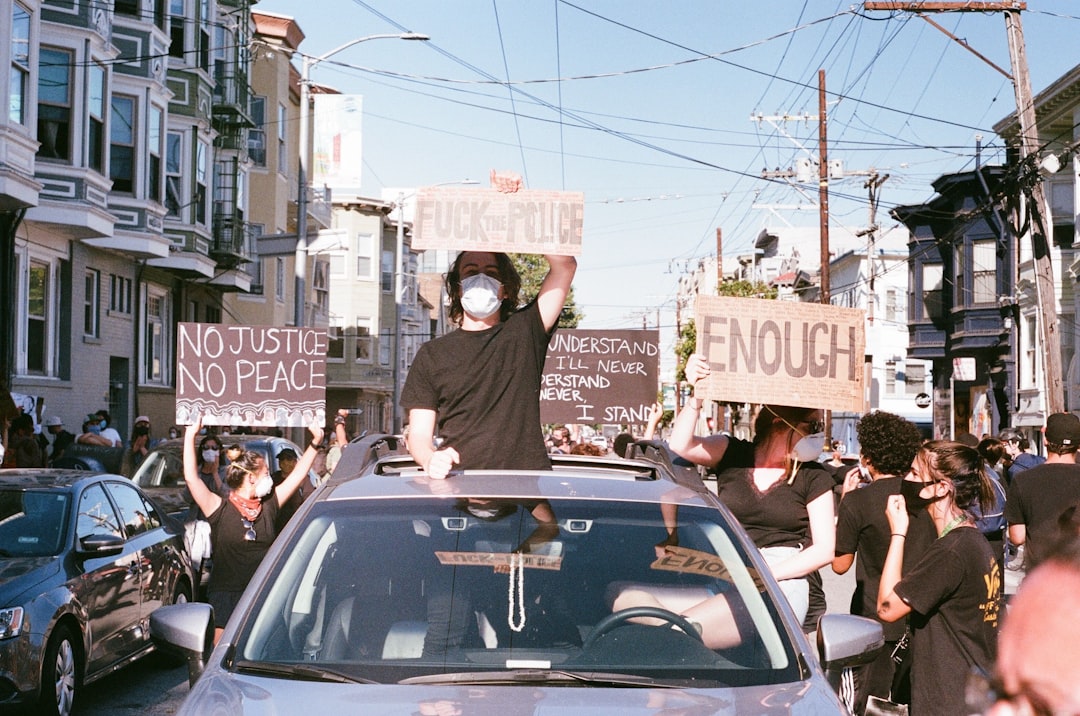
In 1996, the Oakland school board recognized “Ebonics” (African American Vernacular English) as a distinct language. The move sparked immediate controversy and protests from parents, teachers, and national figures. Critics feared the decision would further stigmatize Black students or lower academic standards. Supporters argued it would help teachers better connect with students and improve literacy. The protests forced a national discussion about language, race, and learning. Real changes followed, with many schools reconsidering how they approached language diversity and instruction for minority students.
8. The 2012 Chicago Teachers’ Strike
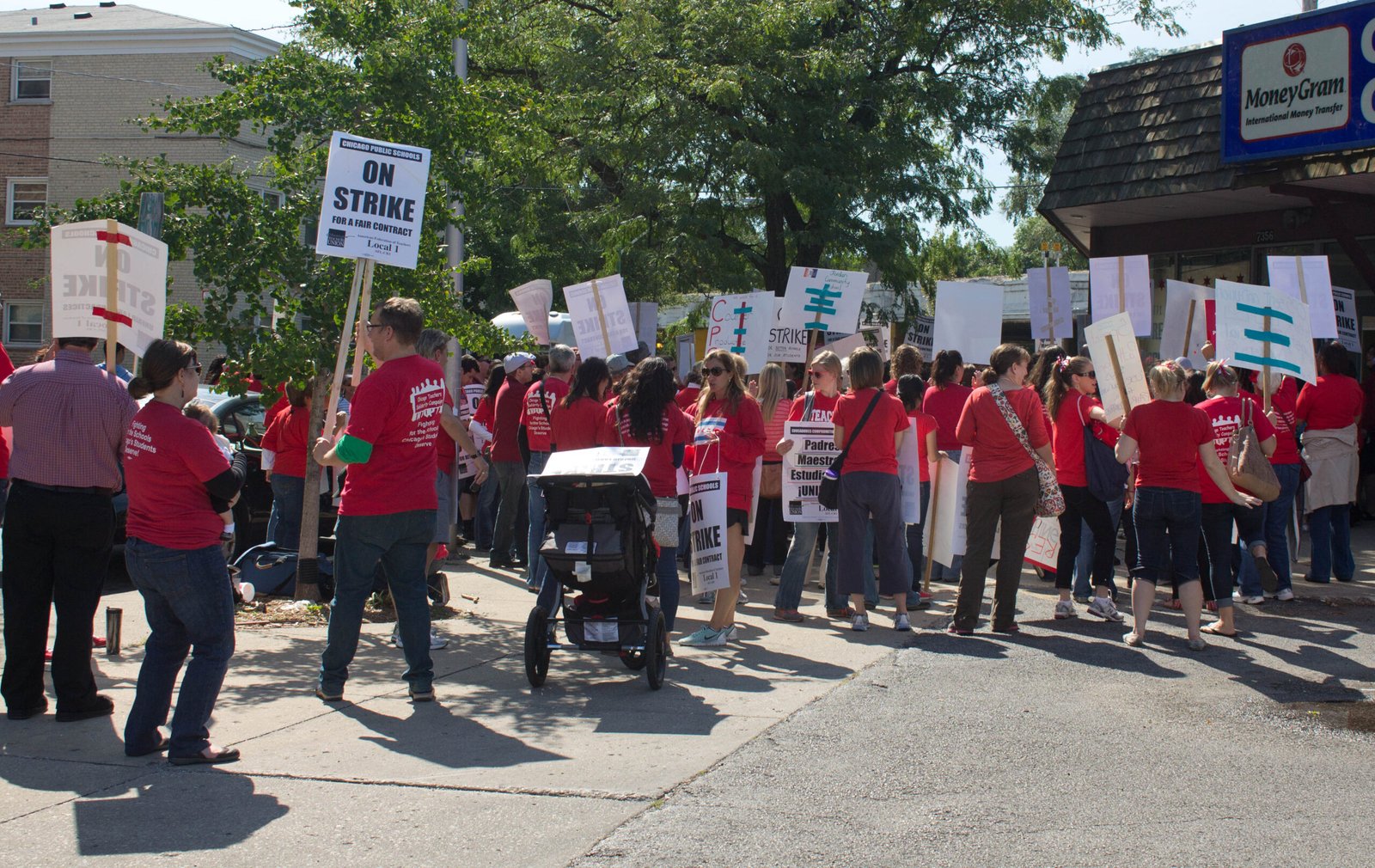
Chicago’s 2012 teachers’ strike was one of the most significant education labor protests in recent memory. Led by the Chicago Teachers Union, over 26,000 educators walked off the job for seven days, shutting down the nation’s third-largest school district. Protesters demanded smaller class sizes, better pay, and a reduction in standardized testing. The strike drew national media attention, inspiring similar actions in other states. In the end, teachers won concessions, including more resources for schools and limits on high-stakes testing. The protest reshaped conversations about public education and teacher unions nationwide.
9. The 2018 West Virginia Teachers’ Strike
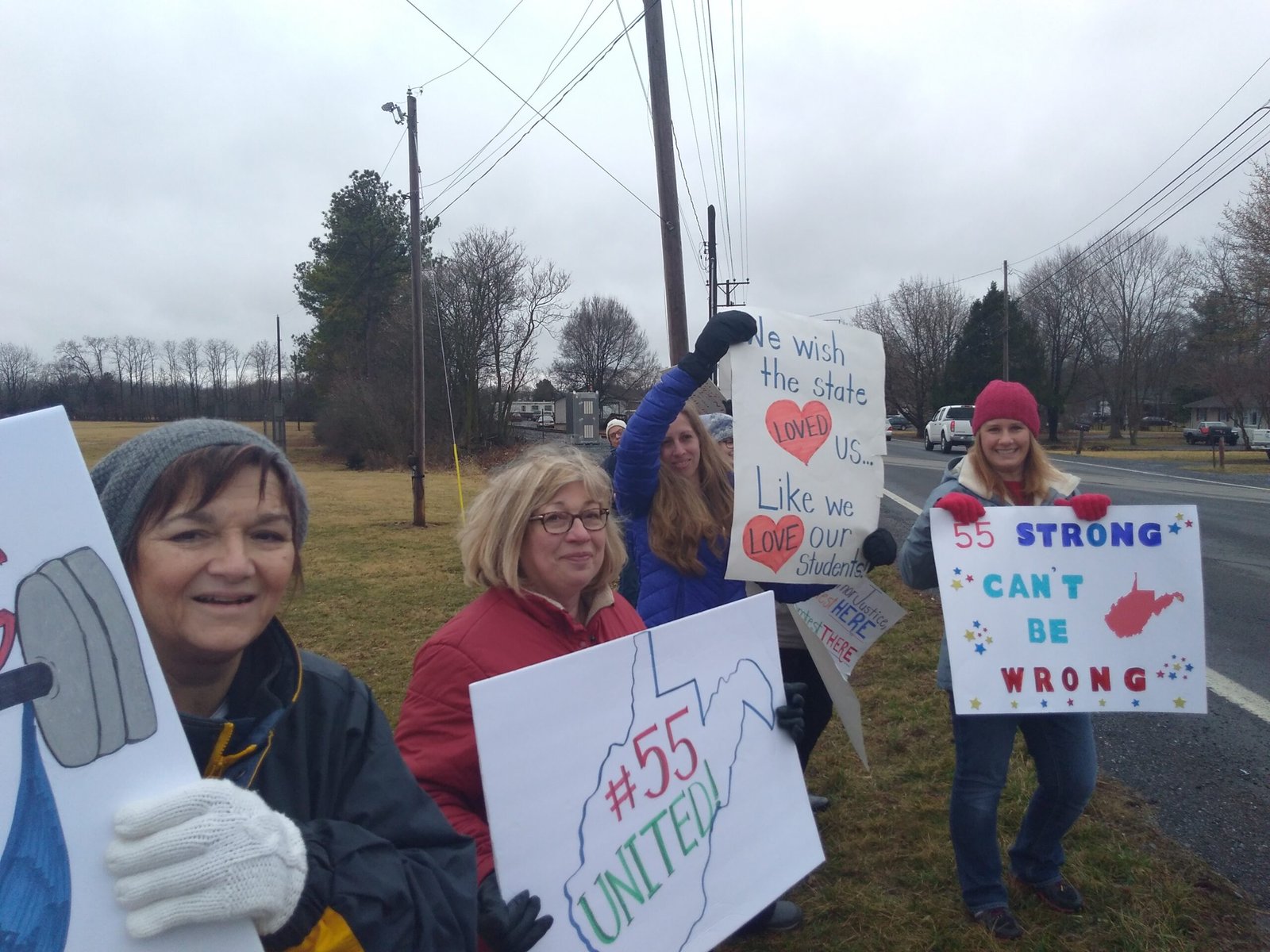
In 2018, teachers in West Virginia launched a wildcat strike that closed every public school in the state for nine days. Their demands were simple: better pay and affordable healthcare. The strike, which involved over 20,000 teachers, gained overwhelming support from parents and the public. It sparked a wave of “Red for Ed” protests across the country, as teachers in Oklahoma, Arizona, and other states followed suit. West Virginia teachers eventually won a 5 percent pay raise. This protest not only improved local conditions but also reignited national debates about education funding.
10. The 2019 Los Angeles Teachers’ Strike
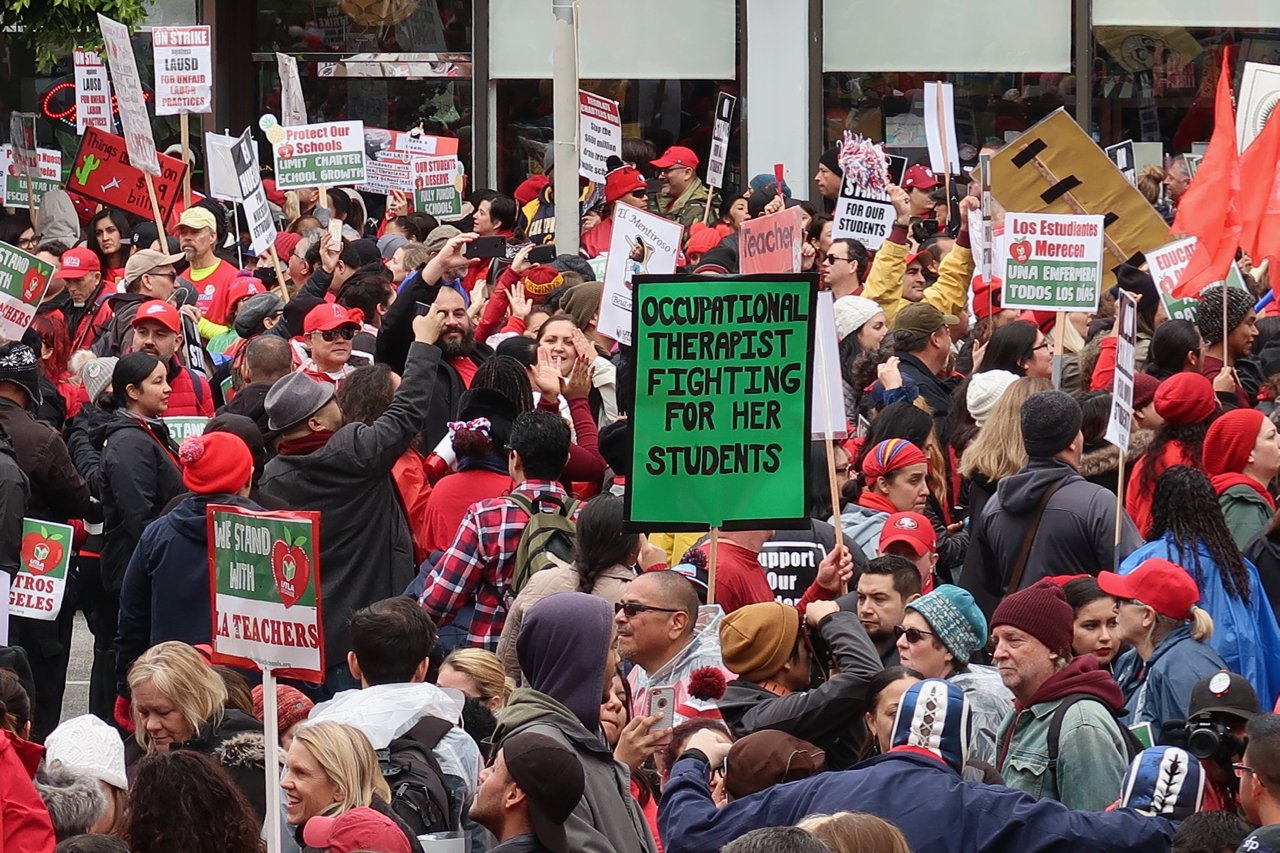
The Los Angeles teachers’ strike in January 2019 was a turning point for the city’s schools. Over 30,000 teachers walked out, demanding higher wages, smaller classes, and more support staff like nurses and counselors. The strike lasted six days and drew massive crowds to rallies downtown. The public overwhelmingly supported the teachers, with polls showing 80 percent approval among LA residents. The district ultimately agreed to many of the union’s demands. The protest spotlighted chronic underfunding in public education and inspired similar movements in other major cities.
11. The 2020 Black Lives Matter at School Week of Action
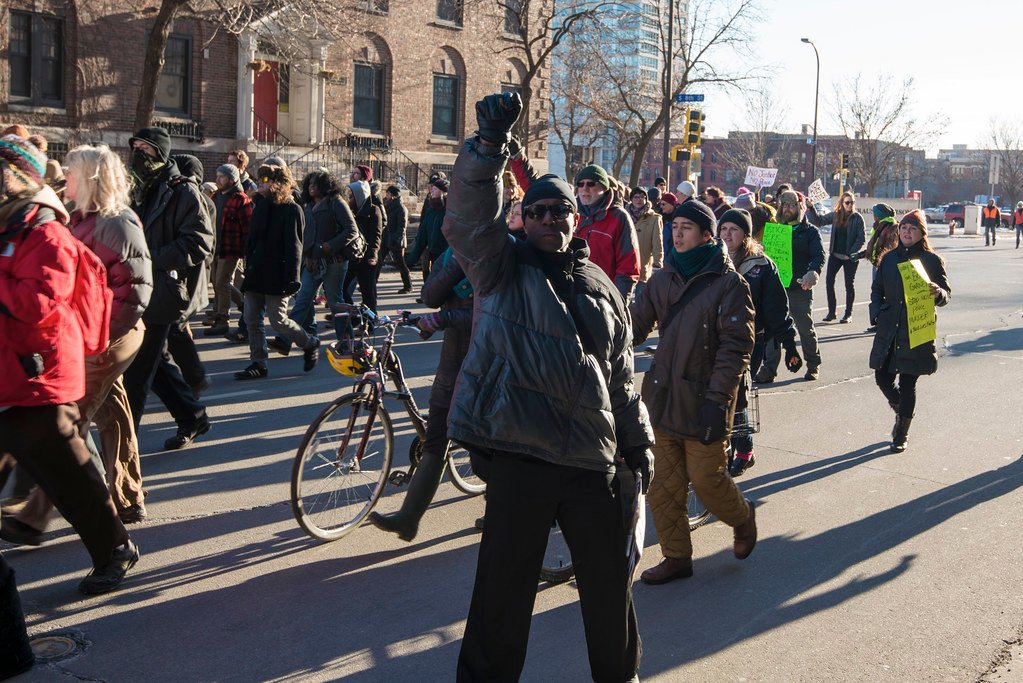
In 2020, educators, students, and parents nationwide participated in the Black Lives Matter at School movement. They organized rallies, classroom discussions, and curriculum changes to address systemic racism. Protesters called for hiring more Black teachers, ending zero-tolerance discipline policies, and teaching Black history year-round. The movement gained momentum after the killing of George Floyd, with thousands of schools joining. According to the National Education Association, participation more than doubled from previous years. The protests forced many districts to seriously rethink racial equity in their policies and curricula.
12. The 2018 March for Our Lives School Walkouts
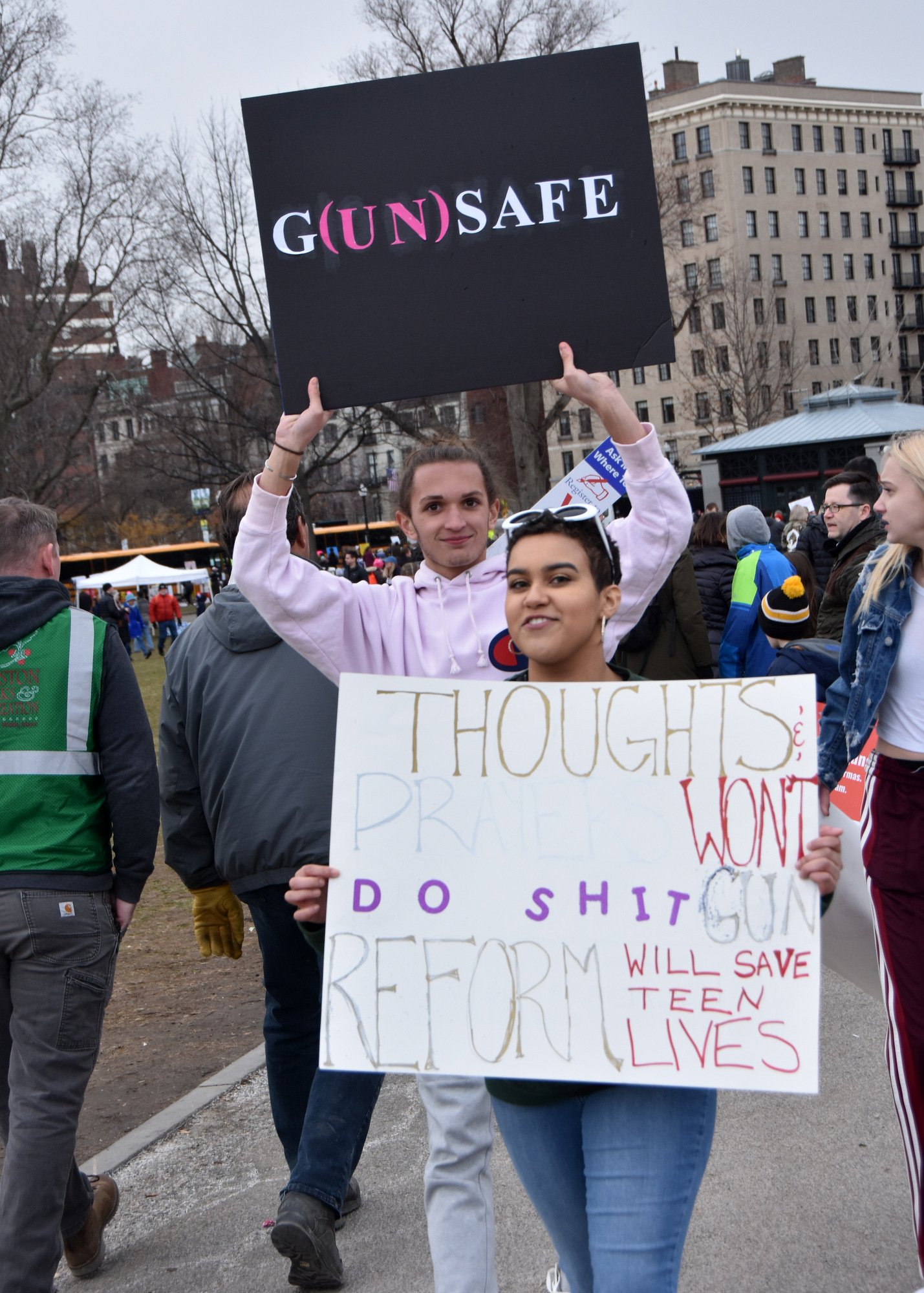
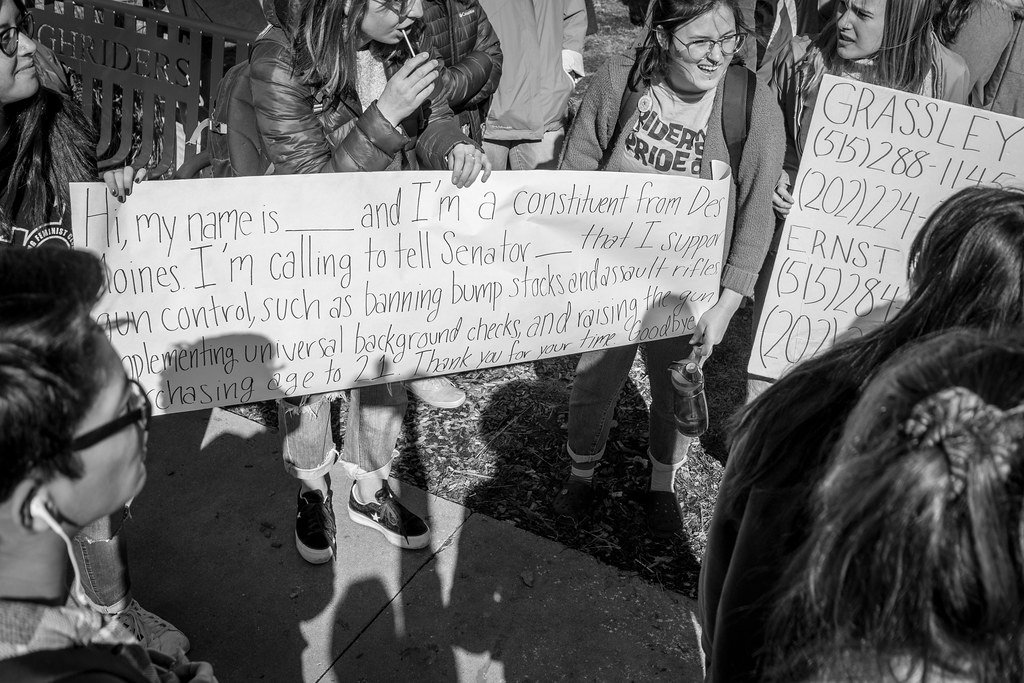
After the tragic Parkland school shooting in 2018, students across America organized the March for Our Lives movement. Over a million students participated in walkouts, rallies, and marches, demanding gun control and safer schools. The movement was largely student-led, with teenagers taking center stage on national TV and social media. Their activism helped pass new gun safety laws in several states and pressured Congress to consider federal reforms. The Parkland survivors’ courage inspired a new generation of youth activism on education and safety.
13. The 1974 Boston Busing Protests
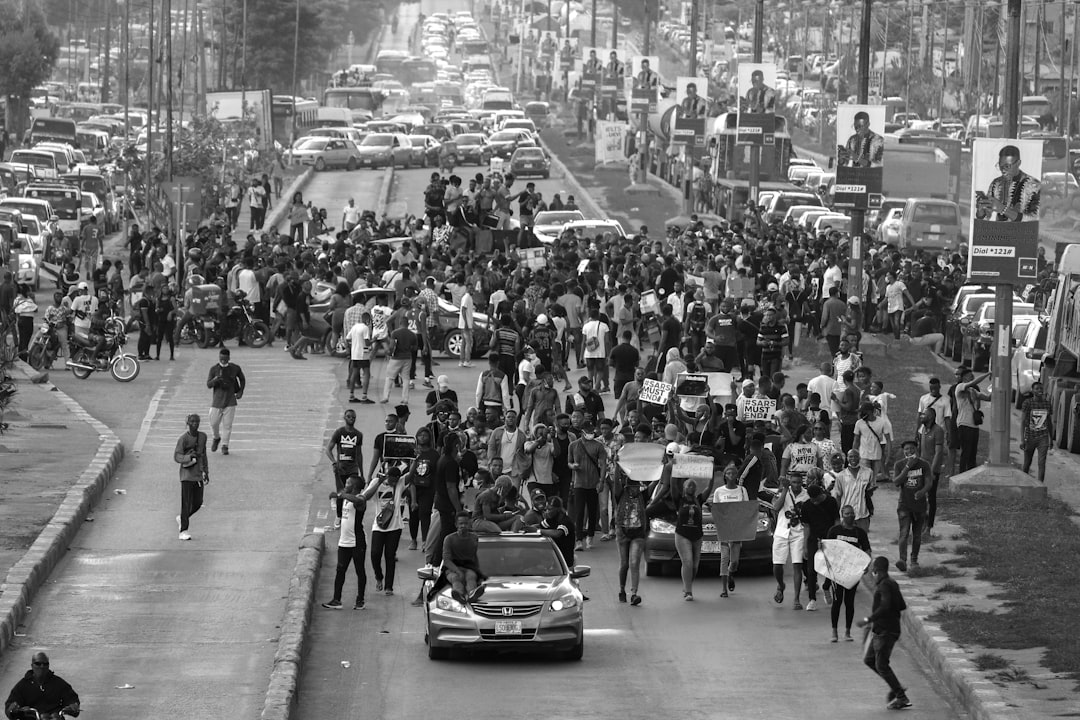
In 1974, Boston exploded in protest over court-ordered busing to desegregate schools. White parents and students staged walkouts, rallies, and even violent clashes to oppose the policy. Black families, meanwhile, demanded equal access to quality schools. The protests revealed deep racial tensions in northern cities, not just the South. Over 18,000 students boycotted schools at the height of the protests. The turmoil forced policymakers to confront the reality of ongoing segregation, even decades after Brown v. Board of Education.
14. The 2016 #FightForDyett Hunger Strike
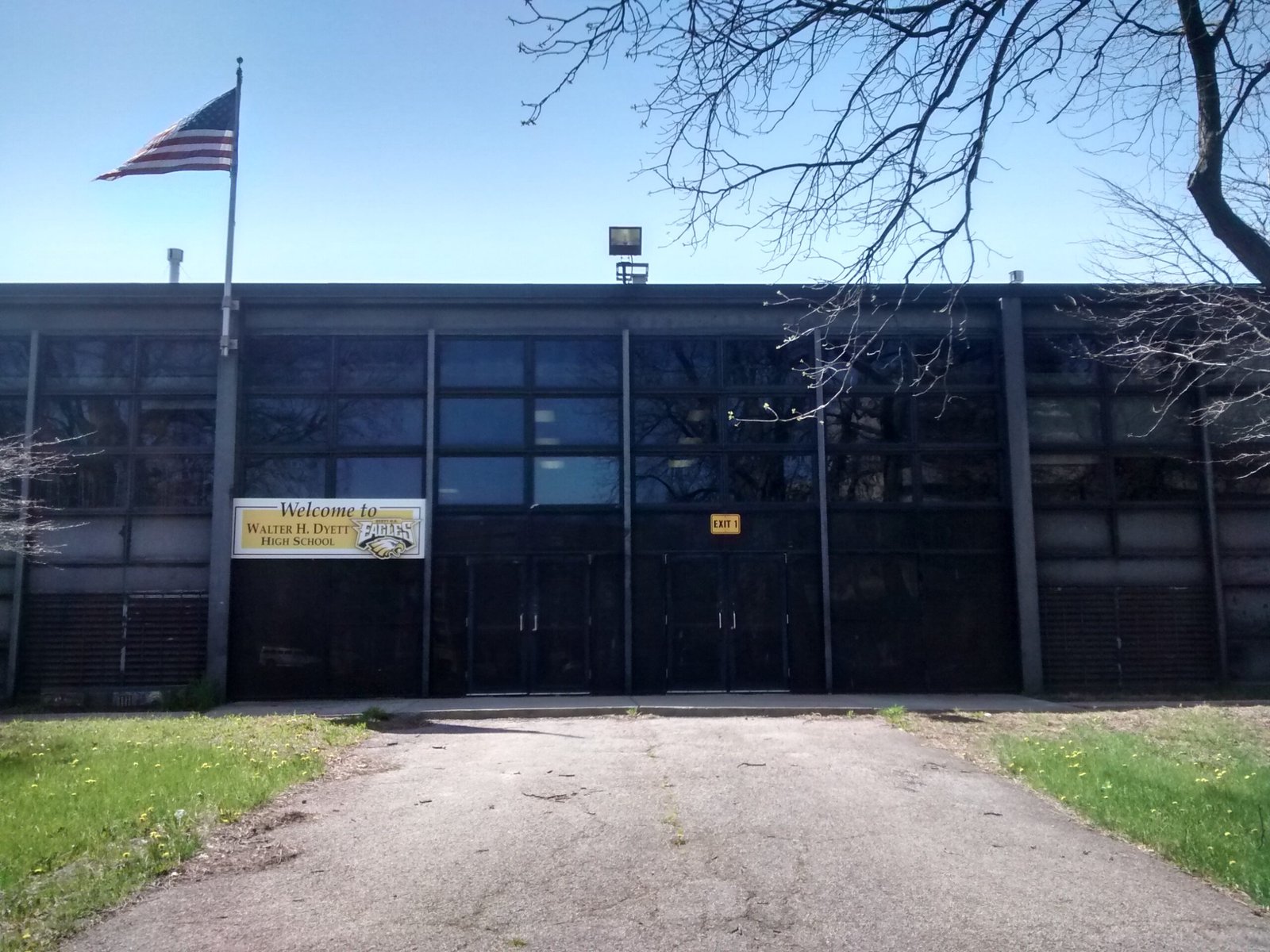
In 2016, activists in Chicago staged a dramatic hunger strike to protest the closure of Dyett High School, the last open-enrollment high school in the Bronzeville neighborhood. For 34 days, a group of parents and community leaders refused to eat, demanding the school be reopened with a new curriculum focused on global leadership and green technology. Their protest drew national attention and forced city officials to negotiate. Eventually, Dyett was reopened with a new focus, proving that determined community activism can shape educational policy.
15. The 2015 University of Missouri Student Protests
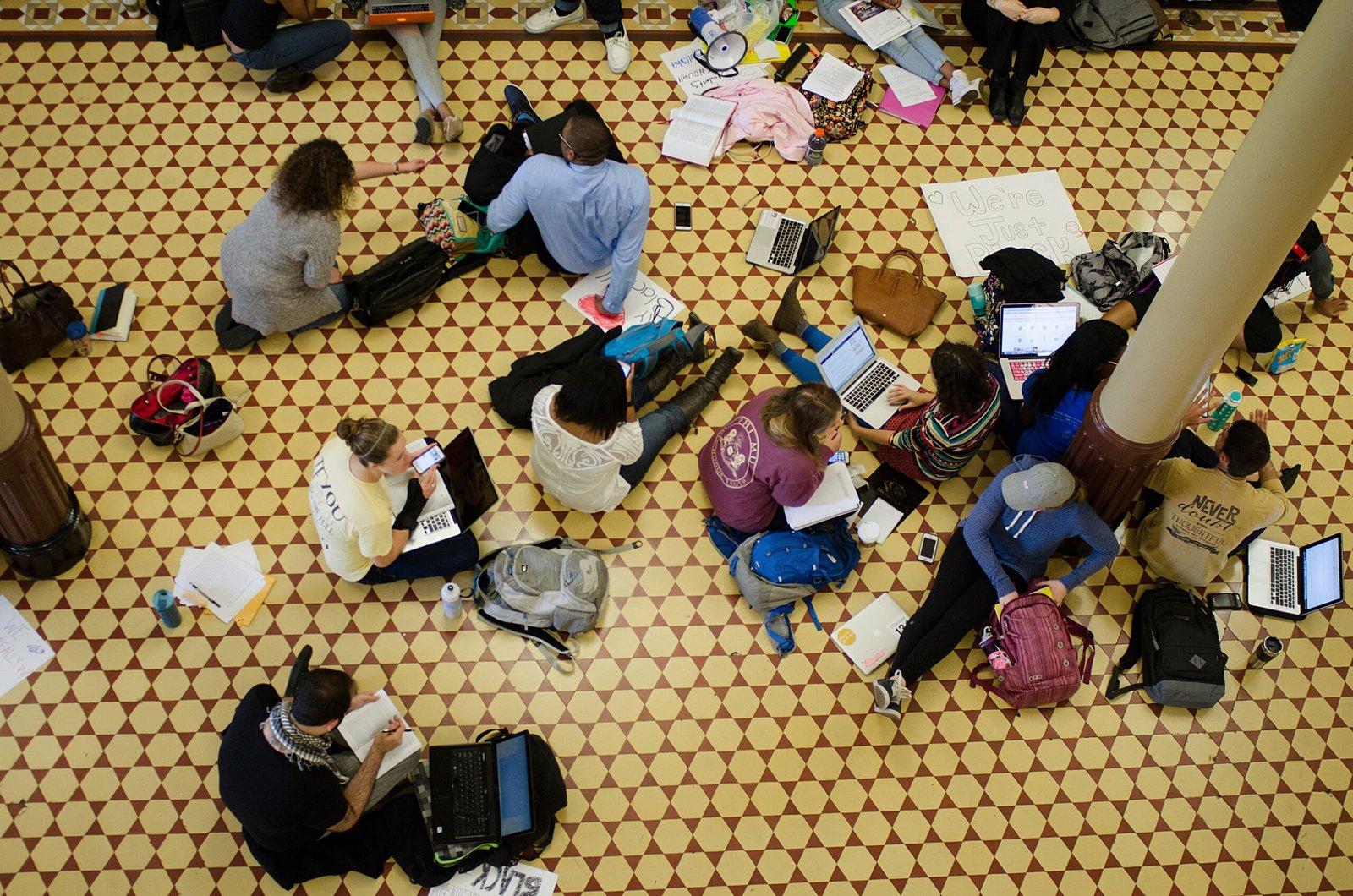
In 2015, students at the University of Missouri protested against racism and demanded the resignation of university president Tim Wolfe. The protests were sparked by a series of racist incidents and the administration’s inadequate response. Student groups organized rallies, hunger strikes, and even a boycott by the football team. Their actions led to Wolfe’s resignation and forced universities across the country to confront issues of campus racism more directly. The Missouri protests set a new standard for student activism and accountability.
16. The 2011 Occupy Education Movement
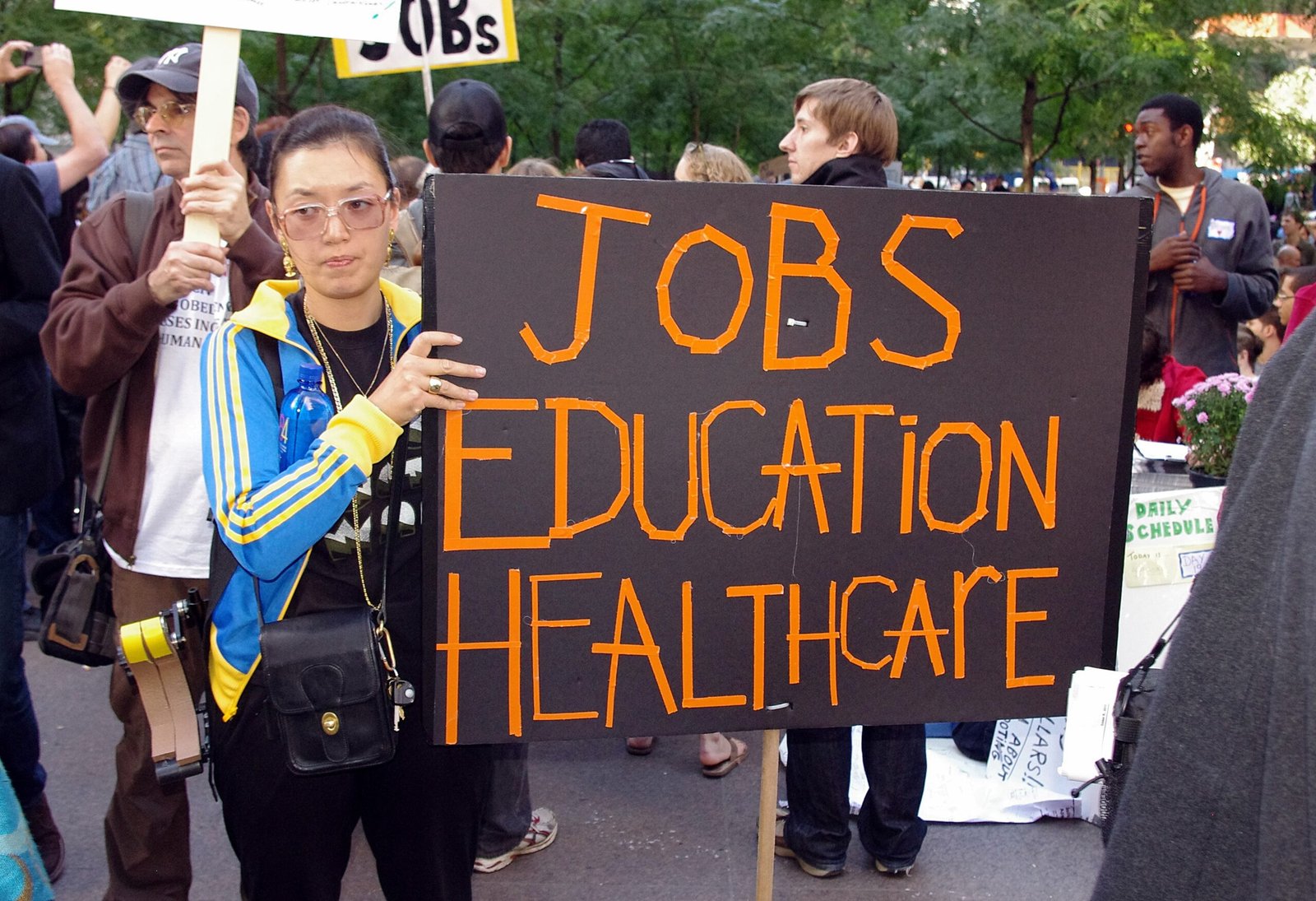
Inspired by the Occupy Wall Street protests, students and educators launched “Occupy Education” in 2011. Their main issues were skyrocketing tuition, student debt, and the corporatization of higher education. Protesters organized sit-ins, marches, and teach-ins at campuses nationwide. According to the Federal Reserve, student loan debt surpassed $1 trillion during this period, fueling anger and frustration. The protests brought the issue of student debt into mainstream political debates and pressured lawmakers to consider reforms like debt forgiveness and tuition-free college.
17. The 1988 Deaf President Now Movement at Gallaudet University
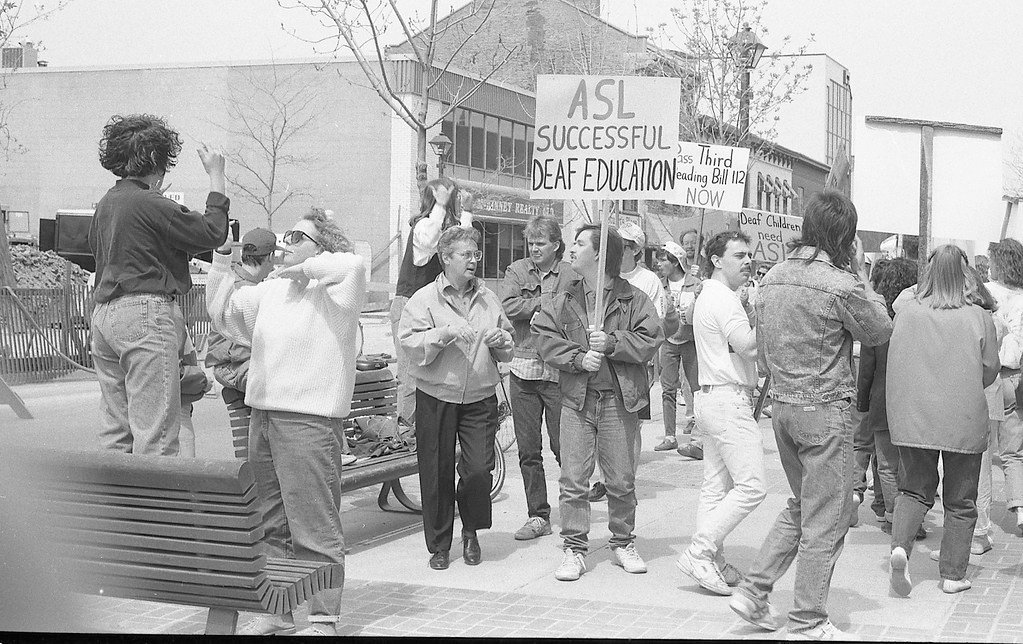
In 1988, students at Gallaudet University, a school for the deaf in Washington, D.C., launched the “Deaf President Now” protest. They demanded that the university hire its first deaf president, instead of another hearing administrator. The movement included rallies, sit-ins, and national media coverage. After eight days of protest, the university agreed, and Dr. I. King Jordan became the first deaf president. The movement was a watershed moment for disability rights, showing how student activism could shatter long-standing barriers.
18. The 2019 Ethnic Studies Curriculum Movement
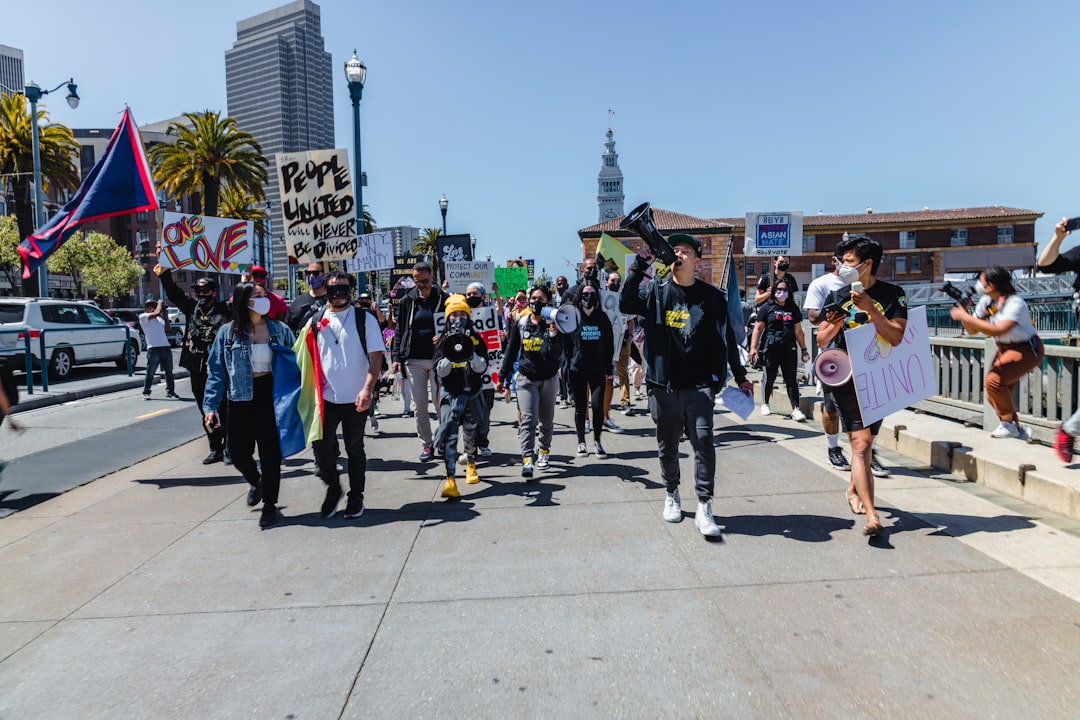
In 2019, students and teachers in California launched protests demanding that ethnic studies be made a graduation requirement in high school. They argued that all students deserve to see their histories and cultures reflected in the curriculum. Rallies, petitions, and school board testimonies followed, putting pressure on lawmakers. California eventually passed a law in 2021 requiring ethnic studies for graduation, impacting over 1.7 million students. The movement is now spreading to other states, reshaping what American students learn about history and identity.
19. The 2021 COVID-19 School Reopening Protests
As the COVID-19 pandemic dragged on, debates about reopening schools turned into heated protests. Parents, teachers, and students held rallies demanding either faster reopening or more safety precautions. In some areas, parents blocked school board meetings, while teachers staged sick-outs. According to the CDC, 93 percent of children missed in-person school at some point in 2020-2021. These protests forced districts to invest in ventilation, remote learning, and mental health services, forever changing how schools operate during health crises.
20. The 2022 Student Loan Forgiveness Protests
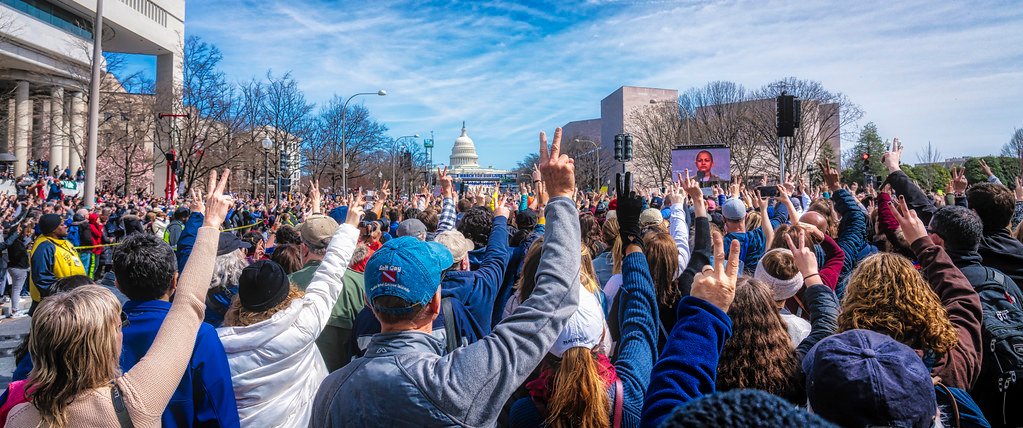
In 2022, student activists rallied across the country, demanding action on student loan forgiveness. With federal student debt topping $1.7 trillion, young people argued the system was broken. Protests included marches in Washington, D.C., social media campaigns, and sit-ins at congressional offices. The Biden administration responded by announcing major debt relief initiatives, including targeted loan forgiveness for millions of borrowers. The protests showed the growing influence of students in shaping national education policy.

Besides founding Festivaltopia, Luca is the co founder of trib, an art and fashion collectiv you find on several regional events and online. Also he is part of the management board at HORiZONTE, a group travel provider in Germany.
