

- 20 Songs You Didn’t Realize Were About Real-Life Feuds - February 25, 2026
- 12 Festival Ticket Frauds That Left Fans Broke and Locked Out - February 25, 2026
- 20 Stars Who Rebuilt Their Careers After Public Collapse - February 25, 2026
1984 by George Orwell

Orwell’s 1984 is chillingly close to home for many Americans today. The novel’s Big Brother surveillance, constant monitoring of citizens, and manipulation of truth feel eerily similar to real-life debates over government surveillance and privacy. In the U.S., the revelations by Edward Snowden in 2013 about the NSA collecting metadata on millions of Americans sparked public outrage. Recent polls show that over 70% of Americans worry about how their personal data is being collected online. The rise of “alternative facts” and misinformation on social media mirrors Orwell’s concept of “doublethink” and the rewriting of history. Even the use of cameras in public spaces and facial recognition software brings this dystopian vision closer to reality.
The Handmaid’s Tale by Margaret Atwood
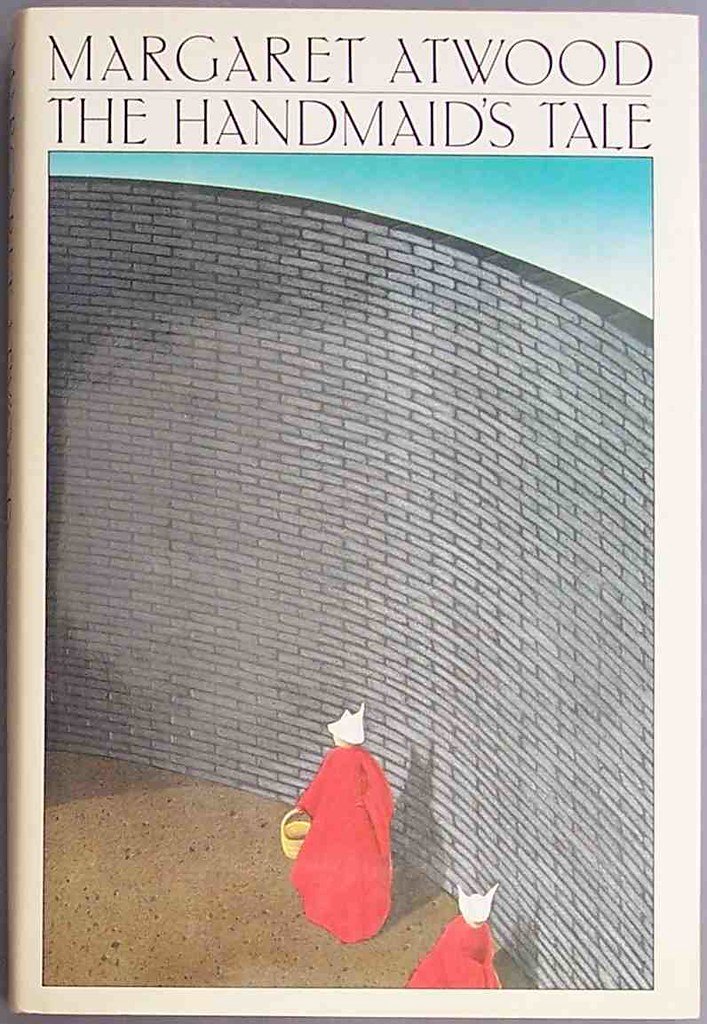
Published in 1985, Atwood’s novel envisioned a theocratic, patriarchal America where women’s rights were stripped away. The red robes of the Handmaids have become a protest symbol at rallies for women’s rights and reproductive freedom. Since 2022, after the Supreme Court overturned Roe v. Wade, states across the U.S. have passed strict abortion laws, making the novel’s premise feel alarmingly prophetic. Atwood herself has commented on the resurgence of her book in the wake of these political changes, and polling shows that 62% of Americans now fear a rollback of women’s rights. The story’s focus on government control of women’s bodies echoes current debates in state legislatures and the Supreme Court.
Fahrenheit 451 by Ray Bradbury

Bradbury’s vision of a future where books are banned and critical thinking is discouraged feels more relevant than ever. In recent years, there has been a surge in book bans across U.S. schools, with the American Library Association recording a record 4,240 unique book titles challenged in 2023. The novel’s themes of censorship, shallow entertainment, and the suppression of dissenting ideas parallel current concerns about the banning of controversial books and the dominance of mindless content on streaming platforms. Bradbury’s fears about the decline of meaningful conversation in the face of technological distraction have been echoed by educators and parents alike.
Brave New World by Aldous Huxley
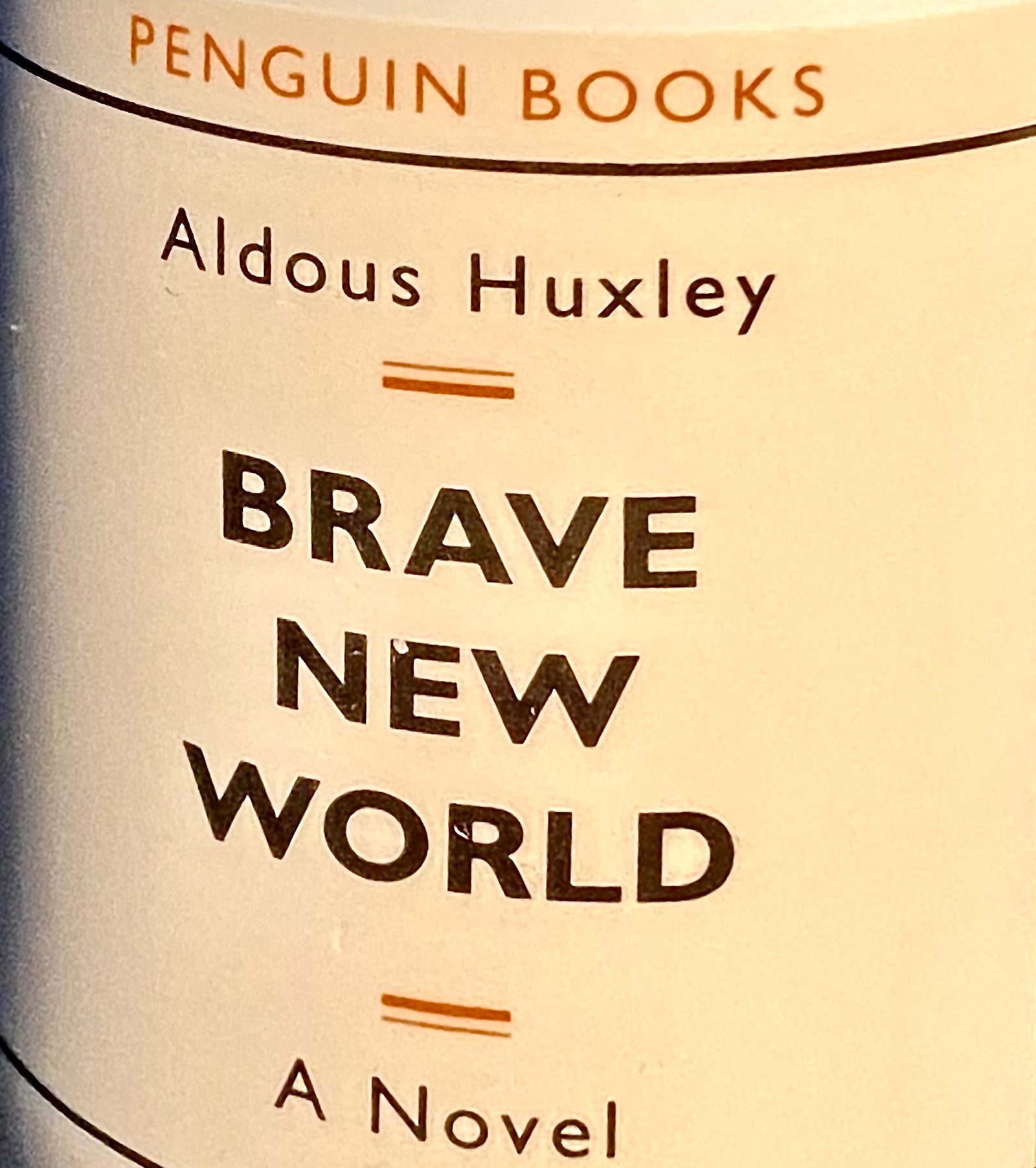
Huxley’s imagined society is obsessed with pleasure, comfort, and instant gratification. In today’s America, the rise of social media, dating apps, and the opioid crisis reflect this craving for distraction and escape. The novel’s prediction of genetic engineering also feels timely as debates rage over CRISPR technology and designer babies. A 2024 Pew Research study found that 61% of Americans worry about genetic engineering’s impact on society. Huxley’s warnings about a society pacified by entertainment and pharmaceuticals have shown up in real-world addiction stats as well—the CDC reports that opioid overdoses continue to rise, with over 80,000 deaths in 2023.
It Can’t Happen Here by Sinclair Lewis
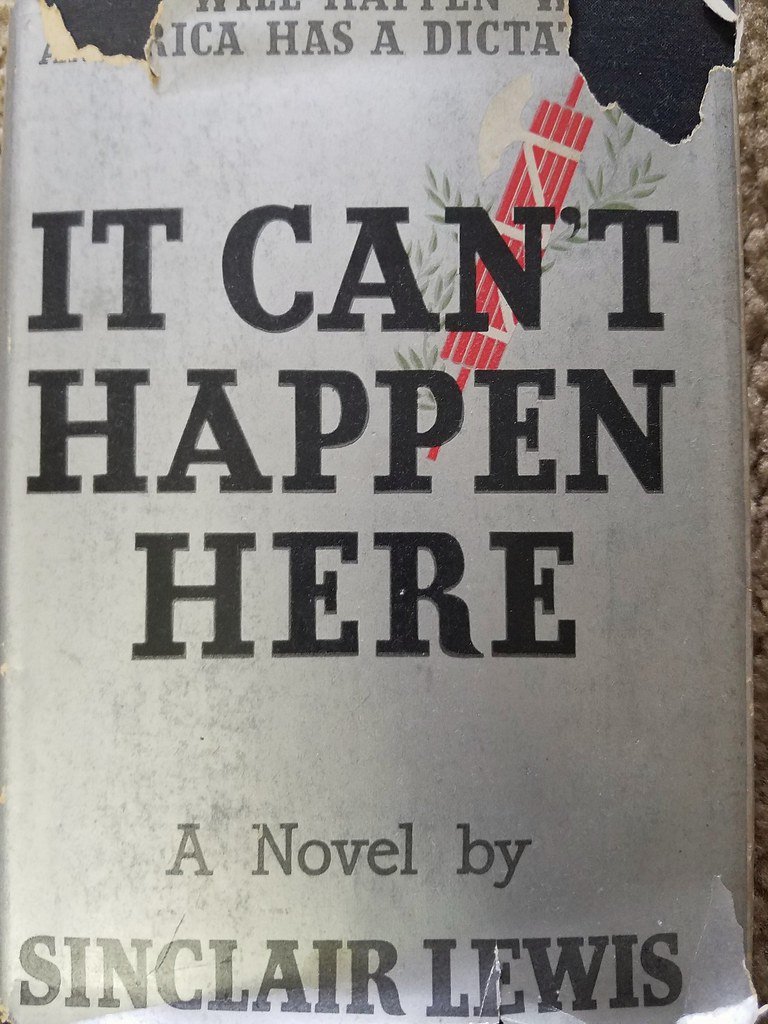
Lewis’s 1935 novel about a populist demagogue taking over the U.S. government struck renewed chords during the 2016 and 2020 elections. The rise of strongman politics, attacks on the press, and the undermining of democratic norms in America mirror the events in Lewis’s story. According to a 2024 Gallup poll, 54% of Americans now worry about the stability of U.S. democracy. The phrase “it can’t happen here” has become a warning, not a reassurance, as Americans grapple with polarization and the erosion of institutional trust.
The Plot Against America by Philip Roth
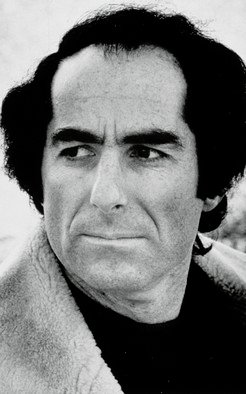
Roth’s alternate history, where Charles Lindbergh becomes president and ushers in fascism, has resonated strongly in an era of rising extremism. The novel explores how quickly democratic institutions can unravel in the face of fear and prejudice. Hate crimes in the U.S. have surged, with FBI data showing a 28% increase in reported hate crimes from 2021 to 2023. Roth’s depiction of political division and scapegoating feels deeply familiar, especially as debates over nationalism and immigration intensify.
American War by Omar El Akkad
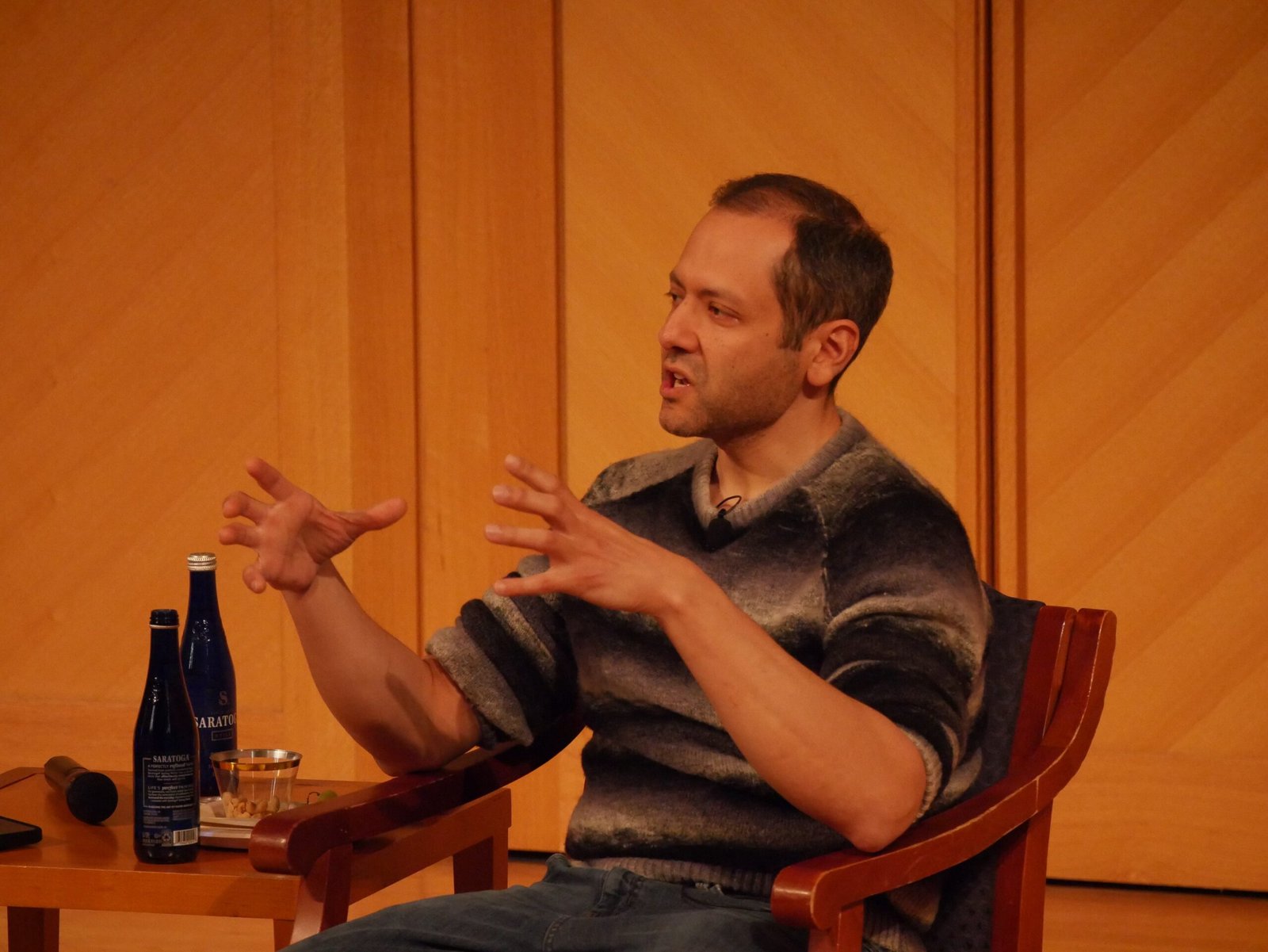
This recent novel, published in 2017, imagines a second American Civil War sparked by climate change and political division. With record-breaking wildfires, hurricanes, and floods devastating parts of the U.S. in 2024 and 2025, the book’s focus on environmental catastrophe hits close to home. FEMA reports a 200% increase in federal disaster declarations over the past decade. The novel’s vision of a fractured America, divided by ideology and geography, echoes current headlines about red vs. blue states and culture wars.
Parable of the Sower by Octavia E. Butler
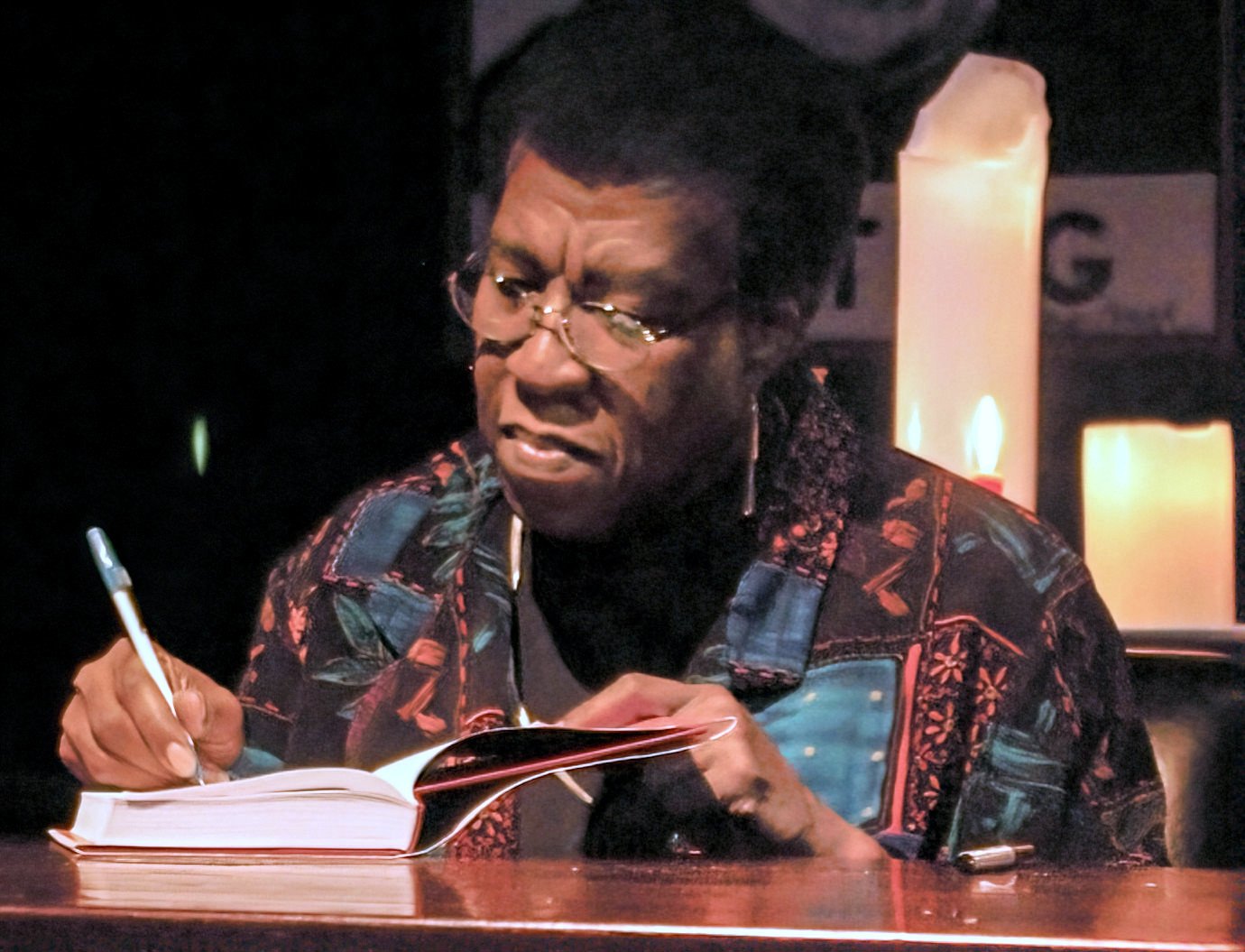
Butler’s book is set in a near-future California ravaged by climate change, inequality, and violence. Her protagonist’s journey through a crumbling society resonates with Americans facing rising homelessness, gun violence, and economic uncertainty. A 2025 HUD report found that homelessness in the U.S. has risen by 12% year over year. Butler’s warnings about social collapse and the importance of community have been cited by activists and scholars as increasingly relevant in today’s world.
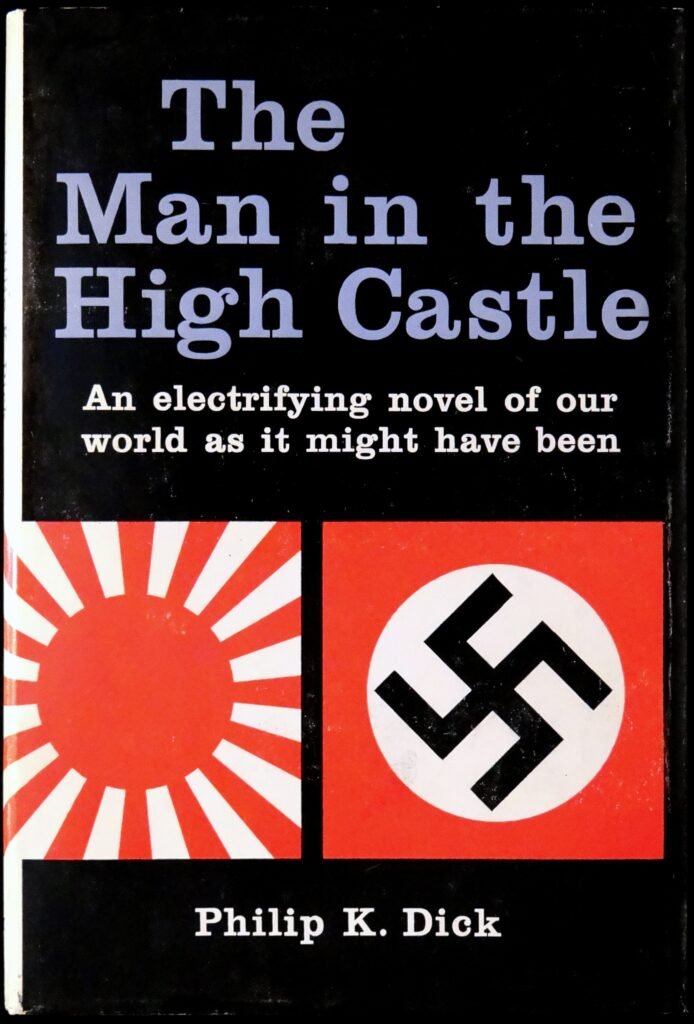
The Man in the High Castle by Philip K. Dick
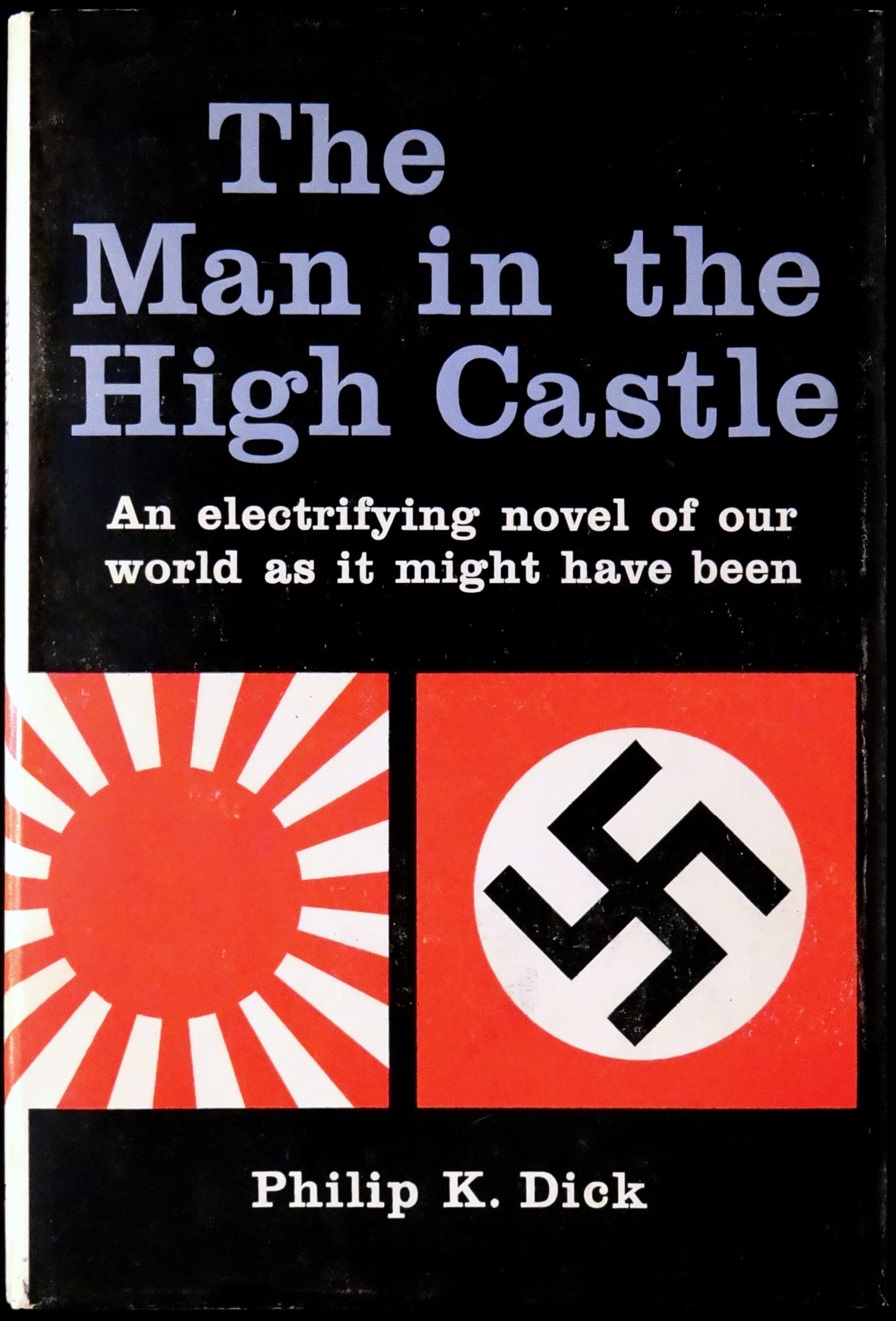
Dick’s alternate history, where the Nazis and Japanese rule a divided America, has found new audiences through its TV adaptation and its parallels to modern extremism. The rise of white nationalist groups and conspiracy theories in the U.S. has alarmed many, with the Southern Poverty Law Center tracking over 1,200 hate groups operating in 2024. The novel’s exploration of propaganda, resistance, and the fragility of democracy continues to inspire debate about the direction the country is heading.
Native Son by Richard Wright
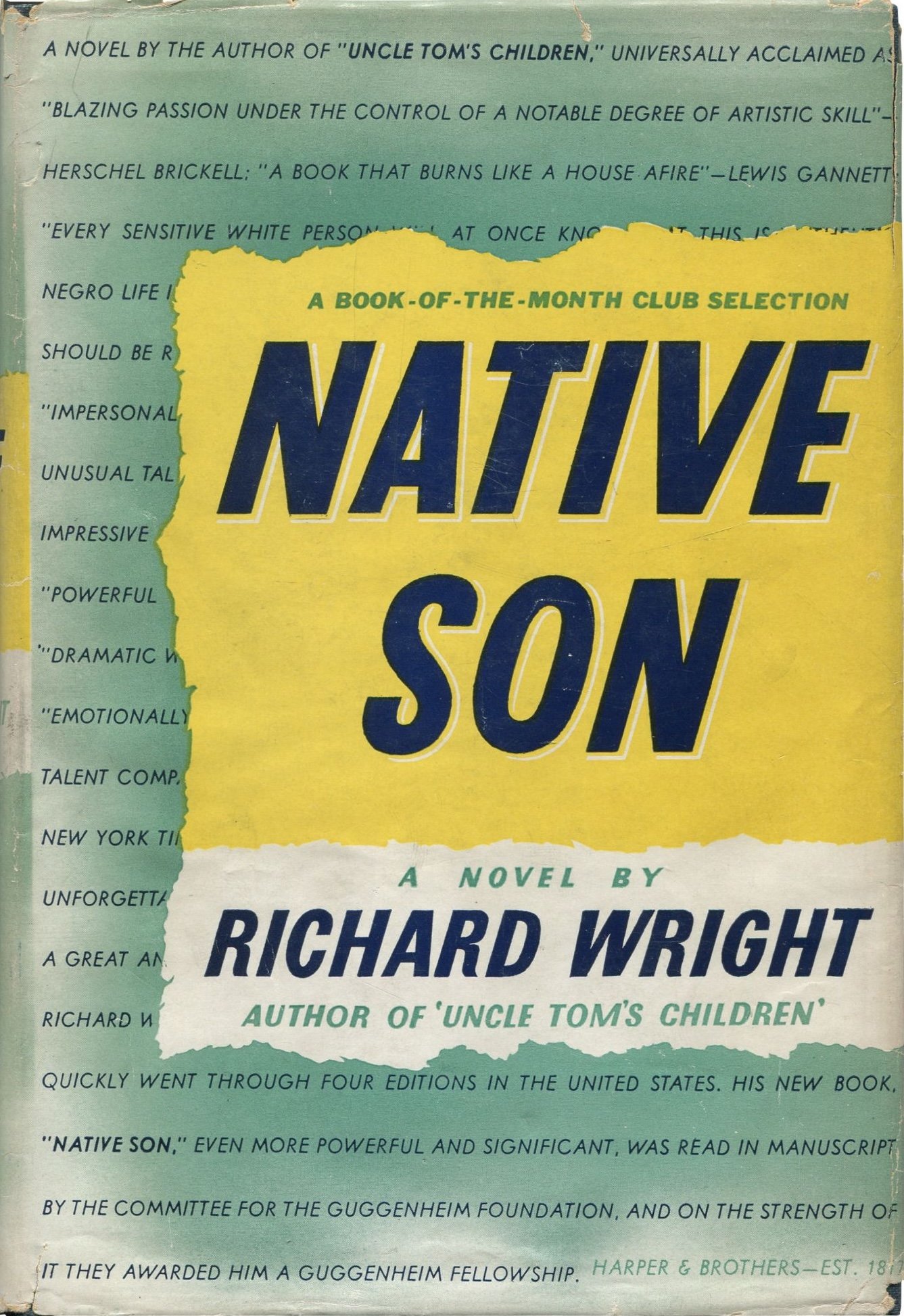
Wright’s 1940 novel about systemic racism and poverty remains painfully relevant. The Black Lives Matter movement, sparked by high-profile police killings, echoes the themes of oppression and injustice in the book. According to the Pew Research Center, 71% of Americans believe racial inequality remains a major problem. Native Son’s depiction of a society stacked against its most vulnerable members continues to inform discussions about race, justice, and reform.
Neuromancer by William Gibson
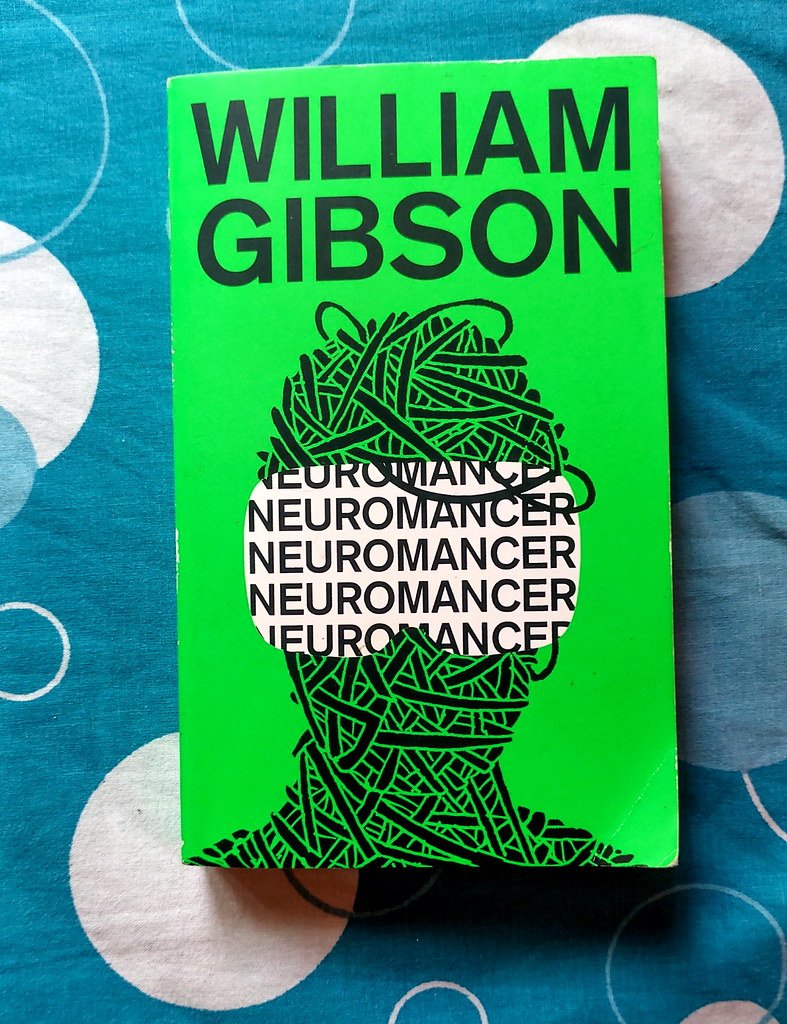
Gibson’s 1984 novel helped invent the concept of cyberspace and predicted the rise of hacking, virtual reality, and corporate power. The real world has caught up—cyberattacks targeting U.S. infrastructure and personal data breaches have soared in recent years. The FBI’s 2024 report noted a 22% jump in reported cybercrimes. Gibson’s vision of a world where massive corporations wield more influence than governments resonates with concerns about Big Tech’s grip on American life.
The Running Man by Stephen King (as Richard Bachman)
Set in a dystopian America obsessed with violent reality TV, The Running Man feels uncomfortably close to today’s media landscape. The rise of competitive, sometimes exploitative reality shows and viral content has changed how Americans consume entertainment. According to Nielsen, Americans now spend over 7 hours a day on digital media, much of it on unscripted, attention-grabbing content. King’s prediction of entertainment as both distraction and spectacle has more than come true.
Infinite Jest by David Foster Wallace
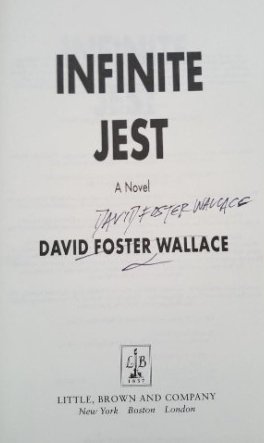
Wallace’s sprawling 1996 novel is famous for its portrait of addiction, entertainment, and existential despair. The opioid crisis, spiraling mental health issues, and the never-ending scroll of social media all echo themes from the book. The CDC reported in 2024 that nearly 1 in 5 American adults experience a mental illness each year. Infinite Jest’s depiction of a society overwhelmed by choice, anxiety, and distraction rings true for many living in the digital age.
Snow Crash by Neal Stephenson
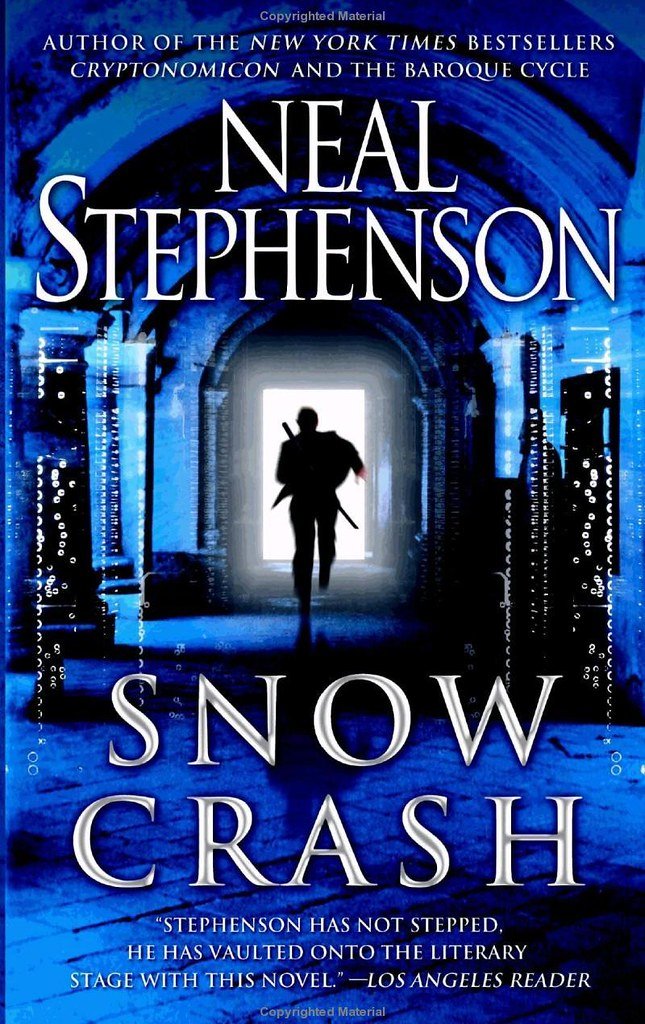
Stephenson’s 1992 novel introduced the concept of the “Metaverse,” a digital world for work, play, and commerce. In 2024, companies like Meta (formerly Facebook) are investing billions in building virtual spaces for everything from meetings to concerts. The book’s warnings about information overload, corporate control, and the blurring of online and offline identities feel prescient as Americans grapple with the implications of a life increasingly lived online.
Blindness by José Saramago
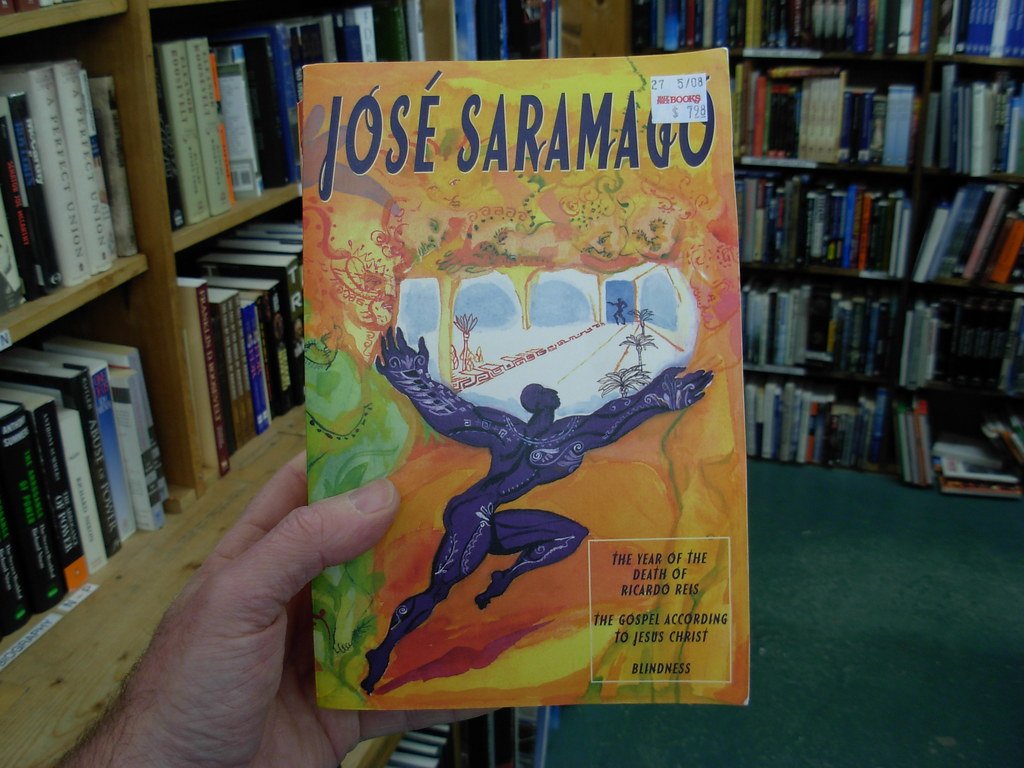
Saramago’s story of a society struck by a mysterious epidemic eerily anticipated the collective panic and breakdown of trust during the COVID-19 pandemic. The past few years have seen Americans struggle with misinformation, fear, and the strain on public health systems. According to the CDC, over 1.1 million Americans have died from COVID-19, and public trust in institutions is at a historic low. The novel’s portrayal of how crisis can strip away social order has felt all too real.
A Canticle for Leibowitz by Walter M. Miller Jr.

This post-apocalyptic novel imagines a future America rebuilding from the ashes of nuclear war and societal collapse. Concerns about nuclear proliferation, cyberwarfare, and extreme weather events have renewed fears about civilization’s fragility. In 2025, the Bulletin of the Atomic Scientists kept the Doomsday Clock at 90 seconds to midnight, citing ongoing threats of nuclear conflict and climate disaster. Miller’s vision of cyclical destruction and rebirth speaks to anxieties about the future.
The Circle by Dave Eggers

Eggers’ novel follows a tech company’s quest for total transparency and surveillance—a scenario that feels increasingly plausible in real life. Americans are growing wary of constant tracking by tech giants, with the FTC investigating several companies for privacy violations in 2024. Surveys indicate more than 65% of Americans feel their personal information is not secure online. The book’s warnings about the dangers of sacrificing privacy for convenience are being echoed in debates about regulation and data security.
American Psycho by Bret Easton Ellis
Ellis’s portrait of greed, violence, and moral emptiness among the wealthy elite has been called a dark mirror for Wall Street and Silicon Valley. The stark income inequality in America has only grown, with the top 1% now owning nearly a third of the nation’s wealth, according to the Federal Reserve. The novel’s critique of consumer culture and the narcissism of the ultra-rich resonates as billionaires gain ever more influence in politics and culture.
Feed by M.T. Anderson
Feed imagines a world where people are constantly connected to the internet through brain implants, targeted with personalized ads, and manipulated by corporate interests. Americans today are never far from their phones, with 97% owning a mobile device and the average person seeing over 5,000 ads per day. Concerns about the effects of social media and personalized content on mental health and democracy are at an all-time high, making Anderson’s cautionary tale feel uncomfortably close.
Oryx and Crake by Margaret Atwood
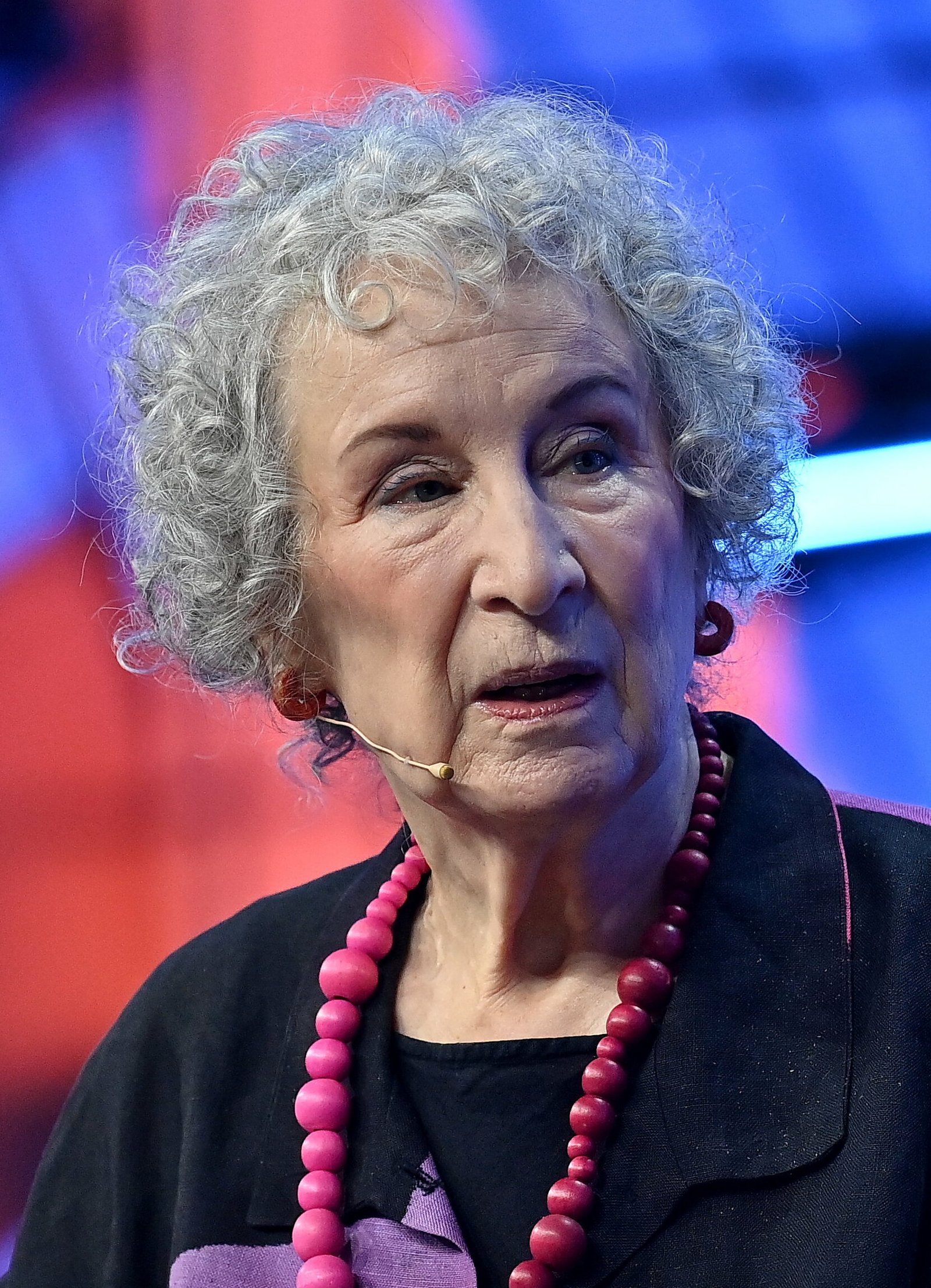
Atwood’s vision of a future shaped by genetic engineering, pandemics, and ecological disaster has only grown more relevant. The COVID-19 pandemic, debates over gene editing, and the rise of synthetic biology all echo the book’s warnings. In 2025, the NIH is funding dozens of studies on gene modification, while the World Health Organization warns of new infectious disease threats. The novel’s mix of environmental collapse and scientific hubris continues to resonate as Americans face the consequences of unchecked technological progress.
The Road by Cormac McCarthy
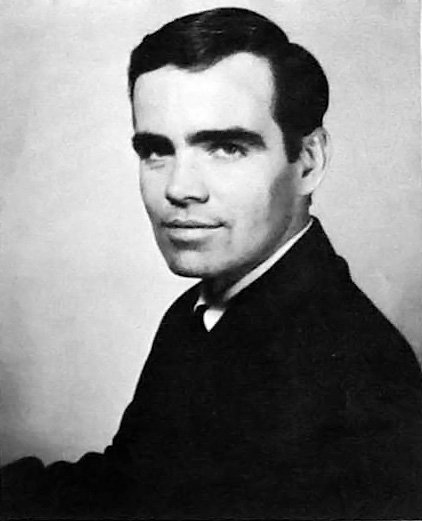
McCarthy’s bleak tale of survival after an unspecified apocalypse taps into deep fears about the end of civilization. Americans are increasingly concerned about disaster preparedness, with FEMA reporting a 35% increase in emergency kit sales since 2022. Extreme weather, political instability, and the threat of nuclear war have made the novel’s vision of a harsh, uncertain future feel all too plausible. The Road’s focus on the bond between father and son, amid chaos, has struck a chord in a world that sometimes feels on the brink.
CEO-Co-Founder
