
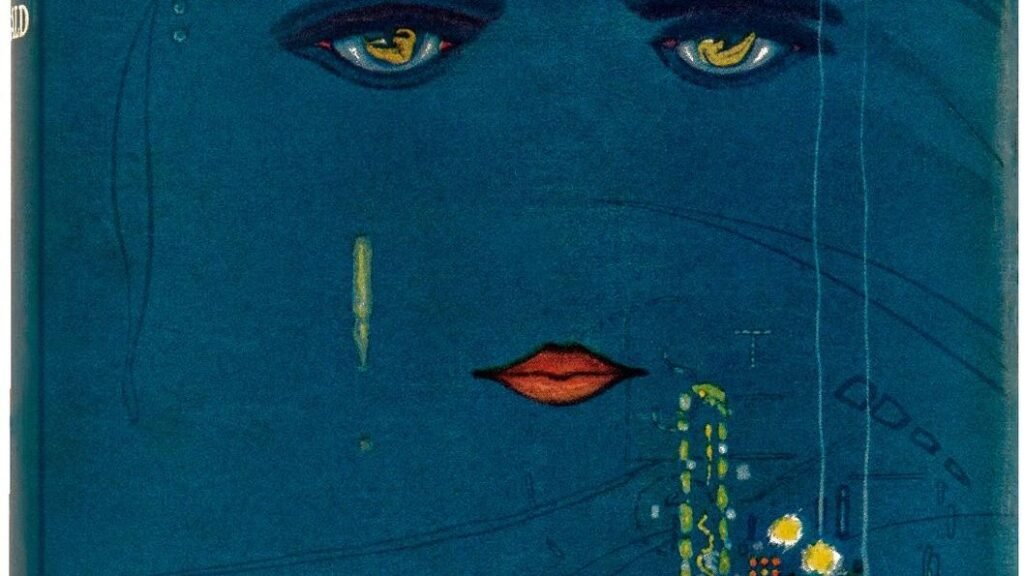
Baby boomers, born between 1946 and 1964, grew up amid massive social shifts, from civil rights battles to the Vietnam War protests. Novels from their formative years captured that turbulence, rebellion, and awakening in ways that stuck with them for life. Let’s explore 20 that left an indelible mark.[1][2]
The Catcher in the Rye by J.D. Salinger
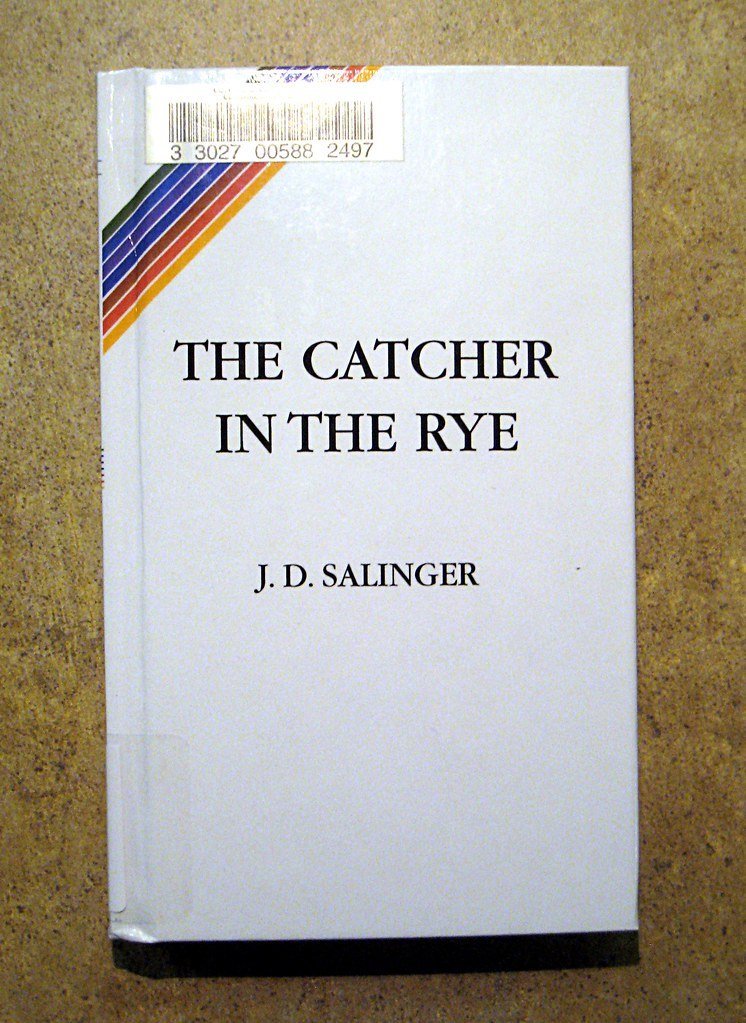
Published in 1951, this novel voiced the raw angst of teenage rebellion that countless boomers felt in their bones. Holden Caulfield’s disdain for “phoniness” mirrored their distrust of post-war conformity, as noted in Next Avenue’s reflection on boomer teen reads. It became a rite of passage, shaping how the generation questioned authority and embraced authenticity.[1]
On the Road by Jack Kerouac
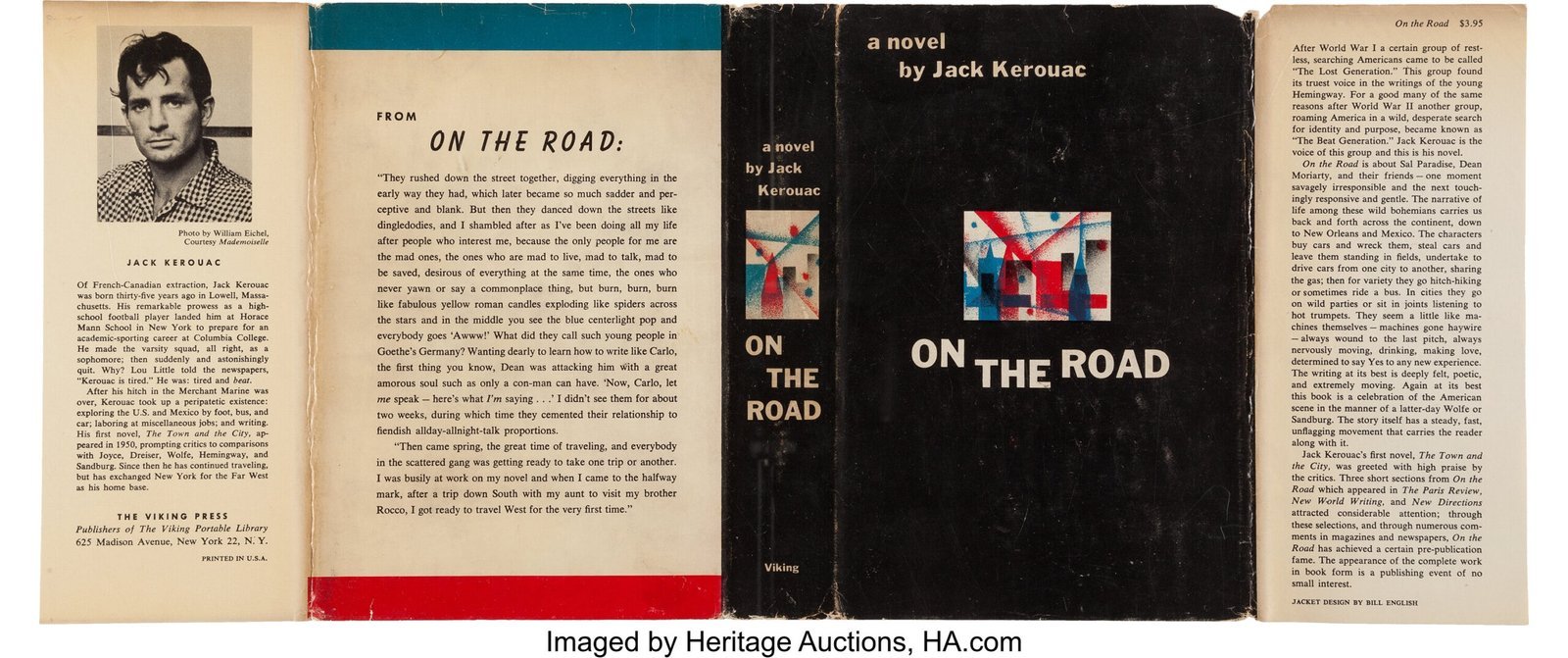
Jack Kerouac’s 1957 beatnik odyssey fueled boomers’ wanderlust and hunger for freedom beyond suburban fences. The Guardian highlights it as the defining boomer book for its celebration of risk and vibrant encounters on endless highways. It inspired a generation to hit the road, chasing dreams amid the rise of counterculture.[3]
To Kill a Mockingbird by Harper Lee
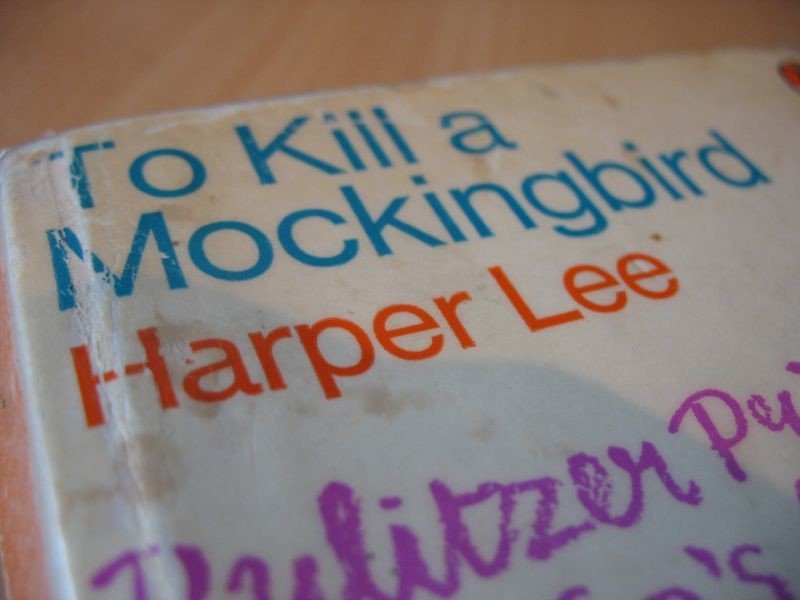
Harper Lee’s 1960 masterpiece taught boomers about racial injustice through Scout’s innocent eyes in the civil rights era. Publishing records show it sold over 40 million copies, resonating deeply as boomers marched for equality. Academic analyses praise its moral clarity that influenced the generation’s fight against prejudice.[4]
Catch-22 by Joseph Heller
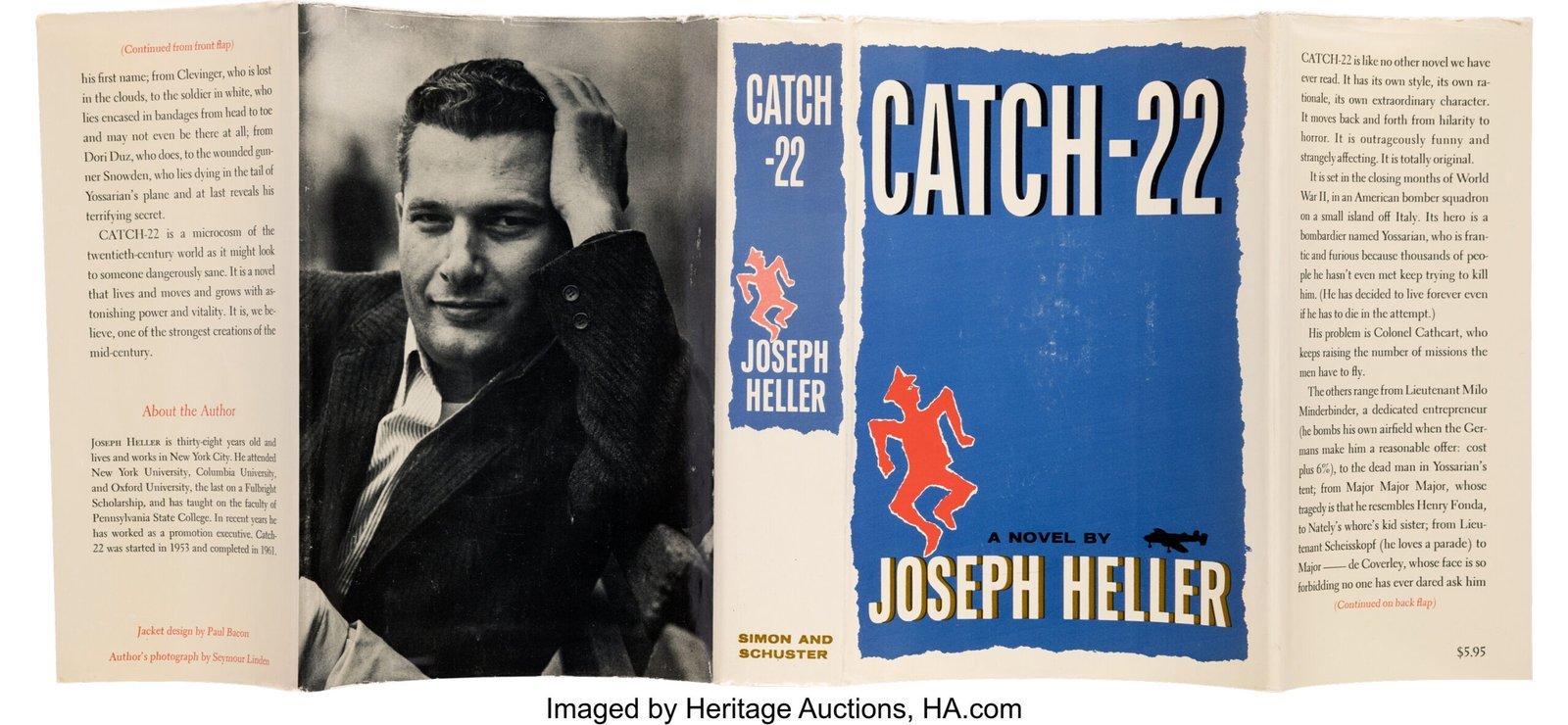
Joseph Heller’s 1961 satire on war’s absurdity coined a term still in everyday use today. Boomers, facing the Vietnam draft, found bitter humor in Yossarian’s futile battles against bureaucracy, per AARP’s essential boomer list. It crystallized their anti-war skepticism and love for ironic wit.[2]
Slaughterhouse-Five by Kurt Vonnegut
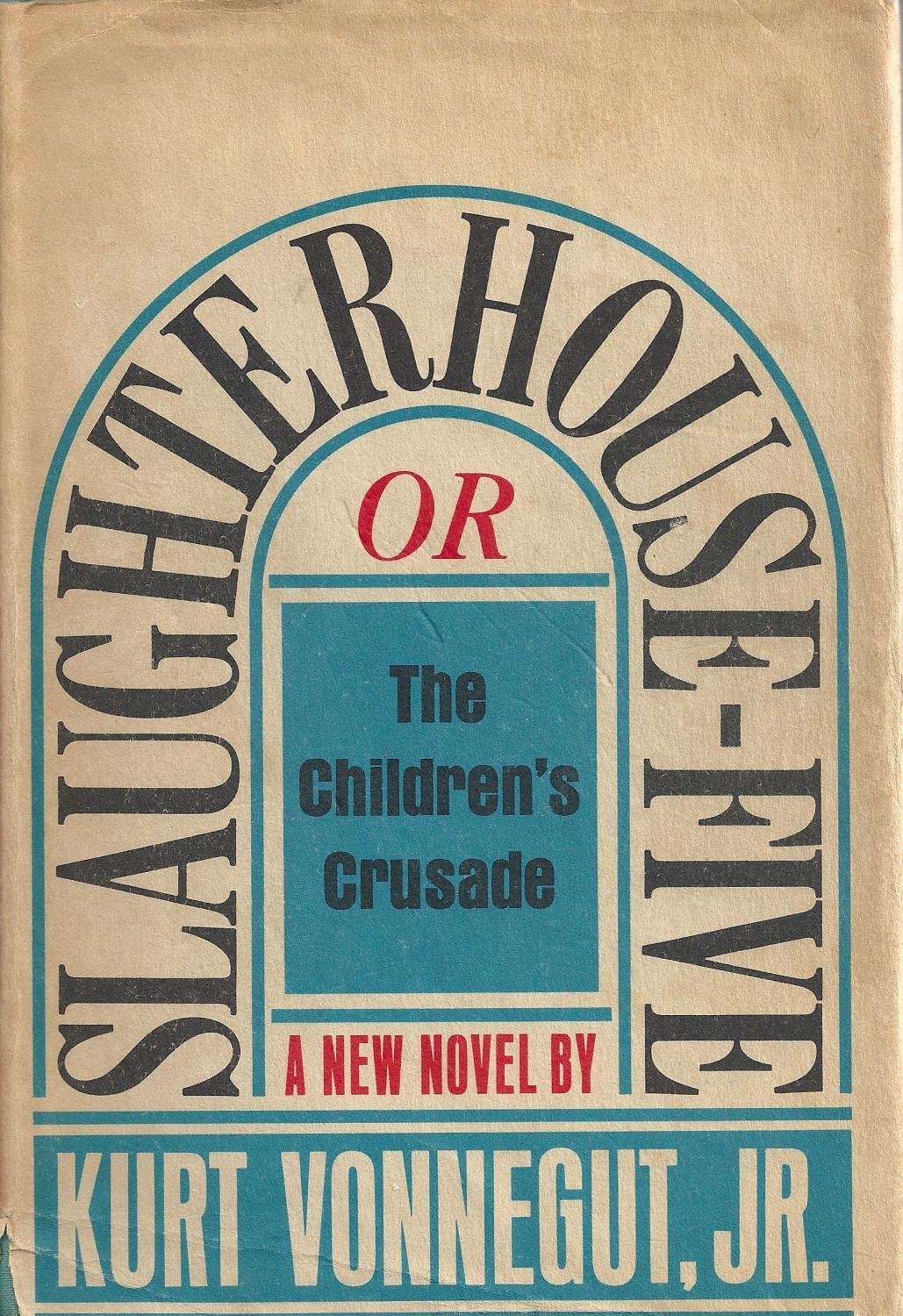
Kurt Vonnegut’s 1969 anti-war tale blended sci-fi with Dresden bombing horrors, gripping boomers protesting Vietnam. The Books That Mattered blog notes its role in fostering humanism and time’s non-linearity amid chaos. Sales topped millions, cementing its status as a generational touchstone.[4]
Fahrenheit 451 by Ray Bradbury
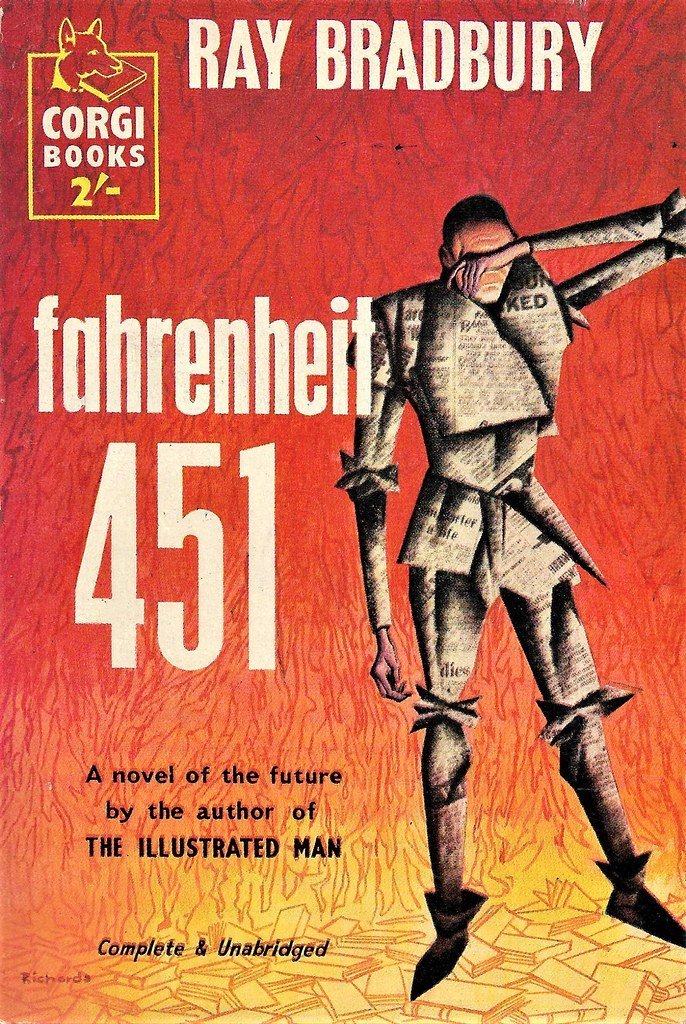
Ray Bradbury’s 1953 dystopia warned of censored books and mindless media, hitting home as boomers valued free thought. Next Avenue recalls how it reinforced belief in truth’s endurance for young readers. It spurred the generation’s passion for literacy during cultural upheavals.[1]
Lord of the Flies by William Golding
William Golding’s 1954 story of boys descending into savagery exposed civilization’s fragility to boomer youth. Featured in Next Avenue’s shaping books, it echoed their fears of nuclear age anarchy. Literary criticism underscores its impact on the era’s moral introspection.[1]
The Lord of the Rings by J.R.R. Tolkien
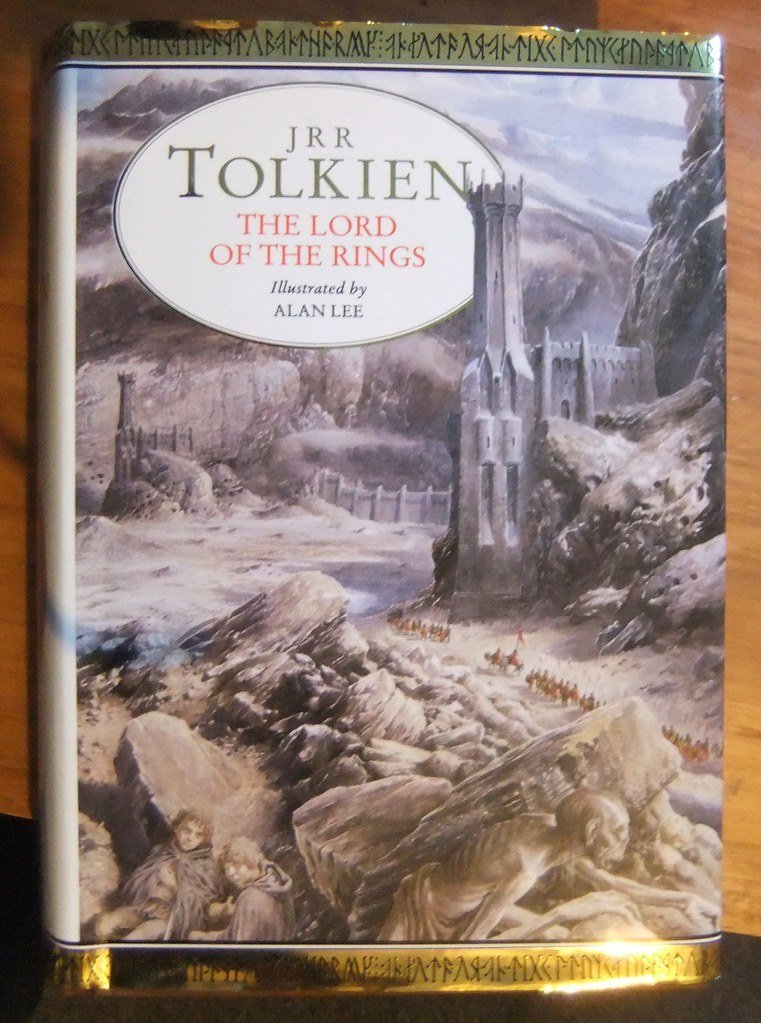
J.R.R. Tolkien’s epic fantasy trilogy, completed in 1955, offered boomers an escape into heroic quests and fellowship. AARP mentions it among elite boomer favorites for its mythic depth. It fueled the generation’s environmentalism and communal ideals in the hippie years.[2]
Portnoy’s Complaint by Philip Roth
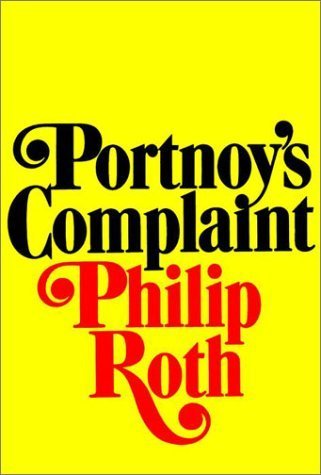
Philip Roth’s 1969 novel unleashed raw sexual frustration and Jewish-American identity, shocking boomer sensibilities. AARP lists it as key for men’s liberation through candid confession. Publishing success reflected the sexual revolution’s grip on the young generation.[2]
The Group by Mary McCarthy
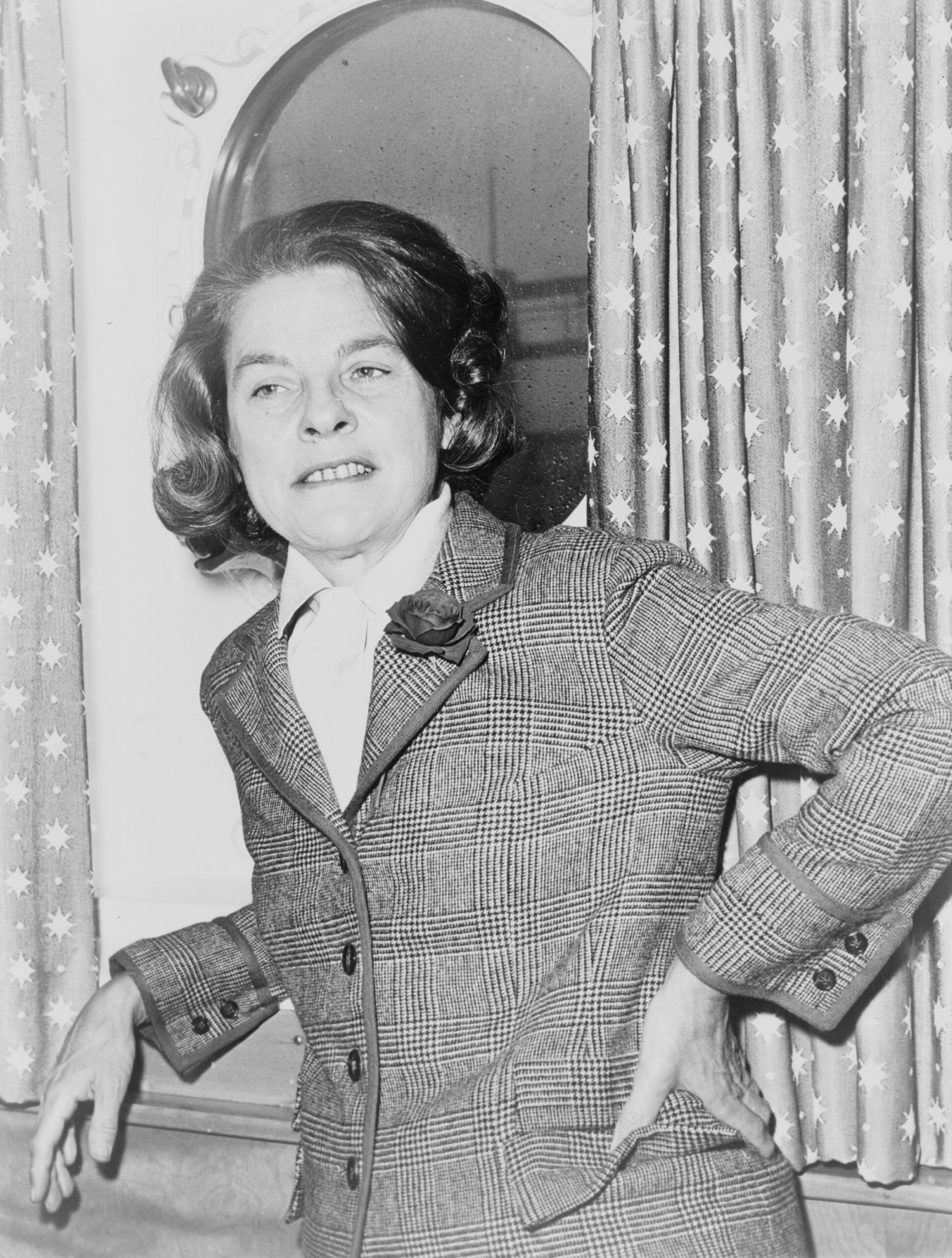
Mary McCarthy’s 1963 chronicle of Vassar grads navigating 1930s freedoms peeked into boomer mothers’ hidden lives. AARP calls it essential for revealing post-war female ambitions. It bridged generational insights during rising feminism.[2]
Couples by John Updike
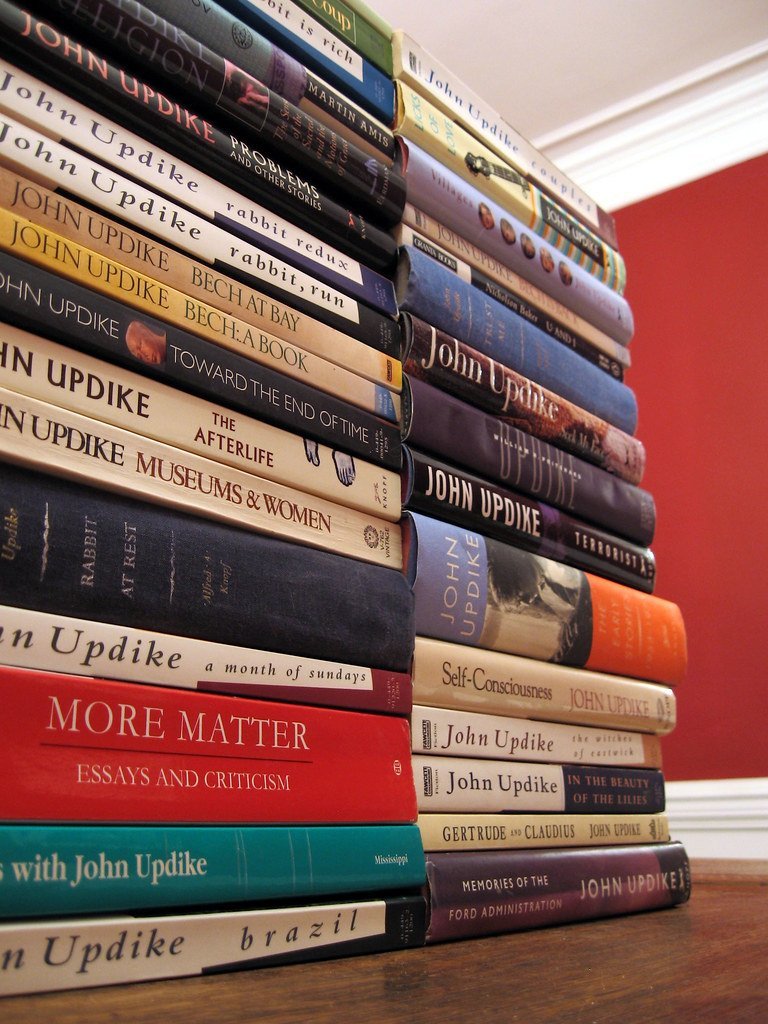
John Updike’s 1968 exploration of swinging suburban marriages captured the pill-era’s liberated sex lives. AARP notes its welcome to post-pill paradise for boomers experimenting. It mirrored the generation’s shifting views on fidelity and pleasure.[2]
One Flew Over the Cuckoo’s Nest by Ken Kesey
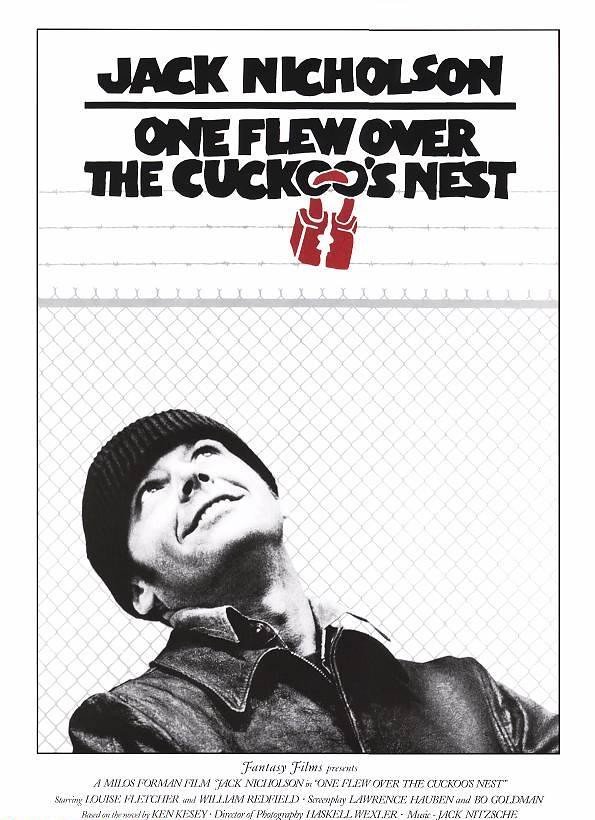
Ken Kesey’s 1962 rebel yell against institutional control electrified boomers fighting “the man.” Lists from 1960s icons include it for anti-authority fire. Its film adaptation amplified the novel’s call to individuality.[5]
The Bell Jar by Sylvia Plath
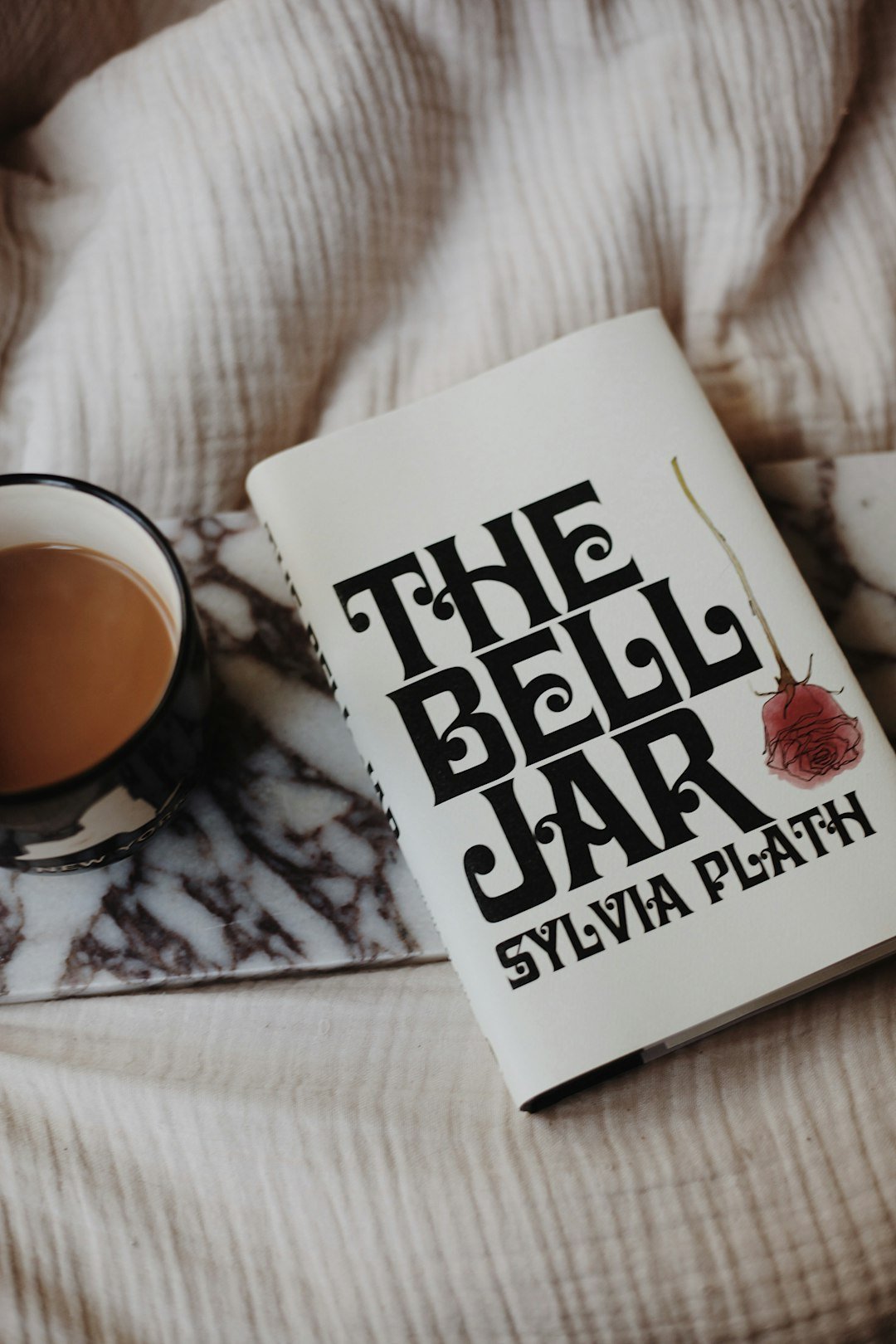
Sylvia Plath’s 1963 semi-autobiographical descent into mental illness spoke to boomer women’s stifled dreams. It gained traction post-feminism, per literary histories of the era. Boomers saw Esther Greenwood as a symbol of breaking silence.[6]
Valley of the Dolls by Jacqueline Susann
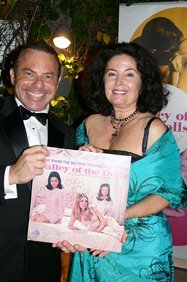
Jacqueline Susann’s 1966 blockbuster tracked starlets’ pill-fueled downfall, topping sales charts. It reflected boomers’ era of glamour and hidden addictions. Reputable reports note over 30 million copies sold, defining escapist reads.[7]
Love Story by Erich Segal
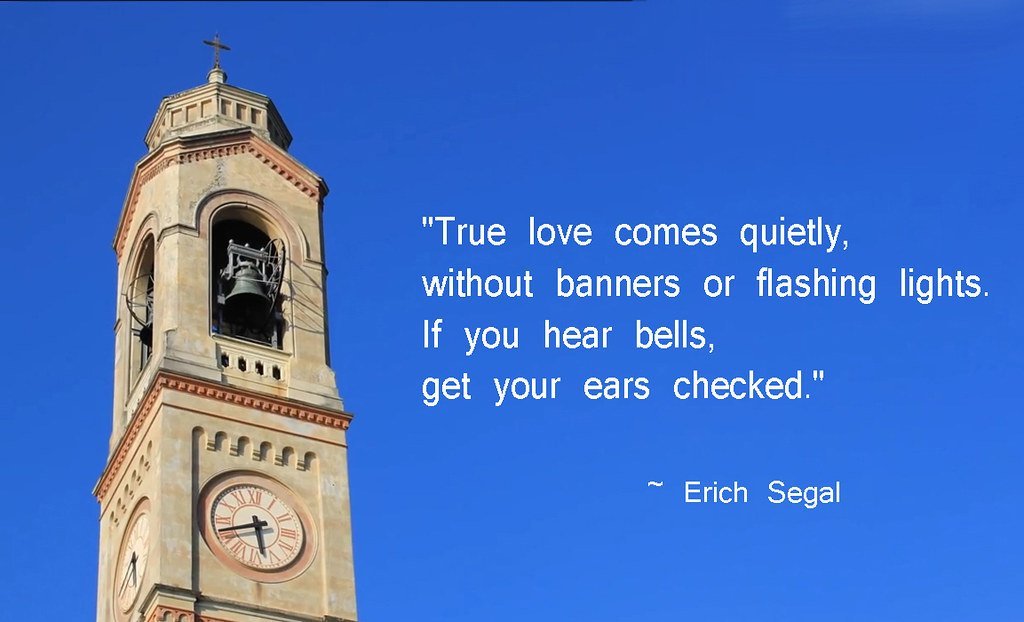
Erich Segal’s 1970 tearjerker of doomed romance sold 21 million in months, per publishing records. Newsweek recalls it among boomer favorites for raw emotion. It captured the generation’s blend of idealism and heartbreak.[6]
The Godfather by Mario Puzo
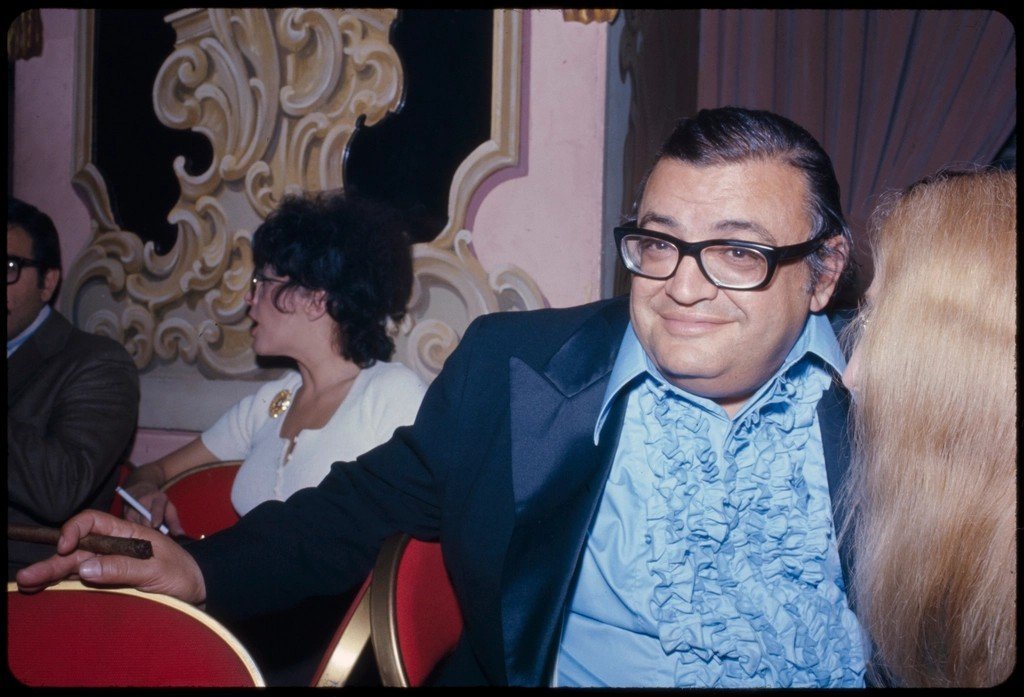
Mario Puzo’s 1969 mafia saga explored family loyalty and power, becoming a cultural phenomenon. Bestseller lists confirm its dominance in boomer youth. It shaped views on ambition amid 1970s cynicism.[8]
Fear and Loathing in Las Vegas by Hunter S. Thompson
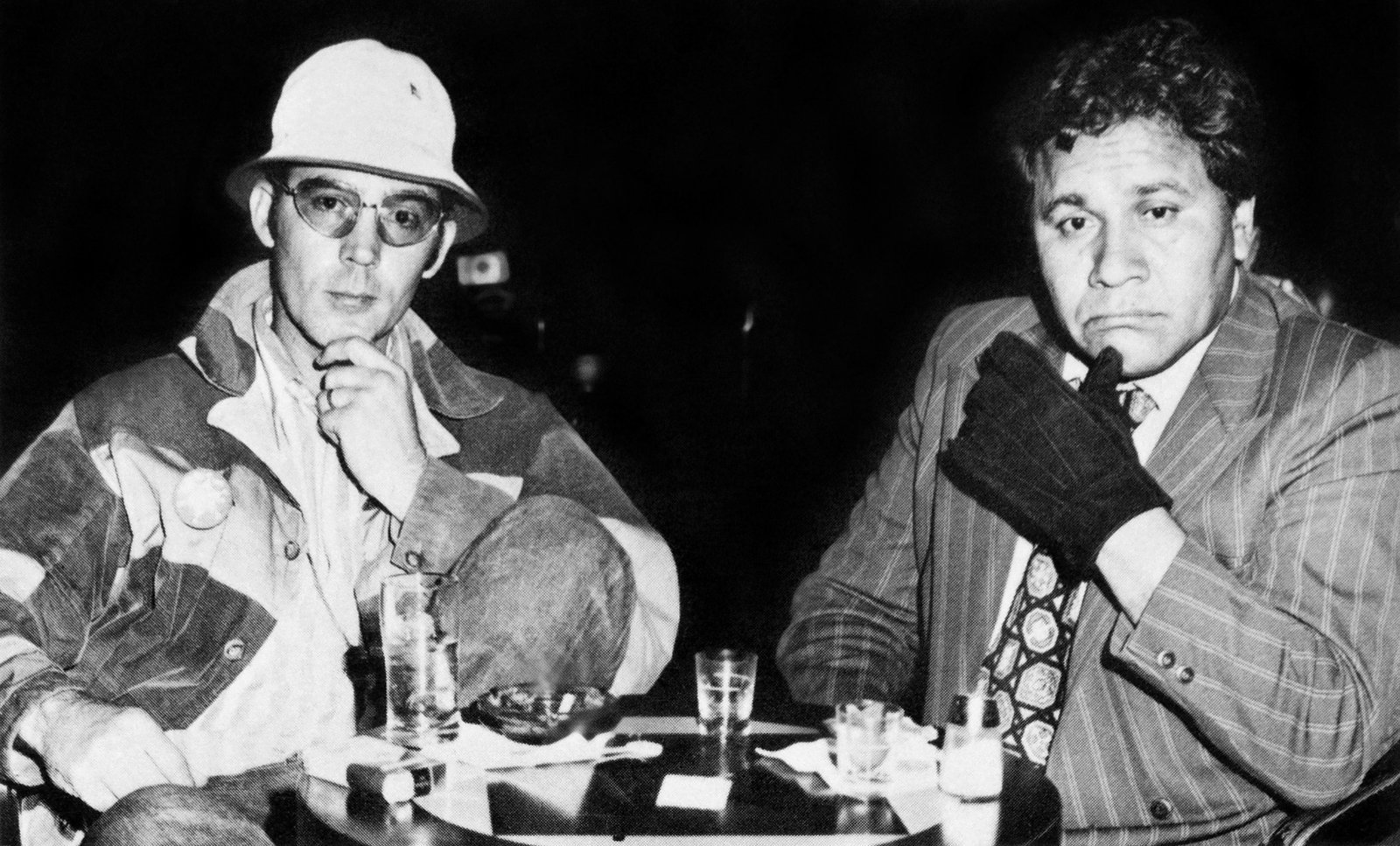
Hunter S. Thompson’s 1971 gonzo trip chronicled drug-fueled American dream quest. The Books That Mattered cites its peak excess for 1970s boomers. It epitomized counterculture’s wild edge.[4]
The Heart Is a Lonely Hunter by Carson McCullers
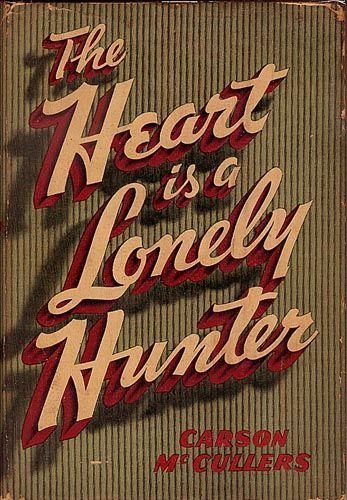
Carson McCullers’ 1940 novel of misfits seeking connection gripped boomer teens feeling isolated. The Books That Mattered blog emphasizes its resonance with adolescent loneliness. It offered solace in shared human struggles.[4]
The Fountainhead by Ayn Rand
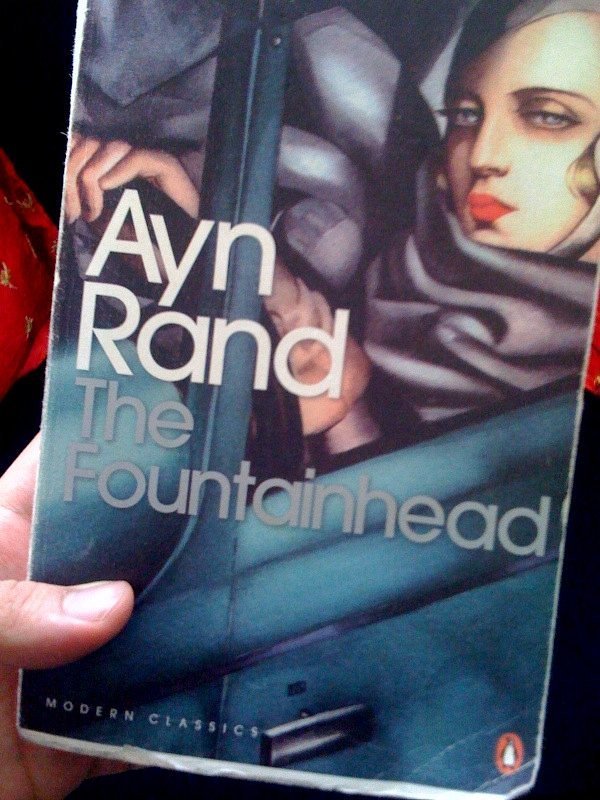
Ayn Rand’s 1943 ode to individualism inspired boomer individualists against collectivism. The Books That Mattered notes its influence on conservative thought. It fueled debates on self-reliance in prosperous times.[4]
The Great Gatsby by F. Scott Fitzgerald
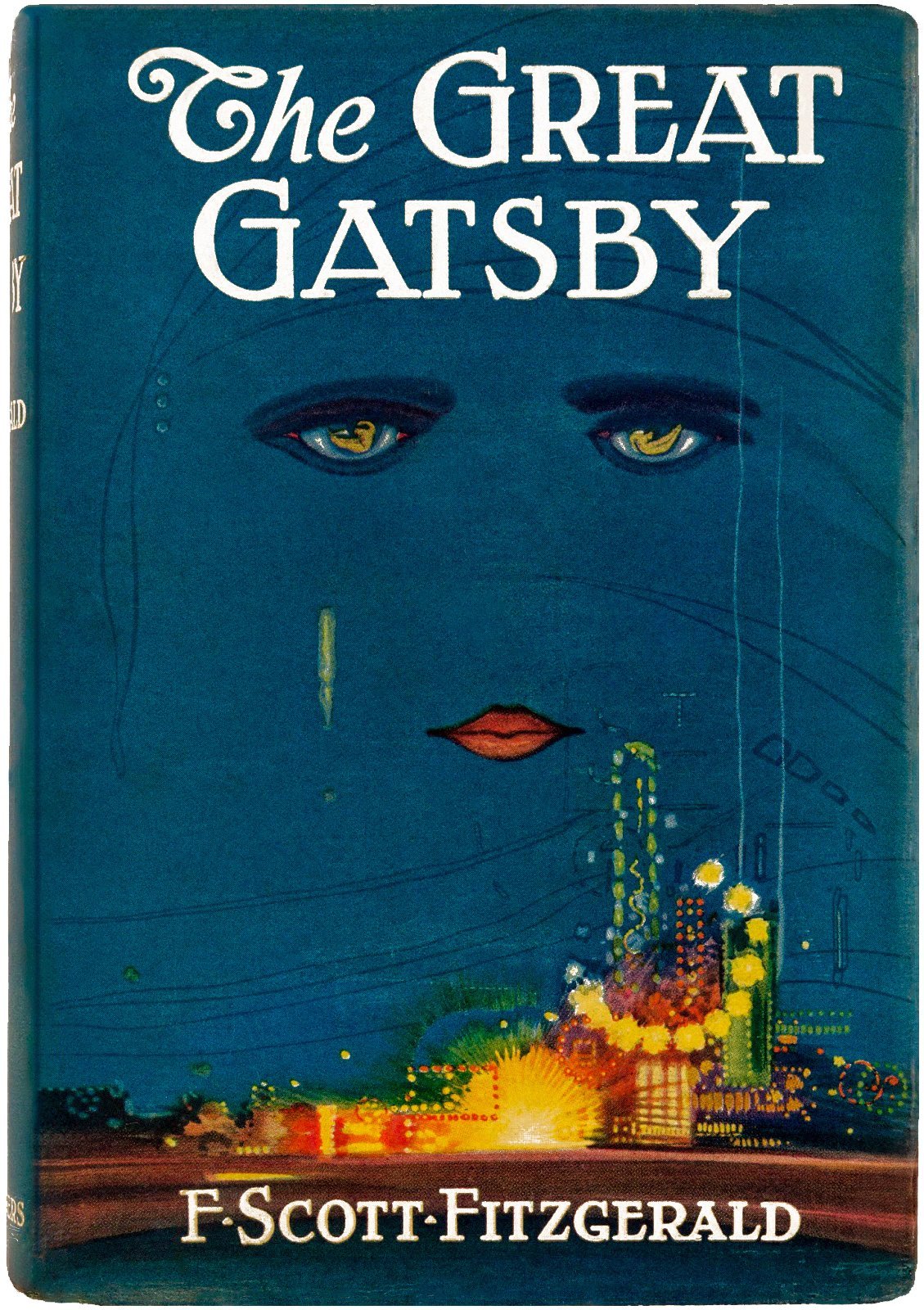
F. Scott Fitzgerald’s 1925 jazz-age tragedy warned of hollow pursuits, revisited by boomers in school. Next Avenue lists it for lessons in love and emptiness. It echoed the generation’s own boom-time excesses.[1]

- 33 Lyrics That Were Secretly Codes (Wait Until #12) - March 25, 2026
- 45 Iconic Songs Everyone Has Been Singing Wrong For Decades - March 25, 2026
- The 18 Biggest Music Scandals of the 2000s - March 10, 2026

