
The Underground Railroad: America’s Secret Freedom Highway
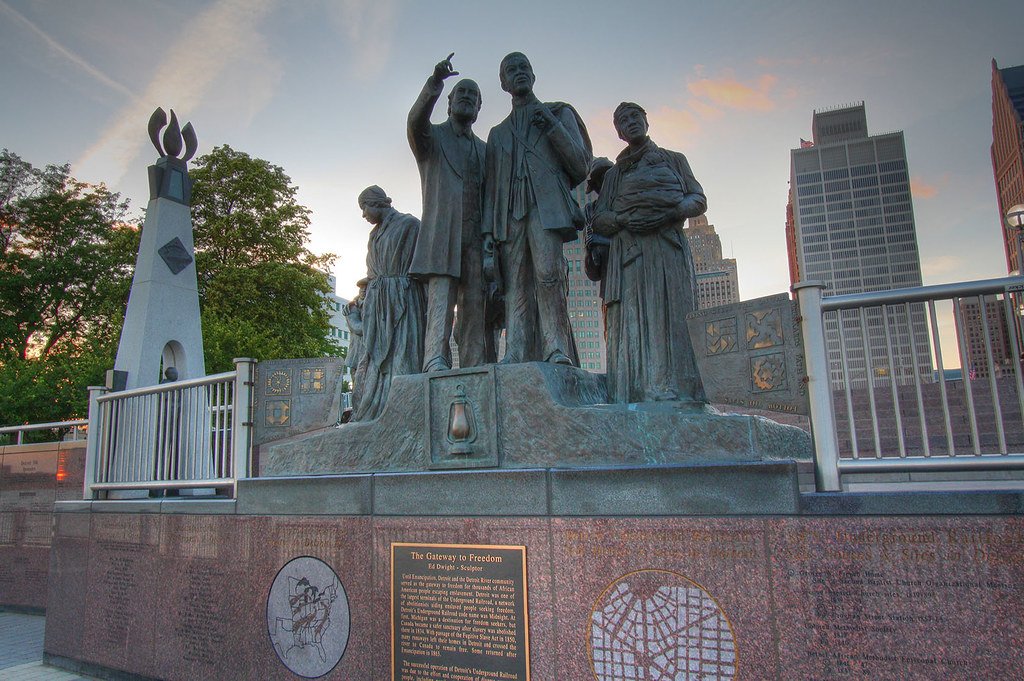
Few people realize the scale and secrecy of the Underground Railroad. This 19th-century network helped tens of thousands of enslaved people escape to freedom. Conductors like Harriet Tubman risked everything, sneaking people through a maze of safe houses and allies. The system relied on coded songs, lantern signals, and even secret compartments in homes. Historians estimate that by the start of the Civil War, over 100,000 people had escaped slavery through these routes. Despite the constant threat of capture and harsh punishments, the railroad’s operators persisted, driven by a deep sense of justice. The movement’s true size and methods remained hidden from authorities for decades, only surfacing through survivors’ stories and research in recent years.
Prohibition-Era Speakeasies: The Boozy Underbelly
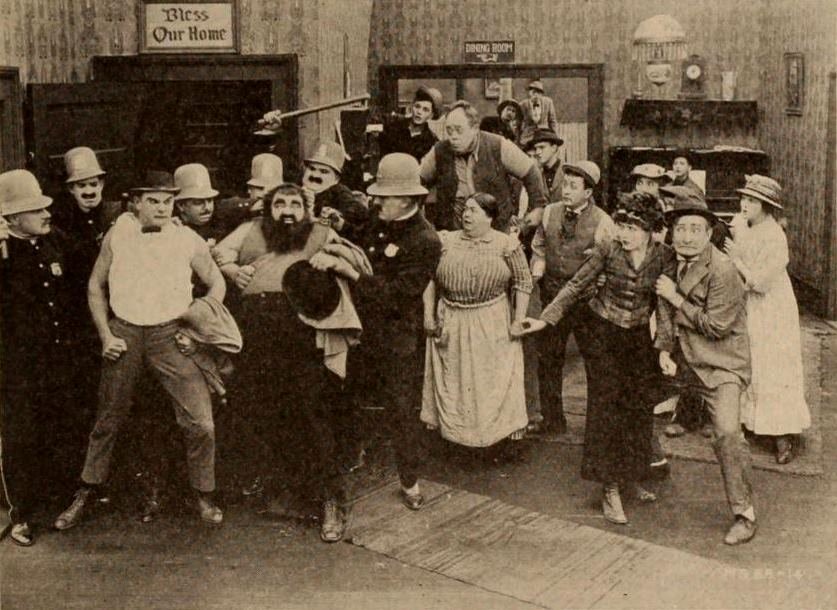
When the U.S. banned alcohol from 1920 to 1933, a shadowy nightlife flourished. Speakeasies—hidden bars and clubs—popped up in basements, behind fake storefronts, and even in private homes. Police raids were common, so owners used secret passwords, peepholes, and elaborate escape routes. It’s estimated that New York City alone had as many as 30,000 speakeasies at the height of Prohibition. Famous musicians like Duke Ellington and Billie Holiday got their start entertaining these illicit crowds. The speakeasy culture shaped American music, fashion, and attitudes toward the law in ways that are still felt today.
Women’s Suffrage Societies: The Silent Warriors

Long before women won the right to vote in 1920, underground suffrage groups operated in secrecy to avoid backlash. These societies trained women in public speaking, organized secret rallies, and distributed pamphlets under the cover of night. Some even used coded language to evade authorities. They were instrumental in rallying support, especially in conservative regions where open activism was dangerous. Recent scholarship has uncovered diaries and meeting notes that reveal how these groups built the foundation for the nationwide women’s movement. Their quiet persistence changed the course of American democracy.
The Black Panther Party’s Community Survival Programs

While the Black Panther Party is often remembered for its militant image, less known are its underground “survival programs.” In the 1960s and 1970s, the Panthers secretly organized free breakfast programs, health clinics, and education classes in inner cities—often under threat from law enforcement. FBI surveillance and infiltration made these efforts incredibly risky, but the Panthers persisted, helping thousands of families. The programs were so effective that they inspired similar initiatives across the country. Recent studies have highlighted their role in bringing healthcare and food security to marginalized communities.
The Gay Liberation Front and Queer Safe Houses
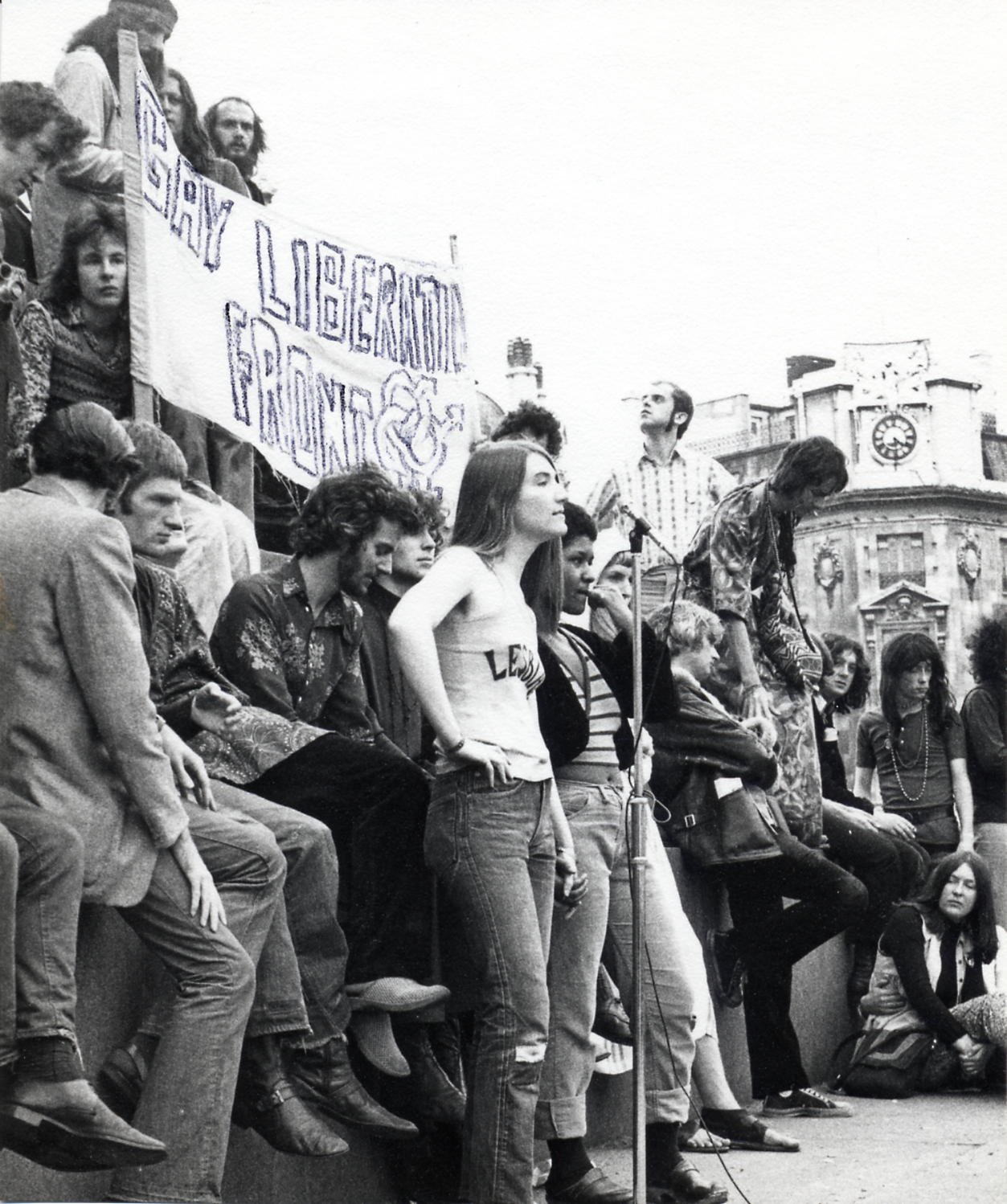
In the years before and after the 1969 Stonewall uprising, members of the LGBTQ+ community created hidden safe houses and meeting spots. The Gay Liberation Front organized in apartments and church basements, guarding their locations with utmost secrecy to avoid police raids and public harassment. These underground networks offered sanctuary, legal advice, and medical care to people shunned by mainstream society. Documents uncovered in recent years show how vital these spaces were in building the early gay rights movement. Their courage laid the foundation for sweeping changes in civil rights.
The Anti-Vietnam War “Draft Resistance” Cells

Record in source catalog
DPLA identifier: fcc74178f8b230c6cf909669d608e104
National Archives Identifier: 7419629, Public domain, https://commons.wikimedia.org/w/index.php?curid=96363925)
During the Vietnam War, thousands of Americans secretly resisted the draft. Underground networks forged documents, organized escapes to Canada, and hid draft resisters from federal authorities. Some even broke into draft board offices and destroyed records—a tactic famously used by the “Catonsville Nine” in 1968. FBI files released decades later revealed just how widespread and coordinated these efforts were. The movement’s willingness to defy the law changed public attitudes about the war and forced the government to rethink its policies.
Freedom Schools of the Civil Rights Era
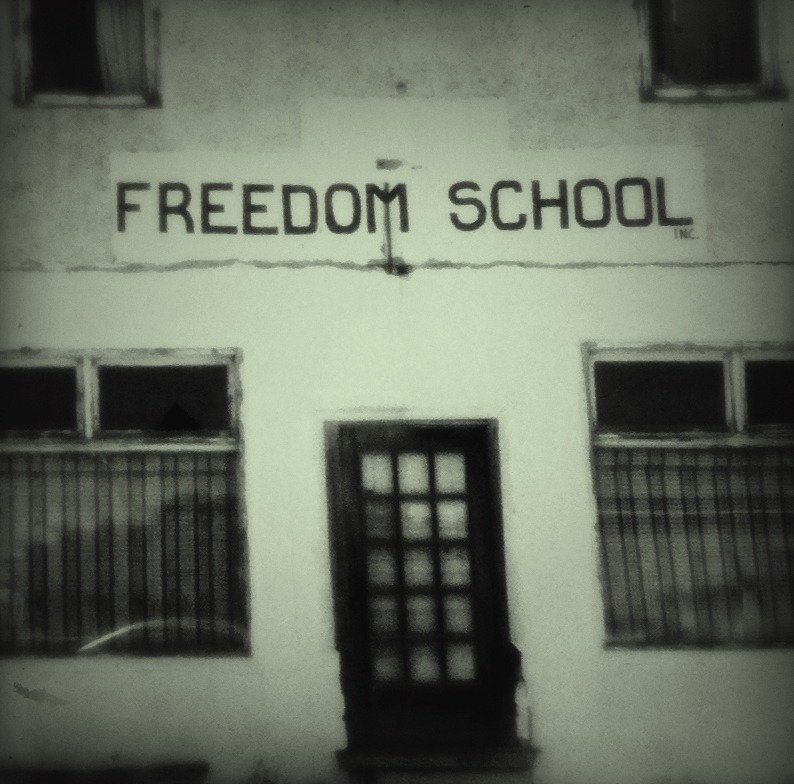
In the segregated South, civil rights activists established “Freedom Schools”—underground classrooms teaching Black children and adults about voting rights and American history. These schools operated in churches, homes, and community centers, constantly threatened by violence and arrest. According to civil rights archives, over 3,000 students attended Freedom Schools during the 1964 Mississippi Summer Project alone. The curriculum challenged racist narratives and empowered a new generation of activists. Their impact extended far beyond the classroom, sparking a wave of grassroots organizing.
The Weather Underground: Radicals in the Shadows
In the late 1960s and early 1970s, the Weather Underground Organization carried out bombings, jailbreaks, and antiwar protests. Members lived under assumed names, using secret apartments and coded messages to avoid capture. Their actions were meant to protest the Vietnam War and racism, but they also sparked a nationwide manhunt. Declassified FBI files and memoirs have revealed the group’s elaborate underground culture, complete with safe houses and forged documents. Their story is a reminder of how far some movements will go to challenge the status quo.
Sanctuary Movement for Central American Refugees
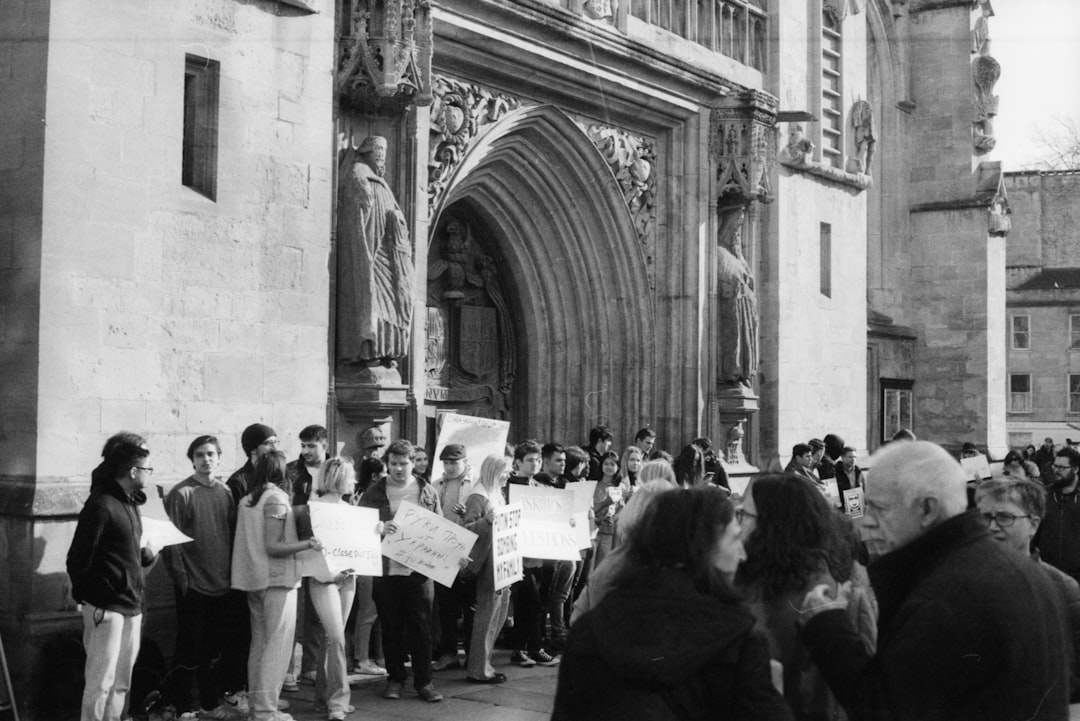
During the 1980s, churches and activists quietly sheltered refugees fleeing violence in Central America. The U.S. government was deporting thousands, so networks sprang up to hide families, provide legal aid, and transport people to safer states. The Sanctuary Movement faced federal prosecution, but its members saw their work as a moral duty. In 2019, researchers found that more than 500 churches and communities participated at the movement’s peak. Their underground efforts saved countless lives and influenced immigration policy debates.
The Knights of Labor’s Secret Unionizing
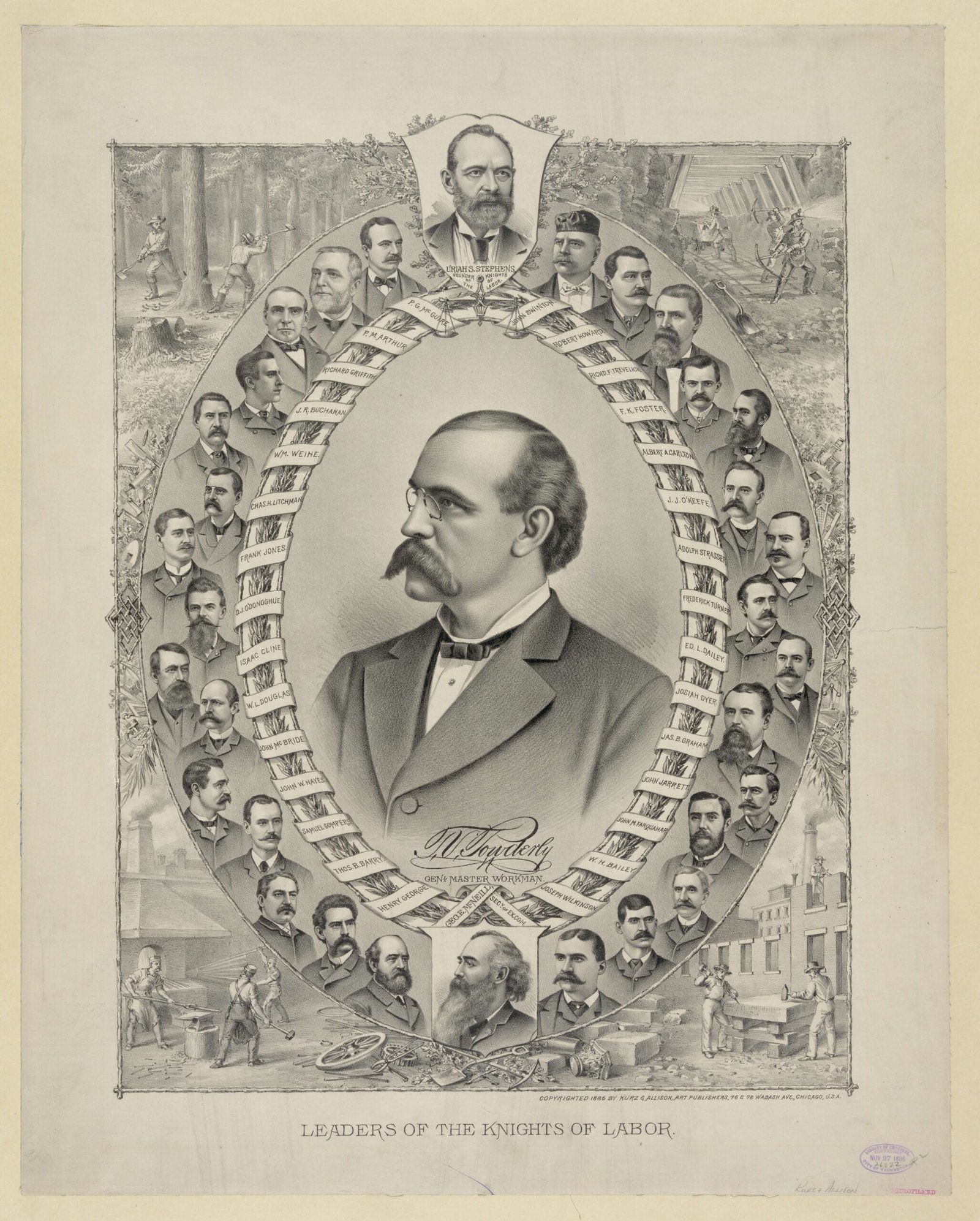
Catalog: http://lccn.loc.gov/2012648823
Image download: http://cdn.loc.gov/master/pnp/pga/01900/01926u.tif
Original url: https://www.loc.gov/pictures/item/2012648823/, Public domain, https://commons.wikimedia.org/w/index.php?curid=66363239)
Before labor unions were legal, workers formed underground societies like the Knights of Labor in the late 1800s. Members used aliases, secret handshakes, and coded communications to avoid being fired or blacklisted. The Knights organized strikes and boycotts against powerful corporations, laying the groundwork for future labor rights. Historical records show that at their height, the group had over 700,000 members. Their secret organizing forced bosses to negotiate with workers for the first time in U.S. history.
Underground Abortion Providers Before Roe v. Wade
Decades before abortion was legalized nationwide in 1973, networks of doctors, nurses, and activists quietly provided safe abortions. Groups like the Jane Collective in Chicago operated hotlines and referral services, disguising their activities as “women’s counseling.” Police raids were common, yet these networks performed thousands of procedures and saved countless women from unsafe conditions. Historians estimate Jane alone helped over 11,000 women between 1969 and 1973. Their underground care changed the national conversation about women’s health.
Chinese Tongs and Secret Societies in Chinatowns
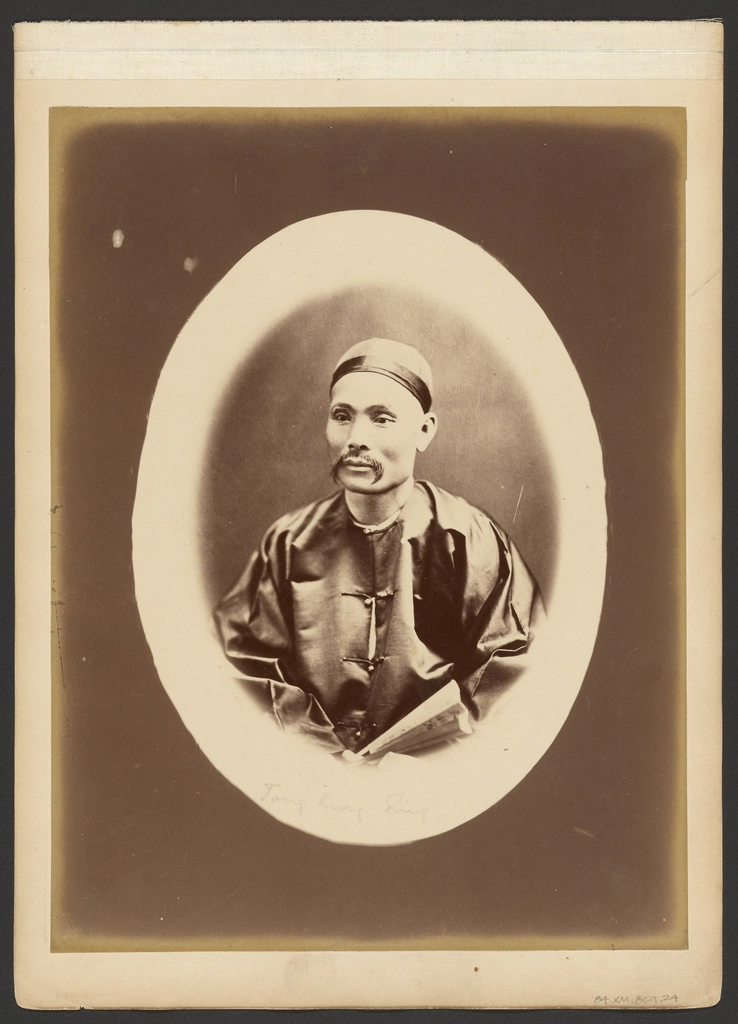
In the late 19th and early 20th centuries, Chinese immigrants formed secret societies called “tongs” for mutual aid and protection. Facing discrimination and violence, tongs provided jobs, legal help, and even underground justice systems. While some became associated with criminal activity, many tongs served as lifelines for new immigrants. Recent academic research has uncovered how these groups also supported strikes, boycotts, and cultural festivals. Their underground networks helped Chinese Americans survive and thrive in hostile environments.
Harlem Renaissance Salons: Art Under the Radar
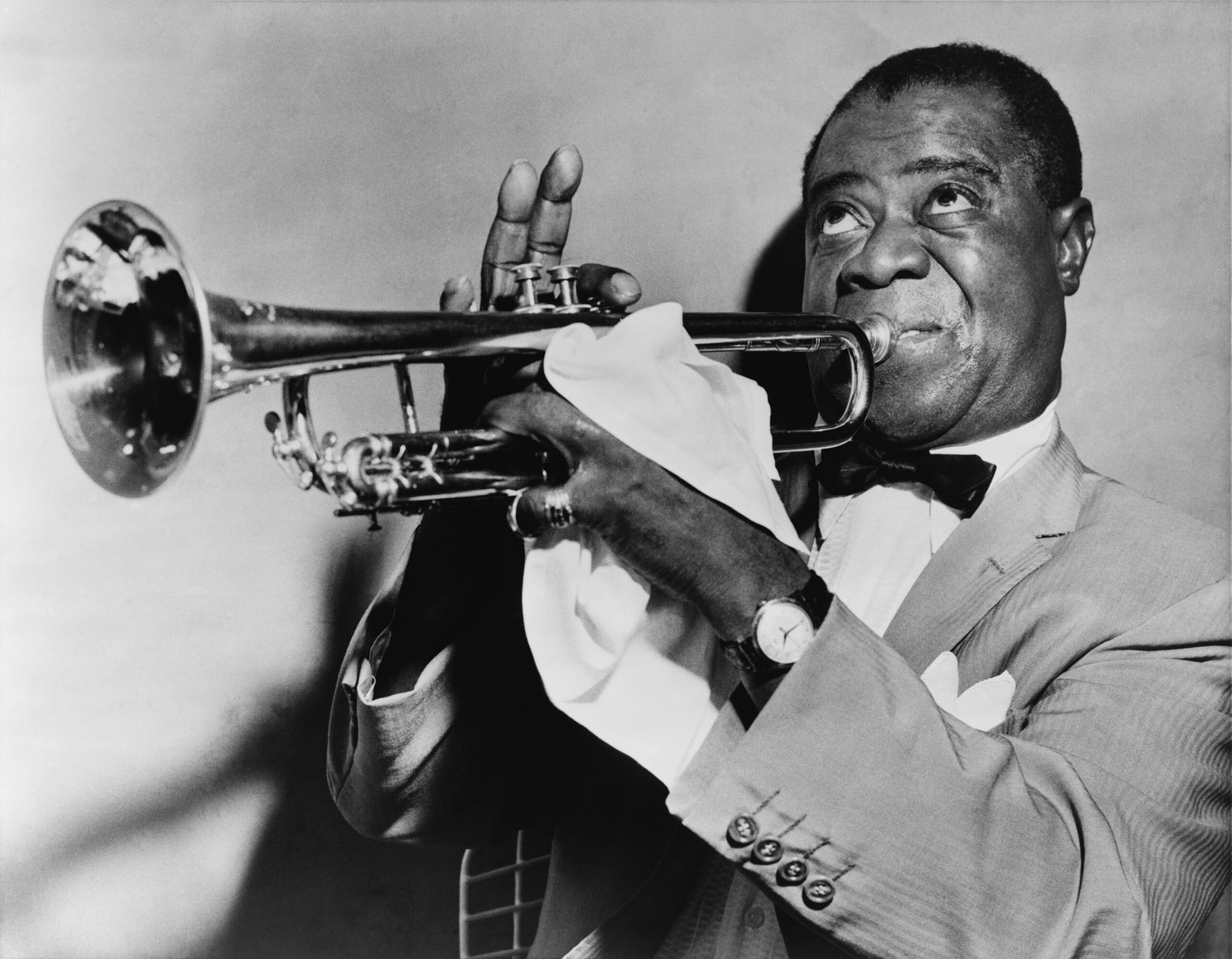
During the Harlem Renaissance of the 1920s, artists, writers, and musicians gathered in secret salons and “rent parties” to share ideas. These gatherings were often illegal due to restrictive laws and racist policing. Zora Neale Hurston, Langston Hughes, and others honed their craft in these creative havens. Recent studies show that these underground salons were critical to the explosion of Black art and literature at the time. Without them, many iconic works might never have seen the light of day.
Native American Ghost Dance Movement
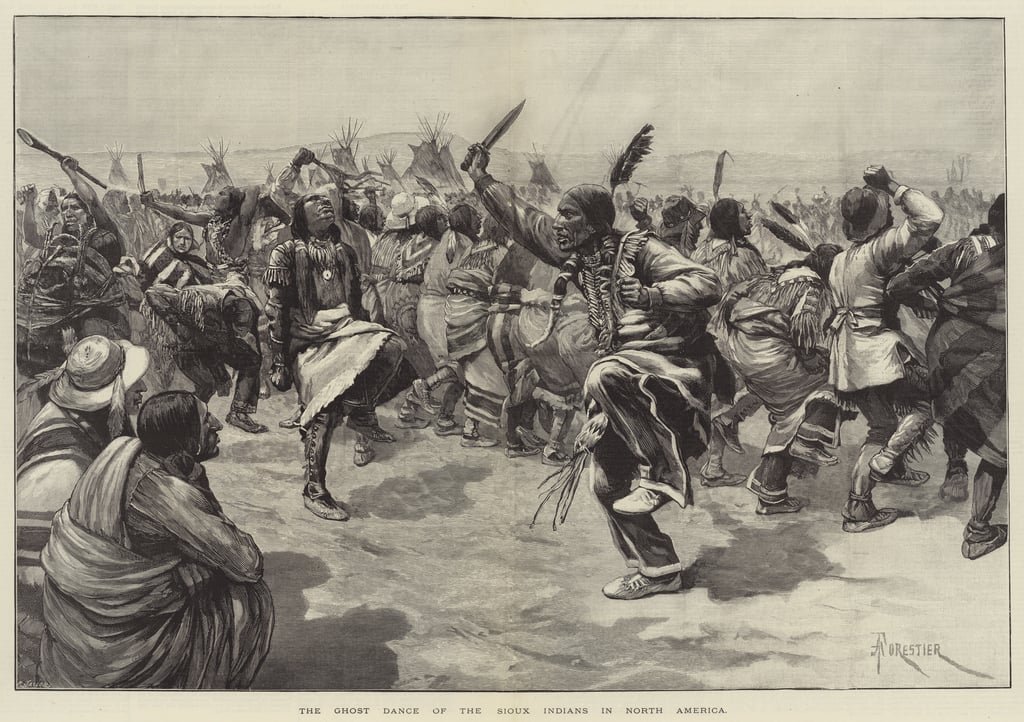
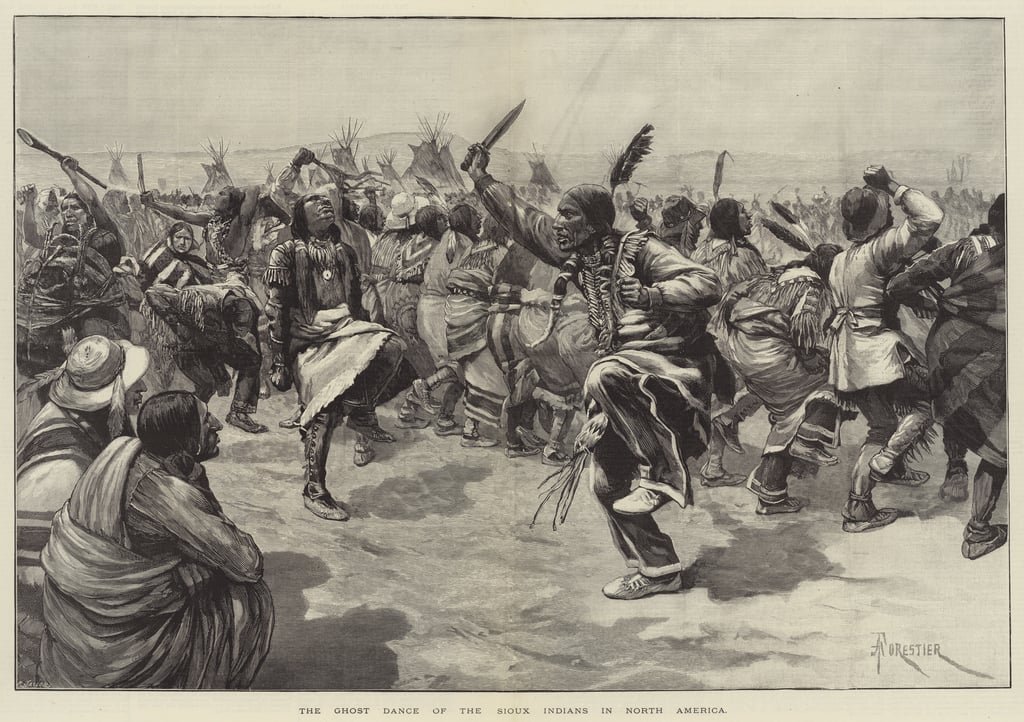
In the late 1800s, Native Americans across the West participated in the Ghost Dance, a spiritual movement promising renewal and resistance to U.S. oppression. The government outlawed the dance, seeing it as a threat, so tribes held secret ceremonies in remote locations. Anthropological research has revealed how these underground rituals kept hope alive and unified different tribes. The movement’s suppression led to tragic violence, but its legacy endures in Native resilience and cultural revival.
Underground Punk and DIY Music Scenes
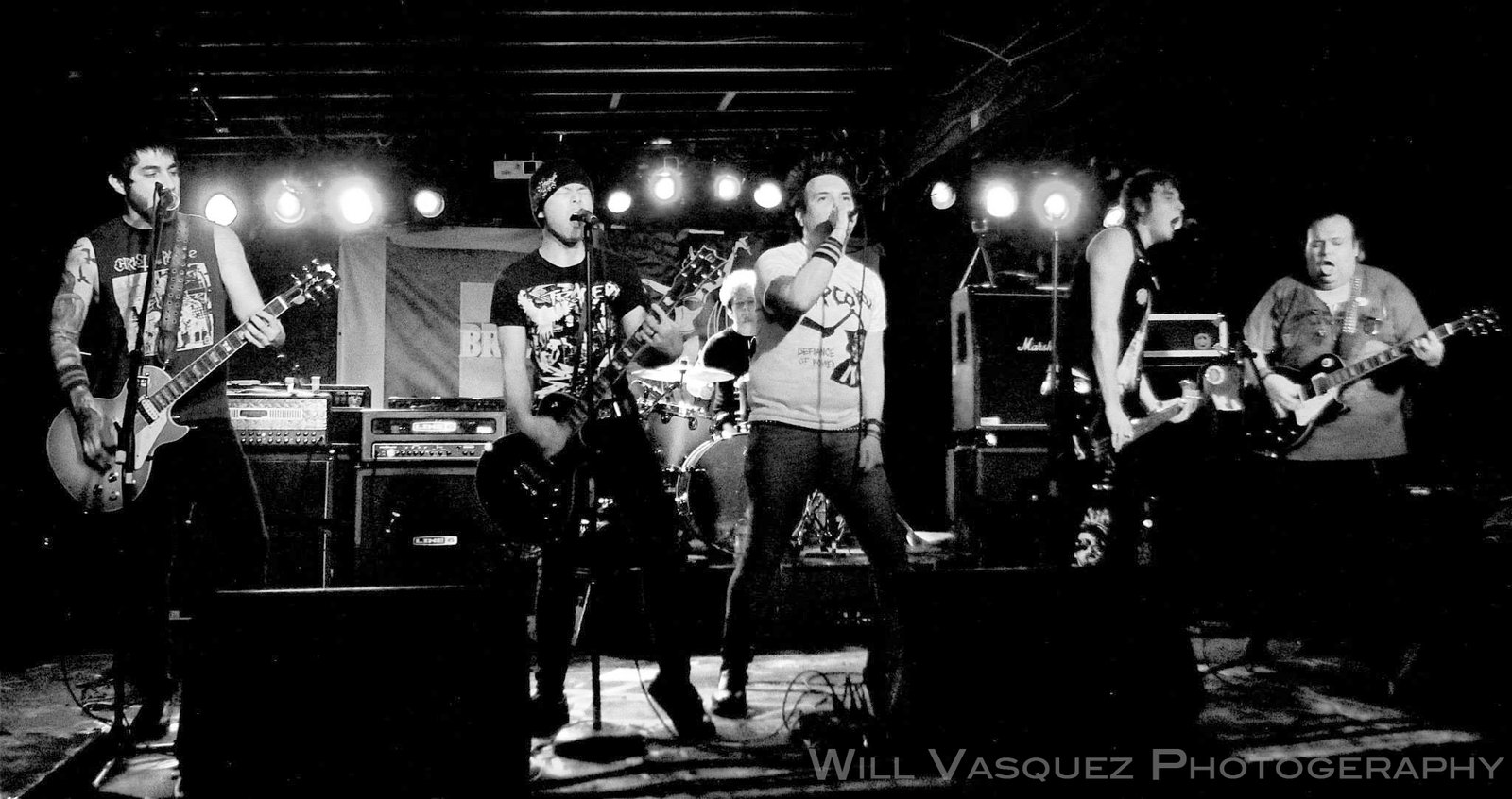
From the 1970s onward, punk bands and fans formed underground music scenes in cities like New York, Los Angeles, and Washington, D.C. These DIY communities operated out of basements, garages, and abandoned warehouses—often in defiance of local laws and mainstream music industry norms. According to music historians, the punk underground fostered major innovations in style, politics, and technology. Zines, indie record labels, and all-ages shows created a blueprint for later alternative movements. The energy of these secret shows still pulses through American culture today.
Anti-Nuclear Protest Networks
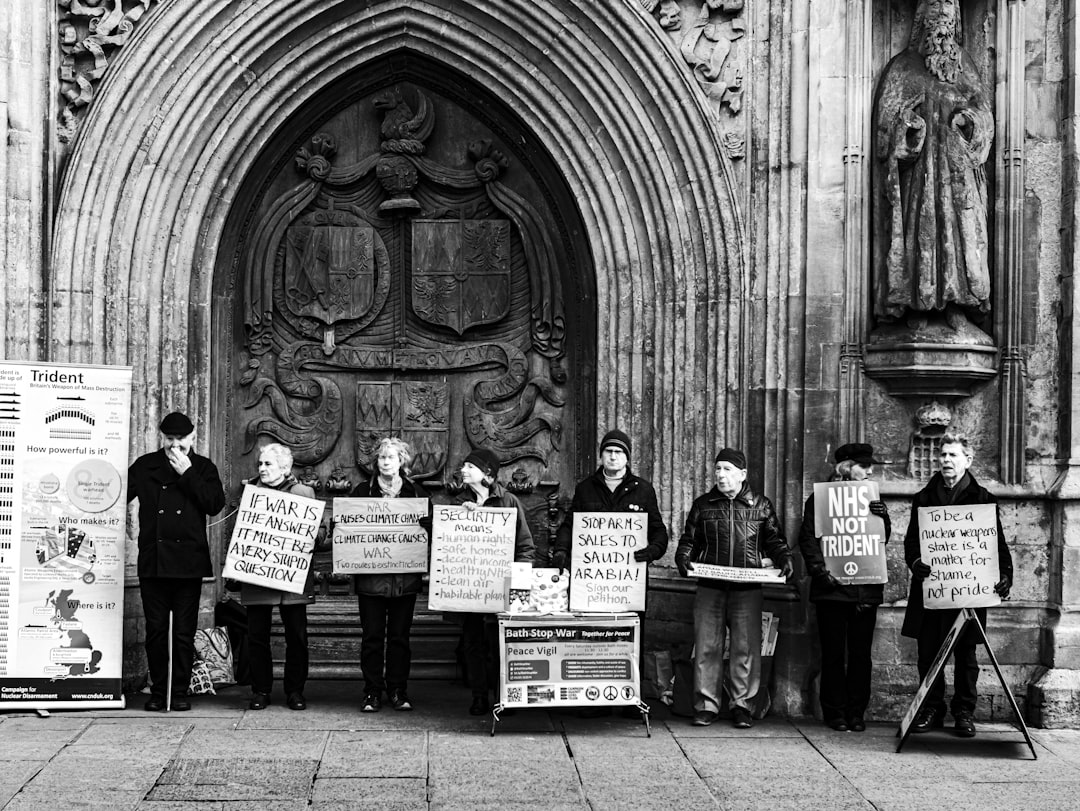
In the 1970s and 1980s, underground groups campaigned against nuclear weapons and power. Activists used encrypted communications and clandestine meetings to plan blockades, infiltrate test sites, and distribute information. The Clamshell Alliance and similar groups organized mass protests at nuclear plants, sometimes facing arrest or violence. Declassified documents show how these underground tactics pushed the government to adopt new safety regulations and fueled the broader anti-nuclear movement.
The “Green Book” and the Black Travel Underground
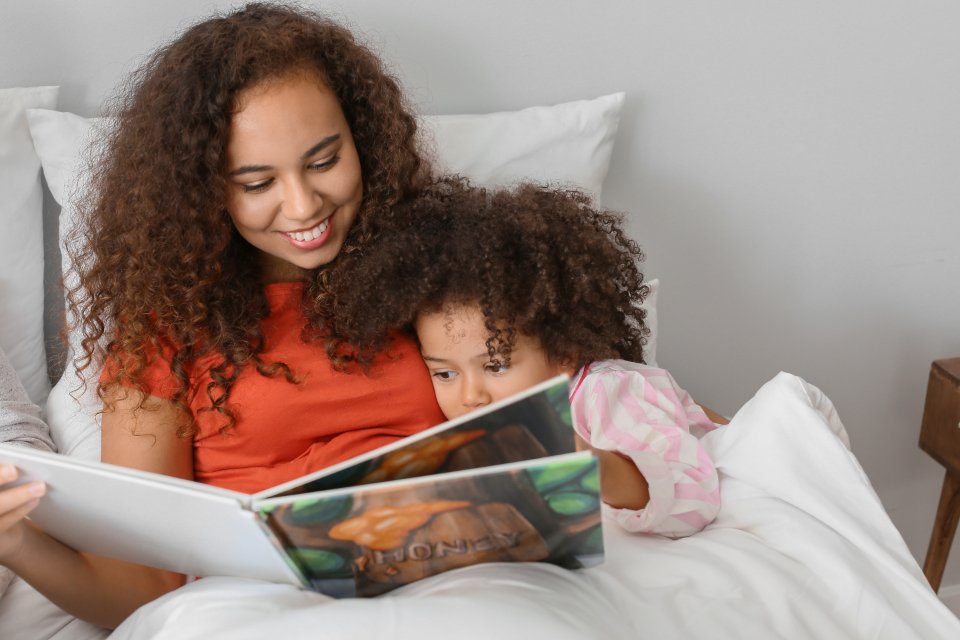
From the 1930s through the 1960s, Black Americans used a secret travel guide called the “Green Book” to navigate safely through segregated America. The guide listed hotels, restaurants, and gas stations that served Black travelers, helping them avoid danger and humiliation. Behind the scenes, networks of business owners and activists kept the listings updated and spread the word through churches and community groups. Recent documentaries have revealed how the Green Book’s underground network offered dignity and freedom in a divided nation.
ACT UP and the AIDS Activist Underground
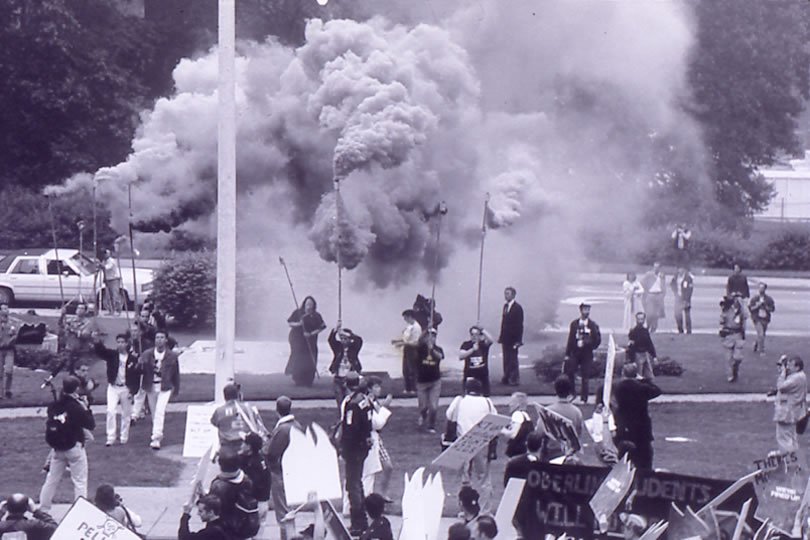
In the 1980s and 1990s, the HIV/AIDS crisis sparked a powerful underground movement. ACT UP (AIDS Coalition to Unleash Power) staged secret meetings, planned protests, and distributed illegal medications when the government refused to act. Activists broke into government offices, chained themselves to buildings, and published underground newsletters to spread lifesaving information. Medical journals now credit these underground networks with speeding up drug approvals and changing public health policy. Their fearless action saved thousands of lives.
The Secret World of the Hobo Code
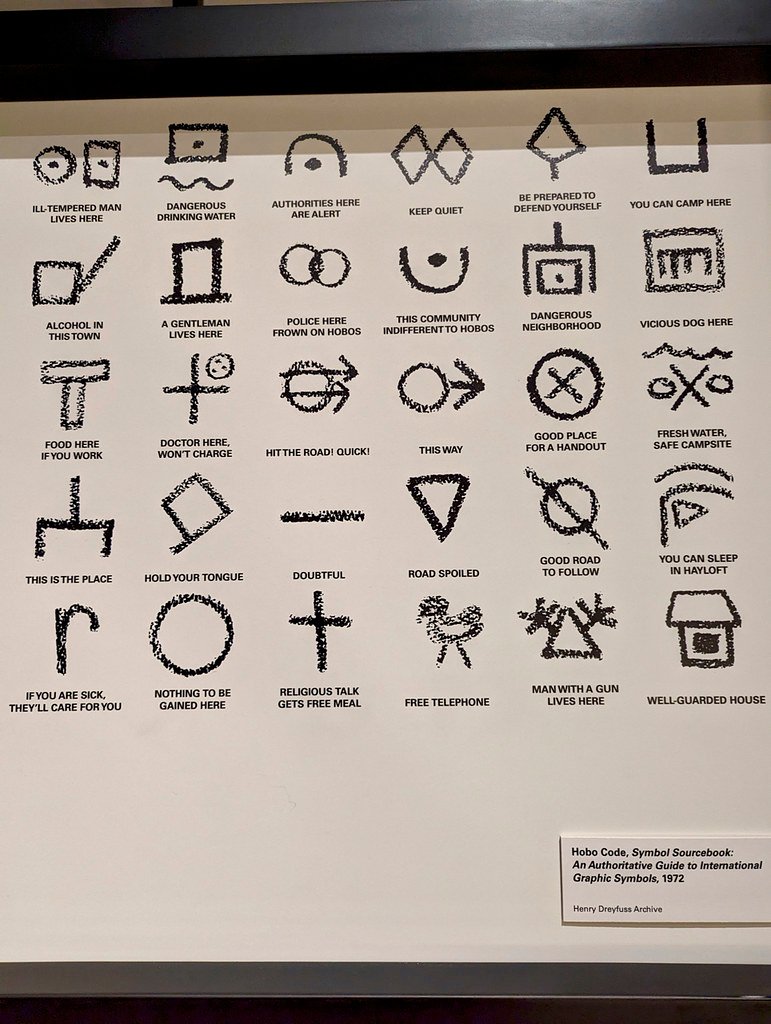
During the Great Depression, itinerant workers—hobos—developed a secret system of symbols called the “Hobo Code.” This code, scratched onto fences and walls, gave tips about where to find food, work, or shelter, and warned about dangerous towns or police. Researchers have documented dozens of these symbols in old railway towns. The code’s simplicity masked an incredibly effective underground communication system that helped people survive one of America’s toughest eras.
Mutual Aid Networks During the COVID-19 Pandemic
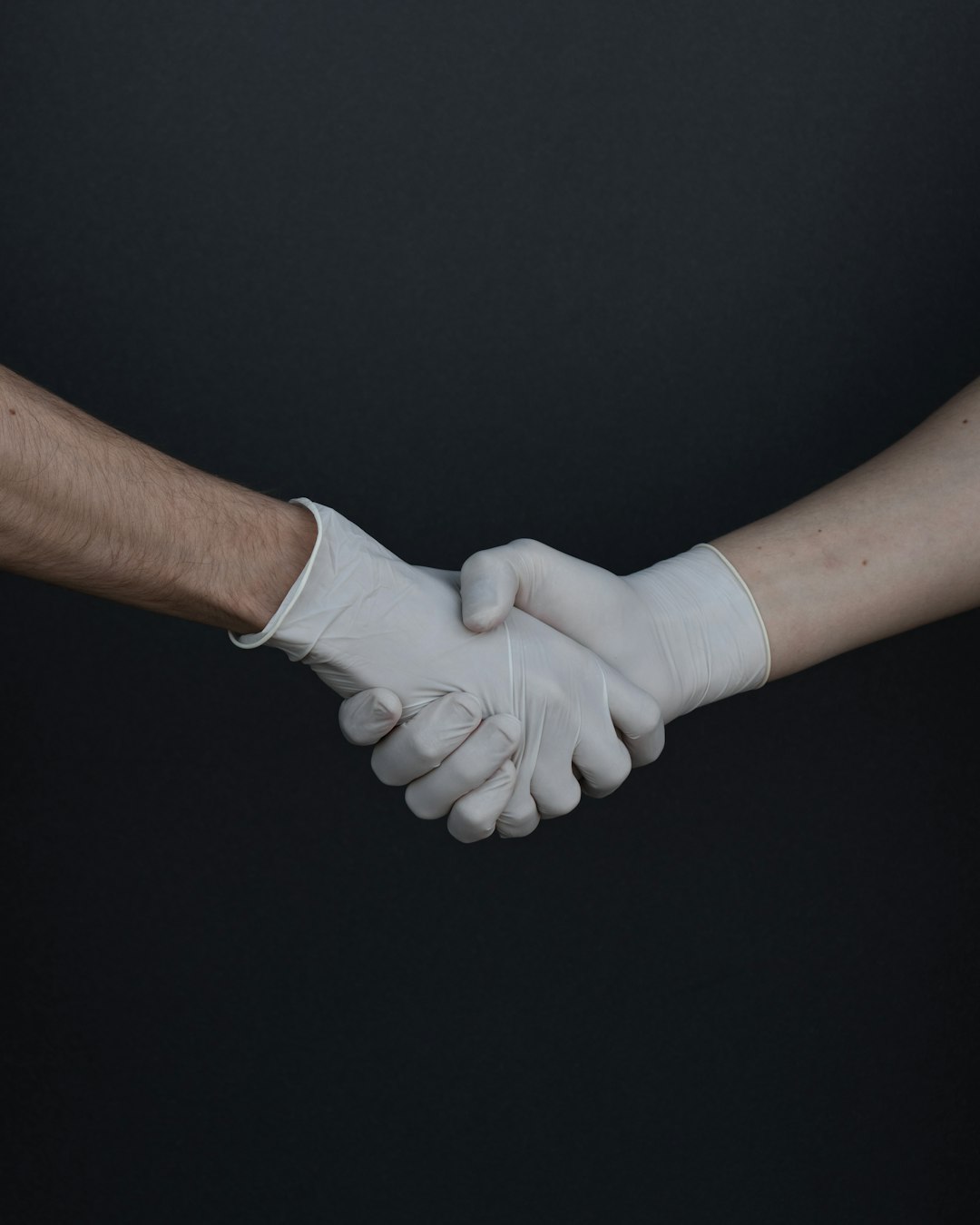
Starting in 2020, as the pandemic swept the nation, underground mutual aid networks sprang up across the U.S. These grassroots groups quietly delivered groceries, medicine, and financial help to neighbors in need—especially where official aid fell short. Many operated on encrypted apps and word-of-mouth to avoid bureaucratic red tape or political backlash. Recent studies by nonprofit organizations show that thousands of communities participated, reaching millions of people. Their underground efforts highlighted the power of solidarity in a crisis.
End.

Besides founding Festivaltopia, Luca is the co founder of trib, an art and fashion collectiv you find on several regional events and online. Also he is part of the management board at HORiZONTE, a group travel provider in Germany.
