

- 10 Classic Albums Everyone Should Listen To Before They Die - March 9, 2026
- The 5 Most Affordable U.S. Cities Where Quality of Life Is Surprisingly High - March 9, 2026
- 7 Fashion Trends From the Past That Are Making a Major Comeback - March 9, 2026
Salem’s Forgotten Maritime Empire
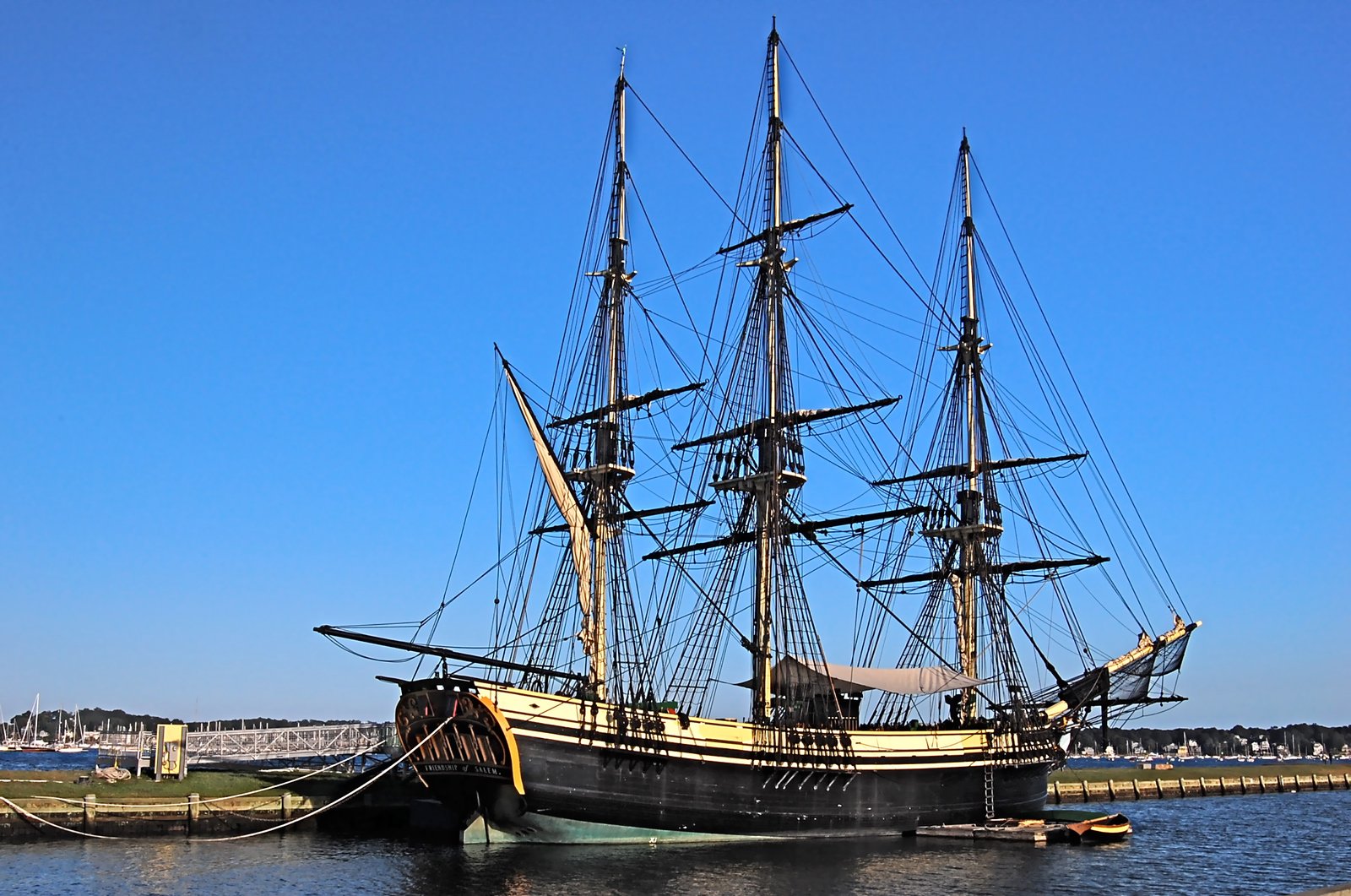
Everyone thinks they know Salem, Massachusetts — the witch trials of 1692 cast such a long shadow that they’ve obscured the town’s true golden age. By the early 1800s, Salem’s trade had helped the city become the wealthiest per capita in the United States, as Salem, Massachusetts became the center of spice trade in North America with the first voyage producing a 700% profit. In the two decades following the American Revolution, Salem’s sailing ships returned from China and East India brimming with tea and spices, silks and porcelain, ivory and gold dust. It is estimated that the cargo of pepper that came to Salem aboard the Rajah was valued at about $125,000 (in 1797), meaning in today’s value the shipment would be worth about $1.5 million. The city seal doesn’t feature a witch’s hat or cauldron, but rather a robe-and-slippered Sumatran dignitary standing next to a row of palm trees. The silk and spice trade, involving spices, incense, herbs, drugs and opium, made these maritime cities extremely wealthy, as opium was a part of the spice trade. Salem’s merchants weren’t just importing black pepper for seasoning — they were quietly building one of America’s first global trade networks while most of the country still hugged the coastline.
Roswell’s Nazi Prisoners Before the Aliens
Decades before UFO conspiracies put Roswell on the map, the New Mexico town harbored a very different kind of secret. During World War II, about 4,800 German prisoners were held in a POW camp just outside of Roswell, with Orchard Park, officially known as the Roswell POW Internment Camp, opening on November 26, 1942, with about 250 prisoners. The camp operated from August 1942 to February 1946 and interned 4,816 German POWs at its peak, with most POWs performing agricultural labor, particularly during cotton season. From 1943 to 1946, during the incarceration of these POWs, the men worked as field hands on the many farms in Chaves County, as well as in the Artesia and Mayhill areas, with the first prisoners arriving from the “Afrikacorps”, Rommel’s men from the 8th Army. These weren’t your typical prisoners — while the majority of prisoners labored on farms, a group of men worked in the city on a flood control project in town, paving the banks of the Spring River with stone, and as construction progressed along the north river bank, a group of prisoners arranged rocks of different sizes to form the outline of the Iron Cross. Upon discovering the symbol, many Roswell citizens were incensed by the brazen act and subsequently covered the offending image with cement, however, after many years of erosion, the cross reemerged and can be seen once again. The town that would later become famous for crashed flying saucers once housed Hitler’s Afrika Korps veterans, who left their mark quite literally carved in stone.
Charleston’s Shameful Commerce Hub
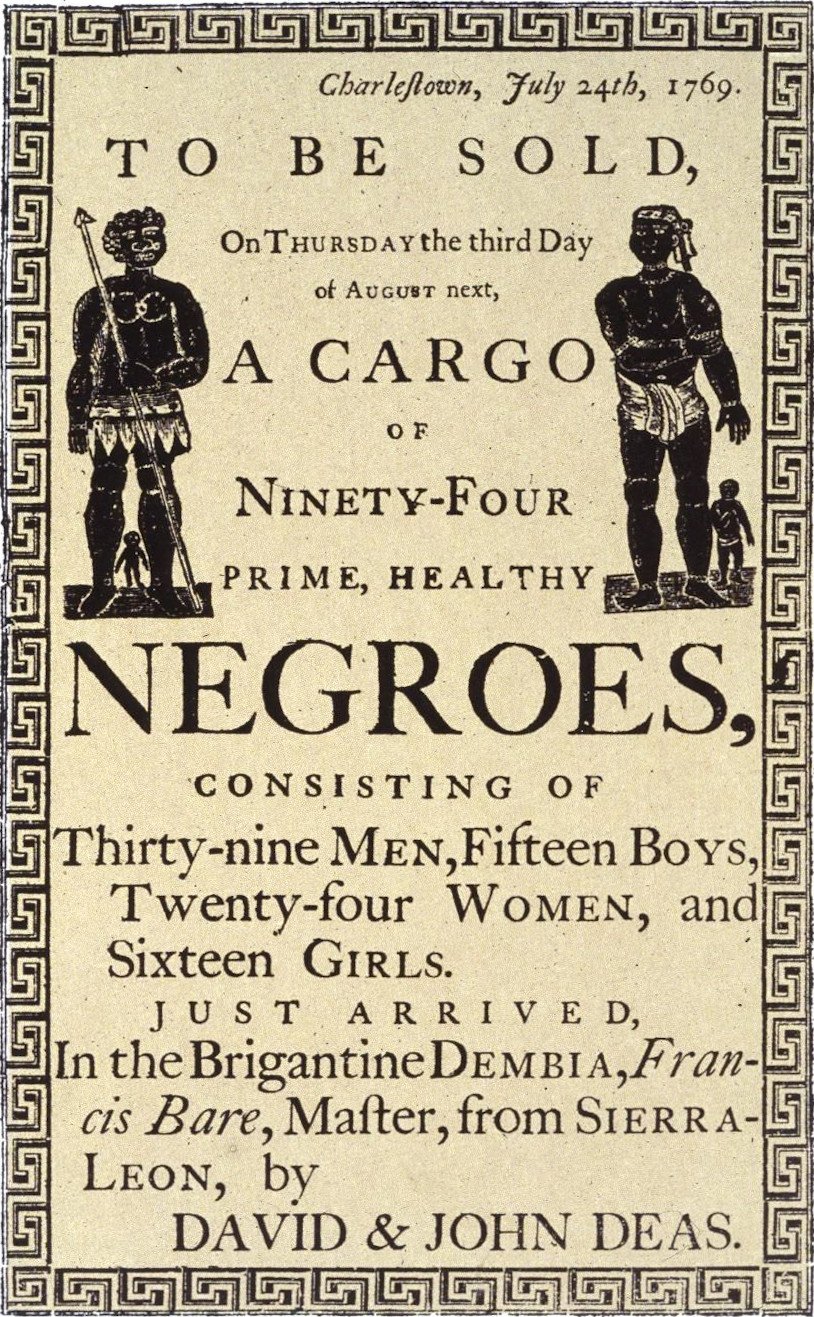
Charleston wraps itself in antebellum charm and Southern hospitality, but underneath those romantic cobblestones lies America’s most brutal commercial secret. At one point during slavery, as many as 35-40% of enslaved people entered the United States through Charleston. Between the early days of the Carolina colony in 1670 and the 1808 federal ban on “importation of persons,” about 40 percent of enslaved Africans forced into North America passed through Charleston’s harbor. In 1856 a new City Ordinance prohibited the practice of public sales, which resulted in the opening of Ryan’s Auction Mart and a number of other sales rooms, yards or marts along State, Queen and Chalmers Streets, with the Old Slave Mart possibly being the only known building used as a slave auction site in South Carolina still in existence. Conservatively, as many as 10,000 enslaved people were auctioned from Ryan’s Mart, and dispersed as far West as Texas. The building that now houses a museum once echoed with enslaved people standing on auction tables, three feet high and ten feet long, placed lengthwise so enslavers could pass by them during the auction. Today’s tourists stroll past without realizing they’re walking through what was essentially America’s largest human trafficking center, where families were torn apart and sold like livestock in a city that still celebrates its “gracious living” heritage.
San Francisco’s Underground Fleet
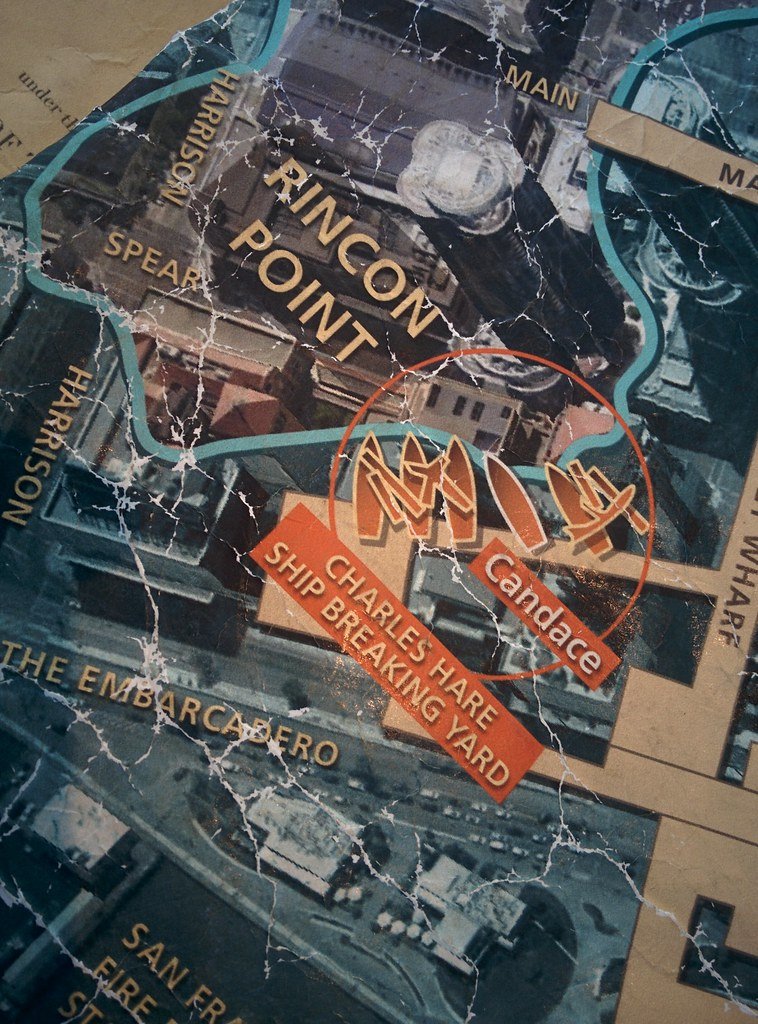
Every morning, thousands of San Francisco commuters ride the Muni through the hull of a 19th-century ship without knowing it. Little do most people know that roughly 40 ships are buried underneath the Embarcadero and the Financial District, which used to be the city’s original shoreline. Up to about 70 buried ships are here, estimates Ron S. Filion, author of Buried Ships of San Francisco. In 1994, Muni was digging a light-rail tunnel beneath Justin Herman Plaza on the Embarcadero when workers hit a ship — the Rome, the vessel was so huge they literally had to tunnel through, and now, thousands of riders on J, K, L, M, N and T trains unknowingly ride through its hull every day. The amount of money to be made ferrying gold hungry hopefuls to Yerba Buena Cove was staggering, and the Niantic made over 38,000 dollars – over a million dollars in today’s money – on its single trip bringing gold seekers to California. The first one to be discovered was the Apollo, a ship discovered in downtown SF in the 1920s — along with coins and a gold nugget, with the Apollo’s stem timber now on display at the Maritime Visitors Center. These aren’t just rotting hulks — the water is seawater, as the tide still rises and falls in the landfill beneath the Financial District. The city literally built itself on top of abandoned dreams, creating what archaeologists call “a Gold-Rush Pompeii.”
St. Augustine’s Erased Black Community
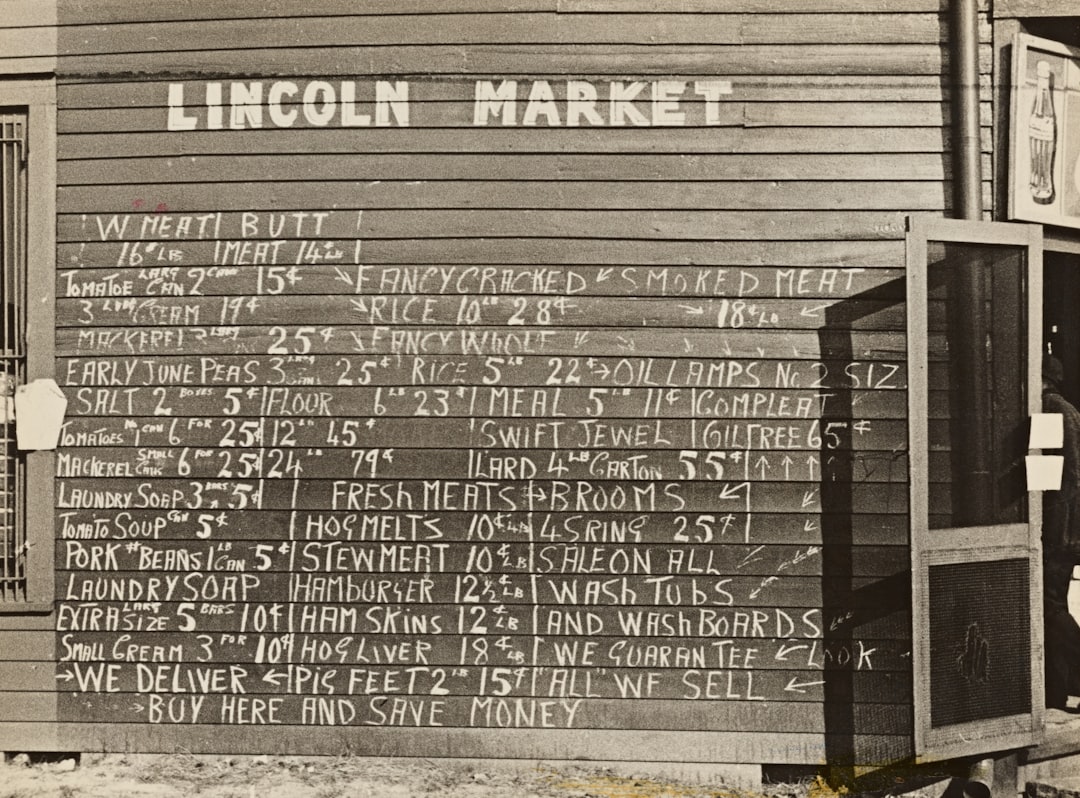
America’s oldest city loves to showcase its Spanish colonial heritage, but there’s one neighborhood they’d rather you forget. Lincolnville was once a thriving African American settlement in St. Augustine, Florida, established by freed slaves after the Civil War. The community had its own schools, churches, businesses, and social organizations that flourished for nearly a century. During the height of segregation, Lincolnville became a self-contained world where Black residents could live, work, and thrive despite the restrictions of Jim Crow laws. The neighborhood boasted successful entrepreneurs, teachers, and craftsmen who built beautiful homes and established lasting institutions. However, during the urban renewal programs of the mid-20th century, much of Lincolnville was systematically demolished under the guise of “slum clearance.” Entire blocks of history were bulldozed to make way for modern development, displacing families who had lived there for generations. Today, only fragments of this once-vibrant community remain, hidden behind the tourist-friendly narrative of Spanish conquistadors and Fountain of Youth legends.
Chicago’s Week of Terror
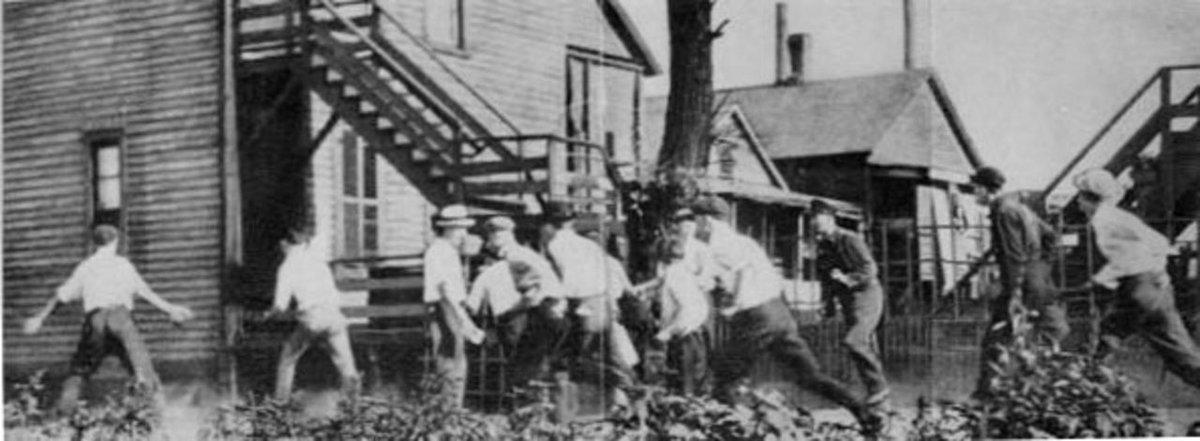
Everyone knows about Chicago’s 1967 riots, but the city prefers to forget about an earlier explosion of racial violence that was far more devastating. The 1919 Race Riots began on July 27th when a Black teenager named Eugene Williams was killed after crossing an invisible racial boundary while swimming at a Lake Michigan beach. For seven days, Chicago became a war zone as white mobs and Black residents clashed throughout the city, with the heaviest fighting concentrated in the Bronzeville neighborhood. The violence was so intense that the state militia had to be called in to restore order, but not before 38 people were killed and over 500 injured. White gangs roamed the streets attacking any Black person they encountered, while Black residents fought back to defend their homes and businesses. The riot exposed the deep racial tensions that had been building as thousands of African Americans migrated north during World War I, competing for jobs and housing in a city that wasn’t prepared to accept them. Over 1,000 families, mostly Black, were left homeless after their neighborhoods were burned and looted. The economic damage was catastrophic, destroying years of progress made by Chicago’s growing Black middle class and leaving scars that would take decades to heal.
Tulsa’s Aerial Bombardment
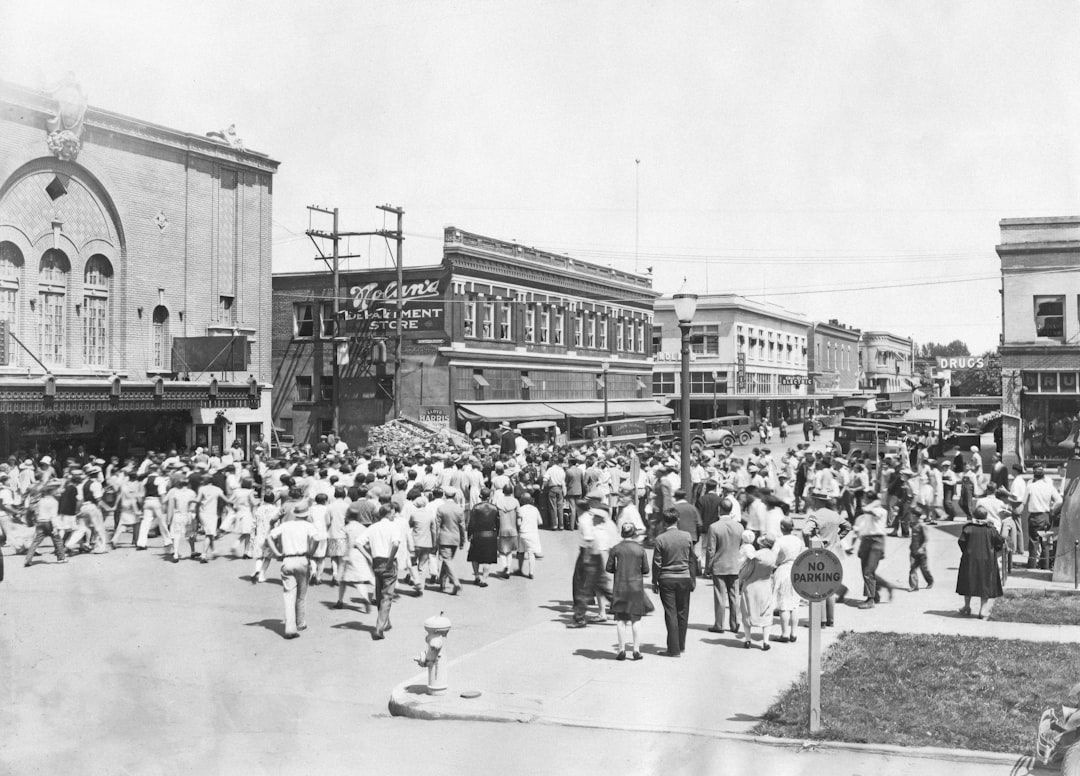
The Greenwood District in Tulsa, Oklahoma, was known as “Black Wall Street” — one of the most prosperous African American communities in the United States during the early 1900s. The neighborhood was home to wealthy Black entrepreneurs, doctors, lawyers, and business owners who had built their own thriving economy despite segregation laws. On May 31, 1921, this success story turned into America’s deadliest racial massacre when white mobs descended on Greenwood after a Black man was accused of assaulting a white woman in an elevator. What makes Tulsa unique among racial violence is that it included the first aerial bombing of American civilians — private planes dropped incendiary bombs and shot at fleeing residents from above. The National Guard, instead of protecting Black citizens, actually participated in the violence and helped arrest survivors. In just 24 hours, over 1,200 homes were destroyed, along with churches, schools, businesses, and even a hospital. Estimates suggest between 100-300 people were killed, though the exact number remains unknown because many bodies were dumped in mass graves or the Arkansas River. The prosperous community that had taken decades to build was completely erased, and insurance companies refused to pay claims, citing riot exclusions. For decades, this massacre was virtually erased from history books and public memory, with many white Tulsa residents claiming it never happened.
New Orleans’ Hidden Maroon Settlements
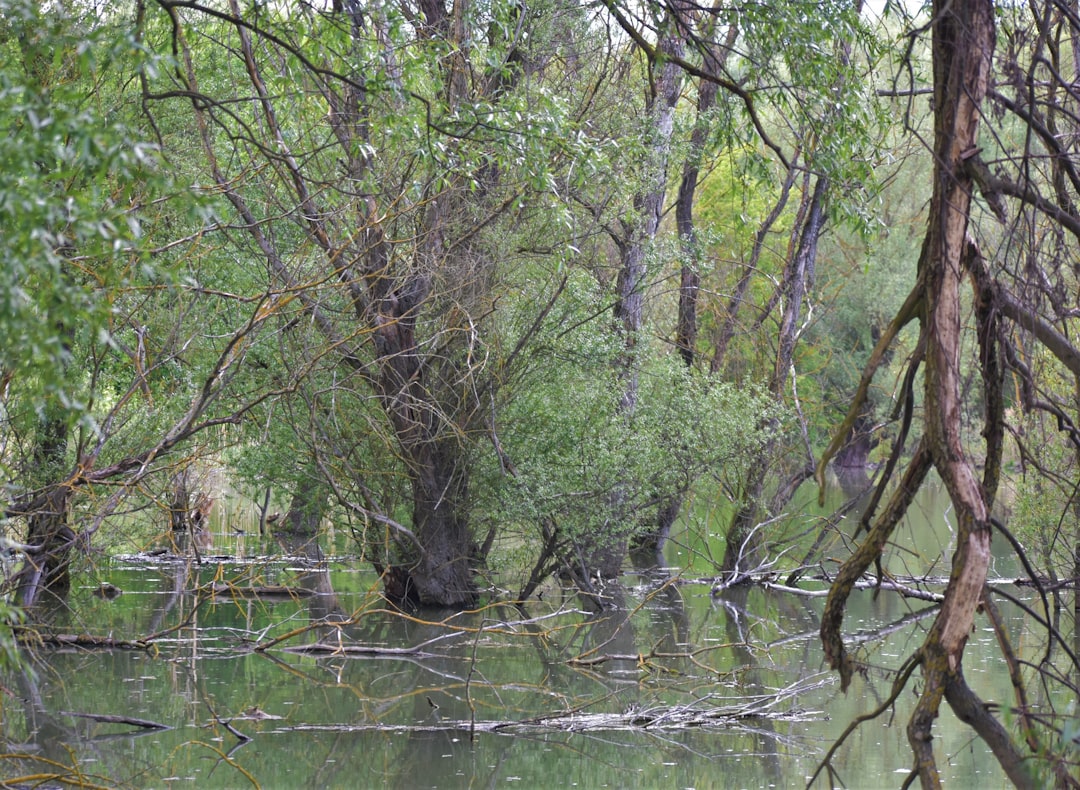
Deep in Louisiana’s treacherous swamps, communities of escaped slaves built hidden cities that most people never knew existed. These “maroon colonies” were established by enslaved Africans who fled plantations and created self-governing settlements in the most inhospitable terrain they could find. The cypress swamps, Spanish moss, and maze-like waterways provided perfect camouflage for these communities, which could house hundreds of people at a time. The maroons developed sophisticated systems of agriculture, trade, and defense, growing crops on elevated patches of land and building homes on stilts to survive the floods. They maintained their own African cultural traditions, languages, and religious practices while also incorporating knowledge from local Native American tribes who sometimes allied with them. These communities weren’t just hiding places — they were active centers of resistance that launched raids on plantations to free more slaves and gather supplies. French and Spanish colonial authorities spent enormous resources trying to destroy these settlements, launching military expeditions into the swamps that often failed miserably. The maroons knew every hidden channel and secret pathway, allowing them to vanish like ghosts whenever soldiers approached. Some of these communities persisted for generations, with children being born and raised in freedom while slavery still dominated the region. Their legacy of resistance and self-determination challenges the narrative that enslaved people were passive victims rather than active fighters for their own liberation.
Gettysburg’s Unpatriotic Locals
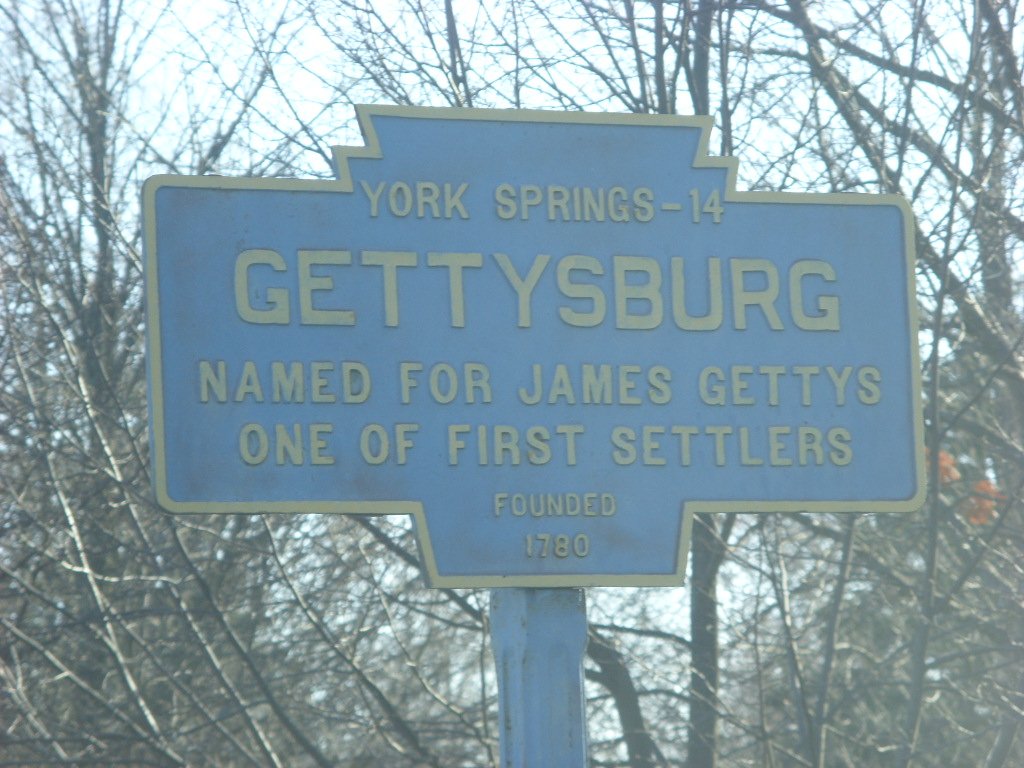
Abraham Lincoln’s Gettysburg Address is one of America’s most sacred speeches, but the townspeople he honored were far from enthusiastic about his visit. Many local residents were actually Confederate sympathizers who resented the Union army’s presence and the massive disruption the battle caused to their community. When Lincoln arrived to dedicate the national cemetery in November 1863, he faced a chilly reception from locals who blamed the federal government for turning their quiet farming town into a bloody battlefield. Several prominent Gettysburg families had sons fighting for the Confederacy, and they viewed the Union forces as occupying invaders rather than liberators. The smell of decomposing bodies still lingered in the air months after the battle, and residents were angry about the damage to their property and the economic losses they suffered. Some locals refused to house Union soldiers or provide supplies, preferring to do business with Confederate forces when possible. Even the cemetery dedication ceremony was controversial — many townspeople felt it was inappropriate to create a national monument on land they considered stolen from local farmers. Lincoln’s speech, now considered one of the greatest in American history, was actually met with lukewarm applause and several newspaper accounts described the local audience as “unimpressed.” The irony is that the town that would become synonymous with American patriotism and sacrifice was populated by people who questioned the very cause that made their community famous. Today’s Gettysburg tourism industry carefully avoids mentioning that many residents were rooting for the other side.
Los Angeles’ Forced Removals
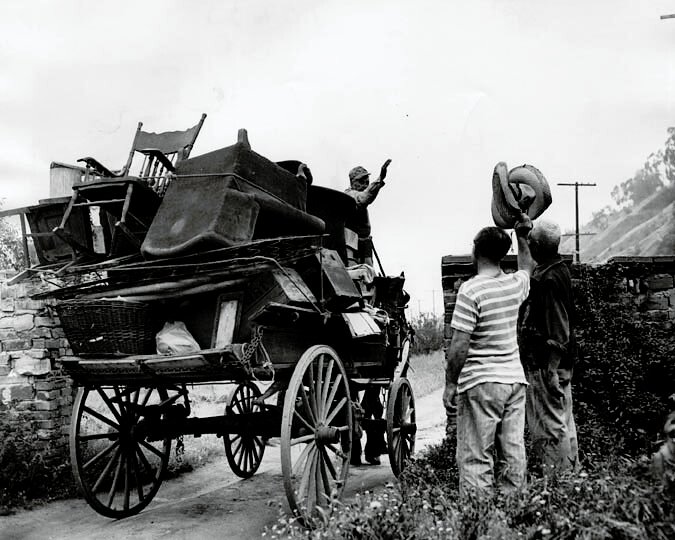
Before Dodger Stadium became the crown jewel of Los Angeles baseball, it sat on top of three thriving Mexican-American neighborhoods that were literally bulldozed away. Chavez Ravine, Palo Verde, and La Loma were tight-knit communities where families had lived for generations, building their own schools, churches, and small businesses. In the 1950s, the city declared these neighborhoods “blighted” and used eminent domain to force out over 1,800 families, promising them that public housing would be built in their place. The residents, many of whom were elderly and spoke little English, were given lowball offers for their homes and told they had no choice but to sell. However, the public housing project was cancelled due to Cold War fears about socialism, leaving the land empty and the displaced families with nowhere to go. When the Dodgers announced their move from Brooklyn in 1957, city officials saw an opportunity and sold the land to team owner Walter O’Malley for a fraction of its value. The final holdouts, including the Arechiga family, were literally dragged from their homes by sheriffs in 1959 while news cameras rolled. Bulldozers then demolished the remaining houses, erasing a century of Mexican-American history. The communities were so thoroughly destroyed that most Angelenos today don’t even know they existed. What makes this story particularly heartbreaking is that these weren’t slums — they were stable, working-class neighborhoods with deep roots and strong social networks that were sacrificed for a baseball stadium and parking lots.
Boston’s Underground Railroad Infrastructure
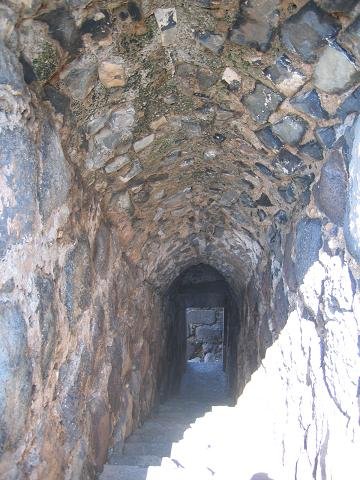
Beacon Hill’s elegant brownstones hide one of the most extensive networks of tunnels and secret passages in American history. These weren’t just random hiding spots — they were part of a sophisticated Underground Railroad system that helped thousands of escaped slaves reach freedom in the North. The tunnels connected basements of sympathetic homes, allowing fugitive slaves to move undetected through the neighborhood even during daylight hours. Some passages led directly to the waterfront, where ships could transport escapees to Canada or other safe destinations. The system was so well-organized that it included multiple routes, safe houses with supplies of food and clothing, and a network of signals that conductors used to communicate danger or safety. Many of Boston’s most prominent families were involved, including wealthy merchants who used their business connections to arrange passage on ships heading north. The Africans Meeting House, built in 1806, served as a central coordination point for these activities and was often called the “Black Faneuil Hall” for its role in organizing resistance to slavery. What’s remarkable is how this operation continued for decades right under the noses of federal authorities who were supposed to be enforcing fugitive slave laws. The tunnels were built with such skill that many remain structurally sound today, though most have been sealed or forgotten. Some homeowners in Beacon Hill occasionally discover bricked-up passages in their basements, remnants of this hidden history that once represented the difference between freedom and captivity for desperate families fleeing bondage.
Deadwood’s Chinese Gold Rush Legacy
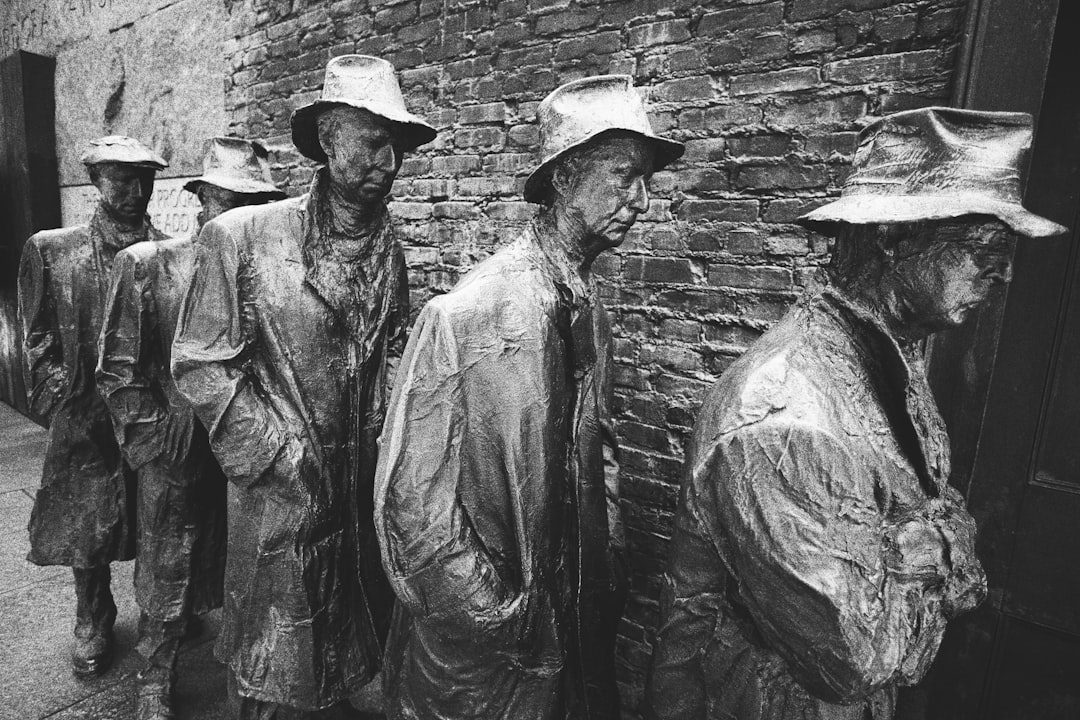
While Hollywood focuses on cowboys and saloons, Deadwood, South Dakota had one of the largest Chinese populations in the American West during the 1870s Gold Rush. These immigrants, mostly men who had originally come to build the transcontinental railroad, arrived in Deadwood seeking their fortune just like everyone else. They established a thriving Chinatown along Main Street, complete with temples, herb shops, laundries, and restaurants that served both Chinese miners and curious white customers. The Chinese miners were often forced to work claims that white prospectors had abandoned, but their persistence and different mining techniques sometimes yielded gold where others had failed. They also dominated the laundry business, which was essential in a town where clean clothes were a luxury and water had to be hauled from the creek. Traditional Chinese medicine practitioners became popular with all ethnic groups, as their herbal remedies were often more effective than the primitive Western medicine available on the frontier. Despite facing brutal racism and discriminatory laws that prevented them from owning property or testifying in court, the Chinese community created their own economic networks and social organizations. They sent money back to China to bring over family members and established rotating credit associations to help new immigrants start businesses. The community even had its own newspaper and maintained connections with Chinese settlements in other Western towns. However, anti-Chinese sentiment grew as the gold rush faded and economic competition increased, leading to boycotts and sometimes violent attacks that drove many Chinese residents away by the 1890s. Today, only a few archaeological remnants and historic photographs preserve the memory of this significant but largely forgotten population.
Philadelphia’s Presidential Slavery
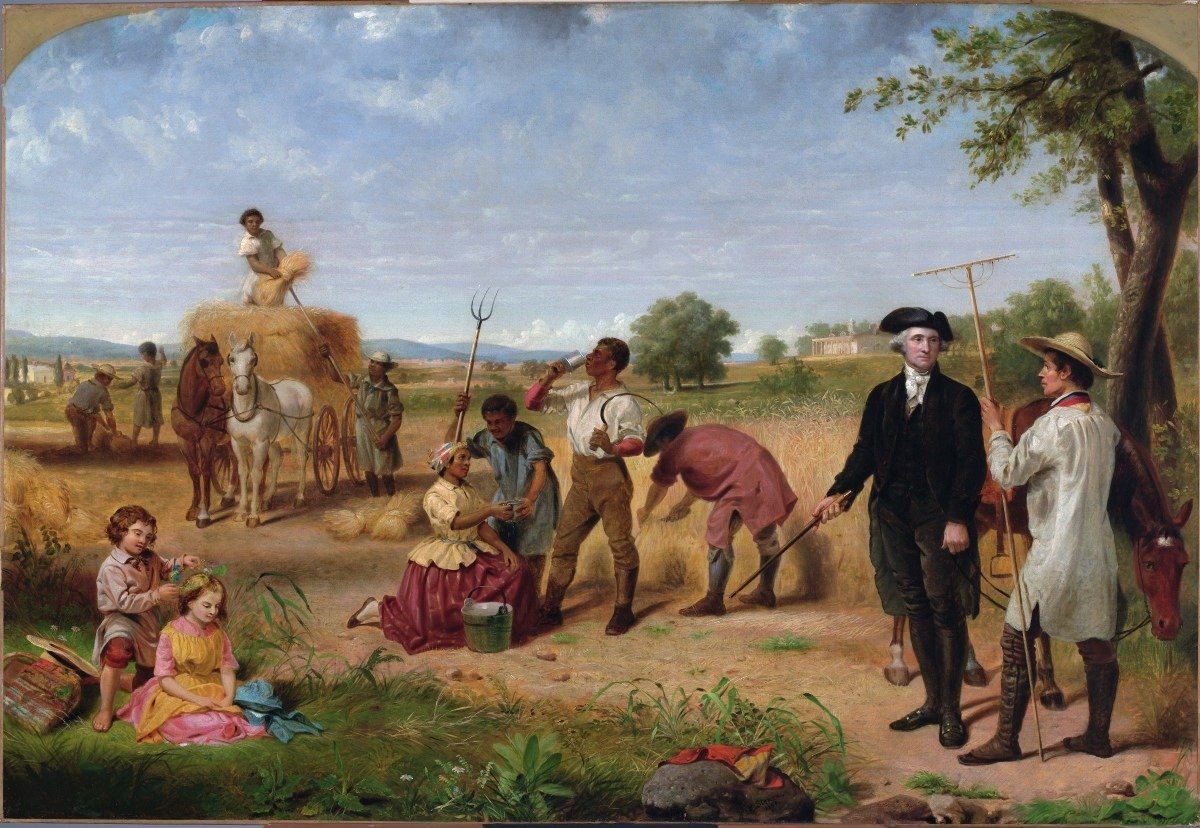
The city that birthed American freedom harbored a shameful secret right in the president’s house. George Washington, the man who led the fight for liberty, brought enslaved people to live and work in Philadelphia during his presidency, deliberately evading Pennsylvania’s gradual abolition law. The state had passed a law in 1780 stating that any slave brought into Pennsylvania would be freed after six months of residence, but Washington found a loophole by rotating his slaves back to Virginia just before the deadline. His enslaved cook, Hercules, prepared meals for the nation’s leaders while being denied his own freedom, and Washington’s personal servant, William Lee, lived in the presidential mansion as property rather than a person. Washington even placed advertisements in newspapers offering rewards for the capture of slaves who had escaped from his Philadelphia residence. One of the most heartbreaking cases was that of Ona Judge, Martha Washington’s personal maid, who fled to New Hampshire in 1796 seeking freedom. The Washingtons spent years trying to recapture her, even attempting to use federal authority to force her return. The irony is staggering — while Washington was establishing precedents for American democracy and signing legislation, he was simultaneously working to keep human beings in bondage just blocks away from Independence Hall. The presidential mansion was located on the same ground where the Liberty Bell would later symbolize freedom for all Americans. Even more disturbing is how Washington and other founding fathers rationalized their actions, claiming they treated their slaves well while completely ignoring the fundamental contradiction of owning people in a nation founded on the principle that all men are created equal.
Detroit’s Forgotten Race War
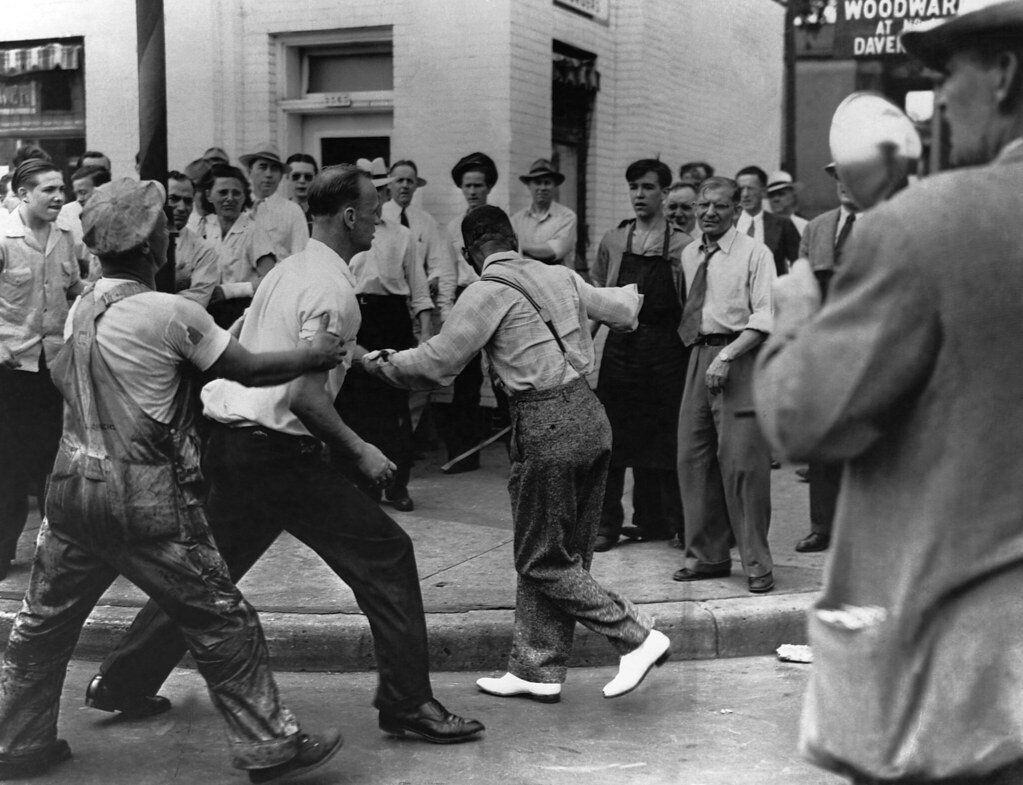
Two decades before the famous 1967 uprising, Detroit exploded in racial violence that many people have forgotten entirely. The 1943 race riot began on June 20th at Belle Isle, a popular recreation spot where tensions had been building between Black and white workers competing for jobs in the booming wartime defense industry. A fistfight between Black and white youths quickly escalated as rumors spread through both communities — whites were told that blacks had raped and murdered a white woman, while blacks heard that whites had thrown a black woman and her baby off a bridge. Within hours, mobs were roaming the streets attacking anyone of the opposite race they encountered. The violence was particularly brutal on Woodward Avenue, where white gangs pulled Black passengers from streetcars and beat them while police often stood by or joined in the attacks. Meanwhile, in the Black neighborhood of Paradise Valley, residents fought back against white invaders and also attacked white-owned businesses they saw as exploiting their community. Federal troops had to be called in to restore order, but not before 34 people were killed (25 Black, 9 white) and over 600 injured. The riot exposed the deep-seated racial tensions that had been building as hundreds of thousands of Black Southerners migrated to Detroit
CEO-Co-Founder
