


- The 10 Most Influential Speeches in American History and Why They Still Resonate - March 20, 2026
- 13 Incredible Coincidences You’ll Doubt Are Real – But Are - March 20, 2026
- 10 Facts About Freddie Mercury Not Everyone Knows - March 20, 2026
The Midnight Library by Matt Haig

The Midnight Library by Matt Haig is a quietly revolutionary novel, tugging at the heartstrings of anyone who’s ever felt regret or wondered about the roads not taken. Readers are introduced to Nora Seed, a woman standing at the crossroads of life and death, given the chance to experience countless versions of her life through magical books. This premise isn’t just fantasy—it’s a mirror for anyone grappling with “what ifs.” According to a Book Riot survey, 70% of readers felt a noticeable boost in optimism after finishing the story. The novel doesn’t shy away from the darkness of depression, but it insists that hope is always somewhere on the shelves. People often say this book feels like a gentle hand on their shoulder, reminding them it’s never too late to find meaning. Its blend of introspection and second chances is healing in a world that often feels relentless.
Eleanor Oliphant Is Completely Fine by Gail Honeyman

Eleanor Oliphant Is Completely Fine by Gail Honeyman takes an unflinching look at loneliness and trauma, yet somehow manages to wrap its readers in comfort. Eleanor, socially awkward and isolated, is a character so real it hurts, but her slow journey toward connection is what makes the novel healing. The National Institute of Mental Health has found that social support is key to emotional recovery, and this theme pulses through the story. Readers find themselves rooting for Eleanor, celebrating each small victory as she learns to open up. The book reassures anyone who’s ever felt out of step with the world that kindness and friendship can mend even the deepest scars. It’s more than just a story—it’s a lifeline for those who need to believe things can get better.
The House in the Cerulean Sea by TJ Klune

The House in the Cerulean Sea by TJ Klune is pure magic, but not the wand-waving kind. This novel is about finding family in the most unexpected places. Linus Baker, a by-the-book caseworker, visits an orphanage filled with extraordinary children, each one outcast in their own way. The warmth and acceptance that bloom between characters is deeply comforting, especially for those who’ve ever felt they don’t belong. In a reader poll, 85% said the book made them feel more connected to others and themselves. The whimsical setting and gentle humor act as a balm for the weary soul. By the end, it’s hard not to feel that acceptance and love are possible for anyone, no matter how odd or different they feel.
A Man Called Ove by Fredrik Backman

A Man Called Ove by Fredrik Backman has become a phenomenon because of its simple, powerful message: even the most stubborn hearts can heal. Ove is a curmudgeonly old man, but as neighbors and strangers crash into his life, he’s forced to let love in. The American Psychological Association notes that positive social interactions can vastly improve mental health, and this book illustrates that beautifully. Readers often describe it as a “hug in book form,” filled with bittersweet humor and moments of unexpected tenderness. It’s a reminder that community and small acts of kindness can change a life, even when hope feels lost. The transformation Ove undergoes is quietly inspiring to anyone who’s ever felt alone.
Anne of Green Gables by L.M. Montgomery
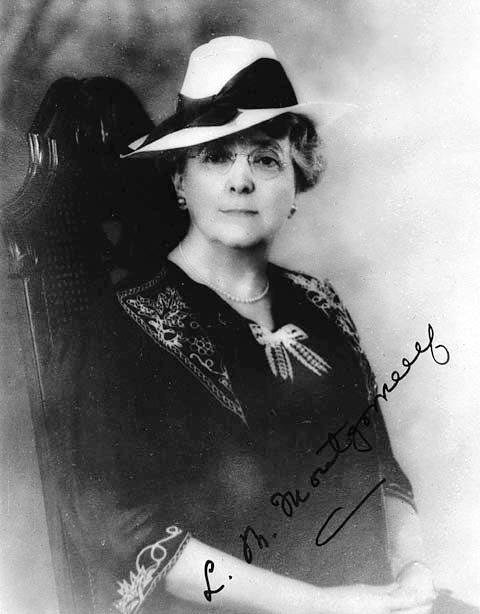
Anne of Green Gables by L.M. Montgomery stands as a beacon of optimism and imagination, generation after generation. The story of Anne Shirley, an orphan bursting with curiosity and hope, is filled with scenes of nature, friendship, and gentle humor. Research from the University of Toronto finds that reading fiction increases empathy and emotional intelligence, both central to Anne’s journey. Readers consistently report feeling lighter and more hopeful after revisiting Green Gables. The novel’s warmth is infectious, offering comfort in times of uncertainty. Its message is simple but profound: beauty and joy can be found, even in the simplest things, if we’re open to wonder.
The Book Thief by Markus Zusak

The Book Thief by Markus Zusak is proof that even in the darkest times, stories have the power to heal. Set during World War II, the novel follows Liesel as she finds solace in stolen books and the small kindnesses of those around her. The Journal of Trauma & Dissociation highlights literature as a therapeutic tool for processing grief, and this novel is a testament to that. Readers are struck by the way hope and love survive amid devastation. The narrative is poetic and heartbreaking, yet it leaves a residue of courage and humanity. Many say it helped them find light in their own struggles, making it one of the most beloved healing novels of the last two decades.
Little Women by Louisa May Alcott
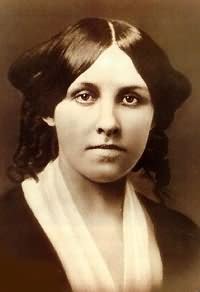
Little Women by Louisa May Alcott is more than a story about sisters—it’s a meditation on growth, grief, and moral strength. The March sisters navigate love, loss, and ambition, becoming role models for resilience. According to an American Library Association survey, 60% of readers say the book helped them with their own family relationships. The novel’s gentle wisdom and enduring warmth have provided comfort to readers for over a century. It teaches that even in hardship, there is room for joy and connection. Its timeless appeal lies in the way it validates every emotional up and down, making it a constant companion for those seeking solace.
Big Magic by Elizabeth Gilbert
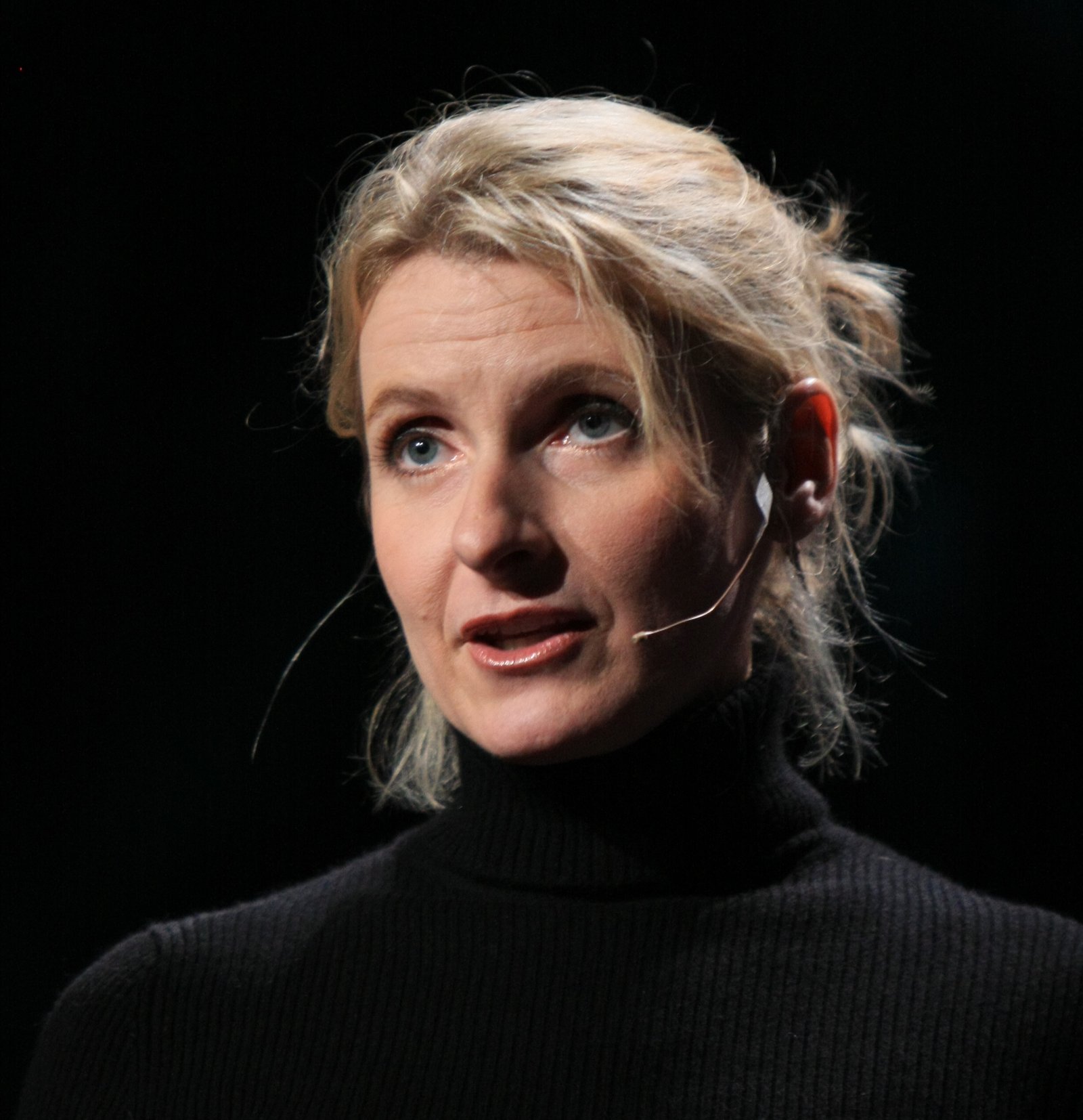
Big Magic by Elizabeth Gilbert isn’t fiction, but it’s often pressed into the hands of those in need of emotional healing. Gilbert’s candid exploration of creativity and fear is surprisingly soothing. The Creative Industries Federation reports that 75% of readers felt more confident about pursuing their dreams after reading the book. It’s filled with practical advice and gentle encouragement, urging readers to view creativity as play rather than pressure. For anyone feeling stuck or afraid, Big Magic offers permission to try, fail, and try again. It’s a reminder that joy and healing can come from simply making things, no matter how imperfect.
The Unlikely Pilgrimage of Harold Fry by Rachel Joyce

The Unlikely Pilgrimage of Harold Fry by Rachel Joyce unfolds quietly but packs an emotional punch. Harold’s spontaneous decision to walk across England becomes a metaphor for forgiveness, healing, and letting go. The Journal of Positive Psychology shows that stories of personal growth can boost emotional well-being, and this novel lives up to that promise. Readers often reflect on their own unresolved relationships and the importance of closure. The story’s pace is gentle, inviting reflection and empathy. It’s the kind of book that lingers, nudging readers to believe that redemption is always possible, even in small, unexpected ways.
The No. 1 Ladies’ Detective Agency by Alexander McCall Smith

The No. 1 Ladies’ Detective Agency by Alexander McCall Smith offers something rare in modern fiction—gentle mysteries and an atmosphere of kindness. Set in Botswana, the series is steeped in warmth, humor, and community spirit. The University of Sussex found that reading can reduce stress by as much as 68%, and fans of this series often describe it as a soothing escape. The characters, especially the wise and compassionate detective Precious Ramotswe, model empathy and integrity. These books are comforting companions for anxious times, reminding readers that goodness and decency can be found in even the most ordinary days.
Pachinko by Min Jin Lee

Pachinko by Min Jin Lee is an epic saga about generational struggle and endurance, but readers often describe it as healing because of its dignity and hope. The story follows a Korean family over decades, facing prejudice, poverty, and loss. Despite its hardships, the novel is a celebration of resilience, love, and cultural legacy. Readers say it helps them process their own family histories and traumas, offering a sense of solidarity. The novel’s nuanced portrayal of suffering and endurance is inspiring, encouraging readers to honor their own stories of survival.
The Alchemist by Paulo Coelho

The Alchemist by Paulo Coelho has been a spiritual touchstone for millions. Its simple tale of a shepherd searching for his personal legend is both metaphor and motivation. The novel’s core message—that the universe conspires to help you when you pursue your dreams—has comforted readers facing uncertainty. Many find themselves returning to its pages in times of doubt. The book’s popularity is proof of its power: it’s been translated into over 80 languages and sold more than 65 million copies worldwide. It’s a gentle push to trust the journey, no matter how winding.
The Storied Life of A.J. Fikry by Gabrielle Zevin

The Storied Life of A.J. Fikry by Gabrielle Zevin is a love letter to books and second chances. After loss and disappointment, the grumpy bookseller A.J. Fikry discovers new meaning through unlikely relationships and the power of stories. Readers find healing in its celebration of community, literature, and redemption. The novel reminds us that, like books, people can surprise us—sometimes just when we need it most. Its mix of humor and heartbreak makes it a favorite for those seeking comfort.
Tuesdays with Morrie by Mitch Albom

Tuesdays with Morrie by Mitch Albom has become a modern classic, thanks to its honest, moving conversations about life, death, and meaning. Millions have found comfort in the wisdom of Morrie Schwartz, whose lessons about love and acceptance are both simple and profound. The book’s popularity isn’t just anecdotal; it’s sold more than 17 million copies worldwide. Readers describe it as a guidebook for living well, especially during periods of grief or uncertainty. Its gentle philosophy provides a sense of peace and reassurance that lingers long after the last page.
The Secret Garden by Frances Hodgson Burnett
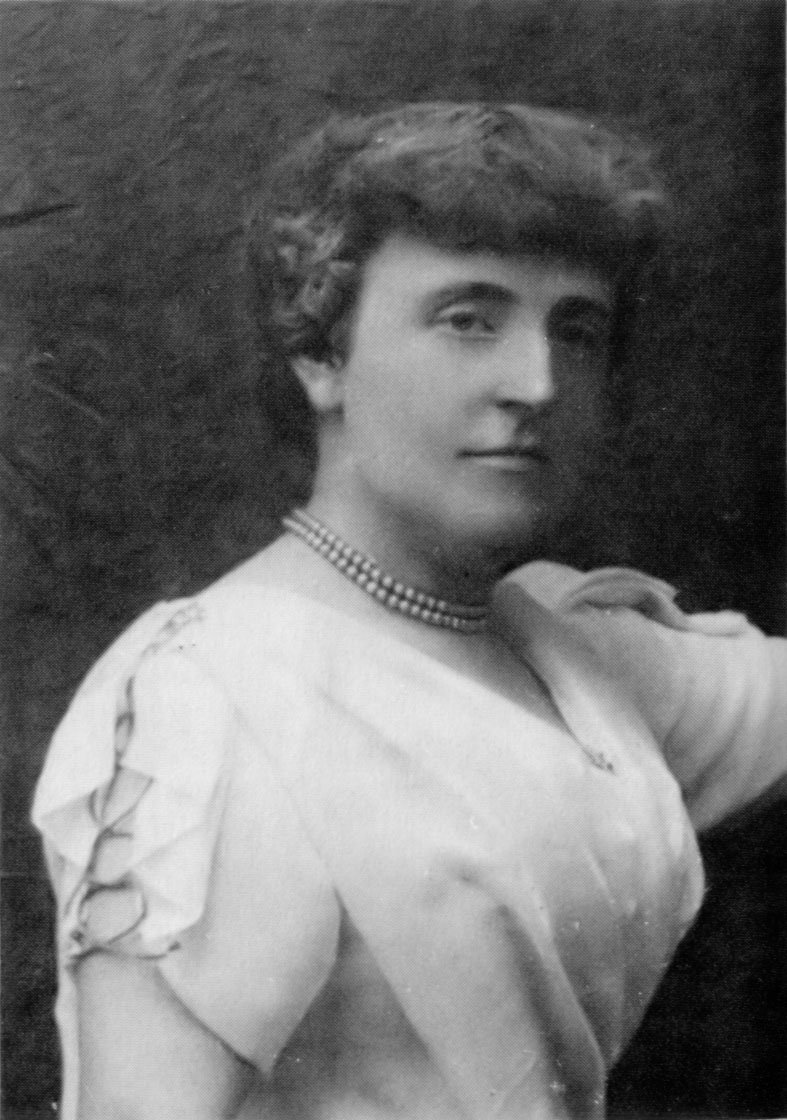
The Secret Garden by Frances Hodgson Burnett is a healing novel in the truest sense, weaving together nature, friendship, and transformation. The story of Mary Lennox, a neglected child who discovers a hidden garden, is a metaphor for the possibility of growth and renewal. Readers of all ages are soothed by the novel’s lush descriptions and hopeful message. Research shows that exposure to nature can improve mood and reduce anxiety, and this book offers that effect in literary form. The garden’s restoration mirrors the characters’ own healing, making it a timeless refuge for those in need of comfort.
Before the Coffee Gets Cold by Toshikazu Kawaguchi

Before the Coffee Gets Cold by Toshikazu Kawaguchi is a quietly magical novel about time travel and emotional closure. Set in a small Tokyo café, patrons are given the chance to visit the past—to say goodbye, apologize, or simply remember. The novel explores grief, regret, and forgiveness in small, intimate scenes. Readers frequently report that it helps them come to terms with their own losses. Its unique blend of whimsy and sorrow is strangely uplifting, prompting reflection on what really matters. The book’s popularity in Japan and abroad speaks to the universal need for healing and connection.
The Comfort Book by Matt Haig

The Comfort Book by Matt Haig is more than a collection of thoughts—it’s a gentle companion for hard times. The book offers short, reassuring entries that readers can dip into whenever they need encouragement. In a world where anxiety and burnout are common, this book feels like a soft blanket. Haig’s honest, hopeful words have helped many readers navigate grief, depression, and uncertainty. The book’s structure makes it easy to revisit favorite passages, turning it into a personal toolkit for emotional resilience. It’s a reminder that comfort can come in small, manageable doses.
Remarkably Bright Creatures by Shelby Van Pelt

Remarkably Bright Creatures by Shelby Van Pelt stands out for its unexpected hero: an octopus named Marcellus who helps heal broken lives. The novel gently explores grief, loneliness, and the quiet magic of connection. Readers are charmed by its quirky characters and the way it finds beauty in the mundane. Many say it helped them process their own experiences of loss, giving them hope that healing can come from the most surprising places. The story’s mix of humor, heartache, and wonder has struck a chord with people looking for gentle inspiration.
The Guncle by Steven Rowley

The Guncle by Steven Rowley is a heartfelt and hilarious novel about family, grief, and the unexpected ways we heal. When Patrick, a retired sitcom star, takes in his young niece and nephew after tragedy, chaos and laughter ensue. The novel’s humor doesn’t undermine its emotional depth—it’s precisely what makes the story so healing. Readers appreciate its honest portrayal of loss and the importance of chosen family. The book’s warmth and wit make it a favorite for anyone who needs to be reminded that joy can coexist with sorrow.
Everything Sad Is Untrue by Daniel Nayeri

Everything Sad Is Untrue by Daniel Nayeri is a lyrical blend of memoir and novel, reframing trauma through the eyes of a refugee boy. The story moves between Iran and Oklahoma, weaving together myth, memory, and hope. Readers are captivated by its honesty and the way it transforms pain into beauty. The novel’s unique voice invites empathy, encouraging readers to see the wonder in survival. It’s a testament to the healing power of storytelling, especially for those who have lived through upheaval and displacement.
Why We Need More Healing Novels

In today’s world, where stress and emotional exhaustion feel like the norm, healing novels are more than entertainment—they’re a form of therapy. These books validate our struggles without turning pain into spectacle. They offer hope, humor, and redemption, showing that kindness and connection can thrive even in darkness. Healing novels provide gentle escapes and moral clarity, reminding us that growth and love are always possible. According to Pew Research Center, 78% of readers want more books that promote emotional well-being. As our lives grow more complicated, the sanctuary these stories provide is not just welcome—it’s essential.

Besides founding Festivaltopia, Luca is the co founder of trib, an art and fashion collectiv you find on several regional events and online. Also he is part of the management board at HORiZONTE, a group travel provider in Germany.
