
- Celebrities With Surprisingly Impressive Academic Backgrounds - December 9, 2025
- The Surprising Origins of Your Favorite Childhood Nursery Rhymes - December 9, 2025
- Forgotten Pop Culture Trends That Deserve a Comeback - December 9, 2025
1. Notting Hill Carnival (London, UK)
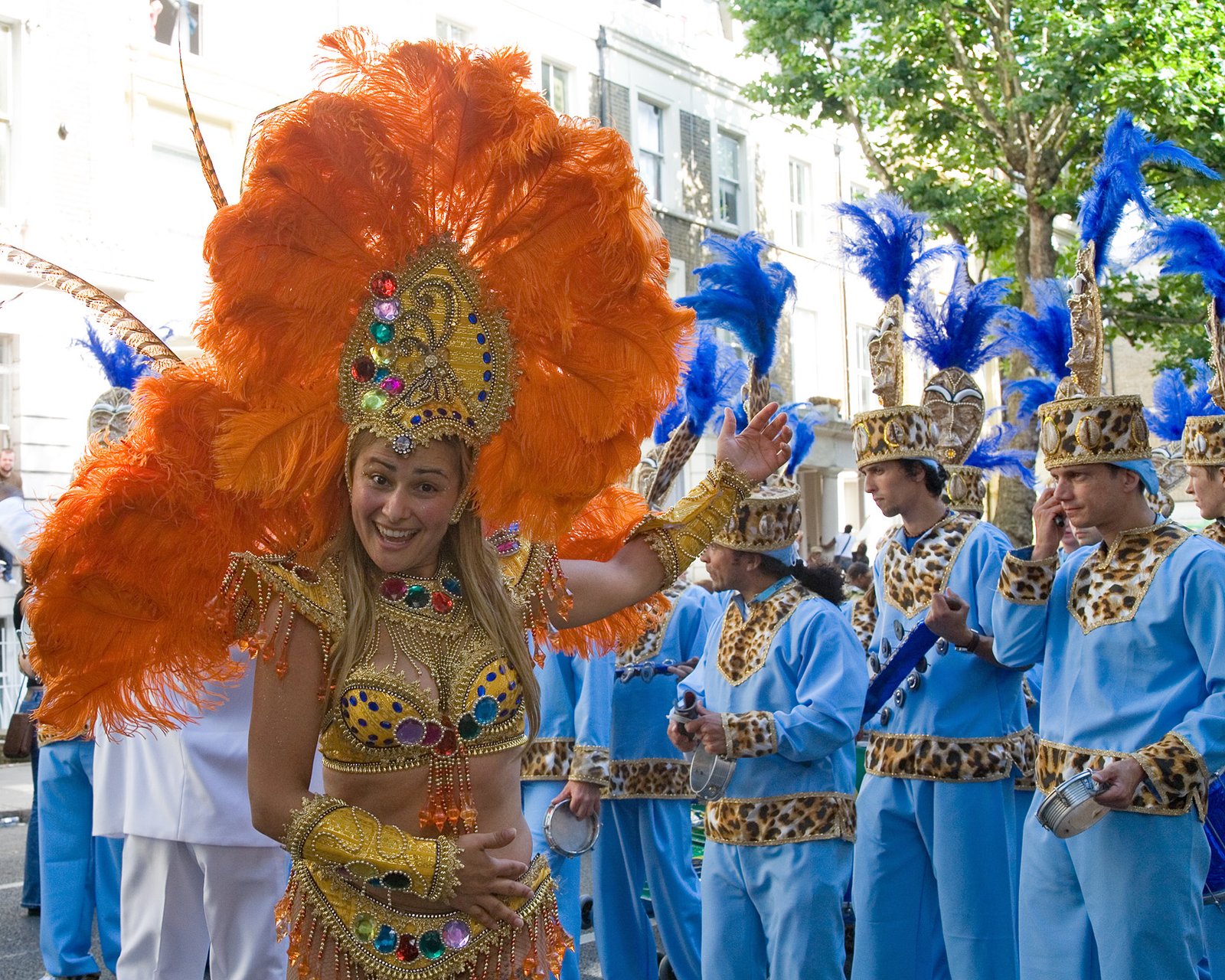
The Notting Hill Carnival is recognized today as one of the world’s largest street festivals, but its roots trace back to a political protest in 1958. Racial tensions and violence against the Caribbean community in London led to a community response. In 1959, activist Claudia Jones organized an indoor “Caribbean Carnival” to promote unity and challenge racial prejudice. Over the years, what started as an act of resistance and solidarity has transformed into a vibrant celebration of Caribbean culture. Today, it attracts around 2 million visitors annually, making it a symbol not just of cultural pride, but of the ongoing fight for racial equality in the UK.
2. Christopher Street Day (Berlin, Germany)
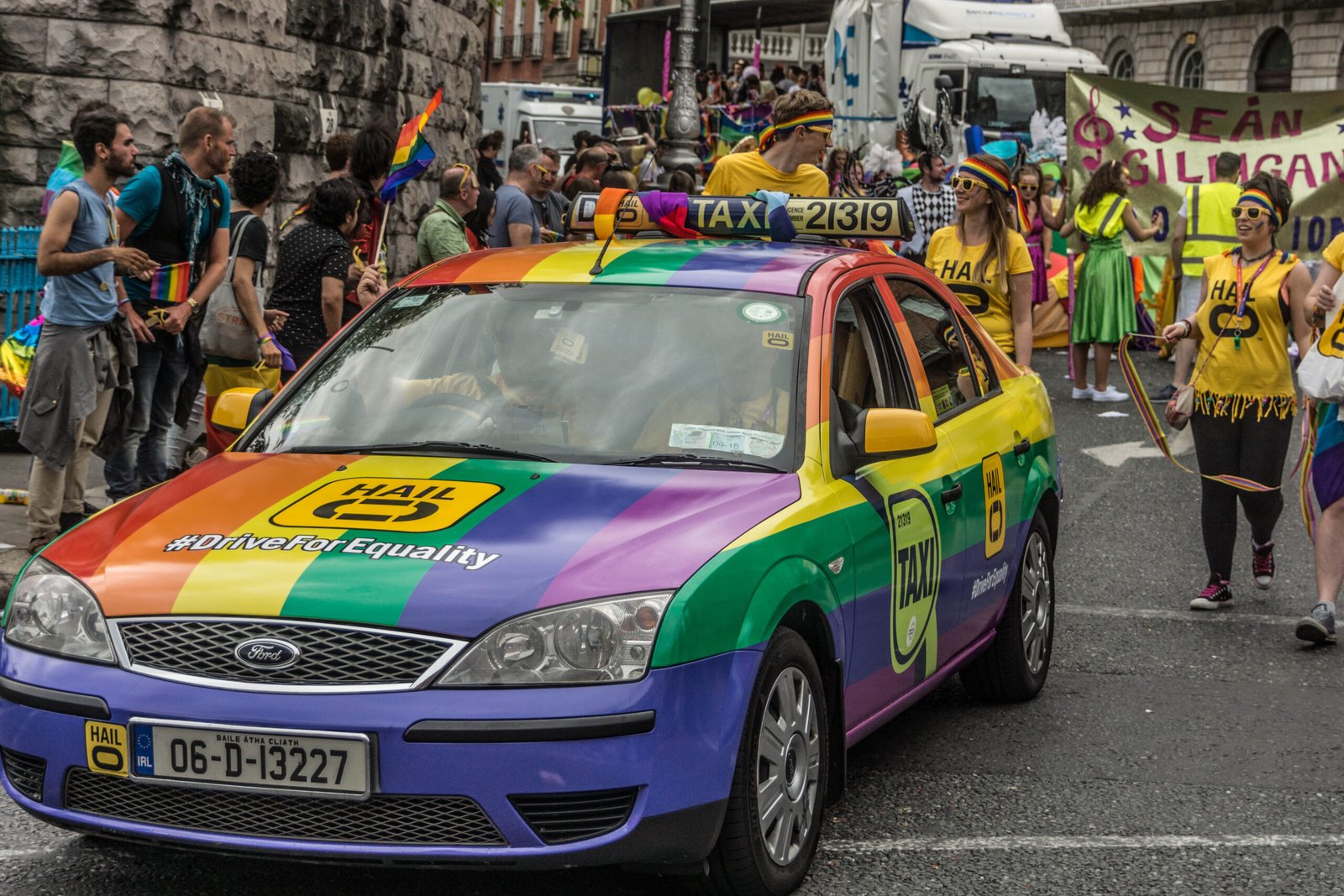
Christopher Street Day, commonly known as CSD, originated as a political demonstration marking the anniversary of the Stonewall Riots in New York, 1969. Berlin’s first CSD parade took place in 1979, with only a few hundred attendees bravely demanding equal rights for LGBTQ+ people. Now, CSD is a massive celebration drawing over 500,000 people, blending politics and pride. The event continues to highlight issues like discrimination and legal inequalities, keeping its activist spirit alive even as it grows in size and spectacle.
3. Sydney Mardi Gras (Sydney, Australia)
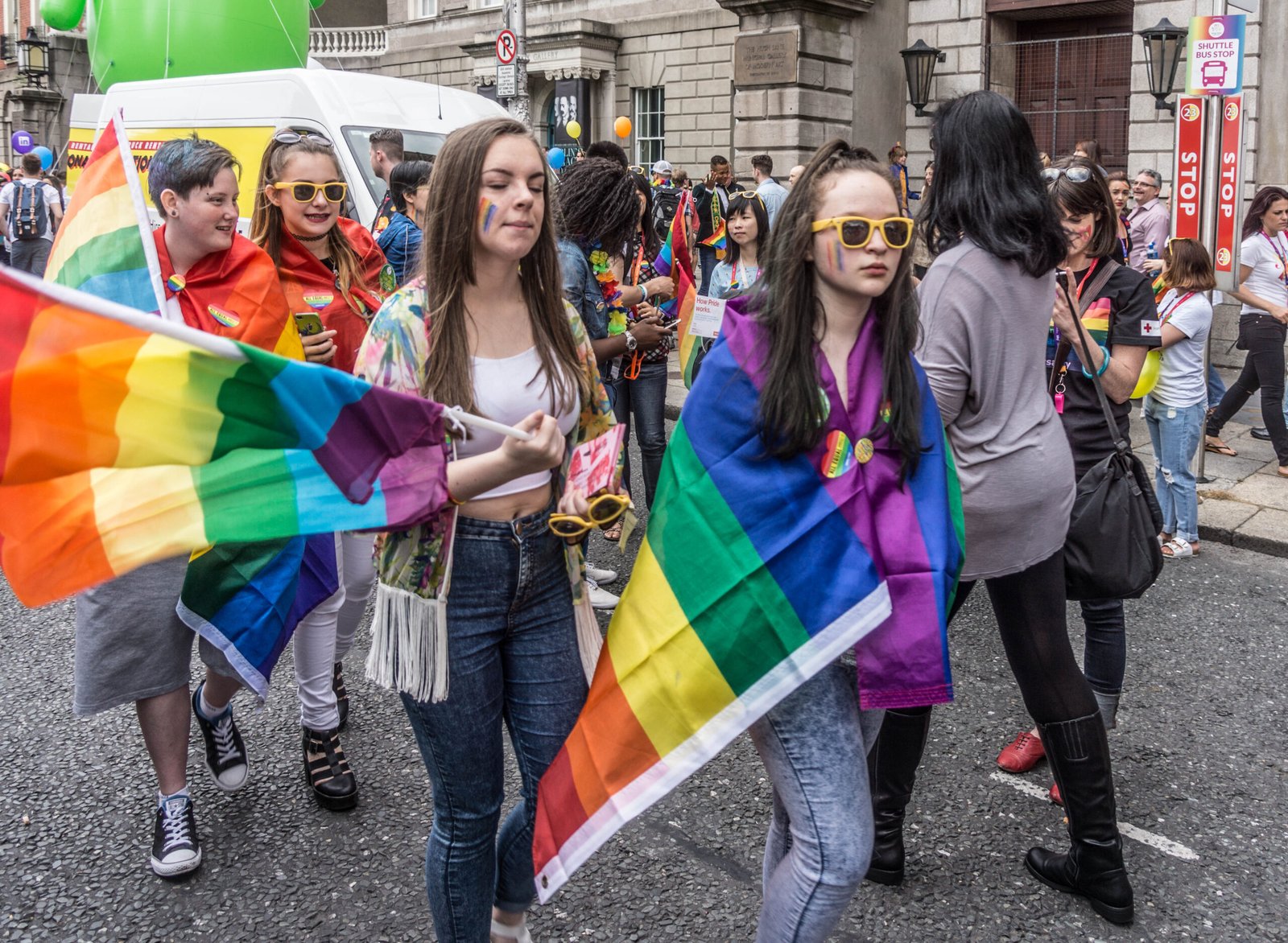
The Sydney Mardi Gras began in 1978 as a protest march for gay rights. The original “Mardi Gras” was met with police brutality and mass arrests, sparking national outrage and a movement for LGBTQ+ equality. Decades later, the festival draws hundreds of thousands of participants and spectators, combining political activism with dazzling parades and parties. The legacy of protest is still honored each year, and the festival remains a platform for advocacy and remembrance of the original activists’ struggles.
4. Pride Parade (New York City, USA)
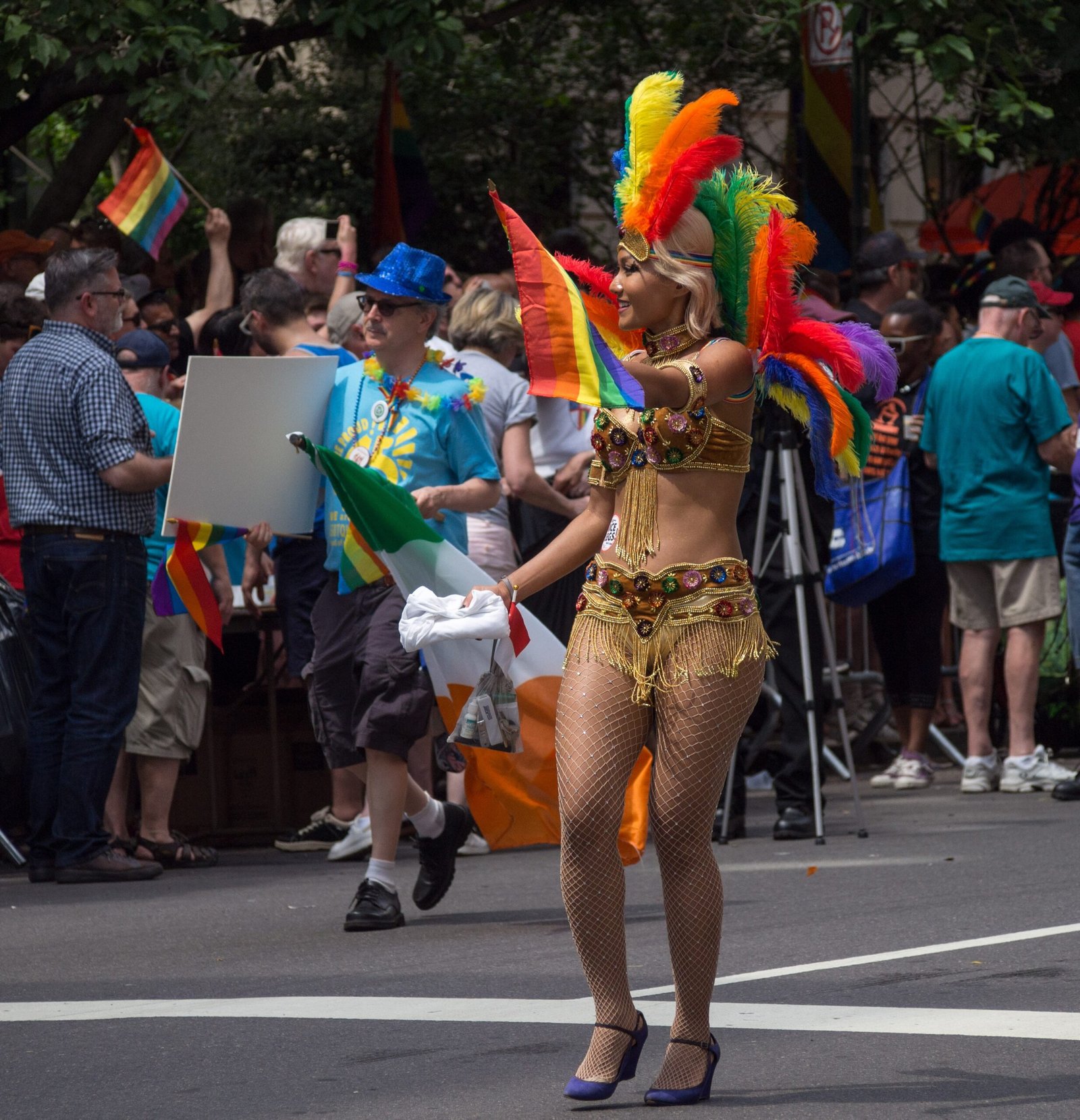
The world-famous NYC Pride Parade was born out of the Stonewall Uprising in June 1969, a pivotal moment in LGBTQ+ history. The first march in 1970 was explicitly political—demanding equal rights, acceptance, and an end to police brutality. Today, Pride Month and its flagship parade attract millions. Though it’s now a joyful celebration, the event still spotlights pressing issues, from anti-LGBTQ+ legislation to trans rights, reminding everyone of its rebellious beginnings.
5. May Day (International Workers’ Day)
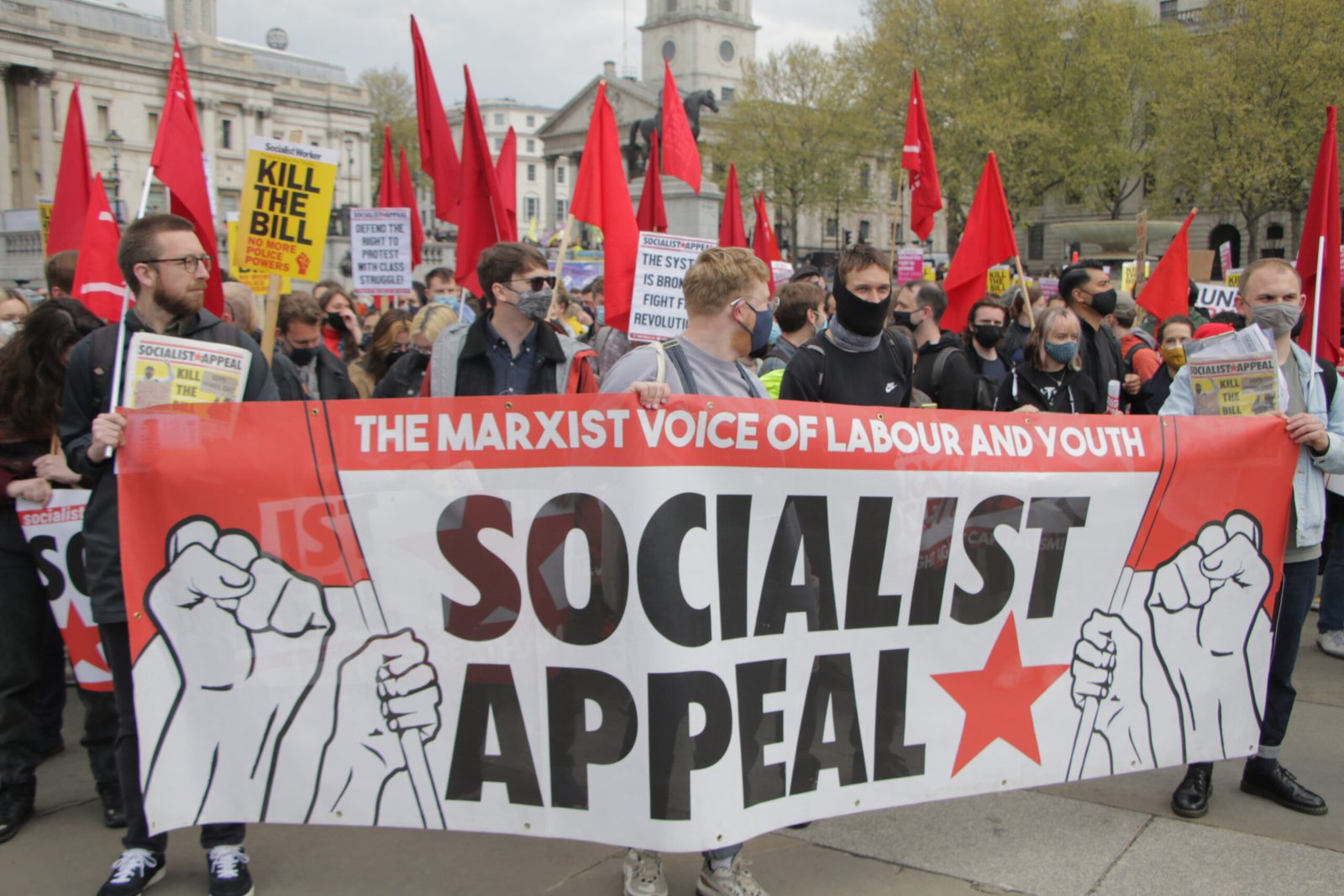
May Day is celebrated globally, but its origins are steeped in protest. The modern holiday was inspired by the 1886 Haymarket affair in Chicago, where workers demanded an eight-hour workday. Violent clashes and subsequent executions made headlines worldwide, galvanizing labor movements. Today, May Day involves both festive parades and political rallies, especially in Europe and Latin America, where workers continue to fight for better conditions and fair wages.
6. Freedom Festival (Detroit, USA)
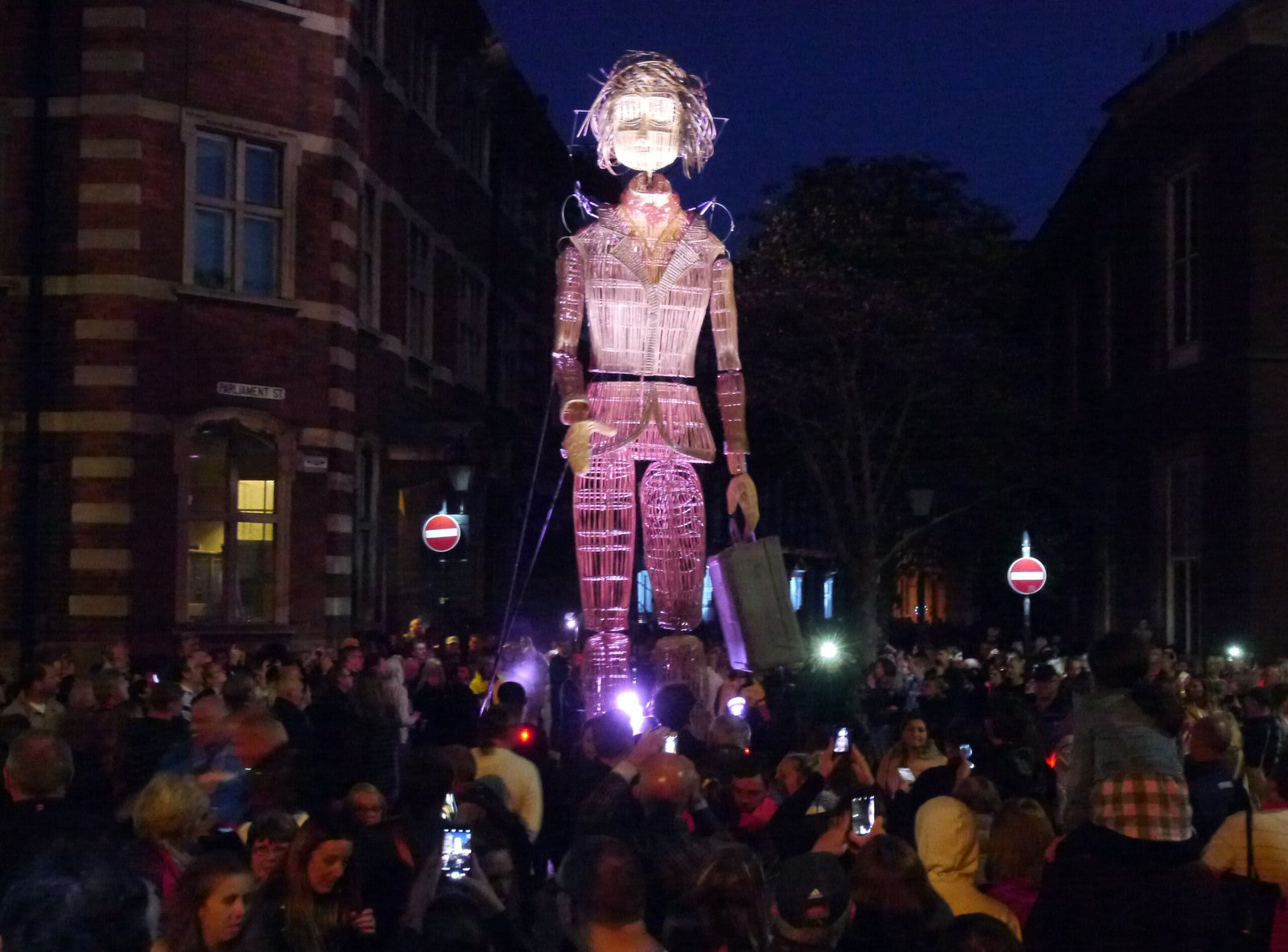
The Detroit Freedom Festival was born out of the 1963 Walk to Freedom, one of the largest civil rights marches in U.S. history. Led by Dr. Martin Luther King, Jr., the march drew over 125,000 people protesting segregation and economic injustice. The event eventually evolved into a citywide festival, merging celebration with ongoing civil rights advocacy. Detroit continues to honor its legacy with music, fireworks, and calls for social justice.
7. Fête de la Musique (Paris, France)
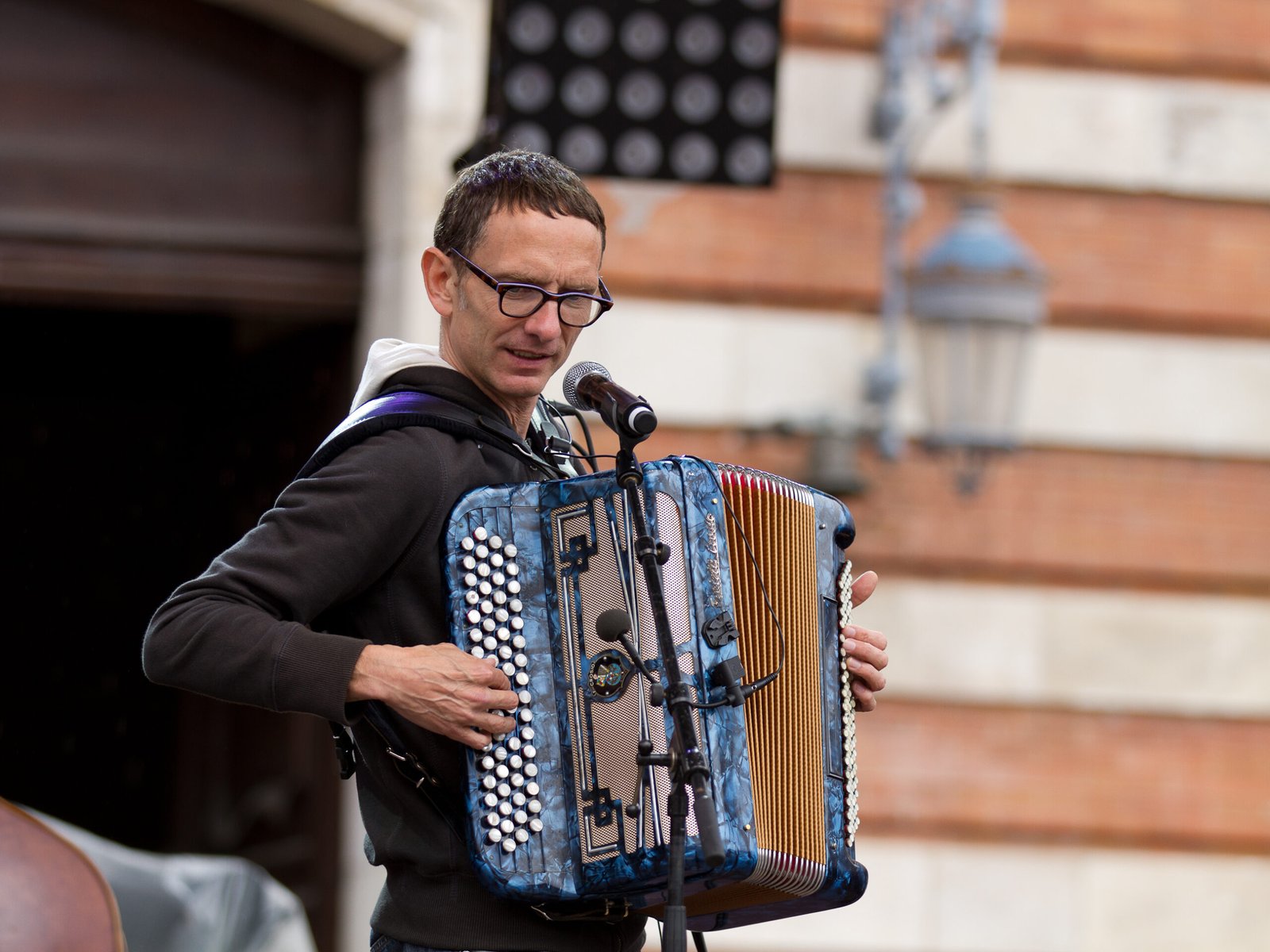
While Fête de la Musique is now a global phenomenon, its French origins are linked to the anti-establishment spirit of the early 1980s. The festival was first organized in 1982 to democratize music and reclaim public spaces, challenging the elitism of the arts. It aimed to protest the lack of access to culture for ordinary people. Every June 21st, millions take to the streets in France and beyond, using music as a tool for social change and community building.
8. Hong Kong’s July 1 March (Hong Kong SAR, China)
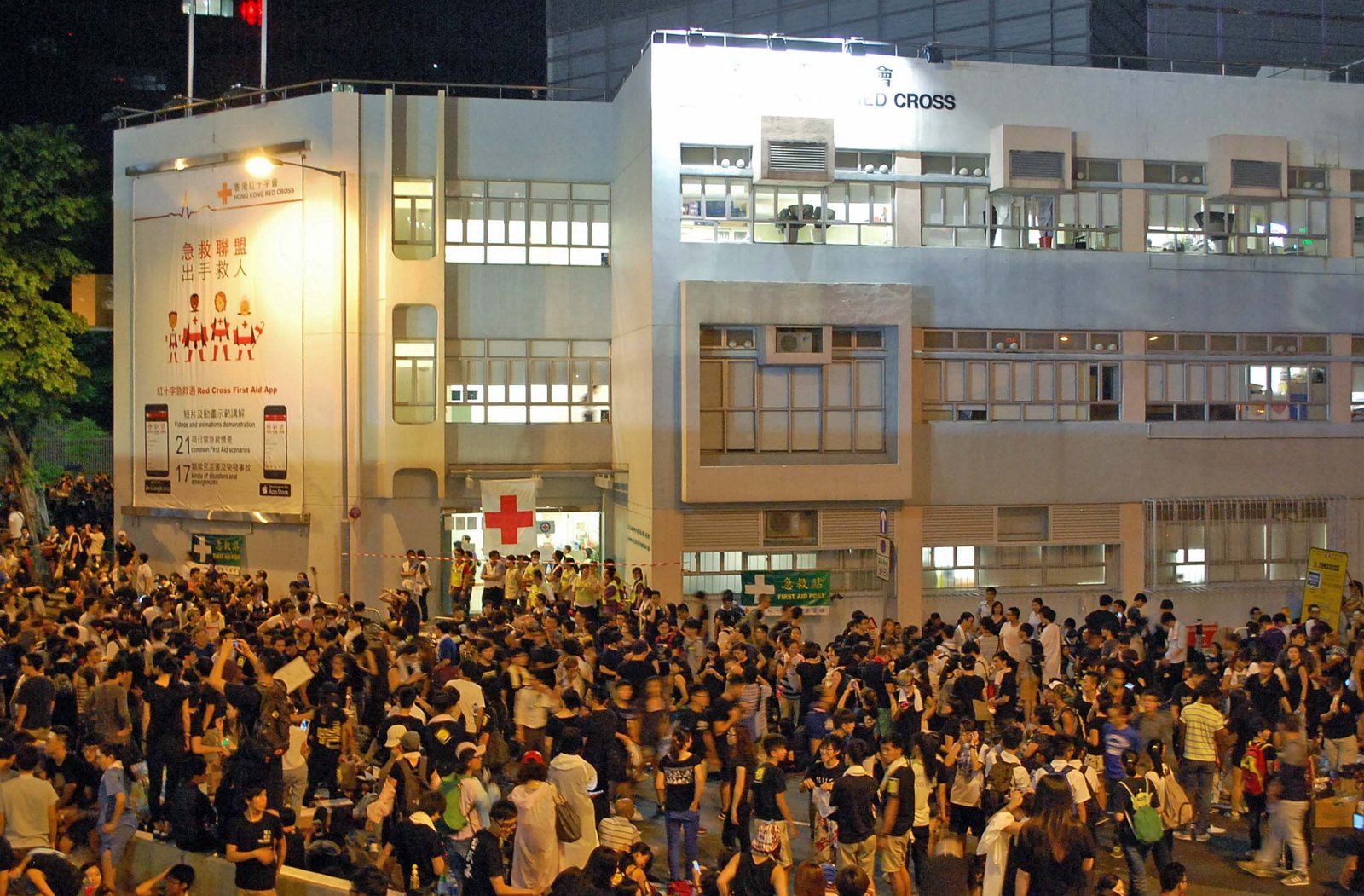
The July 1 March began in 2003 when half a million Hongkongers protested a proposed anti-sedition law. The march has since become an annual festival of resistance, drawing crowds with banners, music, and art. Protesters use the event to demand democracy, human rights, and autonomy, especially after the controversial National Security Law in 2020. The government’s crackdown has restricted the event, but its origins as a bold protest still resonate deeply with Hong Kong residents.
9. Fiery Cross Festival (Cape Town, South Africa)
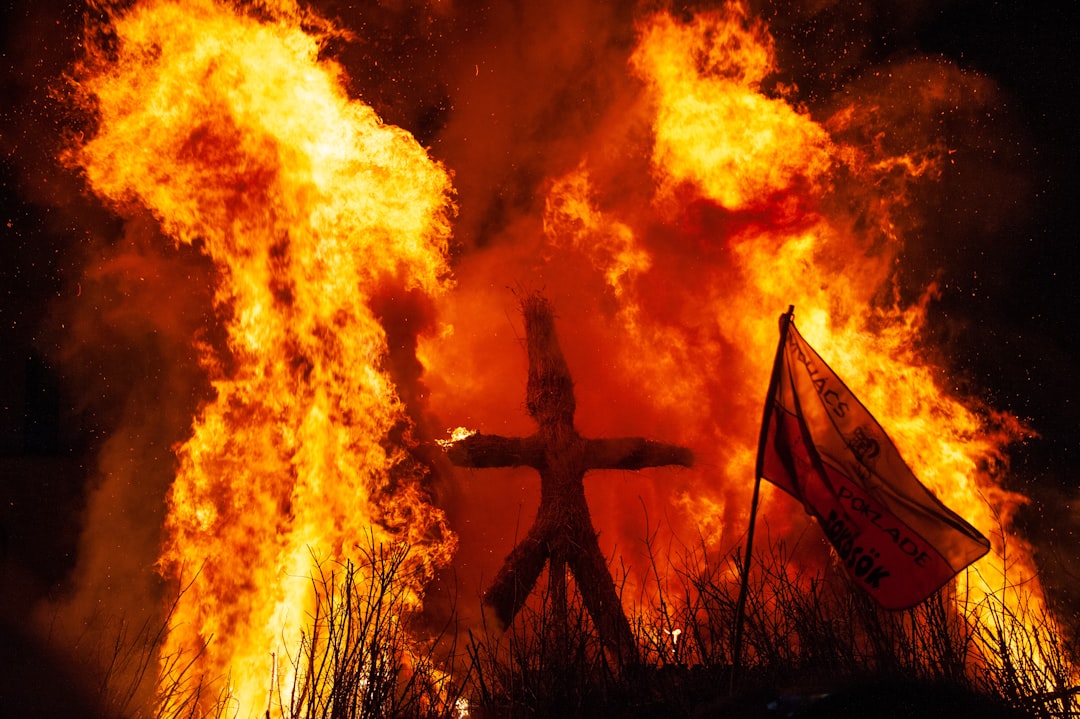
Originating as a protest against apartheid, the Fiery Cross Festival started with activists lighting crosses on Table Mountain as a symbol of resistance. The event brought together people from different backgrounds to denounce racial segregation and state oppression. Over time, the festival evolved into a celebration of unity and freedom, featuring music, dance, and storytelling. The tradition of lighting the cross remains a powerful reminder of the fight for equality in South Africa.
10. Carnival of Resistance (London, UK)
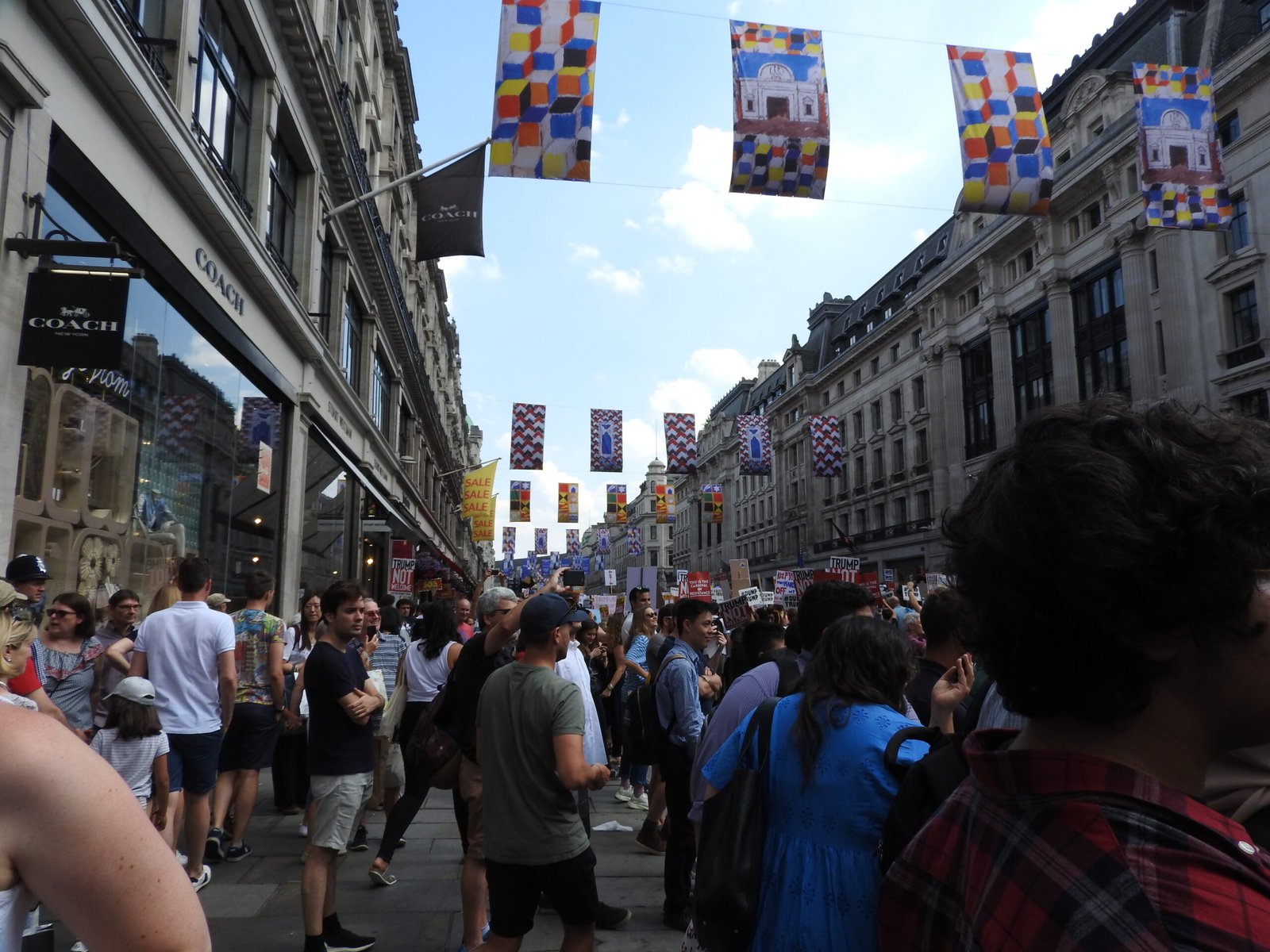
The Carnival of Resistance was launched in the late 1990s by activists opposing global capitalism and environmental destruction. It began with direct action protests against the G8 summit and financial institutions. Protesters used music, costumes, and theatrical performances to draw attention to their cause, transforming the protest into a colorful festival. Today, similar carnivals are held across Europe, blending celebration with calls for social and environmental justice.
11. Earth Day (Global)
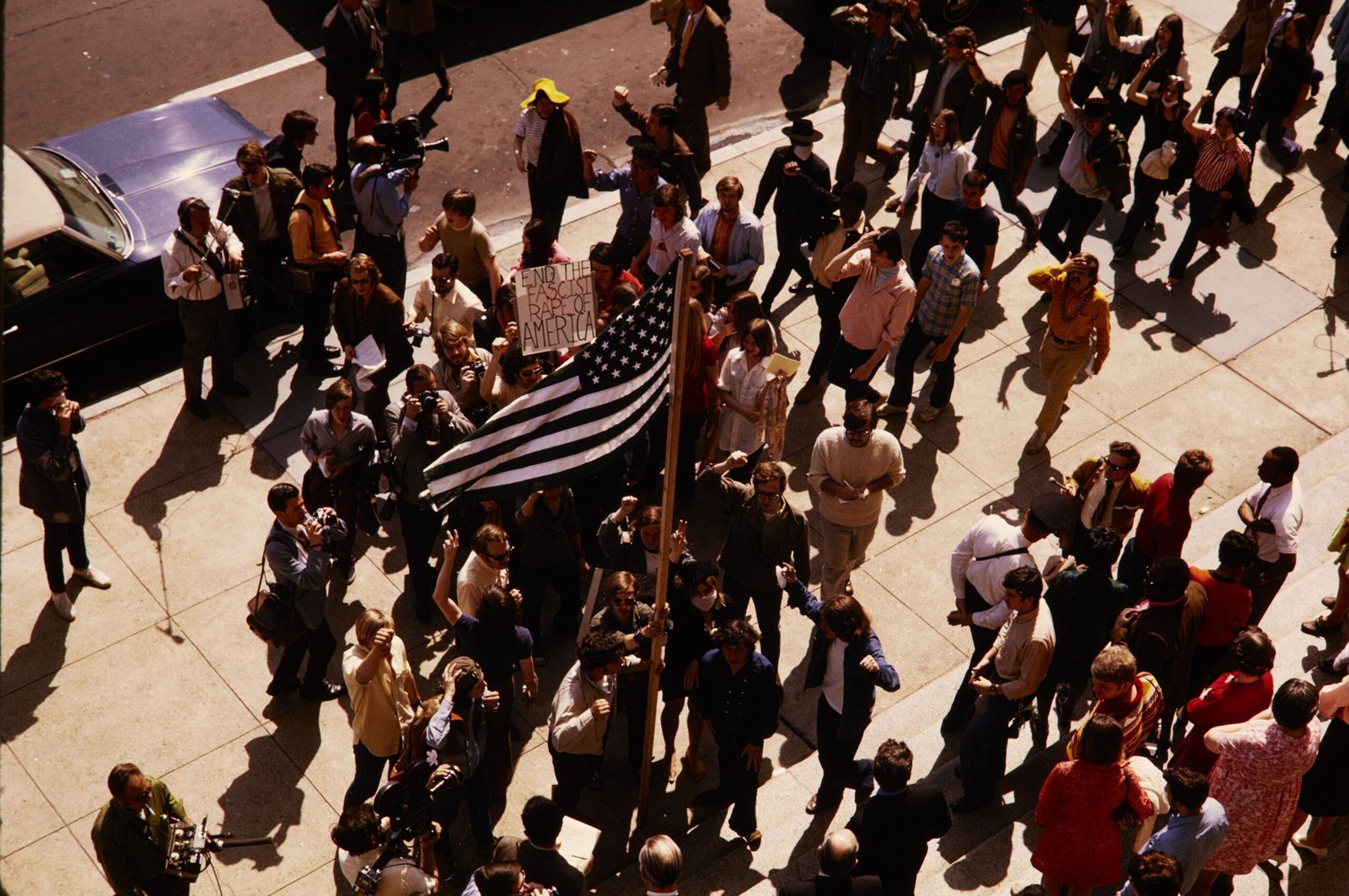
Earth Day’s first celebration in 1970 was, at its core, a massive environmental protest. Organized in response to increasing pollution and environmental disasters, 20 million Americans participated in rallies and teach-ins. The event’s impact was immediate: the U.S. established the Environmental Protection Agency and passed landmark environmental laws soon after. Now, Earth Day is celebrated in more than 190 countries, but its core remains political—demanding urgent action on climate change and environmental degradation.
12. International Women’s Day (Global)
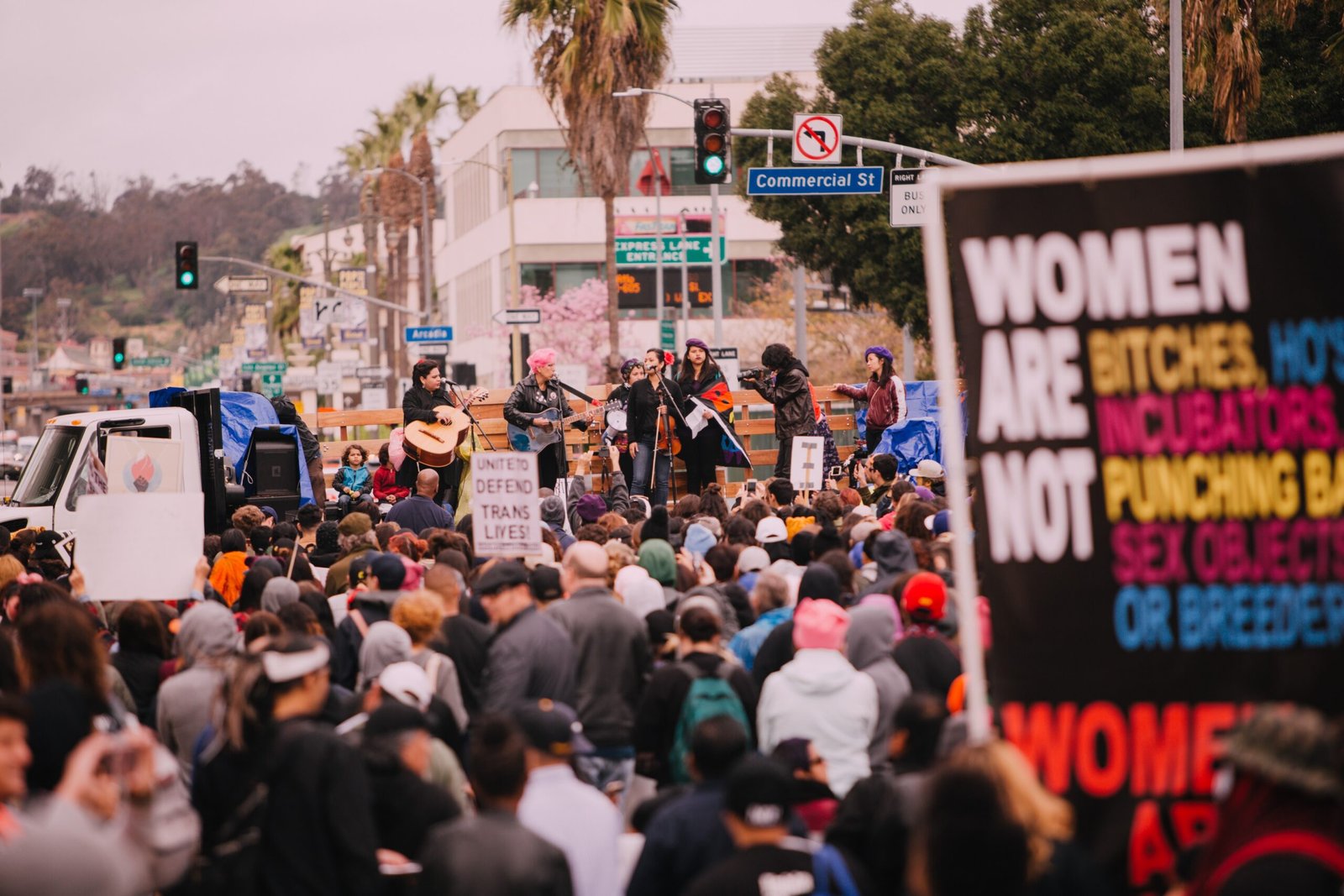
International Women’s Day, observed every March 8th, began as a protest by women garment workers in New York City in 1908. Their demands were simple: better pay, shorter hours, and voting rights. The event quickly spread, fueled by socialist and labor movements worldwide. Today, it’s a festive occasion marked by rallies, performances, and speeches, but its protest roots are honored through ongoing campaigns for gender equality.
13. Orange Revolution Commemoration (Kyiv, Ukraine)
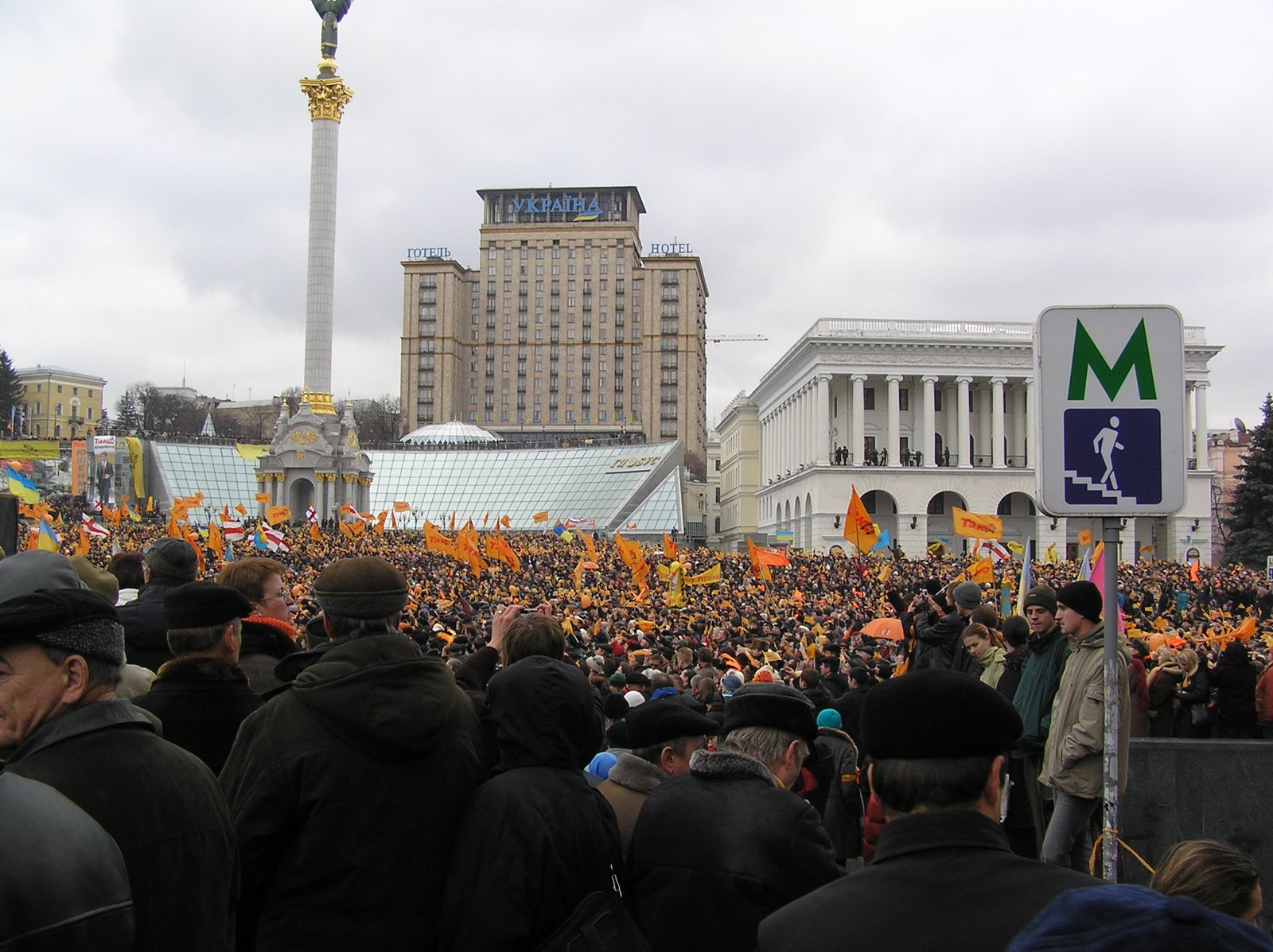
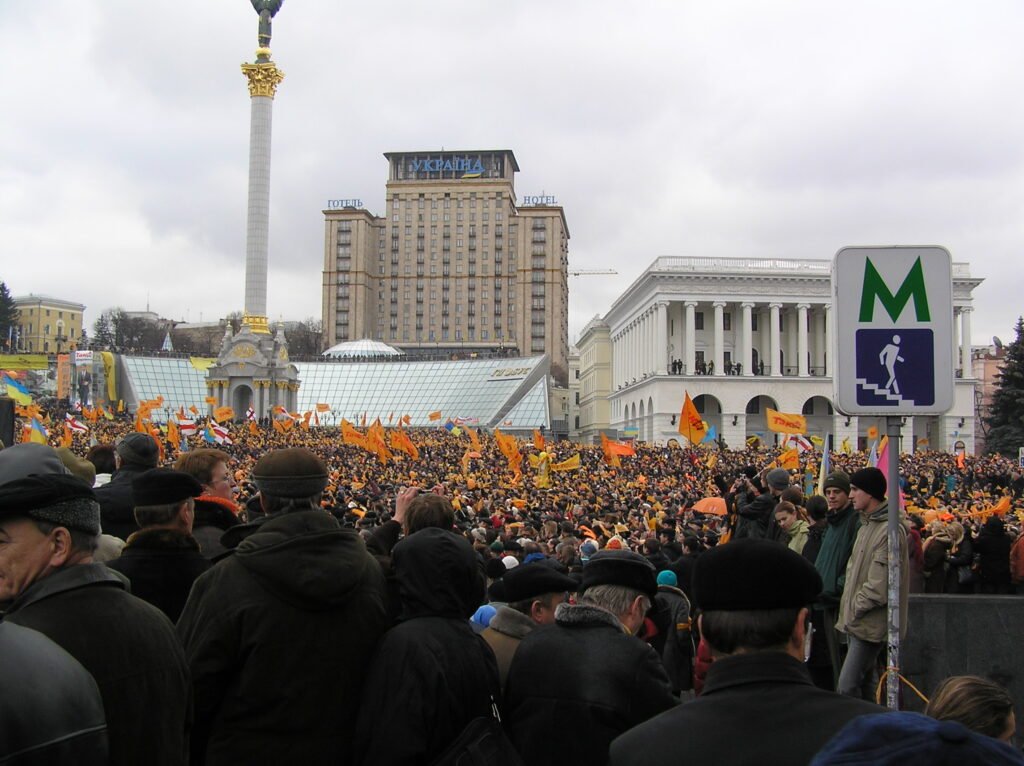
The Orange Revolution Commemoration started after the 2004 mass protests against electoral fraud in Ukraine. Hundreds of thousands of people gathered in Kyiv’s Maidan Nezalezhnosti, demanding fair elections and democratic reforms. The annual commemoration features concerts, speeches, and art installations, serving as both a festival and a reminder of Ukraine’s ongoing struggle for democracy and sovereignty.
14. Bastille Day (Paris, France)
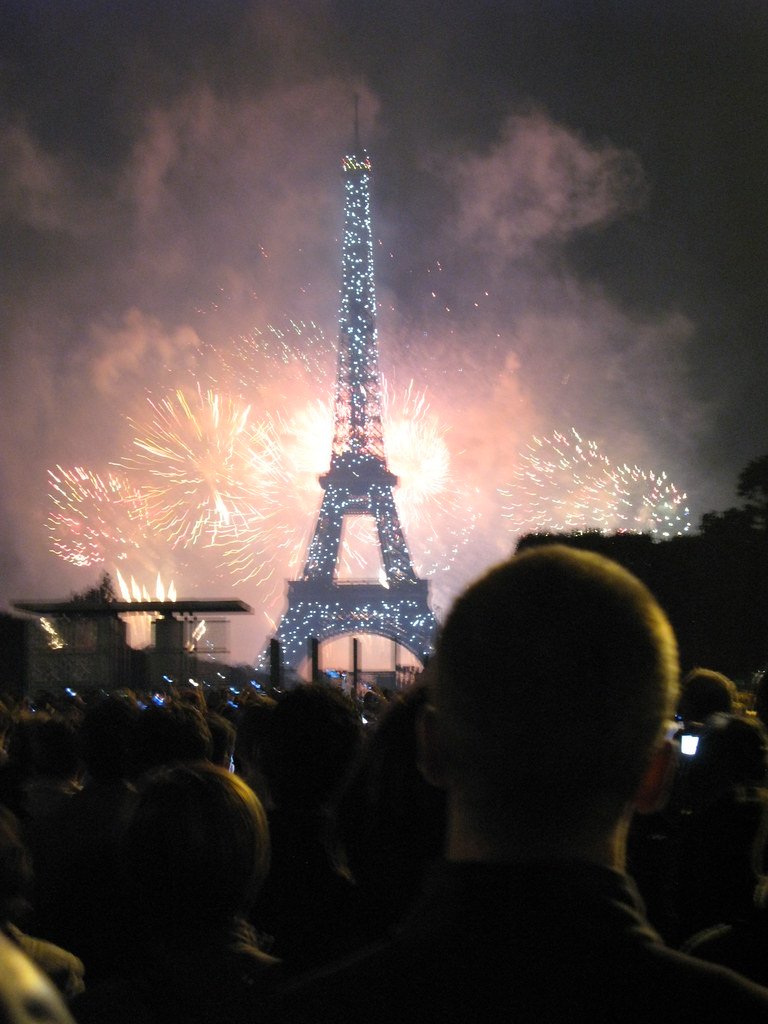
Bastille Day, France’s national holiday, began as a commemoration of the storming of the Bastille prison on July 14, 1789—a political protest that sparked the French Revolution. The day is now marked with parades, fireworks, and communal meals. Yet, the spirit of revolution and the demand for liberté, égalité, fraternité remain central to the festivities, linking past protest to present celebration.
15. Carnival of Oruro (Oruro, Bolivia)
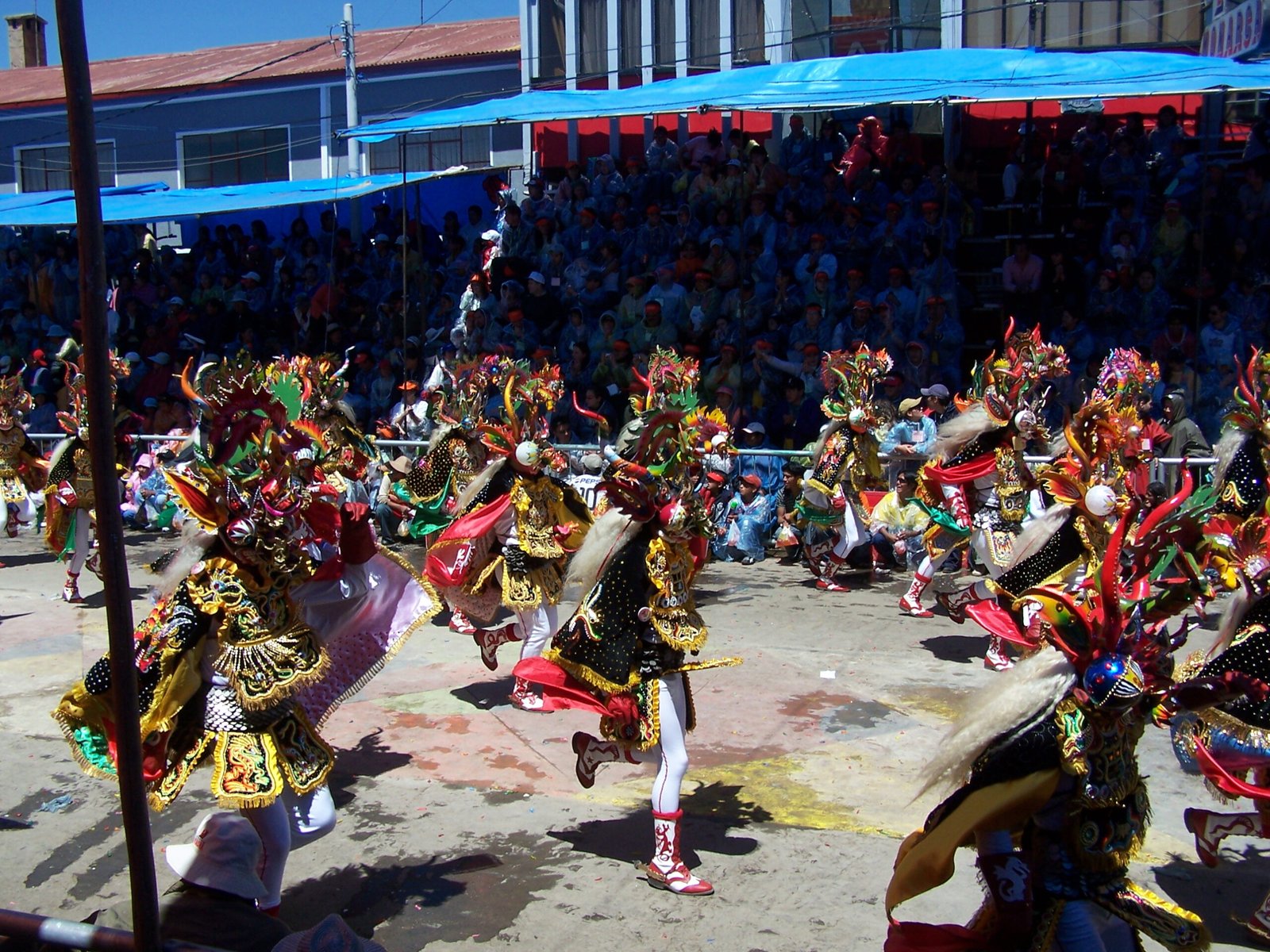
The Carnival of Oruro, a UNESCO-recognized festival, has protest woven into its history. Indigenous peoples used the festival to resist Spanish colonial oppression by disguising their banned religious rituals as Catholic celebrations. Over centuries, the event has grown into a spectacular showcase of dance, music, and indigenous identity, but its origins as an act of defiance are never forgotten.
16. Juneteenth (USA)
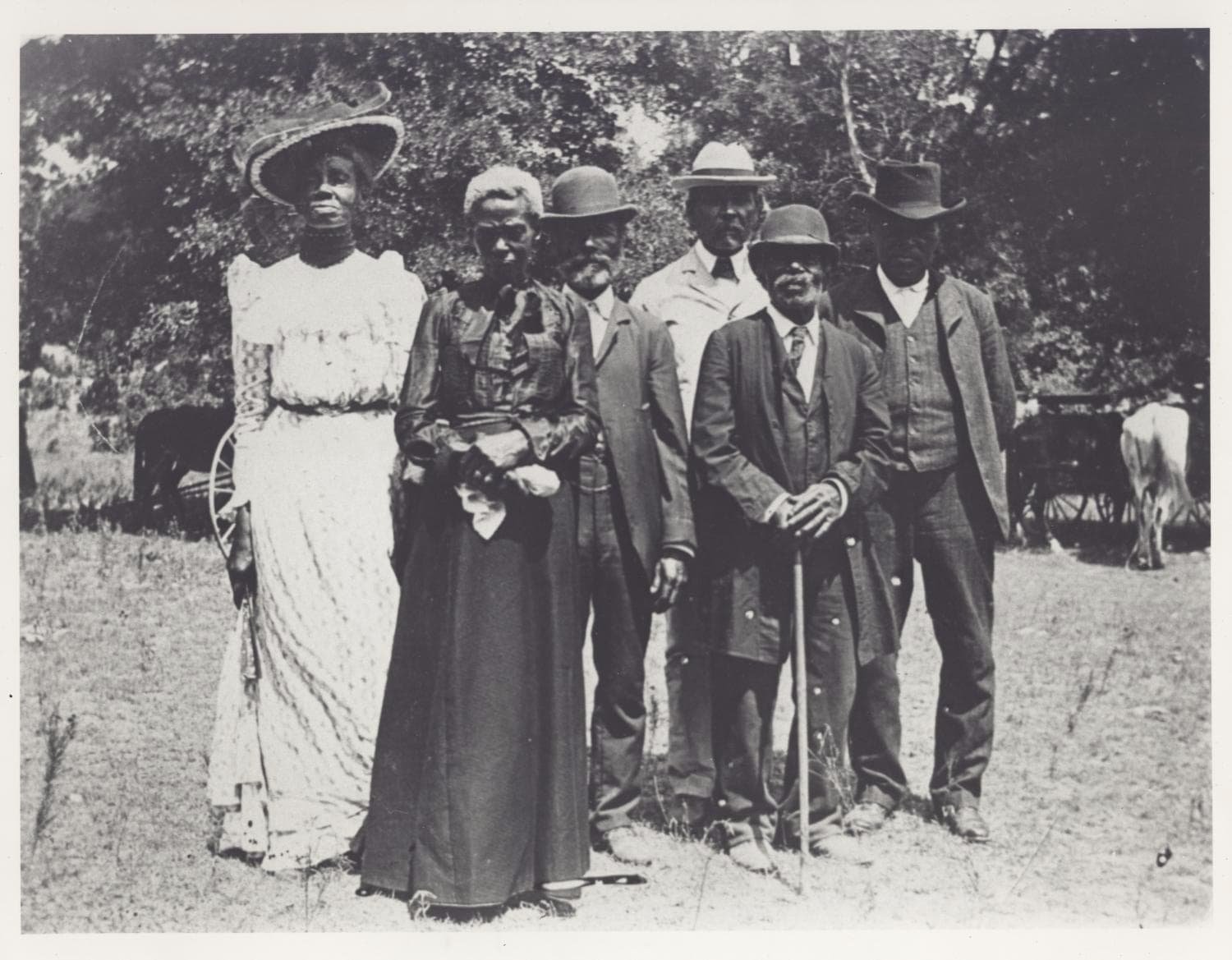
Juneteenth celebrates the emancipation of enslaved African Americans in Texas on June 19, 1865. The festival’s beginnings were deeply political, with freedmen marking the day as both a protest against ongoing oppression and a celebration of liberation. Today, Juneteenth is a federal holiday, honored with parades, readings, and music. Its origins as a protest against slavery and racism remain central to the festivities.
17. Festival of the Oppressed (Rio de Janeiro, Brazil)
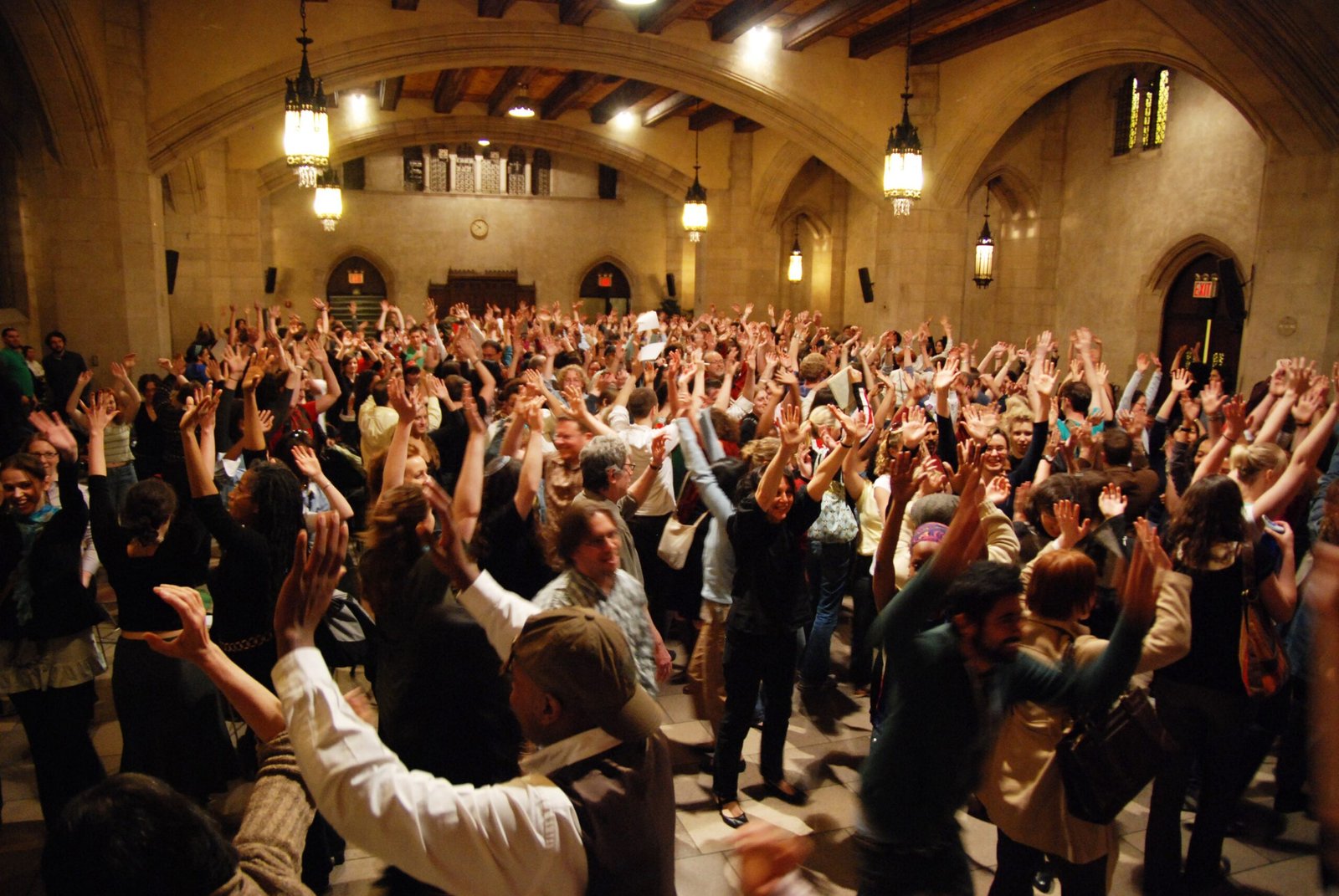
The Festival of the Oppressed was born in the 1970s as an act of protest against Brazil’s military dictatorship. Artists, musicians, and activists created the festival to challenge censorship and demand democracy. The event merged theater, music, and street art, attracting thousands despite government crackdowns. Today, its influence can be seen in Rio’s vibrant street culture, where protest and celebration continue to mingle.
18. Day of the Dead (Mexico)
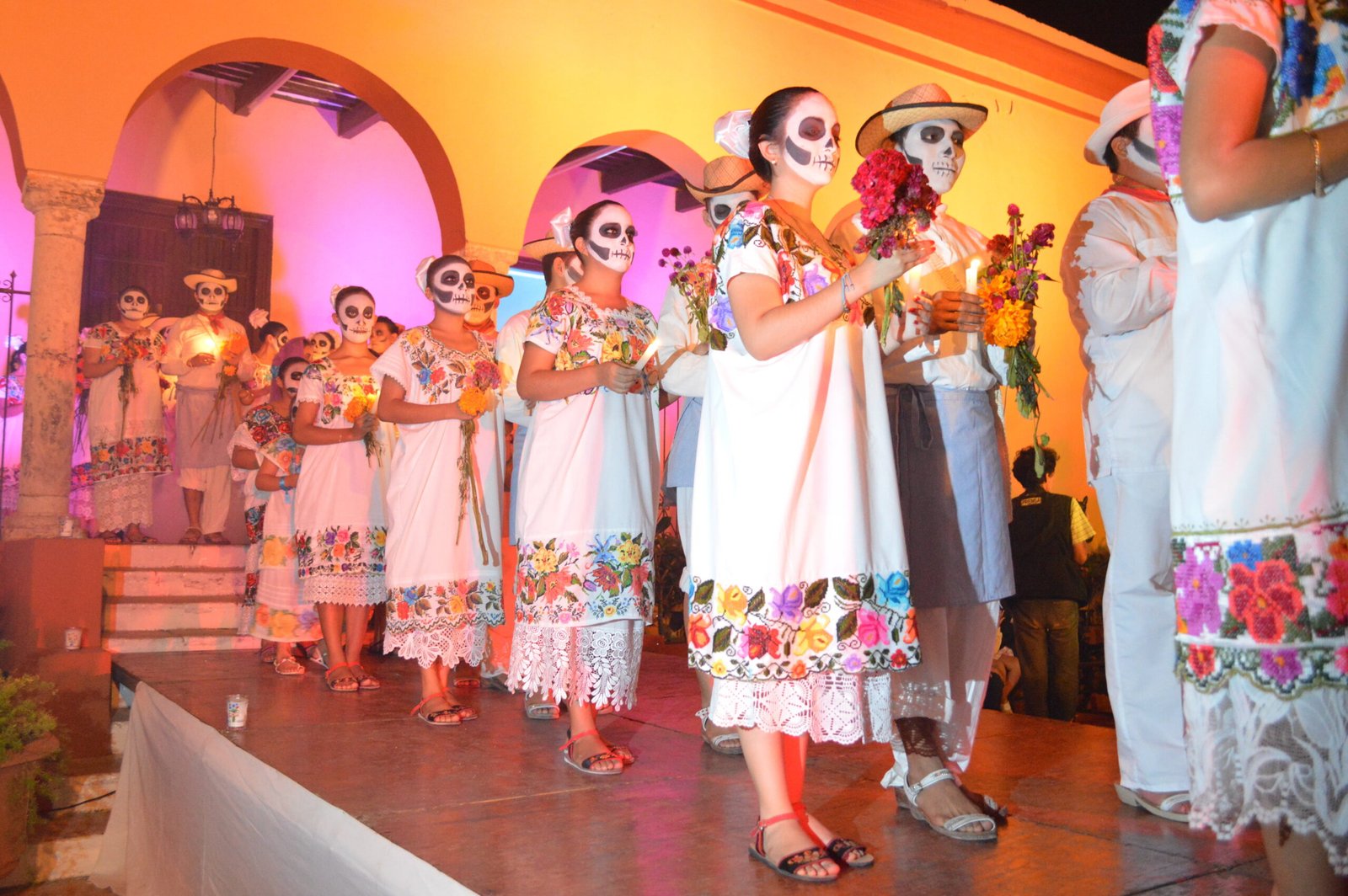
Though often seen as a cultural holiday, the modern Day of the Dead celebrations were shaped by protests against Spanish colonial rule. Indigenous Mexicans used the festival to honor their dead and resist forced Catholic conversion. In the 20th century, artists like Diego Rivera and José Guadalupe Posada revived its political dimension, infusing it with messages of resistance and national identity. The festival’s parades and altars still reflect this spirit of defiance and remembrance.
19. Women of the World Festival (London, UK)
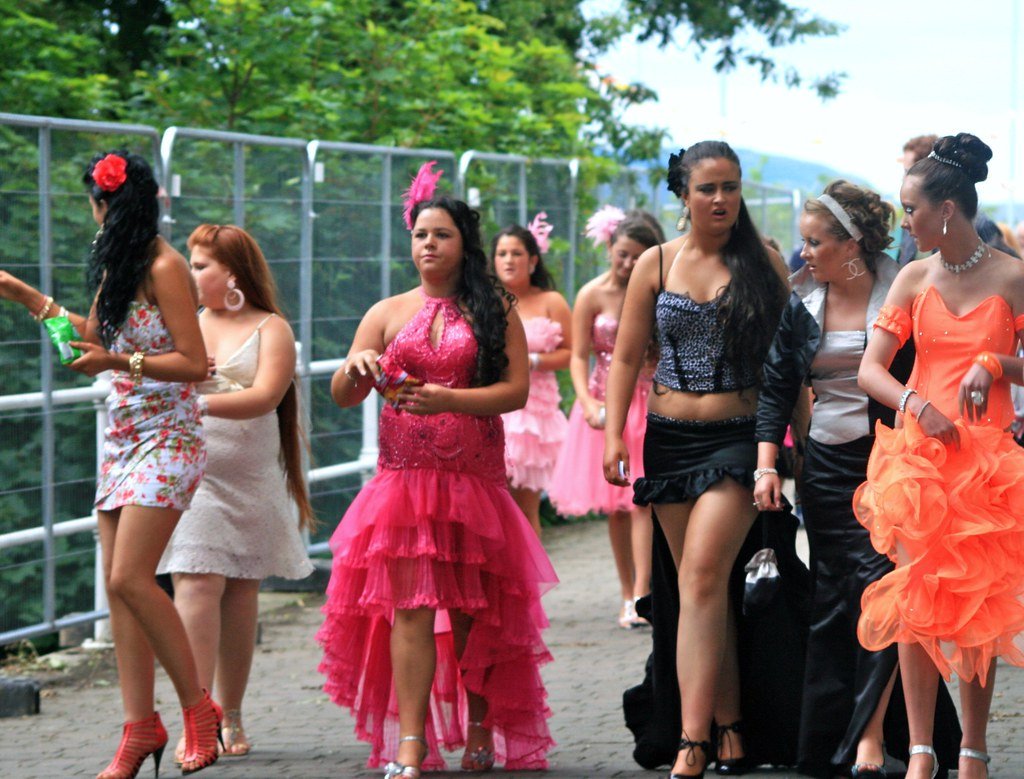
The Women of the World (WOW) Festival was first held in 2010 as a response to ongoing gender inequality. Conceived after protests and public debates about women’s rights, the festival brings together activists, artists, and thinkers for performances and discussions. Its roots in protest are reflected in its programming, which tackles issues like violence against women, workplace discrimination, and reproductive rights. Each year, thousands participate, making it a dynamic force for change.
20. Lantern Floating Hawaii (Honolulu, USA)
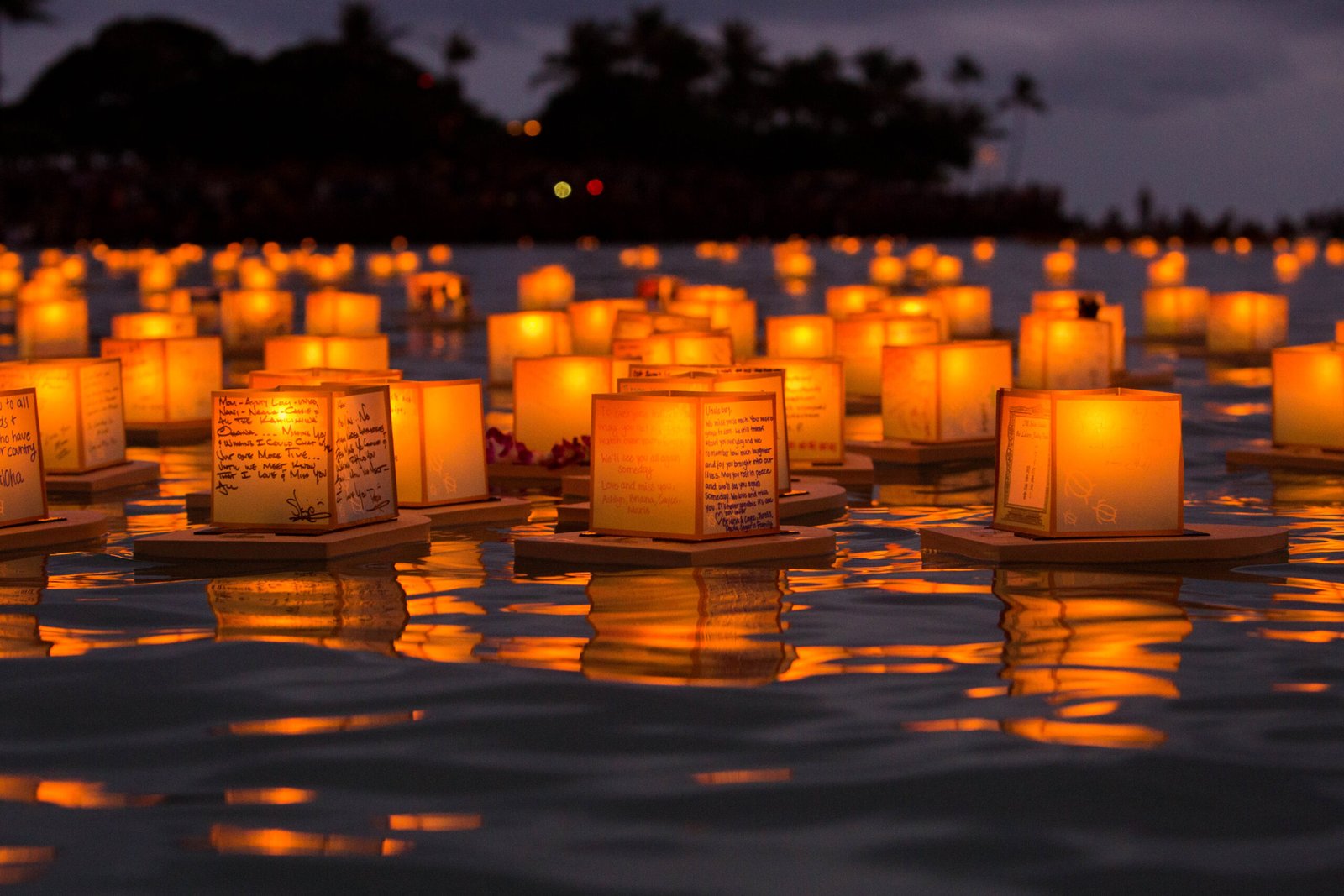
Lantern Floating Hawaii, held annually on Memorial Day, began as a protest against war and violence. The event was initiated by Buddhist leader Her Holiness Shinso Ito in 1999, as a way to honor lives lost in conflict and advocate for peace. Thousands gather to float lanterns, each bearing messages of hope, remembrance, and social justice. The festival’s peaceful protest origins continue to guide its mission, blending spirituality with a call for a more compassionate world.
End.

Besides founding Festivaltopia, Luca is the co founder of trib, an art and fashion collectiv you find on several regional events and online. Also he is part of the management board at HORiZONTE, a group travel provider in Germany.
