

For any feedback please reach out to info@festivalinside.com
- 12 Iconic Musicians Who Vanished From the Spotlight – And Where They Are Now - March 24, 2026
- 8 Music Festivals From the Past That Defined a Generation - March 24, 2026
- Billboard’s Top 10 Greatest Pop Stars of the 21st Century - March 24, 2026
Woodstock and Environmental Reform
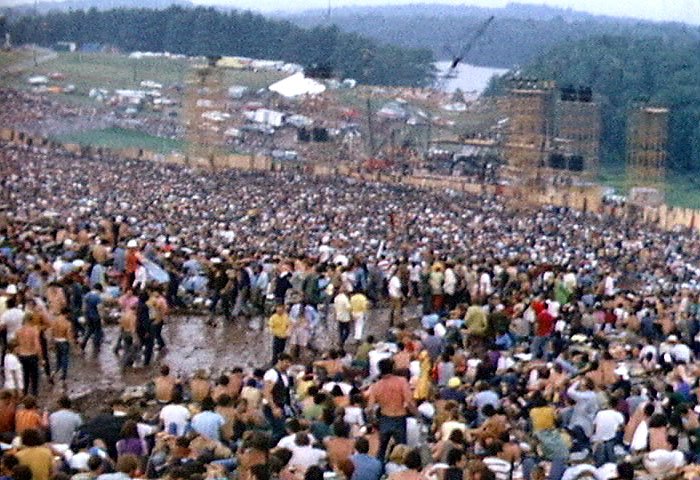
Woodstock, held in 1969, was more than just a music festival—it was a turning point in American culture. Thousands of people gathered on a muddy farm in New York, leaving behind a mountain of trash. This spectacle shocked lawmakers and the public, highlighting the need for environmental responsibility at large gatherings. The aftermath played a role in raising awareness about pollution and contributed to the momentum behind the Clean Air Act of 1970 and the Environmental Protection Agency’s founding. Woodstock’s legacy endures as a cautionary tale that helped shape environmental regulations for public events. In the years that followed, event organizers had to comply with stricter waste disposal and crowd management laws. This festival was a wake-up call: fun shouldn’t come at the planet’s expense.
Mardi Gras and Public Decency Laws
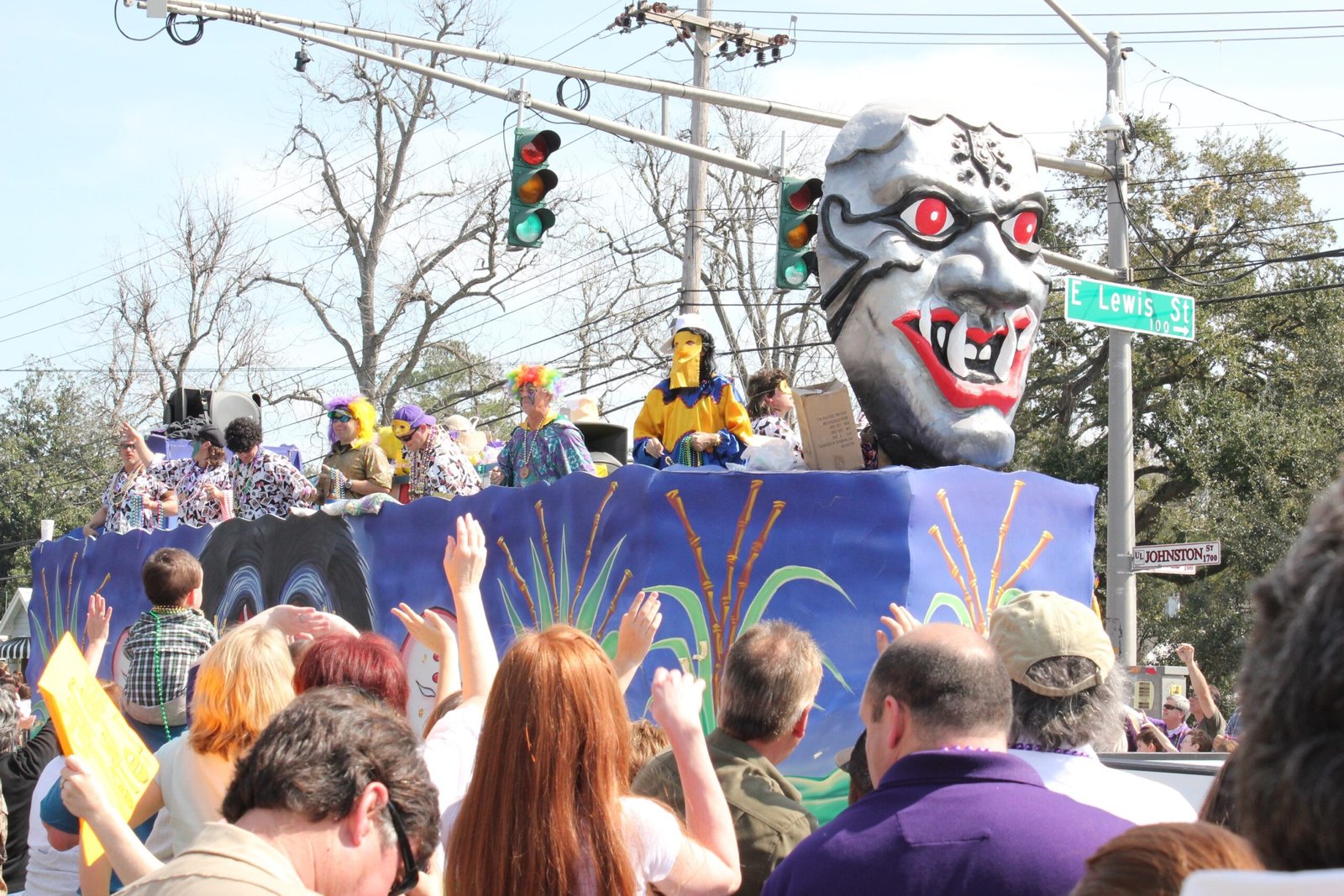
Mardi Gras in New Orleans is legendary for its parades, beads, and sometimes wild street celebrations. As the festival grew in popularity, so did public nudity and unruly behavior. City officials responded by revising public decency laws in the late 20th century, banning certain actions and tightening regulations on alcohol consumption in public spaces. These new ordinances influenced similar laws in cities hosting large festivals nationwide. The changes were a direct response to concerns about public safety and city image, with local police citing a sharp drop in incidents after enforcement ramped up. Mardi Gras showed how a festival’s excesses can force lawmakers to redraw the line between celebration and chaos.
Coachella and Drug Enforcement Policy
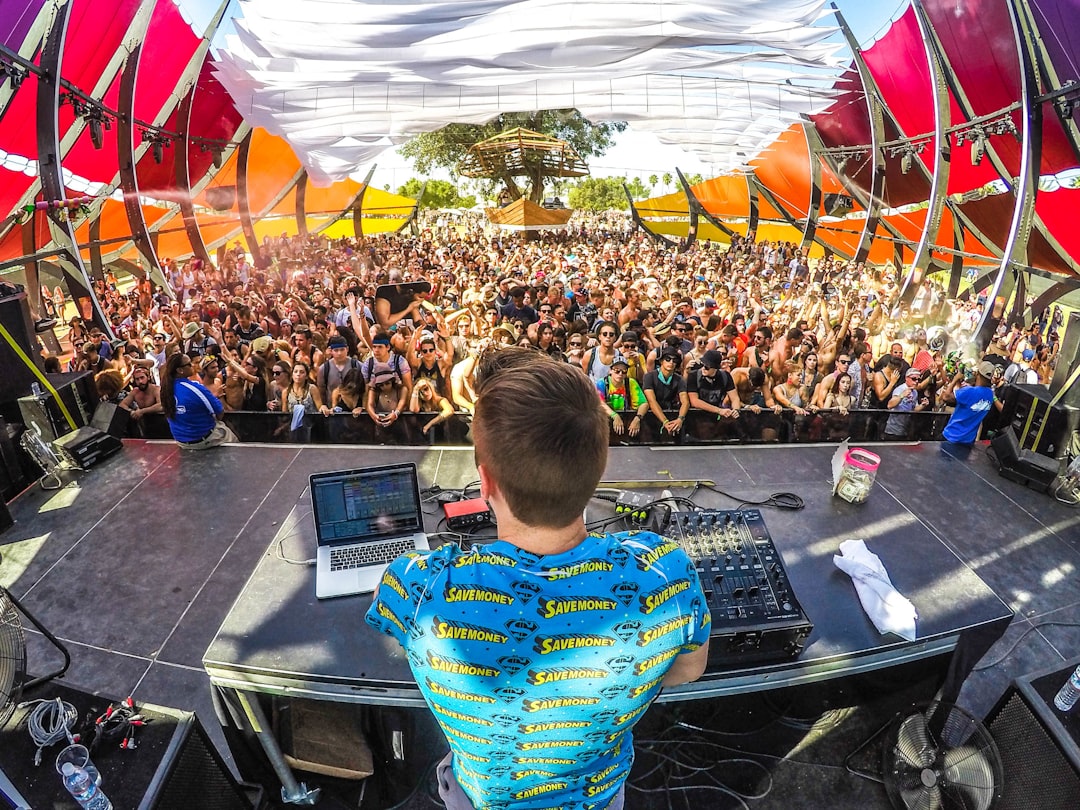
California’s Coachella Valley Music and Arts Festival attracts hundreds of thousands each year. Its rapid growth led to a surge in drug-related incidents by the early 2000s. Lawmakers and local authorities responded with stricter enforcement of drug laws and the introduction of amnesty bins, where attendees could discard illegal substances without fear of prosecution upon entry. In 2017, festival-related arrests prompted Riverside County to increase undercover operations and expand medical services on-site. Coachella’s high profile forced legislators to balance public health concerns with civil liberties, resulting in festival-specific drug ordinances and emergency response standards that were soon adopted by similar events across the U.S.
Burning Man and Land Use Policies

Burning Man, held in Nevada’s Black Rock Desert, grew from a small gathering to a massive week-long event. Its impact on fragile desert land led to intense scrutiny from the Bureau of Land Management (BLM). In 2004, the BLM imposed strict land use and restoration requirements on the festival. Event organizers had to file detailed environmental impact statements and post-event restoration reports. These measures became a template for other large gatherings on federal land, influencing how permits are issued and monitored. Burning Man’s experience demonstrated that creative freedom and environmental stewardship must go hand in hand, and it’s now a case study in event sustainability policy.
Cesar Chavez Day and Workers’ Rights Legislation
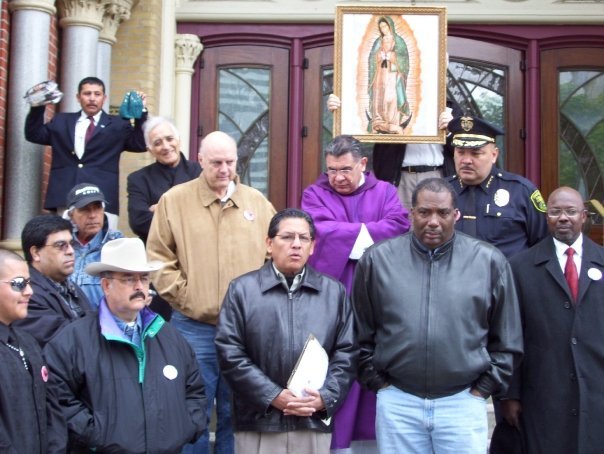
Cesar Chavez Day, celebrated in several states, honors the labor leader’s legacy. Annual marches and rallies brought attention to farmworkers’ living conditions, spurring legislative action. In California, these demonstrations influenced the passage of laws like the Agricultural Labor Relations Act, which granted collective bargaining rights to farmworkers. The festival’s prominence kept farm labor issues in the public eye, prompting lawmakers in other states to adopt similar protections. Data from the U.S. Department of Labor shows improved conditions and wage growth for agricultural workers in the decades following these reforms. Chavez Day is a reminder that festivals can be powerful platforms for social change.
Stonewall Anniversary and LGBTQ+ Rights Laws
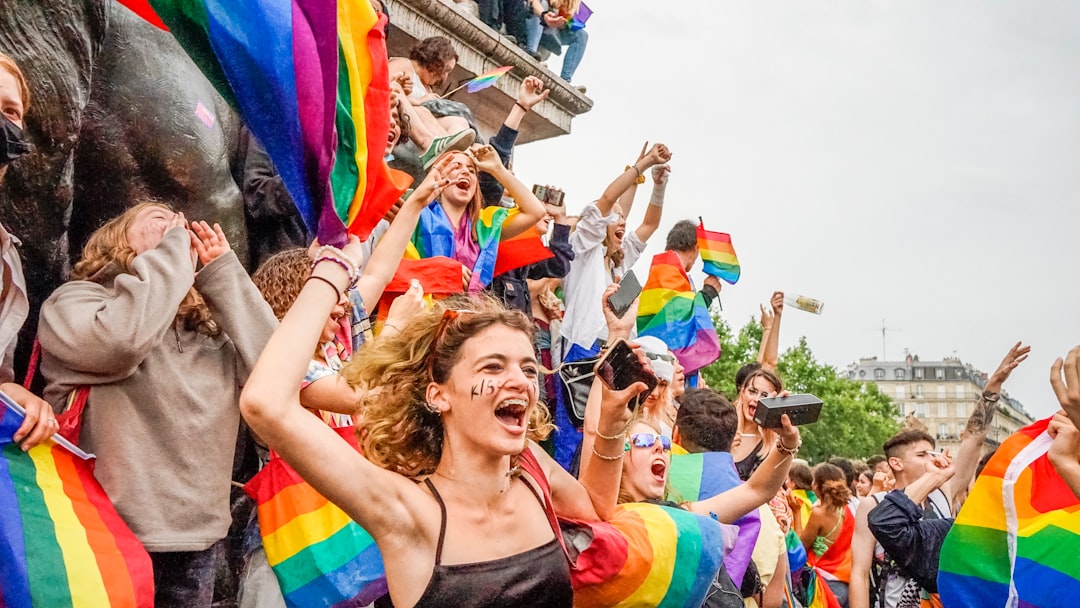
Commemorating the 1969 Stonewall Riots, annual Pride festivals across the country spotlight the ongoing struggle for LGBTQ+ rights. These celebrations gave visibility to a marginalized community and fueled the push for anti-discrimination laws. By the late 1970s, cities like San Francisco and New York had enacted ordinances protecting gay and transgender people in housing, employment, and public accommodations. Nationally, the momentum from Pride festivals contributed to the passage of the Matthew Shepard and James Byrd Jr. Hate Crimes Prevention Act in 2009. The connection between Stonewall commemorations and legislative victories is clear: public celebration often precedes legal recognition.
Earth Day and Environmental Protection Laws
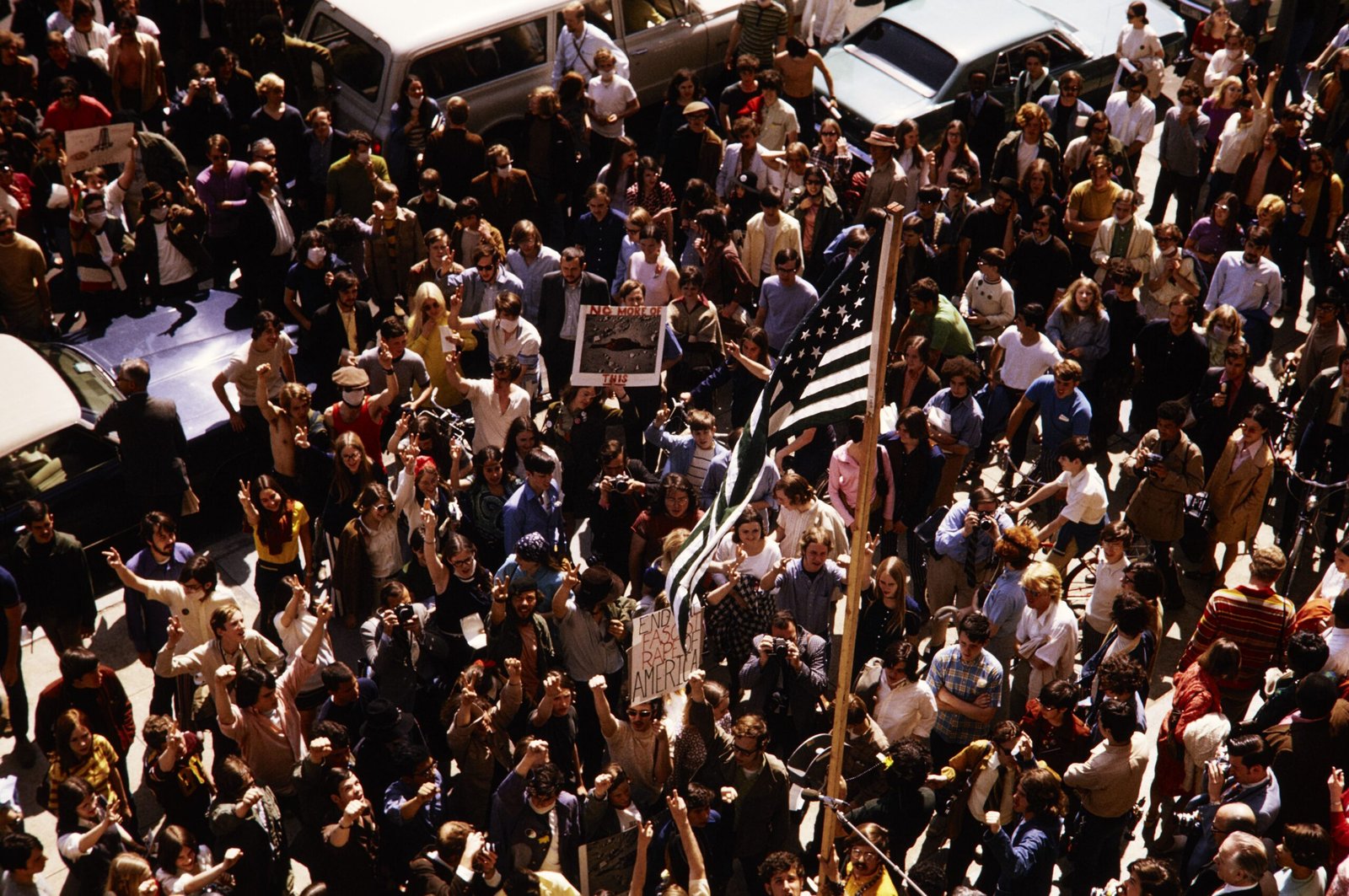
Earth Day, first held in 1970, mobilized millions of Americans to demand environmental reform. Its huge turnout—an estimated 20 million people—pressured Congress to take action. Within months, lawmakers passed the National Environmental Policy Act and strengthened the Clean Air and Clean Water Acts. The Environmental Protection Agency was also established in direct response to the issues highlighted by Earth Day events. Today, Earth Day remains a rallying point for environmental advocacy, with new laws and regulations often announced around its anniversary. The festival’s impact on policy is consistently underscored by real legislative outcomes and measurable improvements in air and water quality.
Harvey Milk Day and Anti-Discrimination Laws
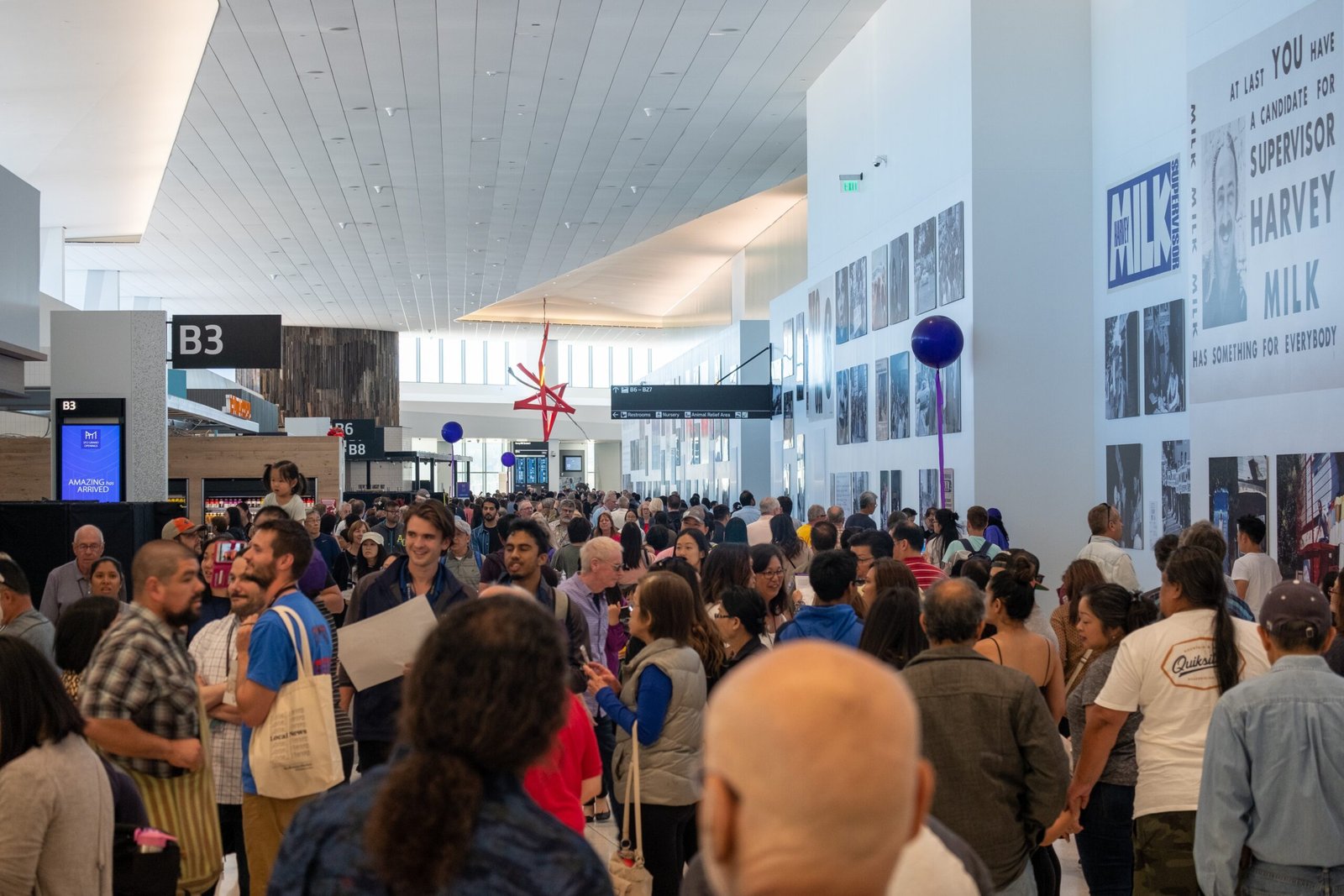
Harvey Milk Day, celebrated in California, honors the first openly gay elected official in the state. The events and educational programs held on this day have helped promote understanding and acceptance of LGBTQ+ individuals. After years of advocacy linked to the festival, California passed laws prohibiting discrimination based on sexual orientation and gender identity in schools and workplaces. According to the California Department of Education, bullying incidents related to sexual orientation decreased after these laws took effect. Observances of Harvey Milk Day continue to inspire progressive legislation, influencing similar measures in other states seeking to combat discrimination.
March for Life and Abortion Legislation
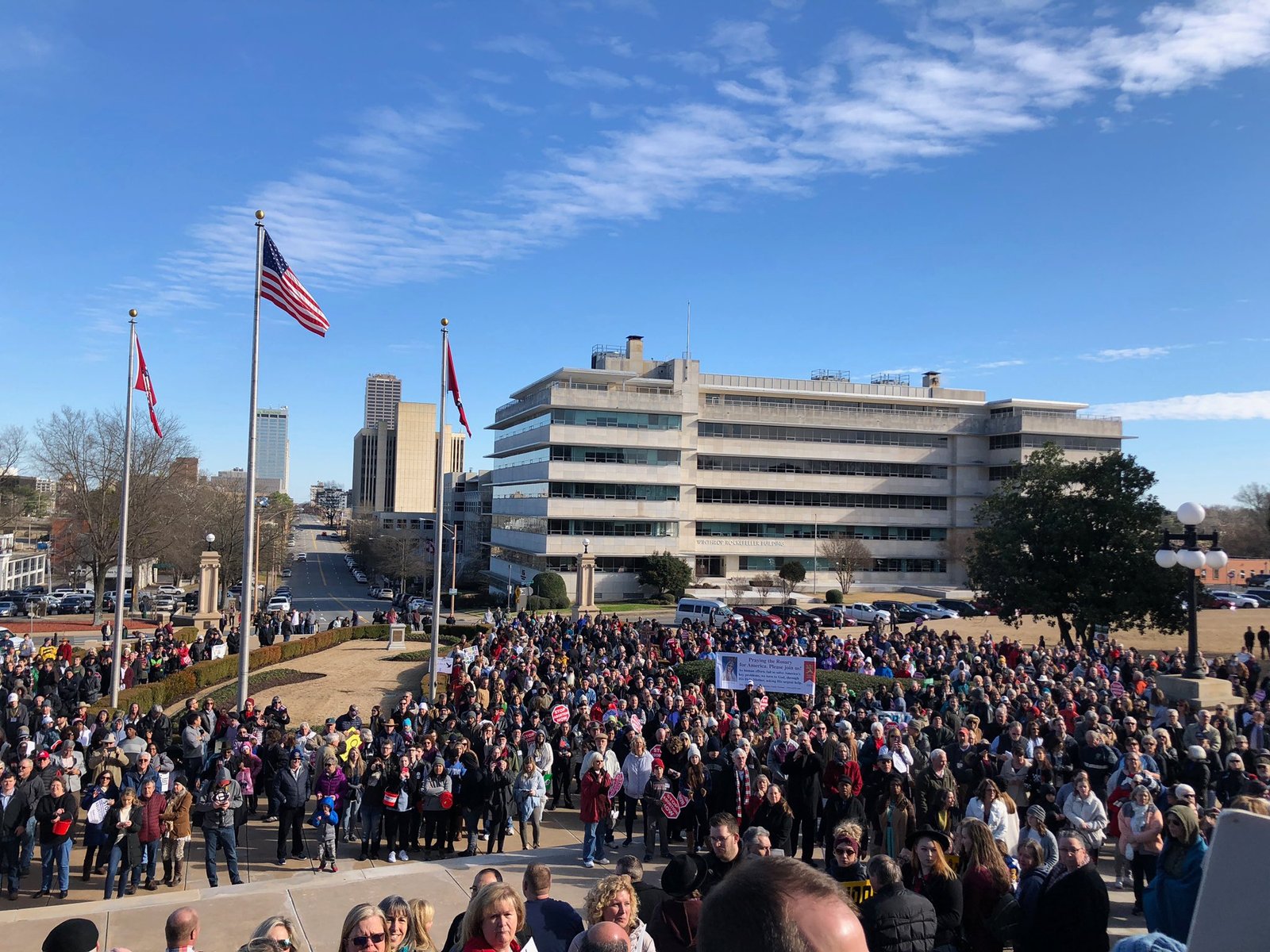
The March for Life, held annually in Washington, D.C., brings together thousands of advocates opposing abortion rights. The sheer size and visibility of the event have made it a focal point in the national debate over reproductive rights. Lawmakers often cite the march when proposing new bills or amendments to existing abortion laws. For example, the Hyde Amendment, which restricts federal funding for abortion, has been repeatedly discussed and defended during and after the march. The event’s influence extends to state legislatures, with several states passing restrictive abortion laws following large turnouts at their own local versions of the march. The March for Life is a powerful example of how protest can shape policy.
Juneteenth and Federal Recognition of Holidays
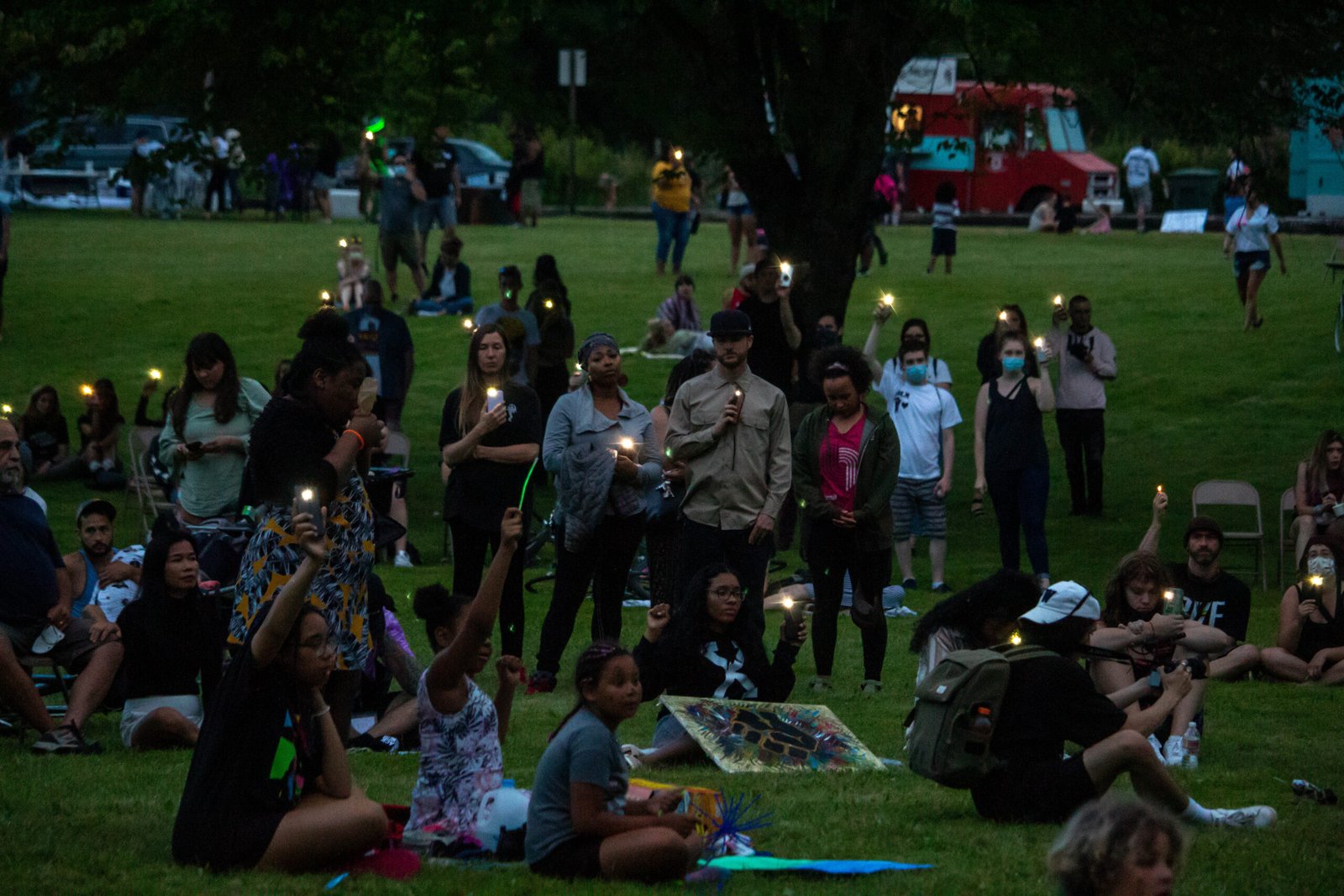
Juneteenth, which commemorates the end of slavery in the United States, has long been celebrated by Black communities. Persistent advocacy and annual festivals across the country eventually led to legislative action. In June 2021, Juneteenth was officially designated a federal holiday, making it the first new national holiday since Martin Luther King Jr. Day. The move followed years of grassroots pressure and heightened awareness after nationwide racial justice protests in 2020. Federal recognition of Juneteenth was a landmark legislative achievement rooted in decades of festival observance and activism.
Sturgis Motorcycle Rally and Public Safety Laws
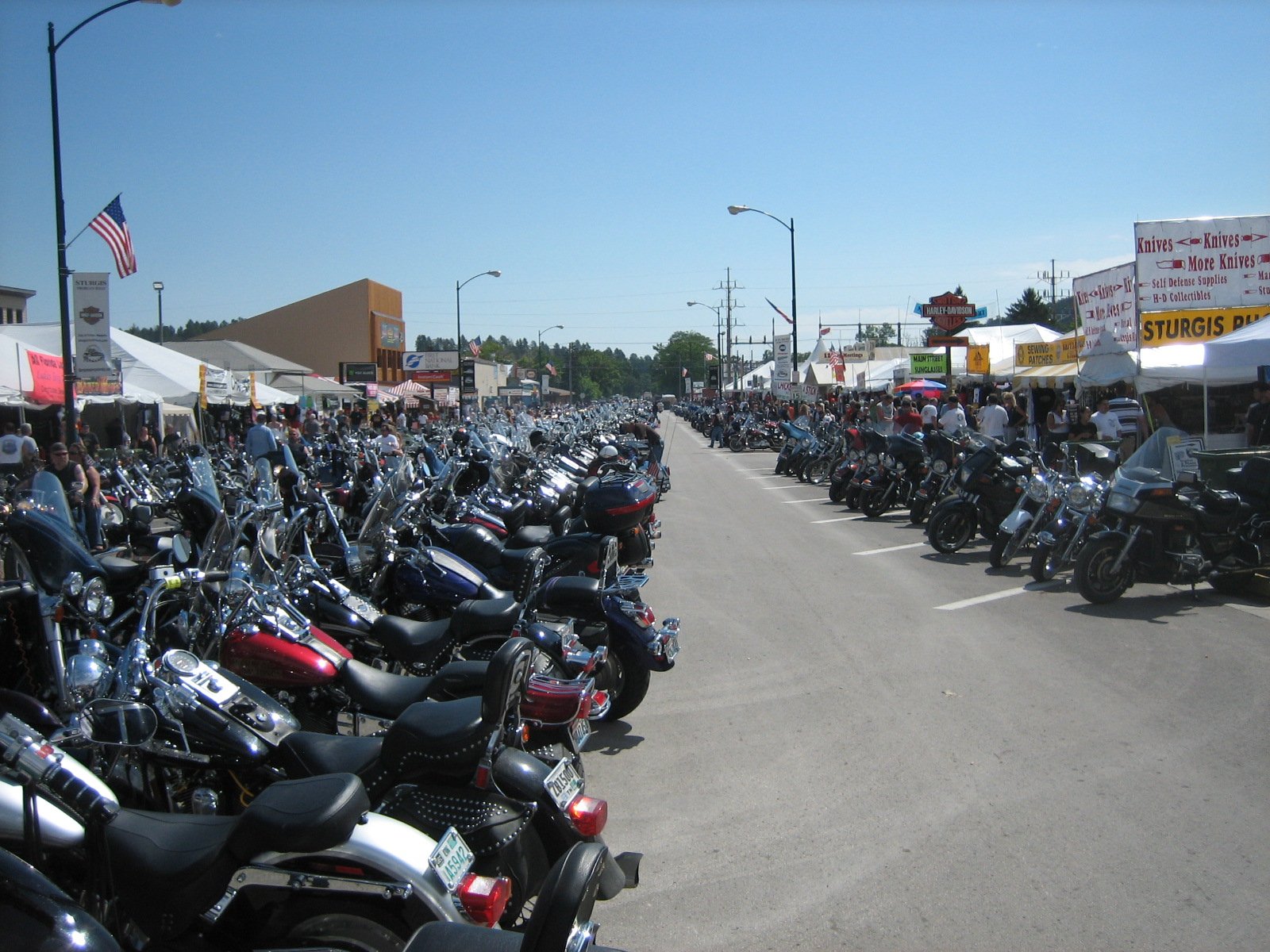
The Sturgis Motorcycle Rally in South Dakota attracts hundreds of thousands of bikers each year. Its sheer scale has prompted lawmakers to adopt stricter public safety and traffic laws. In the 1990s and 2000s, local officials enacted helmet requirements, noise ordinances, and limits on alcohol sales during the event. The rally also influenced the development of emergency response protocols for large gatherings, which have been adopted in other states hosting similar festivals. According to state police, accident rates during the rally have dropped since these laws were put in place, showing a clear link between festival-driven legislation and public safety improvements.
South by Southwest (SXSW) and Temporary Licensing Laws
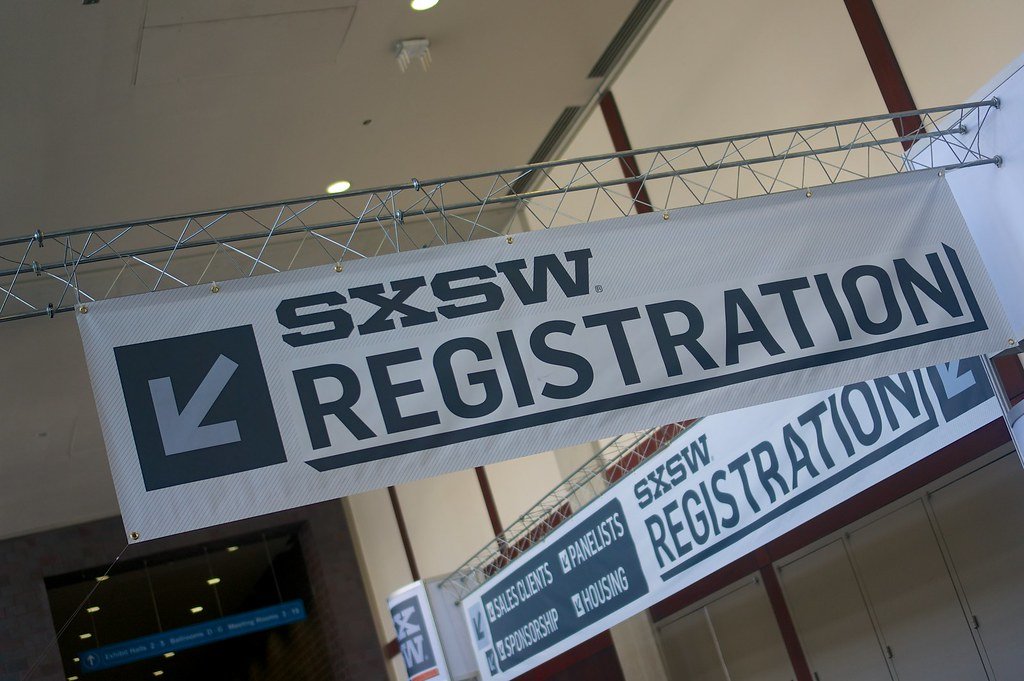
Austin’s SXSW festival has grown from a small music conference to a global event, drawing attention to gaps in the city’s permitting and licensing laws. The influx of visitors highlighted the need for temporary food, alcohol, and vending licenses. In response, Austin’s city council introduced streamlined processes for temporary permits, making it easier for small businesses to operate during the festival. These changes helped boost the local economy and set a model for other cities hosting major events. The success of SXSW’s licensing reforms has been documented in city economic reports, with similar policies now in place at festivals nationwide.
Occupy Wall Street Anniversary and Protest Regulations
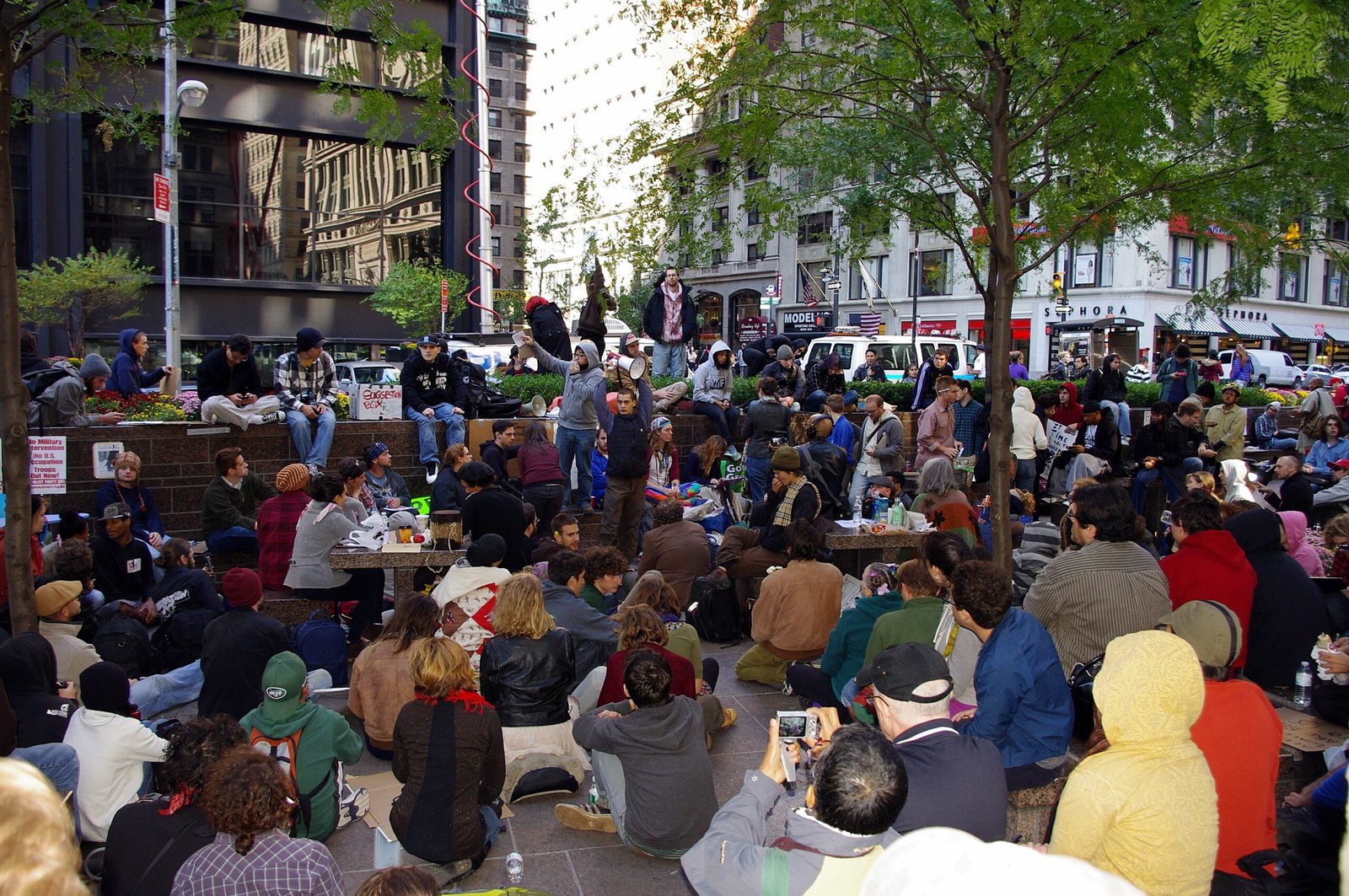
The Occupy Wall Street movement, marked by large gatherings and annual commemorations, forced cities to rethink their policies on protest and public assembly. In New York and other major cities, lawmakers introduced new rules regarding permits, sound amplification, and overnight camping in public parks. The festival-like atmosphere of Occupy events tested the limits of free speech and assembly, leading to legal challenges and revised ordinances. The changes influenced how cities manage large-scale demonstrations, balancing the right to protest with public safety and order. Recent research from legal watchdog groups shows a significant increase in permit applications and regulatory compliance since these laws were enacted.
Boston Marathon and Security Legislation
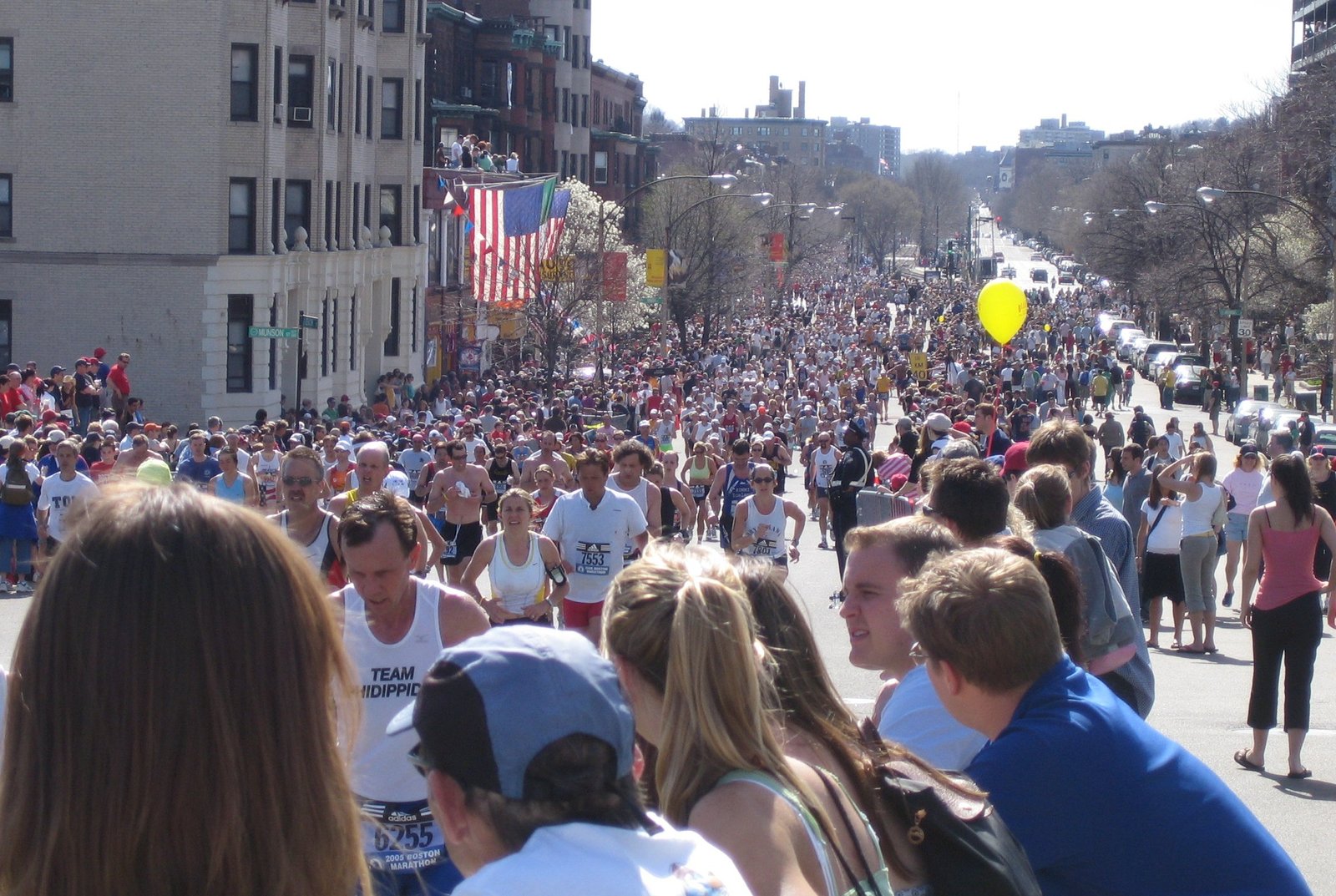
The Boston Marathon, one of the world’s most famous races, became a catalyst for security legislation after the tragic bombing in 2013. Lawmakers responded by enacting stricter regulations for large-scale sporting events and festivals, including requirements for bag checks, security screenings, and emergency response planning. Federal agencies provided new guidelines for event security, which have since been adopted at concerts, parades, and marathons nationwide. The impact of these laws is evident in the increased presence of law enforcement and improved emergency preparedness at public gatherings. The Boston Marathon’s influence on security policy is a sobering example of how tragedy can drive legislative action.
Halloween and Curfew Laws
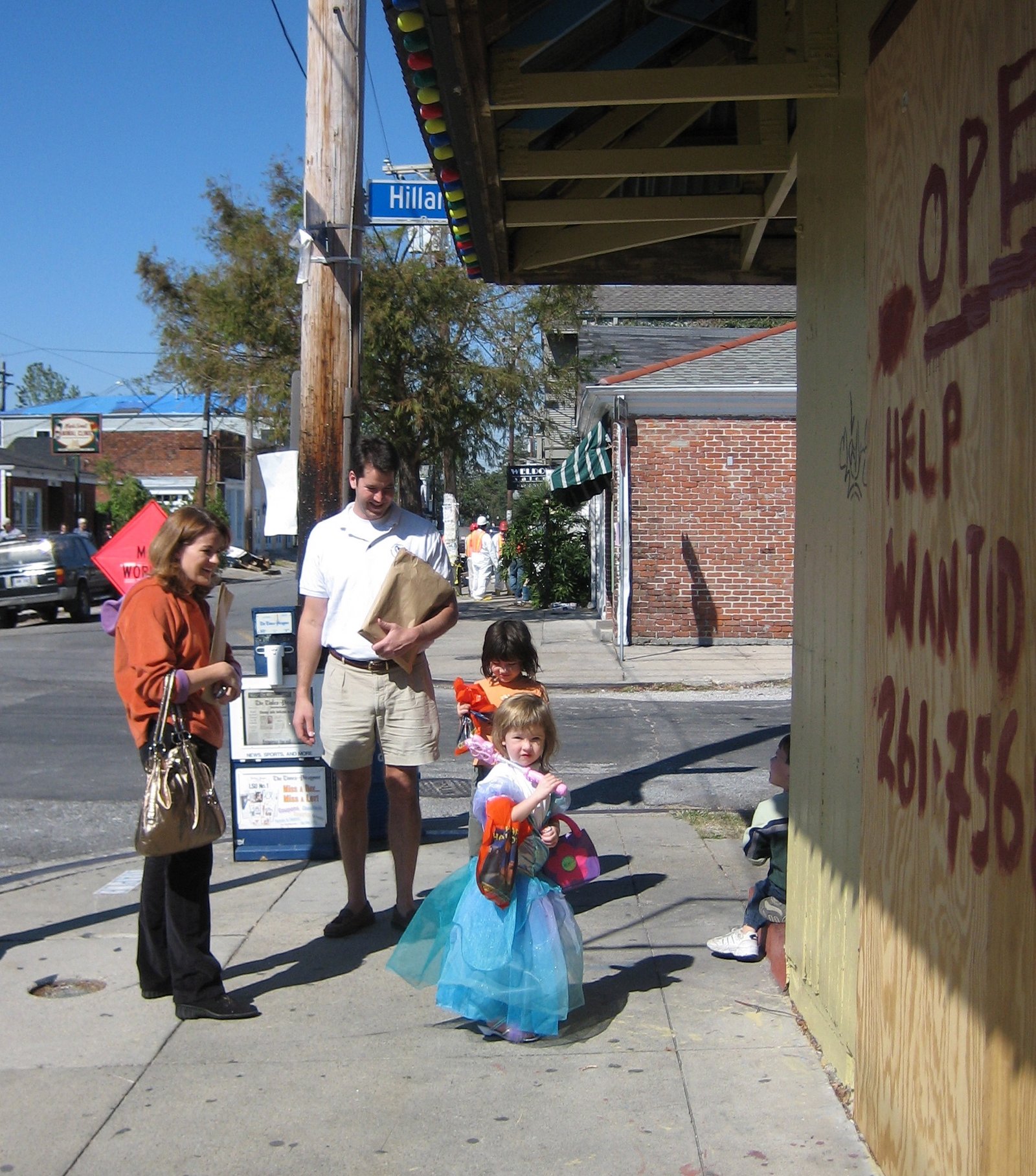
Halloween, with its tradition of trick-or-treating and late-night parties, has prompted concerns about public safety and juvenile crime. In the late 20th century, cities across the U.S. began implementing curfew laws restricting minors’ activities on Halloween night. These laws were a response to spikes in vandalism and other incidents reported by police departments each October. Studies from the National Institute of Justice show that cities with Halloween curfews experienced significant drops in youth-related crimes during the holiday. The relationship between this beloved festival and curfew legislation is a classic example of how traditions can prompt lawmakers to act.
Chinese New Year and Fireworks Regulations
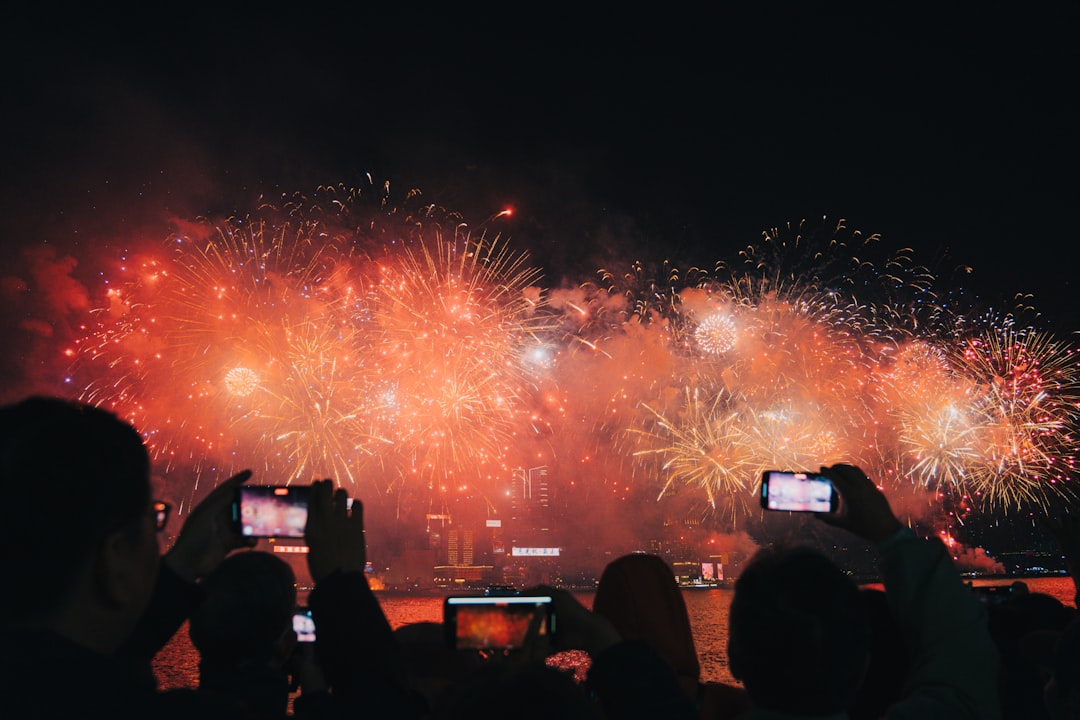
Chinese New Year festivals, known for their spectacular fireworks displays, have led to tighter regulations in many American cities. Concerns about fires, air quality, and injuries prompted lawmakers to restrict the use of fireworks or require special permits during the holiday. Cities like San Francisco and Los Angeles introduced designated fireworks zones and mandatory safety inspections for public displays. These measures were credited with reducing fire-related incidents, as reported by local fire departments. The evolving laws around Chinese New Year celebrations highlight how cultural festivals can spark broader public safety reforms.
Puerto Rican Day Parade and Anti-Discrimination Enforcement
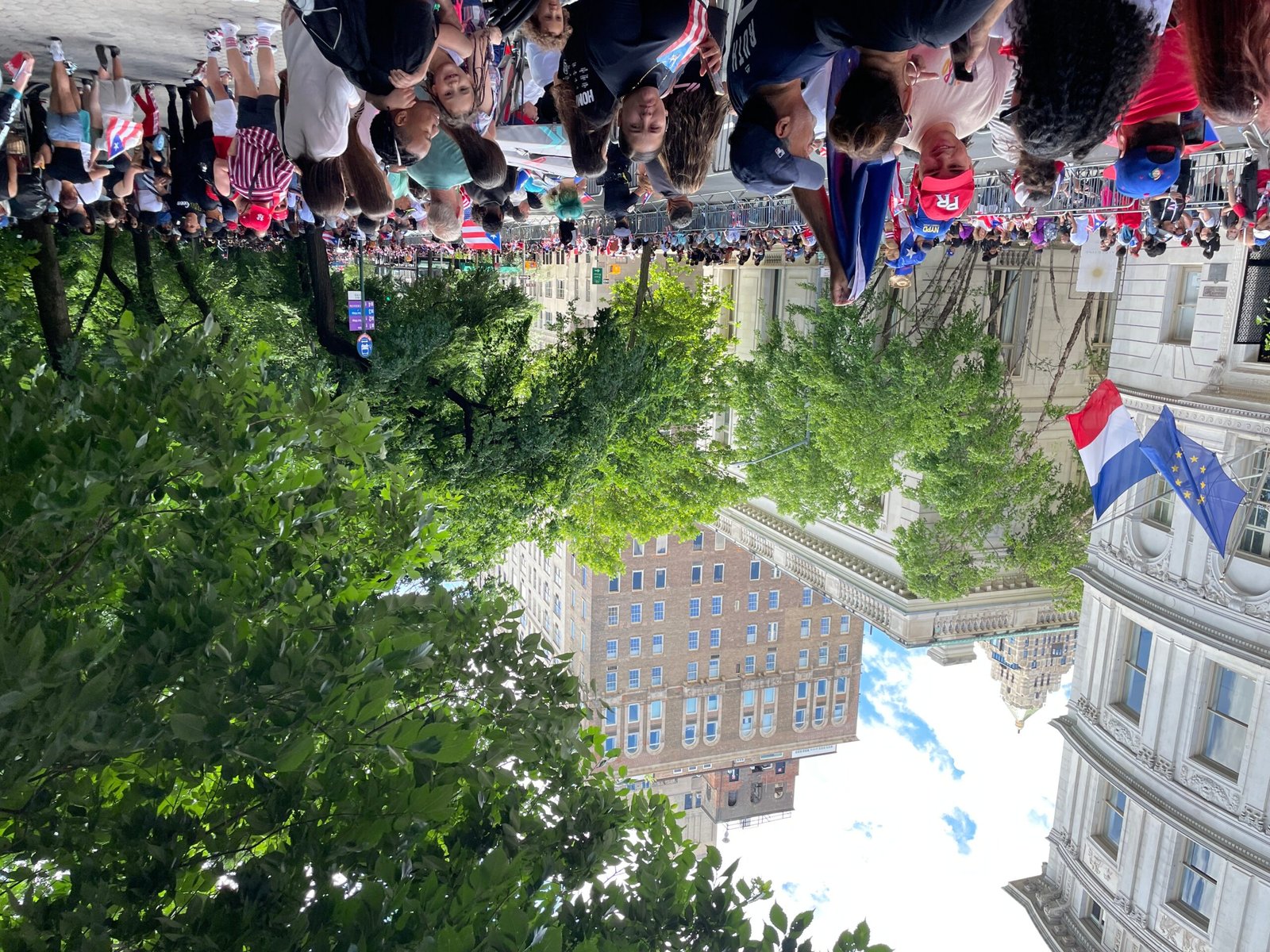
The Puerto Rican Day Parade in New York City is a vibrant celebration of culture, but it hasn’t been without controversy. A series of high-profile incidents involving harassment in the late 1990s led to a public outcry. In response, the city strengthened enforcement of anti-discrimination and harassment policies at public events. Law enforcement increased their presence, and organizers worked with officials to create codes of conduct for participants and vendors. According to annual NYPD reports, complaints of harassment have dropped since these measures were put in place. The parade’s influence continues to shape how cities handle diversity and inclusion at major festivals.
National Night Out and Community Policing Laws
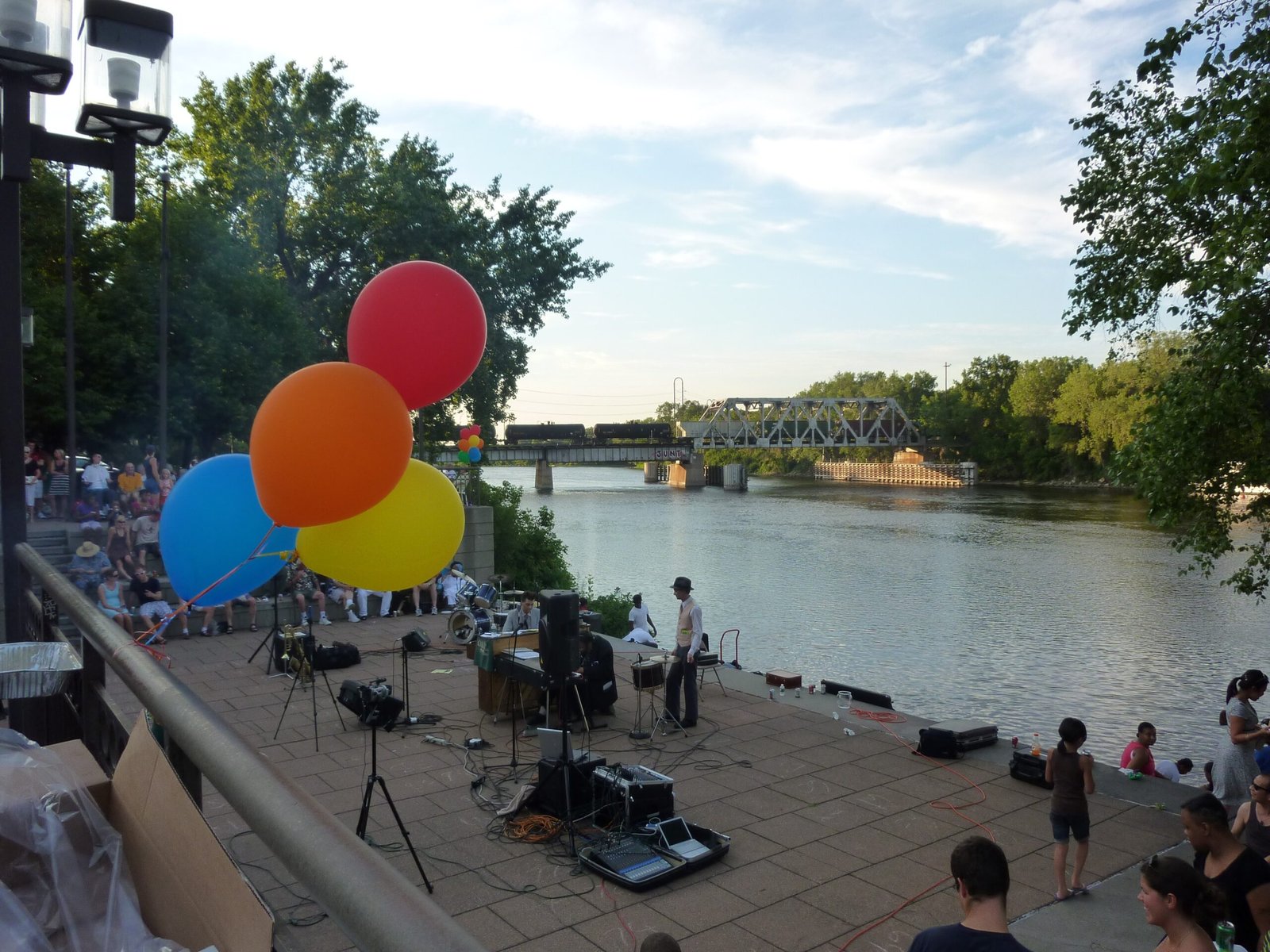
National Night Out, an annual event promoting police-community partnerships, has inspired cities to adopt new community policing policies. The festival’s focus on neighborhood gatherings and crime prevention has led to greater funding for community policing programs and the introduction of neighborhood watch initiatives. Data from the Bureau of Justice Statistics shows that cities with active National Night Out events report higher levels of trust between residents and law enforcement. The event’s success has influenced federal grants and local ordinances supporting community engagement and public safety efforts.
Women’s March and Gender Equality Legislation
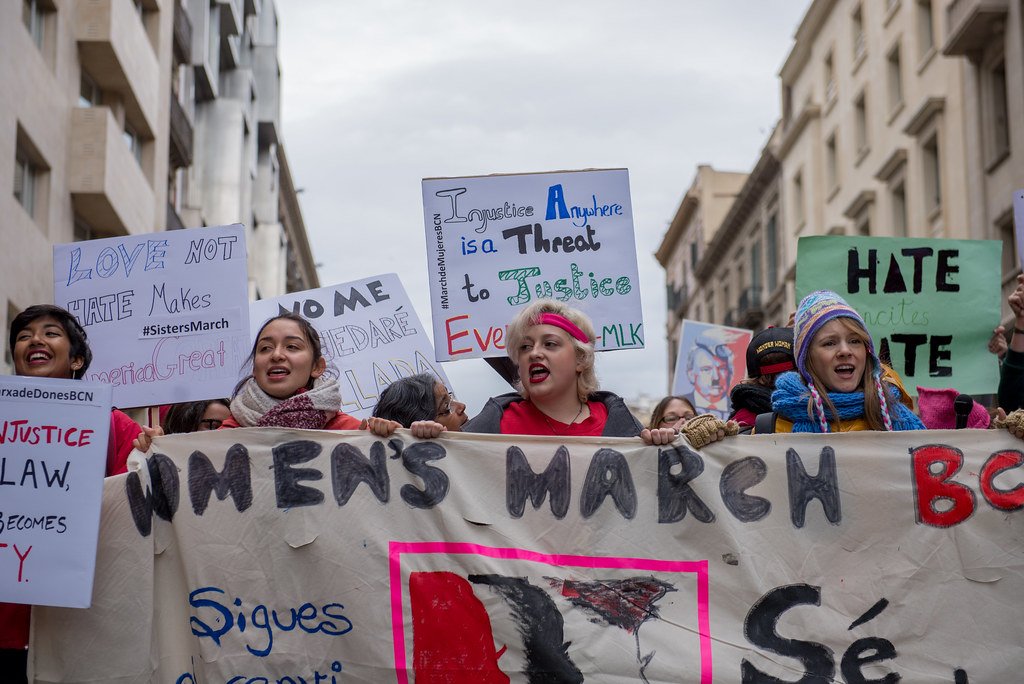
The Women’s March, first held in 2017, quickly became one of the largest single-day protests in U.S. history. The sheer scale and visibility of the event brought issues like equal pay, reproductive rights, and workplace harassment into the legislative spotlight. Lawmakers introduced and passed bills addressing these concerns, including the Paycheck Fairness Act and measures combating sexual harassment in the workplace. The momentum from the Women’s March also pressured state legislatures to adopt gender equality resolutions and update sexual harassment policies. According to Pew Research Center, support for gender equality laws has increased since the march’s inception.
National Cherry Blossom Festival and Tourism Policy
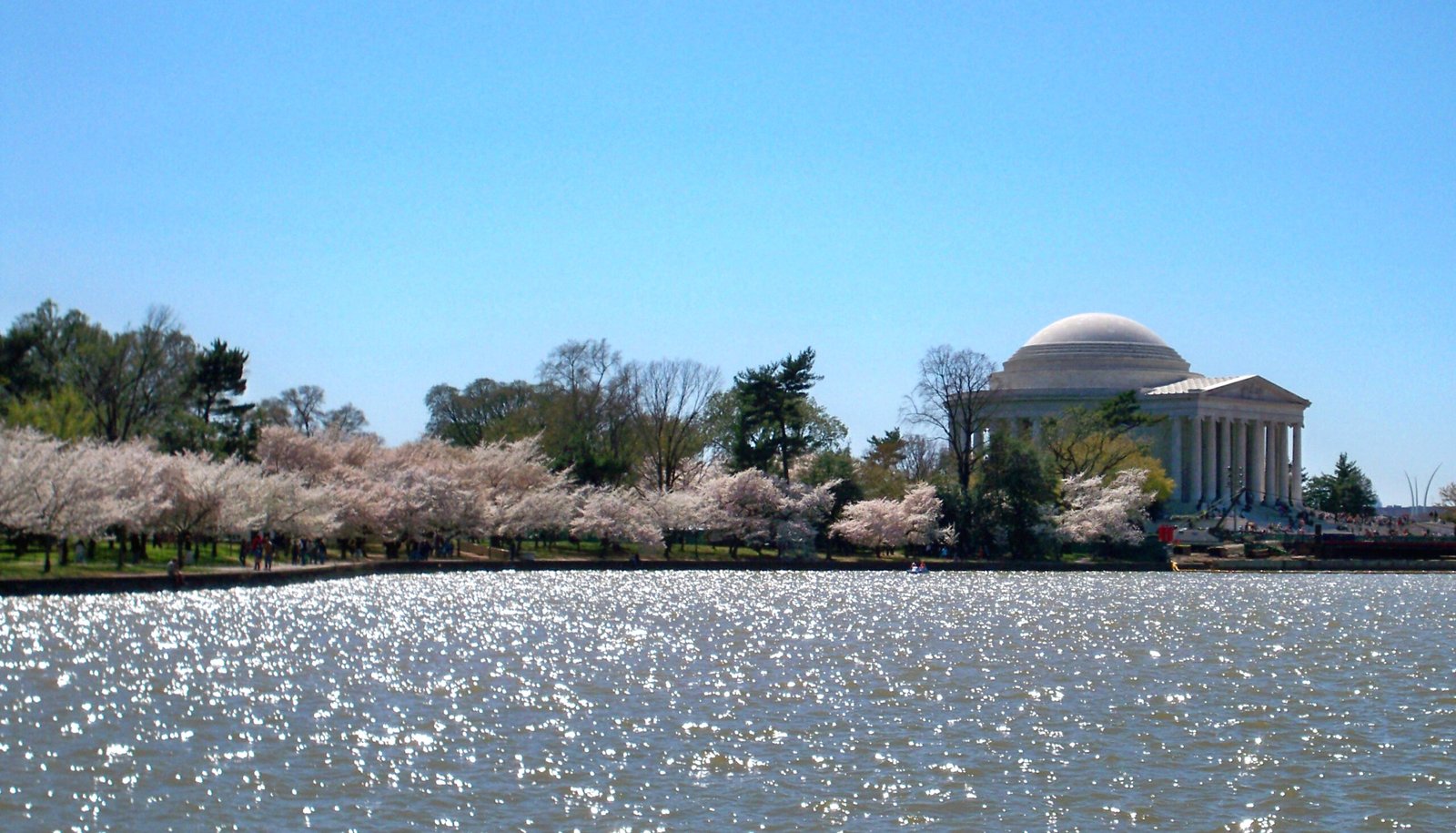
Washington, D.C.’s National Cherry Blossom Festival draws over a million visitors annually. The event’s popularity highlighted the need for improved infrastructure and tourism management policies. Lawmakers responded by investing in public transportation, enhancing park maintenance, and streamlining permitting for vendors and performers. The festival’s economic impact—estimated at over $150 million per year—prompted other cities to adopt similar tourism-friendly policies for their own major events. Reports from the D.C. Office of Tourism show that these legislative changes have boosted local business and improved visitor satisfaction.
Thanksgiving Parades and Safety Regulations for Floats
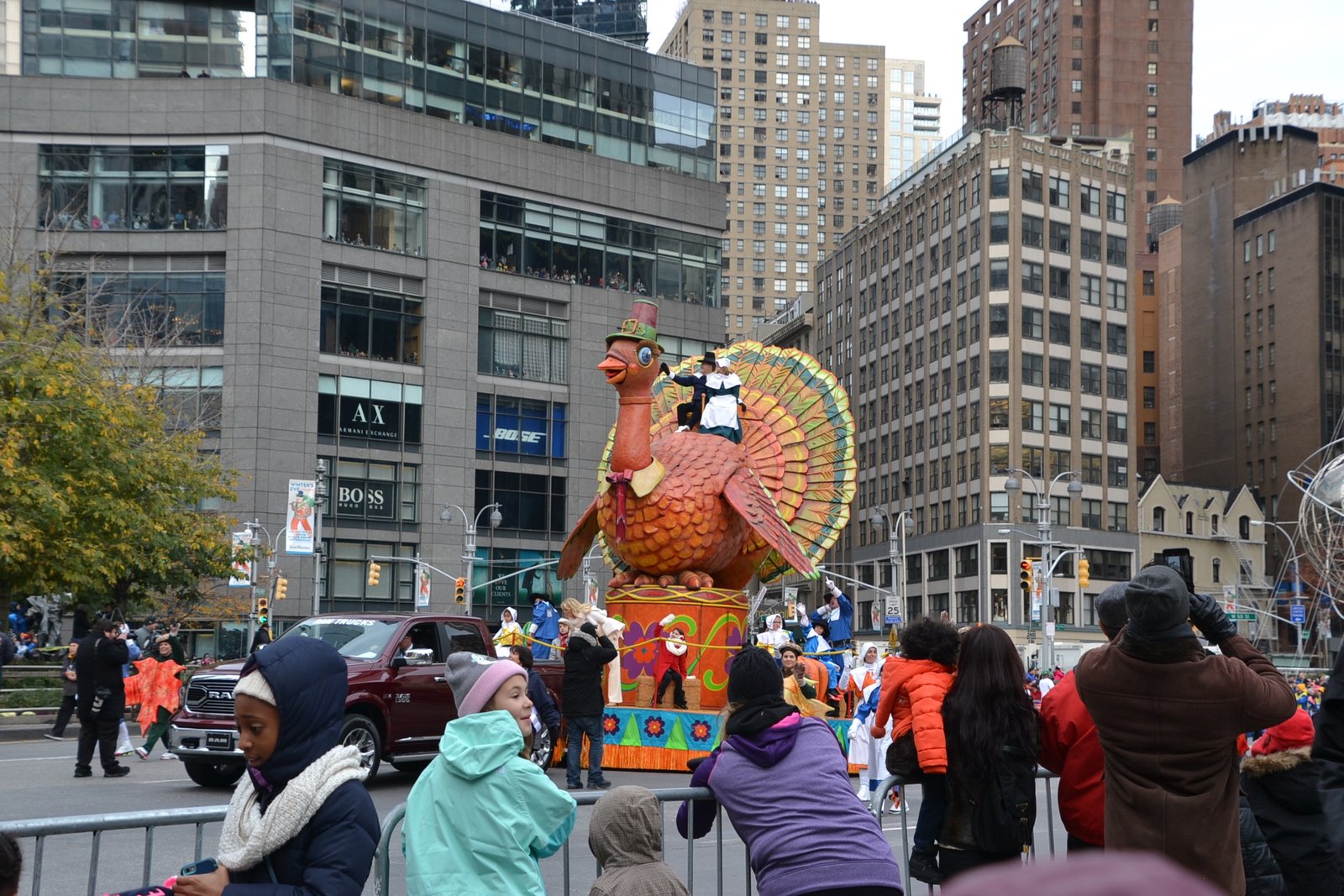
Thanksgiving parades, especially the iconic Macy’s Parade in New York, have influenced safety legislation for parade floats and large public events. After several accidents involving floats in the 1980s and 1990s, lawmakers required stricter inspections and safety certifications for all parade vehicles and inflatables. These regulations included mandatory fire safety measures, operator training, and emergency response plans. The new rules have helped prevent injuries and property damage, with the New York City Fire Department reporting fewer parade-related incidents in recent years. The evolution of float safety laws is a testament to how cherished traditions can drive important policy changes.
End.

Christian Wiedeck, all the way from Germany, loves music festivals, especially in the USA. His articles bring the excitement of these events to readers worldwide.
For any feedback please reach out to info@festivalinside.com
