
1. The Great Gatsby by F. Scott Fitzgerald
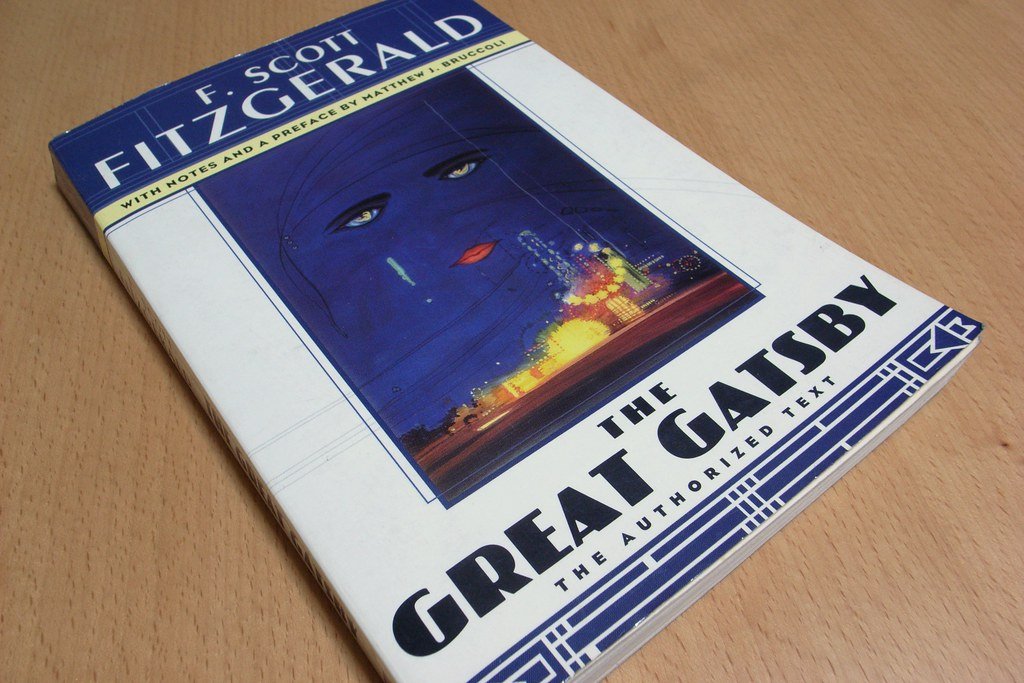
Not many people know that “The Great Gatsby” almost ended very differently. Early drafts reveal that Fitzgerald initially considered having Gatsby survive the shooting. Letters between Fitzgerald and his editor, Maxwell Perkins, show the author wrestling with how much to focus on Gatsby’s death versus his hopeful dreams. Ultimately, Fitzgerald chose the tragic ending we know, but the alternate drafts remain in archives for scholars to study. Some literary experts suggest that if Gatsby had lived, the story’s critique of the American Dream would have been less impactful. The alternate ending only came to light in 2013 when Princeton University released Fitzgerald’s notes to the public. Fans still debate how the novel’s legacy might have shifted with a living Gatsby.
2. Harry Potter and the Deathly Hallows by J.K. Rowling
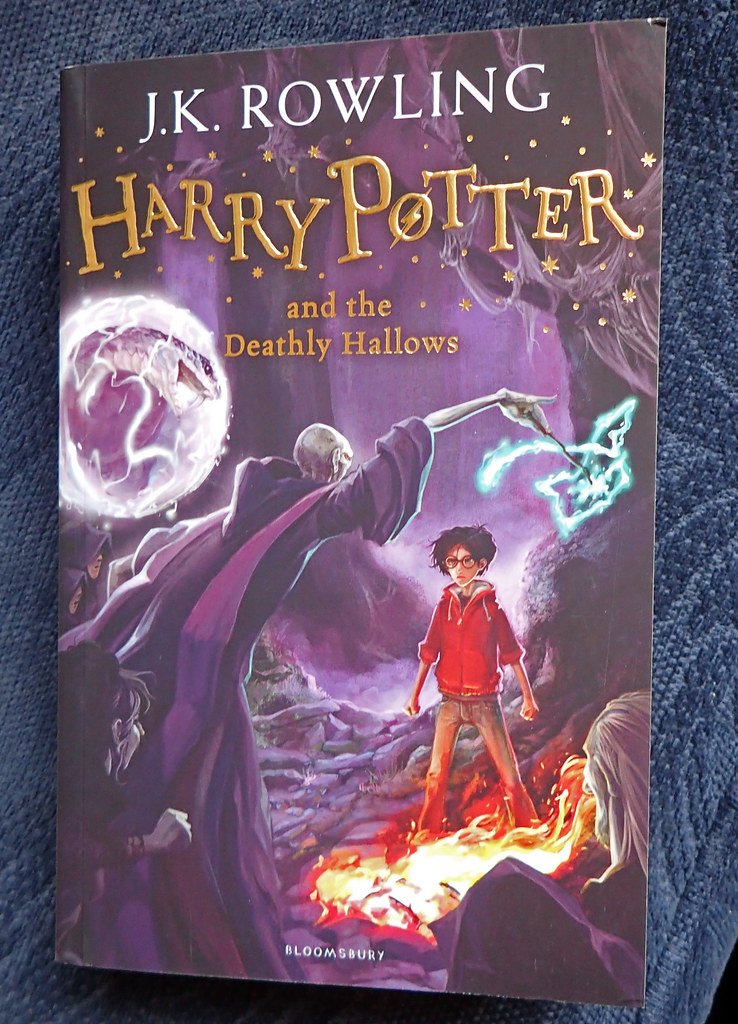
J.K. Rowling shocked readers when she admitted in interviews that she considered killing off Ron Weasley instead of letting him survive the series’ epic battle. Rowling revealed in 2012 that during a particularly dark period, Ron’s death was a real possibility to add emotional weight to the story. Early manuscript notes reportedly contained sketches of alternate endings where Harry and Hermione were left alone to face Voldemort. Rowling ultimately decided to keep the trio intact, feeling that Ron’s presence was essential to the series’ sense of hope. This behind-the-scenes revelation led to heated discussions in fan communities worldwide. The alternate ending is now a staple of “what if” lists for Potterheads.
3. 1984 by George Orwell
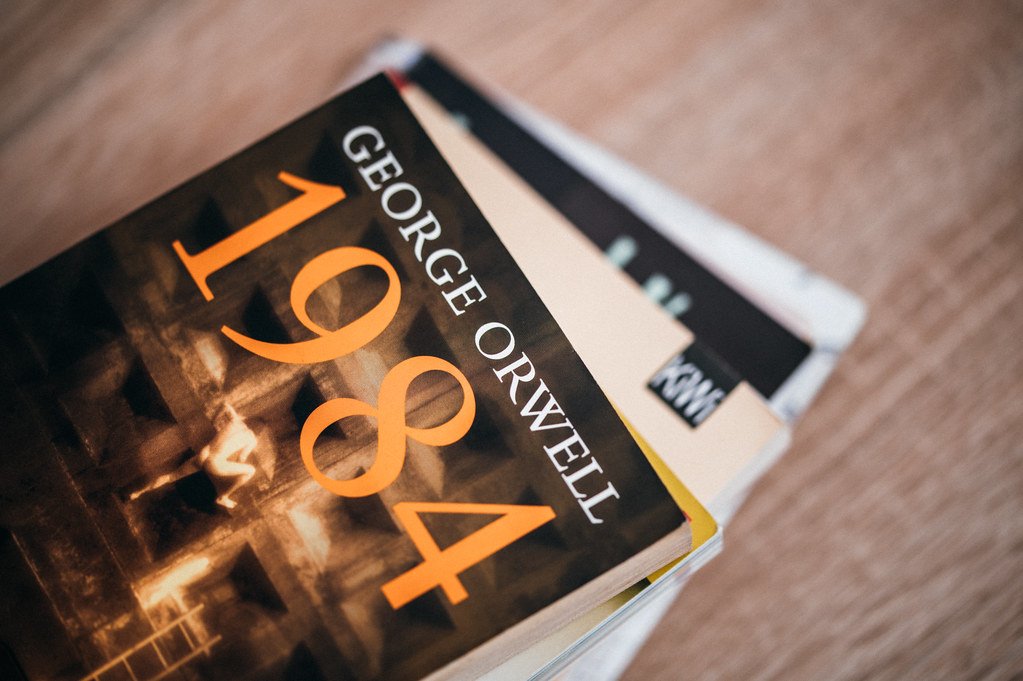
“1984” is famous for its bleak conclusion, but Orwell’s original manuscript included a glimmer of hope for Winston and Julia. Scholars who examined Orwell’s drafts at the University College London found that in one version, Winston and Julia attempted an escape together. Instead of complete defeat, Winston’s final thoughts revolved around rebellion and future uprisings. However, Orwell chose the darker ending to underline his warning against totalitarianism. The alternate ending was discussed in a 2023 BBC documentary exploring Orwell’s writing process. The discovery gave fans a new perspective on Orwell’s intentions and the power of the book’s message.
4. Charlie and the Chocolate Factory by Roald Dahl
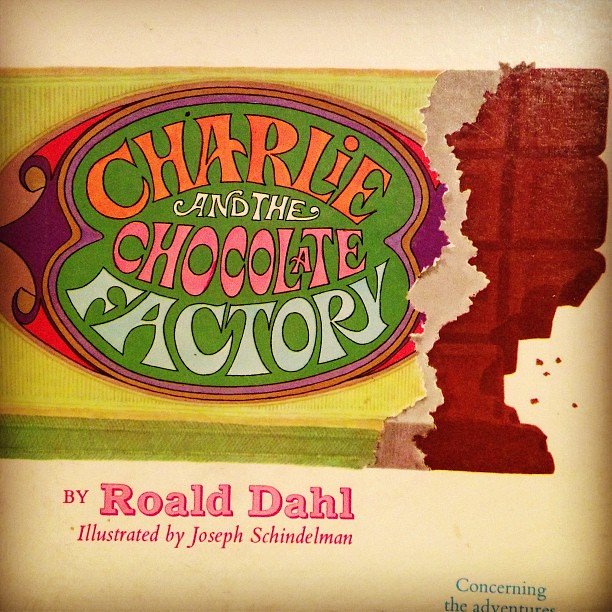
Roald Dahl’s beloved children’s book nearly ended with Charlie refusing the chocolate factory. Dahl’s first drafts, made public in the Dahl Museum archives, show Charlie giving up the factory to return to his humble life. Dahl’s publisher pushed for a more uplifting conclusion, citing children’s need for hope and reward. In 2016, a biography revealed that Dahl went through several rewrites before settling on the familiar ending. The alternate version would have drastically changed the moral lesson of the story. This hidden history has sparked debates about what makes a children’s story truly satisfying.
5. Gone With the Wind by Margaret Mitchell
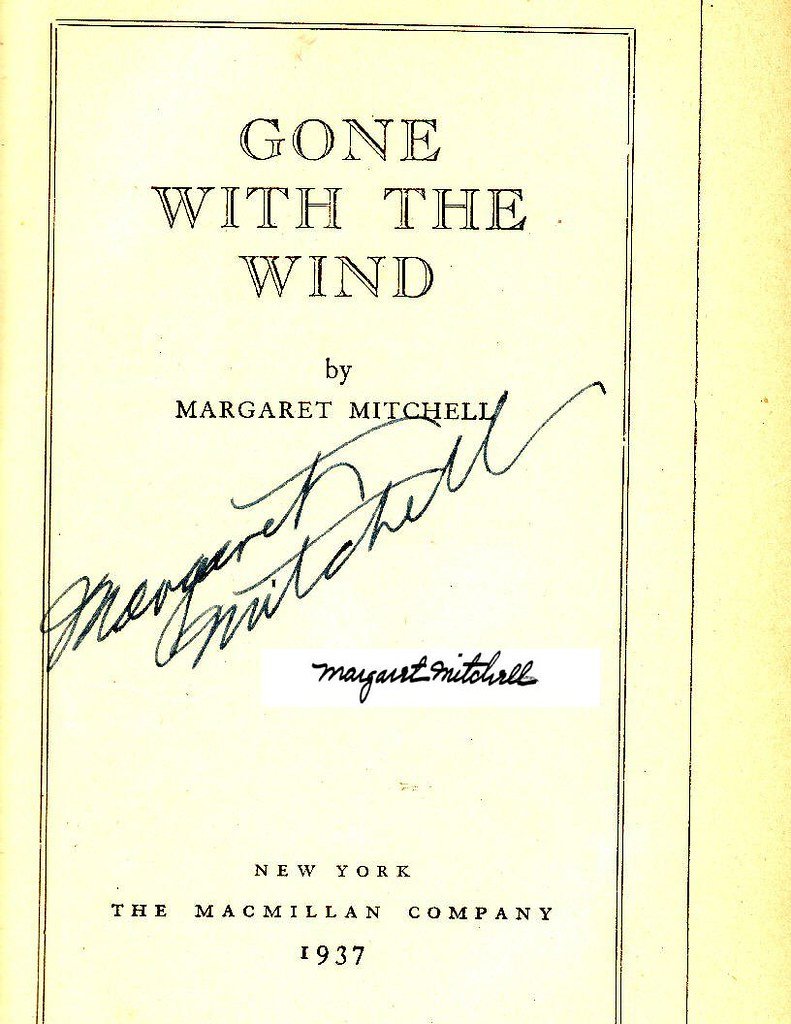
Margaret Mitchell’s “Gone With the Wind” is known for its unresolved, bittersweet ending. But Mitchell’s letters and early manuscript pages, analyzed by the Atlanta History Center in 2020, indicate she once wrote a more definitive reconciliation between Scarlett and Rhett. In one draft, Rhett returns, and the couple chooses to rebuild their lives together. Mitchell reportedly scrapped this ending to preserve Scarlett’s independence and the story’s realism. Fans continue to speculate about which ending would have made for a better legacy. The alternate ending helps explain why the novel’s conclusion still provokes such strong reactions.
6. The Fault in Our Stars by John Green
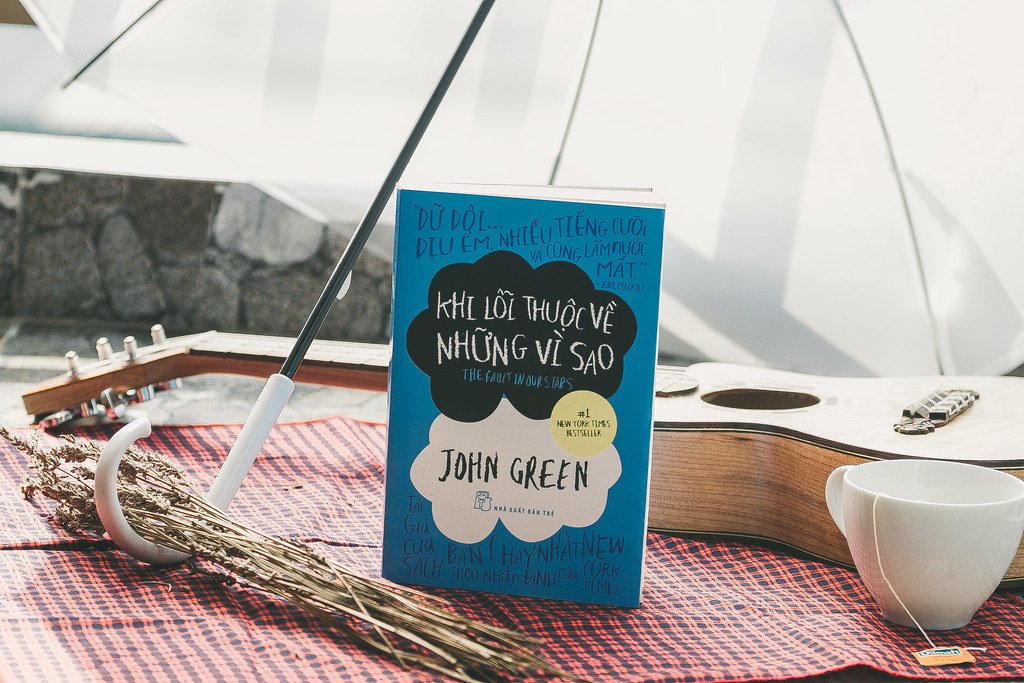
John Green’s heartbreaking novel almost had a more hopeful ending. In a 2017 podcast, Green discussed how his earliest drafts saw Augustus Waters survive and continue a long-distance relationship with Hazel. However, Green decided the story needed to reflect the unpredictable nature of life and loss. Editors encouraged him to stick to his original vision, but the alternate ending remains a topic of fascination for readers. The existence of this version is confirmed by Green’s own blog posts, where he shared snippets of scrapped chapters. The alternate ending would have changed the book’s emotional impact entirely.
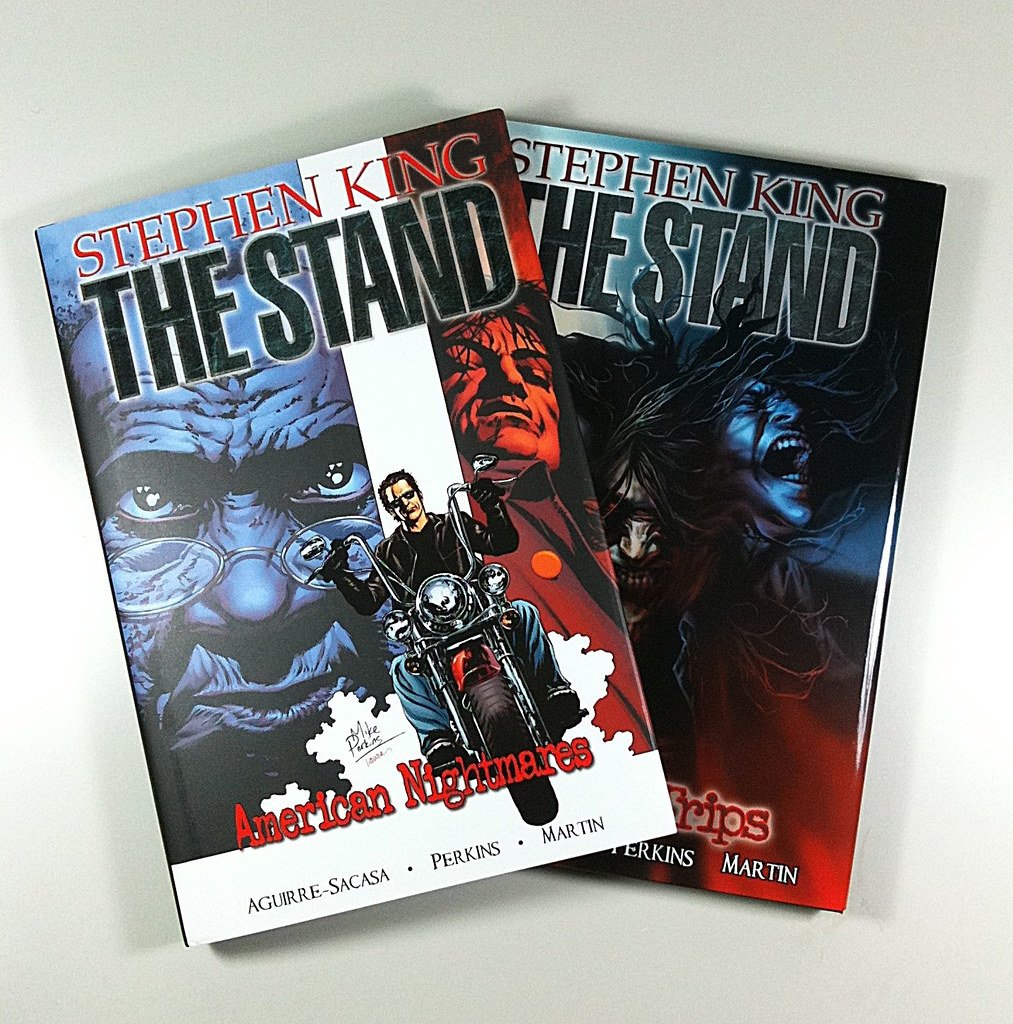
7. The Stand by Stephen King
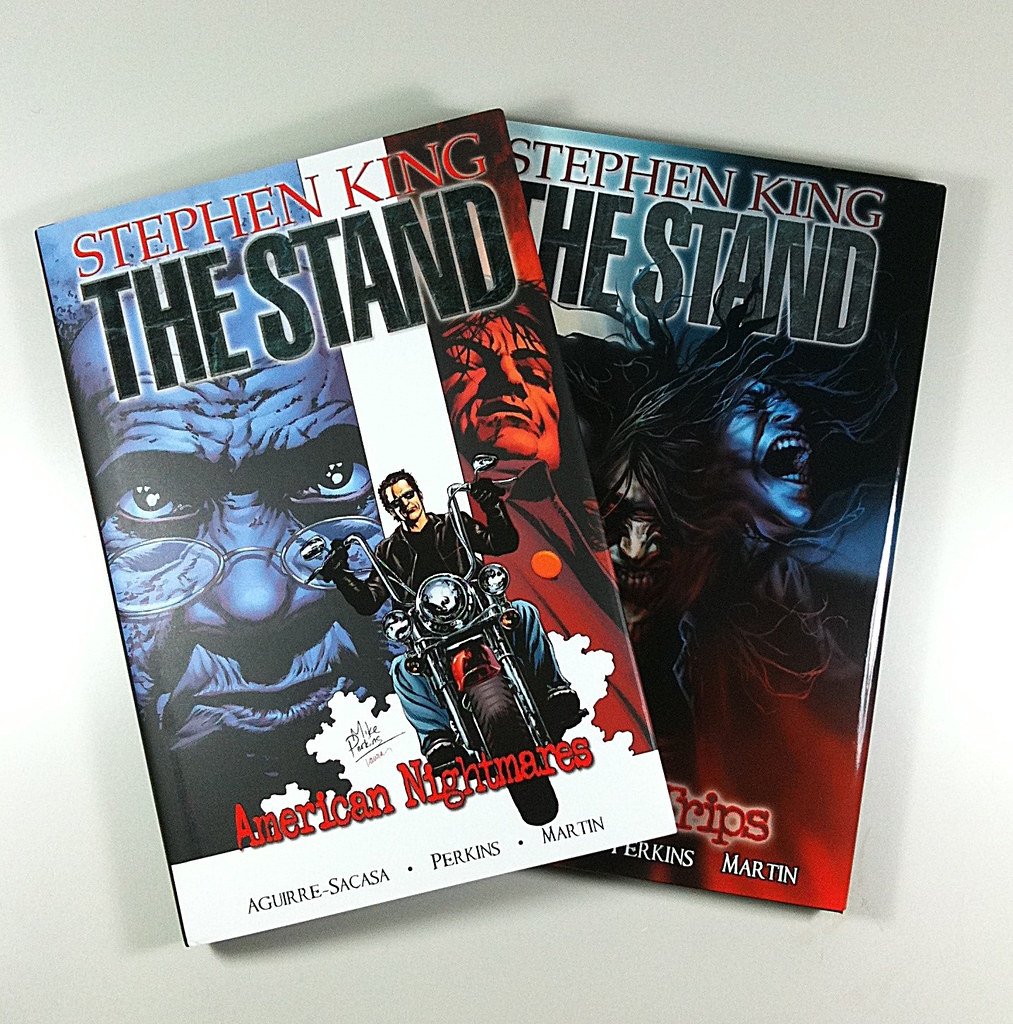
Stephen King is well-known for revising his works, and “The Stand” is no exception. In interviews and essays, King revealed that he considered an ending where the evil Randall Flagg triumphs and society fails to recover. The first draft, according to King’s memoir “On Writing,” was much bleaker, with humanity succumbing to chaos. King’s editors convinced him to give the story a sliver of hope, resulting in the final published ending. The alternate ending is discussed on fan forums and in critical essays about King’s writing process. Readers who have seen King’s unpublished notes are divided over which ending is more fitting.
8. Life of Pi by Yann Martel
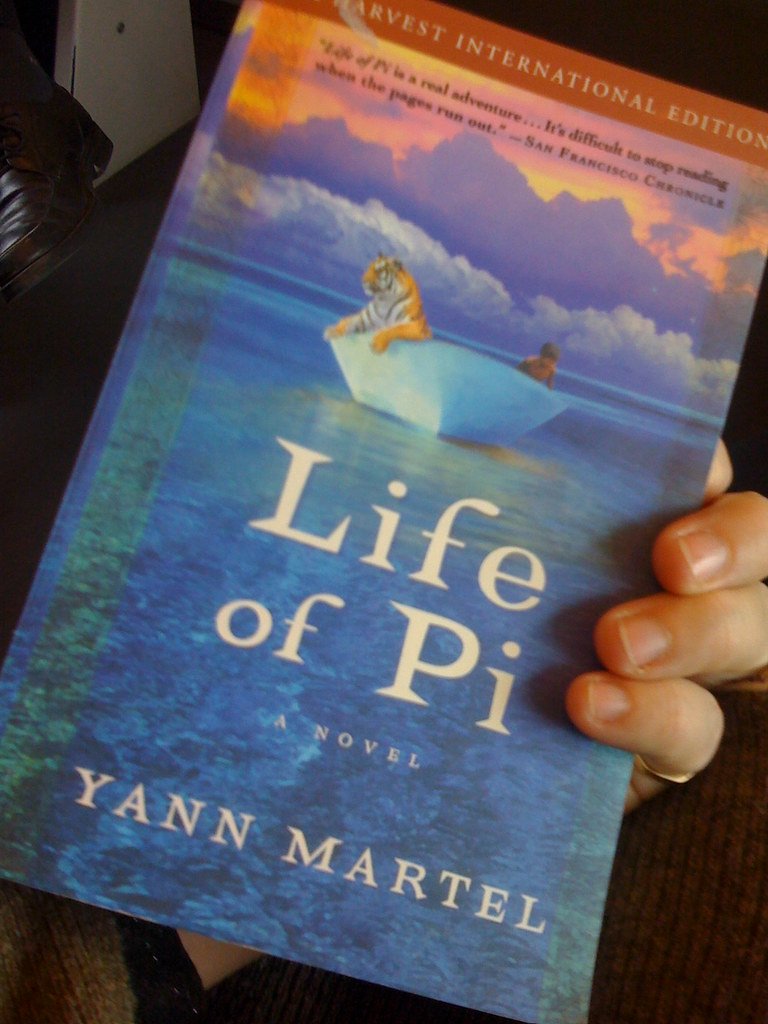
“Life of Pi” famously provides two possible endings, but Martel’s notes reveal a third, more mysterious version. In interviews published in 2022, Martel described an unused ending where Pi makes it to land but refuses to speak of his journey altogether. Instead of recounting his ordeal, Pi embraces silence, leaving his rescuers forever puzzled. Martel felt this ending was too ambiguous for readers. The alternate version, which can be found in early galleys housed in the University of Victoria, adds another layer of intrigue to the novel’s exploration of truth and storytelling.
9. The Catcher in the Rye by J.D. Salinger
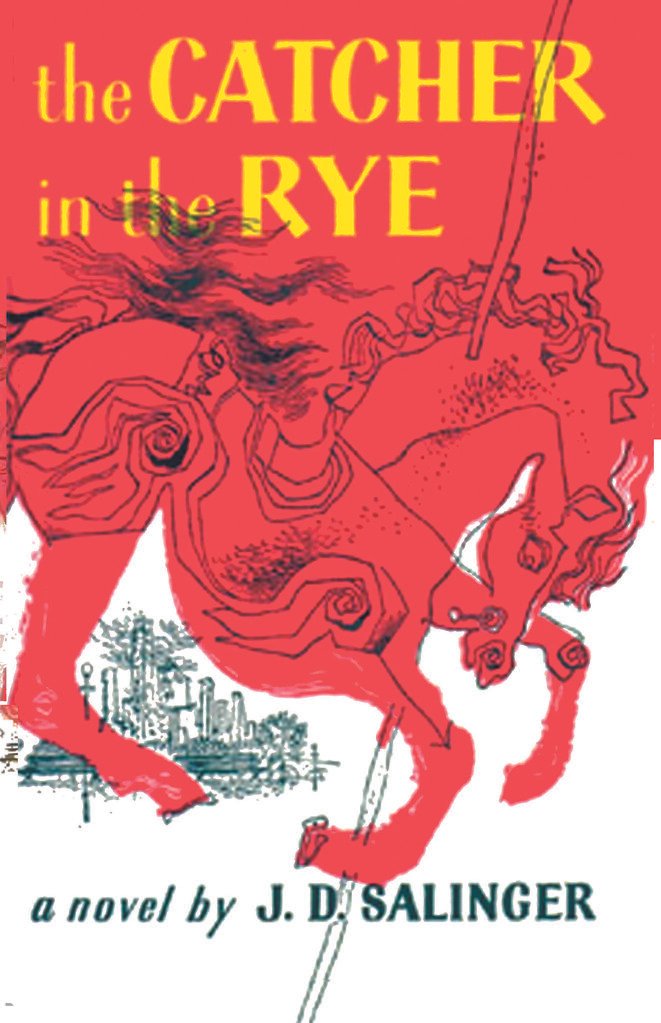
Salinger’s iconic novel almost concluded with Holden Caulfield finding a sense of peace and belonging. According to a 2021 biography, Salinger’s early drafts had Holden reconnect with his family and begin therapy. Salinger’s publisher, however, felt this ending undermined the novel’s raw honesty. The darker, unresolved ending was chosen to reflect the realities of mental health struggles. Salinger’s private correspondence, released after his death, confirms the existence of these alternate drafts. Fans still wonder what impact a more hopeful conclusion might have had on generations of readers.
10. The Handmaid’s Tale by Margaret Atwood
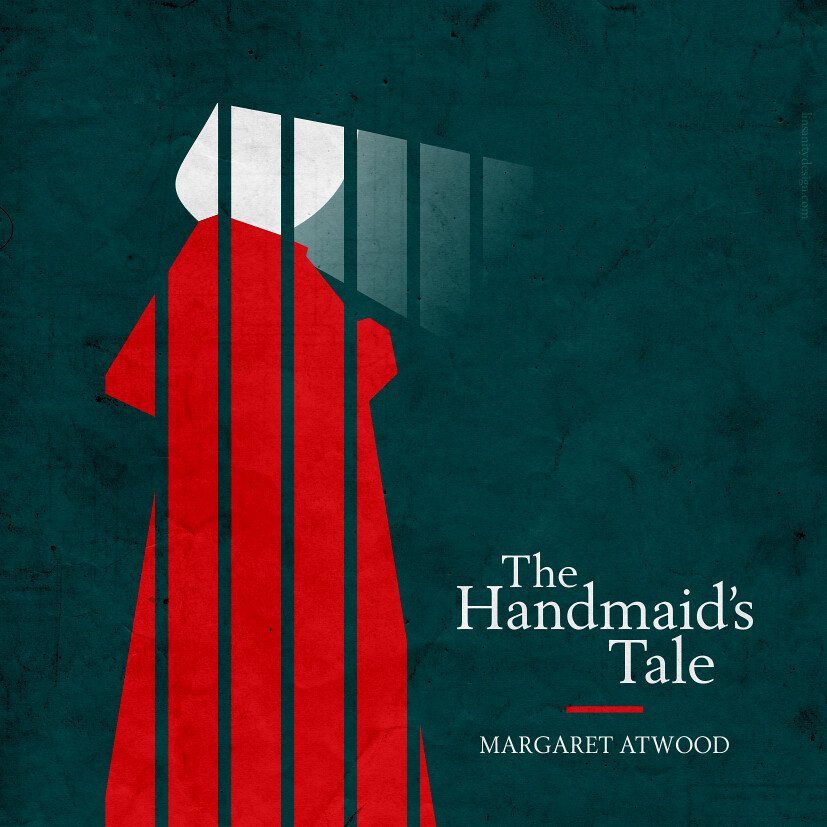
Margaret Atwood’s dystopian classic originally included a direct reunion between Offred and her daughter. Atwood revealed in a 2019 interview that she considered letting Offred escape Gilead and find her family. However, Atwood decided against this, believing that a more ambiguous ending would better reflect the uncertainty faced by real women in oppressive regimes. Drafts with the alternate ending were displayed at the Toronto Public Library’s Atwood exhibit in 2020. This revelation gave fans a new lens through which to interpret the novel’s haunting conclusion.
11. A Clockwork Orange by Anthony Burgess
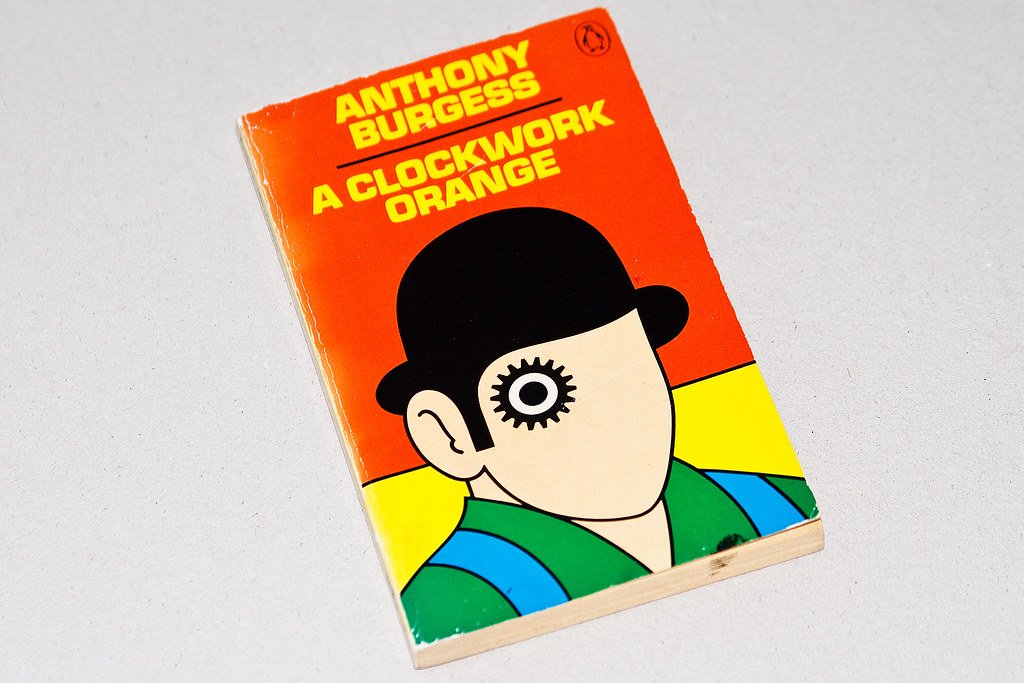
The American and British editions of “A Clockwork Orange” have different endings, a fact many readers overlook. The original UK ending, which Burgess preferred, saw Alex grow out of his violent ways and seek a normal life. The US edition, however, omits this chapter, ending with Alex still trapped in a cycle of violence. Burgess himself discussed this discrepancy in a 2012 interview, expressing regret that American readers missed the story’s message of hope and redemption. The alternate ending became widely known only after the release of the complete edition in 1986.
12. Little Women by Louisa May Alcott
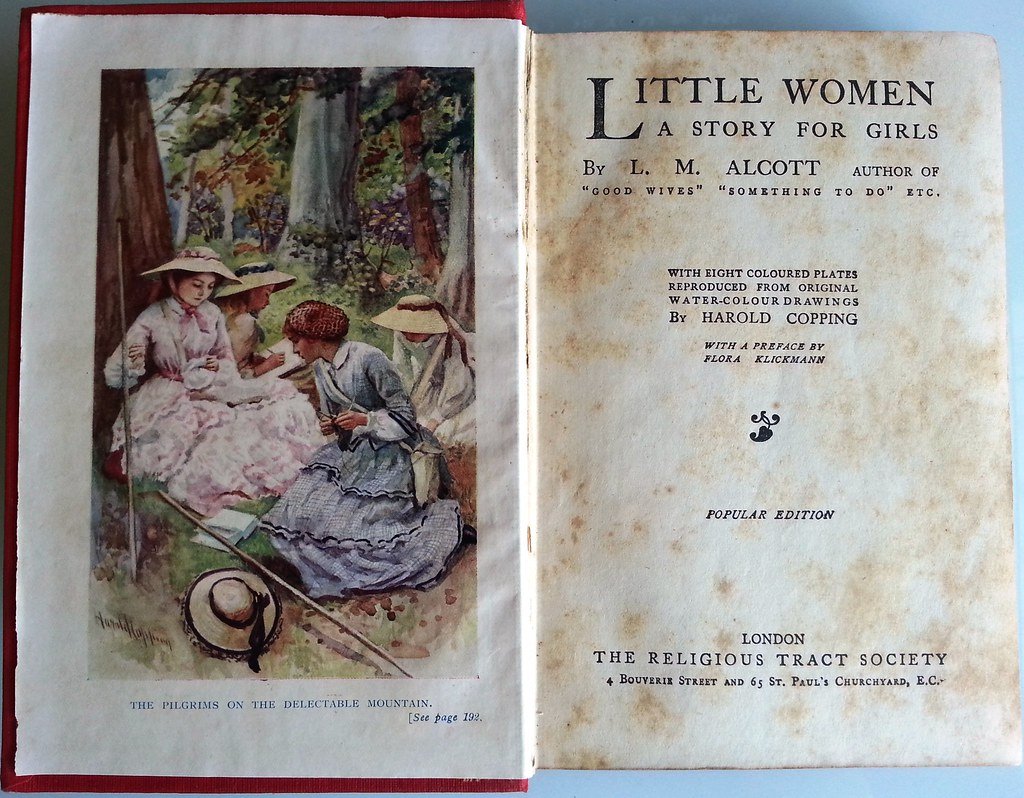
In her letters and journals, Louisa May Alcott admitted she never wanted Jo March to marry at all. Early drafts, kept at the Houghton Library, show Jo remaining single and independent. Publishers pressured Alcott to create a more conventional ending, leading to Jo’s marriage to Professor Bhaer. Alcott’s reluctance has been confirmed by literary historians. The alternate ending has inspired countless adaptations that reimagine Jo’s fate, especially in light of modern conversations about women’s autonomy.
13. Lord of the Flies by William Golding
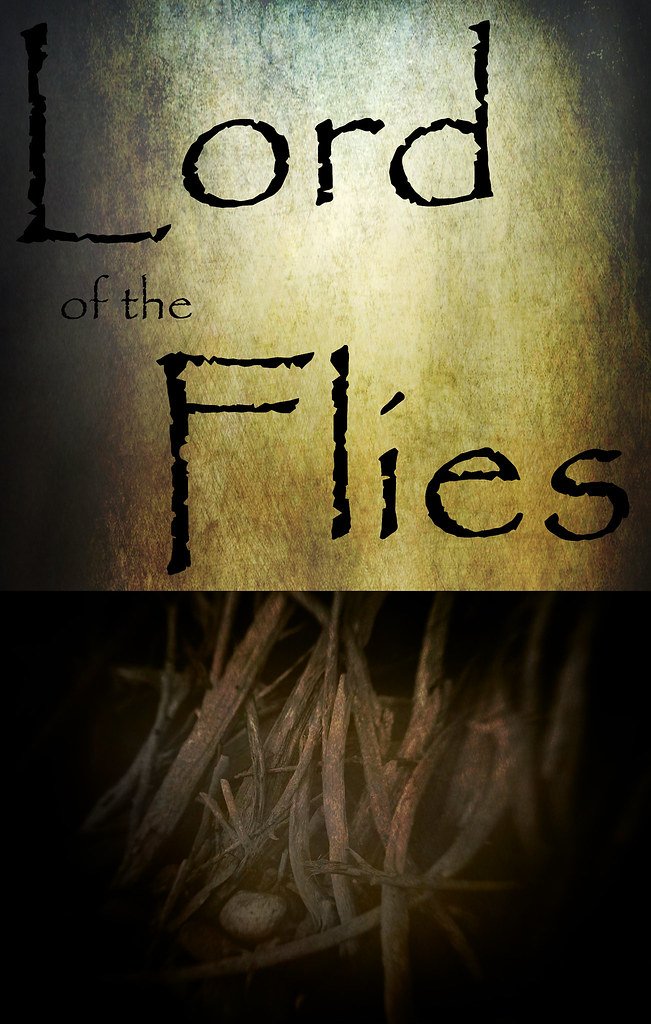
William Golding’s first manuscript for “Lord of the Flies” ended with the boys refusing rescue and choosing to remain on the island. This shocking twist was later changed, as editors feared it would be too disturbing for readers in the post-war era. The alternate ending was discussed in a 2019 BBC radio special commemorating the book’s anniversary. Scholars believe this version would have heightened the novel’s exploration of savagery and civilization. The original manuscript, housed at the University of Exeter, offers a glimpse into Golding’s darker vision.
14. The Giver by Lois Lowry
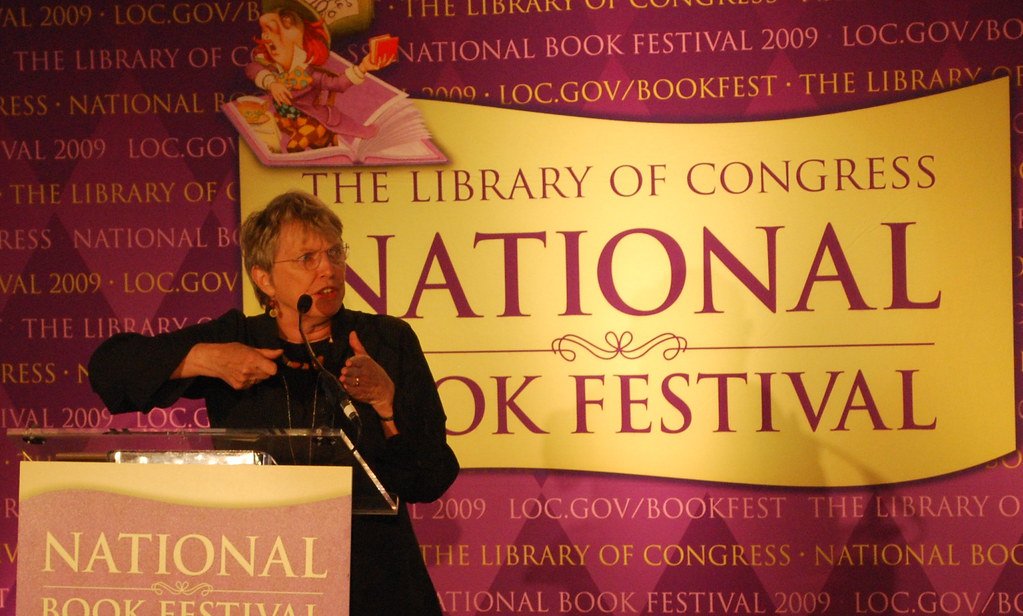
Lois Lowry’s Newbery winner almost concluded with Jonas failing to escape his dystopian society. In a 2018 interview, Lowry discussed her early drafts, which left Jonas and Gabriel’s fate unresolved or implied their deaths. Editors encouraged Lowry to opt for a more hopeful, open ending. These alternate drafts are archived in the Kerlan Collection at the University of Minnesota. Fans often speculate on what message the book would have sent with a bleaker conclusion.
15. The Lion, the Witch and the Wardrobe by C.S. Lewis
C.S. Lewis’s early manuscripts, examined by the Bodleian Library, show that Narnia’s Pevensie children were originally meant to remain in Narnia forever. Lewis changed the ending after discussions with fellow writers, believing that returning to the real world made the story more relatable for young readers. The alternate ending was first revealed in a 2015 biography by Alister McGrath. The idea of the children never returning to England opens up a host of possibilities about Narnia’s fate.
16. Dracula by Bram Stoker
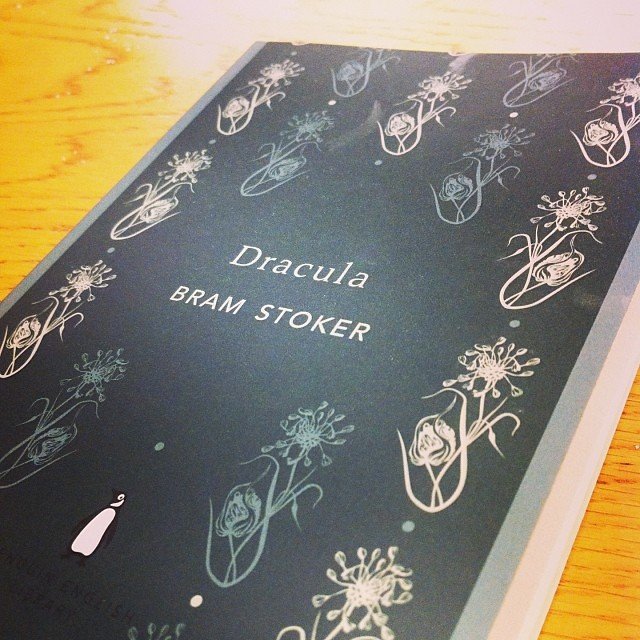
Bram Stoker’s notes, uncovered by scholars at Trinity College Dublin, suggest that “Dracula” nearly ended with the Count surviving and escaping to America. Stoker’s original epilogue hinted at a new wave of terror in the New World. The published ending, with Dracula’s destruction, was chosen to give closure to Victorian readers. The alternate ending is a favorite topic at literary conventions and was highlighted in a 2024 History Channel special on vampire mythology.
17. The Hobbit by J.R.R. Tolkien
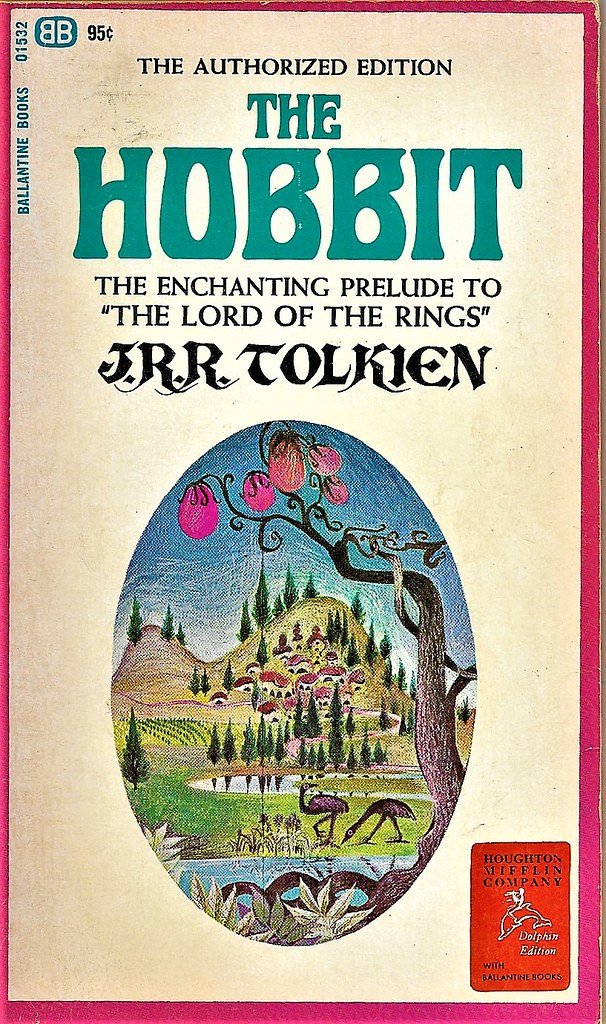
Tolkien’s early drafts, available at the Bodleian Library, show that Bilbo was supposed to die heroically in the Battle of Five Armies. Tolkien struggled with whether to end the story on a note of sacrifice or triumph. Family letters released by the Tolkien Estate in 2019 confirm these debates. Eventually, Tolkien opted for a peaceful return home, reinforcing the book’s themes of growth and change. The alternate ending would have made “The Hobbit” a much darker tale.
18. The Outsiders by S.E. Hinton
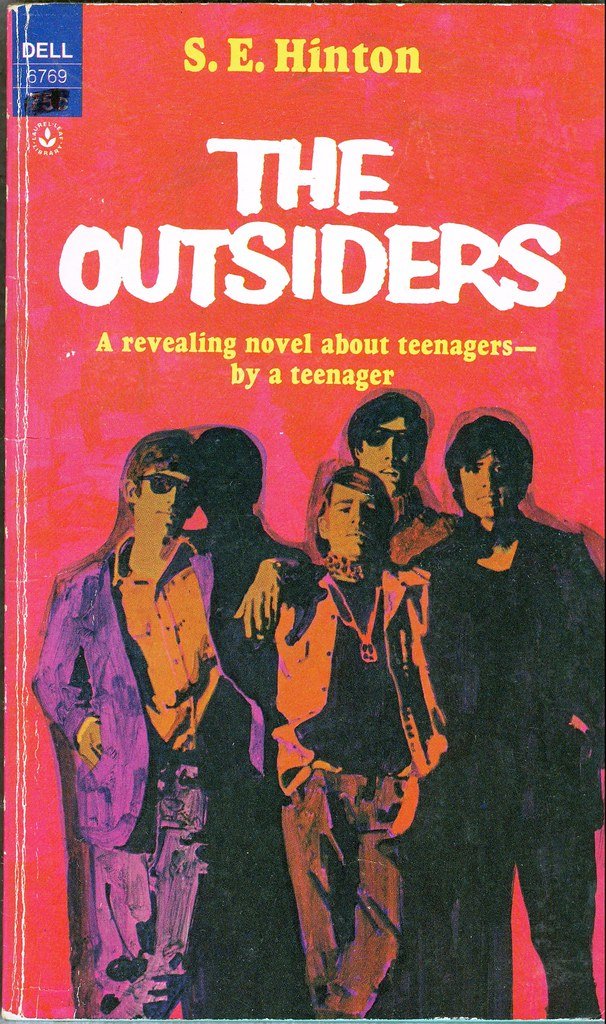
S.E. Hinton’s classic almost closed with Ponyboy’s death. Hinton revealed in a 2017 interview that her first draft ended with a tragic car accident, cementing the story as a cautionary tale. Editors encouraged her to keep Ponyboy alive to highlight themes of hope and resilience. The alternate ending is discussed in academic papers exploring the book’s impact on young adult fiction. Hinton’s willingness to share her process has inspired generations of young writers.
19. Animal Farm by George Orwell
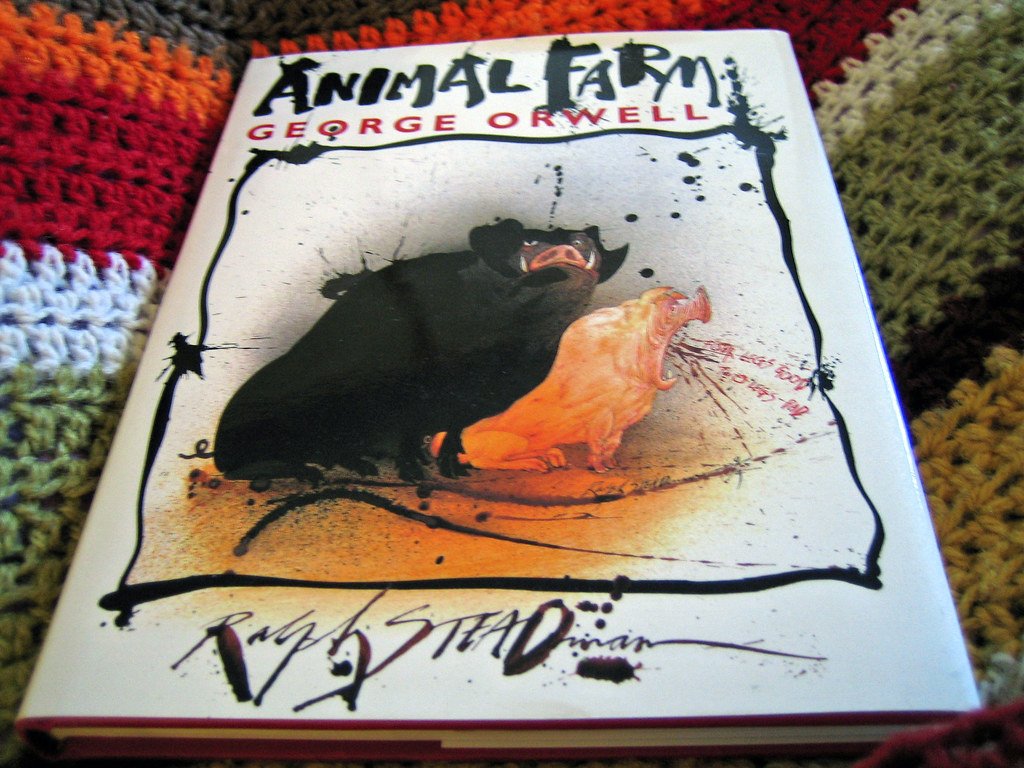
Orwell’s satirical novella almost featured the animals successfully rising up against the pigs. Early manuscript pages, discussed in a 2023 Oxford University panel, show scenes of rebellion and renewed equality. Orwell ultimately rejected this ending, believing it would undermine his allegory about the cyclical nature of power. The existence of these drafts offers insight into Orwell’s evolving views on revolution and corruption. The alternate ending remains a subject of debate among scholars.
20. Matilda by Roald Dahl
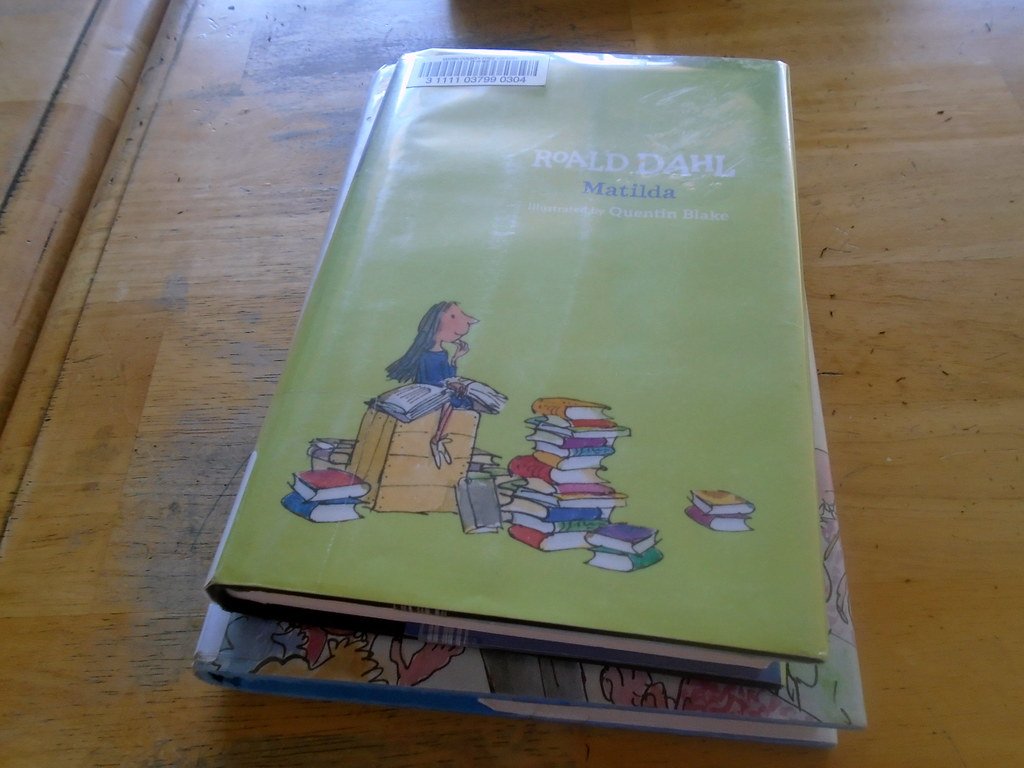
Roald Dahl’s original ending for “Matilda” saw the young genius using her powers to become a world-famous performer. Dahl’s drafts, displayed at the Roald Dahl Museum, depict Matilda leaving her family for a life on stage. Editors suggested a quieter, more heartfelt resolution, with Matilda finding a loving home with Miss Honey. The alternate ending would have taken the story in a more fantastical direction. Fans delight in speculating how this version would have changed Matilda’s legacy.

Besides founding Festivaltopia, Luca is the co founder of trib, an art and fashion collectiv you find on several regional events and online. Also he is part of the management board at HORiZONTE, a group travel provider in Germany.
