
- The 20 Impossible 60s–70s Music Quiz for Hardcore Fans - December 21, 2025
- 14 Songs That Were Almost Never Released – And Changed Everything - December 21, 2025
- 20 Epic Coming-of-Age Books You Wish You Read Sooner - December 21, 2025
1. The Flexner Report (1910) by Abraham Flexner
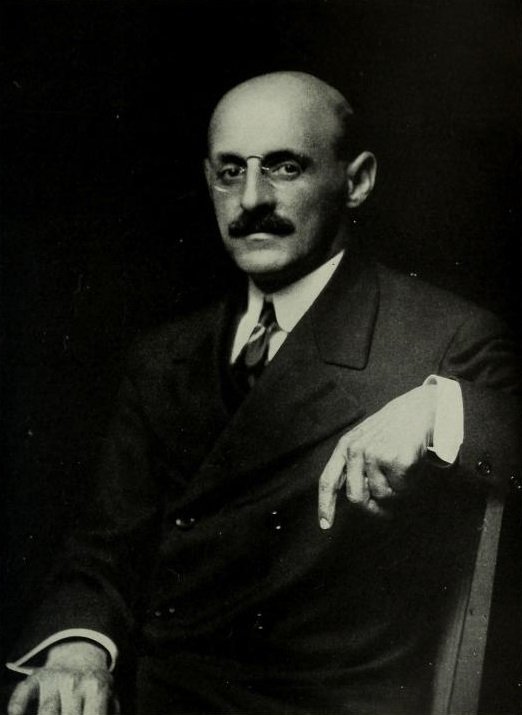
Few books have shaken the American medical system like the Flexner Report. In 1910, Abraham Flexner’s work exposed the chaos and inconsistency in U.S. medical schools. His findings forced the closure of more than half of them, leading to a new era of rigorous medical education. The report emphasized scientific research and hands-on clinical training, which are now cornerstones of American medicine. Today, medical licensure and accreditation trace their roots back to Flexner’s tough standards. According to the Association of American Medical Colleges, his reforms resulted in a drastic improvement in physician quality and patient care. Flexner’s legacy is visible in every U.S. medical school curriculum.
2. The Principles and Practice of Medicine (1892) by Sir William Osler
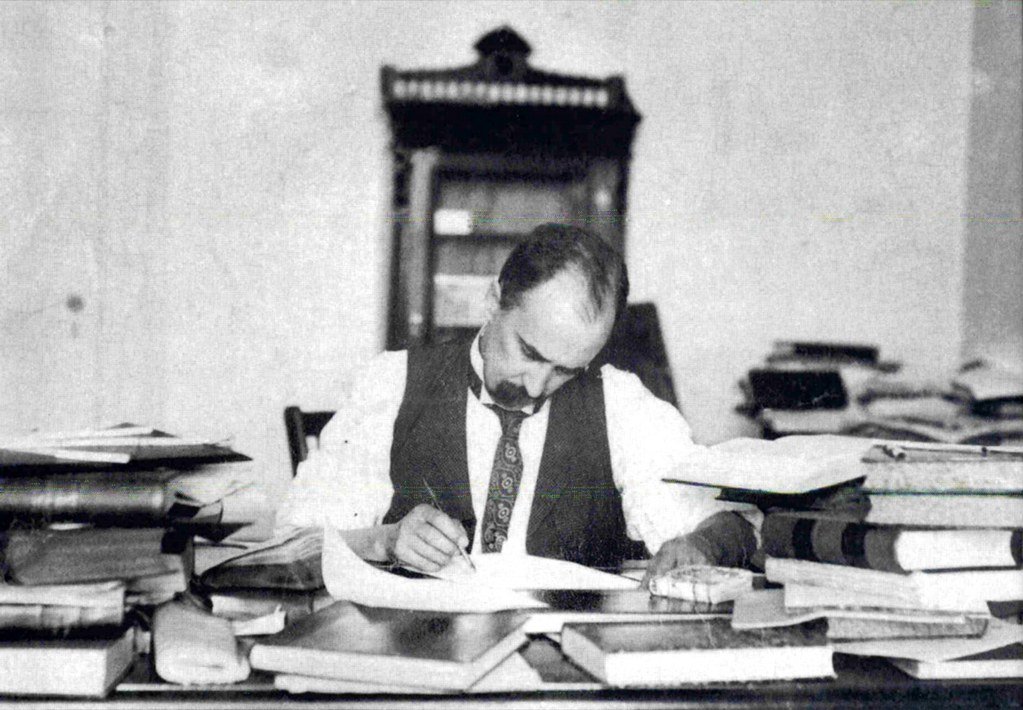
Sir William Osler’s textbook set the gold standard for modern medical education. Before Osler, most physicians learned from lectures and outdated books. Osler insisted on bedside teaching and direct patient care, revolutionizing how doctors learned. His book, updated for decades, became a staple in every American hospital and classroom. The American Medical Association notes that Osler’s methods are still used in teaching hospitals nationwide. His approach fostered empathy in practice and a commitment to lifelong learning, qualities now embedded in the profession.
3. Silent Spring (1962) by Rachel Carson
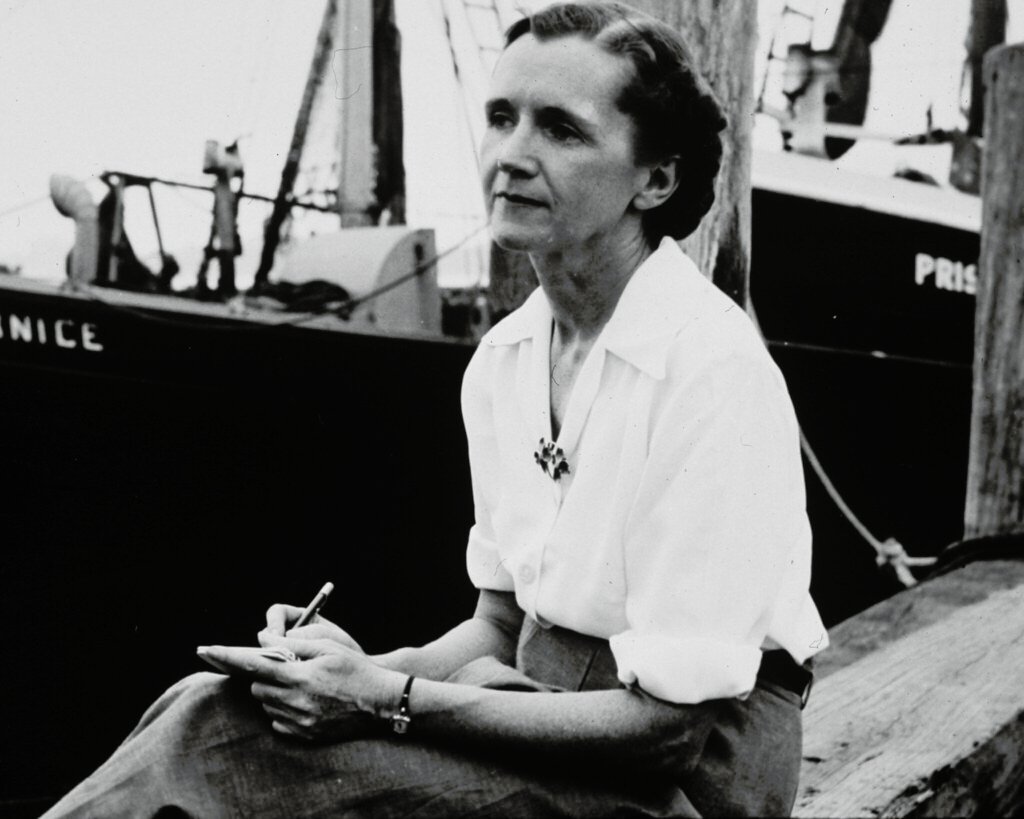
Rachel Carson’s “Silent Spring” is often credited with launching the environmental health movement in America. Carson exposed the dangers of pesticides, especially DDT, linking them to cancer and ecological destruction. Her work sparked public outrage and led to new federal regulations, including the creation of the Environmental Protection Agency in 1970. The National Institute of Environmental Health Sciences credits her book with a surge in research about environmental toxins and their health effects. Carson’s courage helped Americans see that environmental factors could be just as deadly as germs.
4. The Spirit Catches You and You Fall Down (1997) by Anne Fadiman
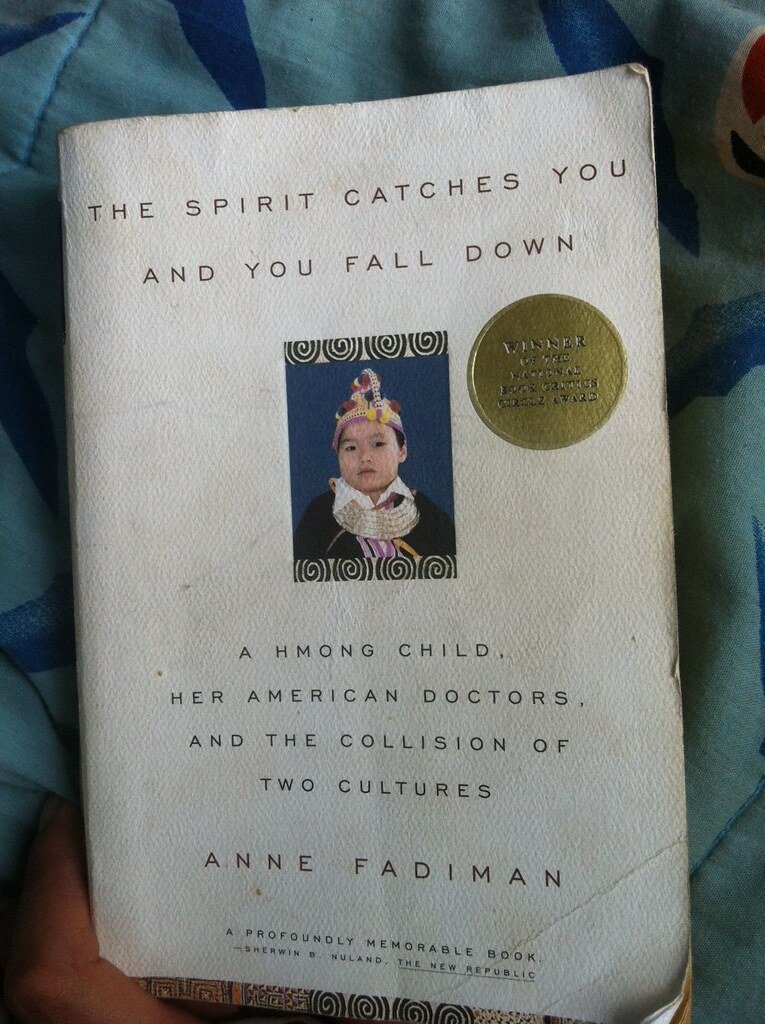
Anne Fadiman’s story of a Hmong child with epilepsy transformed conversations about cultural sensitivity in American healthcare. The book revealed how cultural misunderstandings between doctors and patients could lead to tragedy. Medical schools and nursing programs quickly incorporated the book into their curriculums. The New England Journal of Medicine notes that Fadiman’s work influenced the development of cultural competency training, which is now a requirement in many health professions. The book is still cited in research about health disparities and patient-centered care.
5. The Emperor of All Maladies (2010) by Siddhartha Mukherjee

“The Emperor of All Maladies” offers an epic history of cancer, combining cutting-edge research with gripping storytelling. Mukherjee, an oncologist, describes cancer’s impact on American medicine and public health. The book’s publication coincided with a major push for cancer research funding, including the Cancer Moonshot initiative announced by President Obama. The American Cancer Society reported a 29% drop in cancer death rates between 1991 and 2017, thanks in part to the advances and awareness chronicled in Mukherjee’s work. His book inspired a PBS documentary, reaching millions more with its message.
6. Medical Apartheid (2007) by Harriet A. Washington
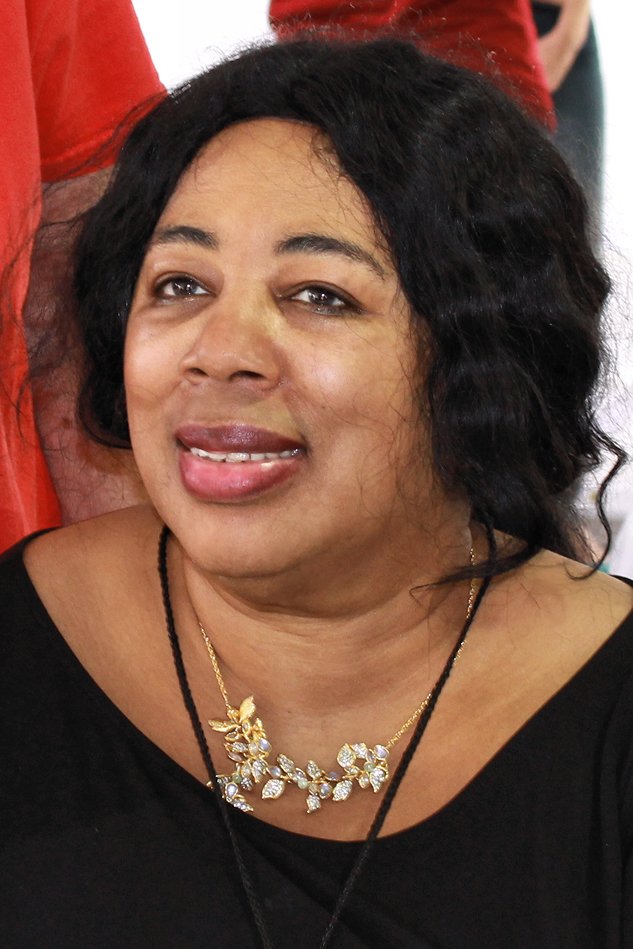
Harriet A. Washington’s “Medical Apartheid” shattered the silence around unethical medical experiments on Black Americans. She meticulously documents abuses like the Tuskegee Syphilis Study and the use of Henrietta Lacks’ cells without consent. Her research led to calls for greater transparency and accountability in clinical trials. The Centers for Disease Control and Prevention now require strict informed consent protocols, a direct response to the scandals Washington exposed. Her book remains essential reading for anyone interested in medical ethics and health equity.
7. Complications: A Surgeon’s Notes on an Imperfect Science (2002) by Atul Gawande

Atul Gawande’s “Complications” peeled back the curtain on the uncertainties and risks of surgery. His candid writing about medical errors and the limits of knowledge made headlines in The New Yorker and The New York Times. The book contributed to a nationwide movement for patient safety and error reporting. According to the Institute for Healthcare Improvement, hospitals that adopted error-reduction practices saw dramatic drops in preventable deaths after Gawande’s book was published. Doctors now speak more openly about mistakes, helping to prevent them.
8. The Immortal Life of Henrietta Lacks (2010) by Rebecca Skloot

Rebecca Skloot’s investigation into Henrietta Lacks and her immortal cancer cells exposed serious ethical issues in medical research. The HeLa cell line, taken without Lacks’ knowledge, was essential for developing vaccines and cancer treatments. After the book’s release, Johns Hopkins University and the National Institutes of Health created new policies for patient consent and genetic privacy. According to the NIH, over 76,000 published studies have used HeLa cells, but now, researchers must follow stricter ethical rules. Skloot’s book led to a critical reckoning about race, consent, and trust in science.
9. The House of God (1978) by Samuel Shem

“The House of God” is a raw, darkly funny novel about the lives of medical interns. Samuel Shem’s book shocked hospitals with its portrayal of stress, burnout, and moral distress. Medical students found comfort in its honesty, while some hospitals banned it. The American Medical Student Association credits the book with sparking new research into physician burnout. In 2024, the National Academy of Medicine reported that up to 54% of doctors show signs of burnout, making Shem’s work more relevant than ever. The book remains a rallying point for reform.
10. On Doctoring (1991) edited by Richard Reynolds and John Stone

This anthology collects essays, poems, and stories about the experiences of being a doctor. “On Doctoring” is widely used in medical schools to teach empathy and reflection. Its influence shows in the growth of narrative medicine, a field that uses storytelling to improve patient care. The Columbia University Narrative Medicine Program, founded in 2000, credits anthologies like this for shaping its approach. The book has touched thousands of readers, reminding doctors that medicine is as much about humanity as it is about science.
11. The Social Transformation of American Medicine (1982) by Paul Starr

Paul Starr’s Pulitzer Prize-winning book tracks the rise of the American medical profession. He explains how doctors became powerful and how health insurance changed care. The book has been cited in Congressional hearings about healthcare reform, including the debates over the Affordable Care Act. According to the Commonwealth Fund, Starr’s analysis explains why the U.S. spends more on healthcare than any other nation—over $4.3 trillion in 2021. Policymakers and students still turn to this book for insight on the system’s flaws and strengths.
12. How Doctors Think (2007) by Jerome Groopman

Jerome Groopman’s bestseller changed how Americans see the doctor’s decision-making process. He explores the cognitive biases that lead to misdiagnosis, using real patient stories and research. The Agency for Healthcare Research and Quality found that diagnostic errors affect at least 12 million Americans each year. After Groopman’s book, more medical schools began teaching critical thinking and cognitive psychology. His work encourages doctors to slow down, listen, and question their assumptions—skills that save lives.
13. The Man Who Mistook His Wife for a Hat (1985) by Oliver Sacks
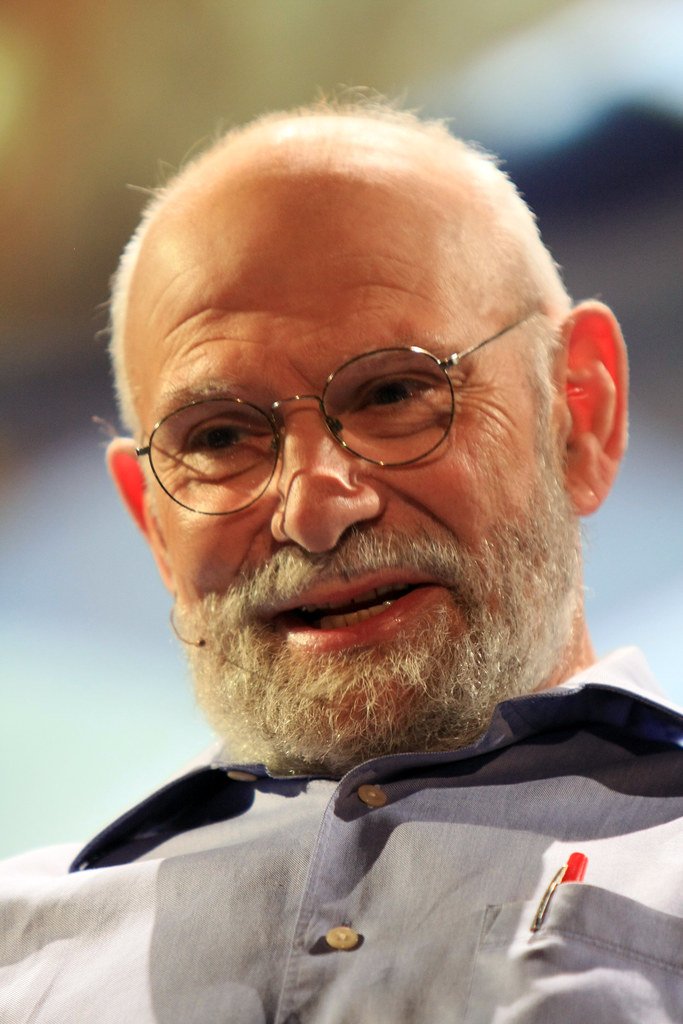
Oliver Sacks’ collection of neurological case studies brought brain science to the masses. His patient-centered stories revealed the mysteries of perception, memory, and identity. Neurology clinics and psychology programs still use Sacks’ cases to teach about complex disorders. According to the American Academy of Neurology, interest in the specialty surged after Sacks’ books popularized the field. His compassionate storytelling helped destigmatize mental illness and cognitive disability.
14. A Brief History of Time (1988) by Stephen Hawking
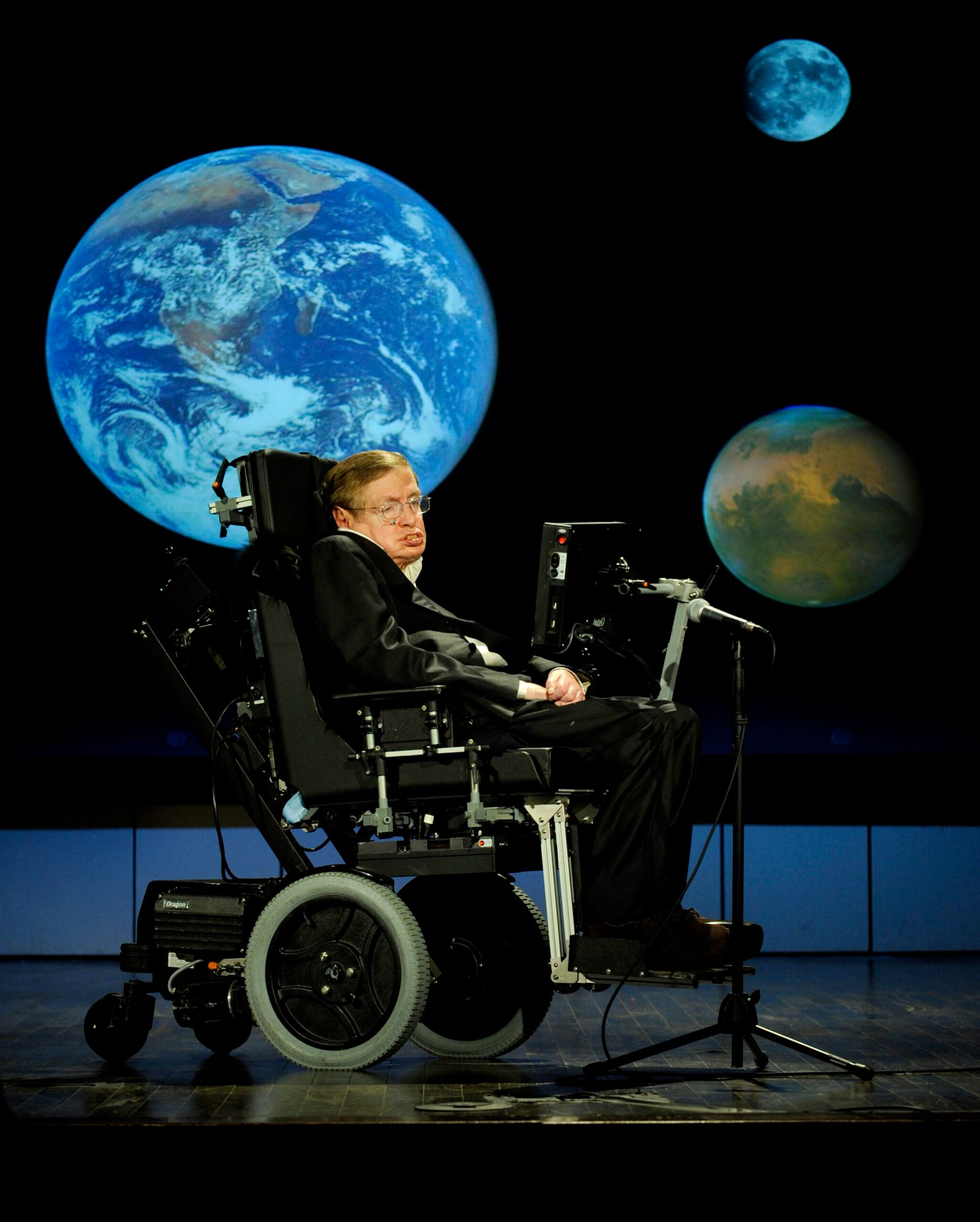
While not strictly a medical text, Hawking’s work has profoundly influenced neuroscience and the study of disease. His personal battle with ALS (amyotrophic lateral sclerosis) inspired new research and public awareness campaigns. The ALS Association credits the book’s popularity with a 40% jump in research funding in the 1990s. Hawking’s story helped Americans understand neurodegenerative diseases, leading to better care and advocacy for patients. The book’s legacy lives on in programs that support those with lifelong disabilities.
15. Being Mortal: Medicine and What Matters in the End (2014) by Atul Gawande
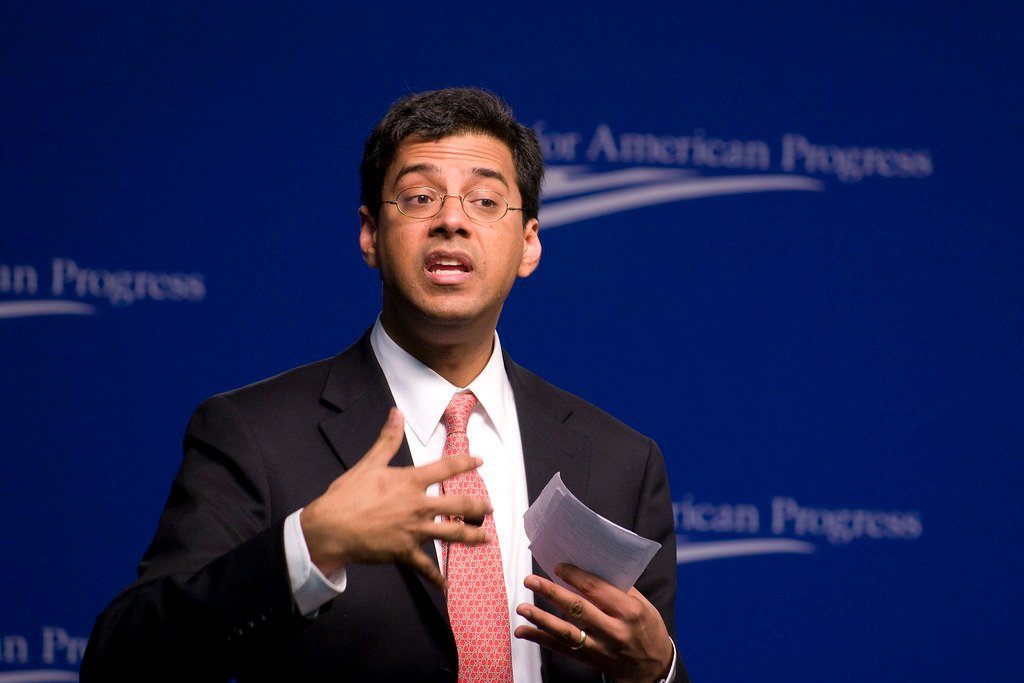
Atul Gawande returned to the spotlight with “Being Mortal,” which challenges the way medicine approaches aging and death. The book argues for dignity and quality of life over aggressive treatment at all costs. The National Hospice and Palliative Care Organization reported a 20% increase in hospice enrollment after the book’s release. Medical schools added end-of-life care modules, and family conversations about advanced directives became more common. Gawande’s practical, emotional writing has helped millions rethink what it means to live—and die—well.
16. And the Band Played On (1987) by Randy Shilts
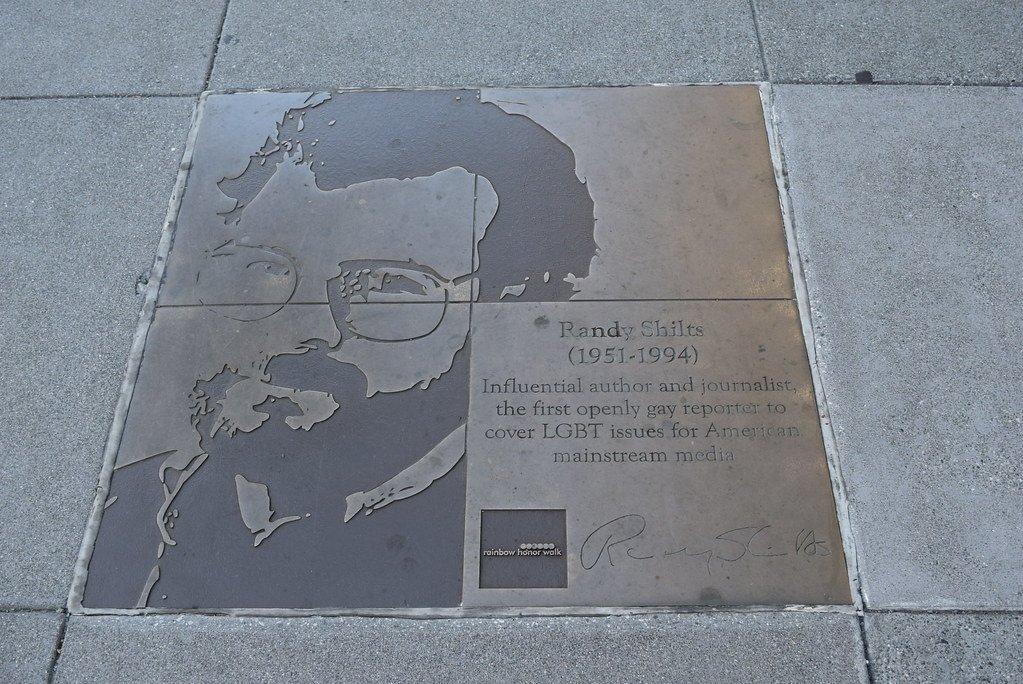
Randy Shilts’ chronicle of the early AIDS epidemic exposed government indifference and medical confusion. His reporting led to Congressional hearings and increased research funding. According to the Centers for Disease Control and Prevention, new HIV infections dropped by nearly 70% between 1989 and 2019, due to better education and treatment. Shilts’ book is still assigned in public health courses to teach about the importance of advocacy and transparency. The fight against HIV/AIDS owes much to his fearless journalism.
17. The Death of Ivan Ilyich (1886) by Leo Tolstoy
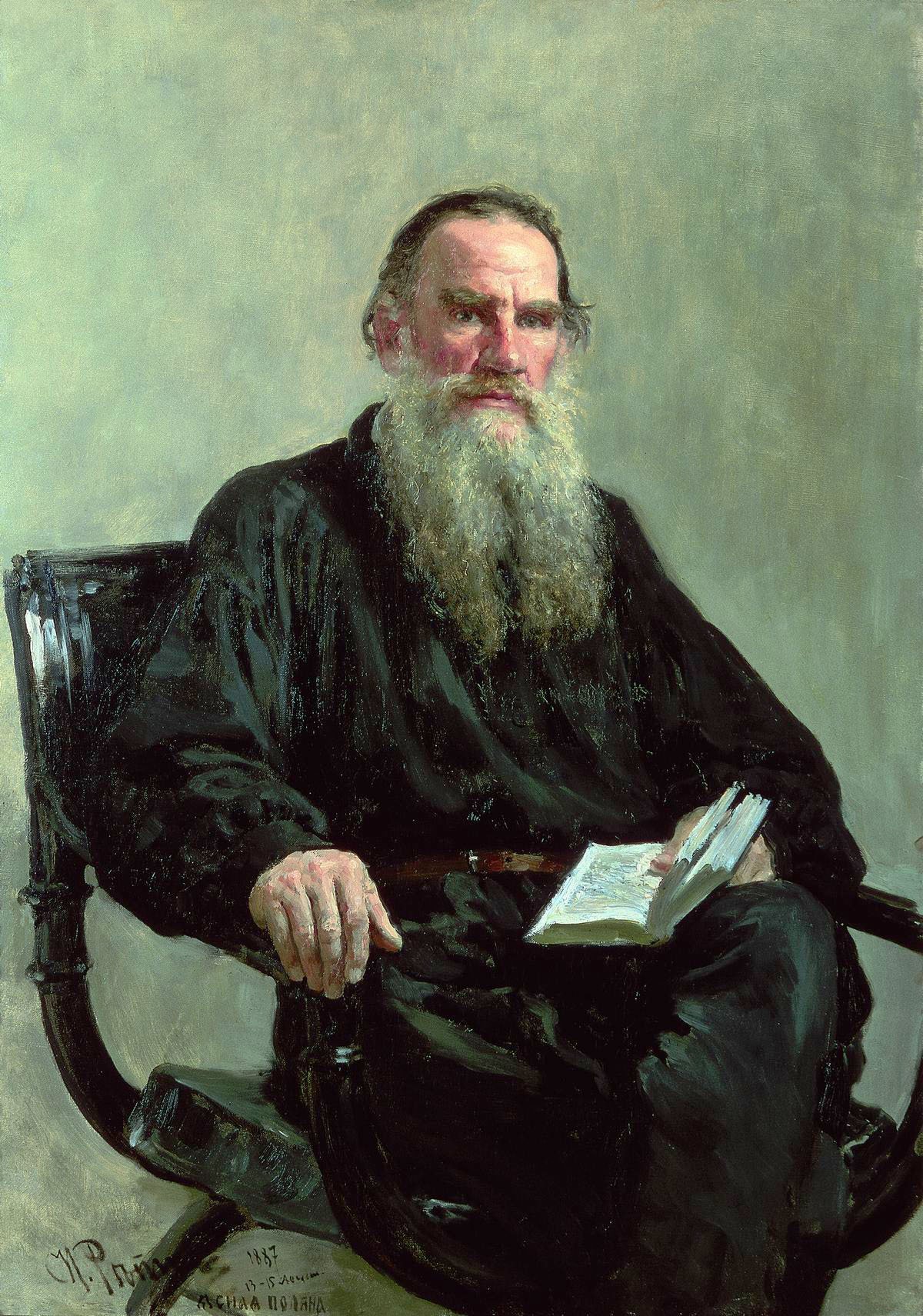
Tolstoy’s novella is a surprising entry, but its influence on American medicine is real. The story of a man facing death without compassion forced doctors to rethink how they treat the dying. Palliative care pioneers cite the book as a turning point in their training. The Journal of Palliative Medicine notes that Ivan Ilyich is a staple of medical humanities courses, shaping attitudes toward empathy and suffering. The book’s lessons are echoed in modern hospice care, where dignity is paramount.
18. The Checklist Manifesto (2009) by Atul Gawande
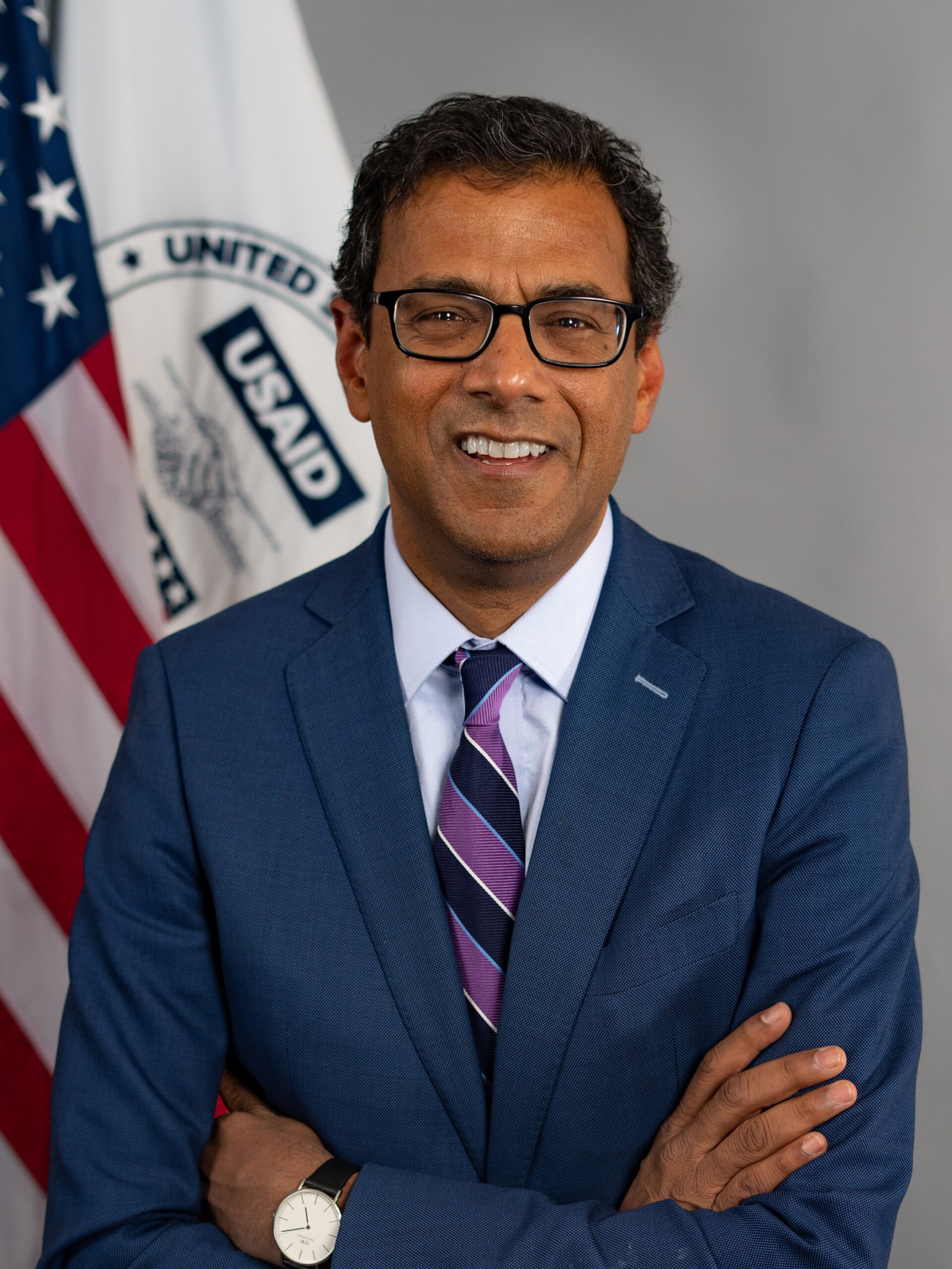
Atul Gawande’s third entry on this list is no accident. “The Checklist Manifesto” proved that simple checklists could prevent deadly mistakes in surgery and emergency care. Hospitals using Gawande’s surgical checklist saw postoperative complications drop by more than 35%, according to a 2010 study in The New England Journal of Medicine. The World Health Organization adopted the approach worldwide. Gawande’s idea was simple but revolutionary: sometimes, saving lives is about remembering the basics.
19. The Anatomy of Melancholy (1621) by Robert Burton
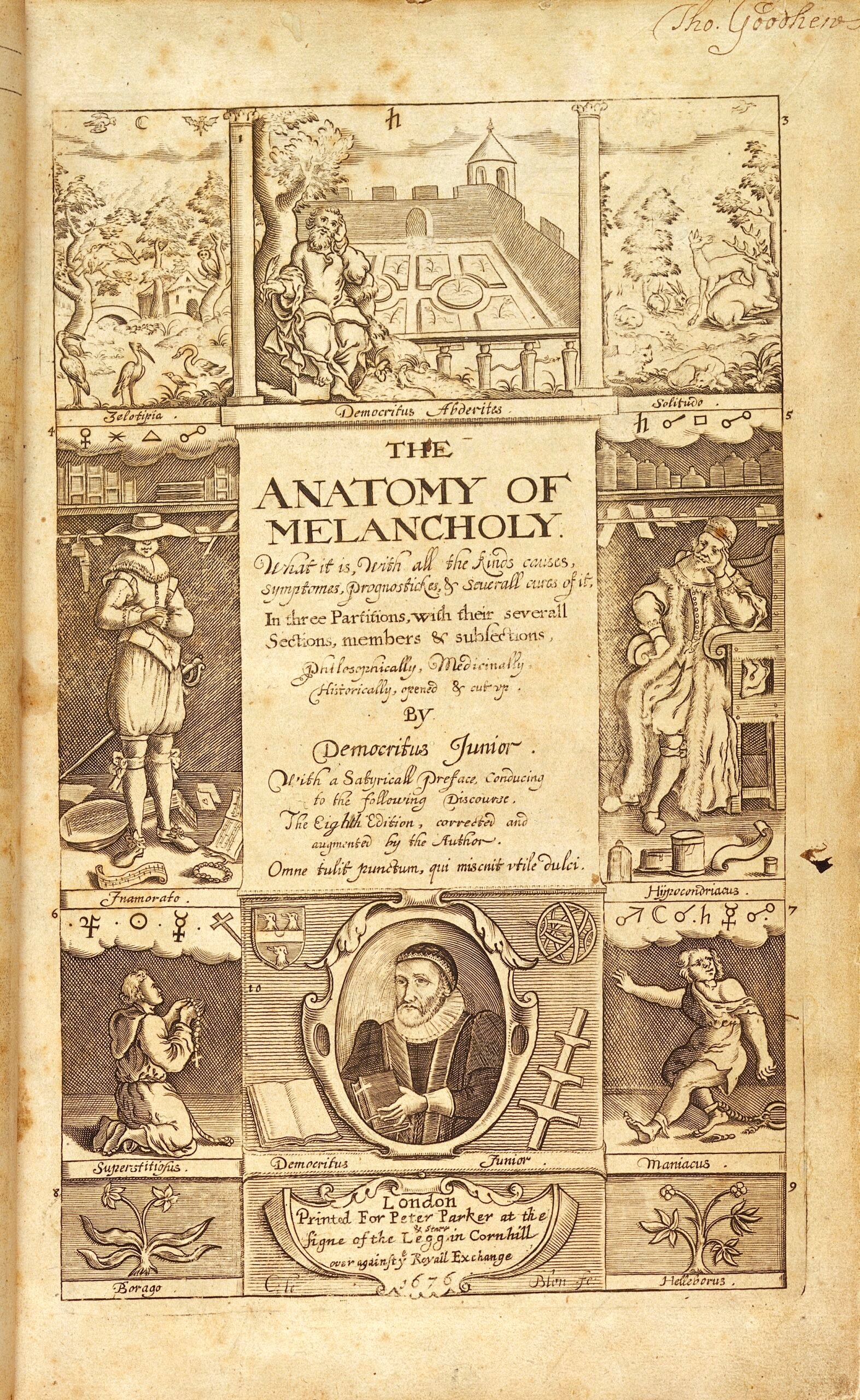
Burton’s exploration of depression shaped psychiatric practice centuries later. In the early 20th century, American psychiatrists revisited Burton’s holistic view, emphasizing social and psychological factors alongside biology. Today, the National Institute of Mental Health reports that nearly 21 million U.S. adults experienced major depression in 2023. Modern therapies that focus on lifestyle and support networks owe a debt to Burton’s insights. His book remains a surprising touchstone in psychiatry classrooms.
20. Bad Blood: Secrets and Lies in a Silicon Valley Startup (2018) by John Carreyrou

John Carreyrou’s exposé of the Theranos scandal is a cautionary tale about technology, ethics, and patient safety. The book’s revelations led to criminal charges, new regulations for medical startups, and a renewed focus on evidence-based practice. The FDA and Department of Justice now scrutinize health tech claims more closely, protecting patients from fraud. Carreyrou’s work is frequently cited in business and medicine courses as a warning: innovation without accountability can be deadly.
End.

Besides founding Festivaltopia, Luca is the co founder of trib, an art and fashion collectiv you find on several regional events and online. Also he is part of the management board at HORiZONTE, a group travel provider in Germany.
