

- Celebrities With Surprisingly Impressive Academic Backgrounds - December 9, 2025
- The Surprising Origins of Your Favorite Childhood Nursery Rhymes - December 9, 2025
- Forgotten Pop Culture Trends That Deserve a Comeback - December 9, 2025
1. “The Shallows: What the Internet Is Doing to Our Brains” by Nicholas Carr
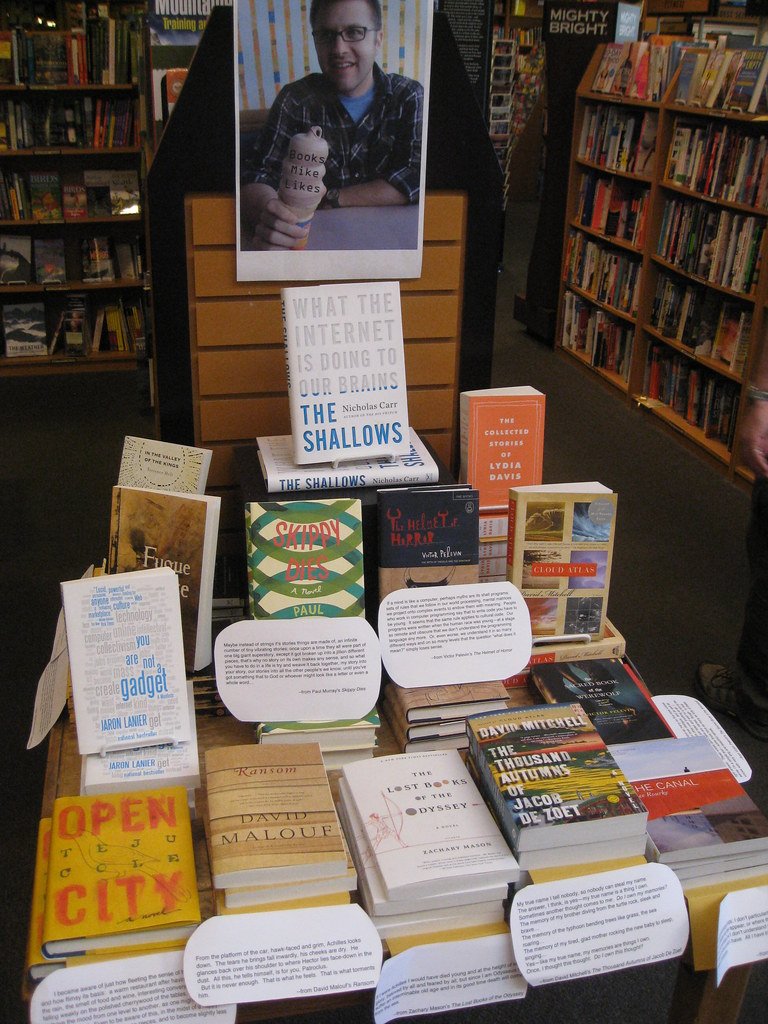
Nicholas Carr’s “The Shallows” shocked readers when it argued that the internet isn’t just changing what we read, but actually how we think. Carr presents research from neuroscientists showing that persistent internet use is rewiring our brains, making deep thought and concentration more difficult. The book hit a nerve: since its publication, studies have shown a real decline in sustained attention spans, especially in younger generations. Carr’s provocative claim, backed by evidence from a 2010 Pew Research Center survey, forced Americans to rethink their relationship with digital information. Suddenly, people started asking if constant connectivity was worth the cost. “The Shallows” landed as a finalist for the Pulitzer Prize and remains a touchstone in debates about digital distractions. Many parents, teachers, and even tech workers credit the book for sparking a national conversation about healthy digital habits.
2. “Steve Jobs” by Walter Isaacson
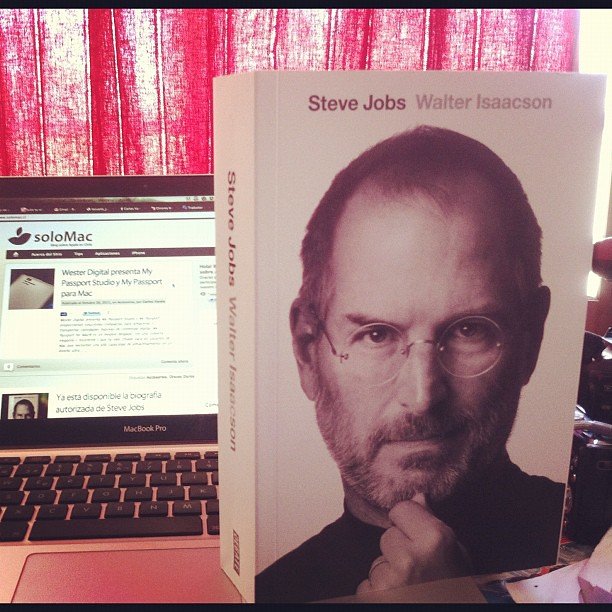
Walter Isaacson’s biography of Steve Jobs isn’t just about one man—it’s the story of how Apple’s innovations changed the world. Drawing on over forty interviews with Jobs himself, plus hundreds more with family, friends, and adversaries, Isaacson paints a complex picture of Apple’s rise. The book details how the iPhone and Mac revolutionized personal technology, with the iPhone alone selling over 2.2 billion units worldwide as of 2024. This biography topped bestseller lists and gave Americans an inside look at how design and vision can shape an entire culture. It also revealed the human side behind the gadgets, making millions reflect on the costs and rewards of relentless innovation. Apple’s approach to privacy and design, highlighted in the book, continues to influence national debates to this day.
3. “The Age of Surveillance Capitalism” by Shoshana Zuboff
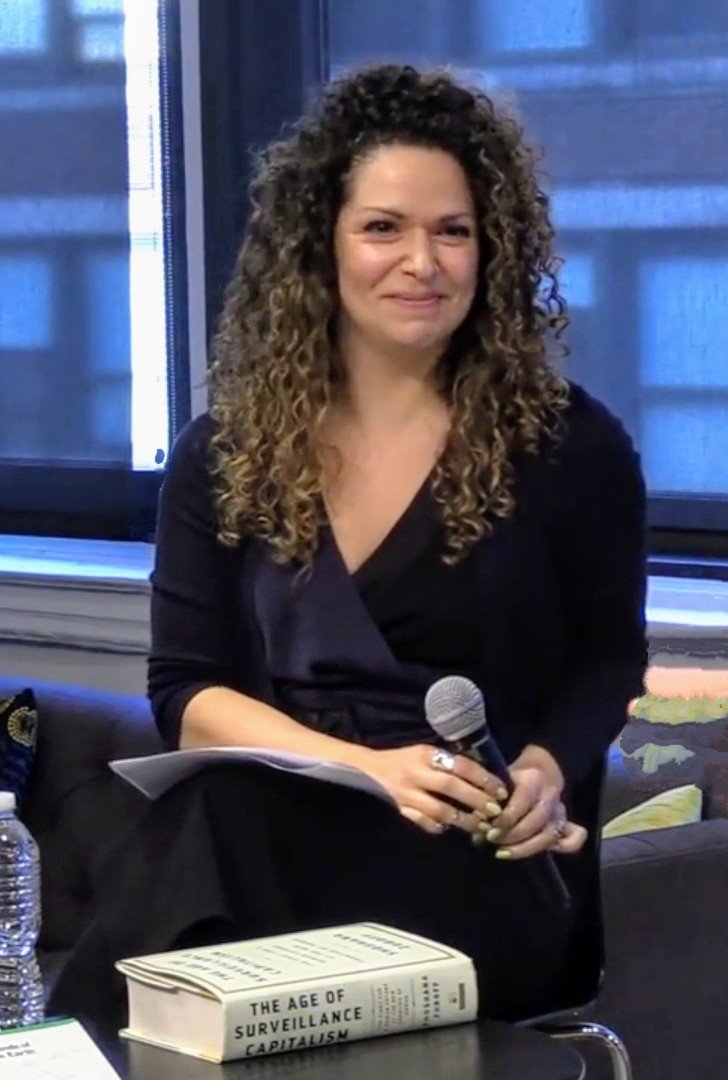
Shoshana Zuboff’s massive work, “The Age of Surveillance Capitalism,” introduced readers to the unsettling reality that our personal data is being harvested on an industrial scale. Zuboff, a Harvard Business School professor, argues that tech giants have built enormous fortunes by monitoring, predicting, and even shaping our behavior. Her book explains in clear, sometimes alarming detail how companies like Google and Facebook profit from our every click. In 2023, the FTC reported that 80% of Americans felt they had little control over their online data—a sentiment Zuboff predicted. The book spurred conversations in Congress and beyond about regulation, privacy, and the real cost of “free” services. It’s become a must-read for anyone worried about digital privacy.
4. “Amusing Ourselves to Death” by Neil Postman

Though published in 1985, Neil Postman’s “Amusing Ourselves to Death” feels more relevant than ever. Postman warned that television—and, by extension, all screen-based media—was turning public discourse into entertainment, undermining serious thought. In the era of TikTok and YouTube, his predictions ring eerily true. Recent Pew Research shows that over 62% of Americans get news from social media, often preferring short, entertaining clips over in-depth analysis. Postman’s central metaphor—that we risk becoming a society of passive viewers rather than active thinkers—has shaped how educators, journalists, and parents talk about technology. The book is frequently cited in debates about media literacy and fake news.
5. “The Innovators” by Walter Isaacson
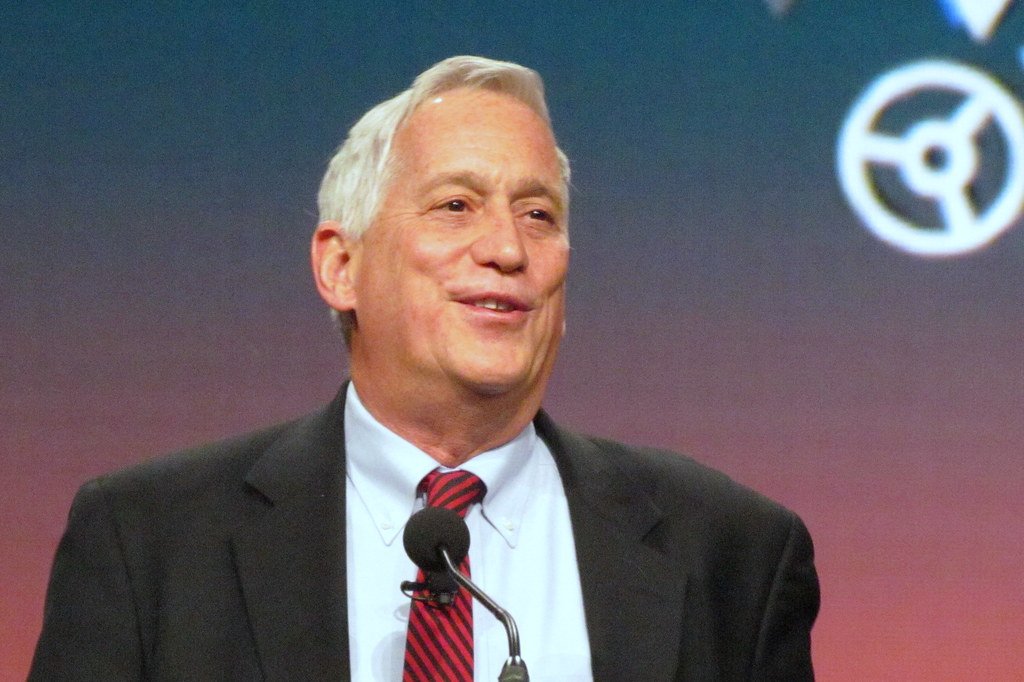
Isaacson’s “The Innovators” traces the history of computing from Ada Lovelace to the creators of Google. What sets this book apart is its focus on collaboration—showing that breakthroughs rarely come from lone geniuses, but from teams. As of 2025, about 87% of Americans use the internet daily, and this book helps readers understand the human stories behind the tech they rely on. Isaacson uses interviews, letters, and research to show how teamwork and creativity drive progress. The book’s gallery of inventors and visionaries has become a staple in business schools and innovation workshops across the country. Its narrative style makes complex technology feel approachable and even thrilling.
6. “Weapons of Math Destruction” by Cathy O’Neil

Cathy O’Neil’s “Weapons of Math Destruction” exposes the dark side of big data and algorithms. O’Neil, a mathematician and data scientist, explains how invisible algorithms can reinforce inequality and bias—affecting everything from job prospects to criminal sentencing. In 2023, a Department of Justice review revealed that some predictive policing algorithms were disproportionately targeting communities of color, echoing O’Neil’s warnings. Her book has influenced policymakers and advocates pushing for algorithmic transparency. “Weapons of Math Destruction” is now required reading in many data science programs and has helped Americans understand that not all technology is neutral.
7. “The Second Machine Age” by Erik Brynjolfsson and Andrew McAfee

“The Second Machine Age” explores how digital technology is transforming the economy, from automation to artificial intelligence. Brynjolfsson and McAfee, both from MIT, use data from the Bureau of Labor Statistics to show how automation is reshaping the workforce. As of 2024, nearly 25% of jobs in manufacturing have been automated, a trend the book predicted. The authors argue that while technology brings incredible benefits, it also creates new challenges—especially for workers whose jobs can be replaced by machines. Their balanced look at progress and pitfalls has shaped policy debates and business strategies nationwide.
8. “Algorithms of Oppression” by Safiya Umoja Noble
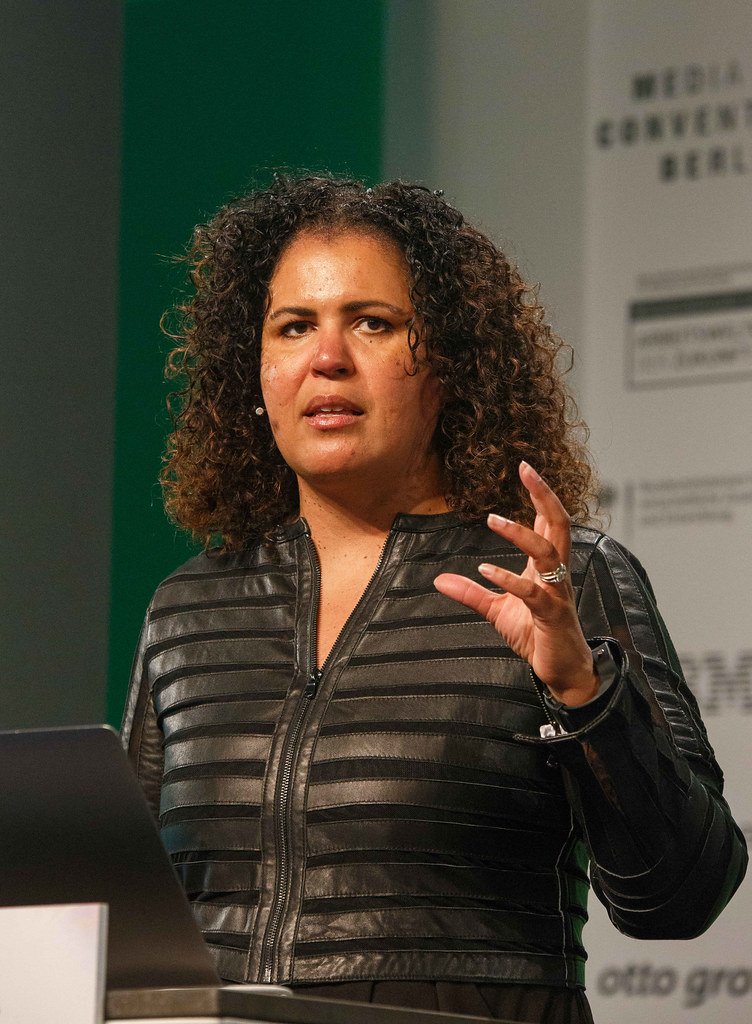
Safiya Umoja Noble’s “Algorithms of Oppression” takes a hard look at how search engines can perpetuate racial and gender bias. Noble, a UCLA professor, uses real-world examples—like searches for “Black girls” returning offensive stereotypes—to show that technology can reflect and even amplify societal prejudices. A 2022 study from the Brookings Institution found evidence of algorithmic bias in 74% of major search platforms, confirming Noble’s arguments. Her book has led to new research, educational programs, and even changes in how search engines are designed. For many Americans, it was the first time they realized technology could be biased too.
9. “Superintelligence: Paths, Dangers, Strategies” by Nick Bostrom
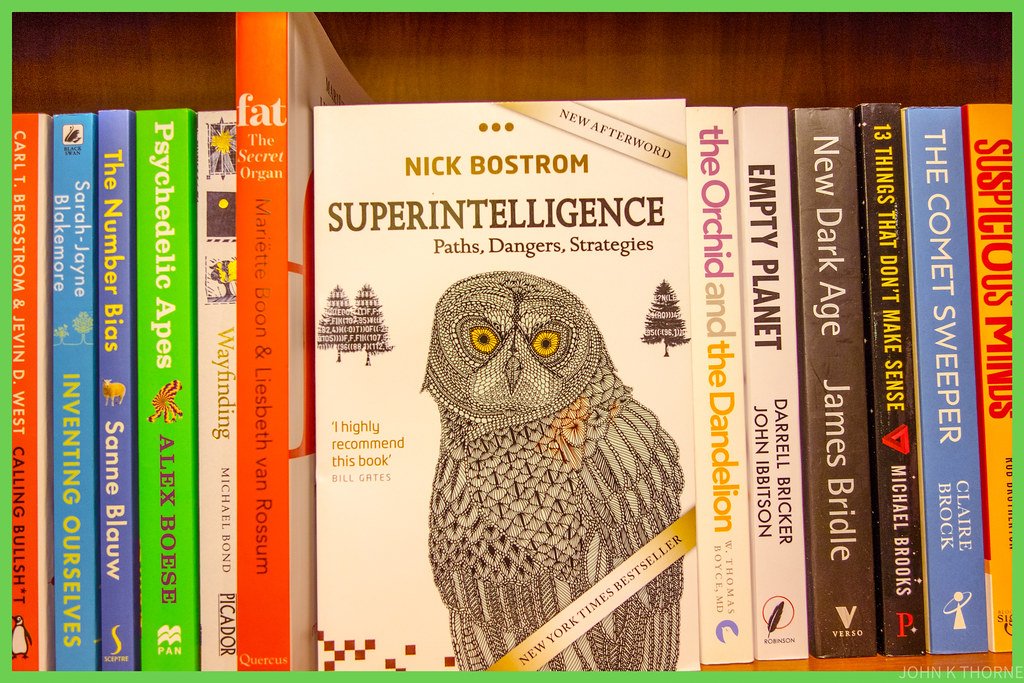
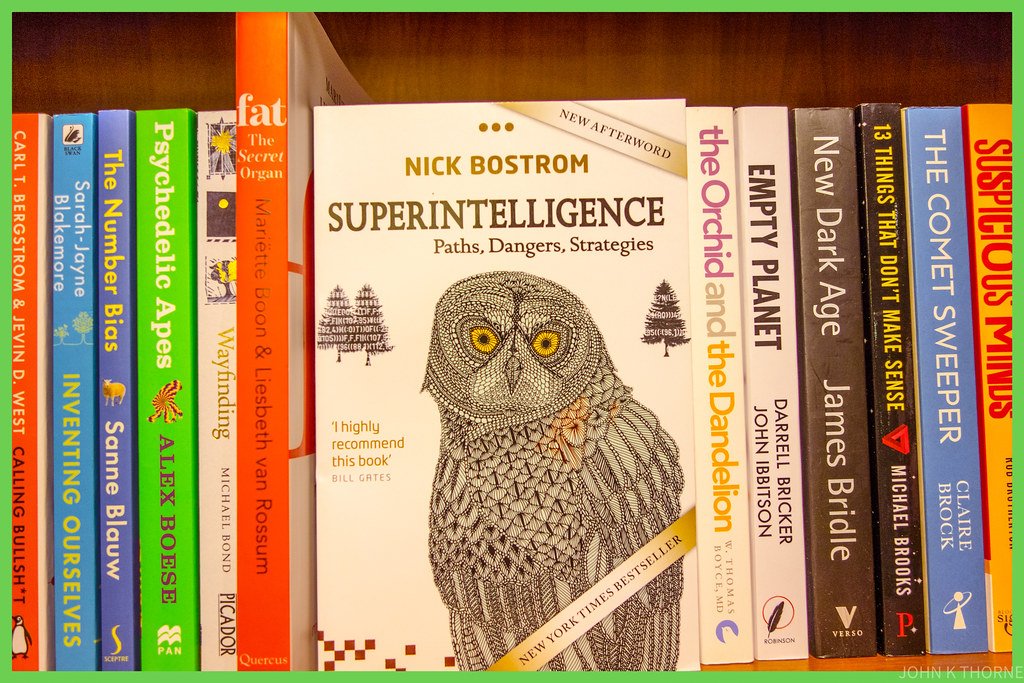
Nick Bostrom’s “Superintelligence” sparked a fresh wave of debate about the risks of artificial intelligence. Bostrom, a philosopher at Oxford, uses thought experiments and statistics to argue that advanced AI could one day surpass human intelligence, with unpredictable consequences. In 2024, OpenAI and Google DeepMind’s breakthroughs in general-purpose AI made headlines, echoing Bostrom’s warnings. The book’s influence can be seen in Congressional hearings and tech company ethics boards, where the risks of AI are now front and center. Bostrom’s work made the distant future of AI feel urgent and real for American readers.
10. “The Code Book” by Simon Singh
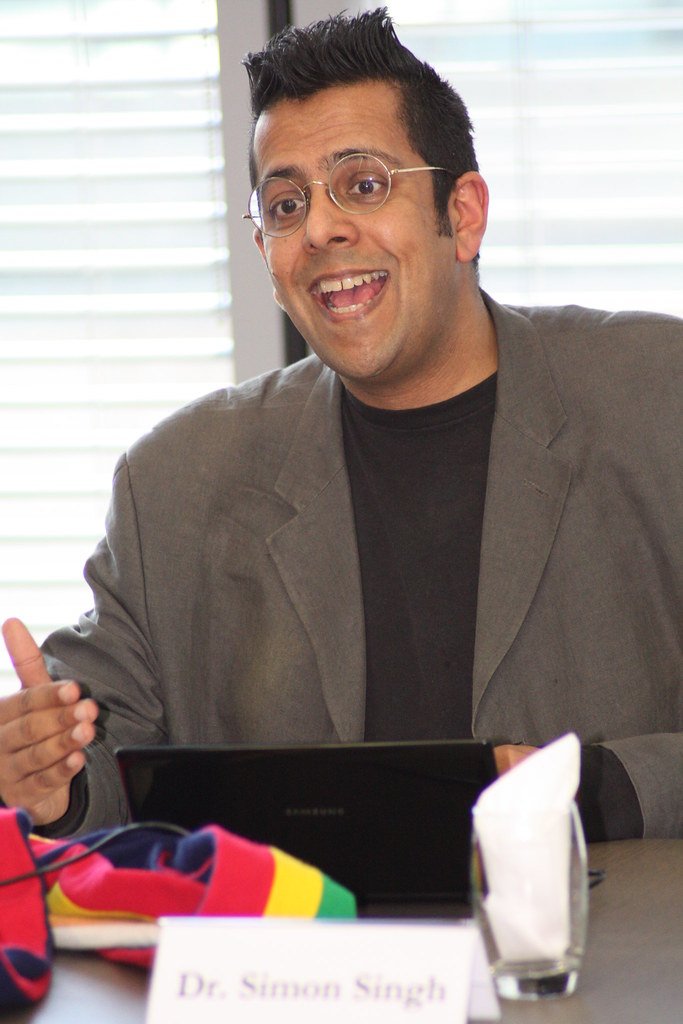
Simon Singh’s “The Code Book” is a riveting journey through the history of cryptography, from Caesar ciphers to modern encryption. Singh shows how our need for privacy and security has shaped technological progress. In recent years, as ransomware attacks and data breaches have soared—costing U.S. businesses over $10 billion in 2023 alone—the book’s lessons feel more vital than ever. Singh explains complex ideas like public key encryption in plain English, making the stakes of digital privacy clear for everyone. The book is often cited in cybersecurity classes and has inspired a new generation to take online security seriously.
11. “Life 3.0: Being Human in the Age of Artificial Intelligence” by Max Tegmark
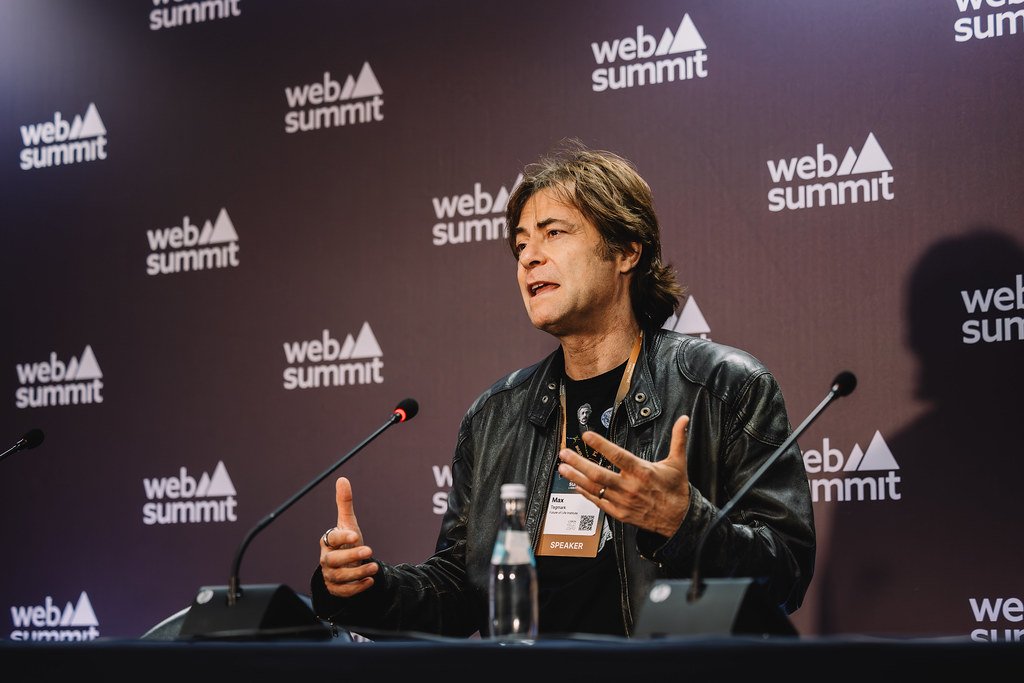
MIT professor Max Tegmark’s “Life 3.0” explores how artificial intelligence might change what it means to be human. Tegmark blends hard science with philosophical questions, using real-world examples from self-driving cars to automated news writing. As AI tools like ChatGPT and Gemini become household names, Tegmark’s warnings about unchecked AI development feel prophetic. According to a 2024 Pew survey, nearly 63% of Americans now worry about AI taking over jobs or spreading misinformation. “Life 3.0” encourages readers to think about not just what AI can do, but what it should do—a debate that grows more urgent by the day.
12. “The Phoenix Project” by Gene Kim, Kevin Behr, and George Spafford

“The Phoenix Project” is a business novel, but its impact goes far beyond the boardroom. The book tells the story of a struggling IT department’s journey to embrace DevOps—a movement that now dominates how American companies build software. According to the 2023 State of DevOps Report, over 78% of large U.S. companies have adopted DevOps practices, a trend accelerated by the book’s influence. Its storytelling approach makes complex topics accessible, and it’s widely credited with transforming tech culture. Many readers say it made them rethink not just technology, but how people and processes shape success.
13. “The Filter Bubble” by Eli Pariser
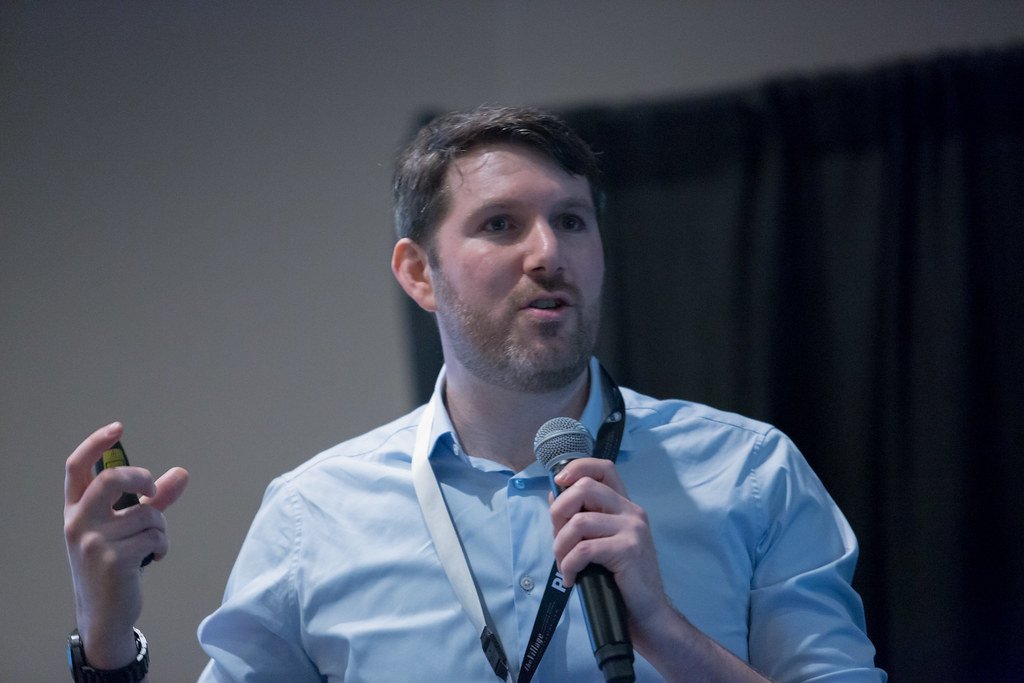
Eli Pariser’s “The Filter Bubble” popularized the idea that algorithms are shaping what we see online—often trapping us in echo chambers. Pariser draws on early research from Google and Facebook to show how personalized content can shield us from opposing viewpoints. In 2024, a Stanford study found that 58% of Americans regularly encounter only information that matches their beliefs, highlighting the book’s ongoing relevance. Pariser’s warnings have influenced tech design, media literacy education, and even political campaigns. The “filter bubble” has become a household term, changing how Americans understand their digital lives.
14. “Blown to Bits: Your Life, Liberty, and Happiness After the Digital Explosion” by Hal Abelson, Ken Ledeen, and Harry Lewis

“Blown to Bits” unpacks how the digital revolution has transformed American society, from personal privacy to free speech. The authors—three computer scientists—use real-life stories and statistics to show how data, once scattered and private, is now everywhere. As of 2024, Americans generate over 2.5 quintillion bytes of data daily, making the book’s warnings about privacy more urgent than ever. The authors explain how laws, ethics, and even personal habits must adapt to a world where nothing is truly deleted. The book is used in college courses and public debates about surveillance and freedom.
15. “Technopoly: The Surrender of Culture to Technology” by Neil Postman

In “Technopoly,” Neil Postman argues that America has become a society dominated by technology, where tools and gadgets shape our values and culture. Postman’s insights resonate today, as debates rage over AI, social media, and screen time. The book challenges readers to think critically about what is gained—and lost—when technology becomes the central organizing force of society. In 2023, a Gallup poll found that over 54% of Americans worry technology is eroding traditional values, echoing Postman’s concerns. “Technopoly” is a rallying cry for mindful use of technology in daily life.
16. “The Digital Divide: Arguments for and Against Facebook, Google, Texting, and the Age of Social Networking” edited by Mark Bauerlein

This collection of essays, edited by Mark Bauerlein, explores the impact of social networking on everything from friendship to democracy. Contributors present a range of viewpoints, backed by research and case studies. With nearly 72% of American adults using social media as of 2025, the book’s questions about privacy, mental health, and political polarization are more relevant than ever. Its balanced approach helps readers see both the benefits and dangers of being constantly connected. The book is often assigned in college courses about media and society, sparking lively debates among students.
17. “Ghost Work: How to Stop Silicon Valley from Building a New Global Underclass” by Mary L. Gray and Siddharth Suri

“Ghost Work” shines a spotlight on the invisible workers who make the digital economy run—people who label data, moderate content, and perform micro-tasks for companies like Amazon and Google. The authors use real interviews and economic data to show that as many as 1 in 7 Americans have done “ghost work” at some point. In 2024, the gig economy continued to grow, with over 34 million Americans participating, according to the Bureau of Labor Statistics. The book challenges the myth of seamless automation and reminds readers that real people are still at the heart of technology.
18. “You Are Not a Gadget” by Jaron Lanier
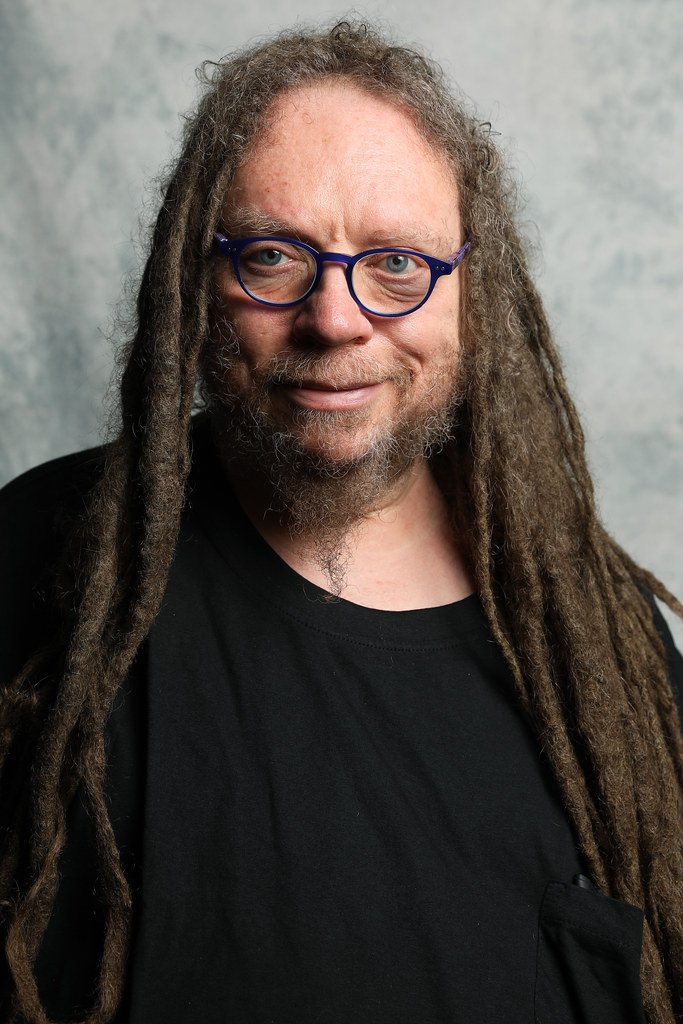
Jaron Lanier, a pioneer in virtual reality, uses “You Are Not a Gadget” to argue that the internet is shaping who we are—for better or worse. Lanier blends personal anecdotes with sharp critiques of social media, open-source culture, and digital anonymity. He warns that technology can flatten individuality and creativity, turning people into mere data points. In 2023, a Pew survey showed that 68% of Americans felt less control over their digital identities, echoing Lanier’s concerns. The book has influenced artists, technologists, and everyday users to value the human behind the screen.
19. “Race After Technology: Abolitionist Tools for the New Jim Code” by Ruha Benjamin
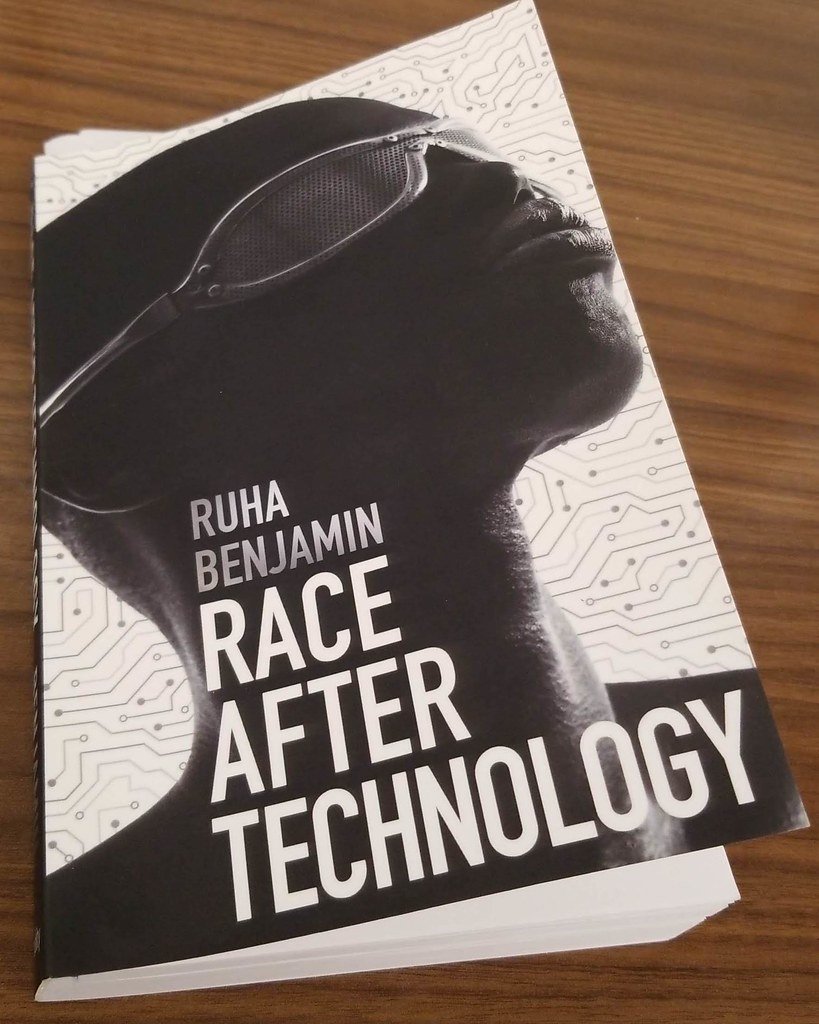
Ruha Benjamin’s “Race After Technology” introduces the concept of the “New Jim Code”—ways that technology can reinforce racial inequality. Benjamin shares case studies from facial recognition to predictive policing, showing how bias can be built into code. In 2024, the ACLU reported that facial recognition software misidentifies Black faces at rates up to 100 times higher than white faces, confirming the book’s warnings. “Race After Technology” has sparked new conversations in tech ethics and social justice, pushing Americans to demand fairer, more accountable technology.
20. “The Soul of a New Machine” by Tracy Kidder
Tracy Kidder’s Pulitzer Prize-winning book tells the dramatic story of a team racing to build a revolutionary computer at Data General in the late 1970s. Kidder’s immersive reporting captures the excitement, exhaustion, and obsession that drive tech innovation. The book was one of the first to show Americans the human side of computer engineering, inspiring generations of future technologists. As of 2025, the U.S. tech sector employs over 12 million people, many of whom say “The Soul of a New Machine” influenced their career path. The book remains a classic for anyone curious about how groundbreaking technology really gets made.
End.

Besides founding Festivaltopia, Luca is the co founder of trib, an art and fashion collectiv you find on several regional events and online. Also he is part of the management board at HORiZONTE, a group travel provider in Germany.
