

- Anticipated Album Releases of 2025: A Musical Journey Awaits - February 22, 2026
- New York City’s Star-Studded Line-Up: 2025’s Must-See Performances - February 22, 2026
- 25 Times Tech Meets Style: The Best Wearable Gear for 2024 - February 22, 2026
The Great Gatsby – F. Scott Fitzgerald

There’s something haunting about Nick Carraway’s observation that Gatsby “believed in the green light, the orgastic future that year by year recedes before us.” Recent surveys reveal that 41% of Americans believe the American Dream was once possible but is no longer attainable, while 32% now consider it completely out of reach. This statistical reality brings new urgency to Fitzgerald’s masterpiece, which exposed the hollow pursuit of wealth masquerading as progress nearly a century ago.
The novel gives us a vivid depiction of income inequality as it existed in the 1920s and, by extension, as it exists today, when the American Dream is even more limited to the fortunate few. Gatsby’s wealth came through dubious means rather than honest work, which further undermines the classic image of someone working hard to go from rags to riches. Like many modern Americans chasing financial success, Gatsby discovered that achieving material wealth doesn’t guarantee happiness or acceptance.
Death of a Salesman – Arthur Miller
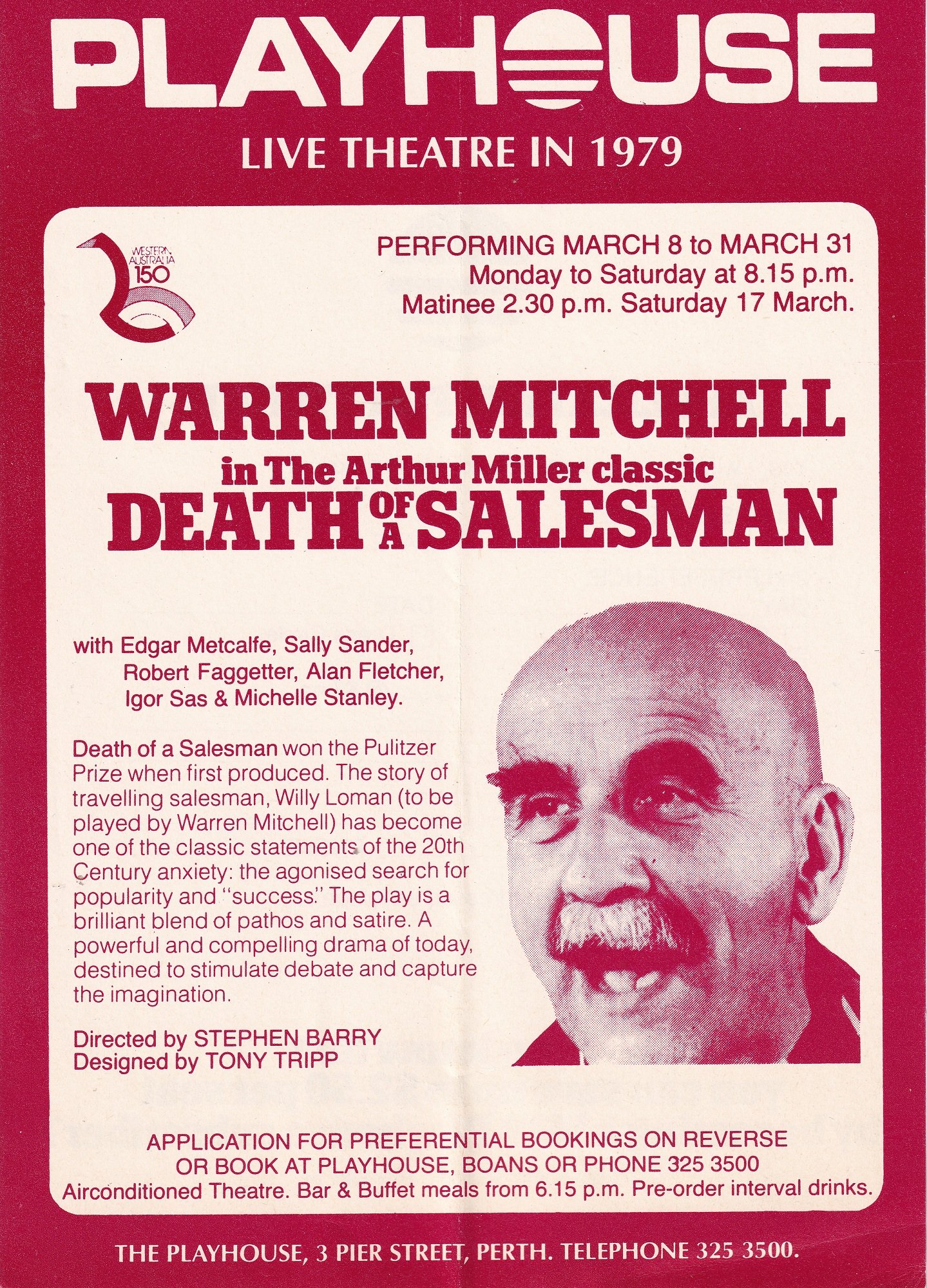
Willy Loman’s desperate mantra “I am not a dime a dozen! I am Willy Loman!” echoes the frustration of millions of Americans who’ve discovered that hard work doesn’t automatically lead to prosperity. Miller’s 1949 masterpiece feels particularly relevant today as Gen Z Americans are now three times more likely to report that the American Dream is out of reach, jumping from 11% in 2017 to 36% in 2024, while Millennials reporting the same sentiment nearly quadrupled from 9% to 35%.
Arthur Miller wrote Death of a Salesman in 1949, depicting the American Dream as a fruitless pursuit. The play’s portrayal of a salesman’s delusions about success and popularity resonates strongly with contemporary workers struggling in an economy where traditional paths to middle-class stability have become increasingly elusive. Willy’s tragic end serves as a warning about the psychological toll of pursuing an impossible dream.
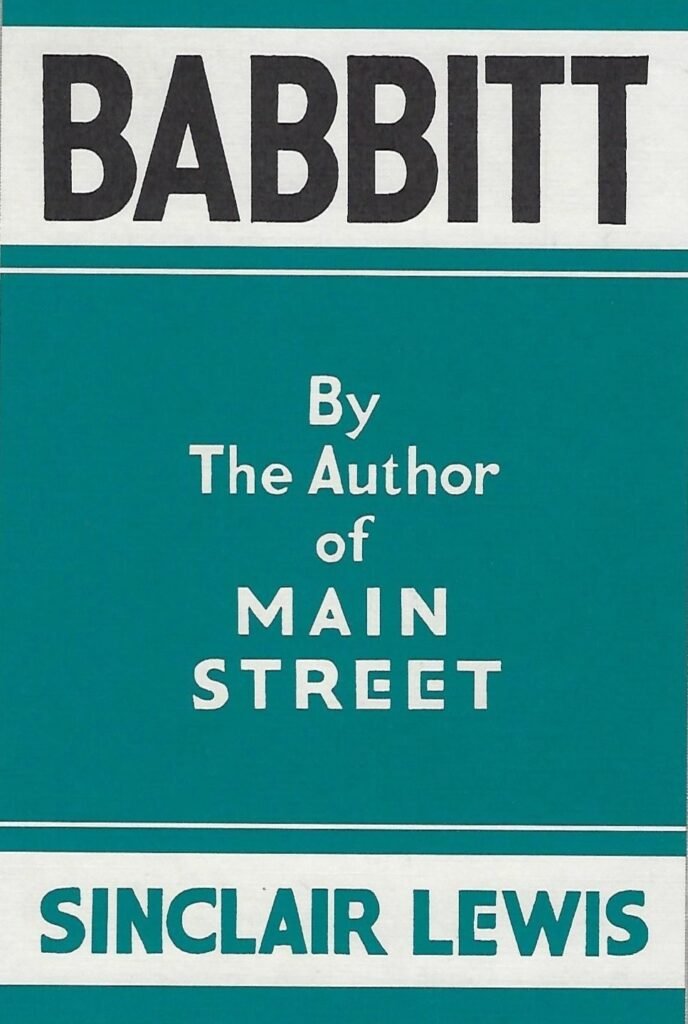
Babbitt – Sinclair Lewis
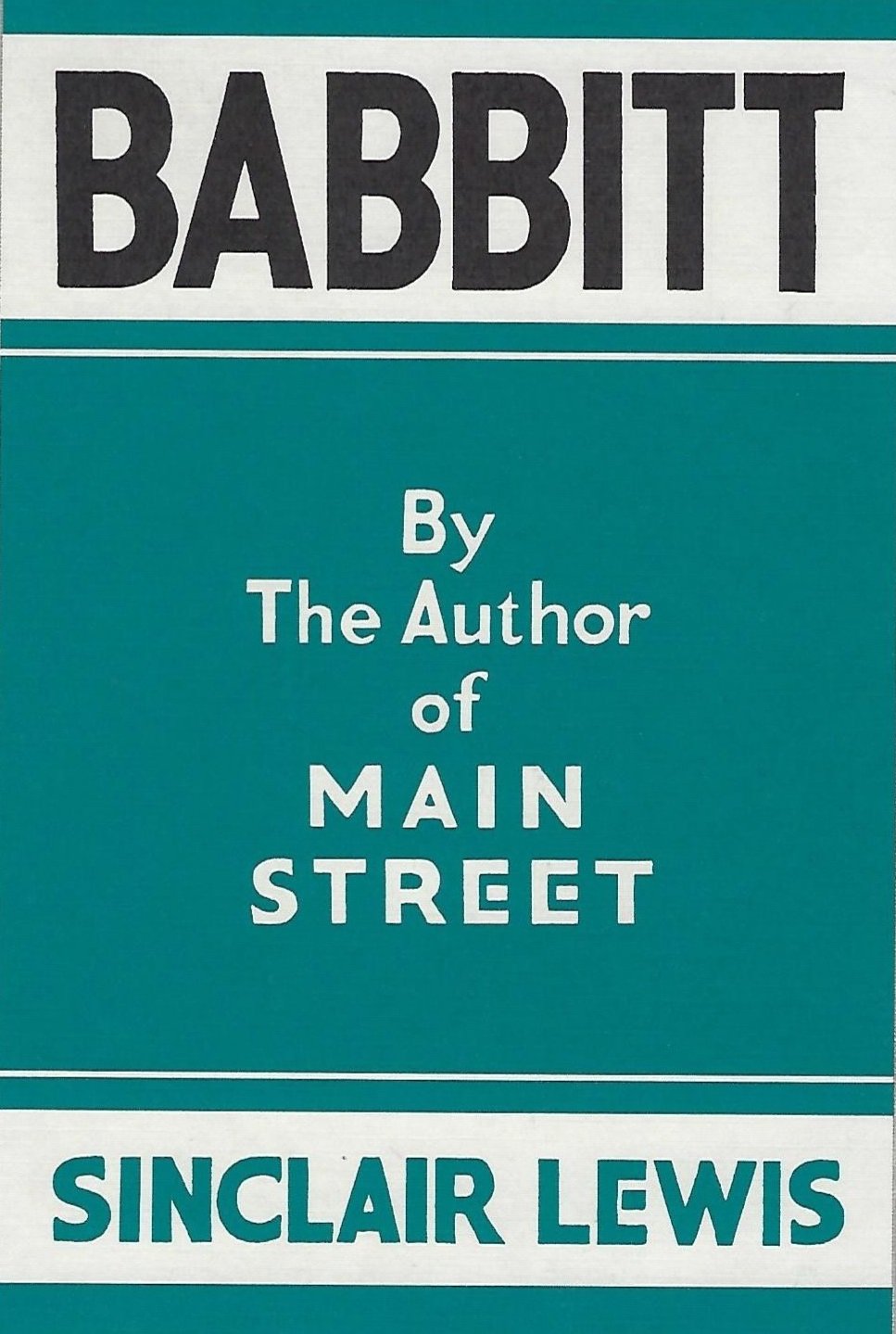
Sinclair Lewis crafted George F. Babbitt as the quintessential American conformist, a real estate dealer who epitomizes middle-class mediocrity disguised as achievement. Published in 1922, the novel’s satire of business culture and social climbing feels eerily prescient in our age of corporate wellness programs and LinkedIn optimism. Babbitt’s hollow pursuit of status through material possessions and professional networking mirrors today’s hustle culture, where personal branding often matters more than genuine accomplishment.
The novel introduced the term “Babbittry” to describe mindless conformity to prevailing social standards. Lewis understood that the American Dream could become a trap, forcing individuals to sacrifice authenticity for acceptance. Babbitt’s momentary rebellion against his conventional life ultimately fails, highlighting how systemic pressures make it nearly impossible to break free from predetermined paths to “success.”
An American Tragedy – Theodore Dreiser
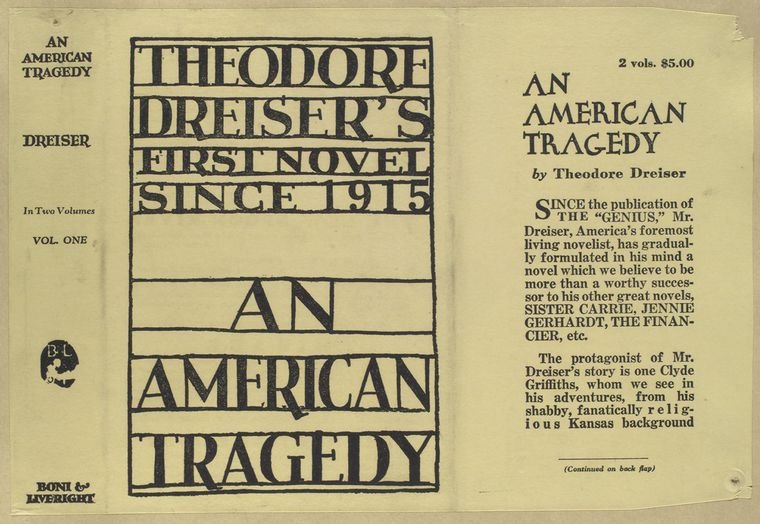
Dreiser’s massive novel follows Clyde Griffiths, whose ambition for wealth and social status leads him to murder. Based on a real-life case, the book demonstrates how the American Dream’s promise of upward mobility can corrupt moral judgment. Clyde’s tragic trajectory from poverty to crime reflects the dangerous intersection of desperate ambition and limited legitimate opportunities for advancement.
The novel’s detailed exploration of class consciousness and social stratification reveals how the American Dream functions as both motivation and trap. Clyde’s inability to achieve his desires through honest means leads to increasingly desperate measures. Dreiser’s unflinching portrayal of how poverty and social inequality can drive individuals to extreme actions remains disturbingly relevant in contemporary America, where economic desperation continues to fuel crime and moral compromise.
The Octopus – Frank Norris

Frank Norris’s 1901 epic chronicles the ruthless expansion of railroad corporations across California’s Central Valley, crushing wheat farmers beneath the weight of monopolistic capitalism. The novel exposes how the American Dream of westward expansion and agricultural prosperity became a nightmare of corporate greed and political corruption. Norris’s detailed portrayal of the railroad’s stranglehold on transportation and commerce demonstrates how concentrated economic power can destroy entire communities.
The book’s depiction of corporate manipulation of government officials and market prices feels remarkably contemporary. The farmers’ struggle against the railroad monopoly mirrors modern battles between small businesses and tech giants, or family farms and agribusiness corporations. Norris understood that the American Dream could be weaponized by those with sufficient power to crush competition and exploit the vulnerable.
Invisible Man – Ralph Ellison
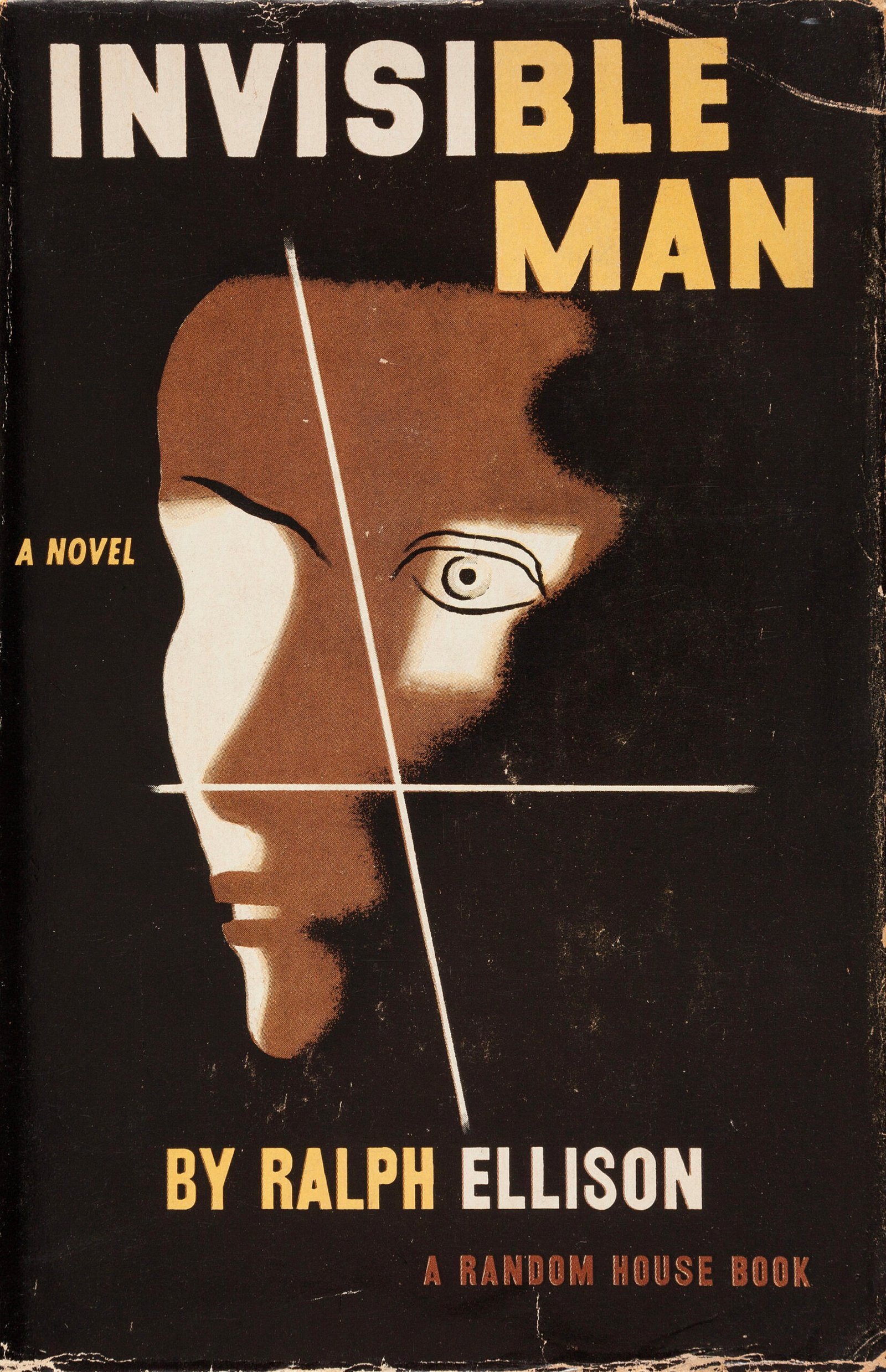
Ralph Ellison’s groundbreaking novel reveals how the American Dream systematically excludes Black Americans through both overt racism and insidious invisibility. The unnamed narrator’s journey from the South to Harlem exposes the multiple ways American society refuses to acknowledge Black humanity and achievement. His experiences at the college, the paint factory, and with the Brotherhood demonstrate how even well-intentioned institutions can perpetuate racial oppression.
The novel’s exploration of identity and belonging remains painfully relevant as Black people remain overrepresented among America’s homeless population, comprising nearly 40% of the unhoused despite being only 13% of the general population. Ellison’s protagonist discovers that pursuing the American Dream while Black often means accepting a distorted version of success that denies one’s authentic self. The book’s famous prologue, set in an underground room illuminated by stolen electricity, perfectly captures the precarious position of Black Americans in a society that simultaneously needs and rejects them.
Native Son – Richard Wright
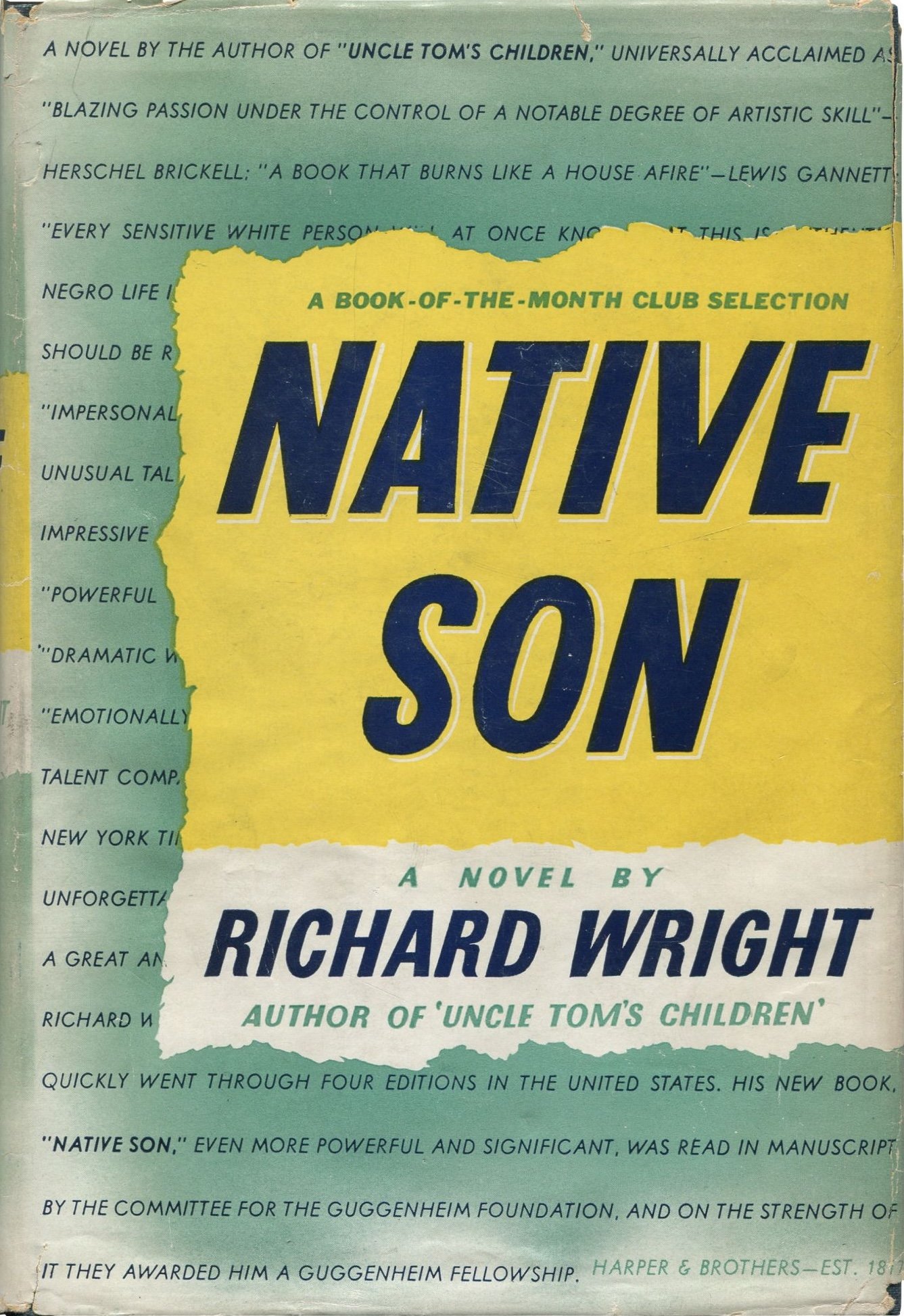
Wright’s brutal novel follows Bigger Thomas, a young Black man whose limited options in 1930s Chicago lead to violence and tragedy. The book’s unflinching portrayal of systemic racism shows how the American Dream’s promise of opportunity becomes a cruel joke for those trapped by poverty and discrimination. Bigger’s rage and desperation reflect the psychological damage inflicted by a society that preaches equality while maintaining rigid barriers to advancement.
The novel’s exploration of environmental racism and urban poverty predates contemporary discussions about how zip code determines life outcomes. Wright demonstrates how segregation creates conditions that virtually guarantee failure, then blames individuals for their circumstances. Bigger’s story illuminates the false choice between accommodation and rebellion that continues to define Black American experience. The book’s controversial reception reveals how uncomfortable truths about American society are often dismissed or sanitized.
The Sellout – Paul Beatty

Beatty’s Pulitzer Prize-winning satire eviscerates the myth of post-racial America through the story of a Black man who attempts to re-segregate his Los Angeles neighborhood. The novel’s outrageous premise – including the protagonist’s efforts to restore slavery and bring back his vanished hometown of Dickens – serves as a mirror to reveal the absurdity of American racial attitudes. Beatty’s sharp wit cuts through comfortable assumptions about progress and equality.
The book’s exploration of how racism adapts and persists in supposedly progressive environments feels particularly relevant in our current moment. The protagonist’s discovery that his neighborhood has been literally erased from maps serves as a metaphor for how Black communities are systematically disappeared from American consciousness. Beatty’s satirical approach makes difficult truths about persistent inequality more palatable while simultaneously making them more cutting.
Between the World and Me – Ta-Nehisi Coates
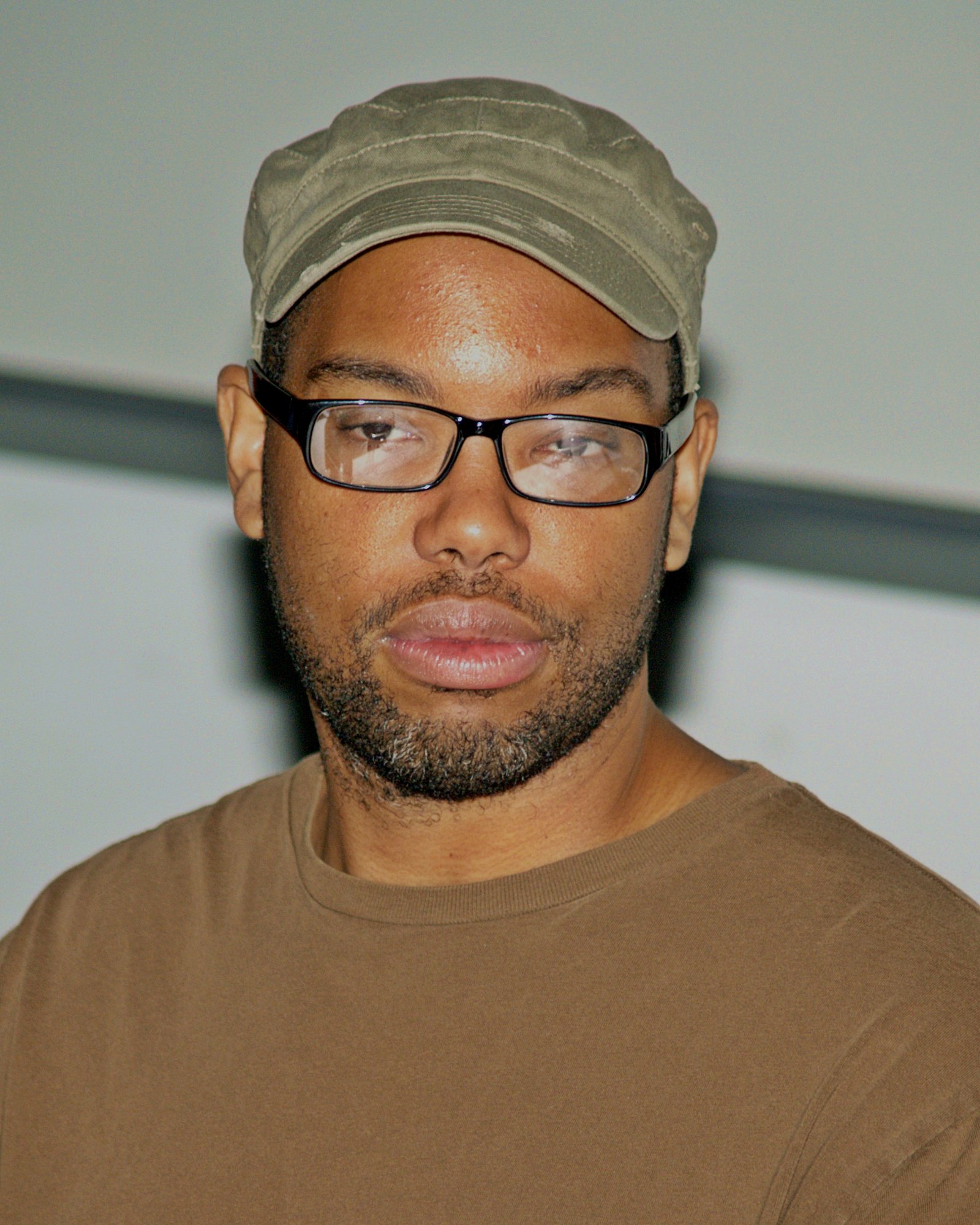
Coates’s letter to his teenage son strips away romantic notions about American progress, revealing how the American Dream has been built on the systematic exploitation of Black bodies. Written in the aftermath of high-profile police killings, the book connects historical slavery to contemporary racial violence. Coates argues that the American Dream has always required the subjugation of Black Americans, making it impossible for them to fully participate in the nation’s promise.
The book’s emphasis on the vulnerability of Black bodies in America resonates with ongoing struggles for racial justice. Coates’s refusal to offer hope or redemption makes his analysis particularly powerful and controversial. His argument that racism is not an aberration but a fundamental feature of American society challenges readers to confront uncomfortable truths about the nation’s founding principles. The book’s influence on contemporary discussions about reparations and systemic racism demonstrates its continued relevance.
American Psycho – Bret Easton Ellis

Ellis’s controversial novel presents Patrick Bateman, a wealthy investment banker whose obsession with designer brands and social status masks a murderous psychopath. Set in 1980s Manhattan, the book satirizes the decade’s culture of excess and materialism. Bateman’s detailed knowledge of luxury goods and his inability to form genuine human connections reveal the spiritual emptiness beneath the American Dream’s material success.
The novel’s graphic violence serves as a metaphor for capitalism’s dehumanizing effects. Bateman’s inability to distinguish between people and objects reflects how consumer culture reduces human relationships to transactions. The book’s depiction of Wall Street culture as fundamentally psychopathic proved prophetic in light of subsequent financial scandals and economic crises. Ellis demonstrates how the pursuit of wealth and status can literally drive people insane.
The Bonfire of the Vanities – Tom Wolfe
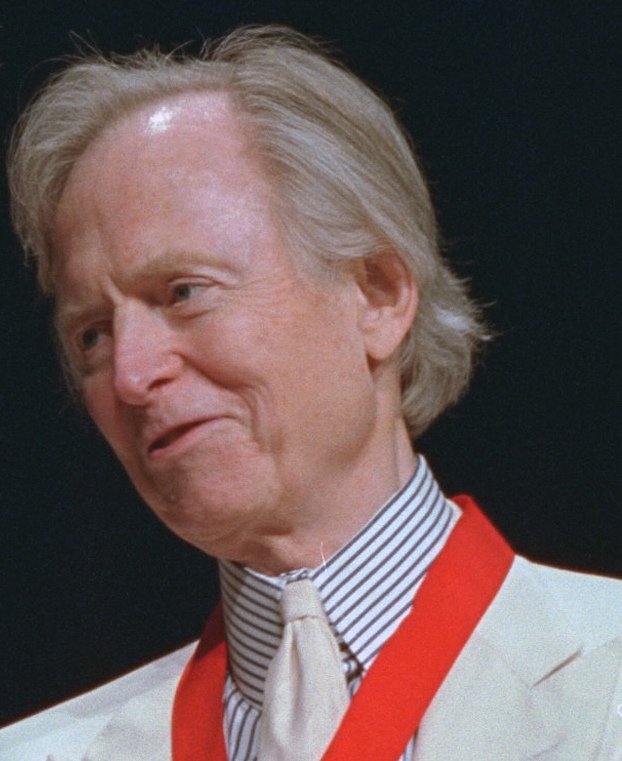
Wolfe’s epic novel dissects 1980s New York through the fall of Sherman McCoy, a Wall Street “Master of the Universe” whose world collapses after a hit-and-run incident in the Bronx. The book exposes how racial tensions, class warfare, and media manipulation intersect in American society. McCoy’s transformation from privileged insider to scapegoat reveals the fragility of elite status and the American Dream’s dependence on excluding others.
The novel’s portrayal of how wealth and race determine justice outcomes remains disturbingly relevant. Wolfe’s satirical treatment of politicians, journalists, and social activists shows how various groups exploit racial and class divisions for personal gain. The book’s depiction of urban decay and social fracture captures the Reagan era’s contradictions while anticipating contemporary debates about inequality and polarization. McCoy’s downfall serves as a cautionary tale about American hubris and moral bankruptcy.
White Noise – Don DeLillo
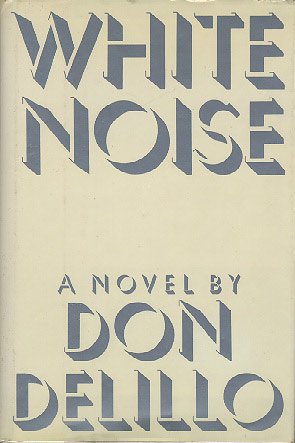
DeLillo’s postmodern masterpiece explores how consumer culture and media saturation have corrupted the American Dream. Jack Gladney, a professor of Hitler studies at a small college, navigates a world where authentic experience has been replaced by simulated reality. The novel’s famous “airborne toxic event” serves as a metaphor for the invisible dangers of modern American life, from environmental pollution to information overload.
The book’s exploration of death anxiety and consumer culture reveals how the American Dream has become a desperate attempt to avoid confronting mortality. The Gladney family’s trips to the supermarket and their exposure to advertising create a hypnotic rhythm that mirrors how capitalism shapes consciousness. DeLillo’s prescient understanding of how media and technology would transform American life makes the novel feel even more relevant today than when it was published in 1985.
Freedom – Jonathan Franzen
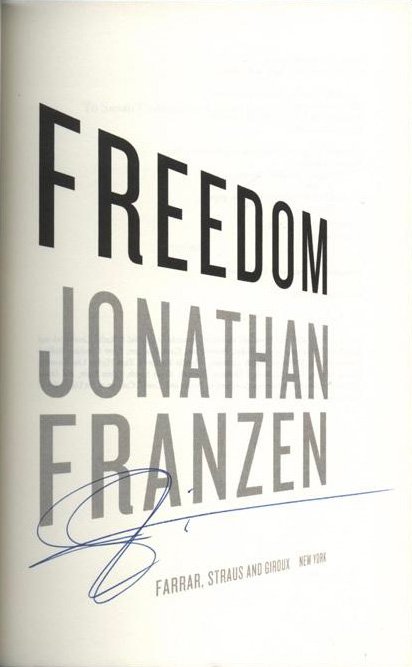
Franzen’s ambitious novel follows the Berglund family as they pursue various versions of the American Dream in contemporary America. Patty and Walter’s marriage unravels as they discover that their progressive ideals cannot protect them from the same destructive forces that tear apart traditional families. The novel explores how environmentalism, feminism, and other causes can become new forms of status seeking rather than genuine reform.
The book’s portrayal of how political differences can destroy personal relationships feels particularly relevant in our polarized era. Franzen demonstrates how the pursuit of personal fulfillment can lead to selfishness and cruelty, especially when it conflicts with family obligations. The novel’s exploration of overpopulation and environmental destruction reveals how the American Dream of endless growth and consumption is ultimately unsustainable.
The Jungle – Upton Sinclair
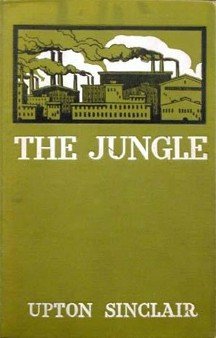
Sinclair’s 1906 exposé of the meatpacking industry follows Lithuanian immigrant Jurgis Rudkus as he discovers that America’s promise of opportunity is built on worker exploitation and corporate greed. The novel’s graphic descriptions of unsafe working conditions and adulterated food shocked readers and led to significant reforms. However, its deeper message about how capitalism destroys immigrant families and communities remains relevant today.
The book’s portrayal of how economic desperation forces people to compromise their values and health continues to resonate in contemporary discussions about wage inequality and workplace safety. Jurgis’s gradual disillusionment with American promises mirrors the experiences of many modern immigrants who discover that the American Dream requires tremendous sacrifice and often delivers limited rewards. Sinclair’s detailed examination of how poverty creates cycles of debt and dependency remains disturbingly accurate.
Ironweed – William Kennedy

Kennedy’s Pulitzer Prize-winning novel follows Francis Phelan, a homeless alcoholic wandering through Depression-era Albany, New York. The book’s magical realist approach allows Francis to converse with ghosts from his past, including people he has killed and abandoned. Through Francis’s journey, Kennedy explores how trauma, guilt, and economic hardship can permanently exile people from mainstream American society.
The novel’s portrayal of homelessness as both a personal failing and a systemic problem feels particularly relevant given current statistics. In 2024, homelessness increased by a record 18% to roughly 770,000 people, with family homelessness rising 39% and nearly 150,000 homeless children counted on survey night. Kennedy’s understanding of how addiction and mental illness interact with economic inequality to create permanent outcasts anticipates contemporary debates about the root causes of homelessness.
Evicted – Matthew Desmond

Research shows that high rents and low incomes drive many people into homelessness, with eviction filings returning to pre-pandemic levels and the median income after housing costs hitting an all-time low. Desmond’s groundbreaking ethnography follows eight families in Milwaukee as they navigate the rental market and face eviction. The book reveals how the lack of affordable housing has turned eviction into a routine business practice that perpetuates poverty and homelessness.
The book’s detailed case studies show how eviction creates cascading effects that make it nearly impossible for families to achieve stability. Record numbers of renters are now cost-burdened, spending more than 30% of their income on housing, which is the fundamental driver of growing homelessness. Desmond’s research demonstrates how landlords profit from poverty while tenants become trapped in cycles of displacement and debt. The book’s impact on policy discussions about housing rights and rent control shows how academic research can influence public discourse.
The Talented Mr. Ripley – Patricia Highsmith
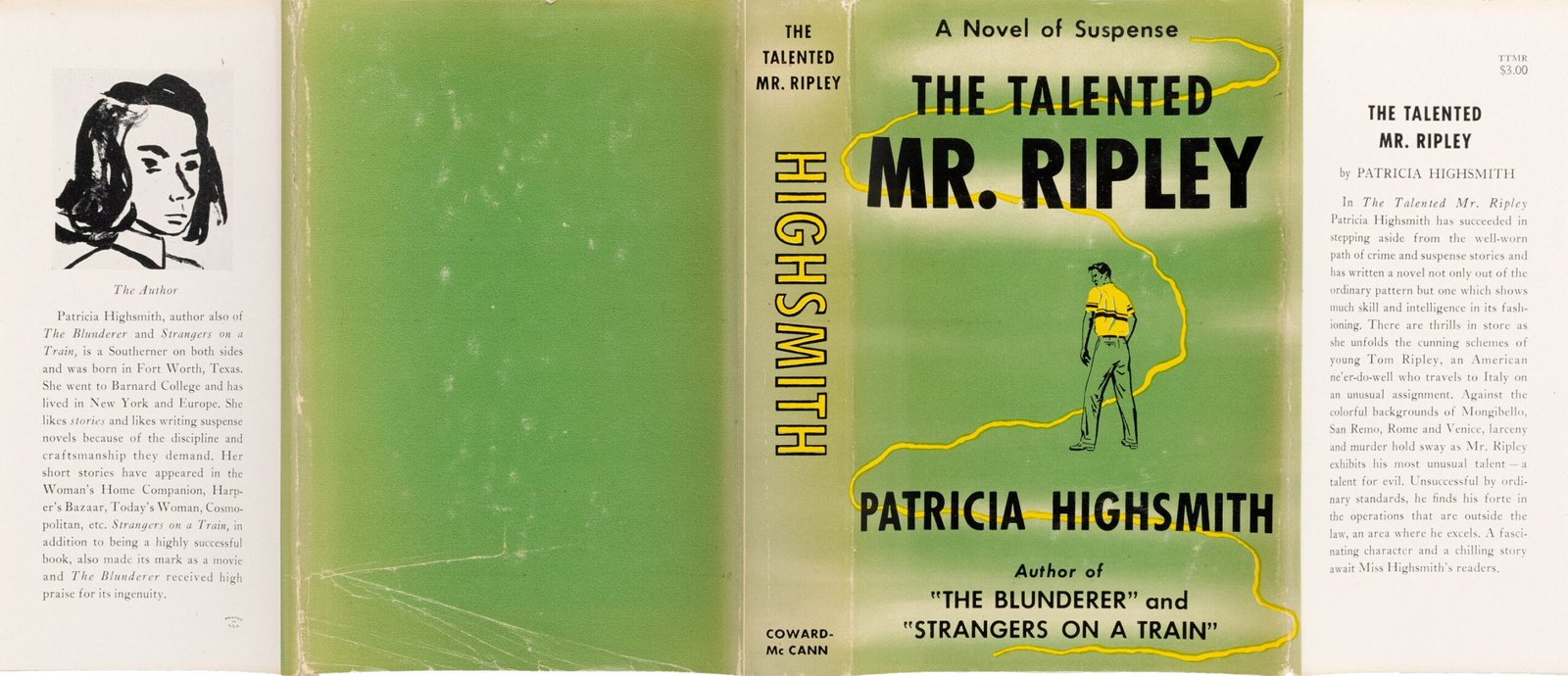
Highsmith’s psychological thriller follows Tom Ripley as he murders his way into an upper-class lifestyle in 1950s Italy. Ripley’s ability to forge documents, assume identities, and manipulate wealthy friends reveals the performative nature of social class. The novel explores how the American Dream’s emphasis on self-invention can justify extreme moral compromises.
The book’s exploration of identity fluidity and social climbing resonates with contemporary discussions about authenticity and performance in social media culture. Ripley’s success depends on his ability to read and mimic upper-class behavior, suggesting that social mobility requires not just economic resources but cultural capital. Highsmith’s portrayal of how charm and intelligence can mask psychopathic behavior reveals the dark potential of American individualism and self-reliance.
Revolutionary Road – Richard Yates
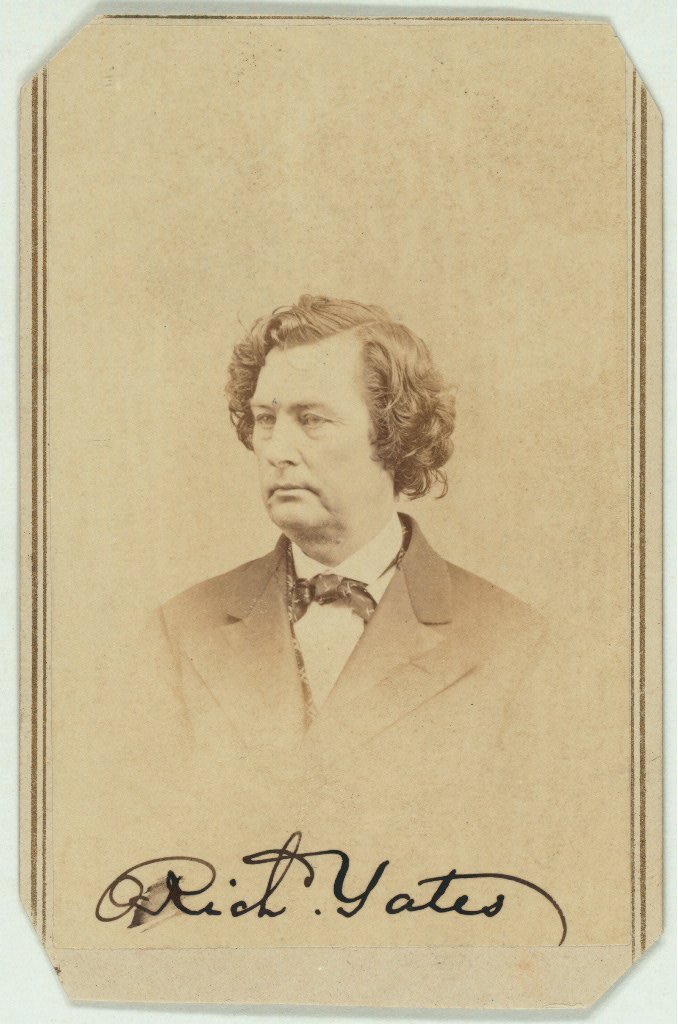
Yates’s devastating novel exposes the suffocating conformity of 1950s suburban life through the disintegrating marriage of Frank and April Wheeler. The couple’s dreams of escaping to Paris and living an authentic life are gradually crushed by social expectations and economic pressures. The book reveals how the American Dream of suburban prosperity can become a psychological prison for those who refuse to accept its limitations.
The novel’s exploration of how gender roles restrict both men and women feels particularly relevant to contemporary discussions about work-life balance and personal fulfillment. April’s desperate attempt to abort an unwanted pregnancy reflects the limited options available to women trapped in traditional domestic roles. Yates’s unflinching portrayal of how societal pressure can destroy individual dreams and relationships remains one of the most powerful critiques of postwar American prosperity.
The Goldfinch – Donna Tartt
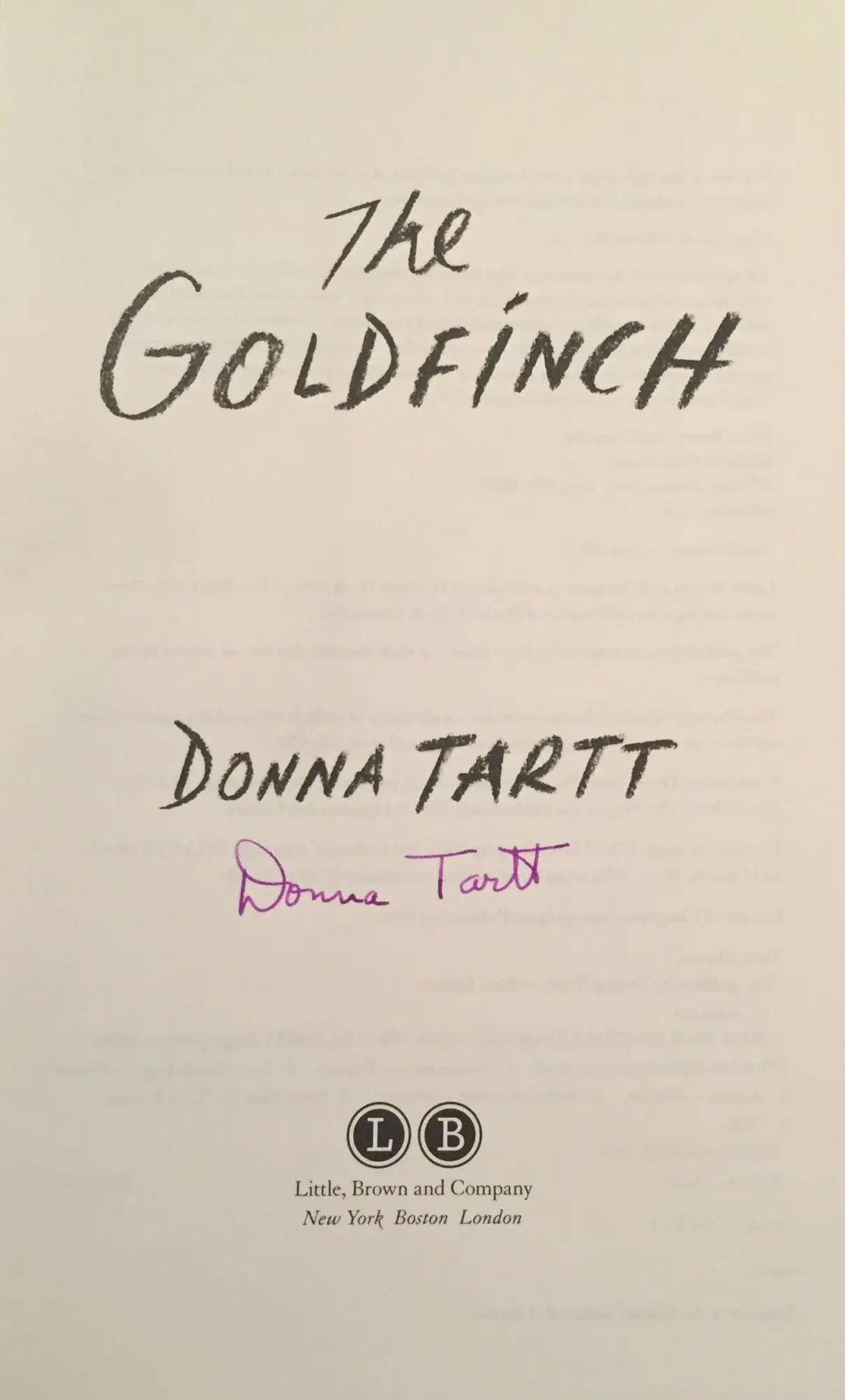
Tartt’s Pulitzer Prize-winning novel follows Theo Decker after a terrorist attack at the Metropolitan Museum of Art kills his mother and changes his life forever. The stolen painting that gives the book its title becomes both a source of comfort and a criminal burden. Through Theo’s journey from privileged Manhattan child to Las Vegas outcast to New York art dealer, Tartt explores how trauma and loss can derail the American Dream.
The novel’s detailed exploration of the art world reveals how cultural institutions can become vehicles for money laundering and social climbing rather than genuine aesthetic appreciation. Theo’s involvement in furniture restoration and forgery demonstrates how economic pressure can corrupt artistic integrity. The book’s meditation on beauty, authenticity, and mortality challenges the American Dream’s emphasis on material success and social advancement.
Nomadland – Jessica Bruder

Bruder’s investigative journalism exposes the hidden crisis of older Americans living in vans and RVs after economic collapse destroyed their retirement security. The book follows several “workampers” who travel between seasonal jobs at Amazon warehouses, national parks, and other locations. These modern nomads represent a new form of American poverty, invisible to mainstream society but growing rapidly as traditional retirement becomes impossible for many.
34% of older adult renters spent 50% or more of their income on rent in 2021, with renters aged 75 and older being the most likely to be severely housing cost burdened. Bruder’s reporting reveals how the 2008 financial crisis and subsequent economic changes have forced many Americans to abandon traditional ideas about aging and retirement. The book’s portrayal of corporate exploitation of vulnerable workers shows how the gig economy can trap people in cycles of insecurity and constant movement. The nomads’ resourcefulness and community building also reveal the resilience of American individualism under extreme pressure.
Conclusion

These twenty books collectively paint a portrait of the American Dream that’s far more complex and troubling than the simple narrative of opportunity and upward mobility. From Fitzgerald’s Jazz Age excess to Bruder’s contemporary nomads, American literature has consistently exposed the gap between national mythology and lived reality. The statistics are sobering: homelessness increased by a record 18% in 2024, while growing numbers of Americans report that the dream is “out of reach,” rising from 24% to 32%.
What makes these literary works so powerful is their refusal to accept easy answers or false comfort. They force readers to confront how racism, classism, and economic inequality have always been woven into the fabric of American society. Yet they also reveal the persistence of hope and the human capacity for resilience in the face of systemic failure. These authors understood that the American Dream’s dark side isn’t a bug in the system – it’s a feature that enables exploitation while maintaining the illusion of opportunity.
Perhaps the most important lesson from these books is that acknowledging the American Dream’s failures doesn’t mean abandoning the pursuit of a more just society. Instead, it means seeing clearly what we’re up against and working to create genuine opportunities for all Americans. Did you expect the literary evidence to be this damning?

Besides founding Festivaltopia, Luca is the co founder of trib, an art and fashion collectiv you find on several regional events and online. Also he is part of the management board at HORiZONTE, a group travel provider in Germany.
