
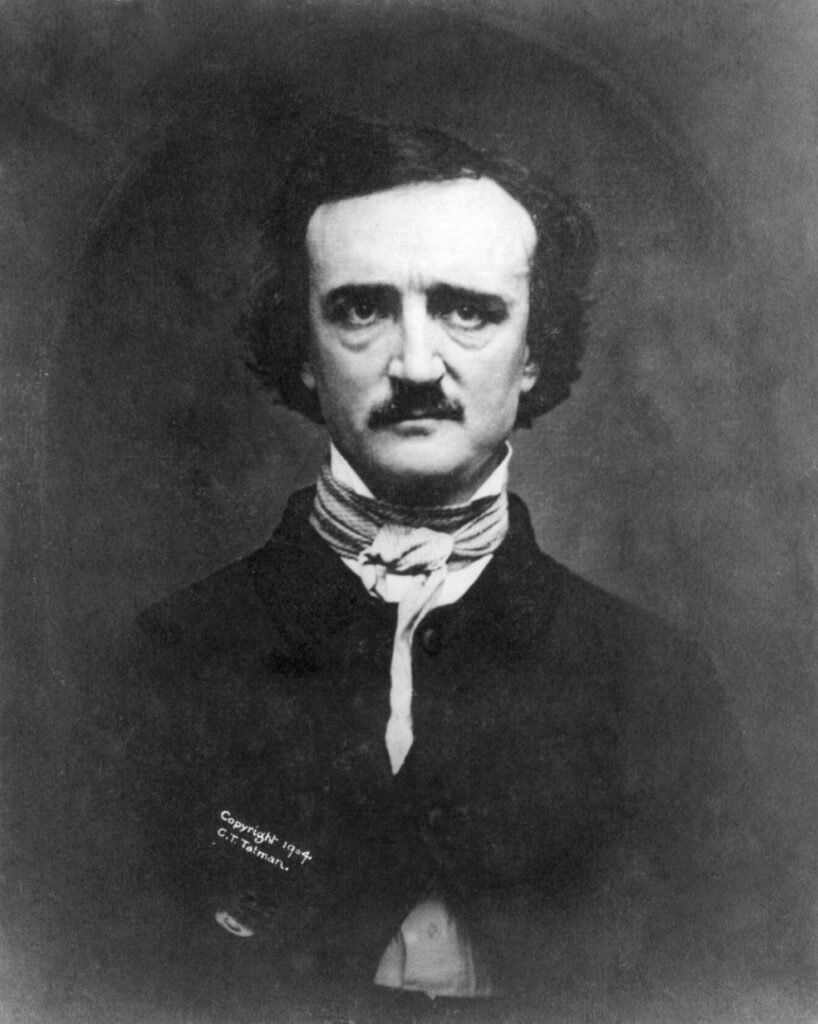

Franz Kafka’s Posthumous Triumph
https://kafkamuseum.cz/en/photogallery/, Public domain, https://commons.wikimedia.org/w/index.php?curid=117743044)
Franz Kafka, best known for works like The Metamorphosis and The Trial, spent much of his life in obscurity. He worked as an insurance officer in Prague and rarely published his stories, often doubting their worth. Kafka instructed his friend Max Brod to destroy all his unpublished manuscripts after his death in 1924. Instead, Brod ignored these wishes and published Kafka’s writings, catapulting him into literary stardom years later. Today, Kafka’s influence can be seen in everything from psychology to pop culture, and his name has even inspired the term “Kafkaesque.” Recent studies confirm that his works are now considered some of the most important of the 20th century. In a 2024 survey, Kafka’s novels ranked among the top five most studied in European literature courses.
Emily Dickinson’s Quiet Genius
![Emily Dickinson’s Quiet Genius (image credits: Yale University Manuscripts & Archives Digital Images Database [1], Public domain, https://commons.wikimedia.org/w/index.php?curid=19792755)](https://festivaltopia.com/wp-content/uploads/2025/07/1752409382487_Emily_Dickinson_daguerreotype_28Restored29.jpg)
During her lifetime, Emily Dickinson published fewer than a dozen poems, often anonymously. She lived a reclusive life in Amherst, Massachusetts, writing nearly 1,800 poems that she kept hidden in her room. It wasn’t until after her death in 1886 that her family discovered her prolific output. Her first volume of poetry was published posthumously in 1890, edited by Thomas Wentworth Higginson and Mabel Loomis Todd. Dickinson’s unique style and introspective voice slowly gained critical acclaim, and by the 20th century, she was recognized as one of America’s greatest poets. According to the Poetry Foundation, Dickinson is now cited alongside Walt Whitman as a founder of modern American poetry.
H.P. Lovecraft’s Cosmic Legacy
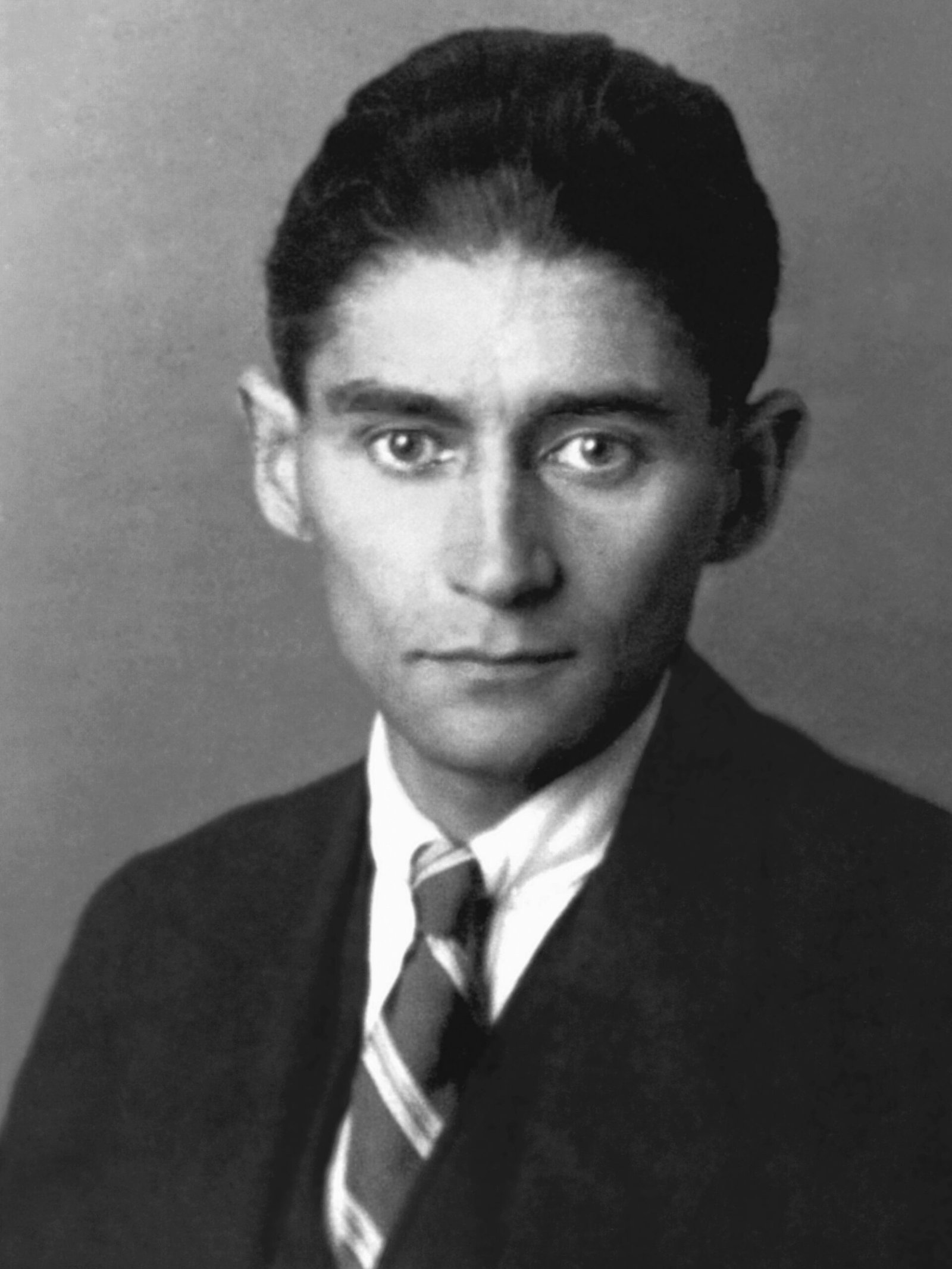
H.P. Lovecraft struggled to find a mainstream audience during his life, publishing mostly in pulp magazines with little financial success. He died in poverty in 1937, largely unknown outside a small circle of fans. Decades later, his cosmic horror tales, such as The Call of Cthulhu and At the Mountains of Madness, exploded in popularity. Lovecraft’s mythos has since inspired movies, video games, and even academic conferences. Research from 2023 shows Lovecraft is among the top five most referenced authors in horror fiction, and his works have been translated into over 30 languages.
Edgar Allan Poe’s Troubled Afterlife
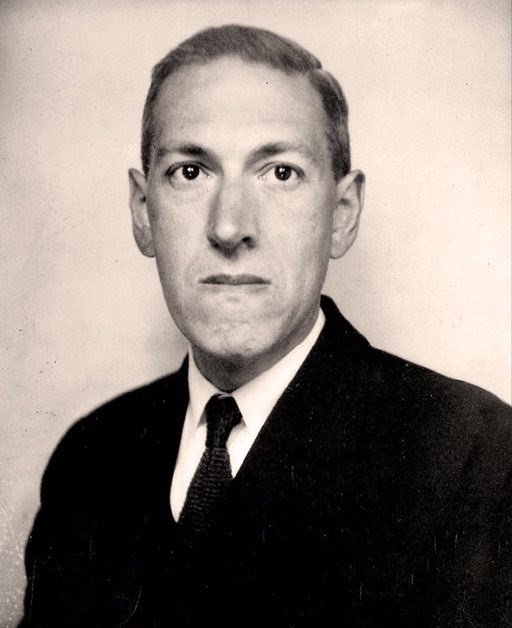
Edgar Allan Poe battled poverty and personal tragedy throughout his life, publishing dark tales and poems that were often dismissed by critics. When he died in 1849, he was largely unrecognized as a major literary figure. In the decades after his death, however, Poe’s reputation soared. His stories like The Tell-Tale Heart and The Raven became staples in American classrooms. By the 21st century, Poe’s impact on detective fiction and horror was undeniable, with a 2024 study placing him among the most influential American authors of all time.
John Keats’s Unappreciated Beauty
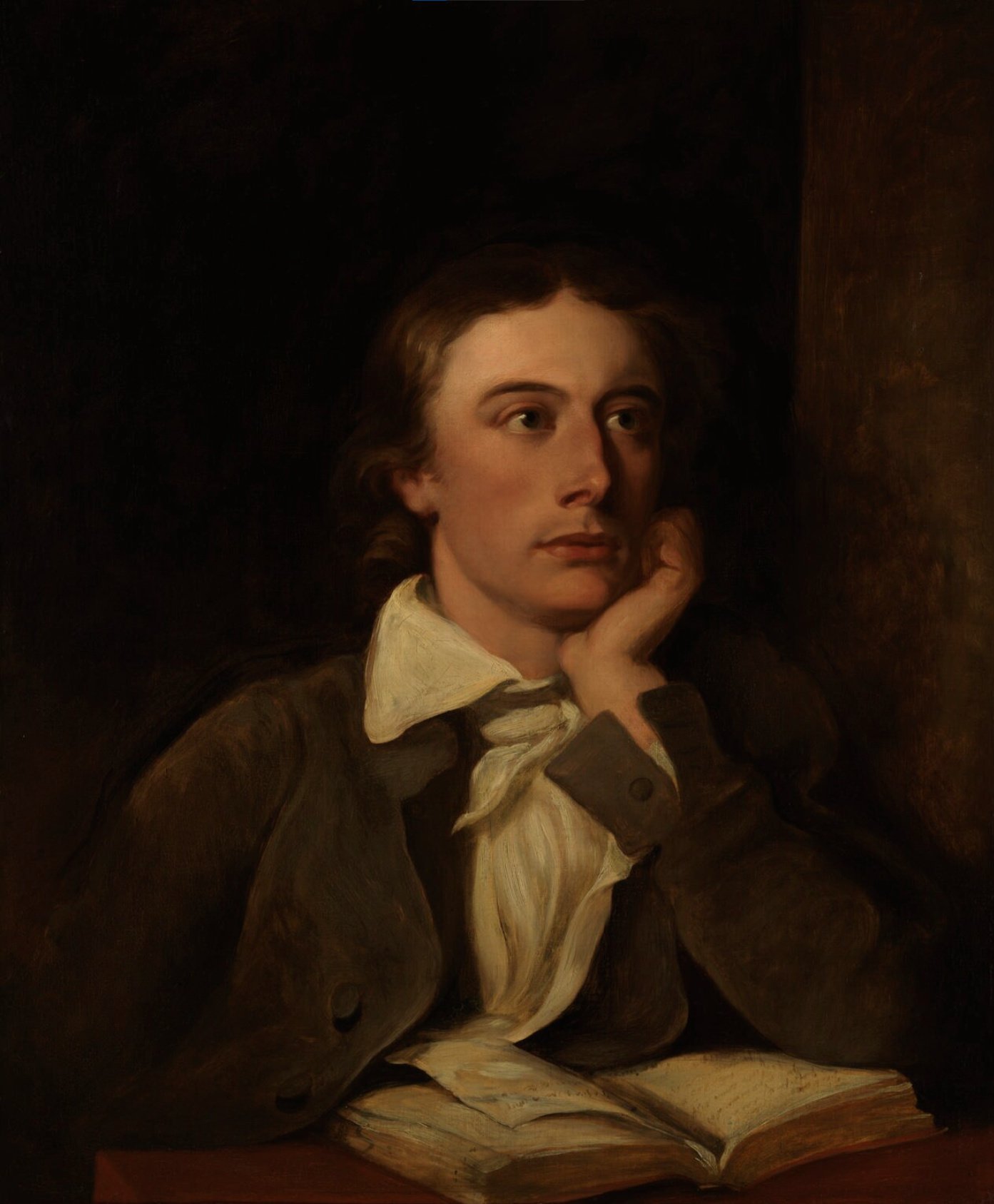
As such, use of this image in the jurisdiction of the claimant or other countries may be regarded as copyright infringement. Please see Commons:When to use the PD-Art tag for more information., Public domain, https://commons.wikimedia.org/w/index.php?curid=6370362)
John Keats published just three slim volumes of poetry before dying of tuberculosis at 25. His work was often savaged by critics, and he lamented the lack of appreciation in his short life. After his death in 1821, Keats’s poems—such as Ode to a Nightingale and To Autumn—were championed by fellow poets and critics. By the mid-19th century, Keats had become a central figure in English literature. His poetry now appears in nearly every major anthology, and new research from 2023 highlights his enduring popularity with modern readers.
Stieg Larsson’s Unexpected Bestseller

Swedish journalist Stieg Larsson lived a life far removed from international fame. He died suddenly in 2004, just before his Millennium trilogy began to take off. The first novel, The Girl with the Dragon Tattoo, was published posthumously in 2005 and became a global phenomenon. The series has now sold over 100 million copies worldwide, inspired several films, and sparked interest in Scandinavian crime fiction. According to a 2024 report, Larsson’s books remain among the top ten best-selling novels in the world.
Henry Darger’s Secret World
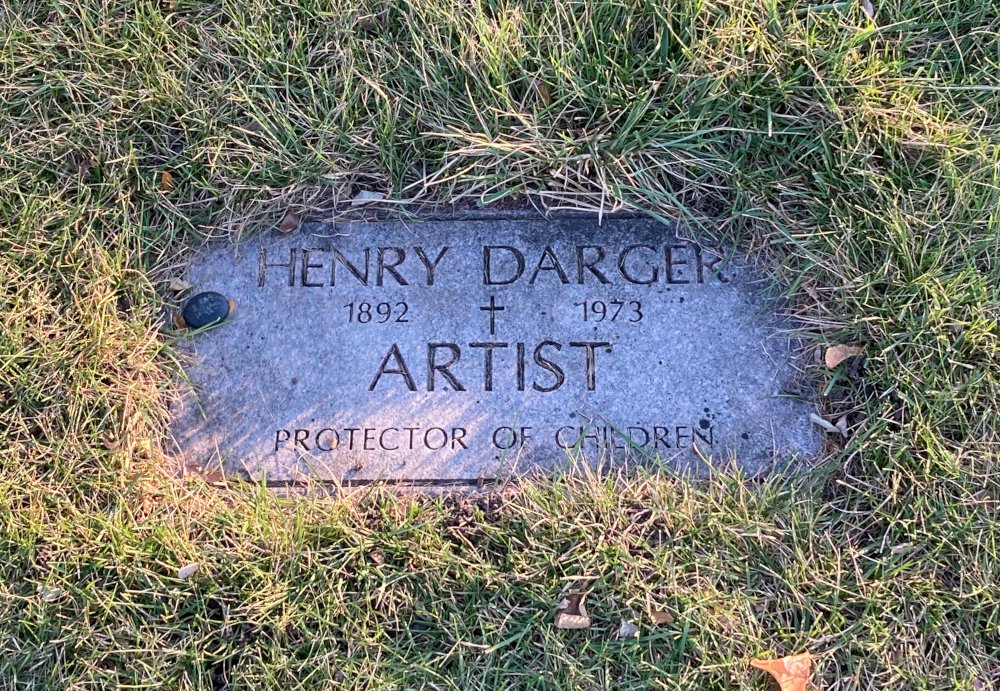
Henry Darger was a reclusive hospital janitor in Chicago who died in 1973, leaving behind a massive, illustrated fantasy manuscript called The Story of the Vivian Girls. His work, discovered by his landlord, stunned the art and literary world with its scale and imagination. Darger’s artwork and stories are now considered masterpieces of outsider art. Exhibitions of his work continue to draw crowds, and scholarly articles in 2023 placed Darger among the most influential self-taught artists in modern history.
Vincent van Gogh’s Letters as Literature
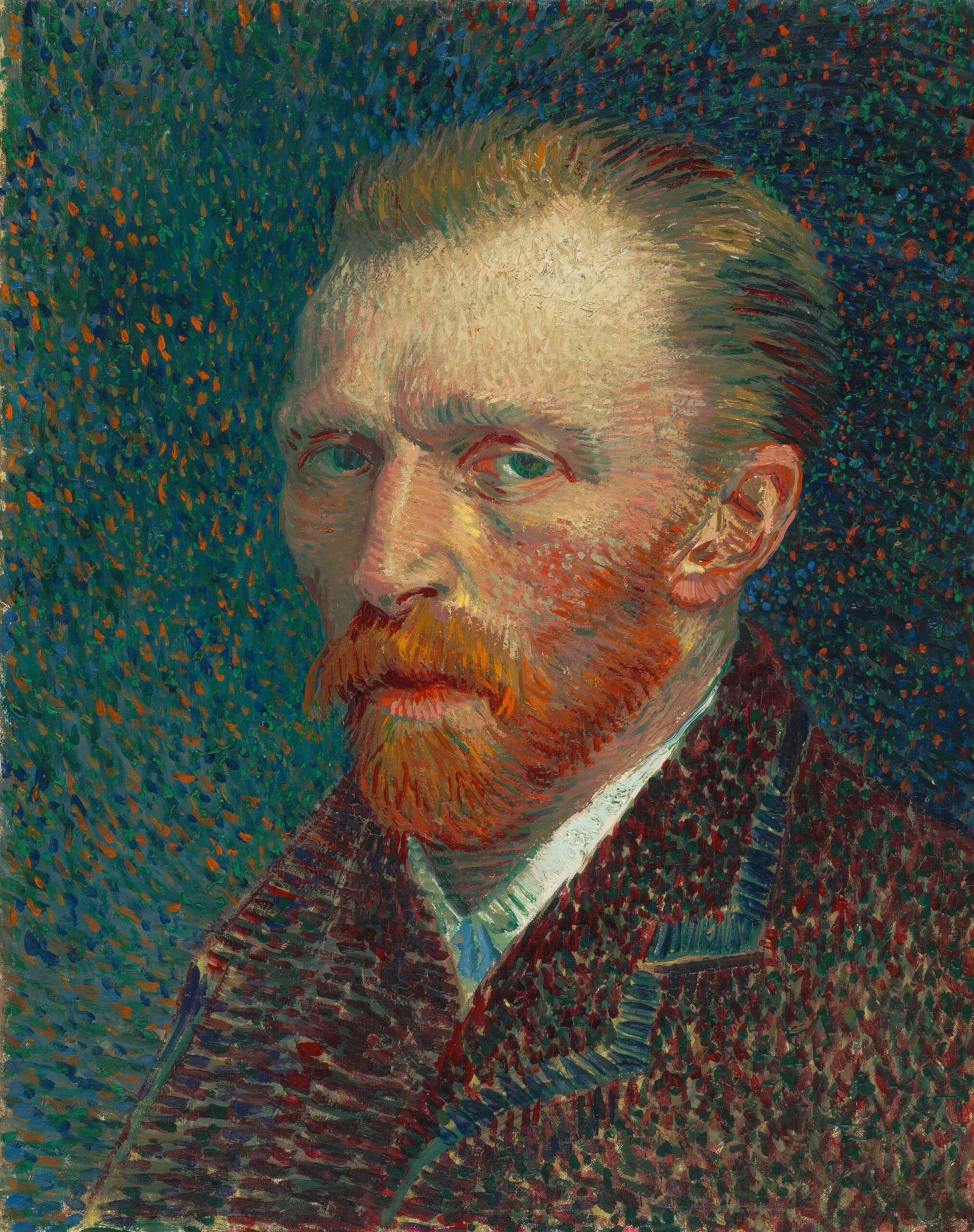
Vincent van Gogh sold only one painting in his lifetime, but his letters—especially those to his brother Theo—have since been recognized as literary treasures. After his death in 1890, these letters were compiled and published, revealing van Gogh’s poetic insights and struggles. Literary critics now regard his correspondence as a vital part of 19th-century European literature. Recent museum exhibitions have showcased his writings alongside his art, and a 2024 analysis noted a surge in academic interest in van Gogh’s literary legacy.
Robert Walser’s Rediscovered Miniatures
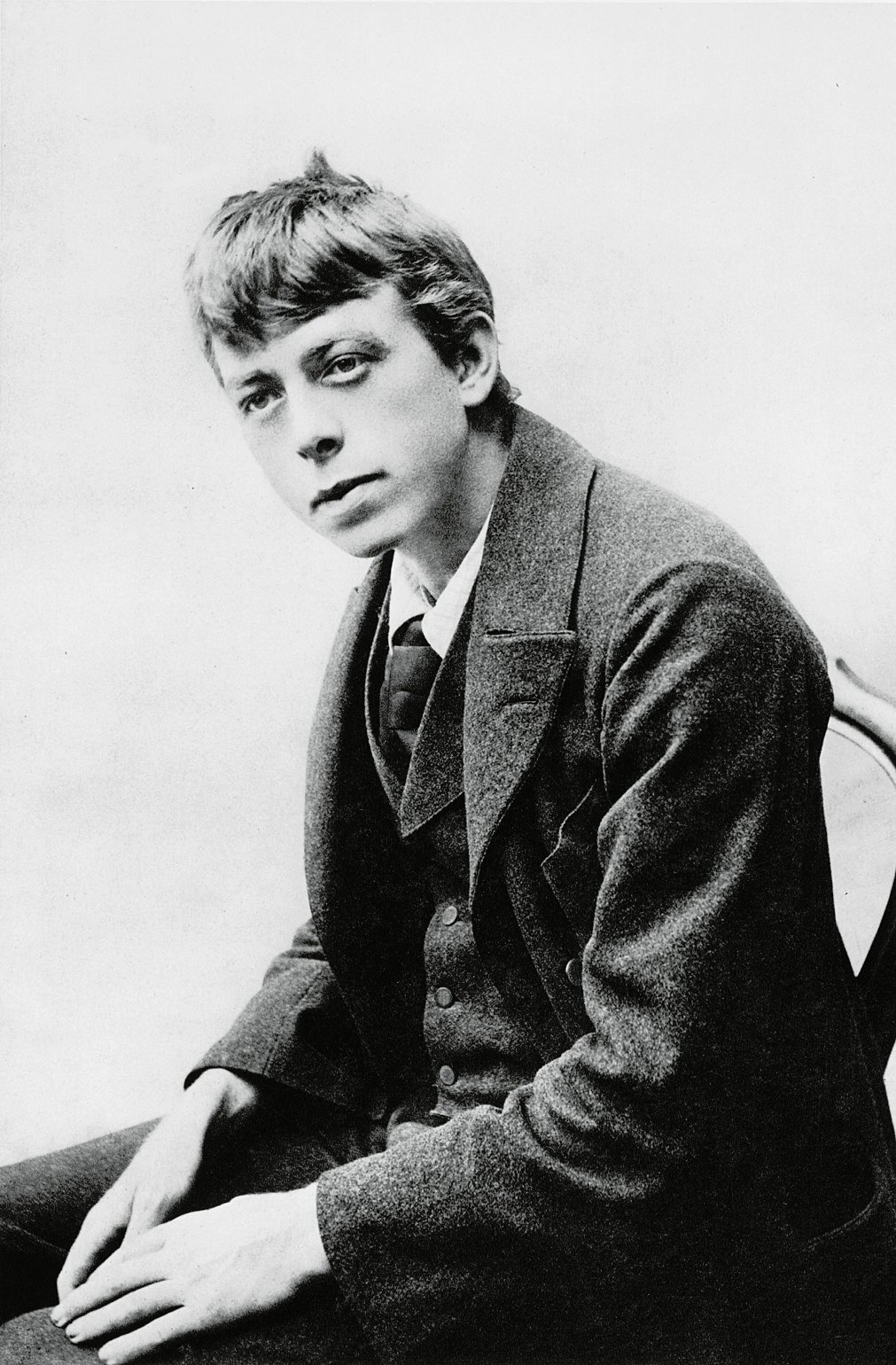
Swiss writer Robert Walser published several novels and countless short prose pieces before retreating into obscurity. He spent his last years in a mental institution, where his work was forgotten. Decades later, scholars uncovered his “micrograms”—tiny pencil manuscripts written in a spidery script. After his death in 1956, Walser’s unique style was celebrated by writers like W.G. Sebald and Susan Sontag. Today, Walser is seen as a precursor to modernist and postmodernist literature, with a major revival documented in a 2022 literary review.
Gerard Manley Hopkins’s Innovative Verse
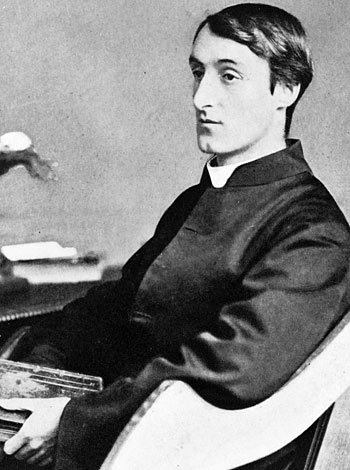
Gerard Manley Hopkins, a Jesuit priest, wrote poetry that broke all the rules of Victorian verse. His “sprung rhythm” style was so radical that few of his poems were published during his life. Hopkins died in 1889, believing his work would never be read. In 1918, his friend Robert Bridges published his poems, which quickly gained critical acclaim. Hopkins is now credited with influencing generations of poets, and his work is regularly taught in university courses around the world, with a 2024 curriculum survey confirming his lasting impact.
Fernando Pessoa’s Many Faces
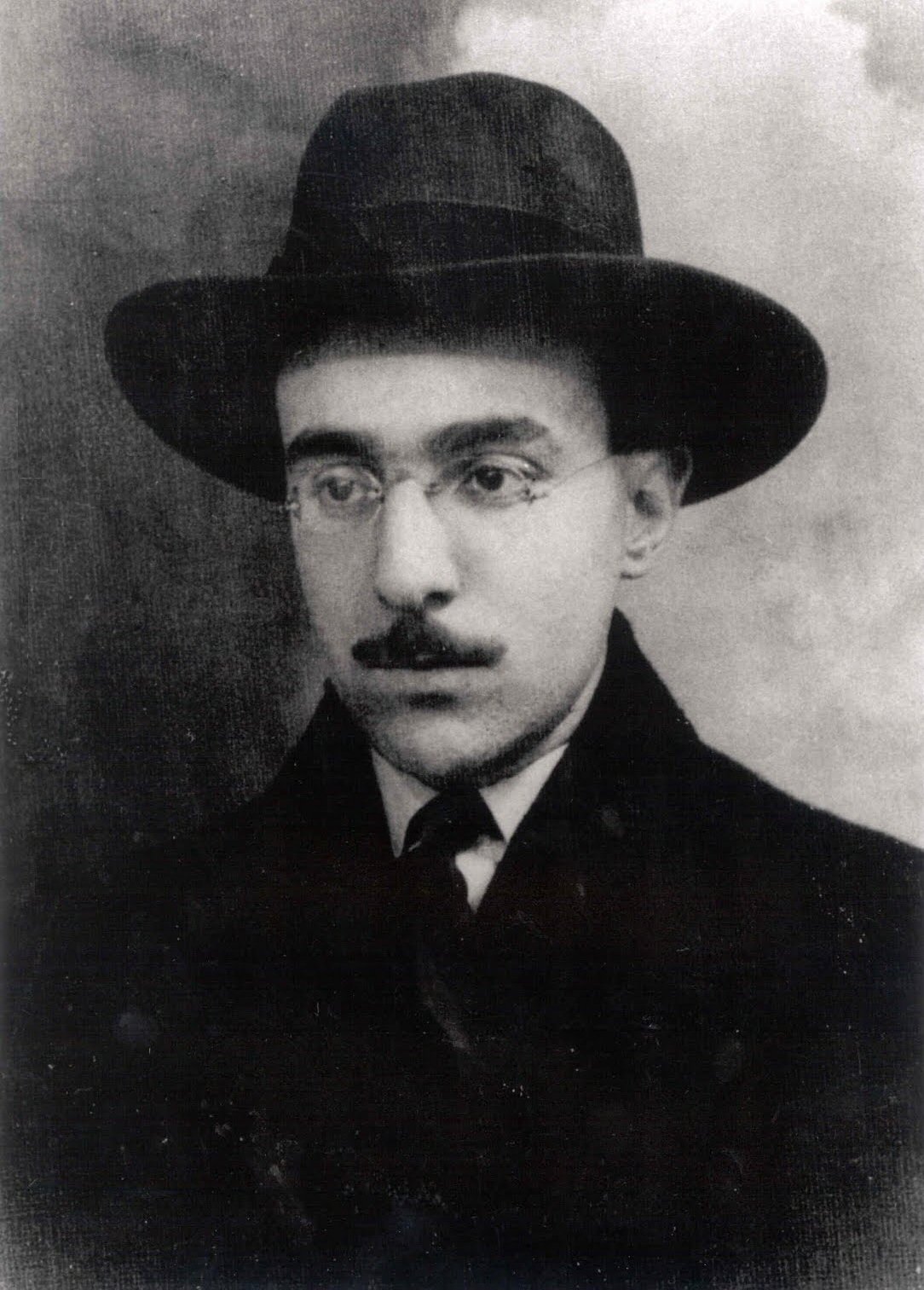
Portuguese writer Fernando Pessoa published very little under his own name during his life. Instead, he created dozens of literary alter egos, or “heteronyms,” each with their own style. When Pessoa died in 1935, his vast collection of manuscripts was found in a trunk. Scholars spent decades piecing together his writings, and today Pessoa is regarded as one of Portugal’s greatest literary figures. According to a 2024 study, his work is now translated into more than 50 languages and is a cornerstone of world literature.
Phillip K. Dick’s Science Fiction Revolution
![Phillip K. Dick’s Science Fiction Revolution (image credits: [1]. Initially published on the back of the 1st 1962 Putnam edition of The Man in the High Castle, without separate notice for the book cover as required by copyright law., Public domain, https://commons.wikimedia.org/w/index.php?curid=137980414)](https://festivaltopia.com/wp-content/uploads/2025/07/1752409412293_Philip_K_Dick_in_early_1960s_28photo_by_Arthur_Knight29_02.jpg)
Phillip K. Dick struggled financially and received little recognition during his lifetime. Many of his stories—like Do Androids Dream of Electric Sheep?—found only a niche audience. After his death in 1982, Dick’s visionary ideas about reality and technology gained traction. Hollywood adaptations like Blade Runner and Minority Report turned him into a household name. As of 2025, Dick’s novels have sold millions and are cited as key texts in the study of science fiction and futurism.
Henry David Thoreau’s Lasting Influence
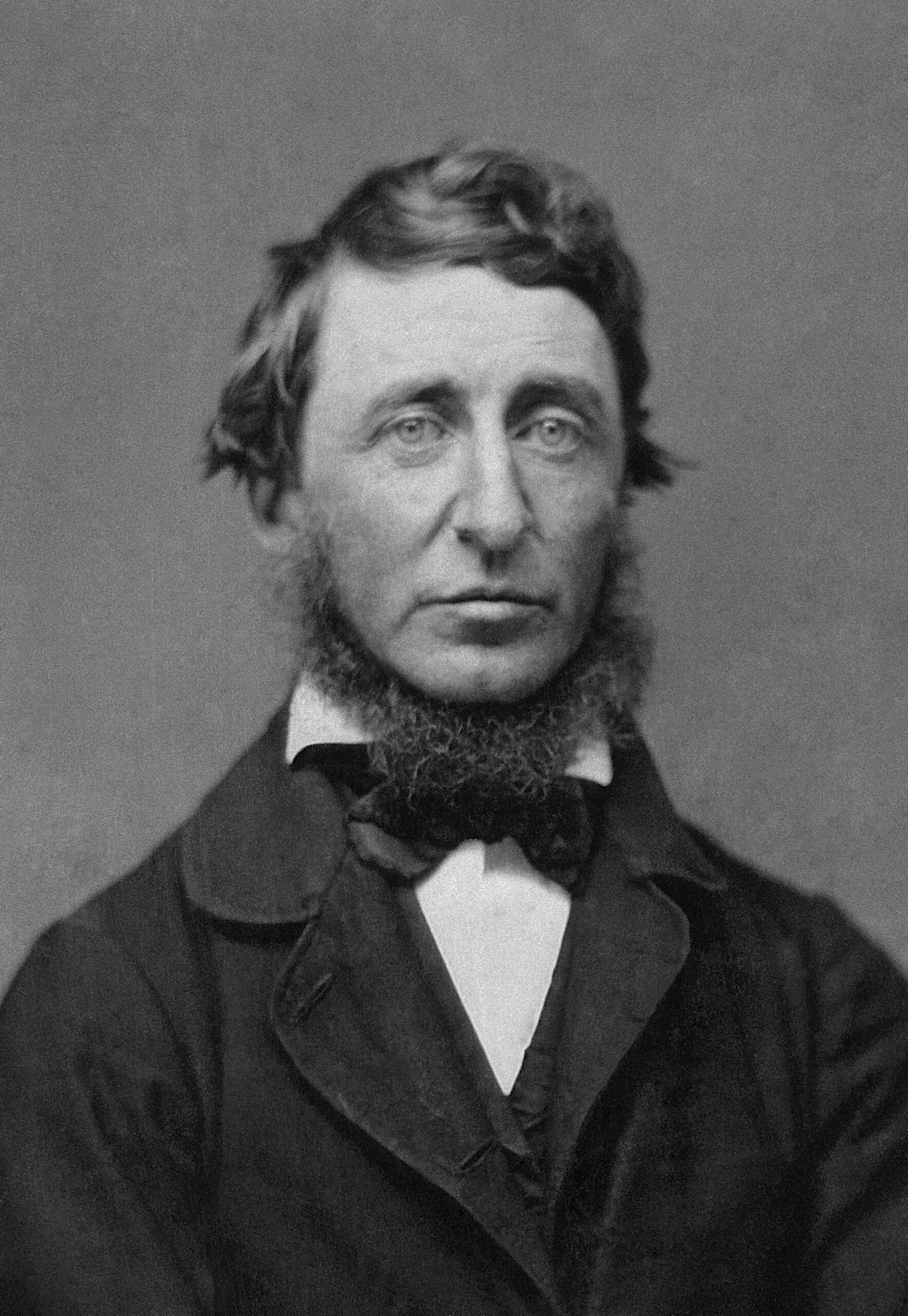
Henry David Thoreau published Walden and a few essays during his life, but his ideas were not widely embraced at the time. After his death in 1862, Thoreau’s writings on nature, civil disobedience, and individualism inspired generations. His essay “Civil Disobedience” influenced leaders like Gandhi and Martin Luther King Jr. In a 2023 poll, Thoreau was ranked as one of the top ten most influential American thinkers, and his works remain bestsellers more than 150 years after they were first published.
Oscar Wilde’s Posthumous Acclaim
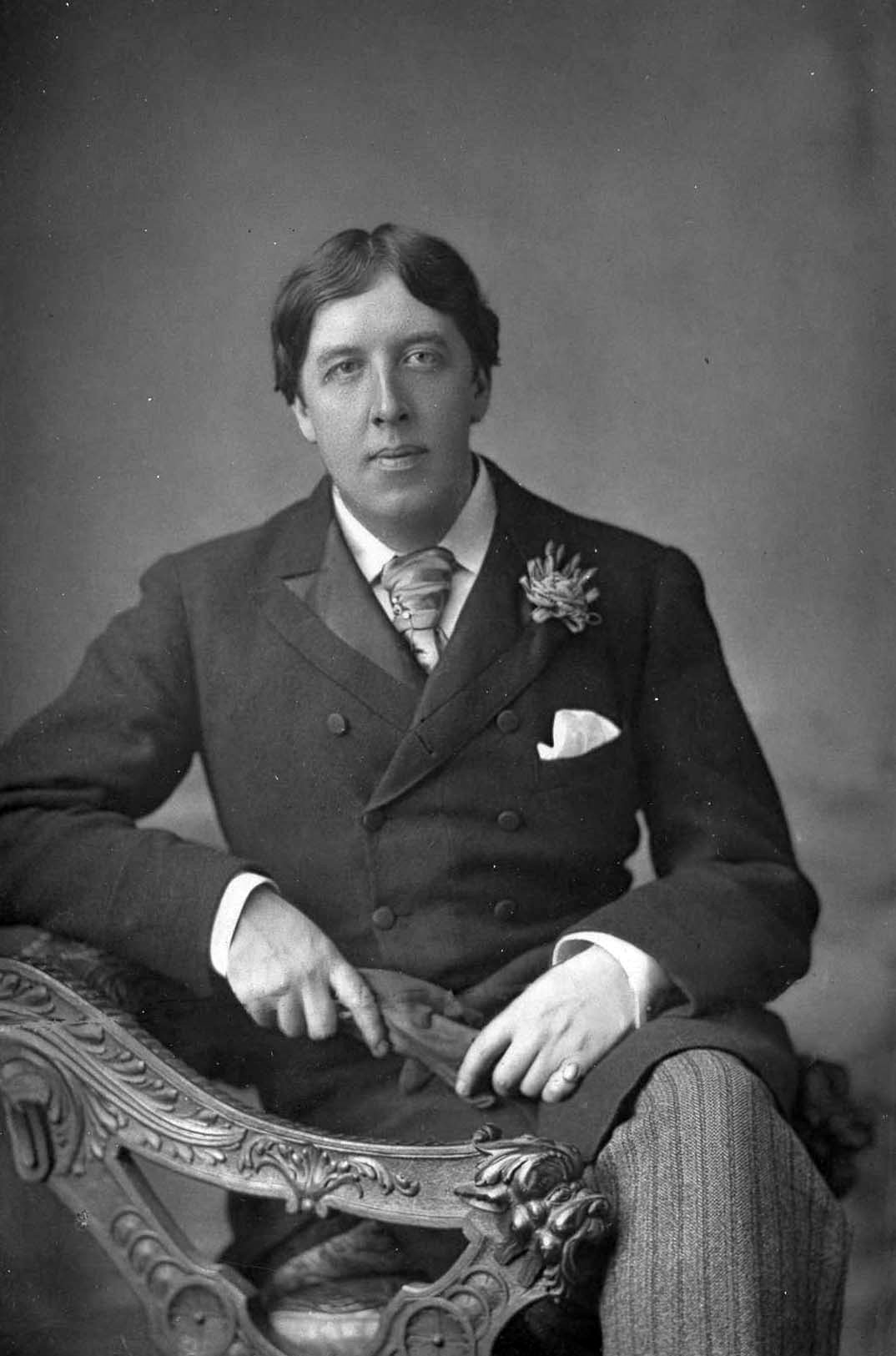
Oscar Wilde enjoyed some fame in his life but died disgraced and impoverished in 1900. After his death, his plays and novel The Picture of Dorian Gray gained renewed respect, and Wilde was recognized for his wit and social critique. Today, Wilde’s works are celebrated worldwide and frequently adapted for stage and screen. According to a 2024 study, Wilde’s plays are among the most performed in the English language, and his influence on LGBTQ literature is widely acknowledged.
Charles Baudelaire’s Scandalous Success
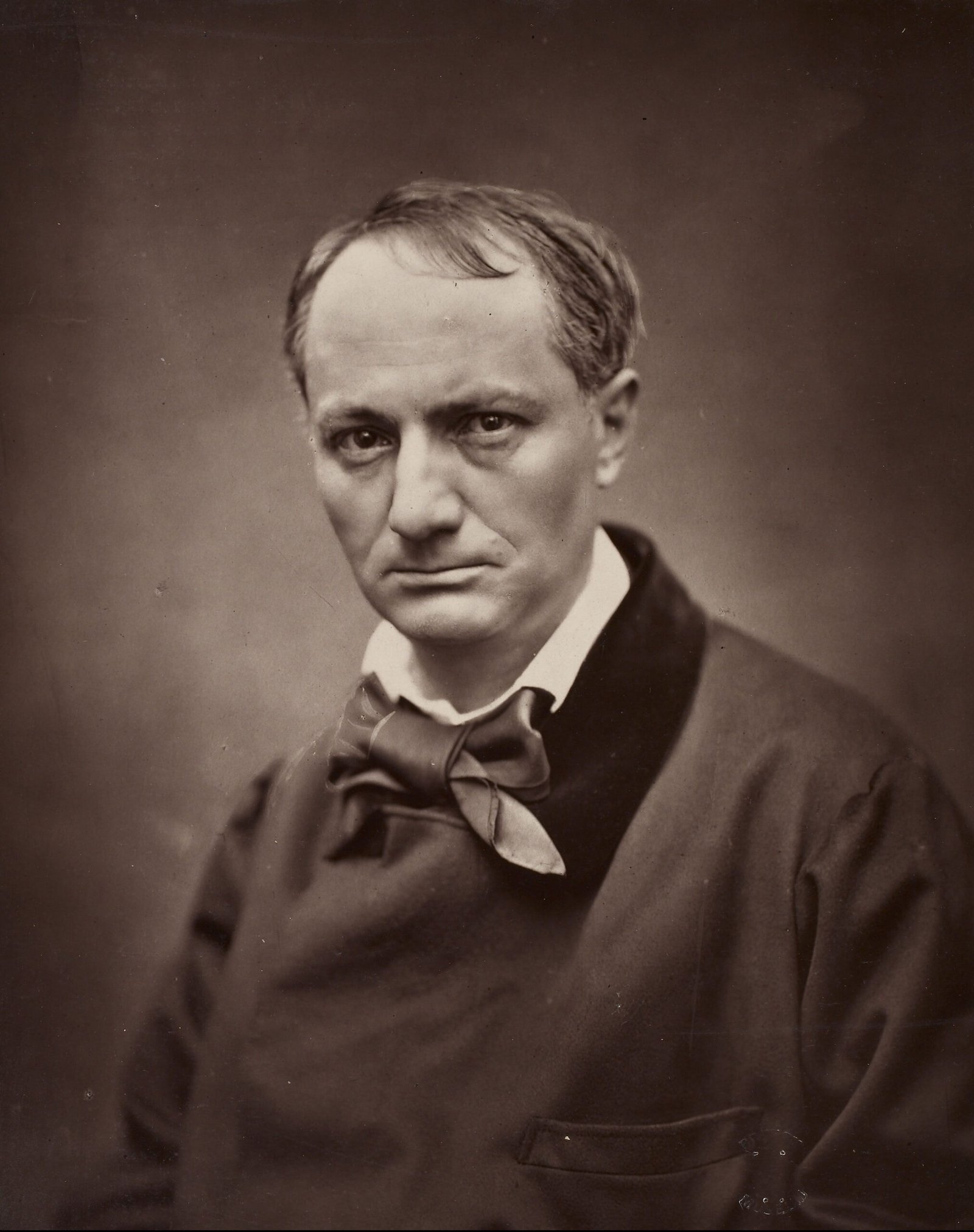
British Library: Image; Metadata, Public domain, https://commons.wikimedia.org/w/index.php?curid=23505702)
French poet Charles Baudelaire’s Les Fleurs du mal was banned for obscenity when first published, and he struggled with poverty and illness. After his death in 1867, Baudelaire’s influence grew rapidly, shaping the development of modern poetry and symbolism. His poems are now considered some of the most important in world literature. Literary journals in 2023 highlight that Baudelaire’s work is studied in universities across five continents.
Herman Melville’s Rediscovered Masterpiece
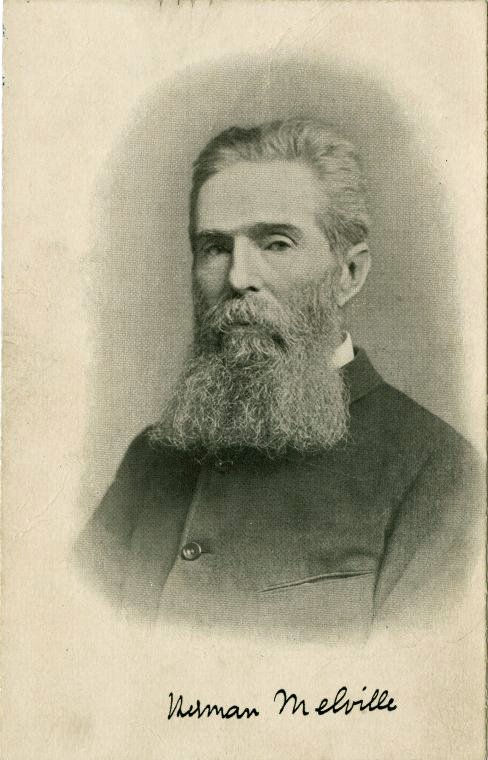
Herman Melville’s Moby-Dick was a commercial failure when published in 1851. Melville faded into obscurity and died in 1891, virtually forgotten. In the early 20th century, critics and readers rediscovered Moby-Dick, and Melville was hailed as a literary genius. According to a 2024 analysis, Moby-Dick is now one of the most cited novels in American literature, and Melville’s reputation continues to grow with each generation.
Kate Chopin’s Feminist Awakening
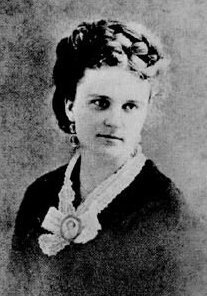
Kate Chopin published The Awakening in 1899 to scandal and criticism. Her frank portrayal of female sexuality and independence was ahead of its time, and she was largely ignored by critics. After her death in 1904, Chopin’s novel was rediscovered in the 1960s by feminist scholars. Today, The Awakening is regarded as a classic of American literature and is taught in classrooms across the United States. A 2023 study reported a sharp increase in academic articles on Chopin’s work, reflecting her growing influence.
Niccolò Machiavelli’s Delayed Fame
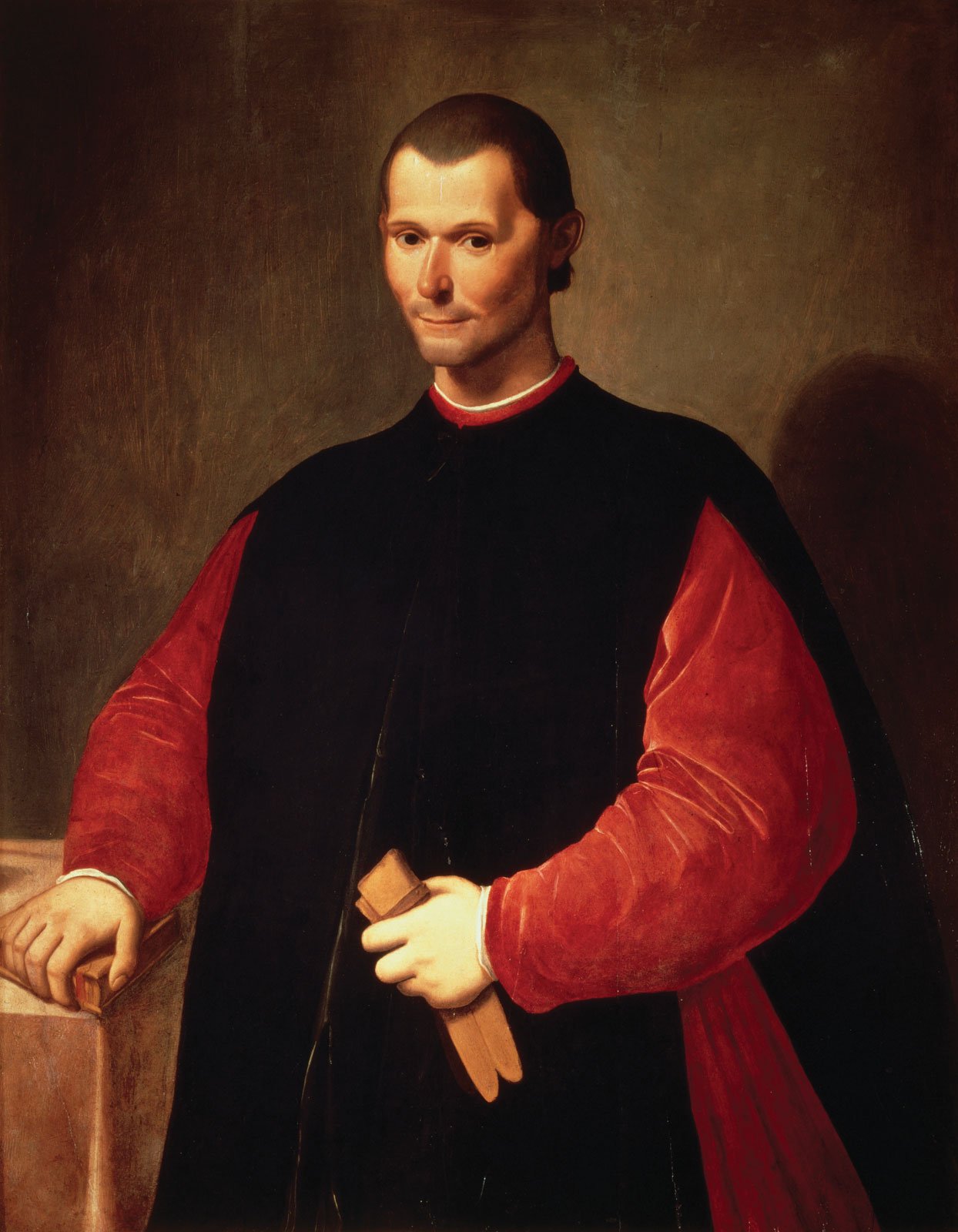
Niccolò Machiavelli’s The Prince was published after his death in 1527 and was initially banned by the Catholic Church. Over time, Machiavelli’s ideas about power and leadership became required reading in political science and business schools. His name has even entered the language as “Machiavellian.” Recent research in 2024 indicates that The Prince is one of the most translated political texts in history and is still used as a reference in discussions of leadership and ethics.
Emily Brontë’s Wuthering Heights
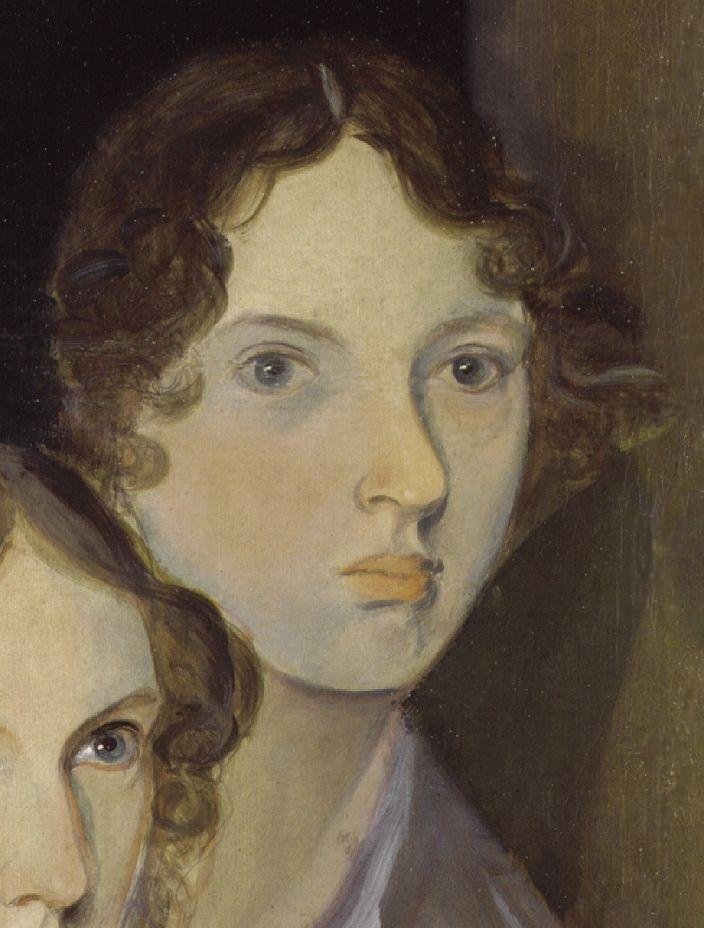
As such, use of this image in the jurisdiction of the claimant or other countries may be regarded as copyright infringement. Please see Commons:When to use the PD-Art tag for more information., Public domain, https://commons.wikimedia.org/w/index.php?curid=6553922)
Emily Brontë published only one novel, Wuthering Heights, under the pseudonym Ellis Bell in 1847. The book received mixed reviews and Brontë died a year later, never knowing her story would become a classic. In the decades that followed, Wuthering Heights was re-evaluated and praised for its intense emotion and originality. Today, Brontë’s novel is considered one of the greatest in English literature, with recent surveys ranking it among the top ten most-loved novels in the UK and US.
Jean Rhys’s Late Recognition
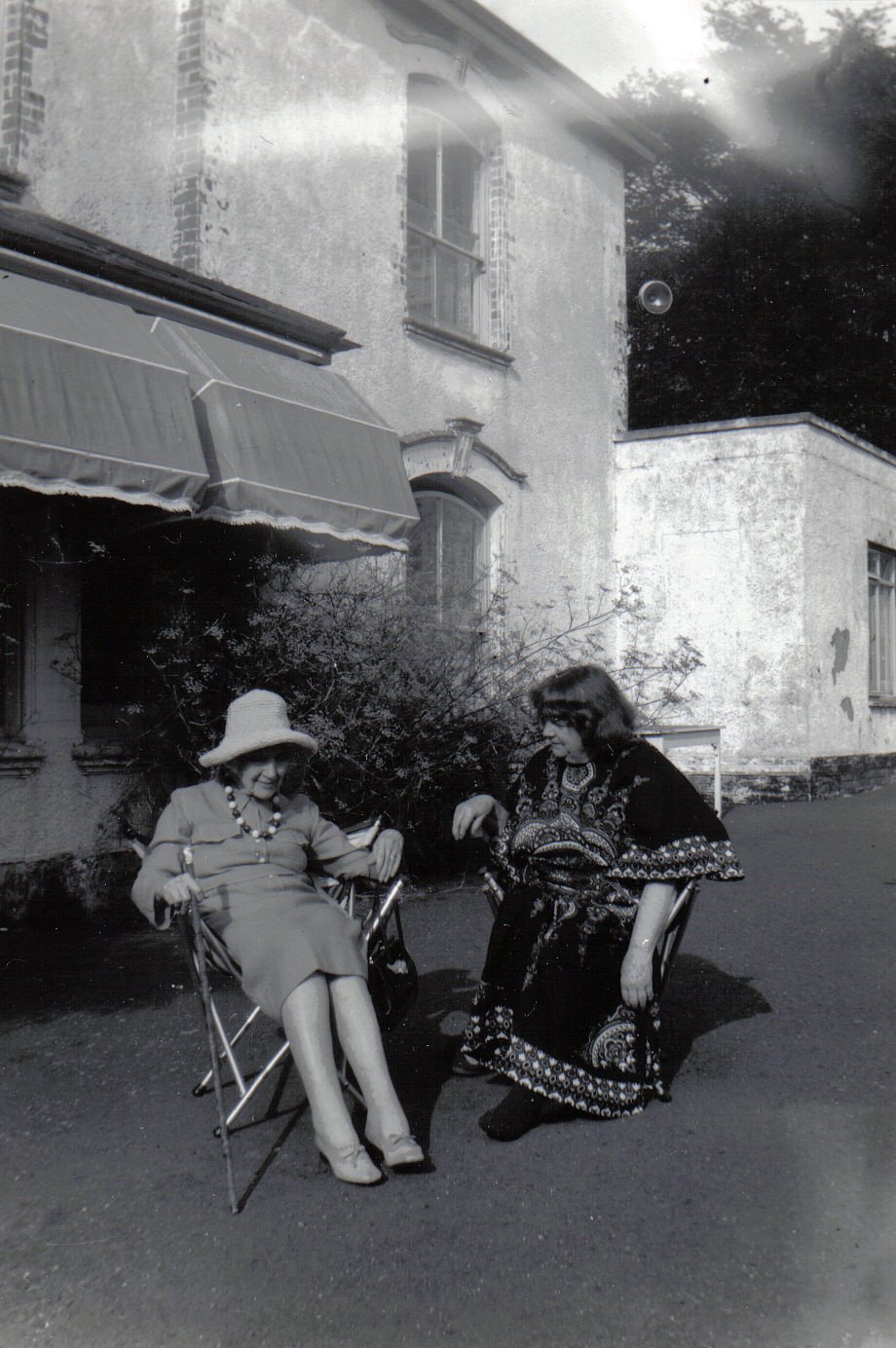
Jean Rhys wrote several novels and short stories in the early 20th century, but they attracted little attention. After decades of obscurity, Rhys was “rediscovered” in the 1960s with the publication of Wide Sargasso Sea, a prequel to Jane Eyre. She died in 1979, but her work has since become central to feminist and postcolonial literary studies. A 2023 university syllabus review found Wide Sargasso Sea is now required reading in over 200 literature programs worldwide.

Besides founding Festivaltopia, Luca is the co founder of trib, an art and fashion collectiv you find on several regional events and online. Also he is part of the management board at HORiZONTE, a group travel provider in Germany.
