


For any feedback please reach out to info@festivalinside.com
- Senator Hawley Targets Minnesota AG Keith Ellison in Explosive Somali Fraud Exposé - February 26, 2026
- Bill Gates Comes Clean: Rare Apology for Epstein Ties and Extramarital Affairs Shocks the World - February 26, 2026
- Ohio Home Health Firm Draws Fire Over $1.2 Million PPP Windfall With No Digital Trail - February 26, 2026
Big Yellow Taxi: The Parking Lot Paradise

When Joni Mitchell woke up in her Hawaii hotel room in 1970 and saw paradise paved over with concrete, she created what would become one of the most enduring environmental anthems of all time. The song was a regional hit in Hawaii because people there realized their paradise was being chewed up, and it took 20 years for that song to sink in to people most other places. Mitchell’s simple yet profound observation about losing what we have became a rallying cry for environmental awareness.
There have been cases in a couple of cities of parking lots being torn up and turned into parks because of the song, and wherever a tree was being cut down, someone trotted the song out. The track reached number 24 on the Billboard Hot 100 in its live version and still receives significant airplay in Canada; in 2005, it was voted No. 9 on CBC’s list of the top 50 essential Canadian tracks. Mitchell herself admitted the song did “a little bit of good,” but that’s a dramatic understatement, as the song has become not just a theme song for so-called tree huggers and saviors, but also a standard for many environmental and ecological causes and an anthem for the environmental movement in general.
Mercy Mercy Me: Marvin Gaye’s Soulful Environmental Plea
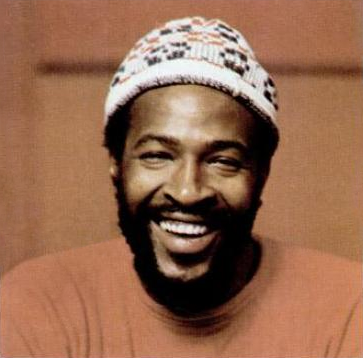
Released in 1971 on the landmark album “What’s Going On,” Marvin Gaye’s “Mercy Mercy Me (The Ecology)” captured the environmental consciousness of the era with stunning clarity. The song captures the sentiments of the height of the environmental movement with lyrics like, “Mercy, mercy me, things ain’t what they used to be, oil wasted on the ocean and upon our seas, fish full of mercury”. The song preceded public understanding of climate change but addressed the interconnected nature of environmental problems that we now understand all too well.
What made Gaye’s contribution particularly powerful was how he wove environmental concerns into his broader commentary on social justice and human suffering. In what is arguably one of the most poignant songs about the environment of all time, Marvin Gaye’s “Mercy Mercy Me (The Ecology),” longs for the way things used to be, before the Earth’s skies, ocean, and land were polluted, and before people and animals were suffering because of it. The song helped establish the connection between environmental degradation and social inequality that would become central to environmental justice movements.
After the Gold Rush: Neil Young’s Prophetic Vision

Neil Young’s “After the Gold Rush” from 1970 featured the now-iconic line about Mother Nature being “on the run in the 1970s,” a prescient observation that would prove remarkably accurate. Young’s folk-rock anthem captured the urgency of environmental destruction during a decade when industrial pollution and unchecked development were reaching crisis levels. The song’s apocalyptic imagery and haunting melody made it a perfect soundtrack for the emerging environmental movement.
Young continued his environmental activism throughout his career, later releasing “Mother Earth (Natural Anthem)” in 1990 with the direct message about nuclear waste. His consistent environmental messaging across decades helped maintain momentum for environmental causes even as public attention waned. The song remains relevant today as climate change has indeed put Mother Nature “on the run” in ways Young could hardly have imagined in 1970.
Woodstock: The Garden of Earthly Delights
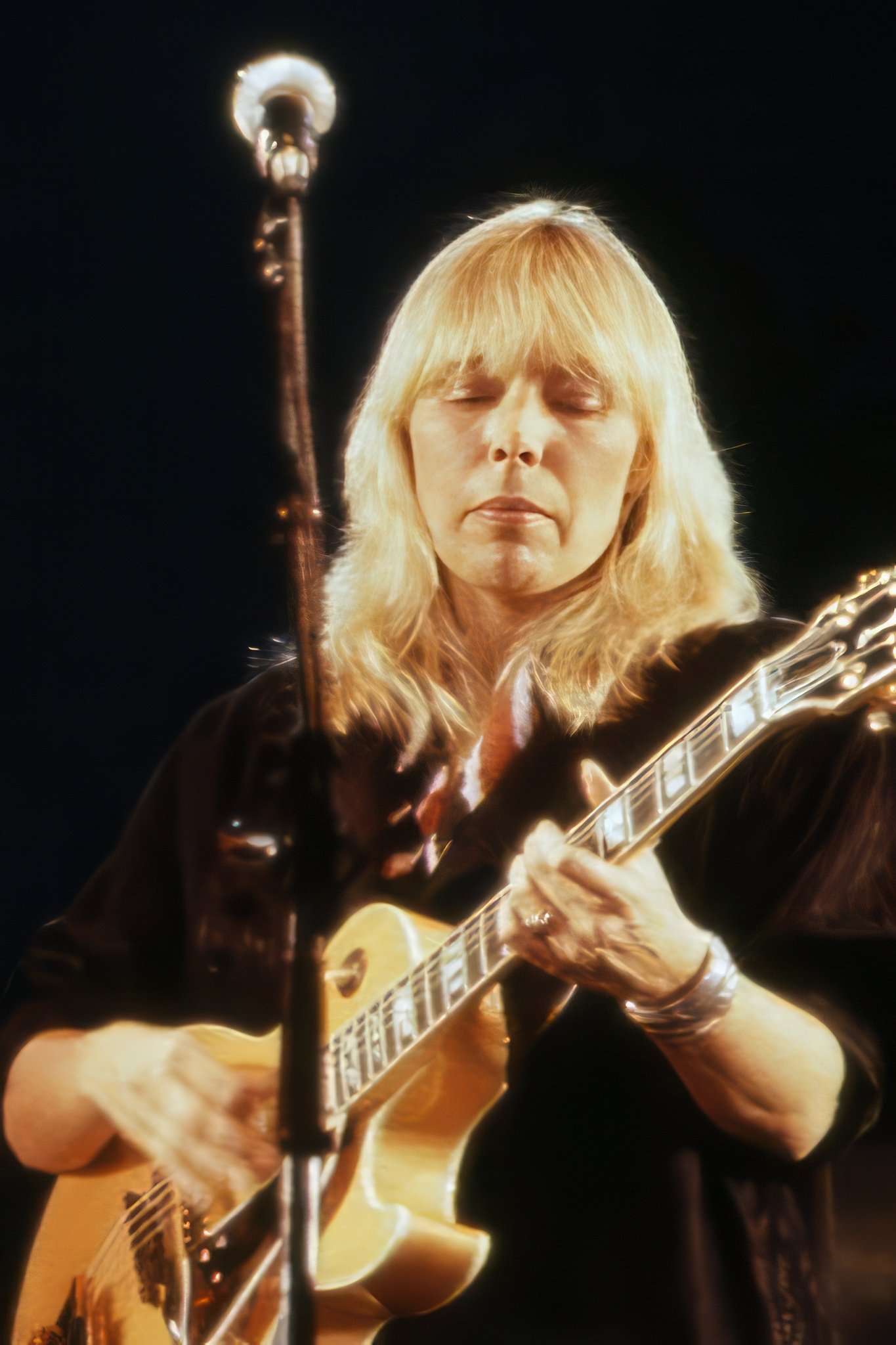
Both Joni Mitchell’s original version and Crosby, Stills, Nash & Young’s rock adaptation of “Woodstock” captured the back-to-the-land spirit that became central to environmental movements. The song’s famous line about being “stardust” and “golden” and needing to “get ourselves back to the garden” resonated with a generation seeking harmony with nature. Ironically, Mitchell didn’t attend the festival but created one of its most enduring anthems.
The song’s environmental message went beyond simple nostalgia for rural life. It expressed a fundamental shift in how young Americans viewed their relationship with the natural world. The “garden” metaphor suggested that humans could live in harmony with nature rather than constantly battling to dominate it. This philosophy would become foundational to environmental movements of the 1970s and beyond.
Pollution: Tom Lehrer’s Satirical Wake-Up Call

Released in 1965, Tom Lehrer’s “Pollution” took a comedic approach to environmental destruction that made serious points more palatable to mainstream audiences. The song used humor to address environmental issues, making them more accessible to the general public while still conveying the seriousness of the problems. Lehrer’s satirical style helped break down barriers that might have prevented people from engaging with environmental issues.
The song’s witty observations about industrial pollution and its effects on daily life helped raise awareness about environmental problems that were often invisible to urban dwellers. By making environmental destruction laughable, Lehrer paradoxically made it harder to ignore. His approach influenced later environmental songs that used humor and irony to make their points about ecological destruction and human folly.
Before the Deluge: Jackson Browne’s Environmental Warning

photo front
photo back, Public domain, https://commons.wikimedia.org/w/index.php?curid=19582667)
Jackson Browne’s 1974 song “Before the Deluge” served as a prophetic warning about ecological collapse and human short-sightedness. The song’s title referenced both biblical floods and the potential for environmental catastrophe if humanity didn’t change course. Browne’s thoughtful lyrics and melodic craftsmanship made complex environmental concepts accessible to rock audiences.
The song’s environmental message was embedded in a broader critique of modern society’s disconnection from natural cycles and consequences. Browne’s ability to weave environmental concerns into personal and political commentary helped establish him as one of the most consistent environmental voices in popular music. His later work continued to address environmental themes, making him a bridge between 1970s environmental consciousness and later climate activism.
Don’t Go Near the Water: The Beach Boys’ Surprising Environmental Turn

The Beach Boys’ 1971 song “Don’t Go Near the Water” marked a surprising shift for a band known for celebrating California’s beach culture. The song’s environmental message about ocean pollution was particularly powerful coming from artists so closely associated with coastal lifestyle. This represented a significant evolution in the band’s consciousness about environmental issues affecting their home state.
The song’s warning about contaminated water resonated with audiences who had witnessed oil spills and industrial pollution firsthand. By 1971, California’s beaches were showing clear signs of environmental stress, and the Beach Boys’ acknowledgment of this reality carried special weight. Their environmental awareness helped legitimize environmental concerns among mainstream pop audiences who might have dismissed more overtly political messages.
Earth: Lil Dicky’s Star-Studded Climate Call

The single “Earth” has already amassed over 80 million views in the two weeks it has been out, featuring artists such as Justin Bieber, Ariana Grande, and many more, bringing into mainstream the dire awareness we all must have in this critical period in human history. Released in 2019, the song represented a new approach to environmental activism through star power and humor. All proceeds of the music video will go to environmental causes, with Leonardo DiCaprio’s environmental foundation consulting on where the proceeds would best be invested.
What made Lil Dicky’s approach particularly effective was his honest admission about his own environmental awakening. He looked into climate change and was blown away, didn’t realize remotely that it was such an urgent, dire situation, didn’t know that we literally have 12 years to completely change how we do so many things on Earth, from a fundamental standpoint, or the damage will be irreversible and in our lifetimes we’re going to experience such drastic impact. This brought a sense of humor to environmentalism, a relatively new take that proved welcome, if the song’s climb to 100 million views goes to show anything.
The 1975 Featuring Greta Thunberg: Youth Climate Activism

The 1975’s collaboration with Greta Thunberg in 2019 represented a new generation’s approach to environmental activism through music. The track featured Thunberg’s powerful speech about climate collapse and the failure of older generations to address the crisis. This collaboration between established musicians and youth climate activists demonstrated how environmental music was evolving to meet the urgency of the climate crisis.
The song’s impact extended beyond traditional music audiences, reaching young people who were already mobilizing for climate action. By featuring Thunberg’s actual words rather than interpreting them through lyrics, the song maintained the authenticity and urgency of youth climate activism. This approach influenced other artists to collaborate directly with environmental activists rather than simply writing songs about environmental issues.
No More Coal: Steve Earle’s Folk-Punk Environmental Demand

Steve Earle’s 2021 song “No More Coal” brought folk-punk energy to environmental activism with its direct demand to end fossil fuel extraction. The song’s aggressive approach reflected growing frustration with the pace of environmental action and the continued dominance of coal in America’s energy mix. Earle’s working-class credibility gave weight to his environmental message in communities often skeptical of environmental activism.
The song’s straightforward demand for an end to coal mining represented a more confrontational approach to environmental music than earlier generations had embraced. Earle’s willingness to take direct political stances on environmental issues helped bridge the gap between environmental activism and traditional American folk music. His approach influenced younger artists to be more direct in their environmental messaging.
This Land Is Your Land: Woody Guthrie’s Environmental Anthem
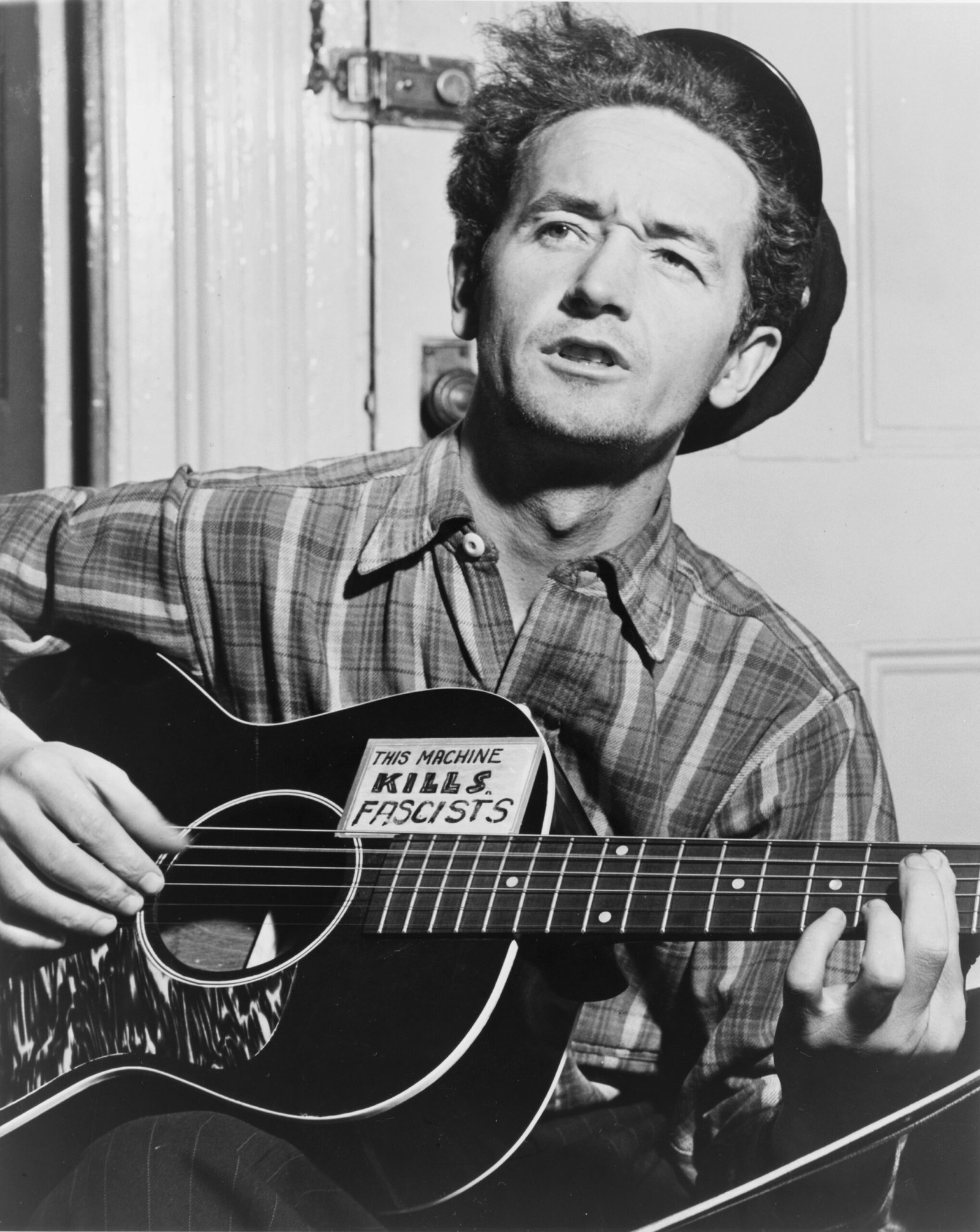
While written in 1940, Woody Guthrie’s “This Land Is Your Land” was adopted by environmental movements as an anthem for public land preservation. The song’s message about shared ownership of America’s natural resources resonated with environmentalists fighting to protect public lands from development and exploitation. Guthrie’s populist approach to land ownership aligned with environmental movements’ democratic ideals.
The song’s emphasis on the land belonging to all Americans, not just wealthy interests, became central to environmental justice movements. Environmental activists used the song to argue that clean air, water, and land were public resources that should be protected for everyone. This interpretation helped connect environmental protection with broader social justice concerns.
Wild World: Cat Stevens’ Environmental Care

Cat Stevens’ 1970 song “Wild World” was often interpreted as a plea for environmental care, though its lyrics dealt with personal relationships. The song’s title and themes of protecting something precious and vulnerable resonated with environmental activists who saw parallels between caring for people and caring for the planet. Stevens’ gentle approach to environmental themes influenced later artists who embedded environmental messages in personal songs.
The song’s enduring popularity helped introduce environmental themes to audiences who might not have been receptive to more direct environmental messaging. By addressing environmental concerns through metaphor and suggestion rather than direct advocacy, Stevens reached listeners who were beginning to think about humanity’s relationship with nature. This approach became a template for artists who wanted to address environmental issues without being preachy.
The Last Unicorn: America’s Endangered Species Metaphor

America’s 1982 song “The Last Unicorn” from the animated film served as a powerful metaphor for endangered species and environmental loss. The song’s haunting melody and lyrics about the last of a magical species resonated with audiences increasingly aware of extinction crises. The unicorn became a symbol for all the species being lost to habitat destruction and environmental degradation.
The song’s fantasy setting made environmental themes accessible to younger audiences who might not have been engaged by more direct environmental messaging. By using mythical creatures to represent real environmental losses, the song helped children and adults think about extinction and environmental protection. This approach influenced later environmental songs that used fantasy and metaphor to address serious environmental issues.
Where Do the Children Play: Cat Stevens’ Development Critique

Cat Stevens’ 1970 song “Where Do the Children Play?” questioned unchecked development and urbanization’s impact on childhood and natural spaces. The song’s concern about losing places for children to connect with nature resonated with parents and educators worried about increasing urbanization. Stevens’ gentle questioning approach made environmental concerns accessible to mainstream audiences.
The song’s focus on children’s need for natural spaces helped establish environmental protection as a family issue rather than just a political one. By framing environmental concerns in terms of children’s welfare, Stevens helped build broader support for environmental protection. This approach influenced later environmental songs that emphasized protecting nature for future generations.
Which Side Are You On: Environmental Adaptation of Labor Song

Florence Reece’s 1931 labor song “Which Side Are You On?” was adapted by environmental activists for anti-mining and anti-pipeline protests. The song’s confrontational approach and clear moral framing made it perfect for environmental conflicts where communities faced corporate environmental threats. The adaptation showed how traditional protest songs could be repurposed for environmental activism.
The song’s effectiveness in environmental protests demonstrated the power of familiar melodies and structures in building movement solidarity. Environmental activists found that adapting well-known songs was more effective than creating entirely new environmental songs. This approach influenced later environmental movements that used familiar songs with adapted lyrics to build unity and communicate their message.
The Ghost of Tom Joad: Environmental and Economic Justice

Bruce Springsteen’s 1995 song “The Ghost of Tom Joad” and Rage Against the Machine’s 1997 cover connected economic and environmental justice concerns. The song’s focus on displaced workers and environmental degradation showed how environmental problems affected working-class communities disproportionately. This connection helped build bridges between labor movements and environmental activism.
The song’s enduring popularity in both acoustic and rock versions demonstrated its broad appeal across different audiences. Environmental activists found that connecting environmental concerns with economic justice made their message more compelling to working-class audiences. This approach influenced later environmental songs that addressed environmental justice rather than just environmental protection.
Bury My Heart at Wounded Knee: Indigenous Environmental Voices
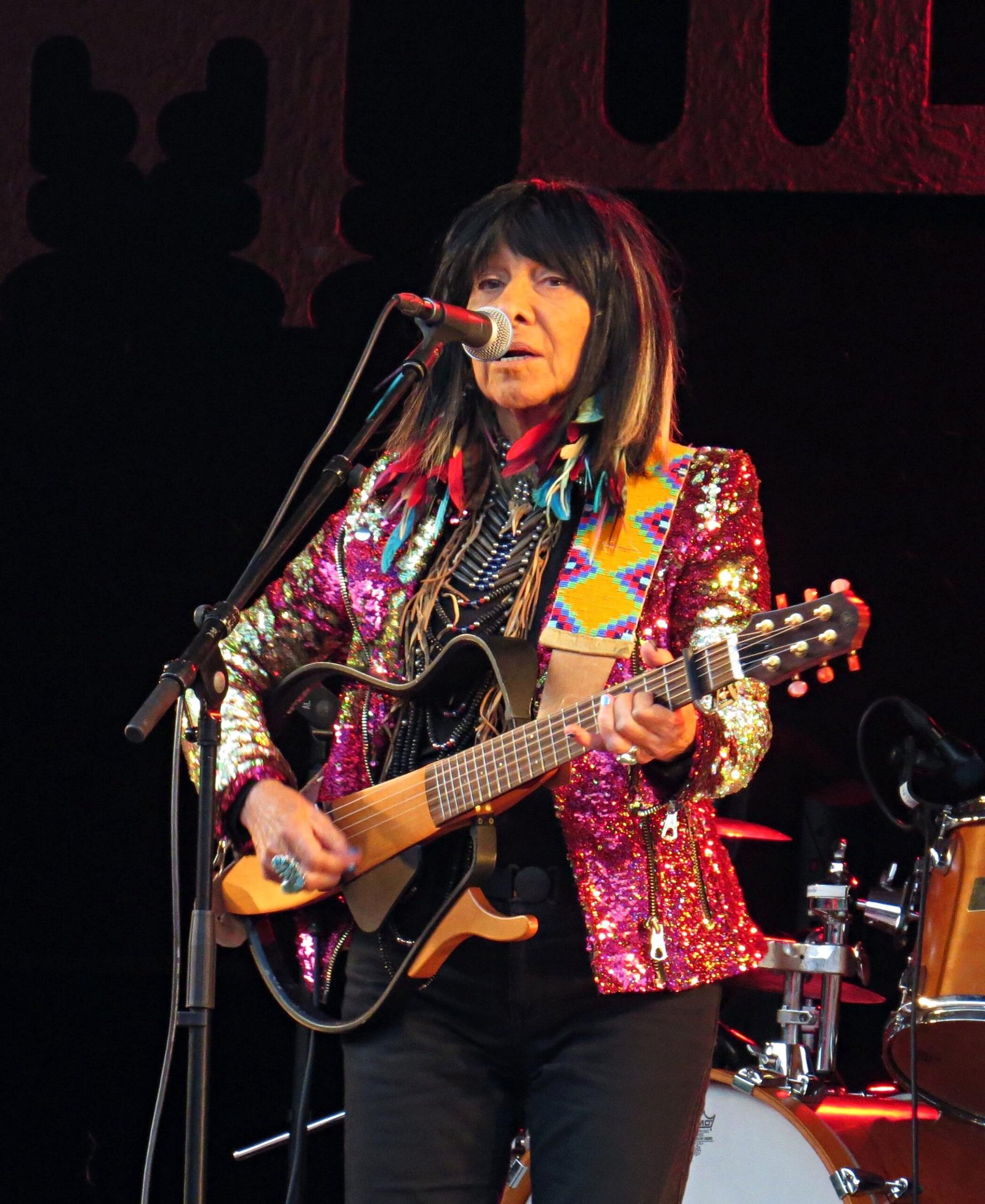
Buffy Sainte-Marie’s 1992 song “Bury My Heart at Wounded Knee” highlighted Indigenous struggles over land and environmental resources. The song connected historical injustices with contemporary environmental conflicts, showing how Indigenous peoples had long been fighting for environmental protection. Sainte-Marie’s powerful vocals and lyrics brought Indigenous environmental perspectives to mainstream audiences.
The song’s emphasis on Indigenous knowledge and environmental wisdom influenced later environmental movements that recognized Indigenous peoples as crucial allies in environmental protection. By highlighting the connection between cultural survival and environmental protection, the song helped broaden environmental movements’ understanding of environmental justice. This approach influenced later environmental songs that centered Indigenous voices and perspectives.
Stand Up/Stand N Rock #NoDAPL: Hip-Hop Environmental Protest

Taboo’s 2017 song “Stand Up/Stand N Rock #NoDAPL” brought hip-hop energy to environmental protest with its support for Standing Rock Sioux opposition to the Dakota Access Pipeline. The song’s aggressive beats and direct political messaging represented a new generation of environmental hip-hop that wasn’t afraid to take confrontational stances. The song’s connection to specific environmental conflicts made it particularly powerful for movement organizing.
The song’s success demonstrated hip-hop’s potential as a vehicle for environmental activism, particularly in communities of color that were disproportionately affected by environmental problems. By connecting environmental issues with Indigenous rights and social justice, the song helped build broader coalitions for environmental protection. This approach influenced later environmental hip-hop that emphasized environmental justice and community organizing.
Feels Like Summer: Childish Gambino’s Climate Anxiety

Childish Gambino’s Grammy-nominated song “Feels Like Summer” is an easy, breezy R’n’B track with environmentally driven lyrics that sounds like a hazy afternoon slow jam but when you listen closely, you realize that Childish Gambino encourages listeners to slow down and question everything happening around us, from increased summer temperatures to many animals going extinct. The song’s deceptively upbeat sound masked serious environmental concerns about climate change and species extinction.
The R&B song has an easy, breezy vibe, but don’t let that lull you into missing the meaning behind his environmentally driven lyrics about air that kills the bees that we depend upon and birds that were made for singing but we’re waking up to no sound. Glover’s approach of hiding environmental messages in seemingly carefree songs helped reach audiences who might have been resistant to more direct environmental messaging. This technique influenced other artists to embed environmental themes in popular music formats.

Christian Wiedeck, all the way from Germany, loves music festivals, especially in the USA. His articles bring the excitement of these events to readers worldwide.
For any feedback please reach out to info@festivalinside.com
