
1. Coachella Valley Music and Arts Festival – California
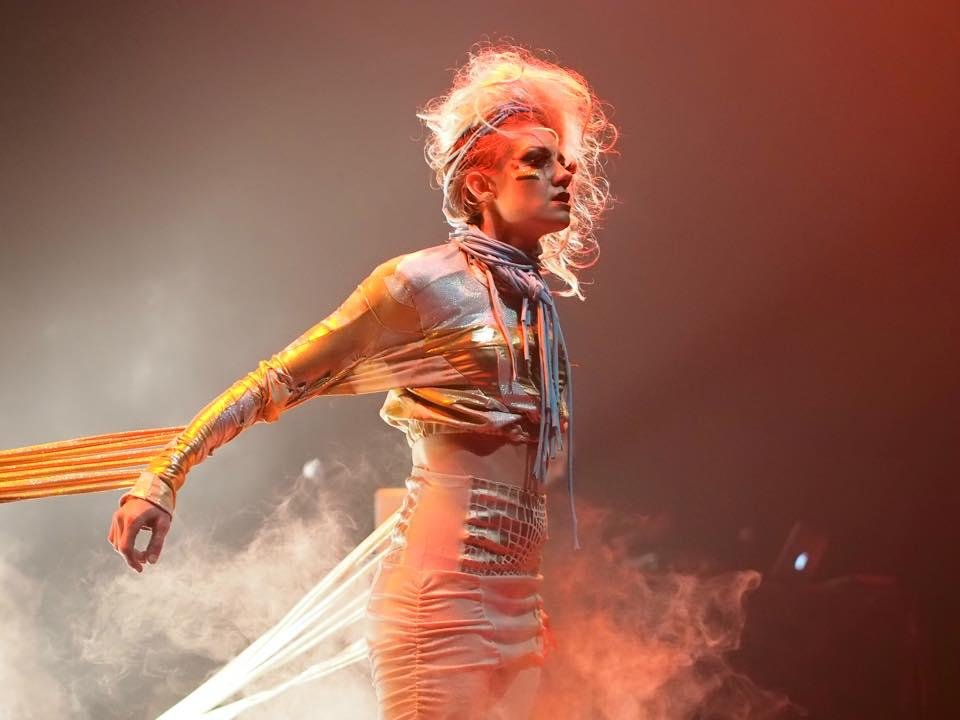
Picture this: 250,000 music lovers gathering in the California desert, creating a temporary city that rivals some actual towns in size. Coachella generates over $700 million in economic impact for the Coachella Valley each year, making it one of the most financially successful festivals in the world. The festival’s Instagram presence alone reaches over 4 million followers, with attendees posting more than 2 million photos during the two-weekend event. Beyond the headlining acts like Beyoncé and Harry Styles, Coachella showcases over 160 artists across multiple stages, from underground electronic acts to world music performers. The festival’s art installations have become as famous as the music itself, with pieces like the giant astronaut and rainbow-colored Luke Jerram sculptures becoming viral sensations. Food vendors serve everything from Korean BBQ to vegan ice cream, making it a culinary adventure as much as a musical one.
2. Burning Man – Nevada
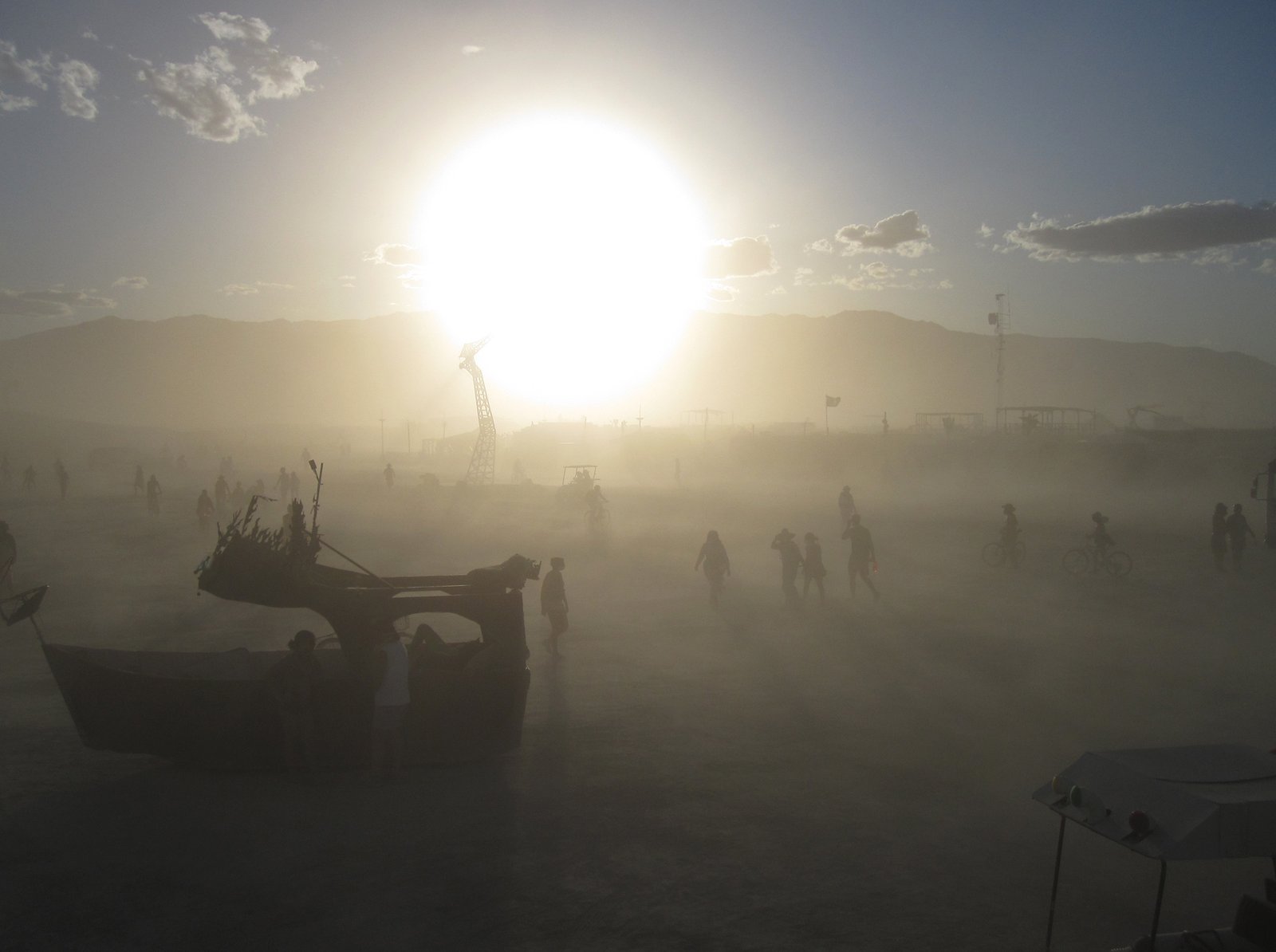
What started as a beach bonfire in San Francisco has evolved into a week-long experiment in radical self-expression that attracts 70,000 participants annually. The festival operates on a gift economy where money can’t buy you anything except ice, coffee, and tickets – everything else must be gifted or bartered. Burning Man’s environmental impact data shows participants collectively remove over 99% of their waste from the desert, leaving the playa cleaner than many public parks. The festival’s art budget exceeds $2 million annually, funding massive installations that would cost museums millions to display. Participants travel from over 35 countries, with the average “Burner” spending $1,200 on costumes, supplies, and camp contributions. The festival’s influence extends far beyond Nevada, with regional Burning Man events now held in over 100 cities worldwide. Tech giants like Google and Facebook regularly host camps at Burning Man, making it an unexpected networking hub for Silicon Valley executives.
3. South by Southwest (SXSW) – Texas
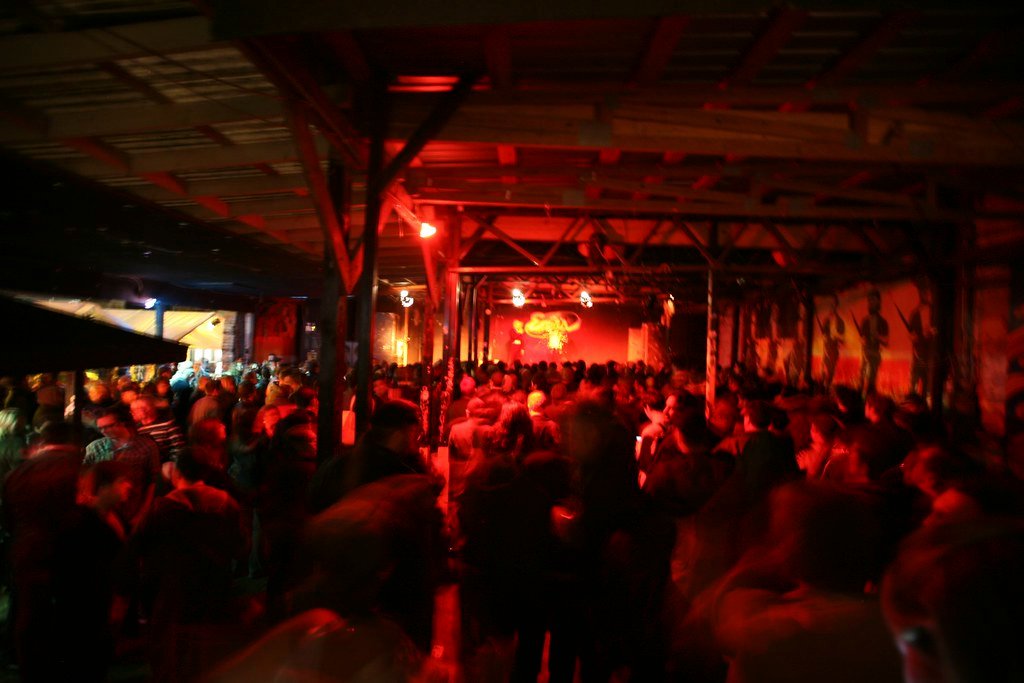
Austin transforms into the unofficial capital of American culture every March, with SXSW drawing over 400,000 registrants and millions more unofficial attendees. The festival generates approximately $356 million in local economic activity, supporting over 3,000 local jobs during the event. Music industry data shows that 60% of breakthrough artists who perform at SXSW receive record deals within two years of their appearance. The festival showcases over 2,000 musical acts across 100+ venues, from legendary clubs like Antone’s to pop-up stages in parking lots. SXSW’s interactive component has become a launching pad for major tech companies, with Twitter, Foursquare, and Meerkat all gaining traction through the festival. Food trucks multiply exponentially during SXSW, with Austin’s famous BBQ and taco scenes reaching their peak capacity. The festival’s film component screens over 130 feature films and documentaries, many of which go on to receive major distribution deals.
4. Electric Daisy Carnival (EDC) Las Vegas – Nevada
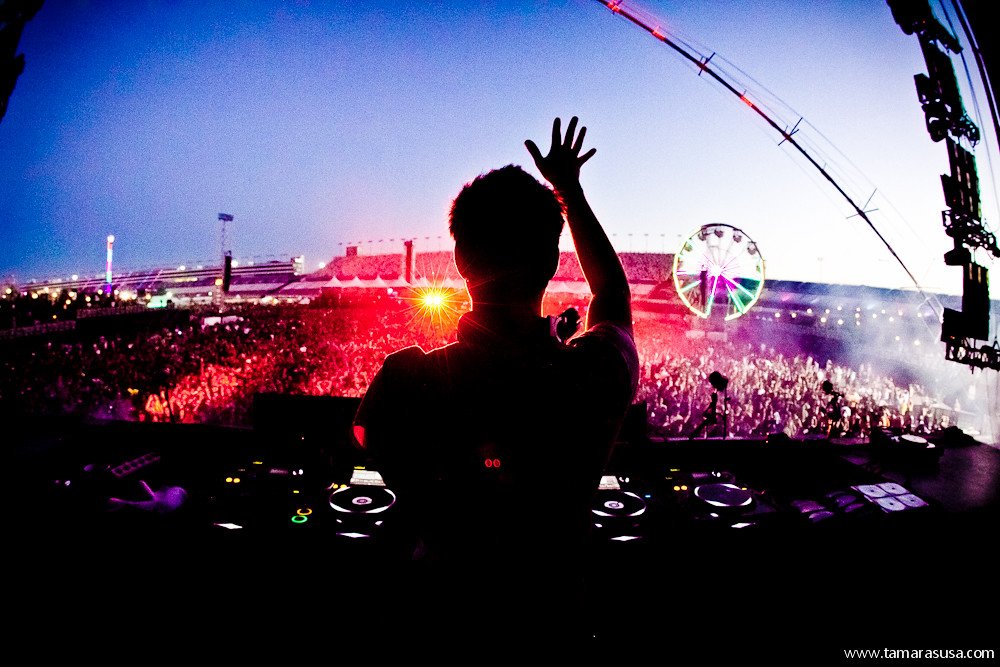
Las Vegas Motor Speedway transforms into a neon wonderland that hosts over 465,000 electronic music fans across three nights each May. EDC Las Vegas generates over $350 million in economic impact for Nevada, making it the state’s largest single tourism event outside of major conventions. The festival features eight uniquely themed stages, including the 80-foot-tall kineticFIELD stage that cost $15 million to construct and transport. Attendance data shows that 37% of EDC attendees travel internationally, making it one of the most globally diverse festivals in America. The festival’s production requires over 1,000 semi-trucks to transport equipment, creating a temporary city with its own postal code and emergency services. EDC’s commitment to harm reduction includes free water stations that distribute over 200,000 bottles annually and medical staff that handle an average of 2,500 patient interactions per event. The festival runs from sunset to sunrise, with headlining DJs like Calvin Harris and Tiësto commanding fees exceeding $1 million per performance.
5. Bonnaroo Music and Arts Festival – Tennessee
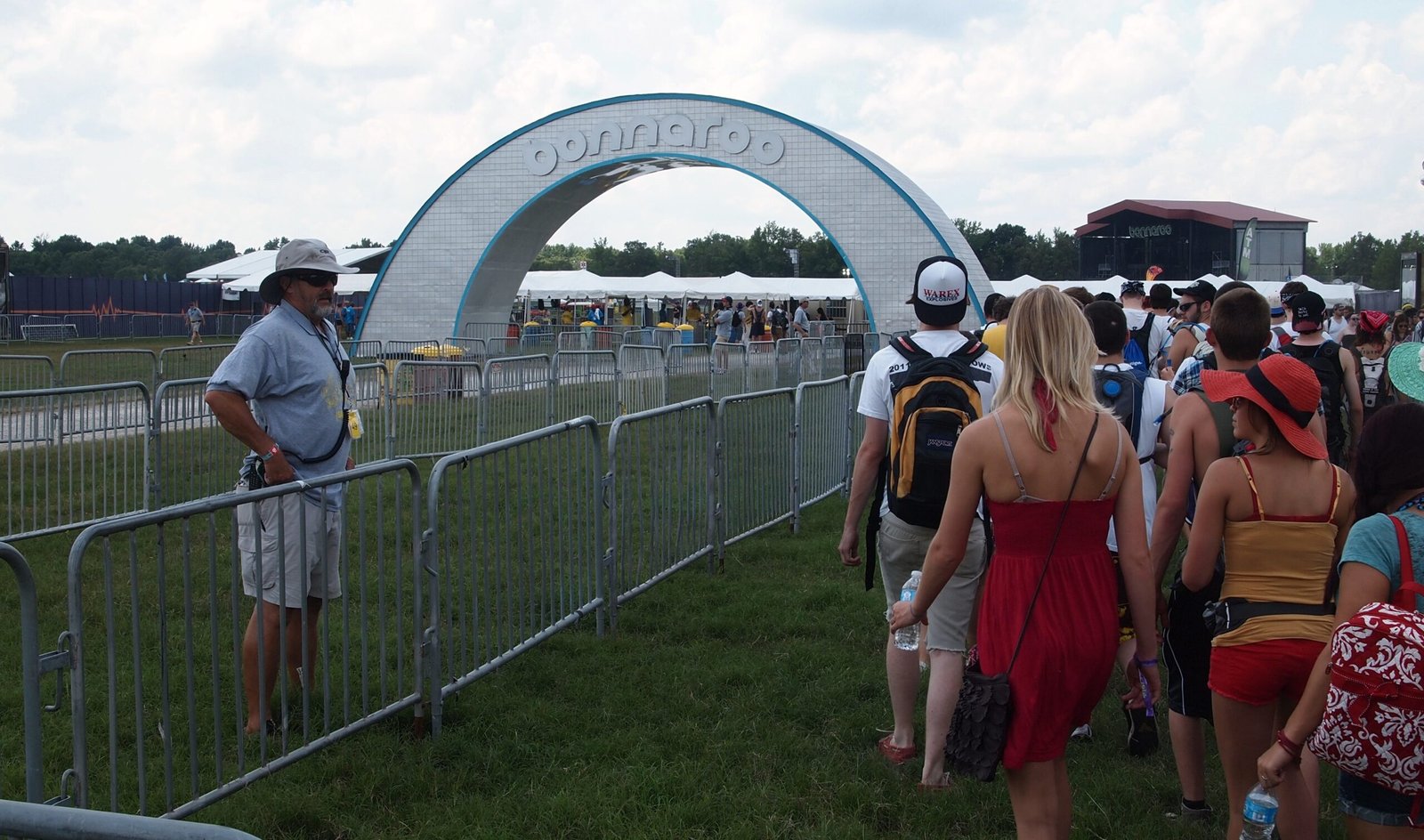
This 700-acre farm in Manchester, Tennessee becomes one of the state’s largest cities for four days each June, hosting approximately 80,000 music fans annually. Bonnaroo’s economic impact on Tennessee exceeds $51 million, with 85% of attendees coming from outside the state and staying an average of 5.2 days. The festival’s sustainability initiatives have diverted over 2.4 million pounds of waste from landfills since 2005, including a composting program that processes 200 tons of organic waste annually. Bonnaroo features over 150 performances across 13 stages, with late-night sets extending until 4 AM for the most dedicated festival-goers. The festival’s camping experience is legendary, with some attendees arriving up to a week early to claim prime spots in the camping areas that span multiple zip codes. Food vendors at Bonnaroo serve over 500,000 meals during the festival, with local Nashville hot chicken becoming a particular crowd favorite. The festival’s “Centeroo” area covers 75 acres and includes everything from a movie tent showing cult classics to a comedy theater featuring SNL alumni.
6. Lollapalooza – Illinois
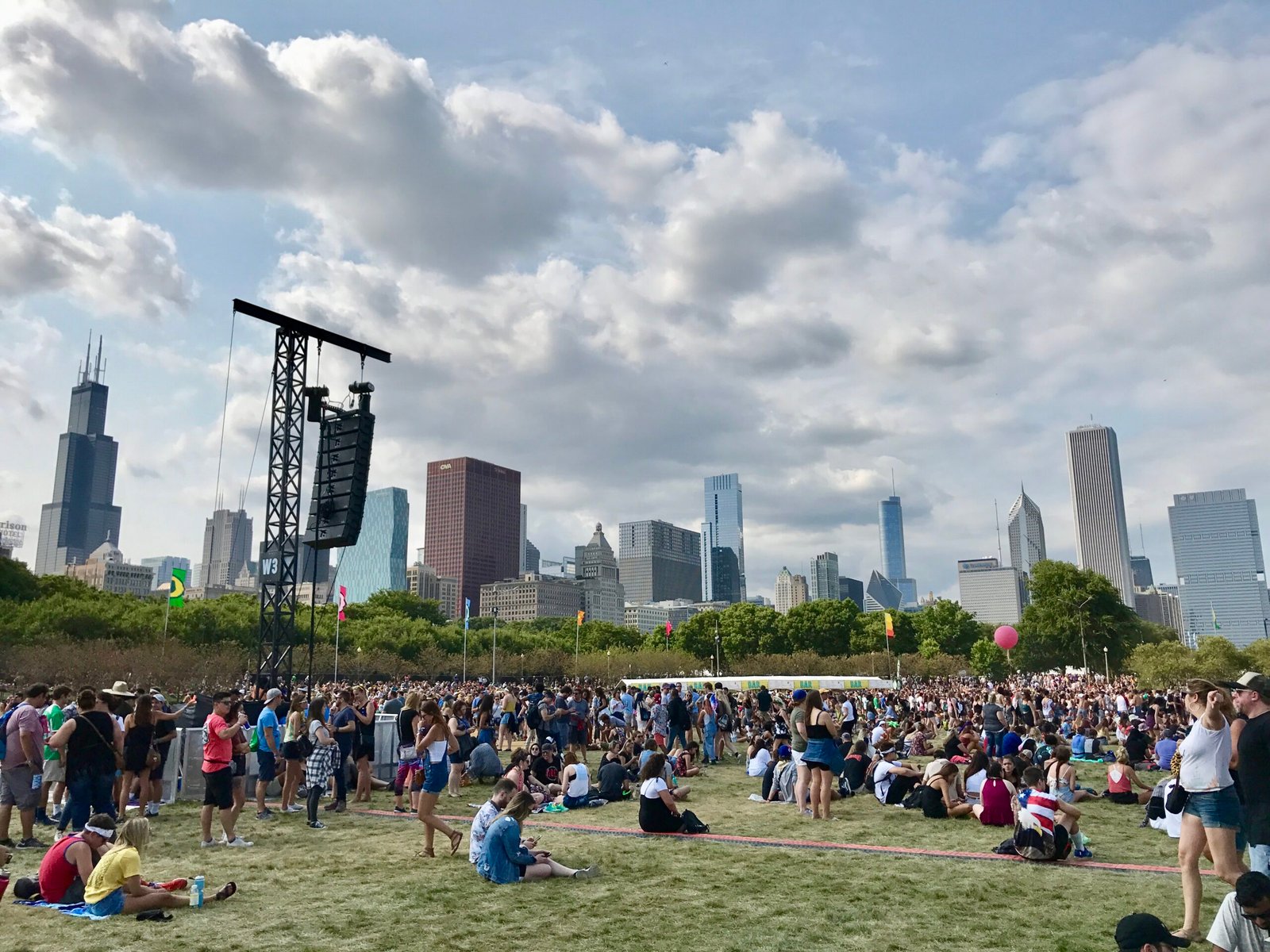
Chicago’s Grant Park hosts over 400,000 music fans annually during Lollapalooza’s four-day run, making it the largest music festival in the Midwest. The festival generates approximately $305 million in economic impact for Chicago, supporting over 3,100 local jobs and filling hotel rooms at 95% capacity citywide. Lollapalooza features eight stages showcasing over 180 artists, from rock legends like Metallica to rising pop stars like Billie Eilish. The festival’s environmental initiatives include a recycling program that processes over 90% of waste generated, setting a standard for urban music festivals. Food and beverage sales at Lollapalooza exceed $15 million annually, with Chicago deep-dish pizza and Italian beef sandwiches being top sellers among out-of-state visitors. The festival’s Kidzapalooza area attracts over 10,000 families, making it one of the most family-friendly major music festivals in America. Lollapalooza’s international expansion has created festivals in Argentina, Brazil, Chile, and Germany, with combined global attendance exceeding 1.6 million people.
7. Ultra Music Festival – Florida
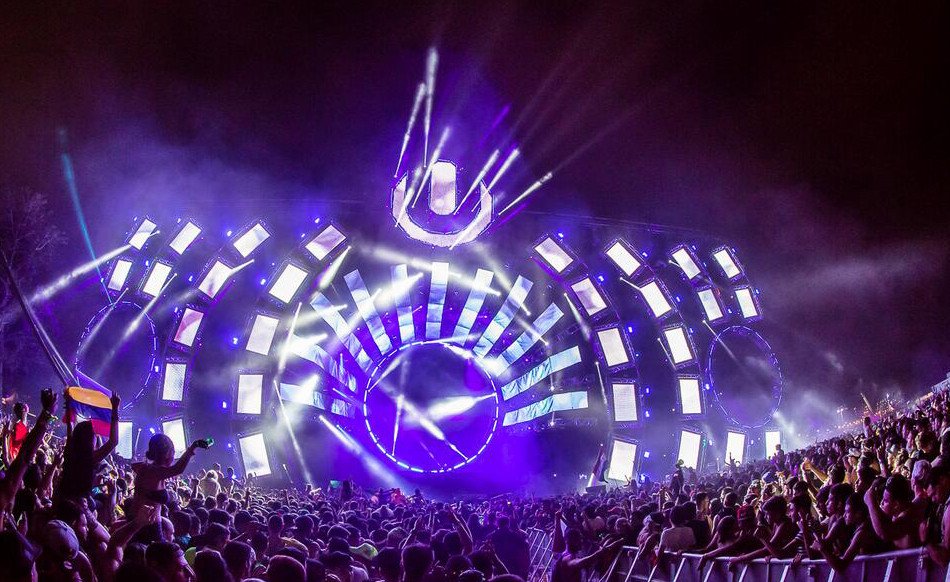
Miami’s Bayfront Park becomes ground zero for electronic dance music culture each March, attracting over 165,000 EDM enthusiasts from around the globe. Ultra generates approximately $168 million in economic impact for Miami-Dade County, with international visitors accounting for 40% of attendance. The festival’s main stage production costs exceed $20 million annually, featuring pyrotechnics, LED screens covering 7,000 square feet, and sound systems audible up to two miles away. DJ headliners at Ultra command some of the highest performance fees in the industry, with top-tier acts earning between $500,000 and $1.5 million for 60-minute sets. Ultra’s live streaming reaches over 20 million viewers globally, making it one of the most-watched music festivals in the world. The festival’s VIP packages start at $1,500 and include perks like air-conditioned viewing areas and premium bar service, with some packages selling for over $10,000. Ultra Miami serves as the flagship for over 20 international Ultra festivals, creating a global brand worth an estimated $85 million.
8. New Orleans Jazz & Heritage Festival – Louisiana
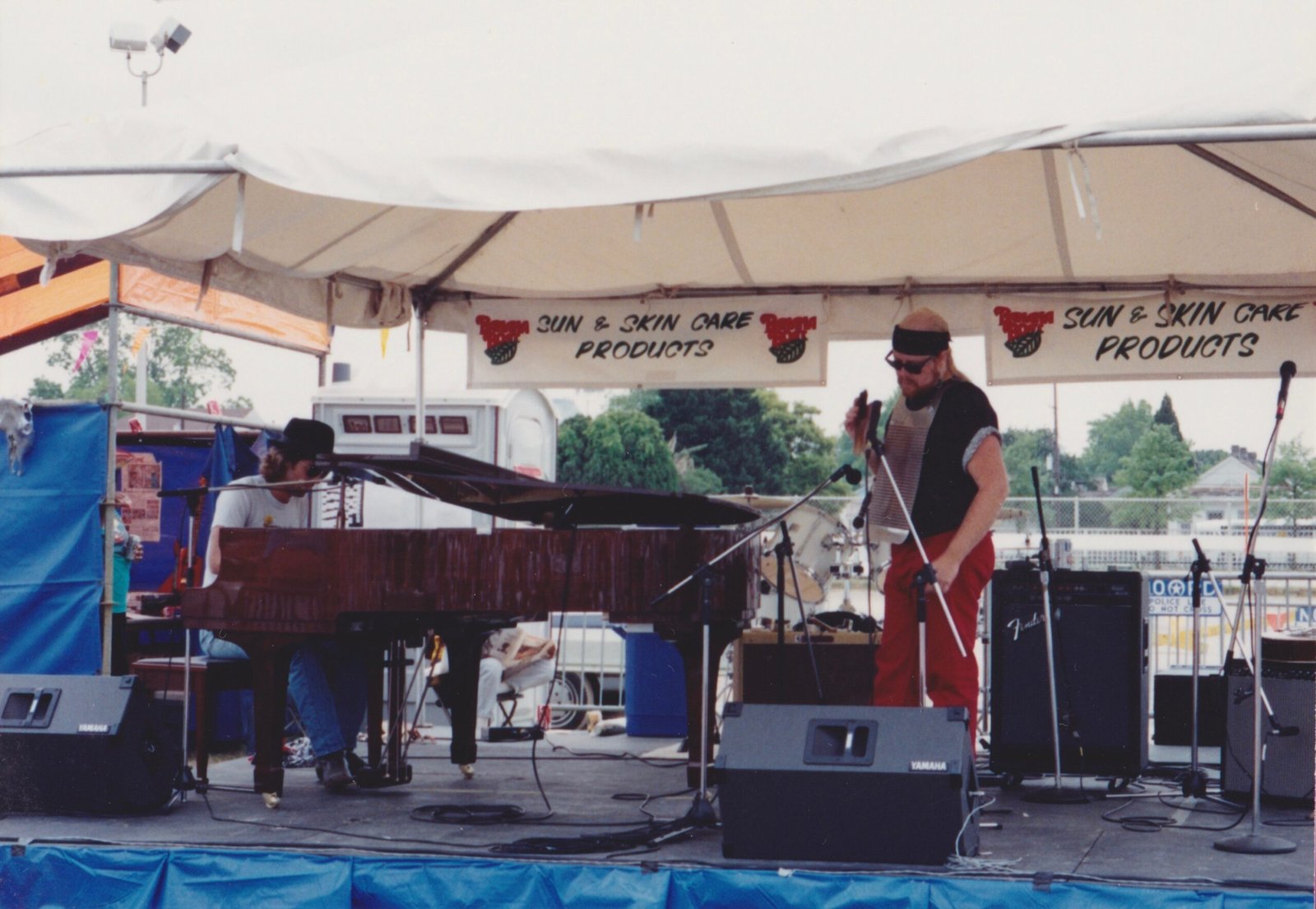
Over 500,000 visitors flock to New Orleans’ Fair Grounds Race Course each spring to experience the world’s premier celebration of jazz, blues, and Louisiana culture. Jazz Fest generates over $300 million in economic impact for New Orleans, supporting approximately 3,000 local jobs and filling the city’s 38,000 hotel rooms to capacity. The festival features 12 stages showcasing over 500 musical acts, from jazz legends like Wynton Marsalis to contemporary artists like Foo Fighters. Local food vendors serve over 70 different authentic Louisiana dishes, with crawfish bread selling over 25,000 servings annually and becoming the festival’s unofficial signature dish. Jazz Fest’s cultural significance extends beyond music, featuring traditional Louisiana crafts, with over 300 artisans selling everything from hand-carved wooden instruments to authentic Mardi Gras masks. The festival’s economic data shows that 76% of attendees are tourists, spending an average of $1,840 per person during their New Orleans visit. Jazz Fest has donated over $1 million to local music education programs since 2000, ensuring the preservation of New Orleans’ musical heritage for future generations.
9. Electric Forest – Michigan
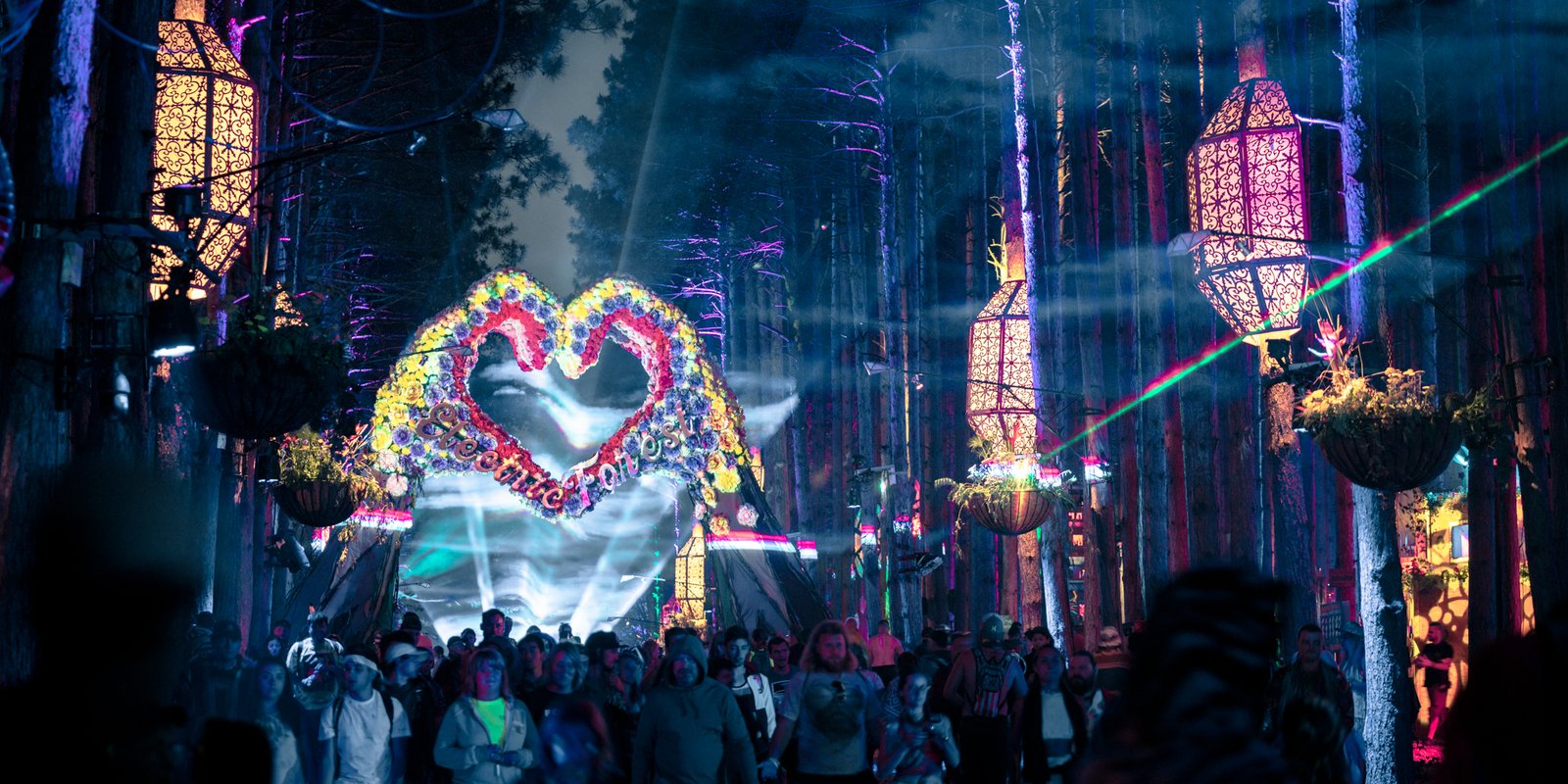
Rothbury’s Double JJ Ranch transforms into a magical forest wonderland that hosts over 45,000 electronic music and jam band fans annually. The festival generates approximately $18 million in economic impact for rural Michigan, revitalizing an area that had struggled economically since the decline of manufacturing. Electric Forest’s unique forest setting features over 500 interactive art installations woven throughout 1,000 acres of trees, creating an immersive experience that extends far beyond the music stages. The festival’s camping experience is legendary, with many attendees describing their campsites as temporary villages complete with elaborate decorations and communal kitchens. Electric Forest’s commitment to environmental sustainability includes a zero-waste initiative that has diverted over 75% of festival waste from landfills since 2017. The festival features six stages showcasing everything from electronic dance music to bluegrass, with late-night forest stages operating until sunrise for the most adventurous attendees. Electric Forest’s unique “Leave No Trace” culture has created one of the most respectful festival communities in America, with attendees regularly cleaning up after others and sharing resources freely.
10. Austin City Limits Music Festival – Texas
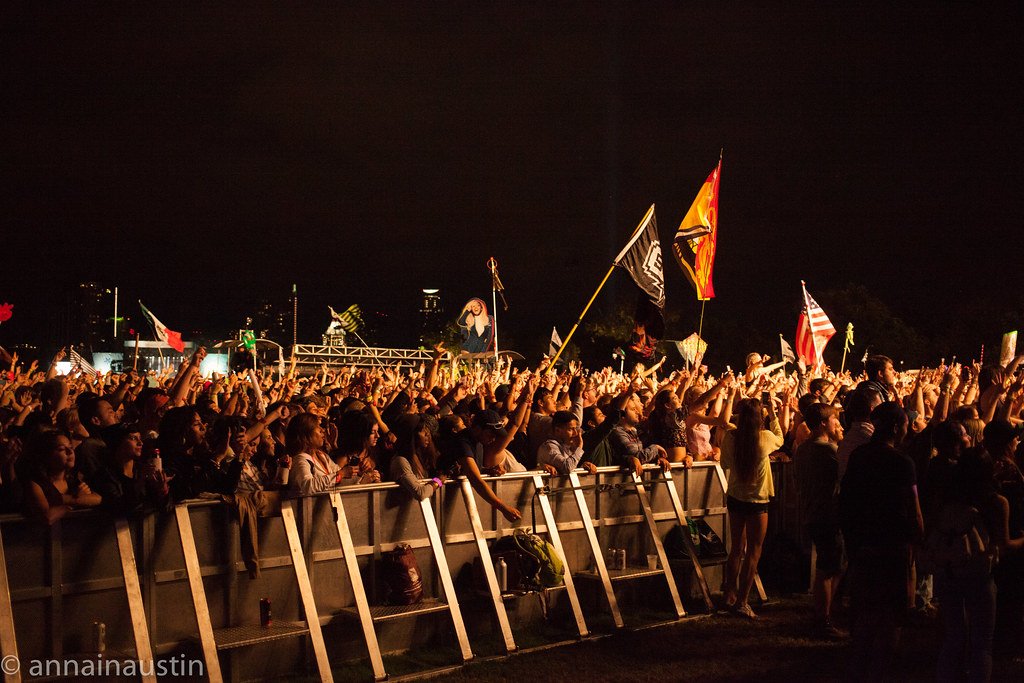
Zilker Park becomes Austin’s musical epicenter for two consecutive weekends each October, hosting over 450,000 music fans across eight stages. ACL generates approximately $264 million in economic impact for Austin, making it the city’s second-largest tourism event after SXSW. The festival showcases over 130 artists ranging from country superstars like Willie Nelson to indie rock darlings like Arctic Monkeys, reflecting Austin’s “Keep It Weird” musical diversity. ACL’s food scene features over 30 local Austin vendors, with Franklin Barbecue creating special festival-only menu items that sell out within hours each day. The festival’s sustainability initiatives include a comprehensive recycling program that processes over 90% of waste generated and a composting program that handles 150 tons of organic waste annually. ACL’s VIP packages include access to the Austin Ventures Club, which features air conditioning, premium bar service, and catered meals prepared by Austin’s top chefs. The festival’s economic data shows that 60% of attendees are from outside Texas, with international visitors accounting for 12% of total attendance, contributing to Austin’s reputation as a global music destination.
11. Stagecoach Country Music Festival – California
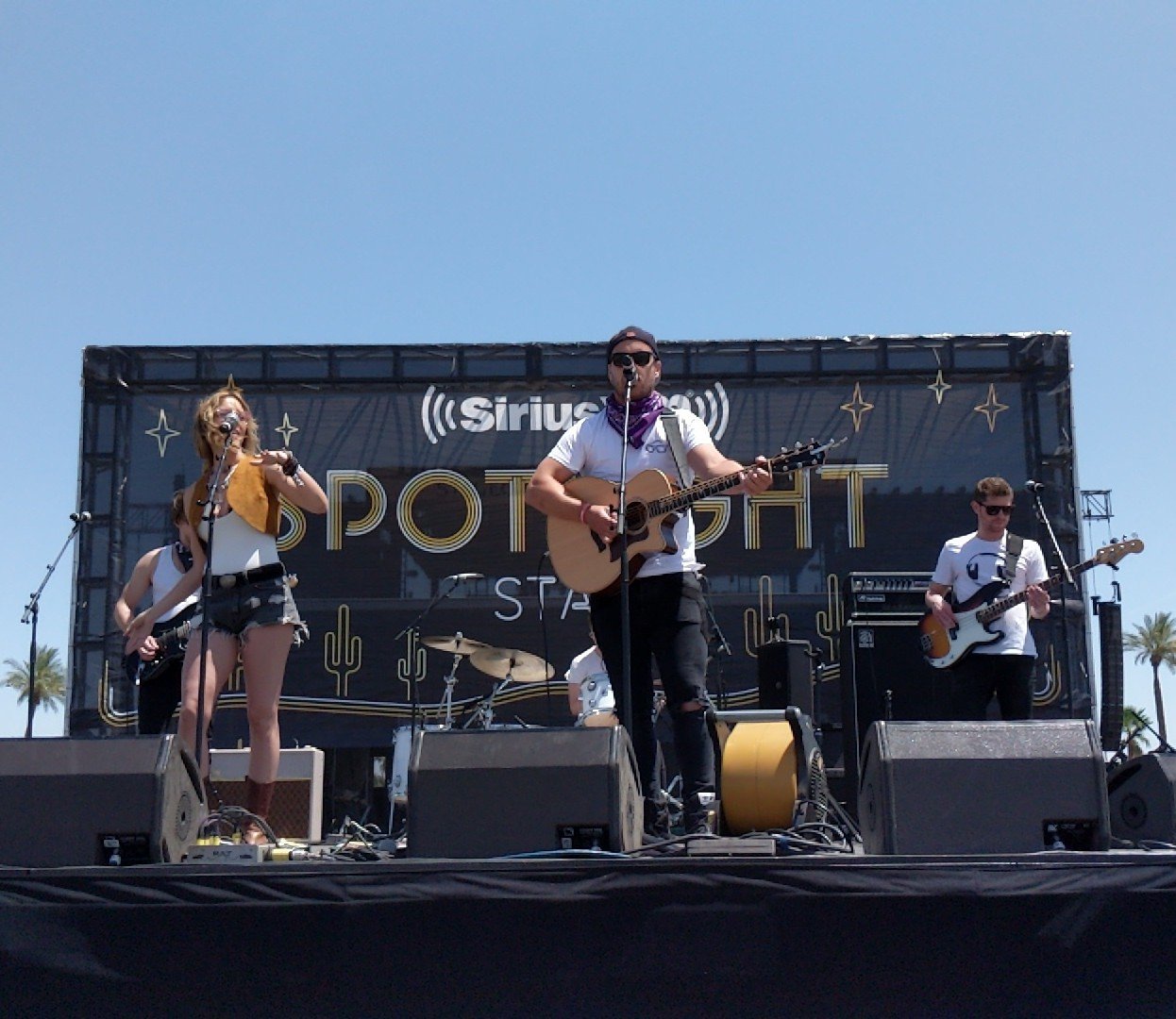
The same Empire Polo Club grounds that host Coachella transform into country music heaven each April, welcoming over 300,000 country music fans for three days of boots, barbecue, and barn-raising beats. Stagecoach generates approximately $254 million in economic impact for the Coachella Valley, with country music fans typically spending 15% more on merchandise and food than other festival attendees. The festival features three main stages showcasing over 60 country artists, from legends like Carrie Underwood to rising stars like Kacey Musgraves, plus a dedicated honky-tonk tent for traditional country acts. Stagecoach’s camping experience includes themed areas like “Family Camping” and “Car Camping Plus,” with some sites featuring full RV hookups and premium amenities that sell for over $2,000 per weekend. The festival’s food offerings focus heavily on barbecue and Southern cuisine, with vendors serving over 150,000 pounds of brisket and 75,000 servings of mac and cheese annually. Stagecoach’s fashion scene rivals that of Coachella, with Western wear sales in the surrounding area increasing by 400% during festival weekend. The festival’s line-dancing lessons and mechanical bull riding competitions create an authentic country experience that attracts visitors from over 40 countries.
12. Governors Ball Music Festival – New York
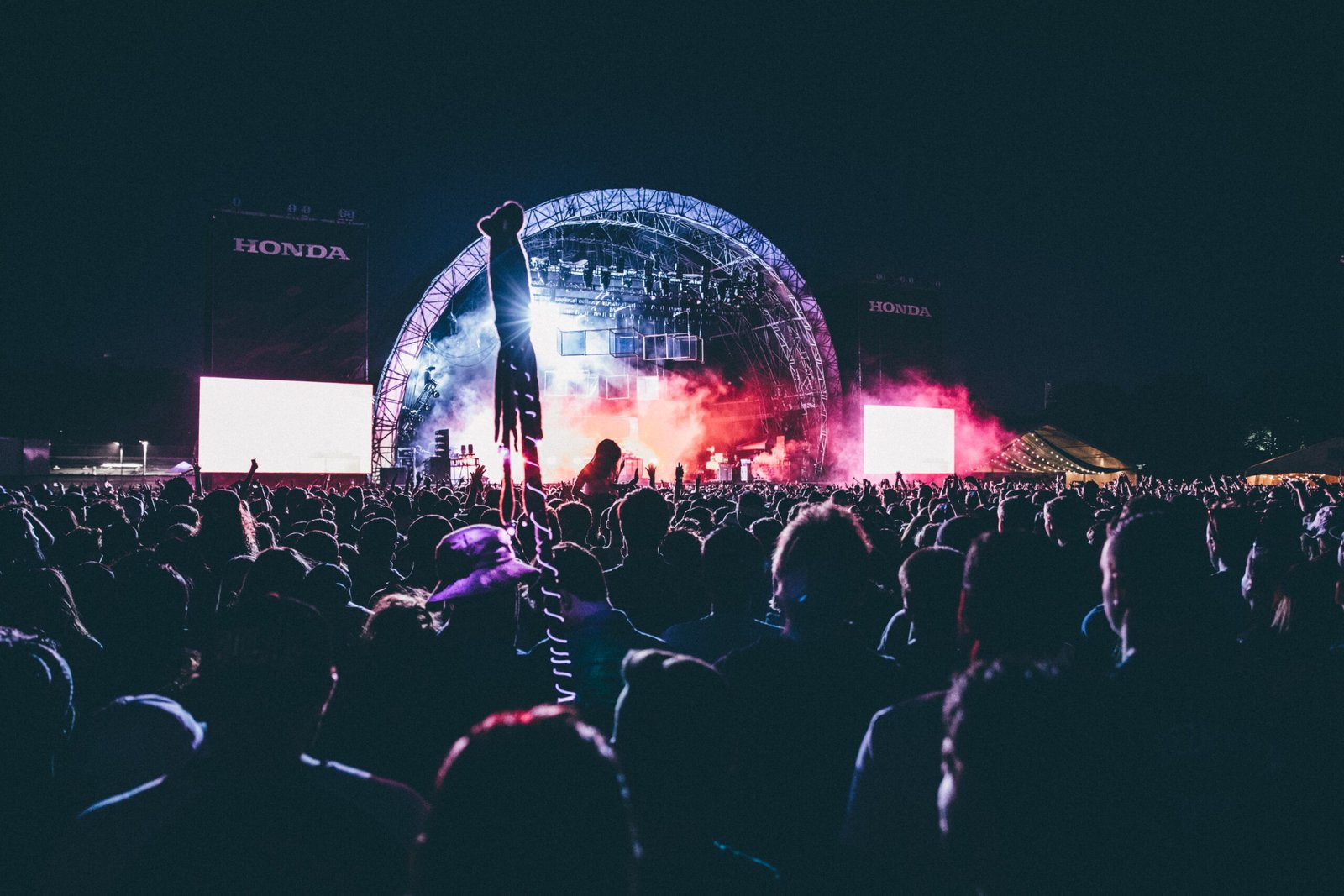
Randall’s Island becomes New York City’s premier music destination each June, hosting over 150,000 music fans just minutes from Manhattan’s skyline. Governors Ball generates approximately $72 million in economic impact for New York City, with 65% of attendees staying in Manhattan hotels and dining at city restaurants. The festival features six stages showcasing over 70 artists across genres, from hip-hop heavyweights like Tyler, The Creator to indie rock favorites like The Strokes. Governors Ball’s food scene highlights New York’s culinary diversity, featuring everything from authentic New York pizza to high-end offerings from Michelin-starred restaurants, with food sales exceeding $8 million annually. The festival’s sustainability initiatives include a comprehensive recycling program and partnerships with local environmental groups that have helped reduce waste by 40% since 2015. Governors Ball’s proximity to Manhattan creates unique logistics challenges, with attendees using a fleet of dedicated ferries and buses that transport over 50,000 people daily between the island and the city. The festival’s VIP experience includes access to exclusive viewing areas with unobstructed views of the Manhattan skyline, creating Instagram-worthy moments that generate millions of social media impressions.
13. Outside Lands Music Festival – California
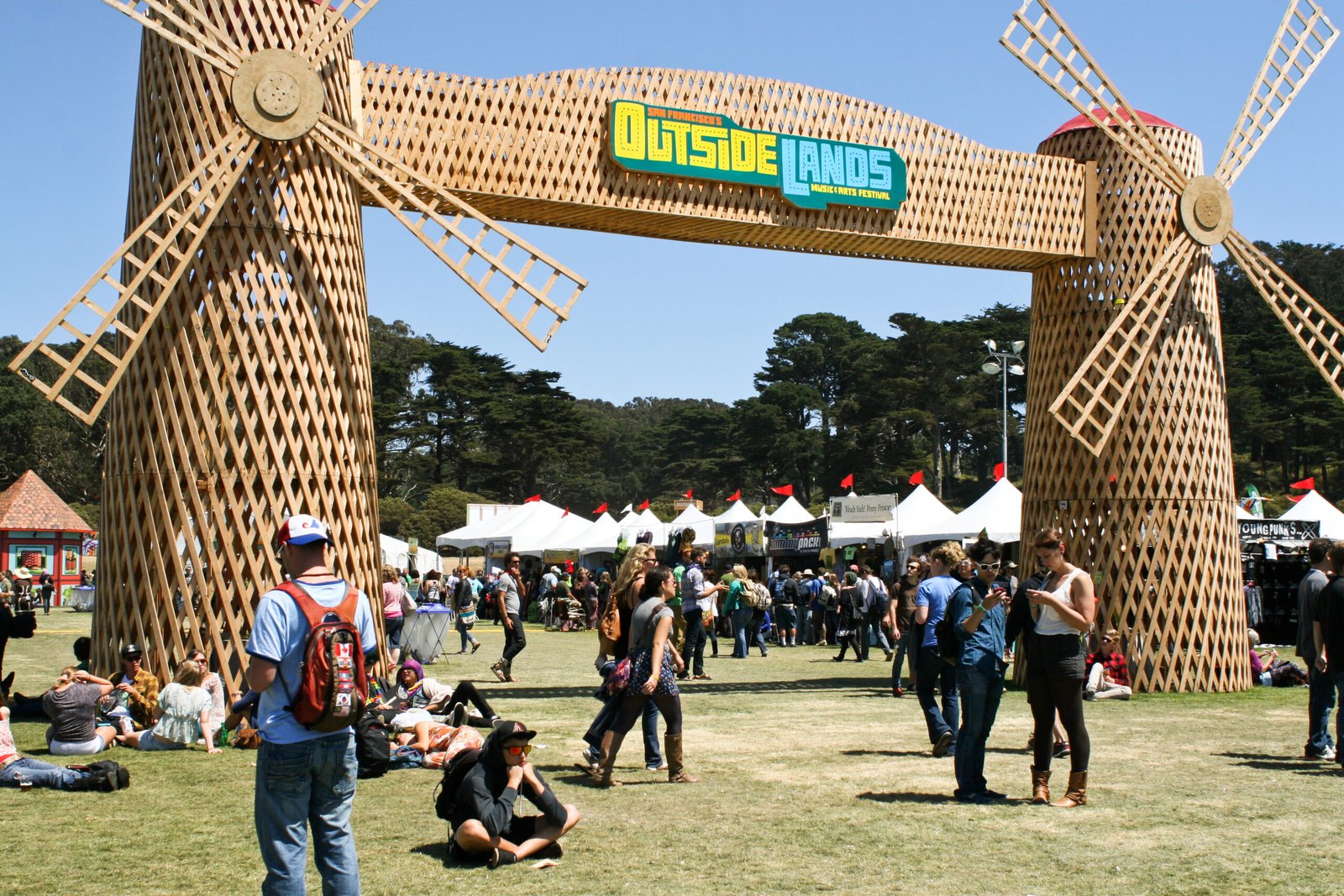
San Francisco’s Golden Gate Park hosts over 200,000 music and food enthusiasts each August during Outside Lands’ three-day celebration of music, art, and culinary excellence. The festival generates approximately $60 million in economic impact for San Francisco, with 70% of attendees coming from outside the Bay Area and staying an average of 4.2 nights. Outside Lands features eight stages showcasing over 85 artists, from rock legends like Paul McCartney to contemporary stars like Lizzo, all set against the backdrop of Golden Gate Park’s natural beauty. The festival’s food scene, called “Taste of the Bay Area,” features over 100 local restaurants and food trucks, making it one of the most culinarily diverse festivals in America. Outside Lands’ wine and beer program, “Wine Lands” and “Beer Lands,” showcases over 200 Northern California beverages, with local wineries reporting sales increases of up to 300% during festival weekend. The festival’s environmental initiatives are among the most comprehensive in the industry, including a zero-waste goal that has achieved an 80% diversion rate and partnerships with local environmental organizations. Outside Lands’ unique “Barbary” comedy tent and “Cocktail Magic” speakeasy create additional entertainment options that extend the festival experience beyond traditional music performances.
14. Firefly Music Festival – Delaware
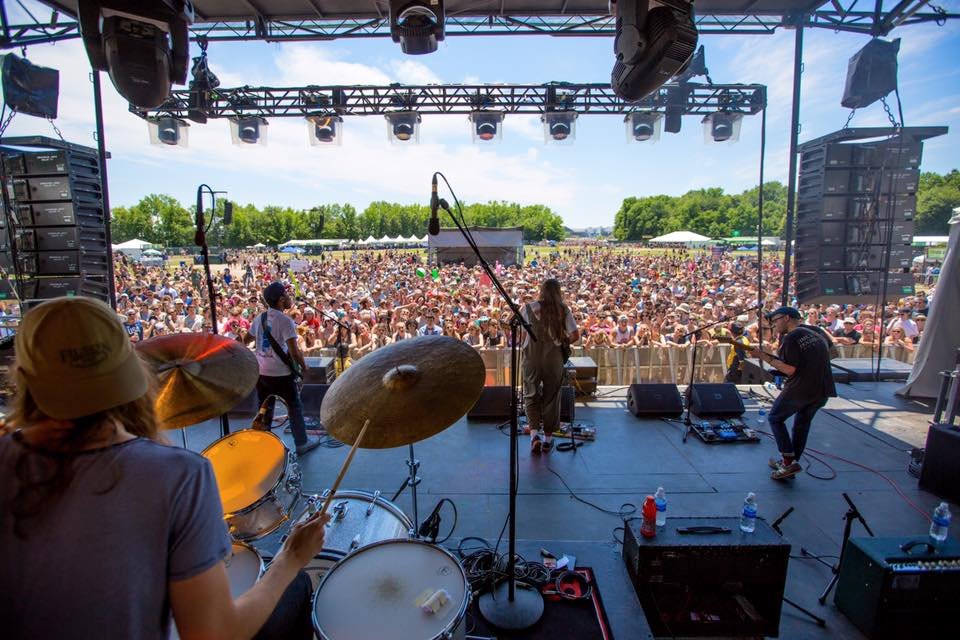
Dover’s Woodlands transforms into a musical camping wonderland each June, hosting over 90,000 festival-goers in what has become the largest music festival on the East Coast. Firefly generates approximately $32 million in economic impact for Delaware, a significant boost for the state’s tourism industry that typically sees fewer large-scale events. The festival features seven stages showcasing over 110 artists across four days, from electronic dance music superstars like Zedd to alternative rock favorites like Twenty One Pilots. Firefly’s camping experience spans over 105 acres, with options ranging from basic tent camping to luxury RV sites with full hookups and premium amenities costing up to $1,500 per weekend. The festival’s food offerings include over 40 vendors representing regional favorites from across the Mid-Atlantic, with Delaware’s famous Grotto Pizza becoming a must-try item for out-of-state visitors. Firefly’s “The Woodlands” area features interactive art installations and activities like silent disco and yoga classes, creating a community atmosphere that extends beyond the main stages. The festival’s commitment to local economic development includes partnerships with Delaware businesses and a requirement that 30% of vendors be local companies, ensuring that economic benefits stay within the state.
15. Sasquatch! Music Festival – Washington
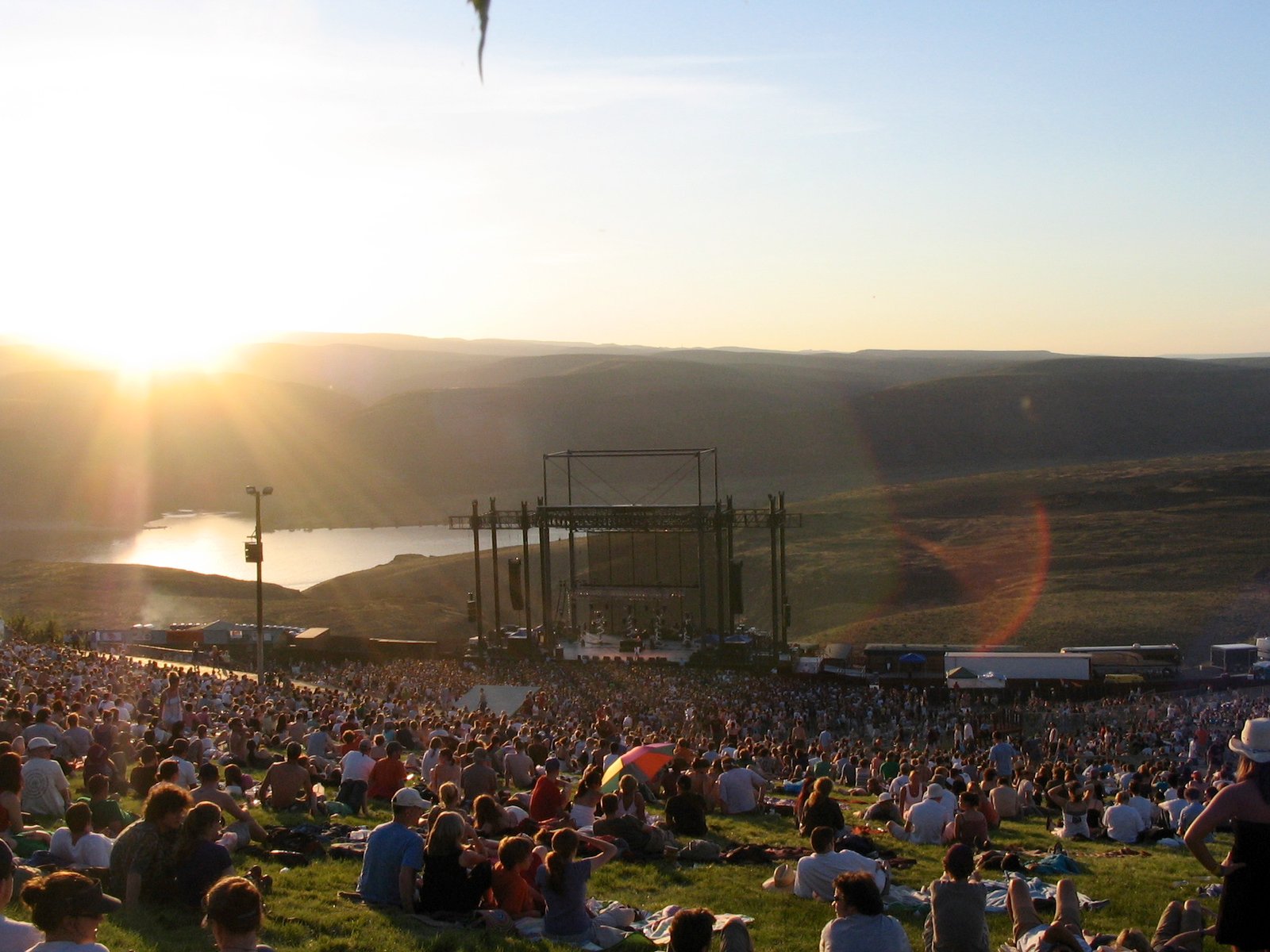
The Columbia River Gorge’s dramatic landscape provides the stunning backdrop for Sasquatch!, which attracts over 25,000 music fans to the Gorge Amphitheatre each May. The festival generates approximately $15 million in economic impact for rural Washington, transforming the small community of George (population 501) into a temporary city. Sasquatch! features four stages showcasing over 80 artists, with the main stage offering what many consider the most beautiful concert setting in America, overlooking the Columbia River valley. The festival’s camping experience includes options for tent camping, RV sites, and even glamping tents with beds and electricity, accommodating the diverse needs of attendees traveling from across the Pacific Northwest. Sasquatch!’s food scene emphasizes Pacific Northwest cuisine, featuring local seafood, craft beer from over 30 regional breweries, and farm-to-table options that highlight the region’s agricultural bounty. The festival’s remote location creates a unique community atmosphere, with attendees often describing it as a “musical summer camp” where strangers become fast friends. Sasquatch!’s environmental initiatives take advantage of its natural setting, including partnerships with local conservation groups and educational programs about Columbia River ecosystem preservation.
16. Essence Music Festival – Louisiana

New Orleans’ Superdome becomes the epicenter of African American culture each July during Essence Festival, attracting over 500,000 attendees and generating approximately $300 million in economic impact. The festival showcases over 70 R&B, hip-hop, and gospel artists across multiple stages, from legends like Diana Ross to contemporary stars like Beyoncé and Bruno Mars. Essence Festival’s economic impact extends far beyond music, with the event supporting over 2,800 local jobs and filling New Orleans’ hotels to 98% capacity citywide. The festival’s daytime empowerment seminars and workshops attract over 70,000 participants, featuring speakers like Oprah Winfrey and Michelle Obama discussing topics from entrepreneurship to social justice. Essence Festival’s vendor marketplace showcases over 200 African American-owned businesses, generating millions in sales and providing a platform for entrepreneurs to reach new markets. The festival’s cultural significance extends beyond entertainment, serving as an annual gathering that celebrates African American achievement and community, with many families making it an annual reunion tradition. Food vendors at Essence Festival serve authentic New Orleans cuisine alongside soul food favorites, with local restaurants reporting revenue increases of up to 400% during festival weekend.
17. Hangout Music Festival – Alabama
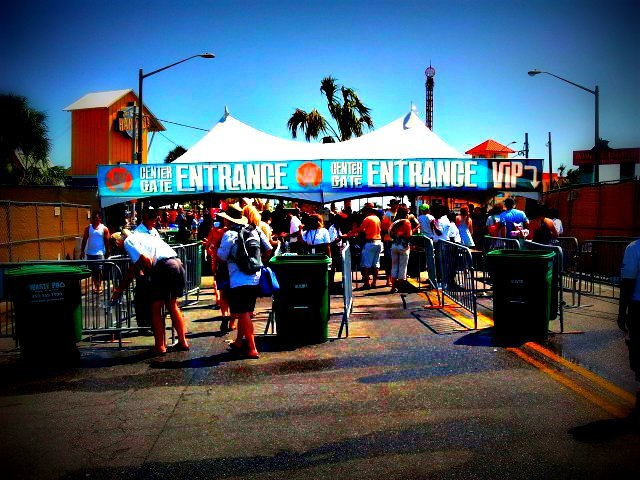
Gulf Shores’ pristine white sand beaches provide the unique setting for Hangout Music Festival, where over 40,000 attendees enjoy music with their toes in the sand each May. The festival generates approximately $20 million in economic impact for Alabama’s Gulf Coast, transforming the small beach town into a major tourism destination. Hangout features seven stages showcasing over 60 artists, from country superstars like Keith Urban to electronic dance music favorites like Marshmello, all within steps of the Gulf of Mexico. The festival’s beach setting creates unique experiences like the “Boom Boom Tent” on the sand and late-night DJ sets that continue until sunrise over the water. Hangout’s food scene emphasizes Gulf Coast seafood, with vendors serving over 50,000 pounds of fresh shrimp and oysters, plus Alabama specialties like fried green tomatoes and banana pudding. The festival’s VIP beach club experience includes private cabanas, premium bar service, and beachside massage services, with packages selling for up to $3,000 per person. Hangout’s environmental initiatives focus on beach conservation, including partnerships with local marine biology organizations and beach cleanup programs that remove over 10,000 pounds of debris annually.
18. FYF Fest – California
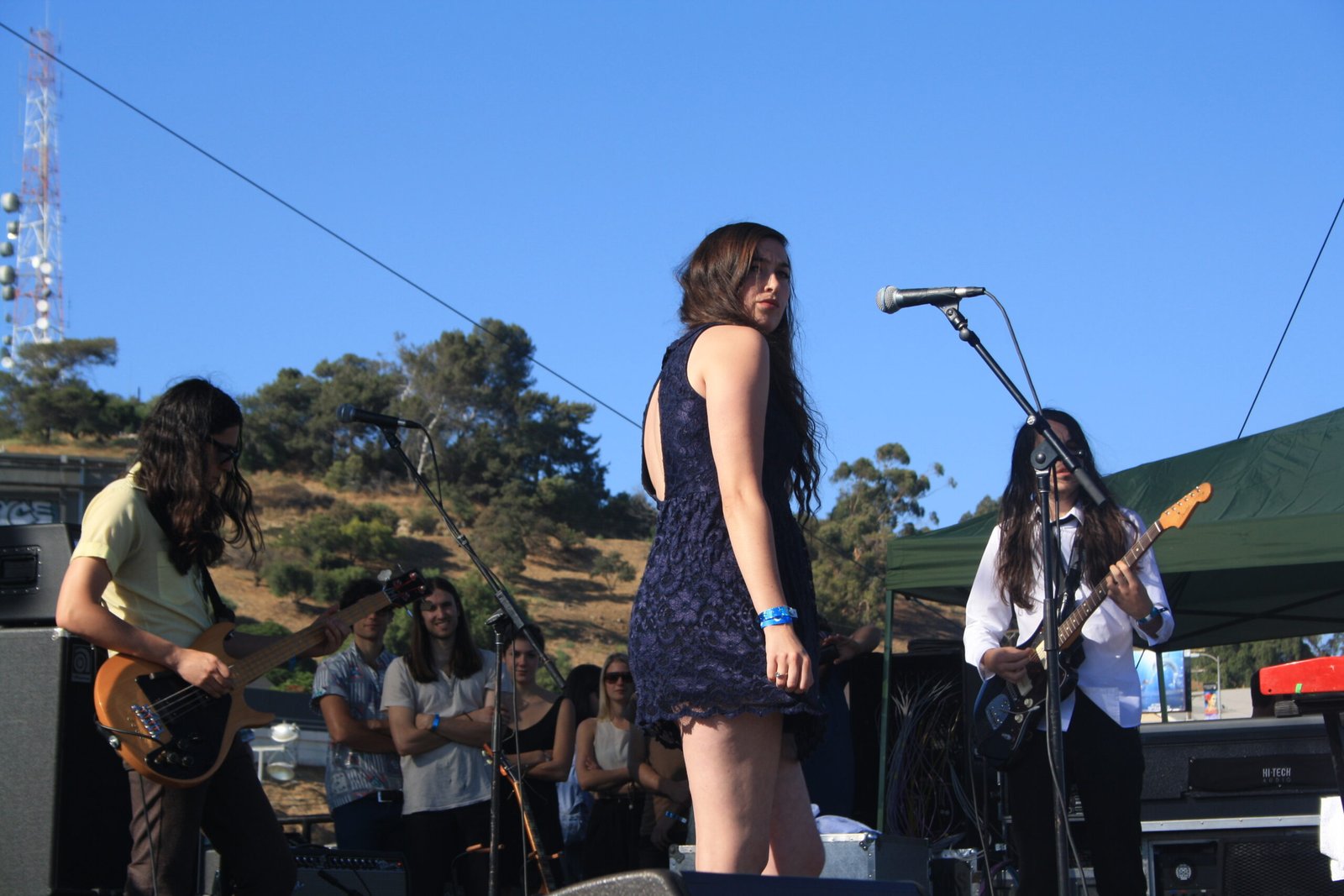
Los Angeles’ Exposition Park hosts FYF Fest each July, attracting over 65,000 indie music enthusiasts to what has become the West Coast’s premier alternative music festival. The festival generates approximately $35 million in economic impact for Los Angeles, with attendees spending an average of $850 on hotels, dining, and shopping during their visit. FYF features six stages showcasing over 80 artists, from indie rock darlings like Frank Ocean to experimental electronic acts like Aphex Twin, reflecting Los Angeles’ diverse underground music scene. The festival’s art installations are curated by contemporary artists and often become permanent additions to LA’s public art collection, with pieces valued at over $2 million collectively. FYF’s food scene highlights Los Angeles’ culinary diversity, featuring everything from Korean BBQ tacos to vegan ice cream, with food sales exceeding $4 million annually. The festival’s commitment to emerging artists includes dedicated stages for local LA bands and a grant program that has provided over $100,000 in funding for independent musicians. FYF’s urban setting creates unique experiences like rooftop DJ sets and art gallery pop-ups, integrating the festival with Los Angeles’ broader cultural landscape.
19. Made in America Festival – Pennsylvania
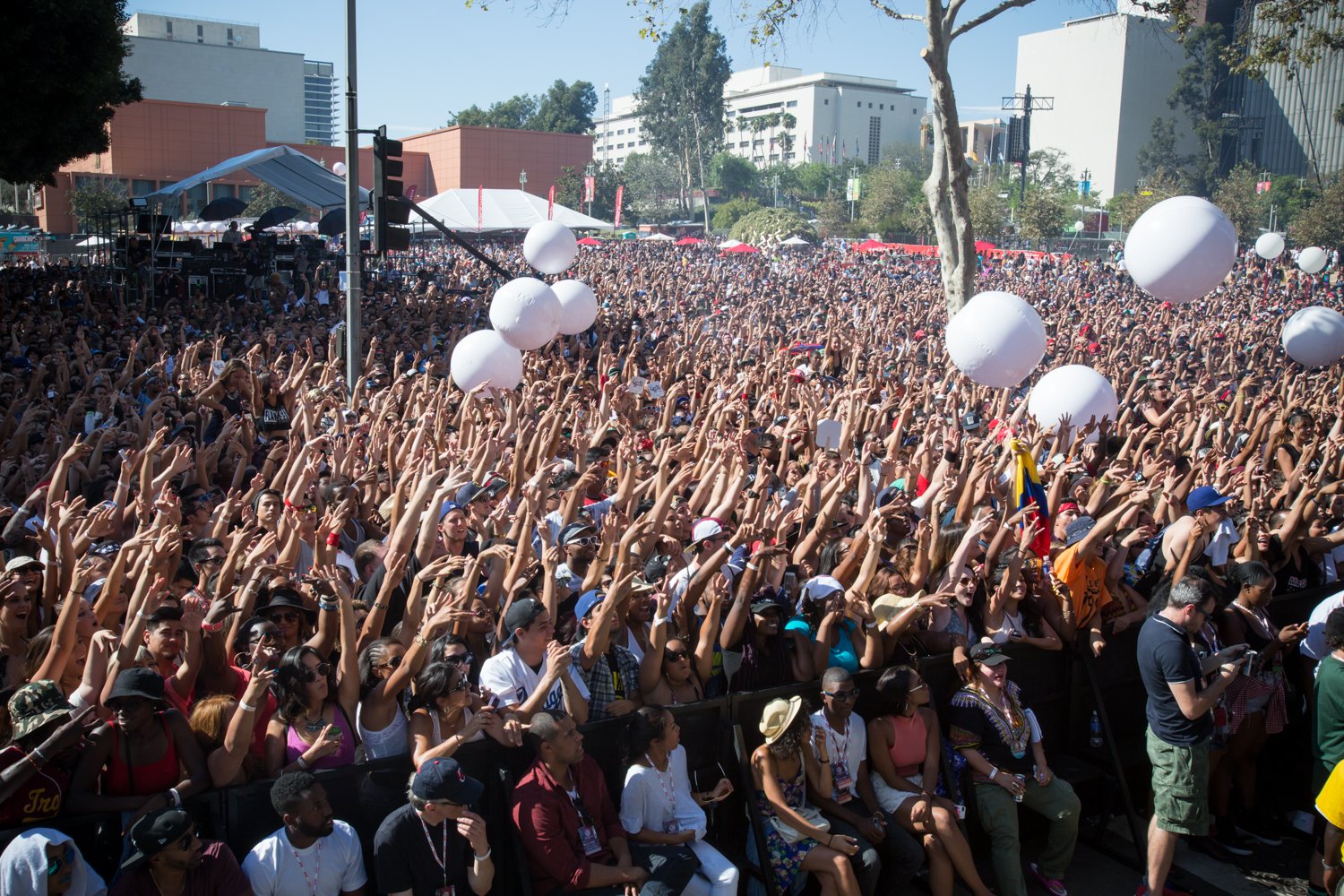
Philadelphia’s Benjamin Franklin Parkway transforms into a musical celebration of American culture each Labor Day weekend,

Besides founding Festivaltopia, Luca is the co founder of trib, an art and fashion collectiv you find on several regional events and online. Also he is part of the management board at HORiZONTE, a group travel provider in Germany.
