
The map said three hours. Somehow it felt like a full day by the time you pulled in. If that sounds familiar, these 18 planning mistakes are the quiet culprits behind a lot of those how-did-that-take-so-long drives.
The surprise is how few of them happen on the road itself. Most are decided in your driveway, sometimes the night before, and a few are so easy to miss that the first one may already be costing you an hour before you notice. Start with the one most people skip entirely.
1. Skipping the Pre-Trip Vehicle Check
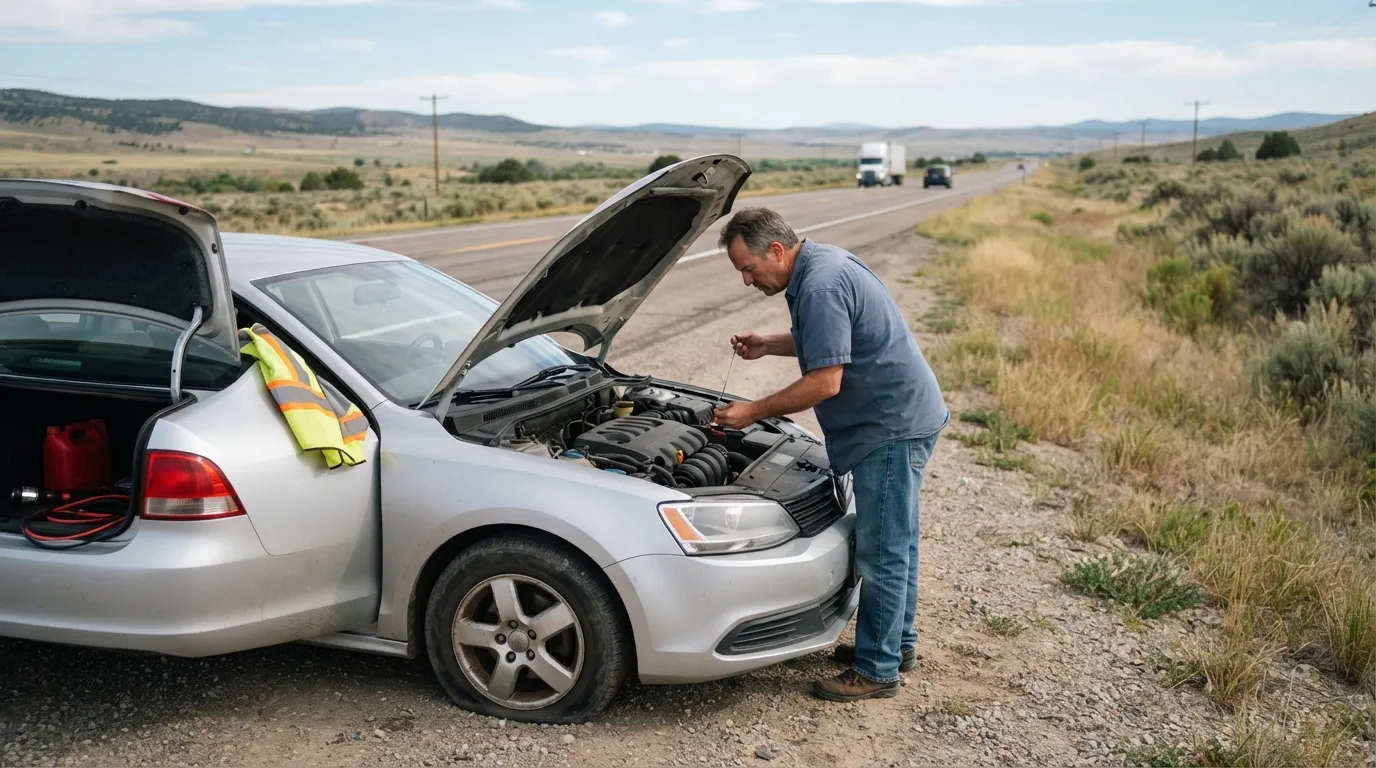
A tire that looked fine in the driveway can become the reason you’re sitting on a shoulder far from town. Low pressure, worn brakes, or weak fluids rarely announce themselves until you’re well away from help.
Then comes the waiting, which can eat hours. The day before you leave, check tire pressure, fluids, lights, and brakes using a checklist based on your owner’s manual. Toss jumper cables and a flashlight in the trunk as backup.
[Image: Car with open hood during roadside check]
2. Ignoring the Forecast for the Whole Route
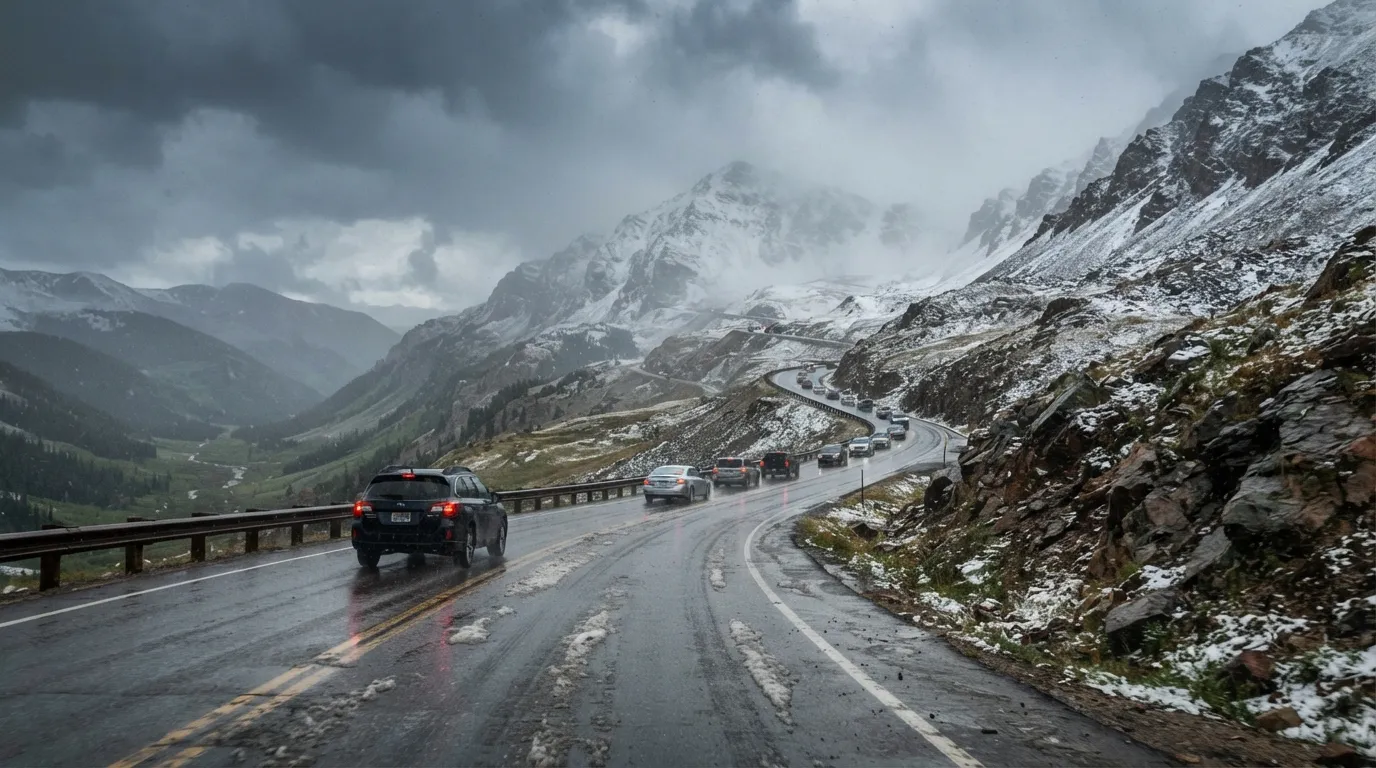
Clear skies at home say nothing about the mountain pass three hours away. Rain or wind along the route can slow traffic to a crawl or close a road with little warning.
Detours can stretch a short drive far past what you planned. The morning you leave, review official weather sources, such as the National Weather Service, for the entire path, and shift your departure time if conditions look rough.
3. Showing Up Unprepared for Tolls
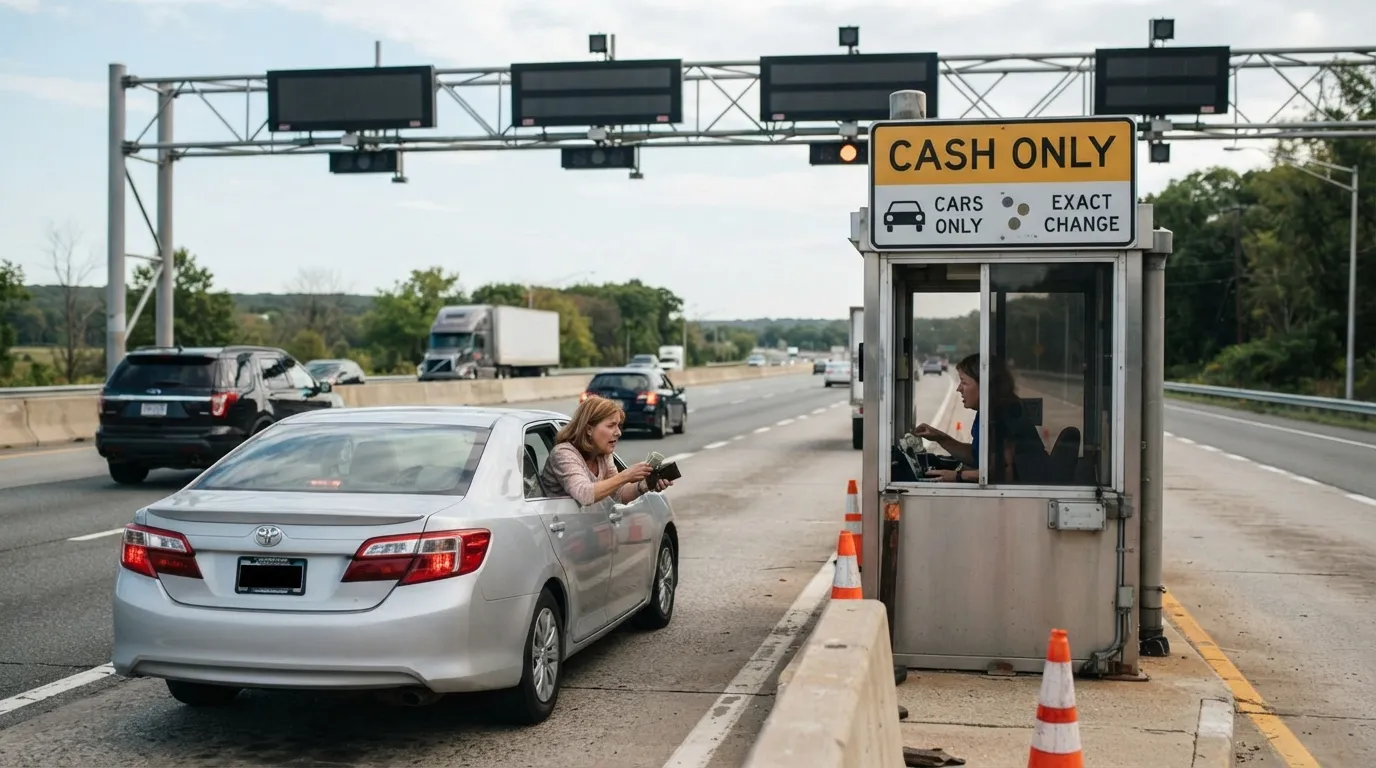
Nothing stalls a drive like a cash-only booth you didn’t expect. Some routes require a transponder, and others send a bill later, sometimes with added fees.
Either way, you lose time at the lane or deal with the hassle afterward. Look up the toll roads on your route in advance, check each operator’s official site for accepted payment methods, and set up any needed account before you go. Carry exact change where it’s still required.
Quick Compare
- Transponder: Set it up before you leave, and confirm the operator accepts it.
- Bill by mail: No hardware needed, but the bill can arrive with added fees.
- Cash: Useful only where booths still take it, so verify first.
4. Underestimating How Long the Driving Really Takes
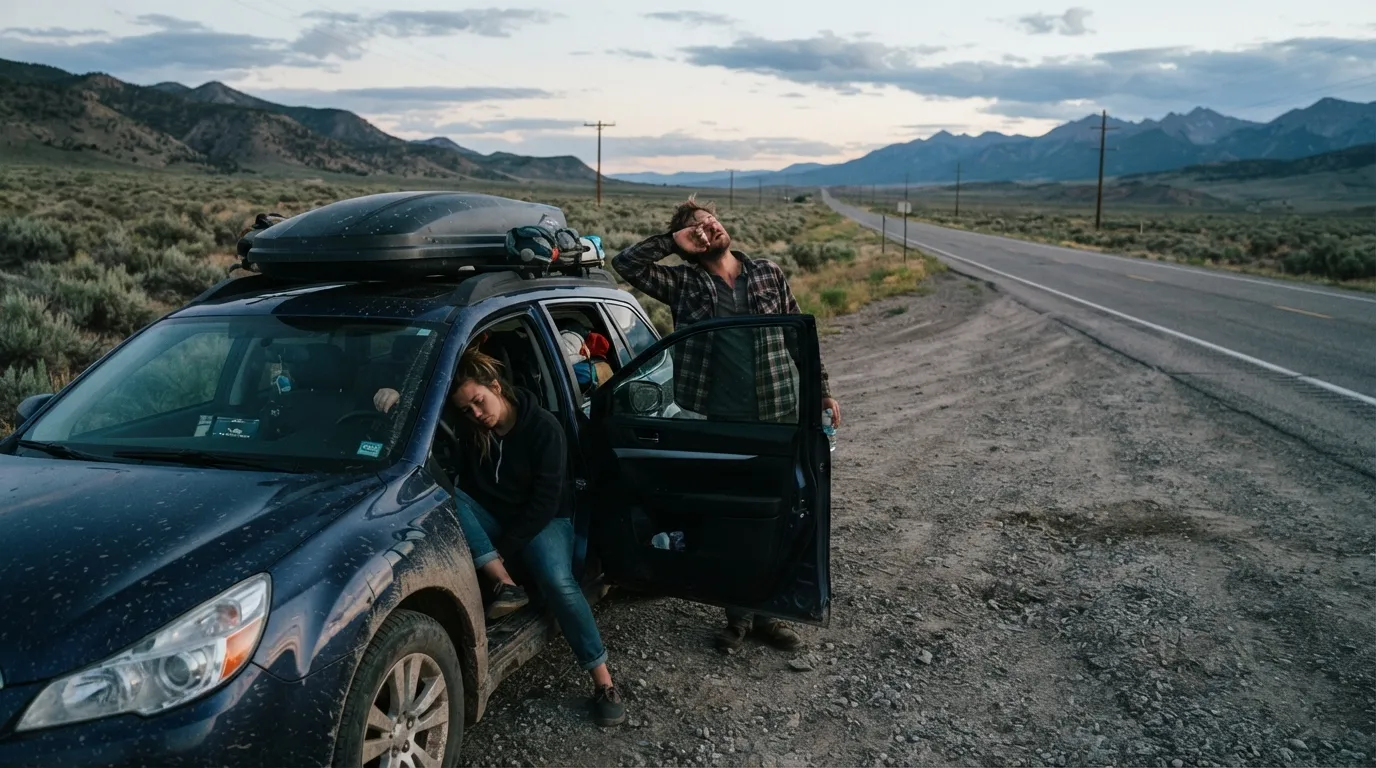
The map says four hours, but your body may want more. Fatigue forces unplanned stops, and on a long day it can push you into an overnight stay you never booked.
Meals, fuel, and breaks quietly add time that a simple drive-time estimate doesn’t count. Set a realistic daily driving limit and build buffer time into each leg, so tiredness doesn’t make the call for you.
5. Trusting Cell Service in Rural Areas
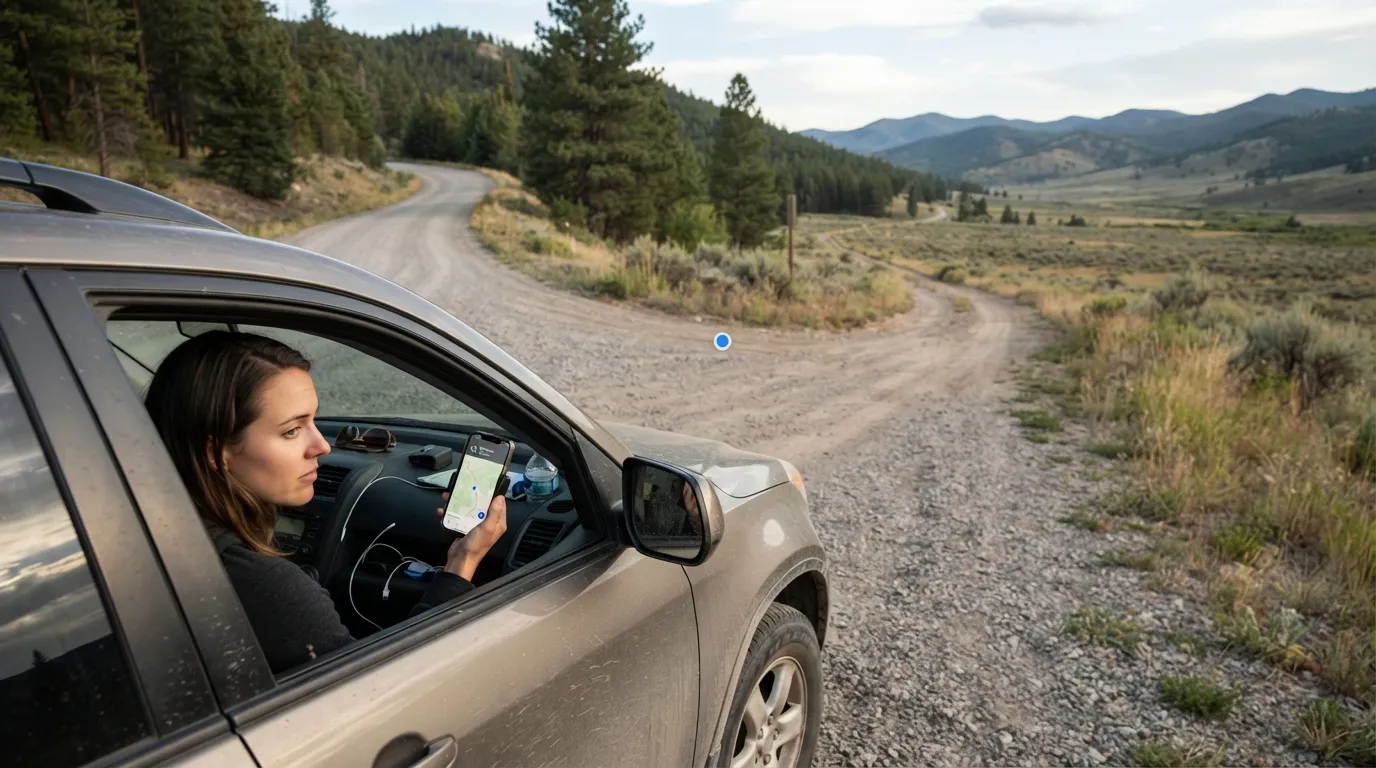
Your blue dot can vanish right when the road forks. When cell service drops in rural stretches, drivers end up guessing at turns, and wrong guesses mean extra miles.
Before leaving home, download offline map regions for the whole route in your navigation app. Do it on Wi-Fi, then confirm the maps actually open without a signal while you’re still parked in the driveway.
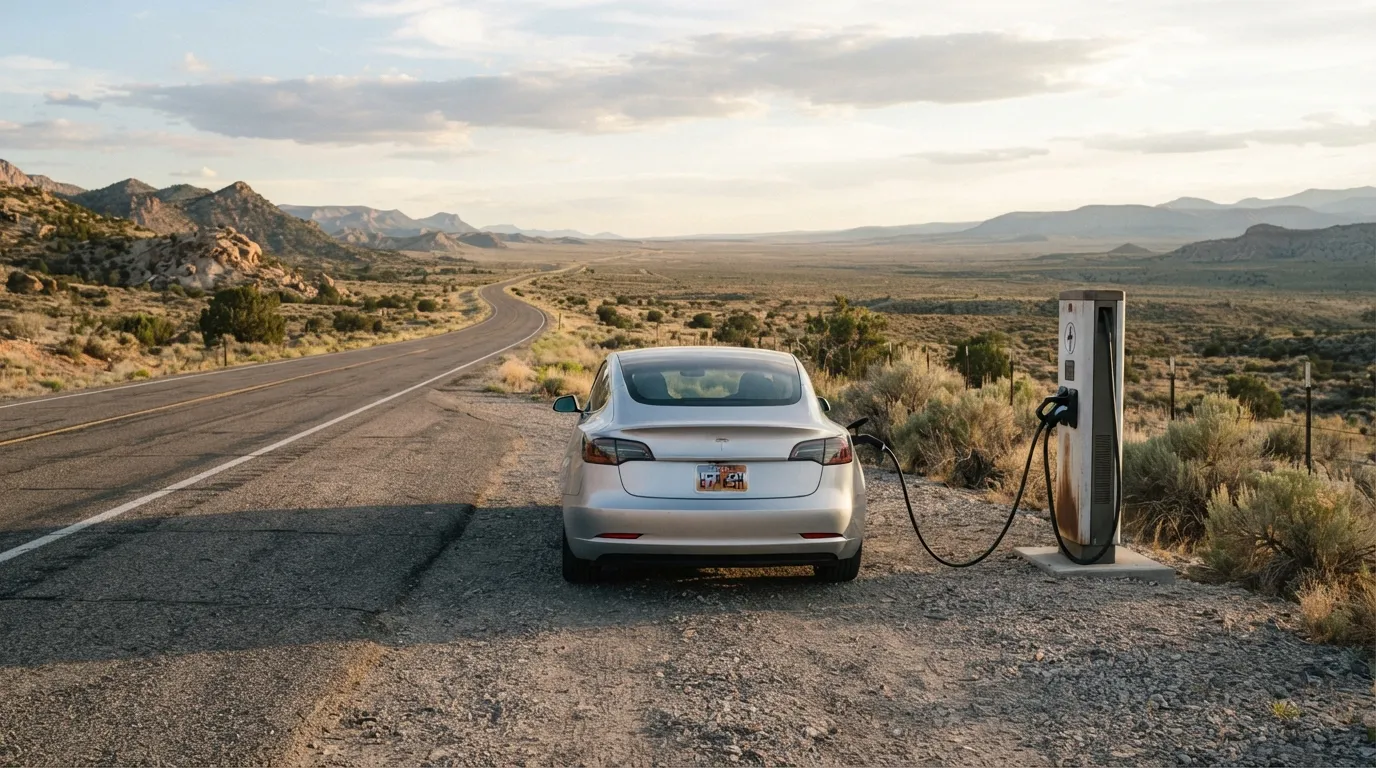
6. Overlooking Fuel or Charging Gaps
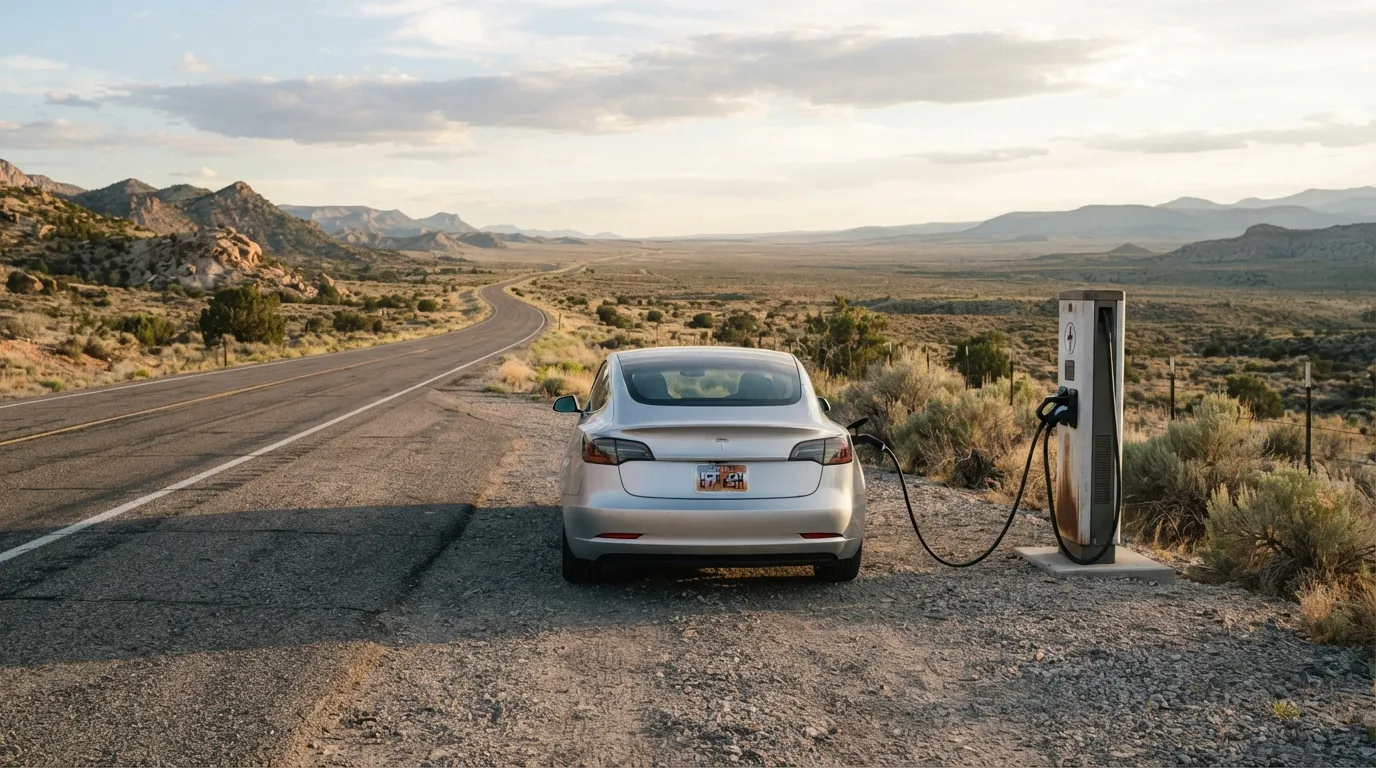
Some rural stretches go a long way between stations, and the gaps vary by region. Run low out there and a short drive turns into a long wait for help.
Map out gas stations or chargers along the route before you leave. Refuel when the tank reaches about half full instead of gambling on the next exit. If you drive an electric vehicle, make sure the chargers you’re counting on are compatible with your car.
At a Glance
- Gas: Top off around half a tank in remote areas.
- Electric: Confirm connector type before you count on a charger.
- Backup: Note a second station or charger past each planned stop.
- Timing: Make sure your stop is likely to be open when you arrive.
7. Skipping Rest Stop Planning
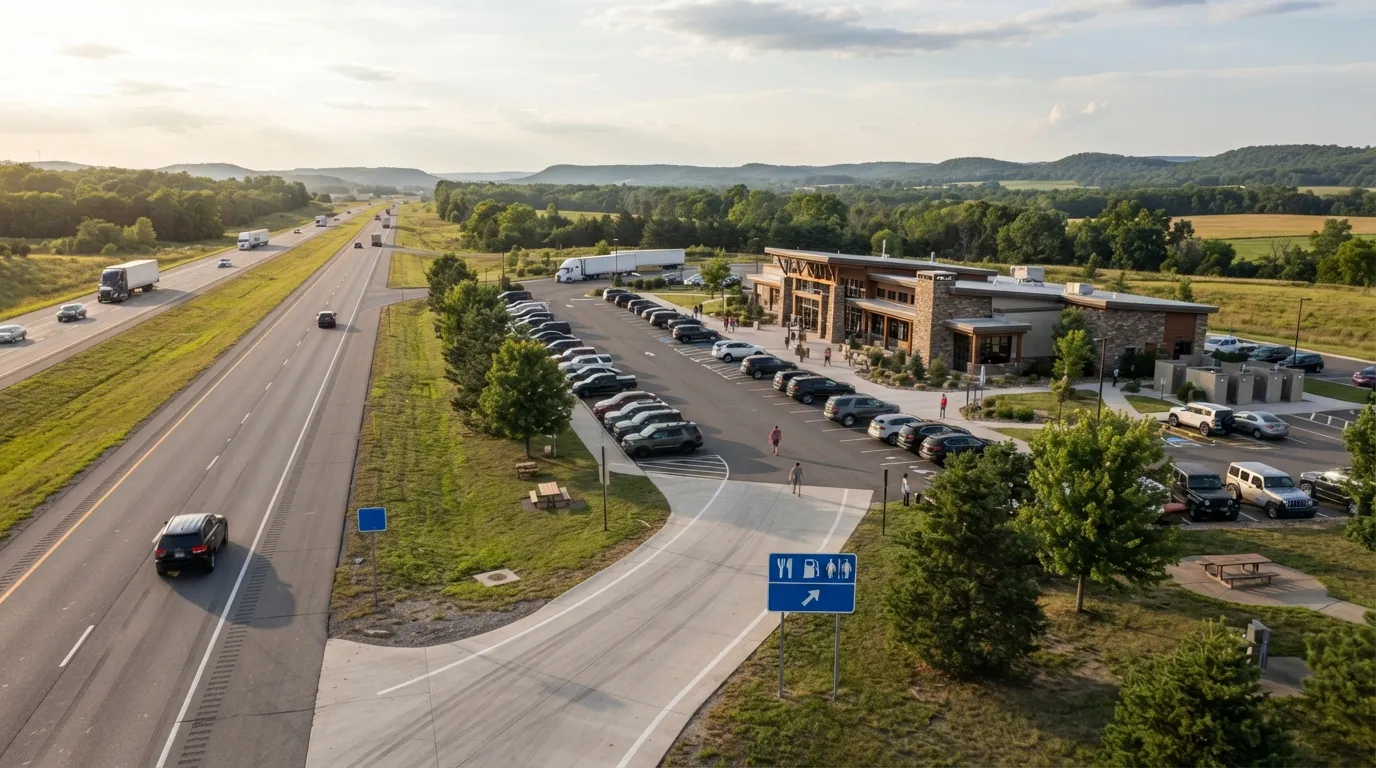
Tired drivers drift into unscheduled breaks, and those breaks tend to run long. Regular stops keep you alert, but hunting for one at the last minute costs time.
Before you go, identify rest areas or safe pull-offs along the route, roughly every two hours or sooner if you feel drowsy. Mark them in your navigation app so the decision is already made when you need it.
8. Putting All Your Trust in One Navigation App
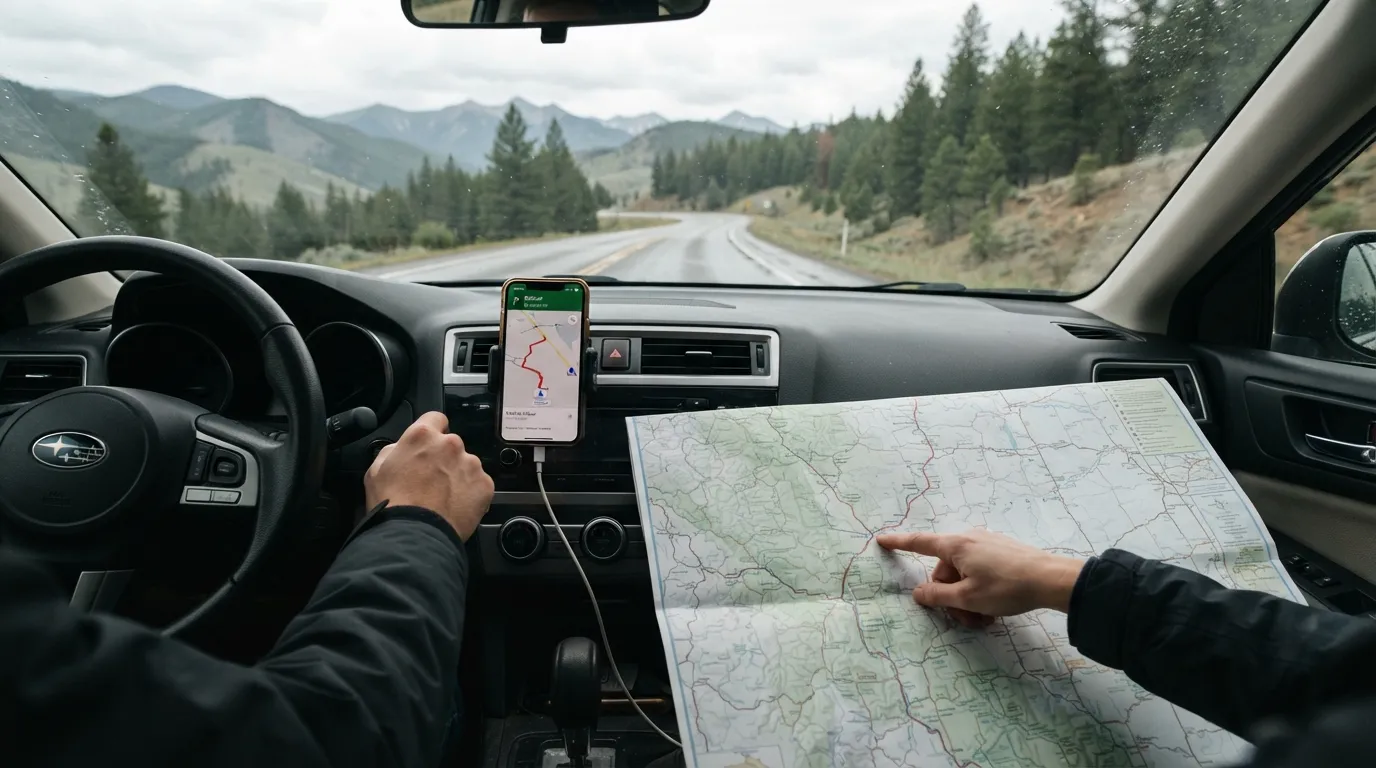
One app can reroute you into a mess or lose signal right when you need it. Without a backup, alternative routes may never even appear on your screen.
Note the major junctions and highways ahead of time. Keep a paper map or a second navigation app ready, so you can compare options instead of following a single blind detour.
9. Showing Up Without Park Entry Reservations
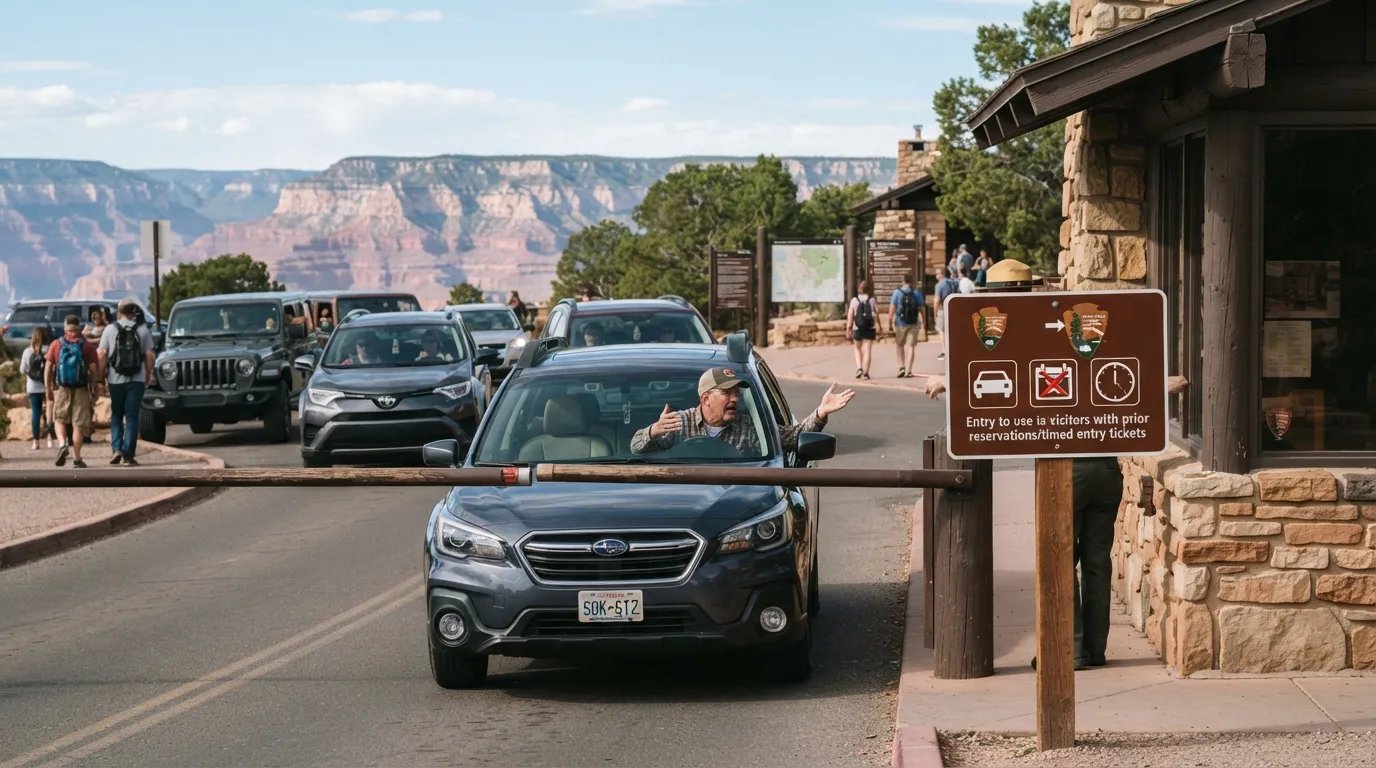
A scenic detour can end at a closed gate. Some parks require timed tickets or reservations, and popular sites may delay or deny entry to drivers who don’t have them.
Then you’re stuck with a long drive back or a rushed plan B. Check the official park website for entry requirements before the trip, and book any required reservation or timed ticket ahead of time.
10. Forgetting Ferry Schedules and Reservations
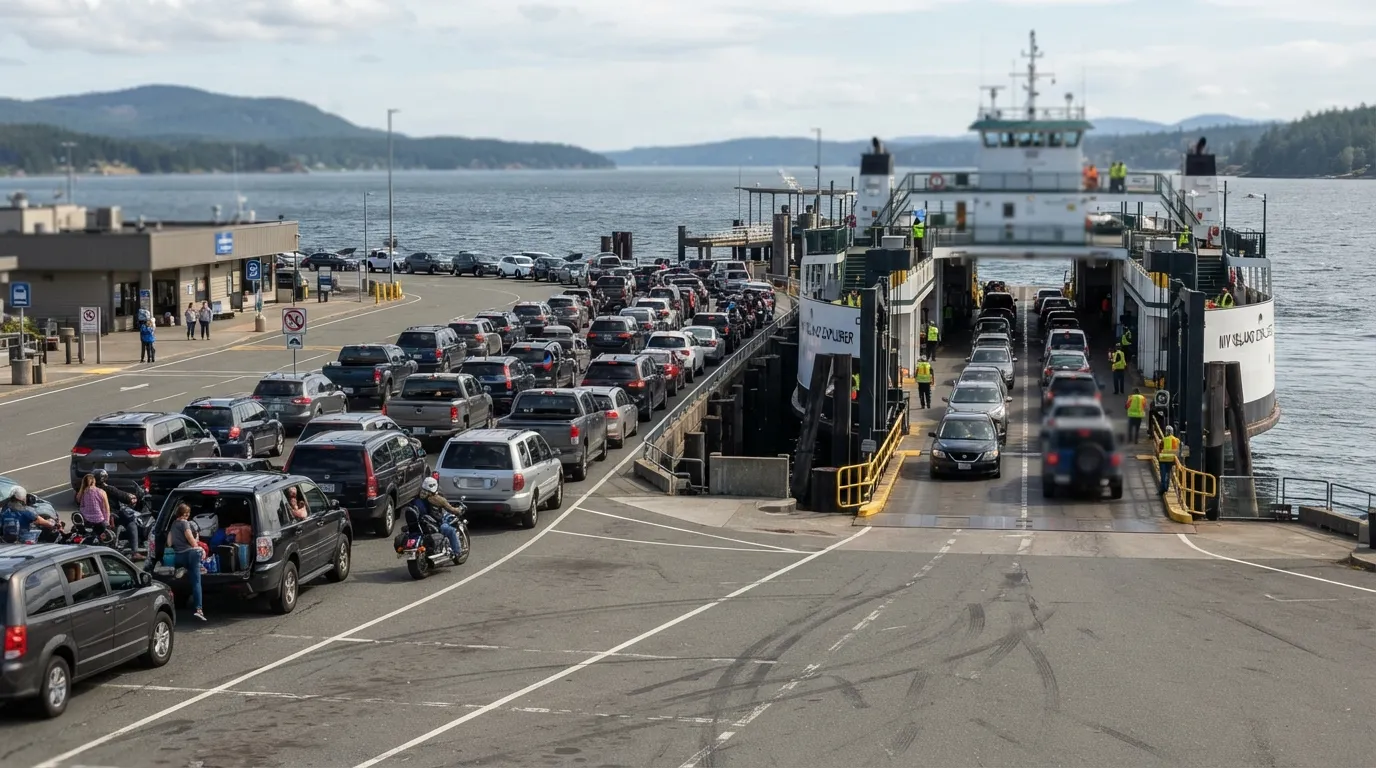
A short crossing becomes a long wait when you miss the boat. Ferries often run on limited timetables, so the next departure may be far off.
Confirm schedules with the official operator and book if reservations are offered or required. Plan to arrive early enough for boarding, and check for service notices on the day you travel.
[Image: Ferry boarding line at dock]
11. Ignoring Construction Reports
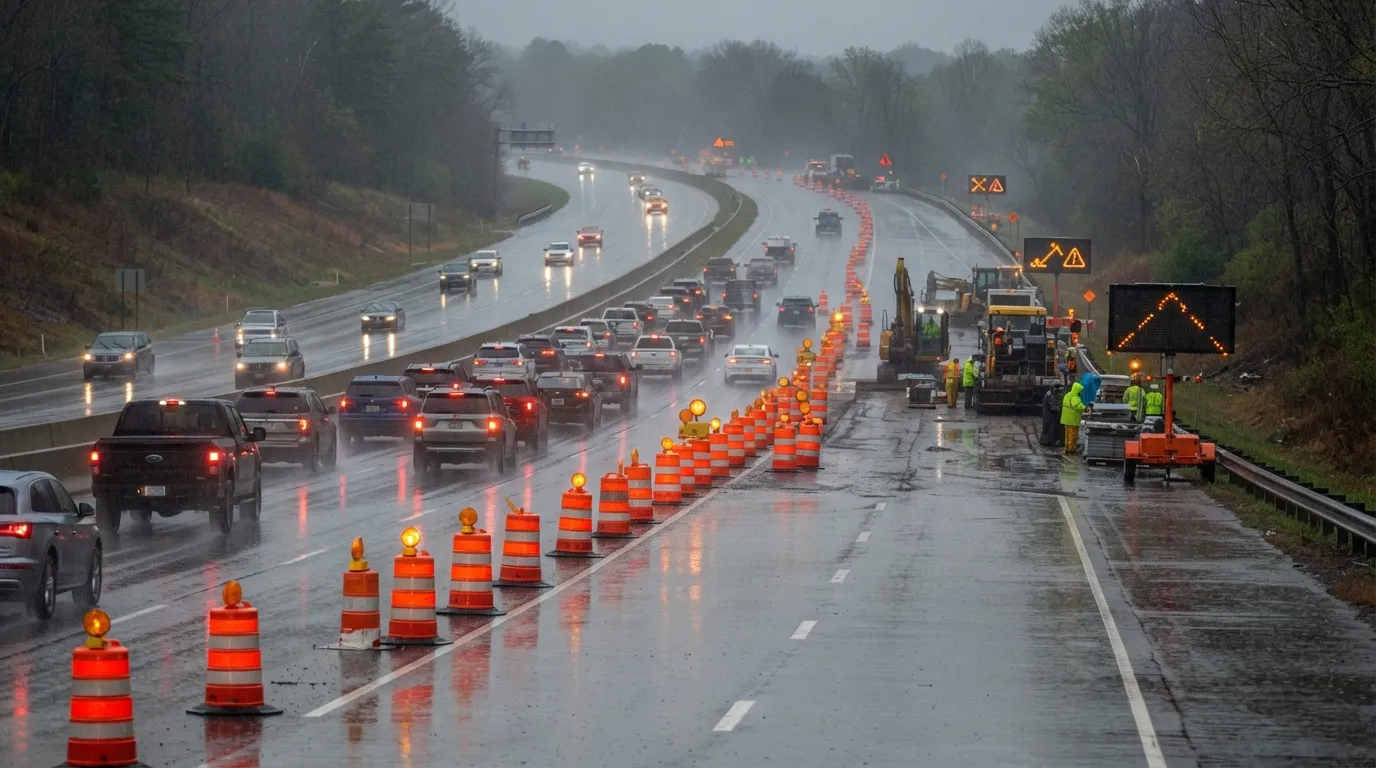
Orange cones don’t care about your schedule. Road work changes often, and a work zone can add slowdowns you never saw coming on the map.
Before you leave, check your state transportation department’s website or traveler information service for current projects along the route. Look again if your plans change, so you can pick another road or time your departure around the worst of it.
Fast Facts
- Best source: Your state transportation department or its traveler information service.
- Check twice: Once the night before and again the morning you leave.
- Look for: Lane closures, detours, and work-zone notices along your exact roads.
- Have ready: One alternate road you’d happily take.
[Image: Rainy highway with construction signs]
12. Never Testing Lights and Wipers
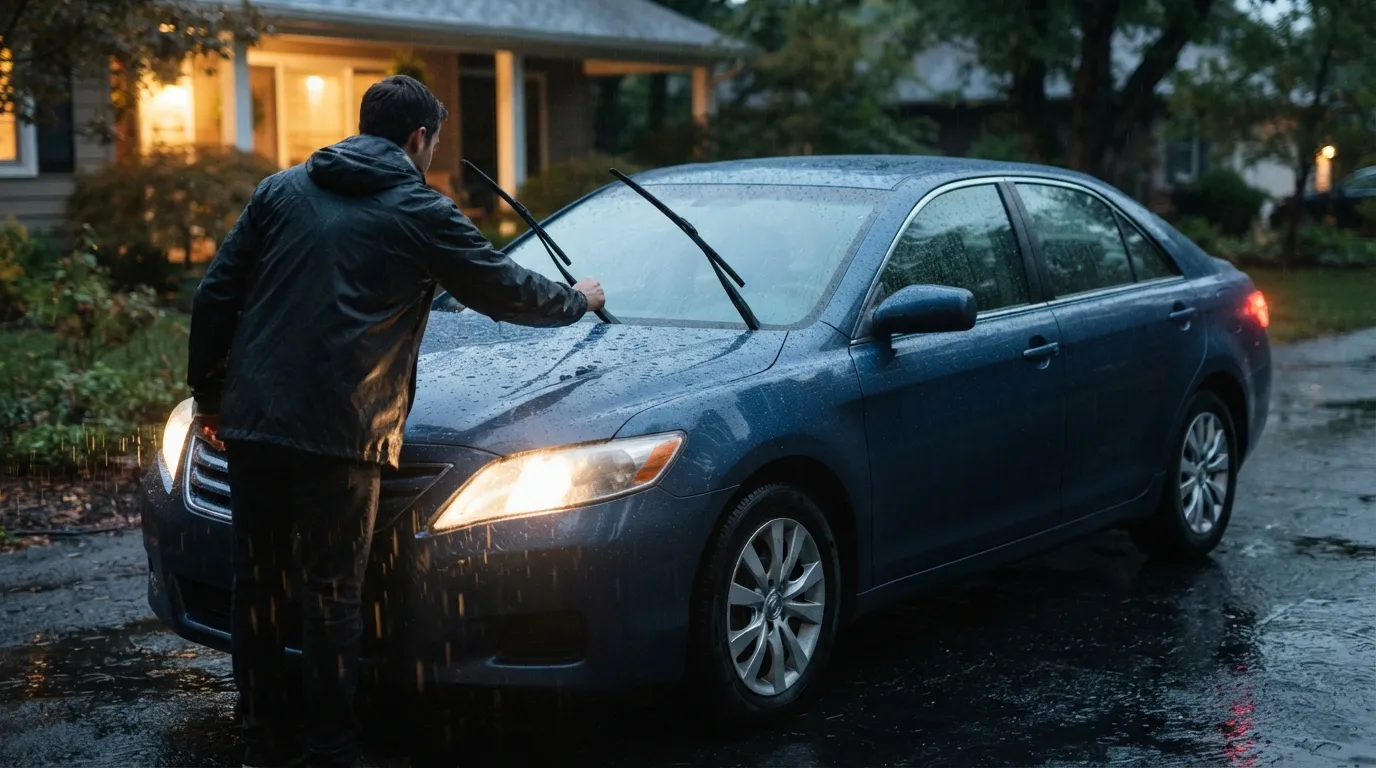
Streaky wipers and a dead headlight only matter once the sky turns dark or wet. Poor visibility forces you to slow down, and slower speeds stretch the miles into hours.
Test headlights, brake lights, and turn signals before departure, and replace wipers if they streak. A two-minute check in the driveway beats creeping through a downpour with a blurry windshield.
13. Packing So You Can’t See Behind You
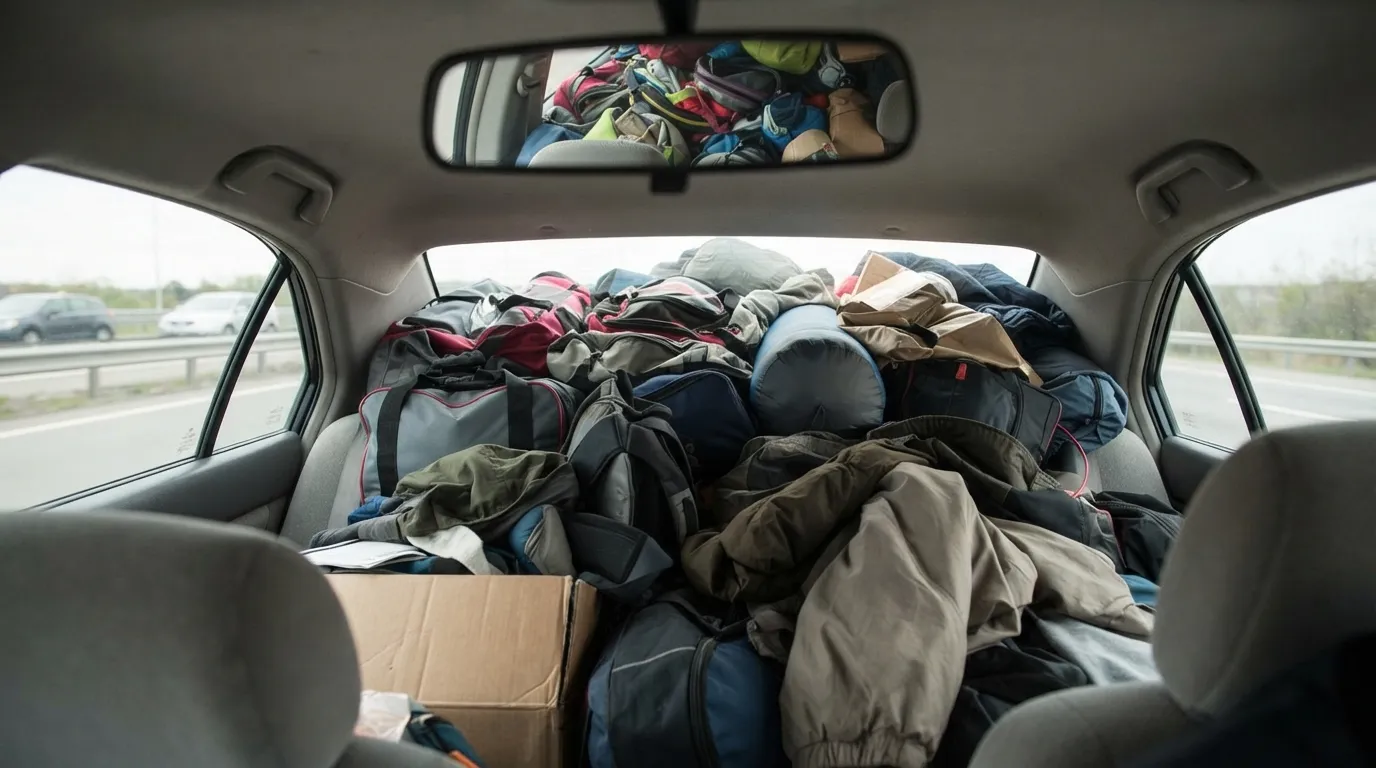
A trunk crammed to the roofline can turn your rear window into a brick wall. Blocked visibility is a safety risk, and it often means pulling over to repack.
Overloaded cars also handle poorly. Place heavy items low, secure everything so it can’t shift, and make sure your mirrors stay clear. Check your owner’s manual for the vehicle’s load guidance.
14. Forgetting What Your Passengers Need

Hungry, bored passengers are tiny schedule wreckers. Every complaint can turn into an extra stop, and those stops add up fast on a longer drive.
Pack a bag with snacks, drinks, and activities that suit your group, and keep it within easy reach. Fewer emergency pit stops means more miles covered before anyone melts down.
15. Letting Phones and Devices Die
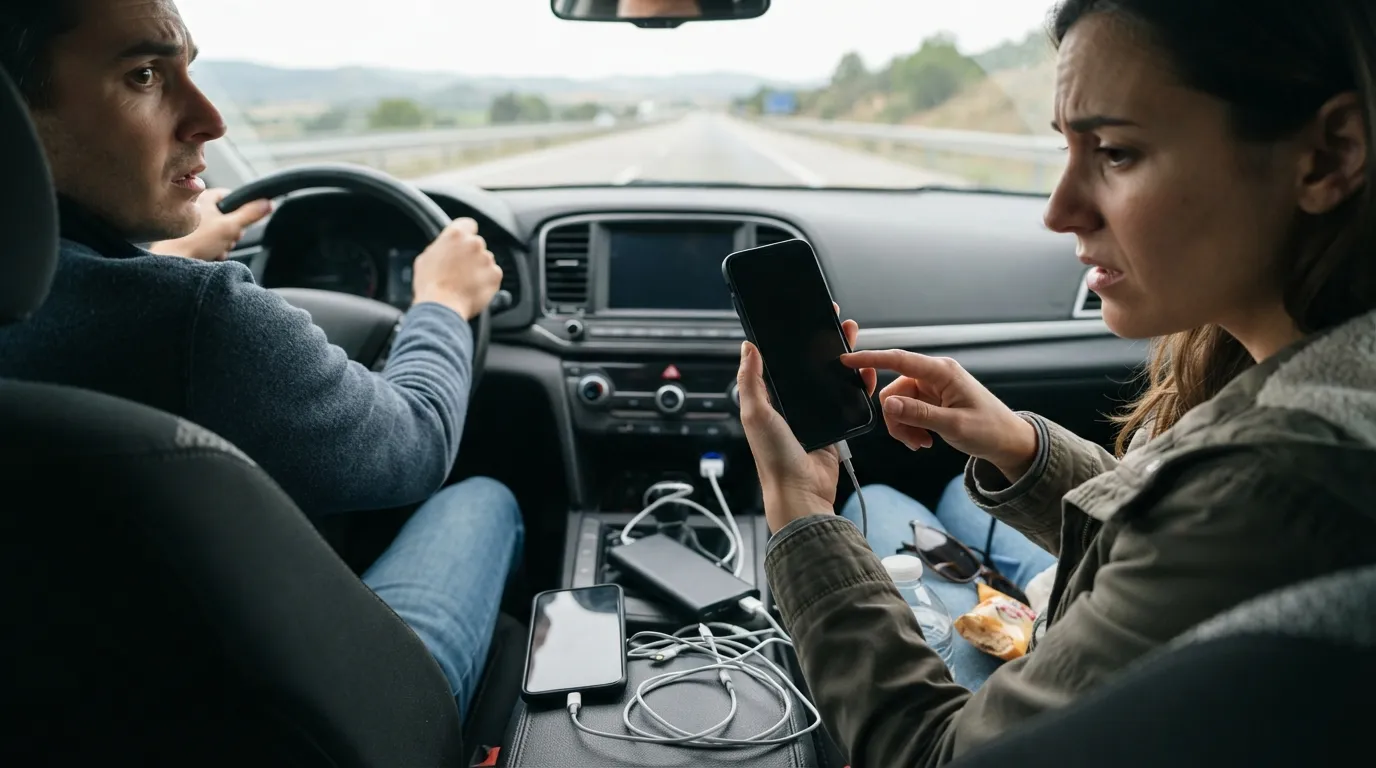
A dead phone can leave you without maps, calls, or contacts at the worst possible moment. Power banks also tend to drain faster than people expect.
Charge everything the night before. Carry a charged power bank and a car charger that works for every device in the group, and keep the cables where you can reach them without unpacking the trunk.
16. Building an Itinerary With Zero Slack

A schedule with no wiggle room turns small hiccups into big slips. A traffic jam or a flat tire can cascade into missed reservations and late arrivals.
As a rule of thumb, add about 30 minutes of buffer for each major leg. If nothing goes wrong, you gain a relaxed coffee stop. If something does, you stay on track.
Why It Stands Out
- Buffer absorbs a traffic jam without wrecking the rest of your day.
- Timed reservations stay safer when one delay doesn’t snowball.
- Spare minutes turn into a coffee stop instead of a stressful sprint.
- It’s the cheapest fix on this list, since it costs only a little planning.
17. Leaving Group Decisions to Chance
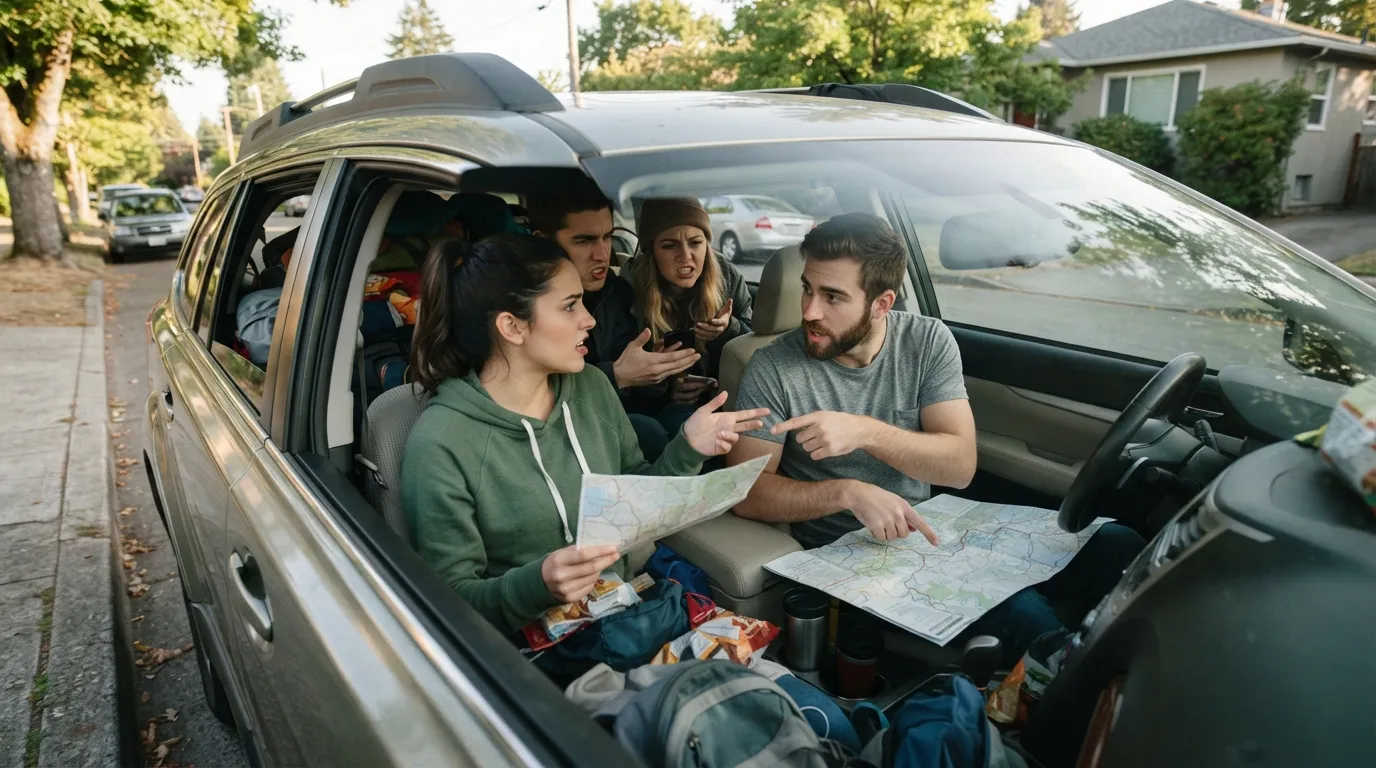
Arguments can eat departure time as fast as traffic does. When one person decides everything, others may grow resentful and push back on route changes.
Settle the basics before the trip starts, like departure time, how often you’ll stop, and who picks the next meal. Rotate choices or agree on clear rules so small debates don’t stall the car at the curb.
18. Not Confirming Roadside Assistance Coverage
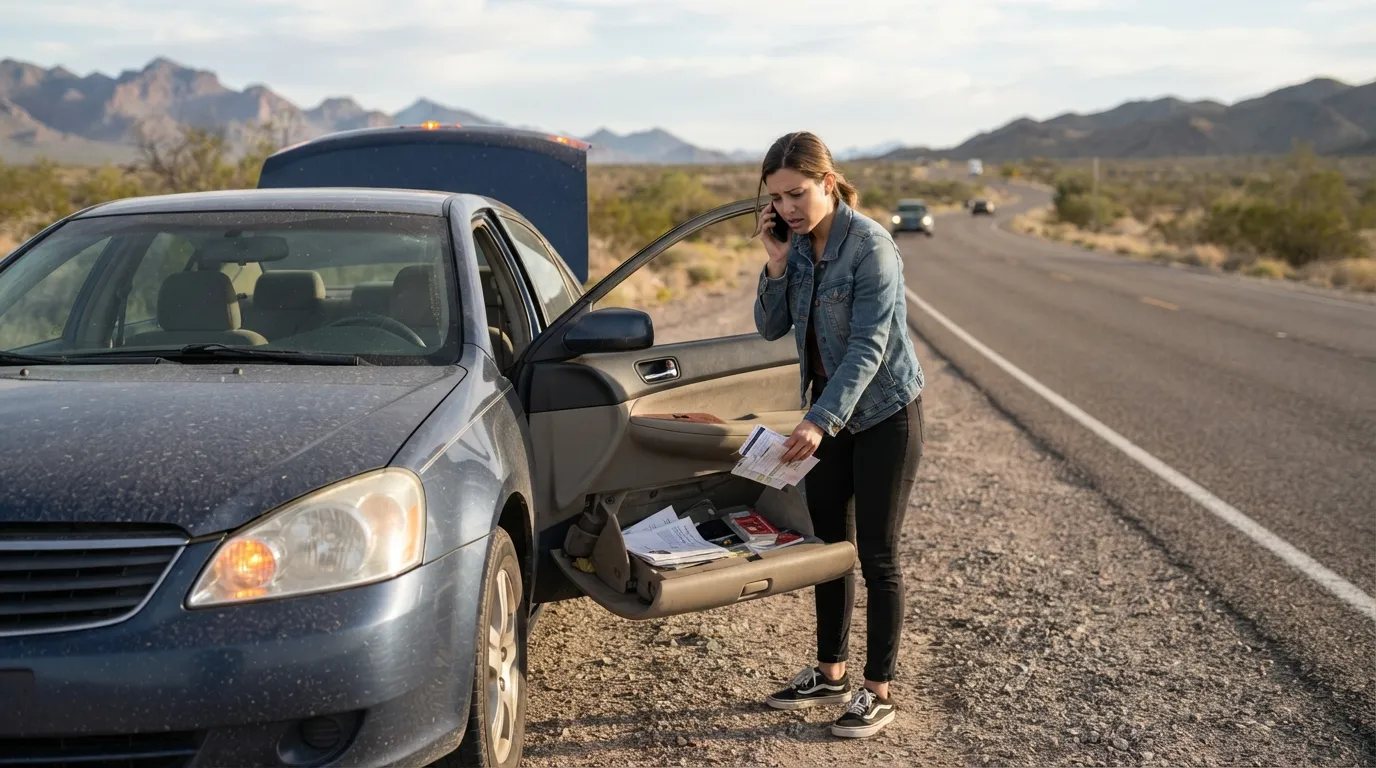
A breakdown is bad, but learning you aren’t covered while stranded is worse. Policies vary by provider, so you could end up paying out of pocket for a tow.
Verify your coverage details before leaving home, and save the provider’s contact number in your phone. Keep a written copy in the glovebox in case your battery dies.
Almost every delay on this list is created at home, long before the engine starts. That’s the good news, because each one can be fixed with a few quiet minutes of planning.
Quiz: How many of these mistakes have you made on past trips? Take our quick 5-question road trip quiz and see your planning score.
[Quiz widget: interactive quiz on common fixes]