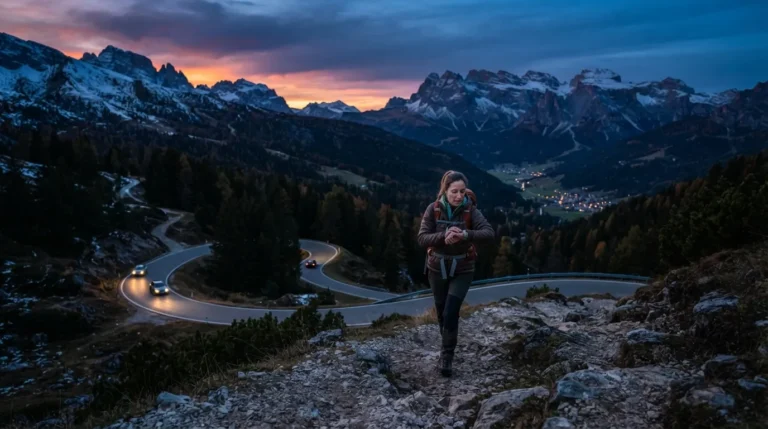
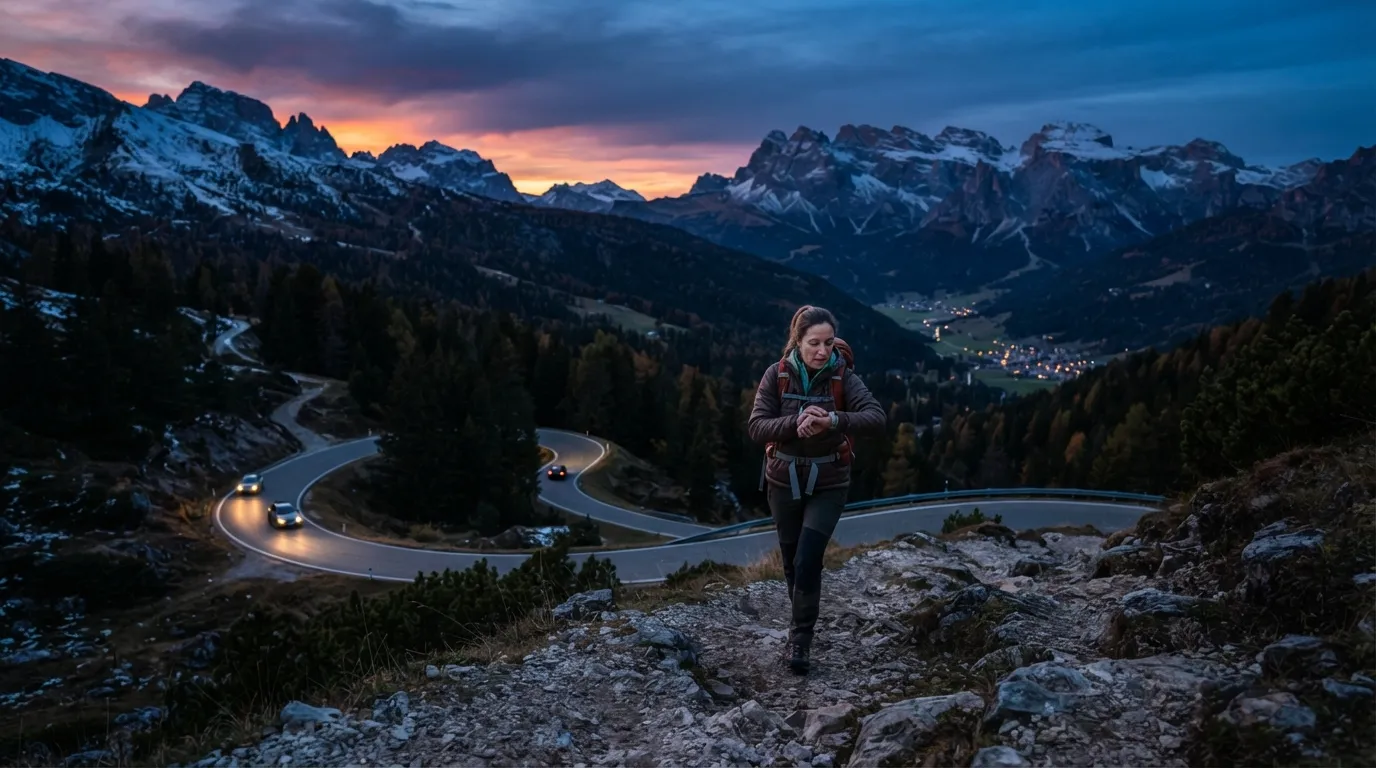
Shoulder season sounds like the sweet spot, with fewer crowds, softer light and easy weather, until a 70-degree afternoon follows a freezing morning and the road you planned to drive is still closed.
These 17 rules rest on climate normals, published schedules and official transport rules, and the ones near the end are the ones people usually learn the hard way.
#1 – Read the Climate Normals, Not Just the Average High
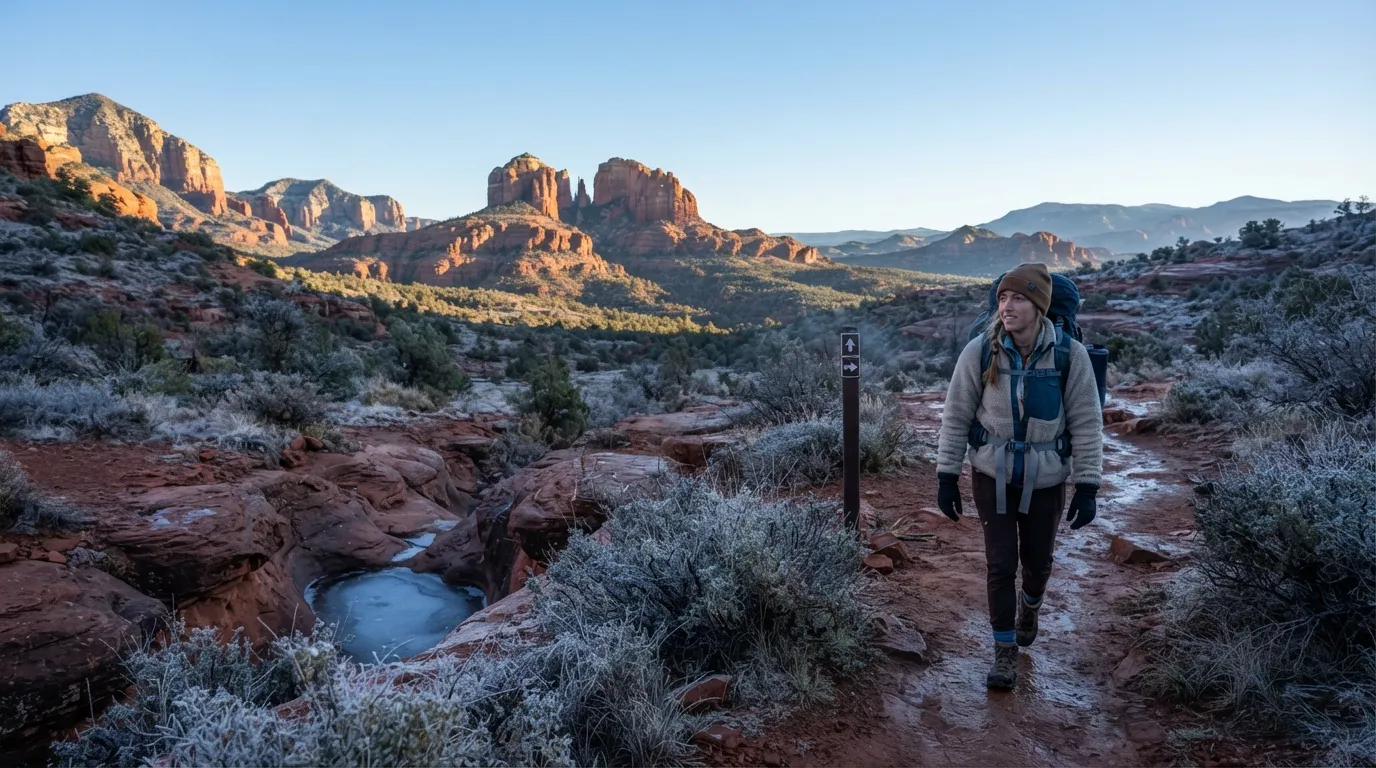
Climate normals are 30-year averages, and NOAA’s current U.S. set covers 1991–2020. An April average high of 62°F can still hide a near-freezing dawn and a warm afternoon.
Look up the normal daily low and the record low, not just the high, before deciding what goes in your bag.
#2 – Check Attraction Opening Dates Park by Park
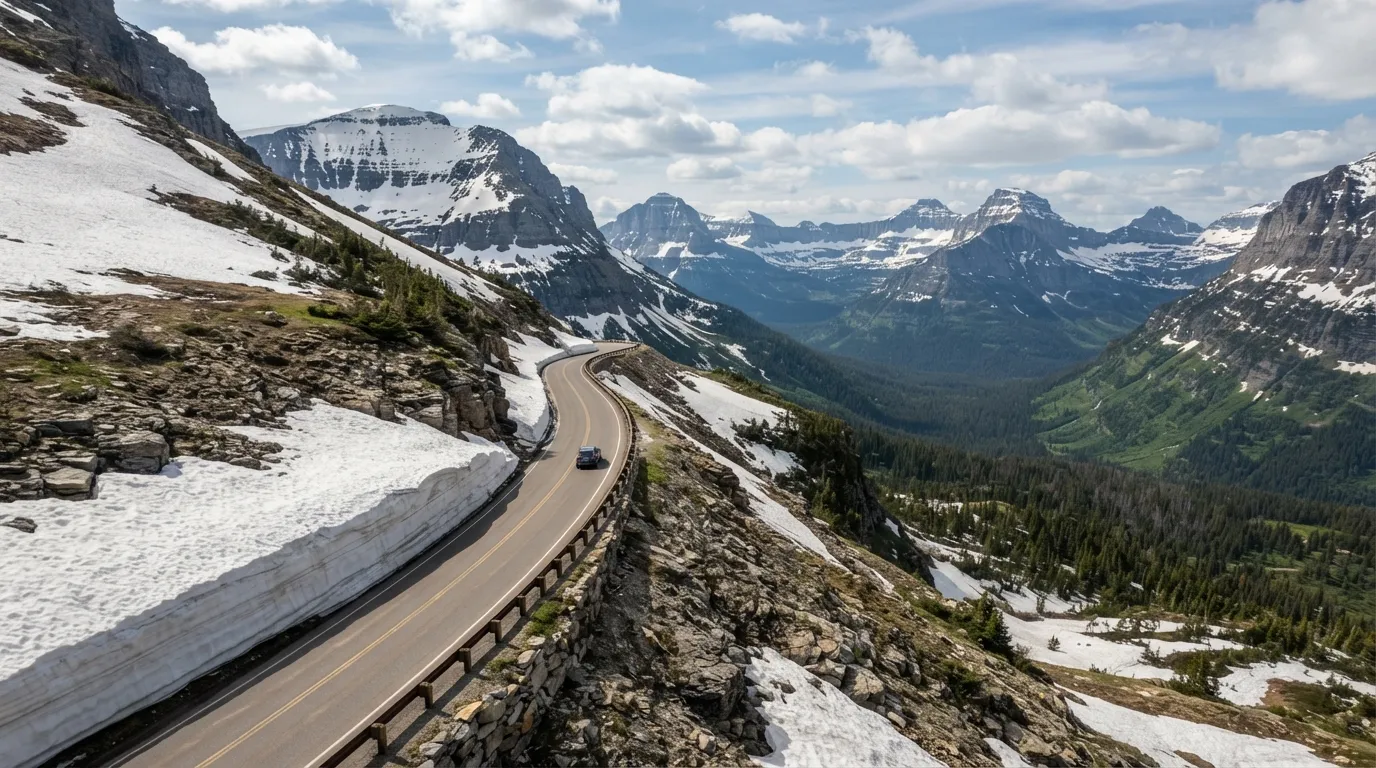
Seasonal attractions open on their own calendars. In the U.S., each National Park Service site posts its own dates, while Parks Canada publishes separately for Canadian parks.
Rocky Mountain’s Trail Ridge Road usually opens around late May, but Glacier’s Going-to-the-Sun Road often isn’t fully open until late June or early July, depending on snow.
At a Glance
- Trail Ridge Road (Rocky Mountain): usually opens around late May.
- Going-to-the-Sun Road (Glacier): often fully open late June or early July.
- Both dates shift with snowpack, so treat them as typical, not promised.
- U.S. parks post dates on each park’s own page; Canadian parks use Parks Canada.
#3 – Treat Alpine Passes as Open Only When Authorities Say So
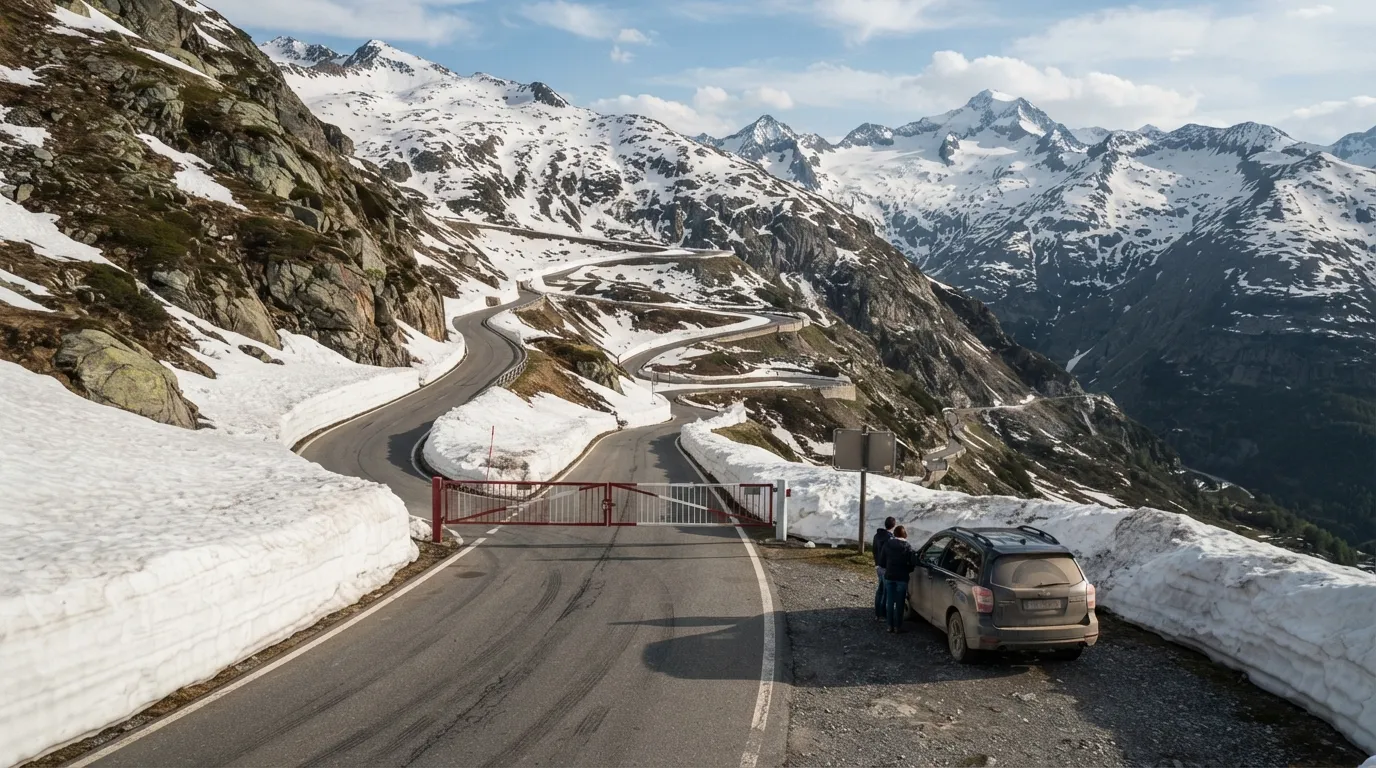
Alpine passes close for winter and reopen when local authorities decide it’s safe. Swiss passes like Furka and Grimsel typically open in late spring or early summer, and Italy’s Stelvio Pass usually opens in late spring.
Each road authority posts its own status, so check the specific pass, not the country.
#4 – Pull the Ferry Timetable for Your Exact Travel Day
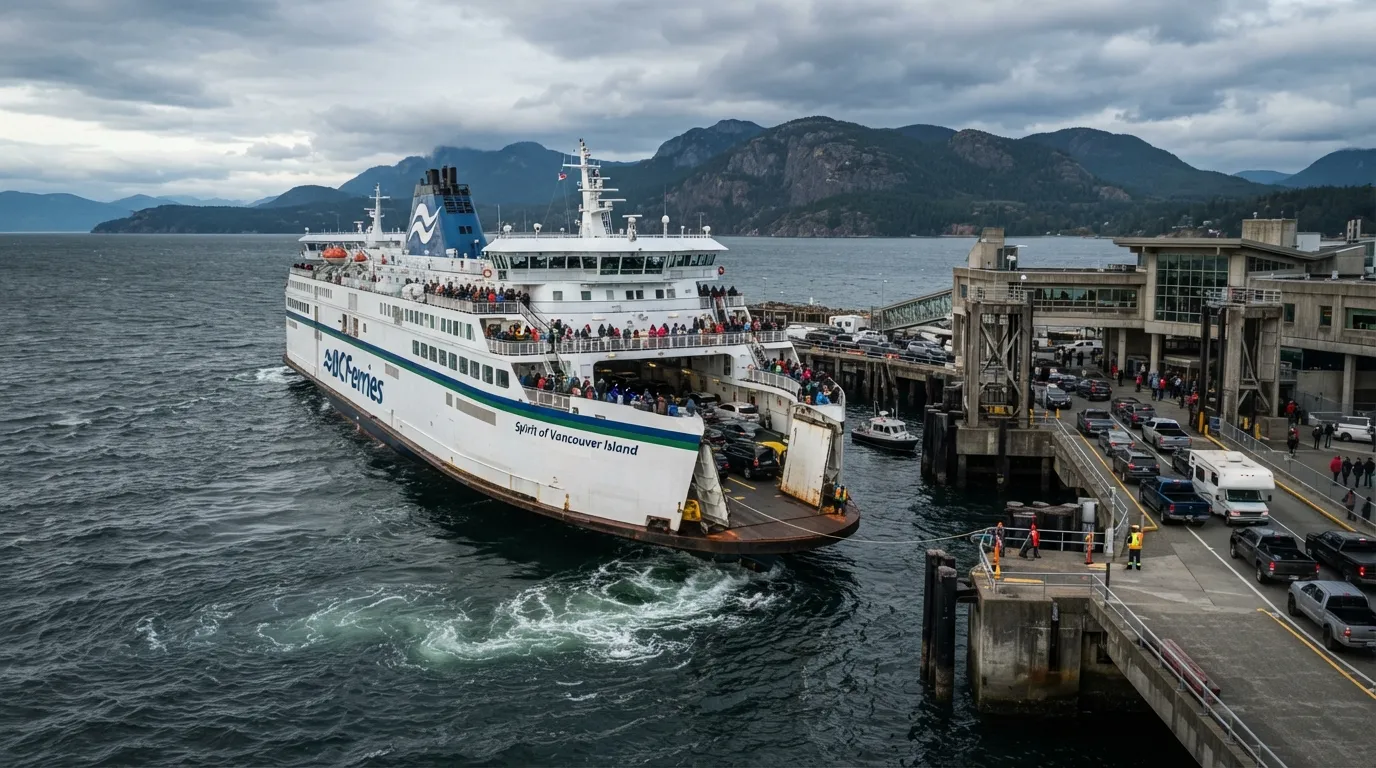
Ferry operators swap timetables by season, and shoulder months often land between schedules. BC Ferries and Washington State Ferries both adjust sailings seasonally, while many Swiss lake operators run reduced timetables outside summer.
Don’t trust the summer schedule you saw months ago.
#5 – Expect Cable Cars to Close for Maintenance
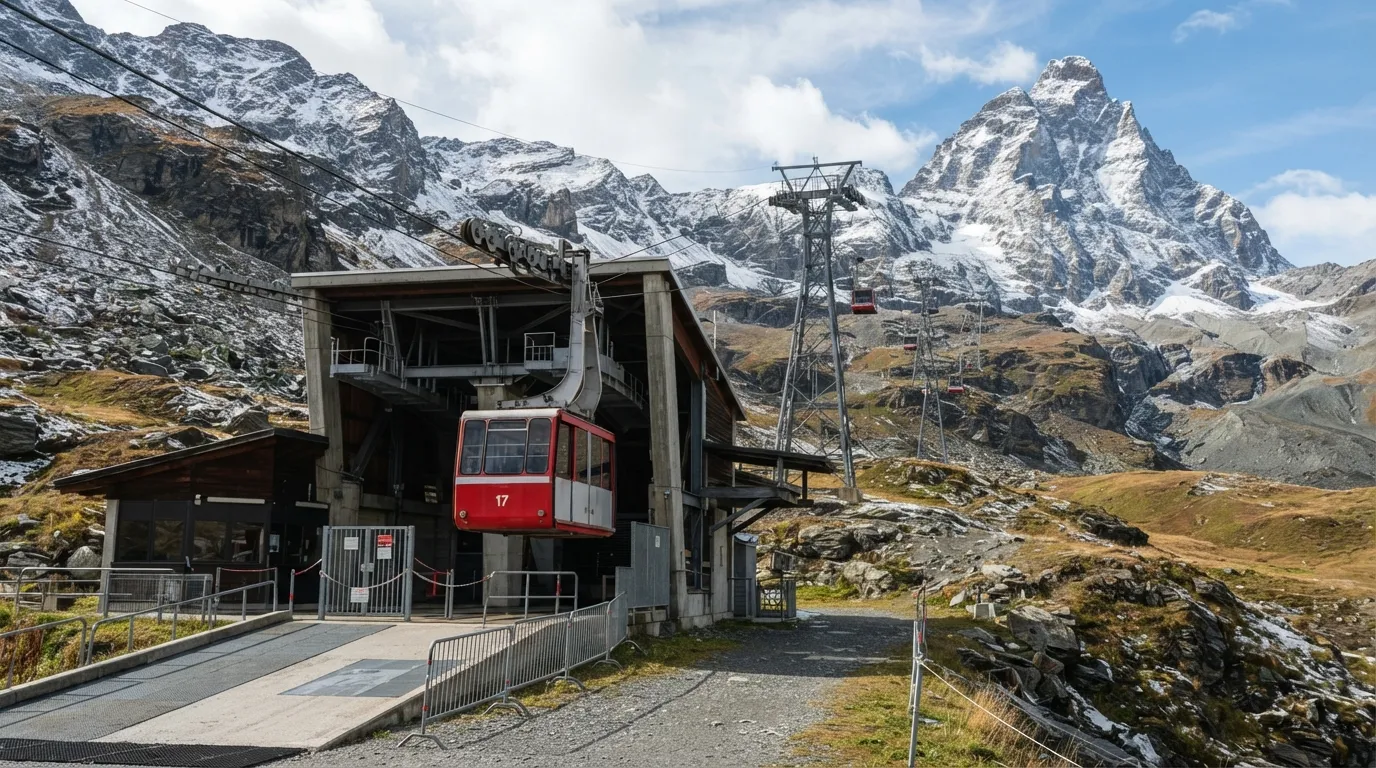
Mountain lifts often shut for maintenance between summer and winter operation. Many Swiss and Austrian cable cars close for several weeks in spring or autumn, and each operator sets its own dates.
A viewpoint that looks open on a tourism map may have no lift running the week you arrive.
#6 – Know Which Flight Rules Cover Weather Delays
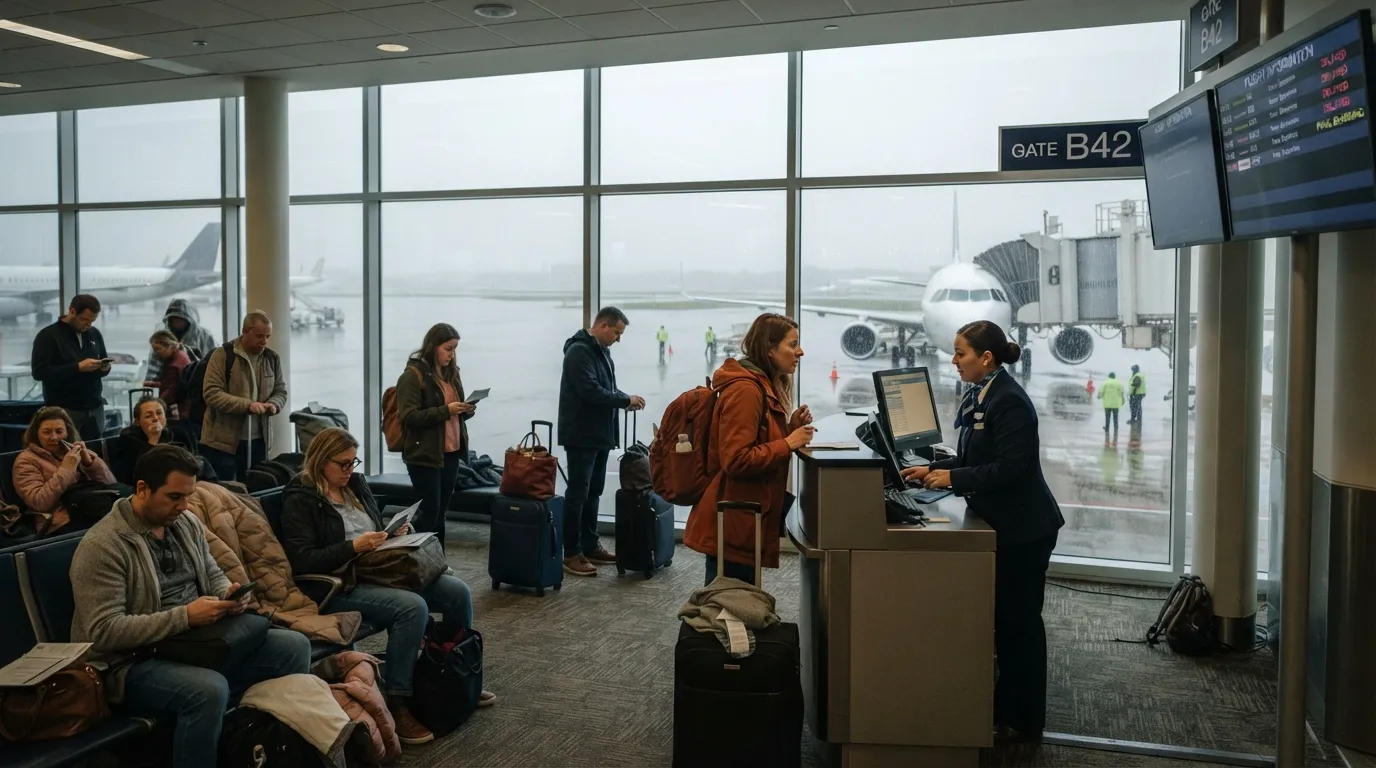
Weather delays don’t carry the same rights everywhere. U.S. rules don’t require airlines to pay cash compensation for weather delays, while EU rules still require care, such as meals and rerouting, even when compensation isn’t owed.
Check which rules cover your flight, because departure point and airline can change what you’re entitled to.
#7 – Remember That Clock Changes Move Sunset Fast
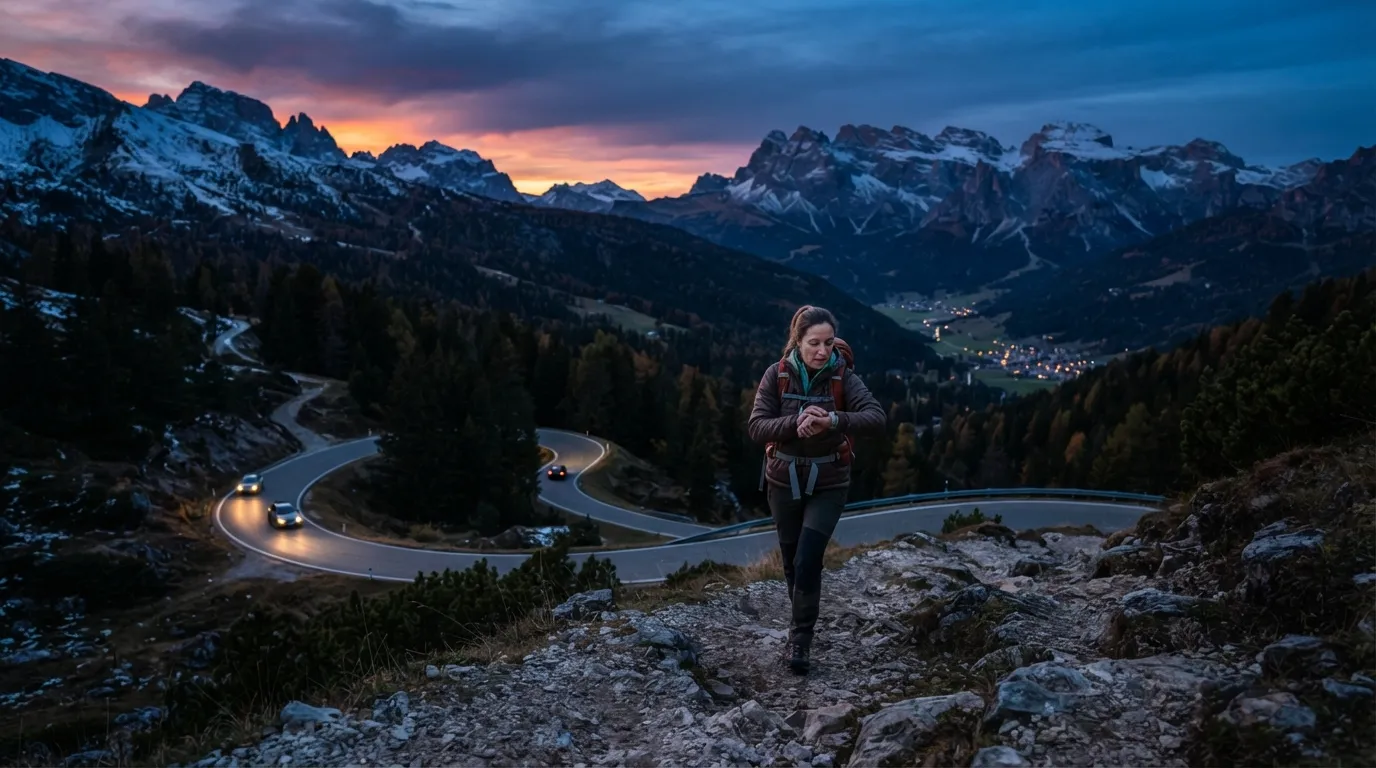
The U.S. sets clocks back on the first Sunday in November, while the EU does so on the last Sunday in October. In spring, the U.S. changes on the second Sunday in March and the EU on the last Sunday in March.
Those mismatched dates can bring darkness an hour earlier than you planned for a hike or a drive.
Quick Compare
| Region | Spring change | Fall change |
|---|---|---|
| U.S. | Second Sunday in March | First Sunday in November |
| EU | Last Sunday in March | Last Sunday in October |
#8 – Don’t Treat September Beach Trips as Storm-Free
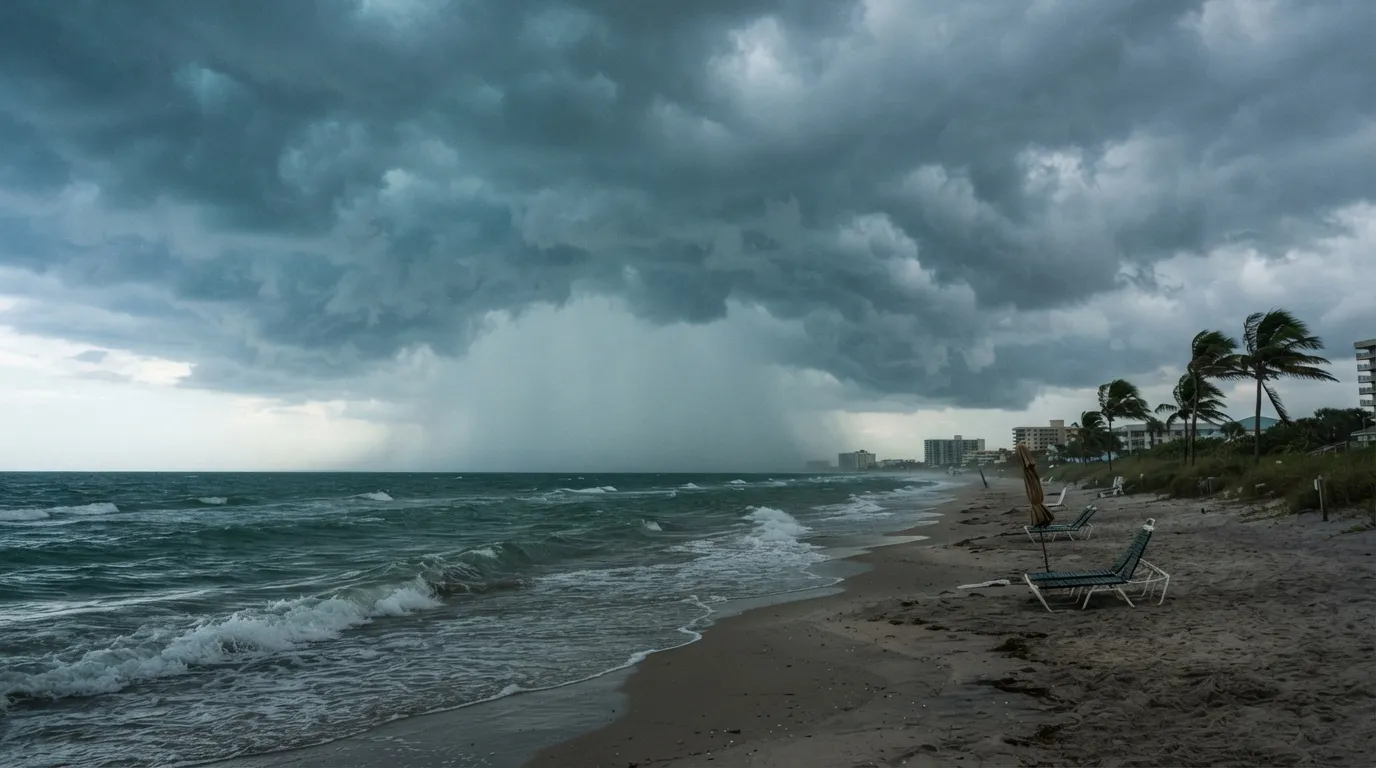
The Atlantic hurricane season runs June 1 to November 30, with activity typically peaking around mid-September. September and October trips to Florida, the Gulf Coast and the Caribbean aren’t calm by default.
The Eastern Pacific season starts earlier, on May 15, so Pacific Mexico faces storm risk from mid-May.
#9 – Watch Japan’s Typhoon Window in Autumn
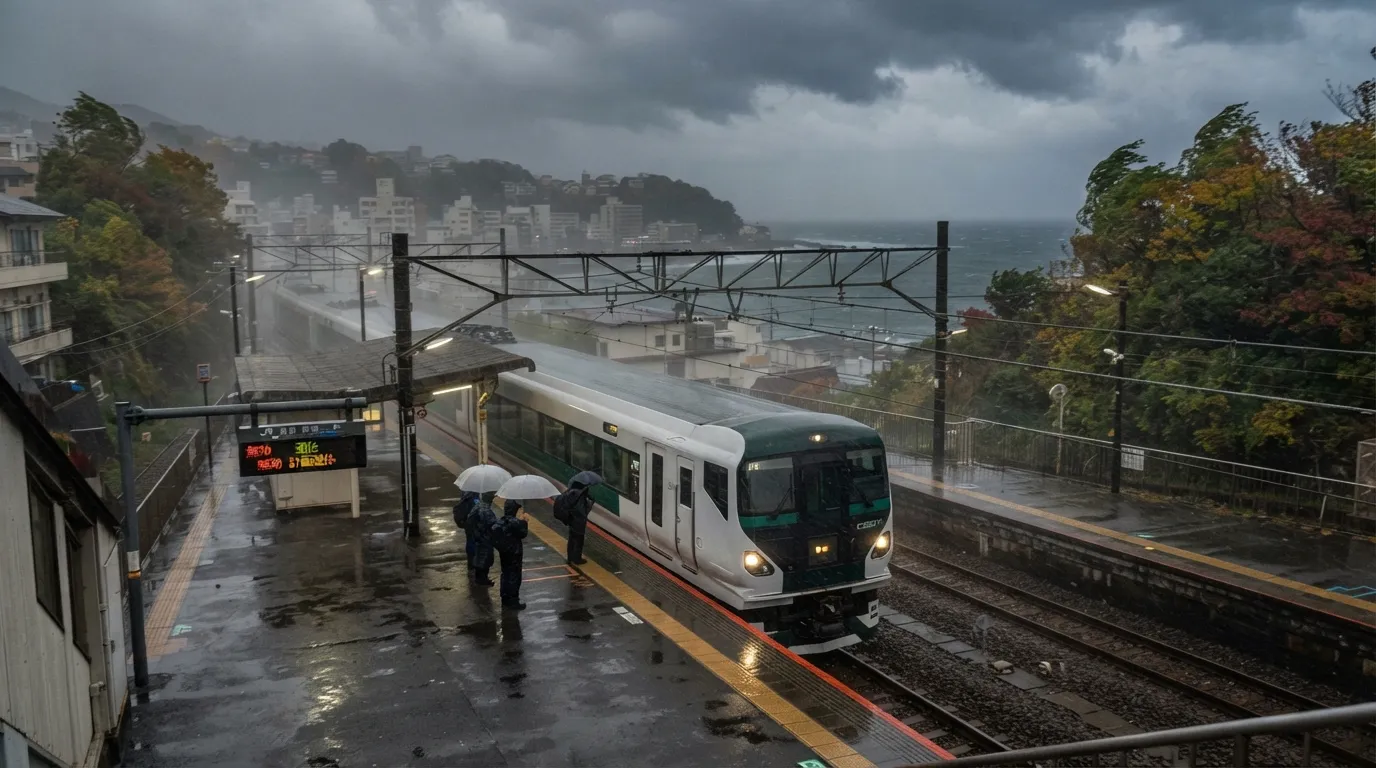
Autumn is part of Japan’s typhoon risk window, not an escape from it. The Japan Meteorological Agency tracks these storms, and September is among the busiest months for typhoons approaching Japan.
Railways and airlines announce their own suspension decisions, so check each operator’s notices the day before you travel.
#10 – Ask About Winter Tires Before You Drive Off
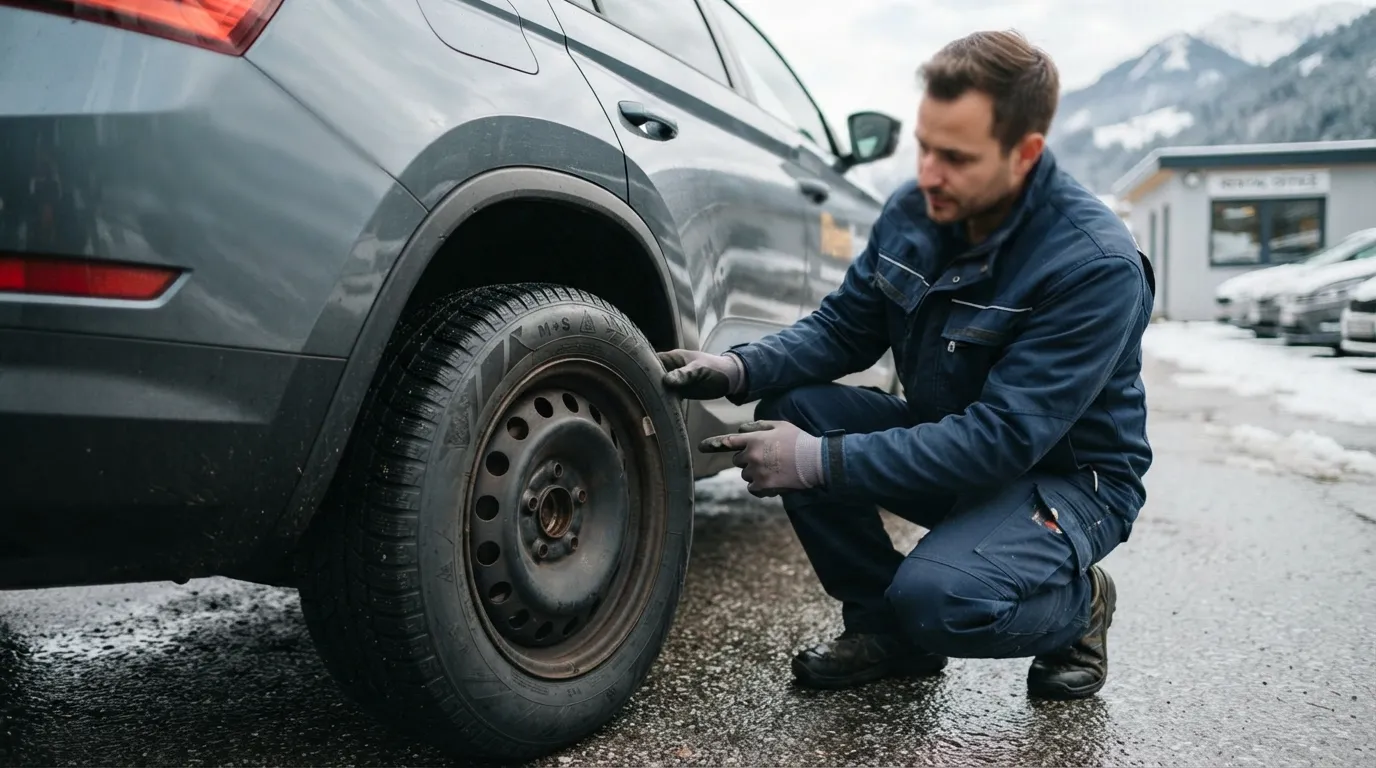
Winter tire rules vary by jurisdiction. Austria requires winter equipment from November 1 to April 15 in wintry conditions, Quebec requires winter tires from December 1 to March 15, and many U.S. states have no general tire-season requirement.
Ask your rental company what’s fitted, since early snow can arrive outside those dates.
#11 – Don’t Assume the Lifeguard Is on Duty
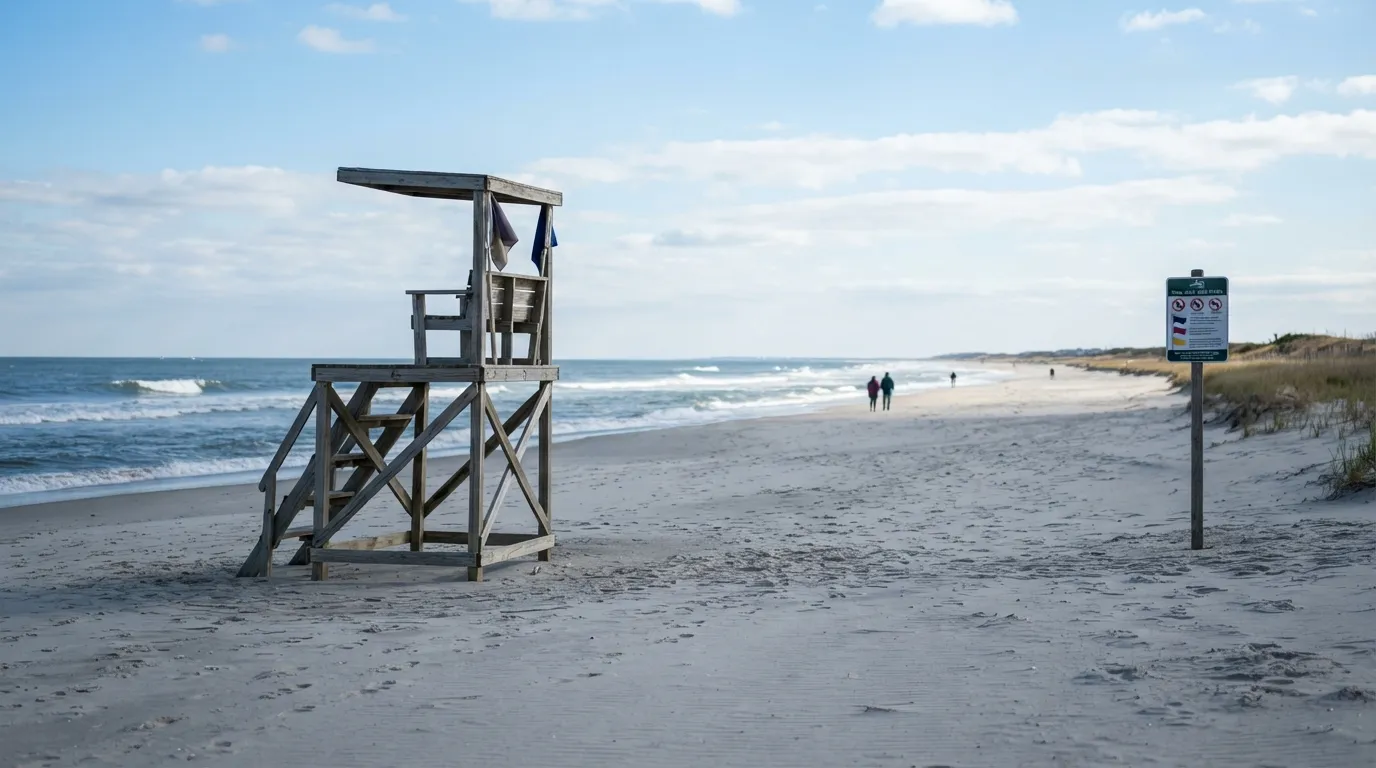
Water temperature lags behind air temperature, so a sunny shoulder-season day can still mean cold water. Lifeguard coverage varies too: many U.S. beaches staff roughly from Memorial Day to Labor Day, though each town or agency sets its own schedule.
Read the posted flags and signs instead of assuming a guard is watching.
#12 – Learn What the Alert Colors Actually Mean
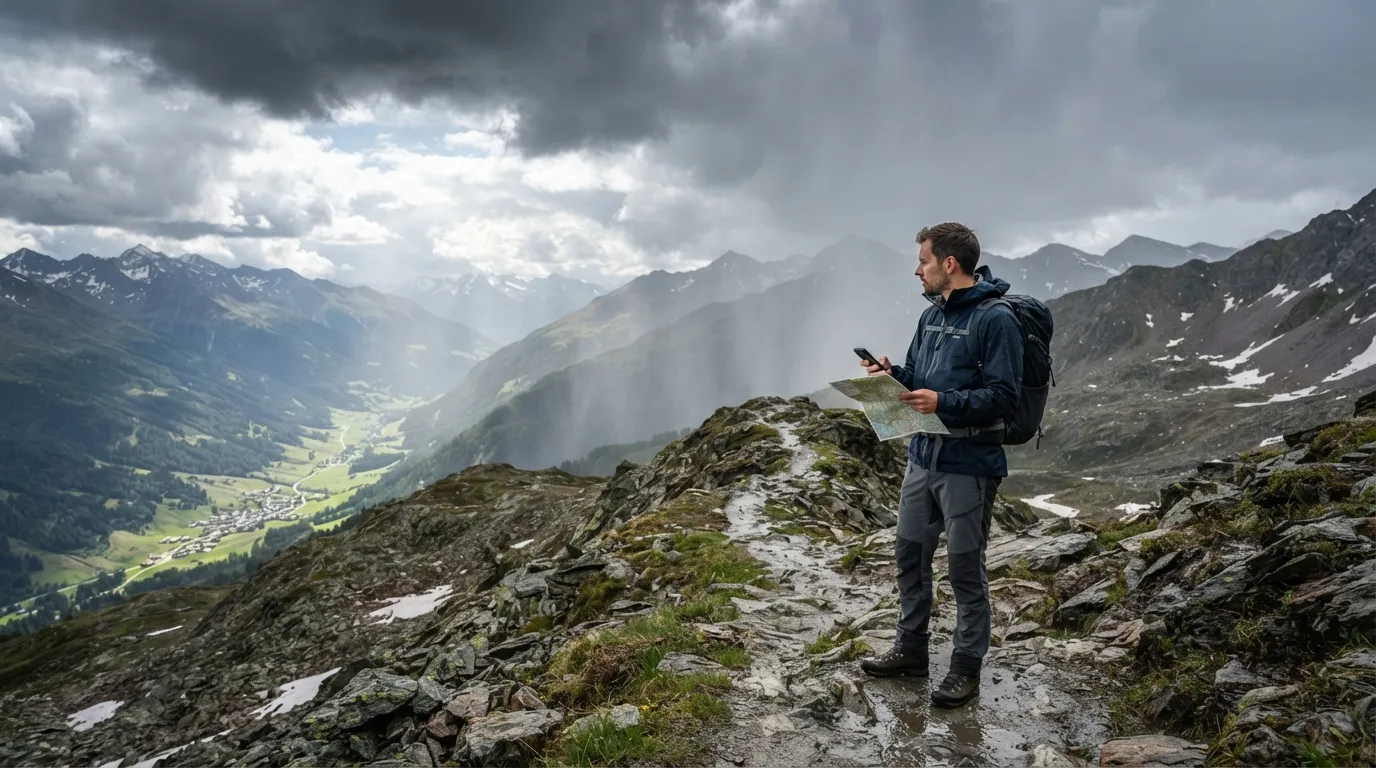
Weather alerts don’t use one global language. The U.S. National Weather Service uses a watch for possible conditions and a warning for conditions that are occurring or imminent.
Across Europe, Meteoalarm shows yellow, orange and red levels, but national agencies set the thresholds, so the same color can mean different weather in different countries.
Worth Knowing
- U.S. watch: conditions are possible, so stay ready to change plans.
- U.S. warning: conditions are occurring or imminent.
- Meteoalarm colors: yellow, orange and red, with thresholds set country by country.
- Crossing a border? Check the local agency’s definition of each color.
#13 – Check the Forecast for Your Elevation
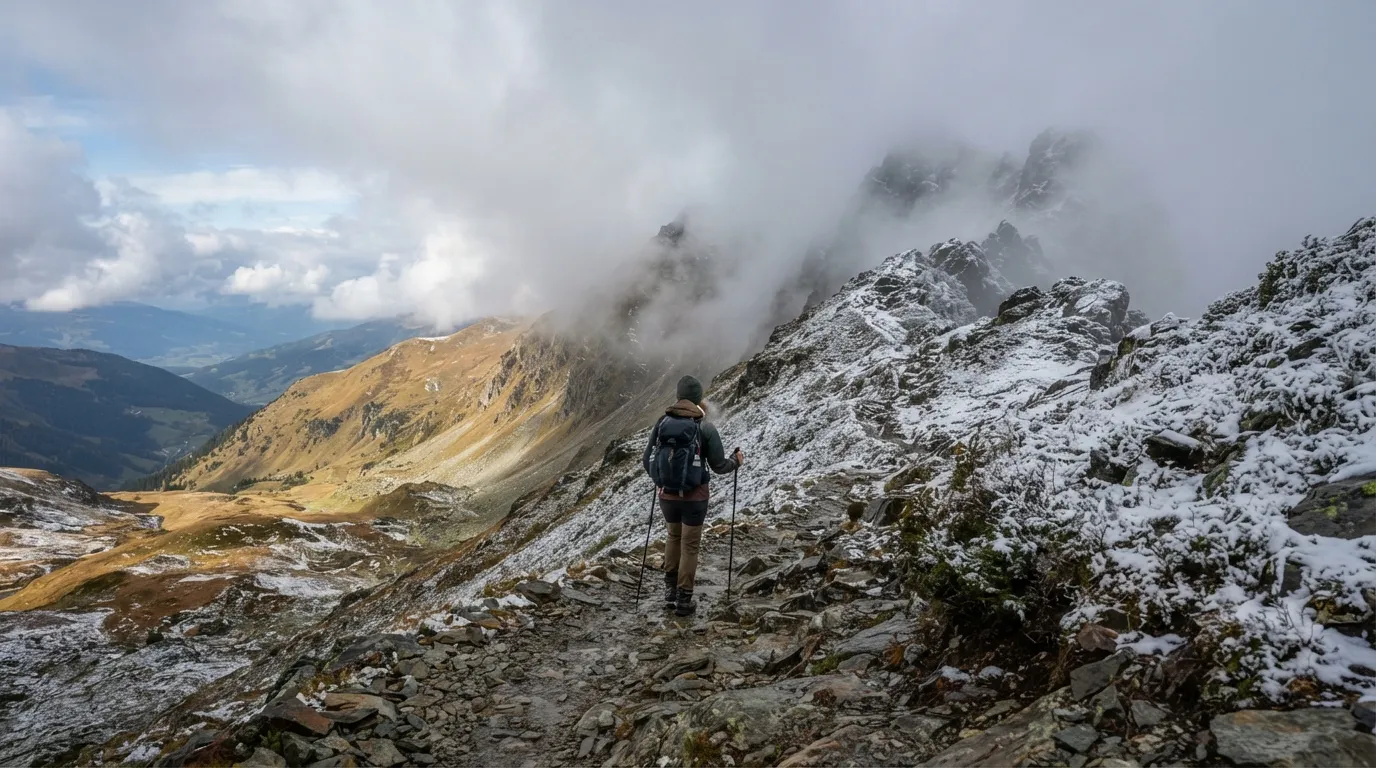
Elevation can erase a pleasant forecast. Air generally cools by roughly 3 to 5°F for every 1,000 feet you climb, depending on conditions.
A valley town in the 60s can leave a summit trailhead near freezing, so check the forecast for the actual elevation of your trail, viewpoint or pass.
#14 – Read the Storm Clause in Your Travel Insurance
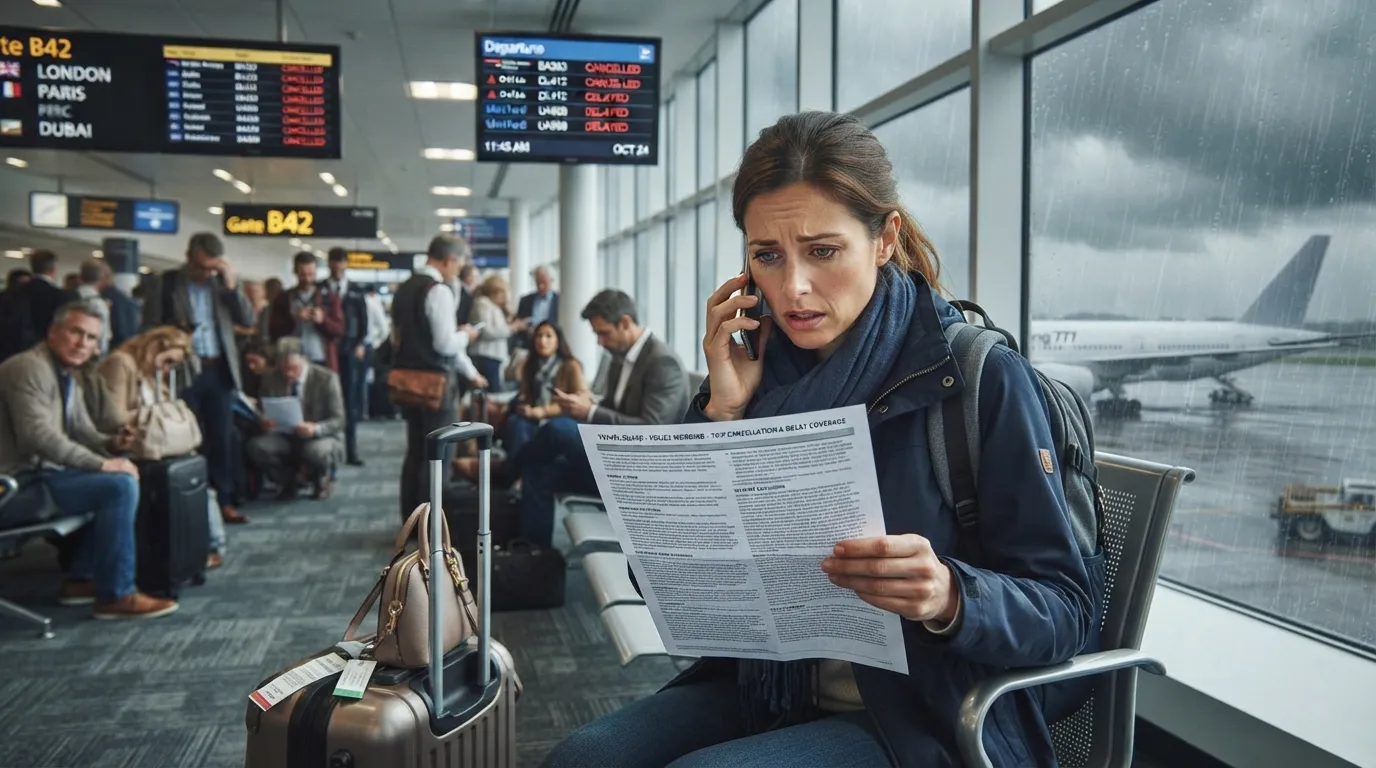
Weather coverage depends on the policy wording. Many policies exclude storms that already have a name when you buy, and covered delays or cancellations vary by insurer and by U.S. state or country.
Read the definitions of severe weather, trip delay and named storm before you pay, not after your flight is canceled.
#15 – Call Ahead for Seasonal Restaurants and Hotels
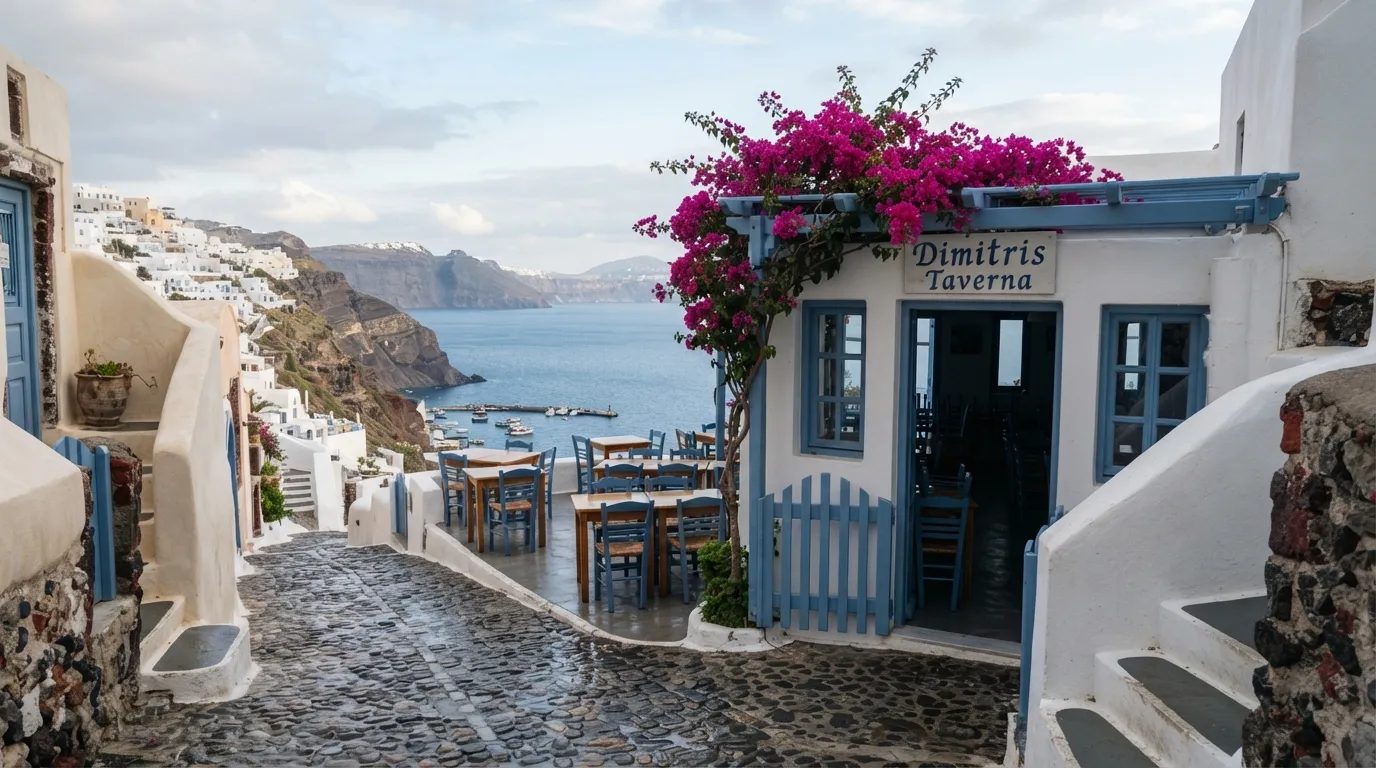
Seasonal businesses set their own calendars. Many restaurants, hotels and tour operators in beach towns and island destinations open in spring and close by autumn, but the exact days are owner decisions.
Greek islands and New England coast towns are classic examples, so check current listings before building a day around one place.
#16 – Use the Local Road Authority, Not a Blog Post
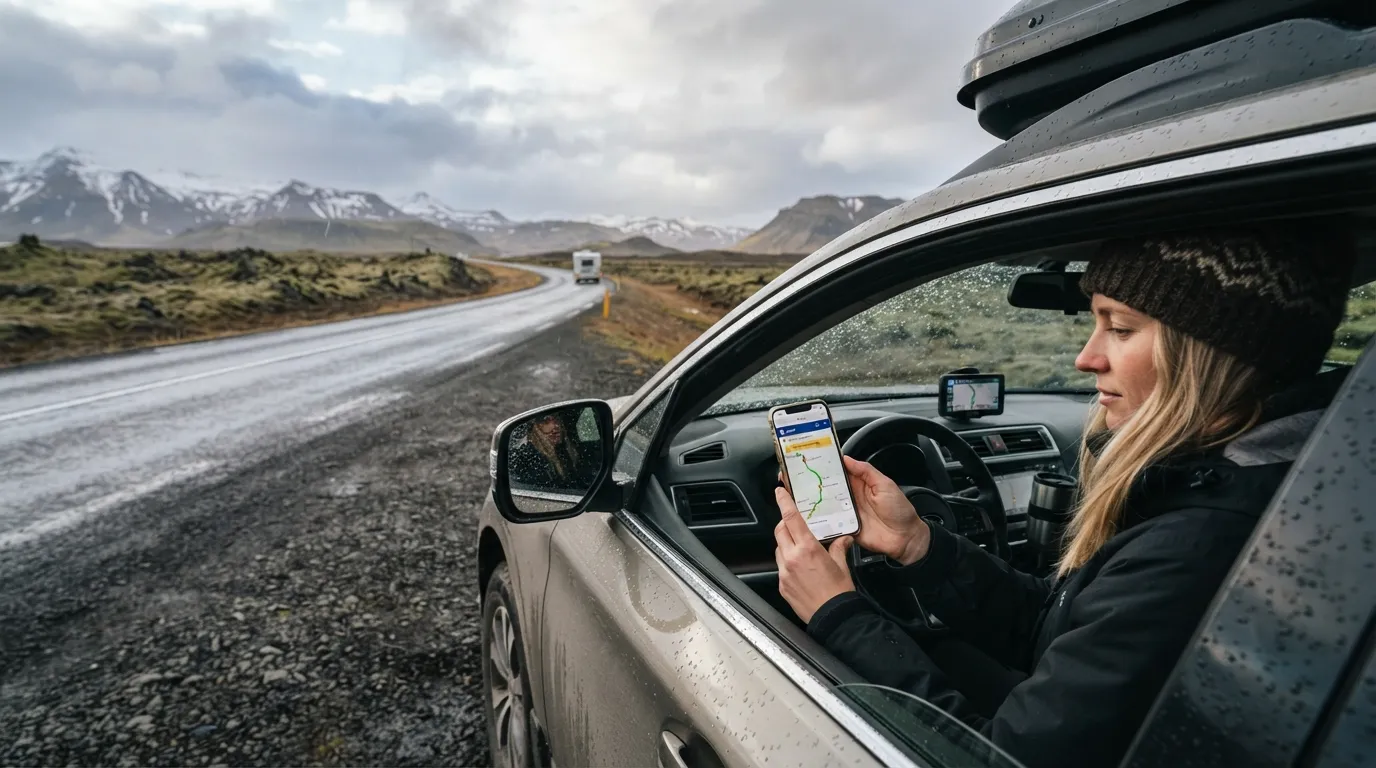
Official road sources differ by place. Many U.S. states run 511 traveler information services, Iceland publishes conditions through road.is, and Norway relies on the Norwegian Public Roads Administration.
Check the local authority the morning you drive, because closures can change quickly in transitional months.
Fast Facts
- United States: many states run a 511 traveler information service.
- Iceland: road conditions are published through road.is.
- Norway: the Norwegian Public Roads Administration is the official source.
- Best habit: check the morning you drive, not the week before.
#17 – Respect Flash Flood Risk After the Monsoon Ends
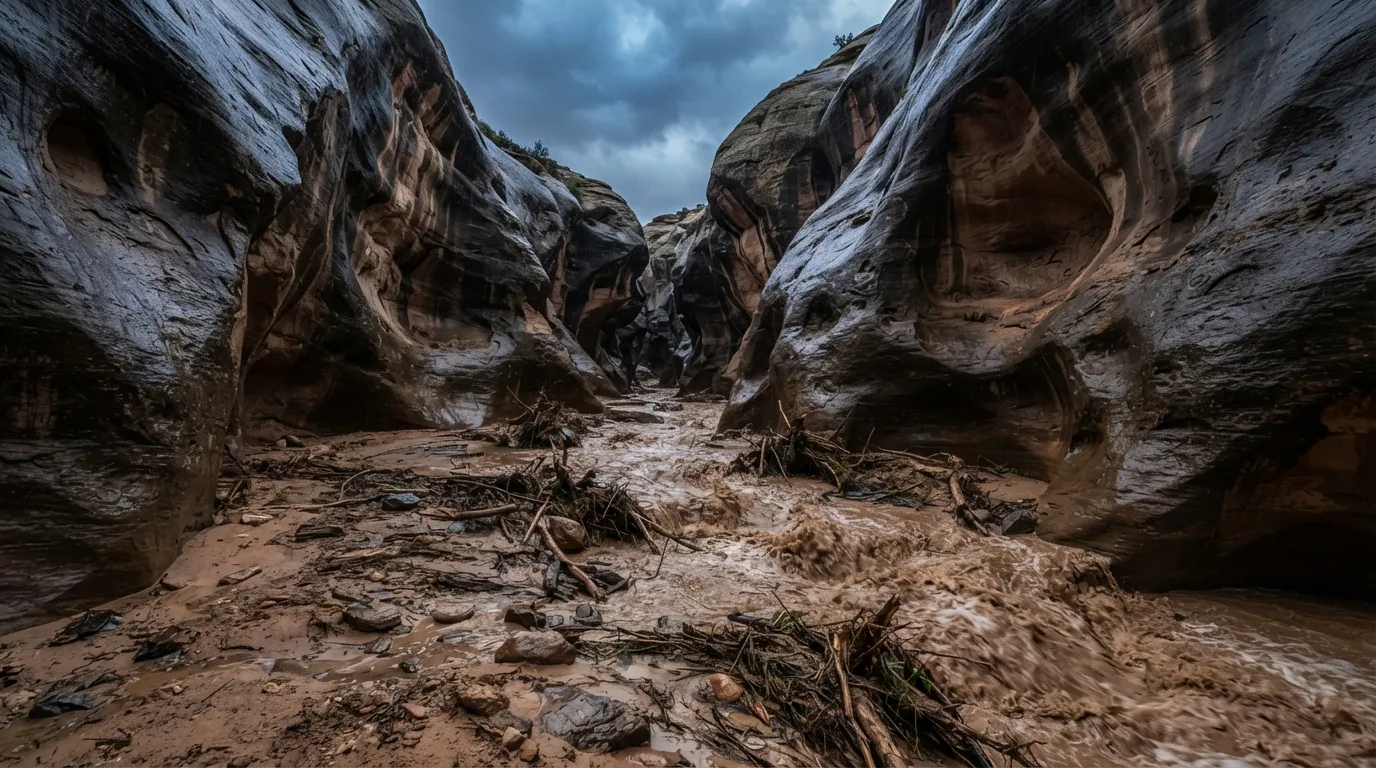
In the U.S. Southwest, the monsoon season officially runs June 15 to September 30, but eastern Pacific tropical systems can still bring heavy rain in early autumn. Slot canyons can flash flood from rain that fell miles away.
Check the National Weather Service forecast for the canyon’s watershed and follow ranger guidance before you go in.
Shoulder season is rarely about calm weather. It’s about calendars, elevation and local rules deciding what your trip actually looks like.