The same handful of cities keep stealing the spotlight, and the crowds follow them. Meanwhile, a short train ride, a winding road or a single tunnel away, Europe is hiding places that look like film sets and feel like secrets.
These 18 are real, visitable and routinely overlooked by the people packing the famous squares next door. Some are ghost towns. Some are villages where a waterfall drops into the sea. And the one waiting at #1 looks like the Middle Ages never left.
#18 – Craco, Italy
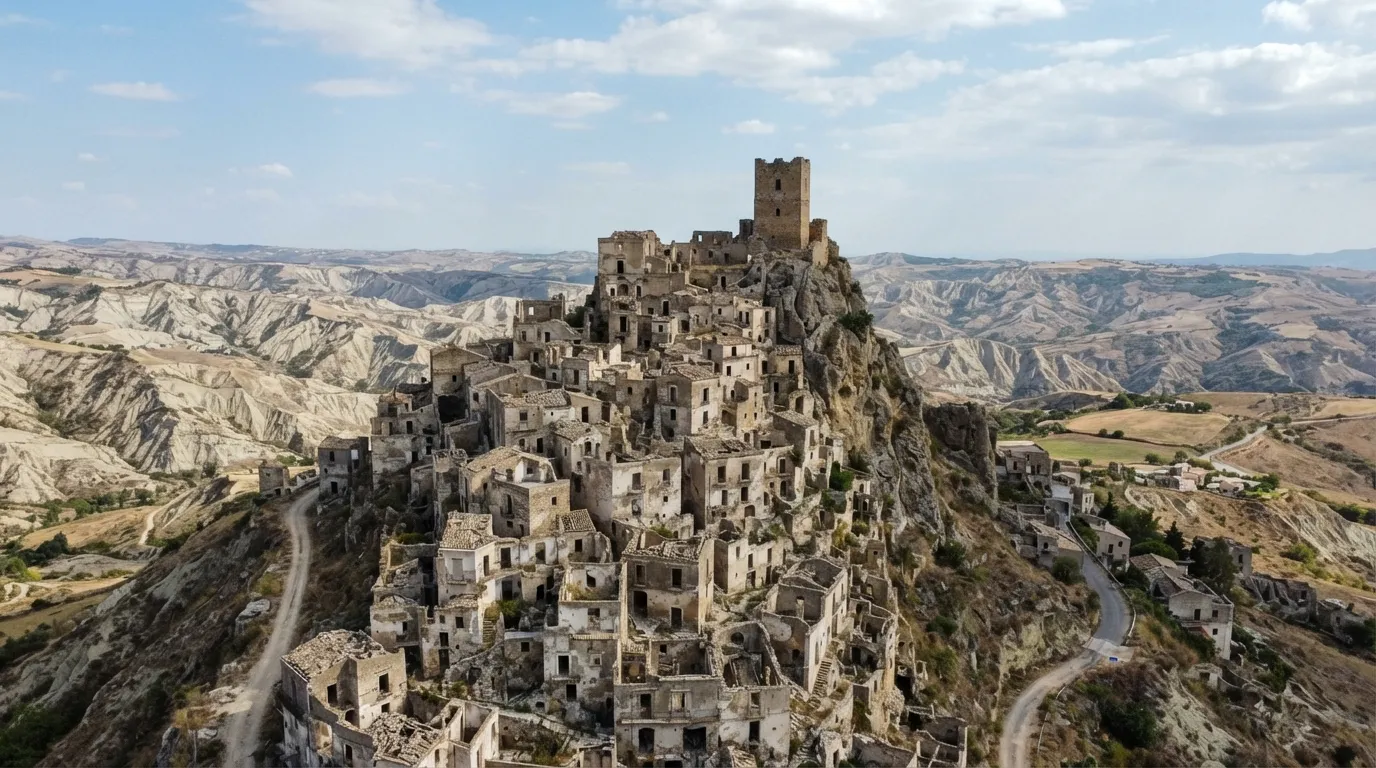
Imagine a whole town standing on a hilltop with nobody home. That is Craco, in Italy’s Basilicata region, where stone houses and a tower still crown the ridge long after the people left.
Landslides and unstable ground pushed residents out over the 20th century, and the old town was evacuated in 1963. Today you explore it on a guided visit, usually with a hard hat.
Look for empty doorways, roofless buildings and windows that open onto nothing but sky. Pale, rolling badlands stretch out below. Filmmakers noticed too: Craco turns up in The Passion of the Christ and Quantum of Solace.
Nearby Matera gets the crowds. Craco gets the silence. But the next place has only a handful of houses, and a waterfall that never bothers to stop at the cliff.
#17 – Gásadalur, Faroe Islands
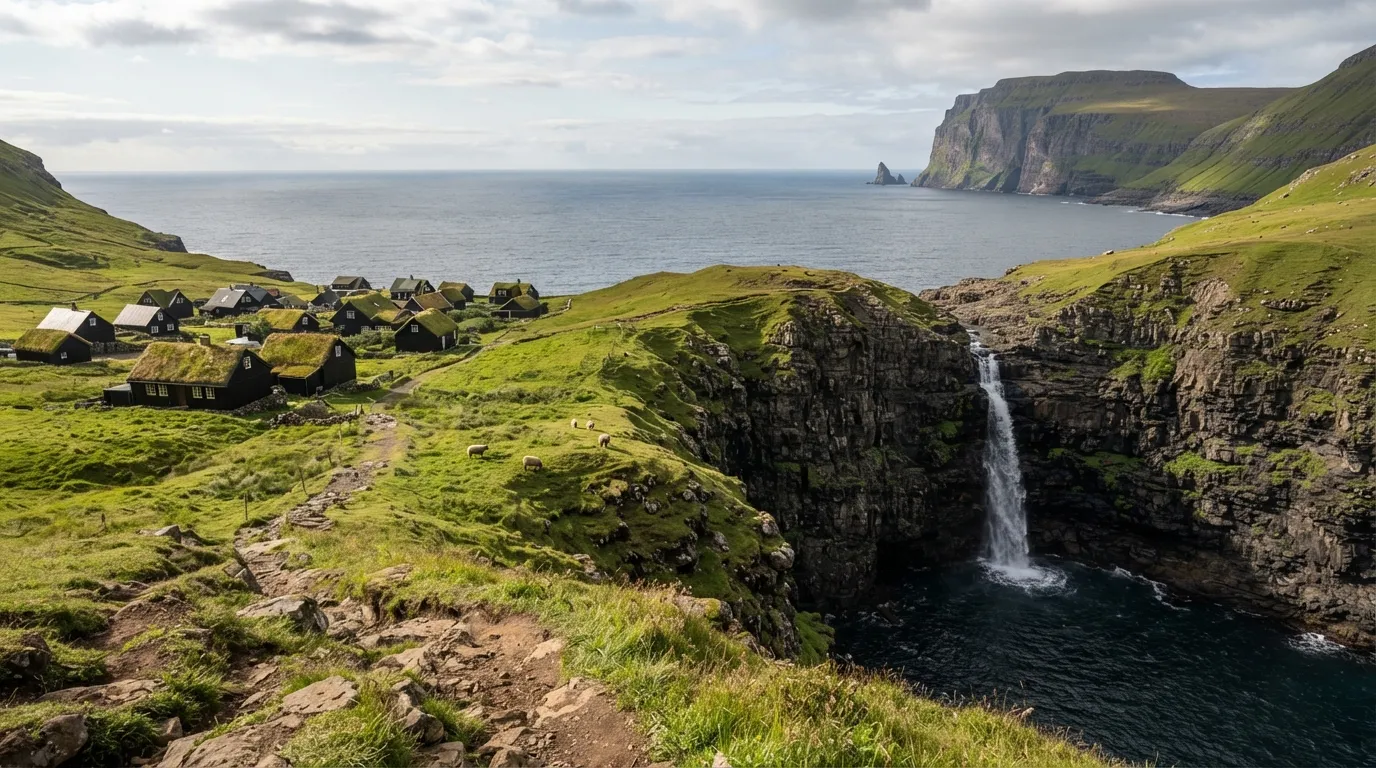
Picture a village whose view ends with a waterfall pouring off a green cliff straight into the Atlantic. That is Gásadalur, on the island of Vágar in the Faroe Islands.
Until a tunnel opened in 2004, getting here meant a steep mountain path. The tunnel changed the commute, but not the feeling of being at the edge of everything.
The Múlafossur waterfall is the star, tumbling from the cliff edge into the ocean below. You reach the viewpoint with a short walk, no expedition required.
Photos make the scene look crowded with drama, but in person the main residents are sheep. Next, we swap the North Atlantic for a Mediterranean port where nobody is posing on a yacht.
#16 – Carry-le-Rouet, France
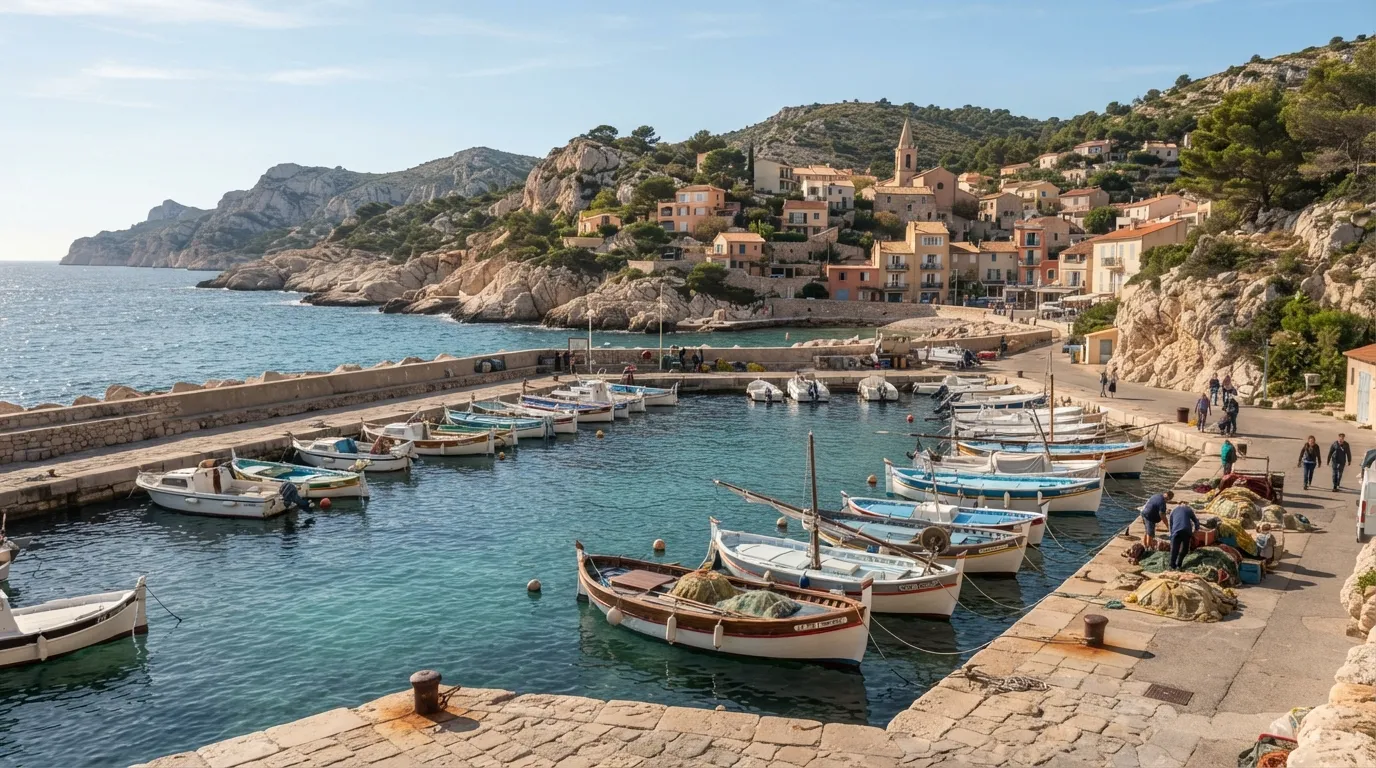
Forget the Riviera parade. Carry-le-Rouet is a small fishing port with working boats, salt air and not a velvet rope in sight.
It sits on the Côte Bleue, the rocky coastline west of Marseille. A marine park, the Parc Marin de la Côte Bleue, protects the waters off this stretch of coast.
Walk the harbor, then follow the rocky coves where locals swim off smooth stone instead of crowded sand. In winter the town celebrates sea urchins with its Oursinades festival.
It feels like a coastal town living its own life, not performing one for visitors. Next, we head to the Portuguese cliffs, where one wild weekend each summer changes everything.
#15 – Zambujeira do Mar, Portugal
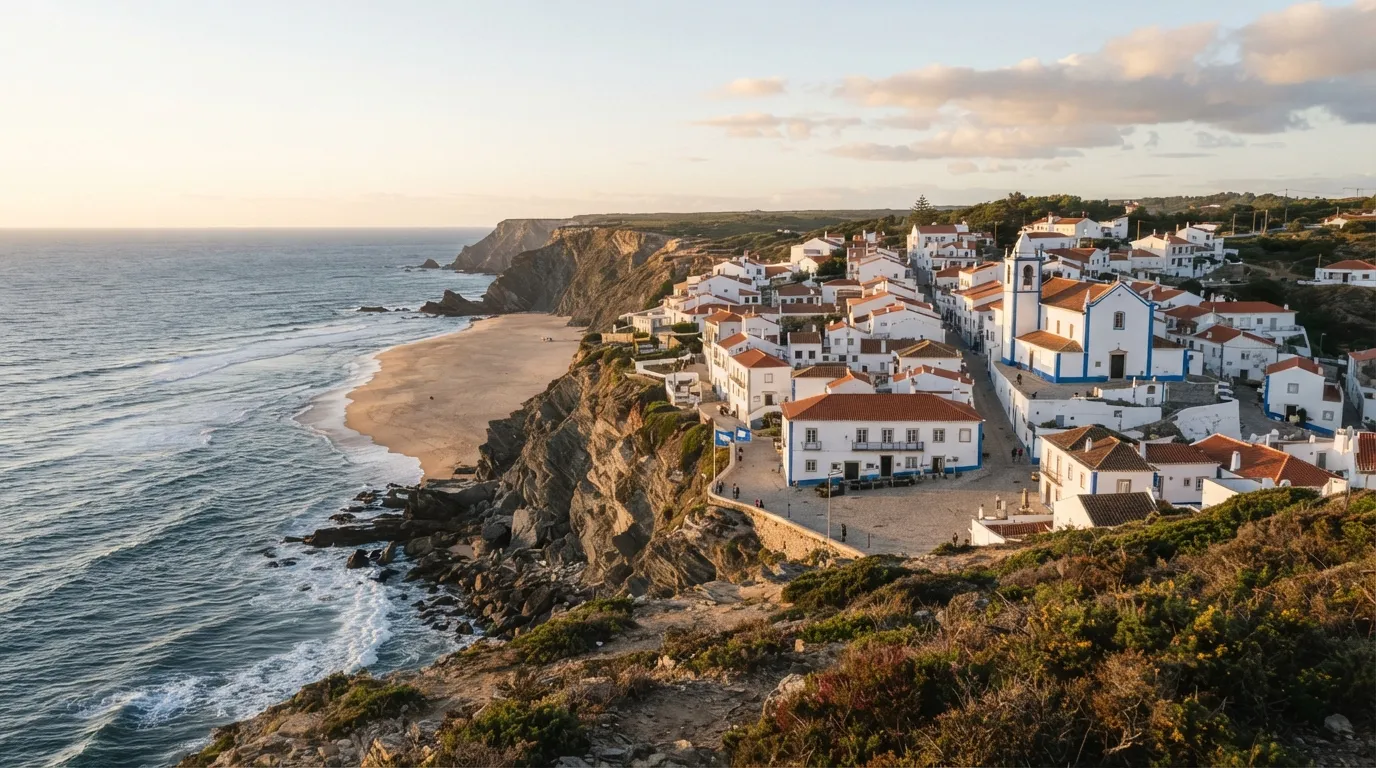
Most of the year, the loudest thing in this Alentejo village is the Atlantic. Whitewashed houses sit right on the cliff edge, and the town barely seems to notice it is beautiful.
Its beach has earned a Blue Flag, and cliff paths lead to quiet coves and long stretches of sand. The coastal trails of the Rota Vicentina run nearby.
Then summer brings the Sudoeste music festival, and the sleepy village fills with people and sound. Outside that window, the grilled fish, regional wine and sunsets are mostly shared with locals.
It is a place with two personalities, and only one of them is loud. The next stop has walls painted so vividly that the outside of the church is the main attraction.
#14 – Bucovina, Romania
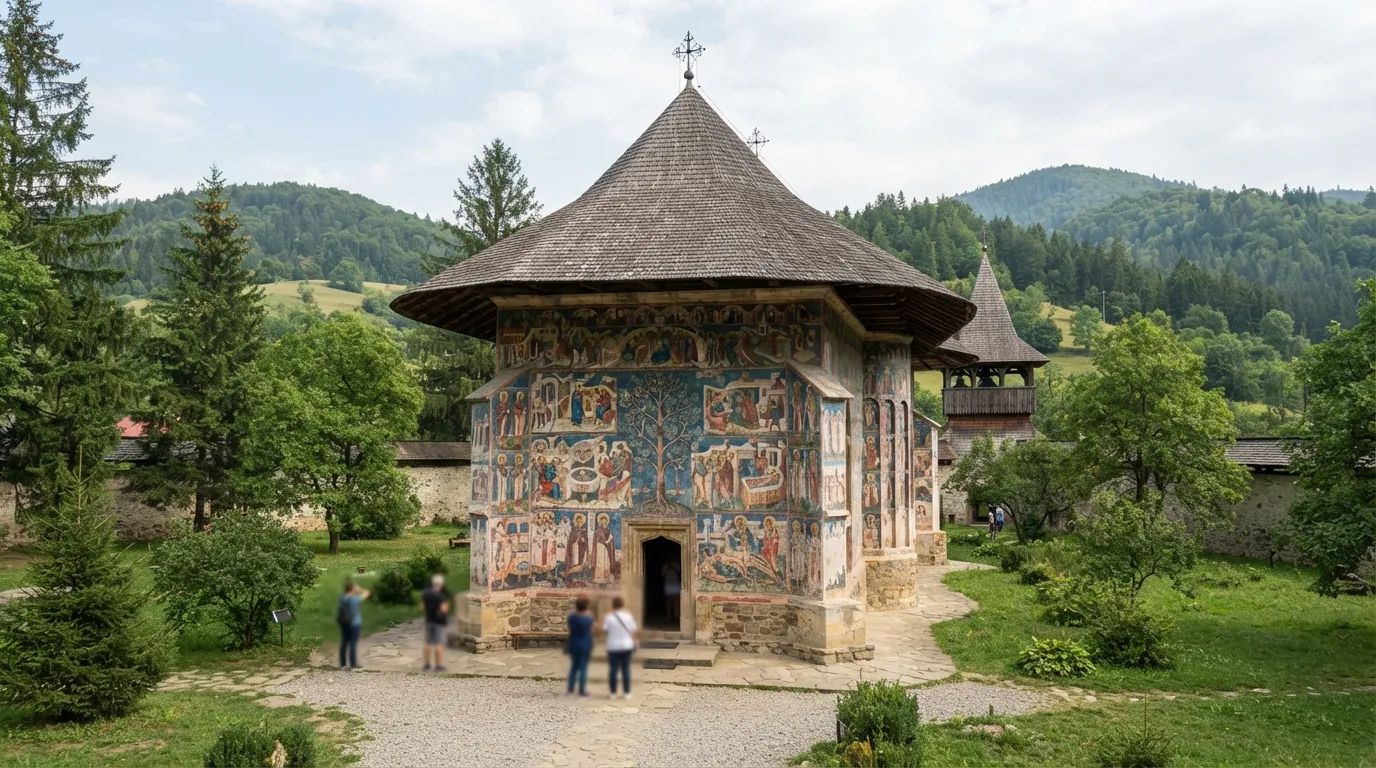
Some churches keep their treasures inside. In Bucovina, in northern Romania, the paintings cover the outside walls, open to the weather and the sky.
Several of these painted monasteries are UNESCO World Heritage sites, including Voroneț, Humor, Moldovița and Sucevița. Their frescoes mostly date to the 15th and 16th centuries, and many are still strikingly vivid.
Fast Facts
- UNESCO-listed painted churches include Voroneț, Humor, Moldovița and Sucevița.
- The frescoes mostly date to the 15th and 16th centuries.
- Putna Monastery is the burial place of Stephen the Great.
- Putna also marks the start of the long Via Transilvanica trail.
At Voroneț, look for the deep blue that gave the monastery its signature color and its famous Last Judgment scene. Putna Monastery, where Stephen the Great is buried, also marks the start of the long Via Transilvanica trail.
Most international visitors head straight to Bran Castle. The ones who come here instead find forests, hills and village guesthouses. Next, a Polish city that gave the world a famous astronomer and a spicy-sweet treat.
#13 – Toruń, Poland
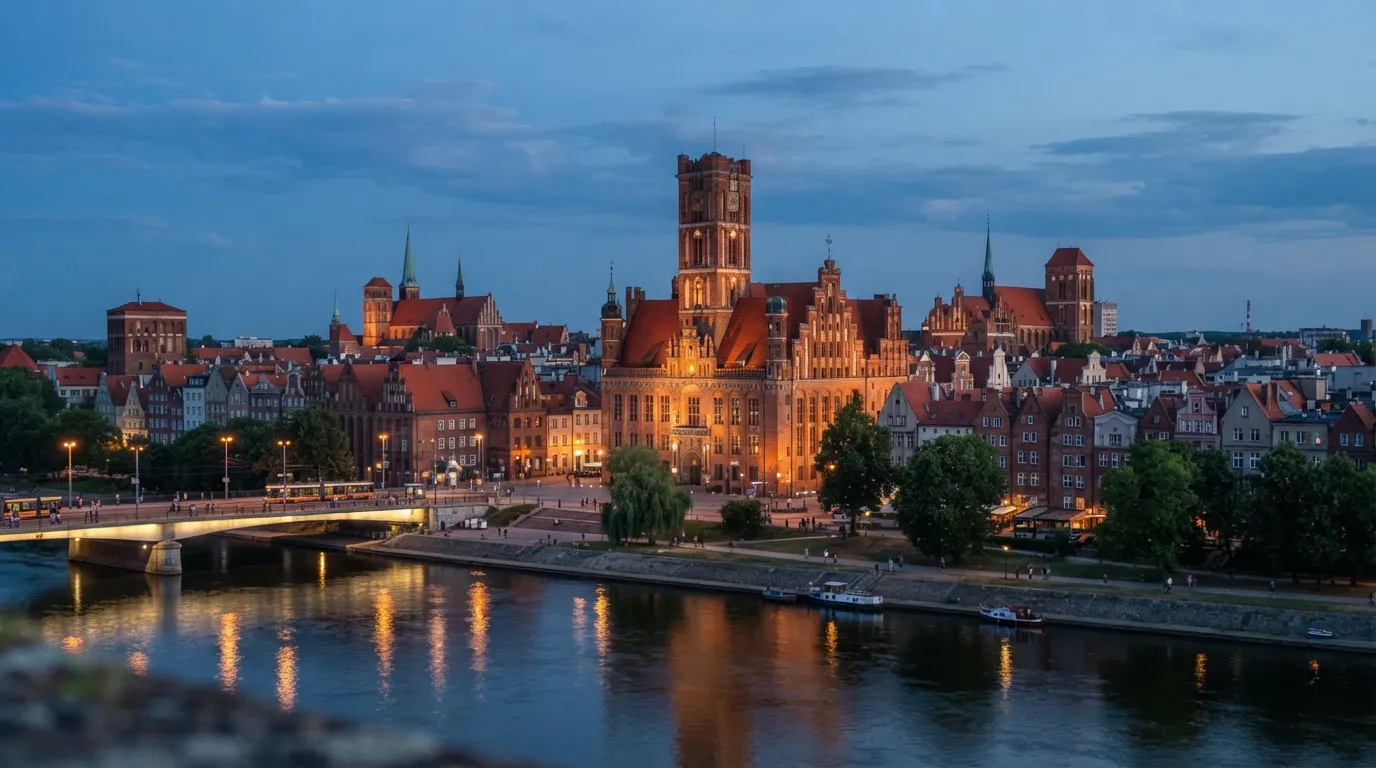
There is a Polish city where one of history’s most famous astronomers was born and where gingerbread has been an art for centuries. That city is Toruń, and it draws far fewer visitors than Kraków.
Nicolaus Copernicus was born here in 1473. The Gothic old town, built in red brick, earned UNESCO World Heritage status in 1997.
The local gingerbread, piernik, goes back to the Middle Ages, and a gingerbread museum lets you see how it is made. Then there is the Leaning Tower, the Old Town Hall and stretches of medieval walls.
Warm up afterward with pierogi and local beer in the market square. Next, we trade red brick for pale stone and sea light, in a Greek harbor town that once ran an entire country.
#12 – Nafplio, Greece
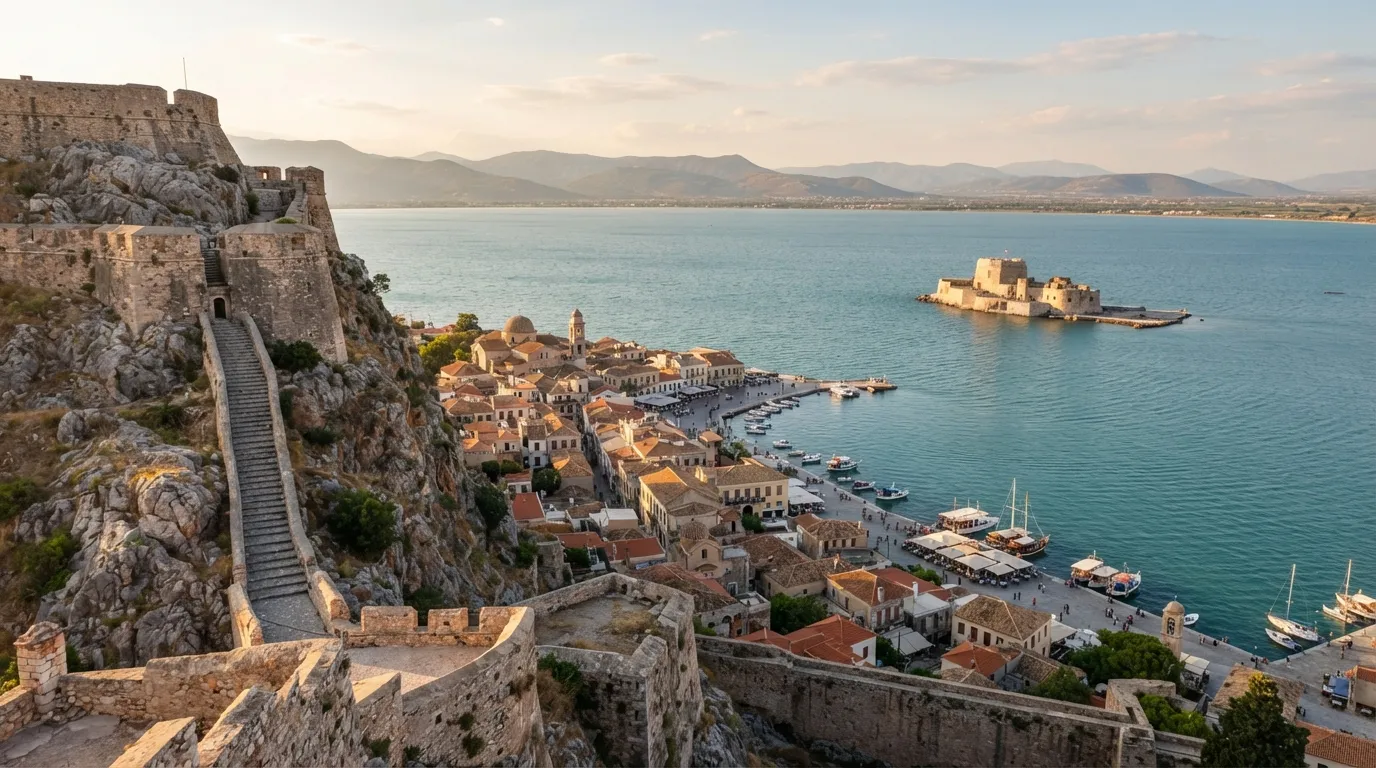
Before Athens wore the crown, a harbor town on the Peloponnese held it. Nafplio served as the first capital of modern Greece after independence, until 1834.
You can still feel that ambition in the neoclassical buildings and narrow lanes. Above it all stands Palamidi, a Venetian fortress from the early 18th century.
Climb the many steps to Palamidi for views across the Argolic Gulf. Down below, the small island fortress of Bourtzi sits in the harbor like a stone ship.
Evenings belong to the promenade, where locals outnumber tour groups. Next, we jump to Italy, where a covered street was once built for donkeys, in a town on three hills.
#11 – Brisighella, Italy
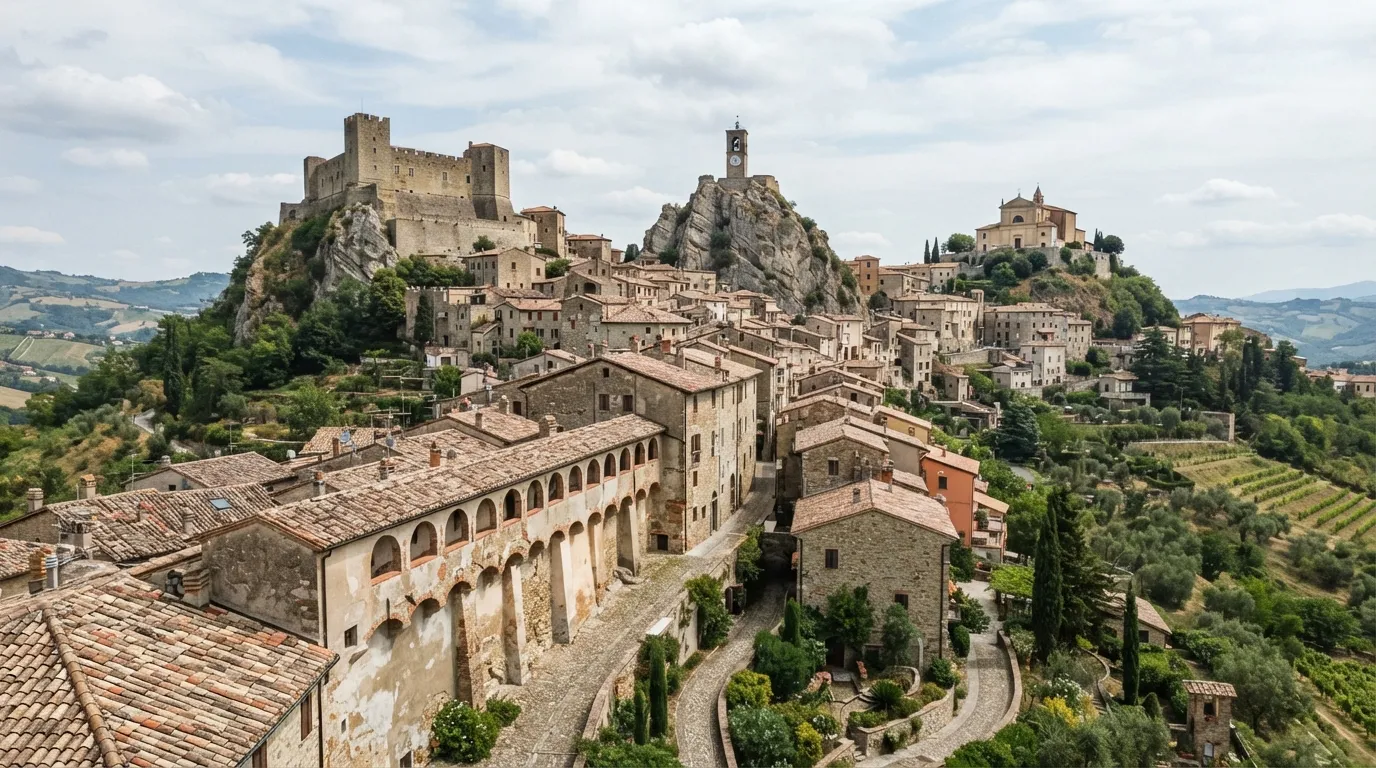
Three rocky hills, three landmarks, one town that looks like a storybook from the road. In Brisighella, in Emilia-Romagna, a fortress, a clock tower and a sanctuary crown the skyline.
The town sits inland from the Adriatic beach crowds. It has been named among Italy’s most beautiful villages, yet it stays remarkably calm.
The surprise is Via degli Asini, a raised, covered street with arches that carters once used with donkeys. Walking it feels like entering a secret passage in plain sight.
The local olive oil and Albana wine make long lunches easy. Next, we cross to Portugal, where a hilltop castle was built by knights wearing a famous red cross.
#10 – Tomar, Portugal
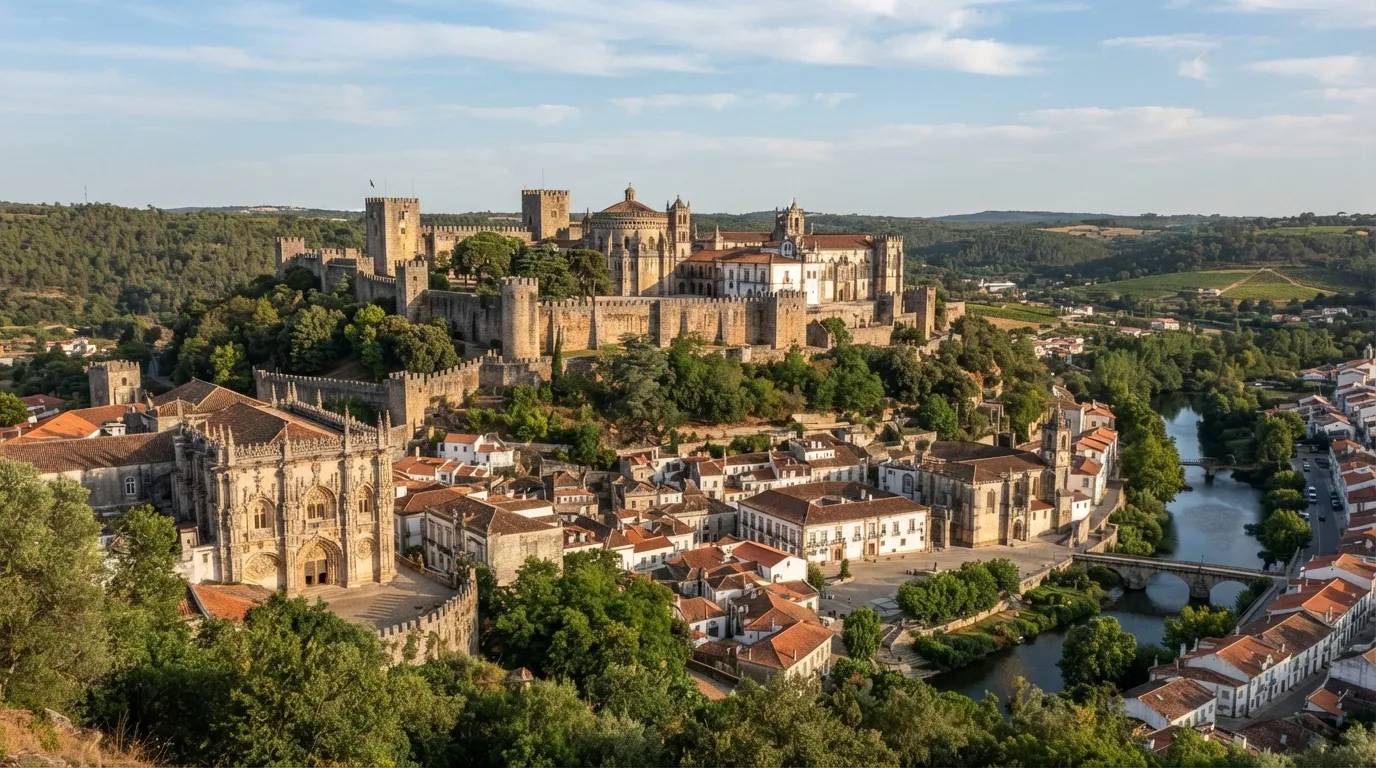
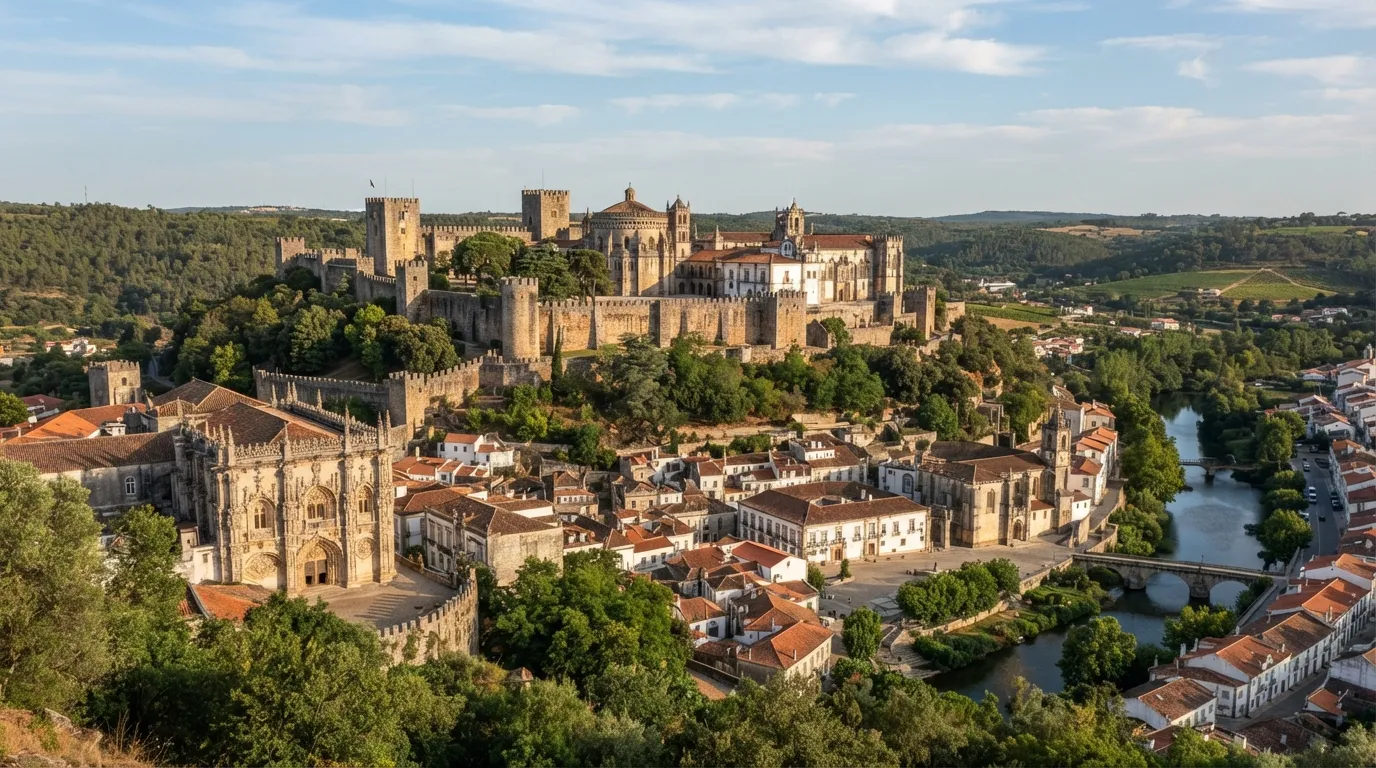
Tomar grew around a Templar castle, and the castle still looms over the town like a guardian. It was founded in 1160 by Gualdim Pais, the Templar leader in Portugal.
Inside the walls, the Convent of Christ became a UNESCO World Heritage site in 1983. Gothic, Manueline and Renaissance styles share one sprawling complex, and it rewards slow wandering.
At a Glance
- Castle founded in 1160 by Templar leader Gualdim Pais.
- Convent of Christ became a UNESCO site in 1983.
- Three architectural styles share one complex: Gothic, Manueline and Renaissance.
- The town sits between Lisbon and Porto.
Look for the round Templar church at its heart and the ornate Manueline window, a showpiece of Portuguese stonework. Tomar sits between Lisbon and Porto yet sees only a fraction of their traffic.
Every few years the Festa dos Tabuleiros fills the streets with tall stacks of bread and paper flowers, carried on the heads of local women. Next, the lake that gets all the glamour hides a village split in two by a gorge.
#9 – Nesso, Italy
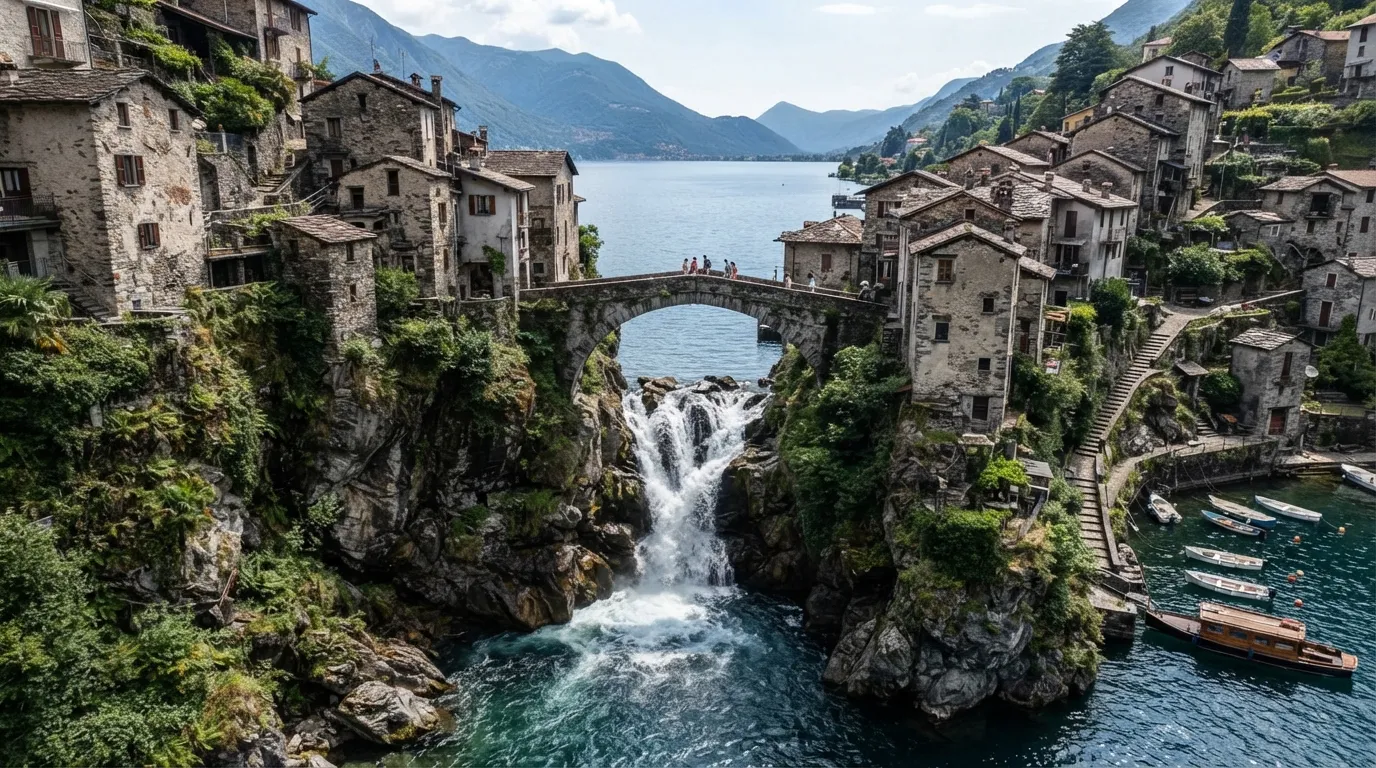
Lake Como has a village cut in half by a thundering ravine. Nesso sits on the lake’s eastern shore, where stone houses step down to the water in tight clusters.
The Orrido di Nesso is a gorge where a waterfall plunges through the village toward the lake. An old stone bridge, the Ponte della Civera, crosses the gap.
Look down from the viewpoints and you see water, rock and the village hanging on its edges. Most Como visitors rush to Bellagio or Varenna, leaving Nesso mainly to locals and day-trippers.
Little harbor, big drama, almost no queue. Next, we sail west to Sardinia, where pastel houses climb a hill above the island’s only navigable river.
#8 – Bosa, Sardinia, Italy
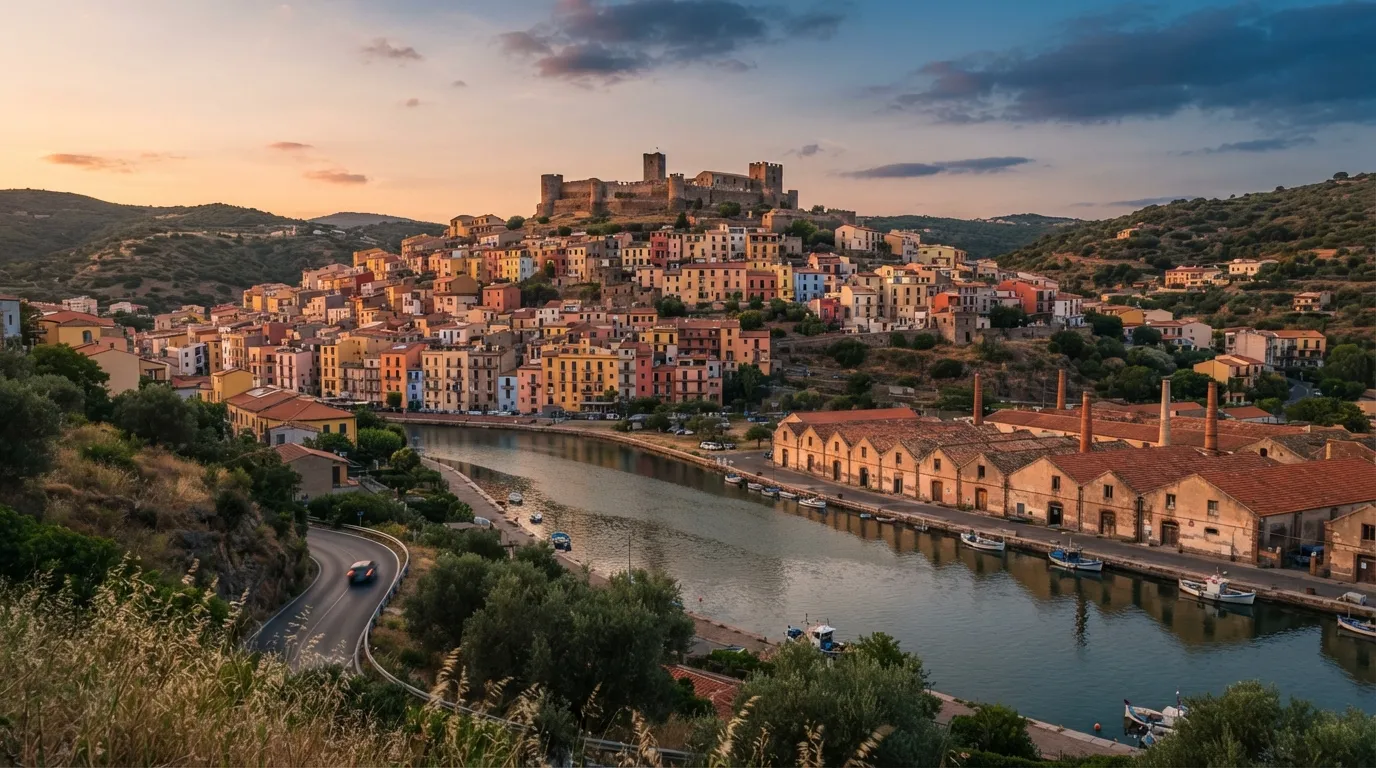
On Sardinia’s west coast, a hillside of colorful houses tumbles toward the Temo River, the island’s only navigable river. This is Bosa, and the drive in is half the adventure.
Above the town stands the Malaspina castle, first built in the 12th century. The roughly hour-long drive from Alghero airport filters out all but the determined.
Wander the colorful lanes of Sa Costa and look along the riverbank for the old tanneries. Then pair a glass of sweet local Malvasia with a river view.
From the castle walls, sunset is often shared with just a handful of people. Next, we head north to a lake island whose real attraction is silence.
#7 – Isola San Giulio, Italy
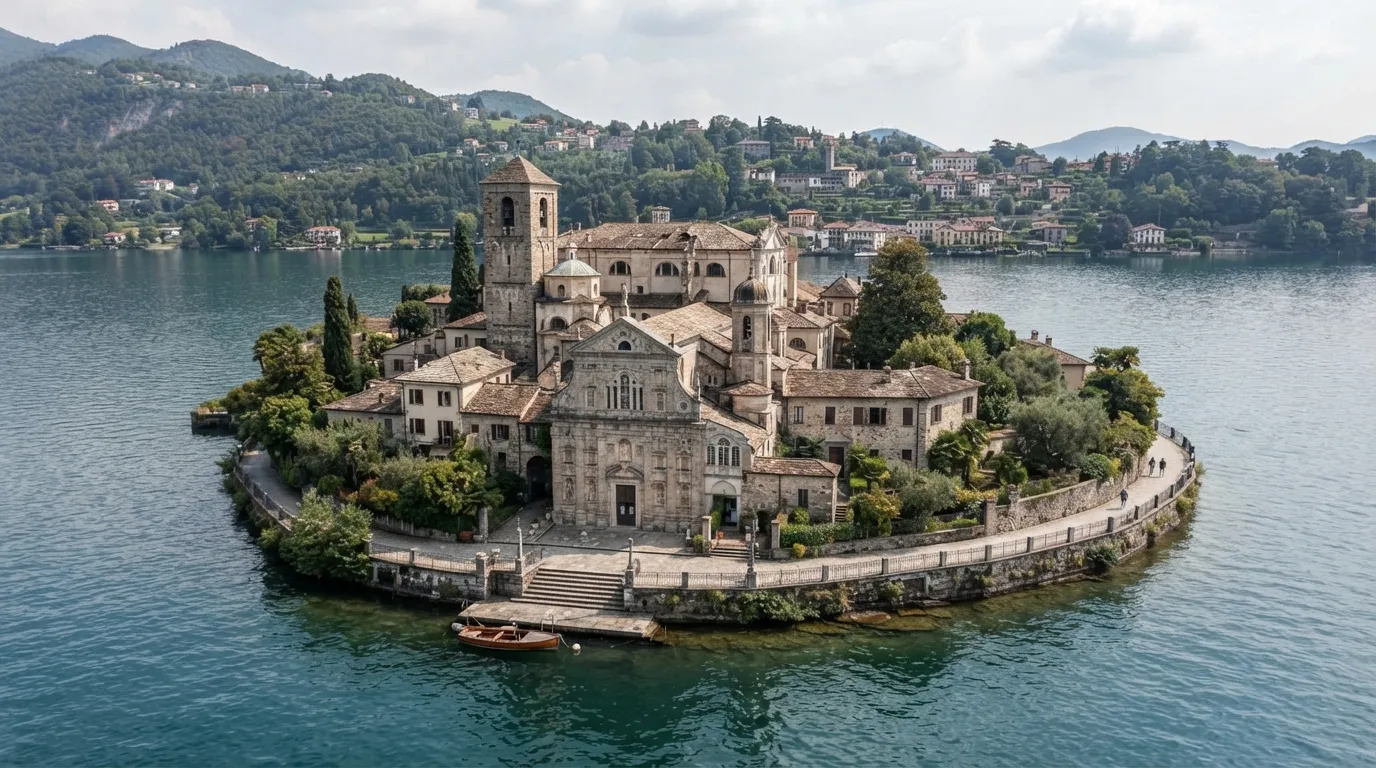
One island is so quiet that its path is known as a walk of silence. Isola San Giulio floats in the middle of Lake Orta in Piedmont.
A short boat ride from the village of Orta San Giulio drops you on a tiny island of old stone buildings. Its Romanesque basilica and Benedictine abbey fill most of the space.
A single path circles the island, and the loop takes under twenty minutes. Voices drop on their own, and what you hear is water and birds.
The abbey is home to a Benedictine community, which is why the island feels lived in, not staged. Next, we go from silence to a hilltop where the priciest thing on the menu grows underground.
#6 – Motovun, Croatia
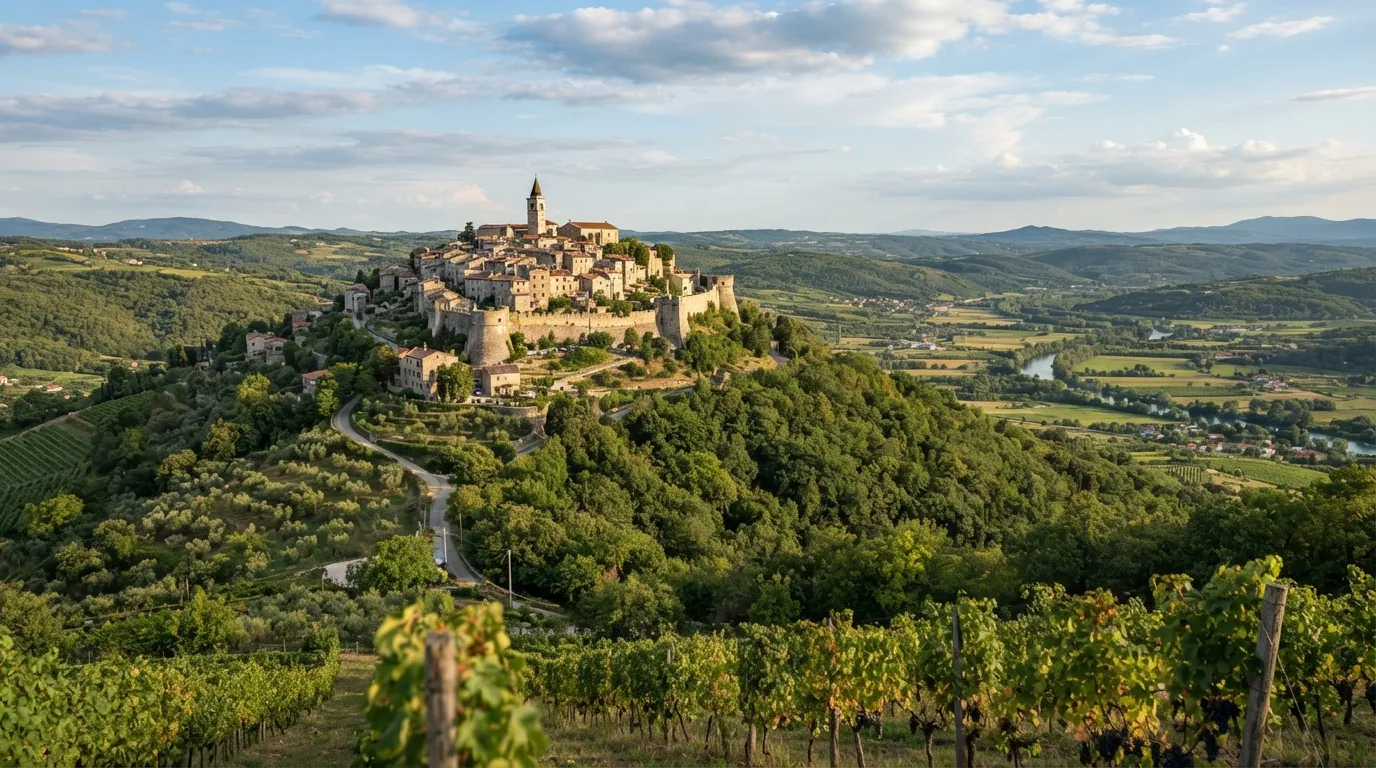
Motovun crowns a steep hill in Istria, surrounded by vineyards and oak forests. Locals know the forests below for something far more valuable than the view: white truffles.
A truffle of about 1.3 kilograms found in the Motovun forest in 1999 earned a Guinness World Record. Today, truffle hunts with trained dogs run in season and often end with tastings.
Worth Knowing
- The record-setting white truffle weighed about 1.3 kilograms and was found in 1999.
- Guided hunts with trained dogs run in season, often finishing with a tasting.
- The hilltop terraces overlook the Mirna Valley.
The medieval walls and winding streets are remarkably intact. From the terraces, you look over the Mirna Valley, a patchwork of green and gold.
Each summer, the Motovun Film Festival adds a burst of energy to the year-round calm. Dubrovnik gets the crowds. Motovun gets the truffles. Next, we trade hills for a river where the boats are steered with poles.
#5 – Tübingen, Germany
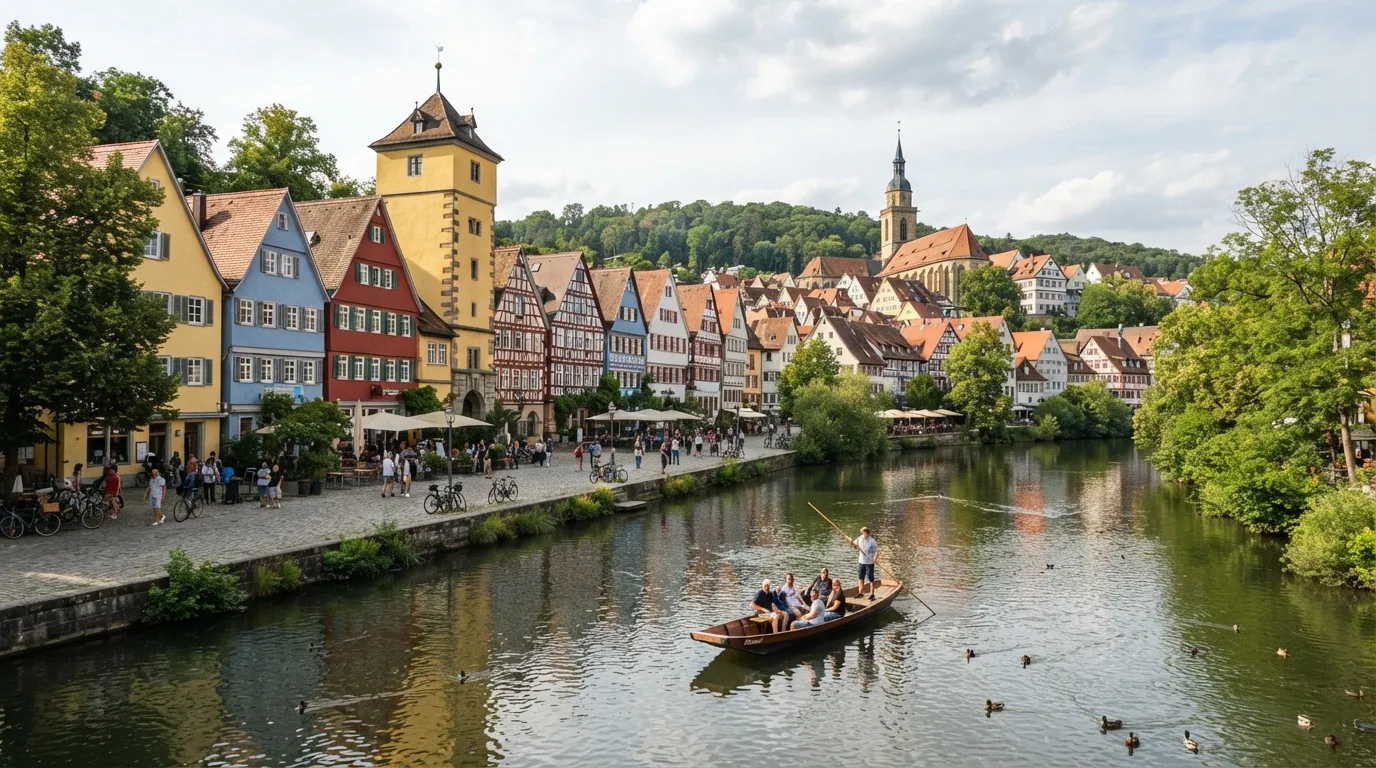
Imagine a river town where the traffic is wooden boats, pushed along with long poles. In Tübingen, those punts glide past colorful half-timbered houses on the Neckar.
The university dates to 1477, and students give the town a young, lively energy. It is an easy day trip from Stuttgart, yet it escapes the tourist volume of Heidelberg.
Look for the yellow Hölderlin Tower on the riverbank. The poet Friedrich Hölderlin lived there from 1807 until his death in 1843.
Cafés fill with students, and the old town feels more lived in than staged. Next, we head to Portugal for a library with a very unusual night shift.
#4 – Coimbra, Portugal
Long before Lisbon took the spotlight, Coimbra was Portugal’s capital, from 1131 to 1255. Today it is a city of steep lanes, riverside tascas and one of Europe’s oldest universities.
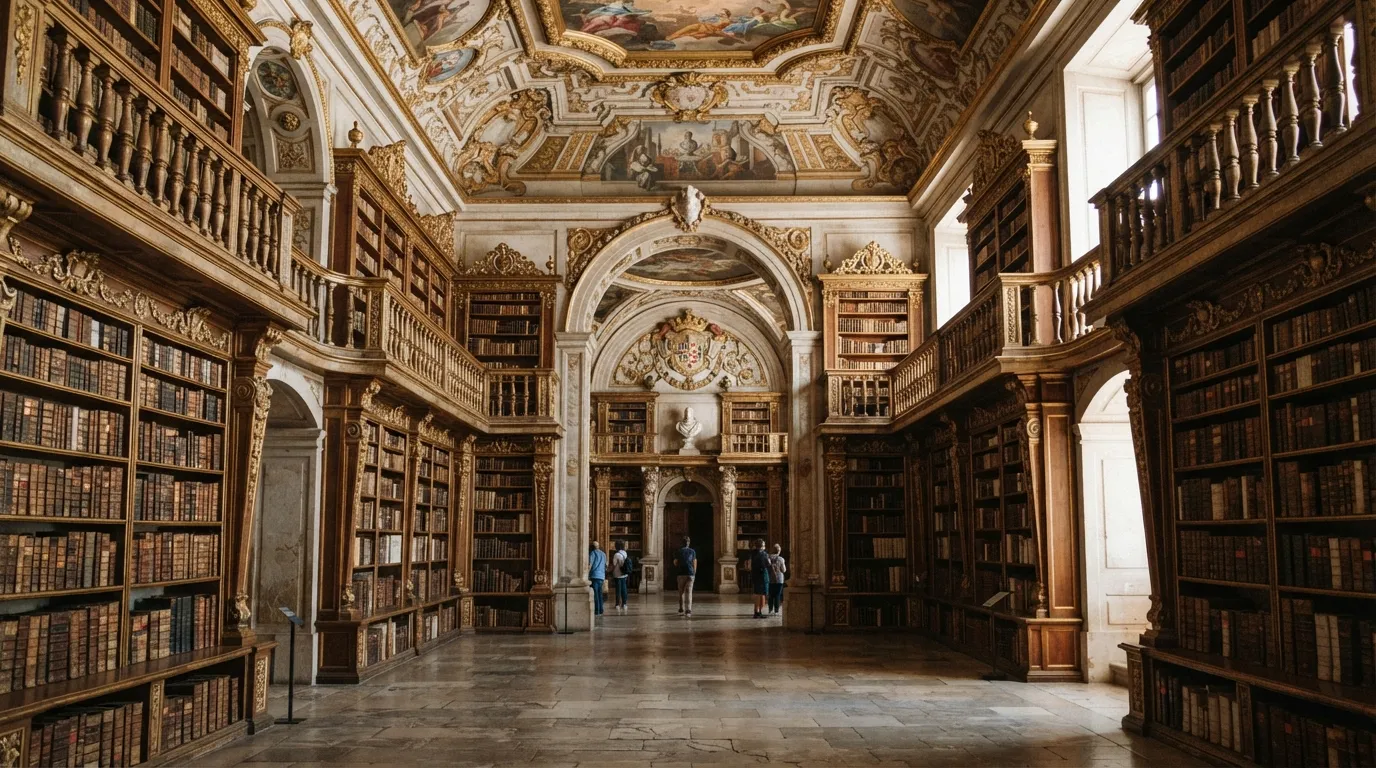
The university dates to 1290 and became a UNESCO World Heritage site in 2013. Its showpiece is the Joanina Library, a gilded baroque hall from the 18th century.
The library is famous for its bats, which are said to help protect the books by eating insects at night. Visit by tour and the gold, painted ceilings and tall shelves make the whole room glow.
At night, Coimbra’s own fado, often sung by students in black capes, drifts through the old town. Next, we cross the Balkans to a lake that holds secrets older than almost anything else in Europe.
#3 – Ohrid, North Macedonia
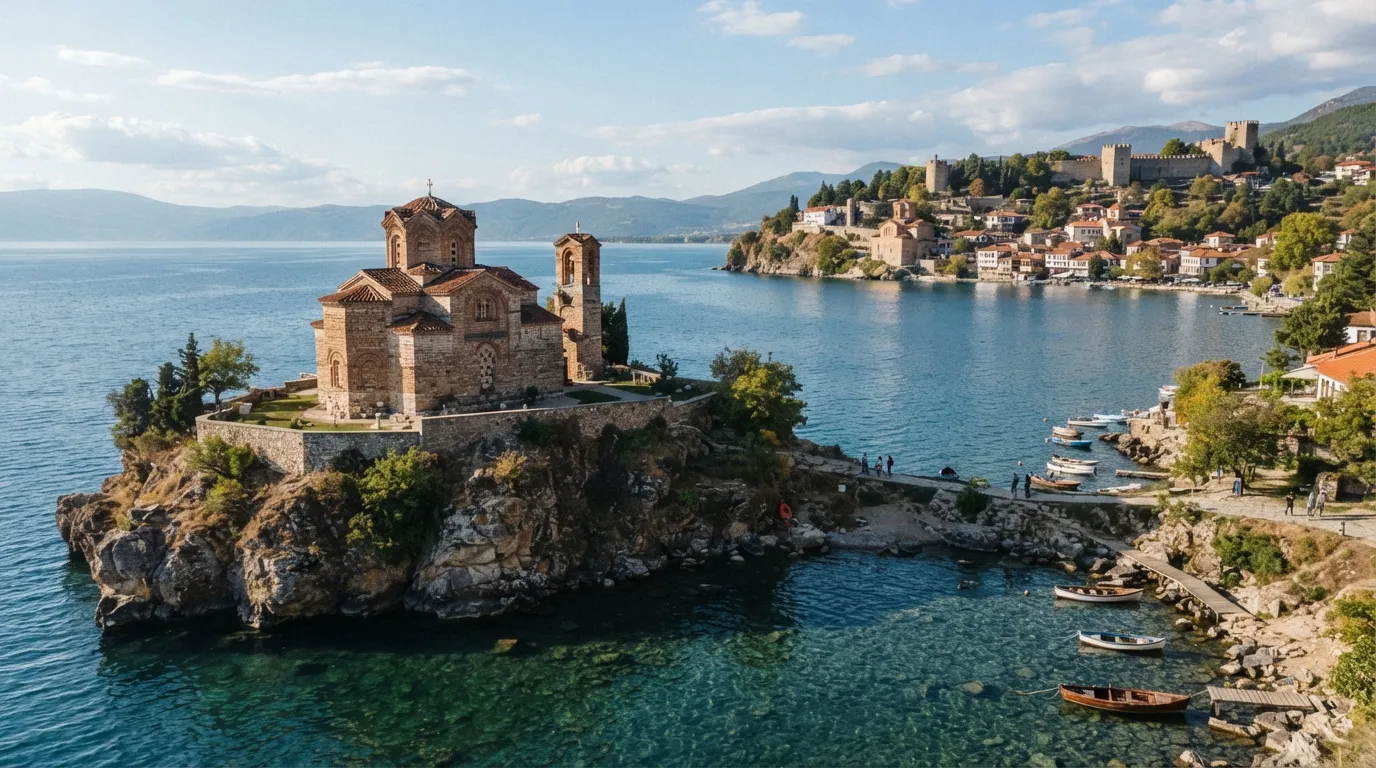
Ohrid sits on one of Europe’s oldest and deepest lakes, and the water looks impossibly clear. Both the town and the lake hold UNESCO status, for culture and for nature.
Hillsides here are packed with historic churches. The most photographed is St. John at Kaneo, a church on a cliff above the lake.
The lake is home to species found nowhere else, including the Ohrid trout. Above the old town, Samuel’s Fortress adds ramparts and sweeping views.
Why It Stands Out
- Town and lake both carry UNESCO status, for culture and for nature.
- St. John at Kaneo is perched on a cliff above the water.
- Samuel’s Fortress gives the old town ramparts and wide views.
- The lake shelters species found nowhere else.
International visitors remain light compared with neighboring Greece or Albania, so the pace stays relaxed. Next, a Czech town built on silver hides a chapel decorated with something you would never expect.
#2 – Kutná Hora, Czechia
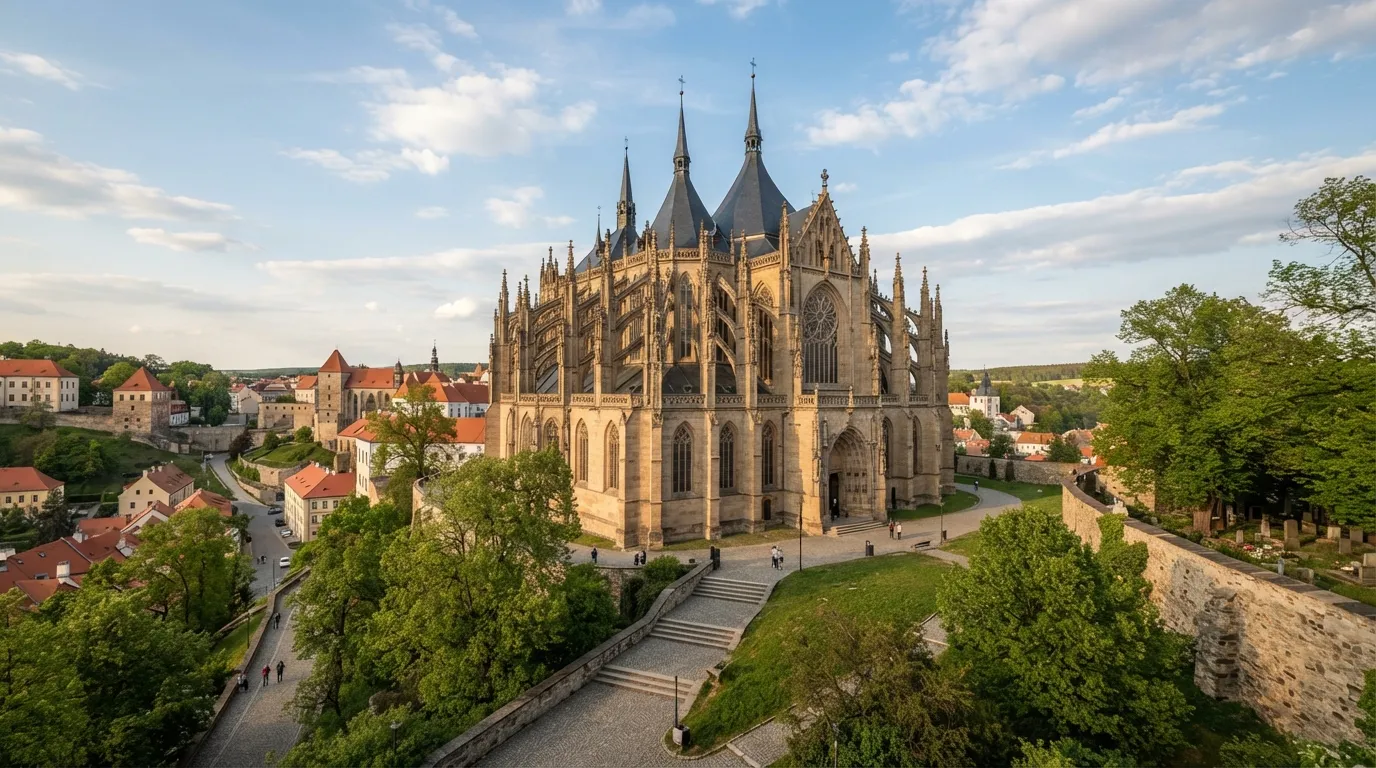
Some places make you gasp. Kutná Hora makes you gasp, then whisper. It is about an hour by train from Prague.
The town grew rich from medieval silver mines, and the wealth shows. The Gothic Church of St. Barbara, with its soaring flying buttresses, helped earn UNESCO recognition in 1995.
Then there is the Sedlec Ossuary, a chapel decorated with the bones of an estimated tens of thousands of people. A woodcarver, František Rint, arranged them in 1870, including a huge chandelier of bones.
Wander the market square and the old mint district afterward, and you see how much money once flowed through here. Many day-trippers stop only for the ossuary and miss the rest. The top spot has no bones or waterfalls, just a medieval village near Lyon where time seems to have stopped.
#1 – Pérouges, France
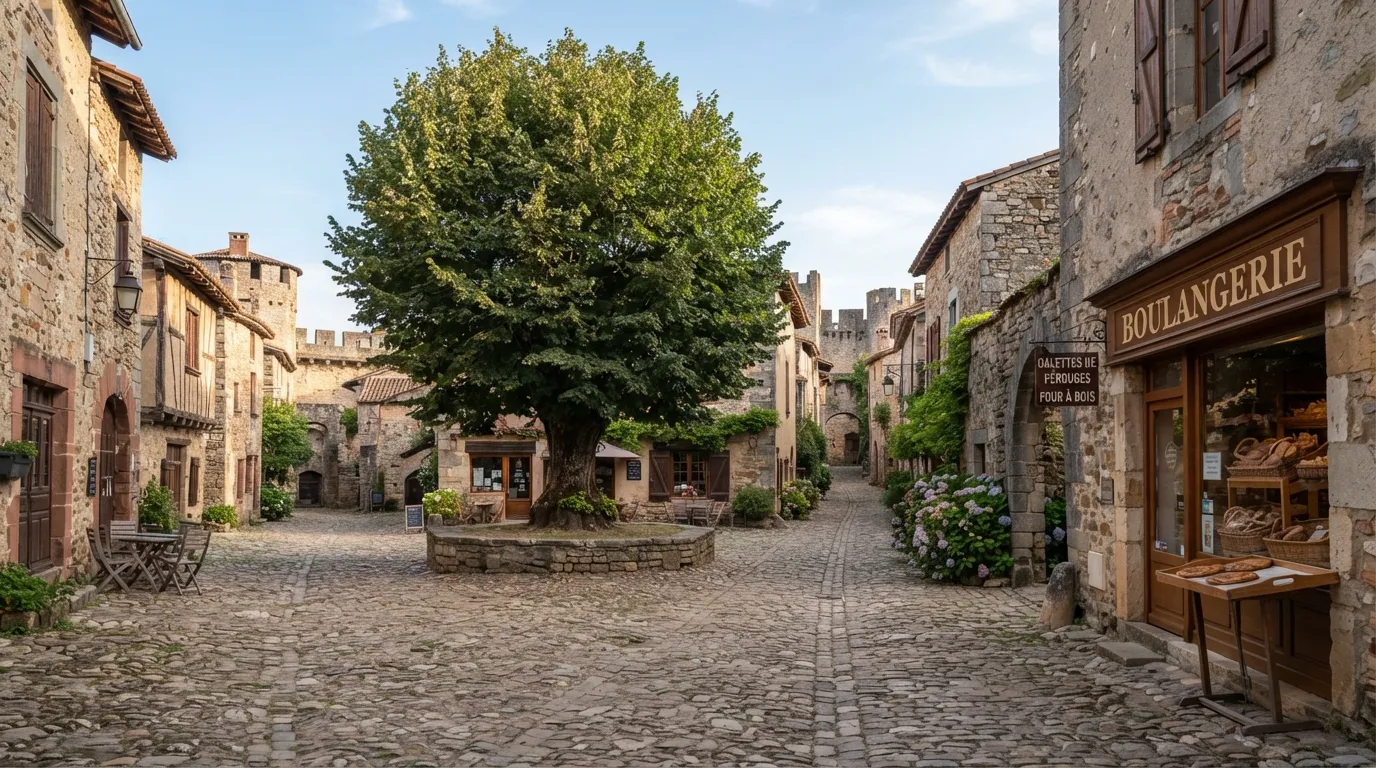
Step through the gate and the 21st century quietly disappears. Pérouges is a fortified medieval village about thirty minutes from Lyon, and it may be the best-kept secret in this entire countdown.
Once a prosperous center of linen weaving, the village still looks the part. Cobbled alleys wind between half-timbered houses, and the stone barely seems to have aged.
In the central square stands a lime tree planted in 1792, a Tree of Liberty from the French Revolution. Nearby, bakeries sell the warm sugar tart known as the galette de Pérouges.
The village has stood in for period films, and it is easy to see why. Artisans work in small shops, and families still live in the old stone houses.
Come back when the day-trippers leave, and the lanes feel like a movie set after the crew goes home. That is the real payoff: not a monument, but a living, breathing past.
From a ghost town in Basilicata to a village that still looks medieval, these eighteen places share one thing: they sit within easy reach of the famous names. The magic is rarely far away. It is usually one tunnel, one local train or one wrong turn from the postcard spot.
The next time a famous city feels too crowded, look at the map around it. Somewhere nearby, a waterfall, a silent island or a painted church is probably waiting for a visitor who took the long way.